Common Yarrow
Achillea millefolium
Last reviewed: September 2026
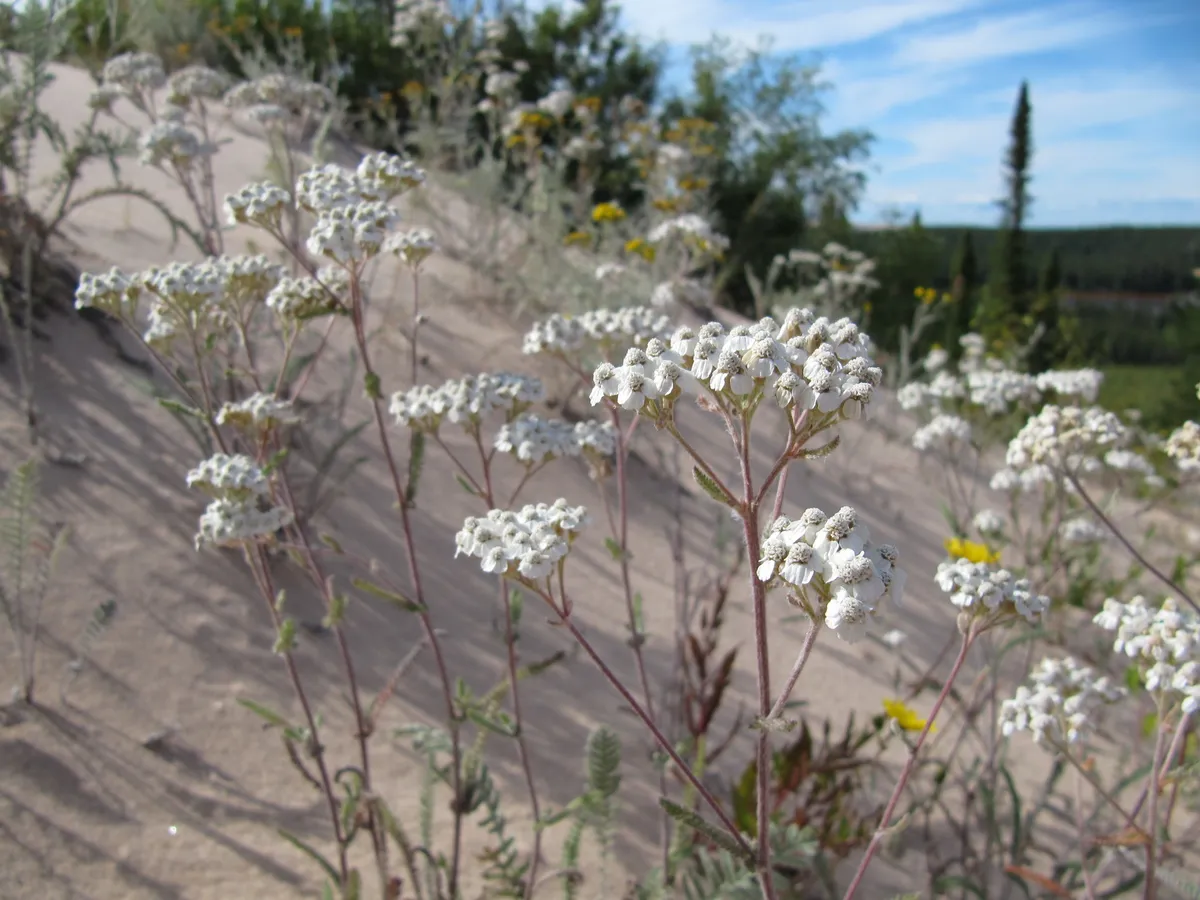
Common yarrow is a drought tolerant forb that blooms from March through November in open meadows, roadsides and prairies, attracting butterflies and bees with flat clusters of small white flowers.
Common Yarrow is toxic to dogs and cats.
Listed as toxic by the ASPCA Animal Poison Control Center (opens in new tab) (last reviewed 2026-05-21). If your pet has been exposed, call the ASPCA Animal Poison Control Center at (888) 426-4435and your veterinarian's emergency line.
Pollinator Patch flags toxic plants so you can choose a pet-safe native alternative for your yard.
Common Yarrow is listed as toxic to grazing livestock (cattle, sheep, and goats) at a slight level by the USDA PLANTS Database (opens in new tab). This is a livestock indicator and is separate from pet toxicity.
Light
full sun
Water
medium
Size
12"–36" H × 12"–24" W
Bloom
Mar, Apr, May, Jun, Jul, Aug, Sep, Oct, Nov
Native to
AL, AR, AZ, CA and 40 more states
Pollinators
butterflies, bees
Before you buy
Your city may pay you to plant this
Cities and water utilities offer rebates for replacing lawn with native and water-wise plants. We track 452 programs across 44 states, each with a link to the provider and the date we last checked it.
Find rebates in your areaBrowse plants for this ecoregion
Common Yarrow is a hardy perennial with feathery, fern-like foliage and flat-topped clusters of small white flowers. It blooms for an exceptionally long season from spring through fall, creating a reliable display in sunny gardens. The plant forms neat clumps that spread gradually and requires minimal care once established.
Growing Common Yarrow
Grow Common Yarrow in full sun and medium water. Mature plants reach 12 to 36 inches tall and spread 12 to 24 inches wide. Expect low maintenance to keep it looking intentional in a front yard.
How to care for Common Yarrow, by region
How to care for Common Yarrow where it is actually grown: year-round basics plus what to do each season, region by region, with the sources for each.
Care guidance last updated: September 2026
Central Appalachians (includes Johnstown, PA)
Year-round
Common yarrow does well in the Central Appalachians around Johnstown once it gets past its first season. The area's rocky, acidic mountain soil, the kind that struggles to grow a lush lawn, actually suits this plant, since yarrow prefers lean, well drained ground over rich garden beds. Give new plants a deep watering about once a week for the first few months while roots settle in. After that, established yarrow needs very little water and can coast through a dry stretch of summer without help. A thin layer of mulch, no more than an inch, holds moisture without smothering the crown through the region's humid summers. The most common mistake here is planting yarrow in rich, damp soil or watering it like a typical perennial, which leads to floppy stems and root rot. Keep in mind this plant is toxic to dogs, cats, and horses per the ASPCA, so place it where grazing pets cannot reach it.
- Pick a full sun spot with lean, well drained soil, the rocky acidic ground common here works fine.
- Water about once a week for the first growing season, then only during extended dry spells.
- Keep mulch to about 1 inch so the crown does not stay wet through humid summers.
- Divide crowded clumps every 3 to 4 years to keep the patch healthy and blooming.
- Plant it away from spots dogs, cats, or horses can graze, since yarrow is toxic to them per the ASPCA.
Deadhead spent blooms and thin crowded clumps so this spreading plant reads as tidy and HOA-friendly at the front of a bed instead of weedy.
Fall
Fall frost arrives earlier here than in most of Pennsylvania because of the elevation, with real frost risk starting in early October and a hard freeze likely by the end of the month. Divide or transplant yarrow by mid-September so new roots have time to settle before the ground cools. Once frost blackens the foliage, cut the plant back to a few inches to keep the bed tidy through winter. You can leave a few seed heads standing if you want volunteer seedlings next year, or deadhead earlier to keep the patch from spreading further. Skip fertilizing in fall, this plant heads into winter fine on the lean soil already in the ground. New fall divisions still need weekly water until the soil starts to freeze.
- Divide or transplant by mid-September so roots settle before frost, which typically arrives in October here.
- Cut plants back to a few inches once frost blackens the foliage.
- Leave a few seed heads standing for volunteers, or deadhead earlier to limit spread.
- Skip fall fertilizer, yarrow heads into winter fine on lean native-style soil.
- Water new fall divisions weekly until the ground starts to freeze.
Cutting plants back after frost keeps the front bed looking neat through winter instead of leaving tall brown stalks standing.
Winter
Winters in the Johnstown area are cold, with lows regularly dropping into the teens and below, and this higher-elevation part of the Central Appalachians sits in USDA zone 6a. Yarrow dies back to a low rosette and a mat of hardy rhizomes underground, which handles zone 6a winters without trouble once the plant is established. Established plants do not need winter mulch, they are built to take Johnstown's snow and freeze-thaw cycles on their own. Stop watering once the ground freezes, since dormant roots are not using it. If you divided or transplanted in fall, a light layer of straw over those younger plants helps them through their first winter only. Try not to pile snow or walk repeatedly on the same low spot, since a compacted, soggy crown is more likely to rot than one left alone.
- Expect the plant to die back to a low rosette and hardy rhizomes, built for zone 6a winters.
- Skip winter mulch on established plants, they handle snow and freeze-thaw cycles on their own.
- Stop watering once the ground freezes, dormant roots do not need it.
- Mulch new fall divisions lightly with straw for their first winter only.
- Avoid piling snow or repeated foot traffic on the same low spot, a soggy compacted crown is more likely to rot.
Spring
Spring comes late to this part of the Central Appalachians because of the higher elevation, so hold off on new plantings until the frost risk passes. The average last frost in the Johnstown area lands in the first half of May, weeks later than lower-elevation parts of Pennsylvania. This is the best window to divide any yarrow clump that has been in the ground 3 or more years, since it resets crowded roots before the summer heat arrives. New spring shoots can take a light late frost without real damage once the plant is established. Skip fertilizer here, the region's naturally lean, rocky soil is exactly what yarrow wants, and rich feeding just produces weak, floppy growth. Only water if a spring stretch goes a week or more without rain.
- Wait until after the last frost, typically early-to-mid May here, before planting new yarrow.
- Divide overcrowded 3-plus-year-old clumps in early spring before new growth gets tall.
- Skip fertilizer, the region's lean rocky soil is already what yarrow wants.
- Do not worry about a light late-spring frost on established plants, they shrug it off.
- Water only if spring rain skips a week or more.
Summer
Summers at this elevation in the Central Appalachians stay shorter and more humid than the Pennsylvania lowlands, and yarrow hits its peak bloom right through this stretch, usually June into August. Deadheading spent flower clusters pushes out a second flush of blooms and keeps the plant from putting all its energy into seed. Established yarrow shrugs off the humidity and rarely needs extra water, even during a dry August week, thanks to those deep, drought-tolerant roots. Give plants some breathing room, since crowded clumps in a humid stretch can occasionally develop powdery mildew. Heavy watering during muggy weeks does more harm than good here, a wet crown invites stem rot faster than dry soil ever causes a problem.
- Expect peak bloom from June through August in this cooler, shorter mountain summer.
- Deadhead spent flower clusters to encourage a second round of blooms.
- Hold off on watering unless a dry stretch runs a week or two, established roots handle summer fine.
- Give plants airflow and space, crowded humid clumps can occasionally get powdery mildew.
- Avoid heavy watering during humid weeks, a wet crown causes more trouble than dry soil.
Sources: ASPCA Toxic and Non-Toxic Plants: Yarrow, NC State Extension Gardener Plant Toolbox: Achillea millefolium, US EPA Level III Ecoregion 69 (Central Appalachians) Field Notes, Frost Dates for Johnstown, Pennsylvania - Garden.org (community tip), Johnstown, Pennsylvania Hardiness Zones (community tip)
Central California Foothills and Coastal Mountains (includes San Francisco, CA)
Year-round
Common yarrow is a low-water perennial that is genuinely native along the coastal San Francisco Bay Area, so it can lean on the same lean, well-drained conditions it evolved with here.
- Give it full sun near the coast and let soil dry between waterings, it does not want rich, wet ground.
- Once established it needs very little irrigation, a fit for HOA-friendly low-water front yards.
- The ferny foliage stays low and can be trimmed to keep a tidy, uniform look along a bed edge or walkway.
- The ASPCA lists yarrow, under the name Milfoil, as toxic to dogs and cats, so keep it away from spots where pets tend to chew garden foliage.
Fall
As bloom slows heading into fall, yarrow foliage stays low and mostly green through the mild Bay Area fall.
- Fall is another good window to cut back spent flower stalks and divide any overgrown clumps before the rainy season.
- The lean, well-drained conditions this plant prefers mean fall's first rains are usually enough, no extra watering needed for established plants.
- Foliage tends to stay green through fall in this mild coastal climate rather than dying back.
Cutting back spent stalks before the rainy season keeps a front bed looking tended through fall.
Winter
In San Francisco's mild, mostly frost-free winter, yarrow stays low and green rather than going fully dormant.
- Winter rain is typically all the water established yarrow needs here, avoid extra irrigation on top of already-wet soil.
- Low winter growth means the bed keeps a tidy, uniform look without much upkeep.
- New growth picks back up as days lengthen into spring.
Spring
In the Bay Area's mild spring, yarrow pushes up fresh ferny growth and can be divided before clumps get crowded.
- Cut back any winter-tattered foliage to make room for the new spring growth.
- Spring, before flower stalks get tall, is a good time to divide a crowded clump and replant the divisions elsewhere in the bed.
- Watch for the first flat white or pink flower clusters to open as days warm.
A tidy spring cutback keeps a street-facing bed looking cared for right as the block starts noticing yards again.
Summer
Summer is yarrow's main bloom season in coastal California, with flat clusters of white or pink flowers held over the ferny foliage.
- Even through summer, established plants here need very little extra water once coastal fog sets in.
- Deadheading spent flower clusters can stretch the bloom period and keeps the plant looking neat.
- The Lady Bird Johnson Wildflower Center notes this species has special value to native bees, drawing pollinators to the flat flower heads.
Deadheading through the bloom season keeps a front-facing bed looking maintained for curb appeal.
Sources: Calflora - Achillea millefolium, Las Pilitas Nursery - Achillea millefolium var. californica (coastal communities), Lady Bird Johnson Wildflower Center - Achillea millefolium, ASPCA Poison Control - Milfoil (Achillea millefolium)
Chihuahuan Deserts (includes El Paso, TX)
Year-round
Common yarrow is a tough, low-water native that fits dry El Paso yards, and it is native to the Chihuahuan Deserts region of Texas. It makes flat white flower clusters on ferny gray-green leaves and handles poor, rocky soil once its roots settle in.
- Native to the Chihuahuan Deserts region of Texas per the Native Plant Society of Texas, so it belongs in an El Paso native planting.
- Give it full sun to a little afternoon shade and dry, well-drained soil. It rots in soggy ground, so skip low spots that stay wet.
- Rated high drought tolerance by the Lady Bird Johnson Wildflower Center, which means very little watering once established.
- Flat-topped white flower clusters draw bees and butterflies without needing much care.
The low, tidy mound of ferny foliage and flat white flowers reads as an intentional planting, not a weedy patch, which helps with front-yard curb appeal.
Fall
Cooler fall weather brings yarrow back to life in the El Paso area. It is a good time to divide crowded clumps and let them root before winter.
- Divide a wide, crowded clump every two or three years in fall to keep it vigorous. Dig it up, split into chunks, and replant.
- Cut back tired flower stems, or leave a few seed heads standing for birds and winter interest.
- Fall planting works here too, since roots grow in the mild soil before the cold sets in.
- Water new divisions until they settle, then let the soil dry between waterings.
Winter
Yarrow is hardy through El Paso winters and often keeps a low rosette of ferny leaves. It needs almost nothing from you in the cold months.
- Leave the low basal rosette alone through winter. It shelters the crown and greens up fast in spring.
- Water only during a long dry warm spell. Cold, wet soil is the main thing that hurts yarrow.
- Hold off on heavy pruning until late winter or early spring so old growth protects the crown.
- No fertilizer needed. Yarrow overwinters fine on lean desert soil.
Spring
Spring is when yarrow wakes up and puts on fresh ferny growth in the El Paso desert. This is the best time to plant it and let roots grow before the summer heat.
- Plant new yarrow in early spring so roots establish during the milder weeks.
- Water a new plant every few days at first, then back off as it takes hold. Established yarrow wants dry soil.
- First flat white flower clusters usually open in mid to late spring here.
- Skip fertilizer. Yarrow flops and gets leggy in rich soil, and it does better lean.
Summer
In the hottest El Paso weeks yarrow may slow down or go partly dormant. That is normal for this cool-temperate plant at the edge of the desert, and a little afternoon shade helps it stay green.
- Yarrow can go summer-dormant in intense heat and green back up when it cools, per the Wildflower Center and Forest Service. Do not assume a fading plant is dead.
- Deadhead spent flower clusters to keep it tidy and sometimes get a light second flush.
- A deep soak every week or two during a heat wave and light afternoon shade will hold its leaves greener.
- Yarrow is toxic to dogs, cats, and horses per the ASPCA Animal Poison Control Center plant database, so place it away from spots pets graze. ASPCA hotline: (888) 426-4435.
Sources: Native Plant Society of Texas, Achillea millefolium, Lady Bird Johnson Wildflower Center, Achillea millefolium, USDA Forest Service FEIS, Achillea millefolium, Clemson Cooperative Extension HGIC, Yarrow, ASPCA Animal Poison Control, Yarrow
Cross Timbers (includes Fort Worth, TX)
Year-round
Common yarrow is a native perennial that thrives in the Cross Timbers around Fort Worth. It handles the mix of sandy and clay soils here and needs little water once settled in.
- Listed by the Native Plant Society of Texas as native to the Cross Timbers ecoregion, so it fits a Fort Worth native bed.
- Grows in a range of soils, from sandy to clay loam, in full sun to part shade.
- High drought tolerance per the Lady Bird Johnson Wildflower Center means light watering after the first season.
- Its flat white flower heads feed bees and butterflies across the growing season.
Yarrow's neat ferny mound and flat flowers give a groomed look that fits a tidy Fort Worth front yard.
Fall
Fall is the time to divide crowded yarrow and refresh the planting in the Cross Timbers. Cooler weather helps divisions root.
- Divide clumps every two or three years in fall to keep them vigorous and blooming.
- Cut back finished stems, or leave a few seed heads standing for birds.
- Fall planting works well here, giving roots time in warm soil before winter.
- Water divisions until they settle in, then reduce watering.
Winter
Yarrow is hardy through Cross Timbers winters and usually holds a low ferny rosette. It needs very little attention.
- Leave the basal rosette through winter to protect the crown and give quick spring regrowth.
- Water only in a long dry warm spell. Wet, cold soil is what harms it.
- Wait until late winter to cut old stems back.
- No fertilizer required over winter.
Spring
Spring is the main growth and planting season for yarrow in the Cross Timbers. Fresh ferny leaves fill in and the first flowers arrive.
- Plant in spring and water regularly for the first few weeks while roots establish.
- First flat white flower clusters usually open in mid to late spring.
- Do not fertilize. Rich soil makes yarrow floppy, and the leaner Cross Timbers soils keep it sturdy.
- Pull competing weeds early so the young clump can fill in.
Summer
Yarrow blooms into summer in the Cross Timbers, and deadheading keeps it flowering longer. It rides out the heat on little water.
- Deadhead spent clusters to keep it neat and encourage a second flush of flowers.
- Water deeply every week or two in a dry summer stretch, then let the soil dry out.
- It may go partly dormant in extreme heat and green back up when it cools.
- Yarrow is toxic to dogs, cats, and horses per the ASPCA Animal Poison Control Center plant database. Site it away from where pets graze. ASPCA hotline: (888) 426-4435.
Sources: Native Plant Society of Texas, Achillea millefolium, Lady Bird Johnson Wildflower Center, Achillea millefolium, Clemson Cooperative Extension HGIC, Yarrow, ASPCA Animal Poison Control, Yarrow, USDA Forest Service FEIS, Achillea millefolium
East Central Texas Plains (includes College Station, TX)
Year-round
Common yarrow is a native perennial documented in the East Central Texas Plains, the Post Oak Savanna around College Station. It grows in the region's sandy loams and takes drought in stride.
- Listed by the Native Plant Society of Texas as native to the East Central Texas Plains, so it fits a College Station native bed.
- Does well in the sandy loam soils common to the Post Oak Savanna, in full sun to part shade.
- High drought tolerance per the Lady Bird Johnson Wildflower Center means minimal watering after establishment.
- Flat white flower clusters draw bees and butterflies through the season.
The tidy ferny mound and flat flowers read as a deliberate planting rather than a weed, which helps in a groomed front yard.
Fall
Cooler fall weather is the time to divide and refresh yarrow in the Post Oak Savanna. Divisions root well before winter.
- Divide crowded clumps every two or three years in fall to keep them healthy.
- Cut back tired stems, or leave a few seed heads for birds.
- Fall planting works well here while the soil is still warm.
- Water divisions until established, then ease off watering.
Winter
Yarrow is hardy through Post Oak Savanna winters and usually holds a low green rosette. It asks for very little.
- Leave the basal rosette through winter to protect the crown and speed spring regrowth.
- Water only in a long dry warm spell. Cold, soggy soil is the real risk.
- Wait until late winter to cut back old stems.
- No winter fertilizer needed.
Spring
Spring brings the main growth and first flowers to Post Oak Savanna yarrow. Plant while conditions are mild.
- Plant in spring and water for the first few weeks while roots establish.
- First flat white flower clusters open in mid to late spring.
- Do not fertilize. The sandy loam here keeps yarrow compact when left lean.
- Weed around the young clump so it can fill in.
Summer
Yarrow blooms into summer in the Post Oak Savanna and handles the heat on little water. Deadheading keeps it neat.
- Deadhead spent clusters to tidy the plant and encourage a second flush.
- Water deeply every week or two in a dry stretch, then let the sandy soil dry.
- It may slow or go partly dormant in peak heat and rebound as it cools.
- Yarrow is toxic to dogs, cats, and horses per the ASPCA Animal Poison Control Center plant database. Keep it clear of pet grazing spots. ASPCA hotline: (888) 426-4435.
Sources: Native Plant Society of Texas, Achillea millefolium, Lady Bird Johnson Wildflower Center, Achillea millefolium, Clemson Cooperative Extension HGIC, Yarrow, USDA Forest Service FEIS, Achillea millefolium, ASPCA Animal Poison Control, Yarrow
Edwards Plateau (includes San Antonio, TX)
Year-round
Common yarrow is a native perennial well suited to the rocky, alkaline soils of the Edwards Plateau near San Antonio. It shrugs off drought and heat once its roots are established.
- Native to Texas and common statewide on dry soils per the Lady Bird Johnson Wildflower Center, and it grows well on the Hill Country's thin limestone soils.
- Tolerant of the region's alkaline, calcium-rich soil, with a medium calcium carbonate tolerance rating.
- Wants full sun to part shade and dry, well-drained ground. It resents wet feet.
- Flat white flower clusters are a magnet for bees and butterflies in a Hill Country native bed.
The compact ferny foliage and flat blooms look intentional and groomed, which suits an HOA-conscious San Antonio front yard.
Fall
Cooler fall weather refreshes yarrow on the Edwards Plateau and is the right time to divide clumps. Divisions root well before winter.
- Divide crowded clumps every two or three years in fall to keep them strong.
- Cut back tired stems, or leave a few seed heads for birds and winter texture.
- Fall is a solid planting window on the plateau since roots grow in warm soil.
- Water new divisions until established, then cut back watering.
Winter
Yarrow is evergreen to semi-evergreen through mild Edwards Plateau winters, often holding a low green rosette. It needs little care.
- Leave the basal rosette alone over winter. It shelters the crown and greens up fast.
- Water only in a long dry warm spell. Cold, soggy soil is the main threat.
- Wait until late winter to trim old flower stems.
- No winter fertilizer needed.
Spring
Spring is peak growth and bloom time for yarrow on the Edwards Plateau. Plant now while the weather is mild.
- Set out plants in spring and water every few days until roots take hold.
- Bloom starts here in late April to early July, on the earlier side for Texas.
- Skip fertilizer. The lean limestone soil keeps yarrow compact and upright.
- Give it space to spread slowly from the crown over the years.
Summer
Yarrow winds down its main bloom by early summer on the plateau, then coasts through the heat. Deadheading keeps it tidy and can nudge a second flush.
- Deadhead spent flower clusters to keep the plant neat and get more blooms.
- Water deeply every week or two during a dry, hot stretch, then let it dry out.
- A little afternoon shade and occasional water keep the foliage greener through August.
- Yarrow is toxic to dogs, cats, and horses per the ASPCA Animal Poison Control Center plant database. Keep it away from pet grazing spots. ASPCA hotline: (888) 426-4435.
Sources: Lady Bird Johnson Wildflower Center, Achillea millefolium, Native Plant Society of Texas, Achillea millefolium, ASPCA Animal Poison Control, Yarrow, Clemson Cooperative Extension HGIC, Yarrow, USDA Forest Service FEIS, Achillea millefolium
High Plains (includes Lubbock, TX)
Year-round
Common yarrow is a native, drought-tough perennial that suits the dry, windy High Plains around Lubbock. Its ferny foliage and flat white flowers hold up in lean soil and full sun.
- Native to Texas and common on dry disturbed soils statewide per the Lady Bird Johnson Wildflower Center, which covers the High Plains.
- Wants full sun and dry, well-drained soil. It handles the sandy and clay-loam soils common across the Llano Estacado.
- High drought tolerance means it gets by on rainfall most of the year once roots are down.
- Its flat flower heads are a landing pad for bees and butterflies in an open prairie-style planting.
A mowed edge or a defined border keeps a yarrow patch looking deliberate rather than volunteer, which reads well from the street.
Fall
Cooler fall days are the time to divide and tidy yarrow on the High Plains. Divisions root well before winter.
- Divide crowded clumps every two or three years in fall to keep them healthy and blooming.
- Trim spent stems, or leave some seed heads for birds and a bit of winter texture.
- Fall is a good planting window here since roots grow while the soil is still warm.
- Water new plants and divisions until established, then ease off.
Winter
Yarrow is fully hardy through cold, windy High Plains winters and usually keeps a low green rosette. It asks for almost nothing.
- Leave the basal rosette in place through winter to protect the crown.
- Water only in a long, dry, warm winter spell. Soggy cold soil is the real risk.
- Wait until late winter to cut back old flower stems so they shield the plant from wind.
- Skip fertilizer. Yarrow overwinters fine on its own.
Spring
Spring brings fresh ferny growth and the first flowers to High Plains yarrow. Plant now so roots grow ahead of the hot, dry summer.
- Set out new plants in spring and water every few days until they take hold.
- Expect the first flat white flower clusters from mid to late spring.
- Do not fertilize. Lean High Plains soil actually keeps yarrow compact and upright.
- Space plants with room to spread, since yarrow slowly creeps outward from the crown.
Summer
Yarrow blooms through early summer on the High Plains, then may coast through the hottest, driest stretch. Deadheading keeps it looking neat.
- Cut off faded flower clusters to tidy the plant and sometimes trigger a second, lighter bloom.
- A deep soak every week or two during a drought stretch keeps foliage green, but it survives on less.
- It may slow or partly go dormant in peak heat, then rebound. A quiet-looking plant is not a dead one.
- Yarrow is toxic to dogs, cats, and horses per the ASPCA Animal Poison Control Center plant database. Keep it clear of areas where pets graze. ASPCA hotline: (888) 426-4435.
Sources: Lady Bird Johnson Wildflower Center, Achillea millefolium, Native Plant Society of Texas, Achillea millefolium, ASPCA Animal Poison Control, Yarrow, Clemson Cooperative Extension HGIC, Yarrow, USDA Forest Service FEIS, Achillea millefolium
Middle Atlantic Coastal Plain (includes Philadelphia, PA)
Year-round
Common yarrow is a tough, low-water perennial that grows well in the Philadelphia area even though it is not native to this region.
- It wants full sun and lean, well-drained soil, rich or heavy wet clay can make the flower stalks flop over.
- Once established it tolerates dry spells well and needs little supplemental watering.
- The ASPCA lists yarrow, under the name Milfoil, as toxic to dogs and cats, so keep it out of reach of pets that like to chew garden foliage.
Fall
As bloom winds down going into a Philadelphia fall, yarrow foliage stays low, this is a good window for cutting back and dividing before winter.
- Cut back spent flower stalks in fall to keep the bed tidy heading into winter.
- Fall is a good, low-stress time to divide crowded clumps here, giving new divisions time to root before the ground freezes.
- Established plants need little extra water once fall rains pick up.
A fall cutback keeps the front bed tidy heading into winter.
Winter
Philadelphia winters bring hard freezes that yarrow foliage dies back from, but the roots are hardy and it returns in spring.
- Foliage will brown and die back after freezing weather, this is normal and not a sign the plant is failing.
- Leaving the dried foliage in place over winter is fine, it can be cleared in early spring instead.
- No winter watering is needed, the dormant crown handles freezing temperatures well in this region.
Spring
In the Philadelphia area's cooler spring, yarrow puts up new ferny foliage and can be divided before it gets crowded.
- Cut back winter-worn foliage in early spring to clear the way for fresh growth.
- Once the ground has thawed and dried out a bit, spring is a good time to divide an overgrown clump.
- Avoid a low spot that stays soggy after spring rains, yarrow does not like wet feet.
A spring cutback keeps a front-facing bed looking cared for early in the season.
Summer
Summer is when Philadelphia-area yarrow blooms, with flat clusters of white or pink flowers over ferny leaves.
- Deadhead spent flower clusters to keep the plant blooming and looking neat through summer.
- It handles the region's humid summers reasonably well as long as the soil drains, standing water or crowded, humid foliage can invite fungal problems.
- The Lady Bird Johnson Wildflower Center notes this species has special value to native bees, so the flower clusters draw in pollinators here too.
Regular deadheading through summer keeps a street-facing bloom display looking neat.
Sources: Lady Bird Johnson Wildflower Center - Achillea millefolium, ASPCA Poison Control - Milfoil (Achillea millefolium)
Puget Lowland (includes Seattle, WA)
Year-round
Common yarrow is a rugged, low-maintenance perennial with feathery, fern-like leaves and flat clusters of small white flowers. In the Puget Sound area it does well in full sun to light shade with dry to medium moisture, and it spreads by underground stems once it settles in. It holds up well through our dry summers with little extra water and draws butterflies and native bees. Keep it out of reach of pets, it is listed as toxic to dogs and cats by the ASPCA.
- Plant in full sun to light shade with well drained soil.
- Water only occasionally once established, yarrow tolerates dry conditions well.
- Divide crowded clumps every 2 to 3 years to keep the patch healthy.
- Deadhead spent flower clusters to encourage more blooms.
- Keep it out of areas pets can reach, yarrow is toxic to dogs and cats.
Once established, yarrow spreads and its stems can flop in rich or moist soil. Dividing clumps and a mid season trim keep it looking tidy and HOA-friendly rather than sprawling.
Fall
As blooms fade in fall, cutting the plant back to a few inches of basal foliage tidies it up and helps it fill in fuller next year. Fall is also a good second window for dividing clumps if that did not happen in spring. Once fall rains return, established plants need little to no extra water.
- Cut spent flower stems back to the basal foliage once blooming winds down.
- Divide congested clumps in fall as an alternative to spring division.
- Let fall rains take over watering, supplemental water is usually not needed.
- Remove faded seed heads if you want to limit self seeding and control how far it spreads.
Cutting back spent stems before winter keeps the bed from looking messy through the wet months and limits how far yarrow spreads into the lawn or walkway.
Winter
Yarrow mostly goes dormant in winter here, with top growth thinning back after a fall cutback and new leaves waiting to resume from the base once temperatures warm. Our wet, mild winters rarely bring hard freezes, and this plant is hardy across a wide range of winter climates, so the roots generally come through without any protection. There is little to do this time of year beyond leaving the bed alone until spring.
- Expect the plant to sit mostly dormant, with minimal visible top growth.
- No watering or fertilizing needed during the winter months.
- No winter protection is typically needed in the mild Pacific Northwest winters.
- Avoid walking on or compacting the dormant crown while it rests.
Spring
Early spring is the best time to divide overgrown yarrow clumps and to plant new starts once the soil has drained from winter rain. New basal leaves push up quickly, and clearing away any old flower stems left over winter gives the plant room to fill in. Skip the fertilizer, since rich soil is exactly what makes yarrow stems flop later in the season.
- Divide crowded clumps in early spring, before new growth gets tall, to renew the patch.
- Plant new starts or divisions once the soil has drained after winter rain.
- Cut back any leftover flower stems from last year to make room for fresh basal growth.
- Skip the fertilizer, yarrow does best in average to lean soil and can flop in rich soil.
A spring cleanup and division keeps last year's dead stems from lingering in view and sets the plant up to grow in a tidy, HOA-friendly mound instead of a sprawling patch.
Summer
Summer is peak bloom, with flat clusters of small white flowers that draw butterflies and native bees. Yarrow handles our dry summers well and usually only needs water during an extended dry stretch. Deadheading spent blooms keeps new flowers coming, and cutting stems back partway helps control the floppy growth that can happen in richer or wetter soil.
- Water only during extended dry spells, established yarrow tolerates drought well.
- Deadhead spent flower clusters regularly to encourage more blooms through summer.
- If stems start to flop or lean, cut them back by about a third to tidy the plant and prompt fresh growth.
- Watch for butterflies and native bees visiting the flower clusters at peak bloom.
Floppy, leaning stems are the main reason yarrow can look unkempt from the street. A midsummer trim after the first flush of bloom keeps a front yard looking maintained and HOA-conscious.
Sources: Milfoil (Achillea millefolium), ASPCA Toxic and Non-Toxic Plant List, Achillea millefolium, Washington Native Plant Society Native Plant Directory, Yarrow (Achillea millefolium), King County Native Plant Guide, Achillea millefolium 'Moonshine', Missouri Botanical Garden Plant Finder, Achillea millefolium, NC State Extension Gardener Plant Toolbox
South Central Plains (includes Beaumont, TX)
Year-round
Common yarrow is a native Texas perennial that can grow in the Piney Woods around Beaumont, and the Wildflower Center shows it in the Nacogdoches area. Success here depends on a sunny, well-drained spot away from the wet, acidic woodland soils.
- Native to Texas and displayed as far east as Nacogdoches by the Lady Bird Johnson Wildflower Center, so it can fit an East Texas planting.
- Give it the sunniest, best-draining spot you have. Yarrow struggles in shady, wet Piney Woods soil.
- Full sun keeps it from getting leggy, and good drainage prevents crown rot in the region's rain.
- Flat white flower clusters draw bees and butterflies when the plant is happy.
In a sunny, well-drained bed the tidy ferny mound reads as an intentional planting, which suits a Beaumont front yard.
Fall
Cooler, drier fall weather is the friendliest stretch for Piney Woods yarrow. It is a good time to divide and plant.
- Fall is a strong planting and dividing window here, into a sunny, well-drained spot.
- Divide crowded clumps every couple of years to keep them vigorous.
- Cut back tired stems, or leave a few seed heads for birds.
- Water new plants sparingly until they take hold.
Winter
Winters are mild in the Piney Woods, so yarrow usually stays green and semi-active. Keeping it on the dry side is the main task.
- Yarrow typically holds a low green rosette through the mild Beaumont winter.
- Water rarely. Winter here is often wet enough, and standing water rots the crown.
- Do light grooming only. Save harder cutback for late winter.
- No winter fertilizer needed.
Spring
Spring is the main growth and bloom season for yarrow in the Piney Woods. Plant it into a sunny, well-drained spot while it is mild.
- Plant in spring in full sun and water lightly until roots establish.
- First flat white flower clusters open in mid to late spring.
- Do not fertilize. Lean, well-drained soil keeps yarrow upright and healthy.
- Give plants room for airflow to cut down on humidity-driven leaf spots.
Summer
Summer heat and humidity are hard on Piney Woods yarrow. Keeping it dry between rains and improving airflow matter most.
- Do not overwater. Summer rain plus watering rots the crown, so let the soil dry between soakings.
- Deadhead spent clusters and clear any mildewed leaves to keep air moving.
- It may go partly dormant in the heat and humidity, then bounce back in fall.
- Yarrow is toxic to dogs, cats, and horses per the ASPCA Animal Poison Control Center plant database. Keep it away from pet grazing areas. ASPCA hotline: (888) 426-4435.
Sources: Lady Bird Johnson Wildflower Center, Achillea millefolium, Native Plant Society of Texas, Achillea millefolium, Clemson Cooperative Extension HGIC, Yarrow, ASPCA Animal Poison Control, Yarrow, USDA Forest Service FEIS, Achillea millefolium
Southern California/Northern Baja Coast (includes Los Angeles, CA)
Year-round
Yarrow is a great low-water plant for the Los Angeles area once its roots are down. The main jobs here are deep, occasional summer water, keeping soil lean so it stays upright, and managing how fast it spreads.
- Establishment: water a new plant deeply about once a week through its first dry season, then taper off. After the first year it gets by on very little, which suits LA's dry summers.
- Once established, water deeply but rarely, maybe every 2 to 3 weeks in the hottest stretch. Frequent shallow water makes it floppy and short-lived.
- Skip fertilizer and rich amendments. Lean, fast-draining soil and full sun keep the stems stiff so you can usually avoid staking.
- It spreads by runners and self-seeds. Pull stray shoots and shear off spent flowers before they scatter seed if you want to keep it in bounds.
Fall
Fall in the LA area is mild and often the start of the wetter season. This is a good time to cut back tired growth and divide crowded clumps so they root before winter rains.
- Cut spent stems and worn foliage back to a few inches to freshen the plant heading into the cooler months.
- Divide crowded clumps now if the center has gone woody. Fall planting lets the divisions root in with the coming rains instead of the summer heat.
- Ease off any supplemental water as the season cools and rain returns, so the crown does not sit wet.
A fall cutback gives a clean, intentional look going into the cooler season and avoids the straggly appearance that can prompt a violation letter.
Winter
Winter is the mild, rainy season in the LA area, so yarrow needs almost nothing from you. Let the rains do the watering and just watch drainage.
- Turn off supplemental water. Winter rain is usually enough, and yarrow rots if the crown stays soggy in wet, heavy soil.
- No feeding needed. The plant rests or grows slowly through the mild winter and does not want a push now.
- If a rare frost hits, no cover is needed. Yarrow is hardy well below LA-area winter lows and bounces back on its own.
Spring
Spring is the big bloom season in the LA area, and it is also when yarrow spreads fastest. Enjoy the flowers, start deadheading, and pull runners that stray out of the bed.
- Deadhead the first flush of flower clusters as they fade to keep new blooms coming through spring.
- Pull or dig any runners creeping outside the planting. Spring growth is fast here, so check every few weeks.
- Give one or two deep soaks if the spring turns dry early, but do not overwater. The plant is building for a long dry summer ahead.
Deadheading the spring flush keeps the bed looking maintained rather than seedy, which is what reads as intentional to an HOA on a front-yard street.
Summer
Summer is hot and dry in the LA area. Yarrow rides it out with deep, infrequent water, and a mid-summer shear can refresh tired-looking plants for a second show.
- Water deeply but only every 2 to 3 weeks in the heat. Established yarrow is very drought-tolerant, so let the soil dry between soaks.
- When the flowers finish and the plant looks ragged, shear the stems back by about a third to trigger fresh growth and a possible second flush.
- Keep deadheading spent heads. This also cuts down on self-seeding, which is heavy if you let all the flowers ripen.
A mid-summer shear turns a tired, browning clump back into tidy green mounds, which keeps a front bed from looking neglected during the dry season.
Sources: The Old Farmer's Almanac yarrow growing guide (community tip), ASPCA toxic plant database yarrow entry, Horticulture.co.uk achillea pruning guide (community tip), Weekand how to cut back yarrow (community tip), Gardening Know How pruning a yarrow plant (community tip)
Southern Texas Plains (includes McAllen, TX)
Year-round
Common yarrow is a native Texas perennial that can grow in the South Texas Plains, though it is a cool-temperate plant living near its southern edge here. It does best in the milder months and with a bit of afternoon shade.
- Native to Texas and documented as far south as the Kingsville area by the Lady Bird Johnson Wildflower Center, so it can work in South Texas plantings.
- This is a cool-temperate species at its southern limit here, so expect it to look best in fall through spring and to rest in peak heat.
- Wants full sun to part shade and dry, well-drained soil. Afternoon shade helps in the McAllen heat.
- Flat white flower clusters bring in bees and butterflies during its active season.
When it is in active growth, the low ferny mound looks tidy and deliberate, which suits a front-yard planting.
Fall
Cooler fall weather is when yarrow bounces back in the South Texas Plains. It is the best time to plant or divide.
- Fall is the prime planting and dividing window here, since roots grow through the mild season.
- Divide crowded clumps every couple of years to keep them healthy.
- Cut back any old summer stems as fresh growth returns.
- Water new plants until they settle, then let the soil dry between waterings.
Winter
Winters are mild in the South Texas Plains, so yarrow often stays green and active through the season. This is one of its better stretches here.
- Yarrow usually stays evergreen through the mild McAllen winter, holding a low ferny rosette.
- Water only when a dry warm spell stretches on. Avoid keeping the soil wet.
- Light grooming is all it needs. Save any harder cutback for late winter.
- No fertilizer needed.
Spring
Spring is the strongest season for yarrow in the South Texas Plains before the heat builds. Plant in fall or early spring so it establishes in cool weather.
- Get plants in the ground in early spring or the prior fall so roots grow before summer.
- Blooms early here, from late April into early summer.
- Give it a spot with afternoon shade to buy it more comfortable weeks.
- Do not fertilize. Lean soil keeps it compact.
Summer
Summer is the hardest season for yarrow this far south. It commonly goes partly dormant in the heat, which is normal, and a fading plant is usually just resting.
- Expect summer dormancy or slowdown in the intense South Texas heat, per the Wildflower Center and Forest Service. Do not dig it up thinking it died.
- Afternoon shade and a deep soak every week or two help it hold some green leaves.
- Deadhead any spent flowers to keep it tidy going into the rest period.
- Yarrow is toxic to dogs, cats, and horses per the ASPCA Animal Poison Control Center plant database. Keep it away from where pets graze. ASPCA hotline: (888) 426-4435.
Sources: Lady Bird Johnson Wildflower Center, Achillea millefolium, Native Plant Society of Texas, Achillea millefolium, USDA Forest Service FEIS, Achillea millefolium, Clemson Cooperative Extension HGIC, Yarrow, ASPCA Animal Poison Control, Yarrow
Texas Blackland Prairies (includes Dallas, TX)
Year-round
Common yarrow is a native perennial documented in the Texas Blackland Prairies around Dallas. It handles the region's heavy clay soils and dry spells once established.
- Listed by the Native Plant Society of Texas as native to the Texas Blackland Prairies, so it belongs in a Dallas native planting.
- Tolerates the region's dense clay soil as long as the spot drains and does not stay soggy.
- High drought tolerance per the Lady Bird Johnson Wildflower Center means light watering after year one.
- Its flat white flower heads feed bees and butterflies in a prairie-style bed.
A defined border or mowed edge keeps a yarrow patch reading as an intentional planting, which helps curb appeal in a Blackland Prairie neighborhood.
Fall
Fall is the time to divide crowded yarrow and plant new ones on the Blackland Prairie. Cool weather helps roots settle.
- Divide clumps every two or three years in fall to keep them vigorous.
- Cut back finished stems, or leave a few seed heads for birds.
- Fall planting works well in the cooling clay soil before winter.
- Water divisions until they establish, then reduce watering.
Winter
Yarrow is hardy through Blackland Prairie winters and usually keeps a low ferny rosette. It needs almost nothing in the cold.
- Leave the basal rosette in place over winter to protect the crown.
- Water only during a long dry warm spell. Cold, wet clay is the main danger.
- Hold heavy pruning until late winter.
- No winter fertilizer needed.
Spring
Spring drives fresh growth and the first flowers on Blackland Prairie yarrow. Plant now while the soil is workable and mild.
- Plant in spring and water regularly for a few weeks while roots establish in the clay.
- First flat white flower clusters open in mid to late spring.
- Do not fertilize. Rich clay already carries plenty of nutrients, and lean conditions keep yarrow upright.
- Make sure the planting spot drains. Yarrow dislikes clay that holds standing water.
Summer
Yarrow blooms into summer on the Blackland Prairie and takes the heat with little water. Deadheading extends the show.
- Deadhead spent clusters to keep the plant tidy and encourage repeat bloom.
- Water deeply every week or two in a dry stretch, then let the clay dry out on top.
- It may go partly dormant in extreme heat and recover as things cool.
- Yarrow is toxic to dogs, cats, and horses per the ASPCA Animal Poison Control Center plant database. Keep it away from pet grazing areas. ASPCA hotline: (888) 426-4435.
Sources: Native Plant Society of Texas, Achillea millefolium, Lady Bird Johnson Wildflower Center, Achillea millefolium, Clemson Cooperative Extension HGIC, Yarrow, ASPCA Animal Poison Control, Yarrow, USDA Forest Service FEIS, Achillea millefolium
Western Allegheny Plateau (includes Pittsburgh, PA)
Year-round
Common yarrow is a tough, low-maintenance perennial for the Pittsburgh area. It thrives in full sun and lean, fast draining soil, tolerates heat and drought once established, and needs very little upkeep beyond an occasional trim.
- Give it at least 6 hours of direct sun a day. Less than that and it tends to flop and develop powdery mildew.
- Plant in average to poor, well drained soil. Rich, damp soil leads to root rot and weak stems.
- Water new plants regularly the first season, then let the soil dry out between waterings once established.
- Divide clumps every 3 to 4 years in spring or fall to keep them vigorous.
- Wear gloves when handling large amounts of foliage. Yarrow is toxic to dogs, cats, and horses if eaten and can irritate skin on contact.
Fall
Fall is the best time in the Pittsburgh area to do the main cutback, but only after a hard frost has browned the foliage. Cutting too early trades away the last of the plant's stored energy and removes seed heads that feed birds and shelter insects over winter.
- Wait until after several hard frosts have killed back the top growth before cutting yarrow down.
- Cut stems to about 2 inches above the soil so you can still find the crown come spring.
- Pull and discard, rather than compost, any foliage that showed powdery mildew this season.
- Fall is also a good window to divide crowded clumps if you skipped dividing in spring.
A neat cutback once frost has finished the plant off keeps the front bed looking tended into late fall without giving up its winter wildlife value.
Winter
Yarrow goes fully dormant over a Pittsburgh winter and needs no active care once the fall cutback is done. Established clumps handle the area's cold on their own, though a plant installed this past fall benefits from a little extra protection.
- No watering or fertilizing needed. The plant is dormant until spring.
- Skip winter mulch on established clumps. Yarrow is hardy well into cold winter climates on its own.
- For a plant installed this past fall, add a light mulch layer only after the ground freezes, and pull it back as growth resumes in spring.
- Any seed heads left standing from fall still offer some winter interest and a bit of food for birds.
Spring
Spring is when yarrow sends up fresh growth from the crown and starts heading toward its summer bloom. Pittsburgh's last frost usually clears by mid to late April, which makes early to mid spring the safest window to divide or move existing clumps.
- Cut back any dead stems left standing from last year once new green growth appears at the base.
- Divide crowded clumps now if you did not get to it in fall, and replant divisions right away.
- Skip the fertilizer. Yarrow grown in rich soil gets floppy and blooms less.
- Watch new growth for powdery mildew if the season is unusually wet or shady, and thin nearby plants for airflow if it shows up.
Clearing out last year's dead stems as new growth comes in keeps the front bed looking tended through spring green up.
Summer
Summer is peak bloom for yarrow around Pittsburgh, with flat topped white or pink flower clusters opening from early summer into fall. Regular deadheading through the warm months keeps new flowers coming and limits how much the plant reseeds on its own.
- Deadhead spent flower clusters by cutting the stem down to a healthy set of leaves. This encourages more blooms and cuts down on volunteer seedlings.
- Water only during extended dry spells. Yarrow handles Pittsburgh's summer heat and humidity far better than soggy soil.
- If you see white powdery patches on the leaves, remove the worst foliage and improve air circulation around the plant.
- Expect steady visits from bees and other pollinators while the plant is in bloom, since its flowers hold known value for native bees.
Regular deadheading through summer keeps the bed looking tidy and continuously in bloom, which reads well from the street.
Sources: NC State Extension: Achillea millefolium (Common Yarrow), ASPCA: Yarrow (Toxic and Non-Toxic Plants), Lady Bird Johnson Wildflower Center: Achillea millefolium, Penn State Extension: To Deadhead or Not?, Penn State Extension: Care and Maintenance of Perennials, Penn State Extension: Cutting Down Perennials in the Fall
Western Gulf Coastal Plain (includes Houston, TX)
Year-round
Common yarrow is a native Texas perennial that can grow in the Gulf Coast Prairies around Houston, but it needs a well-drained, sunny spot because it dislikes the region's humidity and wet soils. Good drainage is the key to success here.
- Native to Texas and common on dry disturbed soils statewide per the Lady Bird Johnson Wildflower Center, including the Gulf Coast region.
- Plant it high and dry. Raised beds or berms help, since yarrow rots in the wet, humid Gulf Coast conditions.
- Give it full sun and the best-draining soil you have. Good airflow reduces fungal problems in humidity.
- Flat white flower clusters bring in bees and butterflies when the plant is thriving.
On a well-drained bed the low ferny mound looks tidy and intentional, which suits a Houston front-yard planting.
Fall
Cooler, drier fall weather is the best stretch for Gulf Coast yarrow. It is a good time to divide and plant.
- Fall is the prime planting and dividing window on the Gulf Coast, into well-drained ground.
- Divide crowded clumps every couple of years to keep them healthy.
- Cut back tired stems, or leave a few seed heads for birds.
- Water new plants sparingly until they settle in.
Winter
Winters are mild on the Gulf Coast, so yarrow often stays green and semi-active. Keeping it on the dry side is still the main job.
- Yarrow usually holds a low green rosette through the mild Houston winter.
- Water rarely. Winter is often wet enough here, and soggy soil rots the crown.
- Do light grooming only. Save any real cutback for late winter.
- No fertilizer needed over winter.
Spring
Spring is the main growth and bloom season for yarrow on the Gulf Coast. Plant into well-drained ground while it is mild.
- Plant in spring into a raised, well-draining spot and water lightly until established.
- First flat white flower clusters open in mid to late spring.
- Do not fertilize. Rich, moist soil makes yarrow floppy and disease-prone here.
- Space plants for good airflow to cut down on humidity-driven leaf problems.
Summer
Summer heat and humidity are the toughest test for Gulf Coast yarrow. It may slow down, and keeping it dry between rains matters most.
- Do not overwater. Summer rain plus watering can rot the crown, so let the soil dry between soakings.
- Deadhead spent clusters and remove any mildewed foliage to improve airflow.
- It may go partly dormant in the heat and humidity, then recover in fall.
- Yarrow is toxic to dogs, cats, and horses per the ASPCA Animal Poison Control Center plant database. Keep it away from where pets graze. ASPCA hotline: (888) 426-4435.
Sources: Lady Bird Johnson Wildflower Center, Achillea millefolium, Native Plant Society of Texas, Achillea millefolium, USDA Forest Service FEIS, Achillea millefolium, Clemson Cooperative Extension HGIC, Yarrow, ASPCA Animal Poison Control, Yarrow
Willamette Valley (includes Portland, OR)
Year-round
Common yarrow is a tough, low-water perennial that does well across the Willamette Valley, including the Portland metro. It wants full sun to part sun and soil on the leaner, well-draining side, and it spreads by rhizome and self-seeding, so give it room to roam.
- This plant has native populations right here in the Willamette Valley, so it fits well into a natural-style yard as well as a mixed border.
- Give it full sun to part sun and well-draining soil. Rich, damp soil makes the flower stems flop over instead of standing up straight.
- Clumps spread by rhizome and can self-seed into a colony over a few years, so plan on dividing every two to three years to keep it in bounds.
- The flat white flower clusters bring in bees and butterflies all summer, and the ferny foliage feeds some butterfly and moth caterpillars too.
- ASPCA lists yarrow as toxic to dogs, cats, and horses. Chewing it usually causes an upset stomach (vomiting, drooling, diarrhea) rather than anything more serious, but keep curious pets from making a habit of it.
Fall
As the valley's rain returns in fall, cut the spent flower stems back to keep the bed tidy for winter and to stop the rhizomes from spreading further than you want.
- Cut spent flower stems down to the low basal leaves once fall rain sets in, generally October in the valley.
- Fall is also a good time to pull or divide any rhizome runners that have crept past the bed's edge.
- Skip fertilizing this time of year. Soft new growth right before a cold snap gets damaged easily.
- A light foliage trim now, rather than leaving it shaggy, sets the plant up to look clean over winter.
A fall cutback leaves the bed looking clean and maintained through the wet season, which reads as HOA-friendly.
Winter
Willamette Valley winters are mild and wet rather than harshly cold, so this plant mostly just sits low and holds its ground through the season with little upkeep needed.
- In most Portland-area winters the low rosette of ferny leaves stays green through the cold months and rarely dies back to the ground.
- Good drainage matters more than cold here. Soggy winter soil is the bigger risk to this plant than frost.
- No watering needed. The valley's winter rain covers it on its own.
- A division planted late in fall benefits from a light mulch layer if a hard freeze is forecast, until it settles in.
A neat, low winter rosette keeps the bed looking intentional rather than bare, which reads as HOA-friendly.
Spring
New ferny growth pushes up early in the Willamette Valley's mild, wet spring, and this is the best window to dig and split any clump that has gotten crowded before the dry season sets in.
- New leaves usually show up as soon as the ground warms, often by March in the valley's mild spring.
- If a clump is three or more years old and thin or hollow in the middle, dig and divide it now while the soil is still moist and easy to work.
- Skip extra fertilizer. Rich soil right now just makes the summer stems flop over instead of standing tall.
- Watch for slugs on the tender new growth. They are common in the valley's damp spring weather and can chew new leaves fast.
Summer
Summer is yarrow's peak bloom season in the Willamette Valley, and it is also the driest stretch of the year, so an established plant can mostly coast on what it already has stored up.
- Once past its first year, this plant rarely needs extra water even through Portland's dry June through September stretch.
- Deadhead spent flower clusters to keep new blooms coming through late summer.
- A newer transplant still needs regular water its first summer while the roots settle in.
- Full sun and lean soil keep the stems standing upright. Shadier, richer spots tend to flop.
Regular summer deadheading keeps the bed looking tended rather than leggy, which reads as HOA-friendly from the curb.
Sources: Benton Soil and Water Conservation District - Yarrow (Achillea millefolium), Oregon State University Garden Ecology Lab - Plant of the Week: Common Yarrow, ASPCA - Toxic and Non-Toxic Plants: Yarrow
Want these tasks as reminders timed to your yard? Pollinator Patch turns this guidance into a season-by-season care plan for the plants you actually grow.
In an HOA neighborhood
Common Yarrow is an HOA-friendly choice. Maintenance level: low. Tidiness: 4 out of 5.
Works well in: front yard, foundation, street edge, mid zone.
Wildlife value
This plant is excellent for pollinators, attracting both butterflies and bees throughout its extended blooming period. The long flowering season makes it a valuable nectar source when many other plants have finished blooming.
Common questions
- How much water does common yarrow need?
- Common yarrow grows well with medium moisture but tolerates dry spells once its roots are established, so it does not need frequent watering in most gardens.
- When does common yarrow bloom?
- Common yarrow generally flowers from March through November, with exact timing shifting earlier or later depending on local climate and elevation.
- What pollinators visit common yarrow?
- Butterflies and bees regularly visit common yarrow, landing on its flat-topped flower clusters to feed on nectar.
- What light does common yarrow prefer?
- Common yarrow flowers most heavily in full sun but will still grow and bloom in part sun conditions with a few hours of shade.
- Is Common Yarrow toxic to dogs?
- Yes. Common Yarrow is listed as toxic to dogs by the ASPCA Animal Poison Control Center (aspca.org). If your pet has been exposed, call the ASPCA Animal Poison Control Center at (888) 426-4435.
- Is Common Yarrow toxic to cats?
- Yes. Common Yarrow is listed as toxic to cats by the ASPCA Animal Poison Control Center (aspca.org). If your cat has been exposed, call the ASPCA Animal Poison Control Center at (888) 426-4435.
- Is Common Yarrow toxic to livestock?
- Common Yarrow is listed as toxic to grazing livestock such as cattle, sheep, and goats (slight severity) by the USDA PLANTS Database. This is separate from pet (dog and cat) toxicity.
- Is Common Yarrow HOA-friendly?
- Common Yarrow is generally an HOA-friendly choice in the right placement, with low maintenance.
These answers were drafted with an AI model from this plant's data. Verify care details with a local expert.
Native range data from NatureServe Explorer. Pollinator and host plant associations compiled from GBIF, iNaturalist, and published ecological literature.
If something looks wrong
Common plant problems, and what to check first
These come up on almost any plant. Each guide lists the likely causes in the order they are worth ruling out, with one thing to check before you act on any of them, and links to the source it came from.
- It is dying right after planting
- Leaves turning yellow
- Wilting even though I watered it
- Brown crispy leaf tips
- Bugs on the plant
Pollinator Patch flags toxic plants like Common Yarrow and shows pet-safe natives for your ecoregion instead.
Planning a bed around it? Start a free plan with this plant
Not sure where to start? Take the 2-minute yard quiz