EPA Level III Ecoregion
Atlantic Coastal Pine Barrens
1024 native plants for the Atlantic Coastal Pine Barrens ecoregion (Riverhead area).
The Atlantic Coastal Pine Barrens cover the New Jersey Pine Barrens and the pine and oak country of eastern Long Island, from Hammonton and Toms River across to Riverhead and Southampton. Sand is the defining feature here: it drains almost immediately, holds very little, and sits over an acidic water table that supports plants found nowhere else nearby. Natives like sweetbay magnolia, summersweet, and northern bayberry are adapted to that acidic sand, where ordinary topsoil-loving shrubs simply give out.
Conditions: Deep sandy acidic soils with very fast drainage, 42–48 inches of rain, humid summers and moderate winters, ocean influence.
Cities and areas: Riverhead, Toms River, Southampton, Hammonton, Atlantic City, Patchogue.
1024 Native Plants for the Atlantic Coastal Pine Barrens
HOA-friendly picks listed first. Pet-safety status varies by species; each plant page shows its sourced ASPCA status. Native range data from vouchered herbarium specimen records and regional native plant society lists.
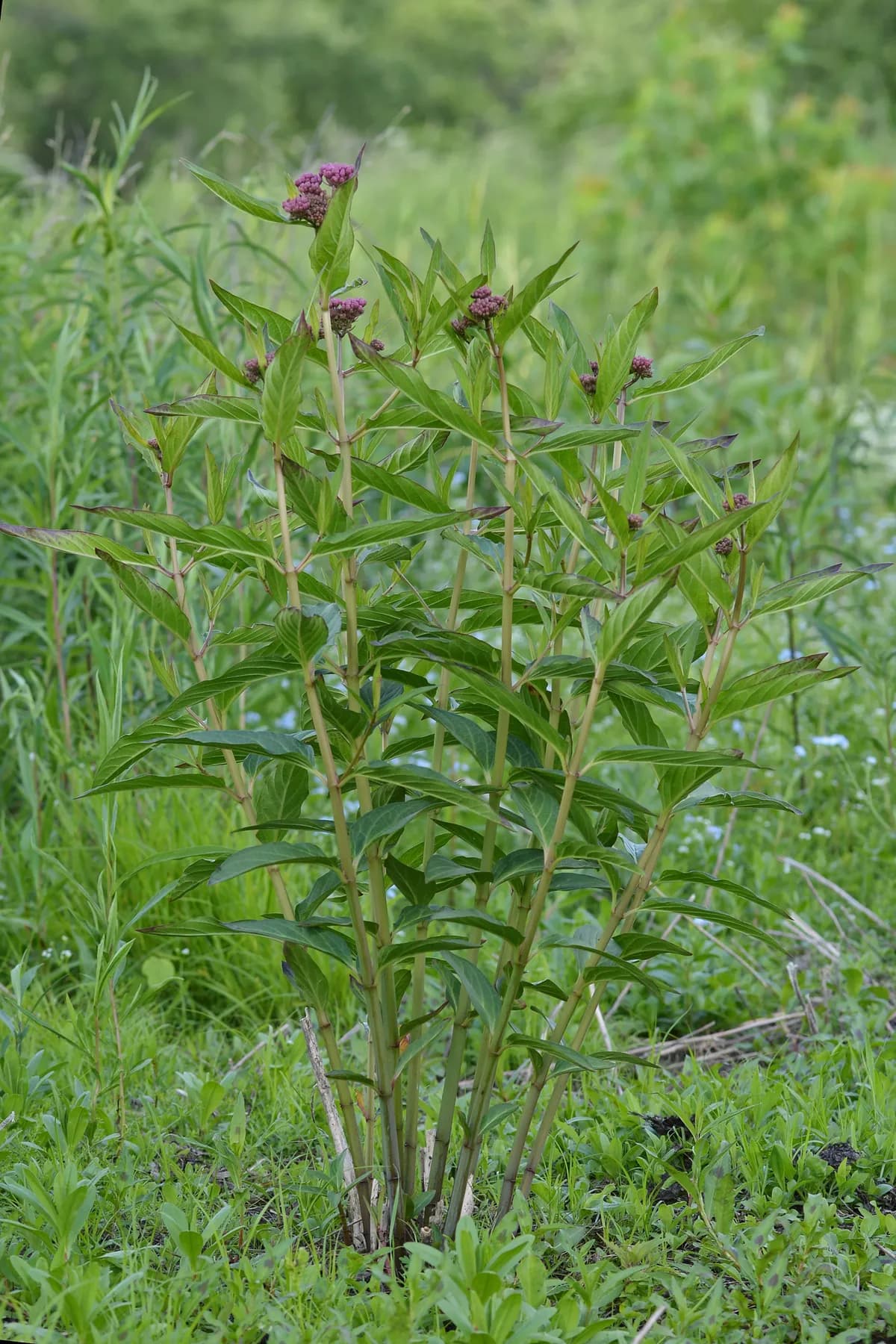
Swamp Milkweed
Asclepias incarnata

Little Bluestem
Schizachyrium scoparium
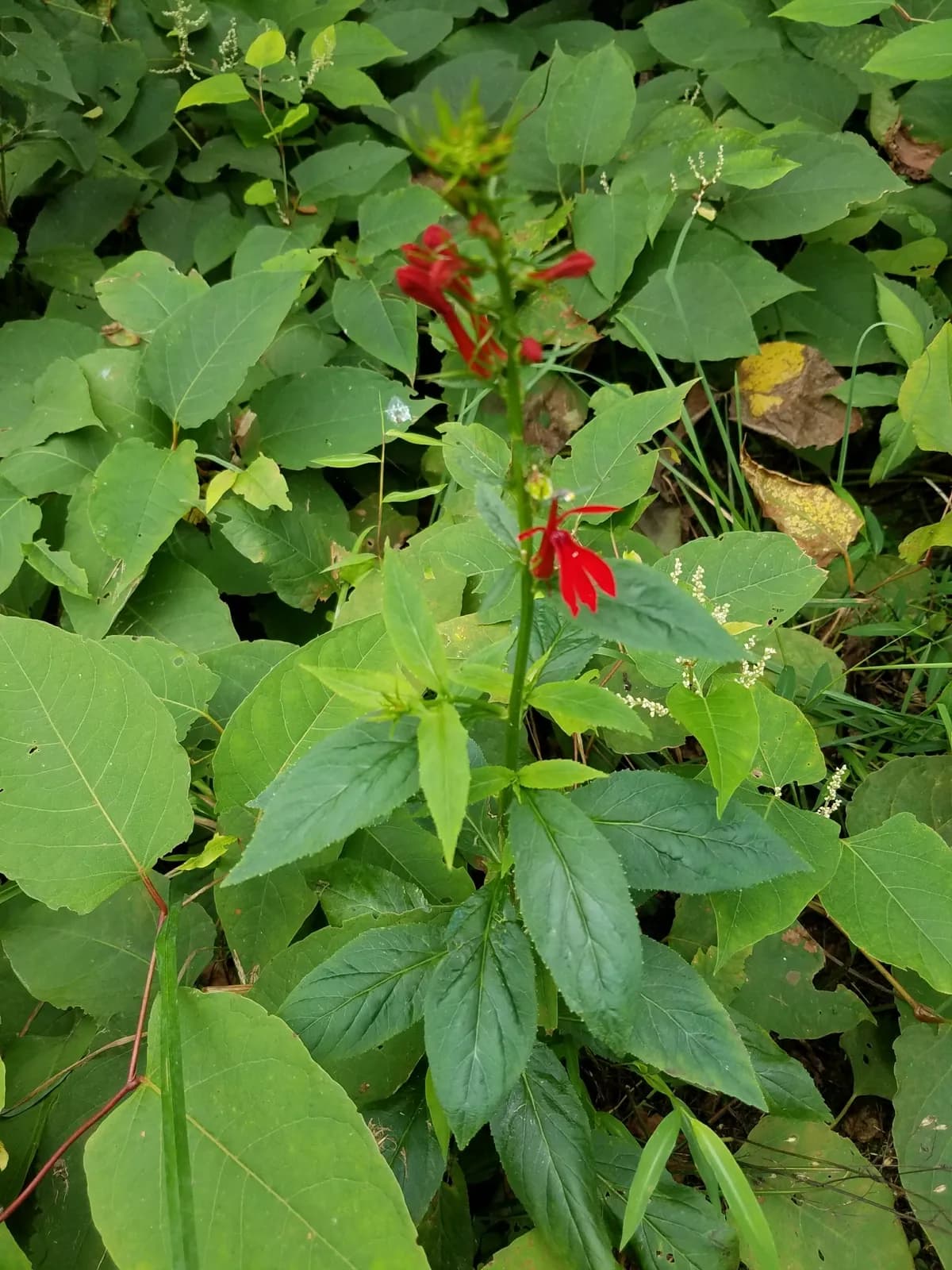
Cardinal Flower
Lobelia cardinalis
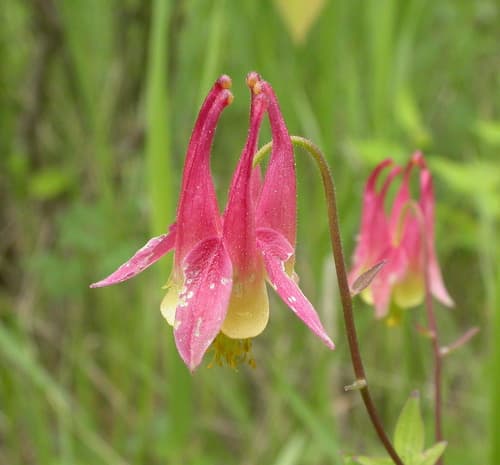
Wild Red Columbine
Aquilegia canadensis
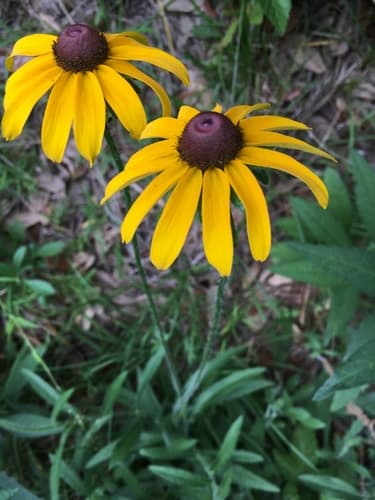
Black-eyed Susan
Rudbeckia hirta
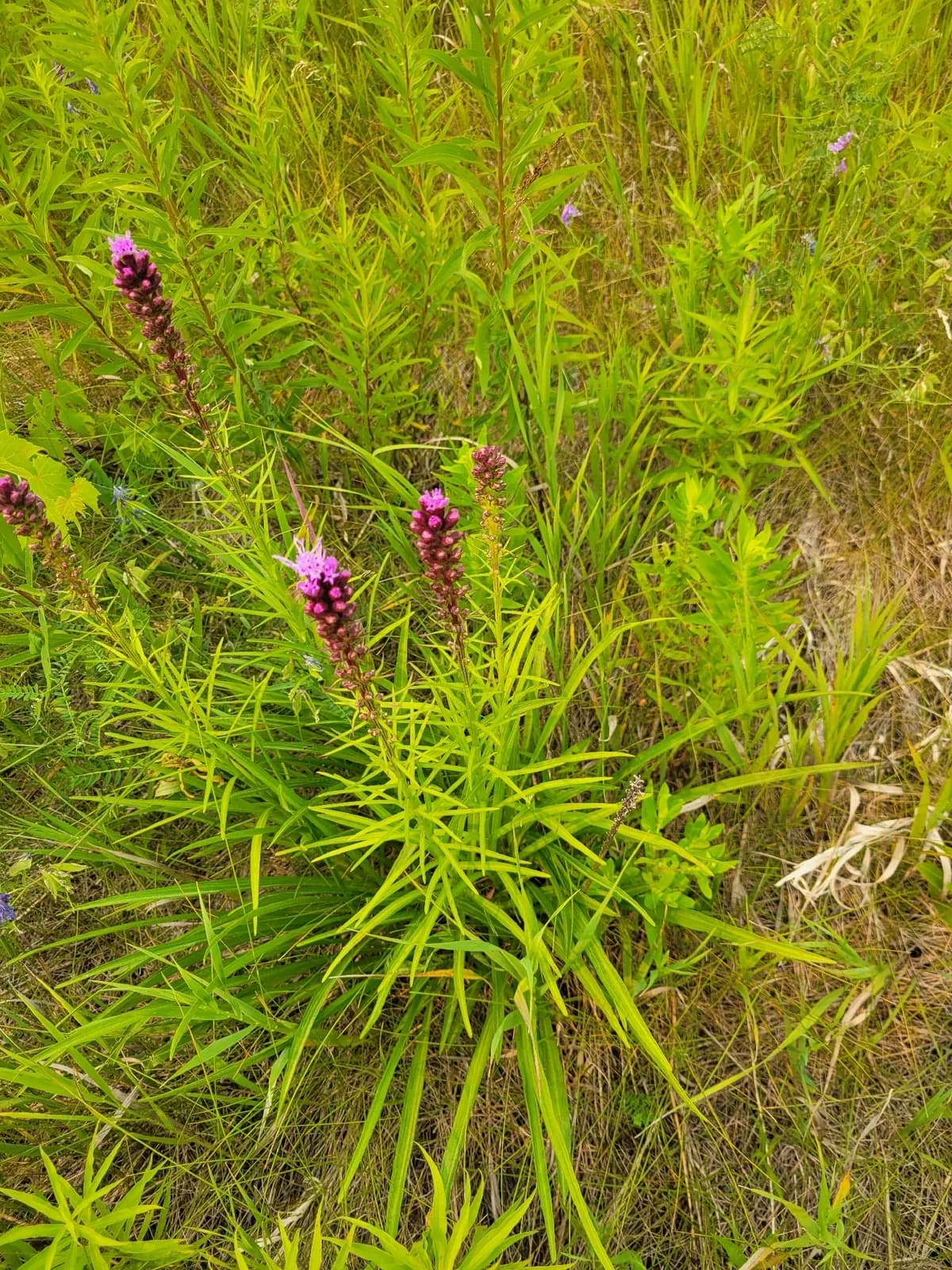
Dense Blazing Star
Liatris spicata
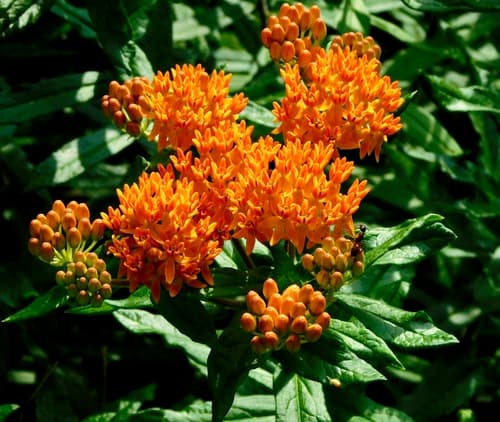
Butterfly Milkweed
Asclepias tuberosa
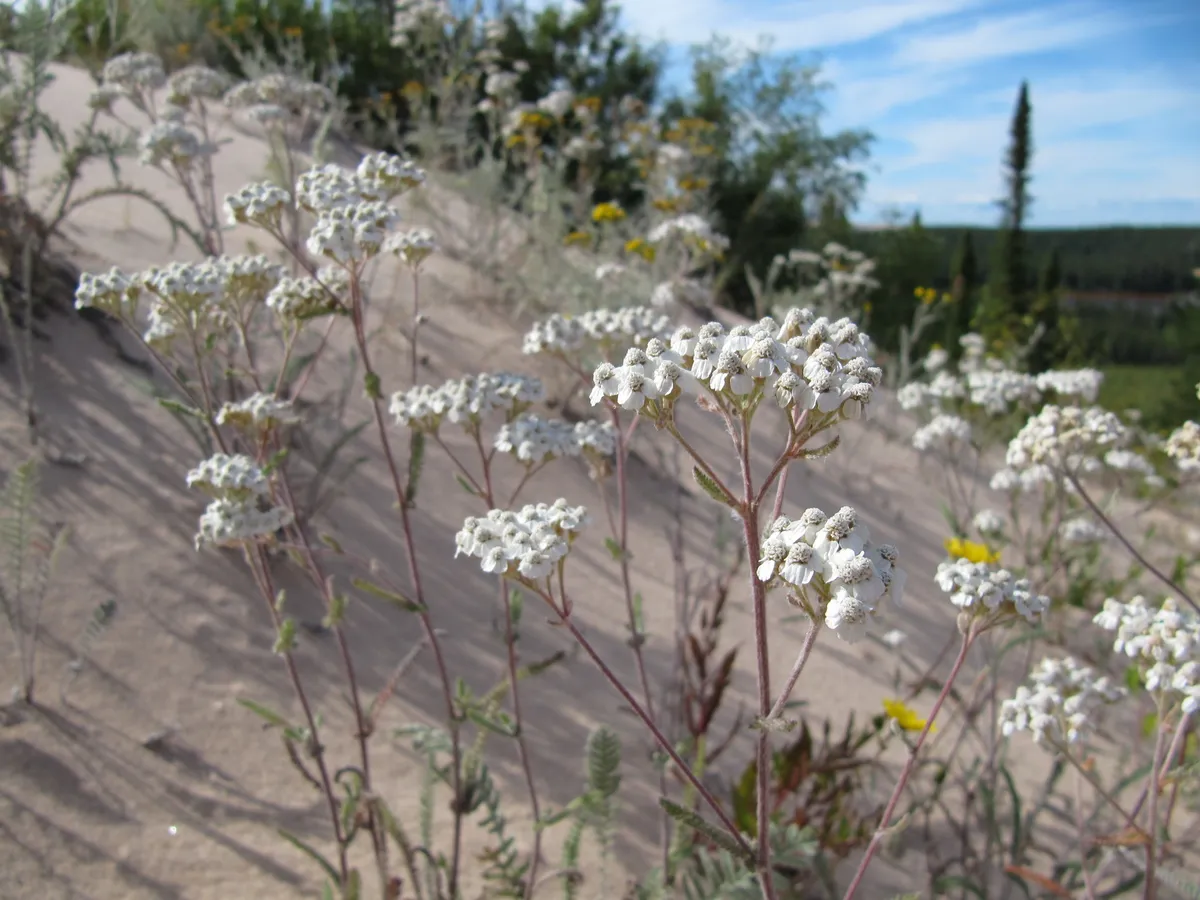
Common Yarrow
Achillea millefolium
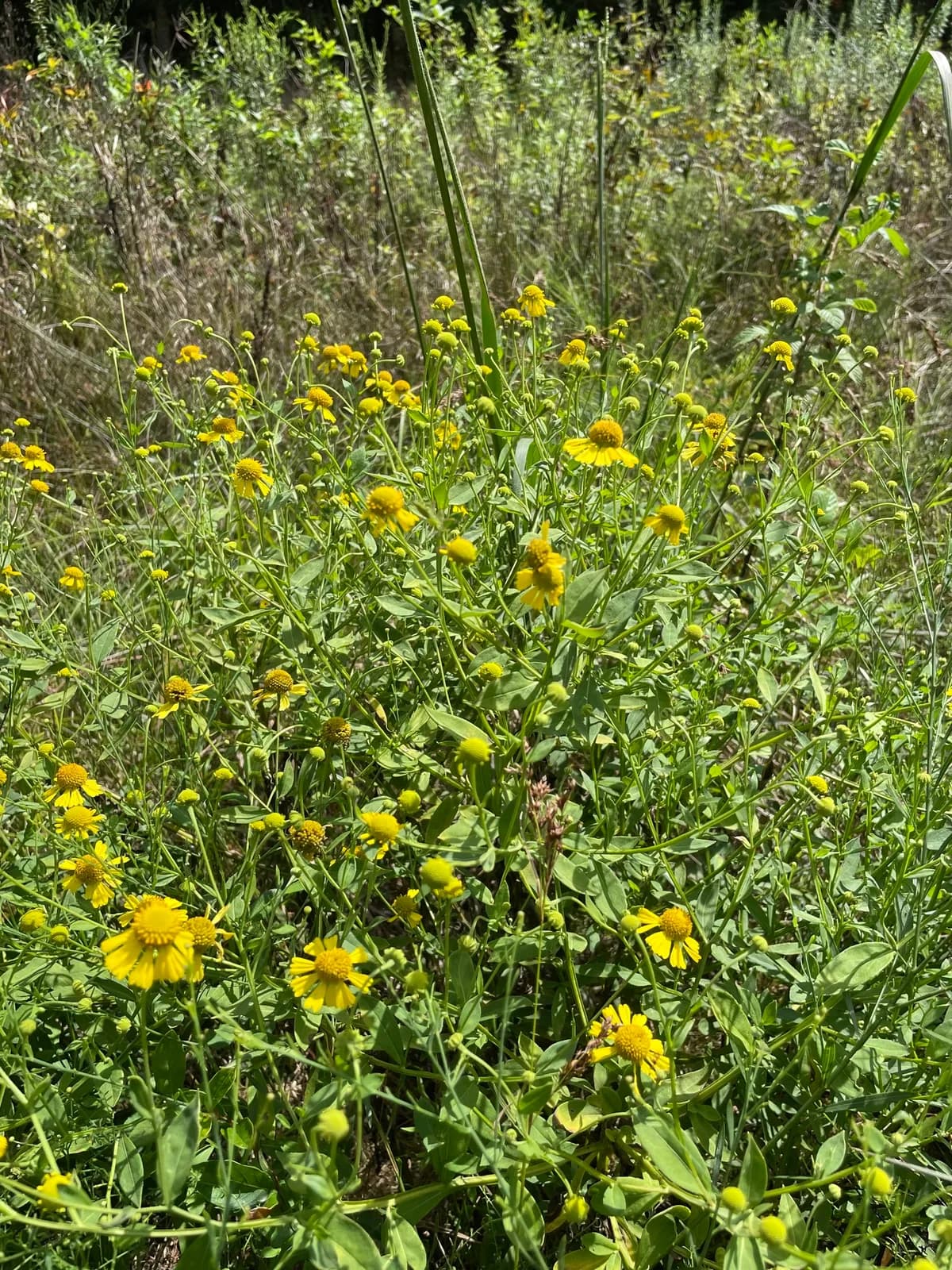
Common Sneezeweed
Helenium autumnale
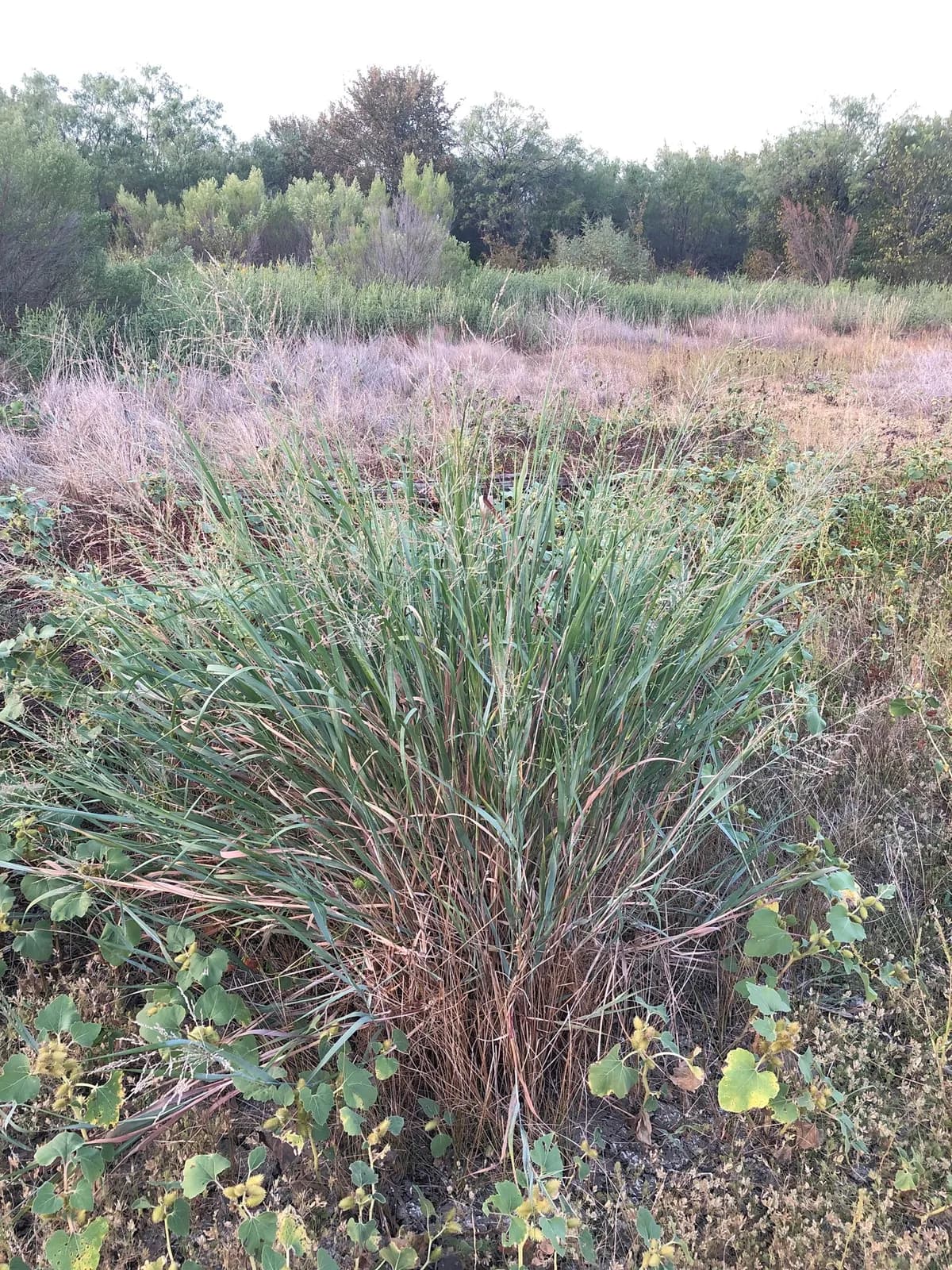
Switchgrass
Panicum virgatum

Golden Alexanders
Zizia aurea
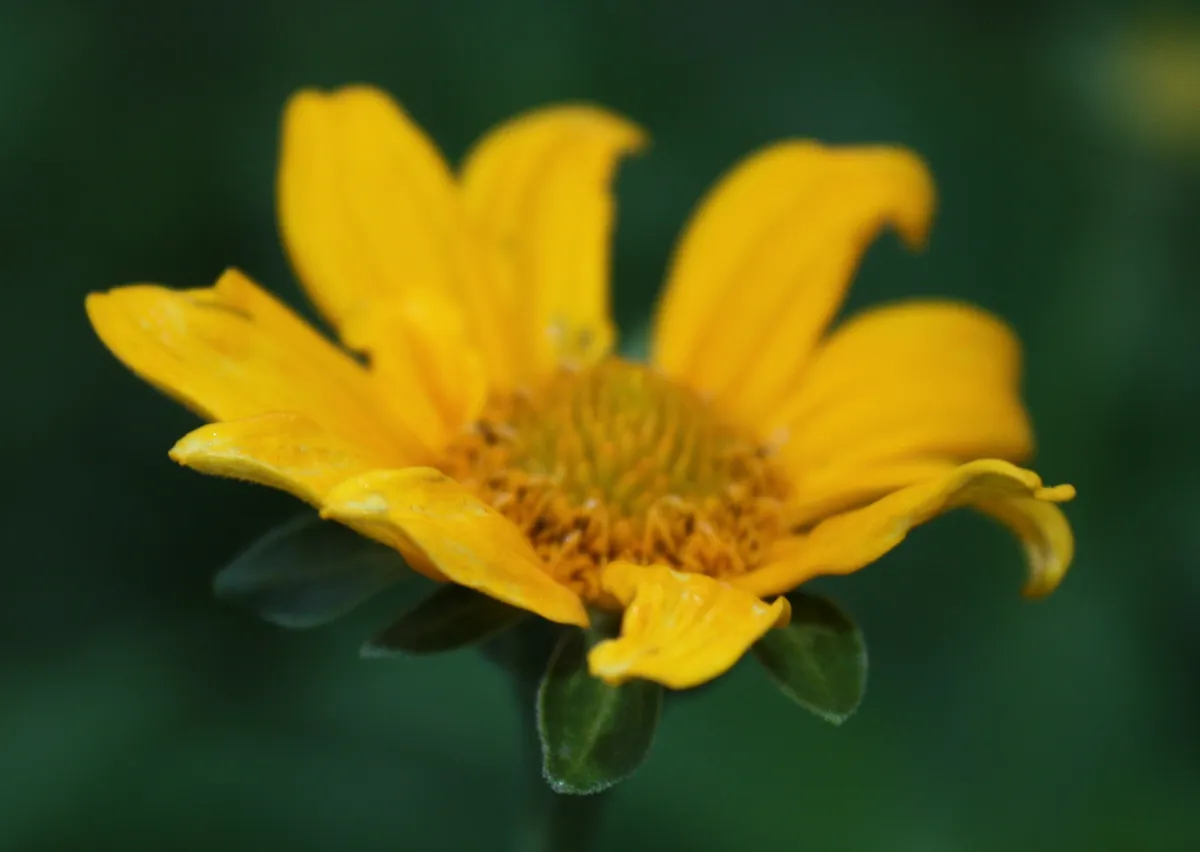
False Sunflower
Heliopsis helianthoides
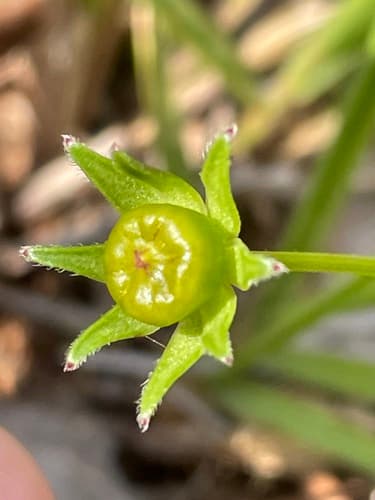
Lanceleaf Coreopsis
Coreopsis lanceolata
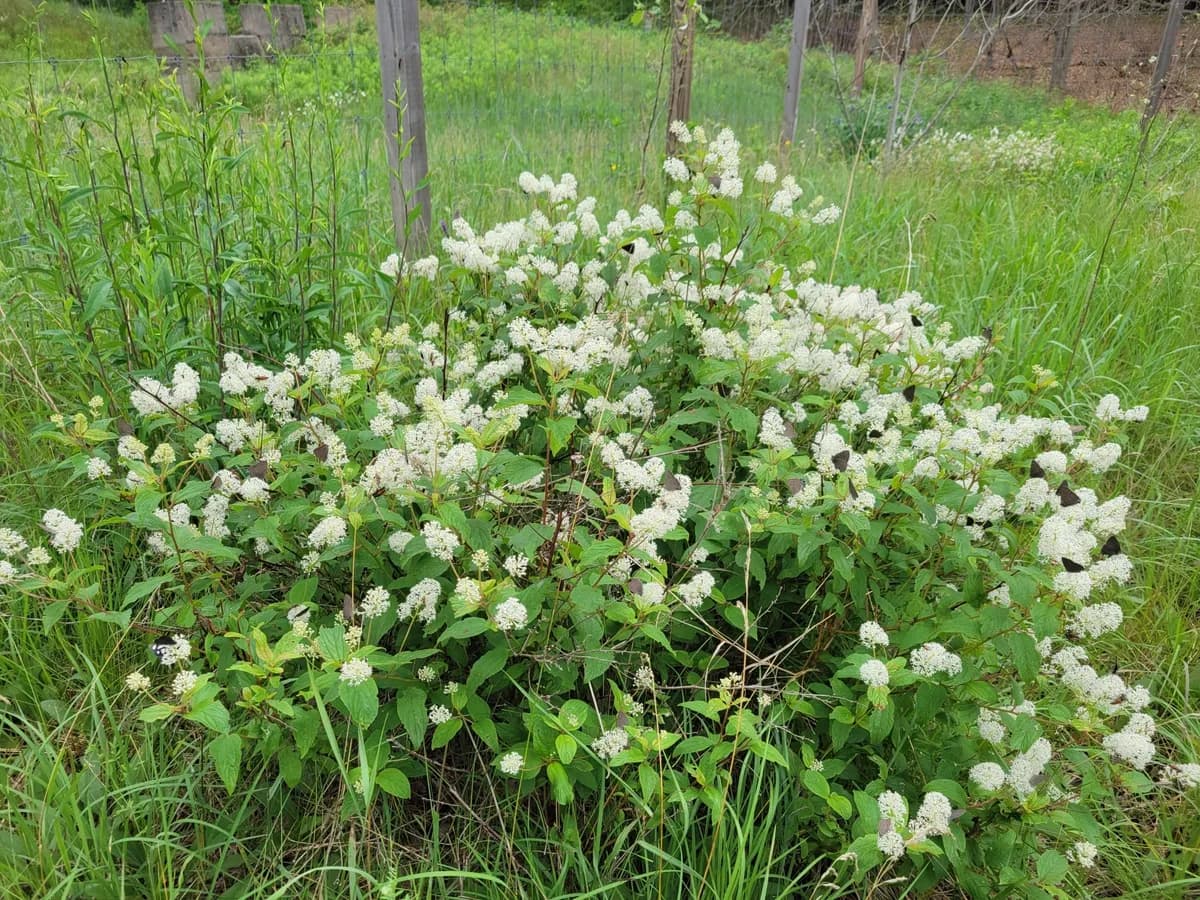
New Jersey-tea
Ceanothus americanus
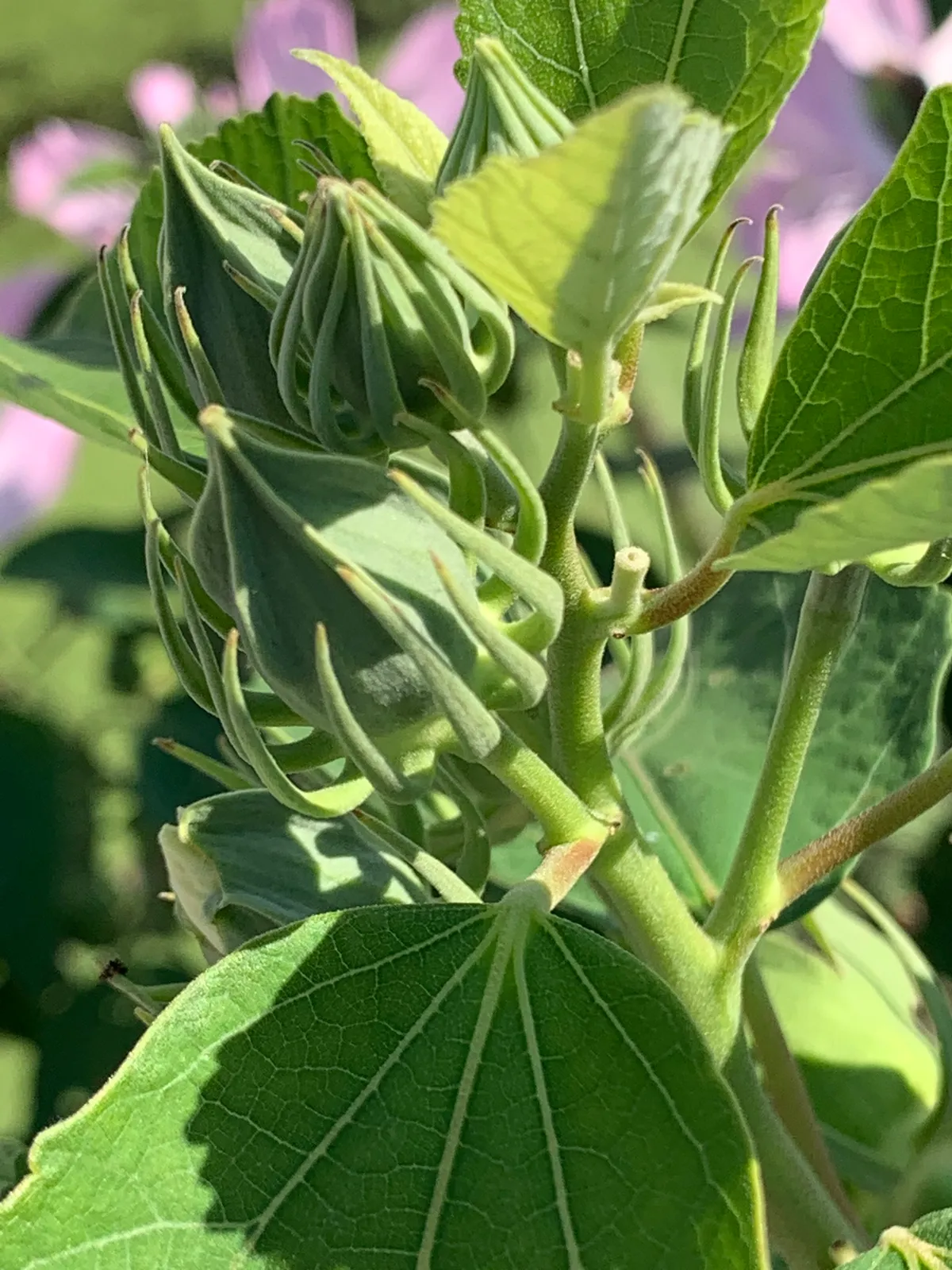
Mallow-rose
Hibiscus moscheutos
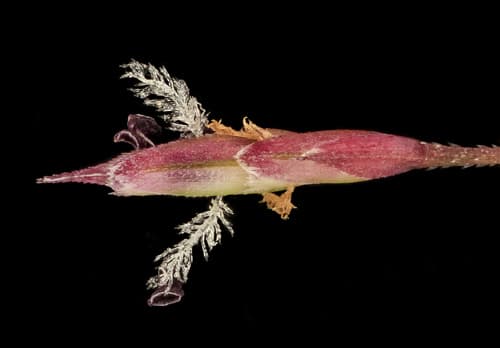
Purple Lovegrass
Eragrostis spectabilis
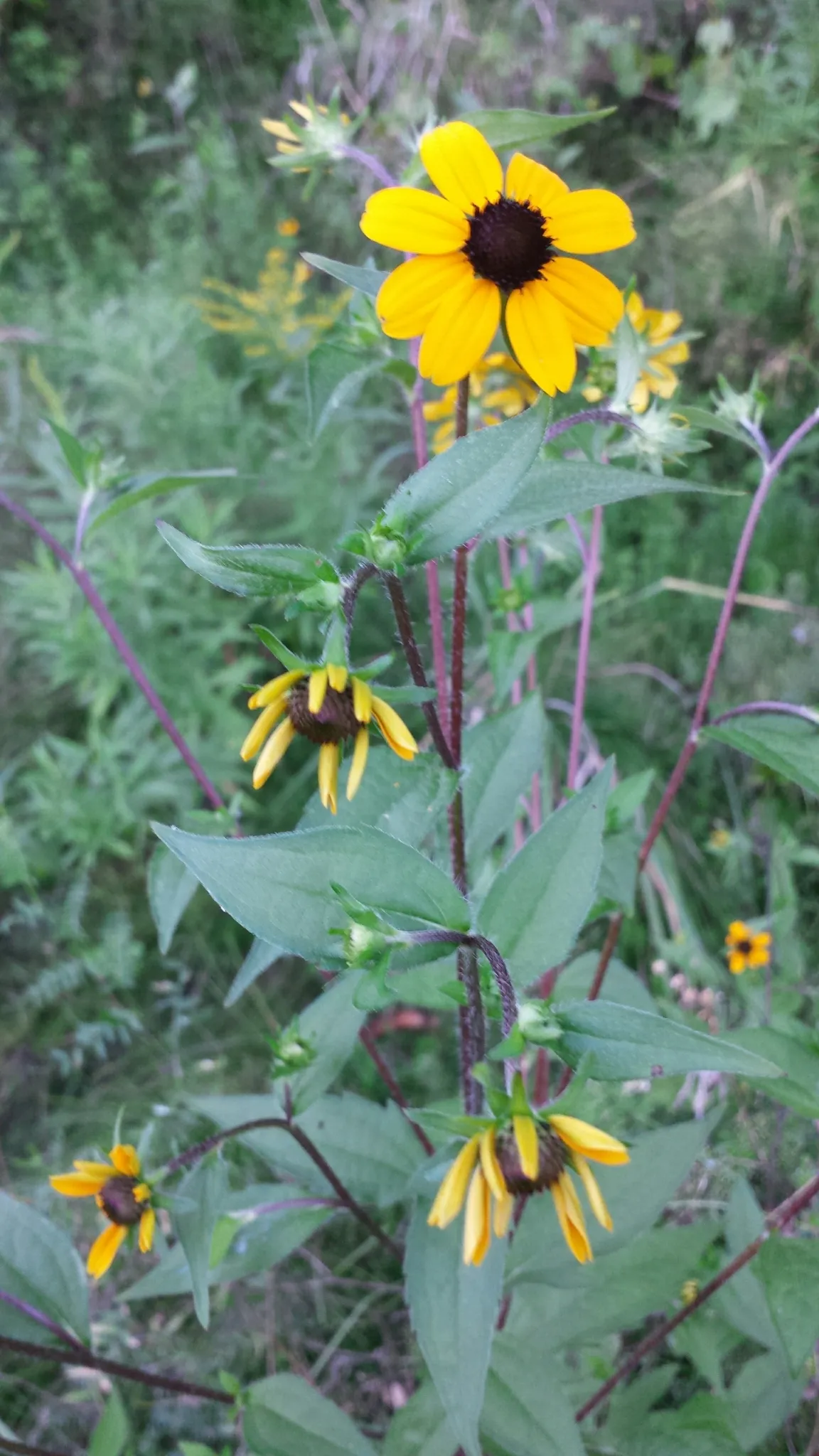
Brown-eyed Susan
Rudbeckia triloba
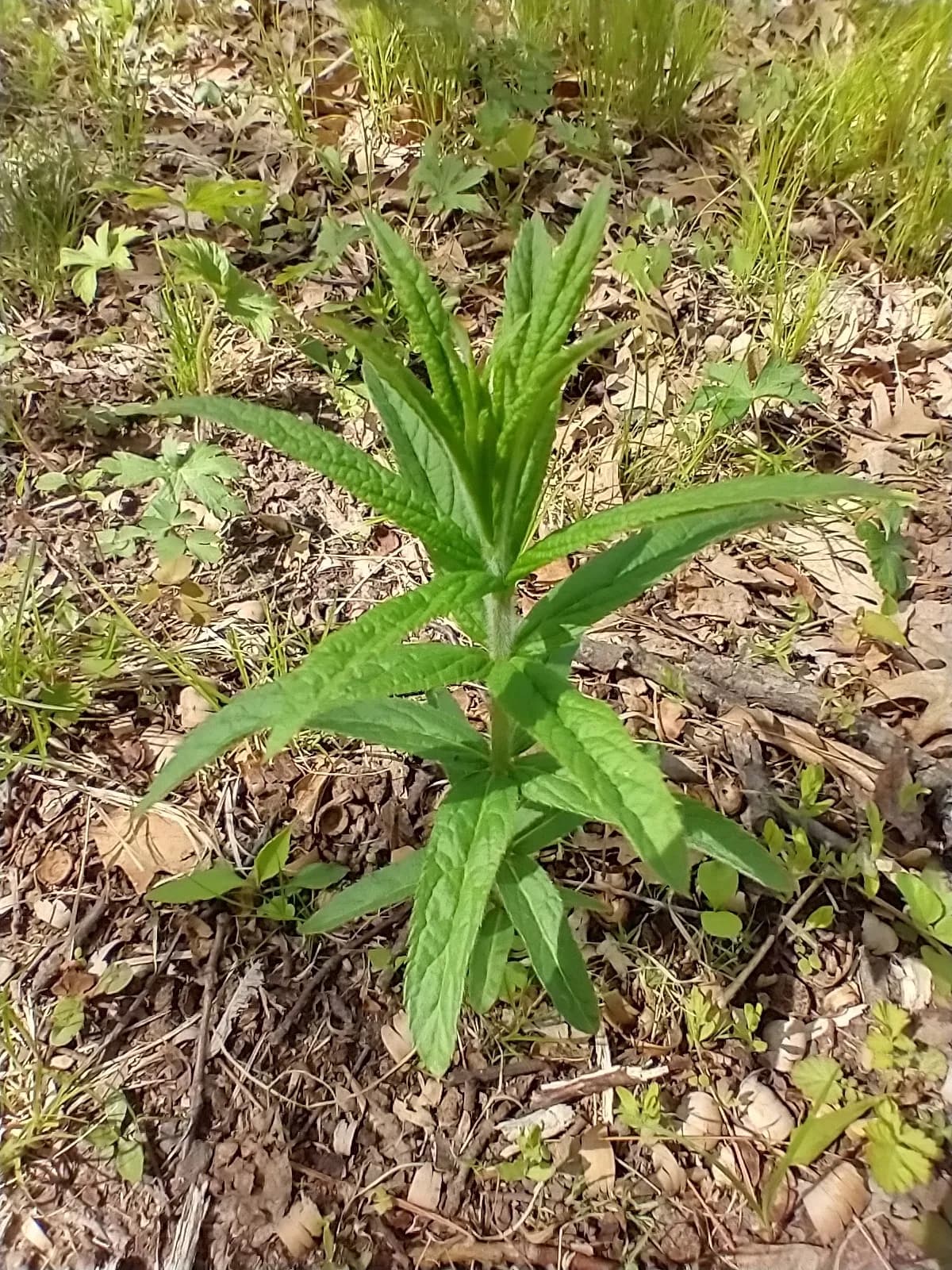
Culver's Root
Veronicastrum virginicum
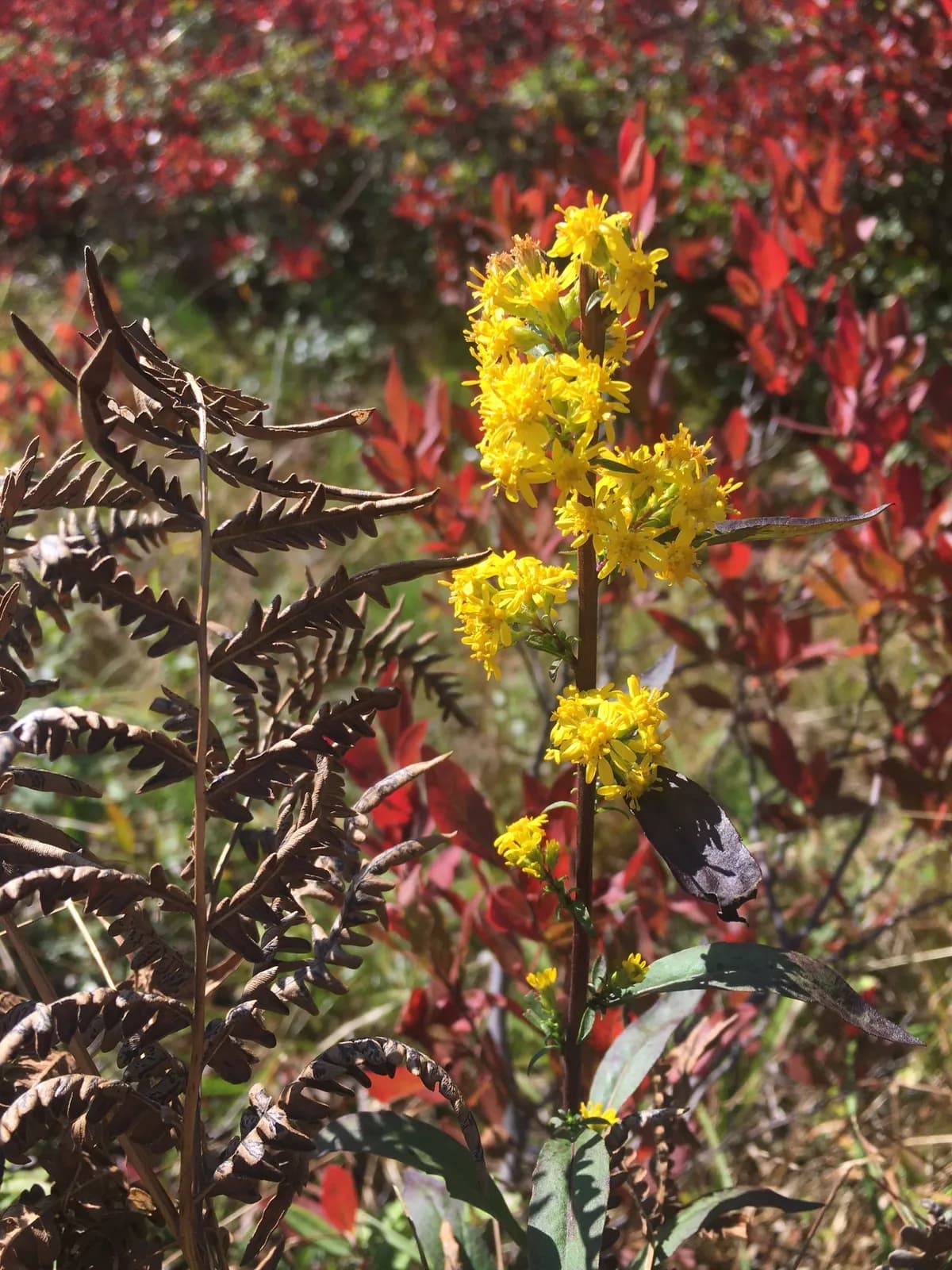
Showy Goldenrod
Solidago speciosa

Sideoats Grama
Bouteloua curtipendula
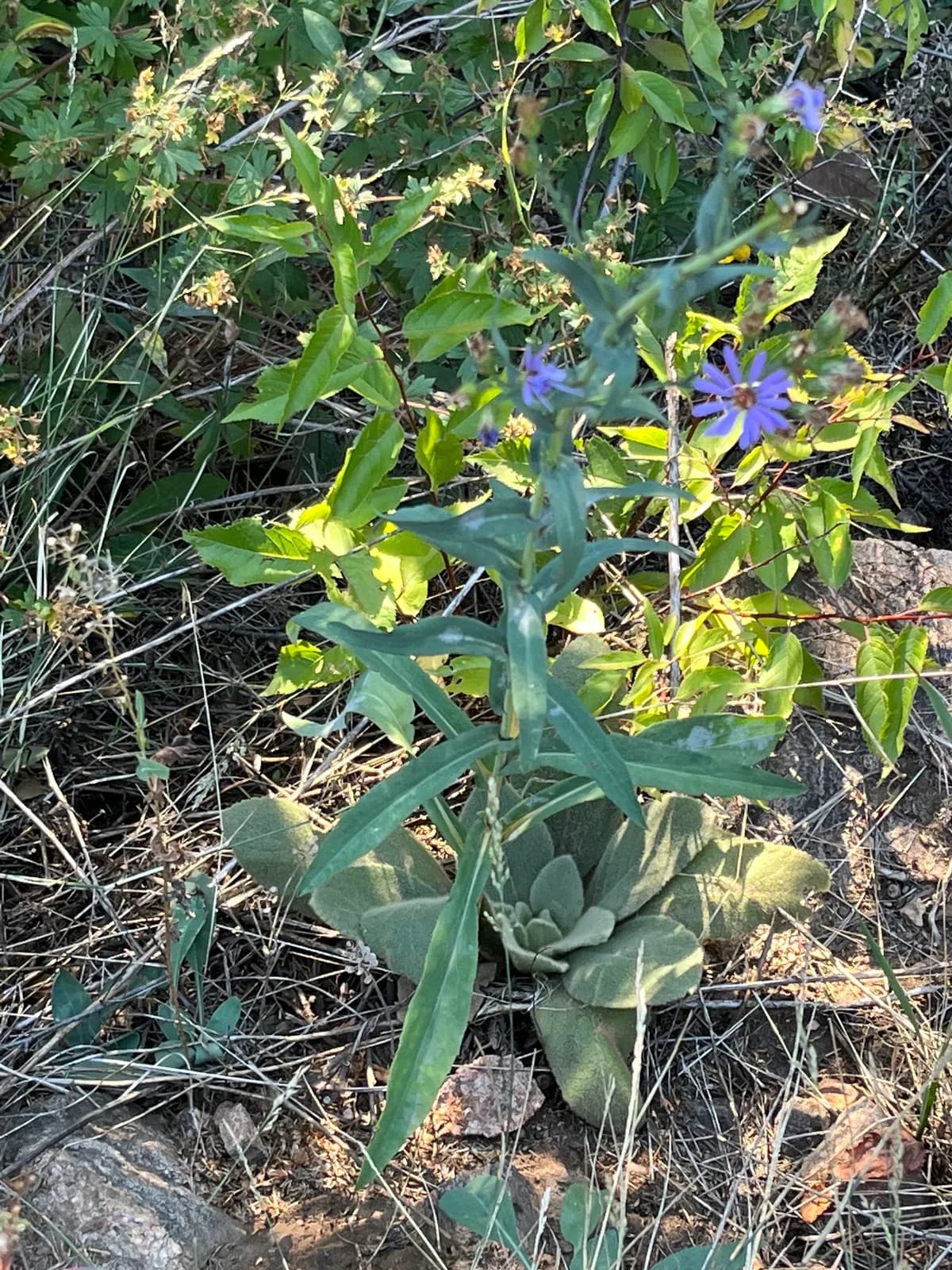
Smooth Aster
Symphyotrichum laeve
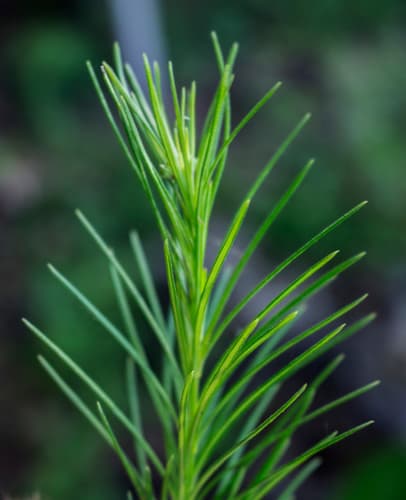
Whorled Milkweed
Asclepias verticillata
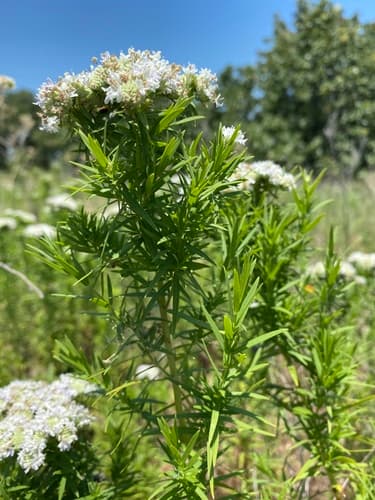
Narrowleaf Mountain Mint
Pycnanthemum tenuifolium
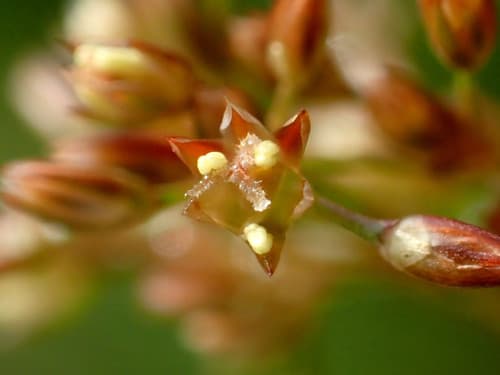
Soft rush
Juncus effusus
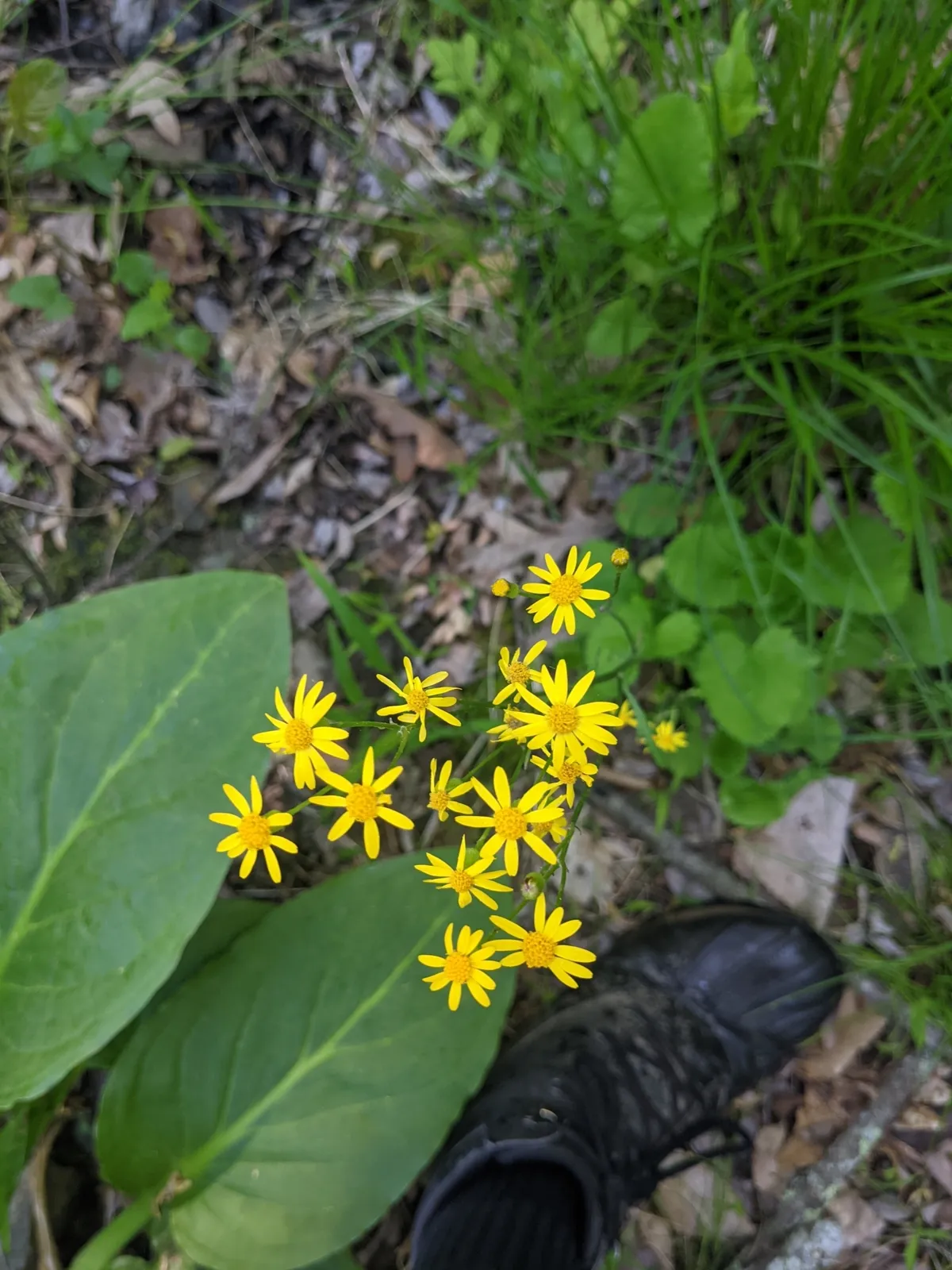
Golden Groundsel
Packera aurea
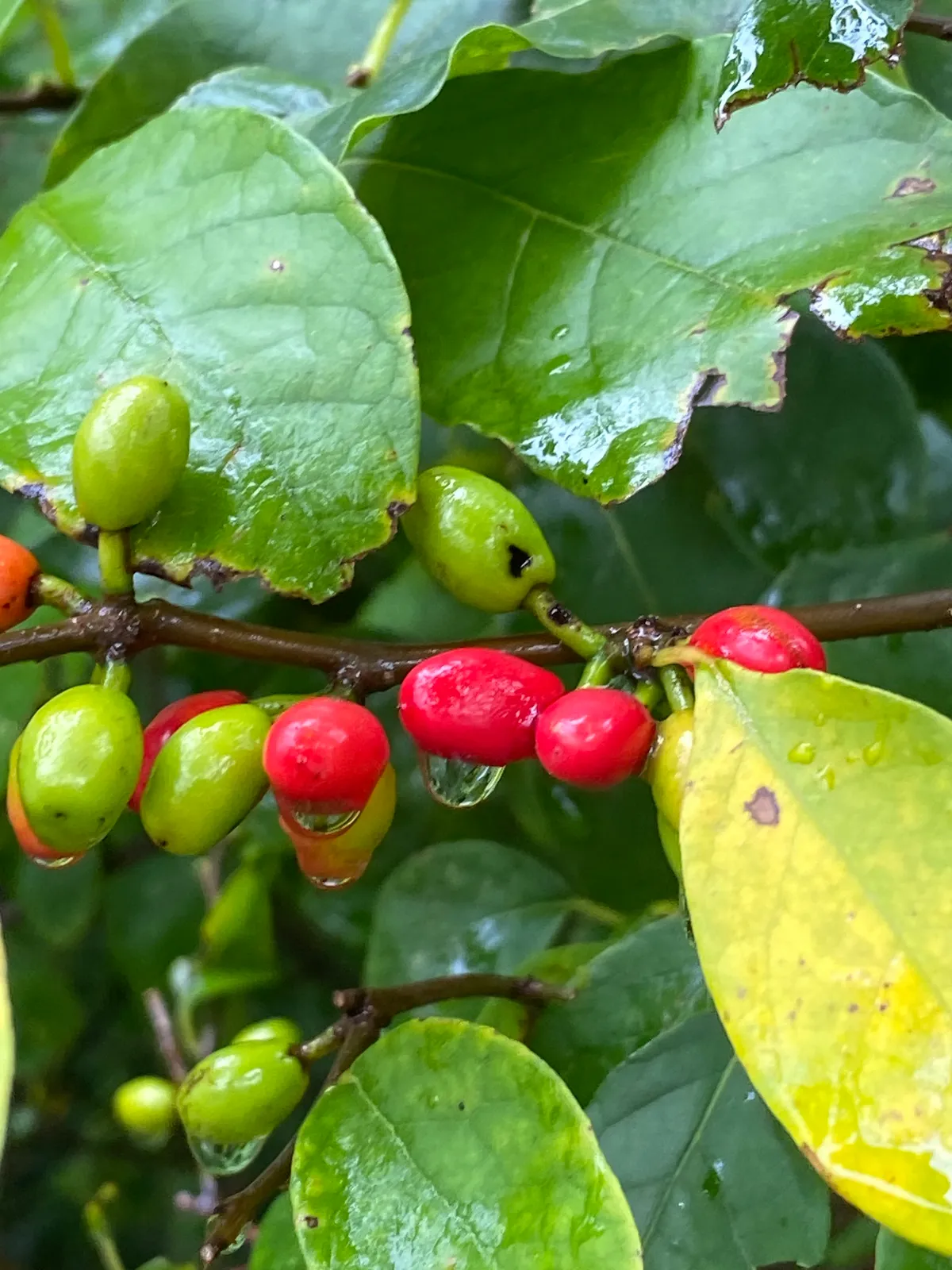
Spicebush
Lindera benzoin
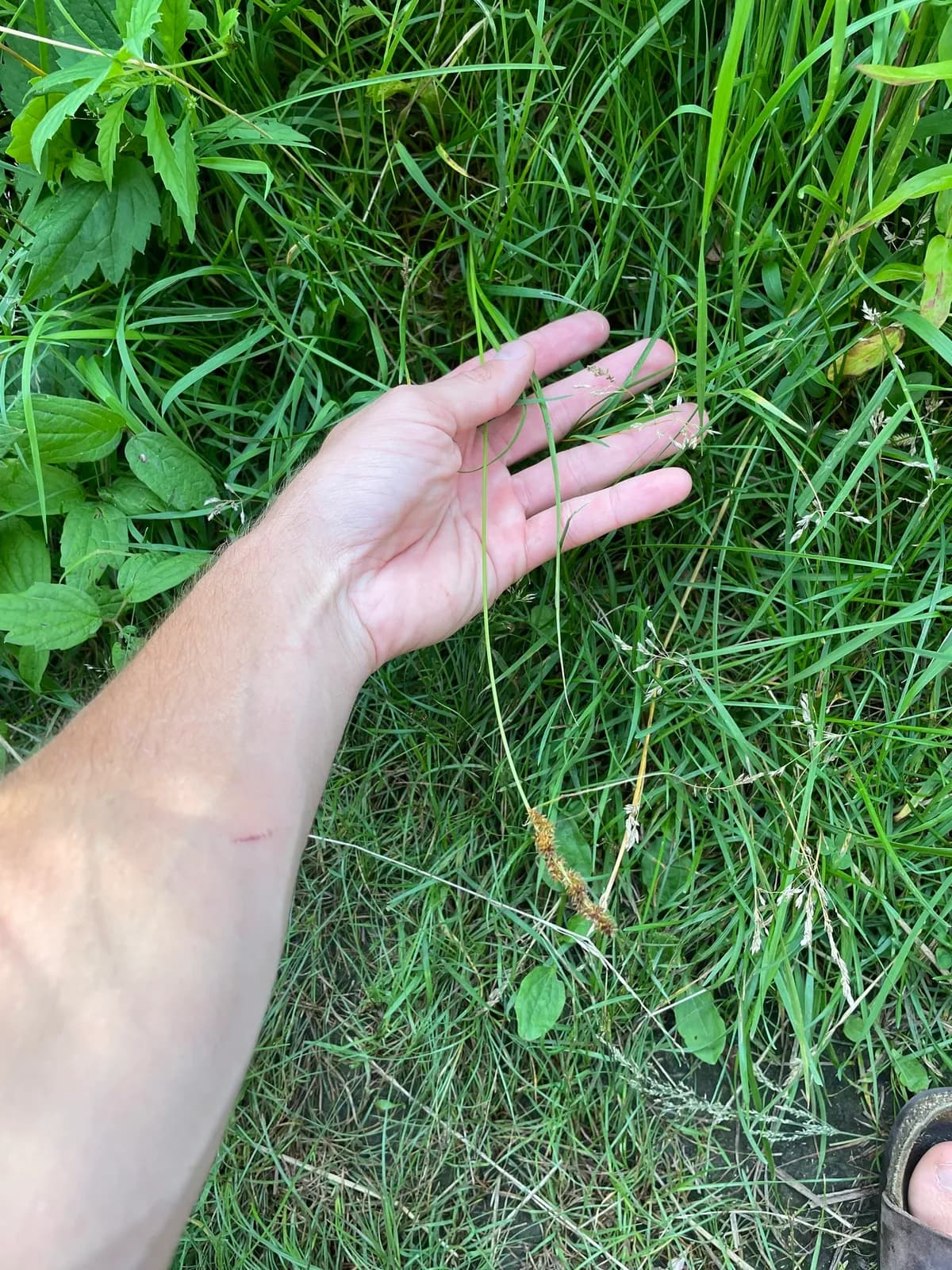
American Fox Sedge
Carex vulpinoidea
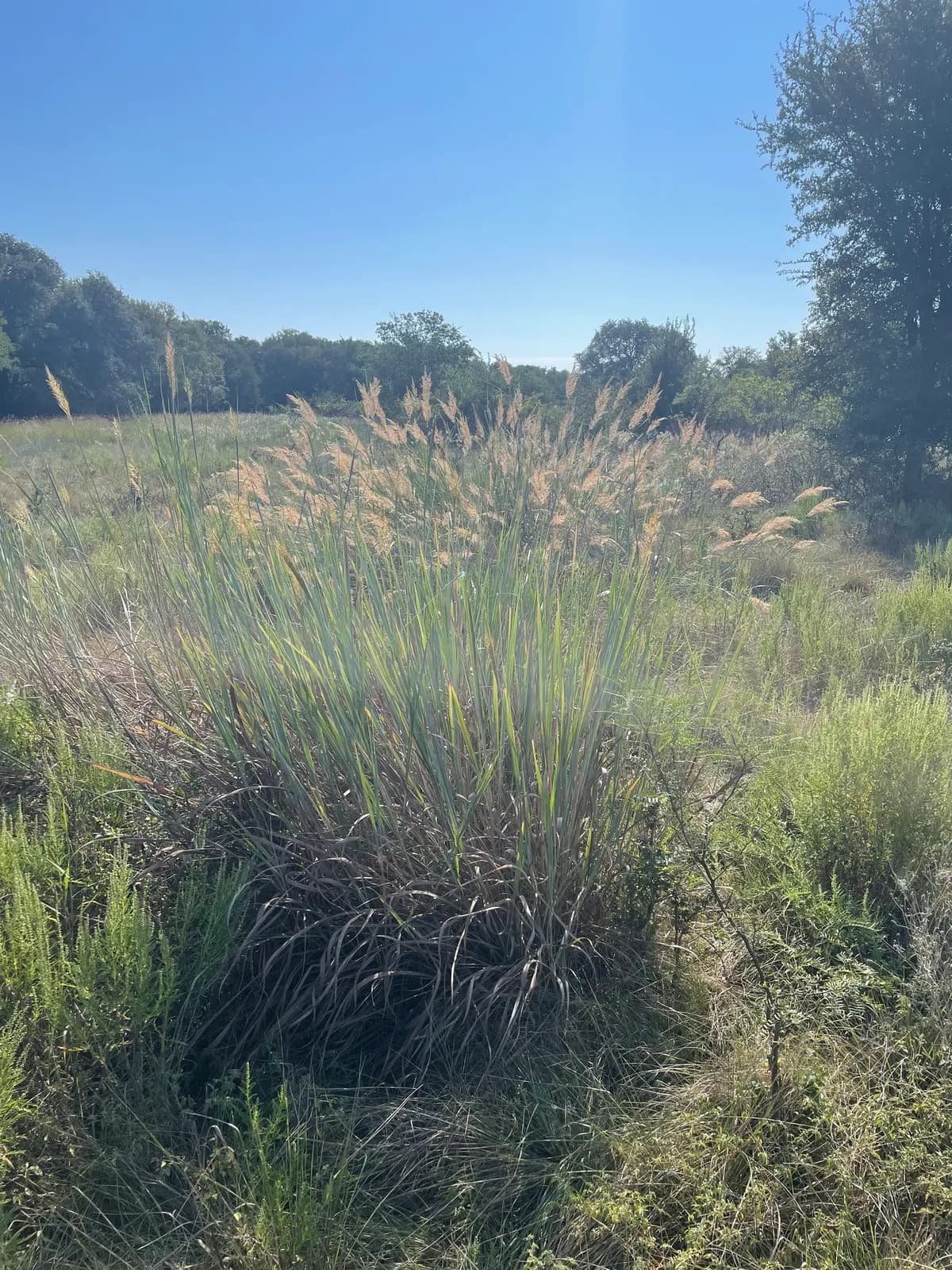
Indiangrass
Sorghastrum nutans
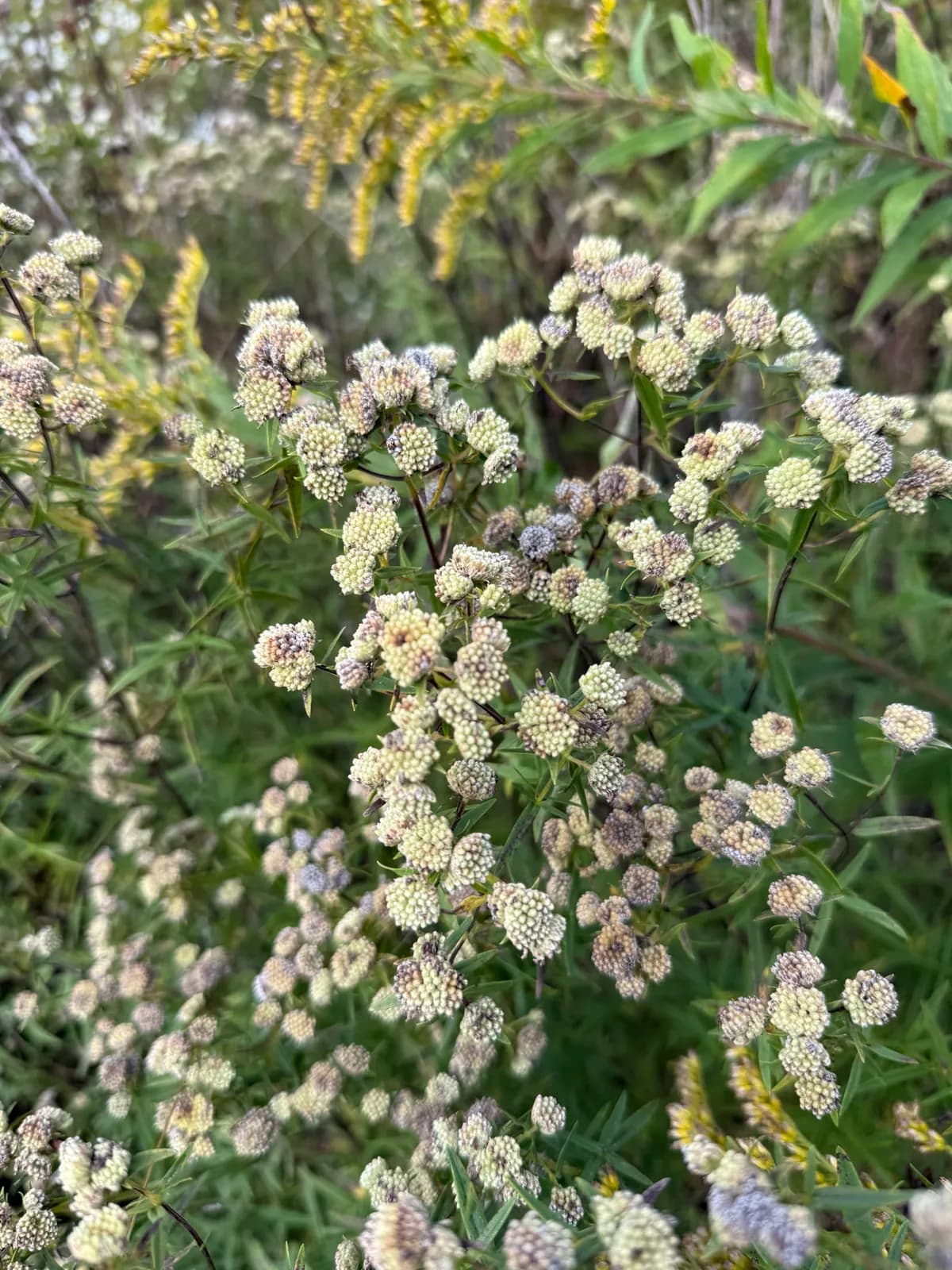
Virginia Mountain-Mint
Pycnanthemum virginianum
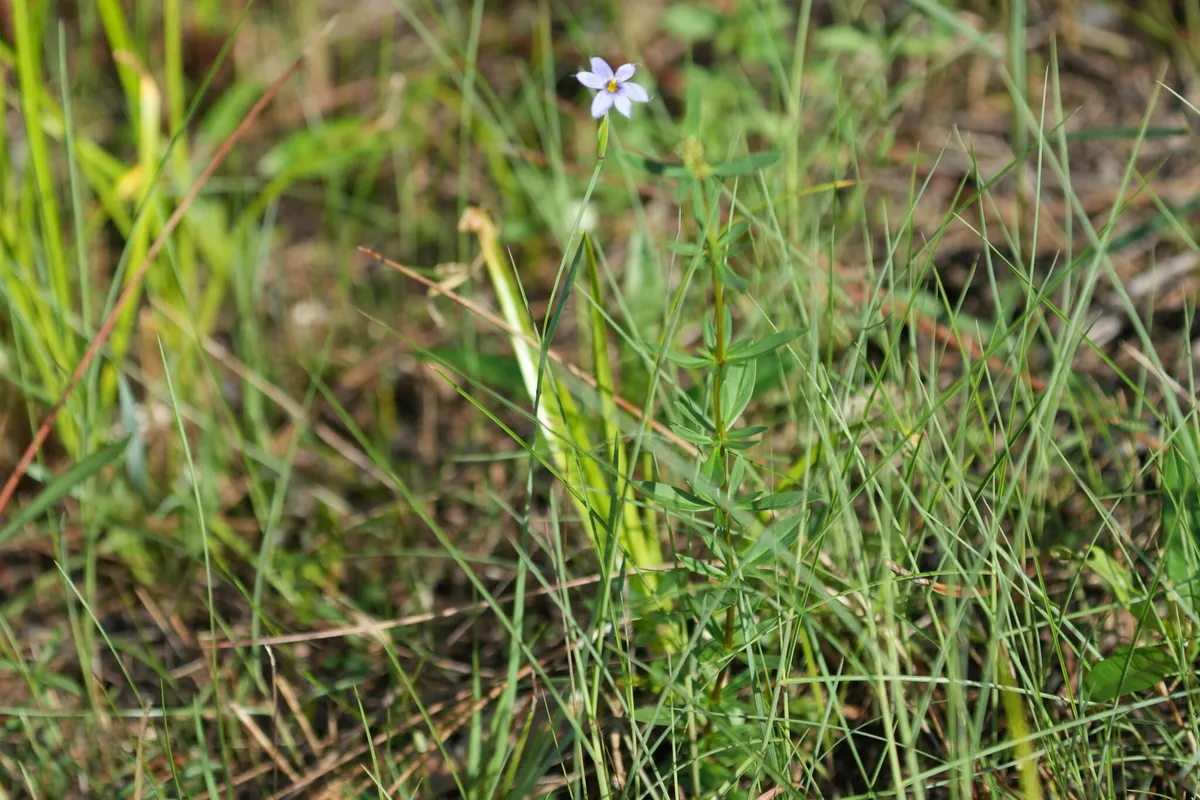
Narrowleaf Blue-eyed Grass
Sisyrinchium angustifolium
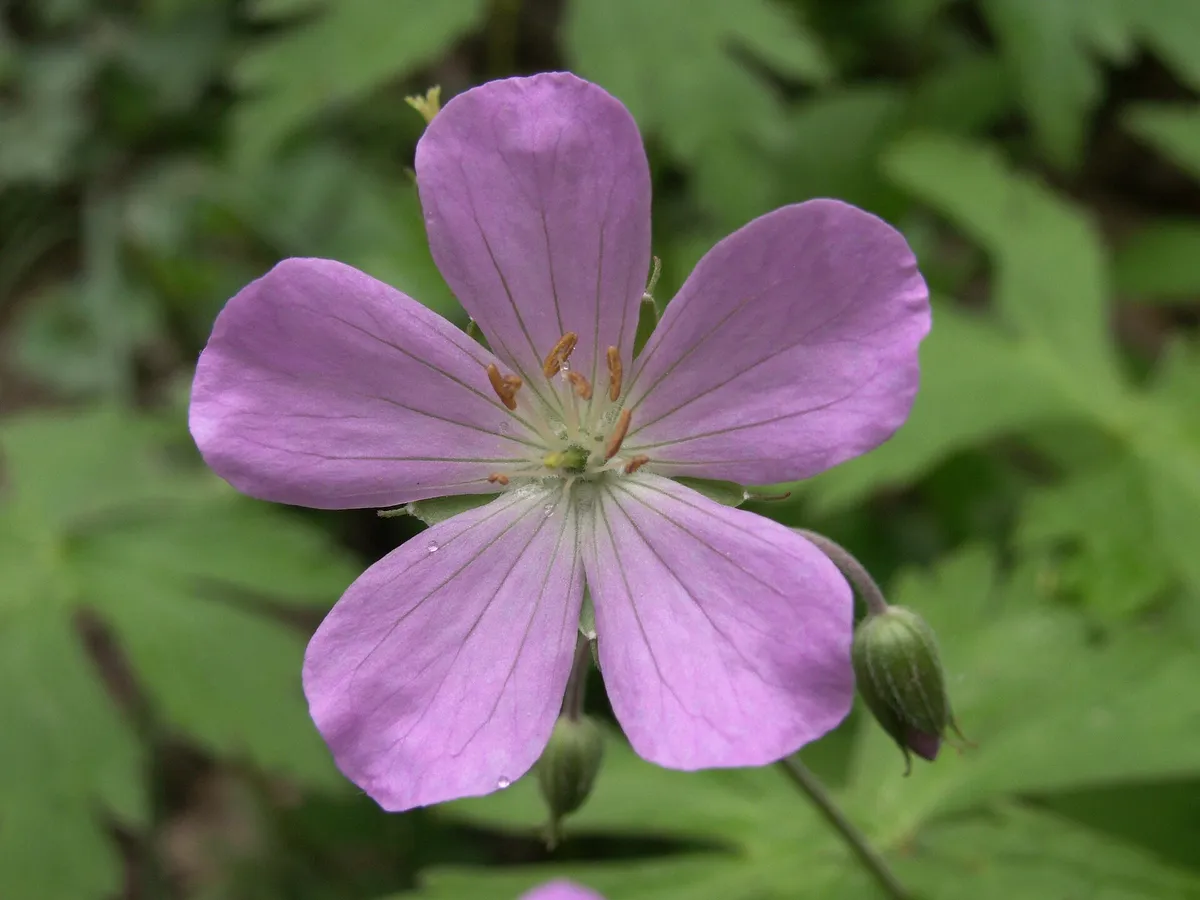
Spotted Geranium
Geranium maculatum

Coral Honeysuckle
Lonicera sempervirens
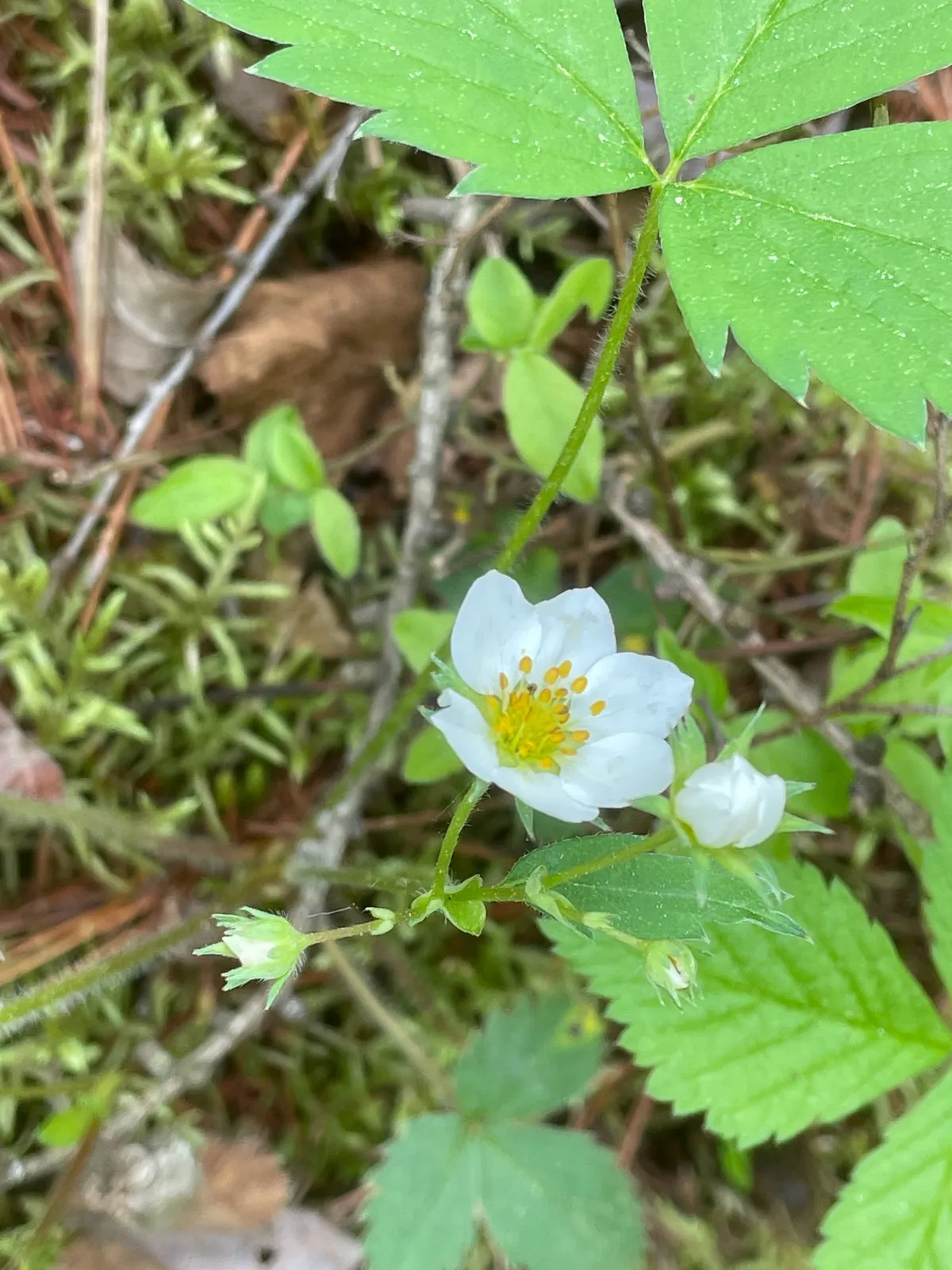
Scarlet Strawberry
Fragaria virginiana
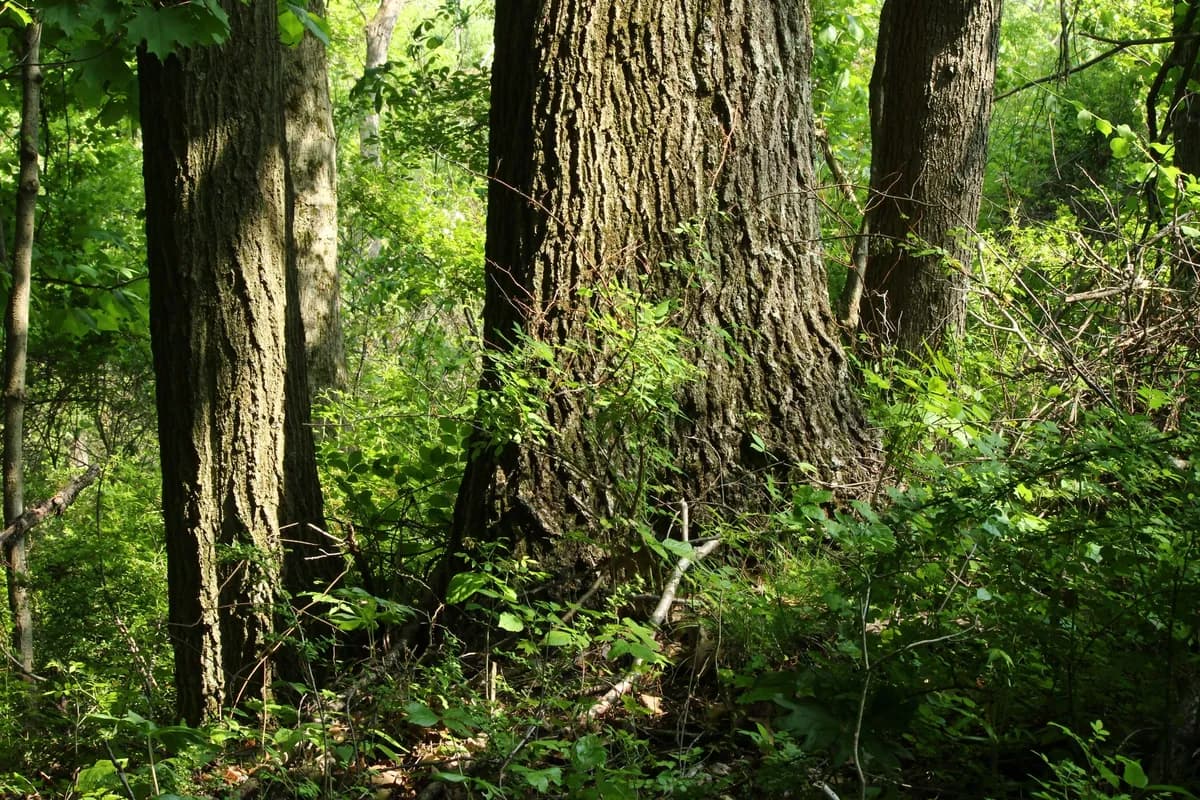
Northern Red Oak
Quercus rubra
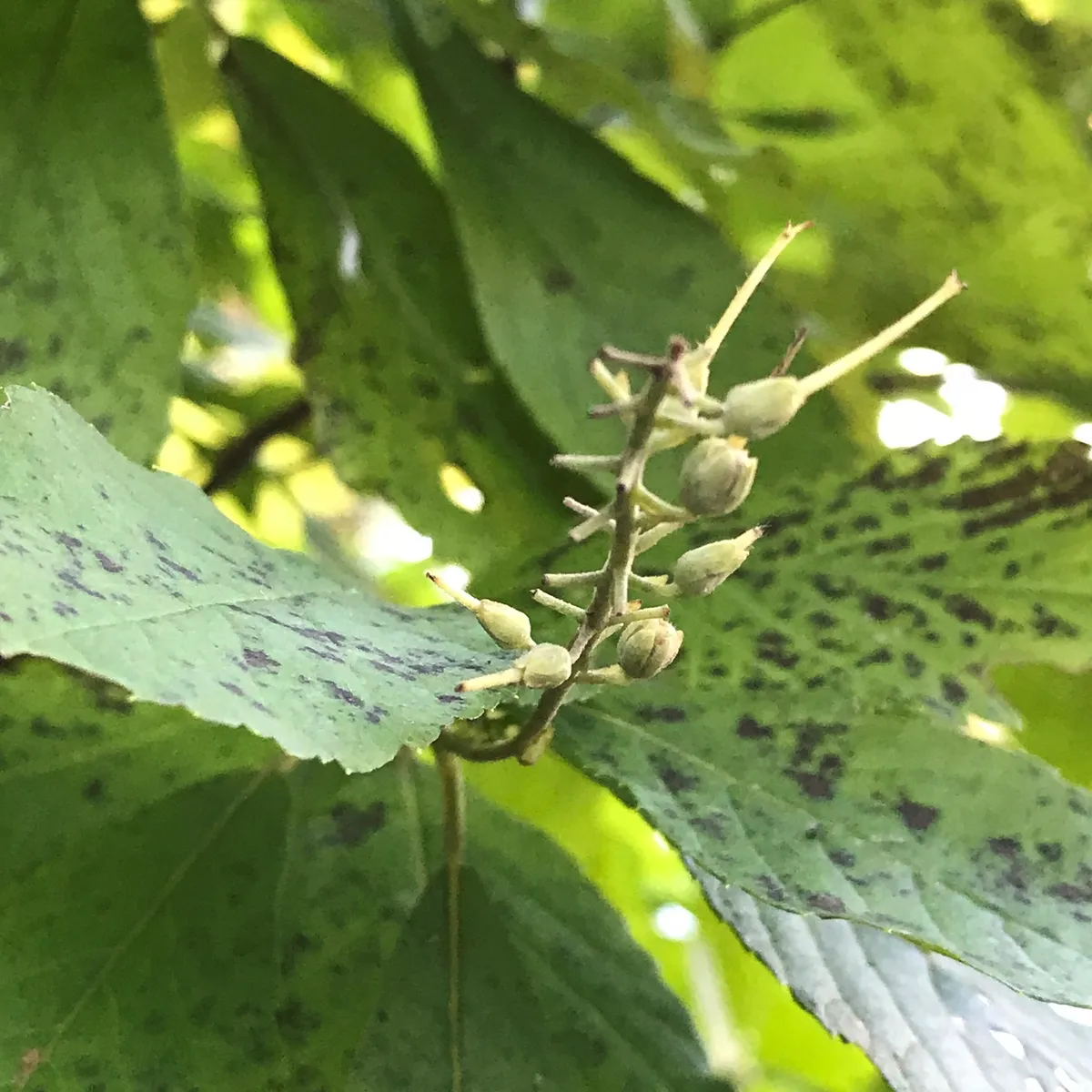
Summersweet
Clethra alnifolia

Pennsylvania Sedge
Carex pensylvanica

Blunt Mountain Mint
Pycnanthemum muticum
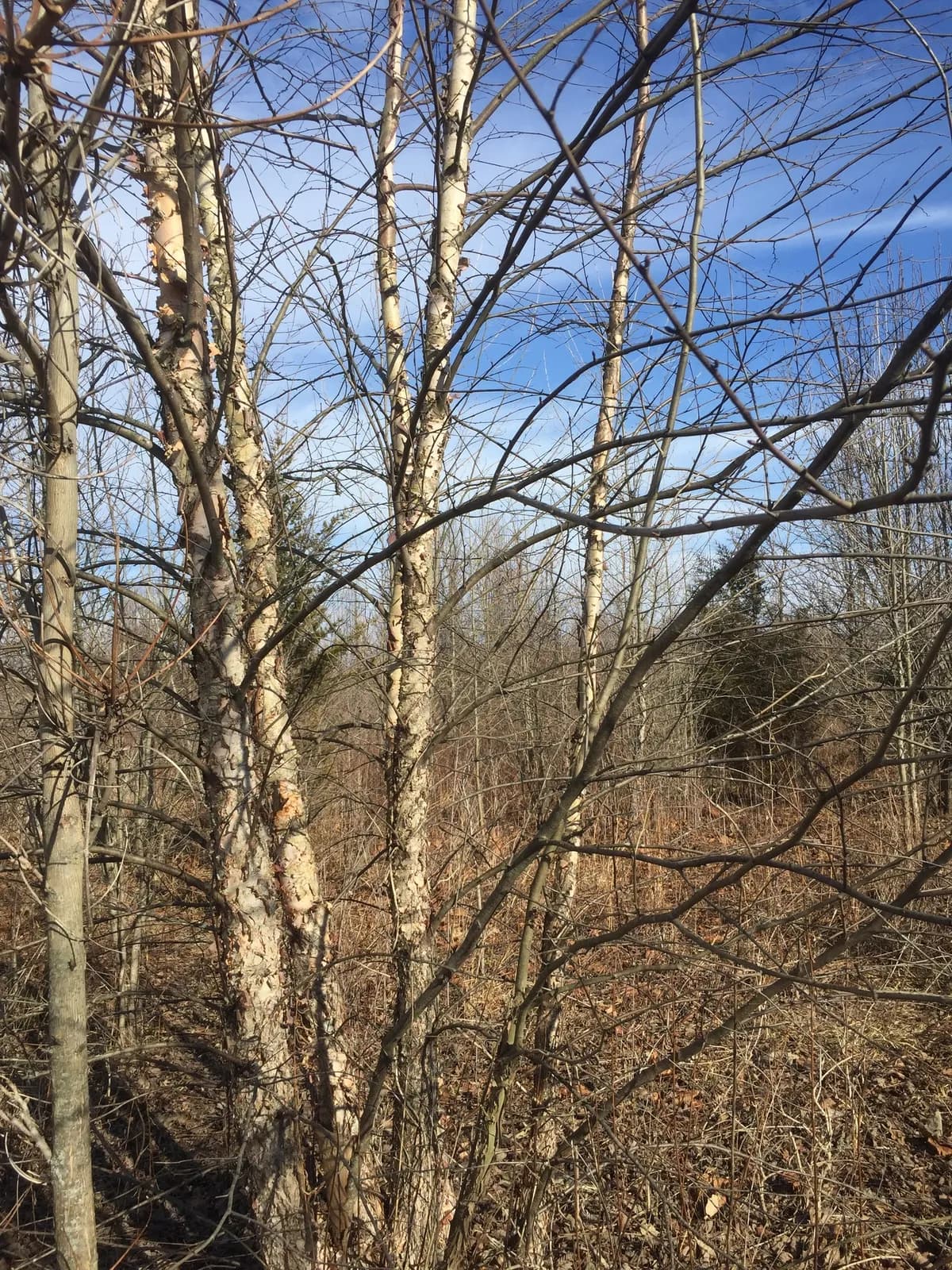
River Birch
Betula nigra
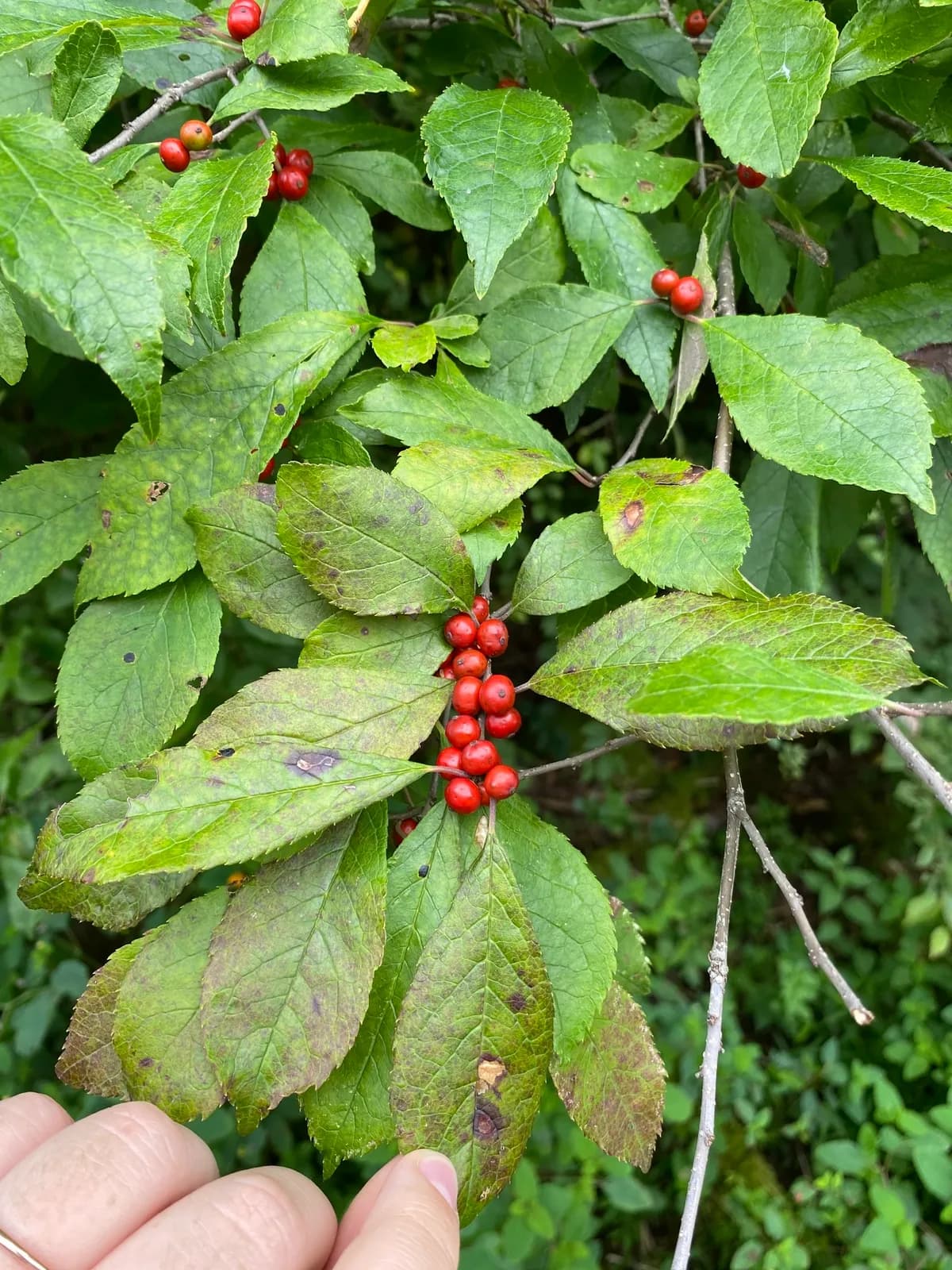
Black-alder
Ilex verticillata
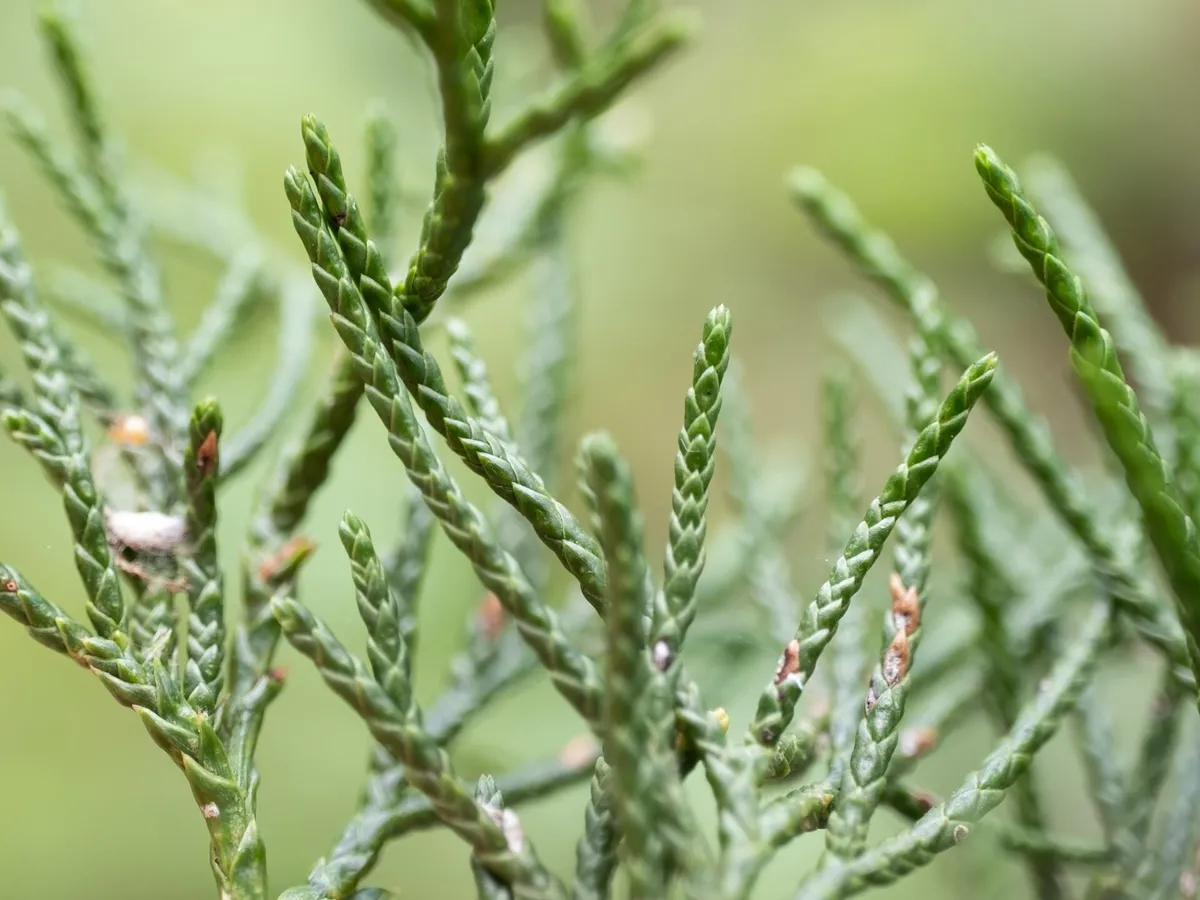
Eastern Red Cedar
Juniperus virginiana
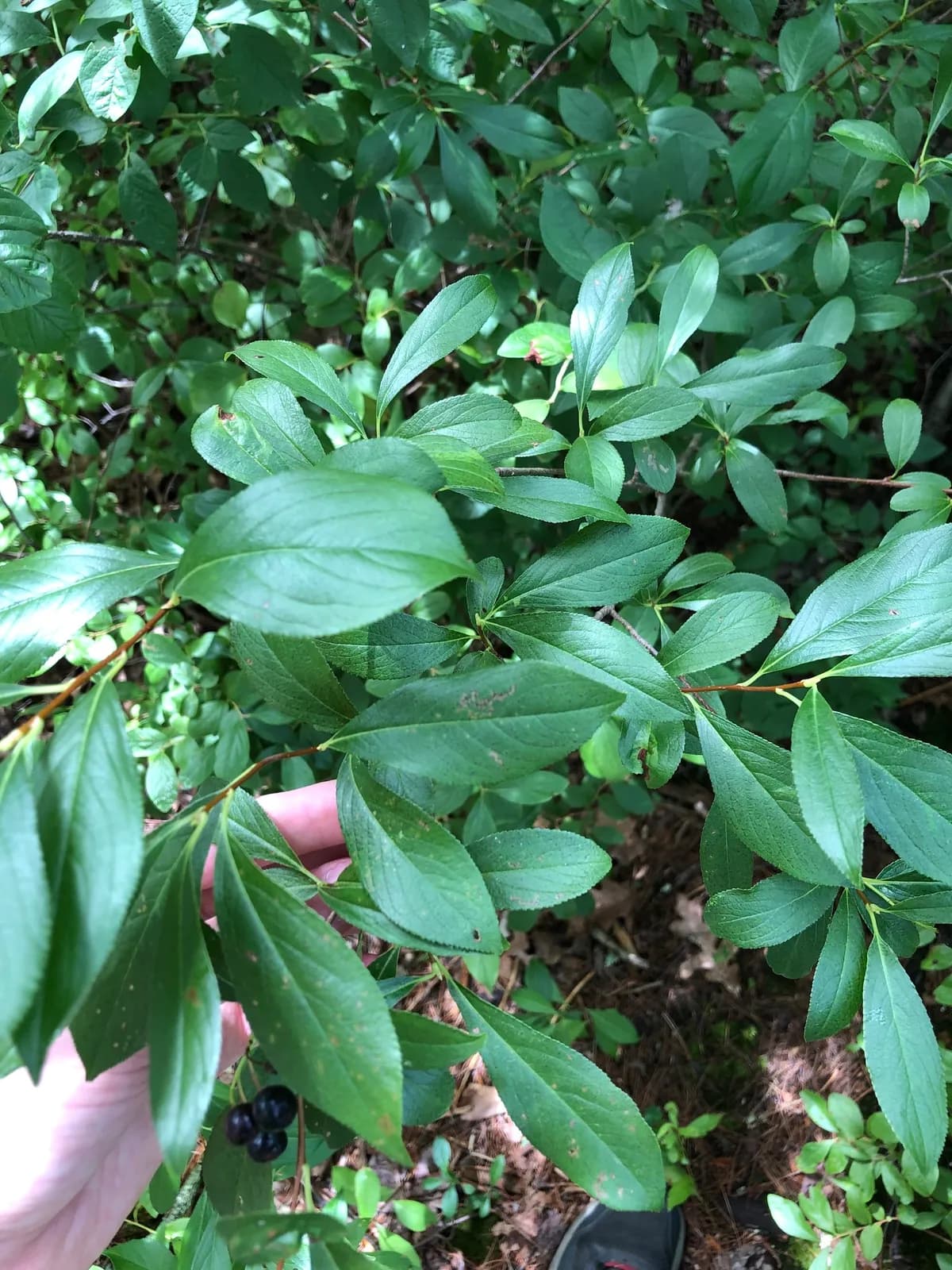
Black Chokeberry
Aronia melanocarpa
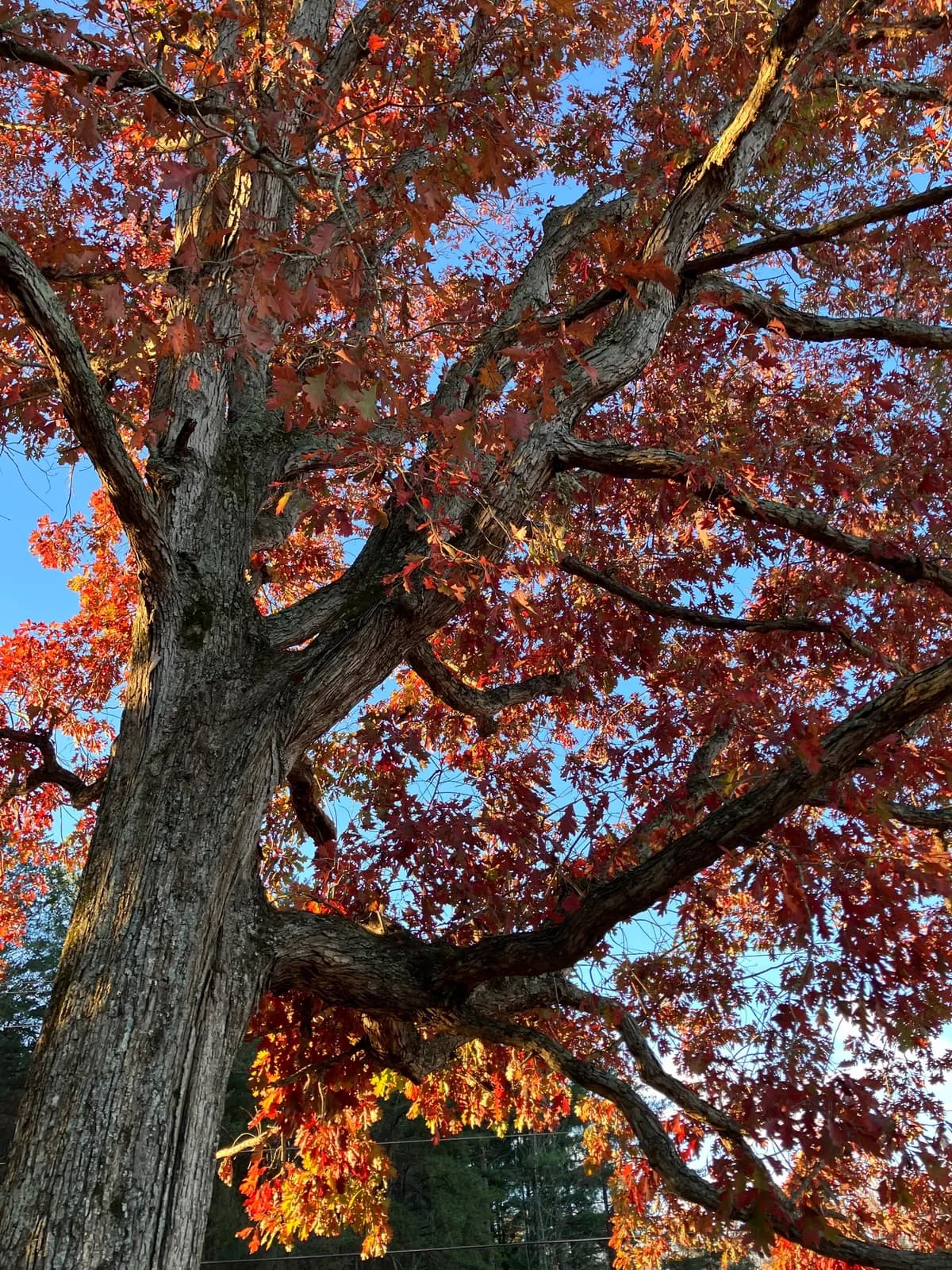
White Oak
Quercus alba
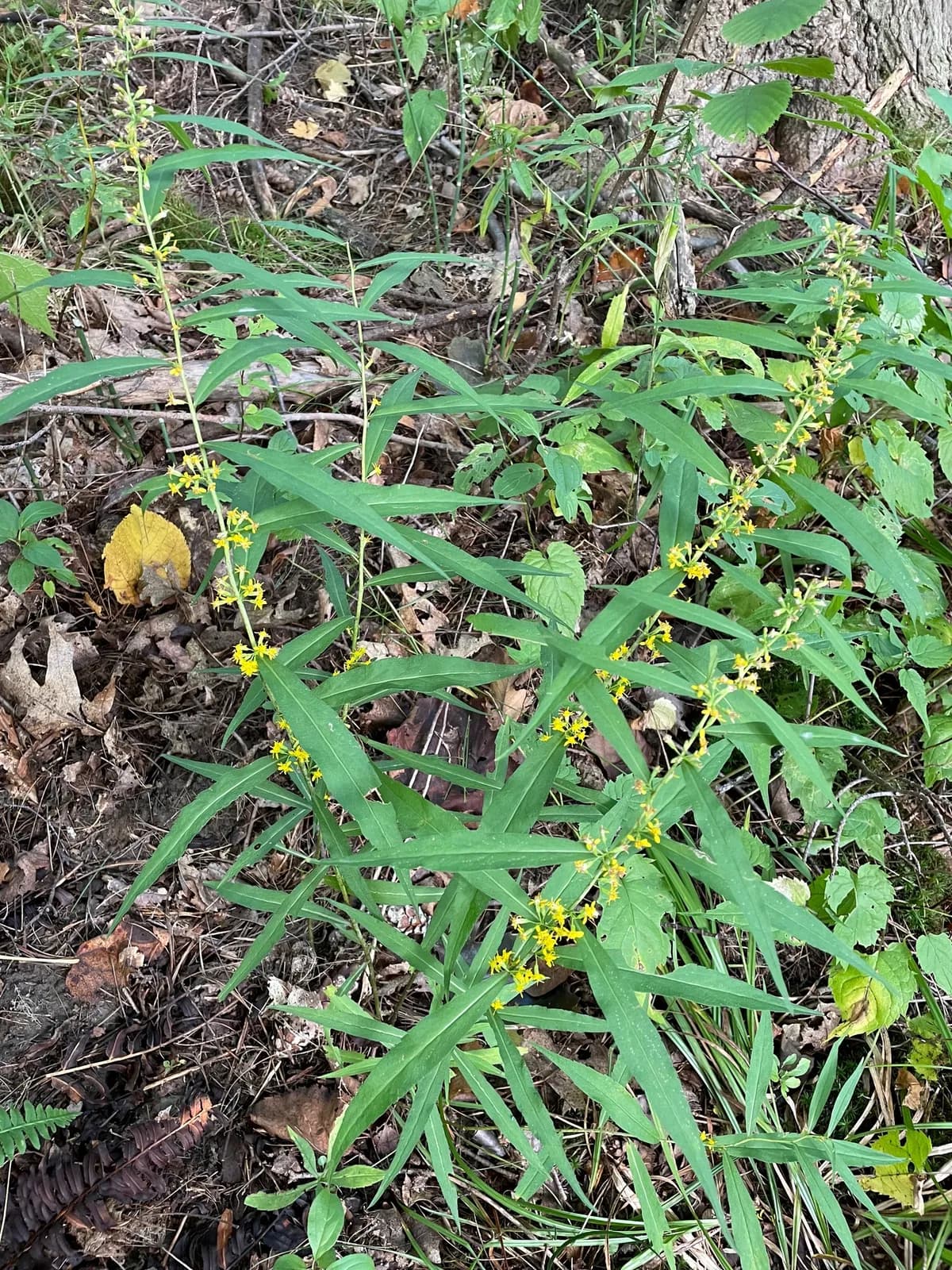
Blue-stemmed Goldenrod
Solidago caesia
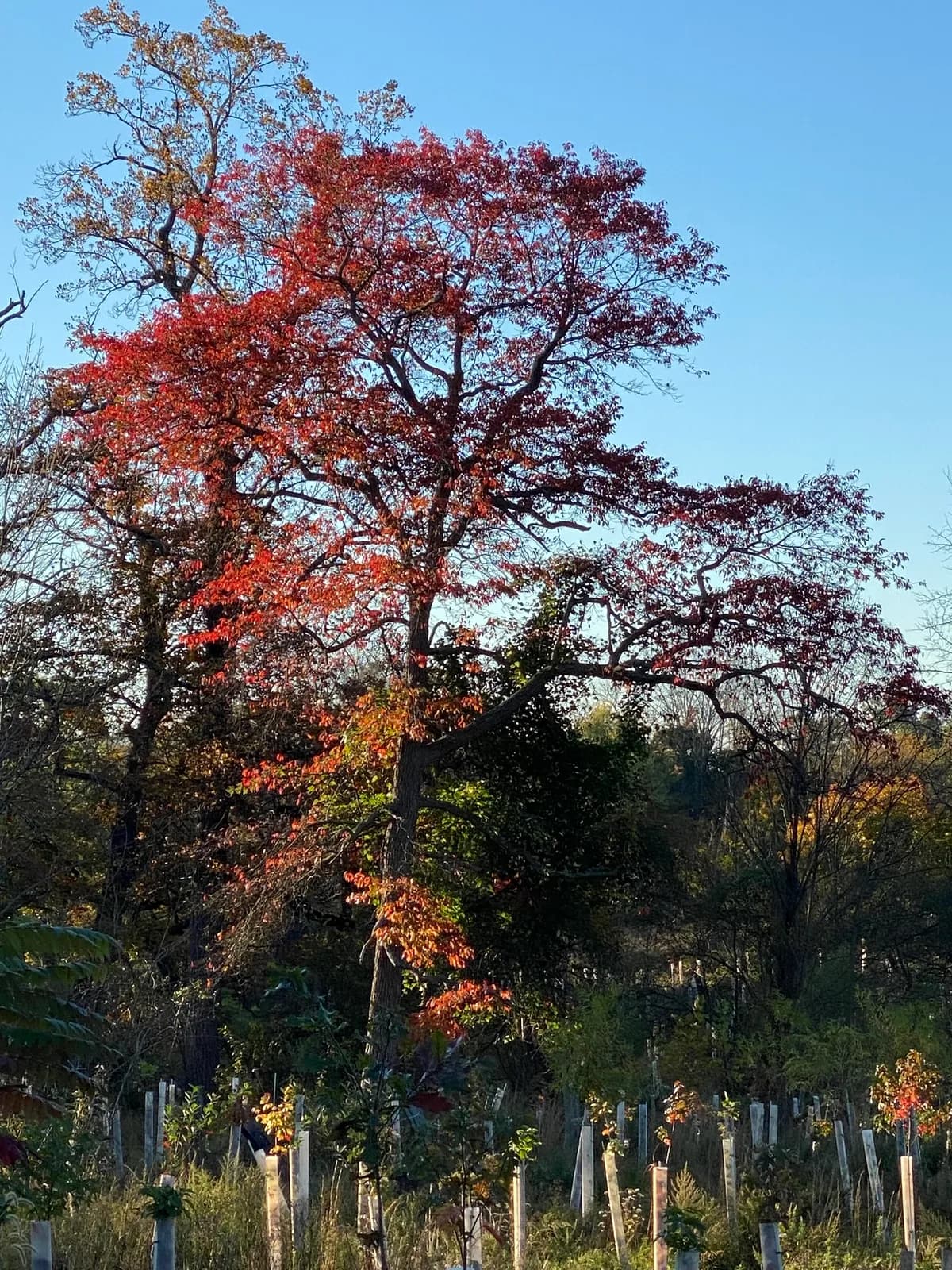
Black Gum
Nyssa sylvatica
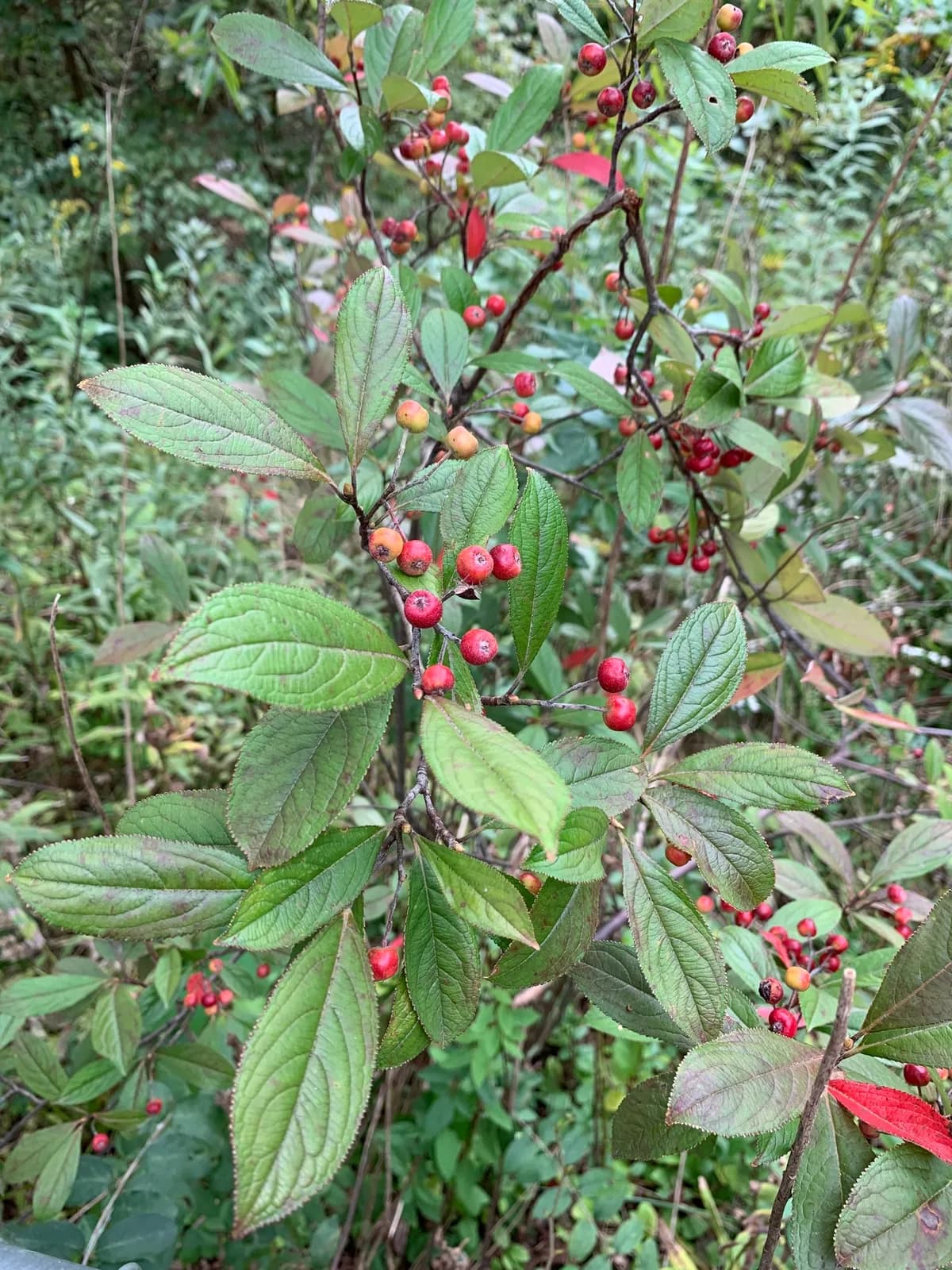
Red Chokeberry
Aronia arbutifolia
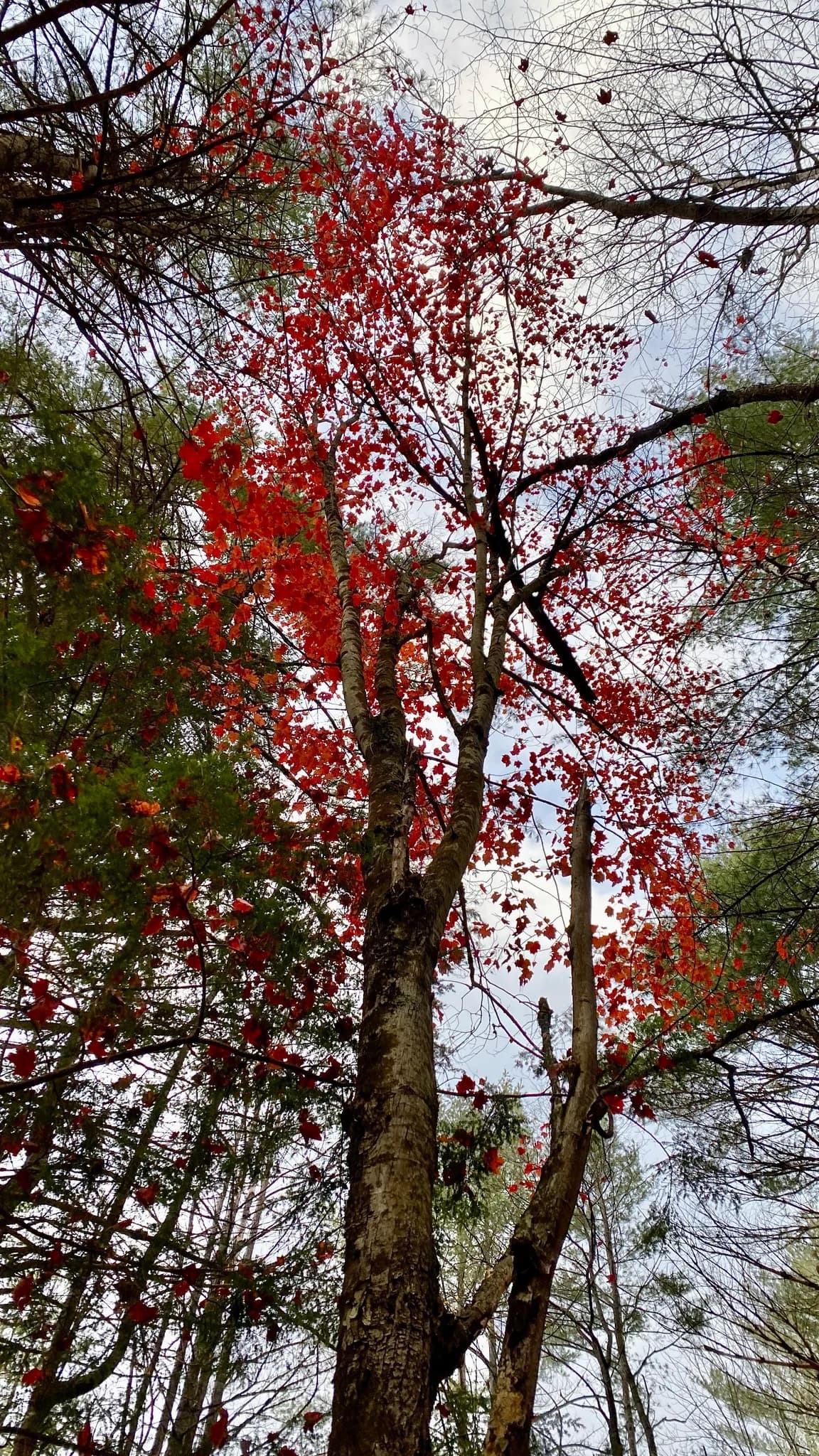
Red Maple
Acer rubrum

Christmas Fern
Polystichum acrostichoides
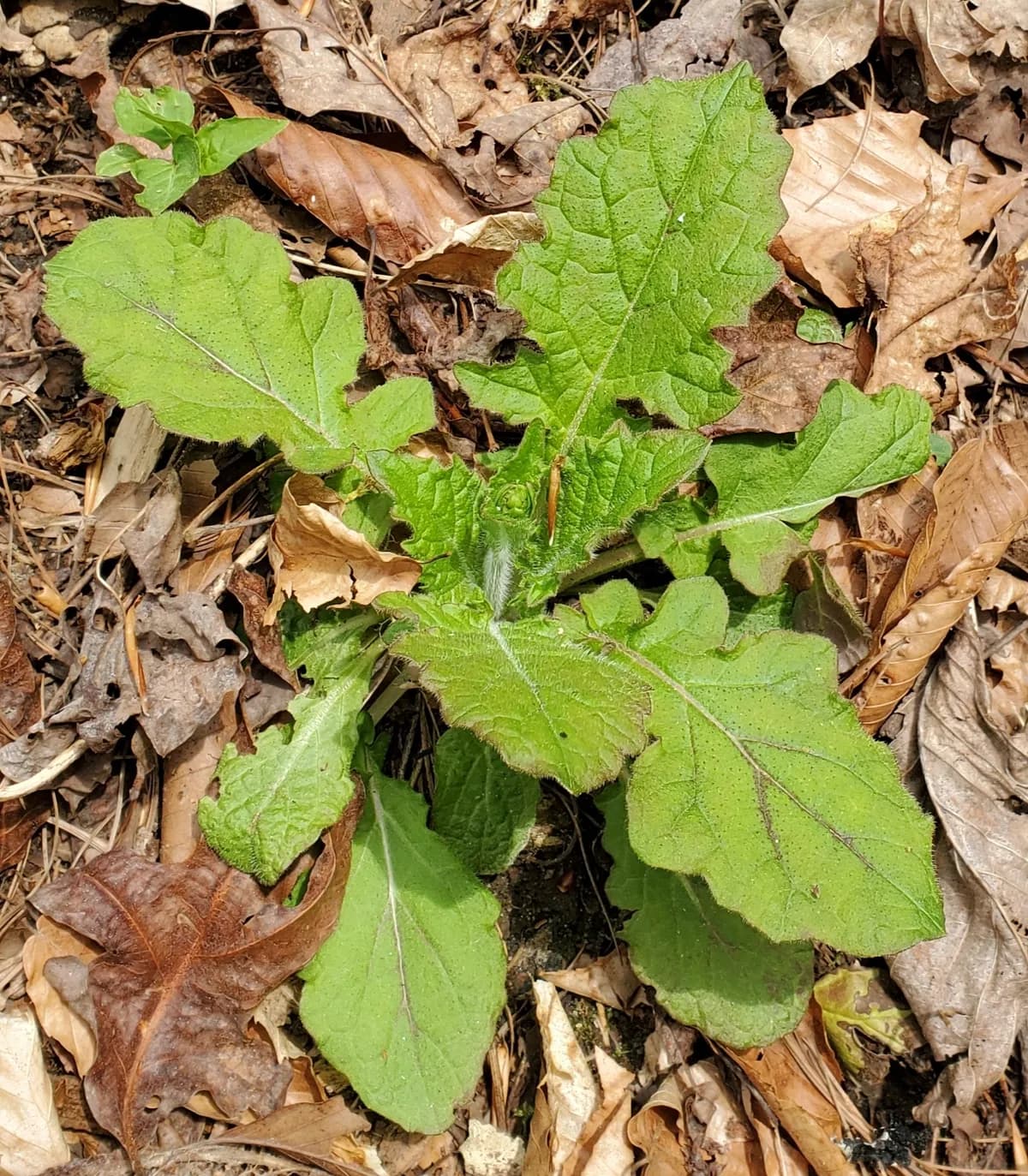
Lyre Leaf Sage
Salvia lyrata
Showing 48 of 1024. Enter your ZIP for the natives matched to your yard.
Fall care in the Atlantic Coastal Pine Barrens
What to do right now for plants commonly grown here. Each links to the full regional care guide for that species, with sources.
- Pacific yew
Fall is a good time to set up roots and deer protection before winter.
- Mountain spurge
Fall is a good time to clear leaf litter and keep the soil moist before winter.
- Big blue lilyturf
Fall needs just a little tidying, and it is a good time to plant new clumps.
- Dense blazing star
In fall you can let the seed heads stand and tidy up lightly.
- Bigleaf hydrangea
Fall is for getting the plant ready for winter without pruning.
- Alumroot
Fall is a good time to divide or plant, and to keep the crown clear of heavy leaf litter.
- Scarlet strawberry
Cool fall weather brings the plants back, so it is a good time to plant or thin them.
- Spindle
Fall brings color and berries, and it is the time to keep seeds from spreading.
- Purple lovegrass
Fall brings the airy seed heads and rusty color, so enjoy them and leave them be.
- Common boxwood
Fall is for a deep drink before the ground freezes and for cleaning up fallen leaves.
Build a plan for the Atlantic Coastal Pine Barrens
The Pollinator Patch App turns plants like these into a front-yard plan tuned for the soil, climate, and HOA expectations of the Riverhead area.