Common Boxwood
Buxus sempervirens
Last reviewed: November 2026
Watering reminders and freeze alerts for Common Boxwood, free in the app.


Common Boxwood is toxic to dogs and cats.
Listed as toxic by the ASPCA Animal Poison Control Center (opens in new tab) (last reviewed 2026-08-15). If your pet has been exposed, call the ASPCA Animal Poison Control Center at (888) 426-4435 and your veterinarian's emergency line.
The Pollinator Patch App flags toxic plants so you can choose a native alternative that is not on the ASPCA toxic plant list.
Light
part sun
Water
medium
Size
24"–96" H × 24"–72" W
Bloom
Apr
Native alternatives to Common Boxwood
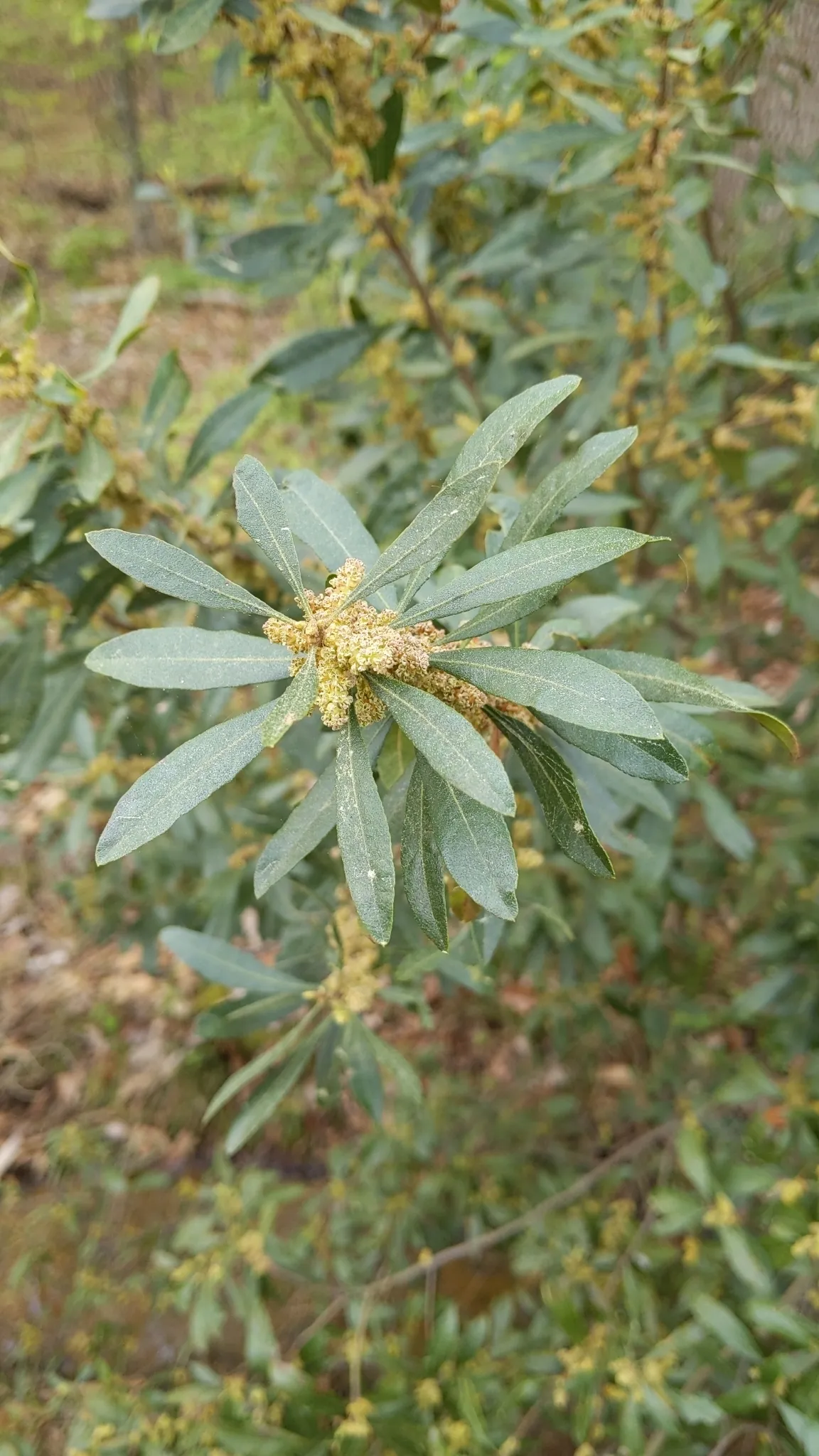
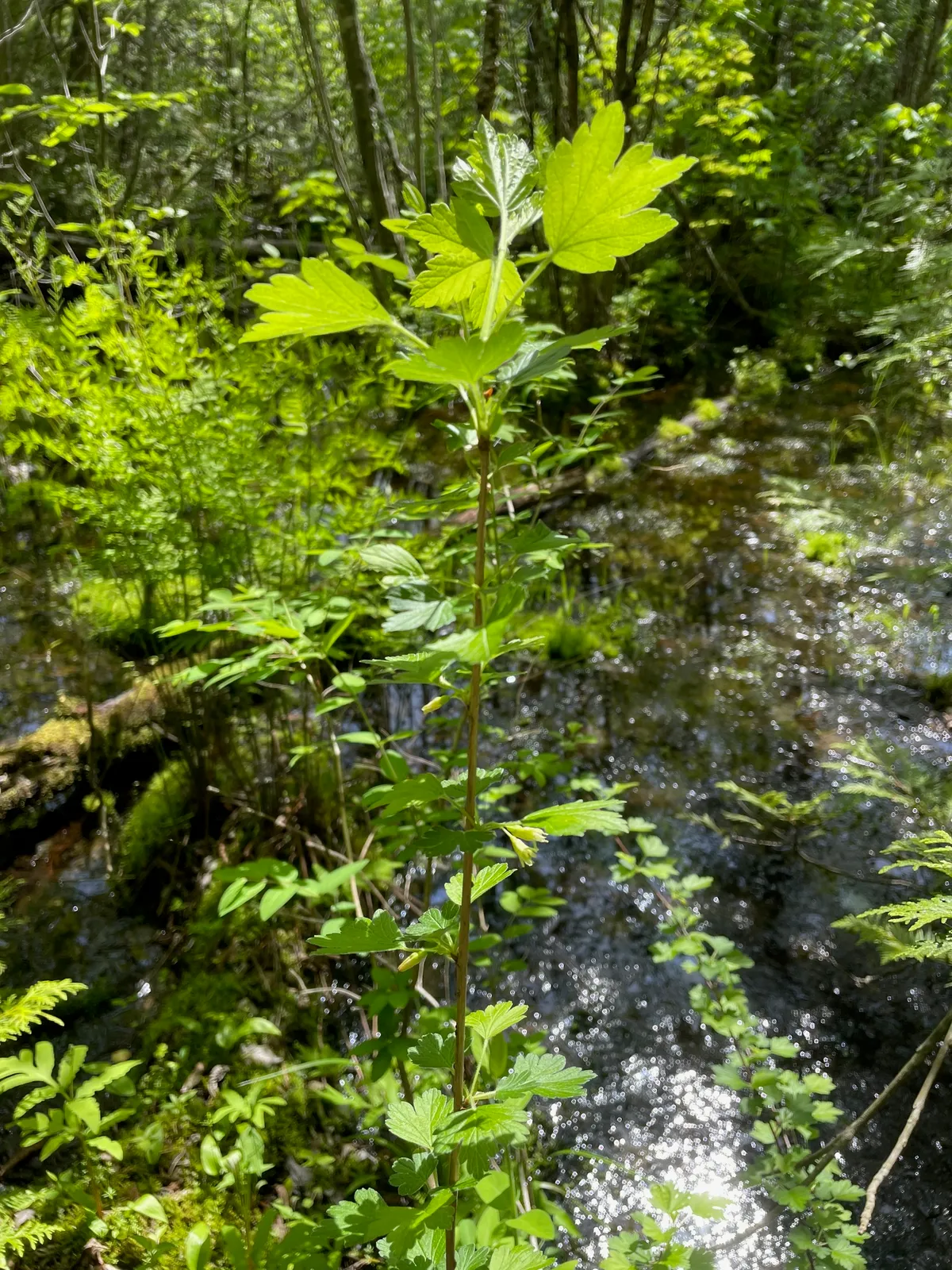
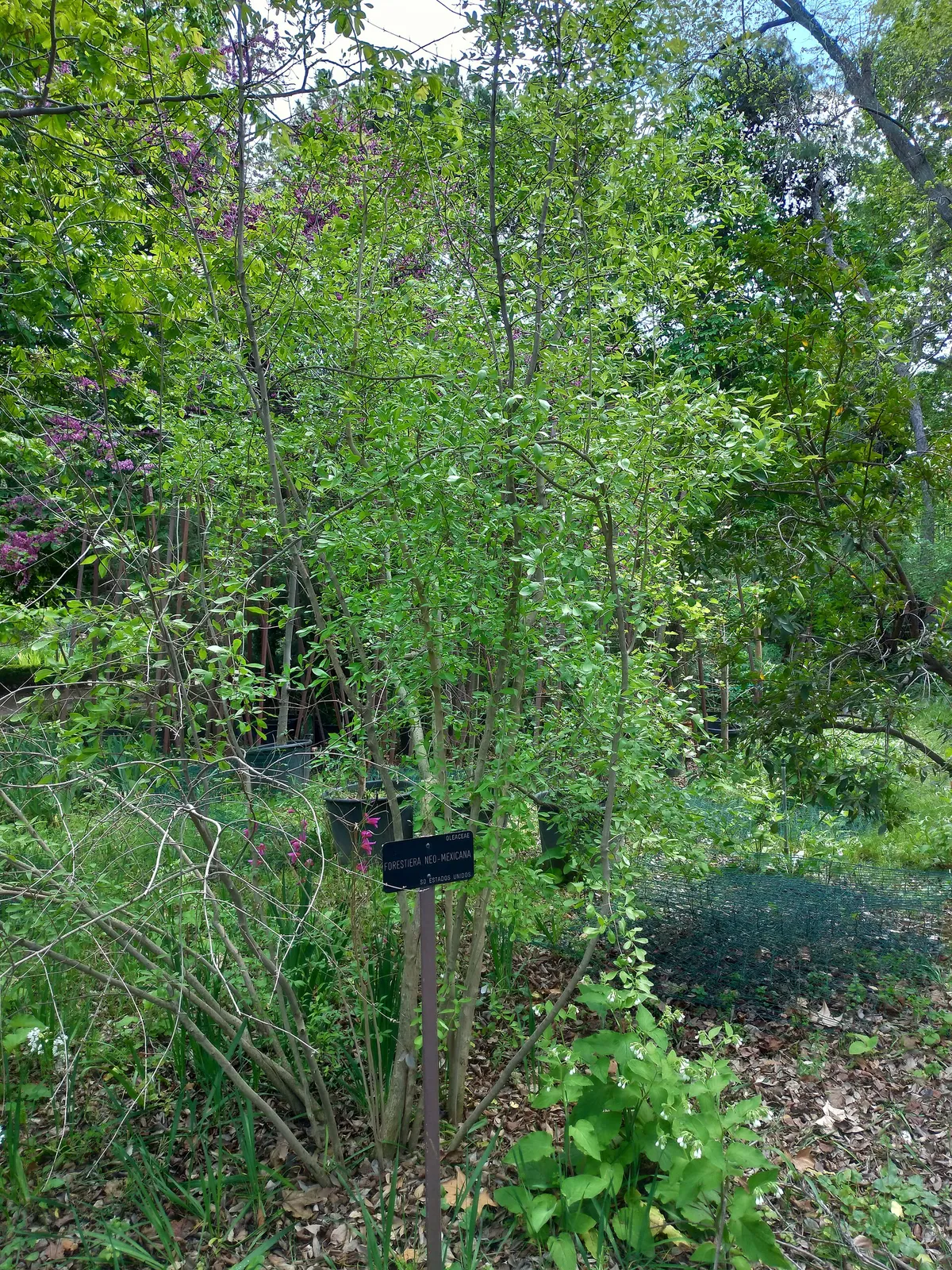
Common Boxwood is not native to the United States. These natives fill a similar role in a planting, matched on bloom season, bloom color and mature size.
Before you buy
Your city may pay you to plant this
Cities and water utilities offer rebates for replacing lawn with native and water-wise plants. We track 465 programs across 44 states, each with a link to the provider and the date we last checked it.
Find rebates in your areaPicture natives in your own yard
Wondering what could grow where Common Boxwood is now? Upload a photo of the spot and Patch Vision shows a rendering of it replanted with natives for your region.
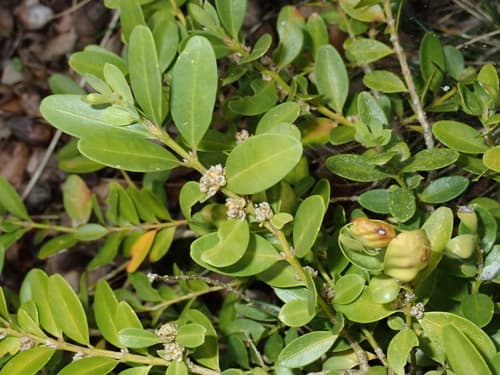
A dense evergreen shrub with small glossy leaves, used for low hedges, edging, and clipped forms. It takes shearing well and holds a shape year round. Boxwood blight and leafminer are the main concerns.
How to care for Common Boxwood, by region
How to care for Common Boxwood where it is actually grown: year-round basics plus what to do each season, region by region, with the sources for each.
Care guidance last updated: November 2026
Atlantic Coastal Pine Barrens (includes Riverhead, NY)
Year-round
Boxwood is a tough, low-fuss evergreen that likes well-drained soil, a bit of mulch, and shelter from winter wind.
- Give it full sun or part shade in soil that drains well, and do not plant it too deep.
- Roots are shallow, so a few inches of mulch keeps them cool and moist. Sandy Long Island soil dries fast, so water young plants deeply.
- Thin it once a year so light and air reach the middle of the plant.
- Deer and rabbits usually leave it alone.
A neatly shaped boxwood hedge is an HOA-friendly choice for a front-yard edge.
Fall
Fall is for a deep drink before the ground freezes and for cleaning up fallen leaves.
- Water deeply in dry autumns so roots go into winter well hydrated.
- Clear leaves and debris from inside the plant to cut down on leaf spot problems.
- Skip late pruning because new growth can get hurt by cold.
- Add mulch if it has thinned out.
Winter
Winter wind, sun, and salt spray are the main stressors, so shelter and snow removal help.
- Shake off heavy wet snow so branches do not bend or split.
- Winter wind and bright winter sun can dry out and bronze the leaves, so consider a burlap screen on exposed sides.
- Salt spray from roads or coastal wind can discolor leaves.
- Leave pruning for spring.
Spring
Spring is the time to tidy, mulch, and do a light thinning once the cold snaps are over.
- Wait until the risk of hard frost has passed before you prune, since pruning too early in spring is not recommended.
- Pull off winter debris and check leaves for brown, spotted, or bronzed patches.
- Refresh mulch to a few inches, keeping it off the stems.
- Thin a few inner branches so air can move through.
A light spring trim keeps the hedge looking crisp from the street.
Summer
Summer mostly means steady moisture for shallow roots and a watch for pests and leaf spots.
- Water deeply during dry stretches, especially in fast-draining sandy soil.
- Keep the mulch layer in place so roots stay cool.
- Look for leaf spots, leaf mining, or mites, and remove badly affected shoots.
- Avoid heavy pruning late in the season.
Sources: NC State Extension Plant Toolbox: Buxus sempervirens
Texas Blackland Prairies (includes Dallas, TX)
Year-round
Common boxwood is an ornamental evergreen shrub from Europe, western Asia and northern Africa. It is not a Texas native, and the source does not cover north Texas, so treat it as a trial plant in Dallas.
- Full sun or partial shade both work.
- It prefers well-drained soil and tolerates clay, sand and loam.
- It is slow growing and can reach 5 to 20 feet if not pruned.
- It is shallow-rooted, so mulch helps keep the roots from drying out.
Fall
Fall needs little. Keep the soil draining and the mulch in place.
- It prefers well-drained soil.
- It is evergreen.
- Boxwood blight and leaf spot are the listed diseases.
Winter
It stays green through winter, but leaves may bronze. Shelter it from strong winter sun and wind.
- NC State lists USDA zones 5a through 8b.
- The source advises protecting it from full winter sun and strong winds, which can cause dehydration and bronzing.
- Leaves may take on an orange-green cast in winter.
Spring
Spring brings small, fragrant flowers. Wait to prune until after the early spring window.
- Small, fragrant, creamy yellow flowers appear in spring.
- The source says to avoid pruning too early in spring.
Summer
NC State rates it as resistant to drought, but it has shallow roots. Mulch and avoid late summer pruning.
- It is listed as particularly resistant to drought.
- A few inches of mulch keep the shallow roots from drying out.
- The source says to avoid pruning too late in summer.
- Boxwood leafminer, mite and psyllid are the listed insect pests.
Sources: NC State Extension Plant Toolbox: Buxus sempervirens
In an HOA neighborhood
Common Boxwood takes more care to keep looking intentional in a front yard. Maintenance level: moderate. Consider it for backyard or mid-zone beds rather than the street edge.
Works well in: front yard, foundation bed, border.
Wildlife value
Grown as an ornamental. Non-native plants support far fewer local insects than a native of similar size, so treat this as garden interest rather than habitat.
Common questions
- How much sun does Common Boxwood need?
- Common Boxwood grows best in part sun conditions.
- When does Common Boxwood bloom?
- Common Boxwood blooms in April.
- Is Common Boxwood toxic to dogs?
- Yes. Common Boxwood is listed as toxic to dogs by the ASPCA Animal Poison Control Center (aspca.org). If your pet has been exposed, call the ASPCA Animal Poison Control Center at (888) 426-4435.
- Is Common Boxwood toxic to cats?
- Yes. Common Boxwood is listed as toxic to cats by the ASPCA Animal Poison Control Center (aspca.org). If your cat has been exposed, call the ASPCA Animal Poison Control Center at (888) 426-4435.
- Is Common Boxwood HOA-friendly?
- Common Boxwood takes more care to look intentional in a front yard. Consider it for backyard or mid-zone beds rather than the street edge.
Pollinator and host plant associations compiled from GBIF, iNaturalist, and published ecological literature.
If something looks wrong
Common plant problems, and what to check first
These come up on almost any plant. Each guide lists the likely causes in the order they are worth ruling out, with one thing to check before you act on any of them, and links to the source it came from.
- It is dying right after planting
- Leaves turning yellow
- Wilting even though I watered it
- Brown crispy leaf tips
- Bugs on the plant
Pollinator Patch flags toxic plants like Common Boxwood and shows natives not flagged toxic to pets for your ecoregion instead.