Pacific yew
Taxus brevifolia
Last reviewed: October 2026
Pacific yew (Taxus brevifolia) is a perennial tree native to CA, ID, MT, OR and 1 more states. It blooms in March and April.
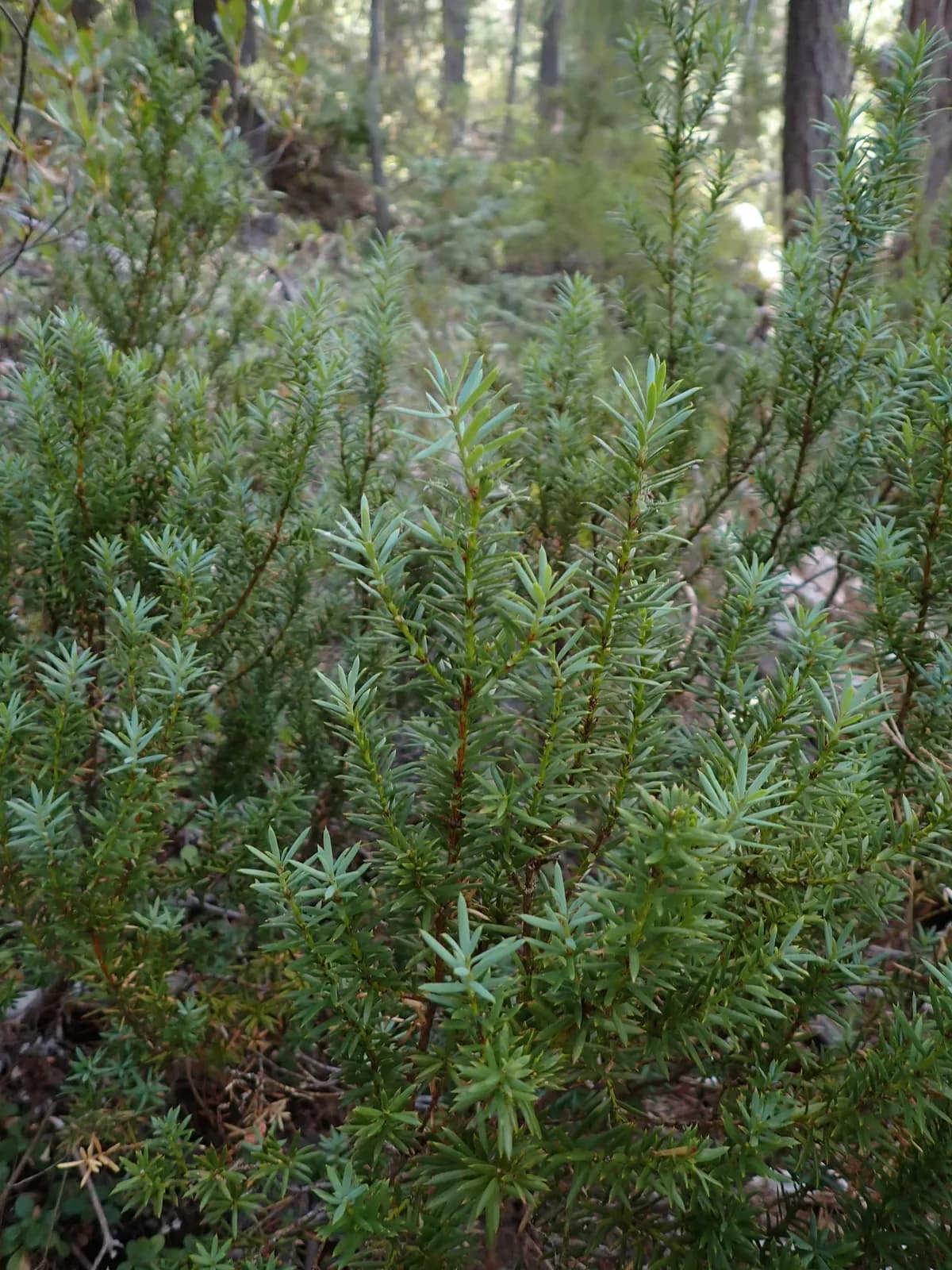
Pacific yew is toxic to dogs and cats.
Listed as toxic by the ASPCA Animal Poison Control Center (opens in new tab) (last reviewed 2026-08-15). If your pet has been exposed, call the ASPCA Animal Poison Control Center at (888) 426-4435 and your veterinarian's emergency line.
Pollinator Patch flags toxic plants so you can choose a pet-safe native alternative for your yard.
Native swaps for a yard with pets
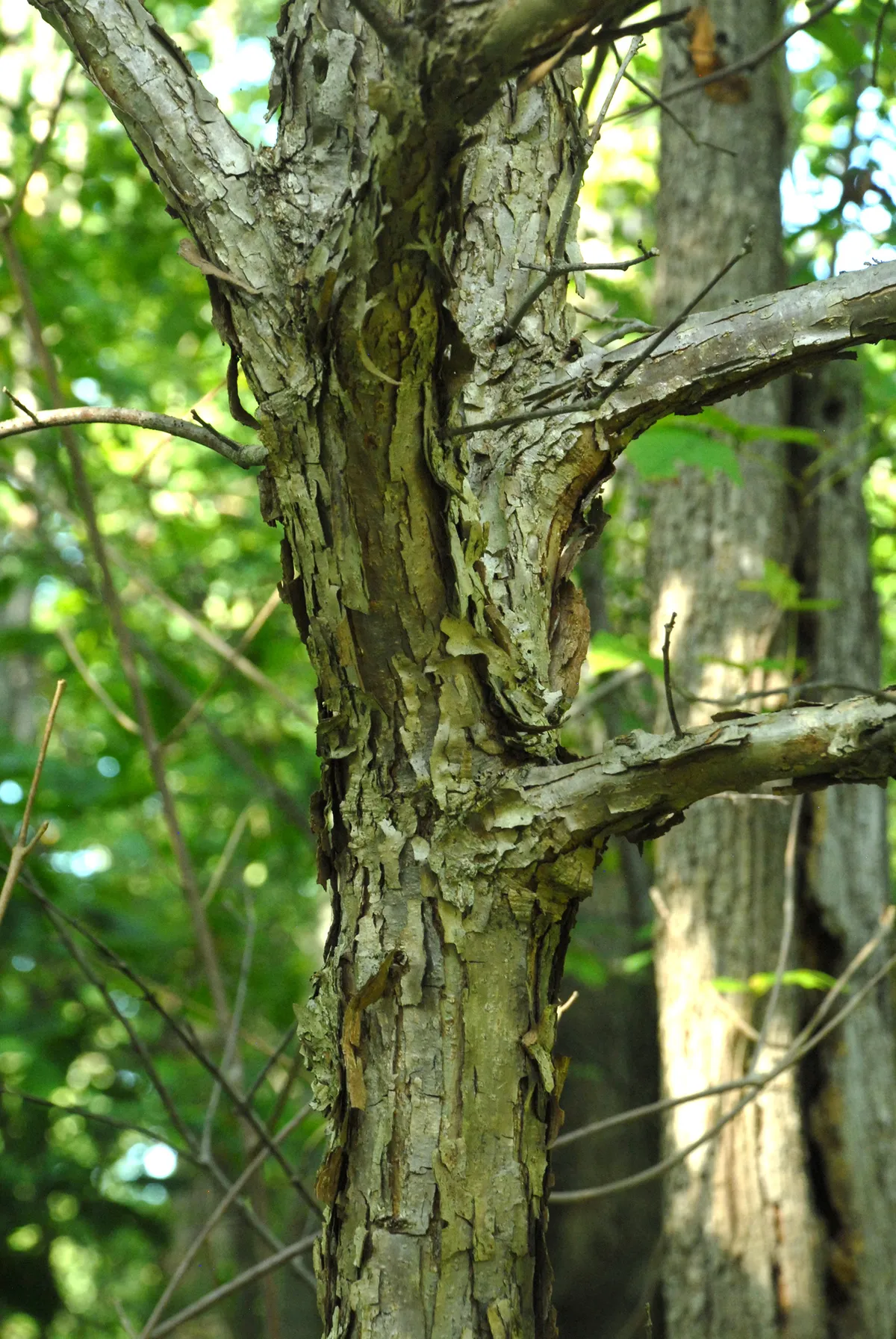
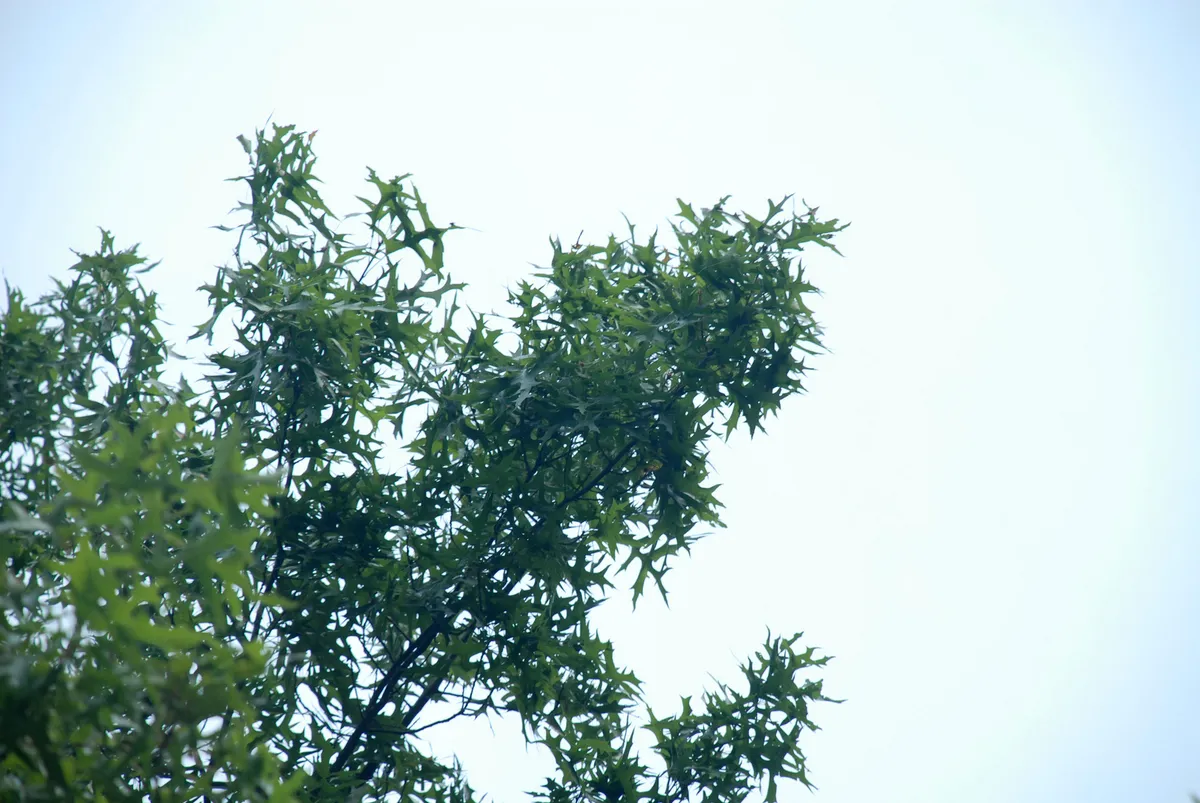
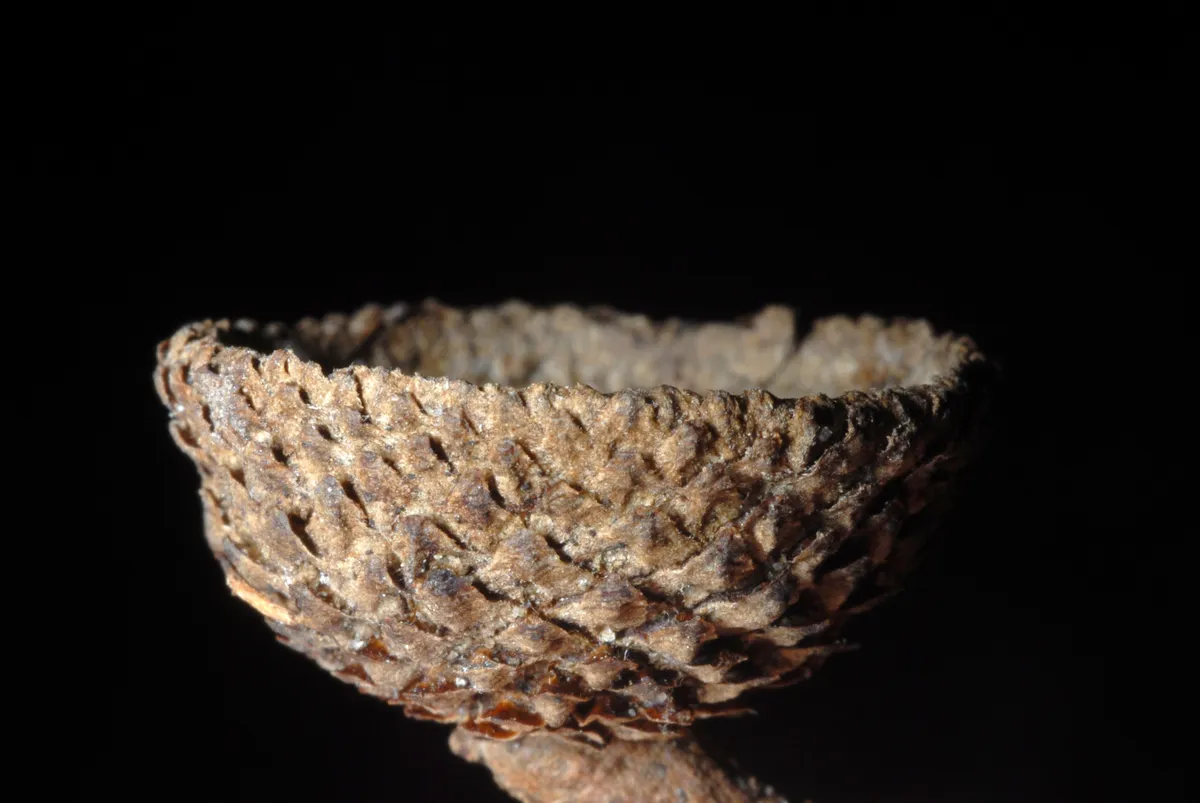
Pacific yew is listed as toxic to dogs by the ASPCA Animal Poison Control Center. These natives fill a similar role in a planting and are not on the ASPCA toxic plant list for dogs or cats. Each plant's page carries its dated record.
Light
part shade
Water
medium
Size
240"–600" H × 180"–300" W
Bloom
Mar, Apr
Native to
CA, ID, MT, OR and 1 more states
Before you buy
Your city may pay you to plant this
Cities and water utilities offer rebates for replacing lawn with native and water-wise plants. We track 459 programs across 44 states, each with a link to the provider and the date we last checked it.
Find rebates in your areaPicture natives in your own yard
Upload a photo of your yard and Patch Vision shows a rendering of it planted with natives for your region, like Pacific yew.


Browse plants for this ecoregion
A slow-growing, shade-tolerant conifer with flat, dark green needles and a graceful, often irregular form, producing small red fleshy cups around each seed on female trees. All other plant parts are toxic if ingested.
Growing Pacific yew
Grow Pacific yew in part shade and medium water. Mature plants reach 240 to 600 inches tall and spread 180 to 300 inches wide.
How to care for Pacific yew, by region
How to care for Pacific yew where it is actually grown: year-round basics plus what to do each season, region by region, with the sources for each.
Care guidance last updated: October 2026
Atlantic Coastal Pine Barrens (includes Riverhead, NY)
Year-round
This yew likes partial shade and moist but well-drained soil, and it grows slowly with little fuss.
- Give it 2 to 6 hours of direct sun, with shade in the hottest part of the day.
- Plant in well-drained loam. Soggy sandy-to-clay pockets can lead to root trouble.
- Water during dry spells, especially the first two years.
- Deer browse yews, so on Long Island plan on netting or a fence.
Slow, tidy growth keeps a front-yard yew looking neat with only light trimming.
Fall
Fall is a good time to set up roots and deer protection before winter.
- Water well until the ground freezes so needles do not dry out over winter.
- Install deer netting or fencing before the first hard frost.
- Rake fallen leaves off the base and refresh mulch.
Winter
In winter the yew mostly needs wind cover and a break from hungry deer.
- Keep deer protection up, since deer browse yews hardest when other food is scarce.
- Shake heavy wet snow off branches gently to avoid snapped limbs after a nor'easter.
- On windy shorelines, a burlap screen on the windward side limits needle burn.
Spring
Spring is the best time to plant or move a yew and to check for winter damage.
- Plant once the ground is workable, and mulch 2 to 3 inches, kept off the trunk.
- Look for brown or burned tips from winter wind and salt spray and trim them out after new growth starts.
- Water deeply if April and May stay dry.
Summer
Summer care is mostly steady water and watching for pests in the heat.
- Give a deep soak weekly when there is no rain, more often in sandy Long Island soil.
- Keep mulch fresh to hold moisture and cool the roots.
- Check needles for blight spots or insect damage and remove affected twigs.
Wildlife value
The red fleshy arils are eaten by birds, which help disperse the seeds, though the needles and seed itself are toxic to most animals.
Common questions
- How much sun does Pacific yew need?
- Pacific yew grows best in part shade conditions.
- When does Pacific yew bloom?
- Pacific yew blooms in March and April.
- Where is Pacific yew native?
- Pacific yew (Taxus brevifolia) is native to CA, ID, MT, OR and 1 more states, per the World Checklist of Vascular Plants (Kew).
- Is Pacific yew toxic to dogs?
- Yes. Pacific yew is listed as toxic to dogs by the ASPCA Animal Poison Control Center (aspca.org). If your pet has been exposed, call the ASPCA Animal Poison Control Center at (888) 426-4435.
- Is Pacific yew toxic to cats?
- Yes. Pacific yew is listed as toxic to cats by the ASPCA Animal Poison Control Center (aspca.org). If your cat has been exposed, call the ASPCA Animal Poison Control Center at (888) 426-4435.
Native range data from the World Checklist of Vascular Plants (Kew). Pollinator and host plant associations compiled from GBIF, iNaturalist, and published ecological literature.
If something looks wrong
Common plant problems, and what to check first
These come up on almost any plant. Each guide lists the likely causes in the order they are worth ruling out, with one thing to check before you act on any of them, and links to the source it came from.
- It is dying right after planting
- Leaves turning yellow
- Wilting even though I watered it
- Brown crispy leaf tips
- Bugs on the plant
Pollinator Patch flags toxic plants like Pacific yew and shows pet-safe natives for your ecoregion instead.