EPA Level III Ecoregion
Puget Lowland
496 native plants for the Puget Lowland ecoregion (Seattle area).
The Puget Lowland is the glacial trough between the Cascades and the Olympics, covering Seattle, Tacoma, Everett, Olympia, and Bellingham. Winters are mild and wet, summers are genuinely dry, and the glacial soils drain fast, which catches out anyone assuming the Northwest is wet year round. Natives such as flowering currant, broadleaf stonecrop, and Oregon gumweed are built for that soaking winter and rainless summer, and they want no irrigation once established.
Conditions: Fast-draining glacial outwash and till, 30–50 inches of rain falling mostly October through April, mild winters, dry summers.
Cities and areas: Seattle, Tacoma, Everett, Olympia, Bellingham, Bremerton.
496 Native Plants for the Puget Lowland
HOA-friendly picks listed first. Pet-safety status varies by species; each plant page shows its sourced ASPCA status. Native range data from vouchered herbarium specimen records and regional native plant society lists.
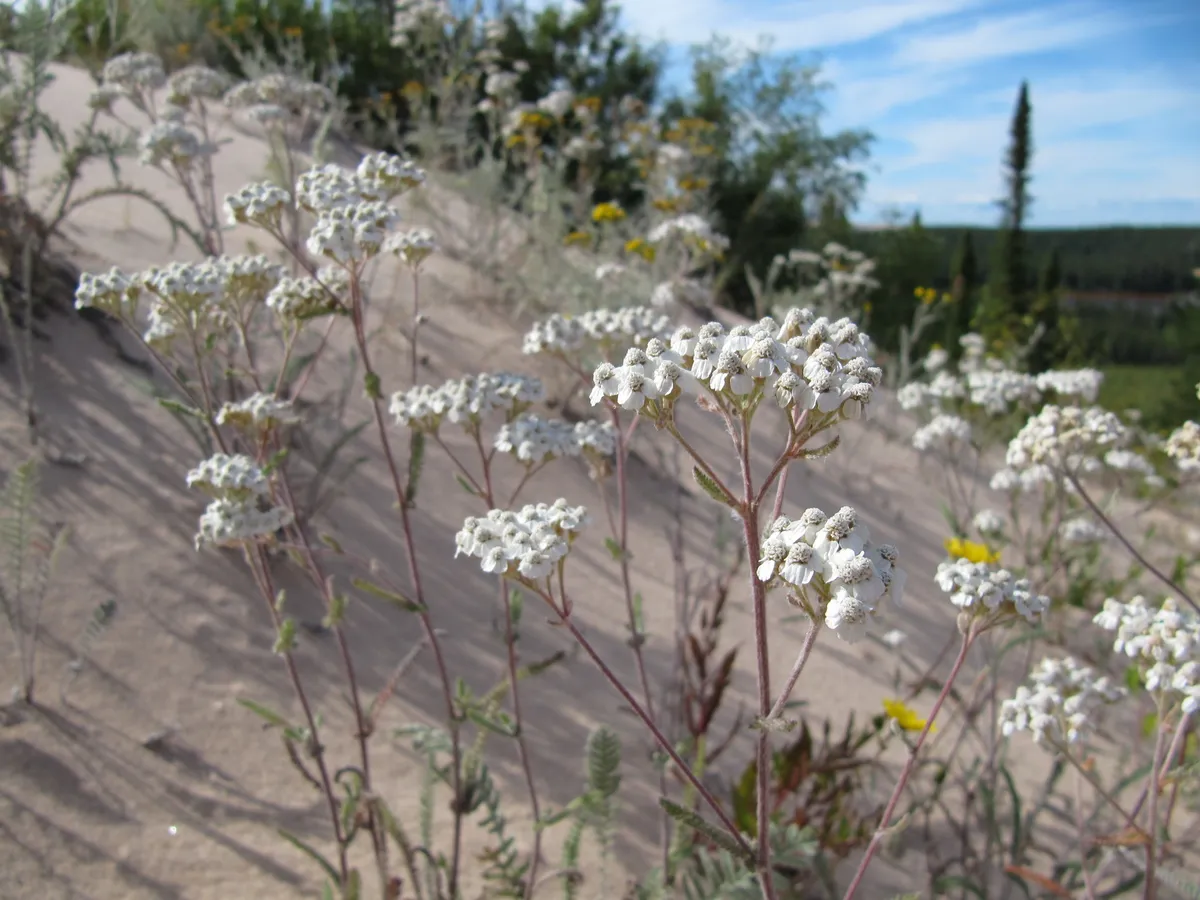
Common Yarrow
Achillea millefolium
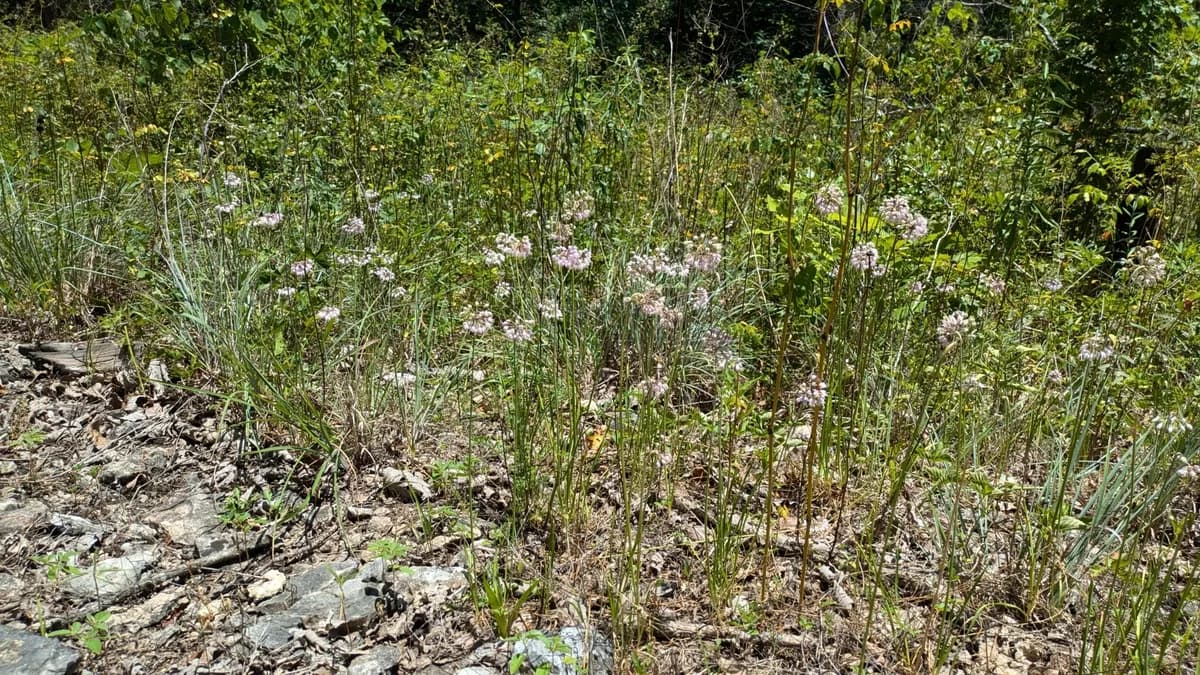
Nodding Onion
Allium cernuum
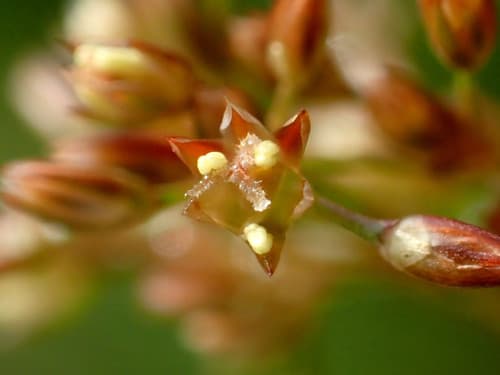
Soft rush
Juncus effusus
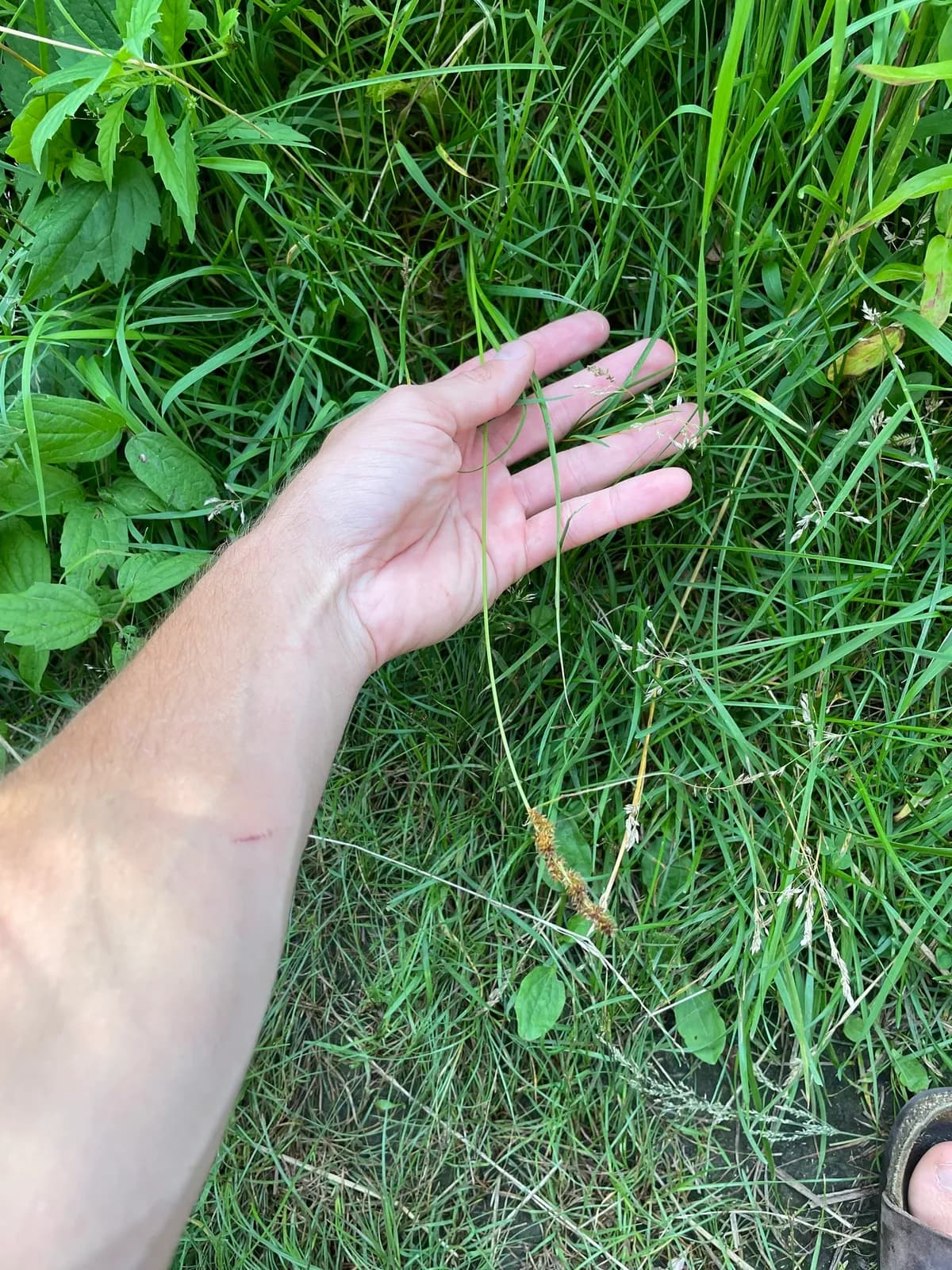
American Fox Sedge
Carex vulpinoidea
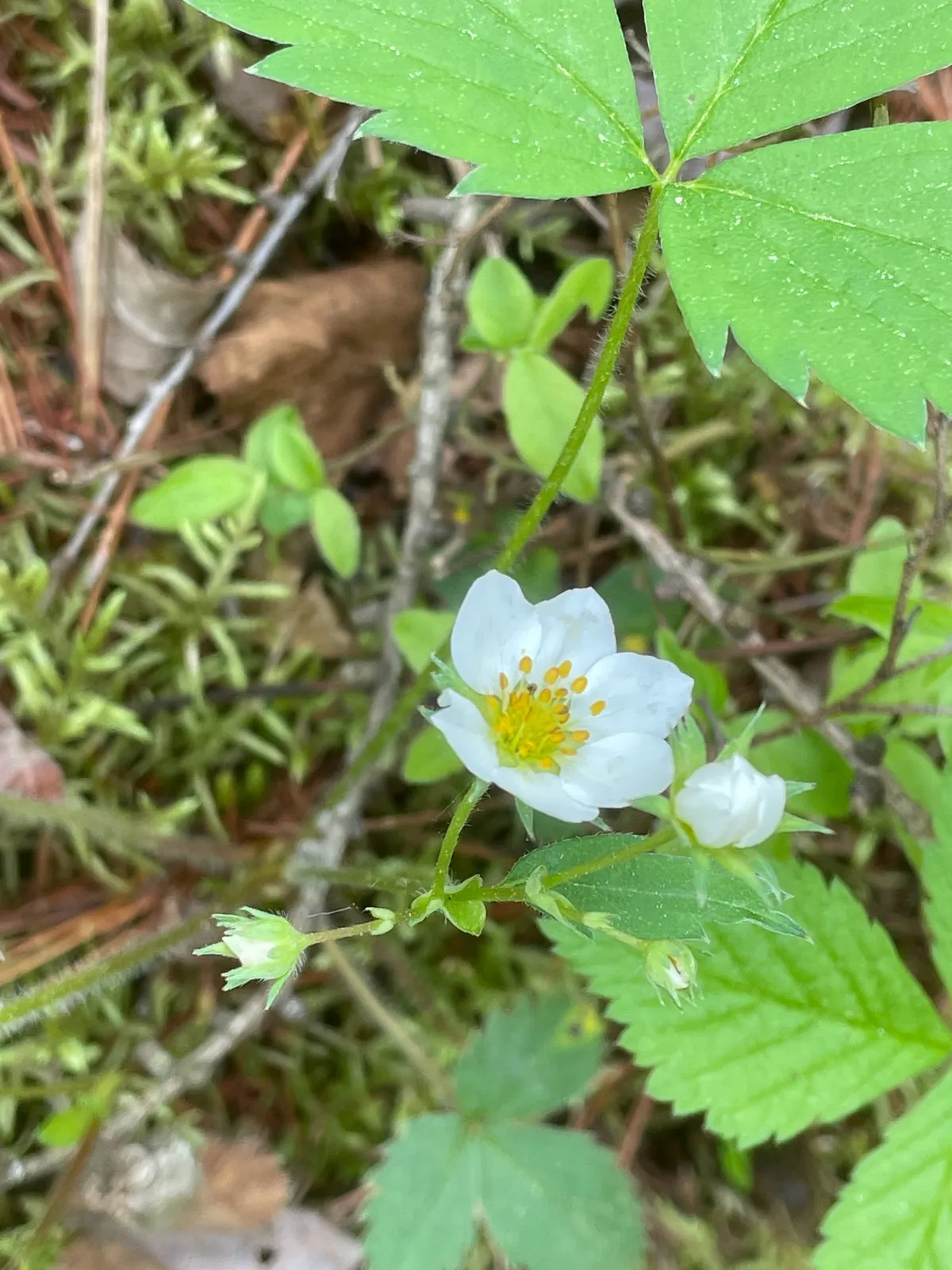
Scarlet Strawberry
Fragaria virginiana
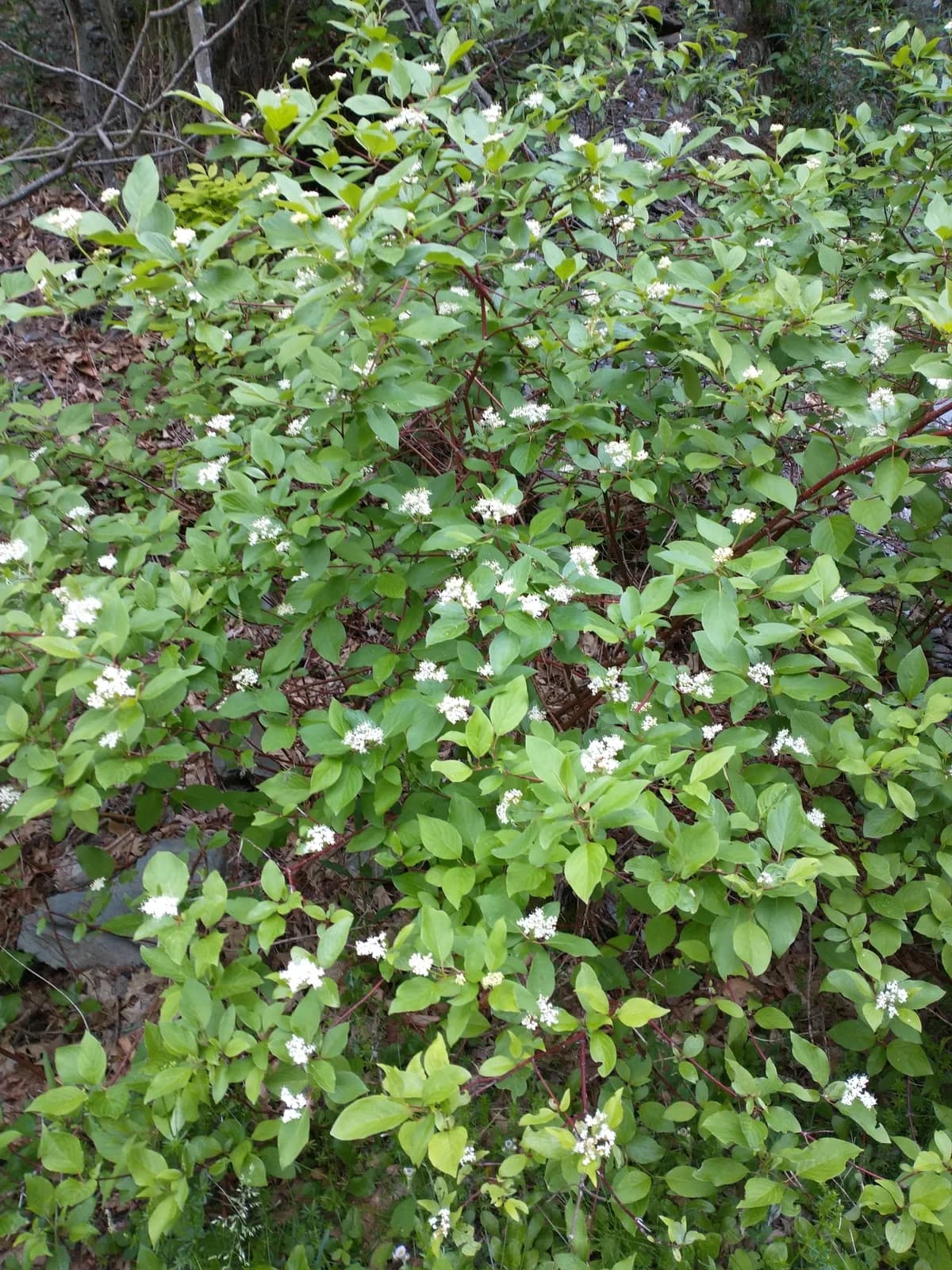
Red-osier Dogwood
Cornus sericea
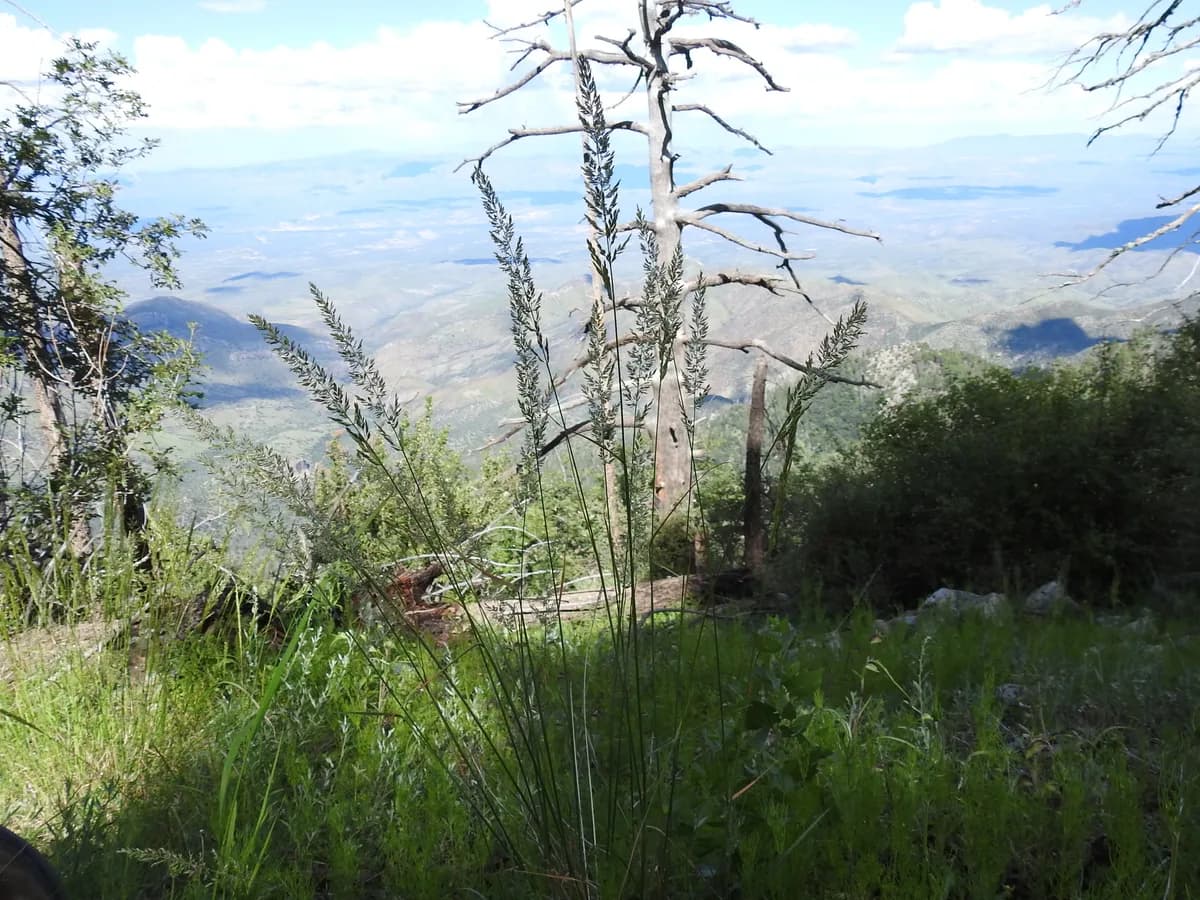
Prairie Junegrass
Koeleria macrantha
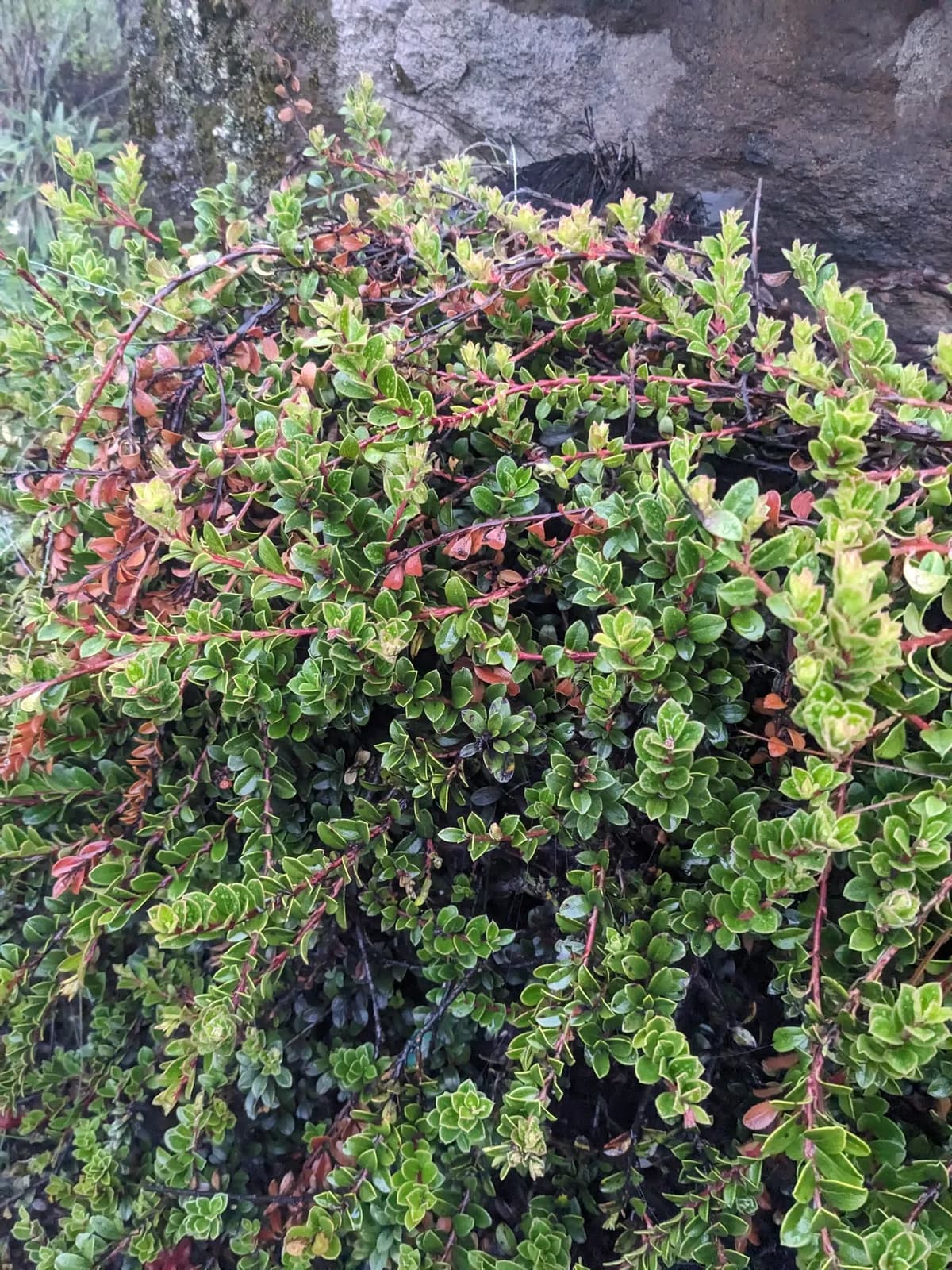
Bear-grape
Arctostaphylos uva-ursi
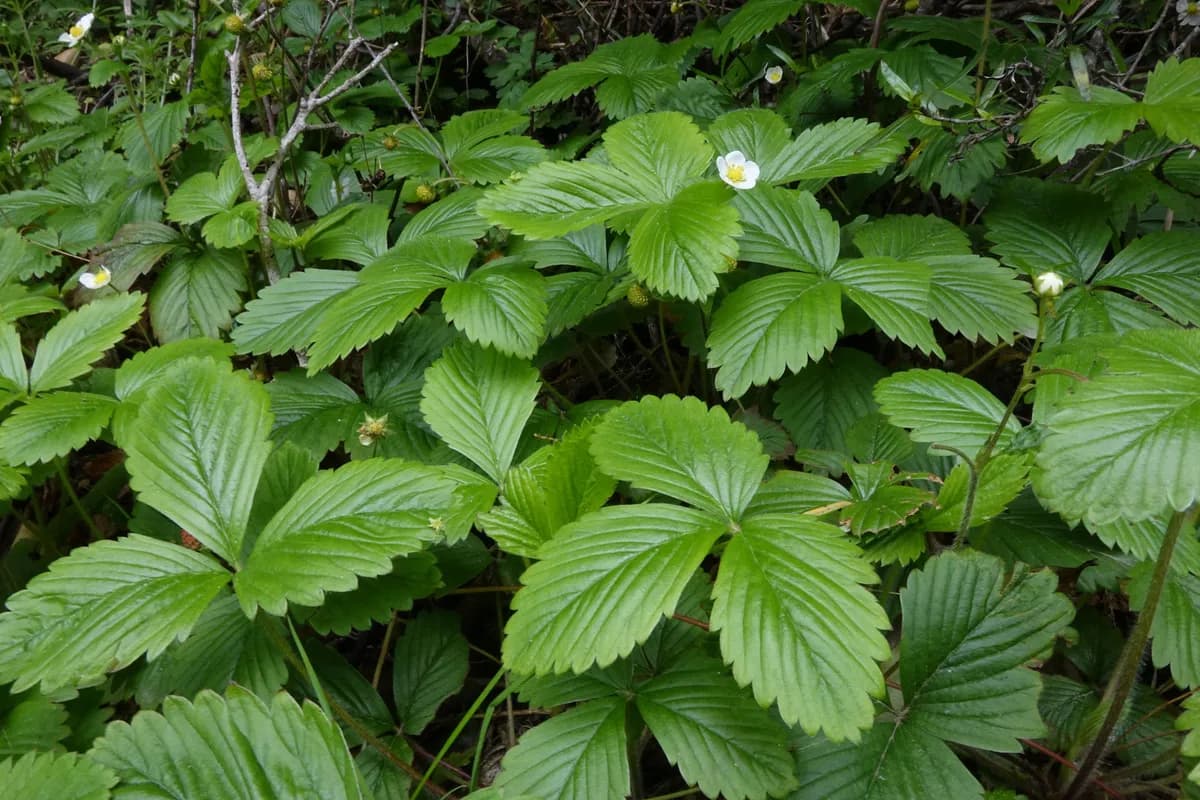
Wild Woodland Strawberries
Fragaria vesca
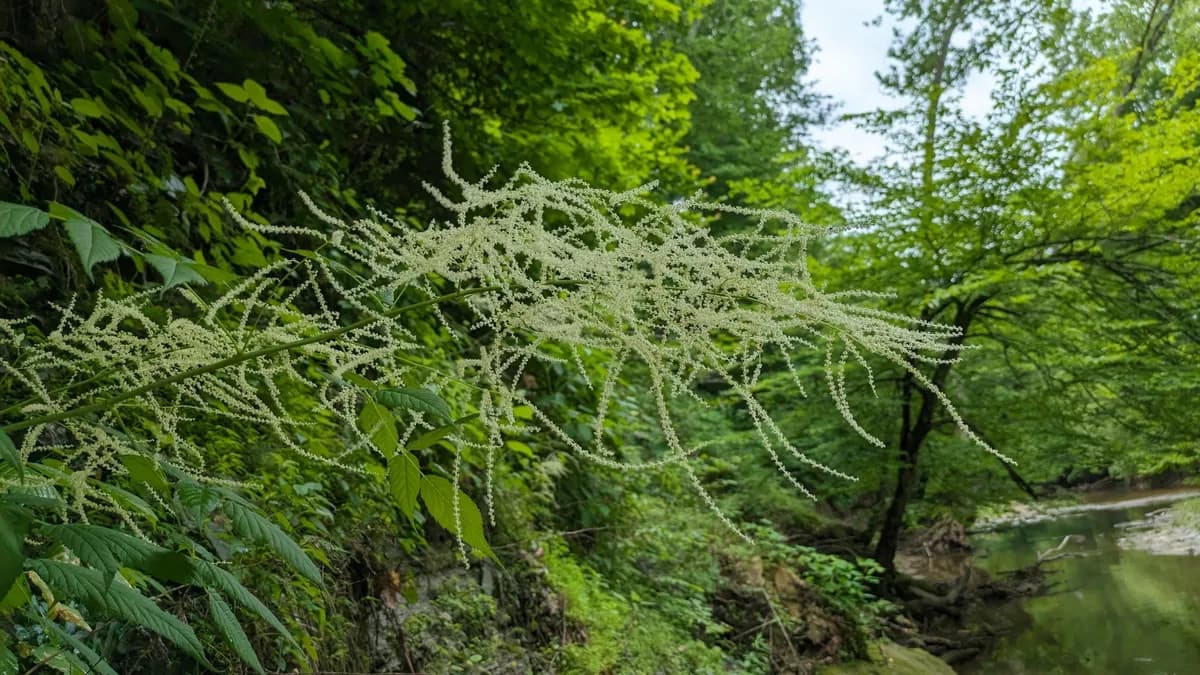
Goat's-beard
Aruncus dioicus
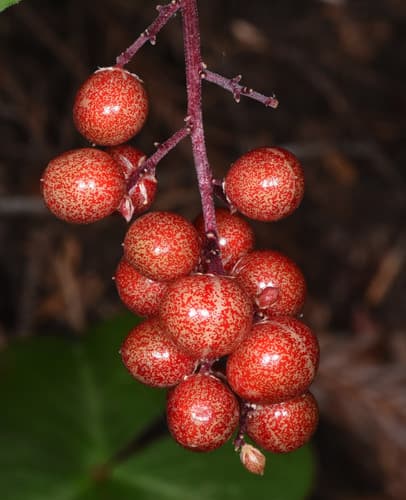
Solomon's-plume
Maianthemum racemosum
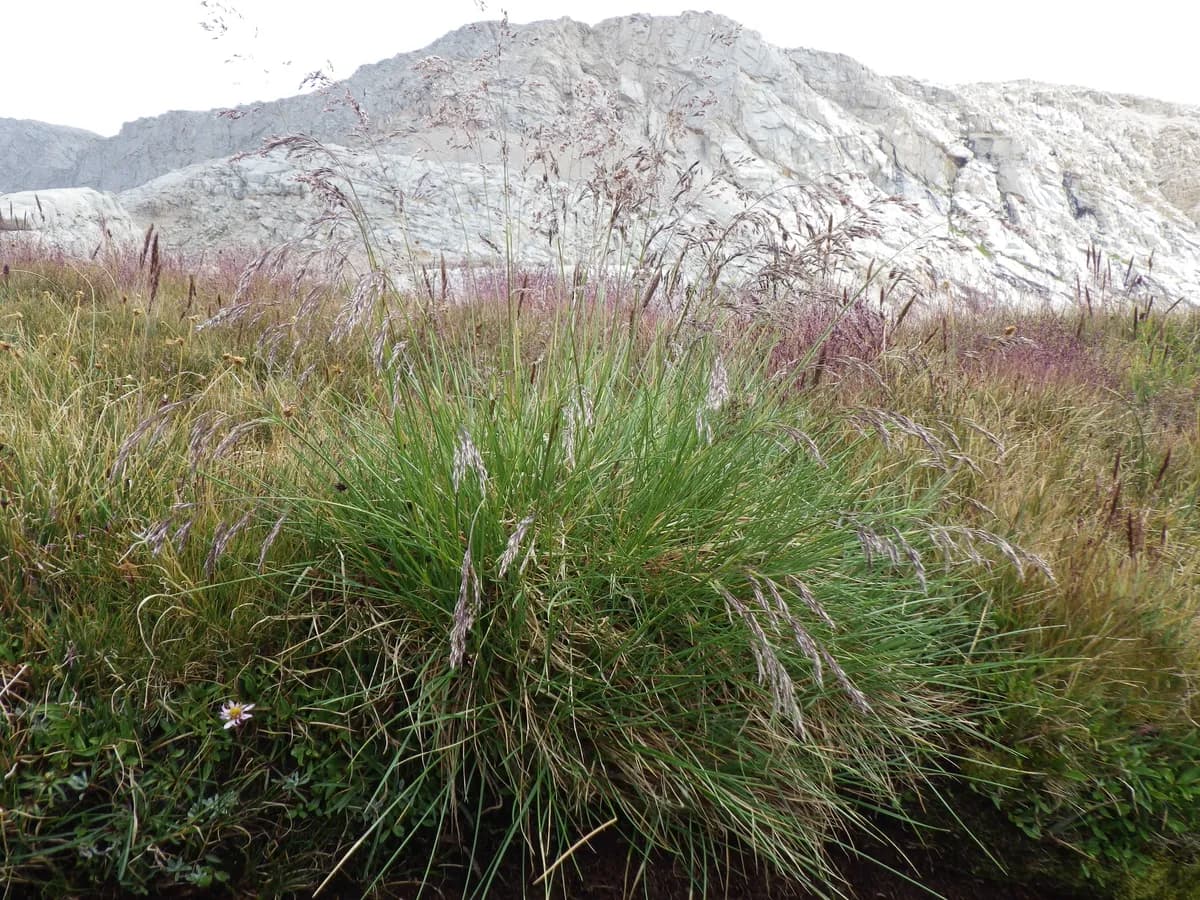
Tufted Hairgrass
Deschampsia cespitosa
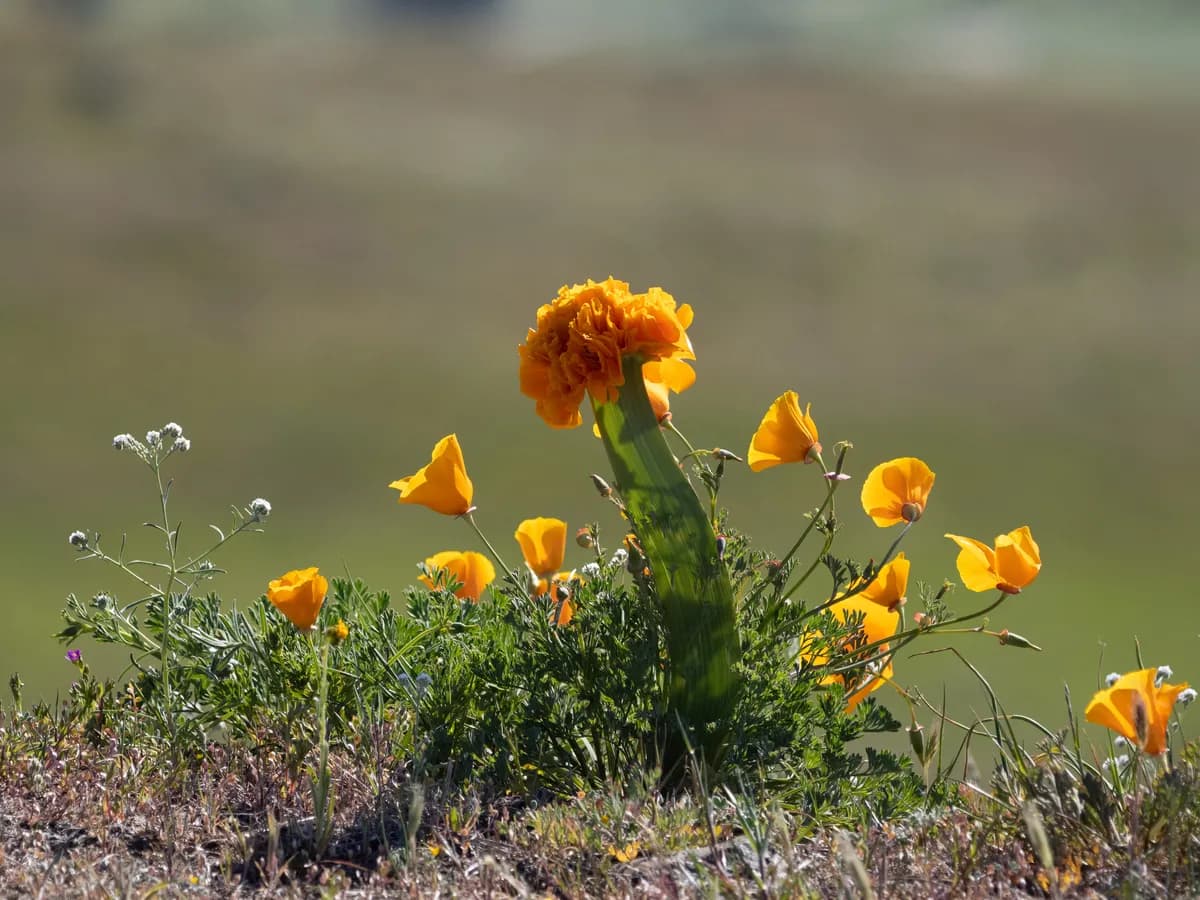
California-poppy
Eschscholzia californica
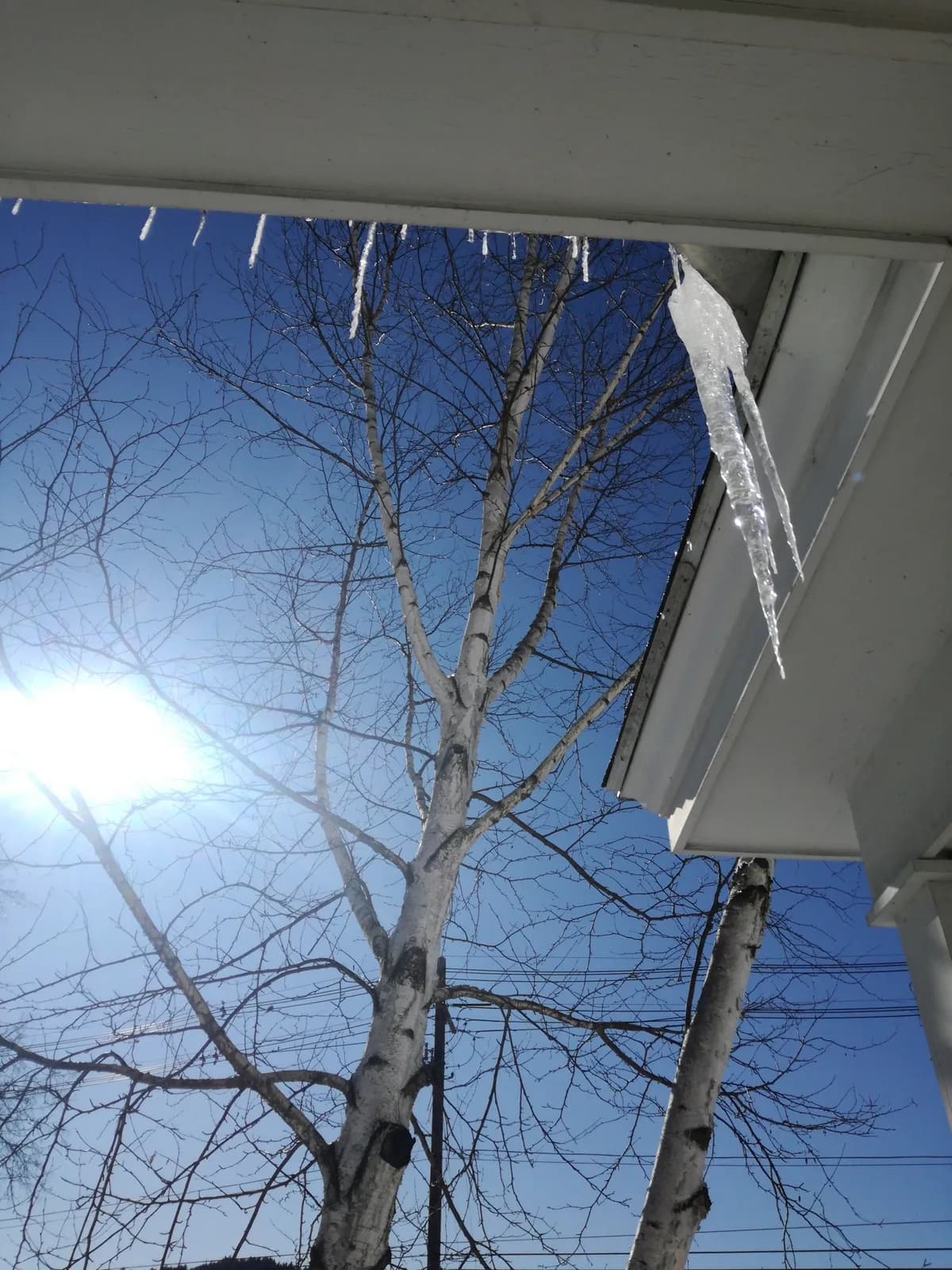
Canoe Birch
Betula papyrifera
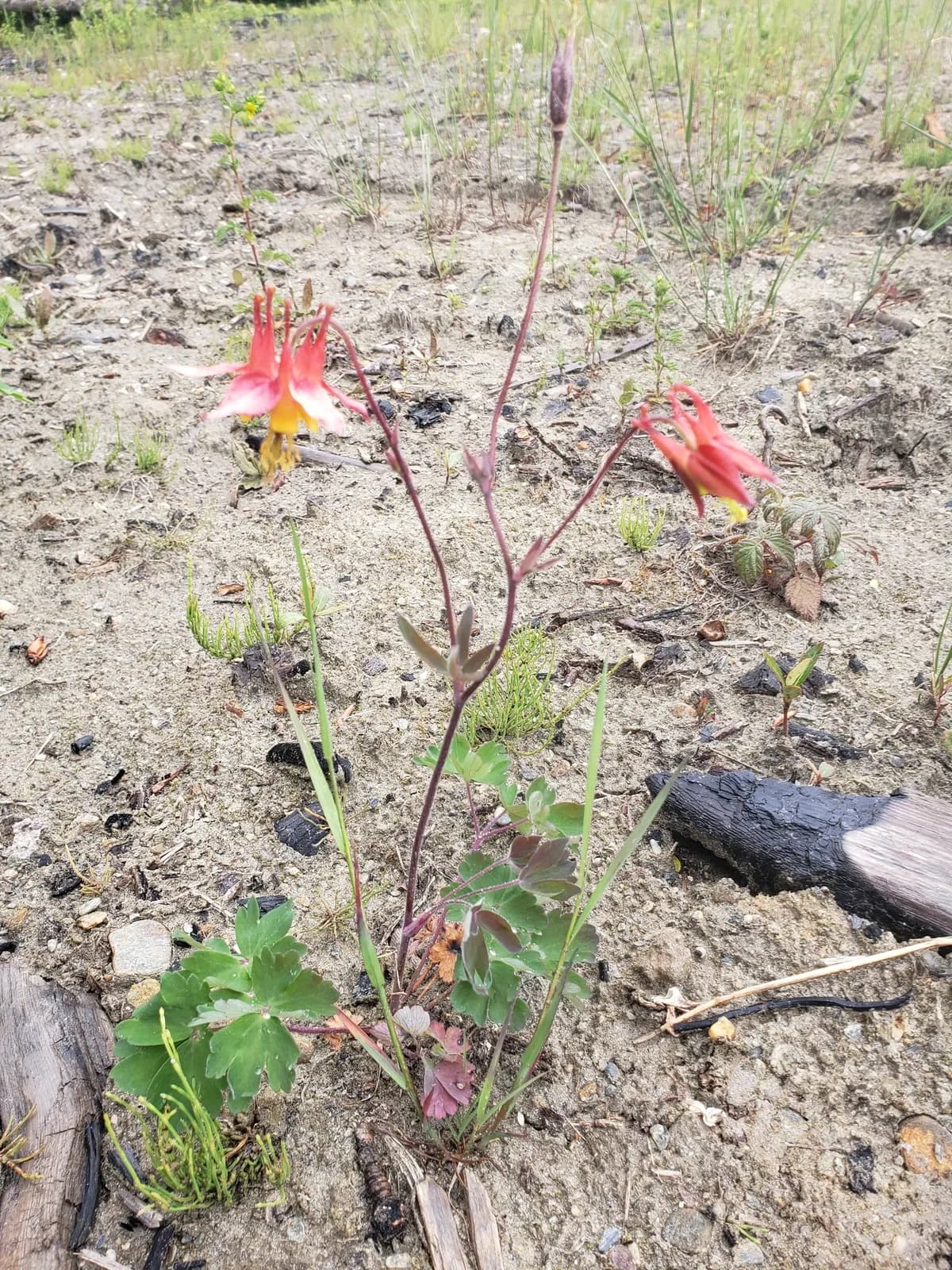
Western Columbine
Aquilegia formosa
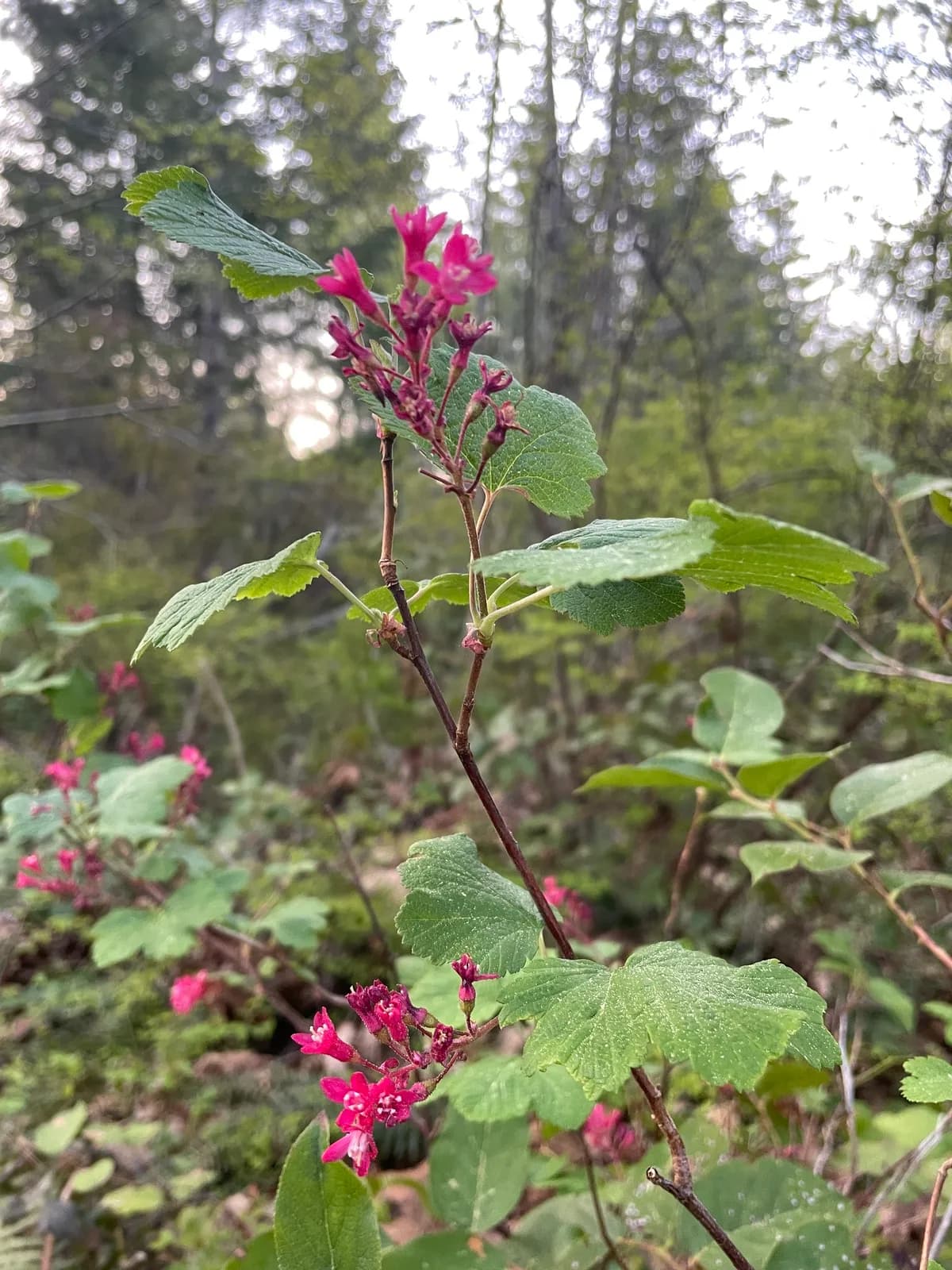
Flowering Currant
Ribes sanguineum
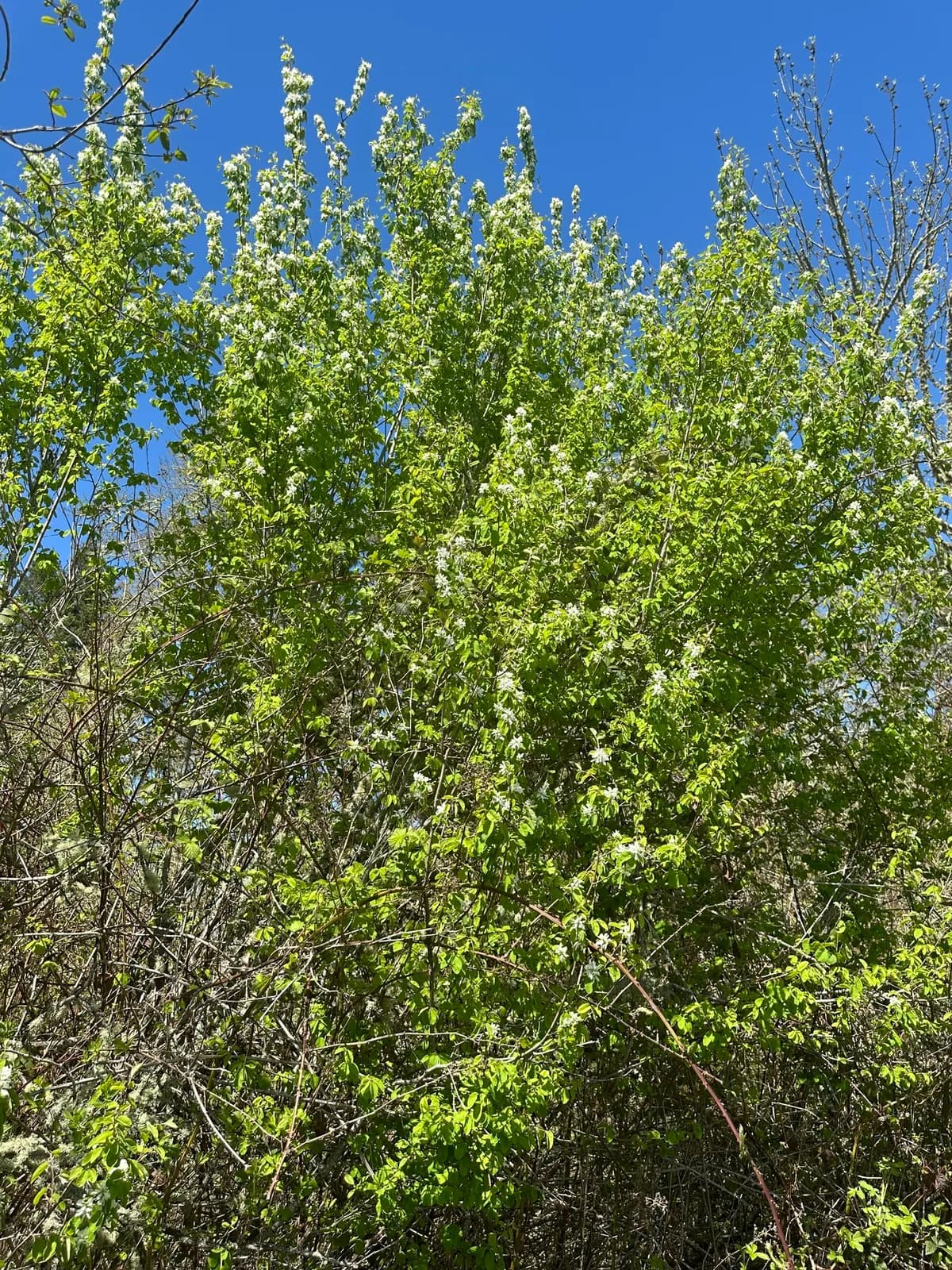
Pacific Serviceberry
Amelanchier alnifolia
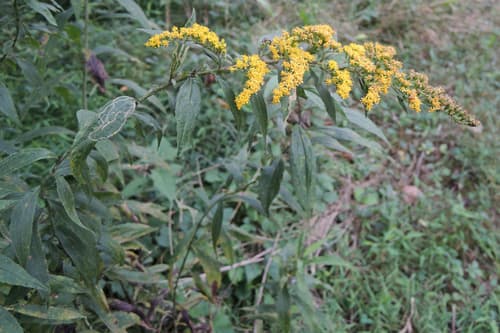
Canadian Goldenrod
Solidago canadensis
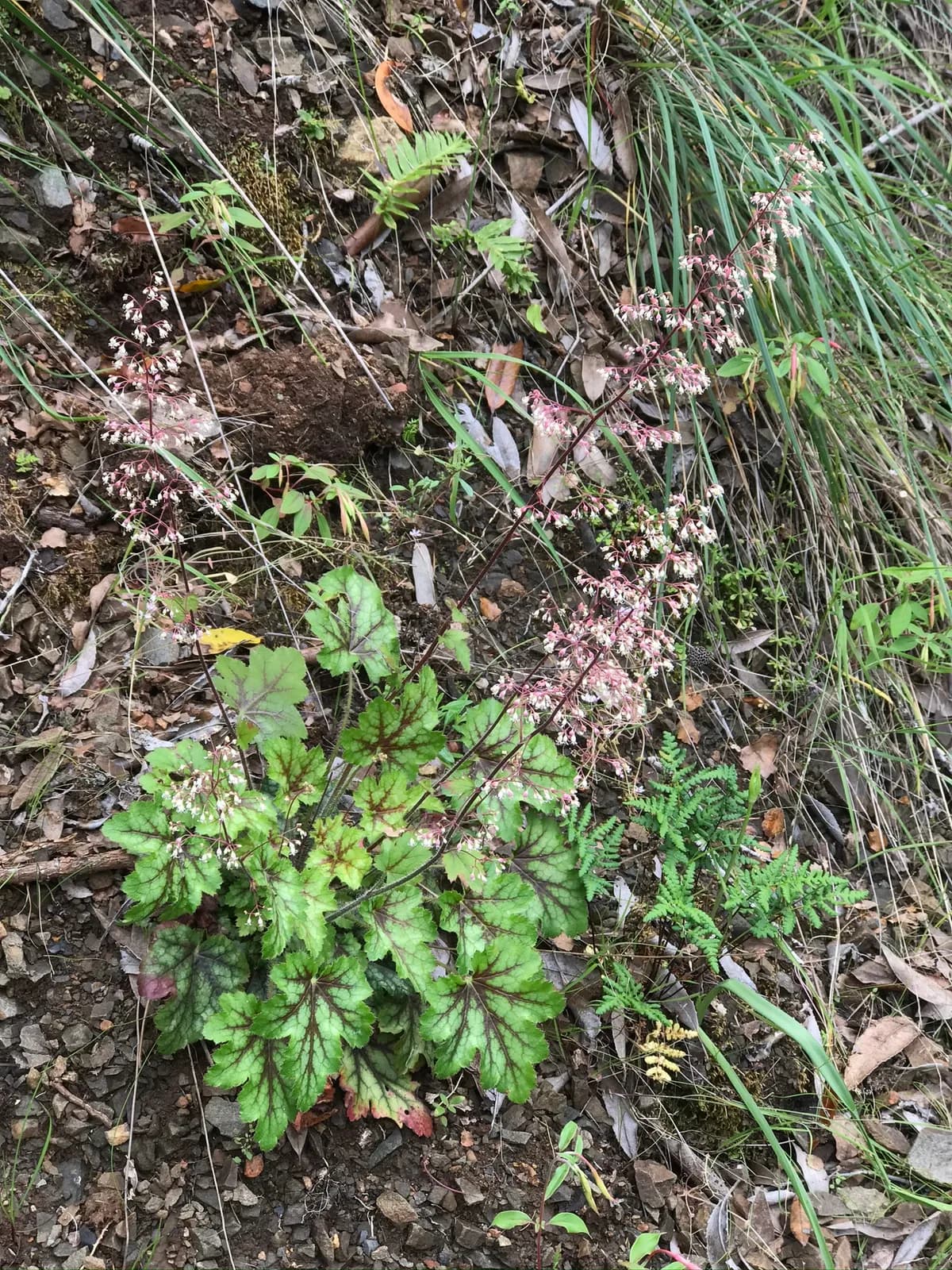
Crevice alumroot
Heuchera micrantha
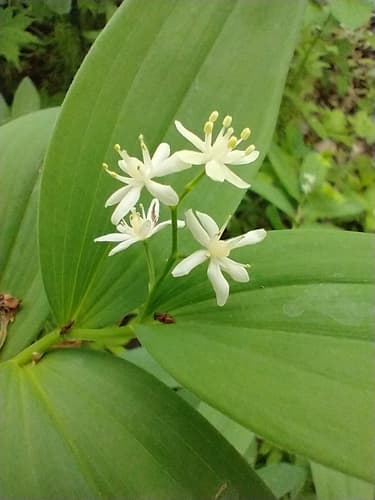
Star False Solomon's-seal
Maianthemum stellatum
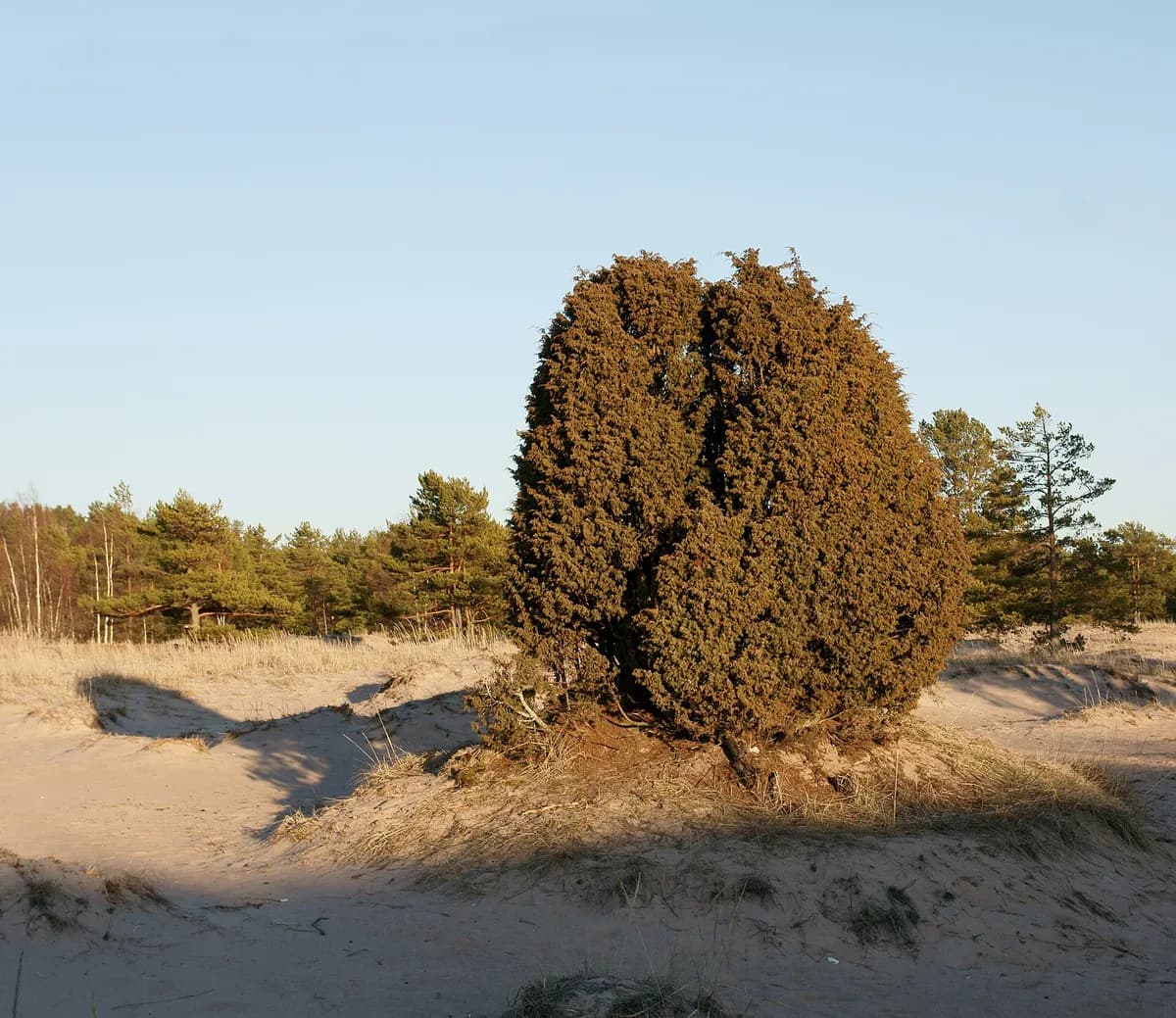
Common Juniper
Juniperus communis
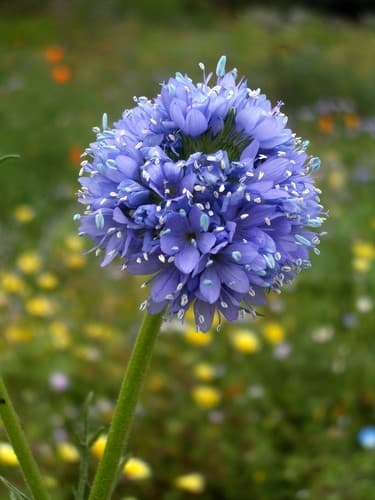
Blue Thimble-flower
Gilia capitata
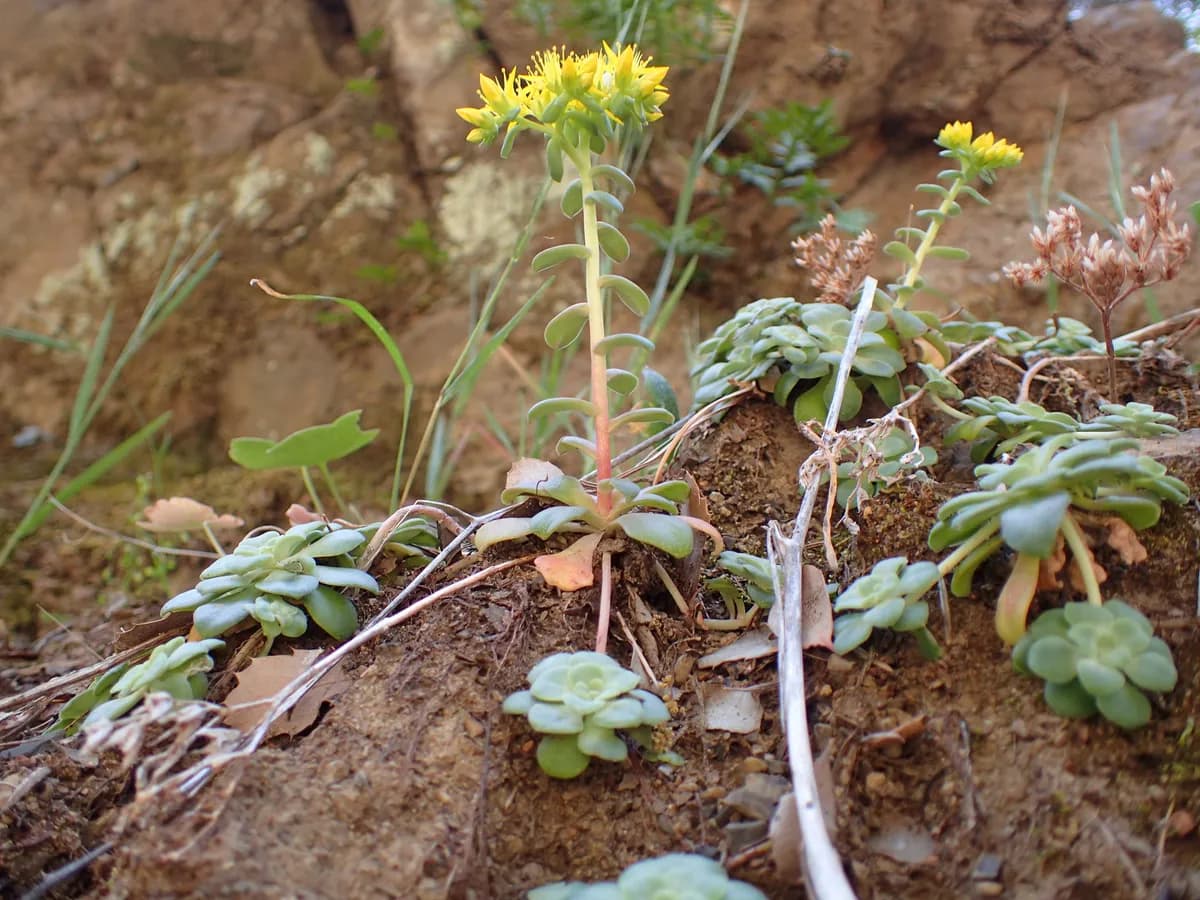
Broadleaf Stonecrop
Sedum spathulifolium
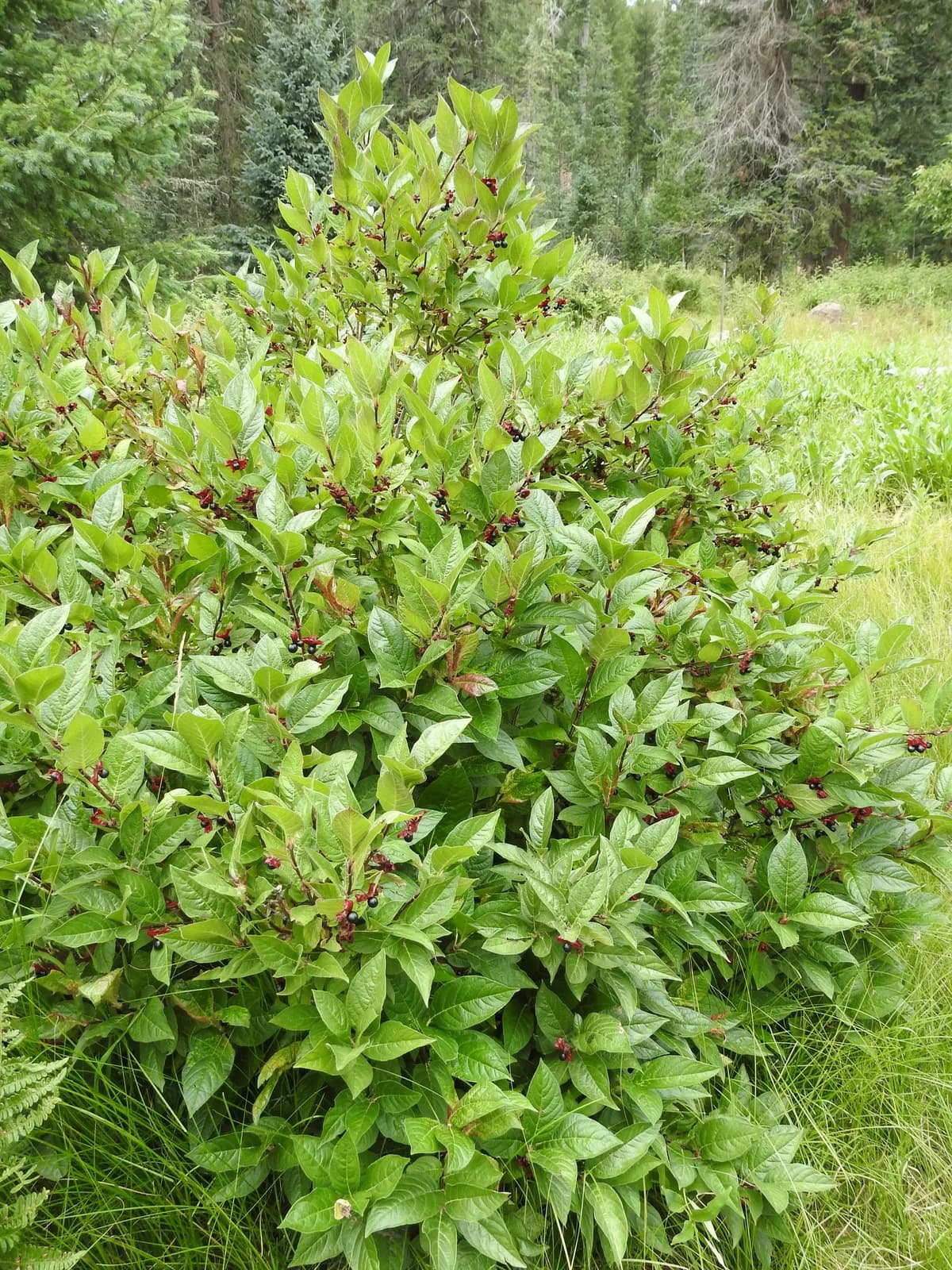
California Honeysuckle
Lonicera involucrata
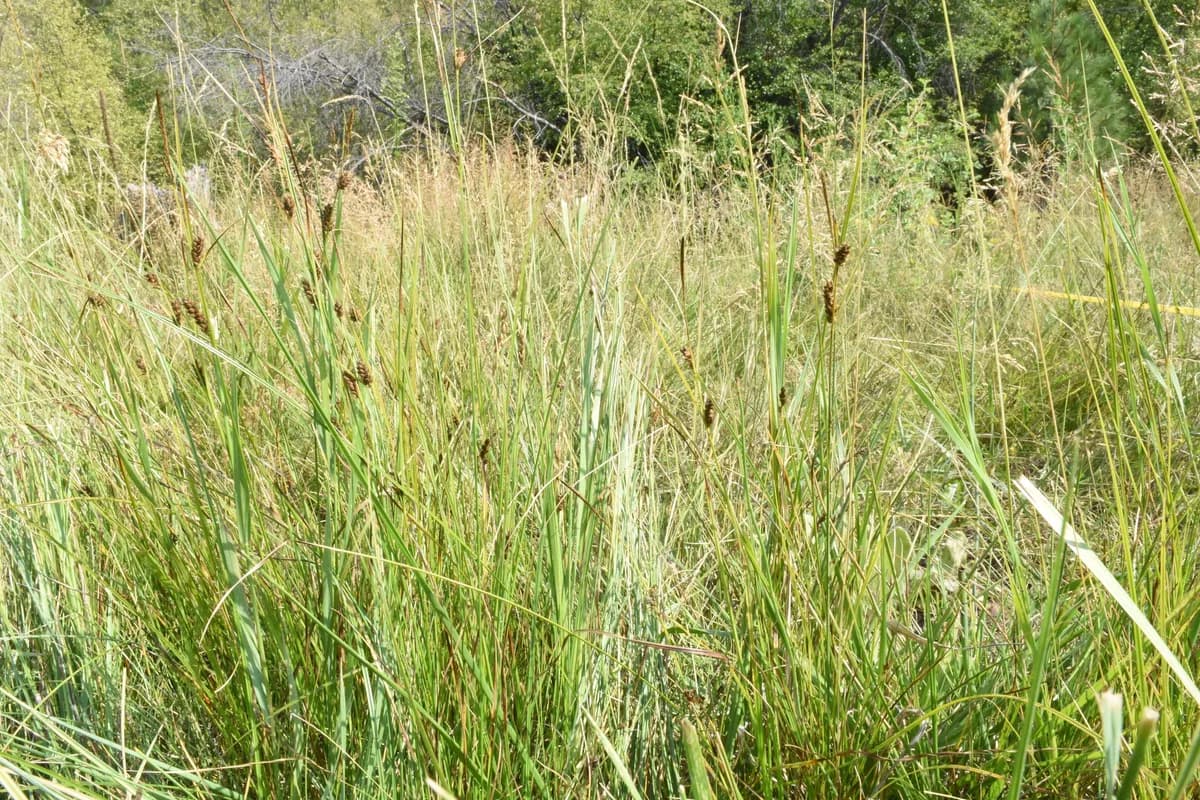
Woolly Sedge
Carex pellita
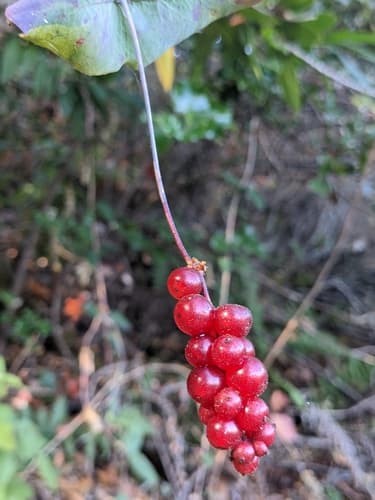
Pink Honeysuckle
Lonicera hispidula
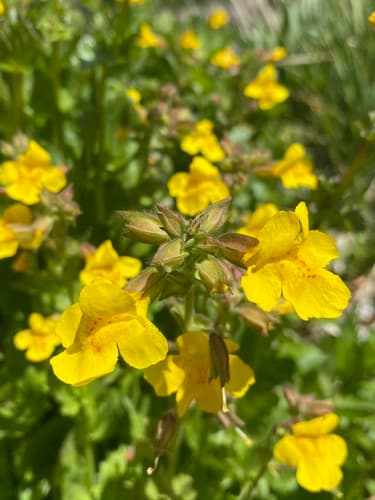
Seep Monkeyflower
Erythranthe guttata
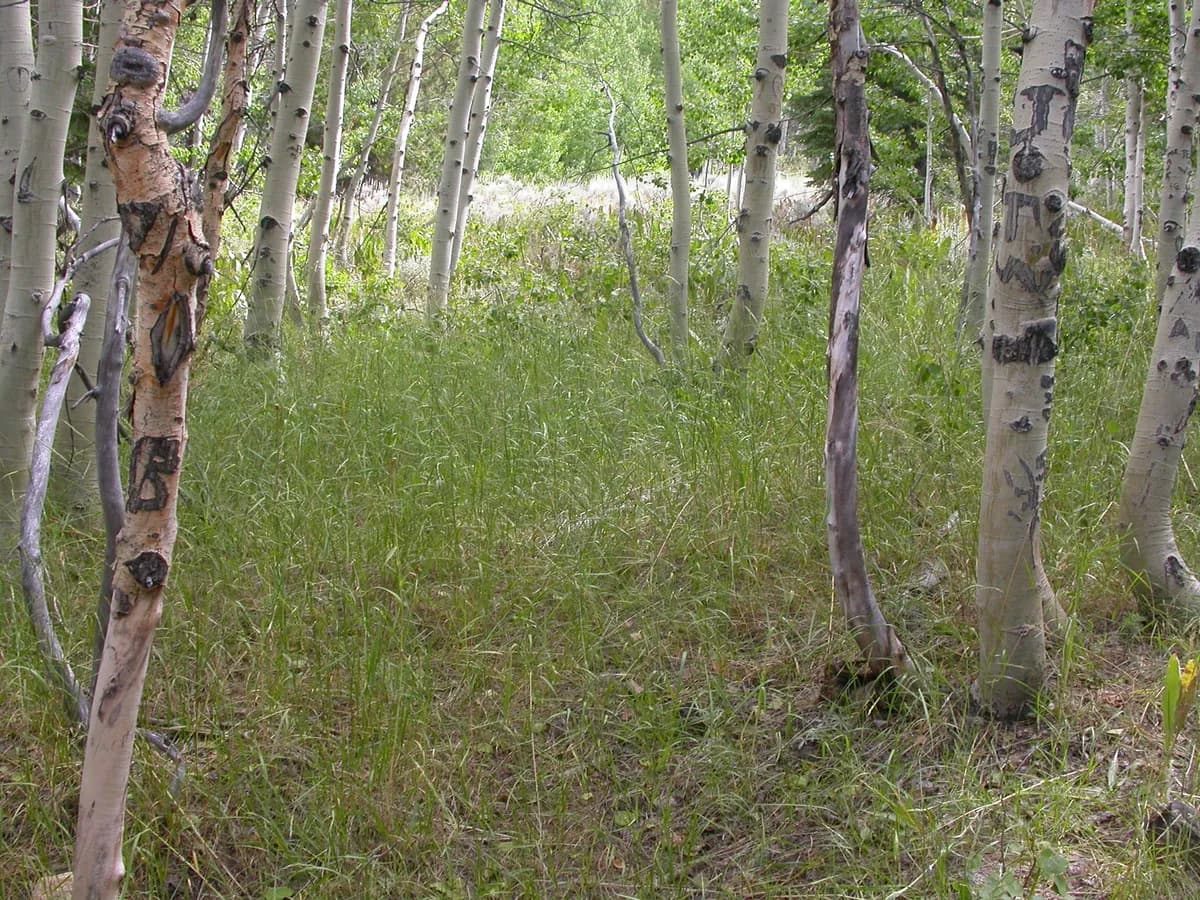
Blue Wild Rye
Elymus glaucus
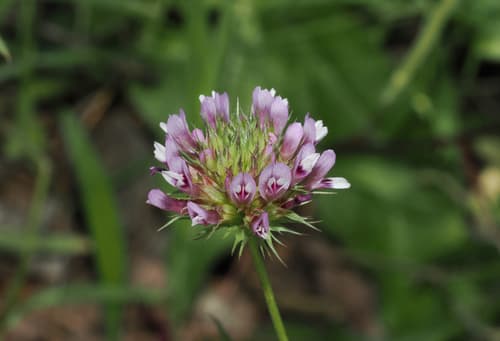
Tomcat Clover
Trifolium willdenovii
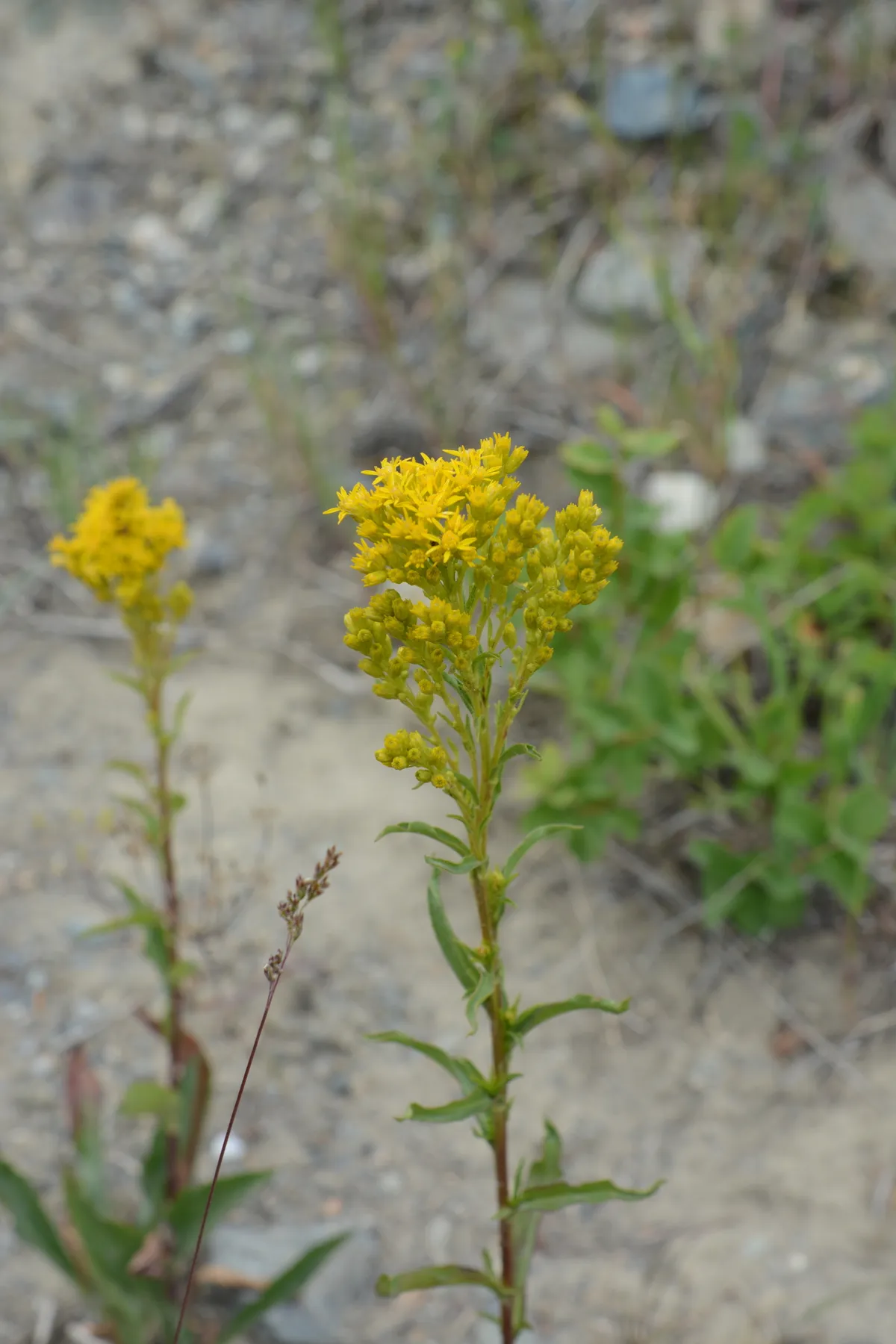
Prairie Goldenrod
Solidago missouriensis
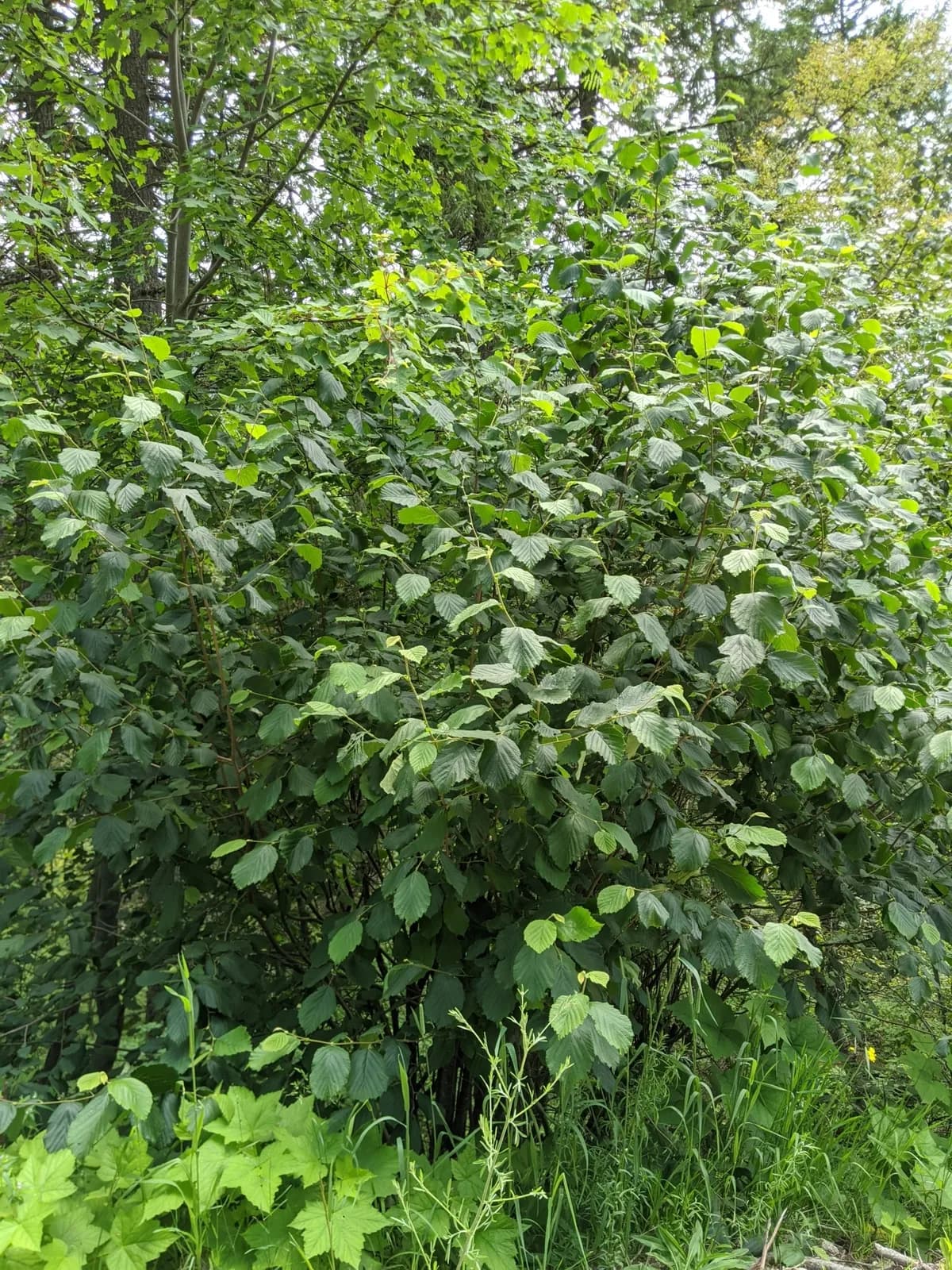
Beaked Filbert
Corylus cornuta
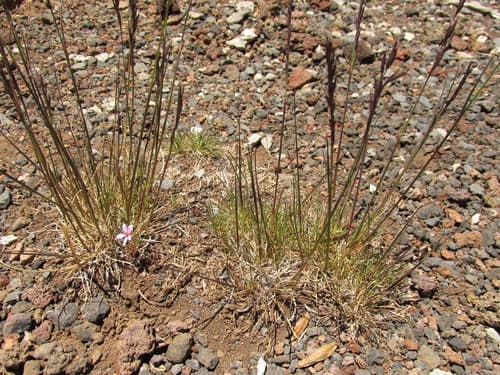
Red Fescue
Festuca rubra
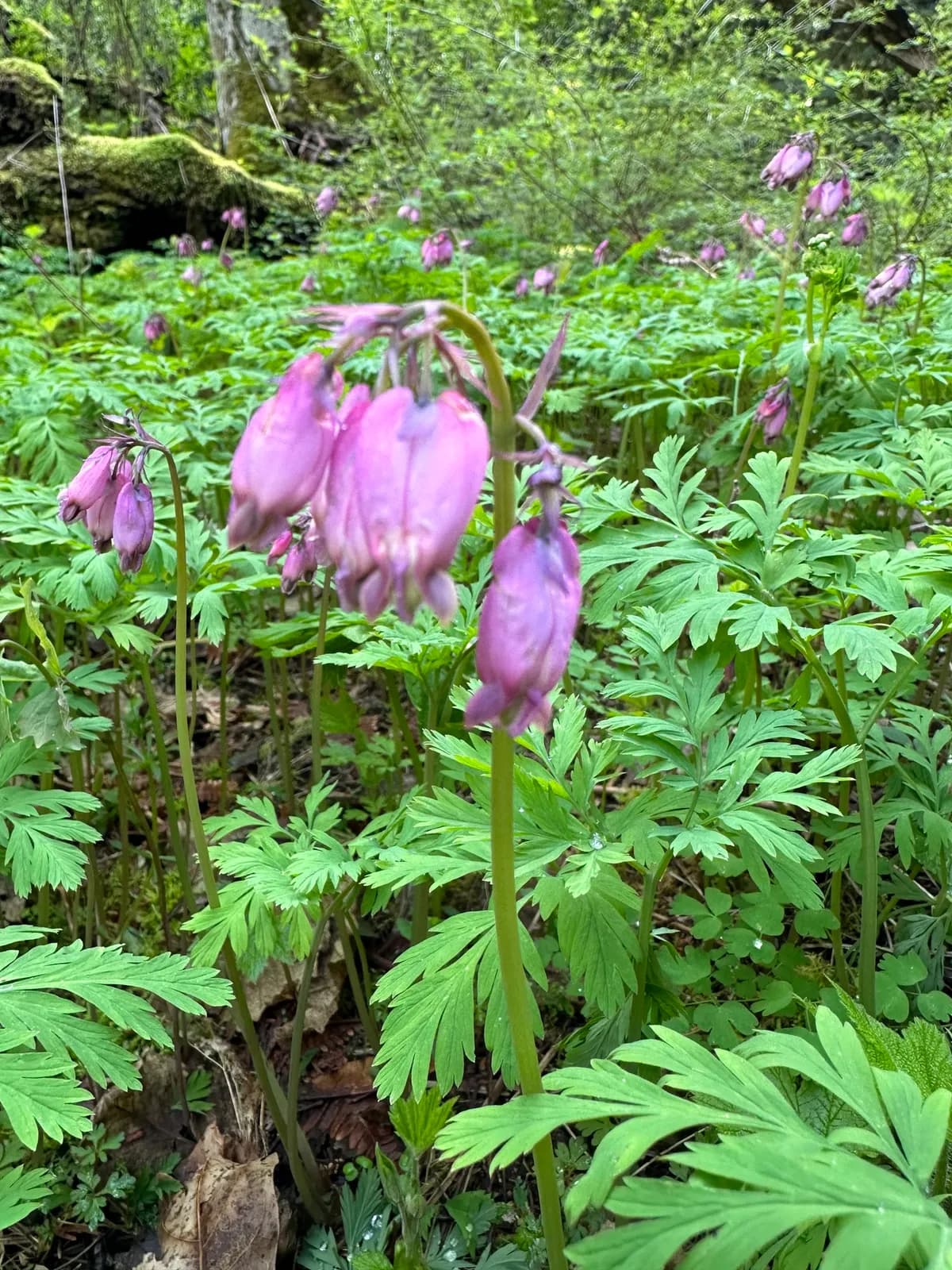
Bleeding-heart
Dicentra formosa
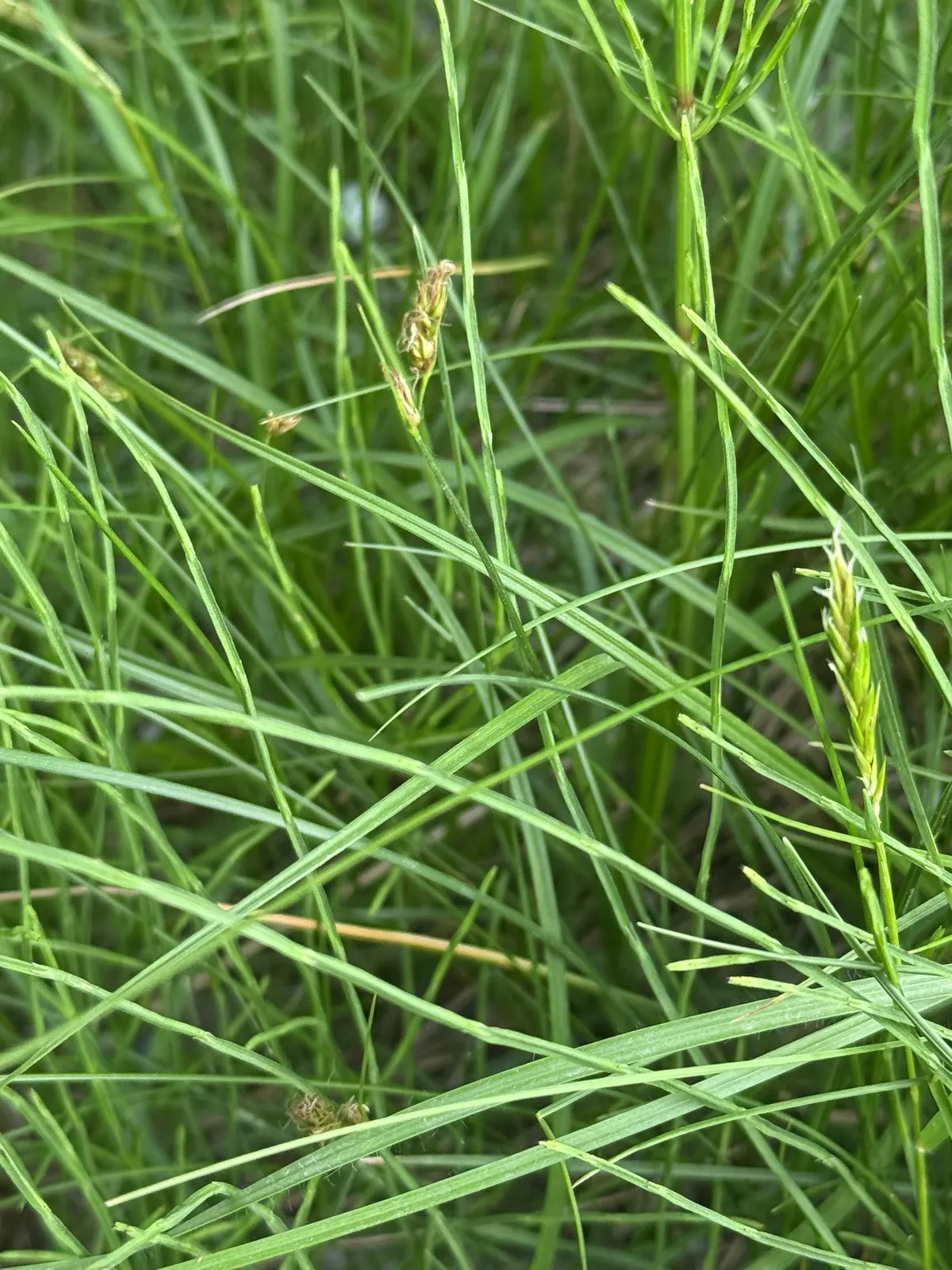
Splitawn Sedge
Carex tumulicola
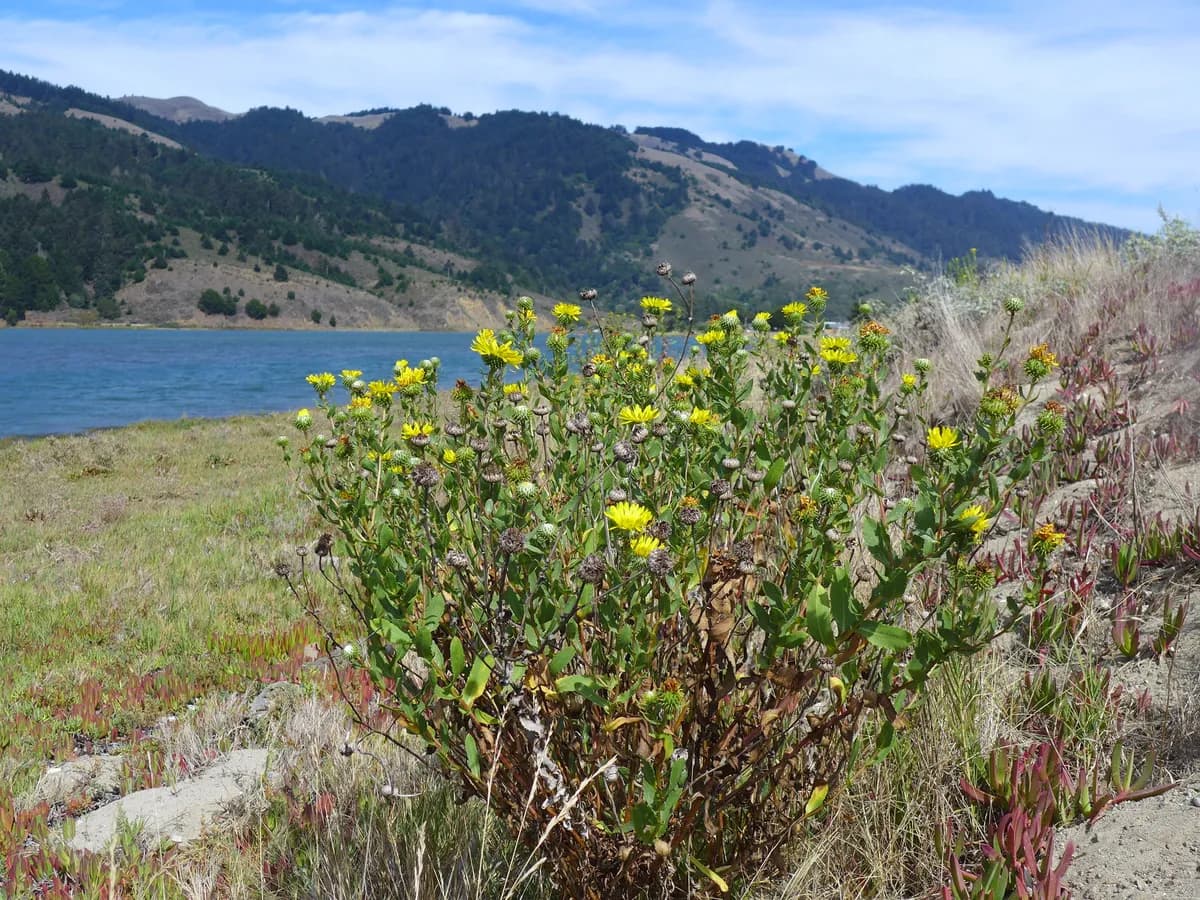
Oregon Gumweed
Grindelia stricta
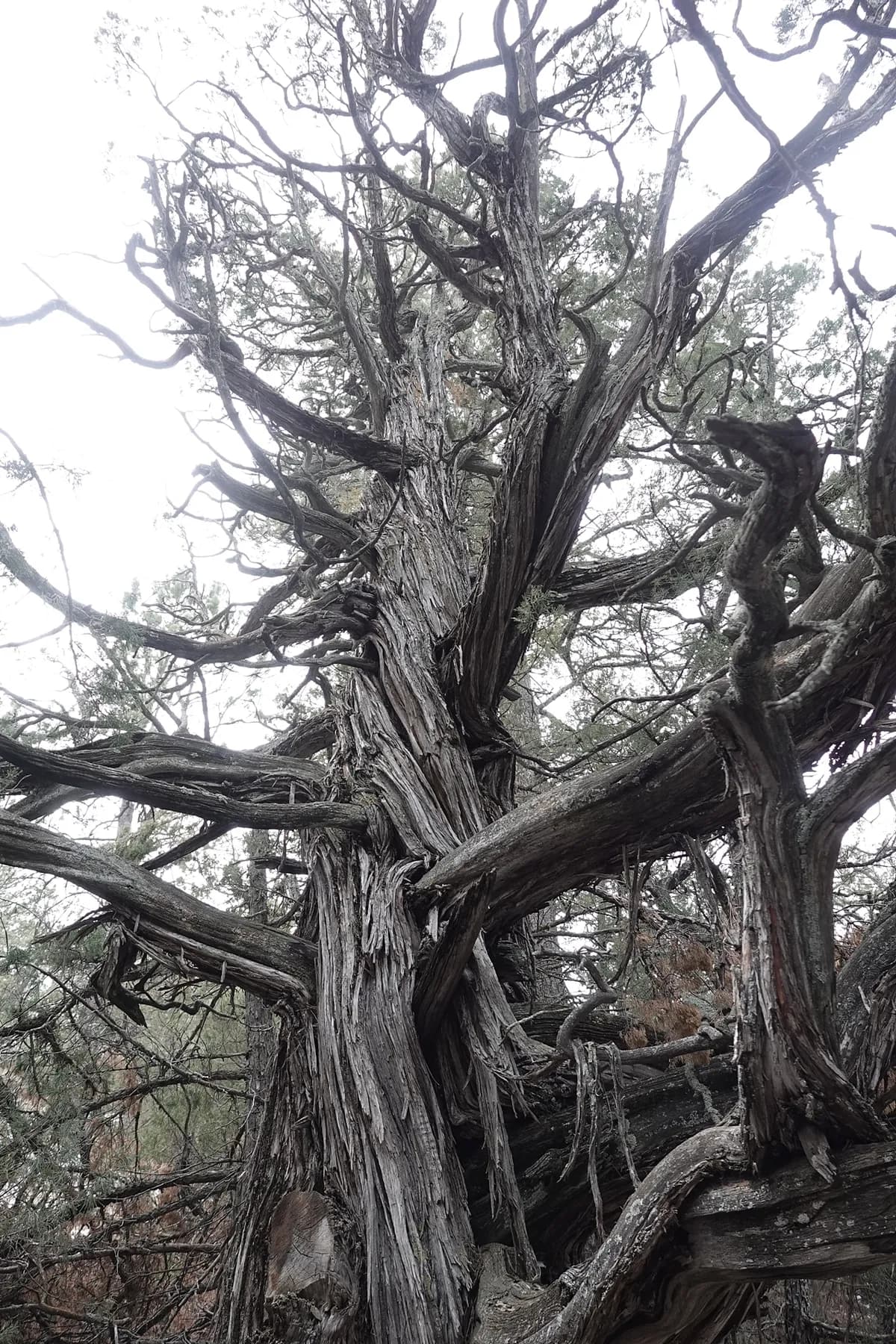
Rocky Mountain Juniper
Juniperus scopulorum
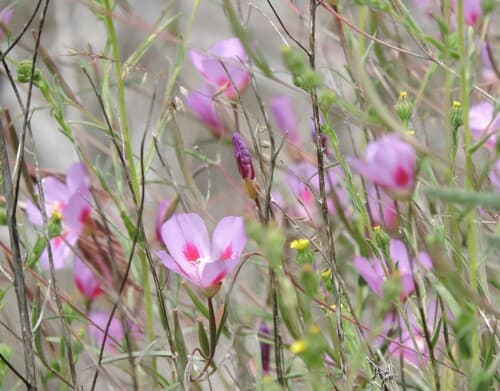
Godetia
Clarkia amoena
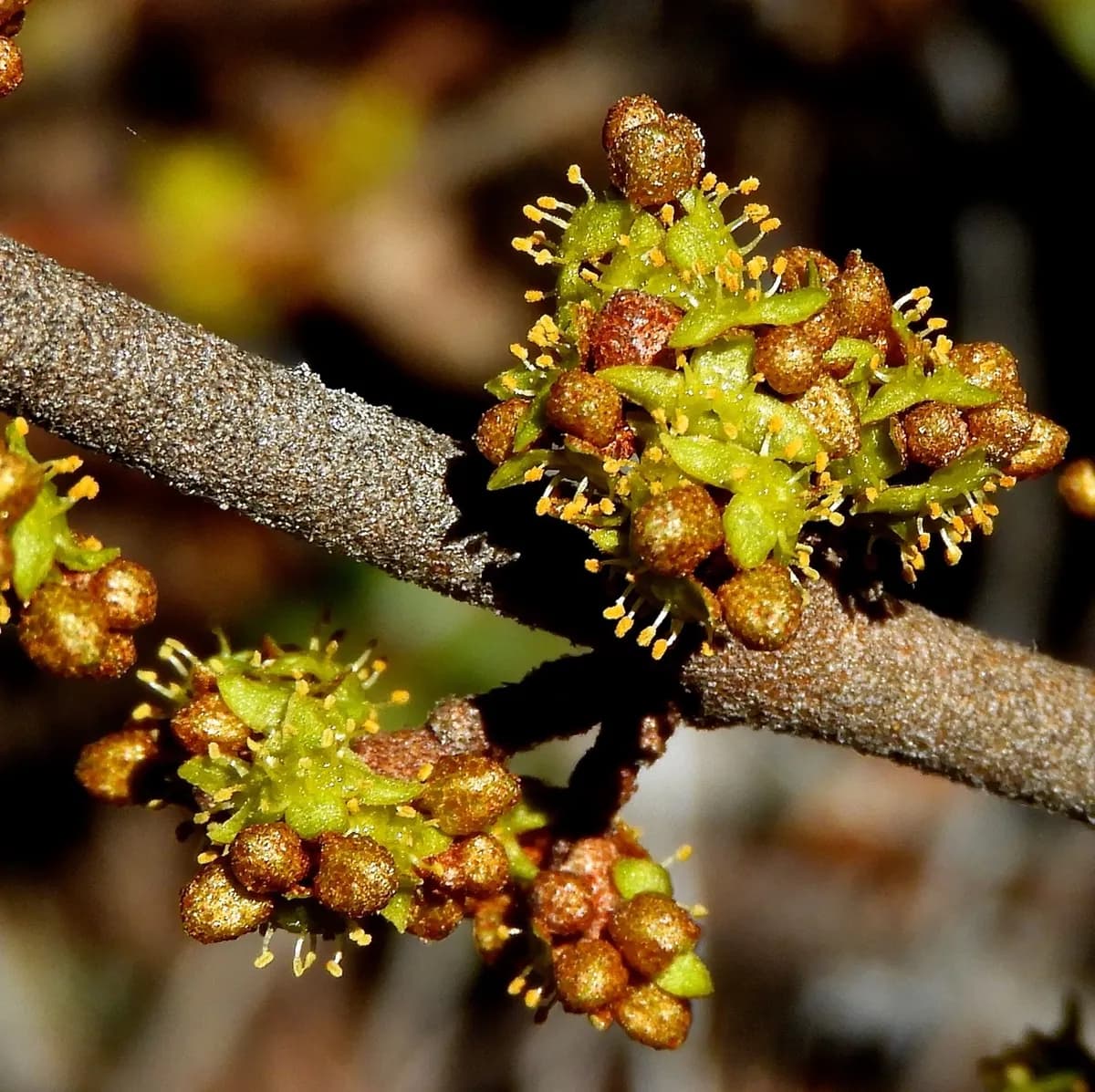
Canadian Buffalo-berry
Shepherdia canadensis
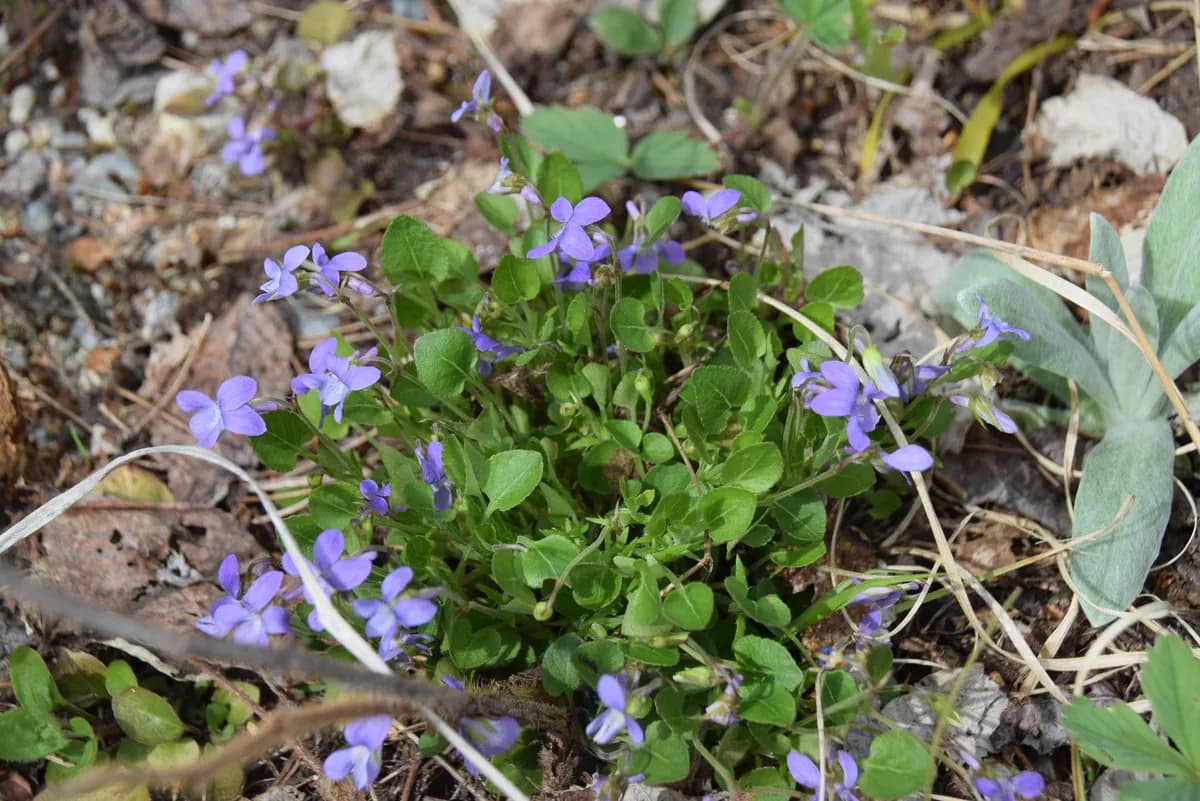
Early-blue Violet
Viola adunca
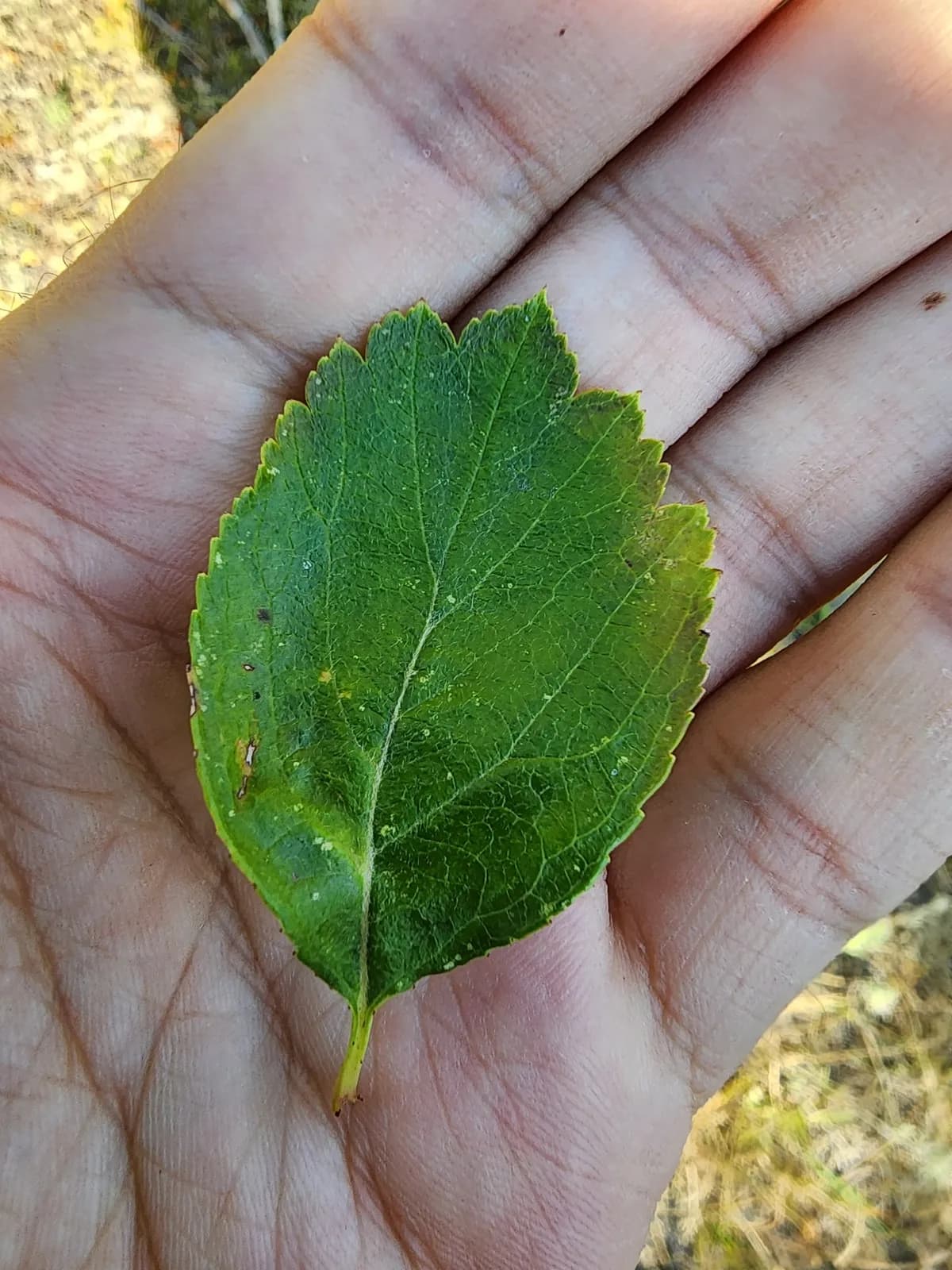
Black Hawthorn
Crataegus douglasii
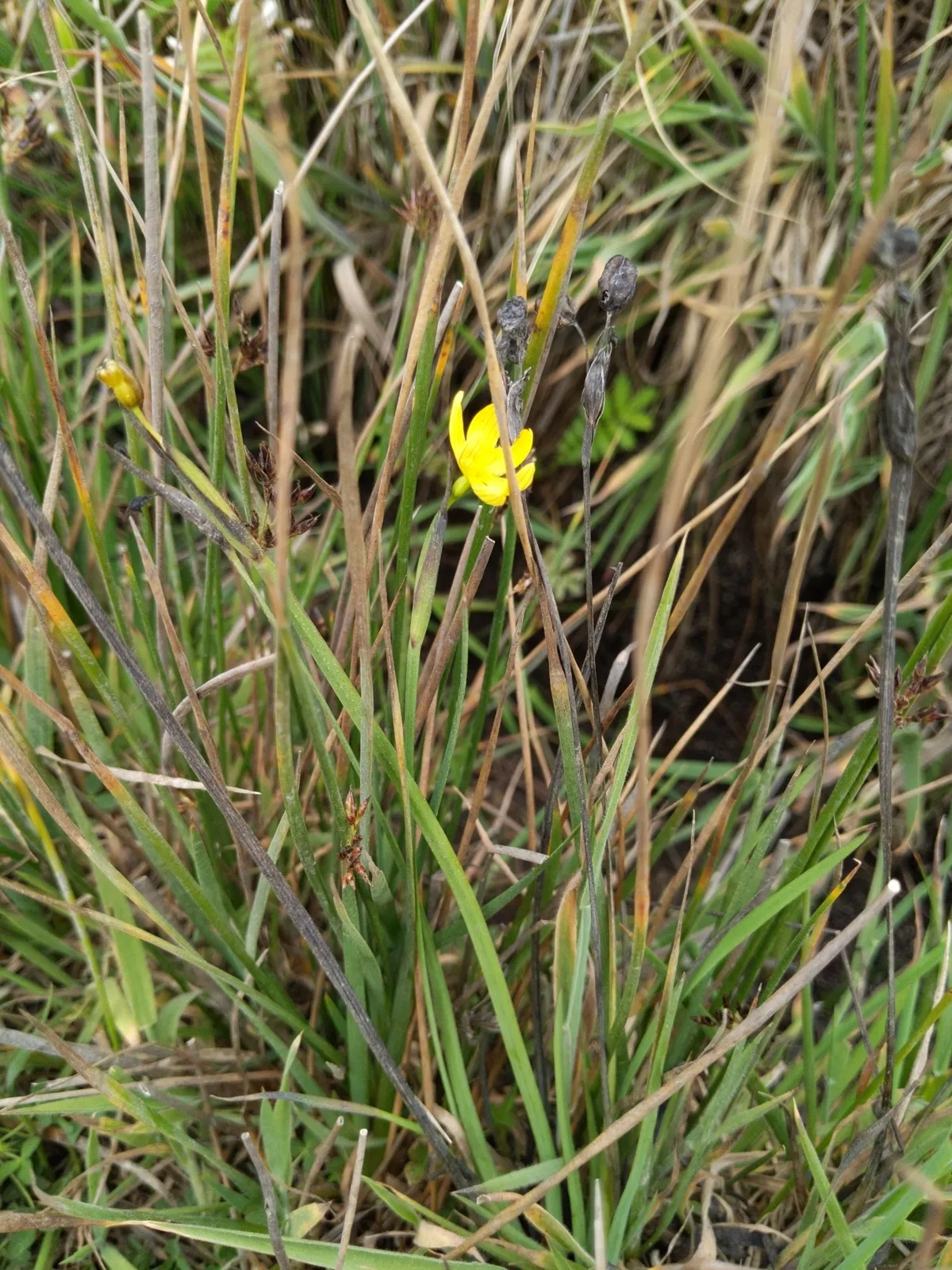
Golden Blue-eyed Grass
Sisyrinchium californicum
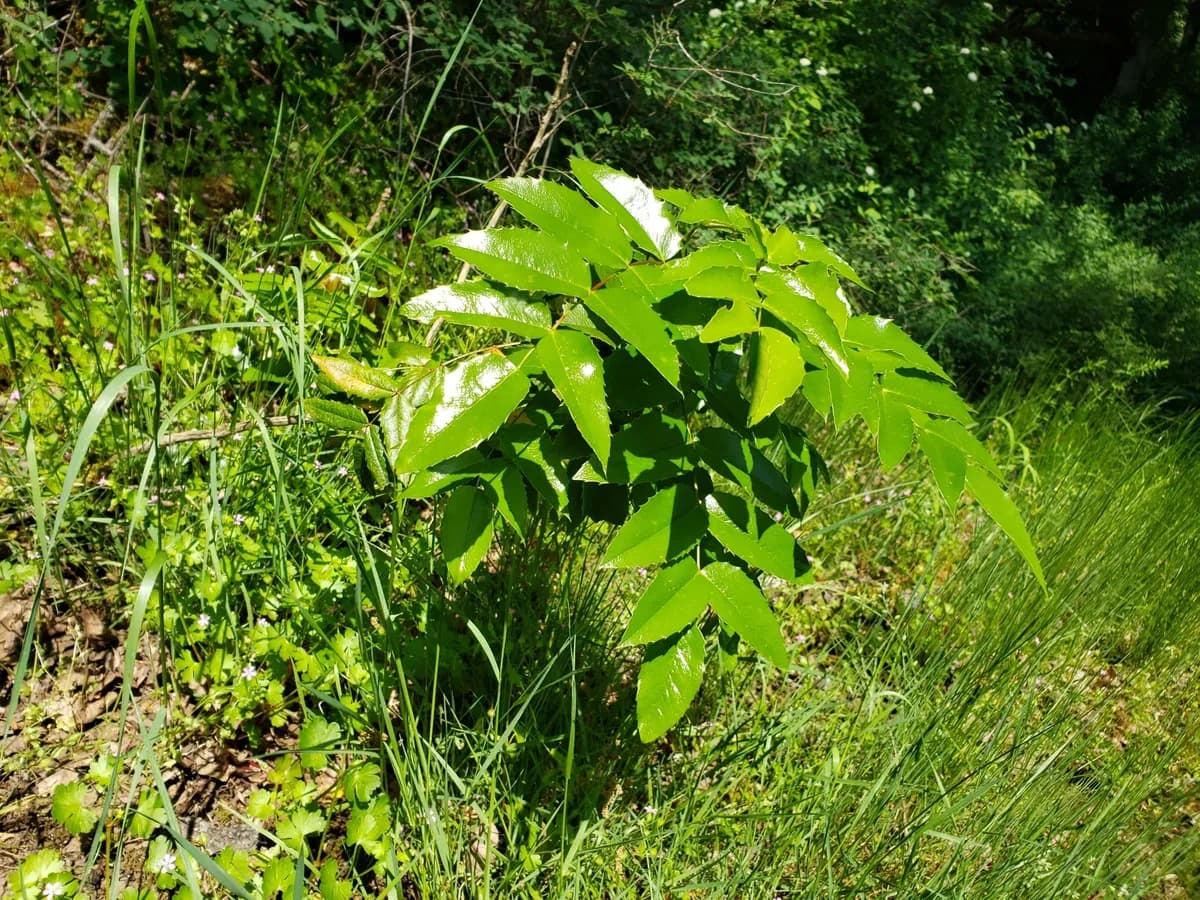
Tall Oregon-Grape
Mahonia aquifolium
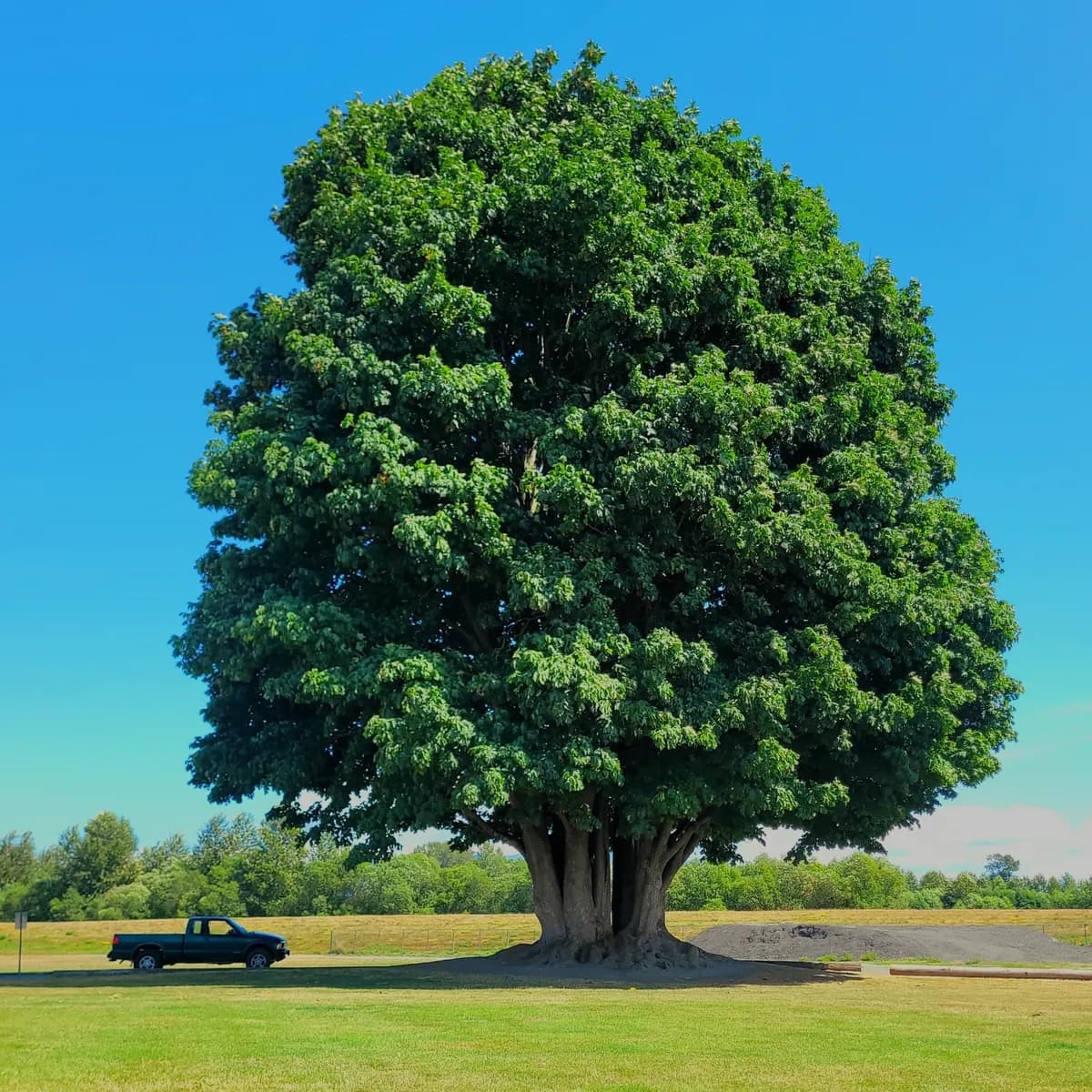
Pacific Maple
Acer macrophyllum
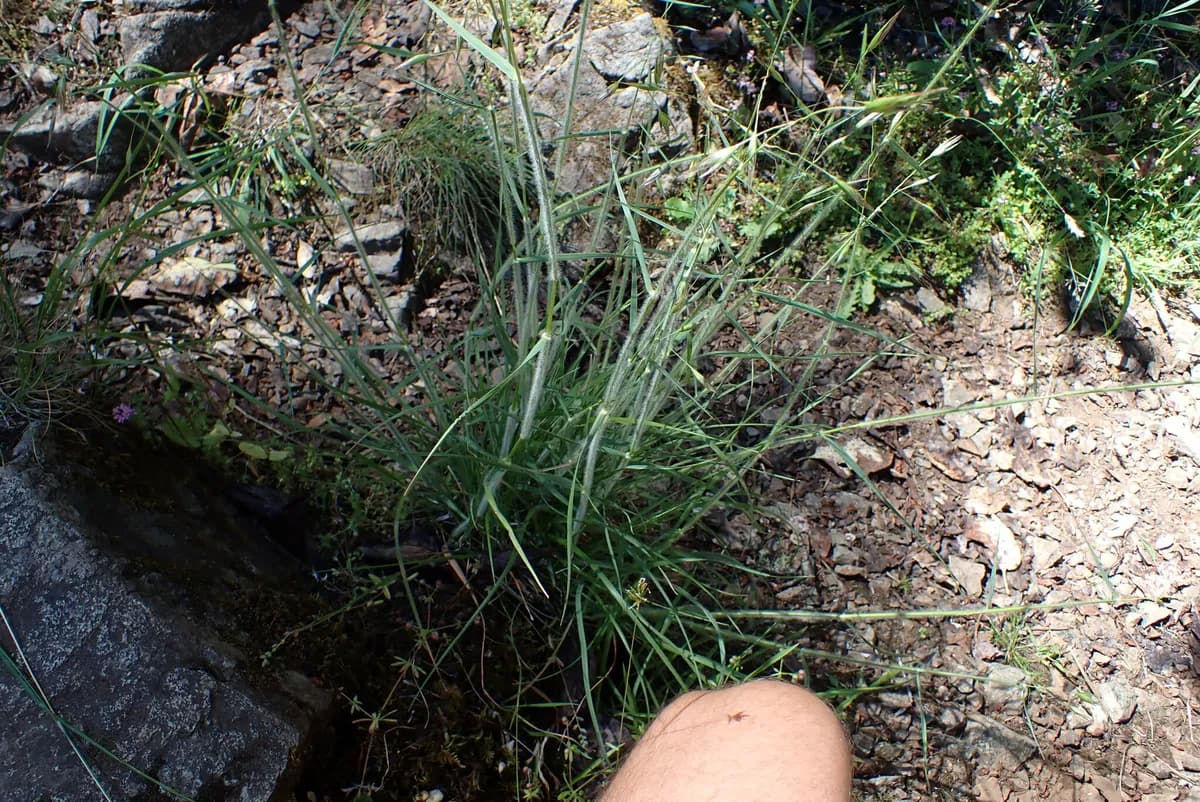
California Oat Grass
Danthonia californica
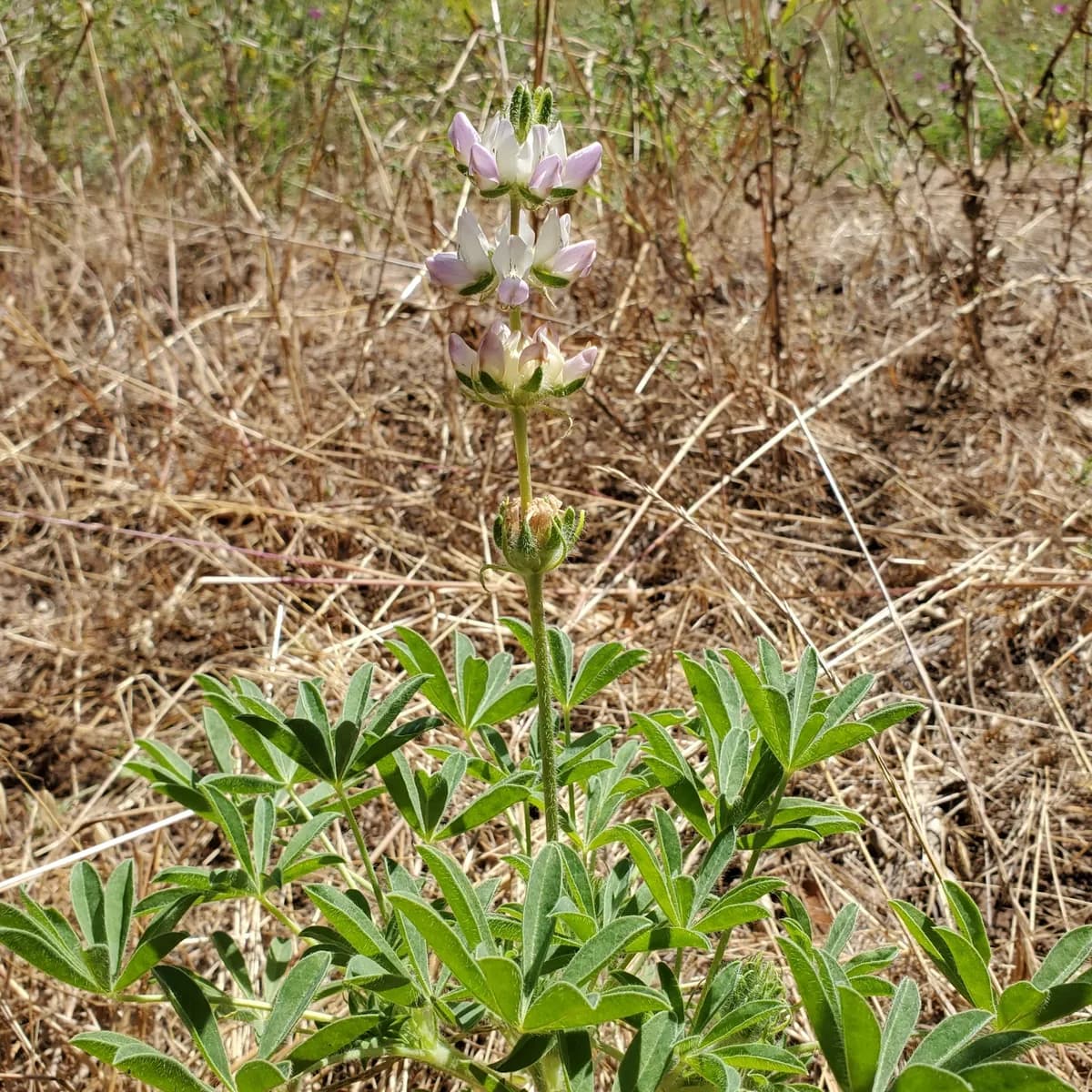
Chick Lupine
Lupinus microcarpus
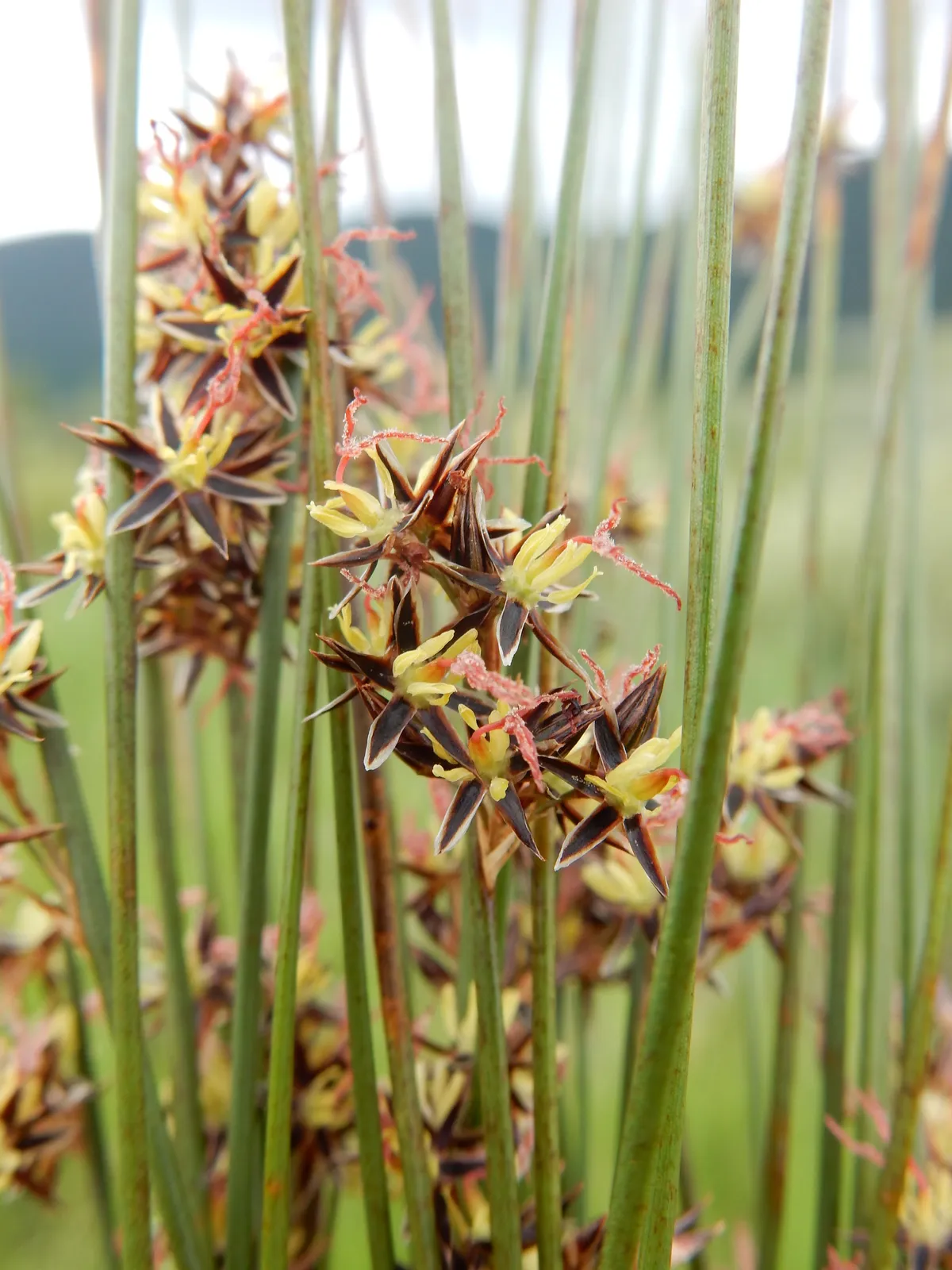
Baltic Rush
Juncus balticus
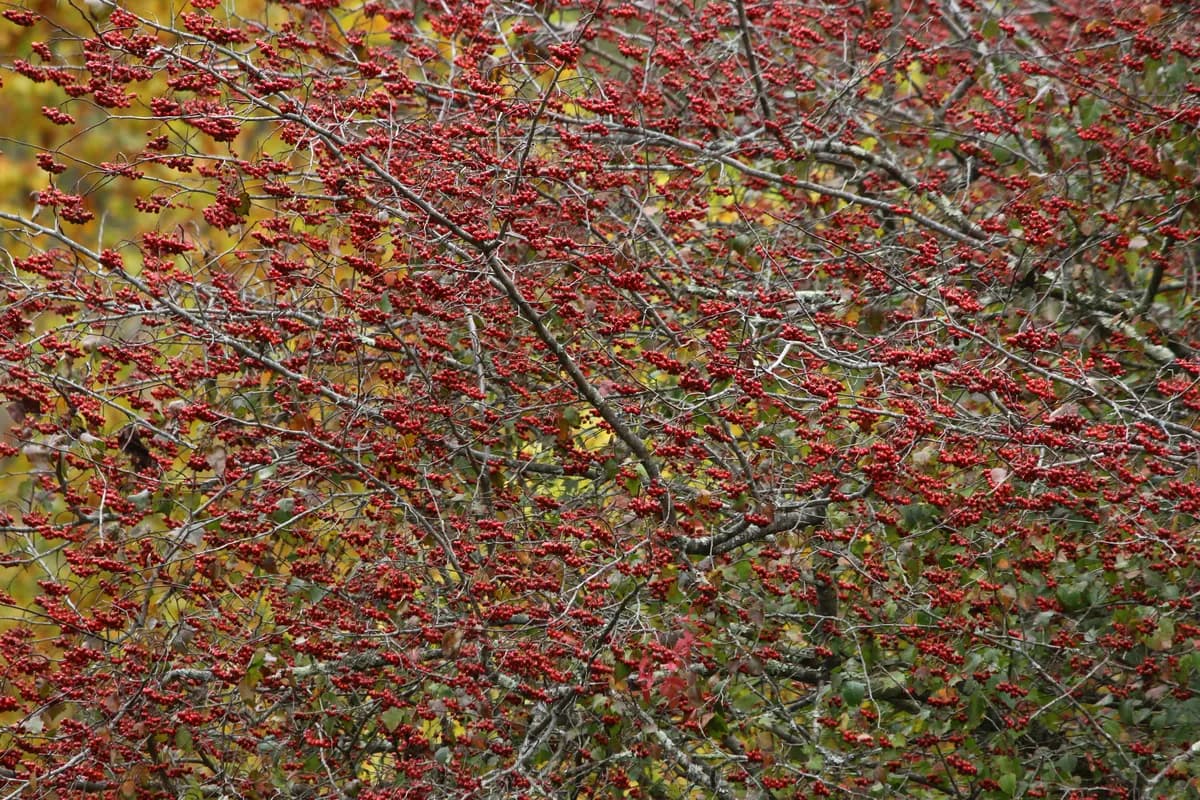
Washington Hawthorn
Crataegus phaenopyrum
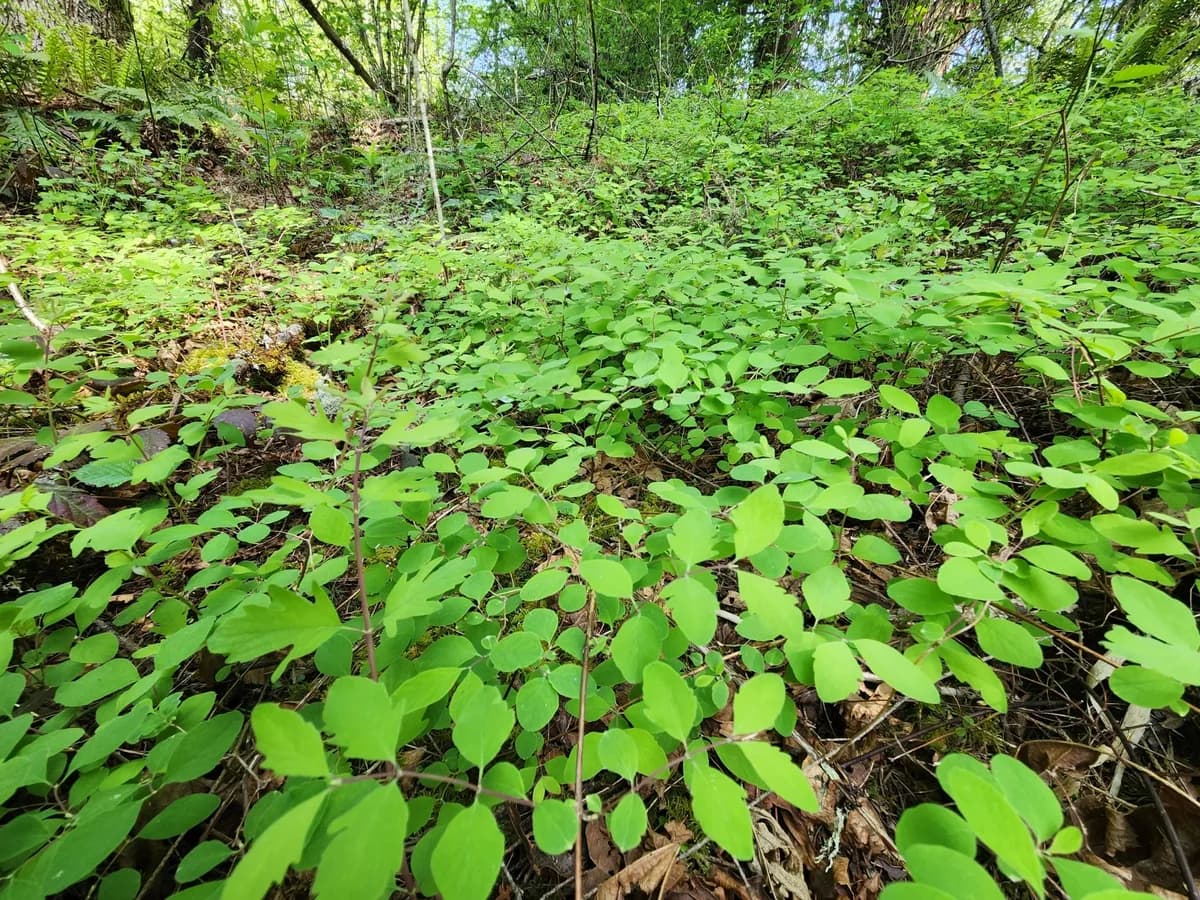
Creeping Snowberry
Symphoricarpos mollis
Showing 48 of 496. Enter your ZIP for the natives matched to your yard.
Fall care in the Puget Lowland
What to do right now for plants commonly grown here. Each links to the full regional care guide for that species, with sources.
- Baltic rush
Fall is the second planting window.
- Yerba buena
Fall is easy, with flowers continuing.
- Beach strawberry
Fall is planting season for beach strawberry around Seattle, since it goes into the ground right as the rain returns and settles in over the wet months ahead.
- Idaho fescue
Fall is prime planting time here, the rain comes back in October and gives new roots months to settle in before next summer's dry spell.
- Prairie goldenrod
As the fall rains return, keep an eye on drainage and let the seed heads stand for wildlife.
- Broadleaf stonecrop
As the rain returns, cut back spent stems and let the plant settle in for winter.
- Graceful cinquefoil
Fall rain returns to the Puget Sound and gives this plant a second good window for planting and dividing.
- Spotted lily
Foliage dies back naturally after bloom as the bulb stores energy for next year.
- Prairie junegrass
Fall is when Puget Sound rains return and start doing most of the watering job again. It is also the season WSU Extension points to as the best time to actually plant this grass west of the Cascades, since a fall-planted grass gets a full wet season to build roots before next summer's dry spell.
- Scarlet strawberry
Fall is a quiet, good season for wild strawberry. The foliage turns shades of red and maroon before the plant slows down for winter, and this is a good window to divide crowded patches or move rooted runners to a new spot. No pruning is required, the color change is part of the plant's normal cycle, not a problem to fix.
Build a plan for the Puget Lowland
The Pollinator Patch App turns plants like these into a front-yard plan tuned for the soil, climate, and HOA expectations of the Seattle area.