California Oat Grass
Danthonia californica
Last reviewed: September 2026
California oat grass is a cool season bunchgrass that blooms from May through July. It grows well in full sun with low water once established, tolerating dry grasslands and open woodland edges across the western United States.
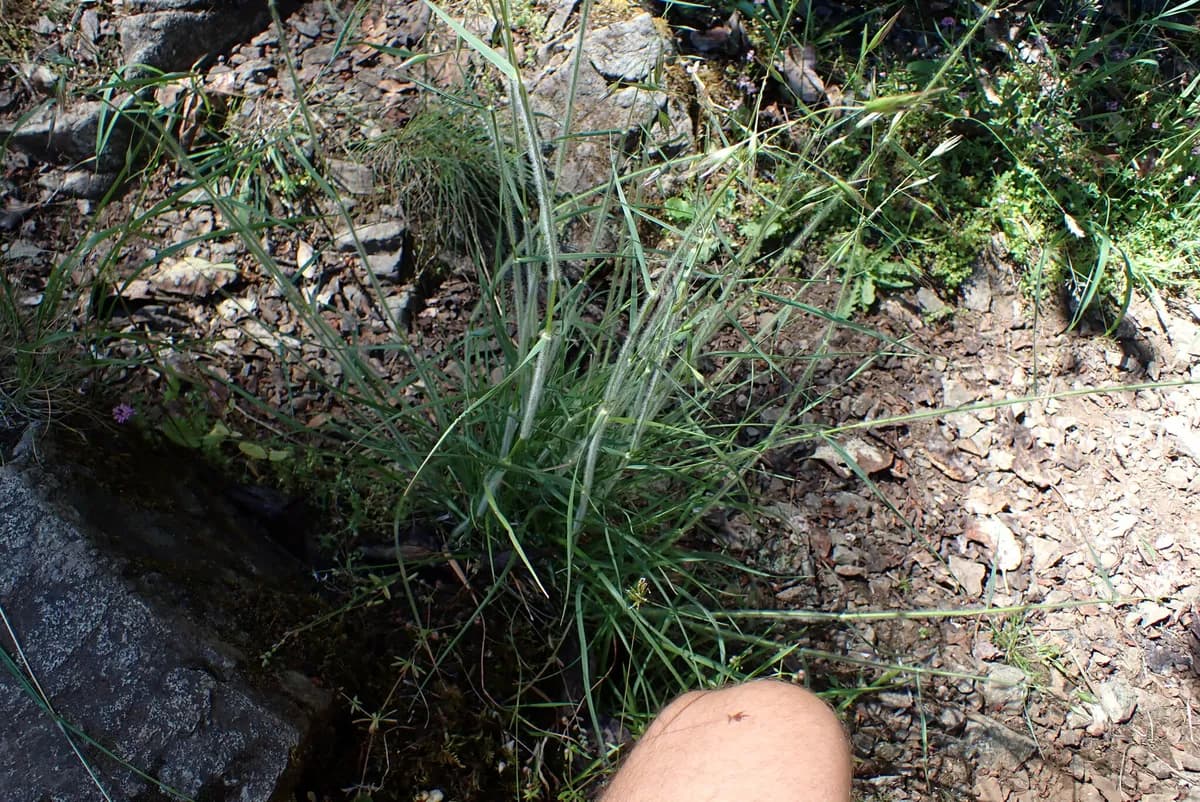
Toxicity unknown
California Oat Grass (Danthonia californica) is not listed by the ASPCA Animal Poison Control Center (opens in new tab) or the other sources we check, so we have no verdict for it either way. Absence from those lists is not a clearance. If your pet shows symptoms after eating any plant, call the ASPCA at (888) 426-4435.
The USDA PLANTS Database (opens in new tab) does not flag California Oat Grass as toxic to livestock.
Light
full sun
Water
medium
Size
12"–24" H × 6"–12" W
Bloom
May, Jun, Jul
Native to
AZ, CA, CO, ID and 7 more states
Before you buy
Your city may pay you to plant this
Cities and water utilities offer rebates for replacing lawn with native and water-wise plants. We track 459 programs across 44 states, each with a link to the provider and the date we last checked it.
Find rebates in your areaPicture natives in your own yard
Upload a photo of your yard and Patch Vision shows a rendering of it planted with natives for your region, like California Oat Grass.


Browse plants for this ecoregion
California oat grass is a compact native bunch grass that forms neat clumps. It produces delicate seed heads in late spring and early summer, adding graceful texture to drought-tolerant gardens.
Growing California Oat Grass
Grow California Oat Grass in full sun and medium water. Mature plants reach 12 to 24 inches tall and spread 6 to 12 inches wide. Expect low maintenance to keep it looking intentional in a front yard.
How to care for California Oat Grass, by region
How to care for California Oat Grass where it is actually grown: year-round basics plus what to do each season, region by region, with the sources for each.
Care guidance last updated: October 2026
Cascades (includes Oakridge, OR)
Year-round
Year-round care for California oat grass around Oakridge, OR: full sun to part shade, loamy or clay soil that stays cool.
- It grows in full sun or partial shade.
- It prefers loamy or clay soils and grows poorly in sandy soils.
- It does better in cool, moist places than in hot, dry ones.
- Water needs are low to moderate.
- It reaches 2 to 3 feet tall.
- It stands up to foot traffic and can be mowed short.
- It tolerates cold down to -5 degrees F.
Dense tufts mowed short or left as a soft clump look even and neat.
Sources: Calscape: Danthonia californica, Lady Bird Johnson Wildflower Center: Danthonia californica
Snake River Plain (includes Boise)
Year-round
Year-round care for California oat grass around Boise: part shade to full sun, loamy or clay soil, and steady moisture.
- Calscape lists full sun to partial shade, and the Wildflower Center notes it prefers partial shade.
- It prefers loamy or clay soils and performs poorly in sandy soil.
- It likes moist soil and has medium water use, so keep it moist through summer.
- It grows 2 to 3 feet tall in an upright form, up to about 4 feet in some sites.
- It withstands traffic and trampling, and Calscape says it can be mowed short as a lawn substitute.
- Calscape lists cold tolerance to -5 F.
Mowed short or left as an upright clump along a defined edge, it reads as a planned lawn substitute.
Sources: Lady Bird Johnson Wildflower Center: Danthonia californica, Calscape: Danthonia californica (California Oatgrass)
Willamette Valley (includes Portland, OR)
Year-round
California oat grass is a native cool-season bunchgrass that grows naturally in the Willamette Valley, including the Portland area, so it can be planted here as a low, tidy lawn alternative rather than a decorative import.
- It forms neat, upright clumps instead of spreading runners, so it reads as a groomed bed edge rather than a weedy patch, a good fit for an HOA-conscious front yard.
- Plant it in a spot with full sun to part shade and soil that stays on the moist side. Established plants only need occasional deep watering once summer dry spells set in.
- Mow it a few times a year at 3 to 4 inches to keep a tidy turf-like look, or leave it unmowed for a taller meadow texture.
- The larvae of two native skipper butterflies feed on it, so a patch supports local pollinators without extra work.
Its clumping habit and mowed-turf option make it read as an intentional, groomed lawn substitute rather than an unkempt patch of grass.
Fall
Fall is the best time to work with this grass in Portland, both for filling in bare spots and for tidying up before winter.
- Late summer through October is the recommended seeding window for California oat grass in the Pacific Northwest, so this is a good time to overseed thin or bare spots.
- Cooling temperatures and returning rain wake the grass back up from its summer dormancy, and new green growth should show within a few weeks of the first real rains.
- Cut back any tall, seed-headed stems and rake off fallen tree leaves so the crowns aren't smothered heading into winter, which also keeps the bed looking tended.
- Hold off on weed killer near new fall seeding. Work the bed weed-free before you sow instead.
A fall cutback and leaf clearing keeps the bed looking maintained heading into the slower winter months, the kind of tidy edge an HOA board tends to notice.
Winter
Winter is the quiet season. Portland's cool, wet weather is close to what this grass evolved for, so it needs the least hands-on care of the year.
- Growth mostly pauses in the cold, wet months, so there's no need to mow or feed it.
- The clumps handle Portland's winter rain well since they favor moist soil, but avoid walking on them when the ground is fully soaked, since that can compact the crowns.
- Leave the dormant tan-brown blades in place over winter. They're natural cover for the crown, not a sign of neglect, and clearing them isn't necessary until spring.
- Check drainage in low spots. This grass likes consistently moist soil, not standing water for long stretches.
Leaving the tan winter blades in place is expected dormancy, not an unkept lawn, worth flagging ahead of time to an HOA used to green turf year-round.
Spring
Spring is the grass's main growth spurt in Portland, when new blades green up fast and flower stalks appear.
- New growth picks up through March and April as Portland's rains continue, and flowering stems appear from April into June.
- Give it a first mow once new blades are a few inches tall if you want the tidy turf look, rather than mowing while it's still dormant and brown.
- Pull any weeds that got a head start over winter before the clumps fill back in and shade them out on their own.
- No fertilizer needed. This grass is used to lean native soil, and extra nitrogen just feeds weeds faster than the oat grass.
A spring mow right as growth resumes keeps front-yard clumps looking maintained through bloom season.
Summer
Portland's dry summer is this grass's slow season. It can fade to tan without extra water, which is normal and not a sign of trouble.
- Rain mostly stops from June through September here, and California oat grass is rated low to moderate for drought tolerance, so plan on a deep soak every couple of weeks if you want it to stay green.
- Water deeply and less often rather than a quick daily sprinkle. Frequent shallow watering keeps roots shallow instead of reaching down to where the soil holds moisture longer.
- If you'd rather skip summer watering, let it go dormant and tan. It comes back on its own once fall rain returns.
- Keep foot traffic light during the driest weeks. This grass holds up to trampling most of the year, but it's under more stress once summer moisture runs short.
A summer-dormant tan color is normal for this grass, not a sign of a neglected yard, worth mentioning to an HOA board if they ask about it.
Sources: USDA NRCS Plant Guide: California Oatgrass (Danthonia californica), Lady Bird Johnson Wildflower Center: Danthonia californica, Calscape: Danthonia californica (California Oatgrass)
In an HOA neighborhood
California Oat Grass is an HOA-friendly choice. Maintenance level: low. Tidiness: 4 out of 5.
Works well in: front yard, foundation, street edge, mid zone.
Wildlife value
This grass provides seeds for birds and nesting material for small wildlife. The flowers attract beneficial insects during the blooming period.
Common questions
- When does California oat grass bloom?
- California oat grass typically flowers from May through July, producing narrow seed heads on upright stems above the basal grass clump.
- How much water does California oat grass need?
- Once established, California oat grass tolerates low water and dry summer conditions well, though it can also handle occasional moist sites without standing water.
- What light does California oat grass prefer?
- This grass grows best in full sun but also does well in part sun or the dappled light found at the edges of oak woodlands.
- Is California oat grass a good choice for restoration or meadow plantings?
- Its bunchgrass form, drought tolerance, and modest size make California oat grass a common choice in prairie, meadow, and oak woodland restoration plantings.
- Does California oat grass stay green year round?
- It is semi-evergreen, keeping some basal foliage through mild winters but often browning back during hot, dry summer months.
- Is California Oat Grass toxic to livestock?
- The USDA PLANTS Database does not flag California Oat Grass as toxic to livestock.
- Is California Oat Grass HOA-friendly?
- California Oat Grass is generally an HOA-friendly choice in the right placement, with low maintenance.
These answers were drafted with an AI model from this plant's data. Verify care details with a local expert.
Native range data from the World Checklist of Vascular Plants (Kew). Pollinator and host plant associations compiled from GBIF, iNaturalist, and published ecological literature.
If something looks wrong
Common plant problems, and what to check first
These come up on almost any plant. Each guide lists the likely causes in the order they are worth ruling out, with one thing to check before you act on any of them, and links to the source it came from.
- It is dying right after planting
- Leaves turning yellow
- Wilting even though I watered it
- Brown crispy leaf tips
- Bugs on the plant
Ready to grow California Oat Grass? Add it to your garden in Pollinator Patch to track it and get season-by-season care guidance.