EPA Level III Ecoregion
Northwestern Glaciated Plains
526 native plants for the Northwestern Glaciated Plains ecoregion (Great Falls area).
The Northwestern Glaciated Plains cover northern Montana and northwestern North Dakota, including Great Falls, Havre, Minot, and Williston. Glaciers left rolling till and shallow potholes across mixed-grass prairie, and the climate is semi-arid with brutal winters and a short intense growing season. Natives like Rocky Mountain blazing star, Missouri gooseberry, and largebract Indian breadroot are prairie plants that come through that cold and make use of a narrow window of moisture.
Conditions: Glacial till and clay with shallow potholes, 12–18 inches of precipitation, extreme cold winters, short warm summers, persistent wind.
Cities and areas: Great Falls, Havre, Minot, Williston, Lewistown, Glasgow.
526 Native Plants for the Northwestern Glaciated Plains
HOA-friendly picks listed first. Pet-safety status varies by species; each plant page shows its sourced ASPCA status. Native range data from vouchered herbarium specimen records and regional native plant society lists.
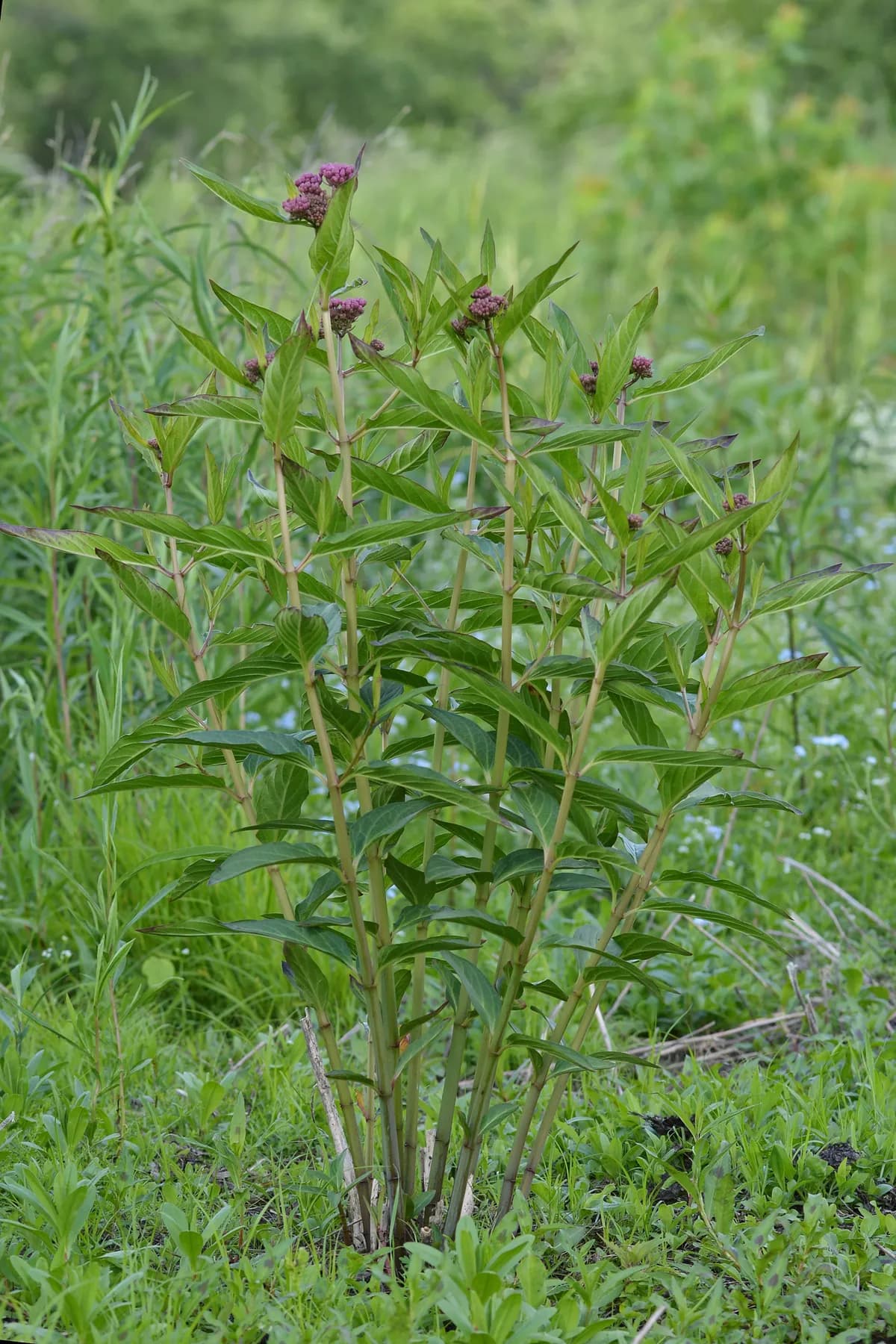
Swamp Milkweed
Asclepias incarnata

Little Bluestem
Schizachyrium scoparium
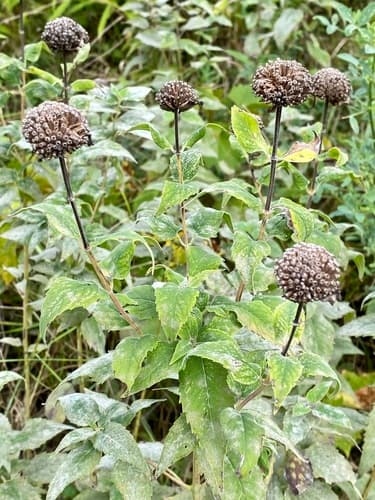
Wild Bergamot
Monarda fistulosa
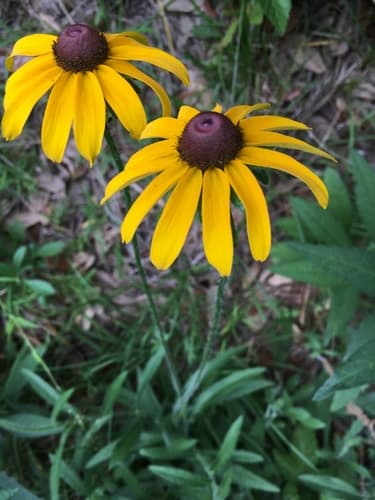
Black-eyed Susan
Rudbeckia hirta
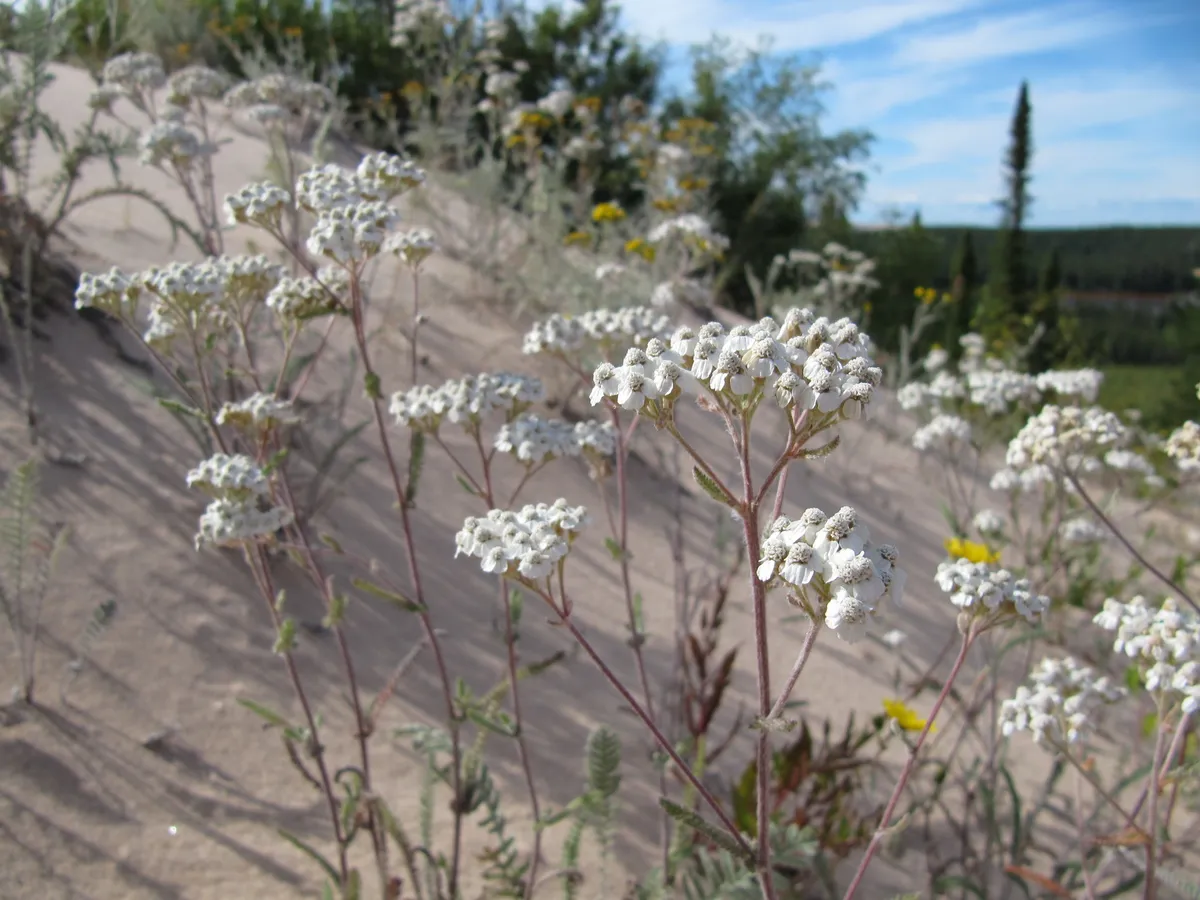
Common Yarrow
Achillea millefolium
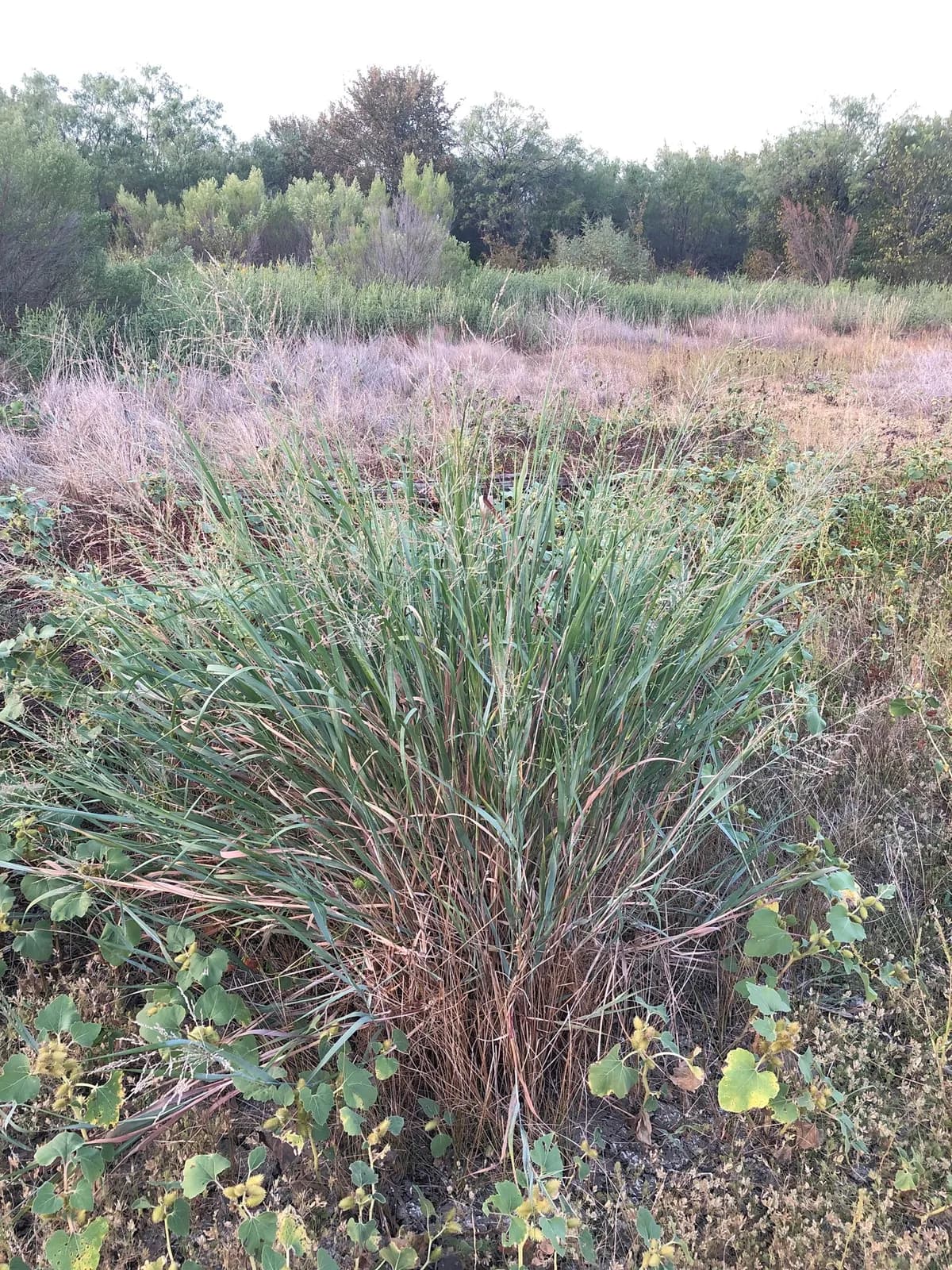
Switchgrass
Panicum virgatum
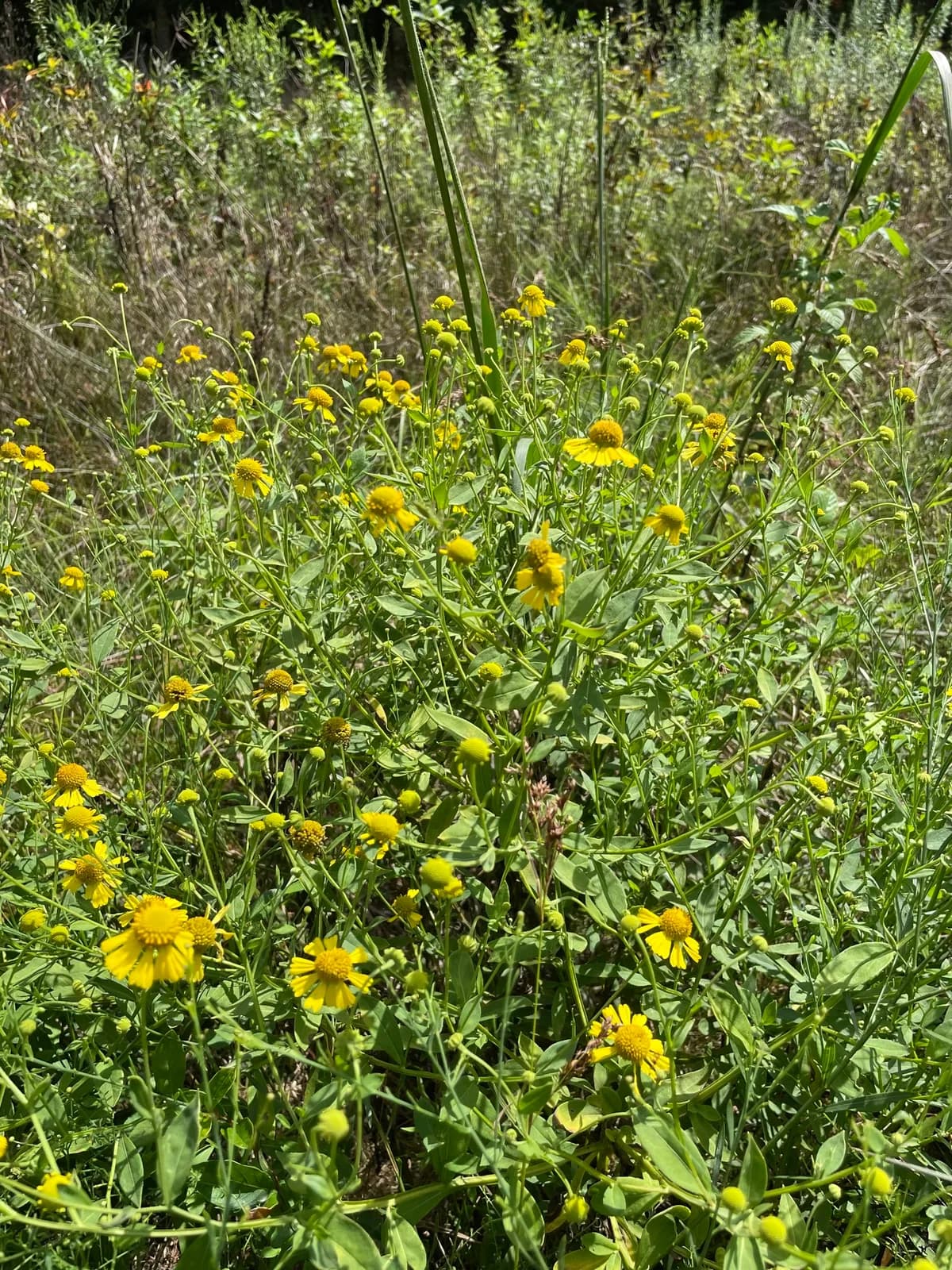
Common Sneezeweed
Helenium autumnale
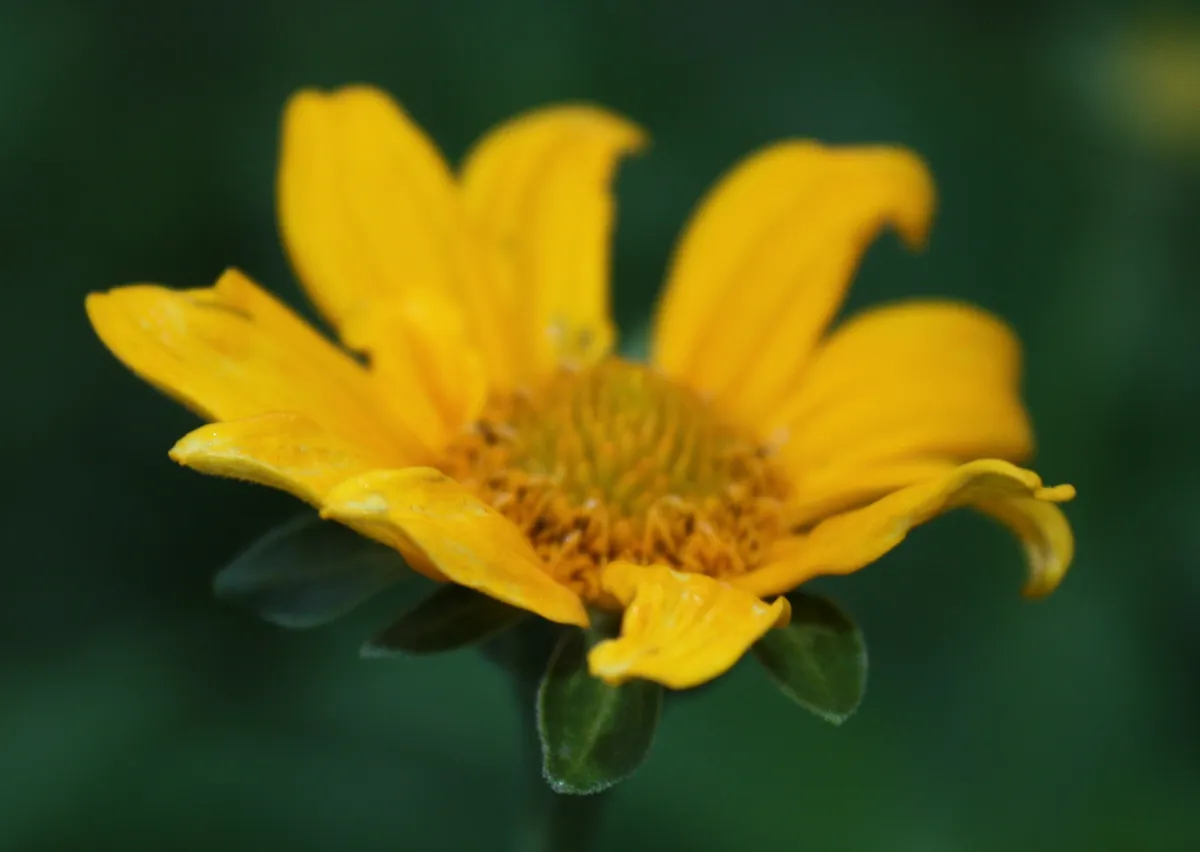
False Sunflower
Heliopsis helianthoides
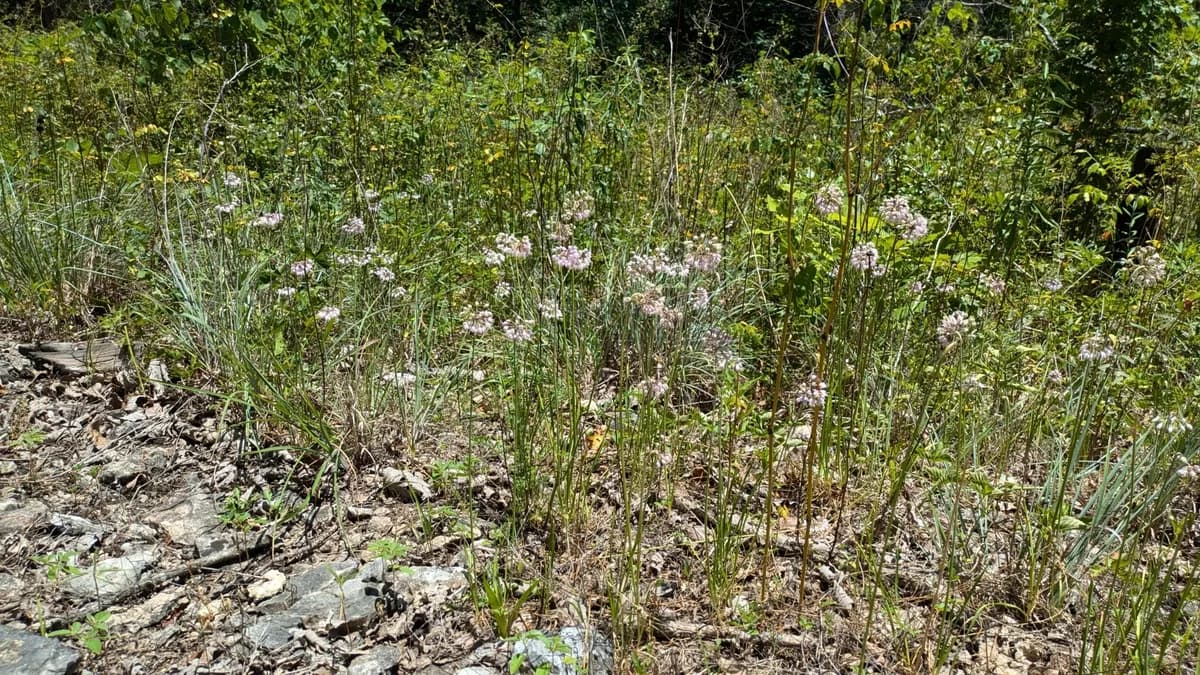
Nodding Onion
Allium cernuum

Sideoats Grama
Bouteloua curtipendula
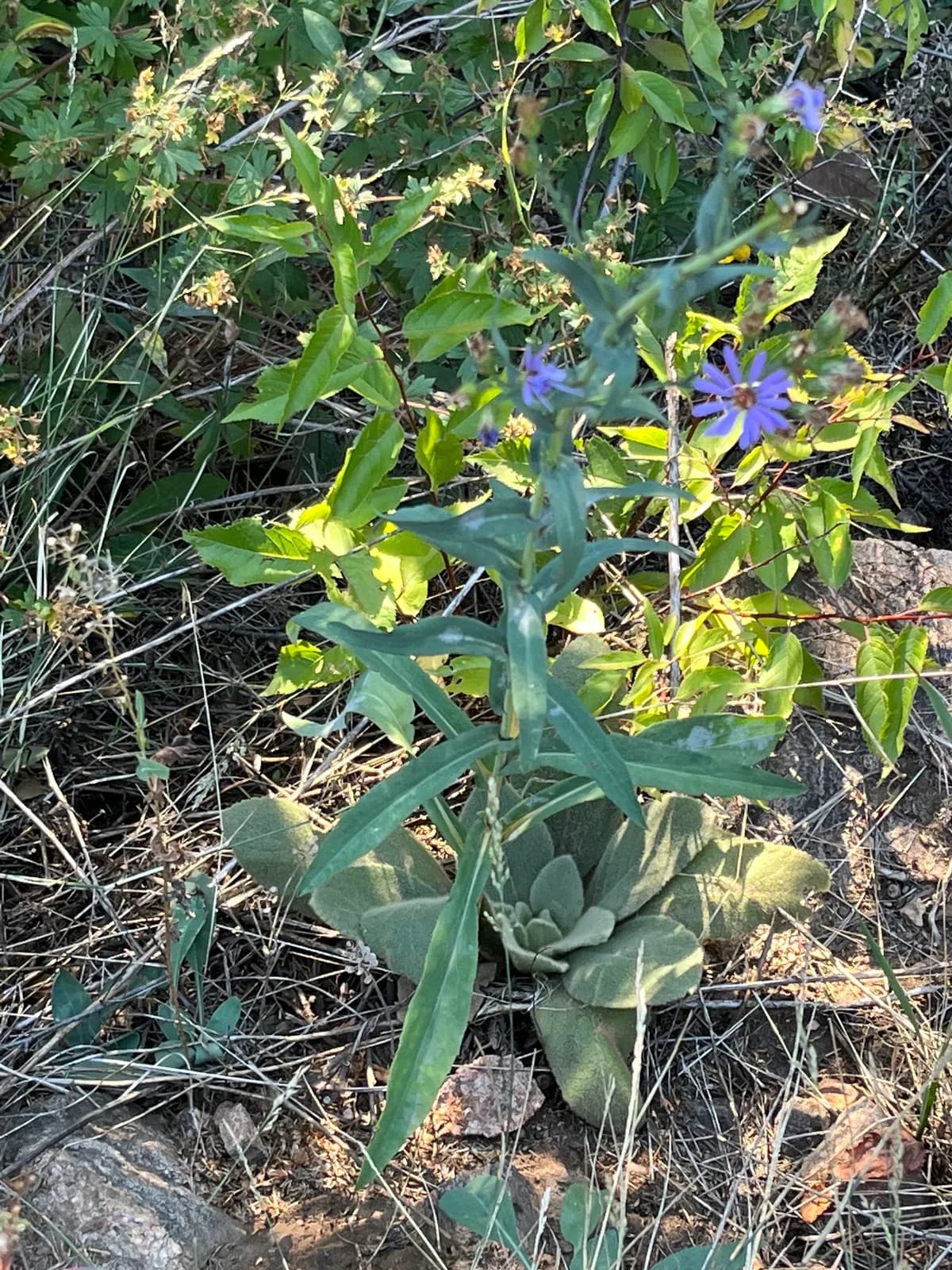
Smooth Aster
Symphyotrichum laeve
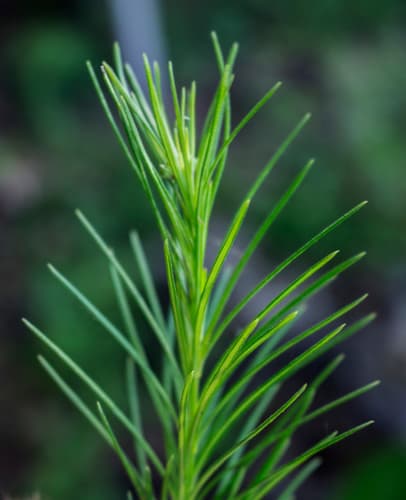
Whorled Milkweed
Asclepias verticillata
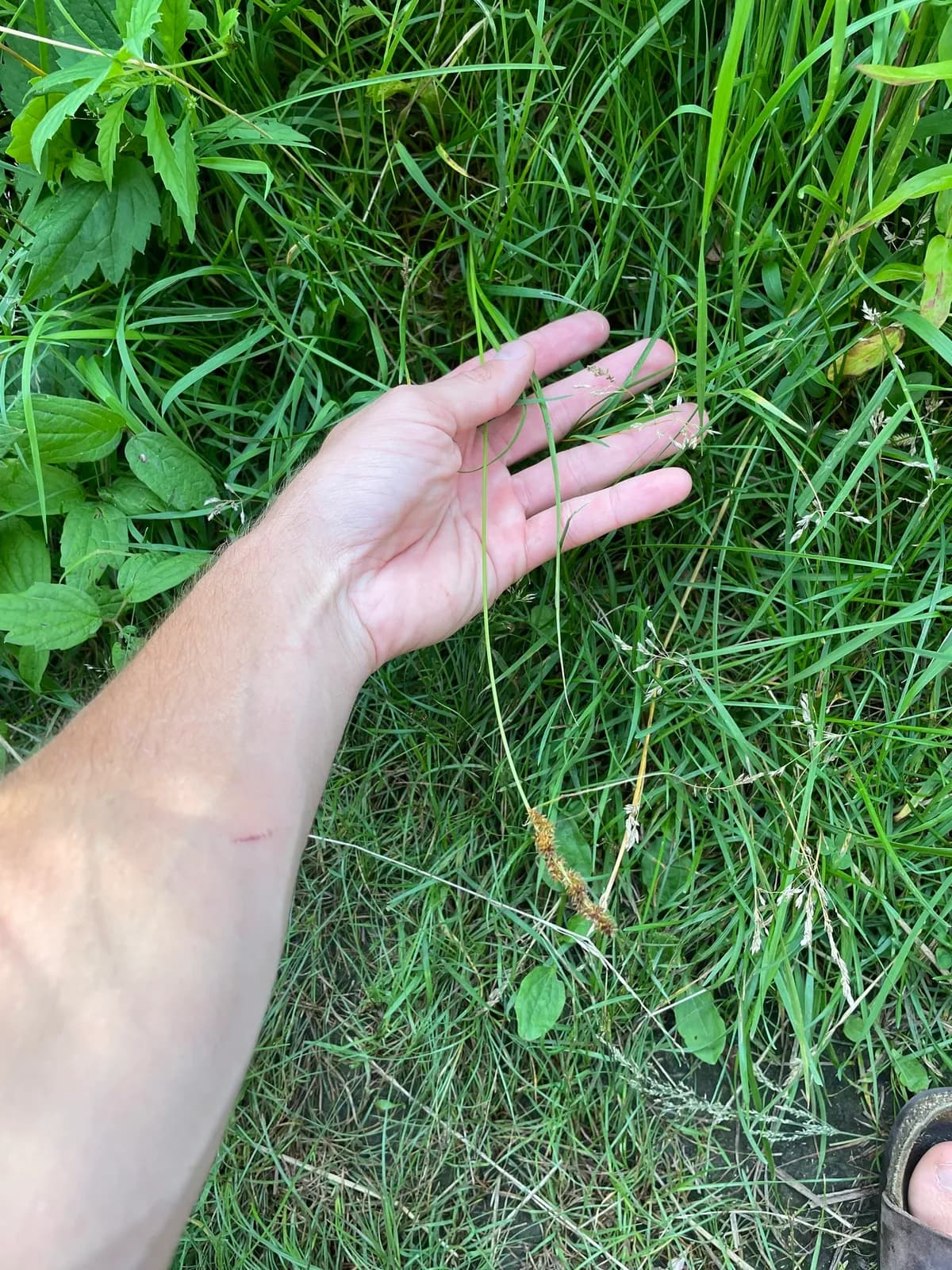
American Fox Sedge
Carex vulpinoidea
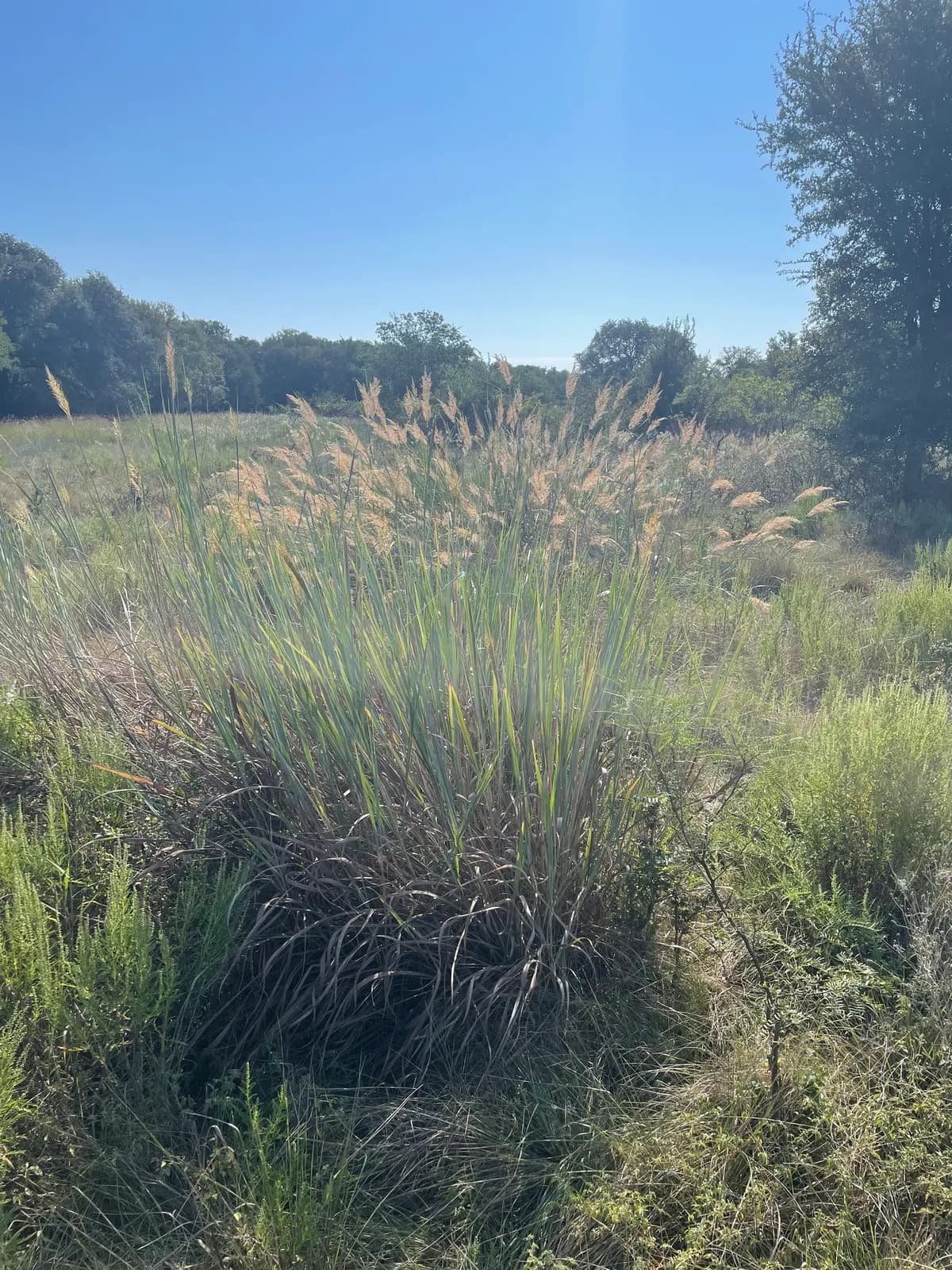
Indiangrass
Sorghastrum nutans
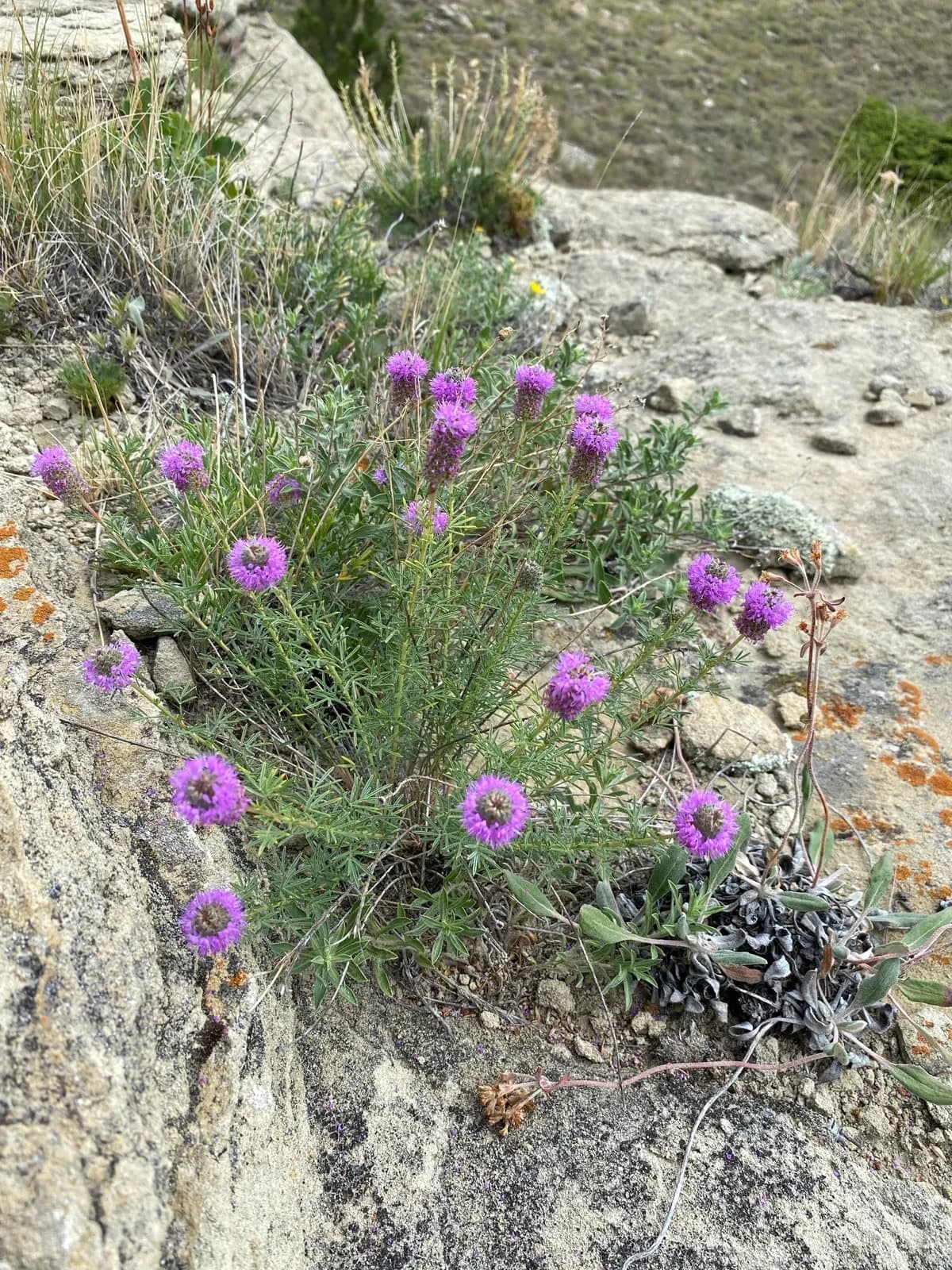
Purple Prairie Clover
Dalea purpurea
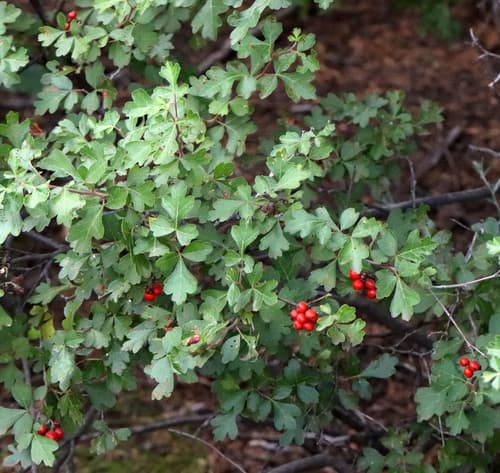
Aromatic Sumac
Rhus aromatica
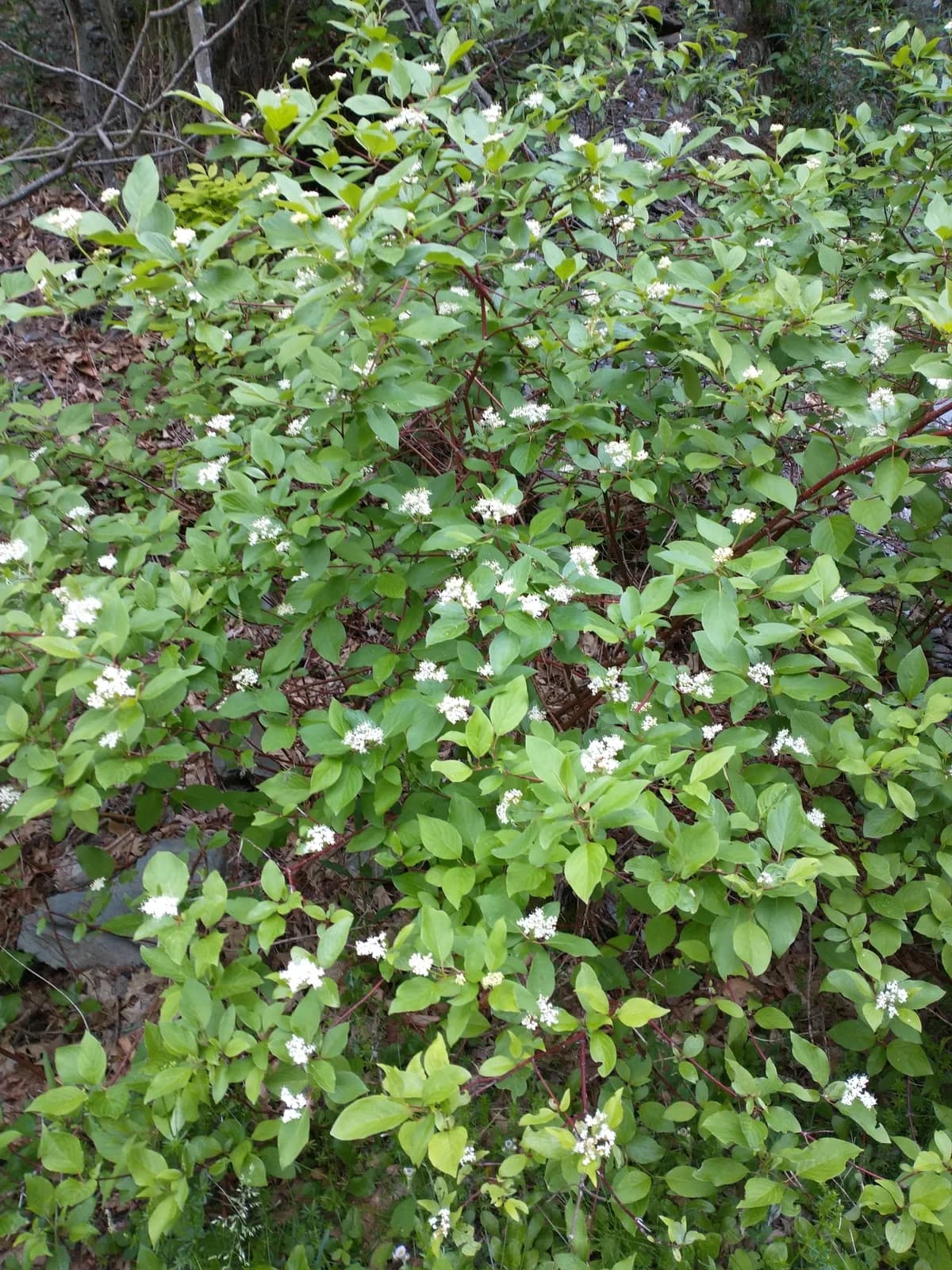
Red-osier Dogwood
Cornus sericea
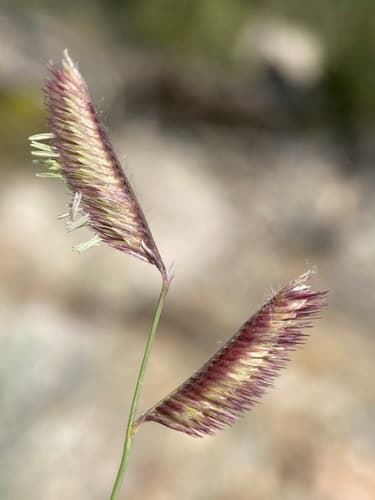
Blue Grama
Bouteloua gracilis
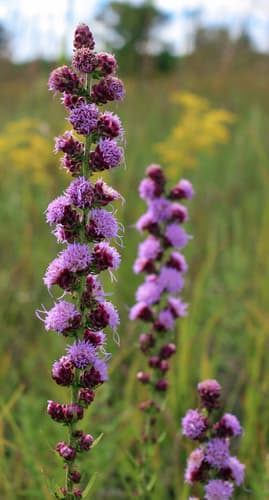
Tall Blazing Star
Liatris aspera
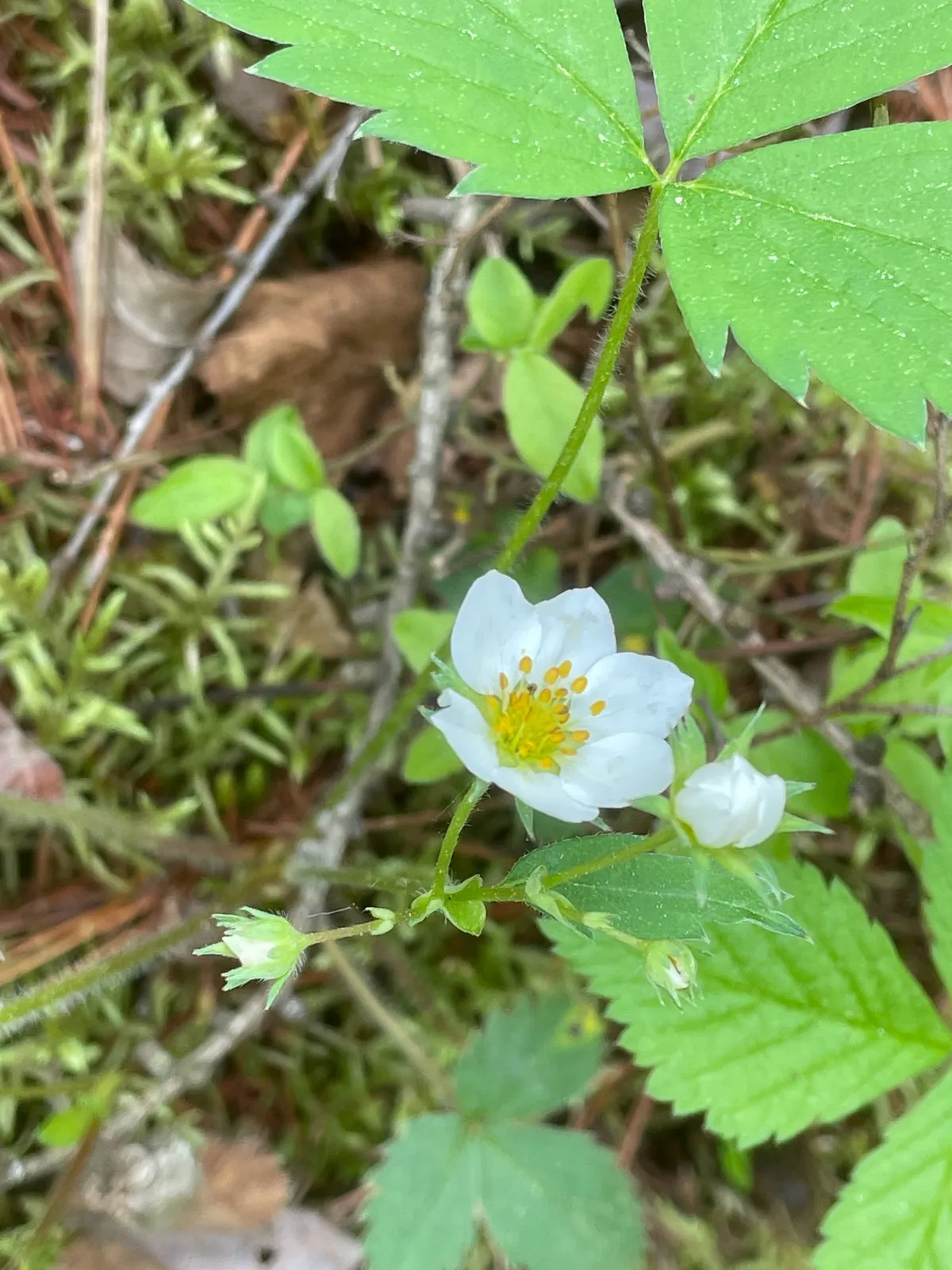
Scarlet Strawberry
Fragaria virginiana
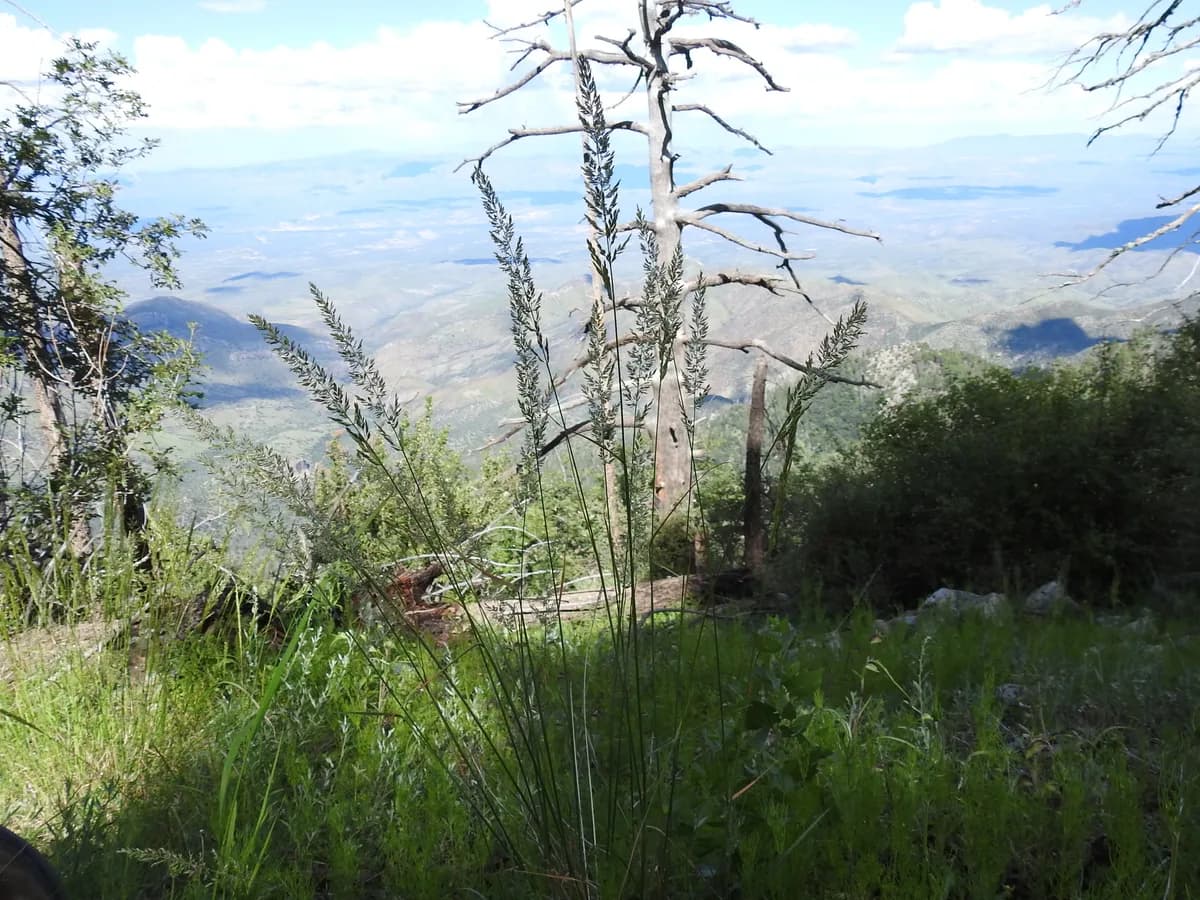
Prairie Junegrass
Koeleria macrantha
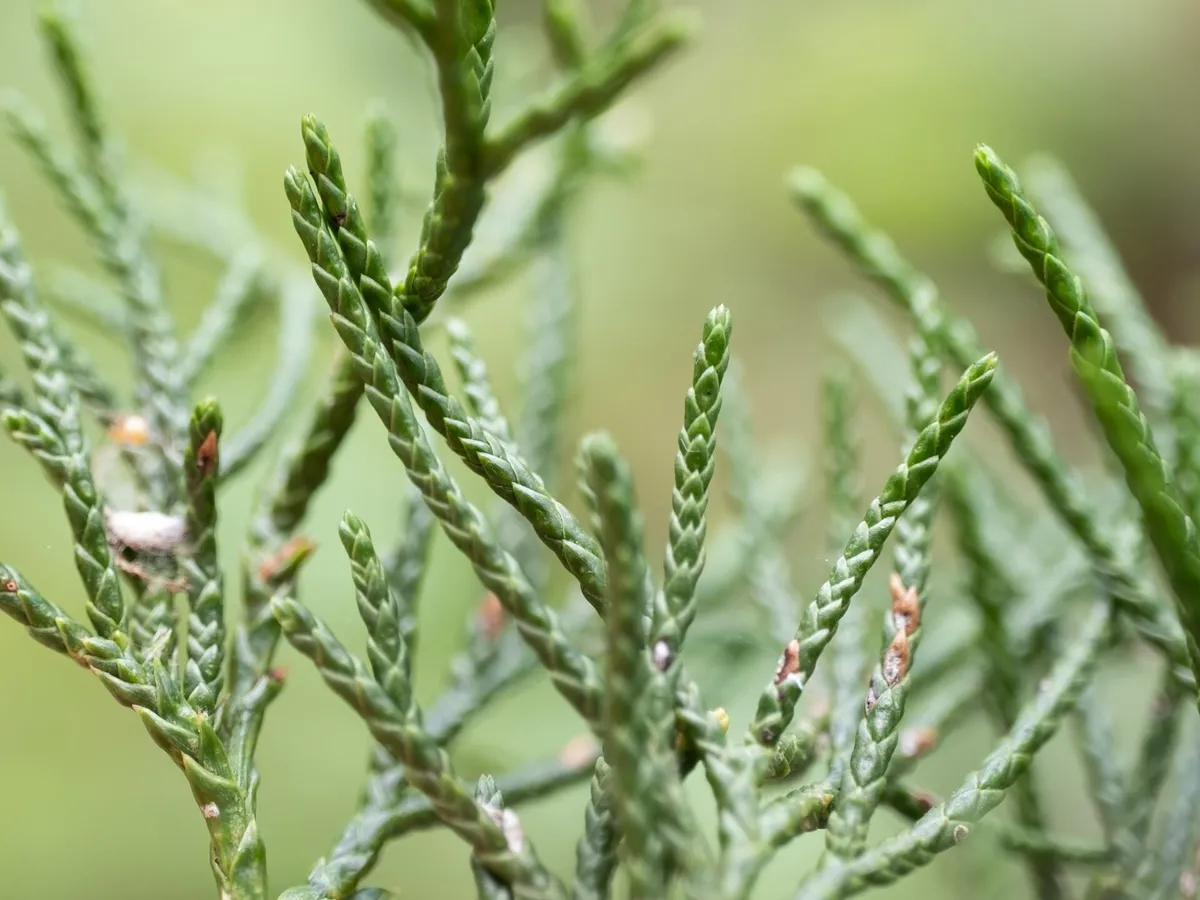
Eastern Red Cedar
Juniperus virginiana
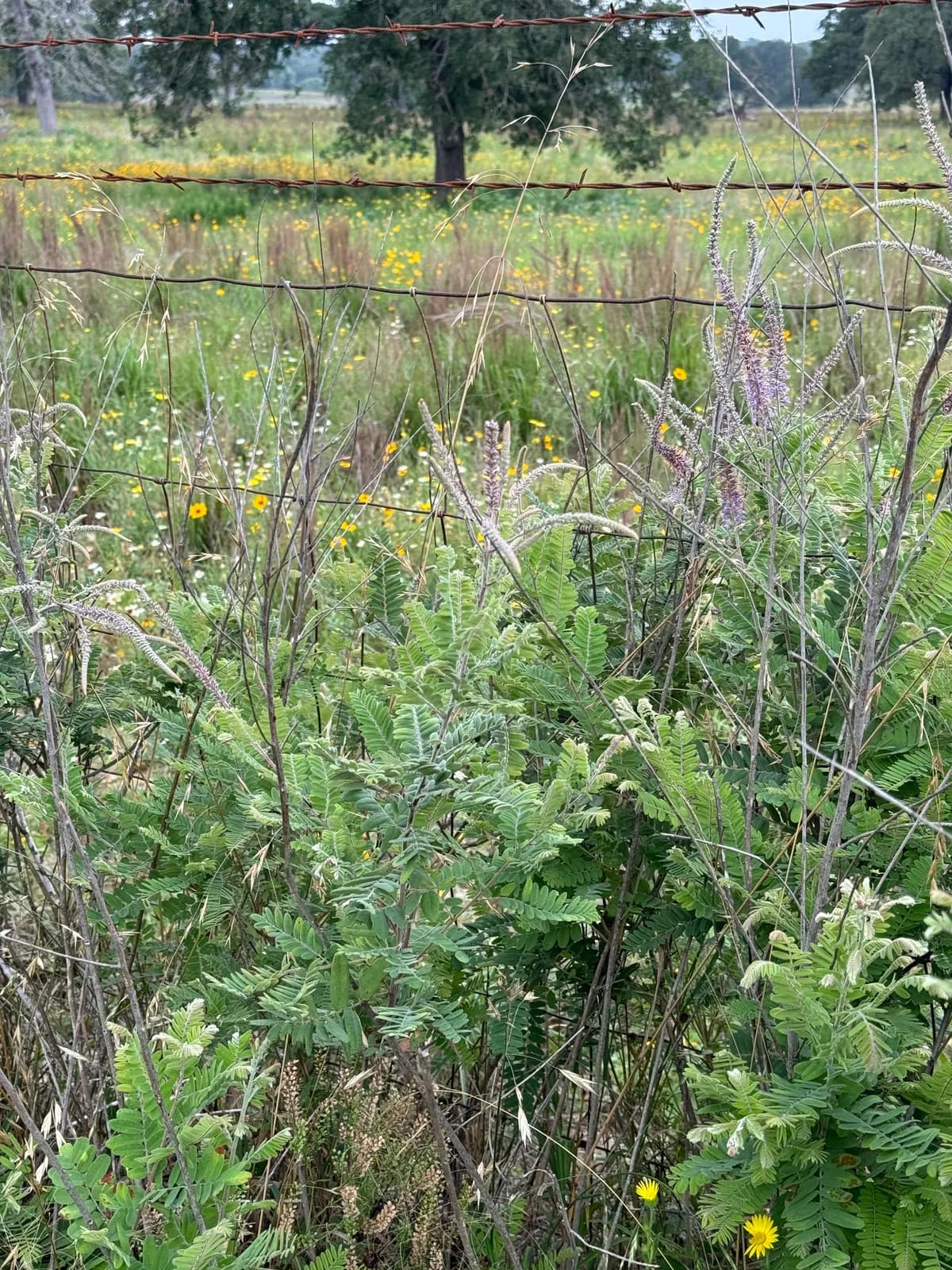
Leadplant
Amorpha canescens
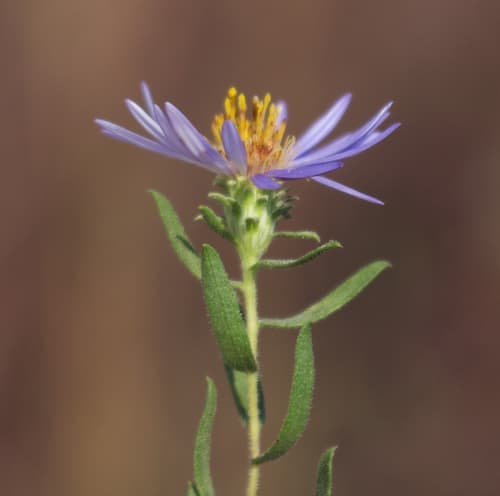
Fall Aster
Symphyotrichum oblongifolium

Mexican Hat
Ratibida columnifera
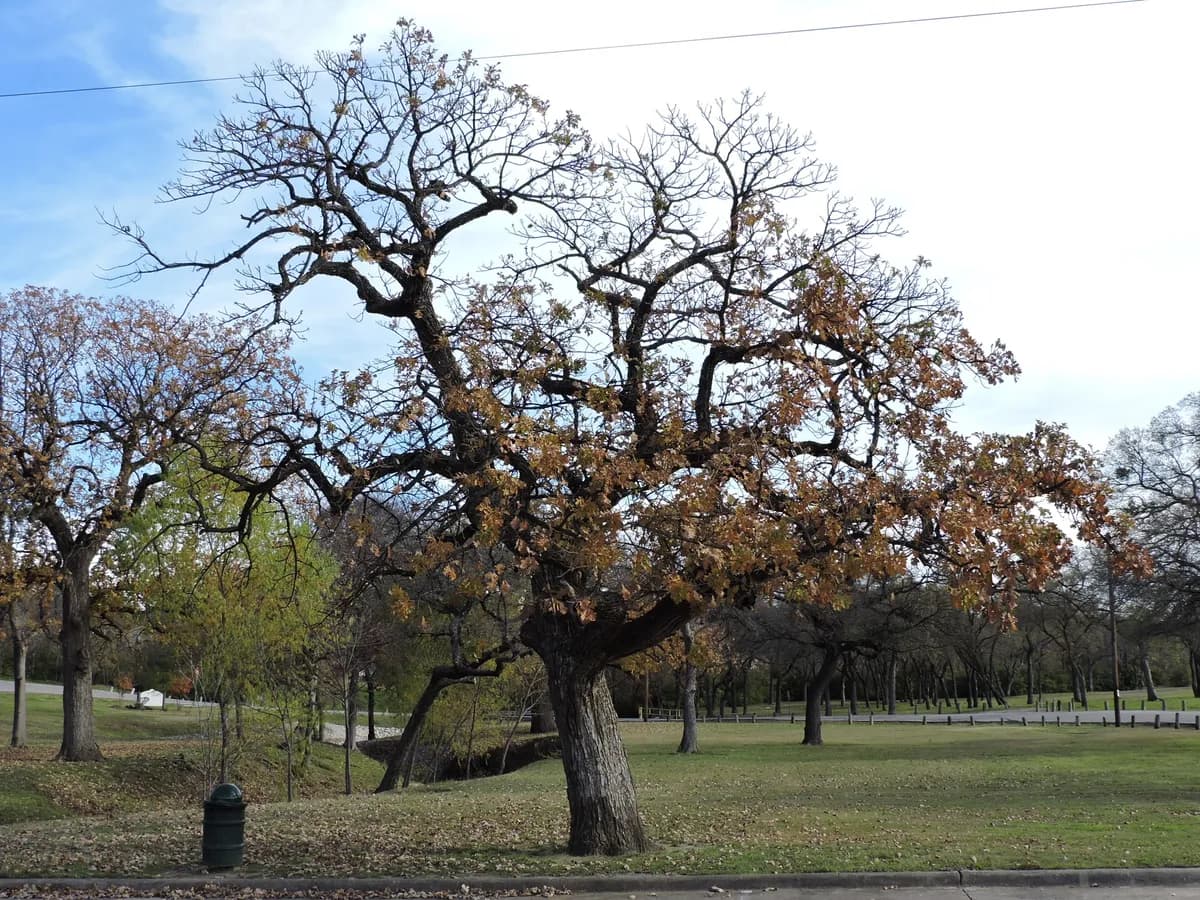
Bur Oak
Quercus macrocarpa
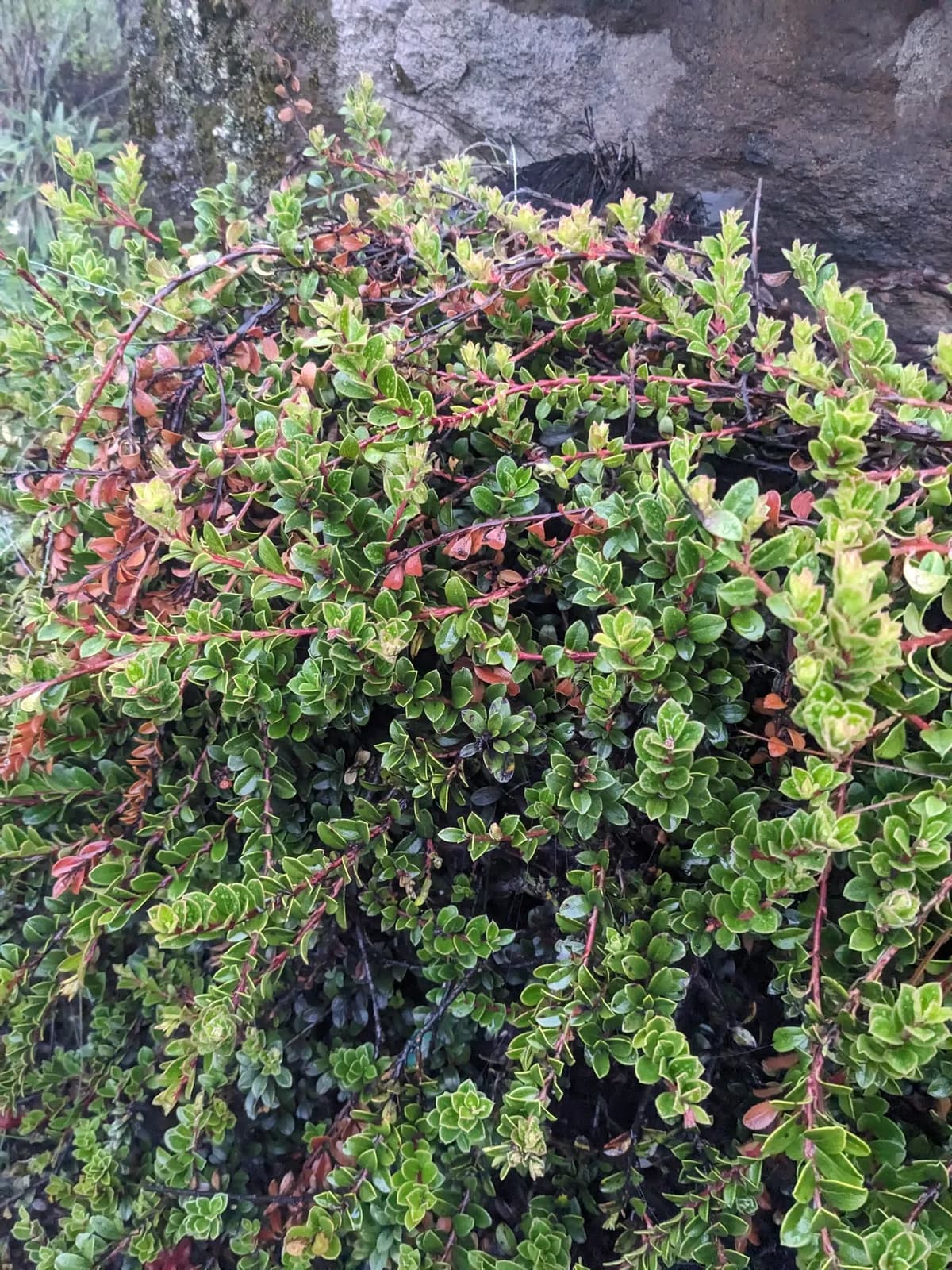
Bear-grape
Arctostaphylos uva-ursi
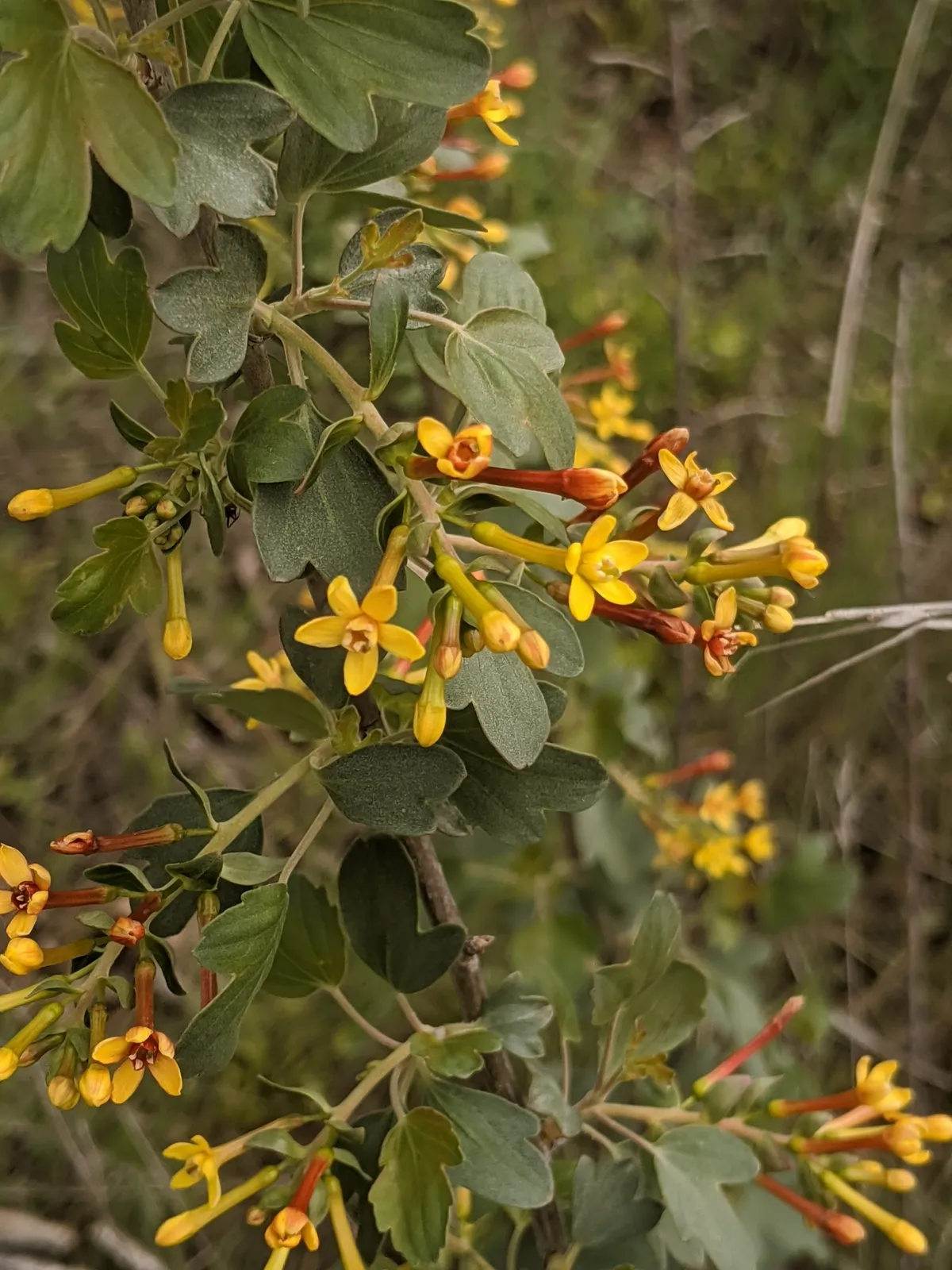
Golden Currant
Ribes aureum
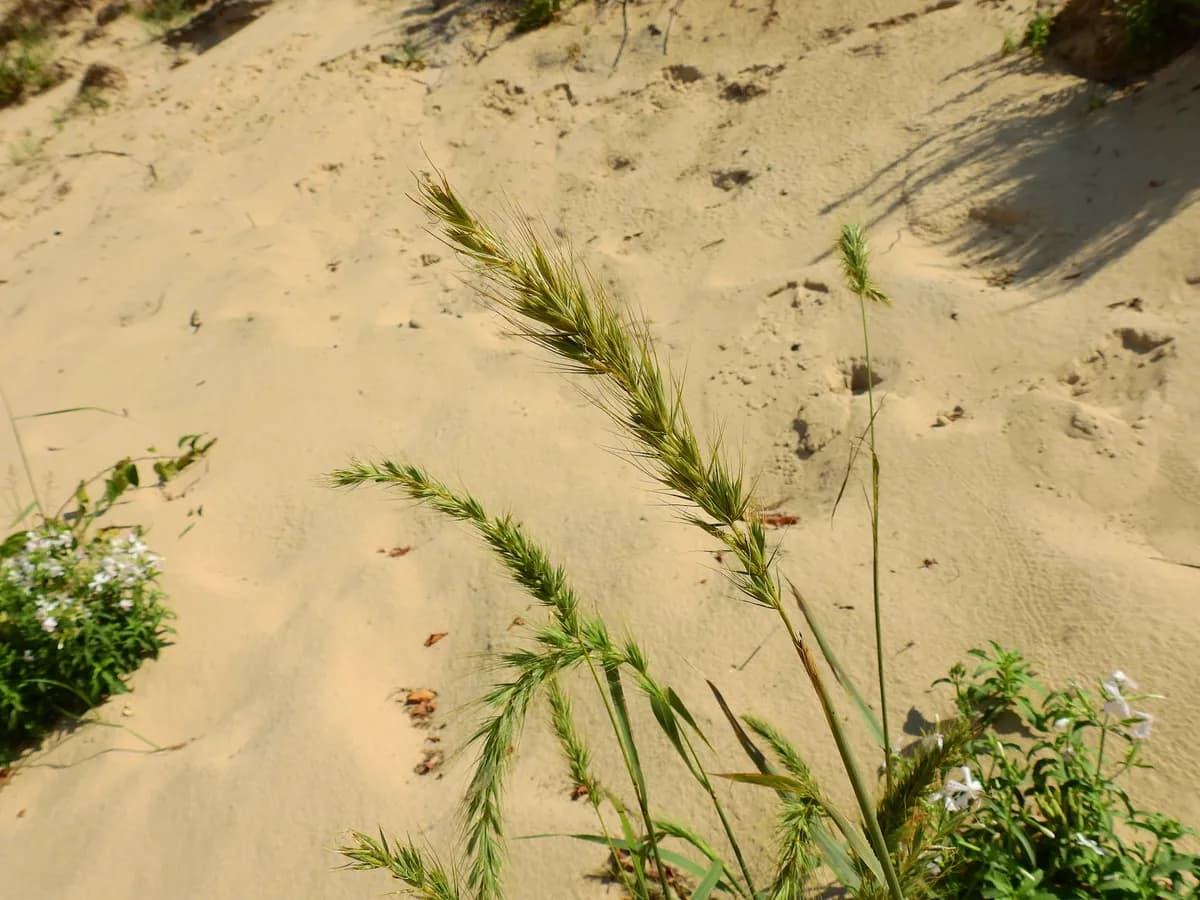
Prairie Wildrye
Elymus canadensis
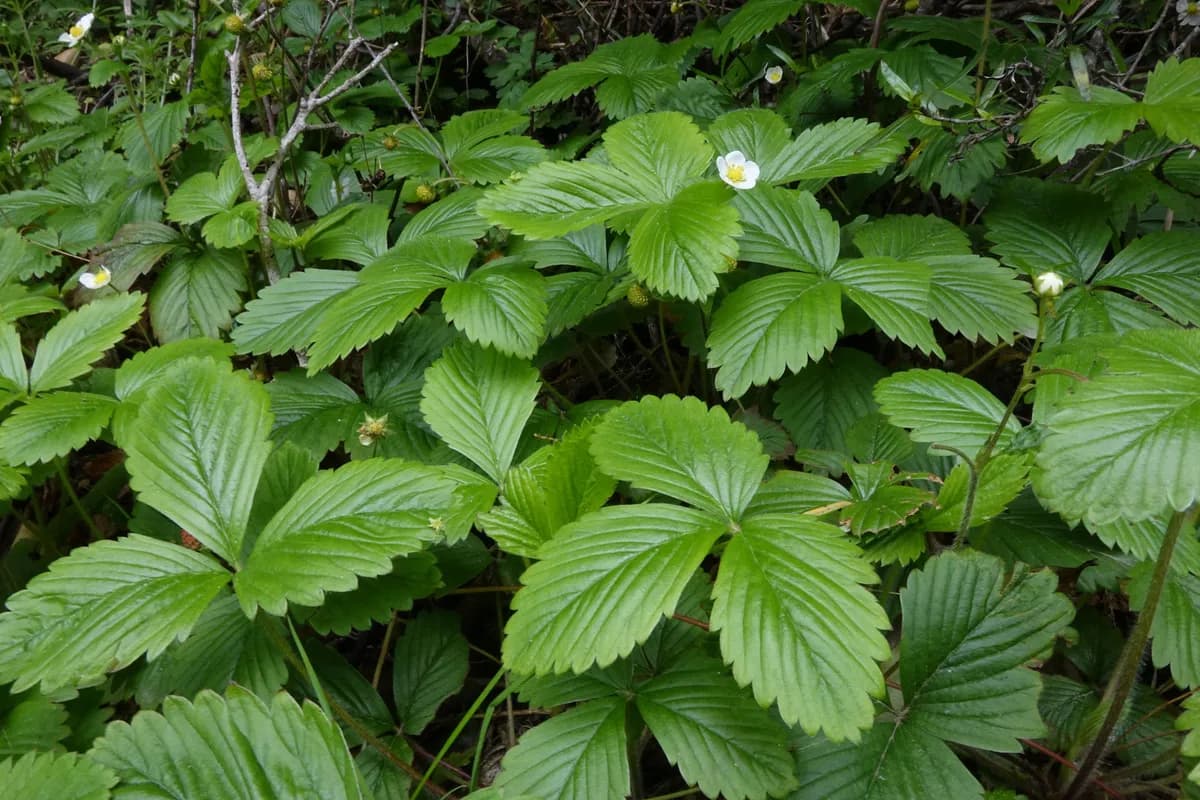
Wild Woodland Strawberries
Fragaria vesca
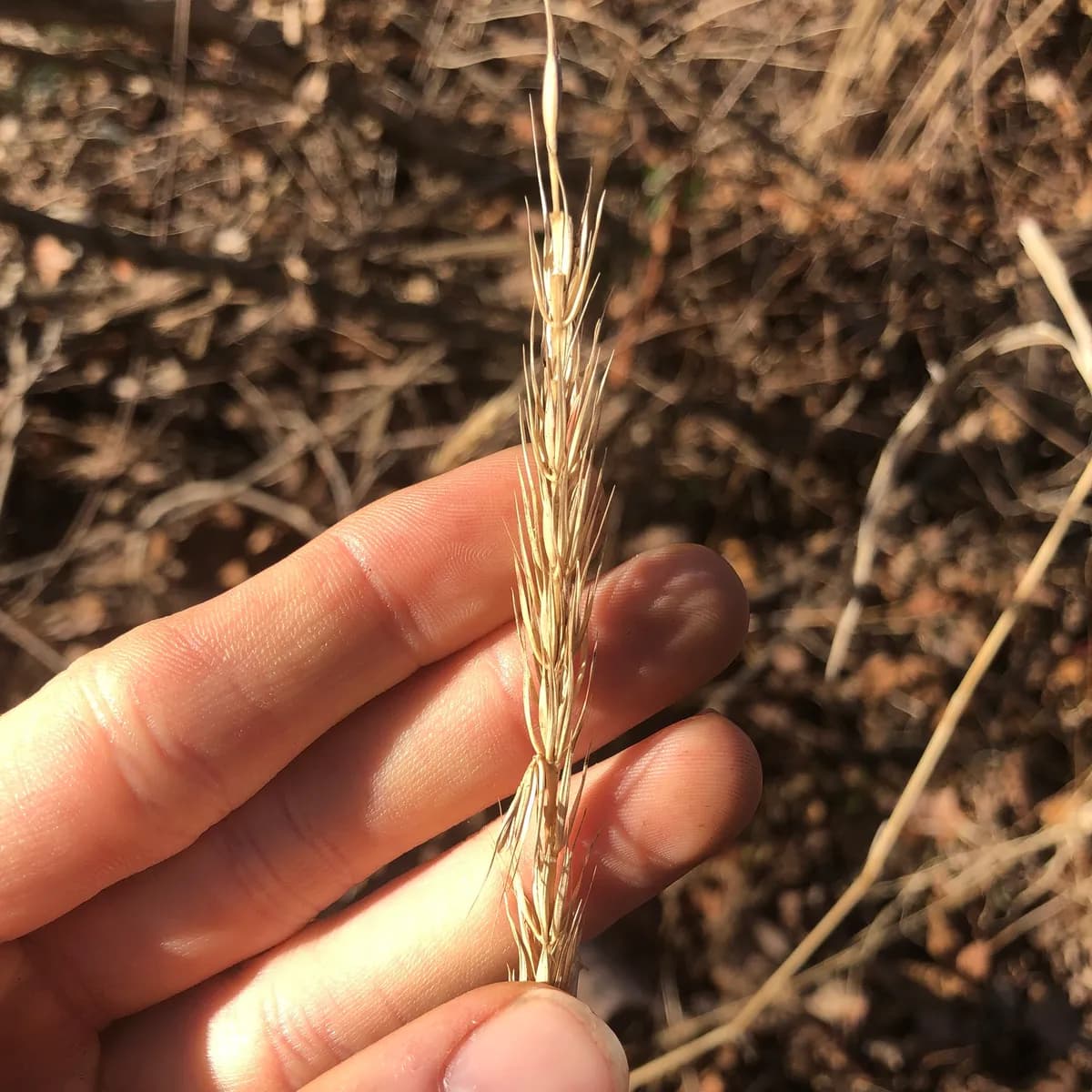
Virginia Wildrye
Elymus virginicus
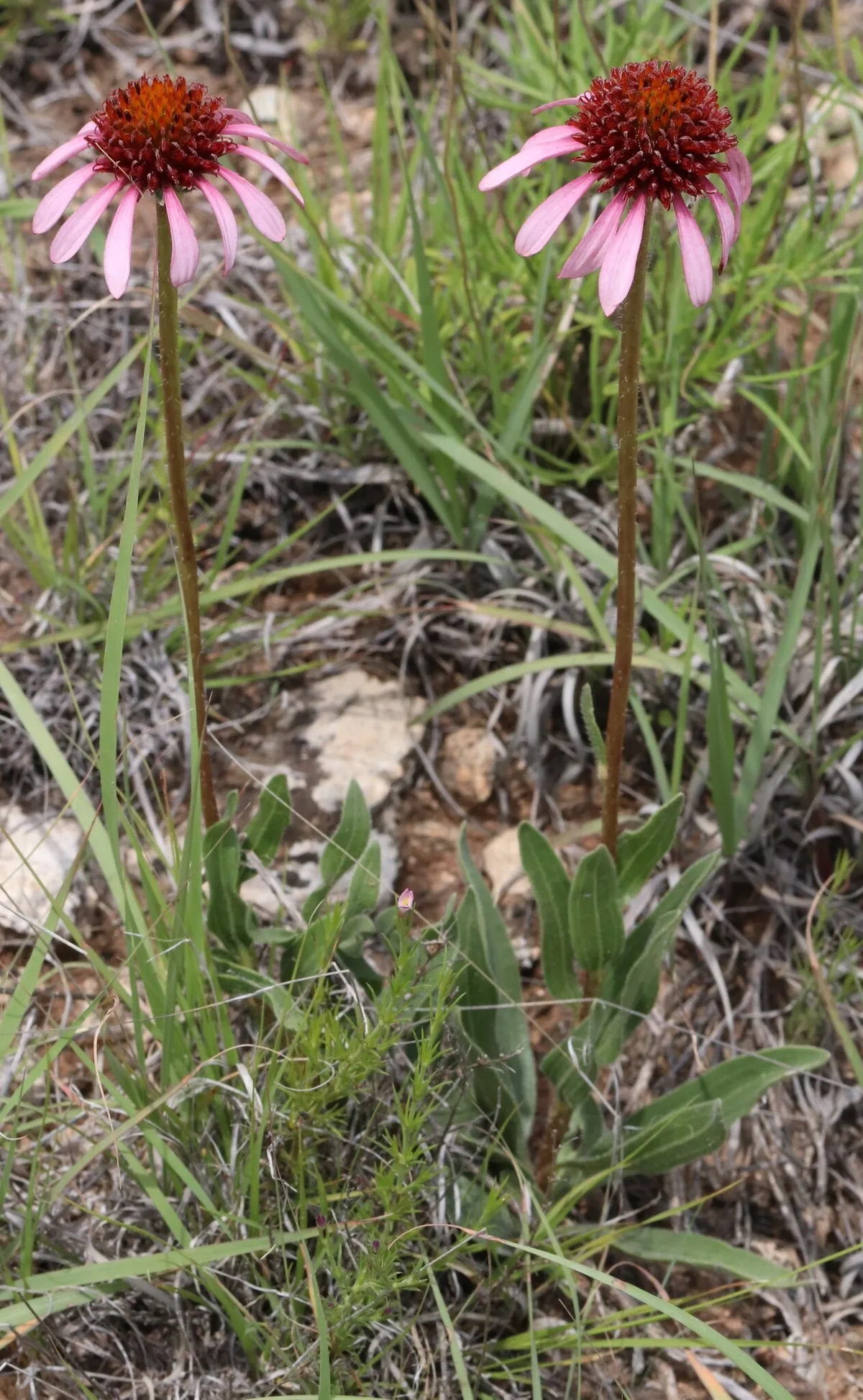
Narrow-leaf Coneflower
Echinacea angustifolia
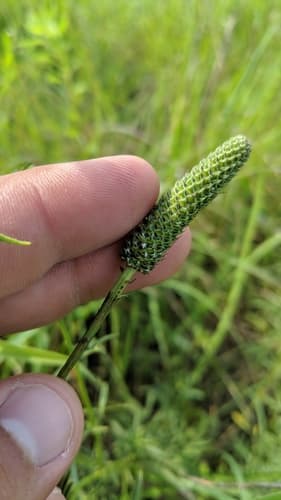
White Prairie Clover
Dalea candida
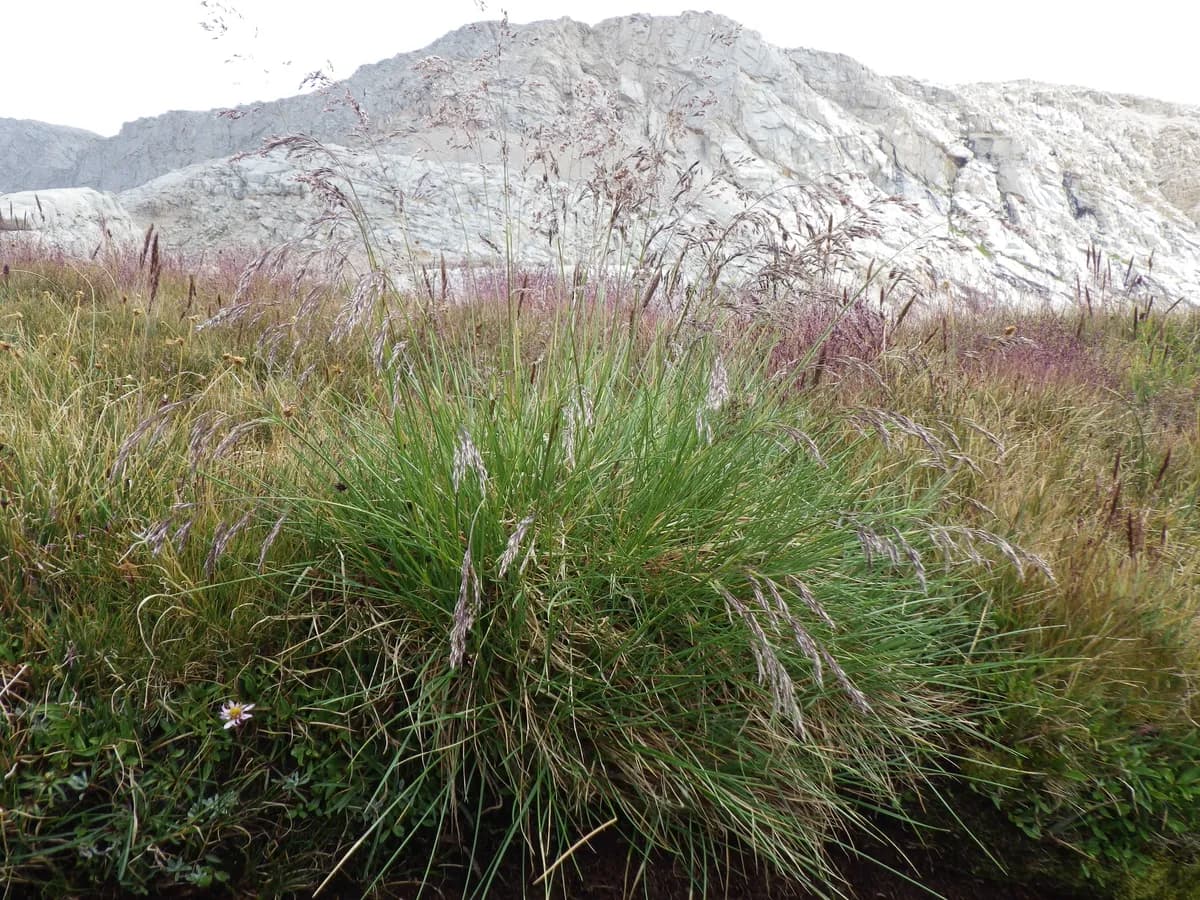
Tufted Hairgrass
Deschampsia cespitosa

American Germander
Teucrium canadense
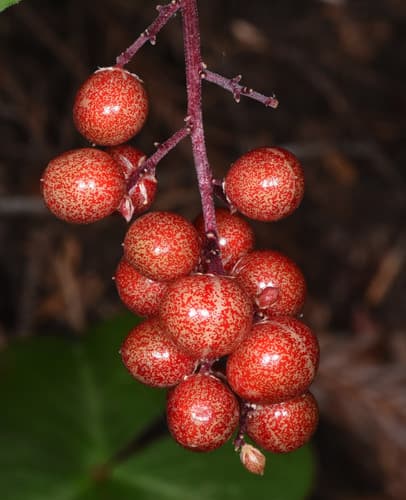
Solomon's-plume
Maianthemum racemosum
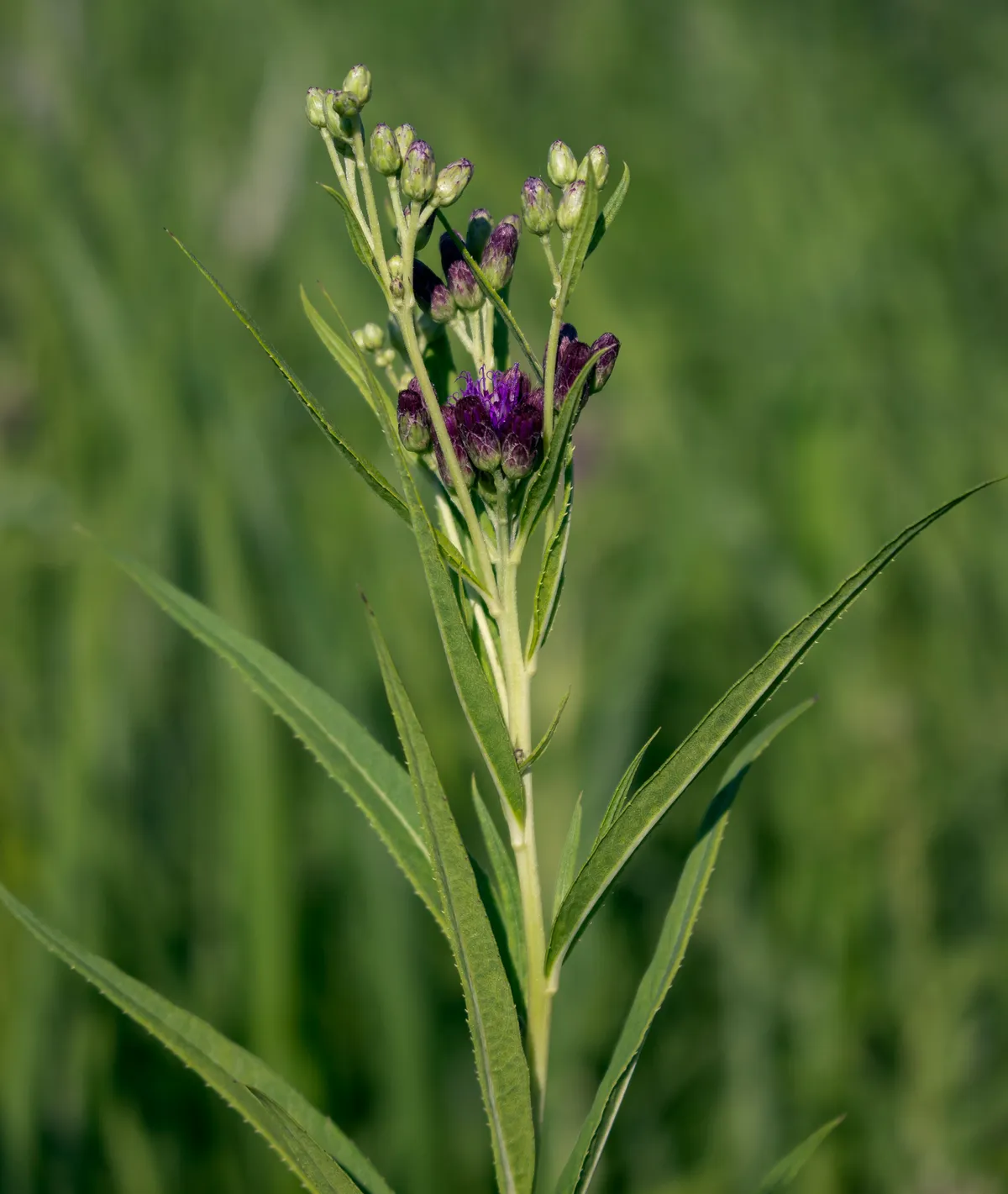
Prairie ironweed
Vernonia fasciculata
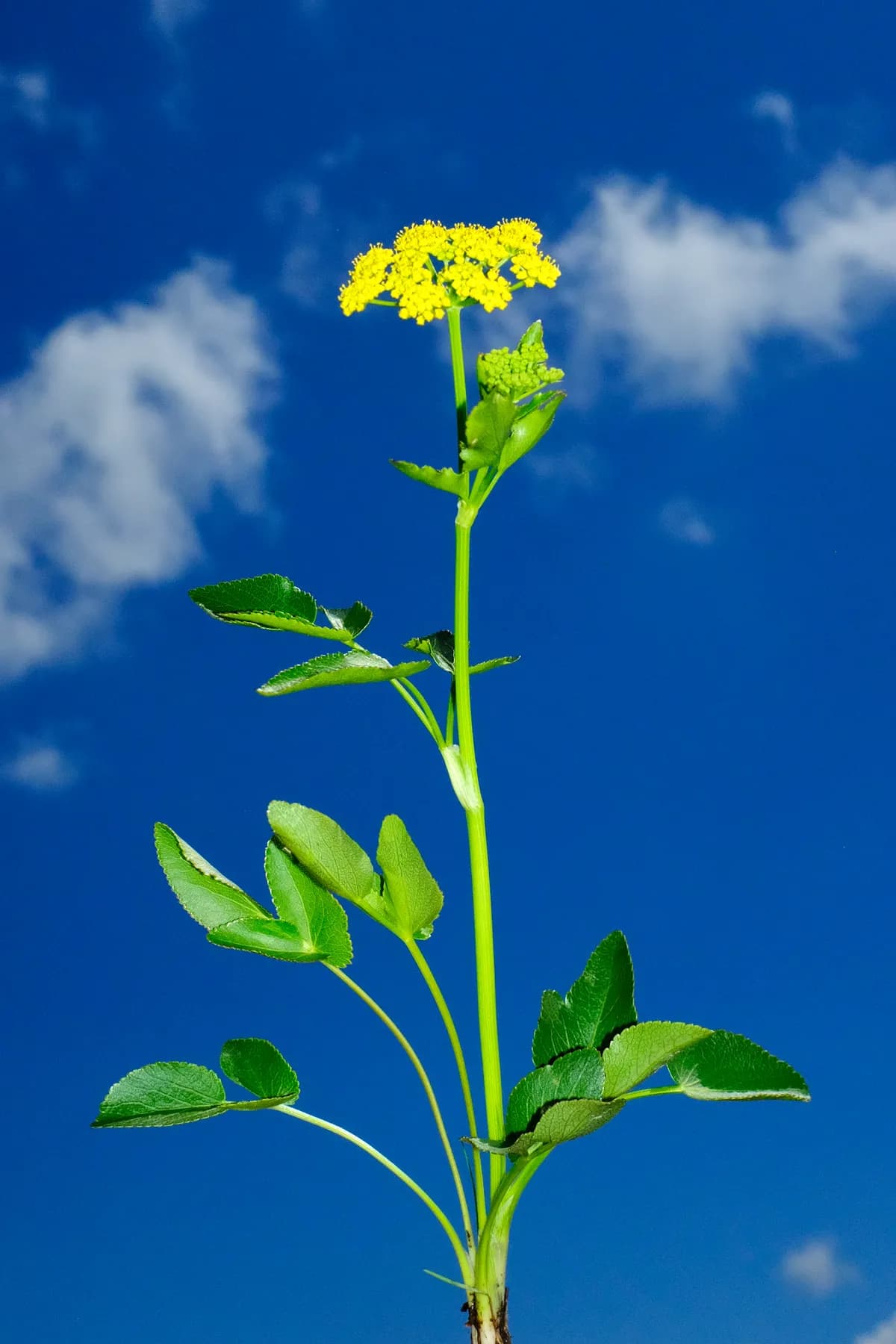
Heart-leaf Golden Alexanders
Zizia aptera
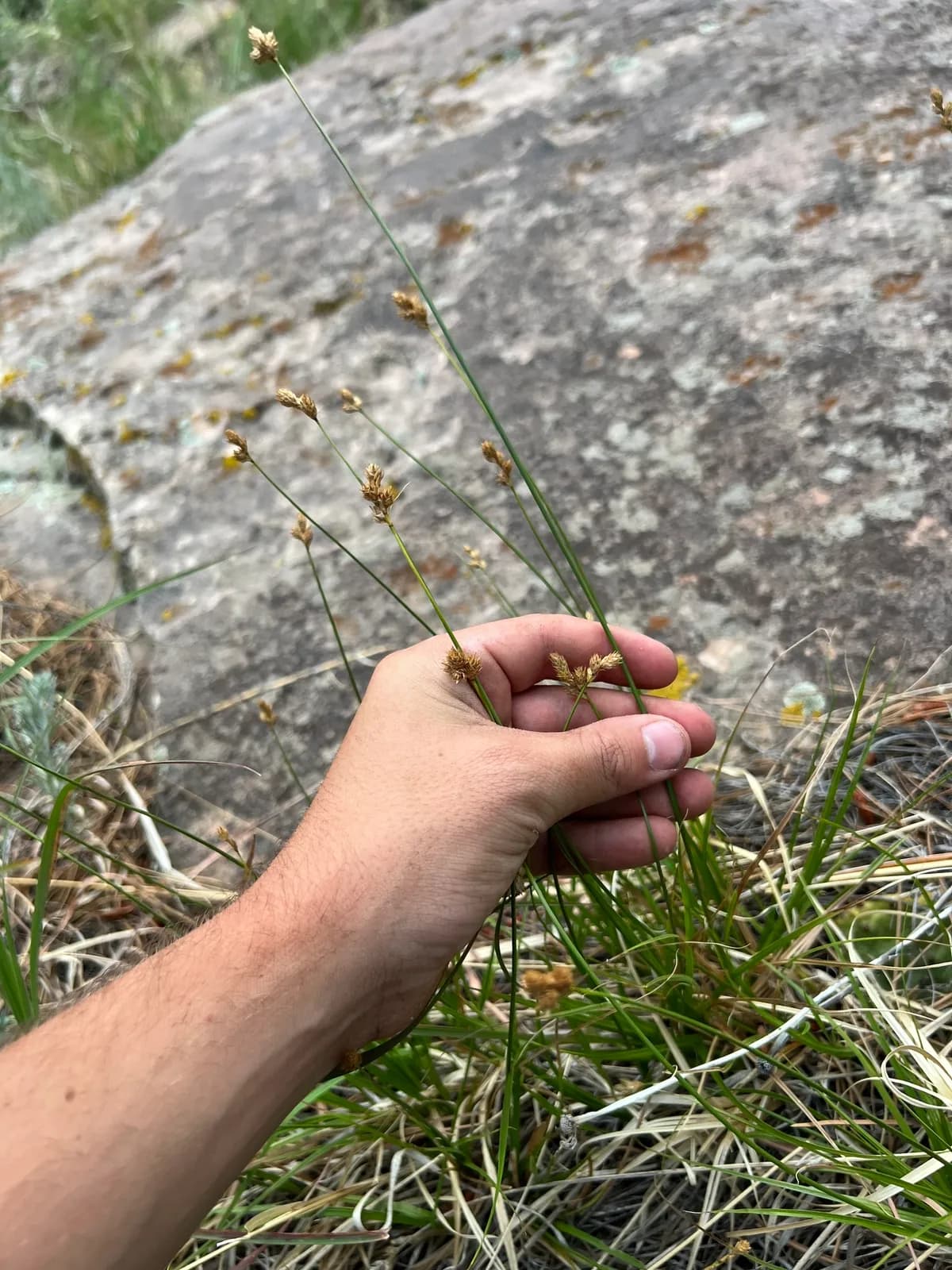
Short-beak Sedge
Carex brevior
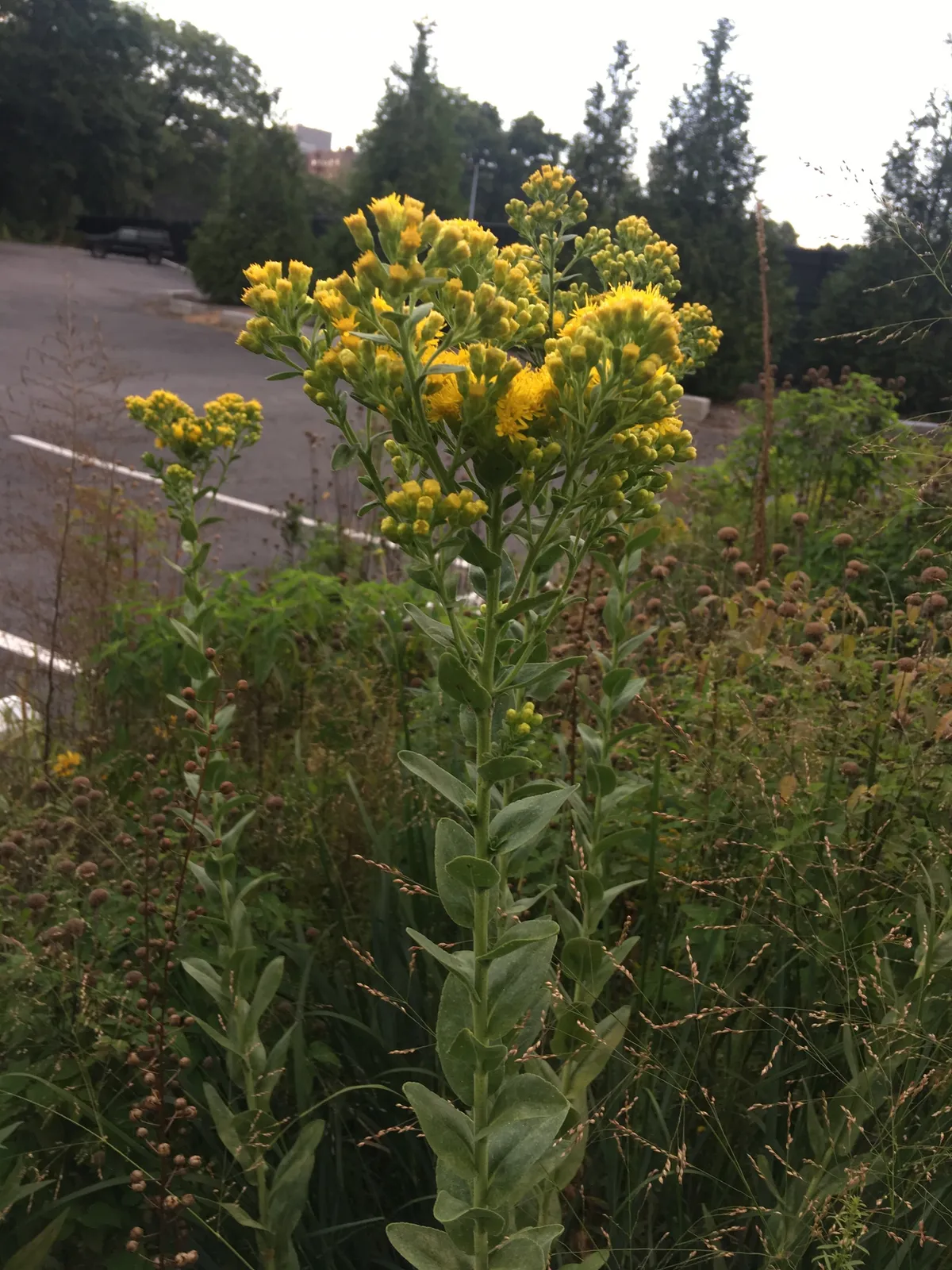
Stiff Goldenrod
Solidago rigida

Gayfeather
Liatris punctata
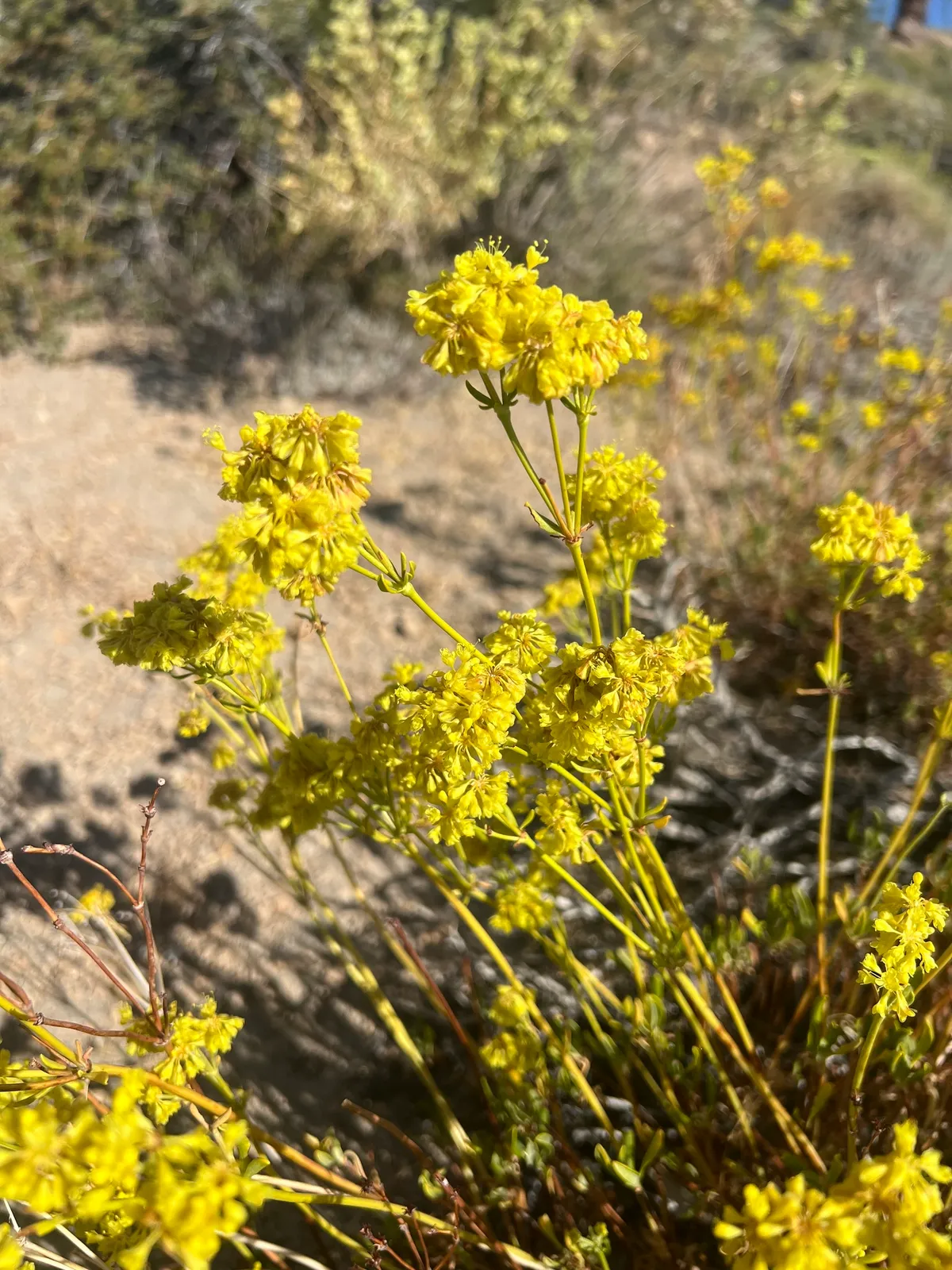
Sulfur-buckwheat
Eriogonum umbellatum

Heath Aster
Symphyotrichum ericoides

Winged Loosestrife
Lythrum alatum
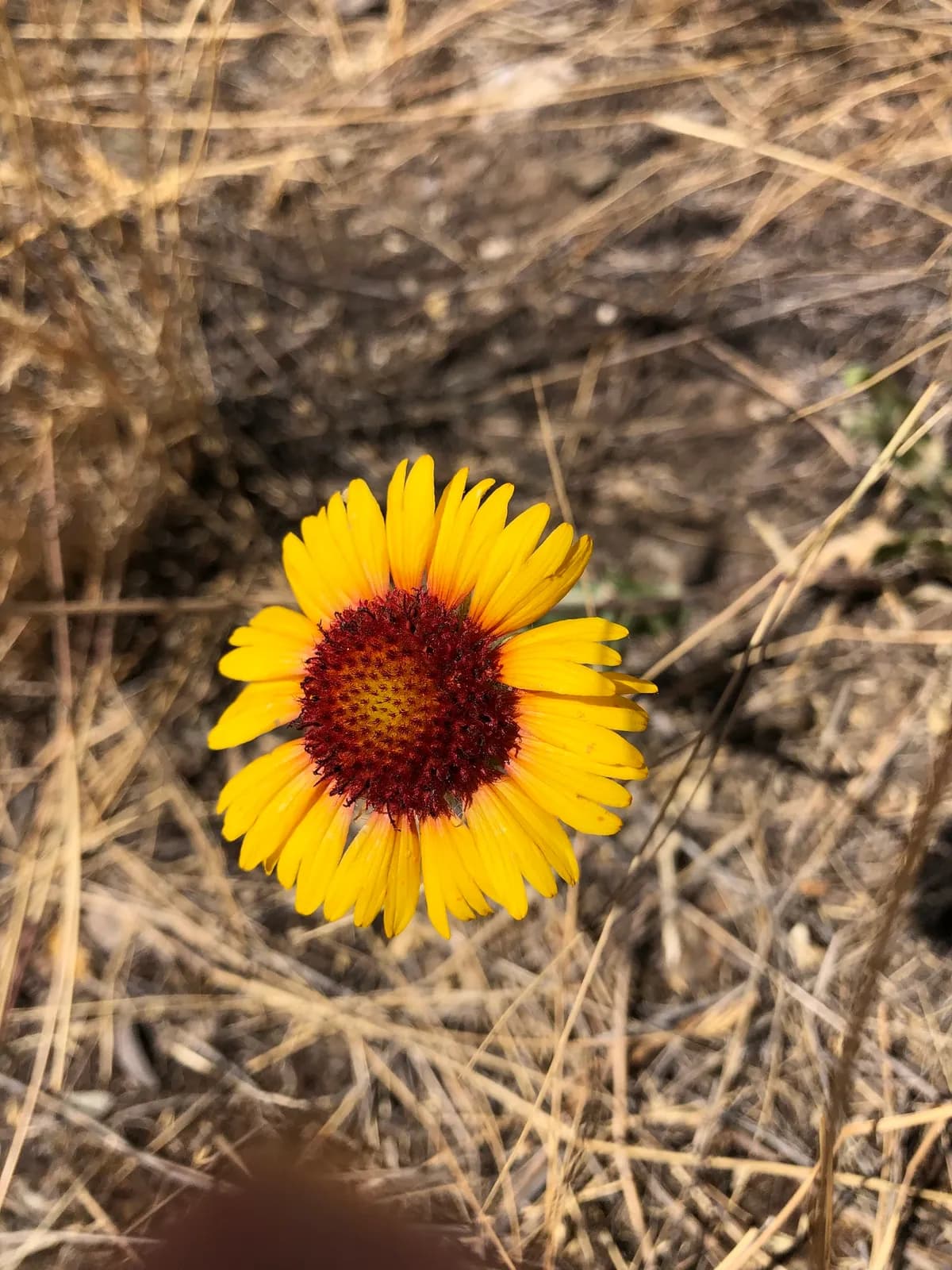
Great Blanket-flower
Gaillardia aristata
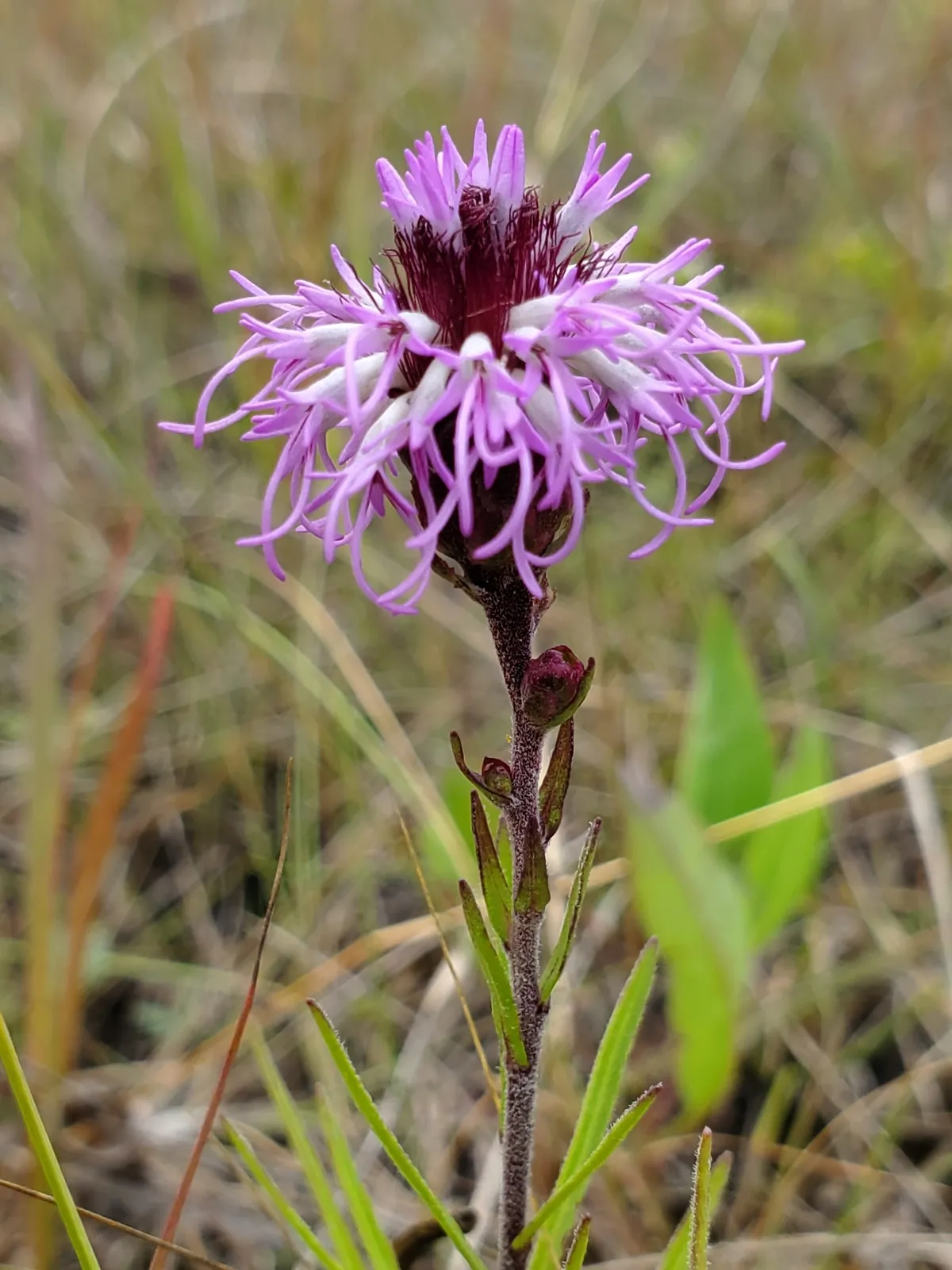
Rocky Mountain Blazing Star
Liatris ligulistylis
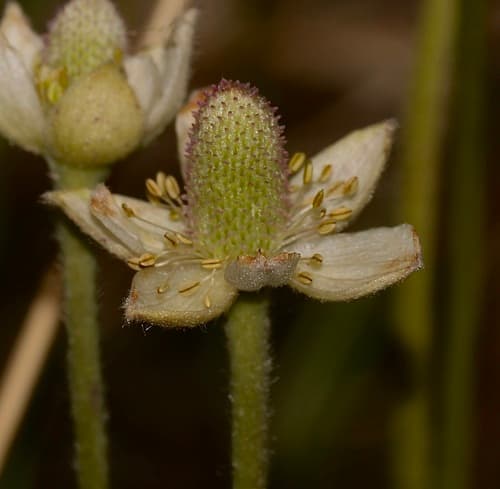
Candle Anemone
Anemone cylindrica
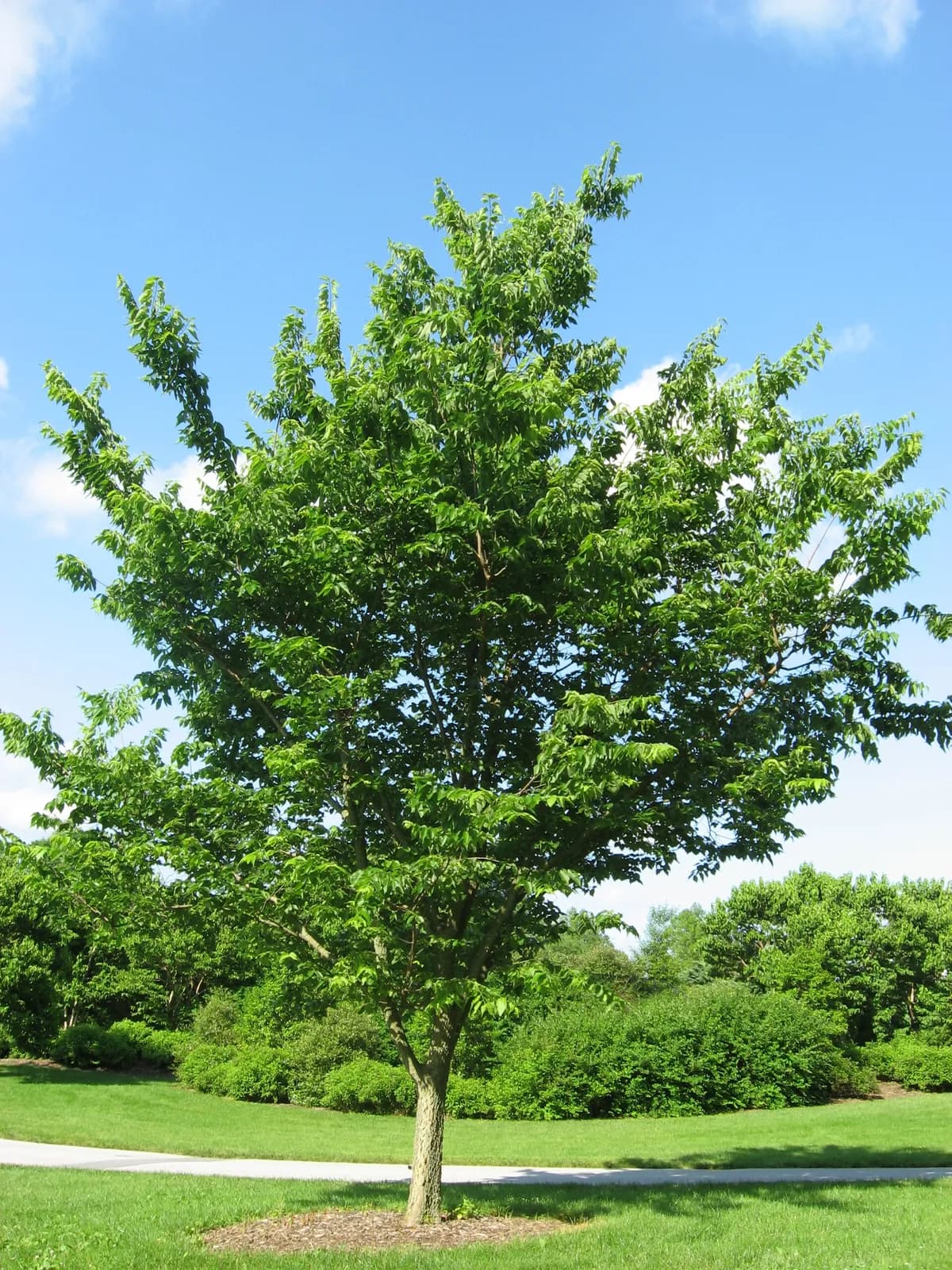
Northern Hackberry
Celtis occidentalis
Showing 48 of 526. Enter your ZIP for the natives matched to your yard.
Fall care in the Northwestern Glaciated Plains
What to do right now for plants commonly grown here. Each links to the full regional care guide for that species, with sources.
- Smooth aster
Fall is when it earns its keep. Lavender blue flowers open late and feed pollinators before winter on the northern plains. Leave most of the plant standing.
- Little bluestem
Fall is the best season for little bluestem in the landscape. The foliage turns a rich rust-orange and the seed heads catch low light, and this color and structure is worth leaving up rather than cutting.
- Switchgrass
Fall is switchgrass at its best. The foliage turns gold and the seed heads catch low light. It also feeds birds, so many gardeners leave it standing.
- Wild bergamot
In fall the plant ripens seed and heads into dormancy. On the Hi-Line you can leave seed heads for birds or tidy the bed, either works.
Build a plan for the Northwestern Glaciated Plains
The Pollinator Patch App turns plants like these into a front-yard plan tuned for the soil, climate, and HOA expectations of the Great Falls area.