Rocky Mountain Blazing Star
Liatris ligulistylis
Last reviewed: September 2026
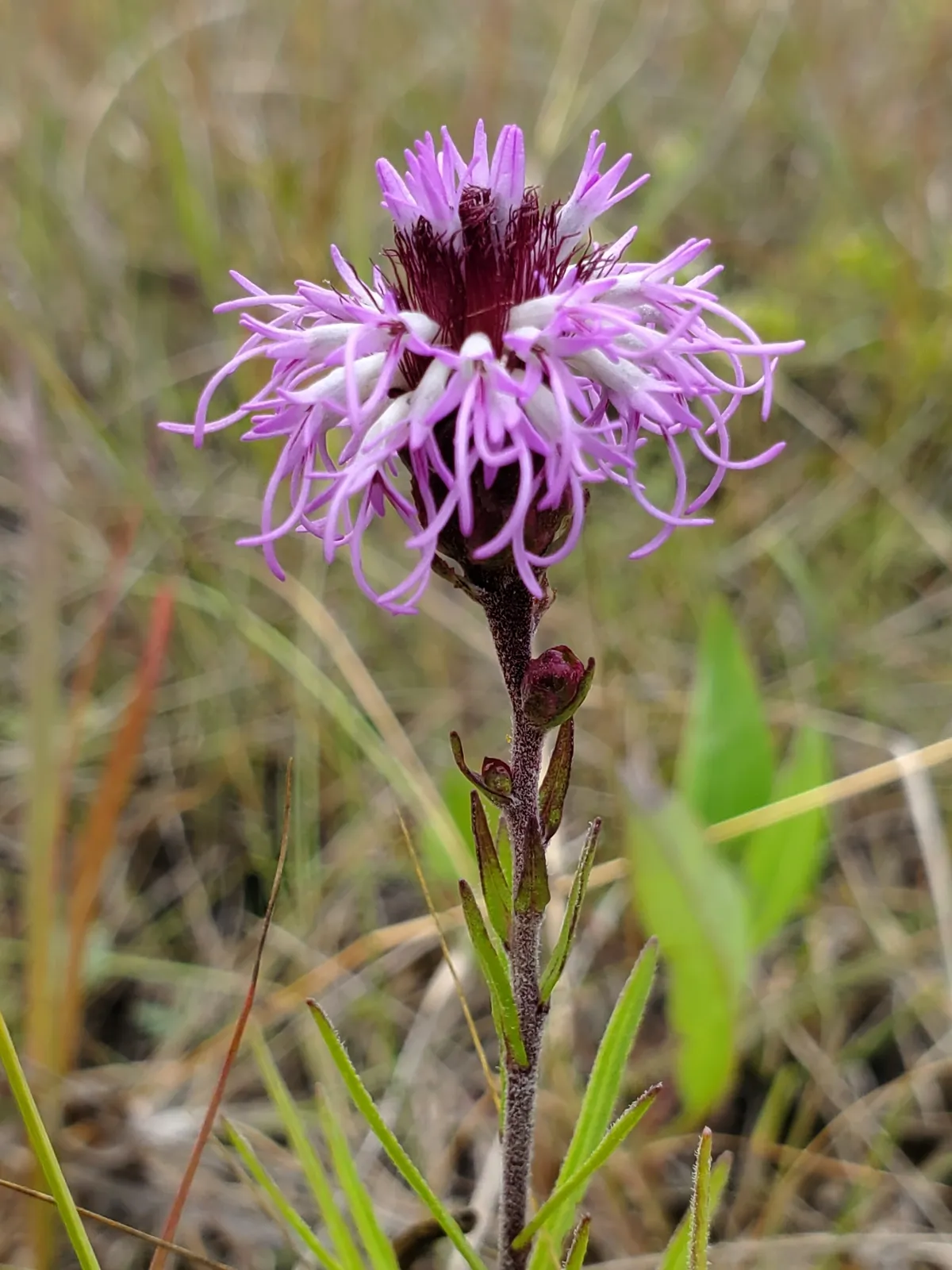
Rocky Mountain Blazing Star is a prairie forb that blooms from July through September with rose purple flower heads. It grows best in full sun with low to medium water and is a favorite nectar stop for monarch butterflies.
Toxicity unknown
Rocky Mountain Blazing Star (Liatris ligulistylis) is not listed by the ASPCA Animal Poison Control Center (opens in new tab) or the other sources we check, so we have no verdict for it either way. Absence from those lists is not a clearance. If your pet shows symptoms after eating any plant, call the ASPCA at (888) 426-4435.
Light
full sun
Water
low
Size
12"–36" H × 6"–18" W
Bloom
Jul, Aug, Sep
Native to
CO, IA, MN, MT and 5 more states
Pollinators
butterflies, bees, moths
Deer
Resistant (per Prairie Moon Nursery)
Before you buy
Your city may pay you to plant this
Cities and water utilities offer rebates for replacing lawn with native and water-wise plants. We track 459 programs across 44 states, each with a link to the provider and the date we last checked it.
Find rebates in your areaPicture natives in your own yard
Upload a photo of your yard and Patch Vision shows a rendering of it planted with natives for your region, like Rocky Mountain Blazing Star.


Browse plants for this ecoregion
Rocky Mountain blazingstar produces tall spikes of bright purple flowers that bloom from top to bottom, creating a distinctive display in summer and early fall. This native prairie wildflower forms neat clumps and thrives in sunny, dry conditions with minimal care once established.
Growing Rocky Mountain Blazing Star
Grow Rocky Mountain Blazing Star in full sun and low water. Mature plants reach 12 to 36 inches tall and spread 6 to 18 inches wide. Expect low maintenance to keep it looking intentional in a front yard.
How to care for Rocky Mountain Blazing Star, by region
How to care for Rocky Mountain Blazing Star where it is actually grown: year-round basics plus what to do each season, region by region, with the sources for each.
Care guidance last updated: August 2026
Lake Agassiz Plain (includes Fargo, ND)
Year-round
Meadow blazing star, also known as Rocky Mountain blazing star, is a native prairie forb built for the Red River Valley. It grows from an underground corm, sends up one main purple flower spike from midsummer into fall, and is one of the top nectar plants monarch butterflies use on their way south.
- Stands 1 to 3 feet tall on one main flower spike, so it reads as a clean vertical accent instead of a sprawling patch.
- The Lady Bird Johnson Wildflower Center's native plant database confirms it as native to North Dakota and the wider Red River Valley.
- The Xerces Society, which tracks monarch nectar plants for conservation, calls it the strongest monarch draw in the entire blazing star group. Expect monarch and other butterfly visits from midsummer through fall migration.
- It does not appear by name on the ASPCA's toxic and non-toxic plant list for dogs, cats, or horses. That means no listing either way, not a confirmed non-toxic rating.
A single upright stalk of purple blooms reads as an intentional accent plant rather than a wild patch, even at full height.
Fall
Fall is peak season for this plant in the Red River Valley. Blooms often hold into September right as monarchs move through on fall migration, and it is one of the best nectar stops you can offer them.
- Keep watching the spike through September. Monarchs and other late-season butterflies use it heavily right before the first hard frost.
- First frost in the Red River Valley typically arrives by late September to mid-October, which ends the bloom for the year.
- No fertilizer needed heading into fall. Feeding a plant built for lean prairie soil this late can push soft growth that struggles with the first freeze.
Cutting the bloom stalk back after it finishes gives a tidy, low profile through the rest of fall. Leaving it standing trades some of that tidiness for winter cover, so either is a reasonable call for a front bed.
Winter
This plant is built for winters like Fargo's. The corm sits dormant underground below the frost line's damage zone, and established plants shrug off cold that drops to 20 below zero or colder.
- USDA places the Red River Valley in plant hardiness zone 4a, one of the coldest zones in the Lower 48. This species handles that cold once established, no winter protection needed.
- Snow cover is a benefit here, not a problem. A blanket of snow insulates the dormant corm through the coldest stretches.
- No winter watering or protection needed. This is a dormant-season plant that wants to be left alone until spring.
A standing dried stalk through winter reads as a deliberate seed-head silhouette against snow rather than a stray weed, especially if neighboring beds are cut flat for the season.
Spring
Meadow blazing star is slow to wake up in spring, and the Red River Valley's heavy clay-loam soil stays cold and wet longer than sandy ground. Give it extra patience before deciding a plant did not make it through winter.
- New shoots are often one of the last things to show in a native bed. Hold off judging a plant dead until the ground has fully thawed and drained, typically well into May here.
- Spring is the recommended time to divide a fall-blooming plant like this one. NDSU Extension guidance for North Dakota perennials calls for dividing fall bloomers in spring, not fall.
- If you left last year's dried stalks up over winter, clear them out once new growth is visible so the bed reads intentional again.
- Skip extra watering unless the soil has actually dried out. Clay-loam holds moisture long after snowmelt, and a resting corm can rot in soggy ground.
Summer
Bloom starts around July here and can run into September. Once the plant is established, this is a low-water, hands-off stretch, and the exact window when monarch butterflies start showing up.
- The flower spike opens from the top down and covers roughly a two to three month bloom window across midsummer into fall.
- Water only during extended dry stretches once the plant has a full season of roots down. It is bred for prairie drought, not for regular watering.
- No deadheading needed. Blazing star is usually left to bloom out the full spike rather than trimmed back mid-season.
- This is when the Xerces Society's monarch nectar plant guide flags it as the top blazing star for monarch visits, so expect activity picking up as blooms open.
Sources: Lady Bird Johnson Wildflower Center Native Plant Database, Liatris ligulistylis, Xerces Society, Monarch Nectar Plants: Great Lakes, ASPCA Toxic and Non-Toxic Plant List, USDA Plant Hardiness Zone Map, NDSU Extension, Annual and Perennial Flowers for North Dakota
Southern Rockies (includes Durango, CO)
Year-round
Rocky Mountain blazing star is a tall, tidy native forb that is one of the best fall nectar plants for monarch butterflies passing through the Southern Rockies around Durango.
- Native to Colorado and the Southern Rockies, so it belongs here and handles the cold, dry mountain climate.
- Grows 12 to 36 inches tall with purple bottlebrush flower spikes from July into September.
- One of the top nectar magnets for monarchs during their fall migration, and it also feeds native bees.
- Wants full sun and dry, well drained soil, and it grows back each year from an underground corm.
- Because it is upright and on the tall side, site it toward the back or middle of a bed.
Siting it toward the back or middle of the bed keeps the front edge low and reads as an intentional, planned layout, which helps a front yard look cared for rather than drawing a violation letter.
Fall
As the first frost arrives in late September or early October, let the plant finish its cycle and go to seed.
- Stop watering as nights cool and the plant starts to fade and set seed.
- Leave the flower stalks and seedheads standing, since the seed feeds birds into winter.
- Early fall is also a good time to plant so roots can settle before the ground freezes.
- Do not cut the plant back now, even though it looks dry and finished.
- No fertilizer is needed heading into dormancy.
Standing seedheads are easy to explain as intentional wildlife habitat, but keeping the surrounding bed edged and weeded is what keeps the fall look reading as planned rather than untended.
Winter
Through Durango's long, snowy winter the plant is fully dormant and needs nothing from you.
- The corm rests underground while the ground stays frozen from about November into April.
- Leave the dried stalks and seedheads standing for insects to shelter in and birds to feed on.
- Snow cover is fine and actually protects the roots, so no winter watering is needed.
- Hold off on cutting anything back until early spring.
- No mulch fuss is required, though a light mulch layer is fine if the site is very exposed.
Upright dried stalks read as intentional winter structure, so trimming any flopped or broken stems keeps the front yard tidy while still leaving habitat standing.
Spring
Spring in Durango is for cleanup and planting once the hard frost is safely past, usually late May.
- Cut last year's dried stalks down to a few inches in early spring before new growth pushes up.
- Wait until after the last hard frost (late May into June) to set out new plants.
- Water new plants regularly the first few weeks so the corm can settle its roots.
- Give each plant full sun and loose, well drained soil, and skip heavy compost or rich amendments.
- Once established plants show green shoots, cut back on watering since these mountain natives like it dry.
A clean early spring cutback removes the winter stalks before the growing season, so the bed looks fresh and tended instead of neglected.
Summer
Through the short mountain summer the purple spikes open and become a magnet for monarchs and native bees.
- Flowers open from the top down from July into September, right in time for fall monarch migration.
- Water lightly and only when the soil is dry, since soggy soil is a bigger risk here than drought.
- The July and August monsoon storms often cover its water needs, so do not add much on top of the rain.
- Leave the blooms up for the monarchs and native bees rather than deadheading them off.
- Tall stems may lean in wind, so give them room or a nearby plant to lean on instead of tight staking.
Sources: USDA PLANTS Database, Liatris ligulistylis (LILI), Lady Bird Johnson Wildflower Center, Liatris ligulistylis, Xerces Society, Monarch Nectar Plants, Colorado State University Extension, Yard and Garden, Xerces Society, Nesting and Overwintering Habitat
In an HOA neighborhood
Rocky Mountain Blazing Star is an HOA-friendly choice. Maintenance level: low. Tidiness: 3 out of 5.
Works well in: front yard, foundation, street edge, mid zone.
- Dies back completely in winter leaving bare ground
- May appear too wild or informal for very formal landscapes
Wildlife value
Excellent pollinator plant that attracts butterflies, native bees, and moths throughout its long blooming period. The seeds also provide food for birds in fall and winter.
Common questions
- When does Rocky Mountain Blazing Star bloom?
- Flowering typically occurs from July through September, with clusters of rose purple disk flowers held on upright stems.
- What pollinators visit Rocky Mountain Blazing Star?
- The blooms draw butterflies, bees, and moths, and the species is frequently noted by monarch conservation groups as an especially strong nectar source during late summer migration.
- How much water does this plant need?
- It tolerates low water once established but also grows well in medium moisture, making it a good fit for prairie and meadow plantings that see periodic dry spells.
- What light conditions does it prefer?
- Full sun produces the sturdiest stems and best flowering, though it can tolerate part sun locations with slightly reduced bloom.
- What kind of habitat suits Rocky Mountain Blazing Star?
- It is often found in open prairies, meadows, and grasslands across the northern and central Great Plains and Rocky Mountain foothills, where soils drain well and competition from taller vegetation is limited.
- Is Rocky Mountain Blazing Star HOA-friendly?
- Rocky Mountain Blazing Star is generally an HOA-friendly choice in the right placement, with low maintenance.
These answers were drafted with an AI model from this plant's data. Verify care details with a local expert.
Native range data from vouchered herbarium specimen records and regional native plant society lists. Pollinator and host plant associations compiled from GBIF, iNaturalist, and published ecological literature.
If something looks wrong
Common plant problems, and what to check first
These come up on almost any plant. Each guide lists the likely causes in the order they are worth ruling out, with one thing to check before you act on any of them, and links to the source it came from.
- It is dying right after planting
- Leaves turning yellow
- Wilting even though I watered it
- Brown crispy leaf tips
- Bugs on the plant
Ready to grow Rocky Mountain Blazing Star? Add it to your garden in Pollinator Patch to track it and get season-by-season care guidance.