EPA Level III Ecoregion
High Plains
927 native plants for the High Plains ecoregion (Lubbock area).
The High Plains run from the Texas panhandle around Lubbock and Amarillo north through western Kansas and Nebraska. It is high, flat, windy, and dry, and most of the little rain that does fall arrives in summer thunderstorms and evaporates fast. Natives like blue giant-hyssop, Missouri primrose, and Rocky Mountain blazing star are deep-rooted plants that reach water conventional turf and bedding annuals never find.
Conditions: Deep but dry loam over caliche, 15–22 inches of rain concentrated in summer storms, high wind, wide temperature swings.
Cities and areas: Lubbock, Amarillo, Midland, Clovis, Garden City, Scottsbluff.
927 Native Plants for the High Plains
HOA-friendly picks listed first. Pet-safety status varies by species; each plant page shows its sourced ASPCA status. Native range data from vouchered herbarium specimen records and regional native plant society lists.
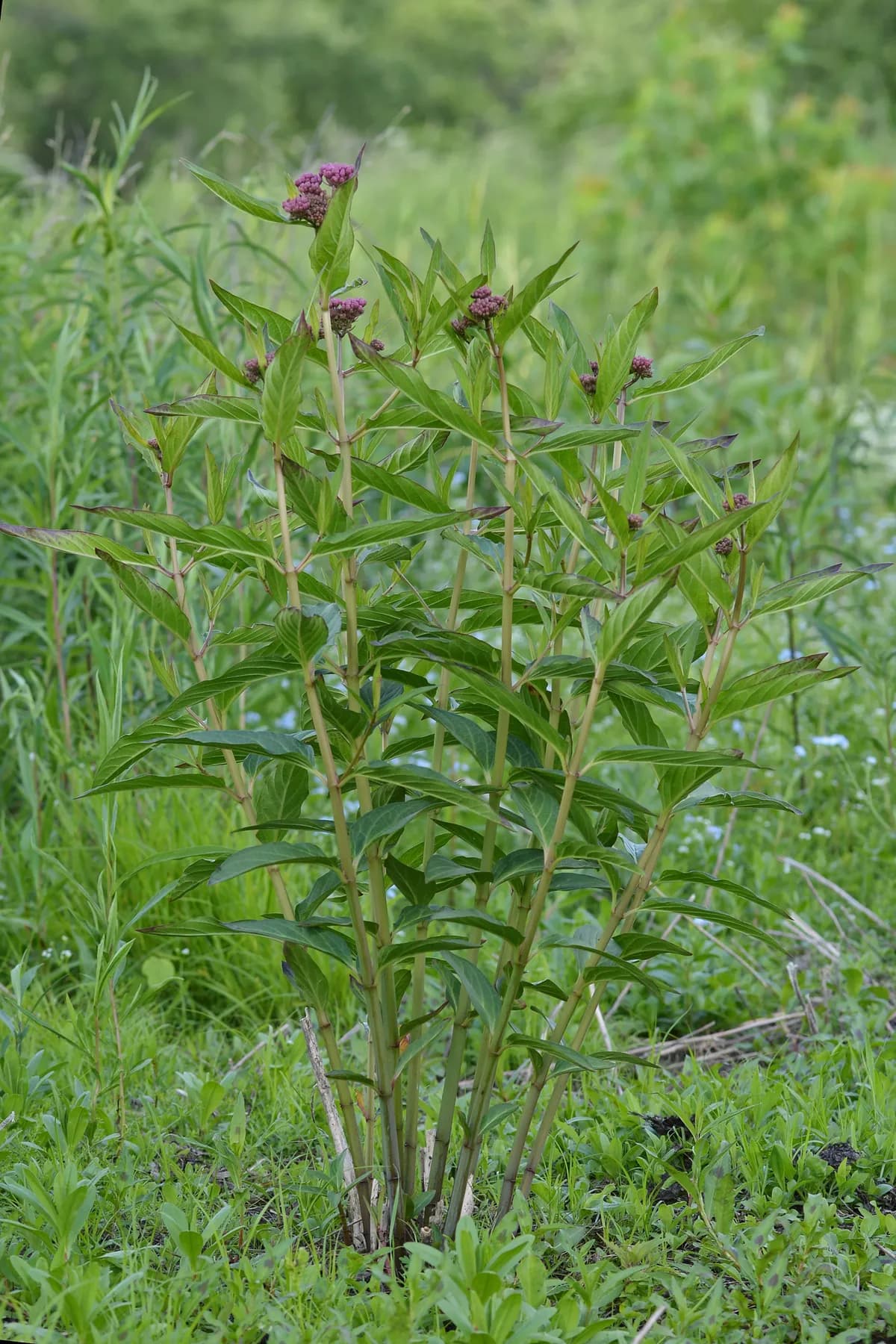
Swamp Milkweed
Asclepias incarnata
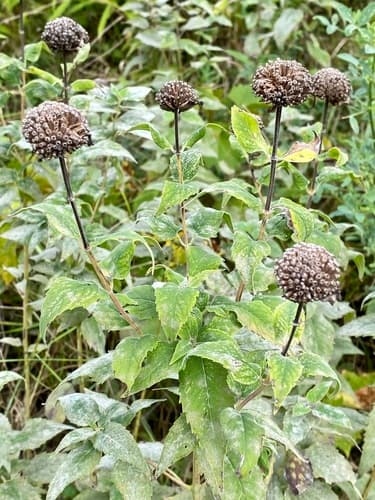
Wild Bergamot
Monarda fistulosa

Little Bluestem
Schizachyrium scoparium
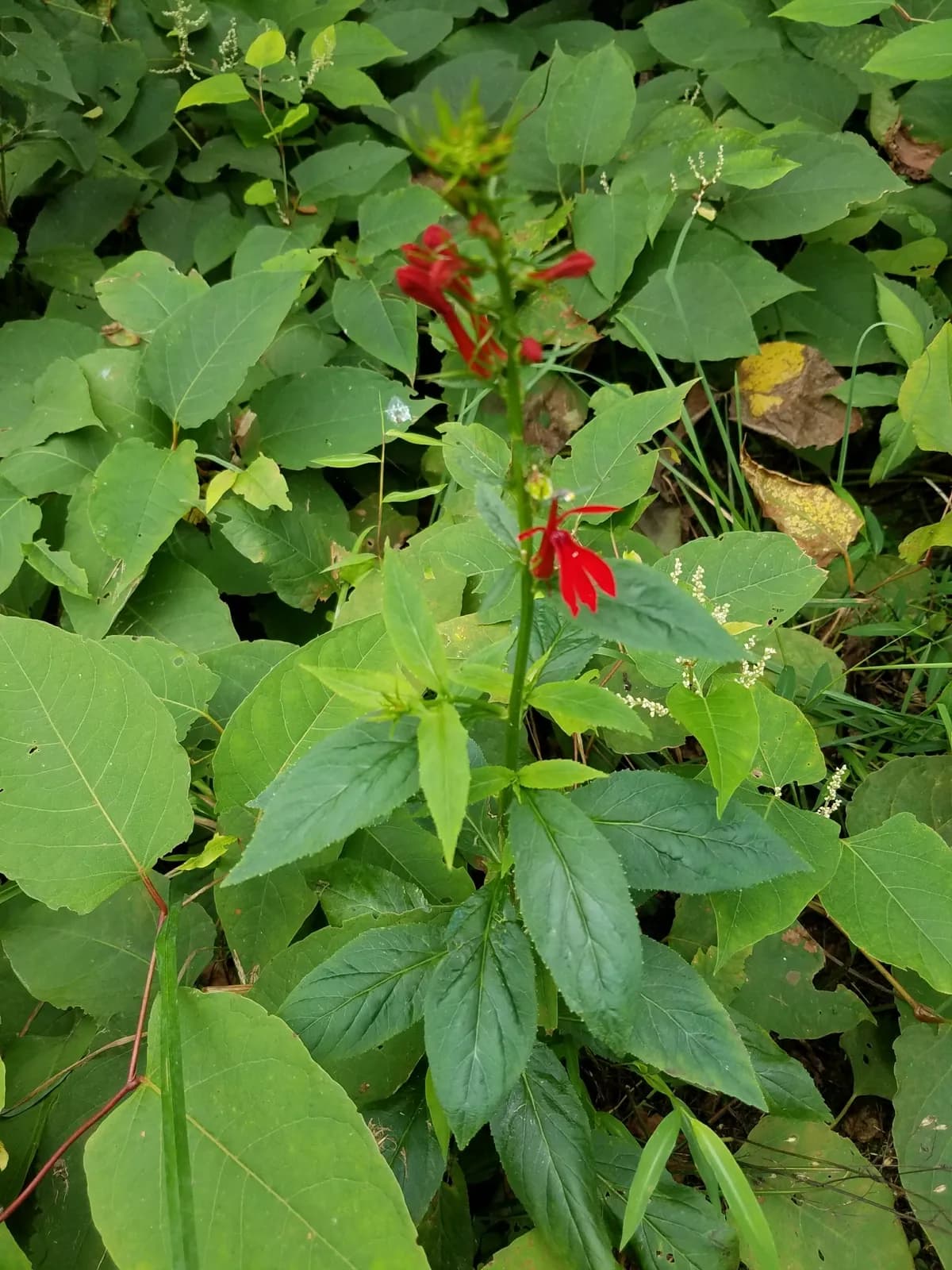
Cardinal Flower
Lobelia cardinalis
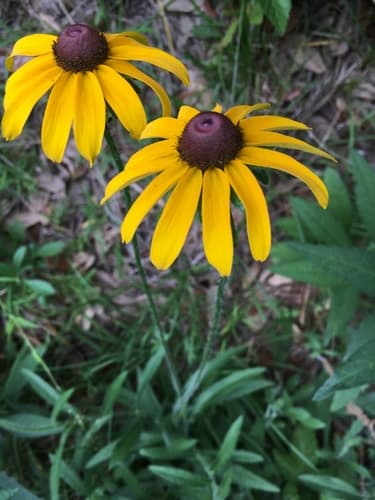
Black-eyed Susan
Rudbeckia hirta
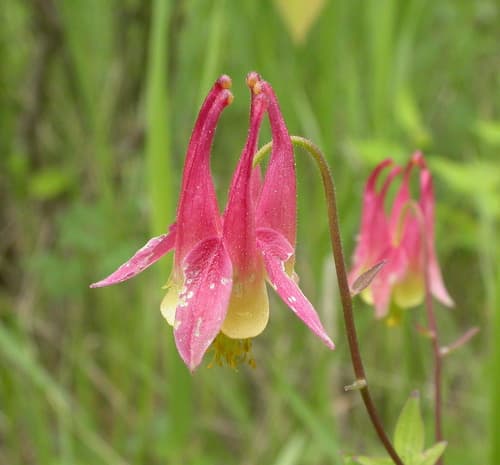
Wild Red Columbine
Aquilegia canadensis
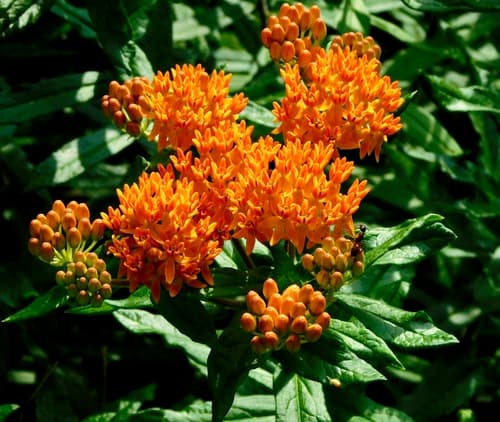
Butterfly Milkweed
Asclepias tuberosa
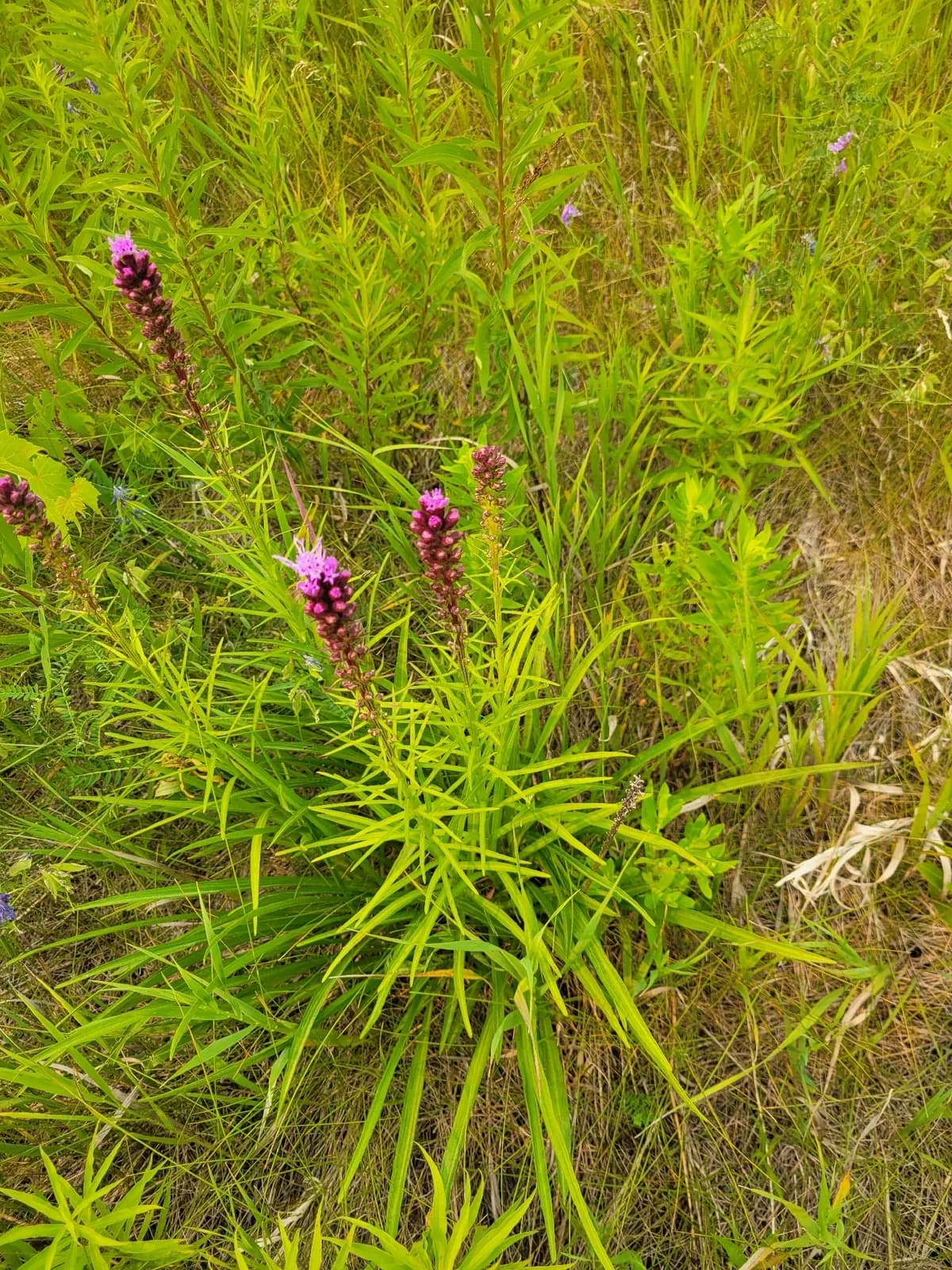
Dense Blazing Star
Liatris spicata
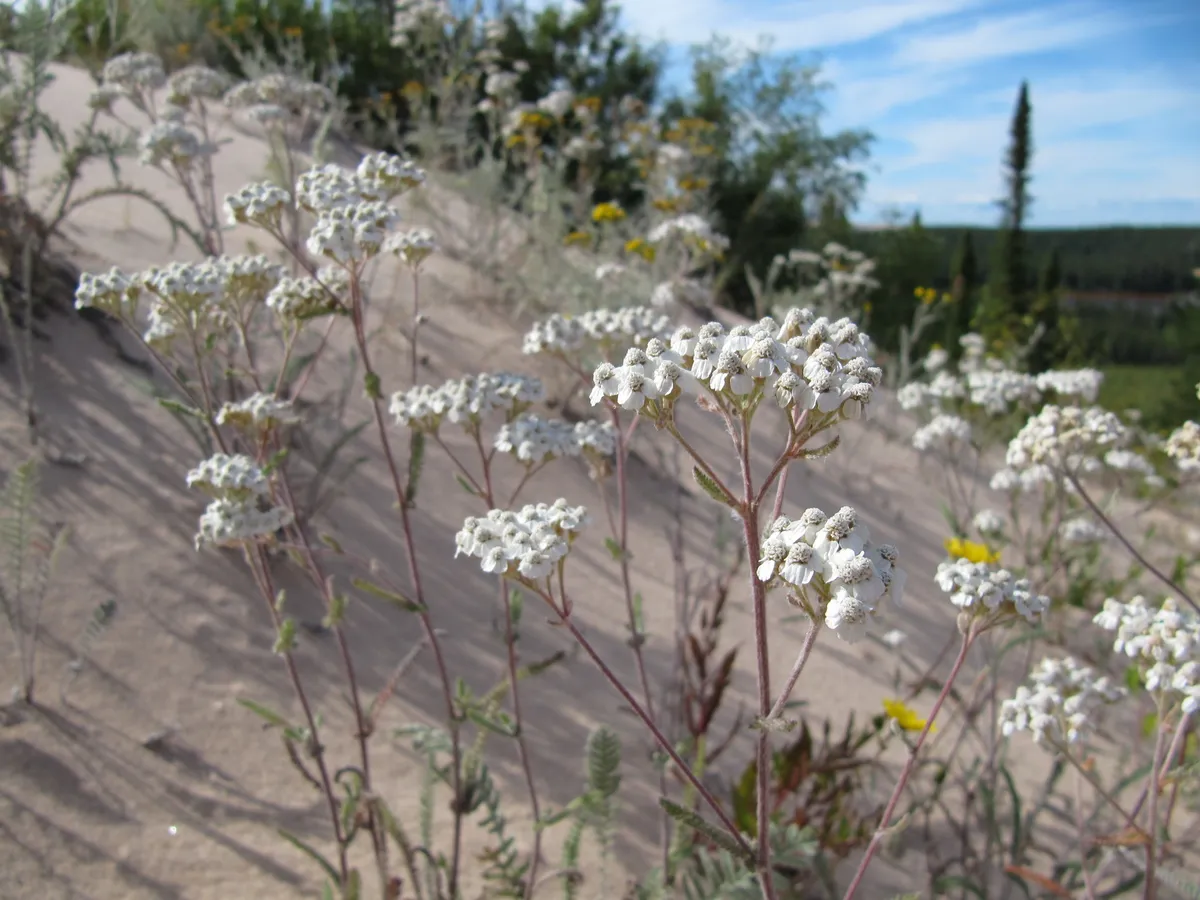
Common Yarrow
Achillea millefolium
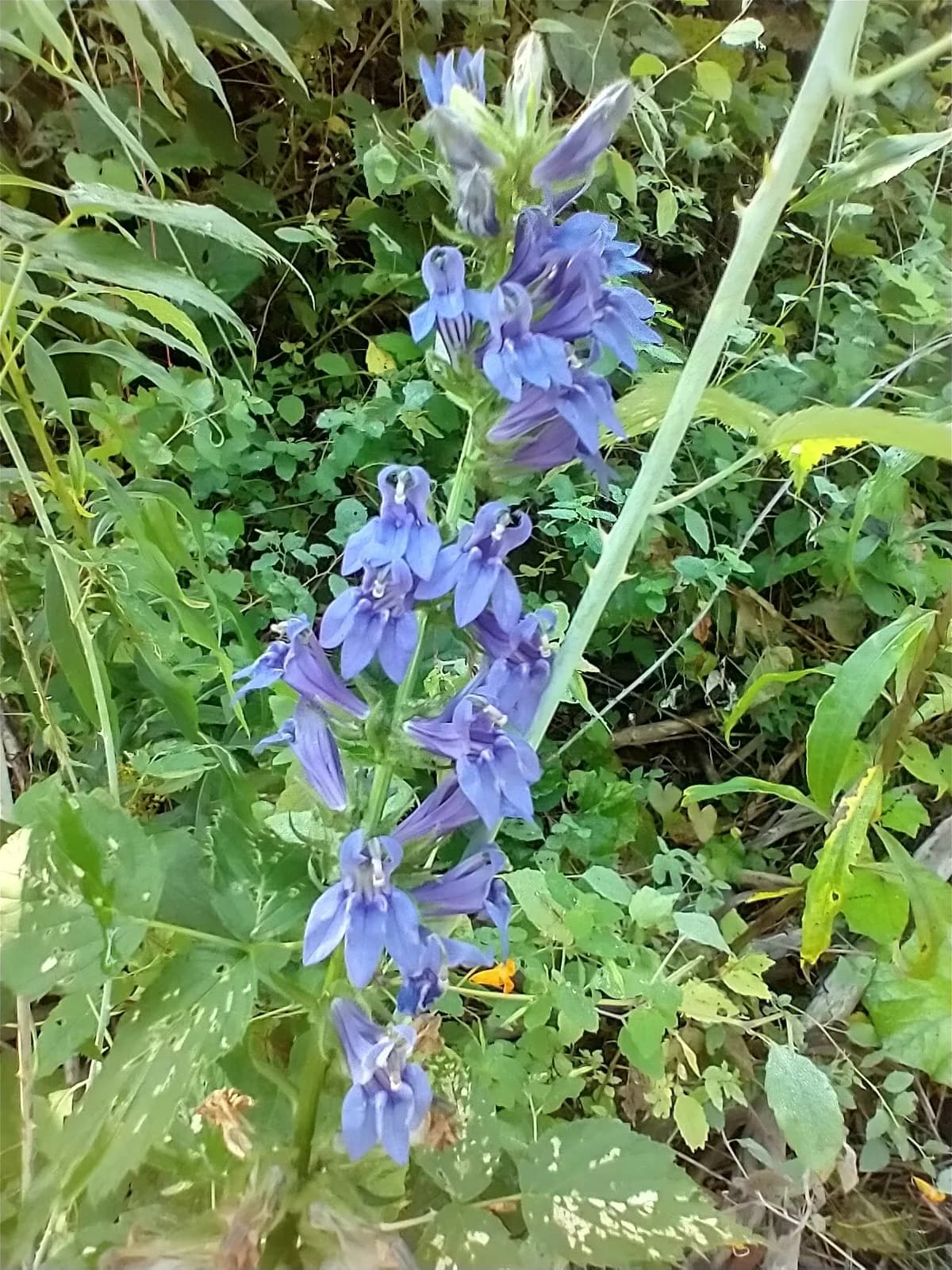
Blue Lobelia
Lobelia siphilitica
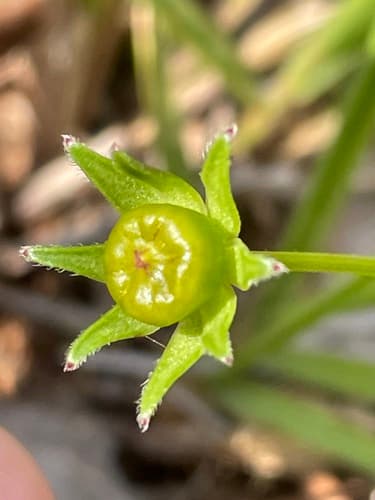
Lanceleaf Coreopsis
Coreopsis lanceolata
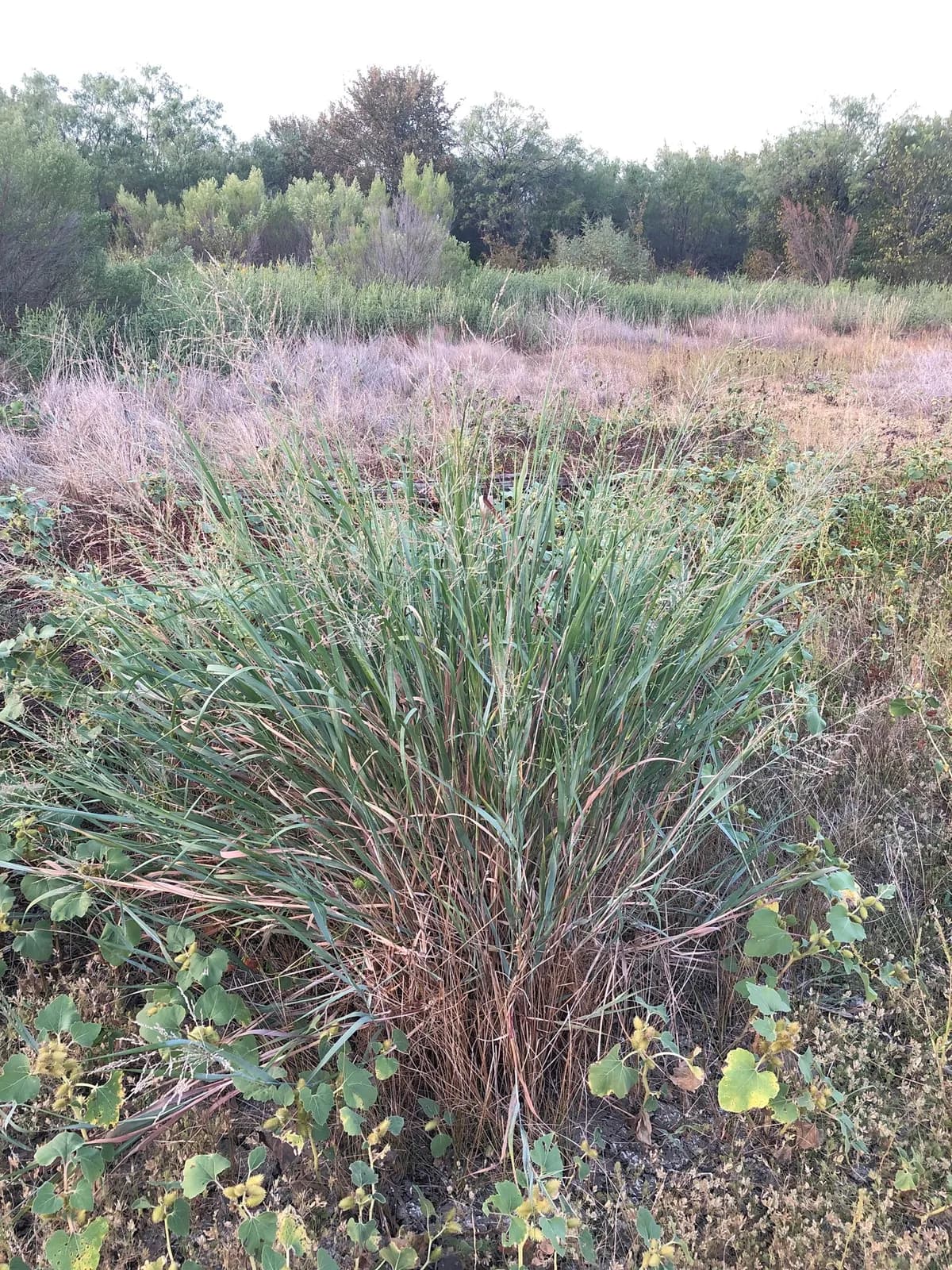
Switchgrass
Panicum virgatum
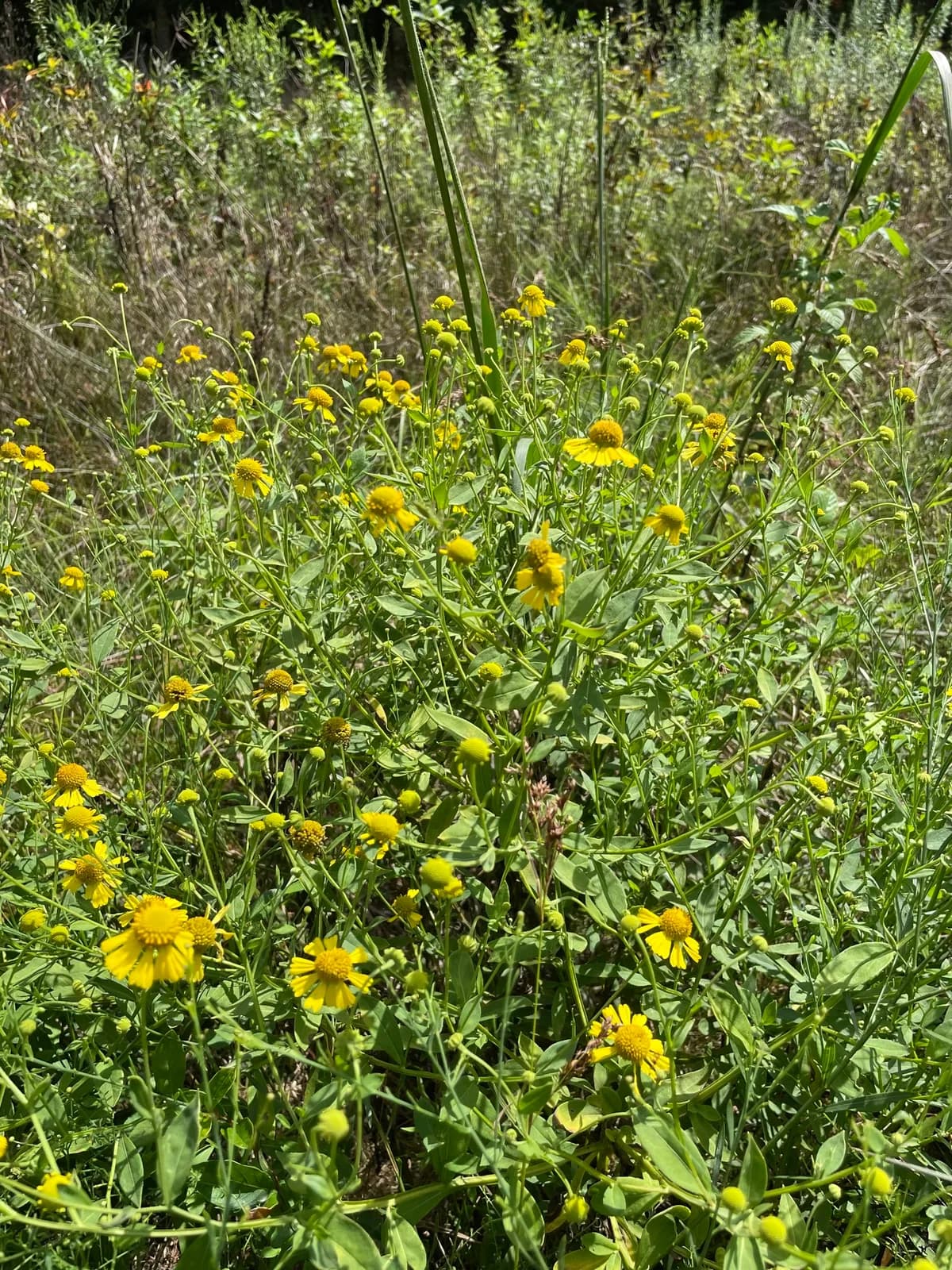
Common Sneezeweed
Helenium autumnale
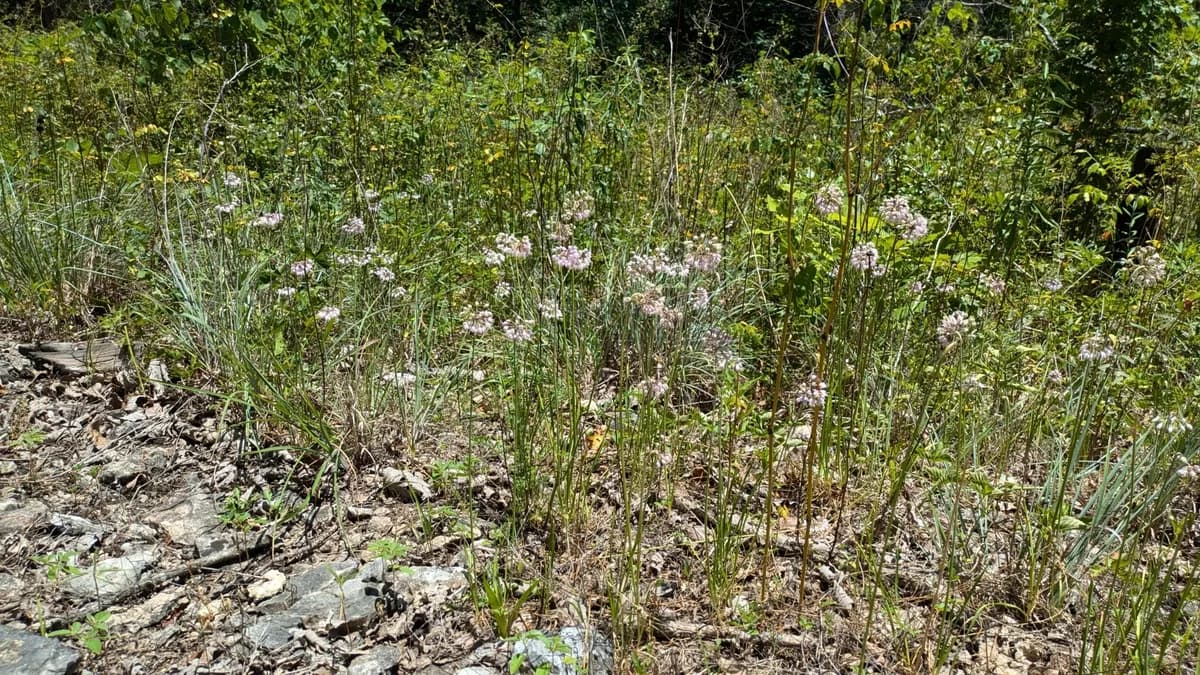
Nodding Onion
Allium cernuum
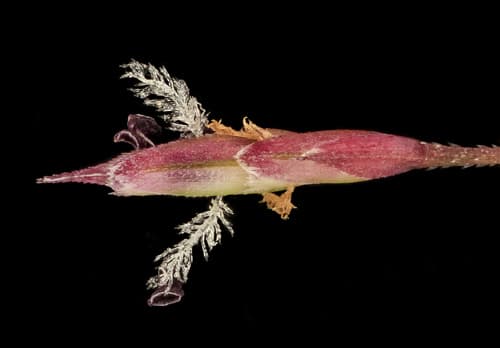
Purple Lovegrass
Eragrostis spectabilis
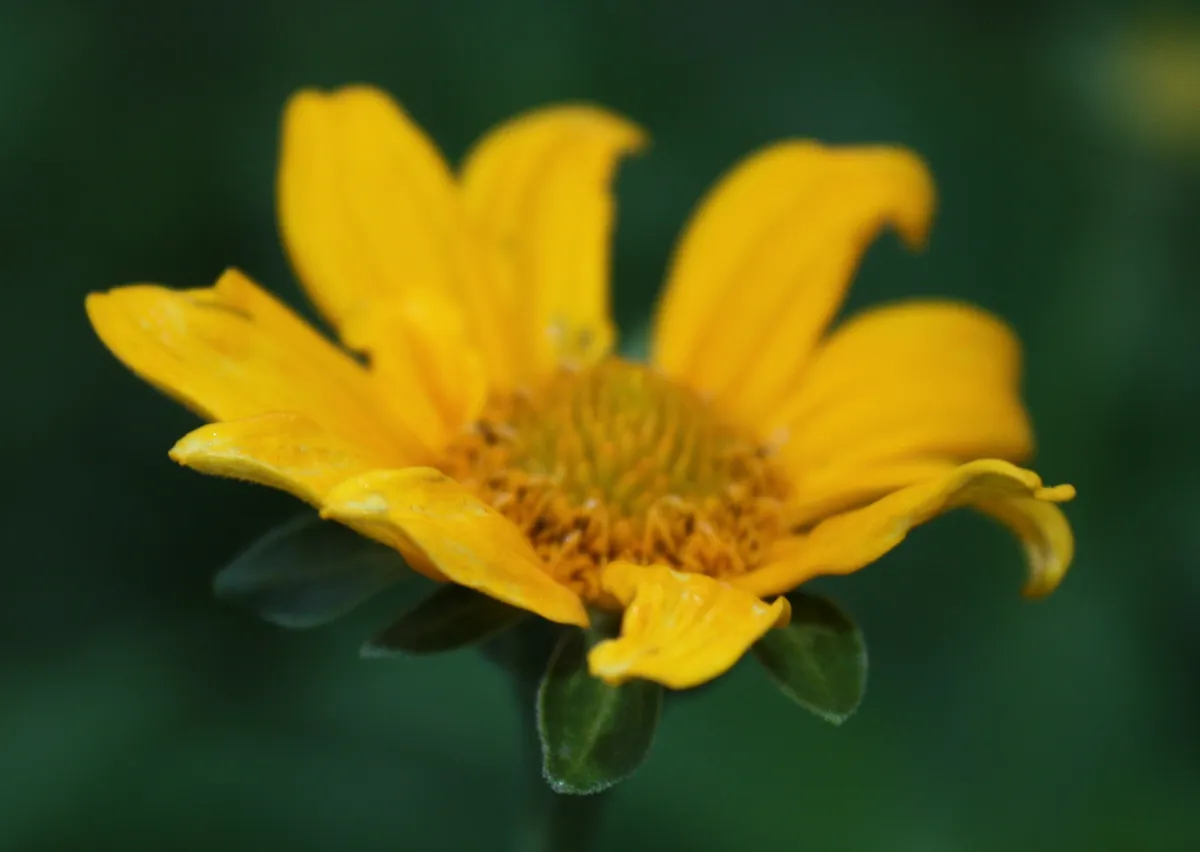
False Sunflower
Heliopsis helianthoides

Sideoats Grama
Bouteloua curtipendula

Inland Sea Oats
Chasmanthium latifolium
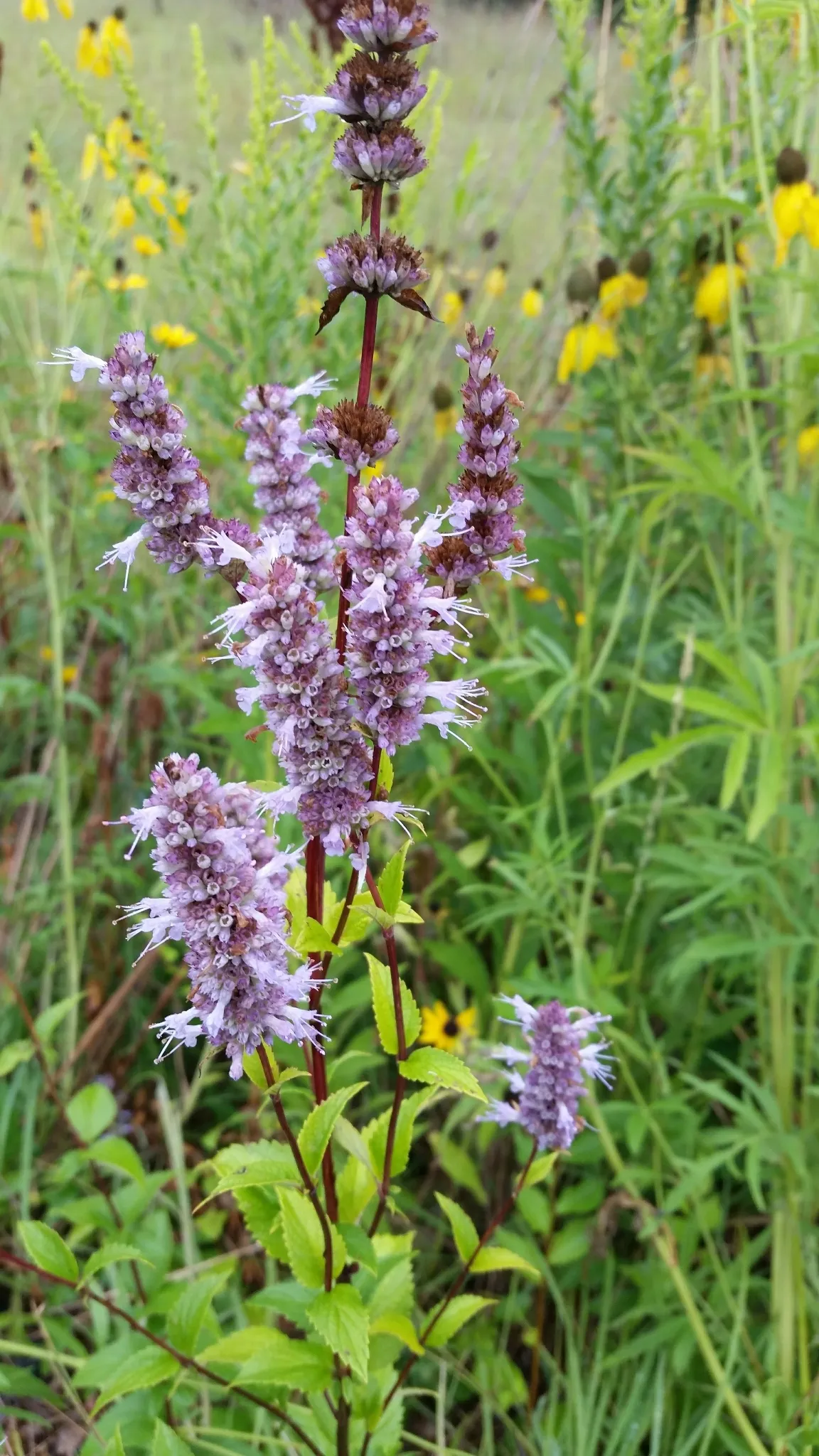
Blue Giant-hyssop
Agastache foeniculum
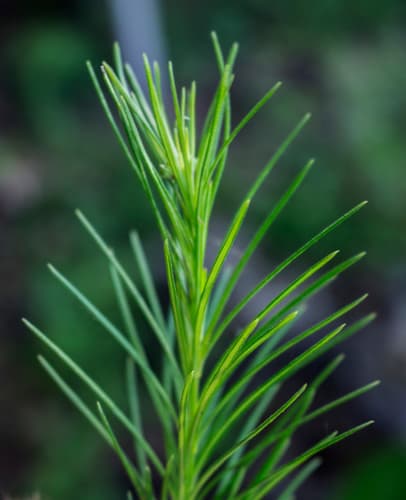
Whorled Milkweed
Asclepias verticillata
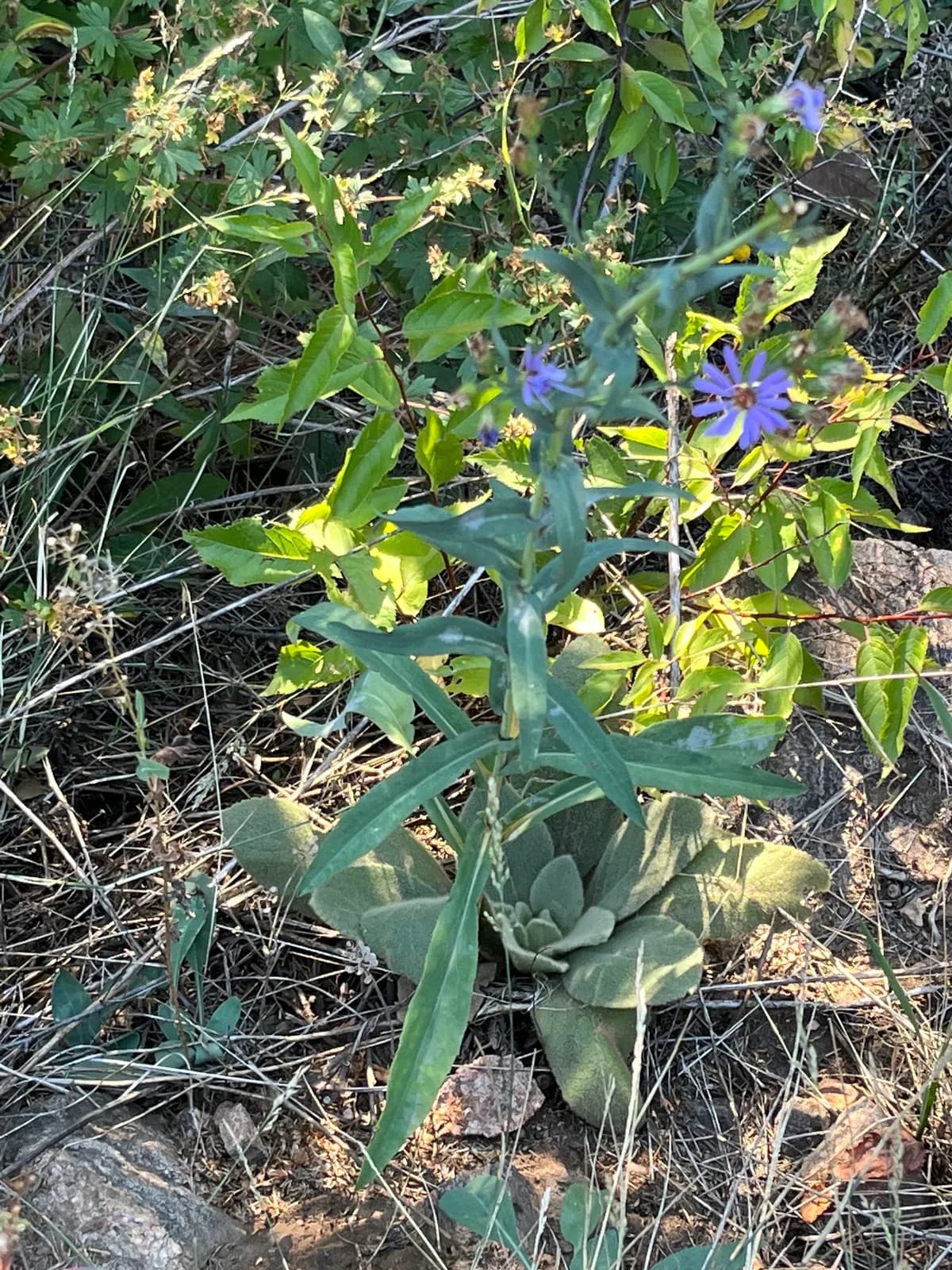
Smooth Aster
Symphyotrichum laeve
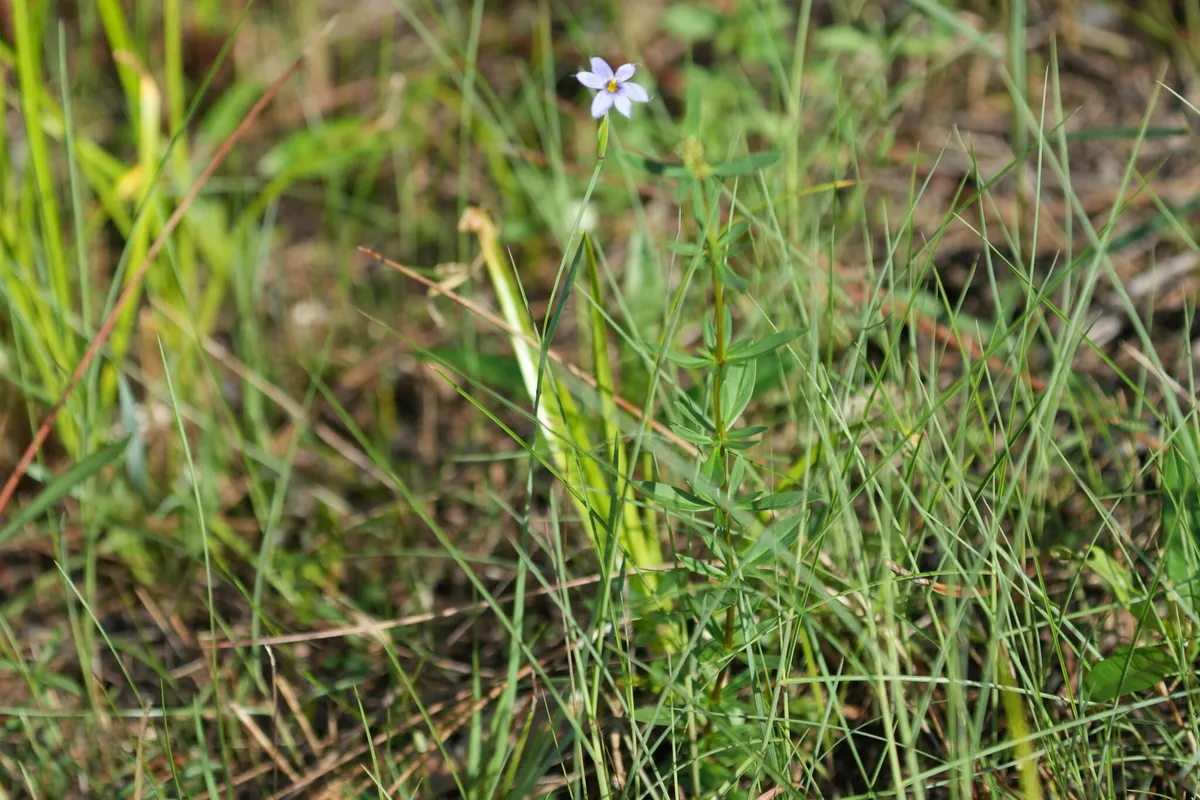
Narrowleaf Blue-eyed Grass
Sisyrinchium angustifolium
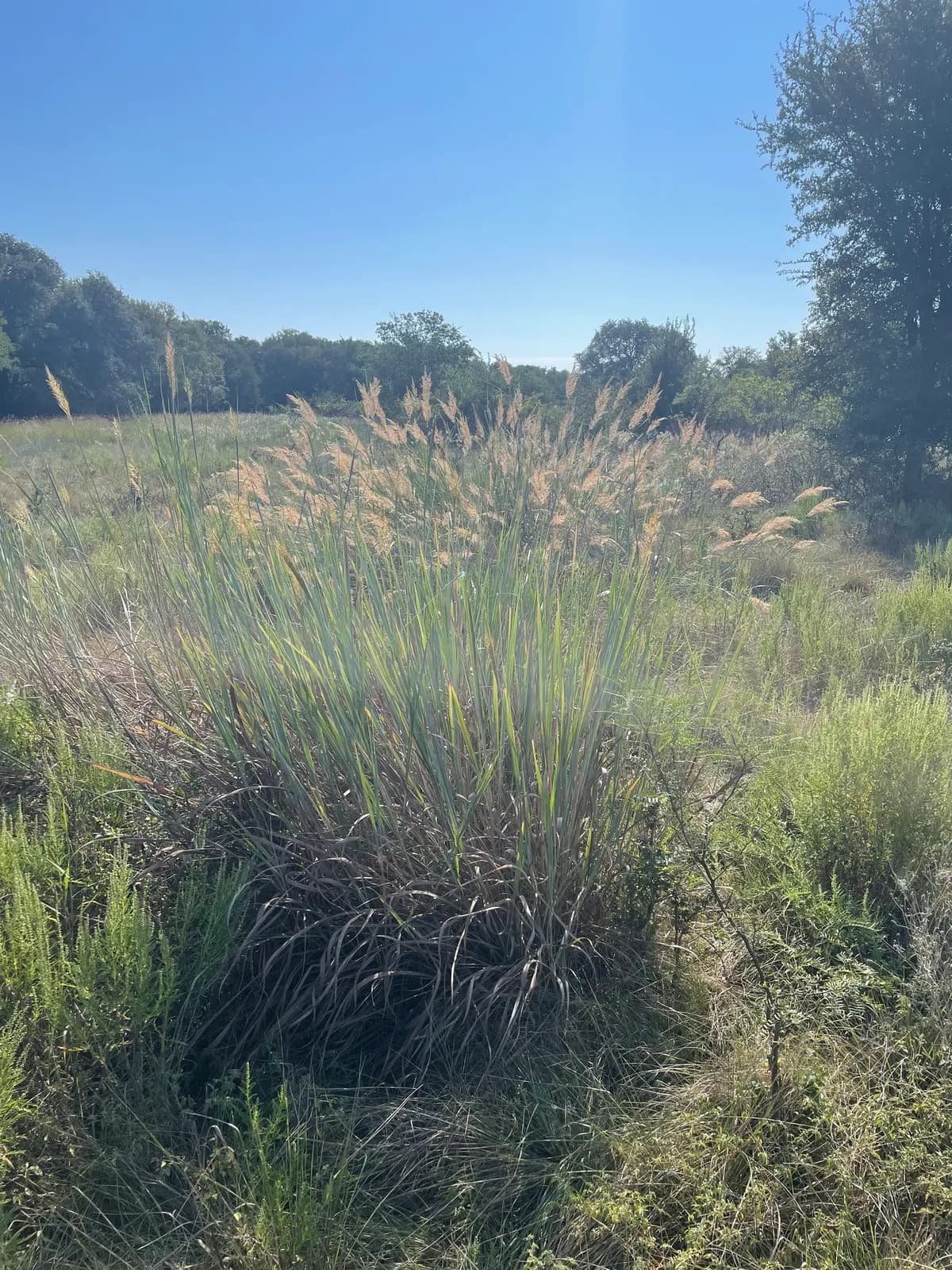
Indiangrass
Sorghastrum nutans
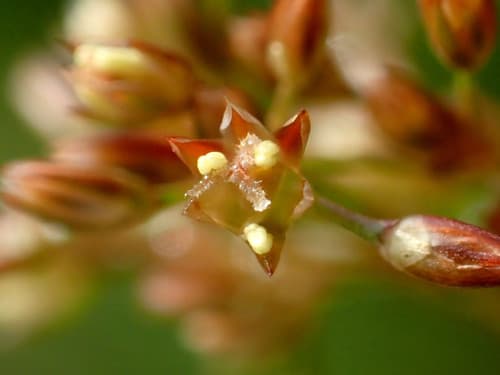
Soft rush
Juncus effusus
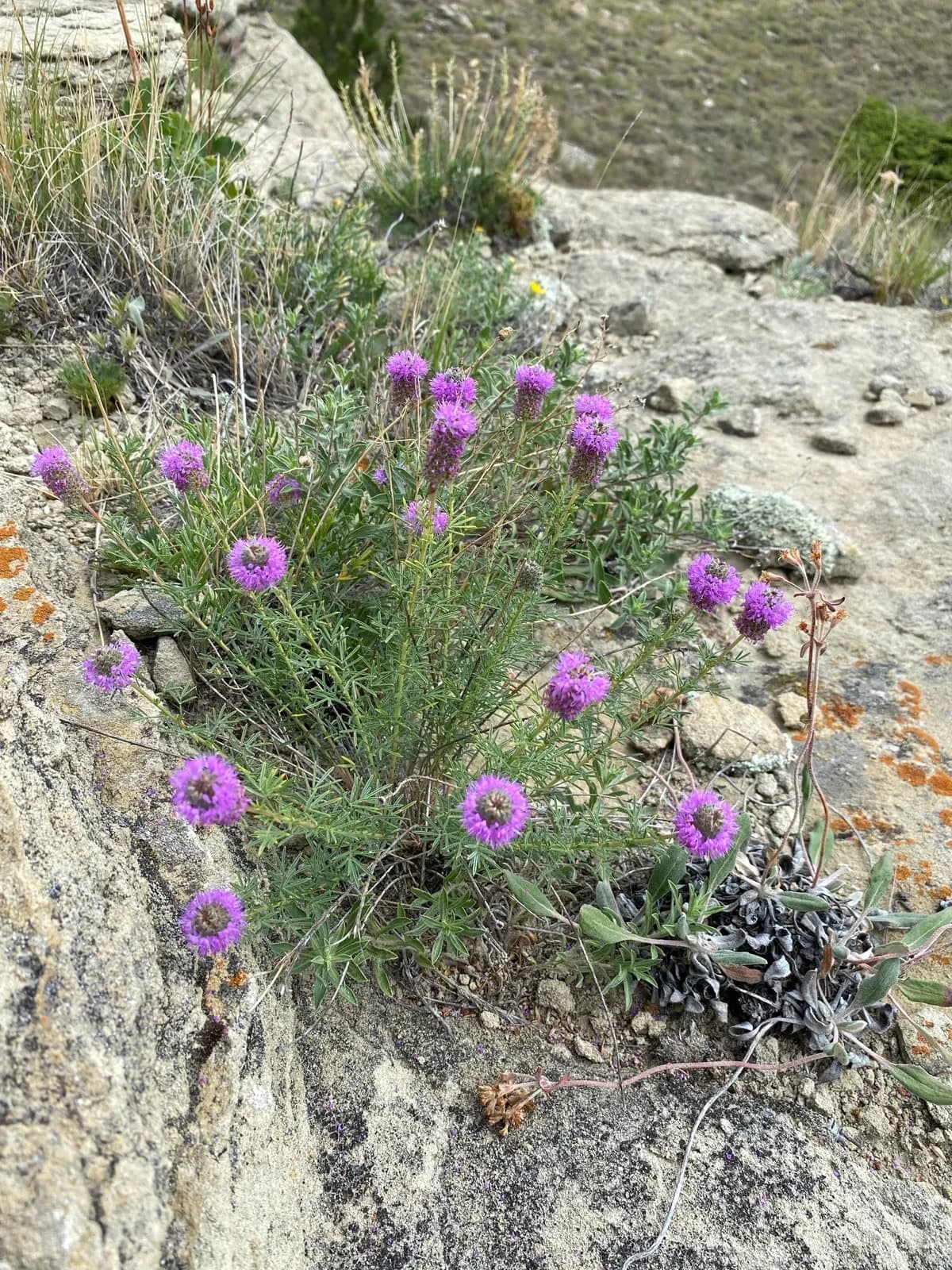
Purple Prairie Clover
Dalea purpurea
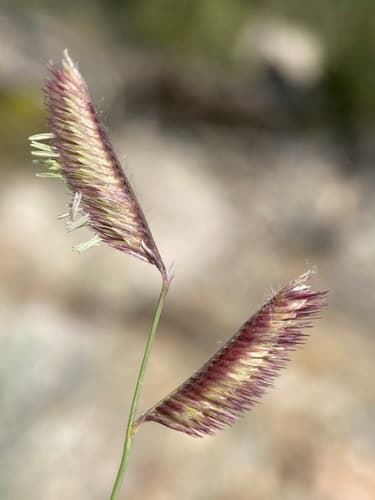
Blue Grama
Bouteloua gracilis
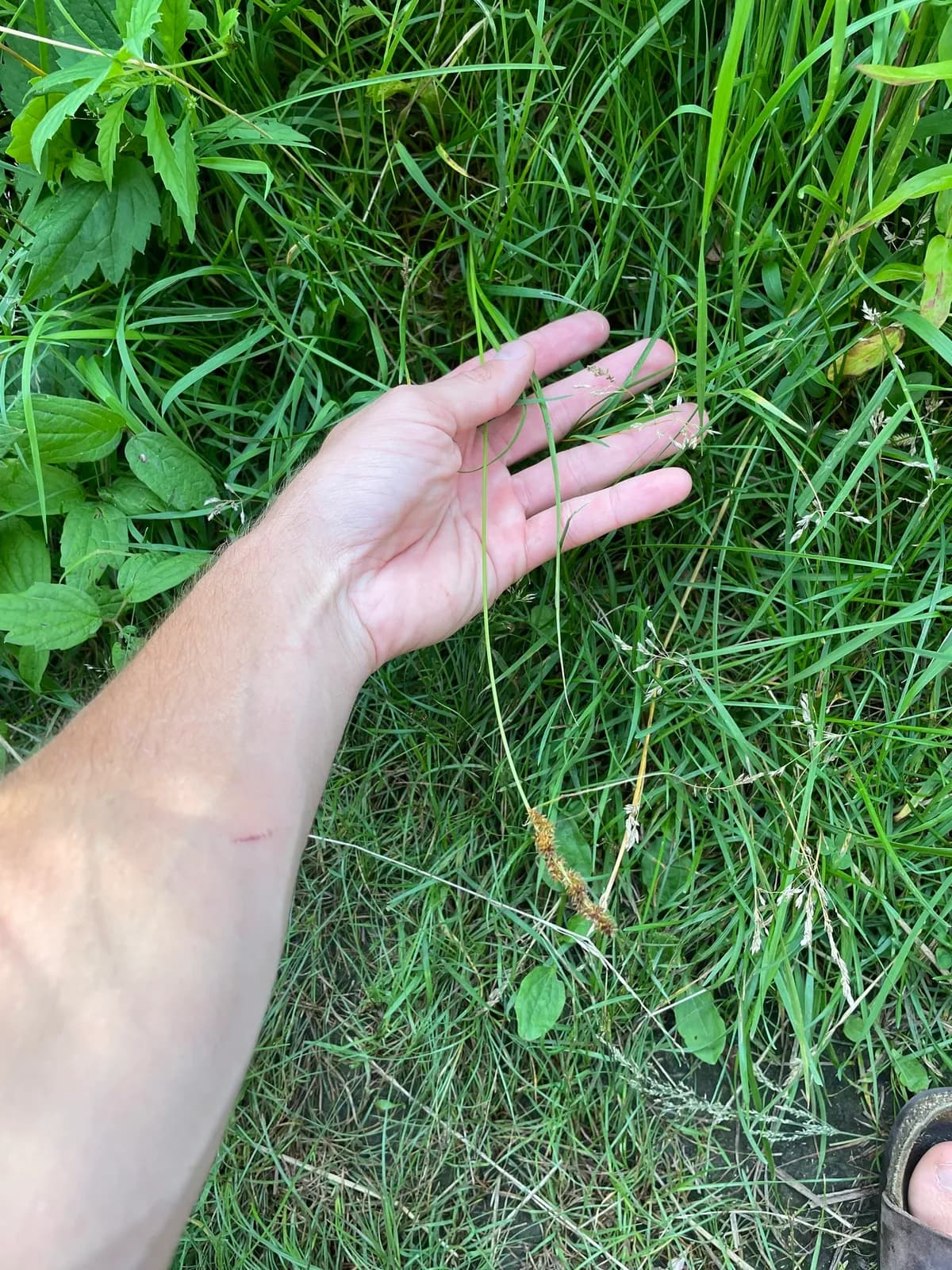
American Fox Sedge
Carex vulpinoidea
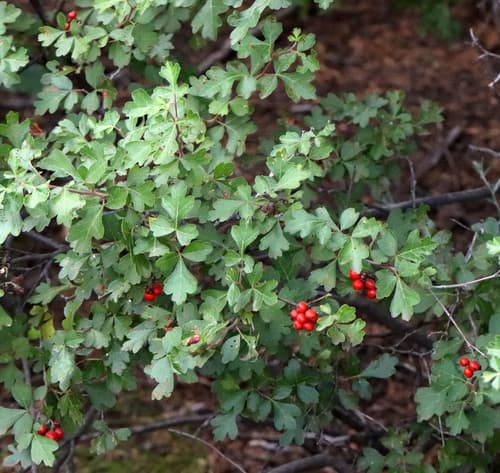
Aromatic Sumac
Rhus aromatica
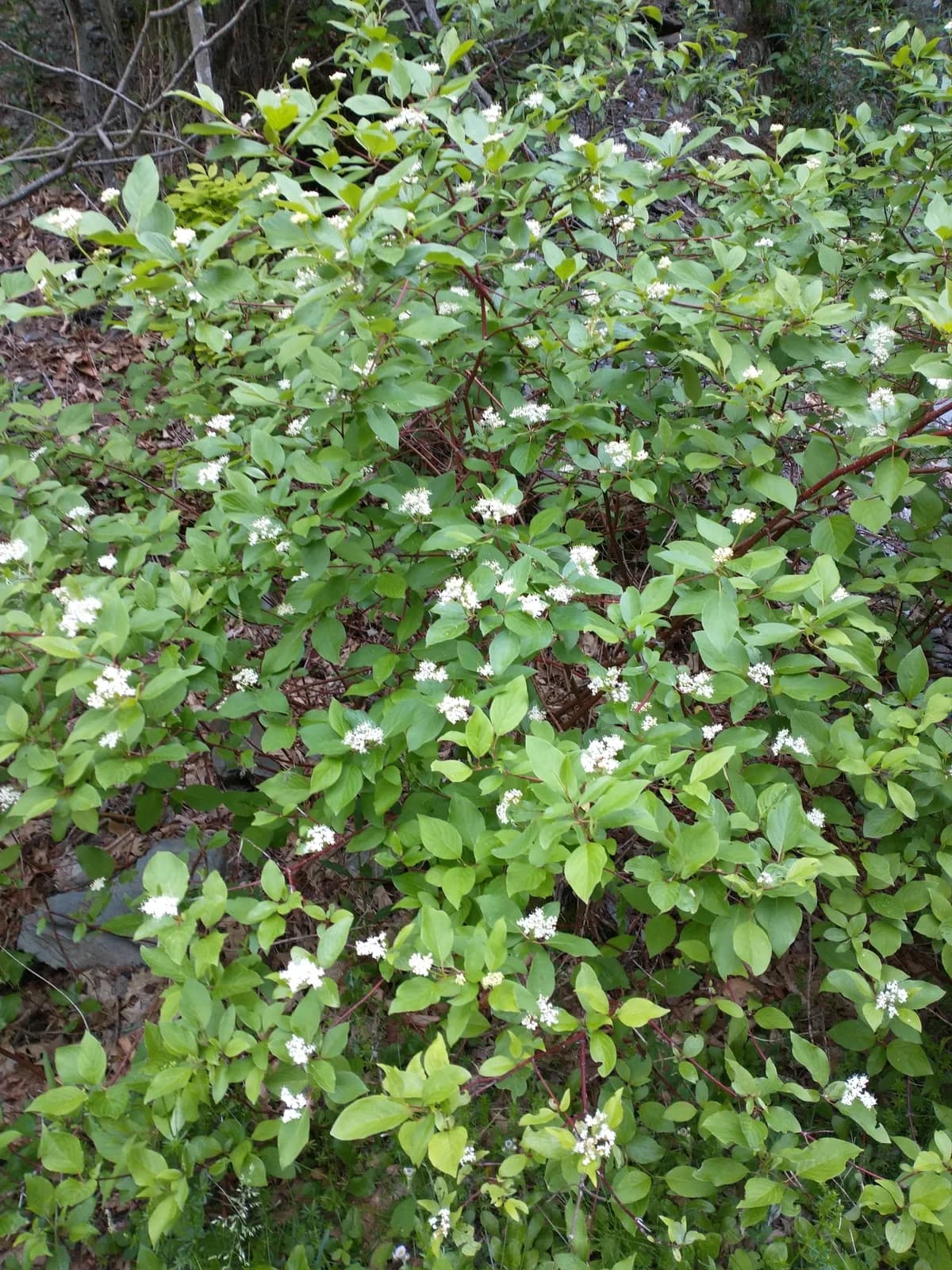
Red-osier Dogwood
Cornus sericea

Coral Honeysuckle
Lonicera sempervirens
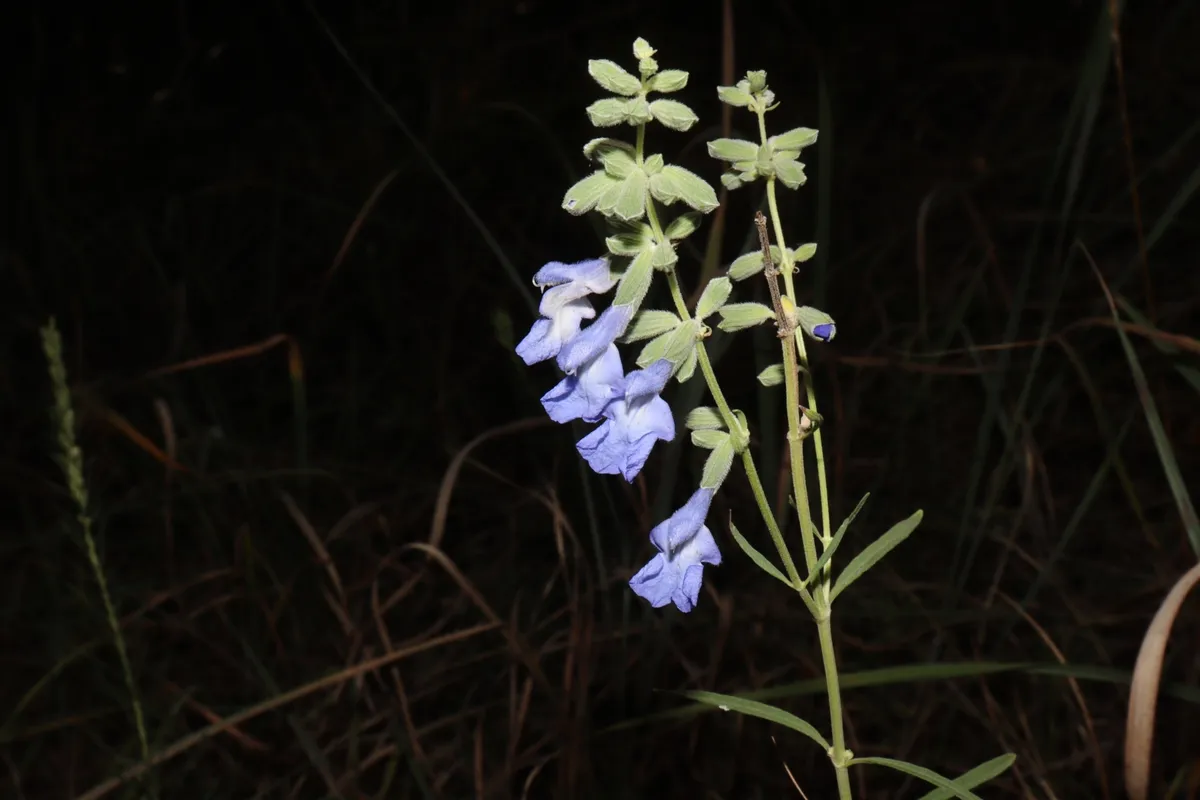
Azure Sage
Salvia azurea
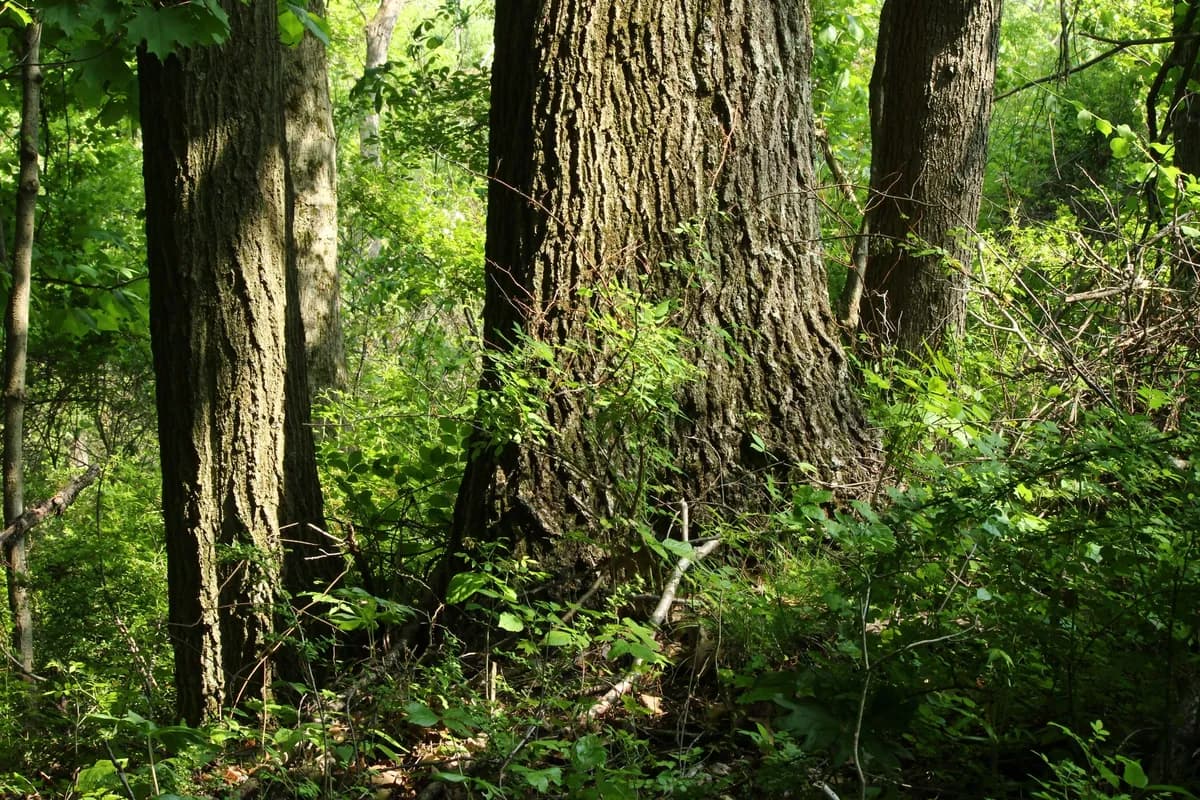
Northern Red Oak
Quercus rubra
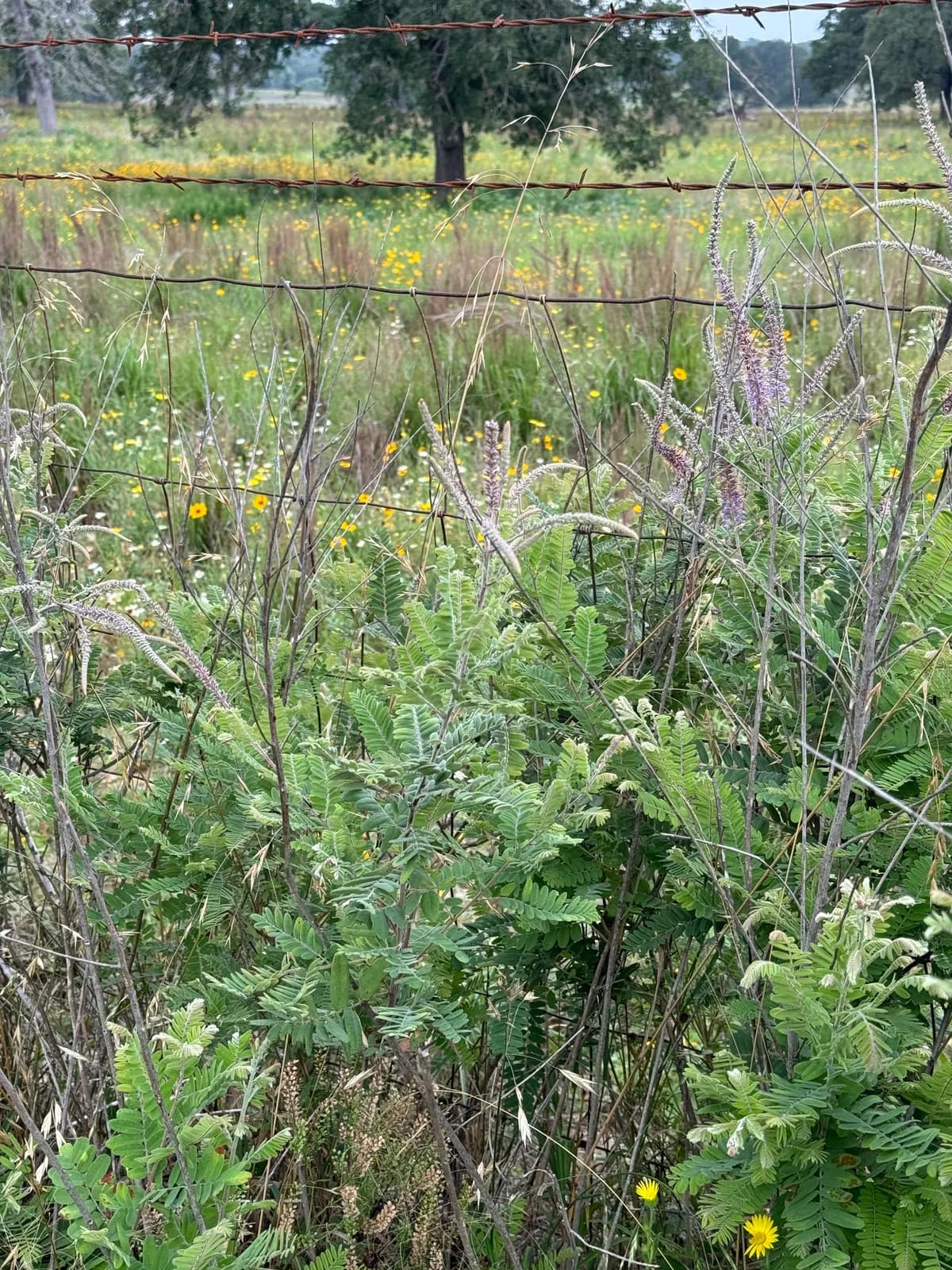
Leadplant
Amorpha canescens
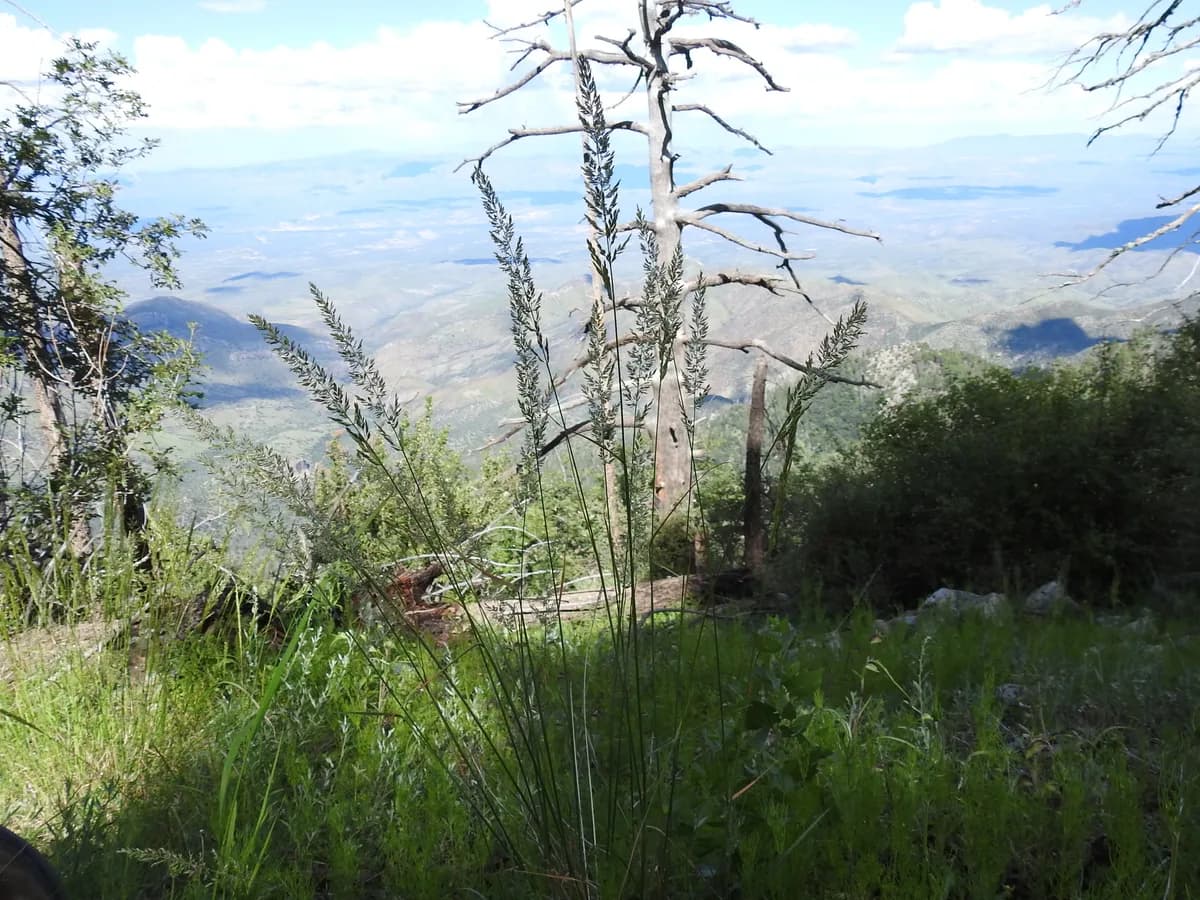
Prairie Junegrass
Koeleria macrantha
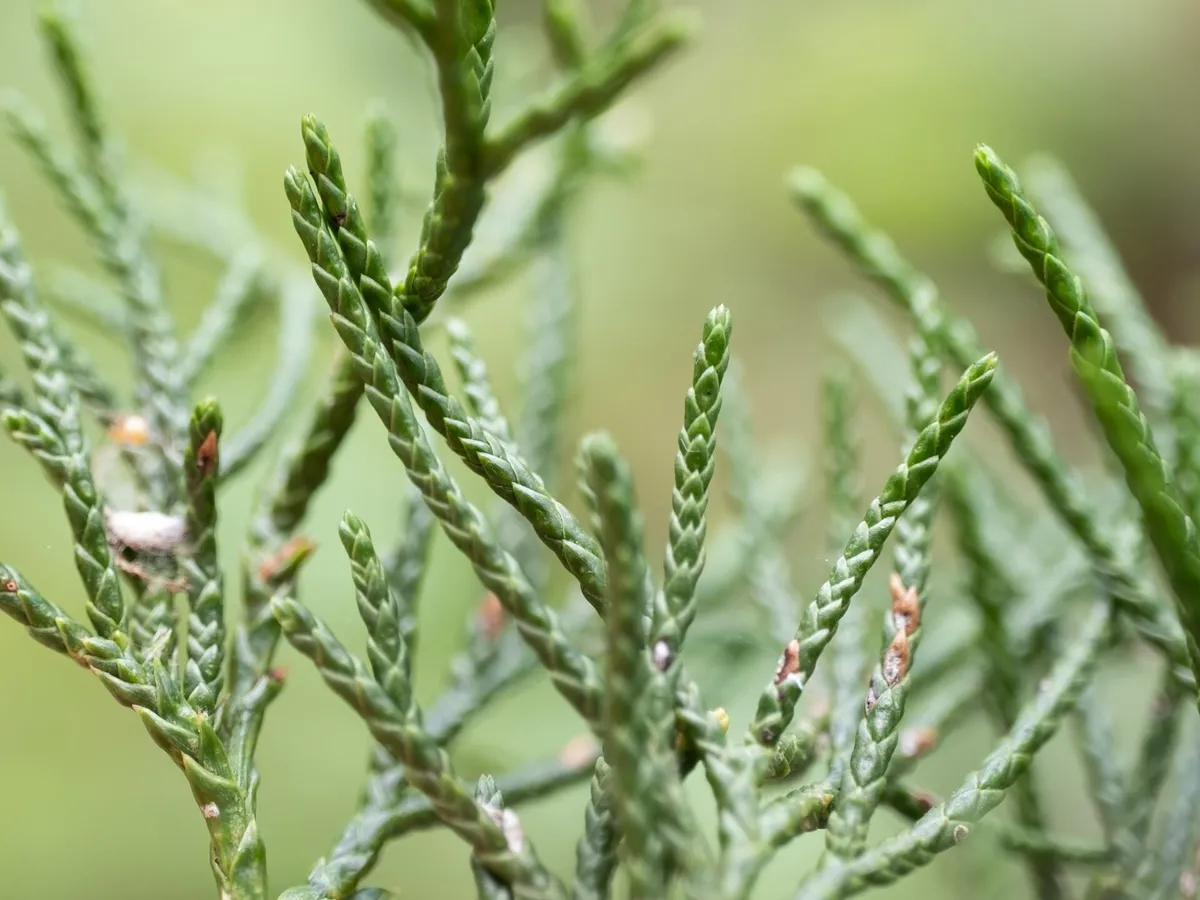
Eastern Red Cedar
Juniperus virginiana

Mexican Hat
Ratibida columnifera
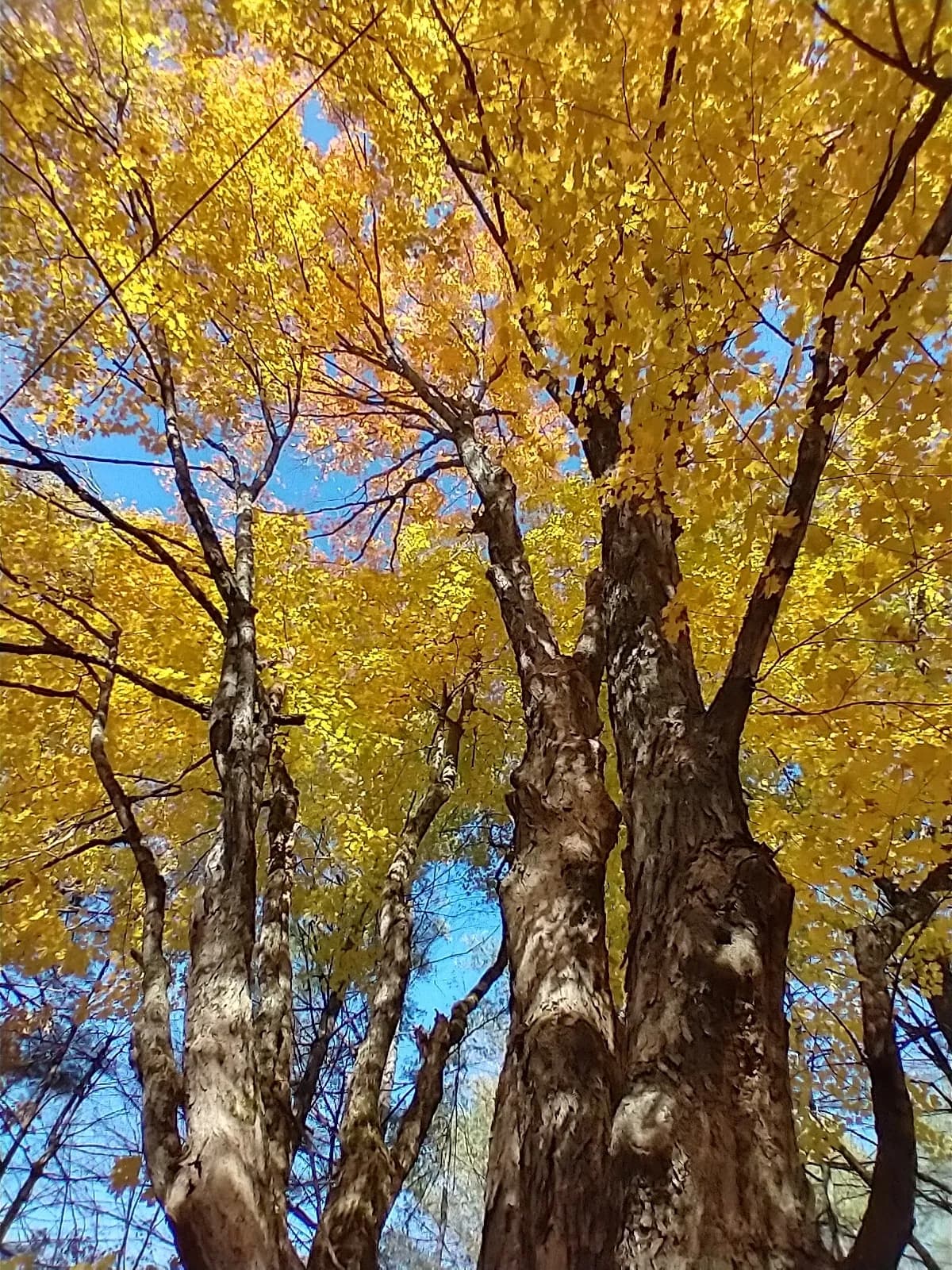
Sugar Maple
Acer saccharum
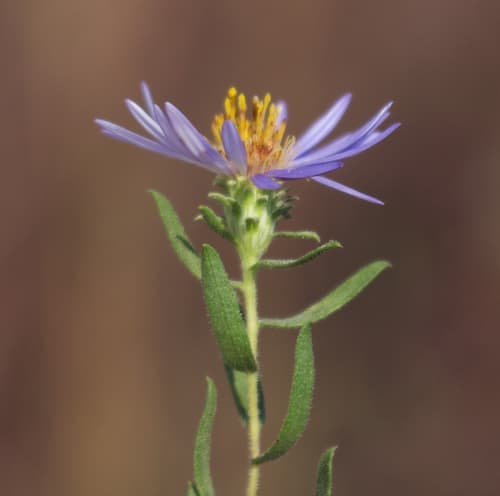
Fall Aster
Symphyotrichum oblongifolium
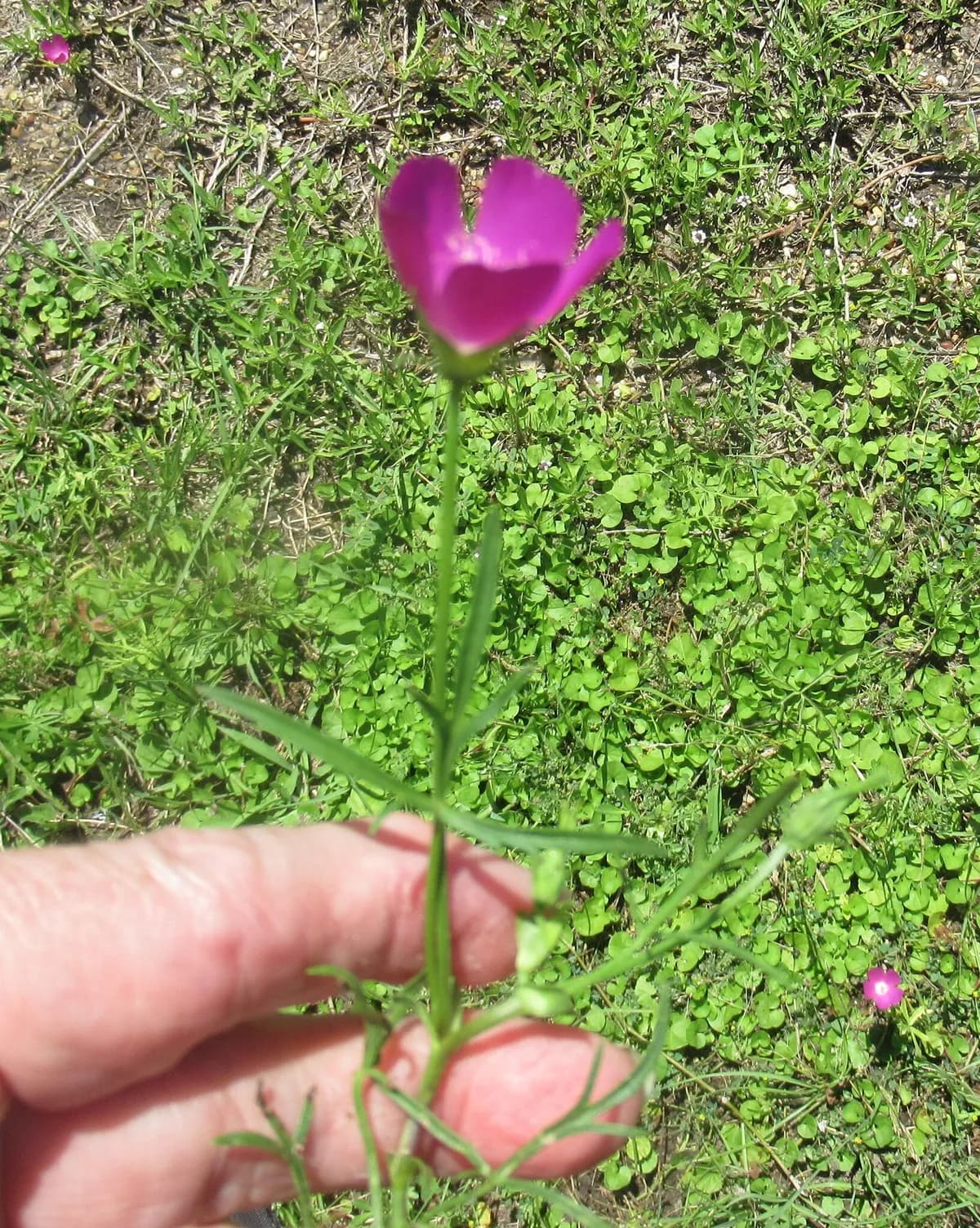
Winecup
Callirhoe involucrata
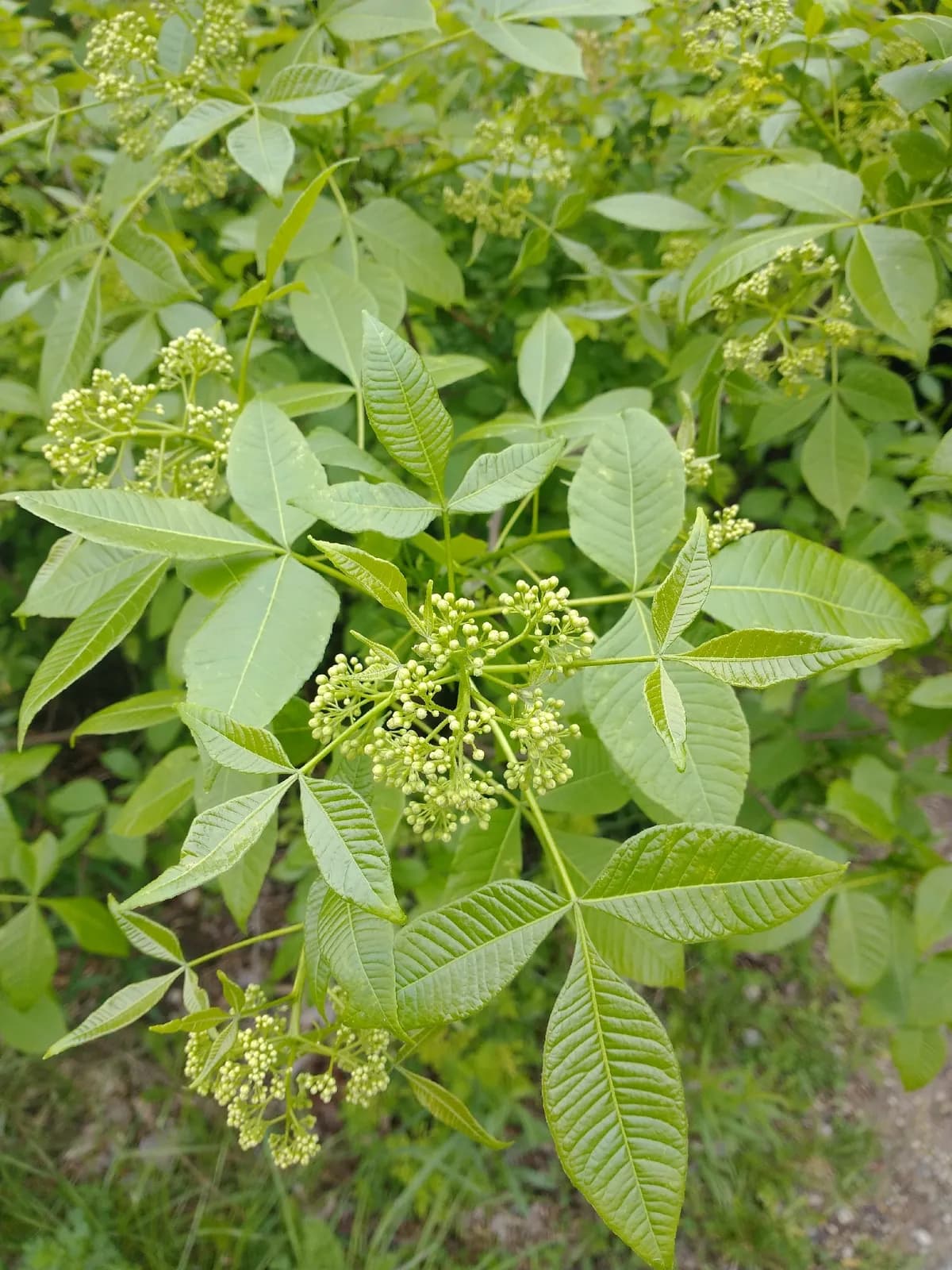
Wafer Ash
Ptelea trifoliata
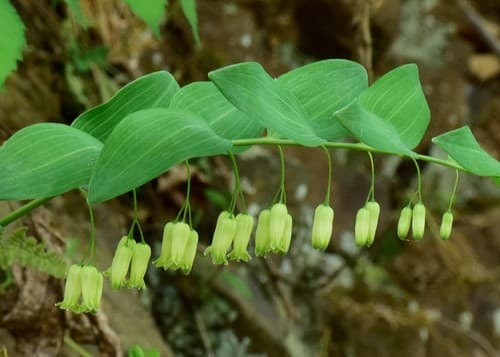
American Solomon's-seal
Polygonatum biflorum

Missouri Primrose
Oenothera macrocarpa
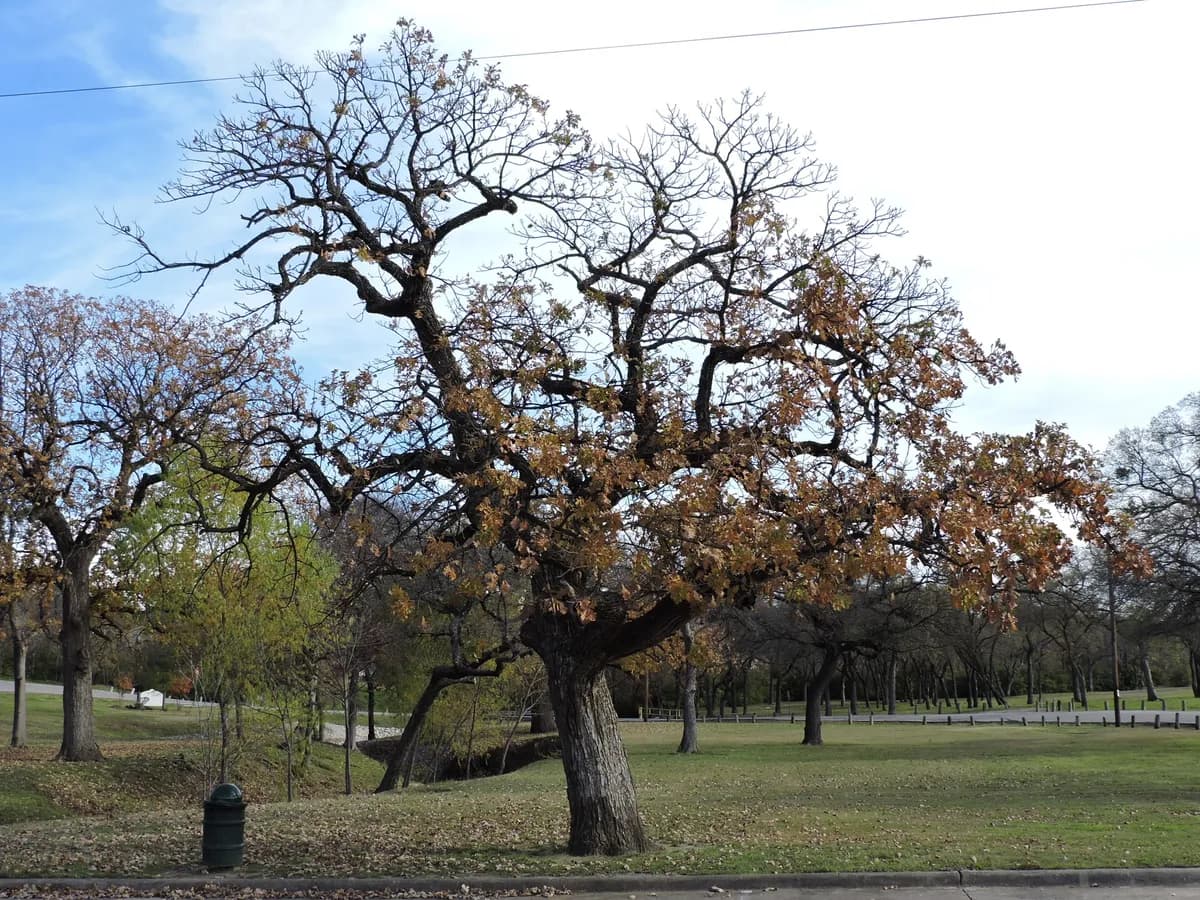
Bur Oak
Quercus macrocarpa
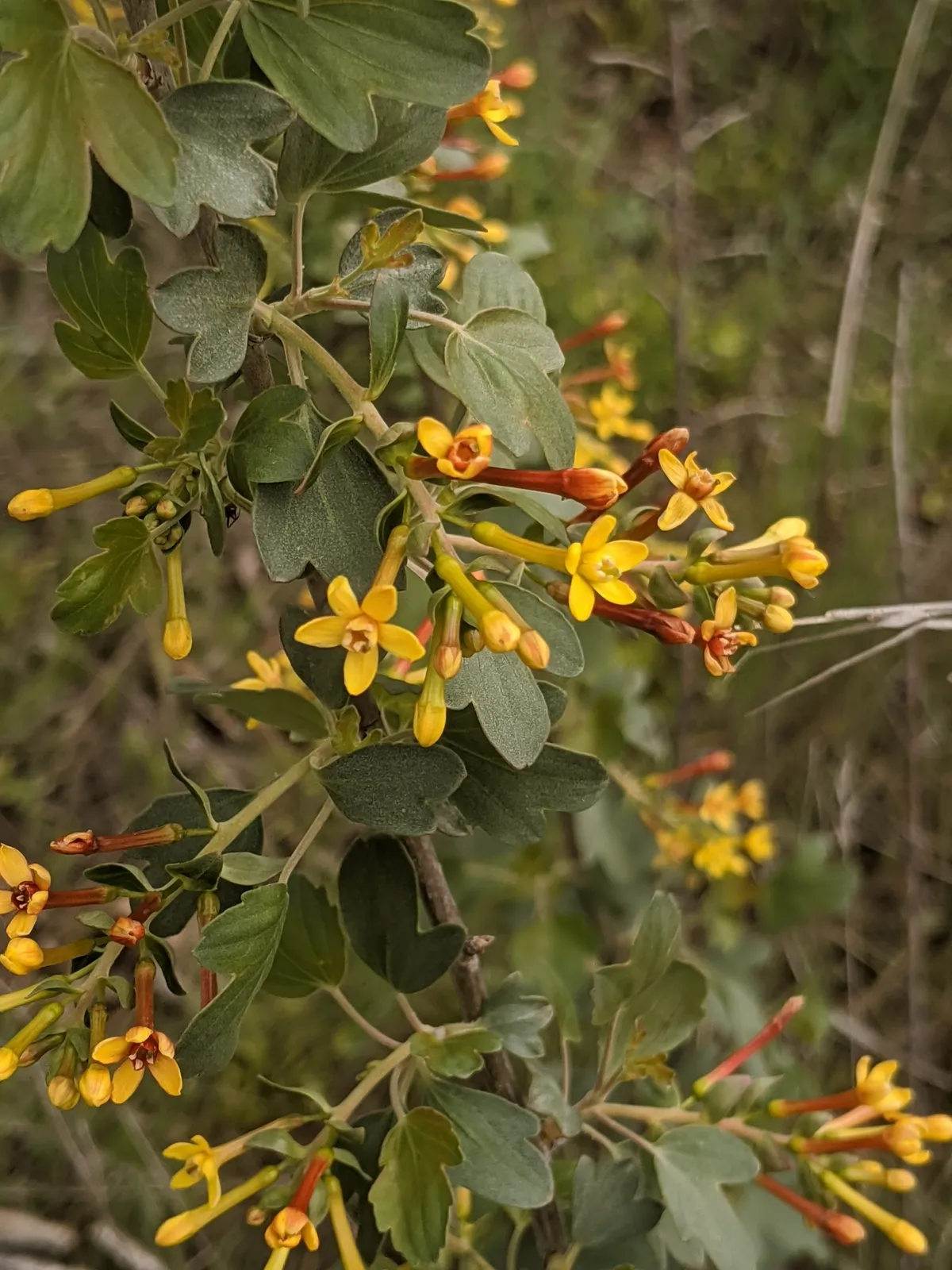
Golden Currant
Ribes aureum
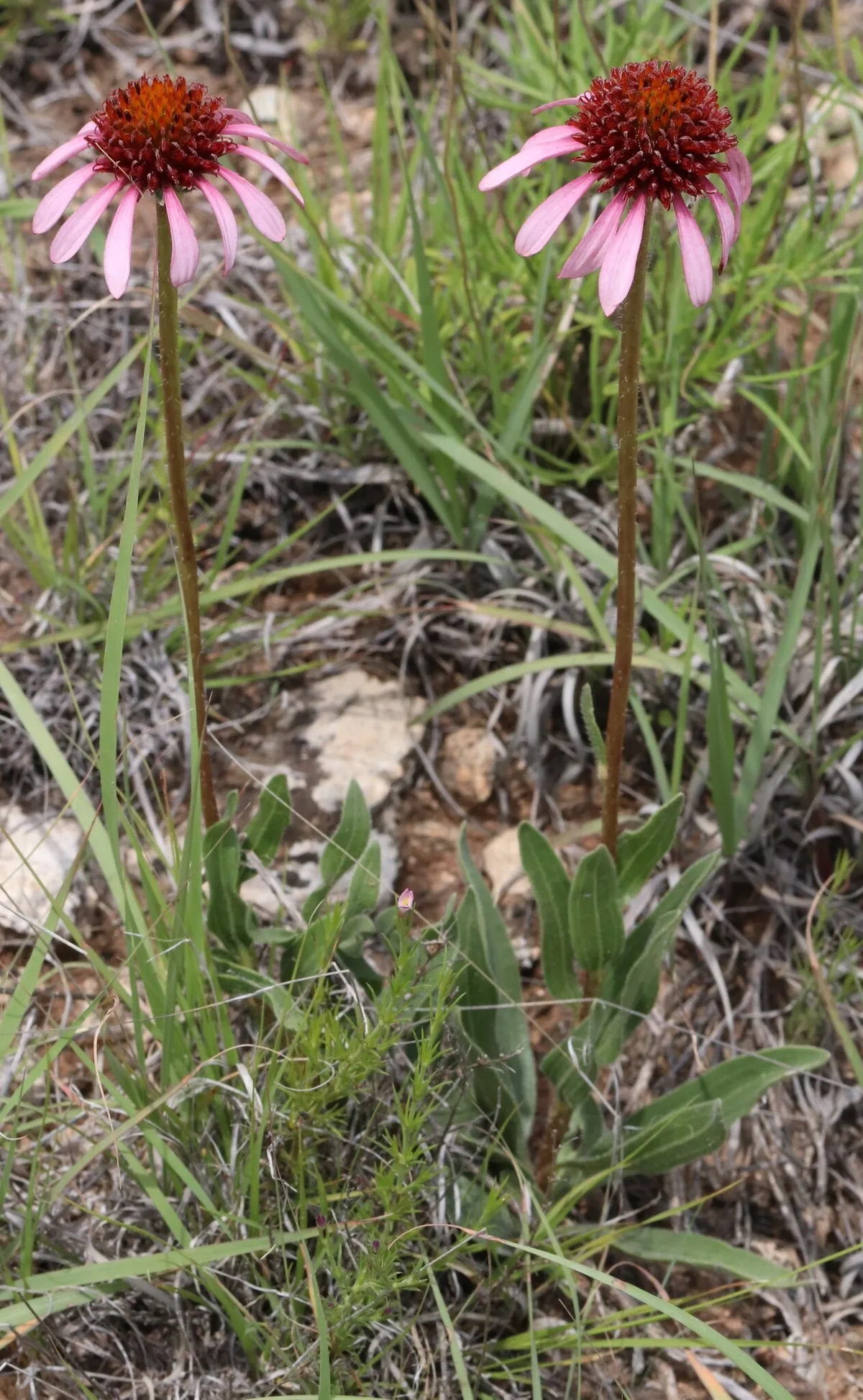
Narrow-leaf Coneflower
Echinacea angustifolia
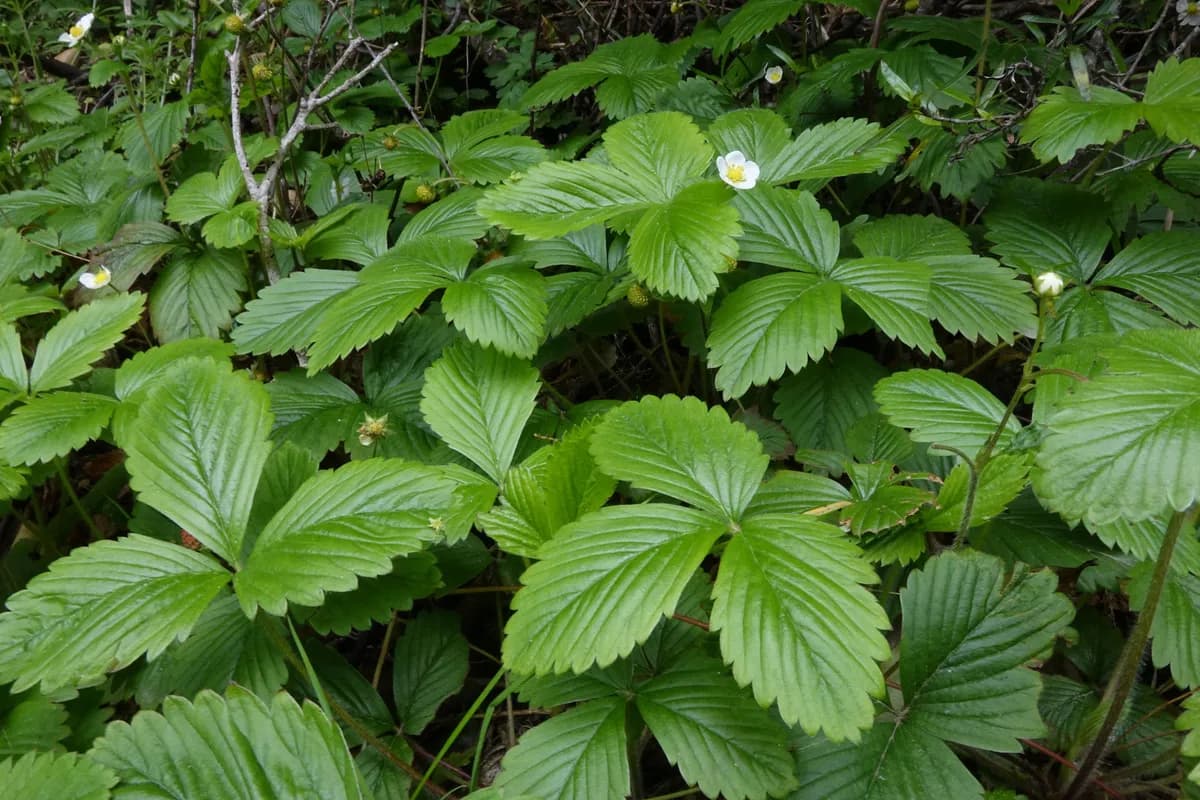
Wild Woodland Strawberries
Fragaria vesca
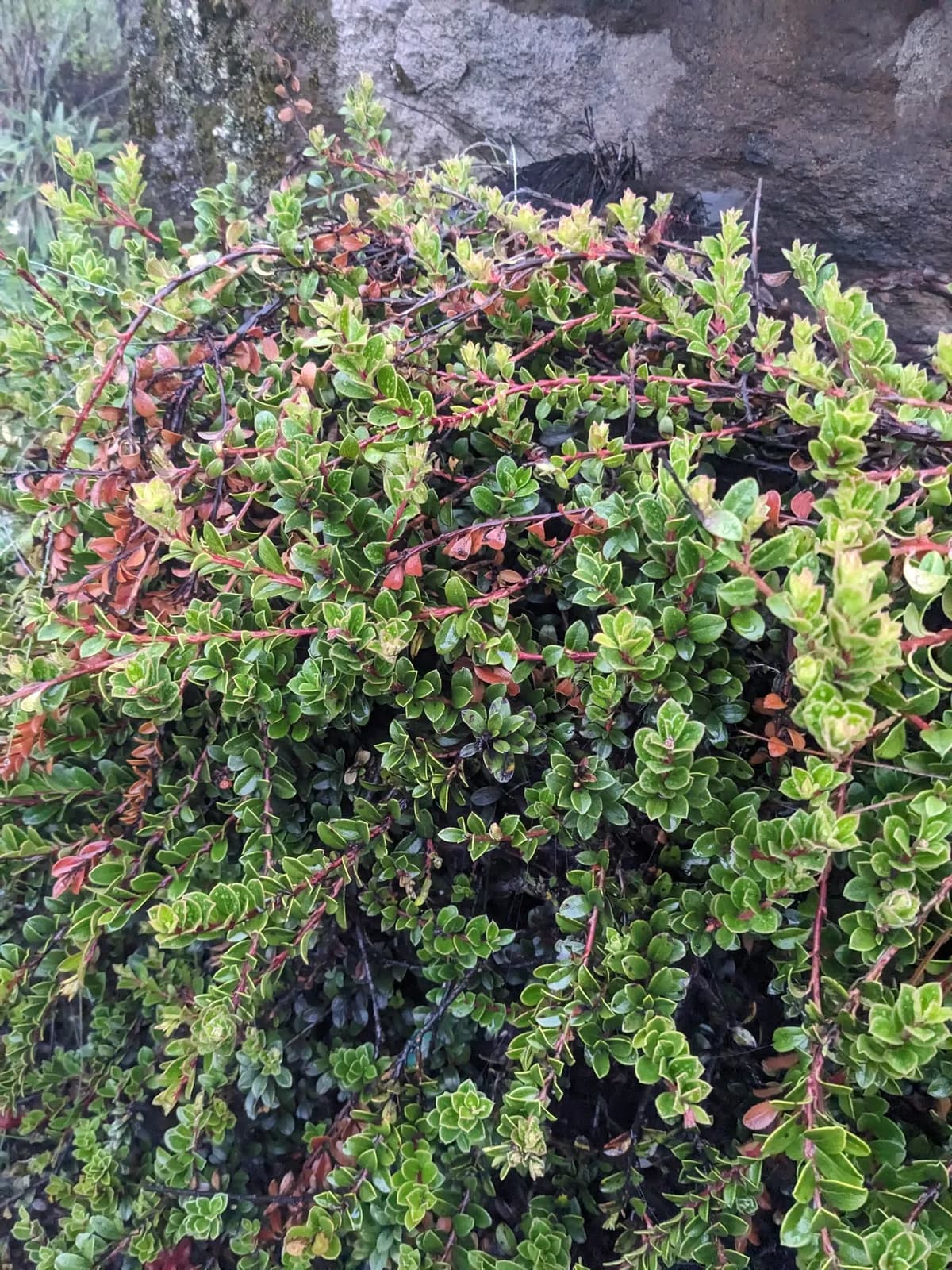
Bear-grape
Arctostaphylos uva-ursi
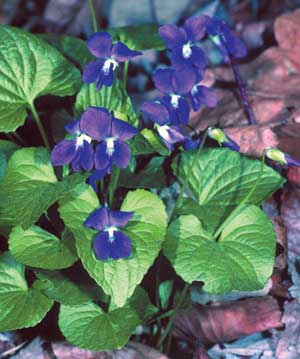
Common Blue Violet
Viola sororia
Showing 48 of 927. Enter your ZIP for the natives matched to your yard.
Fall care in the High Plains
What to do right now for plants commonly grown here. Each links to the full regional care guide for that species, with sources.
- Catmint
Fall needs very little, just good drainage and light watering.
- St catherines lace
In fall, cut the plant back after bloom and keep water light.
- Elder
Fall is when the leaves drop and berries finish.
- Short beak sedge
Fall's cooler weather brings another burst of growth.
- Greenthread
Fall is the best sowing time for greenthread.
- Western primrose
Fall is a good time to trim the plant back into shape.
- Prairie petunia
Bloom can last into September, and then volunteers appear.
- Giant coneflower
Cut stems back to the base once flowering is done.
- Plains zinnia
Fall care is light.
- Wild petunia
Trim before seed spreads.
Build a plan for the High Plains
The Pollinator Patch App turns plants like these into a front-yard plan tuned for the soil, climate, and HOA expectations of the Lubbock area.