Blue Giant-hyssop
Agastache foeniculum
Last reviewed: September 2026
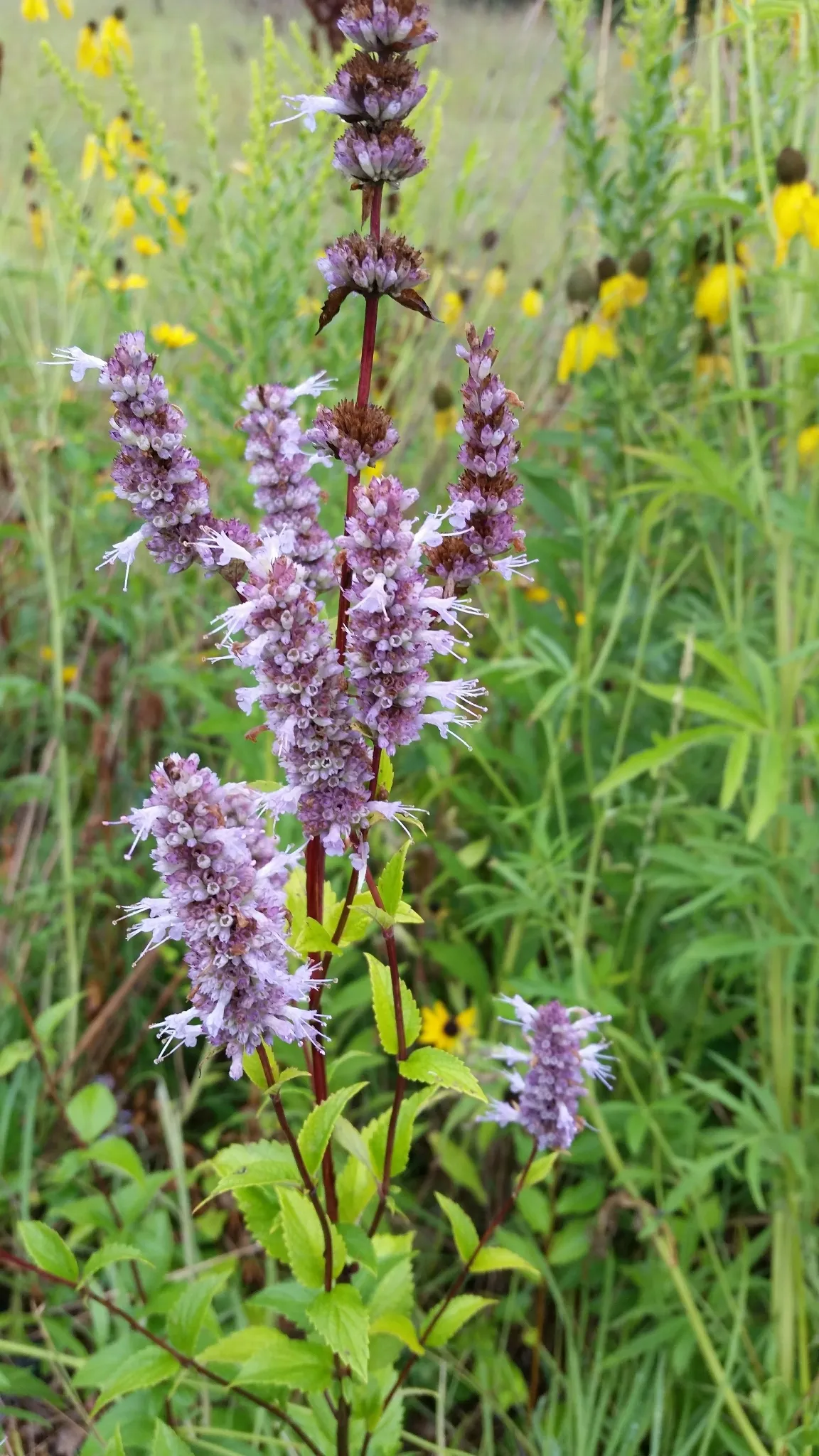
Agastache foeniculum, or Blue Giant-hyssop, produces spikes of lavender-purple flowers from June through September and thrives in full sun with average garden water once established.
Toxicity unknown
Blue Giant-hyssop (Agastache foeniculum) is not listed by the ASPCA Animal Poison Control Center (opens in new tab) or the other sources we check, so we have no verdict for it either way. Absence from those lists is not a clearance. If your pet shows symptoms after eating any plant, call the ASPCA at (888) 426-4435.
Light
full sun
Water
medium
Size
24"–48" H × 18"–24" W
Bloom
Jun, Jul, Aug, Sep
Native to
CO, IA, ID, IL and 8 more states
Pollinators
bees, butterflies, hummingbirds
Deer
Resistant (per Prairie Moon Nursery)
Before you buy
Your city may pay you to plant this
Cities and water utilities offer rebates for replacing lawn with native and water-wise plants. We track 459 programs across 44 states, each with a link to the provider and the date we last checked it.
Find rebates in your areaPicture natives in your own yard
Upload a photo of your yard and Patch Vision shows a rendering of it planted with natives for your region, like Blue Giant-hyssop.


Browse plants for this ecoregion
Blue giant-hyssop is an upright perennial herb with fragrant, mint-scented foliage and dense spikes of small blue to purple flowers. It blooms continuously from June through September, creating an attractive vertical accent in sunny gardens. This native plant forms neat clumps and has a tidy, structured appearance that works well in formal landscapes.
Growing Blue Giant-hyssop
Grow Blue Giant-hyssop in full sun and medium water. Mature plants reach 24 to 48 inches tall and spread 18 to 24 inches wide. Expect low maintenance to keep it looking intentional in a front yard.
How to care for Blue Giant-hyssop, by region
How to care for Blue Giant-hyssop where it is actually grown: year-round basics plus what to do each season, region by region, with the sources for each.
Care guidance last updated: October 2026
Central Appalachians (includes Johnstown, PA)
Year-round
Anise hyssop needs one full growing season to build a real root system in the Johnstown area before it can shrug off dry spells on its own. For the first six to eight weeks after planting, water regularly and let the top couple inches of soil dry out between drinks, since the rocky, often clay-heavy ground here holds water longer than it looks like it will. After that first season the plant becomes quite drought-tough and mostly just wants a drink during a stretch with no rain. A couple inches of shredded bark or leaf mulch, pulled back a few inches from the stems, helps even out the day-to-night temperature swings that come with this higher-elevation part of the Central Appalachians. The most common mistake locally is planting it in a low spot that stays wet after spring snowmelt or heavy rain, since standing water in cool soil is what causes root and crown rot, not cold itself. The second common mistake is feeding it rich garden fertilizer, which produces floppy, weak growth instead of the sturdy upright stems this plant naturally has in leaner soil. It tolerates a wide pH range, so the acidic, rocky soil common in this region is not something to fight or amend heavily.
- Water new plants twice a week for 6 to 8 weeks, then taper off.
- Let the top few inches of soil dry between waterings once established.
- Mulch about 2 inches deep, kept off the stems, to buffer temperature swings.
- Skip rich fertilizer. Lean, well-drained soil grows sturdier plants.
- Never plant in a low, soggy spot. Wet winter and spring soil is the top killer here.
Deadheading through the growing season keeps the plant compact and full for a front bed instead of leggy and bare-stemmed by late summer.
Fall
First frost tends to arrive earlier here than in lower parts of Pennsylvania, often by mid October at this elevation, so expect the top growth to blacken and stop soon after that. Anise hyssop self-sows readily, so if you want volunteer seedlings next spring, leave some seed heads standing rather than cutting the plant all the way back. Stop feeding or heavily watering by early fall so the plant is not pushing soft new growth right before frost arrives. This is also a good window to divide crowded clumps or move a plant one more time before the ground gets cold and wet for winter. Cutting the plant back partway in late fall, rather than to the ground, gives some winter structure while still keeping the bed from looking too wild.
- Expect first frost by mid October at this elevation, earlier than lower valleys.
- Leave some seed heads standing if you want volunteer seedlings next spring.
- Stop fertilizing and cut back watering by early fall.
- Divide or relocate clumps now, before the ground turns cold and wet.
- Cut stems back partway rather than to the ground for winter structure.
Leaving every seed head standing can read as unkempt to a front-yard-focused HOA board. Cutting the plant to a uniform 6 to 8 inches in late fall keeps a tidy edge while still leaving some structure for winter.
Winter
Anise hyssop is hardy well beyond what this region's winters throw at it, so an established plant in this ecoregion does not need special cold protection. What actually threatens it in winter here is not the cold itself but wet, poorly drained soil freezing and thawing repeatedly around the crown, which is more likely on the acidic, rocky ground common in this part of the Central Appalachians if the planting spot does not drain well. A layer of mulch applied in late fall, kept off the crown itself, helps buffer freeze-thaw cycles and insulates roots through the season. Snow cover is actually helpful here, acting as natural insulation once it falls. If you left stems standing in fall for winter interest, wait until early spring to cut them back, since hollow stems and seed heads offer shelter for overwintering insects and food for birds through the coldest months.
- No winter protection needed for established plants at this elevation and zone.
- Confirm the planting site drains well. Wet, freezing soil is the real winter risk.
- Apply mulch in late fall, kept off the crown, to buffer freeze-thaw cycles.
- Let snow cover sit. It insulates roots through the coldest weeks.
- Wait until early spring to cut back any stems left standing for winter.
Standing winter stems can draw HOA attention in a highly visible front bed. Cutting to a uniform low stubble in late fall (see the fall row) is the tidier compromise if bare winter structure is a concern.
Spring
Spring arrives late and stays cool at this elevation, so hold off moving anise hyssop outside until frost risk has passed, which typically is not until early to mid May in the higher parts of the Central Appalachians. If starting from seed indoors, press the seed onto the surface of the mix instead of burying it, since it needs light to germinate, and start it about 6 to 8 weeks before your last frost date. Established clumps can be lifted and divided in early spring right as new growth appears, and this is also the easiest time to move a plant that ended up in a spot with poor drainage. Spring here tends to be wet from snowmelt and rain, so watch soil moisture closely. Young roots sitting in cold, saturated ground are at real risk of rot before the plant gets going. Hold off on a thick layer of mulch until the ground has warmed and drained, since mulching over cold wet soil just keeps it that way longer.
- Wait until early to mid May to plant outside, after last frost risk passes.
- Start seed indoors 6 to 8 weeks early. Press onto the soil surface, do not bury it.
- Divide established clumps in early spring as new growth appears.
- Relocate any plant in a wet, low spot now, while it is still dormant.
- Hold off on mulch until the ground has dried out from snowmelt.
Summer
Once established, anise hyssop handles a normal summer here without much fuss, but water it during any stretch of a week or more without rain, especially in a hot, sunny front bed. Deadhead the spent flower spikes regularly through summer to keep new blooms coming and to keep the plant looking full rather than tired and brown-topped. Our short, humid Appalachian summers can bring on powdery mildew and leaf spot, so give plants enough space for air to move between them and avoid watering the foliage late in the day. This is peak season for what the plant is really grown for here: it draws in bumblebees, butterflies, and hummingbirds all summer long. If a hot, wet week produces mildew on the lower leaves anyway, just pull off the worst leaves and improve airflow rather than reaching for a fungicide right away.
- Water deeply once a week during any dry stretch of 7 or more days.
- Deadhead spent flower spikes to keep new blooms coming.
- Space plants for airflow to head off powdery mildew in humid weeks.
- Water the soil, not the leaves, and water earlier in the day.
- Expect heavy bee, butterfly, and hummingbird visits at peak bloom.
If a plant flops after a summer storm, a low stake or grow-through ring keeps a front-facing bed looking tended instead of sprawling into the walkway.
Sources: Anise hyssop, Agastache foeniculum - Wisconsin Horticulture Extension, Agastache foeniculum - Missouri Botanical Garden Plant Finder, Level III Ecoregions of the Continental United States (Central Appalachians climate and soil description), USDA Plant Hardiness Zone Map, Season Extenders and Growing Fall Vegetables (Pennsylvania frost/freeze date example) - Penn State Extension
Cross Timbers (includes Fort Worth, TX)
Year-round
Anise hyssop is an easy anise scented herb with purple flower spikes that bees, butterflies and hummingbirds visit readily. In the Fort Worth area, give it morning sun with afternoon shade and well drained soil, since this plant comes from cooler northern prairies and struggles when North Texas summer heat and humidity go on too long.
- Choose a spot with morning sun and afternoon shade rather than all day sun, Fort Worth summers are hotter and more humid than the northern prairies this plant comes from.
- The sandy or rocky soils common in the Fort Worth area's Cross Timbers already drain reasonably well, but working in compost still helps roots establish faster.
- Water regularly through the first growing season and during dry summer stretches, established plants tolerate brief dry spells but do not have the deep drought toughness of a true North Texas native.
- Space plants twelve to twenty four inches apart so air can move between them, crowded plants are more prone to powdery mildew in humid weather.
- It is not native to North Texas, so plant it for the herb garden and the pollinators it draws rather than as a native habitat pick.
- Anise hyssop is not on the ASPCA's toxic plant list for cats or dogs.
Fall
As Fort Worth's heat breaks in September and October, anise hyssop often puts out a fresh round of blooms, and deadheading spent flower spikes keeps the bed looking tidy heading into the cooler months.
- Deadhead spent flower spikes through early fall to encourage more blooms and keep the plant from looking ragged.
- Let some flower heads go to seed later in fall if you want the plant to reseed, it often behaves as a short lived perennial in North Texas and self seeding helps it come back.
- Ease back on watering frequency as temperatures cool, but do not let the soil dry out completely before the first freeze.
- The Fort Worth area's first fall frost typically lands in mid to late November, hold off on a hard cutback until a freeze blackens the foliage.
Regular deadheading through fall keeps the plant looking neat from the street instead of leggy and going to seed everywhere.
Winter
Once a hard freeze blackens the foliage in the Fort Worth area, cut anise hyssop back to a few inches and lean on well drained soil to get it through winter, since soggy cold clay is more likely to kill this plant than the cold itself.
- Cut blackened stems back to two to four inches after the season's first hard freeze, usually after mid to late November.
- Leave the cut stems and a layer of mulch over the crown for extra insulation during hard winter cold snaps.
- Well drained soil matters even more in winter than summer, wet clay during a rainy North Texas winter is the most common reason this plant fails to return in spring.
- This species is rated hardy in zones four through eight, which comfortably covers the Fort Worth area's typical winter lows.
Cutting the frozen stems back after the first freeze leaves a tidy, low silhouette in the bed instead of blackened stalks all winter.
Spring
Plant or divide anise hyssop in the Fort Worth area once the last spring frost has passed, usually by mid to late March, and give it morning sun with afternoon shade so it is established before the heat of summer arrives.
- Wait until after the Fort Worth area's average last frost, typically mid March, before setting out new transplants.
- Pick a bed with morning sun and afternoon shade, the plant will handle summer better if it is not fighting full afternoon sun from the start.
- Mix compost into Cross Timbers sandy or clay soil before planting so water drains away from the roots instead of collecting.
- Pinch back young stems once in spring to encourage a bushier plant before the flower spikes appear later in summer.
Summer
Fort Worth's summer heat is hard on this cool climate herb, so keep the soil consistently moist, mulch well, and expect the plant to slow down or look tired during the hottest stretches of July and August.
- Water deeply two or three times a week whenever temperatures push past the mid nineties, this plant does not have the deep drought toughness of plants native to the Cross Timbers.
- Lay down two to three inches of mulch to keep roots cooler and stretch time between waterings.
- Watch for powdery mildew on the leaves during humid spells, thin out crowded stems to improve airflow.
- If the plant looks leggy or stressed by late summer, a light trim can bring on a fresher flush of blooms once September temperatures ease.
- Bees, butterflies and hummingbirds keep visiting the purple flower spikes even during the hottest weeks of summer.
Sources: Lady Bird Johnson Wildflower Center: Agastache foeniculum plant profile, NC State Extension Gardener Plant Toolbox: Agastache foeniculum, ASPCA Toxic and Non-Toxic Plant List: Cats, ASPCA Toxic and Non-Toxic Plant List: Dogs
Eastern Corn Belt Plains (includes Columbus, OH)
Year-round
Blue giant hyssop is not native to Ohio. Its documented native range runs from the northern Great Plains into the upper Midwest and adjacent Canada, and Ohio falls outside the states the Lady Bird Johnson Wildflower Center lists for this species. It still grows well as a garden perennial in Columbus, in full sun to part shade and well-drained soil, and it draws bees and hummingbirds through the summer. It is not on the ASPCA toxic plant list.
- Plant in full sun to part shade, moist but well-drained soil
- Give it room, plants reach 2 to 4 feet tall and 1 to 3 feet wide
- Good drainage matters here, wet soil invites crown and root rot
- Not on the ASPCA toxic plant list for dogs, cats, or horses
Fall
Columbus's average first frost lands around October 23, giving a long fall stretch after the main bloom fades. Once frost knocks back the foliage, leave the dried stalks and seed heads in place rather than cutting them down. Goldfinches and other birds work the seed heads through fall and into winter.
- Let bloom wind down naturally as nights cool, no need to force deadheading
- Leave dried stalks and seed heads standing after frost
- Skip fall fertilizer so the plant can go dormant on its own schedule
- Mark self-sown seedling spots now to find them again in spring
Standing seed heads can look messy to an HOA-conscious neighbor through fall, a quick note that they're feeding birds usually settles it.
Winter
Columbus sits in USDA zone 6a to 6b, well within the range where blue giant hyssop is commonly rated winter hardy, so it needs little extra protection here. Leave the dead stalks standing through the cold months, they help protect the crown and keep feeding birds. Since this plant is grown here as a garden perennial rather than a native one, it depends on garden conditions rather than an established wild population to get through winter.
- Leave dead stalks in place through winter, do not cut back now
- Mulch is optional in most Columbus winters but helps in an exposed, windy spot
- Avoid walking on the dormant crown
- Check in spring before assuming a plant didn't make it, new growth can be late
Spring
Columbus's average last frost falls around April 19, giving blue giant hyssop a much longer head start than it gets farther north. Cut back last year's dead stalks once new growth shows at the base, typically in April here. Watch drainage after spring rains, since soggy soil is the main threat to this plant.
- Cut back old stalks once new leaves appear at the base, usually mid to late April in Columbus
- Improve drainage if beds stayed soggy over winter, standing water causes crown rot
- Transplant self-sown seedlings while they're small
- Hold off on heavy fertilizer, lean soil suits this plant
Clearing last year's dry stalks in spring keeps the bed tidy for HOA-conscious front yards.
Summer
Flower spikes open from June into September in Columbus's longer, warmer growing season, drawing bees and hummingbirds. Deadhead through August to keep new blooms coming, and water during dry stretches since this plant does not like sitting in drought stress for long periods despite its reputation for toughness. Good airflow between plants helps prevent powdery mildew in Ohio's humid summers.
- Deadhead spent spikes through August for continued bloom
- Water during dry stretches, humidity does not replace soil moisture
- Space plants for airflow, powdery mildew shows up in humid, crowded beds
- Stop deadheading by late August so seed heads can develop for fall
Regular deadheading keeps this plant looking deliberate and full through summer, an HOA-friendly look rather than a leggy patch.
Sources: Lady Bird Johnson Wildflower Center - Agastache foeniculum, Clemson HGIC - Anise Hyssop, ASPCA Toxic and Non-Toxic Plant List - A
High Plains (includes Lubbock, TX)
Year-round
Blue giant hyssop is a hardy, deer-resistant perennial that draws bees, butterflies, and hummingbirds, and it holds up well in Lubbock's dry High Plains climate once it is established.
- Give it full sun and well-drained soil. Soggy clay or heavy caliche can rot the roots.
- Water regularly the first season, then taper off once it is established since this plant handles dry spells well.
- Space plants 18 to 24 inches apart to allow for its 2 to 4 foot mature spread.
- Deadhead spent flower spikes to keep it blooming from June into September.
- Expect it to self-seed and spread a bit in good conditions. Pull unwanted seedlings each spring if you want a tidier bed.
- Watch for crown or root rot in slow-draining spots, and light rust or powdery mildew in humid stretches.
Deadheading through the season keeps the bed looking intentional and tidy from the street, which matters most in a visible front yard.
Fall
Fall is when bloom winds down and Lubbock's first frost usually arrives, so this is the time to let some seed heads stand and hold off on a hard cutback.
- Let a portion of the fall seed heads stand instead of deadheading everything. Birds will work the seeds into winter.
- Stop fertilizing and heavy watering by early fall so new growth has time to harden off before frost, which typically arrives in Lubbock in mid to late October.
- Collect a few dry seed heads if you want to start new plants, since this species grows readily from seed.
- Divide overcrowded clumps in fall as an alternative to spring division.
- Skip the hard cutback for now. Save that for late winter or early spring instead.
Leaving some seed heads standing through fall is a deliberate, HOA-friendly wildlife touch rather than neglect, especially if you keep the bed's front edge trimmed.
Winter
Winter is the dormant season. Lubbock's cold snaps sit within this plant's cold tolerance, and a late-winter cutback resets it for spring.
- This species is hardy to USDA zone 4, well beyond Lubbock's zone 7 winter lows, so no frost protection is normally needed.
- Leave dry stems standing over winter. They shelter overwintering insects and give the bed some structure through the cold months.
- Cut the whole plant back to a few inches from the ground in late winter, before new growth starts, rather than in fall.
- Skip winter watering beyond what rain or snow provides. Wet, cold soil is more likely to cause root rot than the cold itself.
- Check the crown after any unusually hard or prolonged freeze. Established plants should resprout from the base in spring.
A neat late-winter cutback, timed just before spring green-up, keeps the bed from looking overgrown or dead through the dormant months.
Spring
Spring is when new growth resumes and is the best time to plant, divide, or finish trimming back winter stems in Lubbock.
- Cut back last year's dry stems to a few inches once new growth shows at the base, usually as nights stay reliably above freezing.
- Plant new starts after Lubbock's average last spring frost, typically mid-April, once nights are reliably above 32 degrees.
- Work compost into heavy clay or caliche soil at planting time to improve drainage.
- Watch for self-sown seedlings from last year's plants and thin or transplant the ones you want to keep.
- Water new plantings two to three times a week until roots take hold, then cut back on watering.
Finishing the old-stem cutback right as new growth starts keeps the bed looking deliberate rather than dead heading into the season.
Summer
Summer is peak bloom season, and Lubbock's heat, wind, and low humidity mean this plant does better with deep occasional watering than frequent light sprinkles.
- Expect purple-blue flower spikes from June through September, the peak nectar season for bees and hummingbirds.
- Water deeply once or twice a week during hot, dry stretches rather than daily light watering, since it prefers dry to medium moisture over soggy soil.
- Deadhead spent spikes regularly to stretch out the bloom and cut down on volunteer seedlings next spring.
- Lay down 2 to 3 inches of mulch to hold moisture and moderate soil temperature through Lubbock's wind and heat.
- A little afternoon shade can help during the hottest stretches, though this plant is rated for full sun.
Regular deadheading through summer keeps the bed looking maintained instead of leggy or spent during peak curb-view season.
Sources: Missouri Botanical Garden Plant Finder, Agastache foeniculum, NC State Extension, Agastache foeniculum, Texas A&M AgriLife Extension, Lubbock County Master Gardeners: Climate Information
Middle Atlantic Coastal Plain (includes Philadelphia, PA)
Year-round
Anise hyssop is a fragrant, upright perennial from the northern Great Plains and upper Midwest, it is not native to the Philadelphia area but grows well here anyway with the right spot.
- It wants full sun to part shade and well-drained soil, in the Philadelphia area's heavier clay soils good drainage matters more than it does out on the prairie.
- Established plants tolerate dry spells but are not a match for consistently wet ground.
- The Lady Bird Johnson Wildflower Center notes it has special value to native bees, bumble bees, and honey bees, and also draws butterflies and hummingbirds.
Fall
As bloom finishes going into fall, anise hyssop can be divided again, and its seed heads can be left standing for wildlife before a winter cutback.
- Fall is another good window to divide crowded clumps here, before the ground gets cold.
- Seeds ripen in autumn, leaving spent flower heads standing lets birds feed on them into winter.
- Cut plants back to the ground once foliage has browned, this keeps a front-facing bed tidier through winter.
A fall cutback once foliage browns keeps a front yard looking maintained through winter.
Winter
Anise hyssop dies back to the ground for winter in the Philadelphia area, the roots handle the region's freezes well even though the species is not native here.
- No winter watering or protection is needed for an established, well-drained planting.
- If stalks were left standing for birds through fall, this is the point to cut them back before spring growth starts.
- New growth returns from the crown once the ground warms in spring.
Spring
In the Philadelphia area's spring, anise hyssop is easy to start from seed or divide once new growth appears.
- It is easy to start from seed in spring, sow after the last frost once soil has warmed.
- Established clumps can be divided in spring, split them once a few inches of new growth is visible.
- Give it full sun, the plant tends to flop or thin out in too much shade.
Summer
Mid to late summer is when anise hyssop's lavender-blue flower spikes open, drawing in pollinators.
- The licorice-scented leaves and flower spikes are most attractive to bees and hummingbirds during the July and August bloom window.
- Deadheading spent spikes can tidy up the plant's look and may encourage a bit of rebloom.
- Water during extended dry stretches, established plants otherwise handle the region's summer heat well in a well-drained spot.
Deadheading through the bloom window keeps a front-facing planting looking tended.
Sources: Lady Bird Johnson Wildflower Center - Agastache foeniculum
North Central Hardwood Forests (includes Minneapolis, MN)
Year-round
Blue giant hyssop is a tall, easy-care mint-family perennial that is native to Minnesota and does well in a sunny, well-drained Minneapolis yard.
- This plant is native to Minnesota and the upper Midwest, according to the Lady Bird Johnson Wildflower Center's range map for the species.
- It grows as an upright clump 3 to 5 feet tall, with square mint-family stems and grayish green leaves that smell like licorice or anise when you rub them.
- Give it full sun to part sun. Six or more hours of direct light a day gives the sturdiest stems and the best bloom.
- It wants well-drained soil, sandy or loamy ground is ideal, and once it is established it handles dry spells on its own.
- It is hardy through Minneapolis winters, USDA zone 4a to 8b covers the Twin Cities' zone 4b, and deer and rabbits mostly leave it alone.
- Blue to lavender flower spikes bloom from midsummer into fall and draw bees, hummingbirds, and butterflies.
Fall
Bloom carries on into fall, and the plant will self-seed if you let the spent spikes stand.
- Flowering can continue into fall until a hard frost ends the season, which typically arrives by mid-October in the Minneapolis area.
- Leaving some spent flower spikes standing gives seed-eating birds a food source as the weather turns.
- The plant self-seeds readily, so expect volunteer seedlings near the parent clump next spring if seed heads are left in place.
- Fall is a good time to divide an overcrowded clump if you want to spread the planting or share it.
Winter
The plant goes fully dormant. Leave the stems standing through winter for structure and bird food, then cut back in spring.
- Blue giant hyssop is hardy across Minneapolis winters, USDA zone 4a through 8b covers the Twin Cities' zone 4b.
- Well-drained soil is what gets a clump through winter. Wet, heavy soil in a low spot raises the risk of crown and root rot.
- Leave the dried stems and seed heads standing instead of cutting them down in fall. They hold up under snow and keep feeding birds through winter.
- An established clump does not need mulch in typical Minneapolis soil, but a layer of leaf mulch can help a plant through its first winter.
Dried stems left standing for winter interest and bird food tend to read as an intentional winter planting when the bed has a clean, trimmed edge.
Spring
Spring is a slow start for this plant. Cut back last year's dead stems and be patient before new growth shows.
- New growth is often slow to appear in spring, so do not assume the clump died over winter.
- Cut the old, dried stems down to a few inches once you see fresh green growth low at the base.
- If the plant self-seeded last fall, thin or move small volunteer seedlings now while they are easy to handle.
- Well-drained soil matters most right now. Soggy spring ground is the most common reason a clump fails to return.
Cutting back last year's dried stems once new growth appears keeps the front bed looking tended while it fills back in.
Summer
Summer is bloom season, with steady flower spikes and steady pollinator visits from midsummer on.
- Flower spikes open in midsummer and keep going, drawing bees, hummingbirds, and butterflies to the bed.
- Water only during longer dry stretches. An established plant handles normal summer dry spells on its own.
- Deadheading spent spikes is optional. It tidies the look but is not needed to keep the plant flowering.
- In a crowded, humid summer bed, watch for powdery mildew or leaf spot and give plants room for airflow.
Sources: Lady Bird Johnson Wildflower Center: Agastache foeniculum, NC State Extension: Agastache foeniculum
Northern Lakes and Forests (includes Bemidji, MN)
Year-round
Blue giant hyssop is native across Minnesota's prairies and open ground, confirmed by the Lady Bird Johnson Wildflower Center's range data for the species. It is an upright mint family perennial that settles into a Bemidji garden with little fuss, given full sun to part shade and soil that drains well. It draws bumblebees, other native bees, and hummingbirds through the summer, and it is not on the ASPCA toxic plant list.
- Plant in full sun to part shade, sandy or loamy soil that drains well
- Space clumps about a foot apart, plants reach 2 to 4 feet tall
- Water regularly the first season, established plants handle dry spells on their own
- Not on the ASPCA toxic plant list for dogs, cats, or horses
Fall
Bemidji's average first frost lands around September 26, early compared to most of the country, so bloom season ends quickly. Once frost blackens the foliage, leave the dried stalks and seed heads standing instead of cutting them back. They hold seed that goldfinches and other birds rely on into winter.
- Let frost end the bloom naturally, no need to deadhead by September
- Leave dried stalks and seed heads standing rather than cutting back
- Skip fall fertilizer, let the plant go dormant on its own
- Note where self-sown seedlings are coming up, so you can find them again in spring
Standing seed heads can look untidy through fall to an HOA-conscious neighbor, a quick note that they're feeding winter birds heads off most complaints.
Winter
Bemidji winters are long and cold, and blue giant hyssop's presence across Minnesota and other cold northern Plains states in its native range is a good sign it handles this climate without extra protection. Snow cover does most of the insulating work for the crown and roots. Leave the dead stalks in place, they help trap snow and keep feeding birds through the season.
- Leave dead stalks standing all winter, do not cut back now
- A light mulch layer helps in years with little early snow cover
- Avoid walking on the dormant crown, loose snow insulates better than packed snow
- Check in late spring before assuming a plant is gone, it can be slow to leaf out
Spring
Bemidji's growing season is short, with an average last frost around May 17, so blue giant hyssop is often one of the slower perennials to show new growth. Wait until fresh leaves appear at the base before cutting back last year's dry stalks. Spring is also the easiest time to move self-sown seedlings to where you want them.
- Cut back dead stalks once new growth appears at the base, usually early to mid May here
- Move self-sown seedlings while they're small, this plant spreads on its own
- Skip fertilizer, lean soil suits this plant fine
- Divide overcrowded clumps now if the patch has gotten thick
Clearing out last year's dry stalks once new growth starts keeps the front bed tidy for HOA-conscious streets.
Summer
Blue-purple flower spikes open from July into August, drawing bumblebees, other native bees, and hummingbirds during Bemidji's short summer. The plant tolerates dry spells once established, but a deep watering during hot stretches keeps the bloom going. Deadhead through late July to early August for a longer flowering window.
- Deadhead spent spikes through late July or early August for more blooms
- Water deeply during dry stretches, especially in sandy soil
- Thin crowded plants for airflow, powdery mildew can show up on packed-in leaves
- Stop deadheading by mid August so seed heads can start forming
Regular deadheading keeps the plant looking full and in bloom, which reads as an intentional, HOA-friendly planting rather than an overgrown patch.
Sources: Lady Bird Johnson Wildflower Center - Agastache foeniculum, ASPCA Toxic and Non-Toxic Plant List - A, Clemson HGIC - Anise Hyssop, UW-Madison Extension Master Gardener - Agastache foeniculum
Piedmont (includes Atlanta, GA)
Year-round
Anise hyssop grows well around Atlanta with full sun and soil that drains fast, and it is a strong pollinator plant even though it is not from this region originally.
- Give it full sun to light afternoon shade during Atlanta's hot summers. It wants at least 6 hours of direct sun for the best, most compact growth (NC State Extension).
- Plant it in well drained soil. Atlanta's red clay often needs to be loosened or the bed raised a bit, because water sitting around the roots invites crown and root rot (NC State Extension).
- This plant's native range is the northern Great Plains and upper Midwest, from around northern Colorado to Wisconsin and adjacent Canada. It is not native to the Georgia Piedmont, so grow it here as a well adapted garden plant rather than a local native (Lady Bird Johnson Wildflower Center).
- Bees, butterflies, skippers and hummingbirds all visit the flowers, and the species has special value to native bees (Xerces Society).
- Once it is established, it handles Atlanta's dry summer stretches on rainfall alone in most years (NC State Extension).
Fall
Fall is one of the best times to plant anise hyssop in Atlanta, and it is also when to stop pruning and let the plant coast into winter.
- Fall is one of the better windows to plant anise hyssop around Atlanta, since it gives roots time to establish before next summer's heat arrives (University of Georgia CAES).
- Do not cut the plant back in fall or winter. Save that pruning for early spring, since cutting back now can lower its cold hardiness (University of Georgia CAES).
- The plant self seeds readily. If volunteer seedlings around the parent plant are not wanted next year, deadhead spent flower spikes before they drop seed in fall (NC State Extension).
- Expect the last blooms to fade out close to Atlanta's average first frost date, which lands around November 13 (National Weather Service, Peachtree City).
Leaving flower spikes standing through fall gives a soft winter look and feeds late season pollinators, worth mentioning if a neighbor asks why the bed has not been cut back yet.
Winter
Atlanta winters are mild enough that anise hyssop needs no frost protection. Leave it standing and keep an eye on drainage through wet spells.
- Anise hyssop is hardy through USDA zones 4 to 8. Atlanta sits in zone 7b to 8a, well within that range, so no winter frost protection is needed (NC State Extension).
- Leave the dried stems and seed heads standing through winter instead of cutting back. This protects the plant's cold hardiness and gives overwintering birds a seed source (University of Georgia CAES).
- If Atlanta's clay soil stays soggy through a wet winter, the crown is more likely to rot, so drainage still matters even while the plant is dormant (NC State Extension).
- Deer tend to leave this plant alone even in lean winter months, so it usually does not need fencing or repellent (University of Georgia CAES).
Standing dried stems through winter can read as untidy to a strict HOA eye. Leaving them until the early spring cutback trades a tidier look now for better cold hardiness and winter bird food.
Spring
Spring is cutback and planting season for anise hyssop in Atlanta. Cut the old stems back early and wait until the average last frost to set out new plants.
- Cut last year's dried stems back close to the ground in early spring, before new growth starts. Pruning in fall or winter instead can lower the plant's cold hardiness (University of Georgia CAES).
- Atlanta's average last freeze is around March 23, so hold off setting out new nursery starts until that date has passed (National Weather Service, Peachtree City).
- Work in a light application of slow release fertilizer at planting time, and again each spring as new growth comes up (University of Georgia CAES).
- New spring growth is soft. In an exposed front bed, plants set close together tend to support each other better than a single stem out in the open.
Cutting the dried winter stems back in early spring keeps a front yard bed looking tidy right as new growth fills in.
Summer
Summer is the main bloom season in Atlanta. Water new plantings through dry spells, watch for humidity related leaf problems, and trim spent flower spikes to keep more blooms coming.
- Established plants usually get through Atlanta's hot, humid summer on rainfall alone. Water new first year plantings during dry spells while roots are still settling in (NC State Extension).
- Watch for rust, powdery mildew and leaf spot in humid weather, especially where plants are crowded or the soil stays damp (NC State Extension).
- Trimming spent flower spikes through summer encourages more branching and extends the bloom show (University of Georgia CAES).
- In the Atlanta area the plant flowers from around May into fall, so summer is the peak window for bees, butterflies and hummingbirds visiting the bed (University of Georgia CAES and Xerces Society).
Trimming spent flower spikes through summer keeps the bed looking maintained and blooming, which helps on a visible front yard planting.
Sources: Agastache foeniculum growing guide, NC State Extension, Agastache foeniculum (Blue giant hyssop), Lady Bird Johnson Wildflower Center, Plants for Pollinators: Giant Hyssop, Xerces Society, Anise Hyssop hybrids, UGA College of Agricultural and Environmental Sciences, Last Freeze Dates, National Weather Service Peachtree City / Atlanta, First Freeze / Frost Free Dates, National Weather Service Peachtree City / Atlanta
Ridge and Valley (includes Harrisburg, PA)
Year-round
Blue Giant-hyssop is an easygoing perennial that likes sun and drainage more than fuss.
- Plant in full sun or part shade in soil that drains well.
- Once settled, it handles short dry spells. Soggy soil is the real risk, since poor drainage can cause crown rot.
- Space plants 12 to 36 inches apart. They reach 3 to 5 feet tall.
- Expect seedlings to pop up nearby. Pull or move extras.
Fall
Fall is when seed ripens, so decide what to keep and what to cut.
- Leave some seed heads standing if you want new plants next year.
- Divide clumps in fall if you missed spring.
- Stop extra watering once cooler weather arrives.
If tidy beds matter, cut stems back after seed drops, or leave a few short stems for a neat look.
Winter
Winter is hands-off. Drainage matters most now.
- Do not water. Cold, wet soil is what hurts this plant.
- It is rated for USDA zones 4 to 8, so Harrisburg winters are within range.
- Cut any remaining stems back before new growth starts.
Spring
Spring is for planting, dividing, and watching for new shoots.
- Divide crowded clumps in spring, or start new plants from seed.
- Water new plants about once a week for the first few weeks.
- Skip heavy fertilizer. Average soil is fine.
Summer
Summer is bloom time, so mostly enjoy it and water only when dry.
- Blue to purple flower spikes show up in July and August.
- Water deeply during long dry spells, then let the soil dry out.
- Give plants air flow. Rust and powdery mildew can show up on crowded leaves.
- Bees, butterflies, and hummingbirds visit the flowers.
Sources: NC State Extension Plant Toolbox - Agastache foeniculum, Lady Bird Johnson Wildflower Center - Agastache foeniculum
Southern Rockies (includes Durango, CO)
Year-round
Blue giant hyssop (Agastache foeniculum), also called anise hyssop, is a mint family perennial with fragrant, anise scented foliage and spikes of blue flowers. It is a Colorado native species, but its documented native range sits in the northern part of the state and the northern Great Plains, not the Southern Rockies around Durango, so this content treats it as a well suited garden perennial here rather than a locally native plant. Once it is established it tolerates dry conditions and mainly needs soil that drains well.
- Plant in full sun to light shade in soil that drains well. Standing water or heavy wet clay is the main way this plant fails.
- Grows about 2 to 4 feet tall in clumps and spreads slowly through self seeding and shallow rhizomes.
- Hardy in USDA zones 3a to 8b, which comfortably covers Durango's winter lows.
- Documented Colorado occurrences are concentrated in the northern part of the state rather than the San Juan Mountains region, so treat it as a strong regional fit rather than a native planting in this specific area.
Fall
In fall, cut the whole plant down to a few inches once the foliage browns and frost ends the bloom. This keeps the bed from turning into a collapse of dark stems over winter. Leaving a few spent seed heads standing for a week or two first is fine if you want birds to work them or a few volunteer seedlings next spring.
- Cut stems to about 2 to 3 inches above the crown once they brown, typically after the first hard fall frosts.
- Clear the cut debris away from the crown if the plant had powdery mildew or leaf spot that season, to cut down on carryover.
- Skip fall fertilizing. Established plants do not need a feeding push heading into winter.
- A clean fall cutback along a visible bed edge reads as tended and deliberate rather than neglected once the rest of the yard has died back too.
A tidy fall cutback along a visible bed edge reads as intentional, tended care rather than neglect going into winter.
Winter
Blue giant hyssop dies back completely and spends winter as a dormant crown below the soil surface, which is normal and not a sign of loss. The bigger winter risk in Durango is a crown sitting in wet, poorly drained soil through freeze and thaw cycles, not the cold air itself, since this species is hardy well past this area's typical winter lows.
- No green growth above ground in winter is expected. Check for a firm, living crown at soil level instead of looking for leaves.
- Skip winter watering once the ground is frozen. Wet dormant soil raises the risk of crown rot more than dry soil does.
- Do not fertilize during dormancy. Wait for spring growth to resume first.
- If the bed was cut back in fall, it will show a low, tidy profile through winter instead of tall dead stems.
Spring
Early spring is when to cut back last year's dead stems and divide clumps that have gotten crowded, ideally once you see fresh green growth low on the plant. New leaves carry a strong anise scent, which is a good sign the crown made it through winter.
- Wait for visible new growth at the base before cutting old stems down, rather than working off a fixed date.
- Divide clumps that are three or more years old in spring. This is a short lived perennial and division keeps a planting going.
- Water new spring divisions weekly until they show new growth, then taper off.
- Expect volunteer seedlings from last year's self sowing. Thin or transplant them while small if you do not want a spreading patch.
Summer
Blue giant hyssop blooms from July into August with upright blue purple spikes that draw bees, butterflies, and hummingbirds, and it holds up well through Durango's dry, sunny summers once established. The bigger summer risk is overwatering rather than drought, since wet soil in hot weather brings on root rot faster than dry spells cause stress.
- Deadhead spent spikes through July and August to keep new blooms coming into early fall.
- Water deeply but infrequently once established. This plant handles dry stretches better than it handles soggy soil.
- Watch for powdery mildew or leaf spot on crowded or overhead watered plants. Space plants apart for airflow instead.
- Bees, butterflies, and hummingbirds use the flowers as a nectar source, so leave some spikes unclipped if you want to support them through the season.
Deadheading through summer keeps the bed looking maintained instead of leggy, which helps it read as intentional care in a front yard planting.
Sources: Lady Bird Johnson Wildflower Center, Agastache foeniculum plant profile, University of Wisconsin-Madison Extension, Anise Hyssop (Agastache foeniculum), NC State Extension Gardener Plant Toolbox, Agastache foeniculum, Missouri Botanical Garden Plant Finder, Agastache foeniculum
Texas Blackland Prairies (includes Dallas, TX)
Year-round
Anise hyssop is an easy anise scented herb with purple flower spikes that bees, butterflies and hummingbirds visit readily. In the Dallas area, give it morning sun with afternoon shade and well drained soil, since this plant comes from cooler northern prairies and struggles when North Texas summer heat and humidity go on too long.
- Choose a spot with morning sun and afternoon shade rather than all day sun, Dallas summers are hotter and more humid than the northern prairies this plant comes from.
- The heavy black clay common in the Dallas area's Blackland Prairie holds water and can suffocate roots, so plant in a raised bed or work in compost and coarse sand to improve drainage.
- Water regularly through the first growing season and during dry summer stretches, established plants tolerate brief dry spells but do not have the deep drought toughness of a true North Texas native.
- Space plants twelve to twenty four inches apart so air can move between them, crowded plants are more prone to powdery mildew in humid weather.
- It is not native to North Texas, so plant it for the herb garden and the pollinators it draws rather than as a native habitat pick.
- Anise hyssop is not on the ASPCA's toxic plant list for cats or dogs.
Fall
As Dallas heat breaks in September and October, anise hyssop often puts out a fresh round of blooms, and deadheading spent flower spikes keeps the bed looking tidy heading into the cooler months.
- Deadhead spent flower spikes through early fall to encourage more blooms and keep the plant from looking ragged.
- Let some flower heads go to seed later in fall if you want the plant to reseed, it often behaves as a short lived perennial in North Texas and self seeding helps it come back.
- Ease back on watering frequency as temperatures cool, but do not let the soil dry out completely before the first freeze.
- The Dallas area's first fall frost typically lands in mid to late November, hold off on a hard cutback until a freeze blackens the foliage.
Regular deadheading through fall keeps the plant looking neat from the street instead of leggy and going to seed everywhere.
Winter
Once a hard freeze blackens the foliage in the Dallas area, cut anise hyssop back to a few inches and lean on well drained soil to get it through winter, since soggy cold clay is more likely to kill this plant than the cold itself.
- Cut blackened stems back to two to four inches after the season's first hard freeze, usually after mid to late November.
- Leave the cut stems and a layer of mulch over the crown for extra insulation during hard winter cold snaps.
- Well drained soil matters even more in winter than summer, the Dallas area's black clay holds even more water when it is cold and wet, which is the most common reason this plant fails to return in spring.
- This species is rated hardy in zones four through eight, which comfortably covers the Dallas area's typical winter lows.
Cutting the frozen stems back after the first freeze leaves a tidy, low silhouette in the bed instead of blackened stalks all winter.
Spring
Plant or divide anise hyssop in the Dallas area once the last spring frost has passed, usually by mid to late March, and give it morning sun with afternoon shade so it is established before the heat of summer arrives.
- Wait until after the Dallas area's average last frost, typically mid March, before setting out new transplants.
- Pick a bed with morning sun and afternoon shade, the plant will handle summer better if it is not fighting full afternoon sun from the start.
- Work compost and coarse sand into Dallas area black clay before planting so water drains away from the roots instead of collecting.
- Pinch back young stems once in spring to encourage a bushier plant before the flower spikes appear later in summer.
Summer
Dallas summer heat is hard on this cool climate herb, so keep the soil consistently moist, mulch well, and expect the plant to slow down or look tired during the hottest stretches of July and August.
- Water deeply two or three times a week whenever temperatures push past the mid nineties, this plant does not have the deep drought toughness of plants native to the Blackland Prairie.
- Lay down two to three inches of mulch to keep roots cooler and stretch time between waterings.
- Watch for powdery mildew on the leaves during humid spells, thin out crowded stems to improve airflow.
- If the plant looks leggy or stressed by late summer, a light trim can bring on a fresher flush of blooms once September temperatures ease.
- Bees, butterflies and hummingbirds keep visiting the purple flower spikes even during the hottest weeks of summer.
Sources: Lady Bird Johnson Wildflower Center: Agastache foeniculum plant profile, NC State Extension Gardener Plant Toolbox: Agastache foeniculum, ASPCA Toxic and Non-Toxic Plant List: Cats, ASPCA Toxic and Non-Toxic Plant List: Dogs
Western Corn Belt Plains (includes Des Moines, IA)
Year-round
Anise hyssop is a native prairie mint that grows well in Des Moines yards, forming an upright clump of licorice scented leaves topped with lavender purple flower spikes from midsummer into fall. It is part of Iowa's native range according to USDA distribution data, and it is not on the ASPCA toxic plant list for dogs, cats, or horses.
- Give it full sun to part shade and well drained soil, sandy sites work well too
- Space new plants 12 to 36 inches apart, mature clumps reach roughly 2 to 4 feet tall
- Established plants handle Iowa's summer dry spells well once their roots are settled in
- Deadhead through summer to keep flowers coming, then let some spikes go to seed in fall
- Not on the ASPCA toxic plant list for dogs, cats, or horses
Fall
Bloom slows into fall as nights cool in central Iowa, and this is when to decide how much seed head to leave standing for birds before the ground freezes.
- Stop deadheading in early fall so the remaining spikes can set seed
- Leave seed heads standing for goldfinches and other songbirds through fall and winter
- Trim only the front most or messiest stems if a tidy fall look matters, and leave the rest standing
- Expect the first hard frost in central Iowa by around mid-October, foliage fades quickly after
Trimming just the stems closest to the sidewalk or property line while leaving the rest for birds balances a tidy curb view with winter wildlife value.
Winter
Anise hyssop dies back to the ground for winter in Des Moines and returns reliably from its roots each spring, since the species is hardy well beyond Iowa's own USDA cold hardiness zone.
- Leave the dried stems and seed heads standing through winter rather than cutting back in fall
- Hollow or pithy stems left standing can shelter cavity-nesting bees until they emerge in spring
- Seed heads left in place keep feeding goldfinches and other songbirds through the cold months
- Wait until new growth starts at the base in spring before doing any cutback
If bare winter stems bother a neighbor or an HOA, a single neat cut to a uniform height in late winter reads as more intentional than leaving ragged growth.
Spring
Spring is cutback and cleanup time for anise hyssop in Des Moines. New leaves push up from the base once the soil warms, usually through April, and that new growth is the signal to clear away last year's stems.
- Wait for new growth at the base before cutting back last year's dried stems
- Cut old stems down close to the ground once new leaves appear
- Divide an overgrown clump now if the center has thinned out
- Watch for volunteer seedlings around the base and move or thin them while small
Clearing last year's stems once new growth starts gives a front bed a clean, intentional look for spring, which reads as HOA-friendly.
Summer
Summer is peak bloom for anise hyssop in Des Moines, with spikes of lavender purple flowers from roughly June through September that draw bees, butterflies, and hummingbirds.
- Deadhead spent flower spikes regularly to keep new blooms coming
- Water during extended dry stretches, especially in the plant's first summer
- Give plants room and good air movement, humid stretches can bring on powdery mildew
- Stop deadheading by late summer if you want seed to form for fall and winter birds
Regular deadheading keeps the plant compact and tidy along a front walk or bed.
Sources: Agastache foeniculum, Lady Bird Johnson Wildflower Center Native Plant Database, Anise hyssop, Agastache foeniculum, Wisconsin Horticulture Extension, Toxic and Non-Toxic Plant List, Dogs, ASPCA, Anise Hyssop, Clemson Cooperative Extension Home and Garden Information Center, 5 Ways to Increase Nesting Habitat for Native Bees, Xerces Society
In an HOA neighborhood
Blue Giant-hyssop is an HOA-friendly choice. Maintenance level: low. Tidiness: 4 out of 5.
Works well in: front yard, foundation, street edge, mid zone.
- May self-seed if not deadheaded
Wildlife value
Excellent pollinator magnet that attracts bees, butterflies, and hummingbirds throughout its long blooming season. The seeds also provide food for goldfinches and other small birds in fall.
Common questions
- When does Blue Giant-hyssop bloom?
- Blue Giant-hyssop typically flowers from June through September, with tall purple flower spikes that continue over several weeks.
- What pollinators visit Blue Giant-hyssop?
- Bees, butterflies, and hummingbirds regularly visit the flower spikes of Blue Giant-hyssop for nectar throughout its summer bloom period.
- What growing conditions does Blue Giant-hyssop need?
- This forb does best in full sun with medium moisture, though it tolerates drier soils once its roots are established, making it a good fit for prairie style or pollinator gardens.
- Does Blue Giant-hyssop stay green year round?
- No. It is a deciduous herbaceous perennial that dies back to the ground each fall and regrows from its root crown in spring.
- Is Blue Giant-hyssop HOA-friendly?
- Blue Giant-hyssop is generally an HOA-friendly choice in the right placement, with low maintenance.
These answers were drafted with an AI model from this plant's data. Verify care details with a local expert.
Native range data from the World Checklist of Vascular Plants (Kew). Pollinator and host plant associations compiled from GBIF, iNaturalist, and published ecological literature.
If something looks wrong
Common plant problems, and what to check first
These come up on almost any plant. Each guide lists the likely causes in the order they are worth ruling out, with one thing to check before you act on any of them, and links to the source it came from.
- It is dying right after planting
- Leaves turning yellow
- Wilting even though I watered it
- Brown crispy leaf tips
- Bugs on the plant
Ready to grow Blue Giant-hyssop? Add it to your garden in Pollinator Patch to track it and get season-by-season care guidance.