EPA Level III Ecoregion
Northwestern Great Plains
763 native plants for the Northwestern Great Plains ecoregion (Billings area).
The Northwestern Great Plains roll across eastern Montana and Wyoming into the western Dakotas, taking in Billings, Rapid City, Casper, and Gillette. This is semi-arid shortgrass and sagebrush country, with hard winters, wide temperature swings, and long dry spells broken by sudden storms. Natives like blue giant-hyssop, golden prairie-clover, and plains beebalm are deep-rooted enough to ride out a dry summer with no irrigation at all.
Conditions: Clay and sandy soils over shale, 12–18 inches of precipitation, cold windy winters, hot dry summers punctuated by sudden storms.
Cities and areas: Billings, Rapid City, Casper, Gillette, Miles City, Dickinson.
763 Native Plants for the Northwestern Great Plains
HOA-friendly picks listed first. Pet-safety status varies by species; each plant page shows its sourced ASPCA status. Native range data from vouchered herbarium specimen records and regional native plant society lists.

Little Bluestem
Schizachyrium scoparium
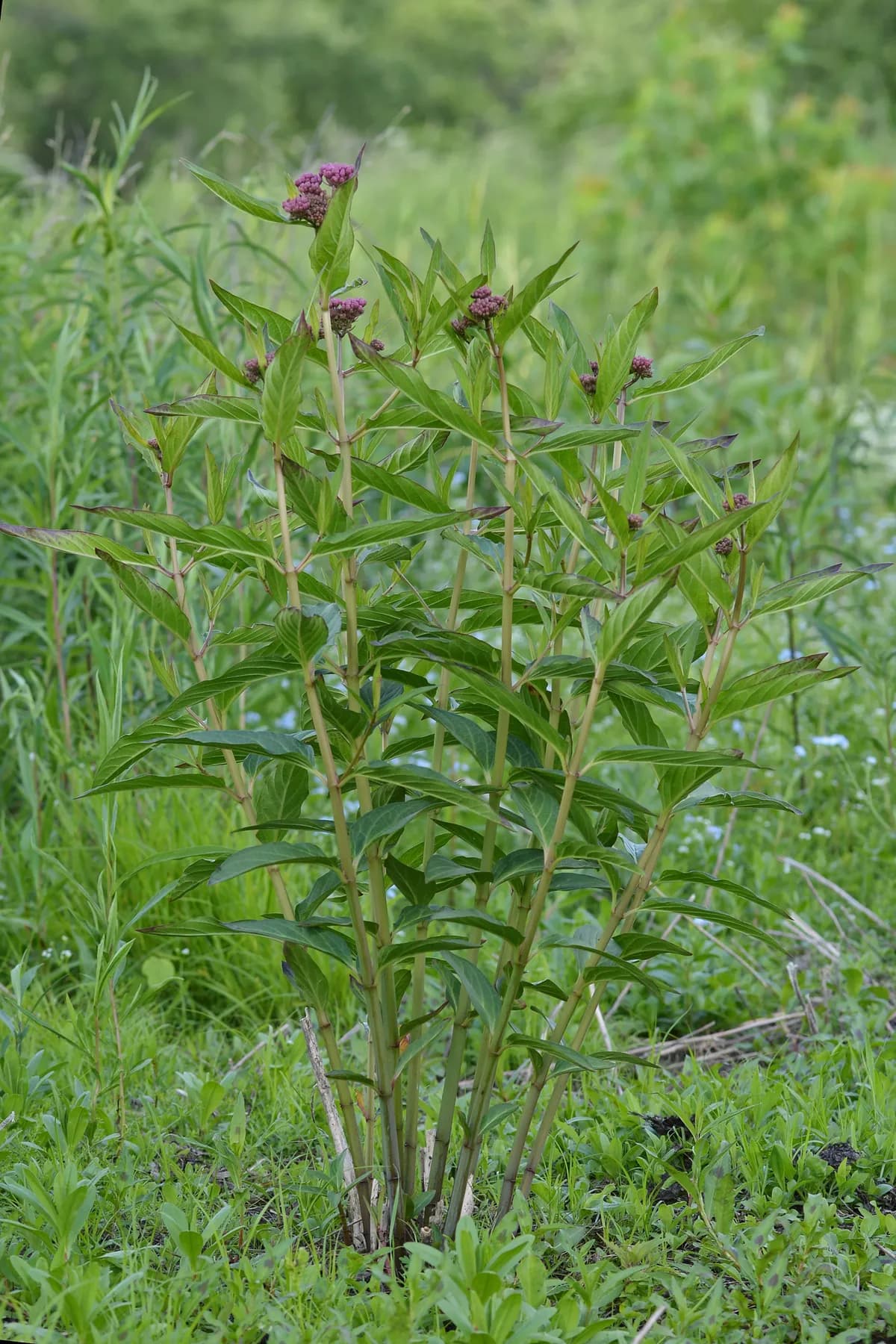
Swamp Milkweed
Asclepias incarnata
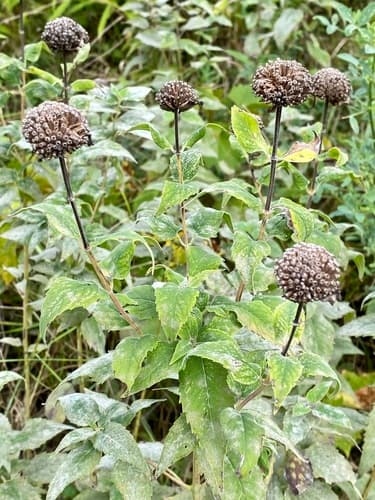
Wild Bergamot
Monarda fistulosa
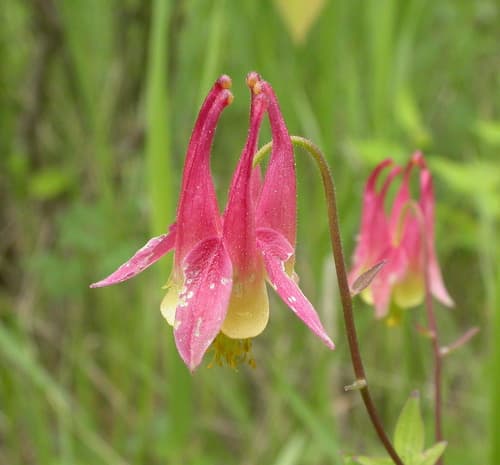
Wild Red Columbine
Aquilegia canadensis
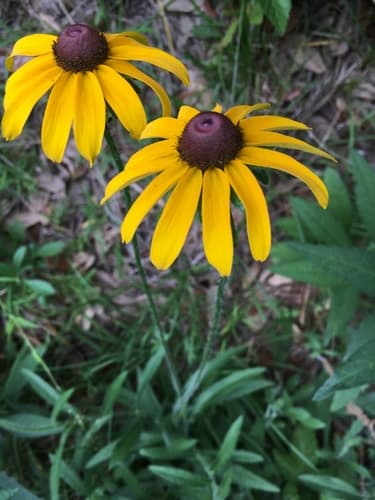
Black-eyed Susan
Rudbeckia hirta
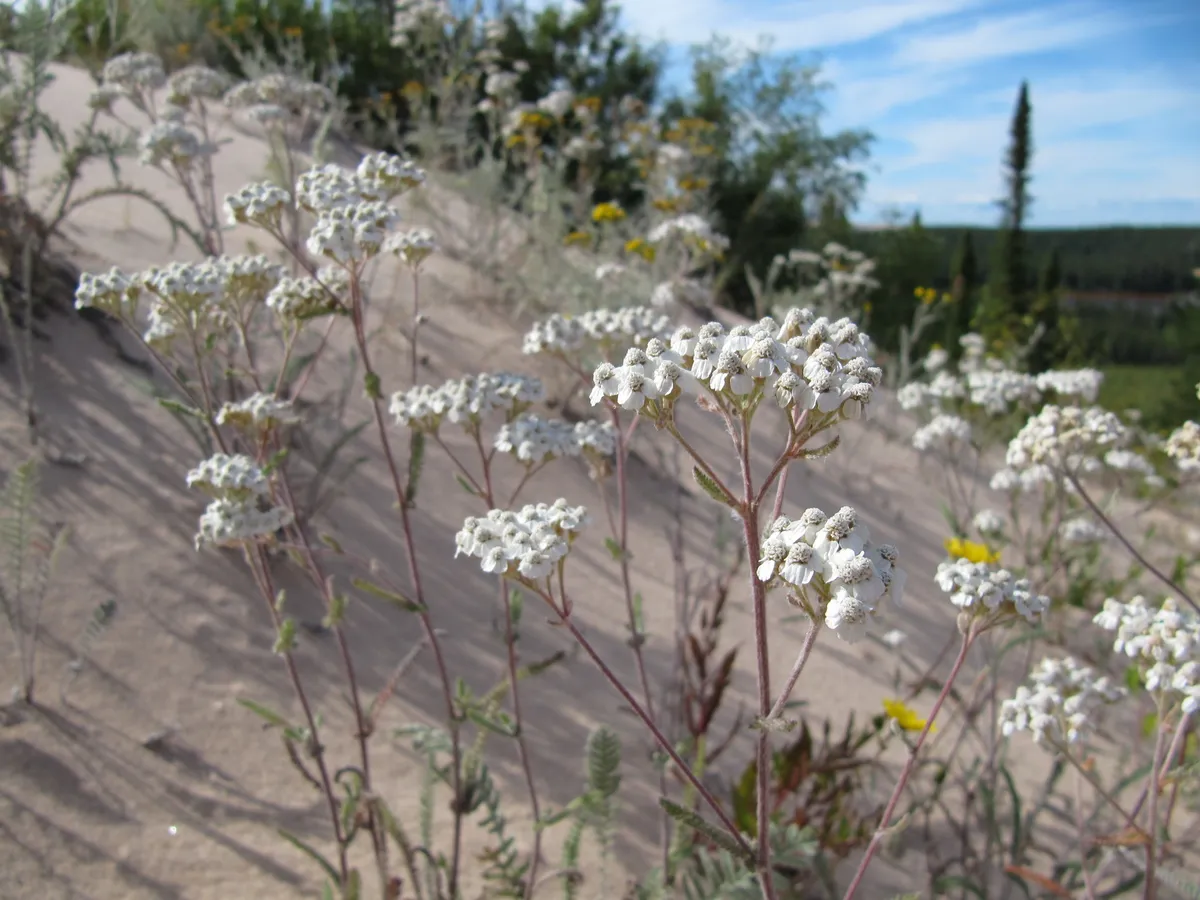
Common Yarrow
Achillea millefolium
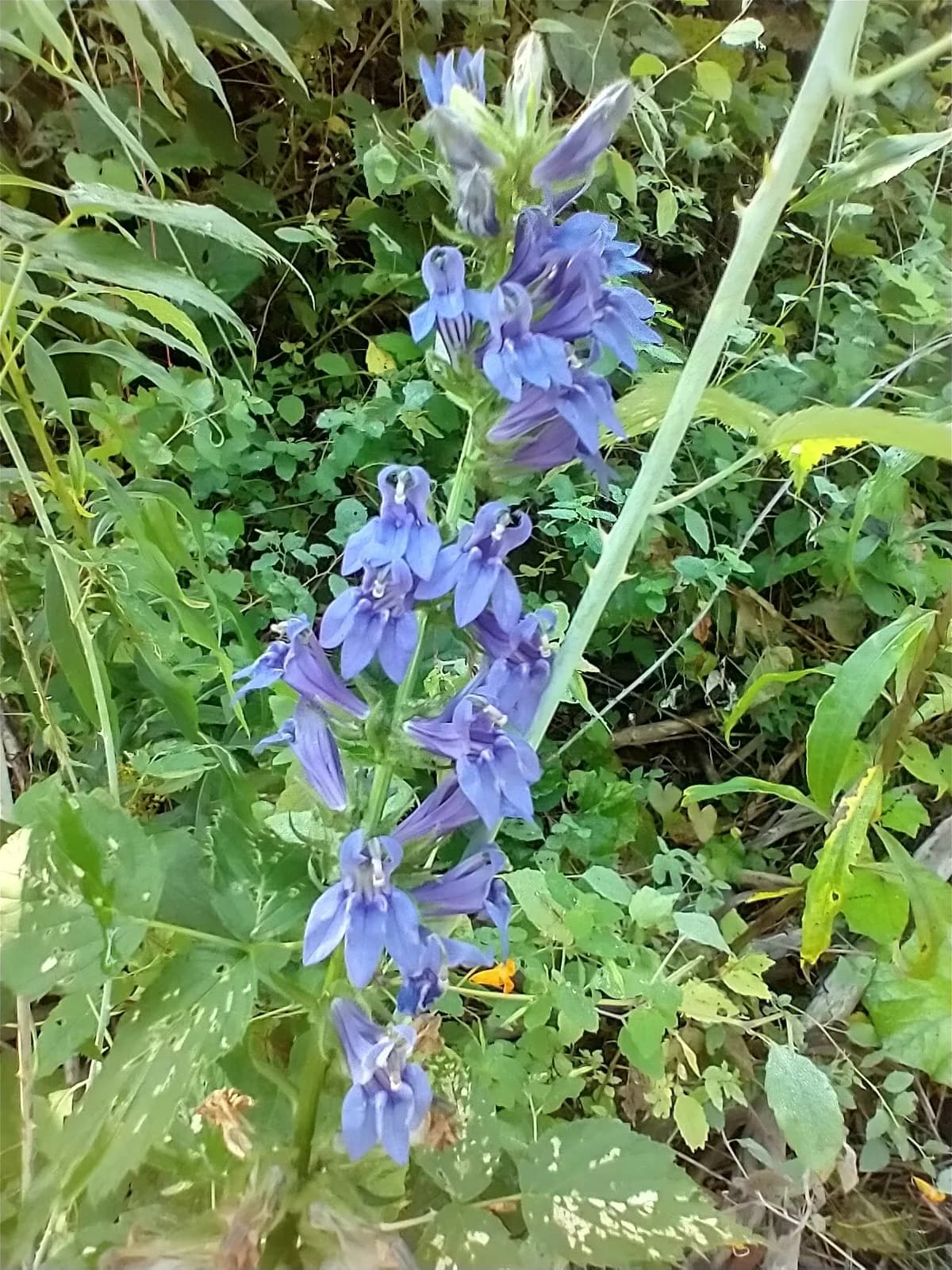
Blue Lobelia
Lobelia siphilitica
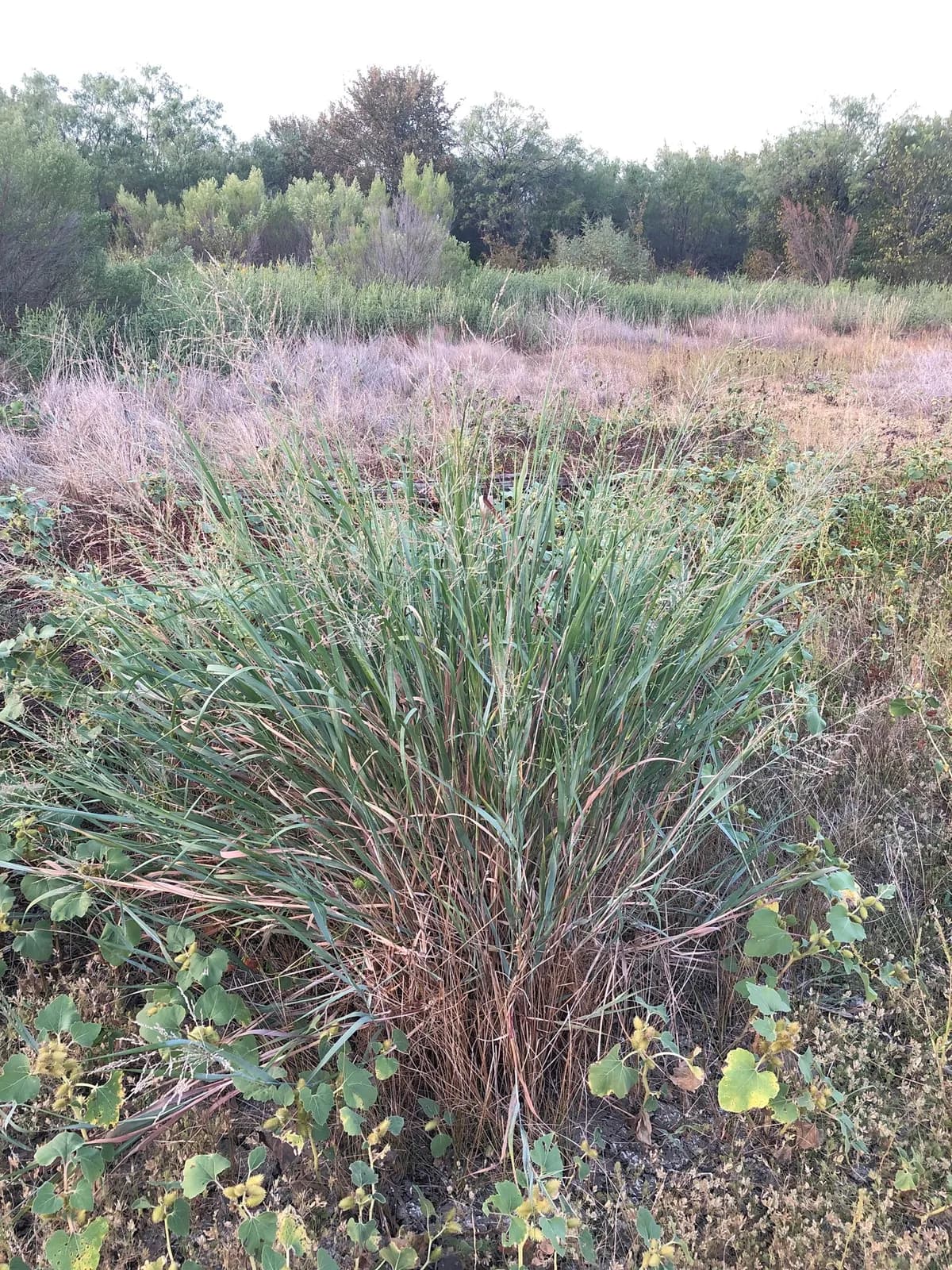
Switchgrass
Panicum virgatum
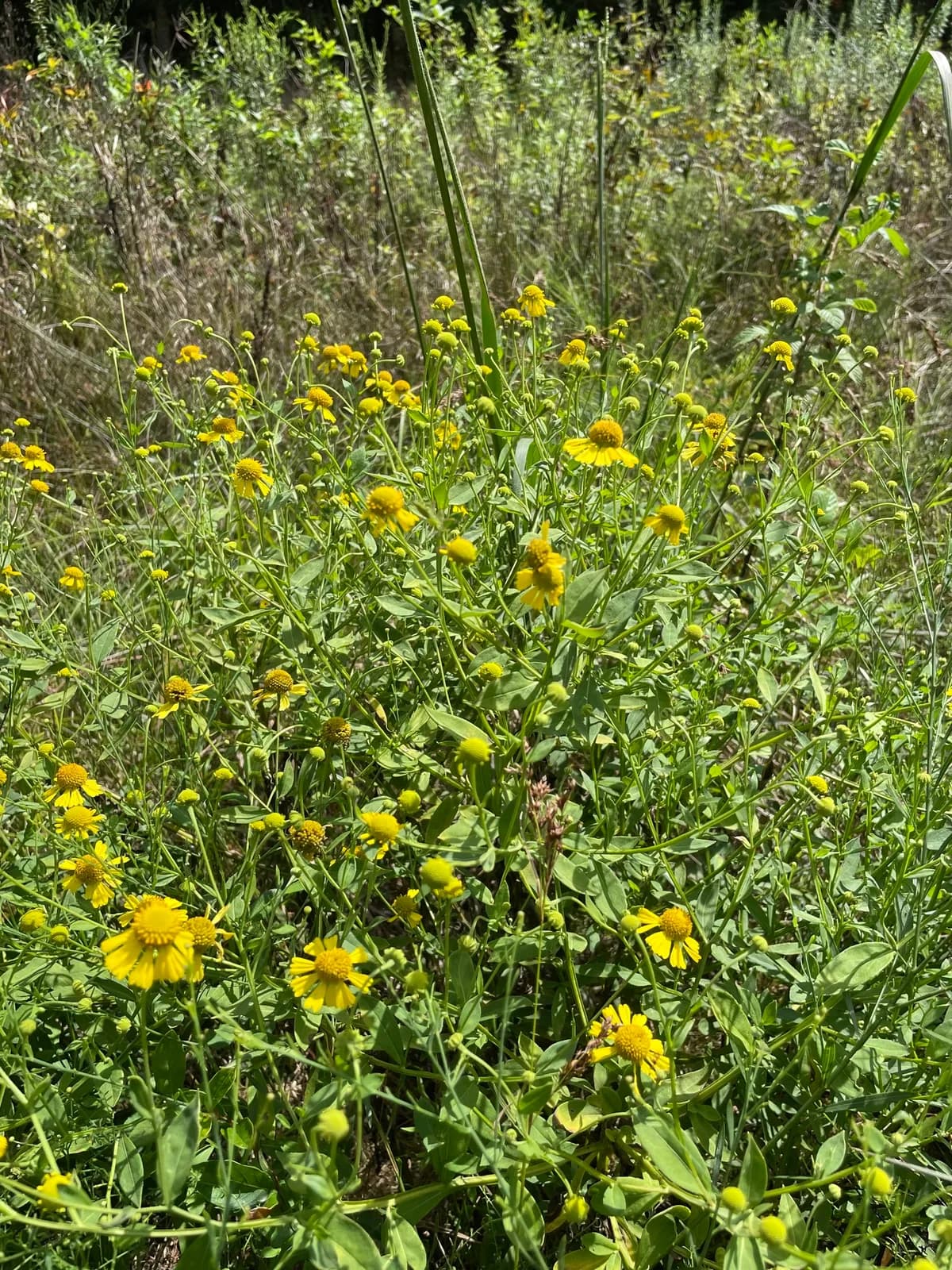
Common Sneezeweed
Helenium autumnale
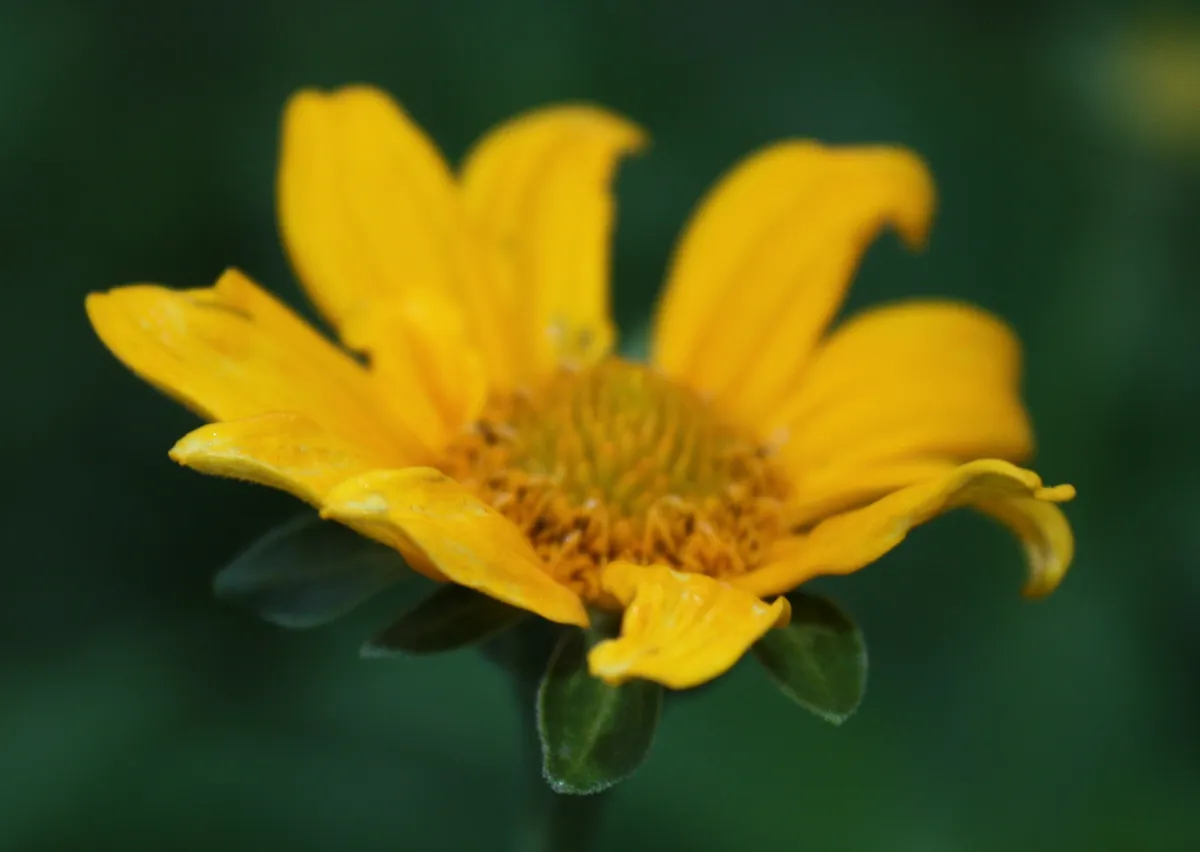
False Sunflower
Heliopsis helianthoides
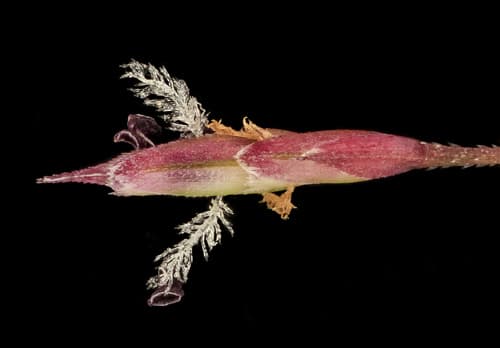
Purple Lovegrass
Eragrostis spectabilis
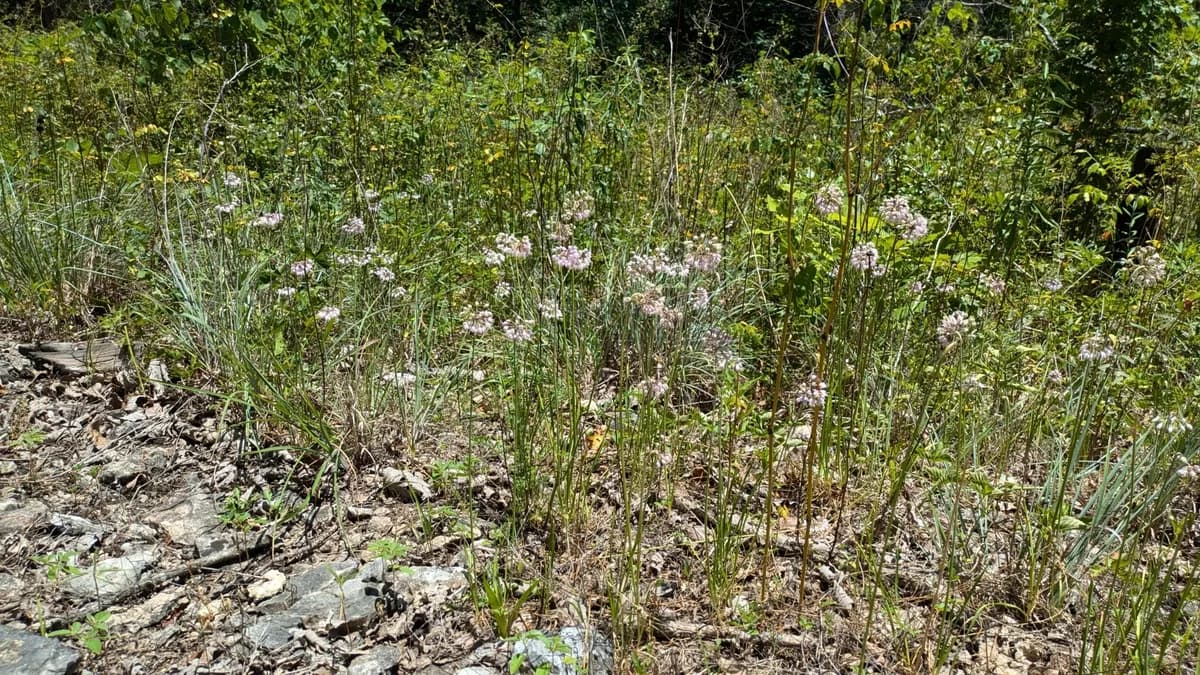
Nodding Onion
Allium cernuum
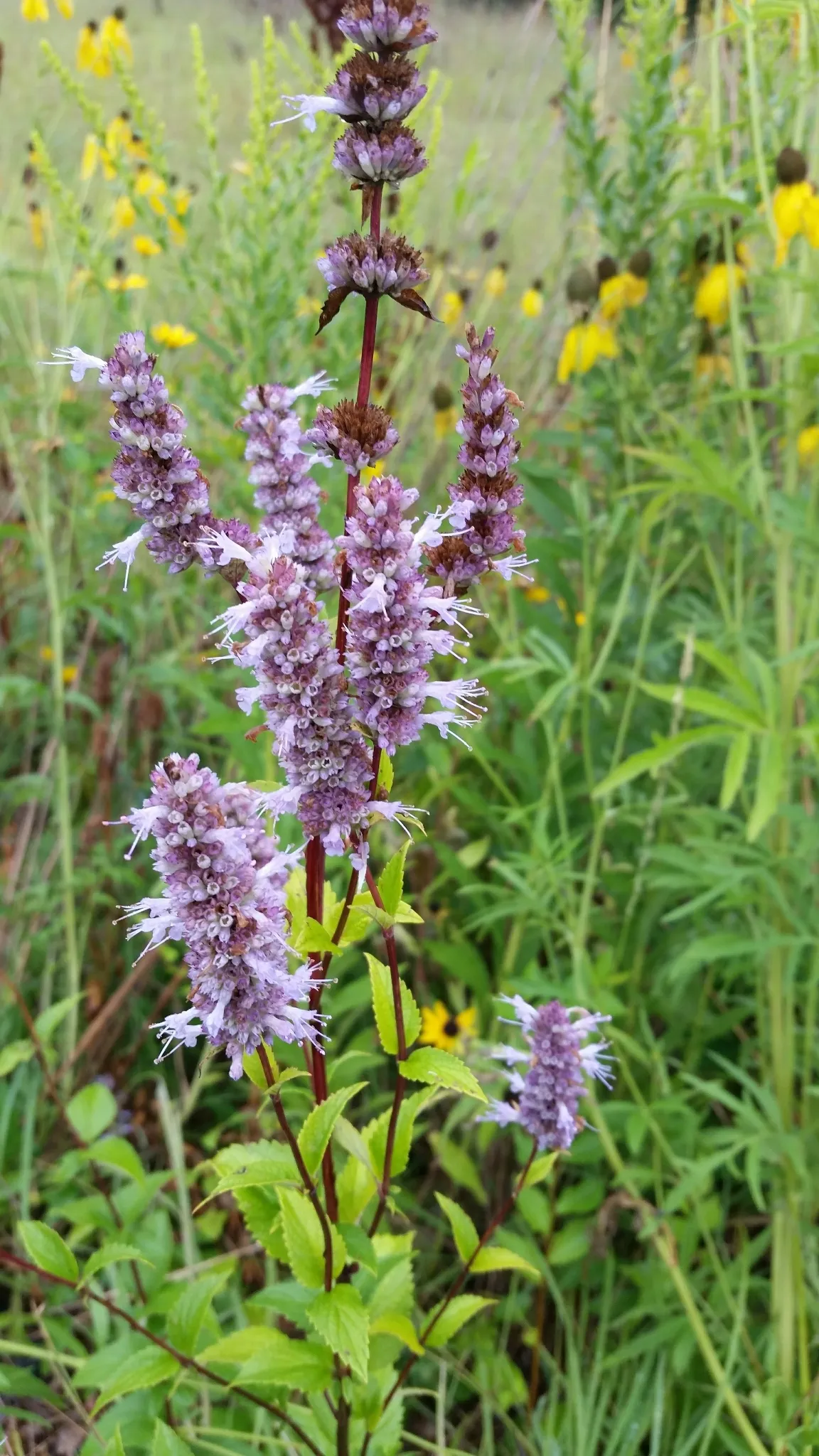
Blue Giant-hyssop
Agastache foeniculum

Sideoats Grama
Bouteloua curtipendula
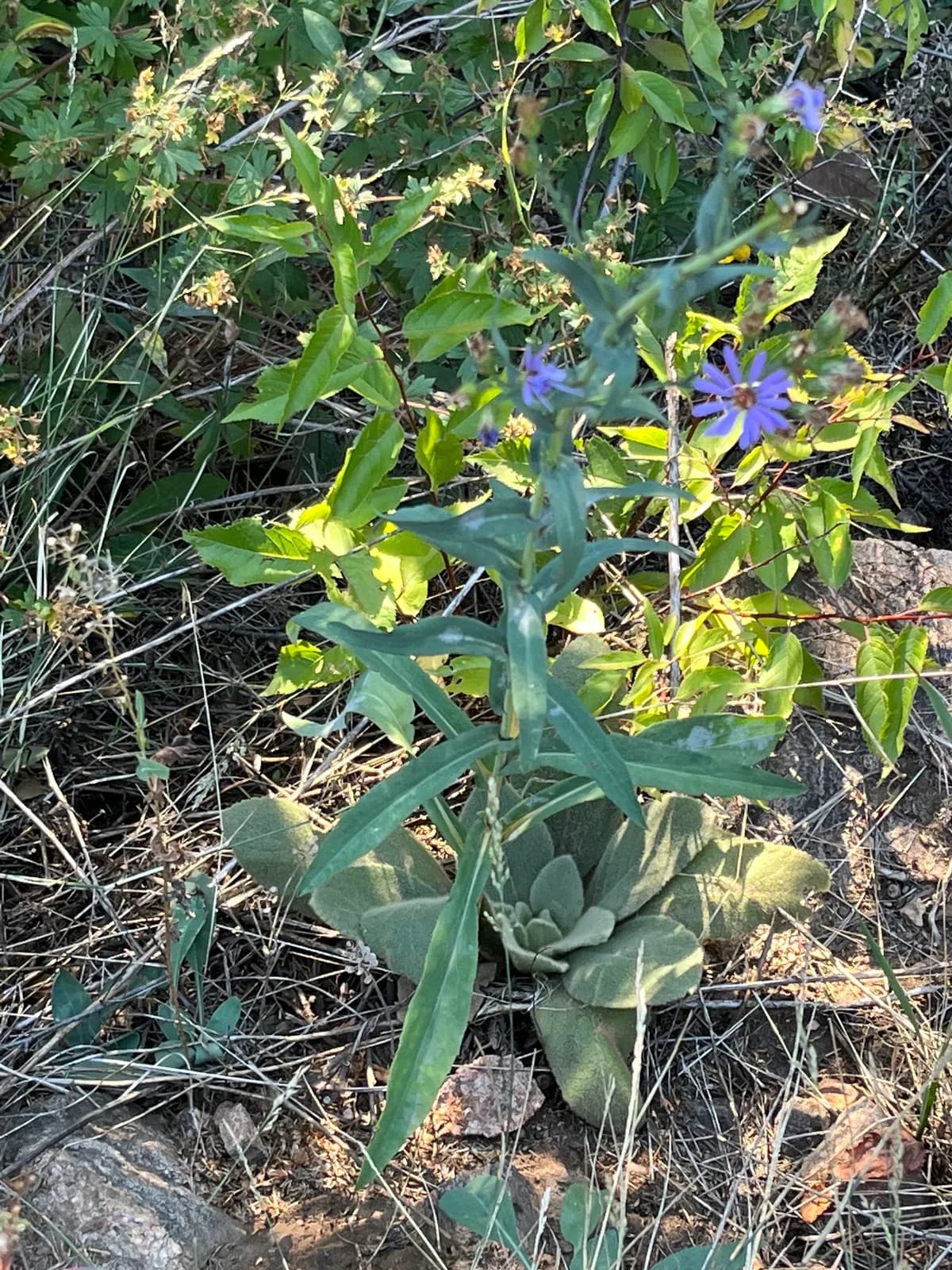
Smooth Aster
Symphyotrichum laeve
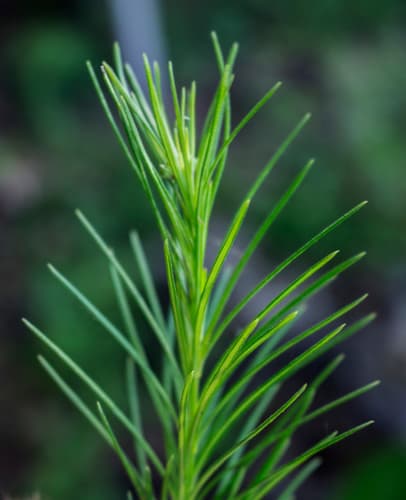
Whorled Milkweed
Asclepias verticillata
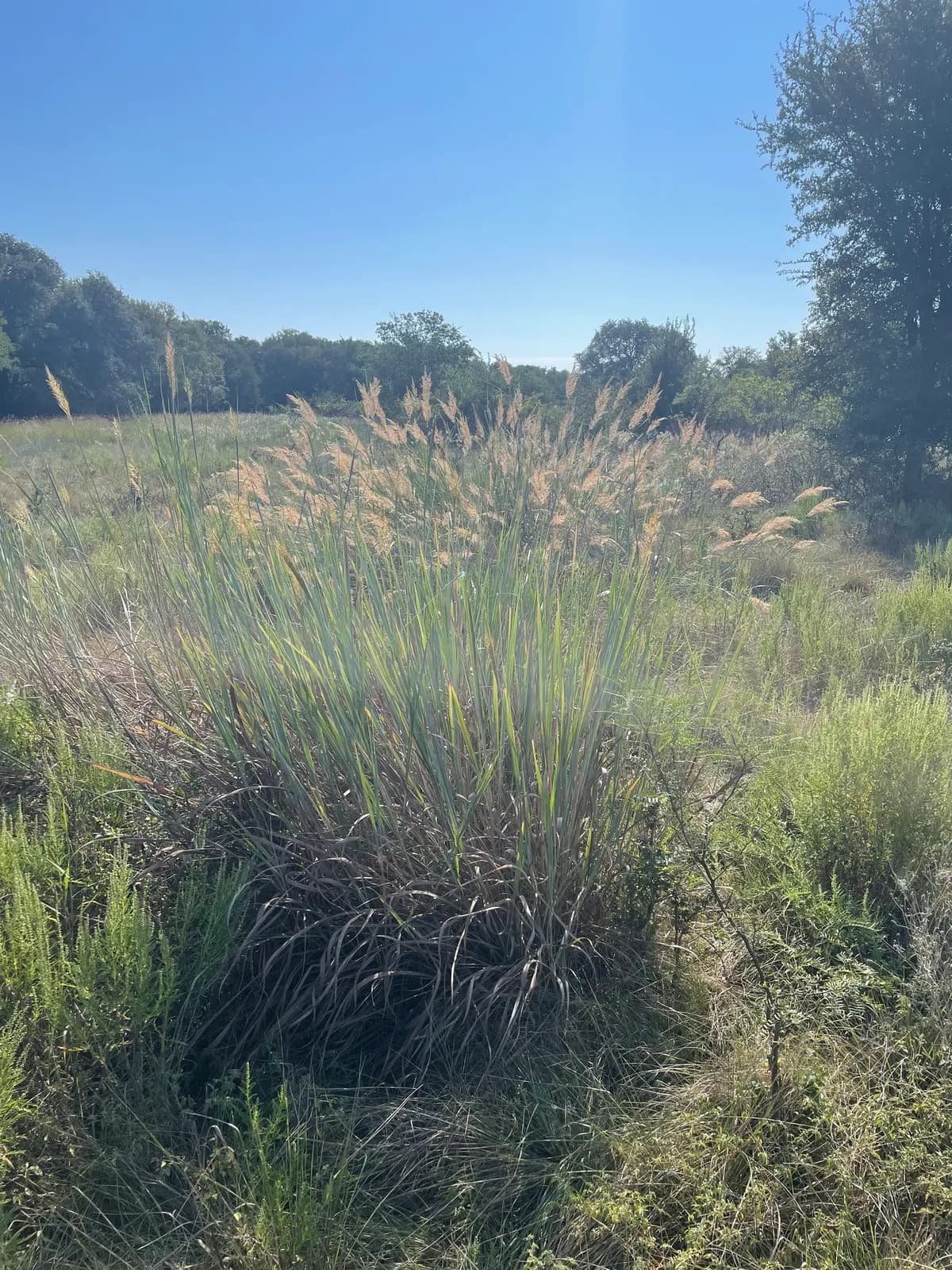
Indiangrass
Sorghastrum nutans
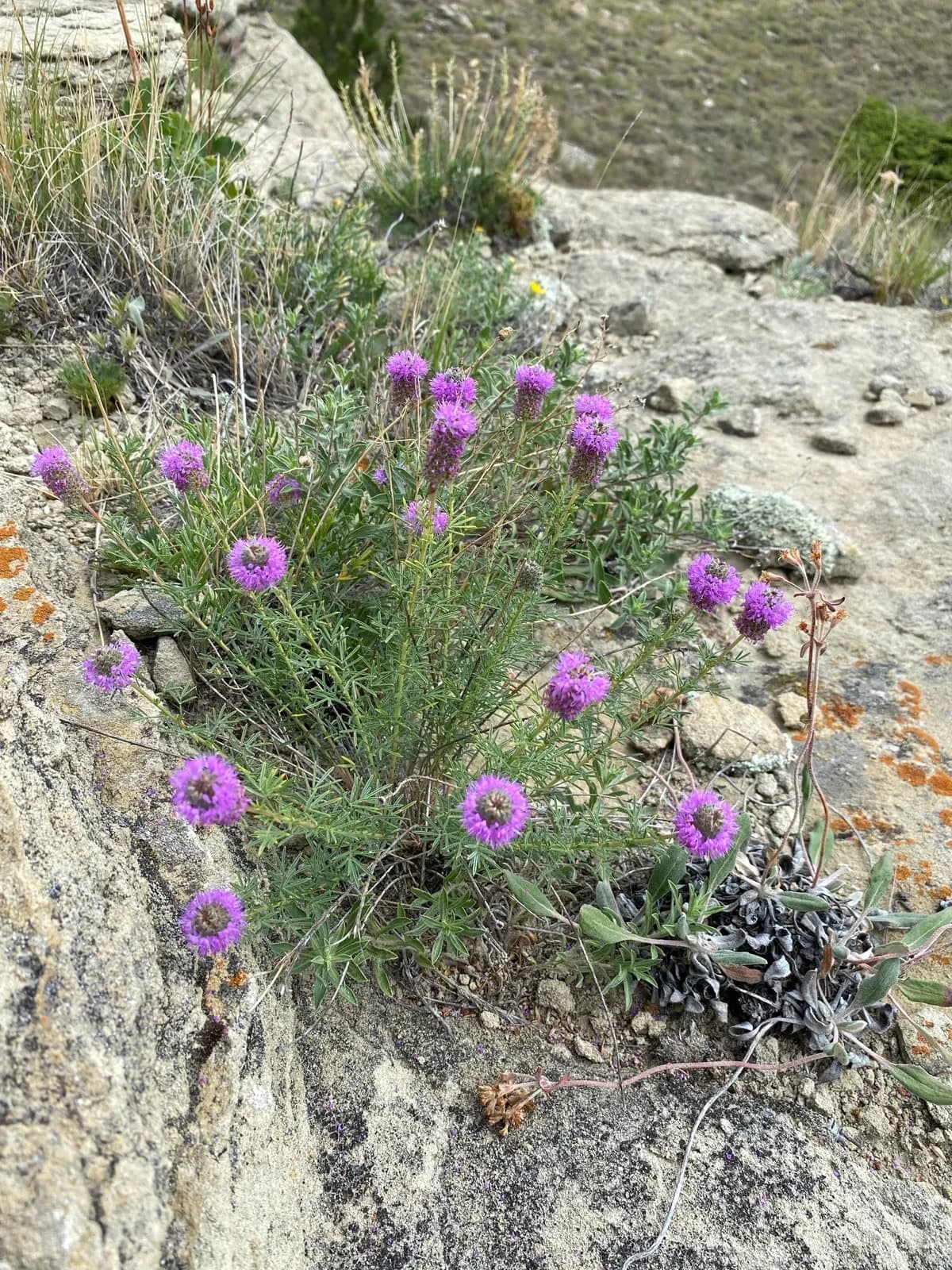
Purple Prairie Clover
Dalea purpurea
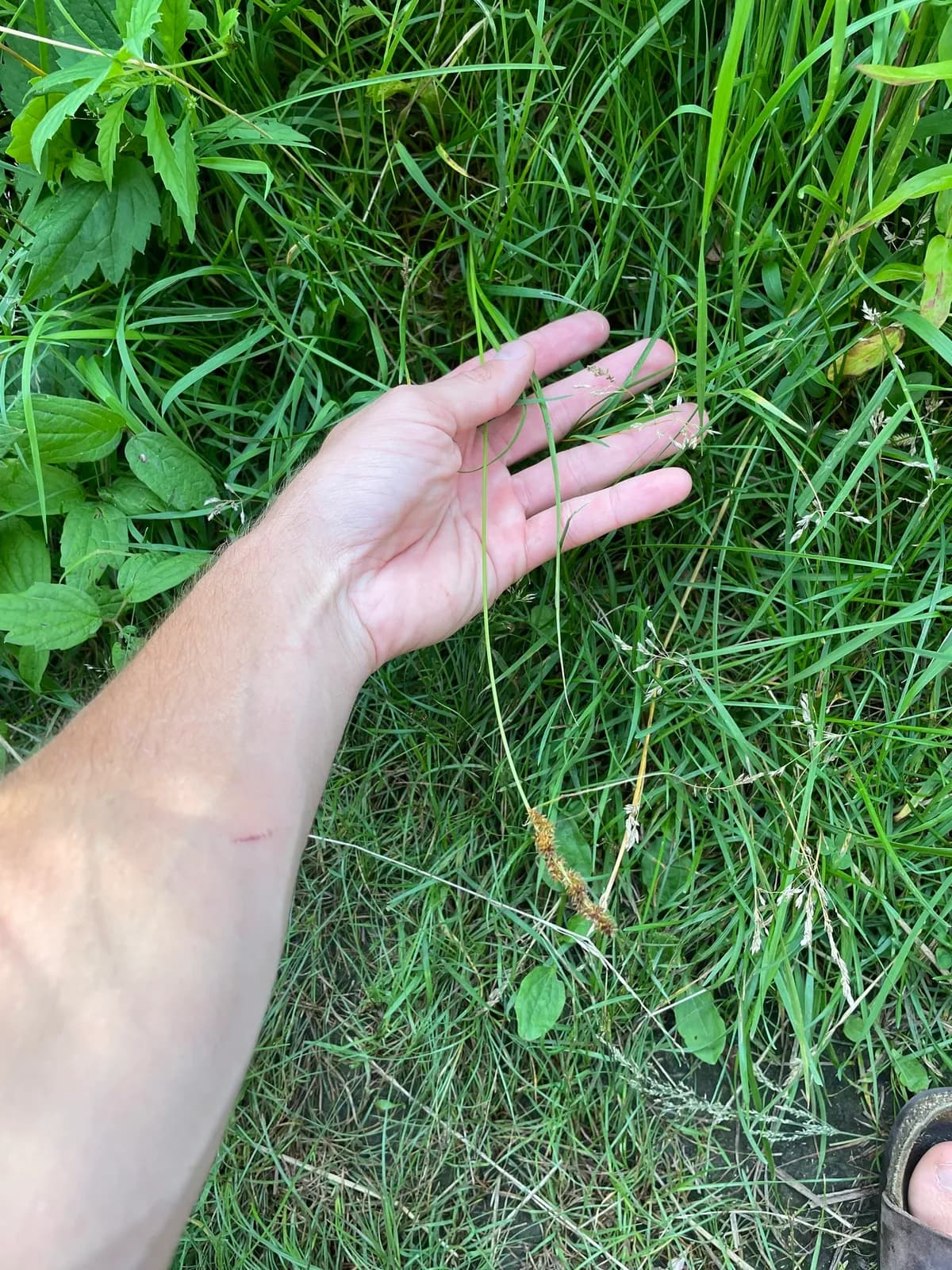
American Fox Sedge
Carex vulpinoidea
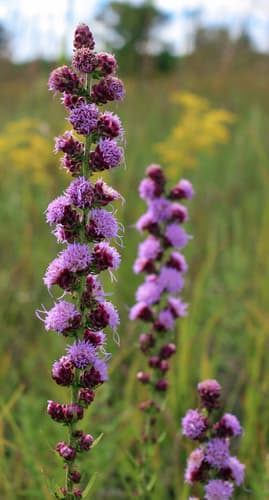
Tall Blazing Star
Liatris aspera
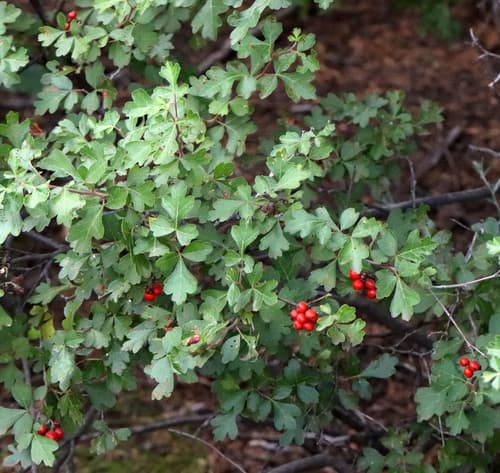
Aromatic Sumac
Rhus aromatica
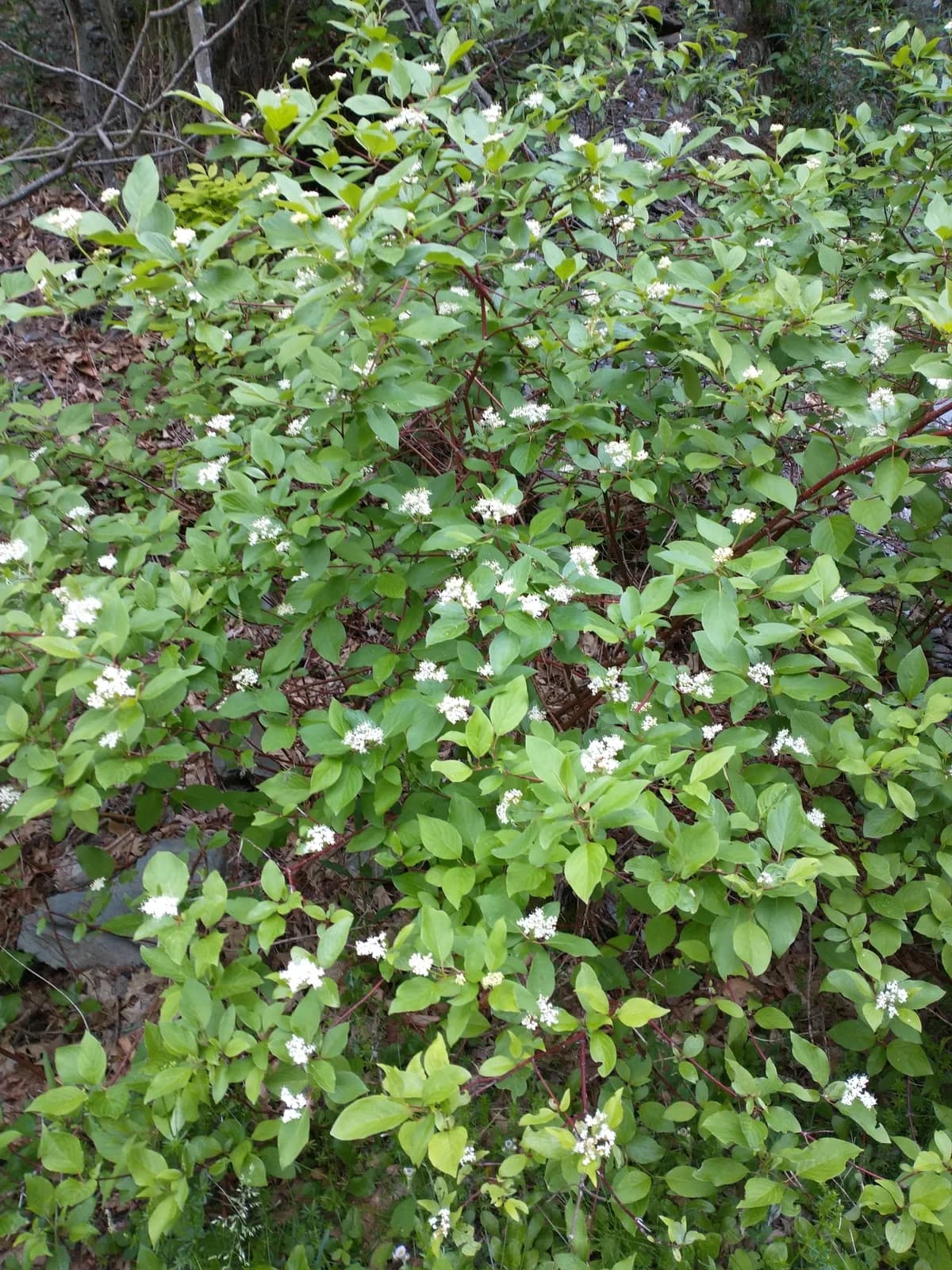
Red-osier Dogwood
Cornus sericea
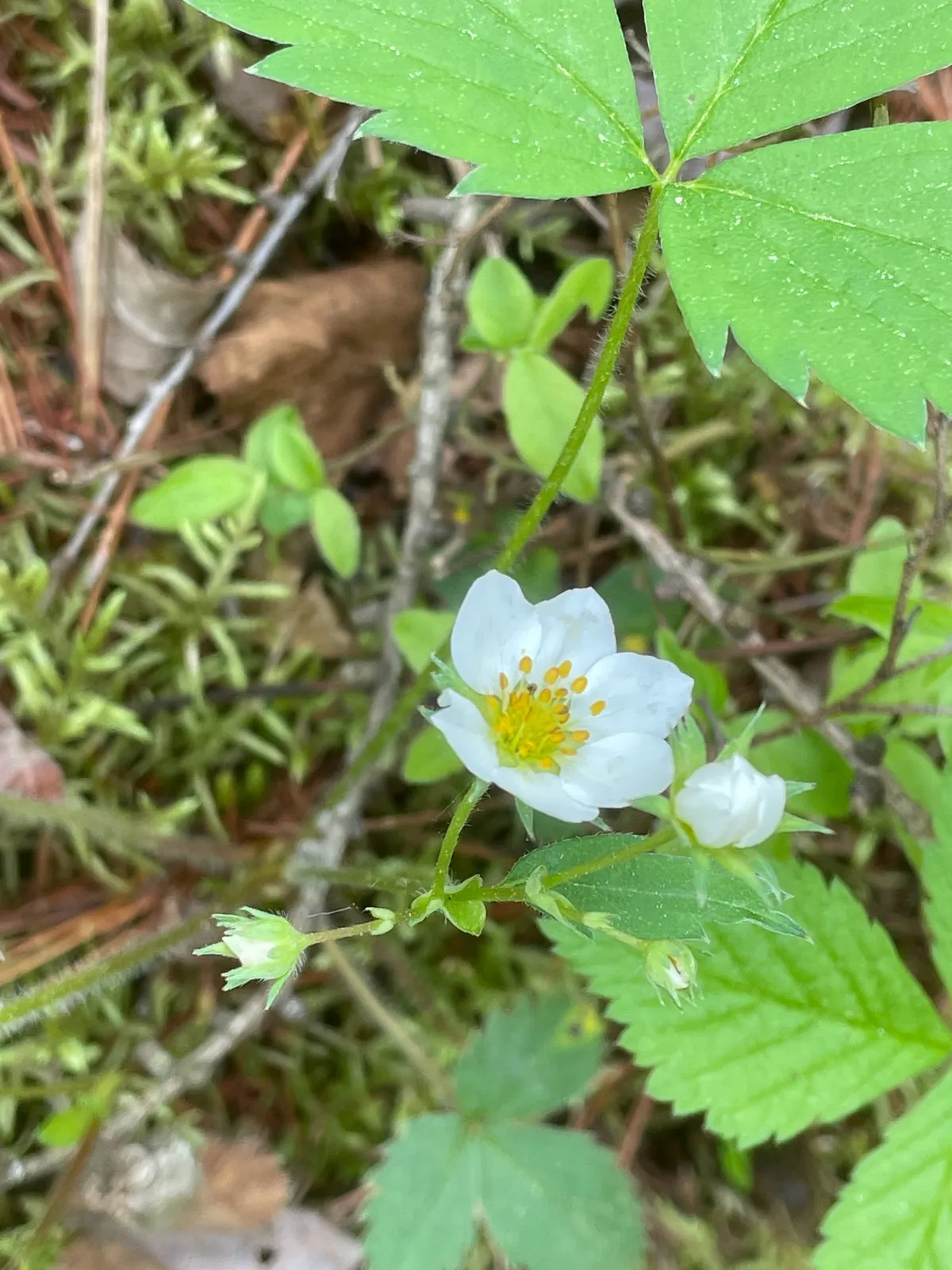
Scarlet Strawberry
Fragaria virginiana
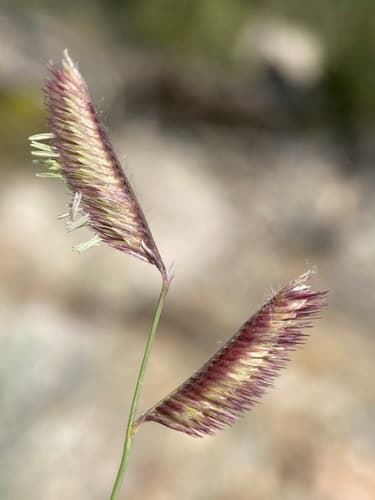
Blue Grama
Bouteloua gracilis
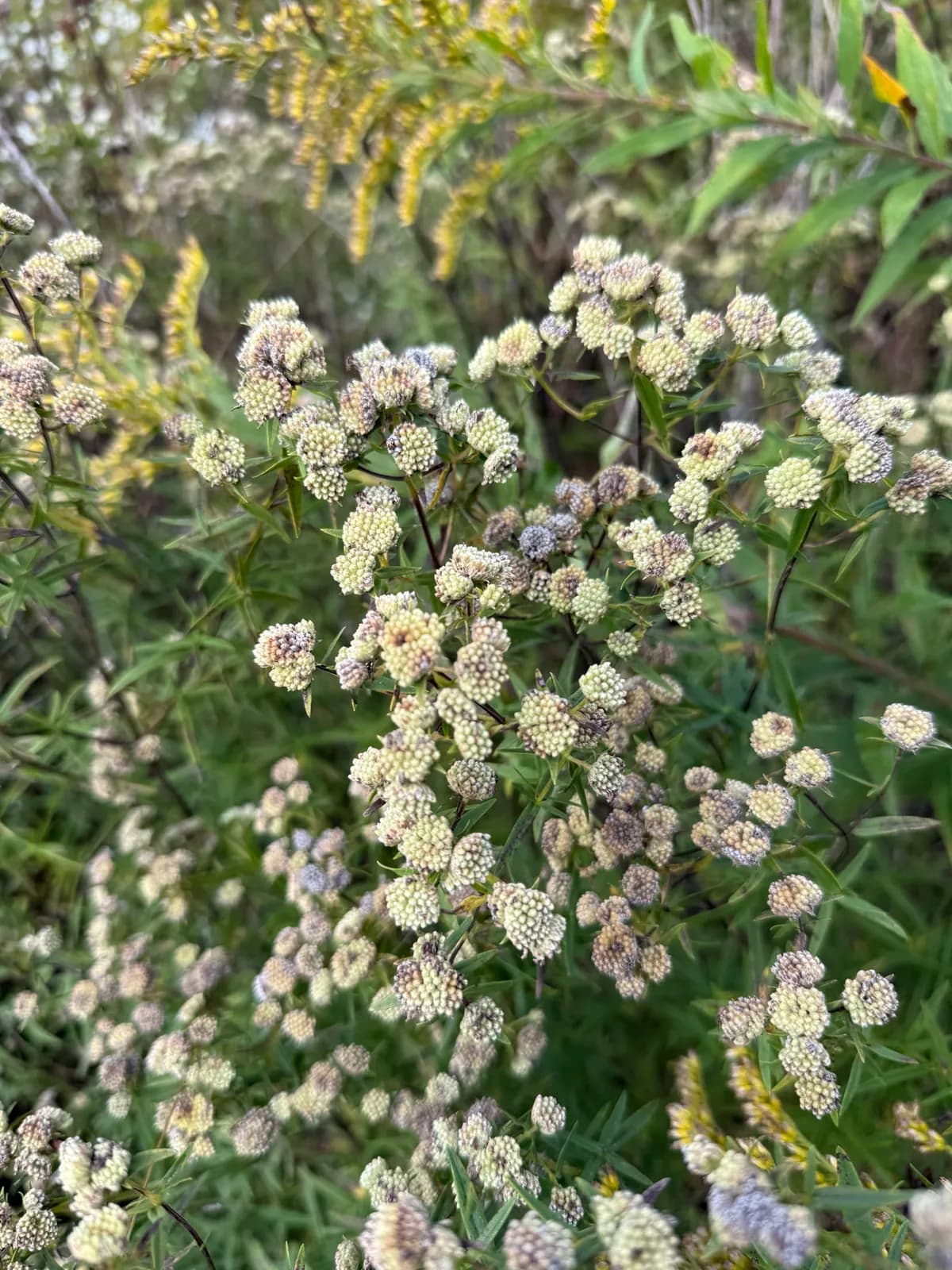
Virginia Mountain-Mint
Pycnanthemum virginianum
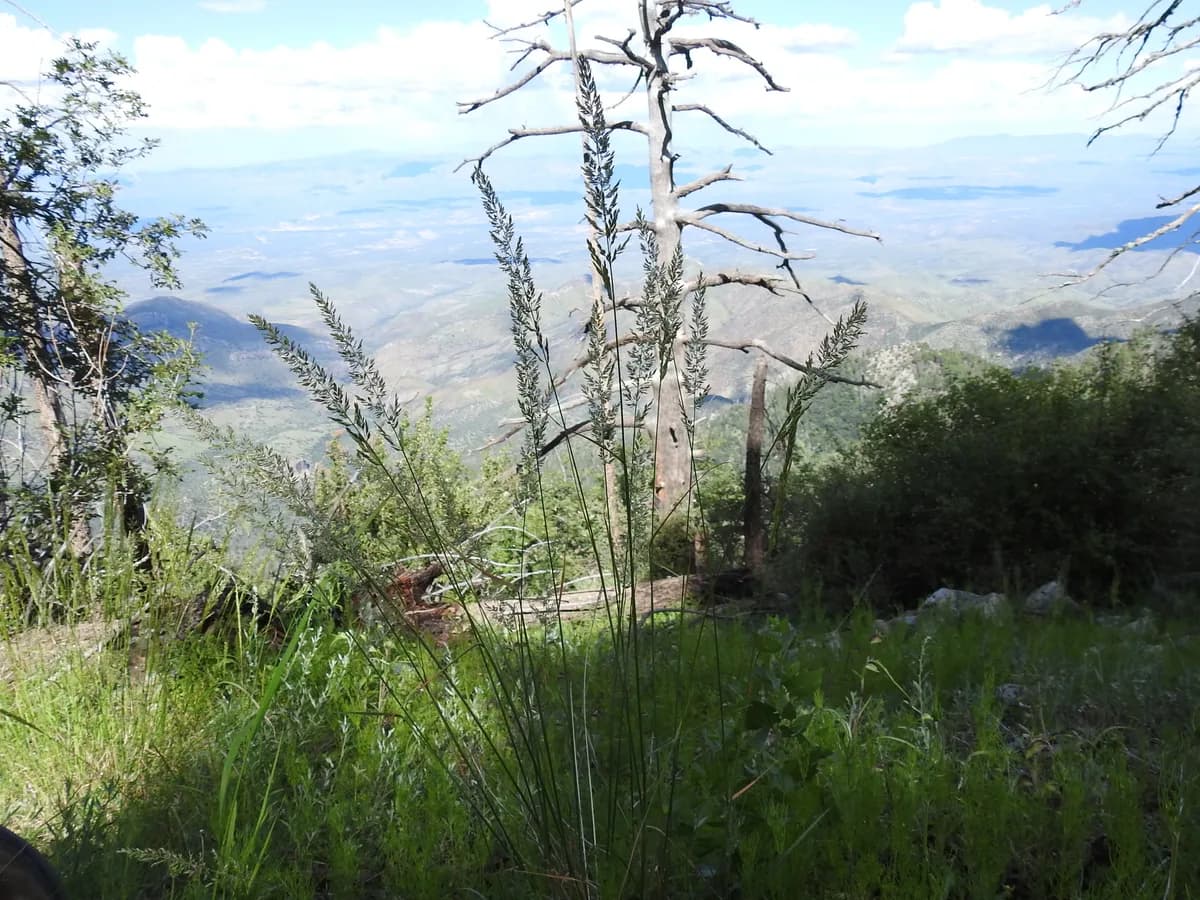
Prairie Junegrass
Koeleria macrantha
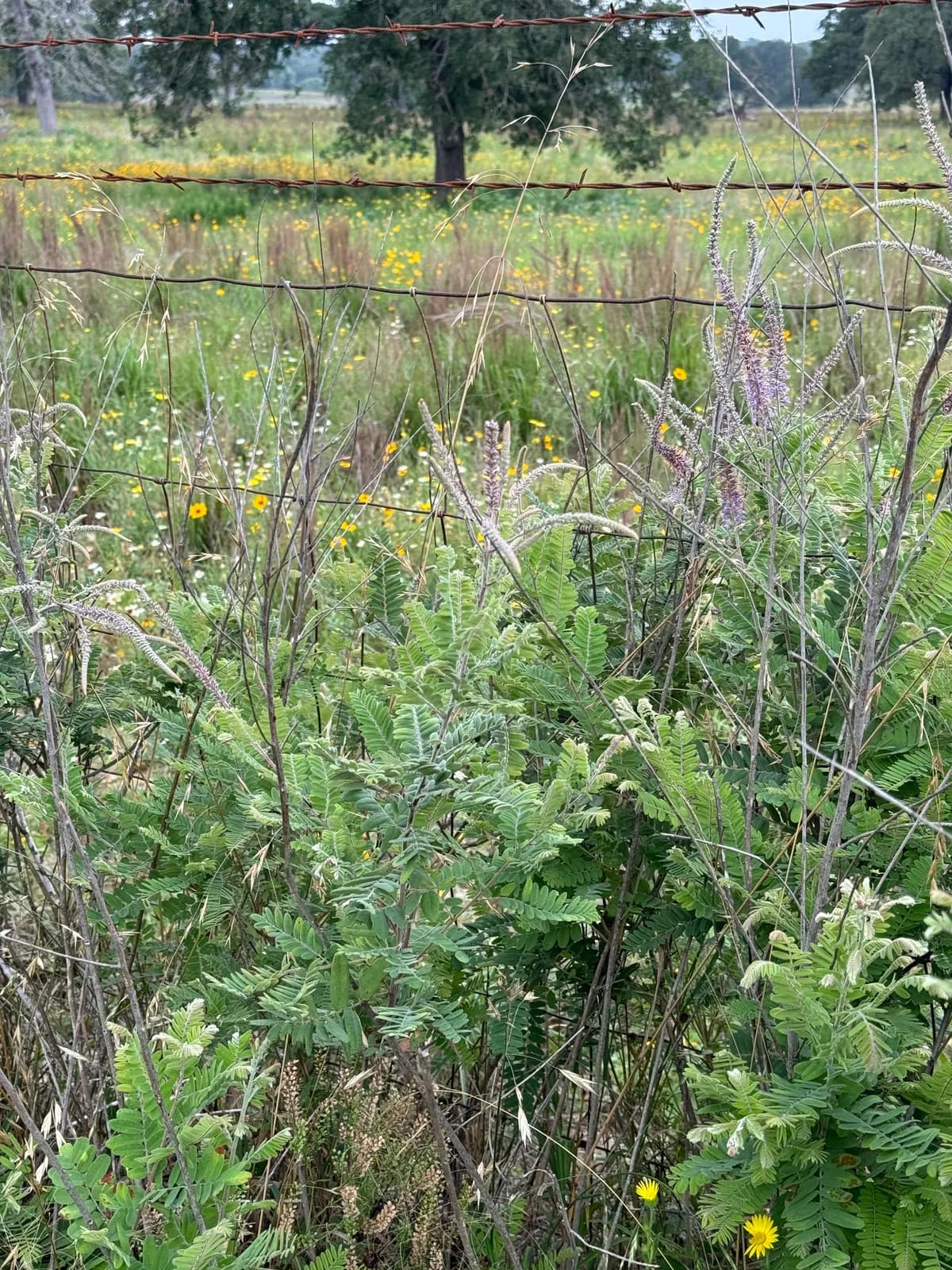
Leadplant
Amorpha canescens
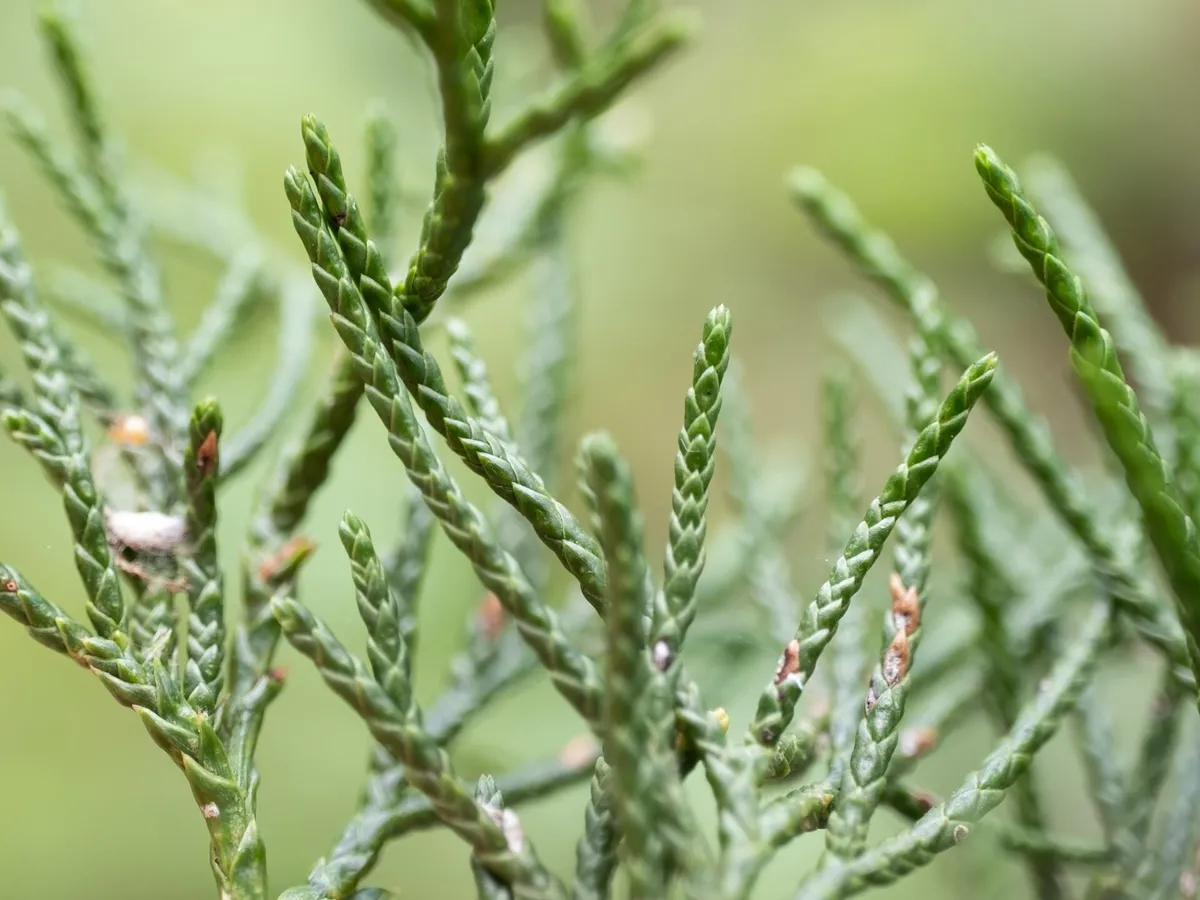
Eastern Red Cedar
Juniperus virginiana
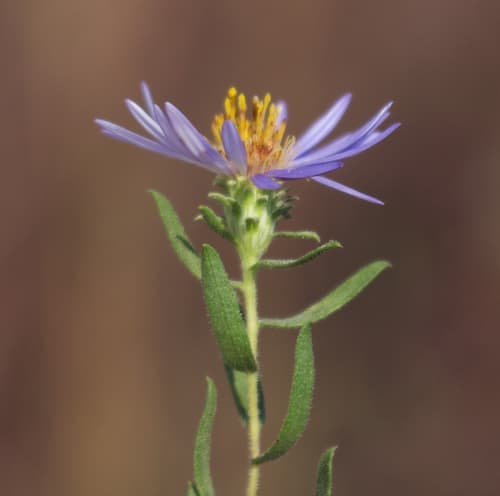
Fall Aster
Symphyotrichum oblongifolium

Mexican Hat
Ratibida columnifera
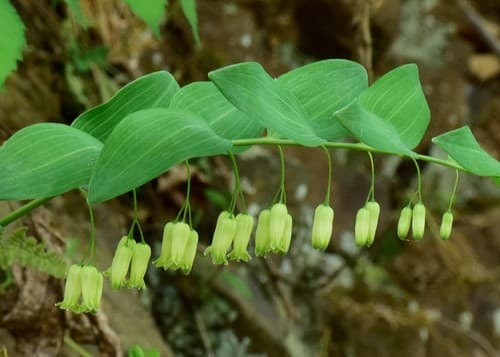
American Solomon's-seal
Polygonatum biflorum
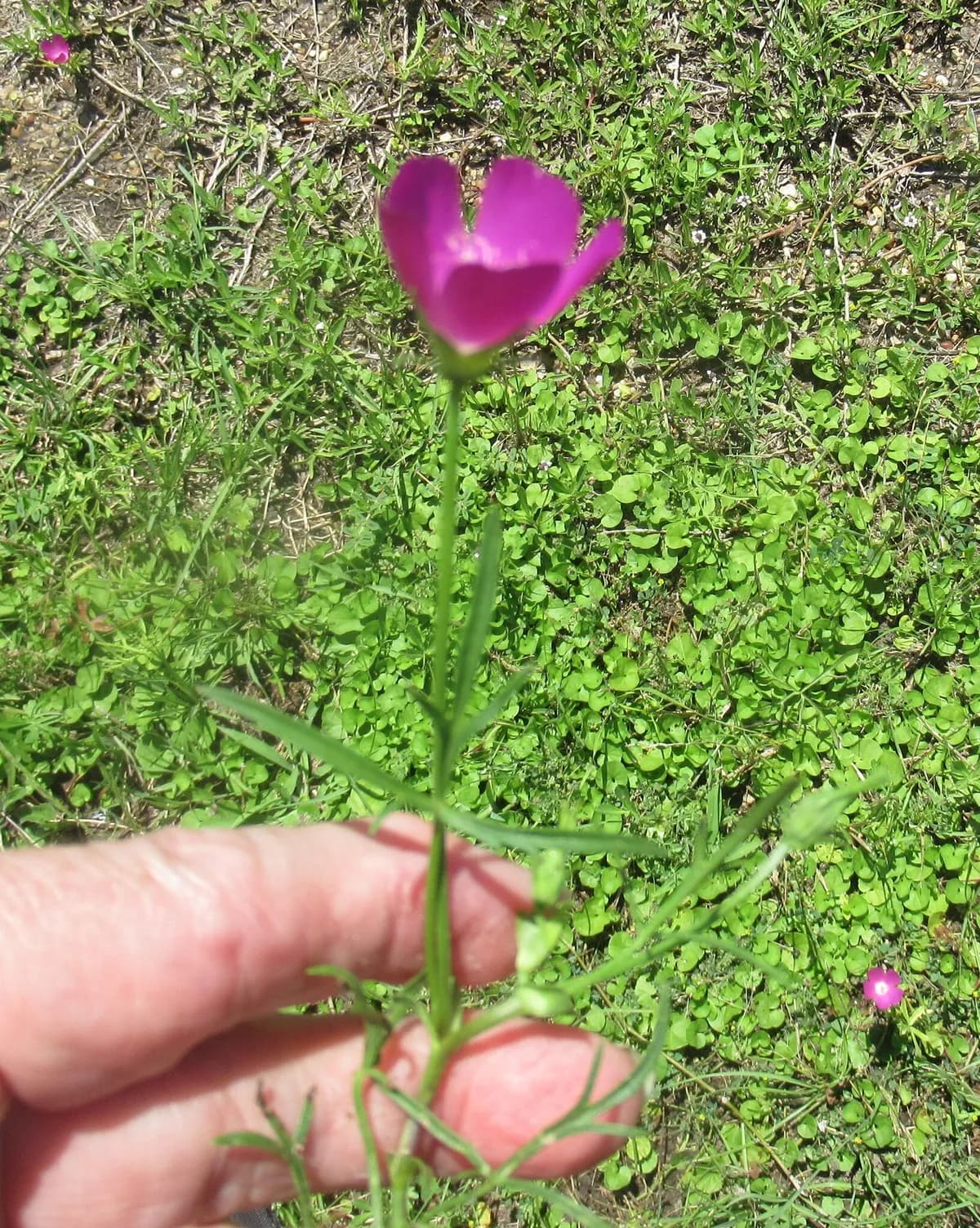
Winecup
Callirhoe involucrata
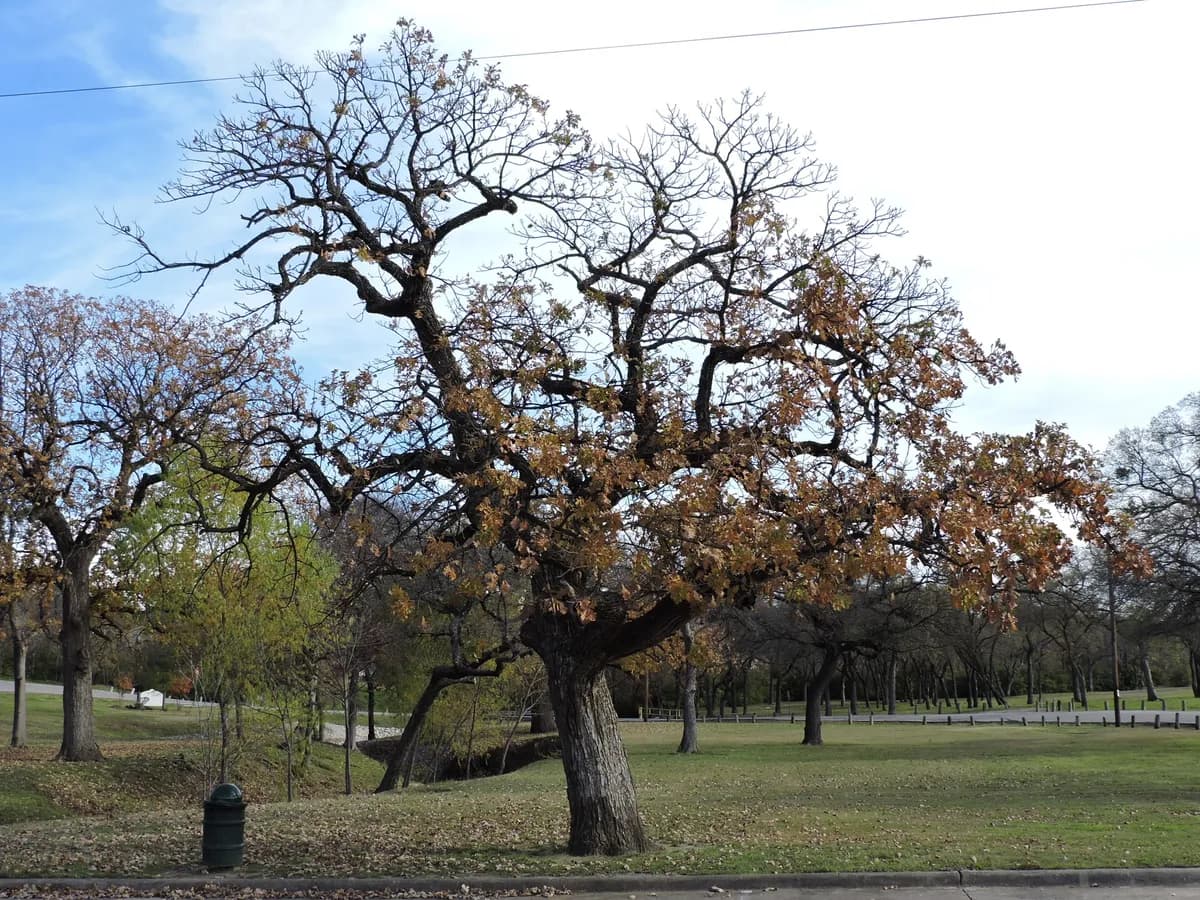
Bur Oak
Quercus macrocarpa
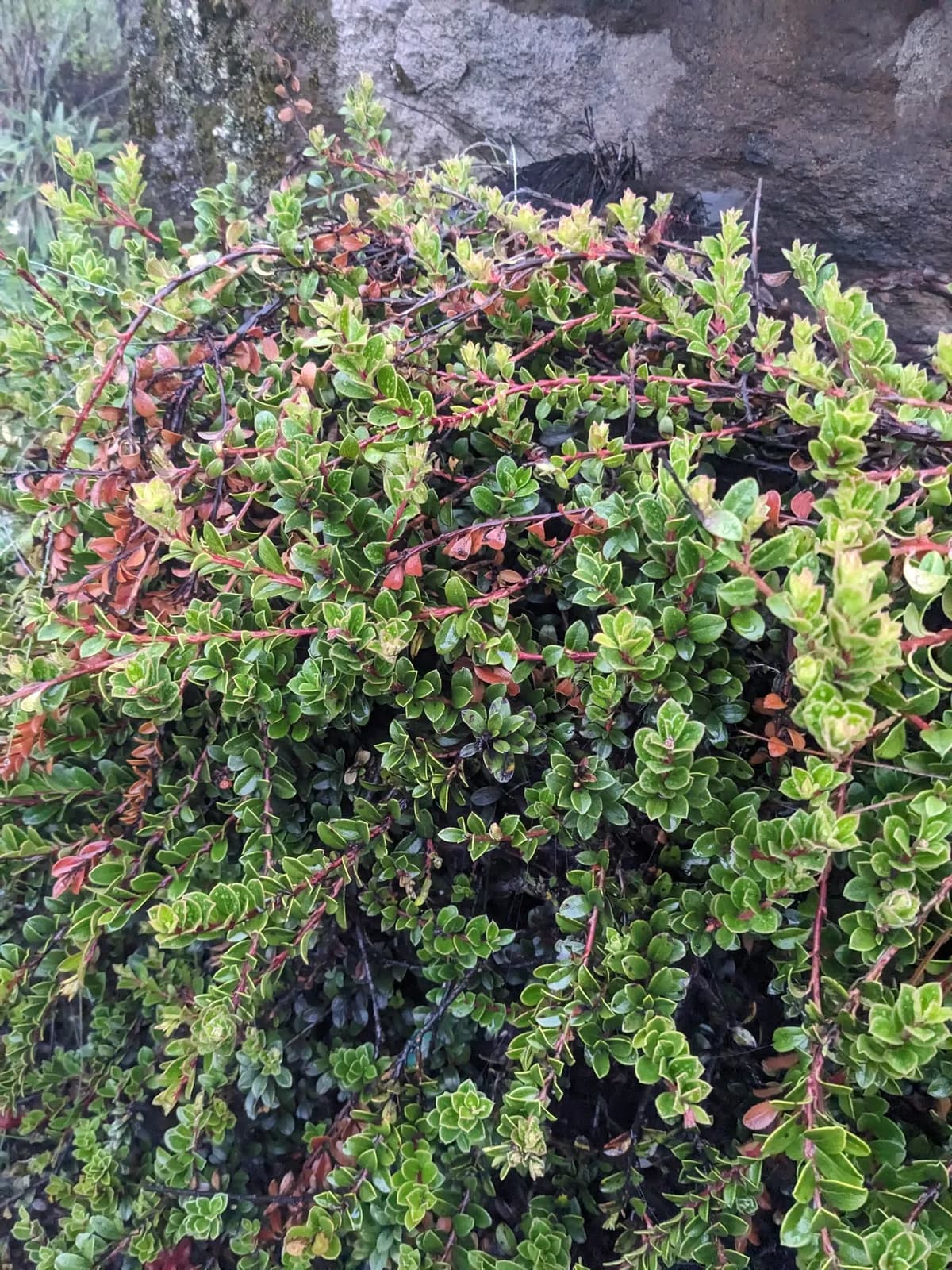
Bear-grape
Arctostaphylos uva-ursi
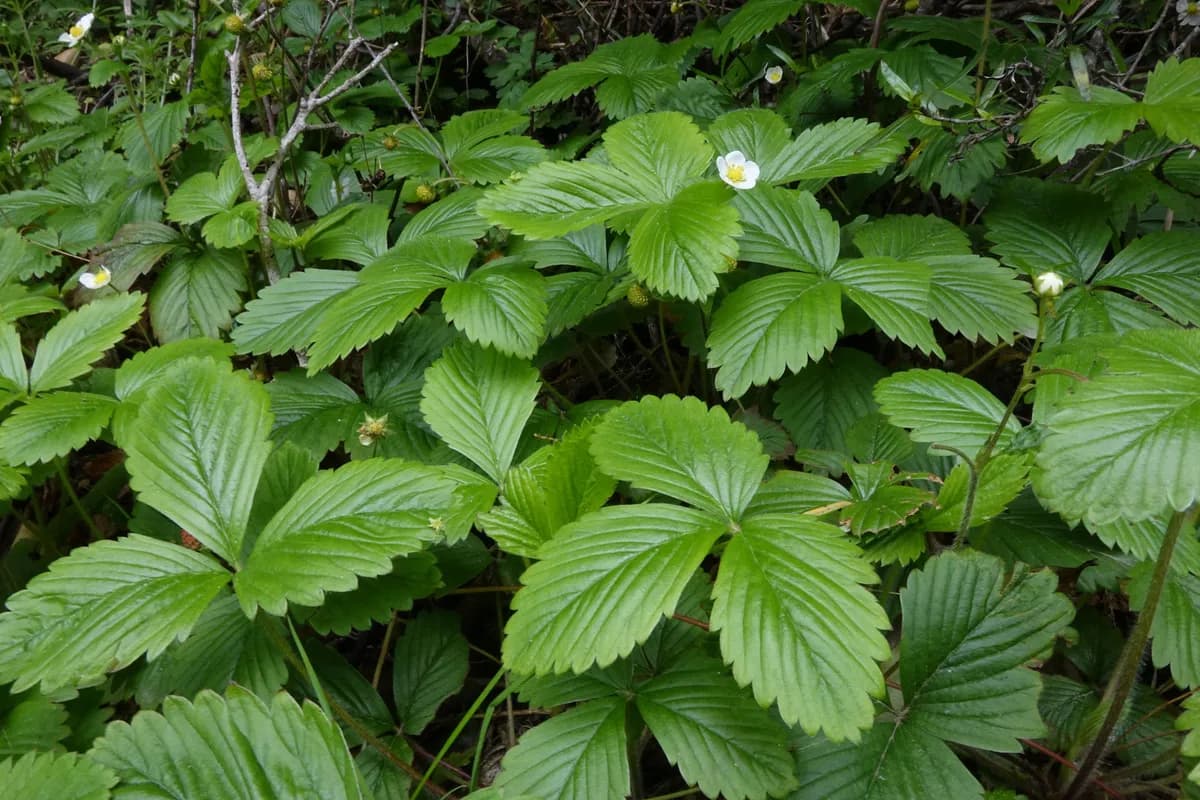
Wild Woodland Strawberries
Fragaria vesca
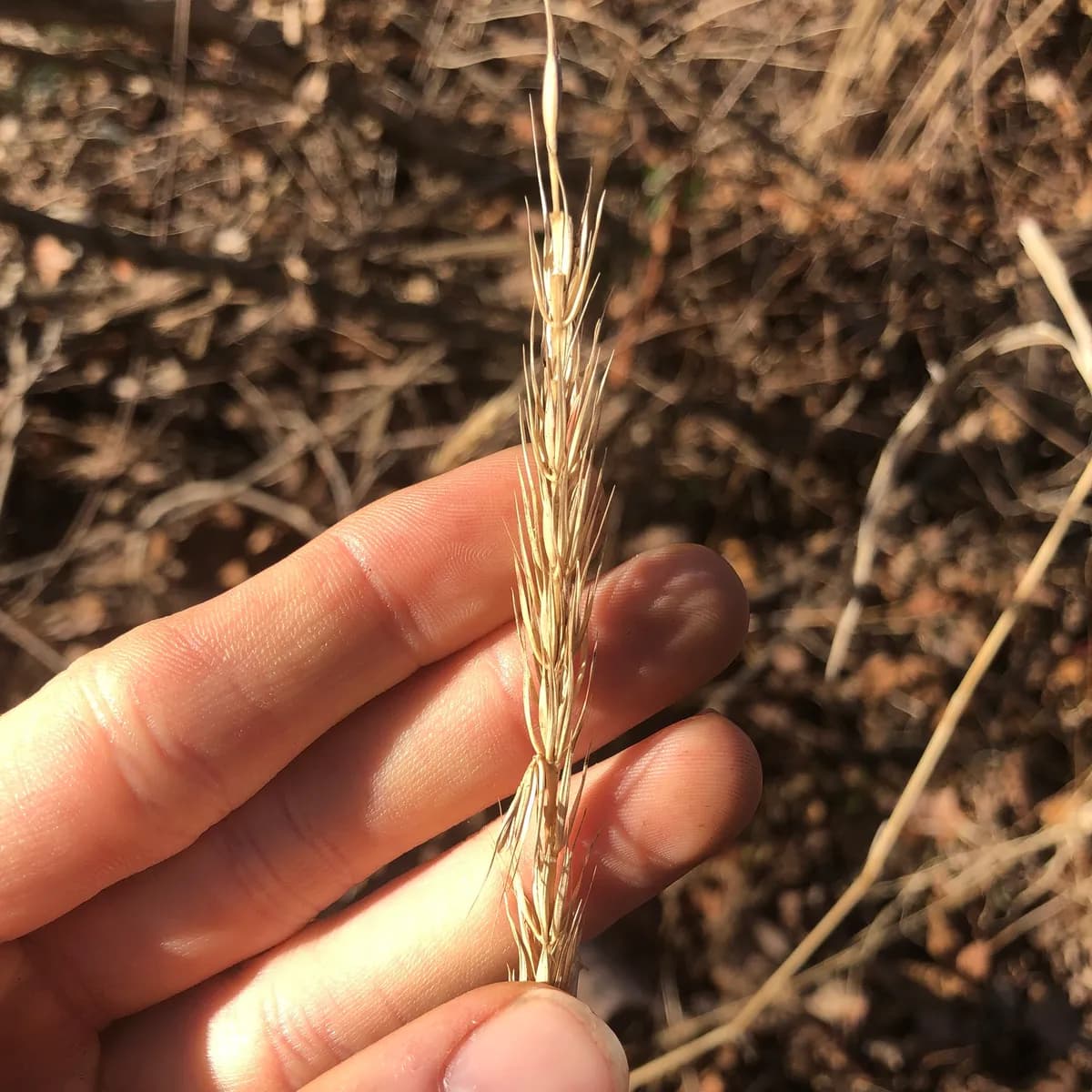
Virginia Wildrye
Elymus virginicus
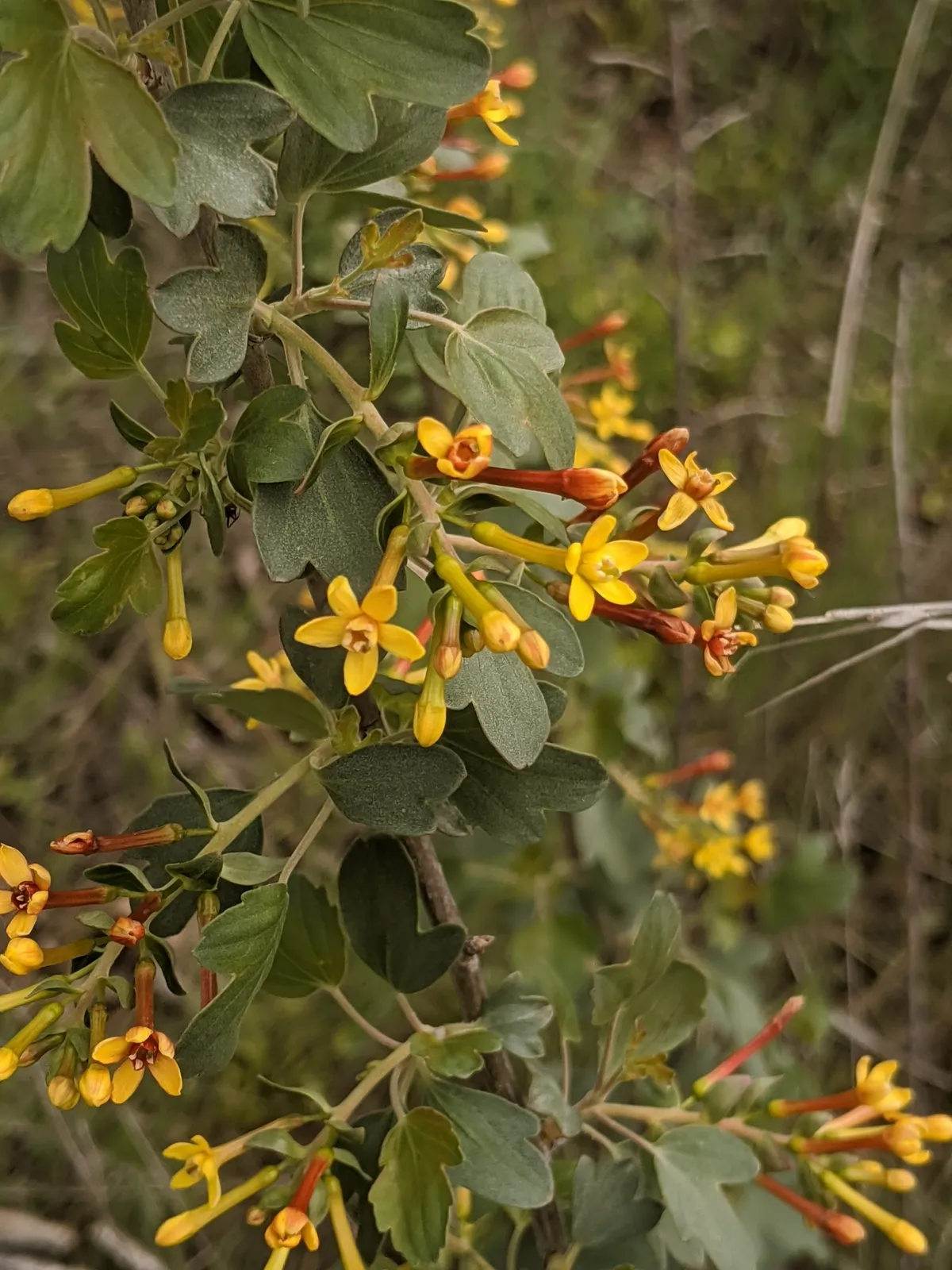
Golden Currant
Ribes aureum
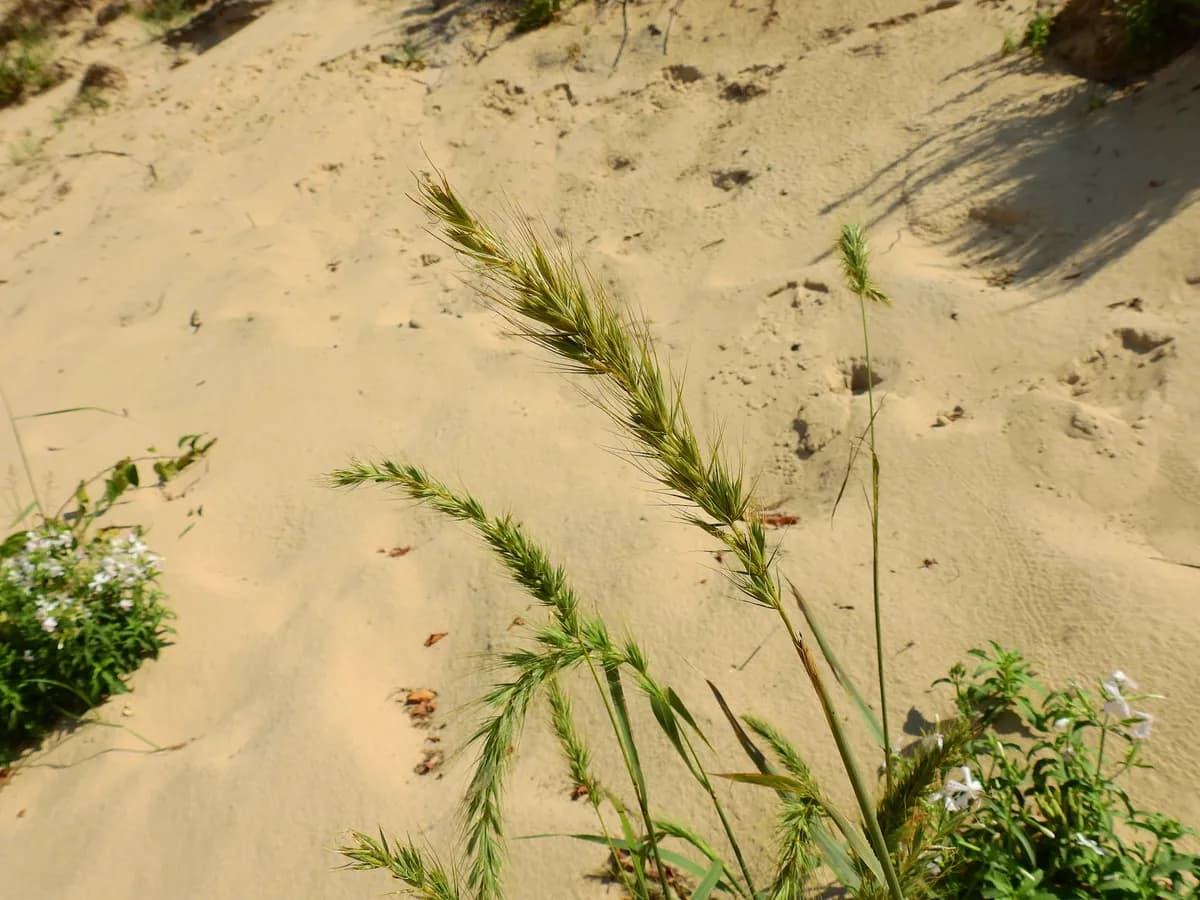
Prairie Wildrye
Elymus canadensis
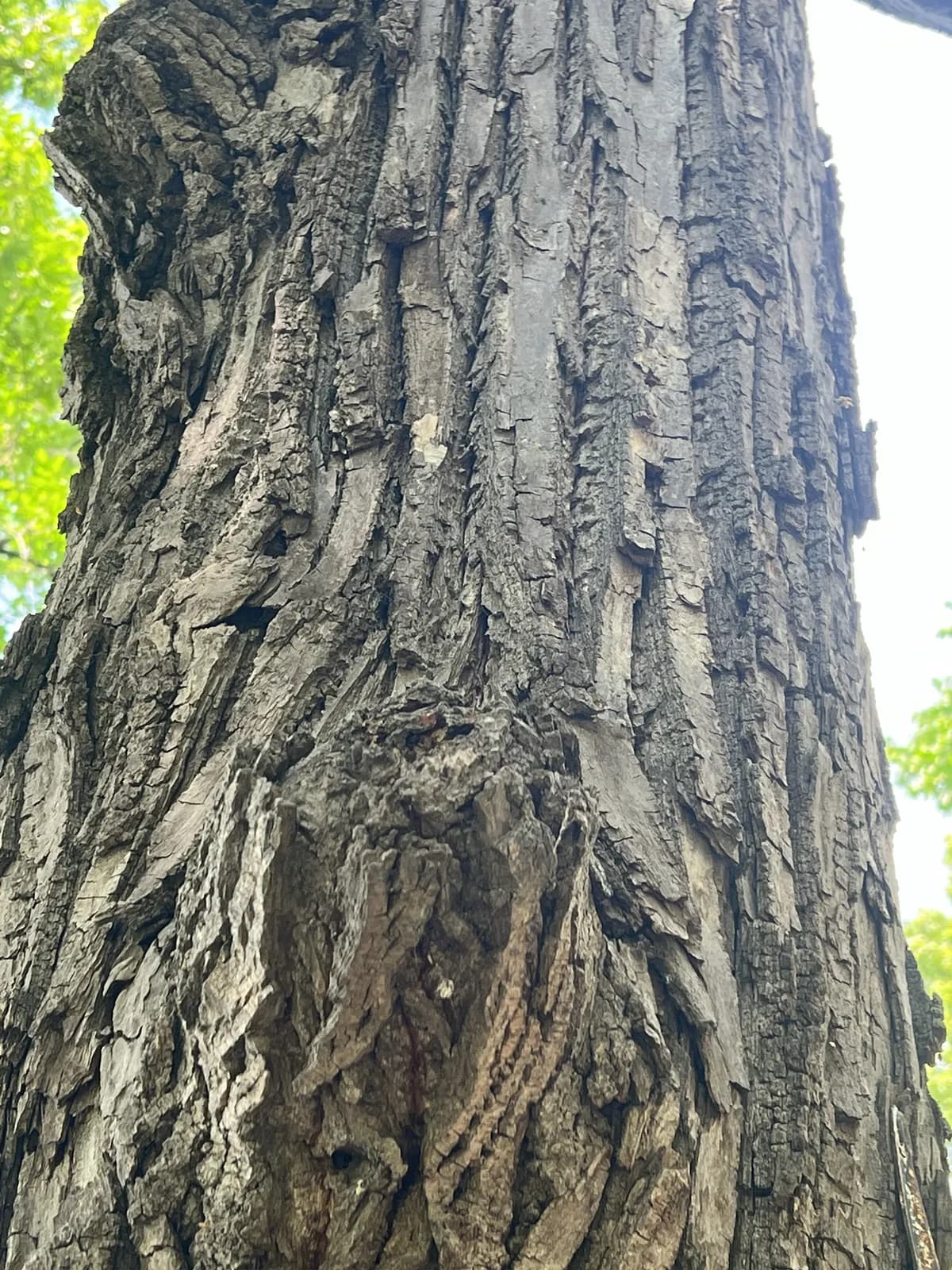
American Basswood
Tilia americana
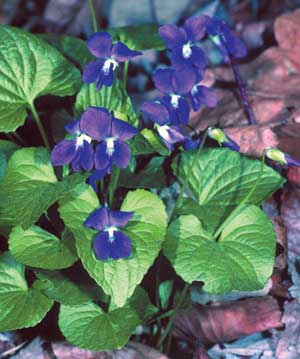
Common Blue Violet
Viola sororia
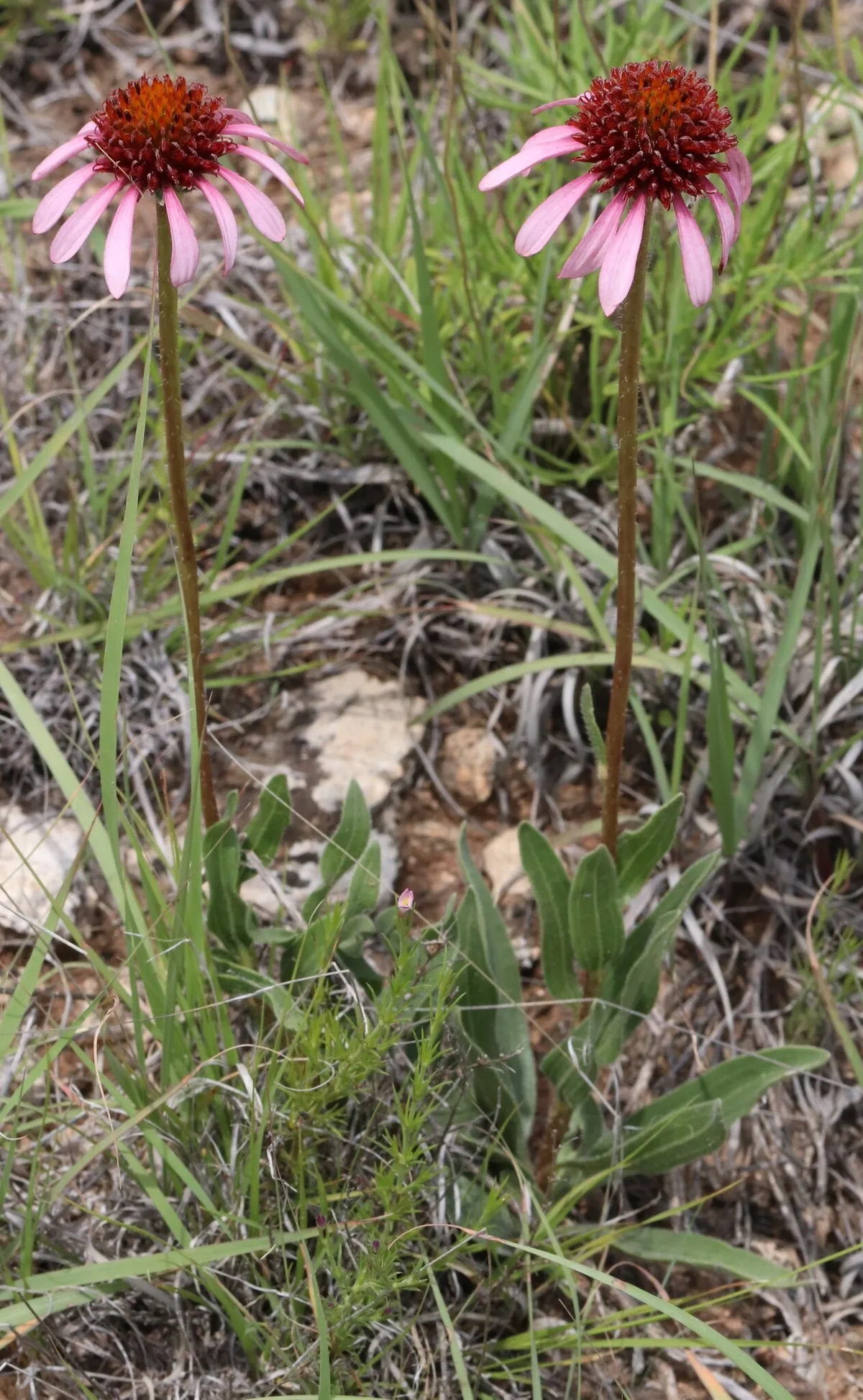
Narrow-leaf Coneflower
Echinacea angustifolia
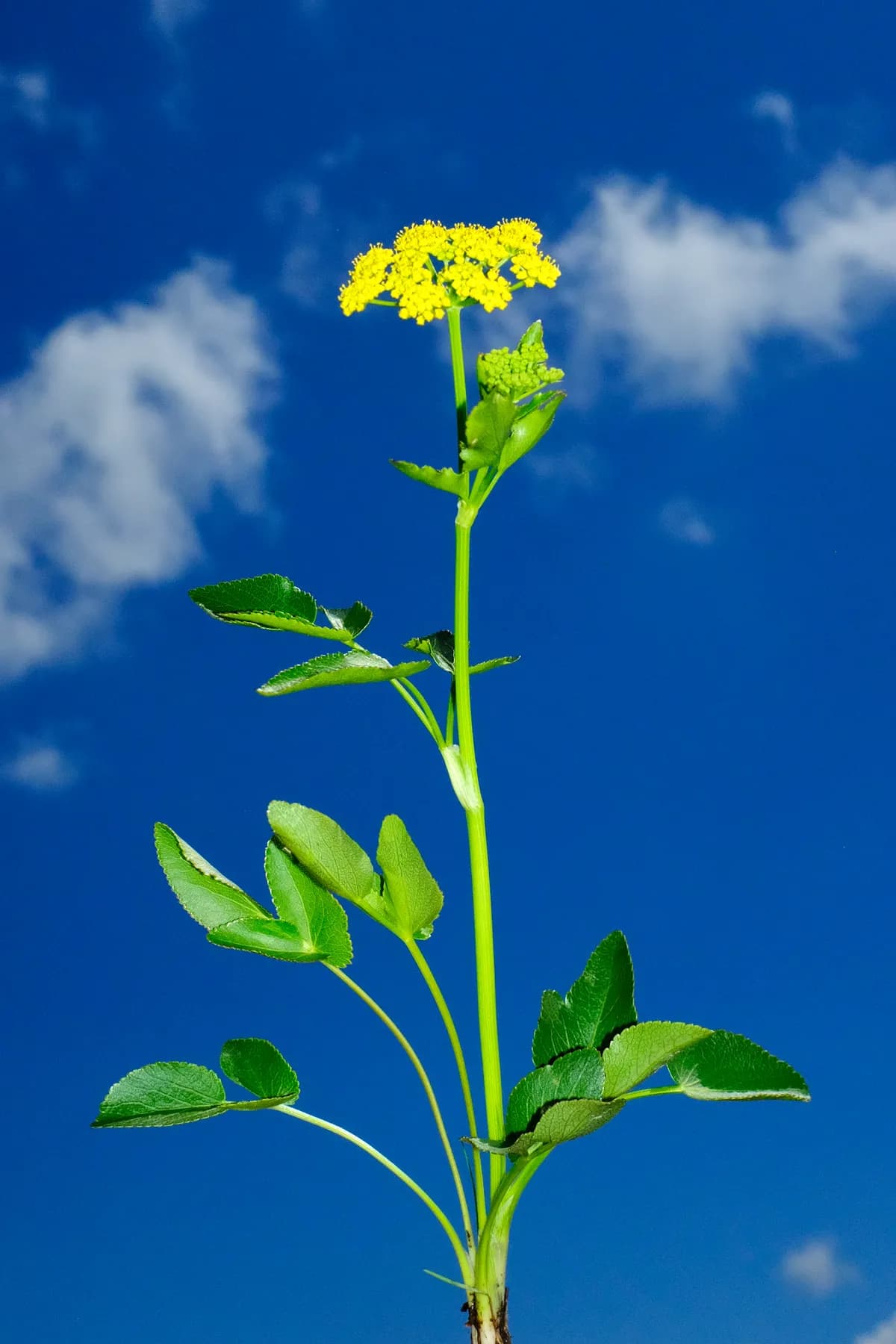
Heart-leaf Golden Alexanders
Zizia aptera

American Germander
Teucrium canadense
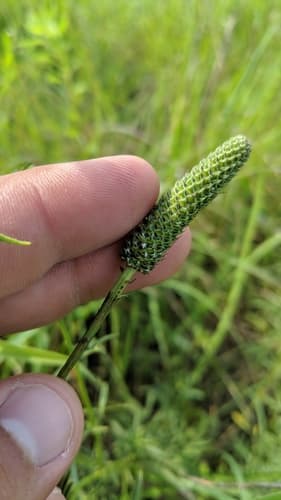
White Prairie Clover
Dalea candida
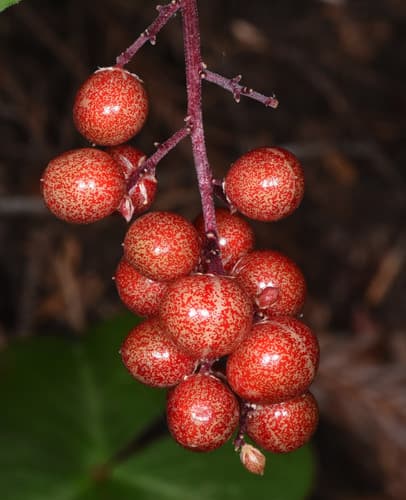
Solomon's-plume
Maianthemum racemosum
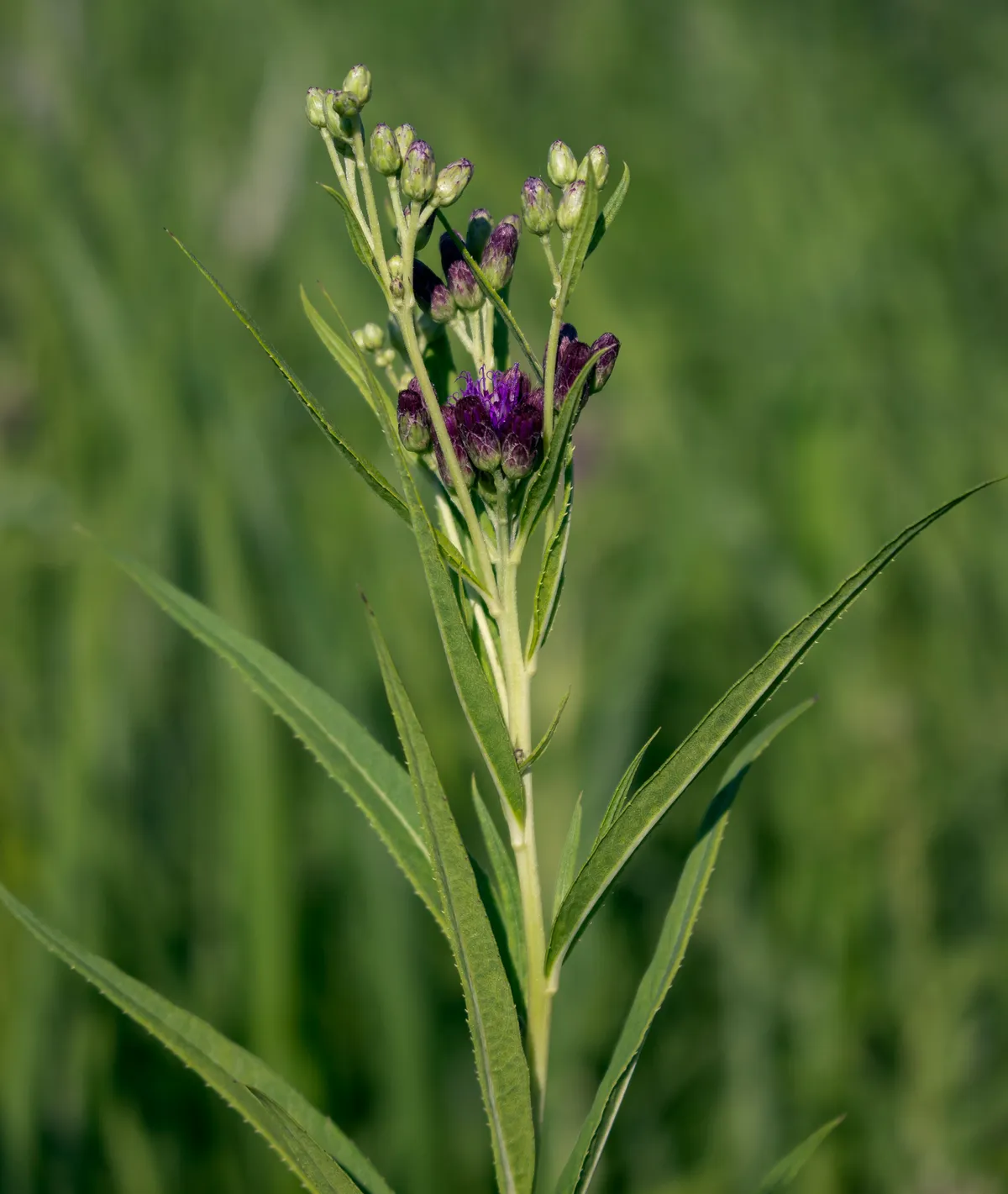
Prairie ironweed
Vernonia fasciculata
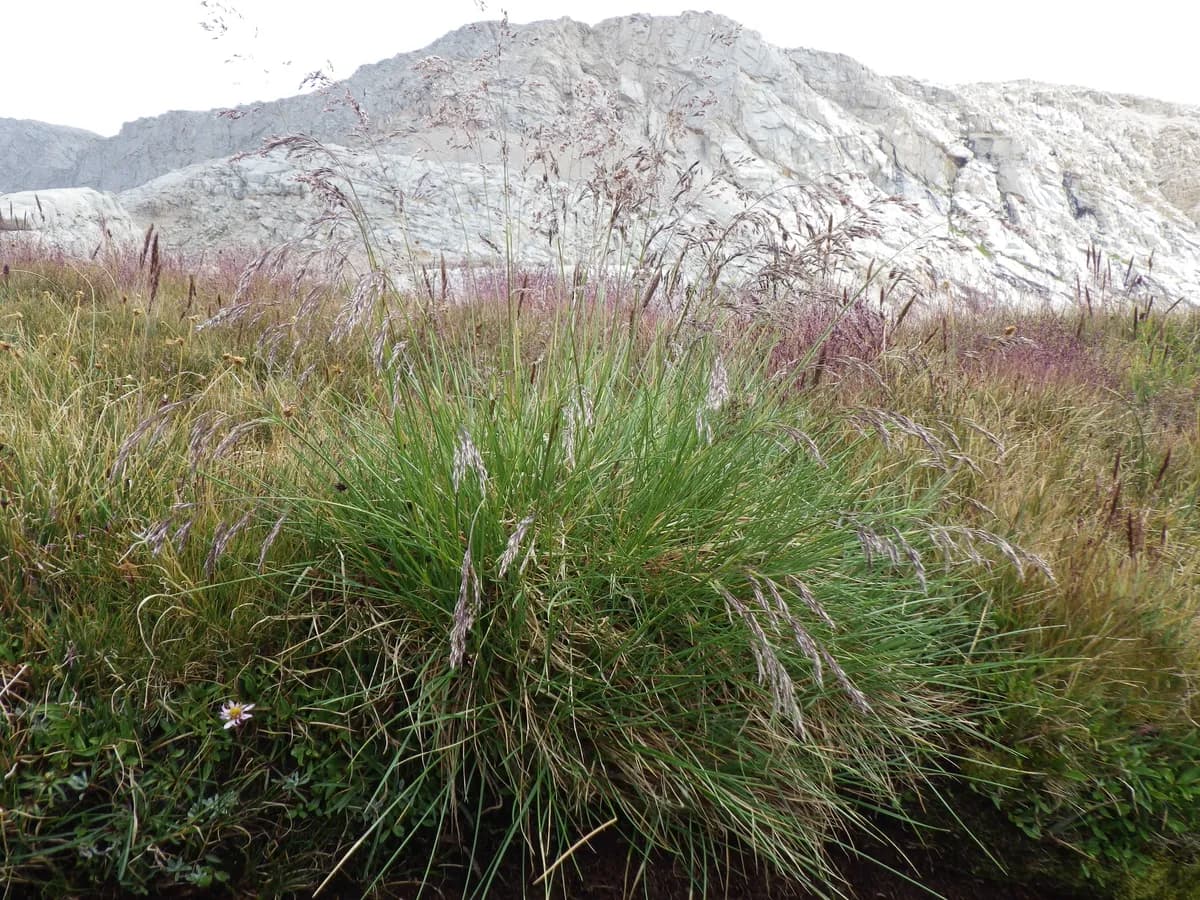
Tufted Hairgrass
Deschampsia cespitosa
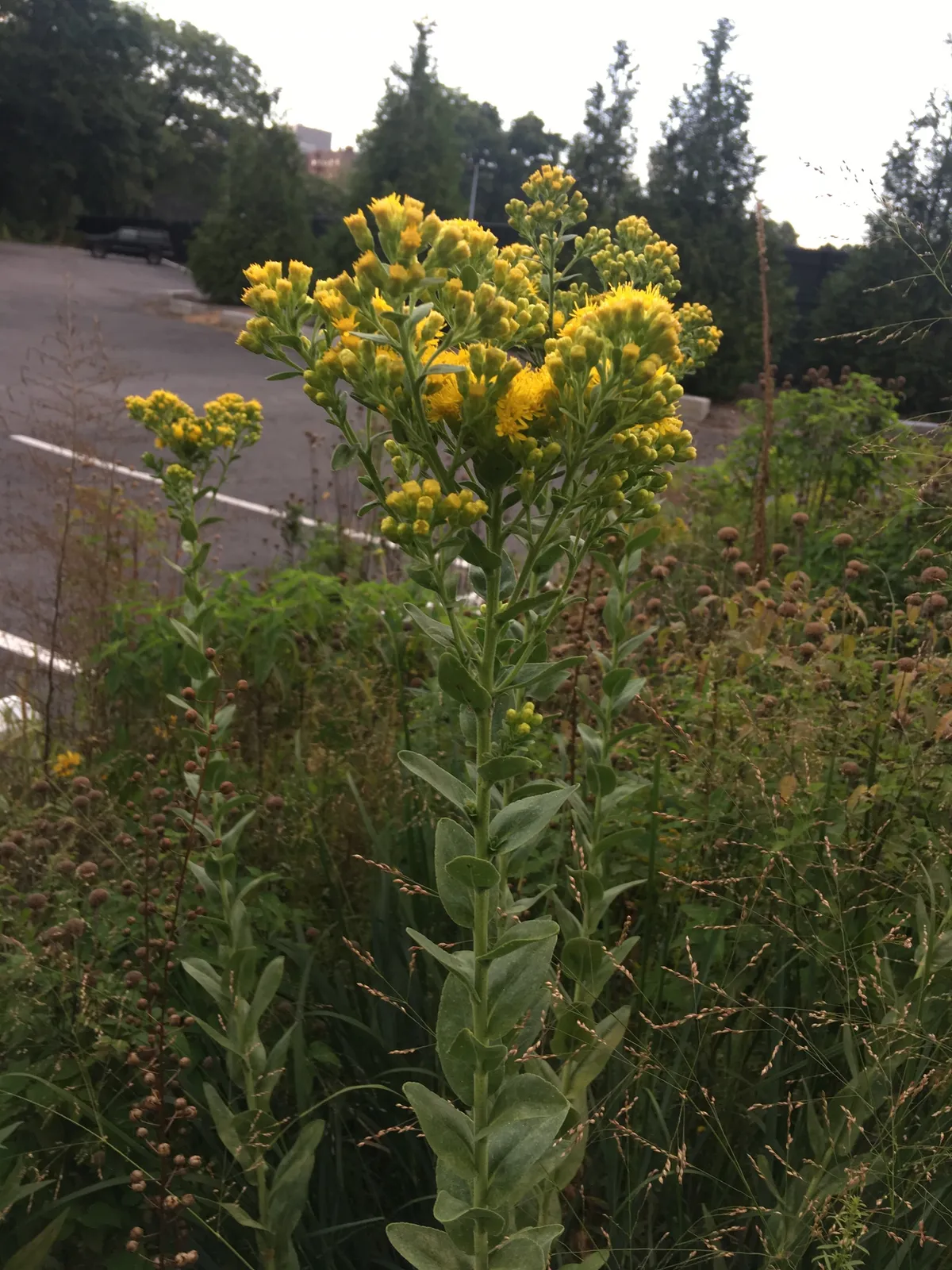
Stiff Goldenrod
Solidago rigida
Showing 48 of 763. Enter your ZIP for the natives matched to your yard.
Fall care in the Northwestern Great Plains
What to do right now for plants commonly grown here. Each links to the full regional care guide for that species, with sources.
- Smooth aster
Fall is the payoff. Lavender blue flowers open late and feed pollinators before winter across the mixed grass prairie. Leave most of the plant standing.
- Little bluestem
Fall is when little bluestem shines, turning a deep rust-orange with coppery seed heads that catch the low prairie light. Leave it standing rather than cutting it back.
- Switchgrass
Fall brings the gold foliage and the ripe seed heads that feed birds. Most gardeners leave the clump standing to carry color and wildlife value into the cold season.
- Wild bergamot
In fall the plant sets seed and goes dormant. Around Billings you can leave seed heads for birds or tidy the bed for a clean fall look.
- Swamp milkweed
In fall the seed pods split and release silky-tufted seeds, and the plant starts going dormant. You get to choose how tidy to leave it, and both choices help wildlife or the next season.
Build a plan for the Northwestern Great Plains
The Pollinator Patch App turns plants like these into a front-yard plan tuned for the soil, climate, and HOA expectations of the Billings area.