Blue Grama
Bouteloua gracilis
Last reviewed: October 2026
Bouteloua gracilis, or blue grama, is a low-growing prairie grass that blooms from July through September and thrives in full sun with little supplemental water.
Toxicity unknown
Blue Grama (Bouteloua gracilis) is not listed by the ASPCA Animal Poison Control Center (opens in new tab) or the other sources we check, so we have no verdict for it either way. Absence from those lists is not a clearance. If your pet shows symptoms after eating any plant, call the ASPCA at (888) 426-4435.
The USDA PLANTS Database (opens in new tab) does not flag Blue Grama as toxic to livestock.
Light
full sun
Water
low
Size
12"–36" H × 12"–24" W
Bloom
Jul, Aug, Sep
Native to
AZ, CA, CO, IA and 18 more states
Pollinators
bees, beetles, butterflies
Before you buy
Your city may pay you to plant this
Cities and water utilities offer rebates for replacing lawn with native and water-wise plants. We track 459 programs across 44 states, each with a link to the provider and the date we last checked it.
Find rebates in your areaPicture natives in your own yard
Upload a photo of your yard and Patch Vision shows a rendering of it planted with natives for your region, like Blue Grama.


Browse plants for this ecoregion
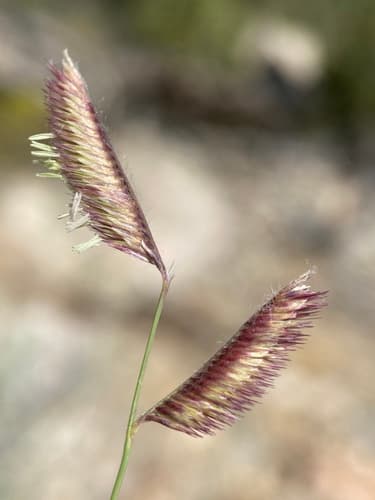
Blue grama is a compact native grass that forms neat clumps with distinctive curved seed heads that resemble tiny eyelashes. This drought-tolerant prairie grass stays relatively short and produces attractive blue-green foliage that turns golden in fall.
Growing Blue Grama
Grow Blue Grama in full sun and low water. Mature plants reach 12 to 36 inches tall and spread 12 to 24 inches wide. Expect low maintenance to keep it looking intentional in a front yard.
How to care for Blue Grama, by region
How to care for Blue Grama where it is actually grown: year-round basics plus what to do each season, region by region, with the sources for each.
Care guidance last updated: October 2026
Arizona/New Mexico Mountains (includes Prescott, AZ)
Year-round
Year-round care for blue grama around Prescott, AZ: full sun and well-drained, low-fertility soil.
- It needs full sun and will not tolerate dense shade.
- It does well in well-drained, low organic, gravelly soils or sandy loams. It will not tolerate flooding, a high water table, or acid soils.
- It has good drought tolerance and can survive with as little as 7 inches of rain a year.
- Once established, water sparingly.
- Foliage stays under about 4 inches, with seedheads 1 to 2 feet tall.
- It can be mowed, but it needs less water if left tall.
Low foliage with curved seedheads stays neat in a mowed or edged patch.
Sources: USDA NRCS Plant Fact Sheet: Bouteloua gracilis, Lady Bird Johnson Wildflower Center: Bouteloua gracilis
Chihuahuan Deserts (includes El Paso, TX)
Year-round
Blue grama is a native shortgrass that grows across the Trans Pecos region of west Texas, including areas around El Paso, and it is one of the most drought tolerant native grasses for the Southwest.
- Plant in full sun in well drained soil. It does not tolerate heavy shade, soggy soil, or strongly acidic conditions.
- Water regularly to establish new plantings, then cut back to occasional deep watering. Established blue grama can survive on as little as seven inches of rain a year, per Lady Bird Johnson Wildflower Center.
- Expect a low, fine textured clumping grass with distinctive curved seed heads often compared to eyebrows or a rooster's comb.
- It works well as a low water lawn alternative or meadow planting and stays under two feet tall.
Its neat clumping habit and short mature height make it an HOA-friendly choice for a front yard lawn alternative.
Fall
Fall is when blue grama's distinctive curved seed heads are most visible, just before the grass heads into winter dormancy.
- Reduce watering as temperatures drop and growth slows.
- Leave seed heads in place if you want the grass to self sow and fill in thin patches.
- A final light mowing before winter dormancy can tidy the planting, though it is not required.
- Expect the grass to begin turning tan and dormant looking as nights get colder.
Winter
Blue grama goes fully dormant and turns tan or straw colored through El Paso's winter, which is normal and expected for this warm season grass.
- Stop watering once the grass is dormant. It needs no supplemental water in winter.
- Leave the dormant tan growth in place over winter. It protects the crown and can be mowed or trimmed in early spring.
- The tan, dormant look is not a sign of a dying lawn. Warm season grasses like this one always brown out in cold weather.
- Avoid repeated heavy foot traffic on dormant areas, since crowns can be more vulnerable to compaction damage while dormant.
A tan, dormant lawn through winter is expected for this warm season native grass and is not a sign of neglect, which keeps the front yard looking HOA-conscious even while dormant.
Spring
Blue grama breaks winter dormancy slowly in spring, since it is a warm season grass that does not green up until the weather turns reliably warm.
- Expect green growth to resume later than cool season grasses, often not until April or May in El Paso.
- If maintaining it as a lawn alternative, mow or trim old growth down to two to three inches in early spring before new growth starts.
- Begin light, regular watering to support spring green up, then taper off once the grass is established.
- Avoid heavy fertilizer. Blue grama is adapted to low nutrient soils, and heavy feeding encourages weak growth.
Summer
Summer, especially the monsoon weeks, is blue grama's most active growing season in El Paso.
- Water deeply every two to three weeks if there is no monsoon rain, more often for new plantings.
- Expect the most vigorous growth and seed head production during and after monsoon moisture in July and August.
- If mowing, do not cut shorter than two inches, since scalping stresses the plant in summer heat.
- The grass can brown and go semi dormant during extended dry spells without monsoon rain. This is normal and it typically recovers with the next rain.
Sources: Lady Bird Johnson Wildflower Center - Bouteloua gracilis, Texas A&M AgriLife - Plants of Texas Rangelands: Blue Grama
Cross Timbers (includes Fort Worth, TX)
Year-round
Blue grama is a low, tough native prairie grass built for North Texas heat and dry spells. It stays under 4 inches of foliage most of the year, with wiry seed head stalks reaching 12 to 24 inches, and needs almost no water once it is established.
- Plant in full sun; it will not fill in well with less than 6 hours of direct light a day.
- In heavy black clay, plant high on a slight mound or amend the planting area for drainage; in the sandier soils west of the metro it will need water more often through the first summer while roots establish.
- Water new plantings 2 to 3 times a week for the first 4 to 6 weeks, then taper off as roots take hold.
- It is a widely used rangeland grass grazed by cattle and horses, with no toxicity concerns noted by USDA NRCS; it is not known to be a pest problem plant.
- Mow it once or twice a year if you want a tidy look, or leave it unmowed for a natural prairie texture.
Fall
Fall is a second good planting window in North Texas, and the seed heads carry their strongest tan and gold color of the year before frost.
- You can still plant or divide clumps through October, before the mid November first frost.
- Water any new fall plantings regularly for the first 4 to 6 weeks; they have not had a full growing season to root in before cold weather slows growth.
- Leave the grass standing rather than cutting it back now; the curing, tan colored seed heads are the strongest ornamental feature of the fall garden.
- Cut back watering as rainfall increases and temperatures drop toward November; established plants do not need supplemental water this time of year.
Leaving the tan seed heads up through fall, paired with a mowed edge, reads as a deliberate native planting rather than an unmowed lawn.
Winter
Blue grama goes dormant and turns tan to brown in winter. It handles the region's mild winters and occasional hard Arctic freezes without protection, and gets its yearly cutback in late winter.
- Do not water dormant plants except during an unusually long dry winter stretch.
- Leave the dormant tan foliage and seed heads standing through winter; the plant cures well on the stem and holds up in wind while offering seed for birds.
- No winter protection is needed during a hard freeze or Arctic outbreak; blue grama is a cold hardy perennial across this region's USDA zone 8a to 8b range.
- Cut the planting back to 2 to 3 inches in late February, before spring green up starts, using a mower on a high deck setting or hand shears for small areas.
Dormant tan grass can look dead to a passerby; a clean mowed edge or small planting marker helps it read as intentional through winter, especially right up until the late February cutback.
Spring
Spring, after the mid March last frost, is the best window to plant or seed blue grama in North Texas.
- Wait until the soil has warmed, generally after mid to late March, before planting plugs or seeding.
- Sow seed no more than 1/4 to 1/2 inch deep; a firm but not compacted seedbed helps it establish.
- Water new plantings 2 to 3 times a week for the first month; established clumps from prior years need little to no extra water once spring rain picks up.
- If it was left standing over winter, cut old growth back to 2 to 3 inches before new green blades emerge, so the new growth is not fighting through matted dead stems.
- Hand pull weeds around young plantings for the first season; blue grama is slow to fill in and gets outcompeted easily while small.
Cutting back last year's dead growth in early spring keeps the planting reading as tended right as the growing season starts.
Summer
Summer is blue grama's growing and blooming season. Once it is established, it shrugs off the July and August stretch of 100 degree days with almost no supplemental water.
- Established clumps (past their first year) generally only need watering during extended dry spells, roughly every 2 to 3 weeks in peak summer.
- First year plantings are the exception: keep watering them through July and August even while older, established grass goes dry, since a new planting can still die in the hard summer heat.
- The curved, eyebrow shaped seed heads appear from July into September, rising 12 to 24 inches above the low foliage.
- Leave the seed heads standing through summer rather than mowing them off; they are the plant's main seasonal feature and a seed source for birds.
- Skip fertilizer; blue grama tolerates low nutrient soil well and does not need feeding to perform.
The tall seed heads can read as unkempt to a passing glance; keeping a mowed edge or clean border around the planting helps it read as an intentional planting even while the grass itself is left tall.
Sources: USDA NRCS Plant Fact Sheet: Blue Grama, Lady Bird Johnson Wildflower Center: Bouteloua gracilis
Sonoran Basin and Range (includes Phoenix, AZ)
Year-round
Blue grama is a small clumping native grass that works as a low-water lawn alternative around Phoenix. It stays alive year-round here but really grows during the summer monsoon, so most of your care is deep, infrequent water and leaving the soil lean.
- Plant into native decomposed-granite soil, not amended potting soil, because this grass resents rich ground and stays healthiest when the soil is lean and fast-draining.
- Water deep and infrequent, soaking the root zone about 8 to 12 inches down each time and then letting the top few inches dry out fully before the next soak.
- Top the bed with a thin decomposed-granite or gravel mulch instead of wood bark, since bark looks out of place in the low desert and traps moisture the wrong way here.
- Skip fertilizer entirely, because desert natives like blue grama do fine in poor soil and extra feeding just makes them floppy.
Keep the planting in a clean, evenly spaced decomposed-granite bed so it reads as an intentional xeriscape lawn rather than a patch of weeds, which is the look most Phoenix HOAs expect and the surest way to avoid a violation letter.
Fall
Fall is the prime season for blue grama in Phoenix. The heat breaks, the grass looks its best, and October into November is the single best time to plant so roots settle in through the mild winter.
- Plant new plugs or seed in October or November, the top planting window, so roots establish through the cool months before next summer's heat.
- Water new fall plantings deep about once a week while they root, then stretch toward the deep-and-infrequent desert rhythm as they settle.
- Enjoy the warm tan color the clumps turn as they finish blooming, and hold off on any hard cutback until late winter or early spring.
- Set clumps roughly 12 to 18 inches apart if you are building a meadow-style lawn, so they knit together without crowding.
Fall is the cleanest time to tidy and set spacing, so an evenly planted decomposed-granite bed with room between clumps reads as a designed xeriscape lawn rather than an overgrown patch, keeping the front yard HOA-friendly.
Winter
Winter in the Phoenix core is a mild cool season, not a deep freeze, so blue grama just rests and holds its tan color. It needs almost no water and shrugs off the light frosts here.
- Water only sparingly through December to February, since the gentle winter rains usually cover most of what the grass needs.
- Leave the tan clumps standing through winter for texture, then do the main cutback in late winter just before spring green-up.
- Do not worry about the rare light frost, as blue grama is frost-hardy in the Phoenix low desert and needs no cover.
- Hold off on any feeding or heavy watering, because pushing growth in the cool season only produces weak, floppy blades.
A single late-winter cutback of the standing clumps keeps the bed looking deliberate rather than dead going into spring, which is the tidy, intentional front-yard look Phoenix HOAs expect.
Spring
Spring is a warming ramp-up for blue grama, not its big show. You are mostly tapering off winter water and getting the bed tidy before the summer heat lands.
- Cut back last year's tan clumps to a few inches in early spring if you did not tidy them in fall, so fresh green blades push up clean.
- Taper the winter waterings as March into May warms up, watering deep but stretching the gap between soakings to every 10 to 14 days.
- If you missed fall, early spring is a weaker secondary planting window, so get any new plugs in the ground before daytime highs climb past the 90s.
- Refresh any thin spots in the decomposed-granite mulch now so the bed looks even heading into the hot months.
A late-winter or early-spring cutback keeps the clumps low and green rather than shaggy and brown, which reads as tended and intentional to neighbors and an HOA before the growing season.
Summer
Summer is when blue grama actually takes off, driven by the July to September monsoon rains that trigger its green blades and eyelash seed heads. The dry June foresummer is the hard part, and the danger once the rains start is overwatering.
- In the dry brutal June foresummer, give even this native an occasional deep soak, especially in its first one or two summers, so the roots do not fry before the rains arrive.
- Once the monsoon downpours start in July, back way off irrigation and let the rain do the work, because watering on top of a heavy monsoon soak is how you rot the roots.
- Expect the green flowering and the small eyelash-shaped seed heads to appear July through September as the warm rains push growth.
- Never set out new plants May through July, since summer planting in the low desert is the most common local way to kill a young native grass.
Sources: Arizona-Sonora Desert Museum, blue grama and native grass plant care, ASPCA Animal Poison Control Center, Bouteloua gracilis not listed on the toxic plant database, Desert Botanical Garden, warm-season native grasses and monsoon growth, University of Arizona Cooperative Extension, low-desert planting calendar and warm-season grass care, Lady Bird Johnson Wildflower Center, Bouteloua gracilis growing and propagation
Texas Blackland Prairies (includes Dallas, TX)
Year-round
Blue grama is a low, tough native prairie grass built for North Texas heat and dry spells. It stays under 4 inches of foliage most of the year, with wiry seed head stalks reaching 12 to 24 inches, and needs almost no water once it is established.
- Plant in full sun; it will not fill in well with less than 6 hours of direct light a day.
- In heavy black clay, plant high on a slight mound or amend the planting area for drainage; in the sandier soils west of the metro it will need water more often through the first summer while roots establish.
- Water new plantings 2 to 3 times a week for the first 4 to 6 weeks, then taper off as roots take hold.
- It is a widely used rangeland grass grazed by cattle and horses, with no toxicity concerns noted by USDA NRCS; it is not known to be a pest problem plant.
- Mow it once or twice a year if you want a tidy look, or leave it unmowed for a natural prairie texture.
Fall
Fall is a second good planting window in North Texas, and the seed heads carry their strongest tan and gold color of the year before frost.
- You can still plant or divide clumps through October, before the mid November first frost.
- Water any new fall plantings regularly for the first 4 to 6 weeks; they have not had a full growing season to root in before cold weather slows growth.
- Leave the grass standing rather than cutting it back now; the curing, tan colored seed heads are the strongest ornamental feature of the fall garden.
- Cut back watering as rainfall increases and temperatures drop toward November; established plants do not need supplemental water this time of year.
Leaving the tan seed heads up through fall, paired with a mowed edge, reads as a deliberate native planting rather than an unmowed lawn.
Winter
Blue grama goes dormant and turns tan to brown in winter. It handles the region's mild winters and occasional hard Arctic freezes without protection, and gets its yearly cutback in late winter.
- Do not water dormant plants except during an unusually long dry winter stretch.
- Leave the dormant tan foliage and seed heads standing through winter; the plant cures well on the stem and holds up in wind while offering seed for birds.
- No winter protection is needed during a hard freeze or Arctic outbreak; blue grama is a cold hardy perennial across this region's USDA zone 8a to 8b range.
- Cut the planting back to 2 to 3 inches in late February, before spring green up starts, using a mower on a high deck setting or hand shears for small areas.
Dormant tan grass can look dead to a passerby; a clean mowed edge or small planting marker helps it read as intentional through winter, especially right up until the late February cutback.
Spring
Spring, after the mid March last frost, is the best window to plant or seed blue grama in North Texas.
- Wait until the soil has warmed, generally after mid to late March, before planting plugs or seeding.
- Sow seed no more than 1/4 to 1/2 inch deep; a firm but not compacted seedbed helps it establish.
- Water new plantings 2 to 3 times a week for the first month; established clumps from prior years need little to no extra water once spring rain picks up.
- If it was left standing over winter, cut old growth back to 2 to 3 inches before new green blades emerge, so the new growth is not fighting through matted dead stems.
- Hand pull weeds around young plantings for the first season; blue grama is slow to fill in and gets outcompeted easily while small.
Cutting back last year's dead growth in early spring keeps the planting reading as tended right as the growing season starts.
Summer
Summer is blue grama's growing and blooming season. Once it is established, it shrugs off the July and August stretch of 100 degree days with almost no supplemental water.
- Established clumps (past their first year) generally only need watering during extended dry spells, roughly every 2 to 3 weeks in peak summer.
- First year plantings are the exception: keep watering them through July and August even while older, established grass goes dry, since a new planting can still die in the hard summer heat.
- The curved, eyebrow shaped seed heads appear from July into September, rising 12 to 24 inches above the low foliage.
- Leave the seed heads standing through summer rather than mowing them off; they are the plant's main seasonal feature and a seed source for birds.
- Skip fertilizer; blue grama tolerates low nutrient soil well and does not need feeding to perform.
The tall seed heads can read as unkempt to a passing glance; keeping a mowed edge or clean border around the planting helps it read as an intentional planting even while the grass itself is left tall.
Sources: USDA NRCS Plant Fact Sheet: Blue Grama, Lady Bird Johnson Wildflower Center: Bouteloua gracilis
Wasatch and Uinta Mountains (includes Logan, UT)
Year-round
Year-round care for blue grama around Logan, UT: full sun and well-drained, low-fertility soil.
- It needs full sun and will not tolerate dense shade.
- It does well in well-drained, low organic, gravelly soils or sandy loams. It will not tolerate flooding, a high water table, or acid soils.
- It has good drought tolerance and can survive with as little as 7 inches of rain a year.
- Once established, water sparingly.
- Foliage stays under about 4 inches, with seedheads 1 to 2 feet tall.
- It can be mowed, but it needs less water if left tall.
Low foliage with curved seedheads stays neat in a mowed or edged patch.
Sources: USDA NRCS Plant Fact Sheet: Bouteloua gracilis, Lady Bird Johnson Wildflower Center: Bouteloua gracilis
In an HOA neighborhood
Blue Grama is an HOA-friendly choice. Maintenance level: low. Tidiness: 4 out of 5.
Works well in: front yard, foundation, street edge, mid zone.
- Goes dormant and turns brown in winter
Wildlife value
The grass provides nectar for native bees and beetles during its summer bloom period. Seeds support various bird species, and the clumping structure offers habitat for beneficial insects.
Common questions
- How much water does blue grama grass need?
- Blue grama is a low-water grass once established. It handles drought well and is often used in dry, open sites where irrigation is limited.
- When does Bouteloua gracilis bloom?
- Blue grama typically flowers from July through September, producing its distinctive curved, comb-like seed heads above the foliage.
- What pollinators visit blue grama grass?
- Bees and beetles are known to visit blue grama, using it as part of the broader prairie and grassland habitat it grows in.
- How much sun does blue grama grass require?
- This grass grows best in full sun and does not perform well in shaded conditions.
- Does blue grama grass stay green year round?
- No, blue grama is deciduous in habit. It dies back and turns tan or brown in winter, then regrows from the base in spring.
- Is Blue Grama toxic to livestock?
- The USDA PLANTS Database does not flag Blue Grama as toxic to livestock.
- Is Blue Grama HOA-friendly?
- Blue Grama is generally an HOA-friendly choice in the right placement, with low maintenance.
These answers were drafted with an AI model from this plant's data. Verify care details with a local expert.
Native range data from the World Checklist of Vascular Plants (Kew). Pollinator and host plant associations compiled from GBIF, iNaturalist, and published ecological literature.
If something looks wrong
Common plant problems, and what to check first
These come up on almost any plant. Each guide lists the likely causes in the order they are worth ruling out, with one thing to check before you act on any of them, and links to the source it came from.
- It is dying right after planting
- Leaves turning yellow
- Wilting even though I watered it
- Brown crispy leaf tips
- Bugs on the plant
Ready to grow Blue Grama? Add it to your garden in Pollinator Patch to track it and get season-by-season care guidance.