EPA Level III Ecoregion
Arizona/New Mexico Mountains
959 native plants for the Arizona/New Mexico Mountains ecoregion (Flagstaff area).
The Arizona and New Mexico Mountains rise out of the surrounding desert as pine and oak highlands, taking in Flagstaff, Payson, Show Low, Prescott, and Ruidoso. Elevation buys real winters, cooler summers, and a dependable late-summer monsoon that the lowlands below do not get in the same way. Natives like deer grass, blackfoot daisy, and California wild buckwheat suit that pattern of cold nights and heavy August rain.
Conditions: Rocky volcanic and limestone soils, 15–25 inches of precipitation split between winter snow and a summer monsoon, cold nights year round.
Cities and areas: Flagstaff, Payson, Show Low, Prescott, Ruidoso, Silver City.
959 Native Plants for the Arizona/New Mexico Mountains
HOA-friendly picks listed first. Pet-safety status varies by species; each plant page shows its sourced ASPCA status. Native range data from vouchered herbarium specimen records and regional native plant society lists.

Little Bluestem
Schizachyrium scoparium
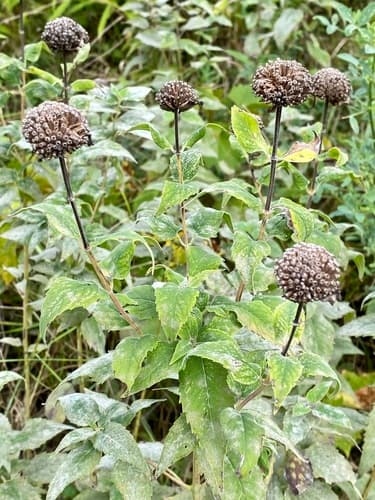
Wild Bergamot
Monarda fistulosa
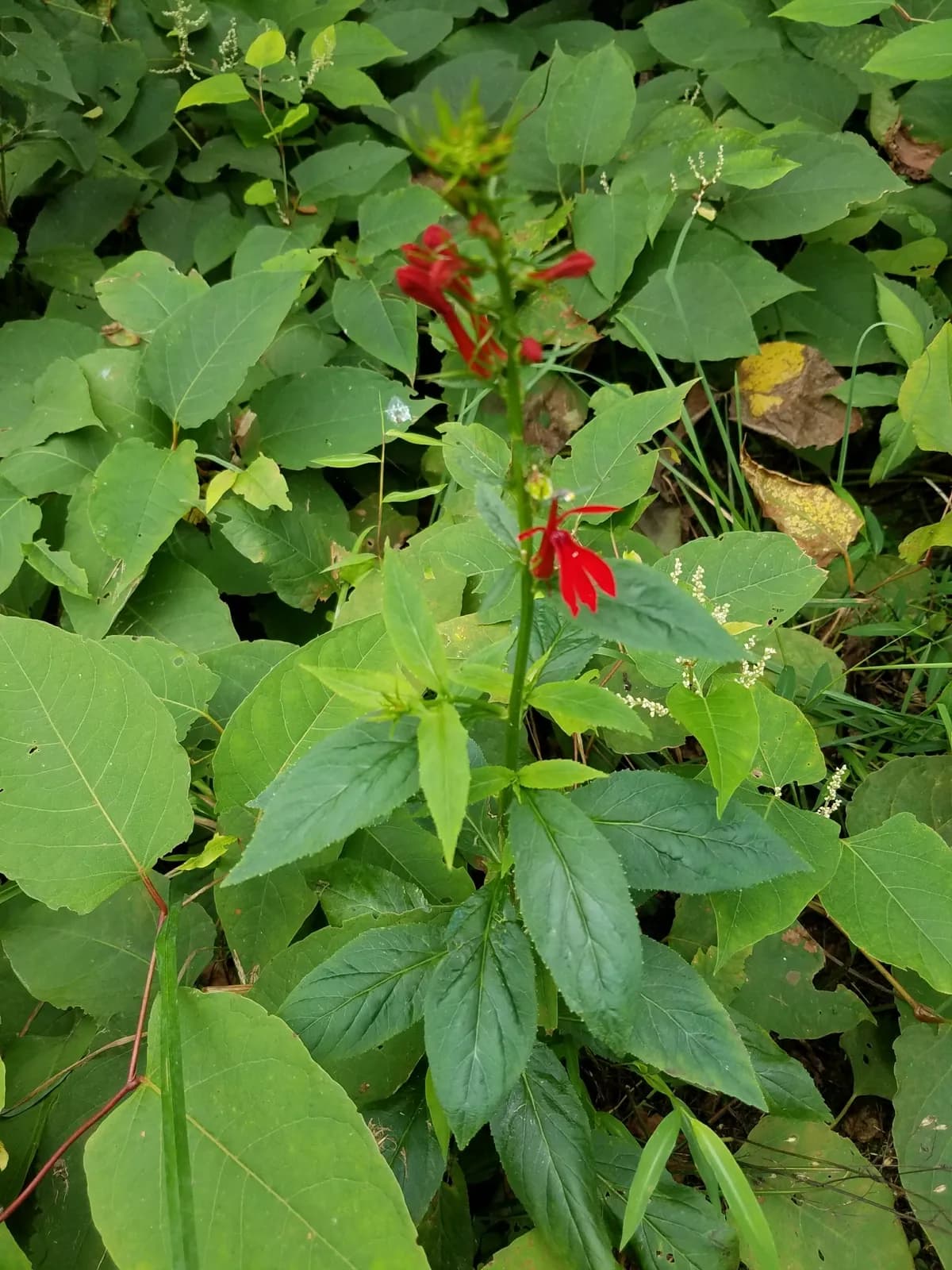
Cardinal Flower
Lobelia cardinalis
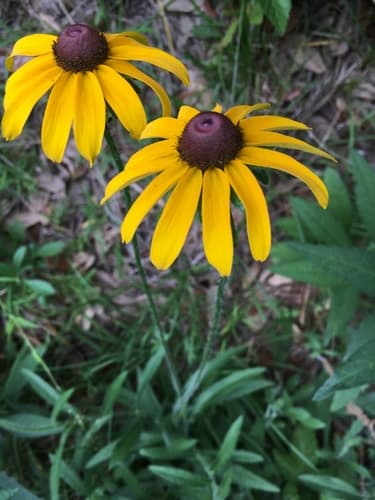
Black-eyed Susan
Rudbeckia hirta
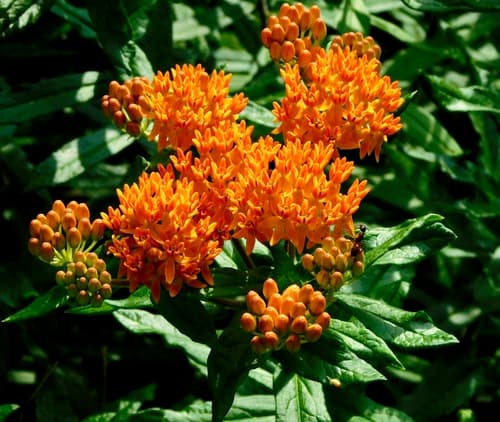
Butterfly Milkweed
Asclepias tuberosa
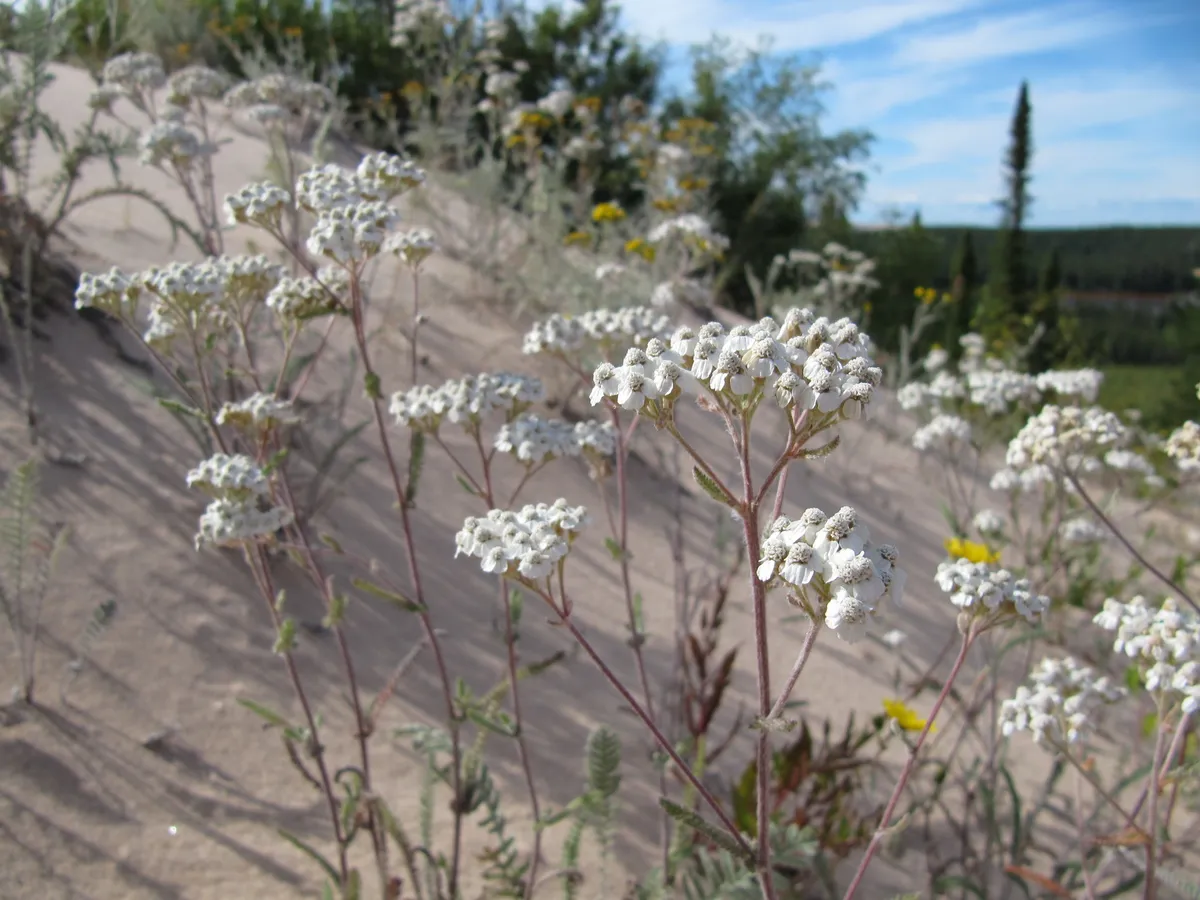
Common Yarrow
Achillea millefolium
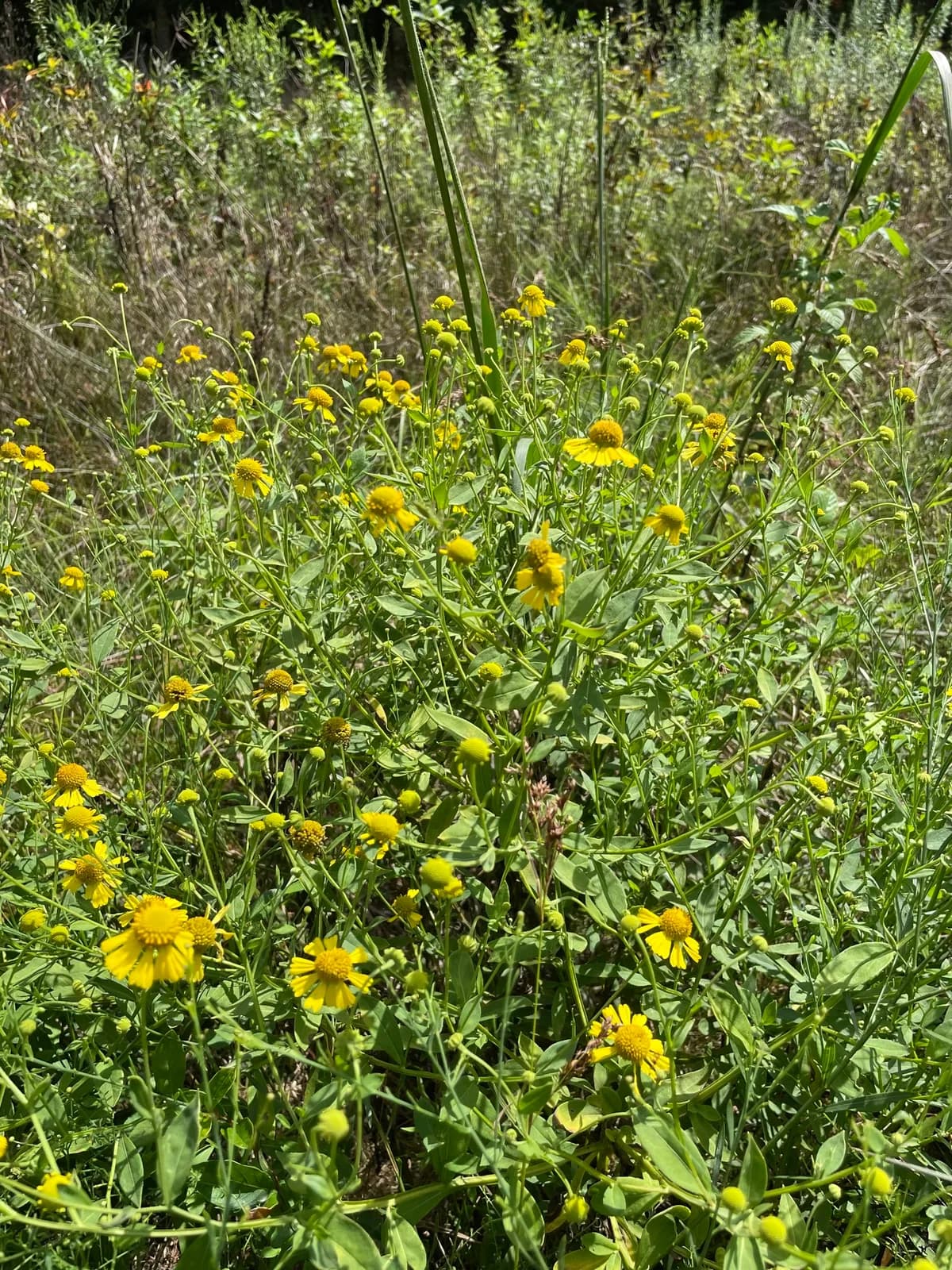
Common Sneezeweed
Helenium autumnale
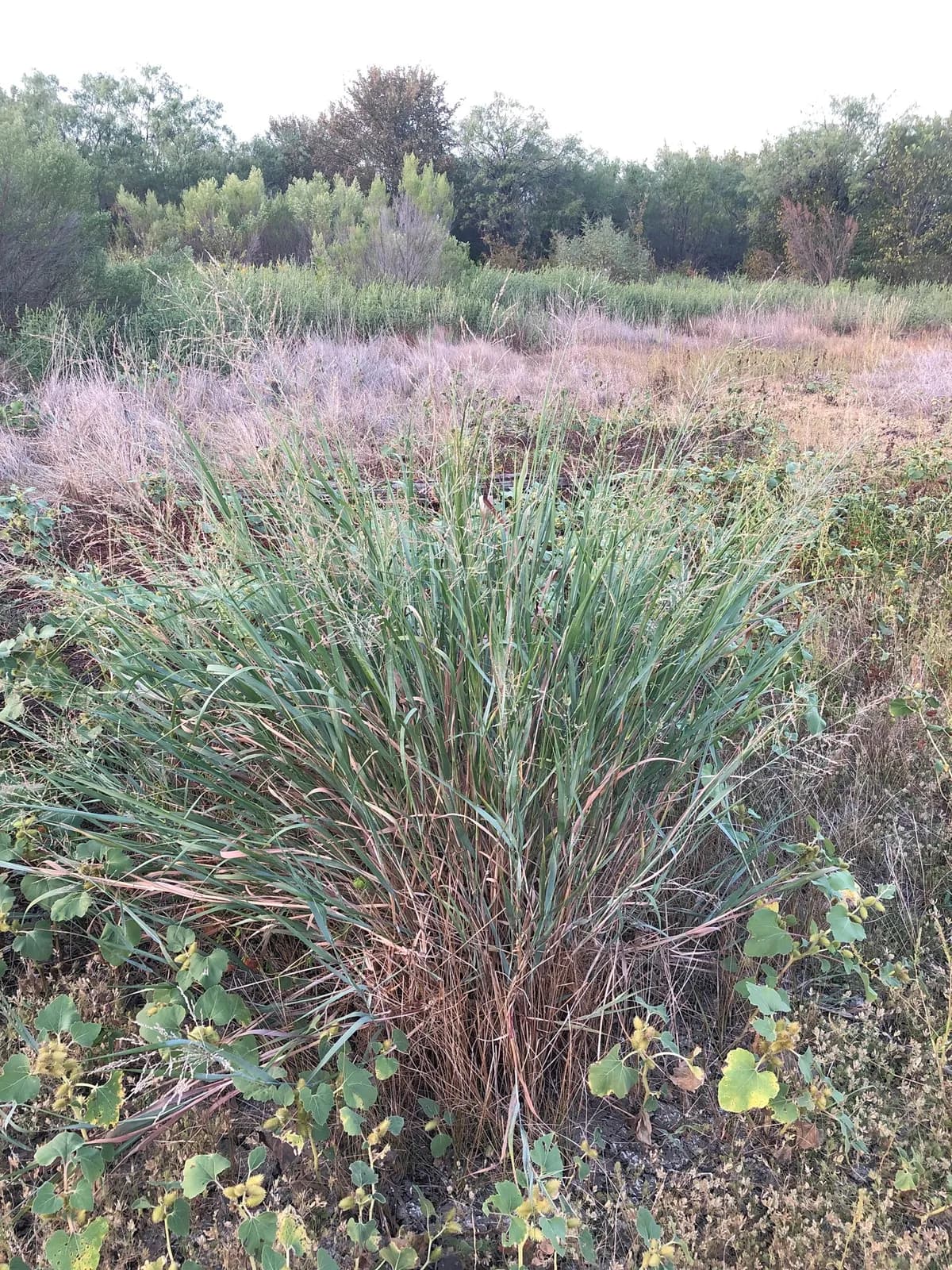
Switchgrass
Panicum virgatum
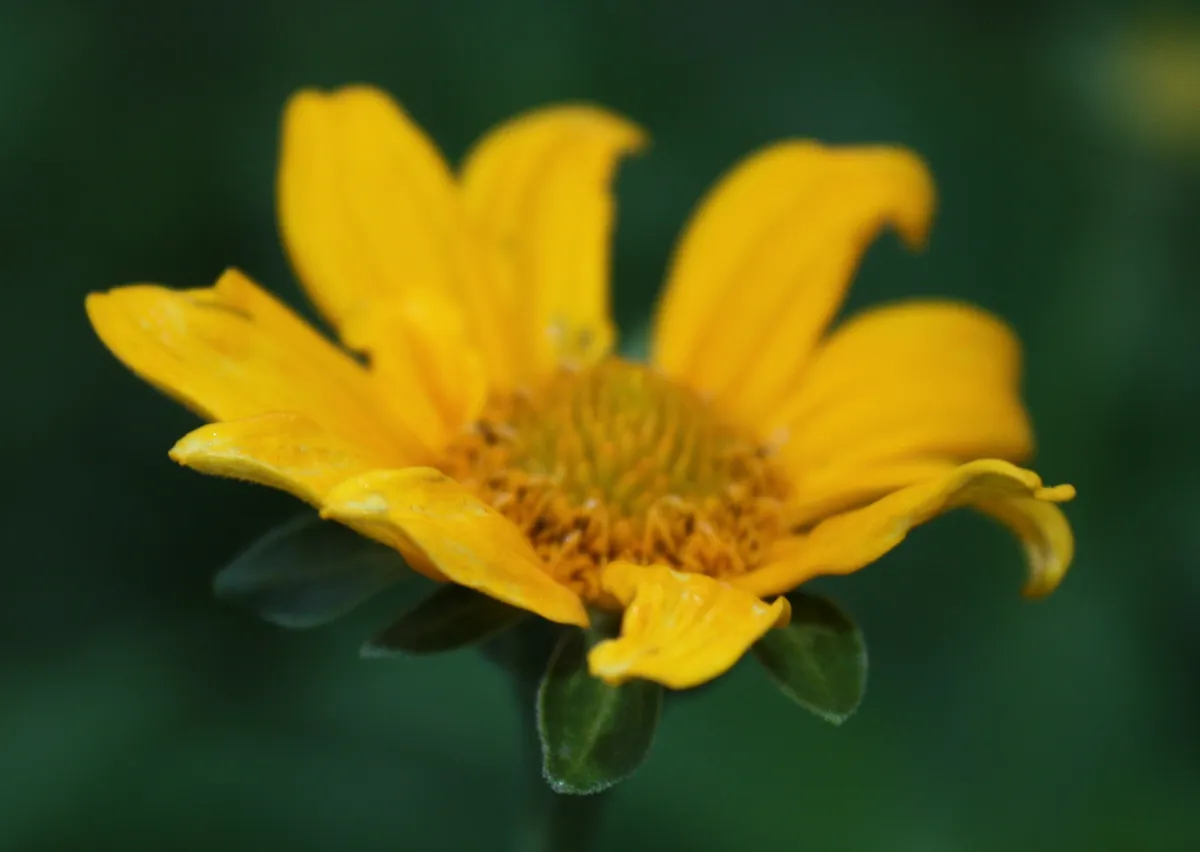
False Sunflower
Heliopsis helianthoides
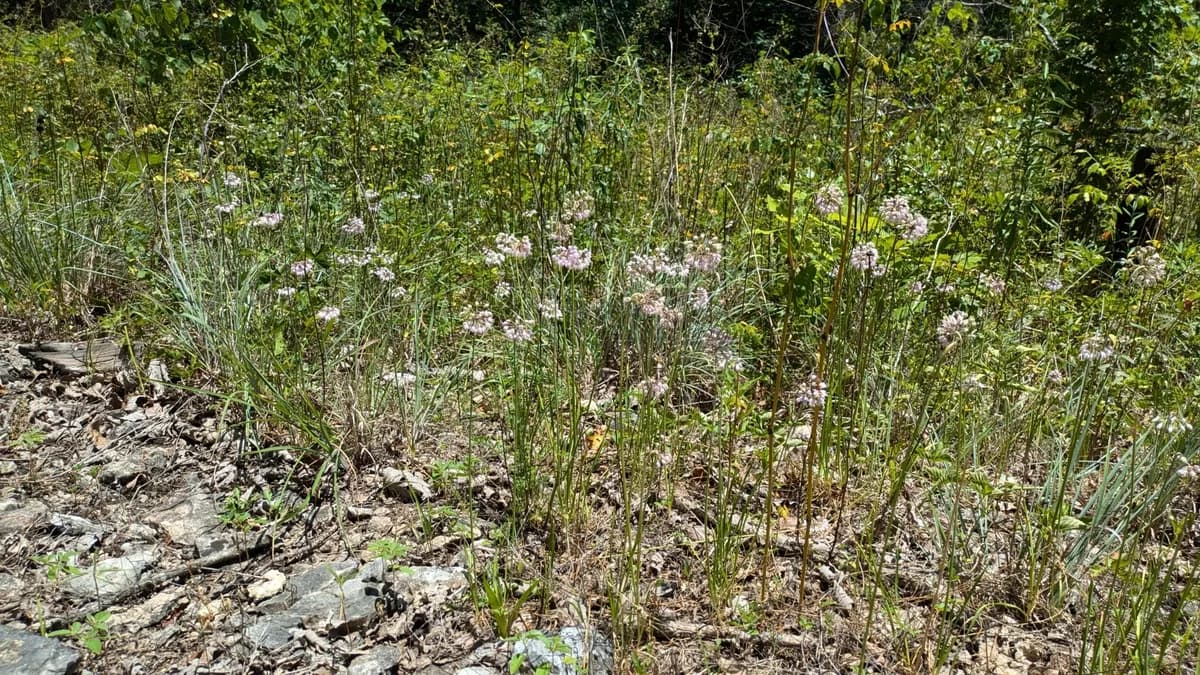
Nodding Onion
Allium cernuum
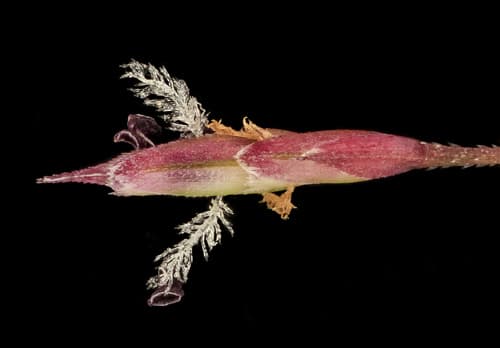
Purple Lovegrass
Eragrostis spectabilis

Sideoats Grama
Bouteloua curtipendula
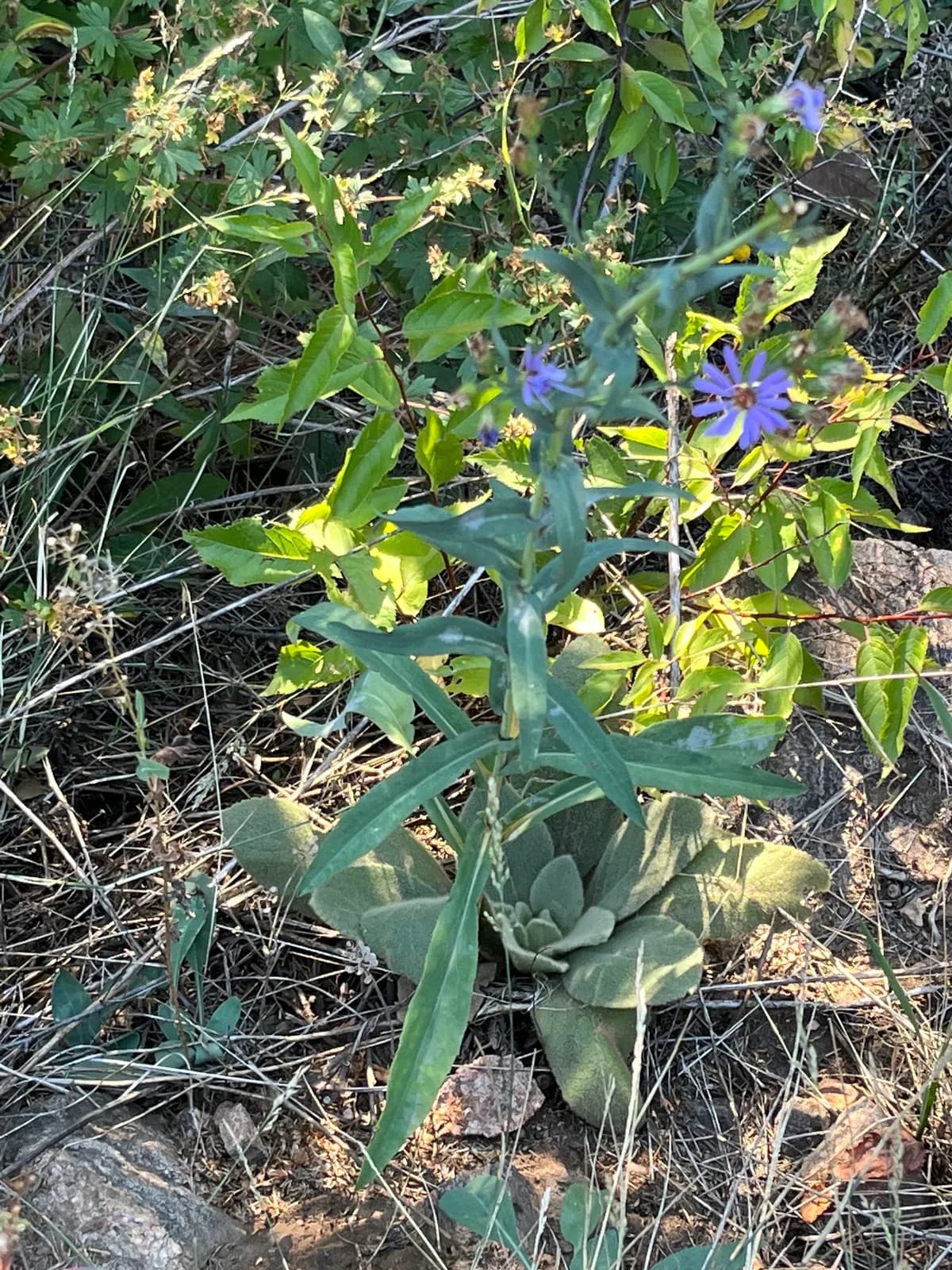
Smooth Aster
Symphyotrichum laeve
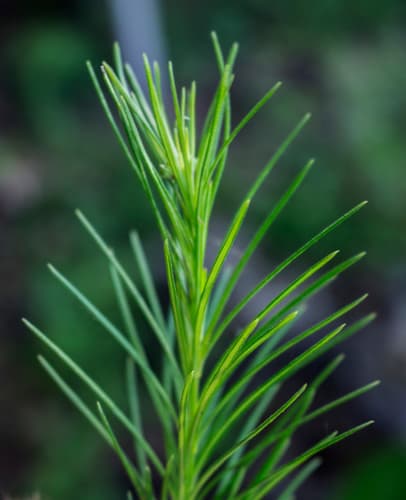
Whorled Milkweed
Asclepias verticillata
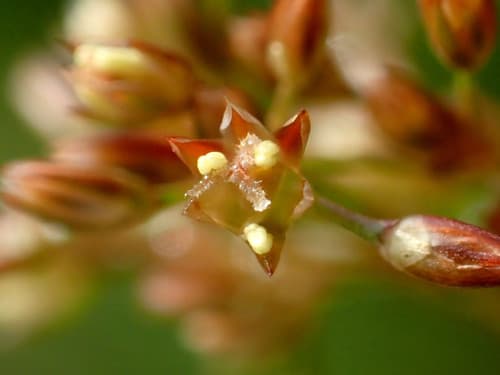
Soft rush
Juncus effusus
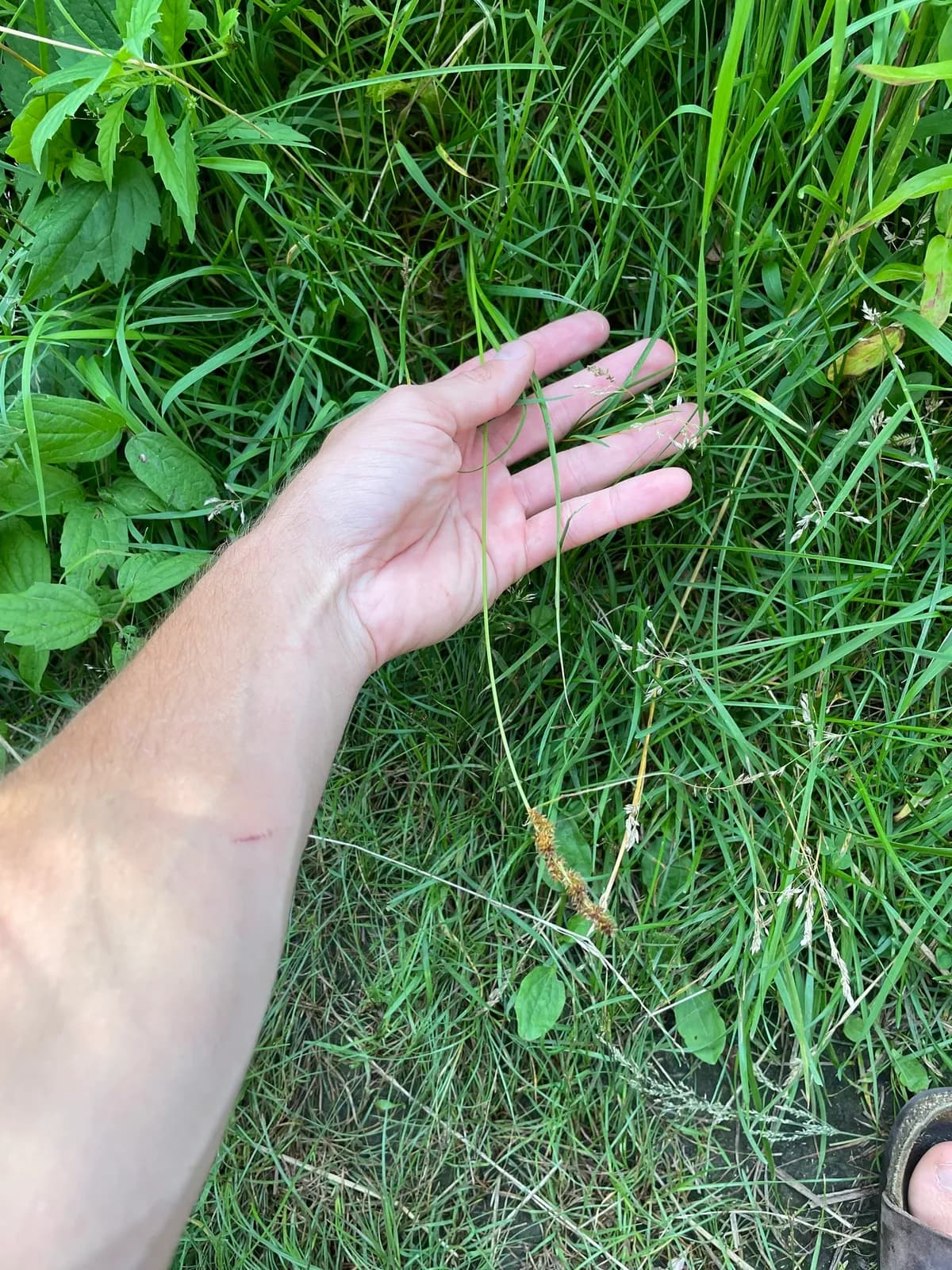
American Fox Sedge
Carex vulpinoidea
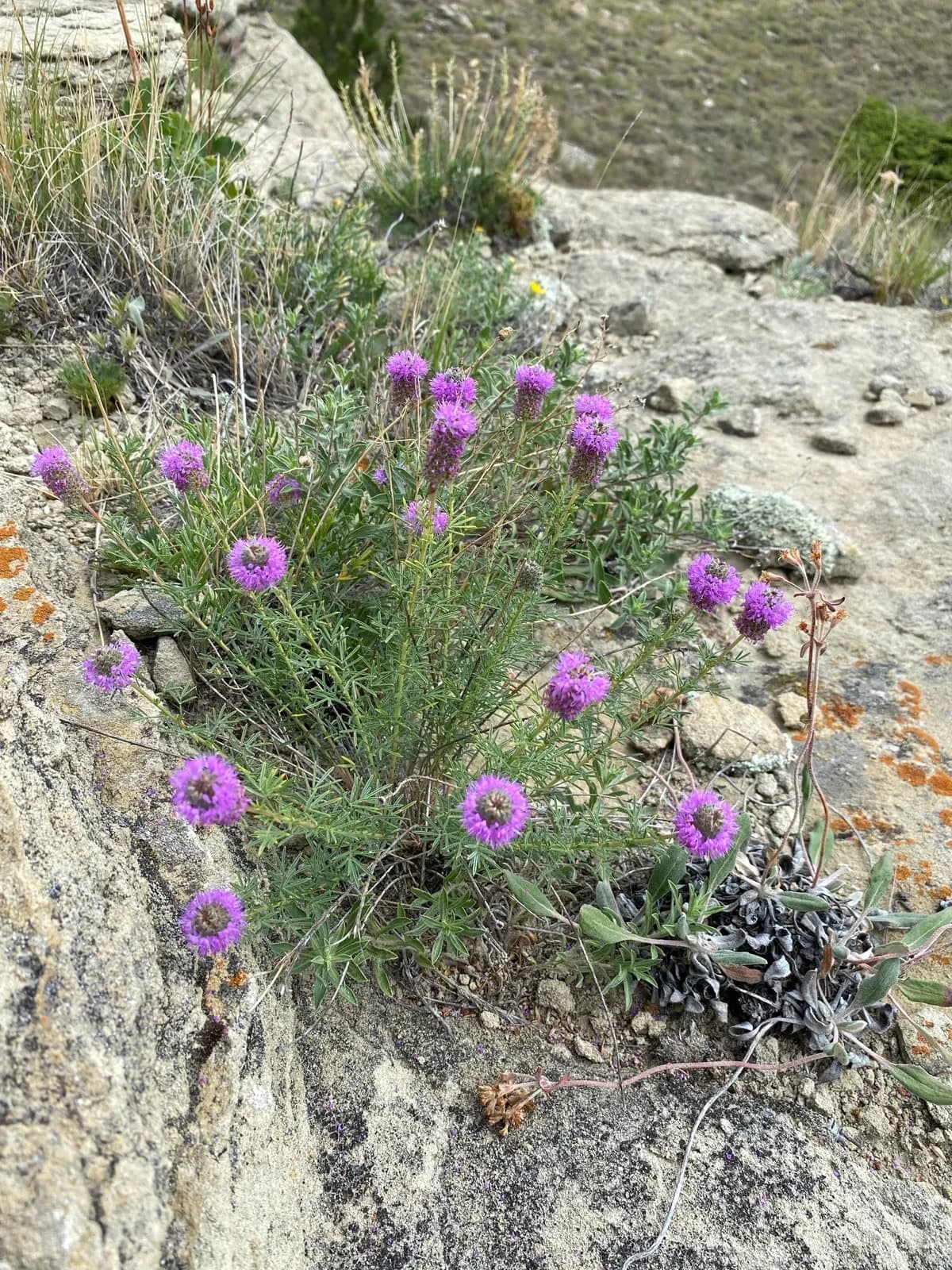
Purple Prairie Clover
Dalea purpurea
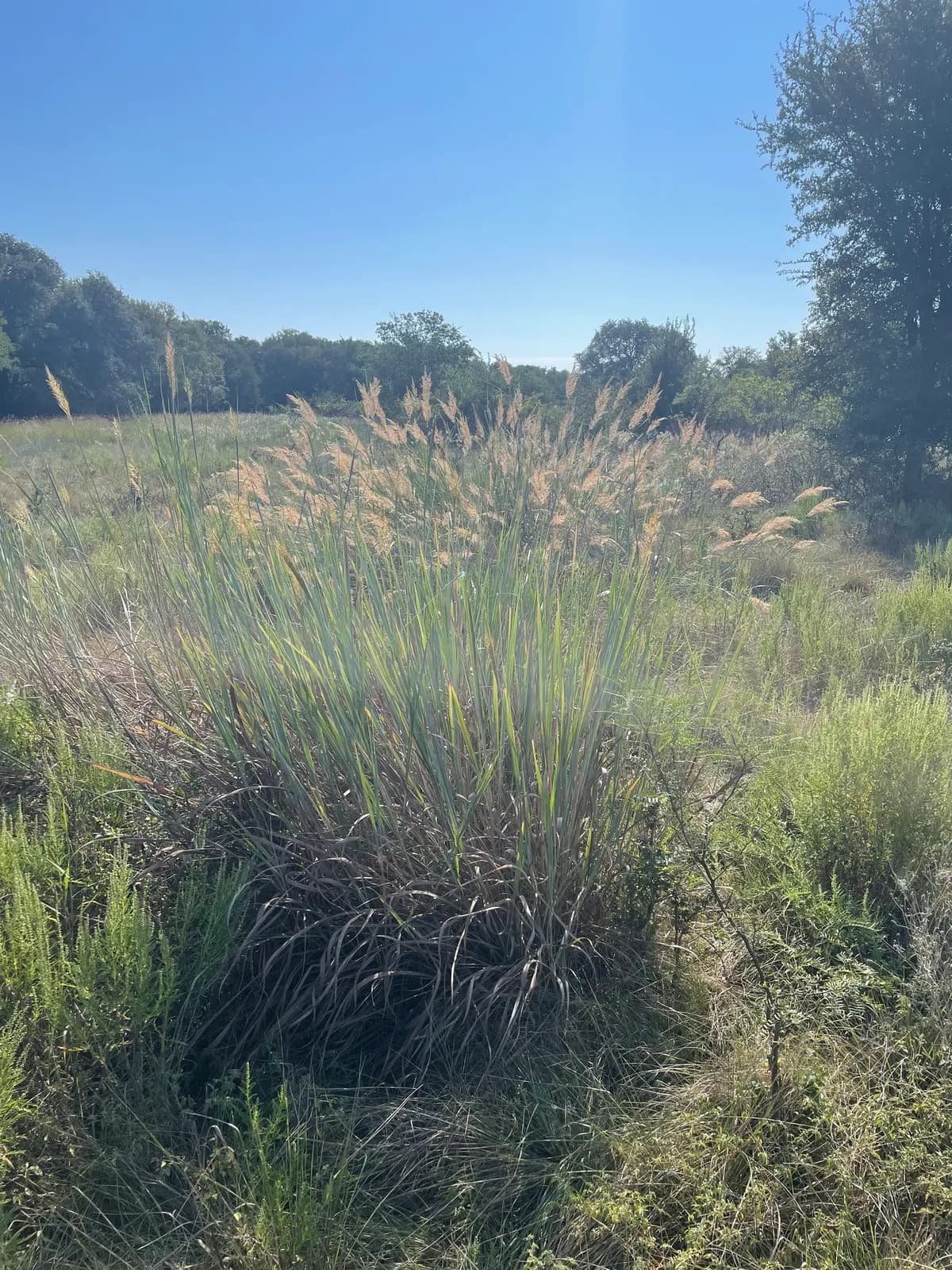
Indiangrass
Sorghastrum nutans
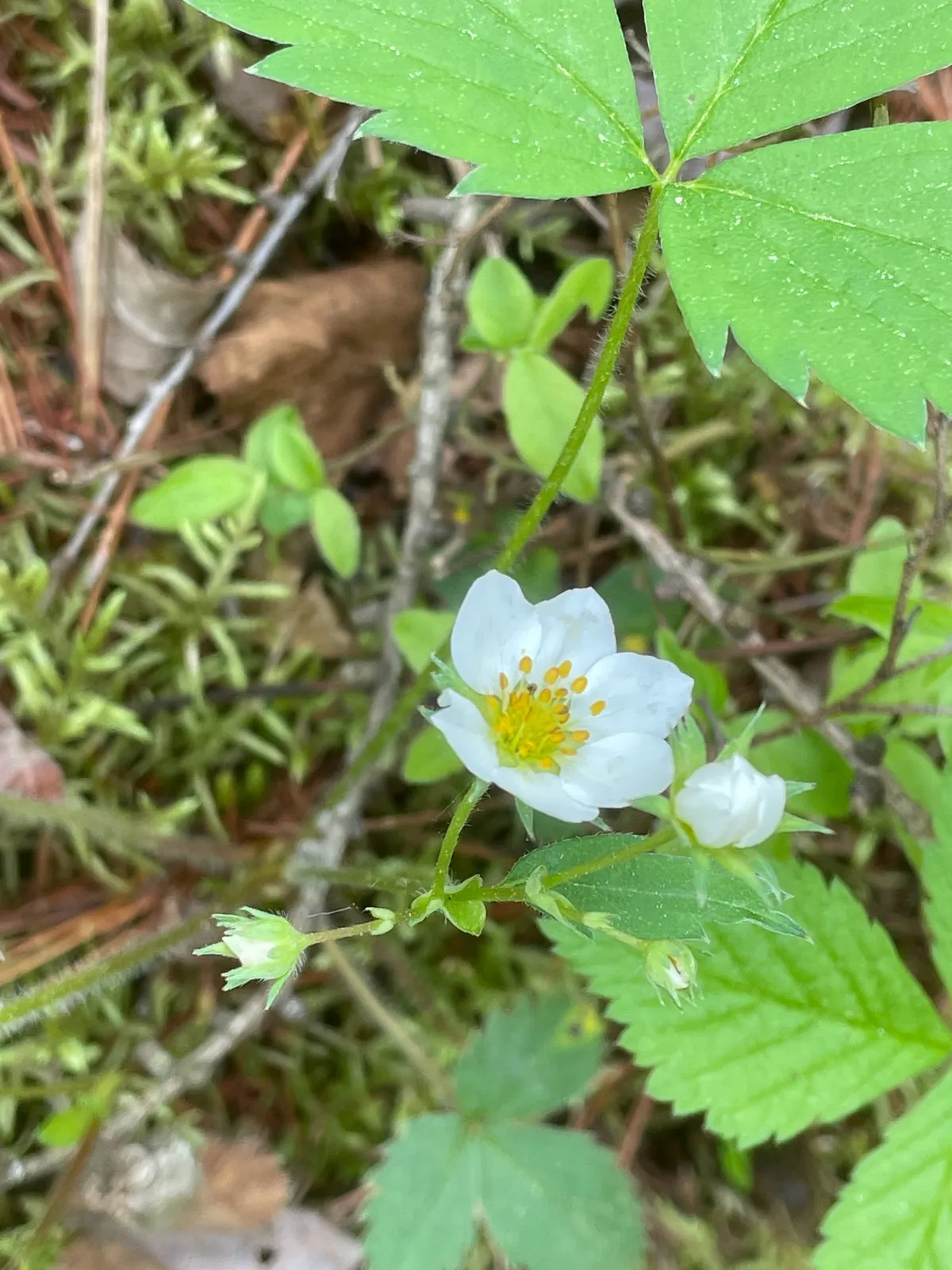
Scarlet Strawberry
Fragaria virginiana
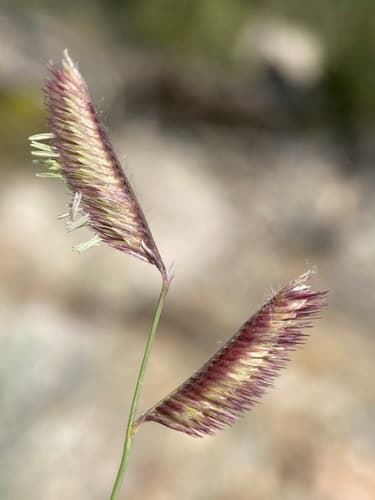
Blue Grama
Bouteloua gracilis
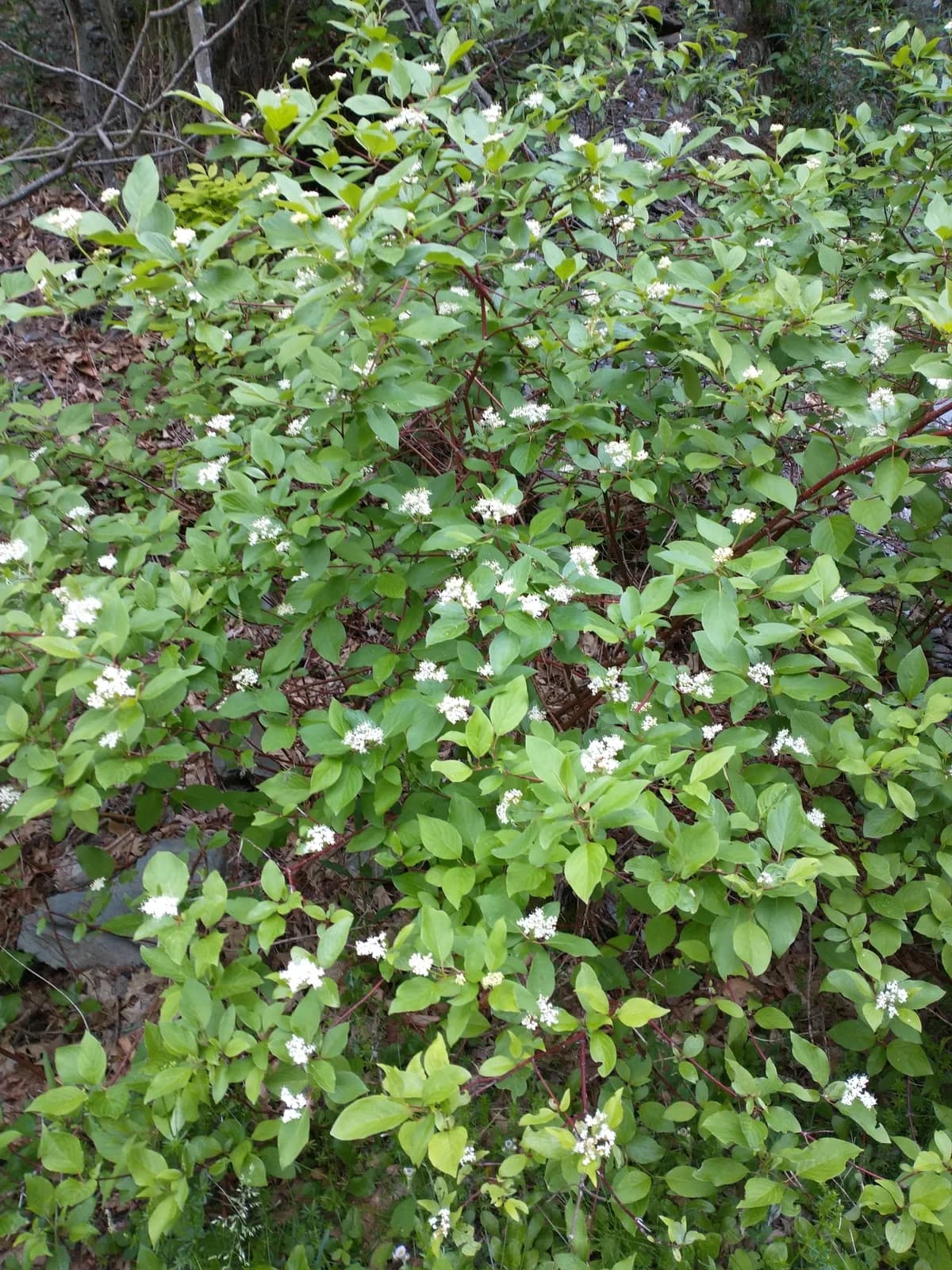
Red-osier Dogwood
Cornus sericea
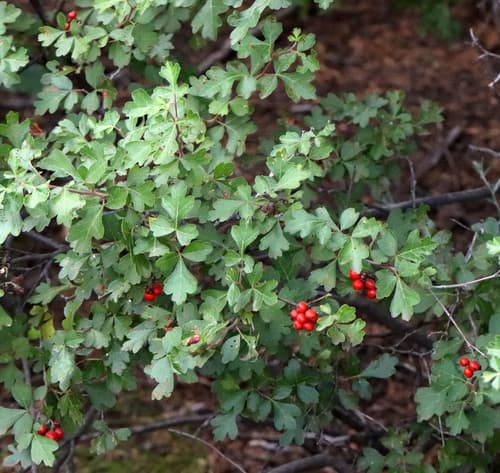
Aromatic Sumac
Rhus aromatica
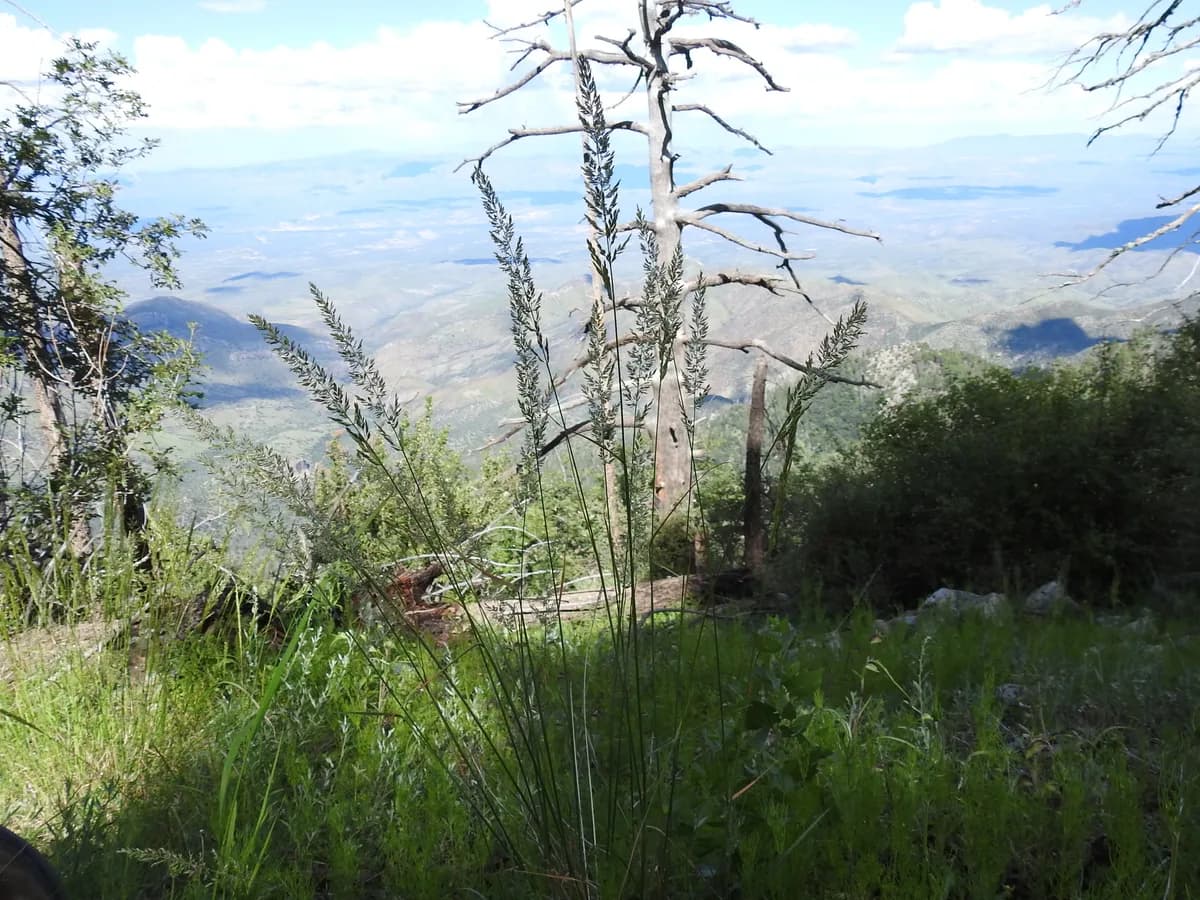
Prairie Junegrass
Koeleria macrantha

Mexican Hat
Ratibida columnifera
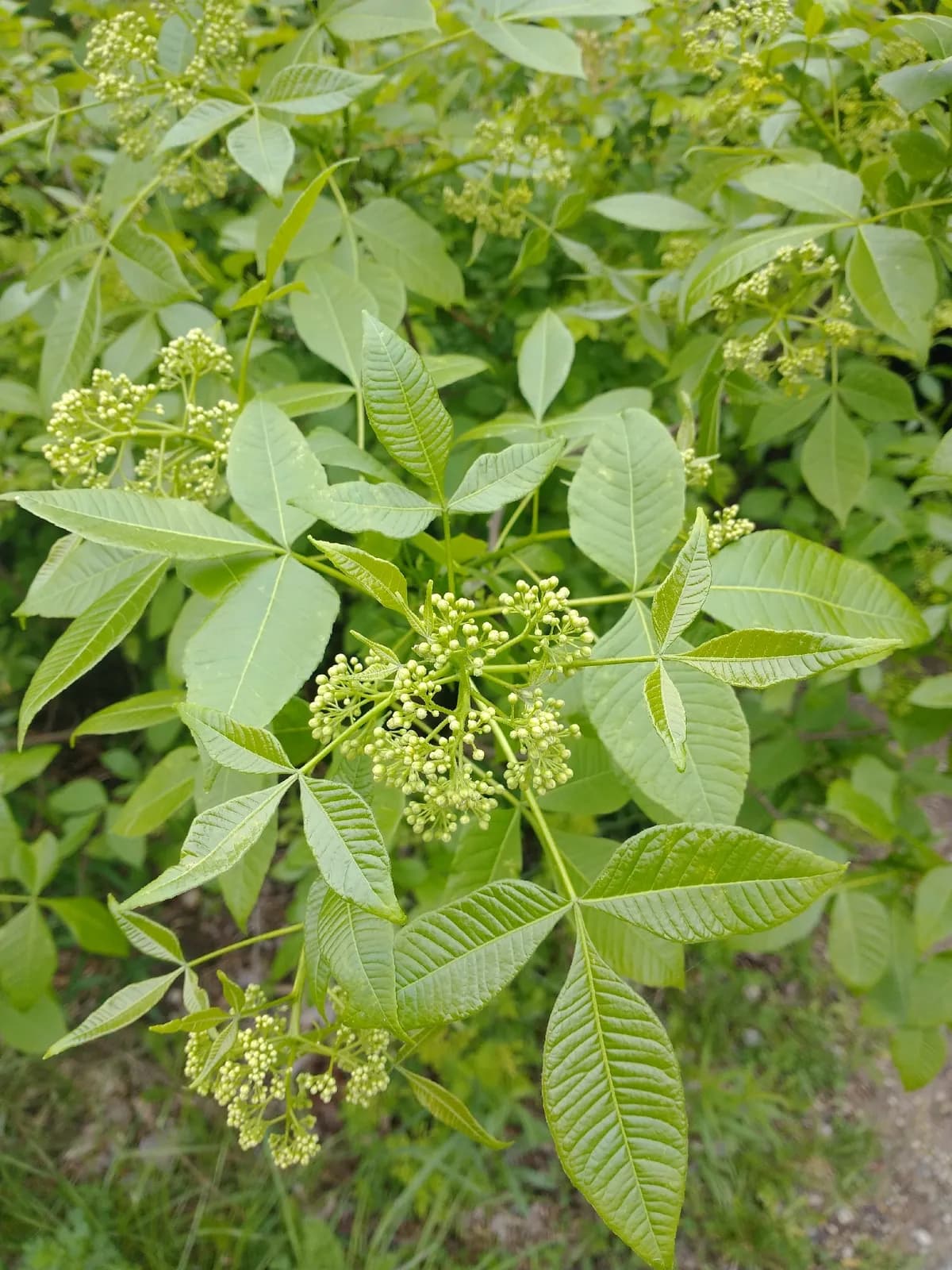
Wafer Ash
Ptelea trifoliata
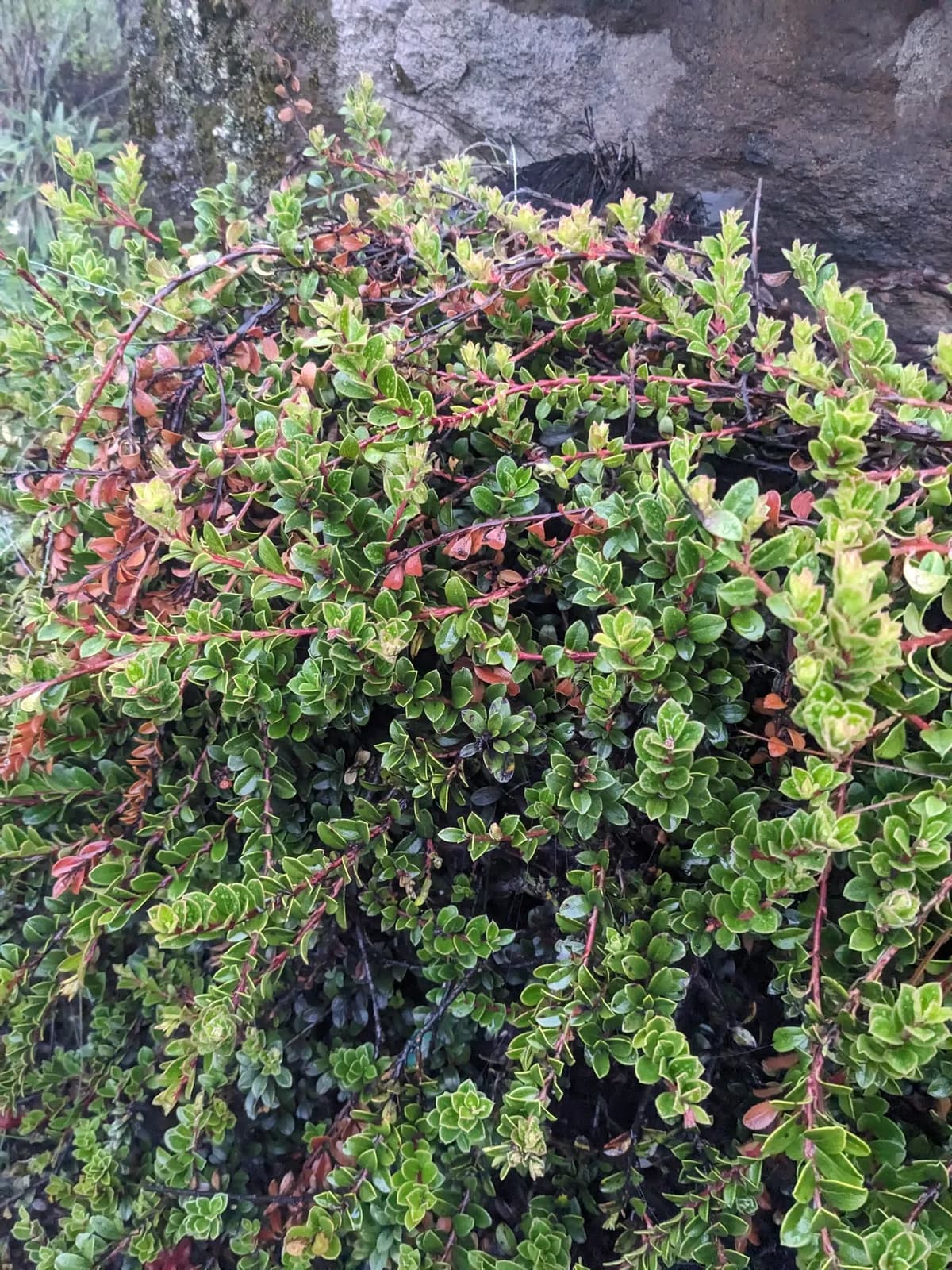
Bear-grape
Arctostaphylos uva-ursi
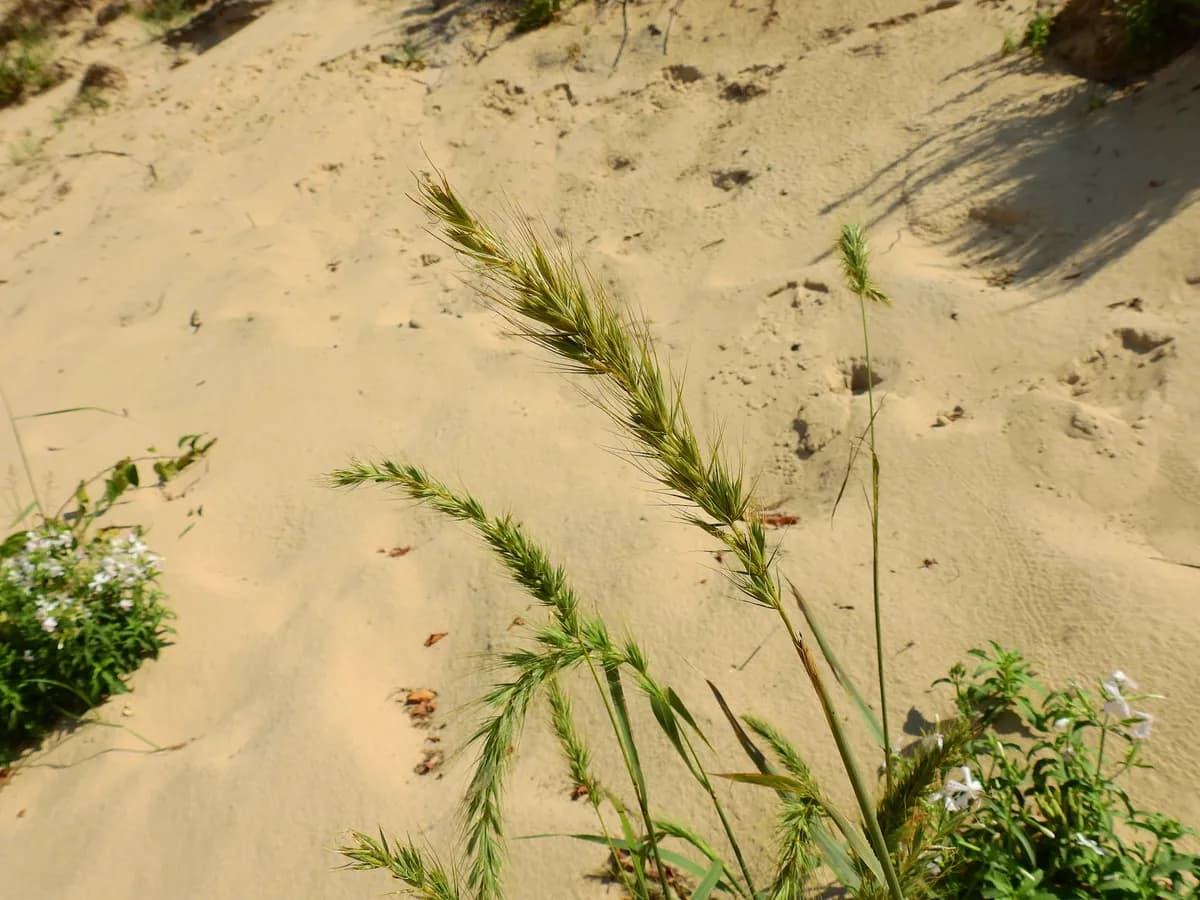
Prairie Wildrye
Elymus canadensis
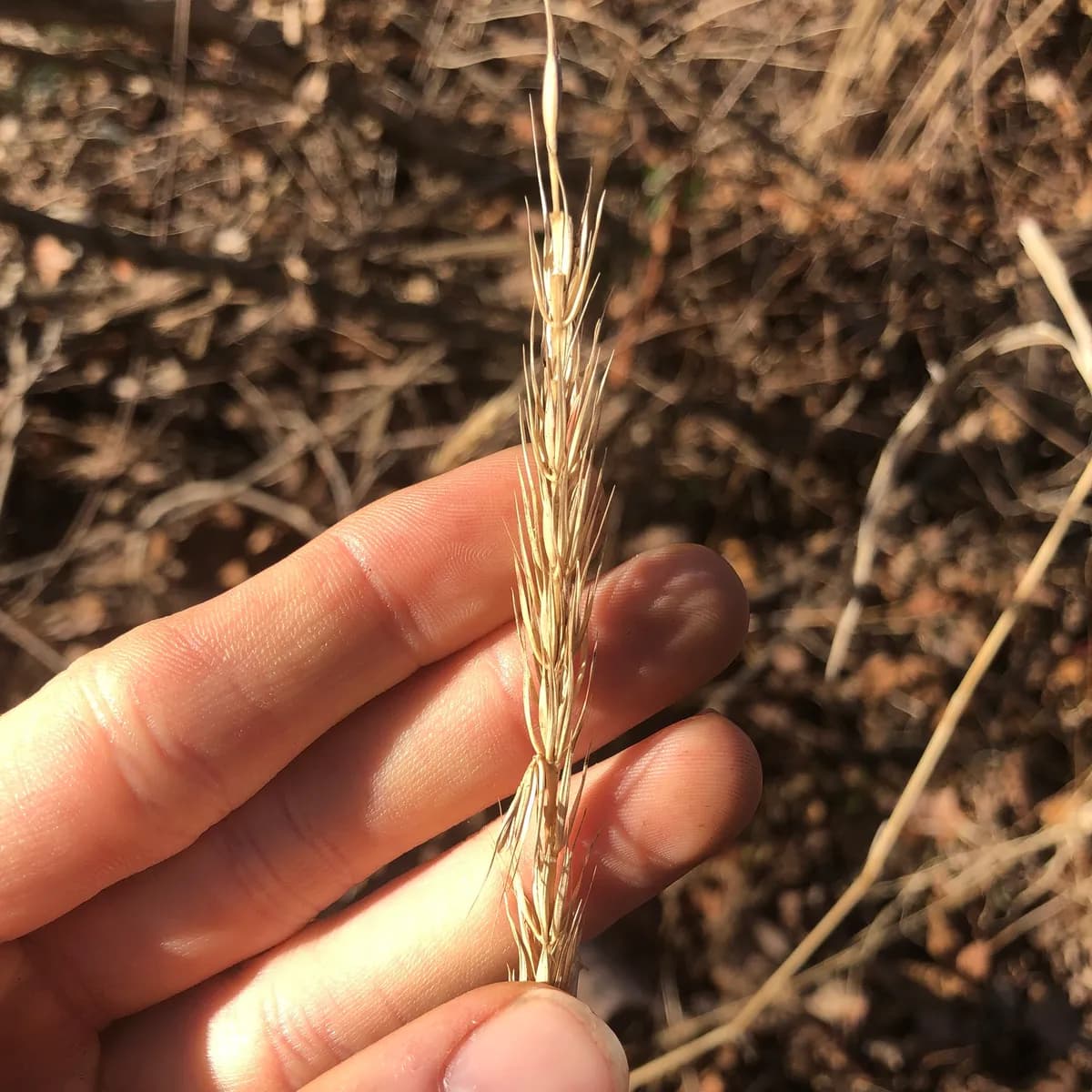
Virginia Wildrye
Elymus virginicus
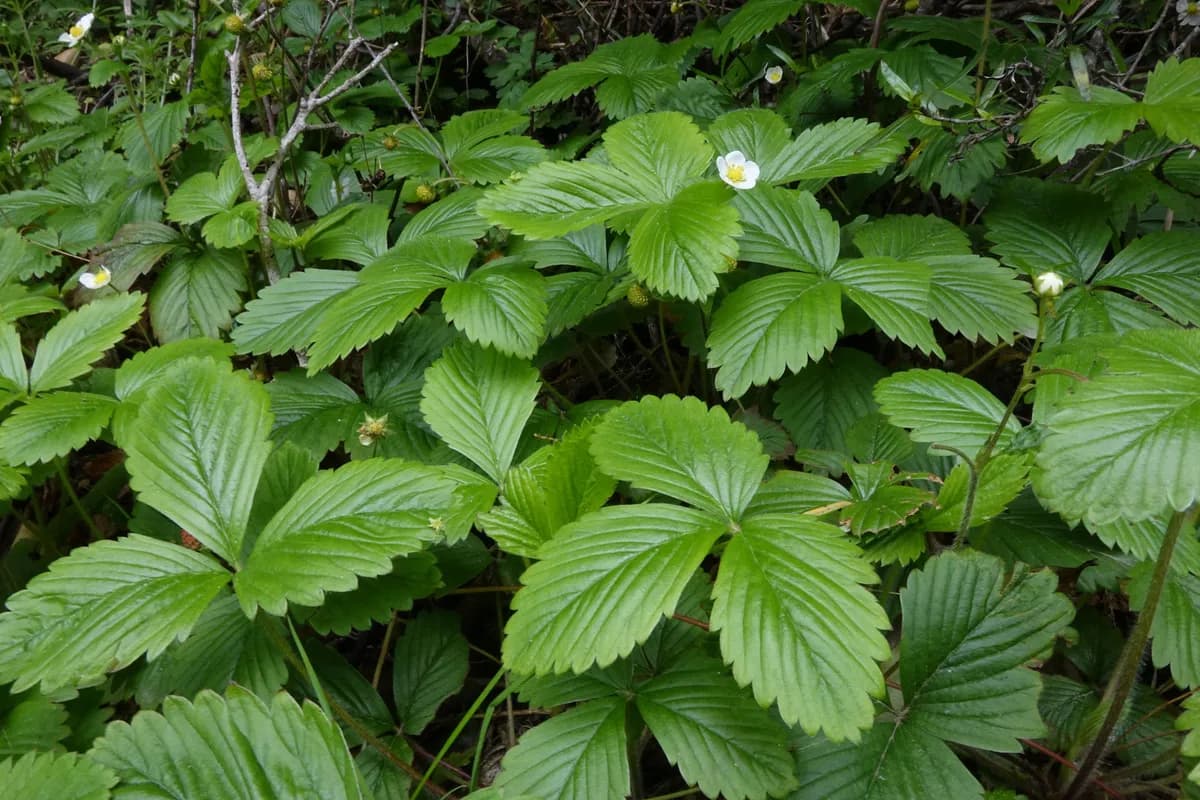
Wild Woodland Strawberries
Fragaria vesca
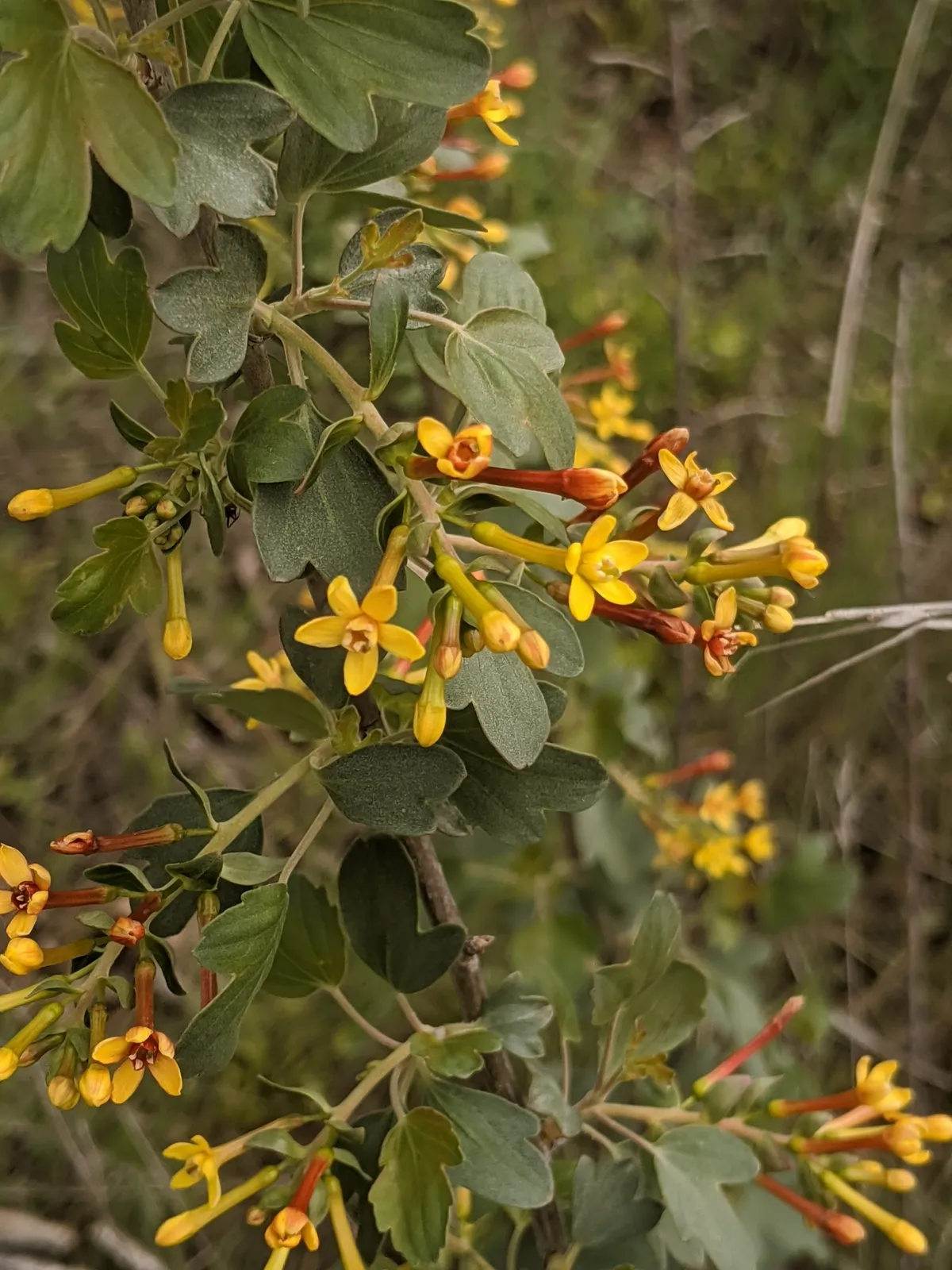
Golden Currant
Ribes aureum
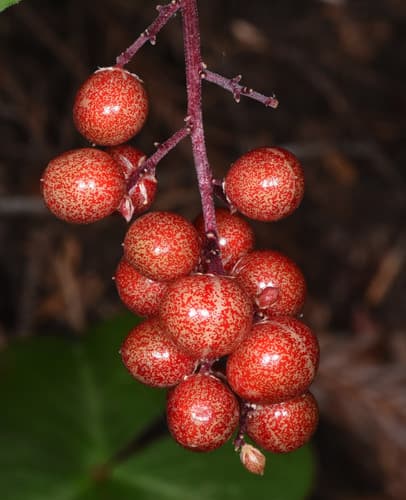
Solomon's-plume
Maianthemum racemosum
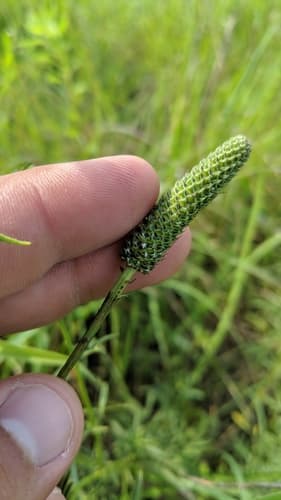
White Prairie Clover
Dalea candida
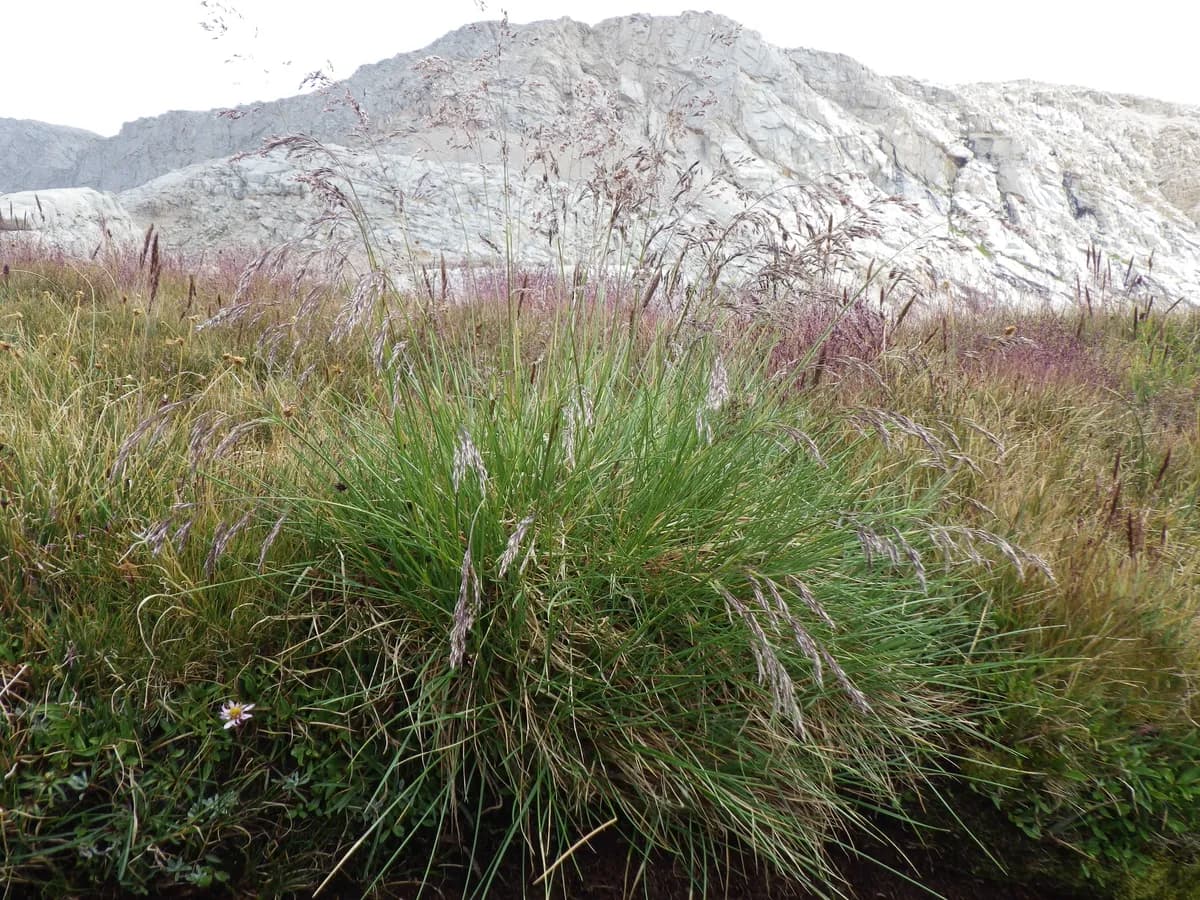
Tufted Hairgrass
Deschampsia cespitosa
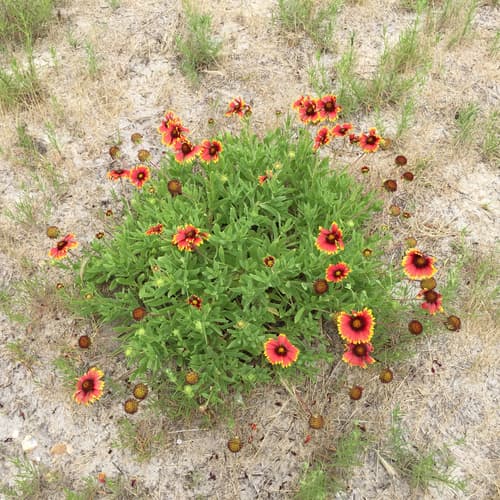
Firewheel
Gaillardia pulchella
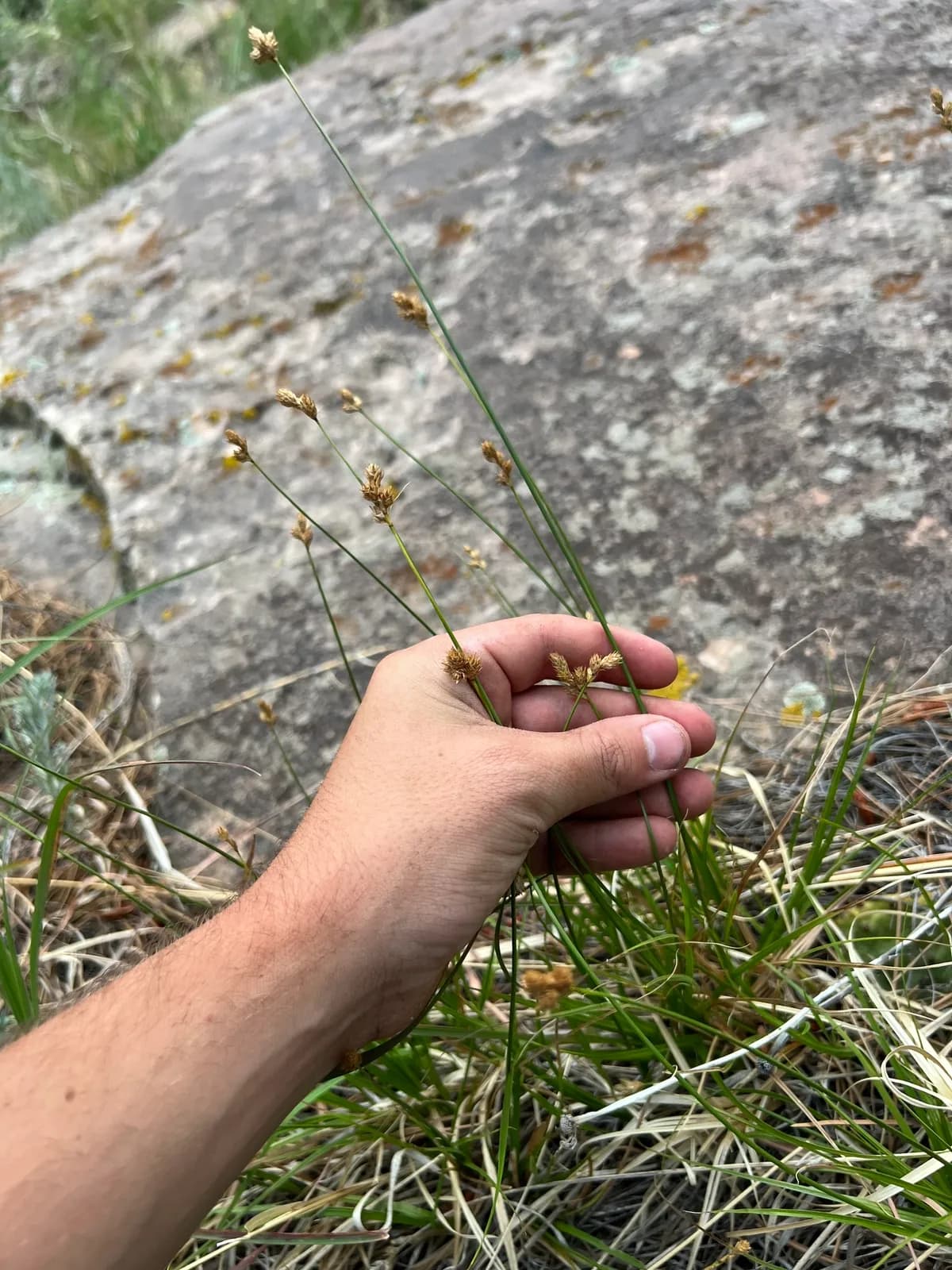
Short-beak Sedge
Carex brevior
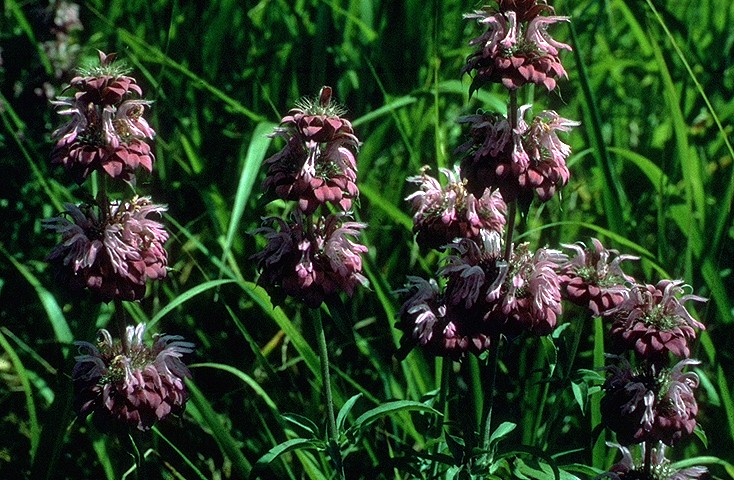
Horsemint
Monarda citriodora

Gayfeather
Liatris punctata
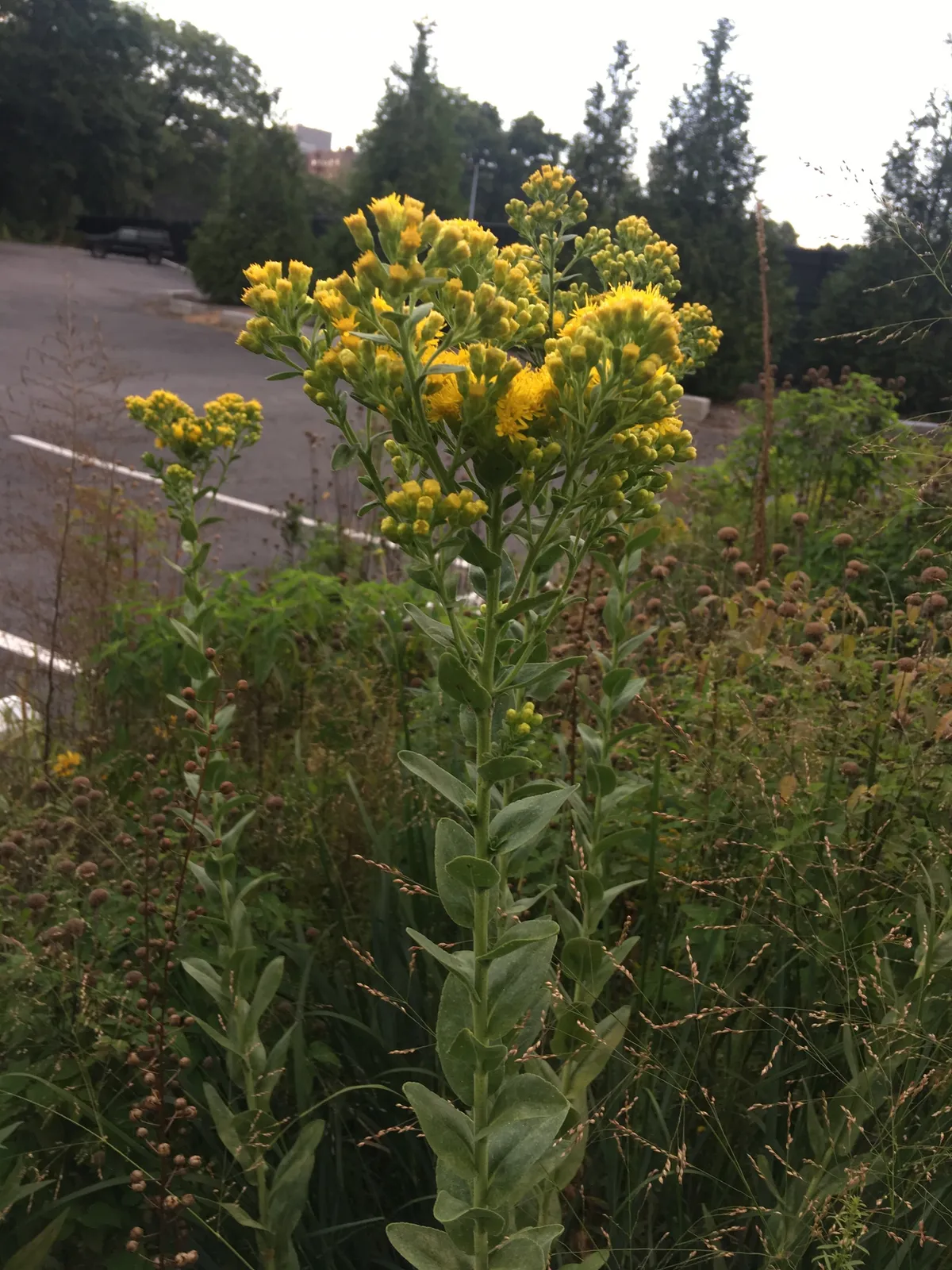
Stiff Goldenrod
Solidago rigida

Heath Aster
Symphyotrichum ericoides
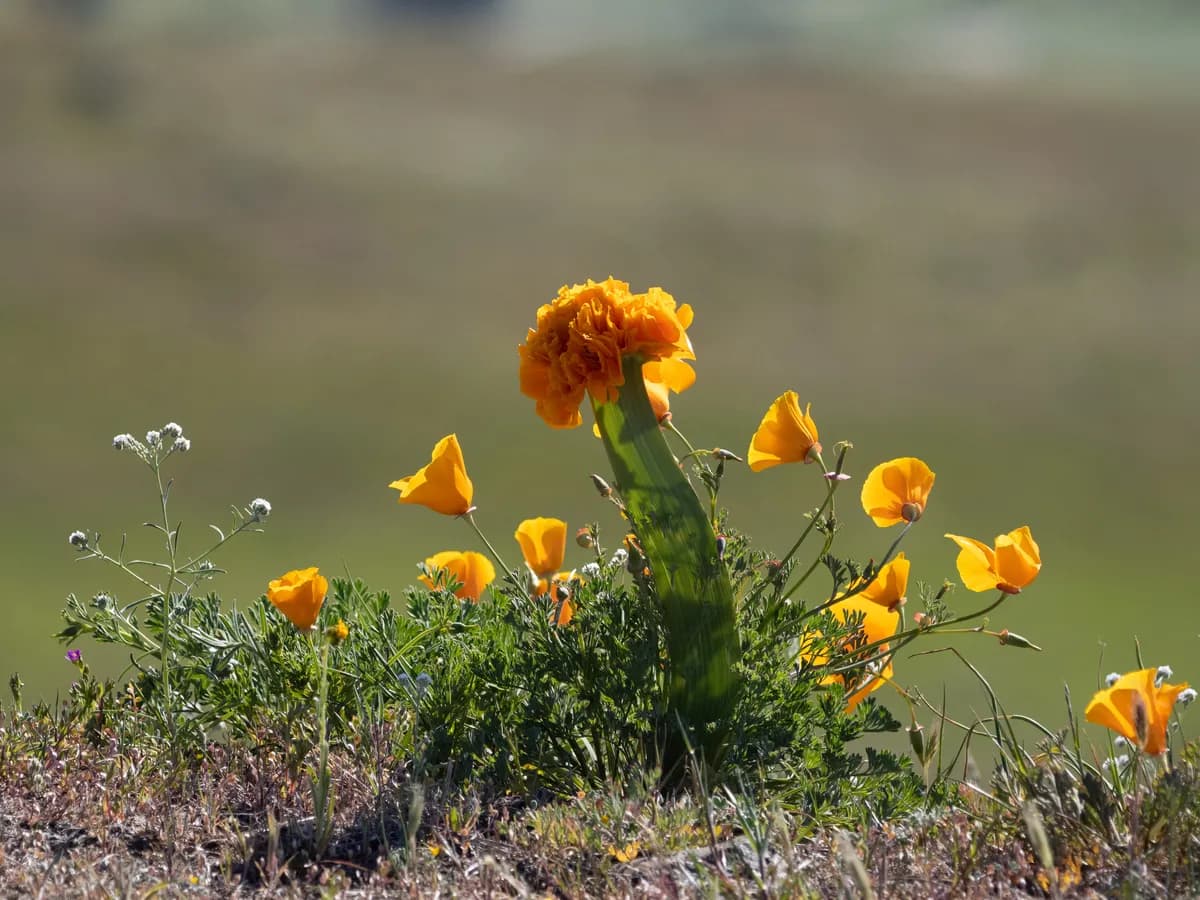
California-poppy
Eschscholzia californica
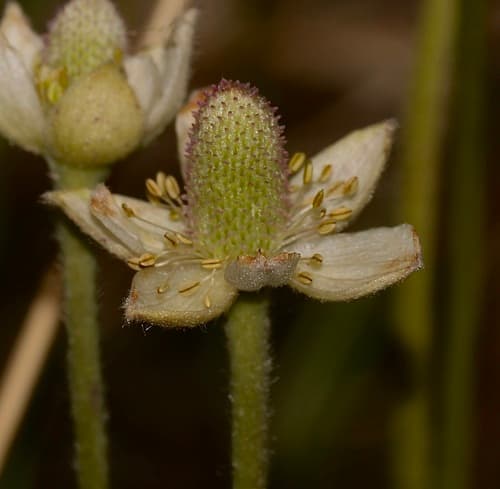
Candle Anemone
Anemone cylindrica
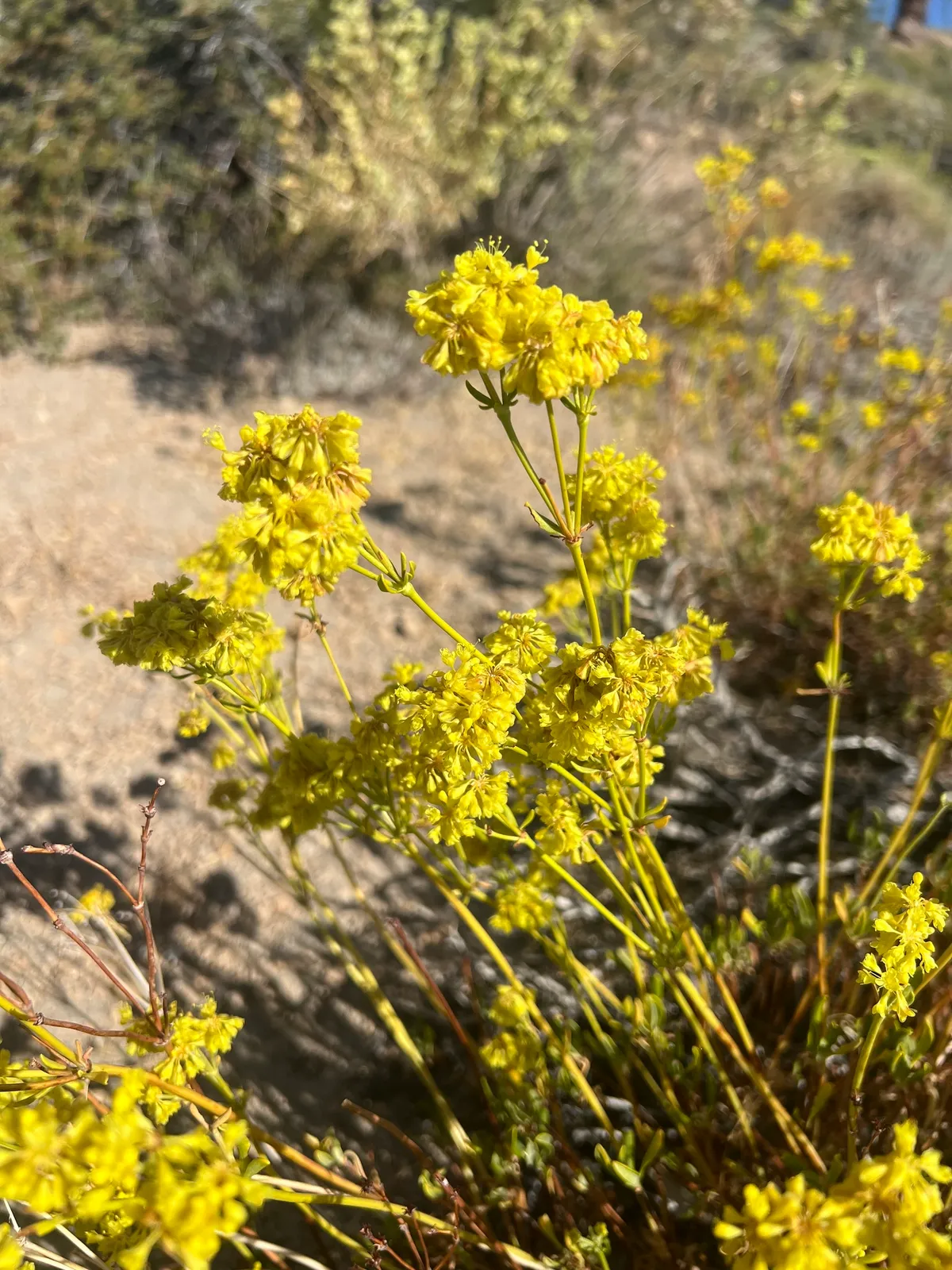
Sulfur-buckwheat
Eriogonum umbellatum
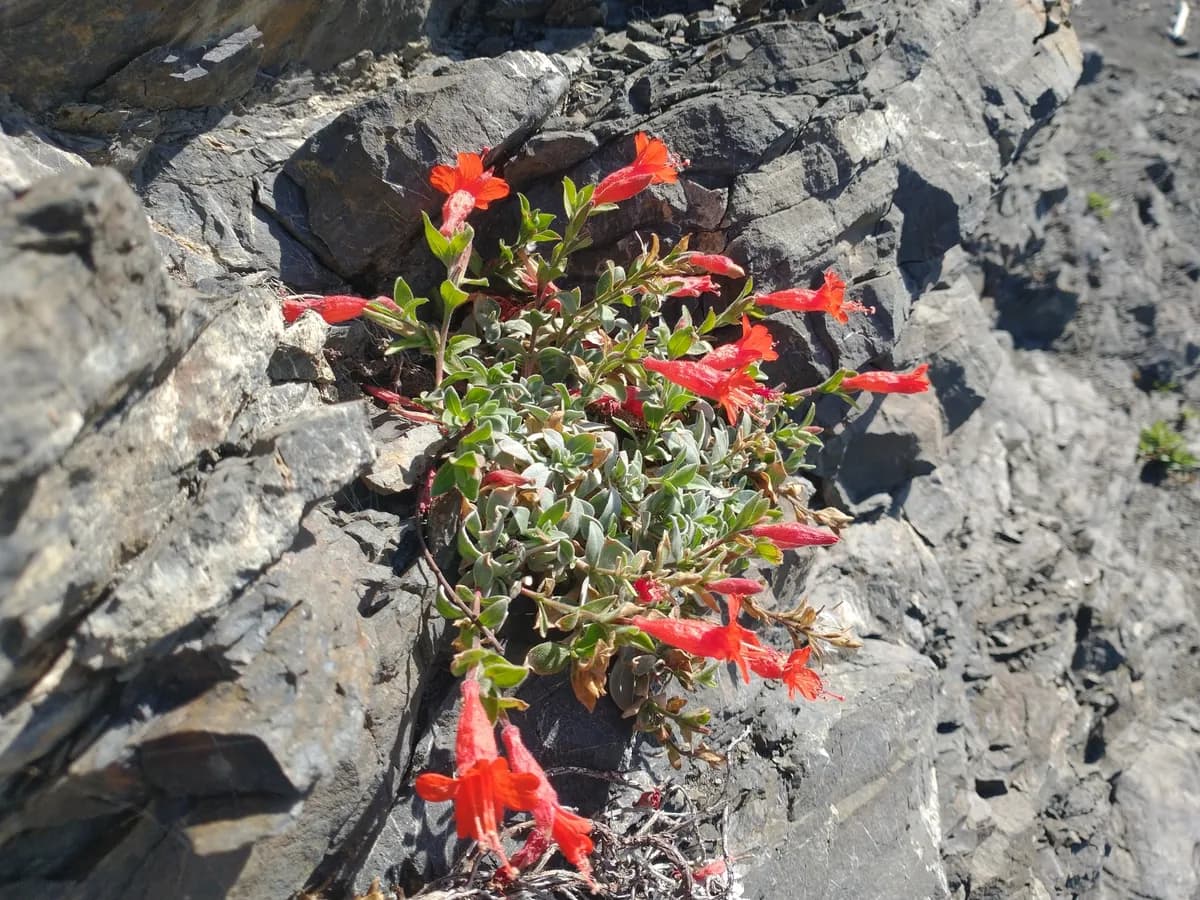
California Fuchsia
Epilobium canum
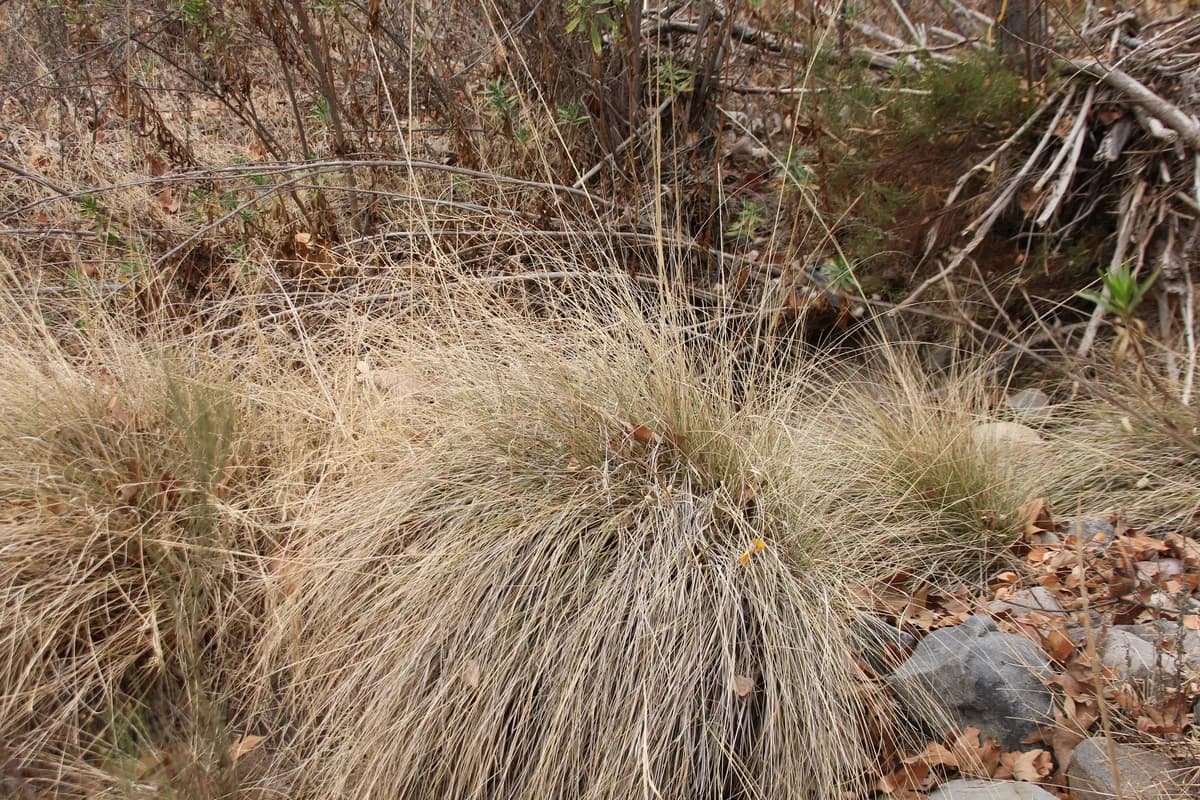
Deer Grass
Muhlenbergia rigens
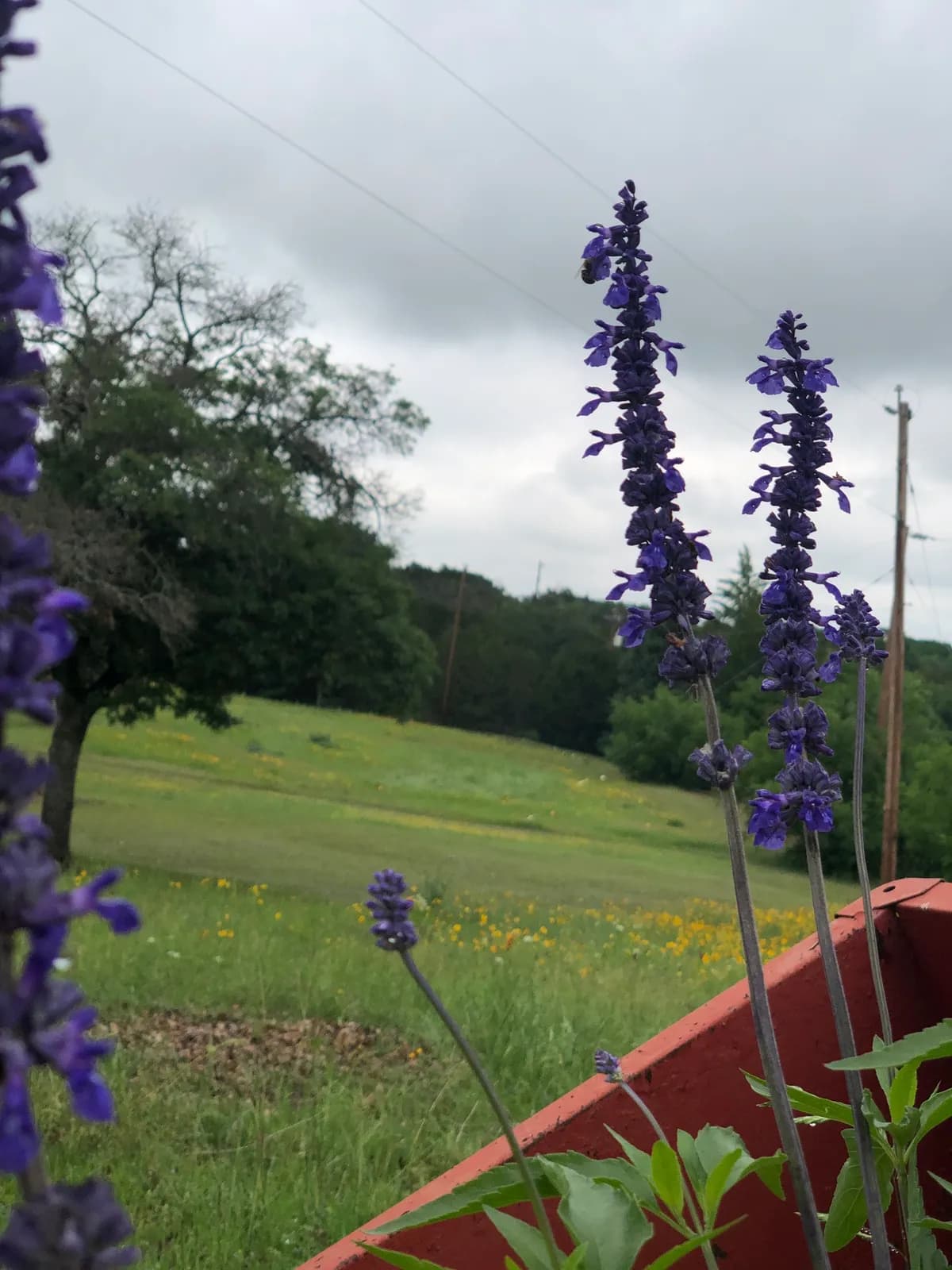
Mealy Blue Sage
Salvia farinacea
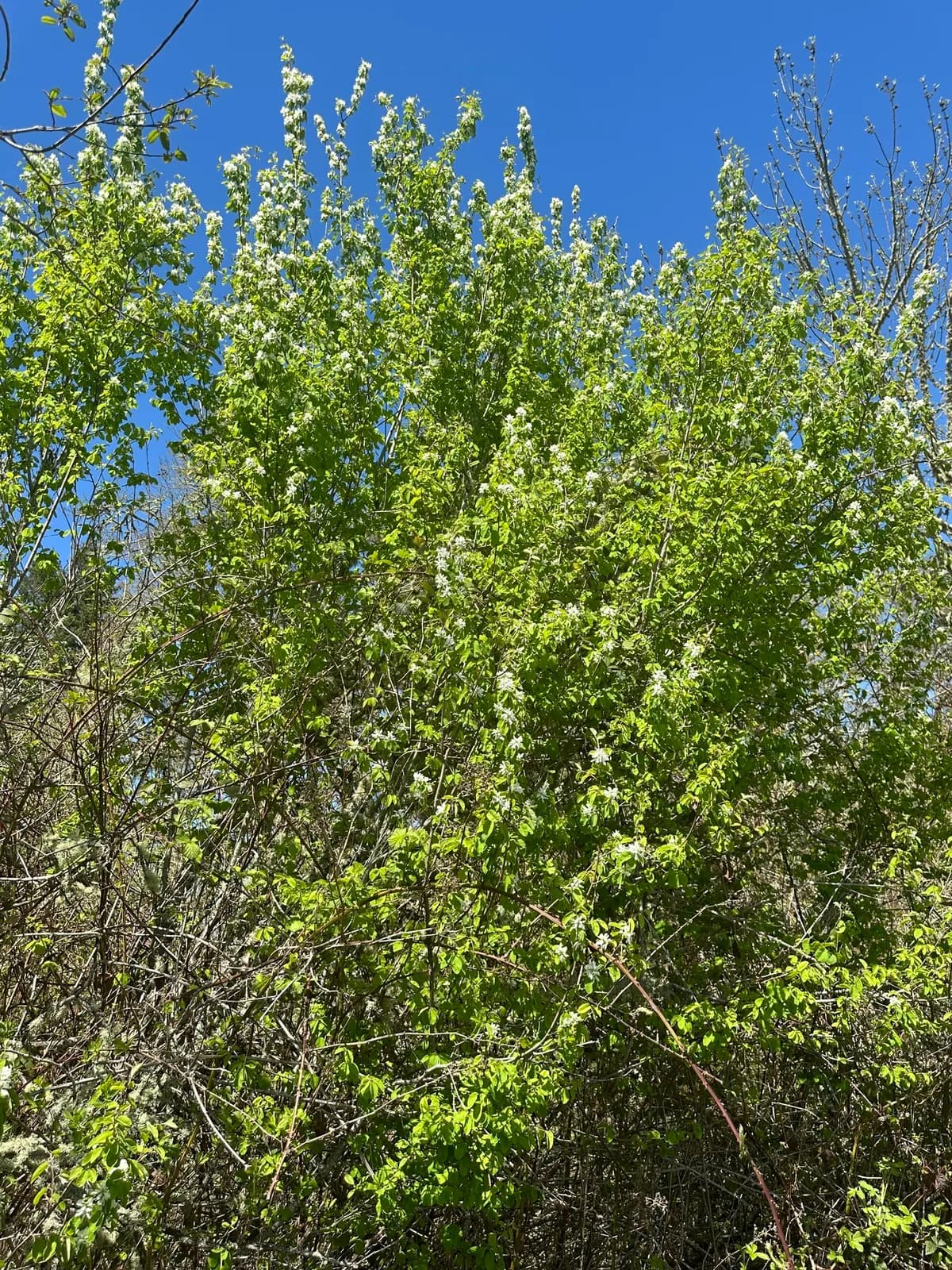
Pacific Serviceberry
Amelanchier alnifolia
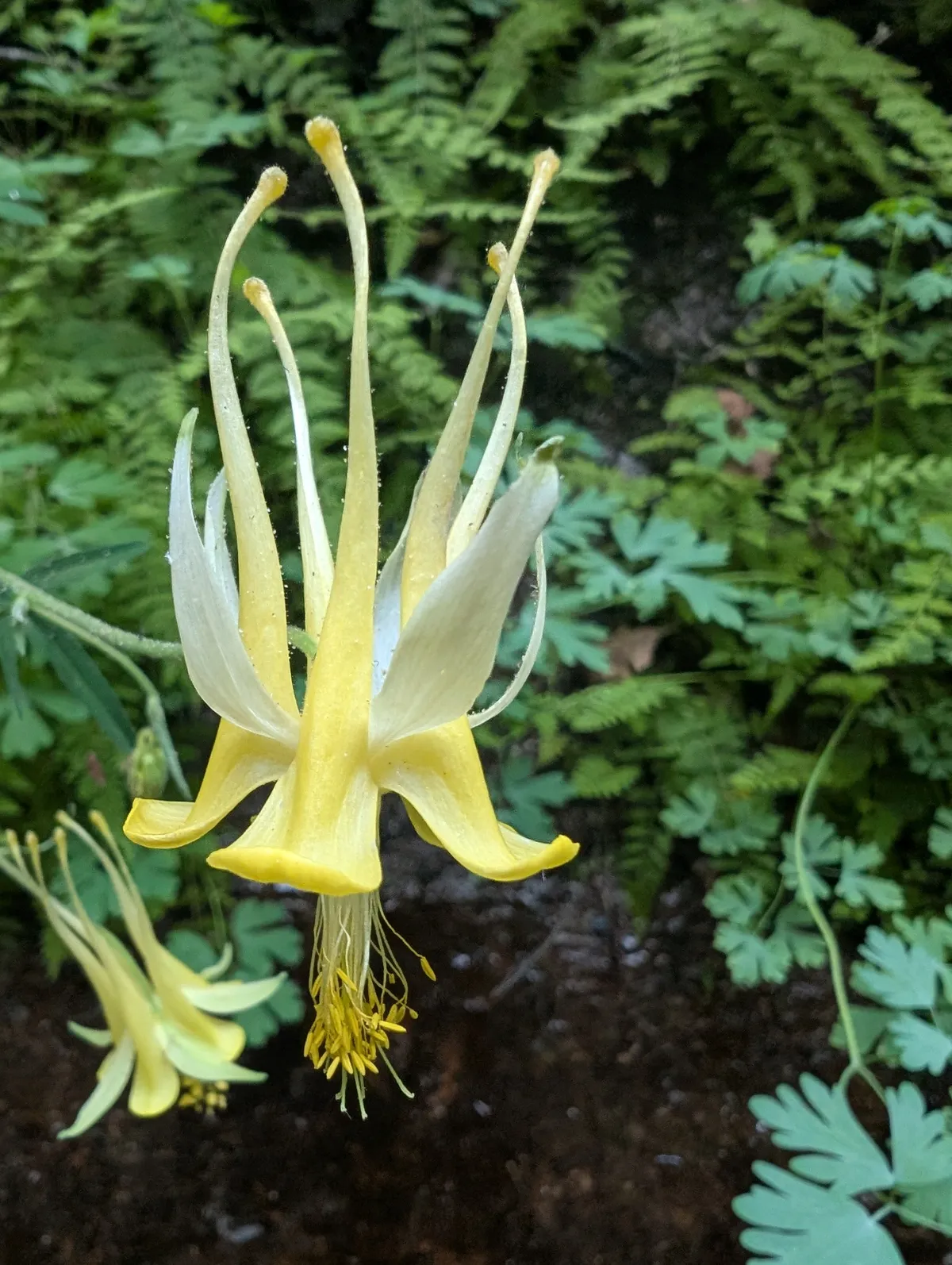
Golden columbine
Aquilegia chrysantha
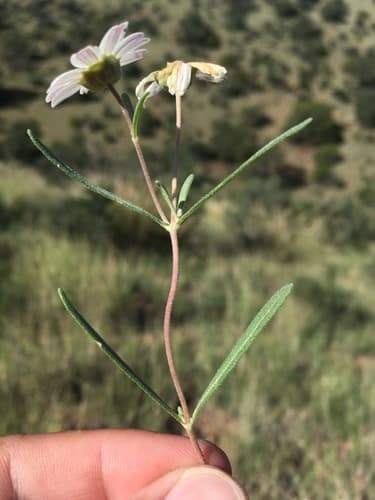
Blackfoot Daisy
Melampodium leucanthum
Showing 48 of 959. Enter your ZIP for the natives matched to your yard.
Fall care in the Arizona/New Mexico Mountains
What to do right now for plants commonly grown here. Each links to the full regional care guide for that species, with sources.
- Fremonts mahonia
Fall is a second good planting window in Prescott as summer heat eases, and mature shrubs need little attention as growth slows.
- Mock pennyroyal
As bloom winds down in October, reduce watering and let mock pennyroyal begin its natural dormancy before winter.
- Tufted evening primrose
Growth slows as nights cool. Prescott's first fall frost typically arrives around mid October, so plan any transplanting a few weeks ahead of that.
- Deer grass
Fall is bloom season for Arizona deer grass and a good window for new plantings, with watering tapering off as Prescott heads toward its first frost.
- Prairie junegrass
Fall is a second cool, active season for this grass in Prescott, and the right time for a light cutback before the first frost arrives.
- Hairy grama
As the weather cools around Prescott, Hairy Grama slows down and starts to go dormant. Its dry stems and seed heads can be left standing rather than cut back now.
- Sideoats grama
Fall is sideoats grama's showiest season around Prescott. The one-sided seed spikelets are fully out and the clump starts picking up fall color as it heads toward dormancy.
- Antelope horn milkweed
Fall is when the curved seed pods that give this plant its name form and split open. It is a good time to collect seed or cut pods back before they release fluff into the yard.
- Smooth aster
Fall bloom follows the monsoon, an important nectar stop before winter at this elevation.
- Little bluestem
Fall color arrives with cooler nights, turning blades copper and rust.
Build a plan for the Arizona/New Mexico Mountains
The Pollinator Patch App turns plants like these into a front-yard plan tuned for the soil, climate, and HOA expectations of the Flagstaff area.