Blackfoot Daisy
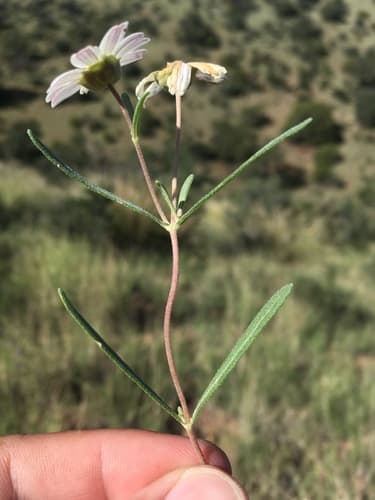
Melampodium leucanthum
Light
full sun
Water
low
Size
12"–18" H × 12"–24" W
Bloom
Mar, Apr, May, Jun, Jul, Aug, Sep, Oct, Nov
Native to
Edwards Plateau, Trans-Pecos, South Texas Plains
Pollinators
bees, butterflies
Picture natives in your own yard
Upload a photo of your yard and Patch Vision shows a rendering of it planted with natives for your region, like Blackfoot Daisy.


Browse plants for this ecoregion
Blackfoot Daisy is a perennial forb native to Edwards Plateau, Trans-Pecos, South Texas Plains. It grows best in full sun with low water needs.
Blackfoot Daisy (Melampodium leucanthum) blooms almost continuously from March through November in the Texas Hill Country and Trans-Pecos. White flowers with yellow centers cover the compact mound all season, and the plant requires almost no input to stay in bloom. It is native to alkaline rocky soils and actually performs worse with fertilizer.
Blackfoot Daisy is not on the ASPCA Animal Poison Control Center toxic plant list for dogs or cats. The plant stays 12-18 inches tall and 12-24 inches wide, a size that fits naturally in foundation beds and along walkways. The long bloom season, compact form, and familiar daisy look make it one of the most HOA-friendly natives in its range.
Ecoregion notes for Texas. In the Edwards Plateau and Hill Country (alkaline limestone, rocky outcrops, 25-35 inches of rain): native and ideal. Plant in full sun, skip fertilizer, water monthly in summer once established. In the Trans-Pecos and South Texas Plains (alkaline desert and brush country): also native; one of the most drought-tolerant natives available. In the Blackland Prairie (DFW, Austin, San Antonio): not native but adapts to well-drained spots; plant on a south or west facing slope or raised berm to keep roots dry. In the Pineywoods: not recommended; the acidic wet soil kills it.
Blackfoot Daisy pairs with Texas Sage, Prairie Verbena, and Damianita for a drought-tough, long-season front yard bed. Light trimming after heavy bloom flushes encourages reblooming. It is short-lived in humid locations; plan to replant every 2-3 years east of I-35. In its native range west of I-35, established plants can persist for a decade.
Bee species data compiled from GBIF, iNaturalist, Discover Life, and the USGS Native Bee Inventory and Monitoring Lab. Plant-pollinator associations informed by published ecological literature.
How to care for Blackfoot Daisy, by region
How to care for Blackfoot Daisy where it is actually grown: year-round basics plus what to do each season, region by region, with the sources for each.
Care guidance last updated: October 2026
Arizona/New Mexico Plateau (includes Flagstaff, AZ)
Year-round
Year-round care for blackfoot daisy around Flagstaff, AZ: sun to part shade, dry rocky soil with excellent drainage.
- It grows in sun to part shade.
- It wants dry, rocky, calcareous soils such as gravelly, sandy, or limestone-based types, with excellent drainage.
- It is drought tolerant and tolerates heat well.
- It stays 6 to 12 inches tall, occasionally 1 to 2 feet, and spreads about twice its height.
- In late winter, older plants can be cut back halfway to keep them compact.
- Avoid rich soil and excess water, which may reduce lifespan.
A low mound of white daisies kept trimmed in late winter looks neat in a rock-garden bed.
Sources: Lady Bird Johnson Wildflower Center: Melampodium leucanthum
Cross Timbers (includes Fort Worth, TX)
Year-round
Blackfoot daisy is a low, mounding wildflower native to the Cross Timbers area that blooms for most of the growing season on very little water once it is established.
- Give it full sun and well drained, sandier soil. It struggles anywhere water sits after rain.
- Space new plants 12 to 18 inches apart since each mound spreads 12 to 24 inches wide.
- Water regularly for the first 6 to 8 weeks after planting to help roots establish, then let rainfall carry it.
- Cut the whole plant back to about half its height in late February to keep it compact and blooming heavily.
- Skip fertilizer and rich compost. Overly rich, wet soil tends to shorten this plant's life and produce fewer flowers.
Fall
Fall keeps blackfoot daisy blooming right up to the first freeze in mid November, and the milder temperatures also make it a workable second window for planting.
- Blooms continue through October and taper off once the first hard freeze hits in mid November.
- If planting new in fall, water it in well and keep watering every week or two until the first freeze so roots can establish before winter.
- Hold off on pruning. Save the hard cutback for late winter, not now.
- Leave spent flower heads on the plant through fall. They do not hurt the look and the seed can feed birds.
A mound still blooming through October, when most nearby beds are fading, tends to be one of the more put together looking plants in a front yard this time of year.
Winter
Blackfoot daisy goes semi dormant in winter and gets one hard haircut in late February to reset it for the next growing season.
- In late February, cut the whole plant back to about half its height to remove old, woody growth and keep it compact.
- Expect the foliage to look thin, grayish or ragged after a hard freeze. That is normal, and it resprouts from the base.
- Skip watering during dormancy unless North Texas goes more than a month with no rain.
- Do not pile mulch against the crown. Wet mulch sitting on the base over winter can rot it.
The late February cutback leaves a low, neat, clearly tended mound instead of a straggly one, which reads better than an untrimmed plant heading into spring green up.
Spring
Spring is the planting window for blackfoot daisy in North Texas, and it is when the small white daisy flowers start opening as the weather warms toward the last frost in mid March.
- Plant new blackfoot daisy anytime from March through May, the safest planting window in the Cross Timbers area.
- Pick the sandiest, best drained spot in the bed. The loam over clay soils here fit this plant well as long as water does not pool.
- Water twice a week for the first month after planting, then taper off as the roots spread.
- Do not deadhead yet. Let the mound fill in and let new blooms open on their own through late spring.
A freshly planted patch looks sparse for the first few weeks. A thin layer of mulch around it reads as an intentional new bed rather than bare dirt while it fills in.
Summer
Summer is peak bloom for blackfoot daisy, and once it is established it needs almost no watering through the hottest weeks, though a plant installed this year still needs help.
- Established plants need no supplemental water in a normal North Texas summer. This species is built for 100 degree afternoons.
- Plants installed within the last year still need a deep soak every 7 to 10 days during stretches with no rain, since the sandier Cross Timbers soil dries out fast.
- Deadheading is not required, but shearing spent flowers lightly keeps the mound tidy and can push a fresh flush of blooms.
- Expect small white daisy flowers to cover the mound through most of June, July and August.
A tightly mounded patch still covered in white blooms reads as a maintained bed during the driest weeks, when nearby lawns are going brown.
Sources: Lady Bird Johnson Wildflower Center: Melampodium leucanthum
Edwards Plateau (includes San Antonio, TX)
Year-round
Blackfoot daisy is a low, mounding native Texas wildflower that thrives on neglect in hot, dry, sunny spots with sharp drainage.
- Give it full sun, at least 6 hours of direct light a day. It gets leggy and blooms less in shade.
- Plant it in rocky, gravelly, or caliche soil with sharp drainage. Skip rich garden beds or heavy clay that holds water, that shortens this plant's life.
- Water it in to get established, then let rainfall do most of the work afterward. It is a low water use plant and extra water mainly just shortens its lifespan even if it boosts short term bloom.
- It blooms white with a yellow center from March through November. Cut it back by about half in late winter if it gets woody, to keep the mound compact.
- It is a native Texas wildflower found from central Texas west into New Mexico and Arizona, and it is not on the ASPCA toxic plant list for dogs.
Its low, tidy mound and steady white bloom read as calm and HOA-friendly in a rock garden or foundation bed.
Fall
Fall brings a second bloom push for blackfoot daisy in San Antonio as the heat breaks, and it keeps flowering later into the year than a lot of other perennials.
- Expect continued white blooms through fall. San Antonio's first frost typically does not arrive until around mid-November.
- September is often one of San Antonio's wetter months, so cut back on supplemental watering and let rain take over when it shows up.
- Fall is a good time to direct sow seed if you want to fill in more of a rock garden or bed. This plant has a taproot, so it is grown from seed rather than division.
- Skip fertilizer this time of year. Rich soil and extra feeding tend to shorten this plant's life more than they help its bloom.
Winter
Winter is mild in San Antonio and blackfoot daisy is cold hardy well beyond what this area sees, so the main task is a tidy cutback before spring growth starts.
- This plant is cold hardy across USDA zones 4a through 11b, so San Antonio's typical winter lows and occasional freezes are well within what it handles without covering.
- Late winter, January into early March here, is the best window to cut the plant back by about half if it has gotten woody or sprawling, before the spring bloom flush starts.
- Hold off on winter watering unless it stays unusually dry. December through March tends to be San Antonio's driest stretch and this plant's low water needs mean it can sit dry.
- Keep mulch light and away from the crown. This plant wants dry conditions and good airflow at its base even in winter.
Spring
Spring is when blackfoot daisy comes out of its winter rest and starts its long bloom run as San Antonio warms up.
- San Antonio's last frost typically falls by mid-March, so this is a good window to plant new blackfoot daisies once nights stay reliably above freezing.
- If you did not cut the plant back in late winter, do it now before new growth takes off. Trimming it back by about half keeps the mound tight.
- Established plants usually do not need supplemental water in spring if rain shows up, since spring is one of San Antonio's wetter stretches.
- Keep new transplants on the dry side once roots take hold. Soggy spring soil is harder on this plant than a dry spell.
Summer
Summer heat and sun are exactly what blackfoot daisy is built for, but San Antonio's dry stretch still calls for occasional deep watering on younger plants.
- This plant handles San Antonio's full summer sun and heat once established. Do not move it into afternoon shade thinking that helps it.
- San Antonio's driest months tend to land in mid to late summer, so an established plant can run on rainfall alone most weeks, with a deep soak every few weeks during a long dry stretch.
- Water deeply and infrequently rather than a little every day. Frequent light watering encourages shallow roots and can invite powdery mildew in humid spells.
- Deadheading is optional since it keeps flowering without it, but removing spent blooms limits how much it self-seeds around the bed.
Sources: Lady Bird Johnson Wildflower Center: Melampodium leucanthum, Lady Bird Johnson Wildflower Center: drought-tolerant plants non-toxic to dogs (includes Melampodium leucanthum), NC State Extension Gardener Plant Toolbox: Melampodium leucanthum, weather-and-climate.com: San Antonio, TX average monthly precipitation (community tip), Almanac.com: Frost Dates for San Antonio, TX (community tip)
Sonoran Basin and Range (includes Phoenix, AZ)
Year-round
Blackfoot Daisy is a low, mounding white-flowered native that thrives on tough love in Phoenix front yards. It wants full sun, fast-draining gritty soil, and very little water, and it will rot if you baby it.
- Plant it in full sun in decomposed-granite or gravelly, fast-draining soil, never in a low spot where water pools
- Water deep and infrequent once established, letting the soil dry out fully between soaks, since overwatering is the number one way people kill this plant
- Top the bed with decomposed-granite or gravel mulch, not wood bark, which holds too much moisture and looks out of place in the low desert
- Skip fertilizer completely, because desert natives like this one sulk and get floppy in rich soil
A tidy mound in a clean decomposed-granite bed reads as intentional desert xeriscape, which is the expected HOA-friendly Phoenix front-yard look and helps you avoid a violation letter.
Fall
Fall is the prime season in Phoenix, cooler and kinder, and the best time to plant Blackfoot Daisy so roots settle in through the mild winter. It is also the time to tidy the plant up.
- Plant now, in October or November, so the roots establish through the cool months before next summer's heat, this is the single best planting window
- Set new plants in full sun in a fast-draining decomposed-granite bed and space mounds about 16 inches apart so each one can spread
- Water new fall plantings deeply, then let the soil dry between soaks as the weather cools
- Lightly shear off spent flowers and any leggy growth to keep the mound compact heading into winter
Planting and tidying in fall keeps the bed looking clean and intentional through the cooler months, which reads as a cared-for front yard and helps avoid an HOA-friendly appearance slipping into a violation letter.
Winter
Winter in Phoenix is a mild cool season, not a hard freeze, and Blackfoot Daisy stays evergreen and frost-hardy in the valley. Keep water minimal and give it a light cutback.
- Water only sparingly through the mild winter, since gentle winter rains usually cover most of what it needs
- Cut the plant back to about half its size in late winter to keep it compact and encourage a fuller spring flush
- Leave it uncovered on normal cold nights, as it is frost-hardy in the Phoenix core and only the rare hard freeze would call for light cover
- Keep the crown dry and the decomposed-granite mulch loose so cold, wet soil does not sit against the base
A late-winter cutback keeps the mound neat and shapely for spring, so the front bed stays tidy and intentional rather than looking overgrown or neglected.
Spring
Spring is warm-up and early bloom time in Phoenix, so enjoy the flowers and start backing off water as the heat climbs. This is a fine secondary window to plant if you missed fall.
- Enjoy the spring bloom flush and let the plant flower without any pushing or feeding
- Taper off the last winter waterings as March turns to May, since warming days do not mean it needs more water
- If you plant now, do it early in spring before the June heat and water the new plant in deeply to settle the roots
- Keep the decomposed-granite mulch pulled back a little from the base of the stem so the crown stays dry
Summer
Summer is the stress season in Phoenix, not the growing peak. Blackfoot Daisy blooms through the warm monsoon months, but the big danger now is watering it too much on top of the summer rains.
- In the dry, brutal June foresummer, give even this tough native an occasional deep soak in its first one to two summers to carry it through the worst heat
- Once the monsoon starts in July, back way off on irrigation and let the warm downpours do the watering, since standing wet soil will rot the crown
- Do not water on a fixed timer during monsoon week, check that the soil has actually dried out first
- Expect a summer bloom flush and simply pull off spent flowers if you want a neater look, no feeding needed
Sources: Lady Bird Johnson Wildflower Center, Melampodium leucanthum plant profile, Desert Botanical Garden, desert wildflower and low-water plant guidance, University of Arizona Cooperative Extension, low-desert landscape watering guide, Arizona-Sonora Desert Museum, desert plant care and monsoon watering guidance, Arizona Native Plant Society, planting and establishment guidance for desert natives
Southern Rockies (includes Durango, CO)
Year-round
Blackfoot Daisy is native to this part of Colorado and about as low fuss as a plant gets once it settles in, needing very little water and almost no attention.
- It is native to this region, so it is already built for the local soil and weather swings rather than needing to be coddled.
- Give it full sun, at least 6 hours of direct light a day, and soil that drains fast. Rocky or gravelly ground works better than rich garden soil.
- Water only occasionally once it is established. Too much water and fertile soil actually shorten its life.
- It grows from a long taproot and cannot be divided. If you want more plants, start new ones from seed instead.
- Expect white, daisy-shaped flowers with a faint honey scent from late spring through the first hard frost, drawing bees and butterflies.
Fall
Fall brings the last strong bloom push before frost, plus a natural point to tidy up seed heads.
- Blooming usually continues right up until the first hard frost, typically sometime in September to early October in the Durango area.
- Cut back watering as temperatures drop. This plant does best going into winter on the dry side.
- Skip fall fertilizing. It does not need it, and rich soil works against the plant long term.
- If seed heads have formed and you do not want volunteer seedlings next spring, snip them off before they scatter.
- No major pruning is needed in fall. Save the harder cutback for late winter instead.
Trimming off faded seed heads in fall gives the bed a clean look going into winter, a good fit for HOA-conscious front yards.
Winter
Winter is a mostly hands-off dormant season, and late winter is the best time for a cutback if the plant has gotten woody.
- This plant is hardy well into Durango's cold range, so established plants do not need covering or extra mulch in a typical winter.
- Give it little to no water during winter dormancy. Cold, wet soil is harder on this plant than the cold itself.
- Late winter, before new growth starts, is the best time to cut the plant back by about half if it has gotten woody or sprawling. This resets it for a fuller spring bloom.
- Do not fertilize in winter. It is dormant and does not need feeding.
- A prolonged deep freeze can still stress a younger plant, so a layer of mulch around the base is a reasonable precaution for its first winter or two.
A half cutback before spring growth starts keeps the plant compact and tidy for a front-yard bed.
Spring
Spring is when Blackfoot Daisy wakes up from winter and starts its first flush of blooms once the ground warms.
- Wait until your last frost, typically mid to late May in the Durango area, before doing any new planting or disturbing the roots.
- New leafy growth and the season's first flowers usually show up as the mounded foliage greens back up after winter.
- Skip the fertilizer. Rich soil and heavy feeding work against this plant and can shorten its life.
- Water only if spring turns unusually dry for several weeks in a row. Established plants do not need regular watering.
- If you cut the plant back in late winter, spring is when you will see it fill back in and start flowering again.
Summer
Summer is peak bloom season, and the plant's water needs stay low even through Durango's warm, dry stretches.
- This is the plant's strongest bloom period, with a steady show of small white flowers through the warm months.
- It handles heat and dry spells well. Water deeply but rarely, and only if you go several weeks with no rain.
- Durango's summer monsoon rain in July and August is usually enough on its own. Extra watering on top of that can lead to root rot in the fast-draining soil this plant needs.
- Deadheading spent flowers is optional. It is not required to keep the plant blooming, but you can pinch off spent flowers anytime for a neater look.
- Watch for powdery mildew if a stretch of muggy, wet weather hits during monsoon season. It is a bigger risk in humid climates but worth a glance here too.
Light deadheading during peak summer bloom keeps the mounded shape neat for a front-yard bed, though it is optional.
Sources: Lady Bird Johnson Wildflower Center, Melampodium leucanthum, USDA Forest Service, Plains Blackfoot (Plant of the Week), NC State Extension Gardener Plant Toolbox, Melampodium leucanthum
Texas Blackland Prairies (includes Dallas, TX)
Year-round
Blackfoot daisy is a small mounding perennial that wants sharp drainage and dry feet. Around Dallas the hard part is the heavy Blackland clay, which holds water and can rot the crown, so the whole game is keeping it lean and drained. Treat it as a low-water plant once it has roots.
- To get it established, plant on a mound, a raised bed, or a gravelly berm so water never sits at the crown, and water lightly every few days for the first month only.
- Once established, water deeply but rarely, maybe every 10 to 14 days in a dry stretch, and let the soil dry out fully between waterings. Rich soil and too much water shorten its life.
- Use a thin gravel or decomposed granite mulch right around the base instead of thick wood mulch, which traps moisture against the crown.
- The most common mistake here is planting it in unamended clay and overwatering. If it looks leggy and flops, it is getting too much water or too much shade, not too little.
Fall
Fall is often the best-looking season for this plant around Dallas, blooming right up until frost. It is a light-touch season. Enjoy the late flowers and let it slow down naturally.
- Keep watering minimal as temperatures drop. Wet feet in cool fall soil is risky, so let it dry between waterings.
- Let the last blooms go to seed if you want it to self-sow. It reseeds modestly, and you can pull or move seedlings later where you do not want them.
- A light tidy of stray or spent stems keeps the mound neat heading into winter without cutting it back hard.
A light fall deadheading and tidy keeps the front-yard mound looking intentional as the growing season winds down, which reads as kept-up rather than left to sprawl.
Winter
Dallas winters bring frost and occasional hard freezes. Blackfoot daisy is a tough perennial that usually holds a low silhouette and comes back in spring. Winter care is mostly about not overwatering wet, cold soil.
- Cut back water to almost nothing over winter. Cold, wet clay around the crown is the biggest winter danger for this dry-loving plant.
- Leave the low mound in place rather than cutting it to the ground. The old growth protects the crown, and you can clean it up in early spring.
- No mulch pile-up over the crown. A thin gravel layer is fine, but heavy wet mulch through a Dallas winter can rot it.
Leaving a low, even mound rather than a bare cut-down spot keeps the winter bed looking intentional, which helps avoid the appearance of a dead or neglected patch that can draw a violation letter.
Spring
Spring is the main planting and cleanup window around Dallas. New growth pushes as soil warms, and blooms start early. This is the time to tidy last year's stems and set new plants before the heat.
- Shear off any winter-killed or ragged stems in early spring to make room for fresh growth and a fuller mound.
- If you are adding new plants, get them in during spring so roots settle before summer heat, and plant high on a mound in the clay.
- Hold off on fertilizer. Lean soil keeps the plant compact and long-lived, and feeding just makes it floppy.
A quick early-spring shearing reads as intentional care and keeps the front-yard mound tidy right as neighbors start watching gardens again, which helps it look kept rather than neglected.
Summer
Dallas summers are hot and often dry, which this plant handles well. It keeps blooming through the heat as long as you do not drown it. The main summer job is restraint on the hose.
- Water deeply but only when the soil is fully dry, roughly every 10 to 14 days in a hot dry spell. Overwatering in summer heat is the fastest way to lose it to root rot.
- It will bloom through the summer in full sun. A light shearing of spent flowers mid-season keeps it neat and can nudge more blooms.
- Skip any afternoon hand-watering just because it looks wilted at 3 p.m. Check the soil first, it usually perks back up on its own.
Sources: Lady Bird Johnson Wildflower Center Melampodium leucanthum, USDA Forest Service Plains Blackfoot plant of the week, ASPCA toxic and non-toxic plant list, Native Plant Society of Texas Melampodium leucanthum, Central Texas Gardener Blackfoot Daisy
Western Gulf Coastal Plain (includes Houston, TX)
Year-round
Blackfoot daisy is a genuine Texas native, but its natural home is the dry rock and prairie country of west and central Texas, not the humid Gulf Coast. In the Houston area this plant is being grown outside its natural range, so the care that matters most is copying the sharp drainage it evolved with.
- Plant in a raised bed or mounded berm at least 8 to 12 inches high so roots never sit in standing water.
- Mix in coarse sand, small gravel, or decomposed granite so the soil drains fast, since Houston's heavy clay holds water far longer than this plant is used to.
- Give it full sun and space between plants for good air movement, which helps leaves and crowns dry out after Houston's frequent rain.
- Water only during dry stretches once the plant is established. Extra water on top of already wet clay is the most common reason this plant fails in Houston gardens.
- This species is documented as native to prairies and rocky ground from Colorado and Oklahoma south through Arizona, New Mexico, and west and central Texas, not the Gulf Coast region around Houston.
- It does not appear on the ASPCA's toxic plant lists for dogs or cats, though those lists are not exhaustive.
The tidy white flowers and low mounded shape make this an HOA-friendly choice for a front bed once it is planted in a raised, well-drained spot.
Fall
Fall in Houston still brings heat and the chance of heavy tropical rain, so blackfoot daisy needs the same close watching for wet soil that it needs in summer.
- Bloom often continues into early fall before slowing as nights cool, in line with the plant's typical June through September bloom window.
- A light trim of spent flower stems after the last summer flush can tidy the plant and encourage one more round of bloom before it slows for winter.
- Check the raised bed's drainage during any tropical storm system. A day or two of standing water can do more damage than an entire dry summer.
- Hold off on fertilizer. This plant is adapted to poor, gritty soil, and rich fall feeding will not help it in Houston's clay heavy conditions.
Keeping the bed trimmed and weed free through fall keeps this native looking intentional rather than overgrown, which matters most to an HOA reviewing a front yard.
Winter
Houston winters are mild but can turn wet, and cool wet soil is the other major root rot risk period for blackfoot daisy in this area.
- Blackfoot daisy is cold hardy well below Houston's typical winter lows, so freezes are not the main concern. Wet soil during cool weather is.
- Cut back watering completely in winter. The plant is dormant or slow growing and does not need extra moisture on top of Houston's winter rain.
- If a bed has stayed soggy after a wet winter, consider adding more coarse gravel or raising it further before spring growth resumes.
- Leave dead or ragged foliage in place through the coldest weeks rather than pruning hard. Wait for new spring growth to guide any cleanup.
A neatly mulched, raised bed keeps the dormant plant looking tidy through winter instead of bare, matching the calm, low-risk look an HOA-conscious gardener aims for.
Spring
Houston's spring brings frequent heavy rain, which is the hardest stretch of the year for blackfoot daisy here since the plant does not tolerate wet roots.
- If you are planting new blackfoot daisy, wait for a break between rainy spells and set it into a raised, gritty bed rather than flat clay ground.
- Watch for yellowing leaves or a soft, mushy crown after big spring storms. That is often the start of root rot, not a nutrient problem.
- Skip supplemental watering through spring rain events. Houston's spring rainfall is usually already more than this plant wants.
- Flower buds typically begin forming as days warm, ahead of the main summer bloom period.
A raised, gritty bed of blackfoot daisy along a front walkway reads as a neat, cared for planting, an HOA-friendly look that also holds up through Houston's wet springs.
Summer
Blackfoot daisy actually likes Houston's summer heat. The challenge is the humidity and afternoon storms that come with it, since this plant evolved in a drier, lower humidity climate.
- Full sun and reflected heat from a walkway or driveway suit this plant well through Houston's hottest months.
- Once established, water only during extended dry spells. Deep, infrequent watering matches this plant's natural pattern far better than a regular sprinkler schedule.
- Good air movement between plants matters more in summer, since Houston's humidity slows how fast wet foliage and soil dry out after a storm.
- This is the plant's main bloom window, typically running from June through September.
Continuous white summer bloom keeps a front bed looking cared for during Houston's hottest stretch, an HOA-friendly trait that needs little upkeep beyond the occasional trim.
Sources: Lady Bird Johnson Wildflower Center - Melampodium leucanthum, Texas A&M AgriLife Extension - Soil Preparation, ASPCA Toxic and Non-Toxic Plant List - Dogs, ASPCA Toxic and Non-Toxic Plant List - Cats
Before you buy
Your city may pay you to plant this
Cities and water utilities offer rebates for replacing lawn with native and water-wise plants. We track 459 programs across 44 states, each with a link to the provider and the date we last checked it.
Find rebates in your areaIf something looks wrong
Common plant problems, and what to check first
These come up on almost any plant. Each guide lists the likely causes in the order they are worth ruling out, with one thing to check before you act on any of them, and links to the source it came from.
- It is dying right after planting
- Leaves turning yellow
- Wilting even though I watered it
- Brown crispy leaf tips
- Bugs on the plant
Keep reading
Guides that feature this plant
Ready to grow Blackfoot Daisy? Add it to your garden in Pollinator Patch to track it and get season-by-season care guidance.