Horsemint
Monarda citriodora
Last reviewed: August 2026
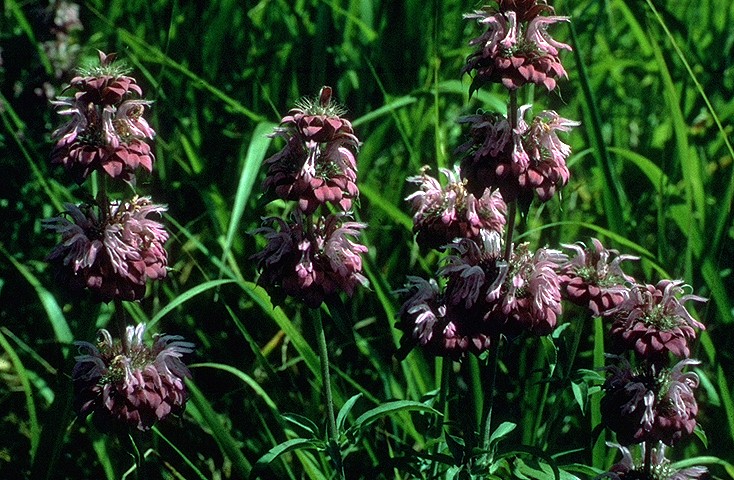
Monarda citriodora, or lemon horsemint, is a full sun forb that blooms from March through August across warm, dry parts of the southern Great Plains and Southwest, drawing bees, butterflies, and hummingbirds.
Toxicity unknown
Horsemint (Monarda citriodora) is not listed by the ASPCA Animal Poison Control Center (opens in new tab) or the other sources we check, so we have no verdict for it either way. Absence from those lists is not a clearance. If your pet shows symptoms after eating any plant, call the ASPCA at (888) 426-4435.
Light
full sun
Water
low
Size
12"–24" H × 3"–6" W
Bloom
Mar, Apr, May, Jun, Jul, Aug
Native to
AL, AR, AZ, KS and 6 more states
Pollinators
butterflies, bees, hummingbirds, nectar insects
Before you buy
Your city may pay you to plant this
Cities and water utilities offer rebates for replacing lawn with native and water-wise plants. We track 452 programs across 44 states, each with a link to the provider and the date we last checked it.
Find rebates in your areaBrowse plants for this ecoregion
Horsemint is a fragrant annual wildflower that produces distinctive tiered clusters of small pink to purple blooms from spring through summer. This compact native herb has aromatic foliage and self-seeds readily in sunny, well-drained locations.
Growing Horsemint
Grow Horsemint in full sun and low water. Mature plants reach 12 to 24 inches tall and spread 3 to 6 inches wide. Expect moderate maintenance to keep it looking intentional in a front yard.
How to care for Horsemint, by region
How to care for Horsemint where it is actually grown: year-round basics plus what to do each season, region by region, with the sources for each.
Care guidance last updated: September 2026
Edwards Plateau (includes San Antonio, TX)
Year-round
Lemon beebalm, also called horsemint, is a native Texas wildflower in the mint family that suits San Antonio's thin, well-drained Edwards Plateau soils and needs very little water once rooted. It grows about 2 to 3 feet tall, opens whorls of lavender-pink flowers from May into July, and is one of the more reliable plants for pulling bees, butterflies and hummingbirds into a front-yard bed.
- Give it full sun to light afternoon shade. More sun means sturdier stems and heavier bloom.
- Plant in well-drained, rocky or sandy loam. Heavy clay or frequent irrigation invites root and stem rot.
- Water to establish, then rely on rainfall. Once rooted it handles San Antonio's dry stretches on its own.
- Expect a loose, informal wildflower habit around 2 to 3 feet tall rather than a tidy mound.
- It behaves as a reseeding annual or short-lived biennial in this region, not a long-term perennial.
- Deer generally leave it alone, and bees, butterflies and hummingbirds use it heavily for nectar.
Its loose, informal habit reads better inside a defined, edged bed than scattered through open lawn, which keeps the look HOA-friendly for front-yard visibility.
Fall
Fall in San Antonio brings cooler nights and often another round of September rain, which can trigger a light rebloom if the bed still has live growth. The season ends around the area's average first frost date of mid-November, per Texas A&M AgriLife Extension in Bexar County, which kills the above-ground plant back for the year.
- Leave spent flower heads in place through fall if you want the bed to reseed naturally for next spring.
- A little supplemental water during September dry spells can stretch bloom into early fall.
- Once frost blackens the foliage, typically around mid-November here, cut the dead stems back to the ground.
- Fall is a good time to hand-collect seed heads if you want to control where next year's plants come up rather than relying on self-sowing.
- Skip fertilizing heading into the cooler months. This species is adapted to lean Edwards Plateau soils and does not need the extra feeding.
Cutting the blackened stems back after first frost keeps a front-yard bed neat heading into winter, which supports an HOA-friendly look.
Winter
By winter the above-ground plant is usually gone in San Antonio, since horsemint behaves here as a reseeding annual or short-lived biennial rather than something with live winter foliage. The bed returns from seed already in the soil the following spring rather than from anything overwintering above ground.
- Do not expect green growth through winter. A bare patch where horsemint grew is normal, not a sign the planting failed.
- Skip winter watering and fertilizing. Next year's plants come from seed already on the ground, not from a dormant root system.
- Leave some seed heads standing into winter if you want them to feed birds before the seed germinates in spring.
- Hard freezes in this area do not threaten the species long term, since it returns from seed rather than overwintering as a living plant.
- If starting a new bed, late winter, just ahead of the average last freeze, is the next good window to sow seed.
A bare winter bed where this reseeding wildflower grew is expected here. A layer of mulch or a winter-interest neighbor nearby keeps the front bed from reading as neglected in HOA sightlines.
Spring
Spring is when horsemint does most of its work in San Antonio. Direct-sow seed or set out small transplants once the average last freeze has passed, roughly late February into early March, and growth moves quickly once soil warms. The first lavender-pink blooms typically open by May.
- Sow seed or set out transplants after the area's average last freeze, generally late February to early March.
- Spring growth is fast. In a windy or exposed bed, interplant with a sturdier neighbor so the stems have some support.
- Keep new plantings lightly moist until roots are established, then taper watering back.
- Check for crowded volunteer seedlings from last year's reseeding and thin them so plants are not competing for water.
- First blooms usually open by May, and bees and butterflies find them quickly.
Thinning crowded spring seedlings and keeping the bed's edge defined helps this reseeding wildflower keep an HOA-friendly, tended look instead of reading as a scattered volunteer patch.
Summer
San Antonio summers run into the upper 90s and low 100s from June through September, and horsemint responds by finishing its main bloom flush around midsummer and setting seed. Once established it does not need supplemental irrigation to get through the heat.
- No routine watering is needed once the plant is established. Irrigating through the hottest, driest stretch mostly risks root rot rather than helping it.
- Deadhead spent flower whorls if you want to slow reseeding and keep the bed tidier through late summer.
- By midsummer the plant often fades and browns as it finishes flowering and sets seed. That is normal end-of-cycle behavior, not a sign the plant is failing.
- Watch for powdery mildew on foliage after humid spells, which the genus is prone to. Thin crowded plants for airflow rather than reaching for a spray.
- Extra water in late summer can push a second, lighter bloom flush into early fall.
Deadheading the fading flower heads keeps the bed looking tended through the hottest weeks, which matters most for front yards, which HOA-conscious homeowners notice most.
Sources: Monarda citriodora (Lemon beebalm) - Lady Bird Johnson Wildflower Center, Monarda citriodora - Native Plant Society of Texas, Monarda citriodora Plant Profile - USDA PLANTS Database, Monarda citriodora - Missouri Botanical Garden Plant Finder, Frost Dates for San Antonio, Texas (community tip), Winterizing Your Landscape - Texas A&M AgriLife Extension, Bexar County
Southern Coastal Plain (includes Orlando, FL)
Year-round
Lemon beebalm (horsemint) is a Texas and southern Great Plains wildflower being grown here in Central Florida well outside its native dry prairie range, so treat it as a garden annual or short lived planting rather than an established native.
- Give it full sun and fast draining soil. Orlando's sandy yards usually need no amendment for this plant, but avoid heavy clay pockets or thick mulch since it dislikes wet feet.
- Water lightly and let the soil dry between waterings. Overwatering in Florida's humidity is the most common way to lose this plant to rot or powdery mildew.
- Space plants 12 to 18 inches apart for airflow. Central Florida's humidity raises the risk of powdery mildew more than it would in this plant's native dry range.
- It is not on the ASPCA toxic plant list for dogs or cats, so the bigger risks here are mildew and rot, not anything toxic to a pet that noses around it.
- Treat it as an annual or short lived planting here. Let some flower heads mature and drop seed if you want it back next year, since Central Florida's climate does not match the dry prairie conditions that let it act more like a perennial in its native range.
Its neat upright form and long bloom read as an intentional wildflower planting rather than a stray weed, but don't list it as a Florida native on any HOA plant record since it is native to Texas and the southern Great Plains, not Florida.
Fall
Fall is a second window to plant or let lemon beebalm reseed in Orlando as humidity starts to ease.
- Let any seed heads from a spring or summer planting mature and drop before fall cleanup. This plant is grown as an annual or short lived planting in Florida's climate, not a returning perennial.
- A fresh fall planting can work in Central Florida as temperatures and humidity ease, though this falls outside the bloom window it normally gets in its native Texas range.
- Keep soil on the dry side. Fall's lower humidity somewhat eases powdery mildew pressure compared to summer, per UF/IFAS, though the disease can still show up in spring and fall.
- Watch drainage after any late season heavy rain, since this plant's dry soil preference makes root rot more likely if water sits.
Letting seed heads finish before cutting the bed back keeps a fall planting looking intentional rather than untidy during HOA-conscious fall cleanup.
Winter
Winter is mostly a rest period for lemon beebalm in Orlando, with an occasional freeze to plan around.
- Established plants typically finish for the season and die back. Treat this as normal for a plant grown as an annual or short lived planting here.
- Watch for frost or freeze advisories in Central Florida winters and cover or protect young seedlings from a fall planting.
- Cut back watering in winter's cooler, often drier stretch. UF/IFAS's Central Florida gardening calendar recommends adjusting irrigation down when plants are not actively growing.
- Avoid heavy mulch or covering the bed too thickly, since this plant prefers open, fast draining soil even while dormant.
A neatly cut back and lightly mulched bed keeps this planting looking HOA-friendly through the dormant months.
Spring
Spring is the best window to plant lemon beebalm in Orlando, before summer humidity raises disease pressure.
- Direct sow or transplant in early spring once nights stay reliably above 50 degrees, in full sun.
- Expect bloom to start and possibly finish earlier here than the March through August window it gets in its native Texas range, since Central Florida's spring warms faster and the wet season arrives sooner.
- Watch new growth for powdery mildew starting in spring. UF/IFAS notes the disease is more prevalent in spring and fall in Florida, especially in humid, crowded plantings.
- Keep watering minimal. Spring in Central Florida usually supplies enough rain on its own, and extra irrigation adds mildew risk without helping a plant that wants dry soil.
Grouped in a border with room to breathe, the upright pink and purple bloom spikes read as an intentional planting. Skip calling it a Florida native on any HOA list since its native range is Texas and the southern Great Plains.
Summer
Summer's daily rain and humidity in Orlando are the hardest stretch for this dry prairie wildflower, so drainage and airflow matter more than watering.
- Skip extra irrigation once Central Florida's summer rainy season sets in. UF/IFAS's Central Florida gardening calendar recommends easing off irrigation when regular rains arrive, and this plant already wants dry soil.
- Expect bloom to fade earlier in summer here than the March through August window it gets in its native Texas range, since Florida's heat and humidity differ from the dry prairie and limestone soils it evolved in.
- Watch for powdery mildew and stem rot in still, humid air. Thin crowded stems and keep them out of full shade for better airflow.
- If it declines by midsummer, that's normal for a plant grown as an annual outside its native range here, not a sign of a mistake.
Thinned, well spaced plants look tidier through the muggiest months than a crowded, mildew spotted stand, which matters for an HOA-conscious front bed.
Sources: Lady Bird Johnson Wildflower Center - Monarda citriodora, ASPCA Toxic and Non-Toxic Plant List - Dogs, UF/IFAS Gardening Solutions - Powdery Mildew, UF/IFAS Ask IFAS - Central Florida Gardening Calendar (EP450)
Texas Blackland Prairies (includes Dallas, TX)
Year-round
Lemon beebalm is a low fuss winter annual that self-seeds into colonies and matches Dallas's hot, dry summers and mild winter freezes.
- Give it full sun to light part shade and well drained soil. It grows in sandy loam, clay loam, and rocky soils, which covers most Dallas area yards.
- Water new seedlings to get them established, then ease off. Once rooted it wants low water and handles North Texas heat and dry spells well.
- It reseeds itself readily and can form large colonies over a few seasons. Let some seed heads mature and dry on the stalk before pulling spent plants if you want it to return next year.
- Leaves can develop powdery mildew during humid stretches. It rarely harms the plant, so treatment is usually not needed.
- This plant's native range includes Texas prairies and pastures, so it is already well matched to Dallas area heat, clay soils, and rainfall. It is a strong nectar source for bees, butterflies, and hummingbirds, and it is generally left alone by deer.
Its upright, tufted flower spikes and habit of filling in as a defined drift read as an intentional wildflower planting, which tends to work well in HOA-conscious front yards when kept inside a clear bed edge.
Fall
Fall is when this year's dropped seed germinates for next year's stand, and Dallas's freezing nights return by November.
- New seedlings from the summer's dropped seed typically sprout in fall. Avoid heavy tilling or deep mulching over the bed if you want the colony to return.
- Cut back fully dried, spent summer stalks once seed heads have shattered, generally by mid to late fall.
- Dallas gets a secondary rainy stretch in fall, which usually supplies enough moisture for germinating seedlings without supplemental watering.
- Freezing nights become common again by November in the Dallas area. Young rosettes handle typical local freezes without protection.
Winter
Lemon beebalm spends Dallas winters as a low, cold hardy rosette and needs no active care until spring growth resumes.
- The plant overwinters as a basal rosette through Dallas's winter freezes. Freezing nights are most frequent from December through February in this area.
- Leave last season's dried stalks and fallen seed in place. Both the rosettes and the seed bank need this rest period to bloom well the following spring.
- No watering or fertilizing is needed during winter dormancy.
- This species handles the Dallas area's typical winter freezes without covering. If an unusually hard freeze is forecast, a light layer of leaf mulch over young rosettes is cheap insurance.
Spring
Spring in Dallas is when lemon beebalm bulks up before its May bloom, helped along by the region's wettest month.
- Seed sown the previous fall germinates over winter as a low rosette, then puts on most of its growth in spring.
- Dallas's freezing nights taper off through March, so it is fine to direct sow fresh seed or set out young plants once nights are reliably above freezing.
- Thin crowded self sown seedlings to roughly 10 to 12 inches apart in March or April, before the flower stalks bulk up, to keep airflow good and reduce powdery mildew risk later.
- May is typically North Texas's wettest month, so extra watering is rarely needed in spring. Save supplemental water for young seedlings during any dry stretch.
- Expect the first whorled lavender to pink flower spikes by late April into May.
Summer
Dallas summers are hot and increasingly dry after a wet spring, and lemon beebalm blooms through the worst of it on very little water.
- Bloom continues from May into July and can stretch later into summer or fall if the plant gets occasional water.
- Once established, this plant wants low water. A deep soak every couple of weeks during the hottest, driest stretches of a Dallas summer is plenty.
- Avoid overwatering in Dallas's clay soils. Extra moisture in the heat encourages both root problems and powdery mildew on the leaves.
- If mildew shows up during humid weeks, it is a cosmetic problem and rarely serious. Improve air flow between plants rather than reaching for a fungicide.
- By late summer the plant naturally dries and goes to seed. That is normal for this annual. Leave the dried stalks standing so seed can finish dropping for next year's colony.
Sources: Lady Bird Johnson Wildflower Center: Monarda citriodora, Native Plant Society of Texas: Monarda citriodora (community tip), National Weather Service Fort Worth: DFW Normals, Means, and Extremes
Western Allegheny Plateau (includes Pittsburgh, PA)
Year-round
Lemon bee balm (Monarda citriodora) is native to the south-central US, places like Texas, Oklahoma, and Kansas, not to the Pittsburgh area. If you already have it growing in your yard, that is fine to keep and enjoy. It is commonly sold in wildflower seed mixes and is grown here as a warm-climate annual that often reseeds itself, rather than as a native perennial.
- Give it a full sun spot. It gets floppy and blooms poorly in shade.
- Plant in well-draining soil. It tolerates clay as long as water does not sit on the roots.
- Once established it wants very little extra water. Overwatering and crowding are the main reasons it develops powdery mildew.
- Space plants out and let air move through them to keep mildew down during Pittsburgh's humid summers.
- It is not reliably winter-hardy this far north, so if you want it back next year, let some flower heads dry and drop seed rather than counting on the same plant returning.
For an HOA-friendly look, deadhead the front-facing plants for a tidier bloom and let a smaller back row of seed heads stand for reseeding and winter interest.
Fall
In fall, decide how much you want the plant to come back on its own next year, since it is grown here as an annual or short-lived reseeder rather than a true perennial.
- Leave a portion of the fall seed heads standing so they can drop seed for next spring.
- Cut back the rest of the spent stems if you want a tidier look for the season.
- Do not count on the roots surviving a Pittsburgh winter. Plan on reseeding or replanting rather than expecting it to come back on its own.
A contained, modest patch of standing seed heads reads as intentional fall interest rather than a neglected bed.
Winter
Winter is the honest gap in this plant's story here. In its native range it behaves as a winter annual that overwinters as a low rosette, but the Pittsburgh area's zone 6a to 6b cold is outside where that pattern holds up.
- Do not expect the plant to reliably survive winter and return as a perennial in this area.
- If you let seed drop in fall, new seedlings are more likely to show up in spring than the original plant regrowing.
- Treat it as a plant to replant or expect to reseed each year here, the same way you would treat other warm-climate annuals.
An empty bed over winter is normal for this plant here. No need to explain it to a neighbor as dead landscaping.
Spring
Spring is when to plant. Sow seed or set out nursery starts after your last frost date, since this plant is not reliably winter-hardy in the Pittsburgh area.
- Direct-sow seed in a full sun bed once the soil has warmed, or start with nursery plants for a head start.
- Pick a spot with good drainage. Work some compost into heavy clay so water does not pool at the roots.
- Keep new seedlings evenly watered until they get established, then cut back on watering.
Group new plantings in a defined bed rather than scattering them. It reads as an intentional wildflower planting instead of a stray weed.
Summer
Summer is bloom season, usually running from late spring into July or August.
- Deadhead spent flower clusters to keep the plant blooming longer and looking tidy.
- Watch for powdery mildew on the leaves during humid stretches. Thin crowded plants and water at the soil line instead of overhead.
- It handles heat and dry spells well once established, needing only occasional deep watering.
Regular deadheading through summer keeps a street-facing bed looking maintained.
Sources: Lady Bird Johnson Wildflower Center: Monarda citriodora ssp. citriodora plant profile, USDA PLANTS Database: Monarda citriodora profile, NC State Extension Gardener Plant Toolbox: Monarda
Want these tasks as reminders timed to your yard? Pollinator Patch turns this guidance into a season-by-season care plan for the plants you actually grow.
In an HOA neighborhood
Horsemint is an HOA-friendly choice in the right placement. Maintenance level: moderate. Tidiness: 2 out of 5.
Works well in: front yard, foundation, street edge, mid zone.
- Requires seasonal replanting
- May have messy dieback
Wildlife value
Excellent pollinator plant that attracts butterflies, bees, and hummingbirds throughout its long blooming season. The abundant nectar makes it particularly valuable for supporting diverse beneficial insects.
Common questions
- When does Monarda citriodora bloom?
- Lemon horsemint typically flowers from March through August, with the heaviest bloom in late spring and early summer.
- What pollinators visit Monarda citriodora?
- Bees, butterflies, hummingbirds, and other nectar-feeding insects regularly visit its flower whorls.
- How much water does Monarda citriodora need?
- It does best with low to moderate water and tolerates dry, well-drained soils once it is established.
- What light does Monarda citriodora prefer?
- It grows best in full sun but can handle a bit of part sun, especially in hotter climates.
- Is Horsemint HOA-friendly?
- Horsemint is generally an HOA-friendly choice in the right placement, with moderate maintenance.
These answers were drafted with an AI model from this plant's data. Verify care details with a local expert.
Native range data from the World Checklist of Vascular Plants (Kew). Pollinator and host plant associations compiled from GBIF, iNaturalist, and published ecological literature.
If something looks wrong
Common plant problems, and what to check first
These come up on almost any plant. Each guide lists the likely causes in the order they are worth ruling out, with one thing to check before you act on any of them, and links to the source it came from.
- It is dying right after planting
- Leaves turning yellow
- Wilting even though I watered it
- Brown crispy leaf tips
- Bugs on the plant
Ready to grow Horsemint? Add it to your garden in Pollinator Patch to track it and get season-by-season care guidance.
Planning a bed around it? Start a free plan with this plant
Not sure where to start? Take the 2-minute yard quiz