Tufted Evening-primrose
Oenothera cespitosa
Last reviewed: September 2026
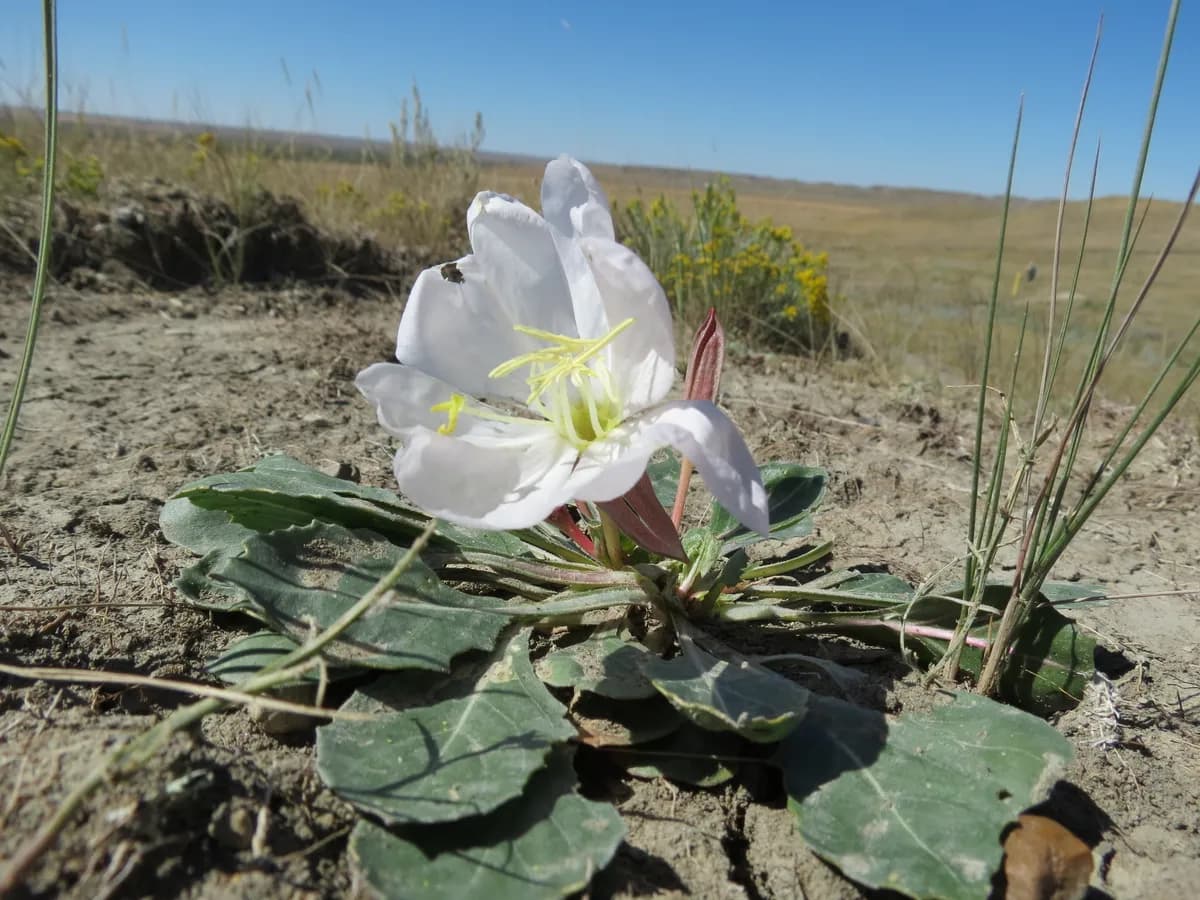
Oenothera cespitosa is a low, clump-forming forb that blooms from May through August, opening large white flowers that fade pink. It favors full sun, dry rocky slopes, and low-water conditions typical of high plains and mountain foothills.
Toxicity unknown
Tufted Evening-primrose (Oenothera cespitosa) is not listed by the ASPCA Animal Poison Control Center (opens in new tab) or the other sources we check, so we have no verdict for it either way. Absence from those lists is not a clearance. If your pet shows symptoms after eating any plant, call the ASPCA at (888) 426-4435.
Light
full sun
Water
low
Size
4"–12" H × 6"–15" W
Bloom
May, Jun, Jul, Aug
Native to
AZ, CA, CO, ID and 11 more states
Pollinators
moths, bees, beetles
Before you buy
Your city may pay you to plant this
Cities and water utilities offer rebates for replacing lawn with native and water-wise plants. We track 459 programs across 44 states, each with a link to the provider and the date we last checked it.
Find rebates in your areaPicture natives in your own yard
Upload a photo of your yard and Patch Vision shows a rendering of it planted with natives for your region, like Tufted Evening-primrose.


Browse plants for this ecoregion
Tufted evening-primrose forms a compact, low-growing clump with large white flowers that open in the evening and may turn pink with age. This drought-tolerant perennial blooms from May through August and stays neat and tidy in the landscape. The plant creates a dense mat of foliage that works well as a groundcover or border plant.
Growing Tufted Evening-primrose
Grow Tufted Evening-primrose in full sun and low water. Mature plants reach 4 to 12 inches tall and spread 6 to 15 inches wide. Expect low maintenance to keep it looking intentional in a front yard.
How to care for Tufted Evening-primrose, by region
How to care for Tufted Evening-primrose where it is actually grown: year-round basics plus what to do each season, region by region, with the sources for each.
Care guidance last updated: October 2026
Arizona/New Mexico Mountains (includes Prescott, AZ)
Year-round
Tufted evening primrose is a low, mounding native wildflower well suited to Prescott, AZ's dry, rocky ground at higher elevation. It stays under a foot tall and forms a loose, tidy clump rather than spreading aggressively.
- Give it full sun to light shade and soil that drains fast. Rocky or sandy ground suits it better than a rich garden bed.
- Water lightly to get new plants established, then taper off. It is built to run on very little once rooted in.
- Flowers open in the evening and fade to pink by the next day, pollinated mainly by night flying hawkmoths.
- This species is confirmed as native to Arizona by the Arizona Native Plant Society, part of a broader documented range through the Intermountain West and desert Southwest.
Its low, tidy mounding form and neutral gray green foliage read as intentional groundcover, an HOA-friendly choice for a front bed.
Fall
Growth slows as nights cool. Prescott's first fall frost typically arrives around mid October, so plan any transplanting a few weeks ahead of that.
- Hold off on fertilizer. This plant is adapted to lean, rocky soil and does not need feeding.
- This is a reasonable window to divide crowded clumps while the ground is still workable and warm.
- Leaving seed heads in place through fall feeds birds and does not hurt the plant.
Winter
Plants die back to a low dormant rosette through Prescott's cooler winters. This is a low maintenance season overall, though the elevation here does bring occasional hard freezes.
- No winter watering is needed beyond an occasional deep soak during a long dry stretch. Overwatering a dormant plant in cold weather is the bigger risk.
- A light layer of gravel mulch around the crown can buffer an occasional harder freeze without holding excess moisture against the roots.
- There is nothing to prune or clean up until new growth starts in spring.
Spring
Prescott's higher elevation means a later, shorter growing season than the lower desert. Wait until the last frost has passed before planting out.
- Prescott's average last spring frost falls around mid April, in hardiness zone 7b, so hold new plantings until then.
- New plants need regular, light watering for the first few weeks to root in.
- Cool spring nights make this a reasonable window to divide an established clump.
Summer
This is peak bloom season, helped along by Prescott's summer monsoon moisture. Flowers open at dusk and fade to pink by afternoon. Watch drainage during heavy monsoon downpours.
- Deep, infrequent watering suits it best. A hard monsoon storm that leaves standing water around the crown is more of a risk than the dry stretches between storms.
- The evening flowers are pollinated mainly by hawkmoths, so it is worth leaving spent blooms in place rather than deadheading each evening.
- A gently mounding habit keeps it looking tidy through the bloom season without staking.
Sources: Arizona Native Plant Society - The Plant List, Lady Bird Johnson Wildflower Center - Oenothera caespitosa, USDA Forest Service - Tufted Evening-Primrose (Oenothera caespitosa), Plant of the Week, FrostDate.com - Prescott, AZ frost dates (community tip)
Cross Timbers (includes Fort Worth, TX)
Year-round
This is not one of the species documented as native to Fort Worth's Cross Timbers habitat, but it can be grown here successfully. The real challenge is soil, this plant is built for lean, fast draining ground, and Fort Worth's heavy clay is close to the opposite of that. Drainage, not the local climate, is what decides whether it thrives.
- Plant it in a raised bed, berm, or container built with a gravelly, sandy mix rather than straight into unamended clay. Working sand, expanded shale, or gravel into the planting hole helps, but a true raised bed does more.
- Give it full sun and go easy on water. Established plants want to run dry between waterings, and Fort Worth clay already holds moisture longer than this plant is built for.
- Skip regular sprinkler zones. A spot that gets watered on the same schedule as turf or bedding annuals is the fastest way to lose this plant to root rot.
A struggling, yellowing plant in poorly drained clay reads far less tidy than one grown properly in a raised or amended bed, so getting the drainage right up front protects the look of the bed, not just the plant.
Fall
Cooler fall weather is a reasonable window to plant or move this species into a properly drained bed, since the worst of the summer humidity has passed.
- Fort Worth's average first frost falls around mid November, so aim to finish any planting or transplanting a few weeks ahead of that.
- Hold off on fertilizer. This plant is adapted to lean soil and extra feeding does more harm than good.
- If drainage was a problem over summer, fall is a good time to rework the bed with more sand, gravel, or expanded shale before winter rains arrive.
Winter
Plants go dormant through winter. In Fort Worth's clay soil, the main risk in this season is cold, wet ground sitting around the crown during winter rains, not the cold itself.
- Avoid winter watering in an already heavy bed. Wet, cold clay around the crown is the most common way this plant is lost over winter here.
- Fort Worth's zone 8a winters are generally mild, but a raised or well drained planting handles an occasional hard freeze far better than one sitting in clay.
- There is nothing to prune or clean up until new growth starts in spring.
Spring
Plant after the last frost, once the risk of a hard freeze has passed. Getting a young plant established in spring gives its roots time to settle before Fort Worth's summer heat and humidity arrive.
- Fort Worth's average last frost falls around mid March, in hardiness zone 8a, so hold off on planting until then.
- Plant into an amended, fast draining bed from the start. Fixing drainage after the fact is much harder than building it in up front.
- New plants need light, regular water for the first few weeks to root in, then should be tapered off quickly.
Summer
Once established, this plant tolerates Fort Worth's summer heat well. The bigger risk is a heavy summer downpour combined with clay soil, which can leave roots sitting in water long enough to rot.
- Deep, infrequent watering suits it best. Skip supplemental watering after a heavy rain, even during a hot stretch.
- In an unamended clay bed, check after big storms for standing water around the crown and improve drainage if it collects there for more than a few hours.
- Flowers open in the evening and fade to pink by the next day.
Sources: Texas A&M AgriLife Extension - Raised Bed Gardening (E-560), USDA Forest Service - Tufted Evening-Primrose (Oenothera caespitosa), Plant of the Week, Texas A&M AgriLife Extension (Travis County) - The Real Dirt on Austin Area Soils, FrostDate.com - Fort Worth, TX frost dates (community tip)
Edwards Plateau (includes San Antonio, TX)
Year-round
Year-round care for tufted evening-primrose around San Antonio, grown well outside the dry western range it naturally comes from.
- This plant is built for drier country farther west, so in San Antonio the top priority is drainage, use a raised bed, berm, or a gritty amended mix, never a spot that stays wet
- Full sun still matters, but give it good airflow too, San Antonio's humidity is harder on it than the heat is
- Skip regular watering and fertilizer once it's established, treat it like a true dry-garden plant even though the surrounding climate is much wetter than where it naturally grows
- Expect a shorter life for this planting than it would have in its native range, heavy clay and humidity around San Antonio can wear it down even with good drainage
Fall
Cooler, drier fall weather is usually this plant's best stretch in the San Antonio area.
- As humidity drops, growth and any remaining bloom usually improve, fall tends to be the easiest season for this plant here
- Cut back any dead or rotted growth from summer now to give remaining crowns a clean start for cooler weather
- If plants struggled through summer, fall is a reasonable time to replace them or start new ones from seed, since it avoids next year's worst heat
- No fertilizer needed, put fall effort into drainage rather than feeding
A fall cleanup of dead summer growth keeps the front bed looking tidy for HOA-conscious curb appeal.
Winter
Mild, mostly dry San Antonio winters suit this plant better than its summers do.
- Winters here are mild and mostly dry, which actually fits this plant's needs better than San Antonio's humid summer does
- An occasional hard freeze can still hit San Antonio, plants in well-drained soil usually handle a short freeze fine, but frost cloth is worth it if a hard freeze is forecast
- Keep winter watering to a minimum, dry dormant-season soil is exactly what this plant wants
- This is a good window to improve drainage on a struggling spot, work in coarse sand or gravel before next year's wet spring arrives
Spring
Spring is San Antonio's wettest stretch and the highest rot risk of the year for this plant.
- Growth can resume early here, San Antonio's mild winters mean it may start greening up as soon as February or March
- Spring is typically the wettest season in San Antonio, check often that water isn't pooling around the crown after rain
- Let the soil dry out between any supplemental watering rather than watering on the same schedule as thirstier spring bedding plants nearby
- Flower buds should start forming as days lengthen, expect bloom to start earlier here than it would in the plant's native mountain and desert range
Summer
San Antonio's heat and humidity together are the biggest test of a San Antonio summer.
- Flowers still open in the evening and close before the next day's heat, just like in the plant's native range, only against a much muggier backdrop here
- San Antonio's summer humidity raises the risk of crown and root rot more than the heat does, keep the base of the plant dry and skip overhead watering
- Water only during genuine dry stretches and always at the soil, not the leaves, evening watering in humid weather invites fungal problems
- This plant isn't built for San Antonio's muggy summer nights, some decline or dieback by late summer is common even with careful watering
Sources: Lady Bird Johnson Wildflower Center, Native Plant Database: Oenothera caespitosa, USDA Forest Service, Plant of the Week: Tufted Evening-Primrose
High Plains (includes Lubbock, TX)
Year-round
Tufted evening primrose is native to the western high plains and intermountain region, and that range reaches into the Texas Panhandle around Lubbock, so this is a genuine regional native, not just a tough transplant. It forms a low rosette of grayish green leaves topped by large white flowers that open in the evening and fade to pink, and once it is established it needs very little supplemental water.
- Plant in full sun with fast draining soil, caliche, clay, and sandy sites all work as long as water does not pool around the roots.
- Skip rich compost and heavy soil amendments, this plant holds up better in lean native soil than in a pampered garden bed.
- Water new plants regularly through the first growing season, then taper off once the roots are established.
- Give it room to spread 12 to 18 inches wide, with flowers usually only 6 to 12 inches off the ground.
- Tufted evening primrose does not appear on the ASPCA toxic plant lists for dogs or cats, based on a direct check of those current lists.
Fall
Fall is when tufted evening primrose finishes blooming and the spent flower stalks turn brown, a good time for one tidy cutback before winter without disturbing the low rosette underneath.
- Cut back dried flower stalks once blooming stops, usually by late summer or early fall, to keep the bed looking neat.
- Leave the low grayish green rosette in place, it stays semi evergreen through a typical Lubbock winter.
- Skip fall fertilizing, this species prefers to go into winter on lean soil.
- Let a few seed heads drop naturally if you want the patch to slowly fill in next year.
One fall cutback of the spent flower stalks keeps the front bed tidy while the low rosette stays behind as a neat winter groundcover.
Winter
Winter is the dormant season for tufted evening primrose, the plant pulls back to a low rosette of leaves and needs no water or special protection through typical Lubbock area freezes.
- No winter watering is needed, this plant is adapted to cold, dry high plains winters.
- Leave the rosette foliage alone, it provides a small amount of low winter groundcover.
- No mulch or frost cover is necessary, this species is hardy well beyond typical Lubbock winter lows.
- Resist the urge to cut the plant back hard in winter, wait until after next year's blooming ends instead.
The low winter rosette lies flat and stays tidy on its own, so no winter cleanup is needed for a neat front yard look.
Spring
Spring is when tufted evening primrose wakes up from winter dormancy and starts pushing out new leaves and flower buds, with the first blooms usually opening in April on the Texas high plains.
- Clear away last year's dead leaves and stalks in early spring to make room for new rosette growth.
- Hold off on fertilizer, lean soil is what keeps this plant compact and long lived.
- Water new spring transplants two to three times a week until roots take hold, then cut back to occasional deep watering.
- Expect the first white flowers by mid to late April, opening in early evening and fading to pink the next day.
A quick spring cleanup of last year's dead growth keeps the front bed looking tidy right as new rosettes emerge.
Summer
Summer is peak bloom season for tufted evening primrose, with flowers opening in the evening and staying open through the night before closing the next day.
- Expect the heaviest flush of blooms from May through July.
- Give established plants a deep watering every couple of weeks during long dry summer stretches, this can extend the bloom season.
- Check foliage for chewed or ragged leaves from flea beetles or moth caterpillars, minor damage is normal and rarely needs treatment.
- Watch for large moths visiting at dusk, night flying moths are the main pollinators of this plant's evening blooms.
Sources: Lady Bird Johnson Wildflower Center, Oenothera caespitosa plant profile, Utah State University Center for Water Wise Landscaping, Tufted Evening Primrose growing guide, ASPCA Toxic and Non-Toxic Plant List, Dogs, ASPCA Toxic and Non-Toxic Plant List, Cats, High Plains Gardening, Oenothera caespitosa plant profile (community tip), Xerces Society, Gardening for Moths
Idaho Batholith (includes Hailey)
Year-round
Year-round care for tufted evening-primrose around Hailey: full sun and dry, well-drained soil with little water.
- It prefers full sun but grows well and blooms adequately in light shade.
- It needs a dry site or well-drained conditions for a long life.
- Water needs are low. Two to four summer waterings can extend the bloom period.
- Plants reach 6 to 10 inches tall and up to 2 feet wide.
- Flowers open in late afternoon, close the next morning, and fade to pink or red-violet. Bloom runs April through August.
- Remove old foliage each spring. Spent flowers clean themselves, so no deadheading is needed.
A low mound with a gravel mulch edge looks neat and planned in a front bed.
Sources: Lady Bird Johnson Wildflower Center: Oenothera caespitosa, Utah State University Western Native Plants: Oenothera caespitosa
Middle Rockies (includes Missoula, MT)
Year-round
Tufted evening primrose is a low, mounding native wildflower found in Montana's dry, open habitats, a good match for Missoula, MT's dry hillsides and rock gardens. It stays under a foot tall and spreads slowly in a loose clump.
- Give it full sun and lean, fast draining soil. It is adapted to dry buttes and open woods, not a rich garden bed.
- Water is mainly needed to get new plants established. Once rooted, it handles a Missoula summer on very little supplemental water.
- Flowers open in the evening and fade to pink by the next day, pollinated mainly by night flying hawkmoths.
- This is a native Montana wildflower, part of a documented range that runs from Washington east into the Dakotas and south through the Intermountain West.
Its low, tidy clumping habit keeps it under sightline limits, an HOA-friendly fit for a front bed.
Fall
Growth slows as nights cool. Missoula's first fall frost typically arrives around mid October, so plan any planting or dividing a few weeks ahead of that.
- Hold off on fertilizer. This plant is adapted to lean soil and does not need feeding.
- A light layer of straw or leaf mulch applied after the first hard freeze can help insulate the crown, though many Montana natives get through winter without any mulch at all.
- Leaving seed heads in place through fall feeds birds and does not hurt the plant.
Winter
Plants die back to a low dormant rosette and are well adapted to a Montana winter. This is a low maintenance season, mainly a matter of leaving the plant alone.
- Established native Montana wildflowers, including this one's growing conditions, generally get through sub zero winters without mulch or covering, per Montana State University Extension guidance.
- If a site is unusually exposed or snow cover is thin, a light straw mulch applied after the ground freezes can help, though it is not required for most plantings.
- There is nothing to prune or clean up until new growth starts in spring.
Spring
Missoula's growing season starts later than warmer regions. Wait until the last frost has passed before planting, since a Montana spring cold snap can still damage a young, unestablished plant.
- Missoula's average last spring frost falls around mid April, in hardiness zone 5b, so hold off on planting out until then.
- New plants need regular, light watering for the first few weeks to root in before the dry summer sets in.
- Cool spring nights make this a reasonable window to divide an established clump.
Summer
This is peak bloom, roughly June through August. Flowers open at dusk and fade to pink by the next afternoon. Established plants tolerate Missoula's dry summer heat well as long as the soil drains.
- Deep, infrequent watering suits it best. Consistently damp soil is the main risk to this plant, not summer heat.
- The evening flowers are pollinated mainly by hawkmoths, so it is worth leaving spent blooms in place rather than deadheading every evening.
- A gently mounding habit keeps it looking tidy through bloom season without staking or shearing.
Sources: Lady Bird Johnson Wildflower Center - Oenothera caespitosa, Montana State University Extension - Native Plants for Montana's Home Gardens, FrostDate.com - Missoula, MT frost dates (community tip), Montana State University Extension - Fall Garden Care and Winter Preparation Checklist, USDA Forest Service - Tufted Evening-Primrose (Oenothera caespitosa), Plant of the Week
Mojave Basin and Range (includes Las Vegas, NV)
Year-round
Tufted evening primrose is a low, mounding wildflower built for hot, dry, well drained ground, which makes it a good match for this desert region. It stays under a foot tall and spreads in a loose clump, so it reads as tidy groundcover rather than a tall, wild looking plant.
- Give it full sun and soil that drains fast. Sandy or gravelly ground works best. Heavy, water holding soil is the main way to lose this plant.
- Water deeply but infrequently once it is established. It is built to run on very little, and regular sprinkler watering can rot the roots.
- Flowers open in the evening and fade to pink by the next day, pollinated mainly by night flying hawkmoths.
- This species is part of the native wildflower flora of the desert Southwest, documented on dry buttes, hillsides, and open ground across this region.
Its low, clumping habit and neutral gray green foliage keep it under sightline limits, an HOA-friendly look for a front bed.
Fall
Growth slows as days shorten and nights cool. This is a reasonable window to divide crowded clumps or plant new ones, since the worst heat has broken but the ground is still warm enough for roots to settle in before winter.
- First frost in this region typically arrives somewhere between mid November and mid December, so aim to finish transplanting a few weeks ahead of that.
- Hold off on fertilizer. This plant is adapted to lean desert soil and does not need feeding to perform well.
- Seed heads left in place feed birds through fall, so it is fine to skip deadheading the last flush of blooms.
Winter
Plants go semi-dormant and hold a low rosette of gray green leaves through winter. This region's winters are mild by most standards, spanning roughly USDA zones 8b to 9a depending on elevation, but occasional hard freezes do happen.
- No winter watering is needed beyond what a normal dry stretch would call for. Overwatering a dormant plant in cool weather is a bigger risk than underwatering.
- A light layer of gravel mulch around the crown can buffer an occasional harder freeze without holding excess moisture against the roots.
- Leave the dormant foliage in place. It protects the crown and there is little to clean up until new growth starts in spring.
The low winter rosette stays tidy and low profile, so there is no need for a fall cutback to keep the bed looking HOA-friendly.
Spring
Spring is the best time to get new plants in the ground here, while nights are still cool and roots can settle before summer heat arrives. Frost is still possible early in the season, so check the forecast before planting out.
- In this desert region, last frost typically falls somewhere between mid February and mid March depending on elevation, so wait until that risk has passed before setting out a young, unestablished plant.
- Plant into fast draining native or amended soil, not a bed built for turf or annuals.
- New plants need light, regular water for the first few weeks to root in, then can be tapered off.
Summer
This is bloom season. Flowers open at dusk, often filling the evening air with fragrance, and fade to pink by the next afternoon before dropping. Established plants handle summer heat well as long as drainage stays good.
- Deep, infrequent watering suits this plant best in summer. Frequent shallow watering in a heavy or poorly drained spot is the most common way it declines here.
- Watch for root rot after any unusually wet stretch. This plant would rather go dry between waterings than sit in damp soil.
- The evening blooms are pollinated mainly by hawkmoths, so leaving spent flowers in place overnight rather than deadheading each evening supports that relationship.
Sources: Lady Bird Johnson Wildflower Center - Oenothera caespitosa, USDA Forest Service - Tufted Evening-Primrose (Oenothera caespitosa), Plant of the Week, University of Nevada, Reno Extension - Groundcover Plants for Southern Nevada, FrostDate.com - Las Vegas, NV frost dates (community tip), FrostDate.com - Victorville, CA frost dates (community tip)
Sonoran Basin and Range (includes Phoenix, AZ)
Year-round
Tufted evening-primrose is a low mound, roughly 4 to 12 inches tall, that spreads a couple of feet wide from a deep woody root. It wants sun, poor rocky ground, and drainage that is genuinely excellent, because it rots in heavy clay soils. In the low desert that drainage is the whole ballgame, since a caliche layer a foot or two down can hold water around the roots long after the surface looks dry. Plant it on a slight rise or a slope, break through any hard layer when you dig, and skip rich compost and heavy organic mulch right over the crown. Use a couple of inches of gravel or decomposed granite instead, pulled back an inch from the base. The other thing to know is that the flowers open in late afternoon or at dusk, close in the midday heat the next day, and wither to pink or red-violet, so if you only look in the morning you will mostly see yesterday's pink ones. Those big fragrant white flowers are built for night-flying hawk moths, and the plant also has special value to native bees.
- Full sun, lean rocky soil, drainage above everything else.
- Dig a foot or more deep and break any caliche layer before planting.
- Mulch with gravel, not bark or compost, and keep it off the crown.
- Bloom runs roughly April into August in white, fading pink.
- Flowers open late afternoon to dusk and close in midday heat.
- Night-flying hawk moths are the main pollinators, and native bees use it too.
- Do not try to divide the long woody root, separate offsets instead.
Fall
Fall is when this plant recovers and when you should do anything structural. October is the ideal month to plant in the low desert, with warm soil and cooler air working together, and the window stays open through February. If yours came through summer looking ragged, wait until nights cool in October and then trim the dead outer leaves back to firm growth rather than cutting the whole mound to the ground. This is also the time to add plants from seed, sown unstratified in fall, though germination is low so sow more than you think you need. Do not attempt to split the parent plant. The root is long and woody and does not divide, so take offsets from the edge instead. Water new plantings more often at first, then stretch the interval out rather than shortening each soak.
- Plant or add offsets in October, or any time through February.
- Plant level with or slightly above the surrounding grade, never in a dish.
- Sow seed unstratified in fall and expect a low germination rate.
- Take offsets from the edge, do not try to divide the woody root.
- Trim dead outer leaves back to firm tissue once nights cool.
- Water new plants often at first, then gradually less frequently.
Cleaning up the summer-burned outer leaves in October is the single tidy-up that keeps the planting looking cared for through the season when neighbors are actually outside.
Winter
Winter is the easy season here and mostly asks you to leave the plant alone. Gentle rain from December through March usually covers everything this plant needs, so turn irrigation down to about once a month or off entirely in a wet stretch. First frost lands early to mid December and some winters bring none at all, and the cold here is not what threatens this plant, so no frost cloth is needed. Some of the coldest nights actually come in February, so hold off on cutting anything back until that risk has passed. The mound may sit low and flat with little visible growth, which is normal. The one real hazard is a low spot that stays wet after a rain, since standing moisture around the crown in cool weather is how these rot.
- Water about once a month at most, and skip it after a soaking rain.
- No frost protection needed, winter cold is not the limiting factor here.
- Delay cutting back until late February, since cold snaps come late.
- Confirm water drains away from the crown within a few hours after rain.
- Leave the flat low rosette alone, it is resting rather than dying.
- Plant new ones now if you want, the window runs through February.
Spring
Spring is the best stretch this plant gets in the low desert, and it is short. Growth picks up after the last frost, which lands anywhere from late January to late February here, and flowering starts somewhere in April. February is your last reasonable planting window, because anything you set out in April or May has no time to root before 110 degree afternoons arrive. Water deeply but not often, roughly every two to three weeks in March and April on established plants, and skip a cycle entirely if you get real winter rain. Do not feed it. Rich soil and fertilizer push soft floppy growth that collapses in the first heat wave. Walk out at dusk once or twice while it is blooming, because that is the only time you will see the flowers open, and they are fragrant.
- Finish any planting by the end of February, not in April or May.
- Water deeply every two to three weeks, less if rain comes.
- Skip fertilizer entirely, lean soil gives you a tighter mound.
- Expect first flowers around April, opening late afternoon into evening.
- Pull winter weeds out of the crown before they shade the rosette.
- Check that gravel mulch has not drifted over the center of the plant.
Pinching off the collapsed pink flowers every few days keeps the mound reading as an intentional planting rather than something spent, which is what front-yard rules are usually reacting to.
Summer
Be straight with yourself about summer. June through August in the low desert runs 105 to 115 degrees with nights above 85, and this is a plant of dry rocky western slopes, not of that kind of heat. Then the monsoon arrives around mid July and adds humidity plus sudden downpours onto ground that may not drain. Heat plus wet roots is what actually kills it here, not drought. So your job in summer is restraint. Cut irrigation back or stop it during monsoon weeks, make sure nothing else on the same drip valve is soaking the area, and let the mound look tired without rescuing it with more water. A spot with afternoon shade or at least away from reflected heat off a west-facing wall or pavement makes a real difference. Blooming can continue into August if the plant is comfortable, and the flowers still open at dusk for hawk moths, but a plant that is only resting will bounce back in fall.
- Stop or sharply reduce watering during monsoon rains, mid July into September.
- Check that runoff from roof, patio, or a neighboring drip line is not pooling there.
- Yellowing or mushy centers in humid weeks mean too much water, not too little.
- Do not add compost or organic mulch now, it holds moisture at the crown.
- Shade from afternoon sun and distance from hot walls both reduce stress.
- Evening flowers keep feeding night-flying hawk moths through the bloom season.
A crisp gravel edge around the planting is what makes a heat-rested mound read as intentional to a passing board member, and it is cheaper than answering a violation letter later.
Sources: Lady Bird Johnson Wildflower Center: Oenothera caespitosa, USDA Forest Service, Plant of the Week: Tufted Evening-Primrose, University of Arizona Cooperative Extension: October Monthly Gardening Guide for Pima County, University of Arizona Cooperative Extension: February Monthly Gardening Guide for Pima County
Southern California/Northern Baja Coast (includes Los Angeles, CA)
Year-round
Tufted evening primrose is a low, spreading perennial that wants the driest, best-drained spot you can give it. It is listed as native to California at the state level, but its real habitat is higher, drier ground across the interior West, sagebrush flats, rocky slopes, and dry buttes, not the milder LA basin specifically. Treat it as a plant you are recreating desert-like drainage for, not one already matched to local rainfall.
- Full sun, all day if you can give it.
- Water sparingly and let the soil dry out between waterings. This plant is used to dry, gritty ground and struggles if the soil stays damp.
- Pick the sharpest-draining spot in the yard, a raised bed, a slope, or soil you have mixed with sand or gravel. Rich, moisture-holding garden soil is its biggest enemy here.
- Stays low, usually in the 4 to 12 inch range, spreading outward in a tidy mat rather than growing tall.
Its low, neat, ground-hugging habit reads as tidy from the street without pruning, an HOA-friendly look for a front border, as long as it is kept out of spots that collect sprinkler overspray or runoff.
Fall
Bloom slows down heading into fall, and this is a reasonable window for planting before winter rain arrives.
- If you are adding this plant to a bed, fall, before winter rains start in earnest, is a good planting window, into soil you have already amended with sand or gravel for drainage.
- Clean up any spent flower stalks.
- Skip the fertilizer. Rich soil works against this plant, not for it.
Winter
Winter is when the real risk in this climate shows up, LA basin rain sitting in soil that does not drain fast enough.
- Cold is not the concern here since LA winters are mild. Slow-draining, waterlogged soil is what actually threatens this plant.
- Check the planting spot before the rainy season. If water pools or the ground stays soggy after a storm, amend that spot or avoid planting there.
- No winter protection is needed for cold. Skip any mulch that holds moisture right against the crown.
Spring
Spring is when new growth appears and the plant works toward its big summer bloom.
- New leaves emerge close to the ground this time of year.
- If you are planting new stock, wait until spring rains have tapered off and use soil you have already improved for drainage. Planting into soil that is still holding winter moisture is a common way to lose this one.
- Hold off on extra water. Spring rain in the LA area is usually enough on its own.
Summer
Summer is peak bloom, with large white flowers that open in the evening and fade pink by the next day.
- Flowers open at dusk and close again by midday, so evening is the best time to actually see them.
- Keep watering minimal even in summer heat. This plant handles dry heat far better than damp soil.
- Cutting back spent flower stalks can tidy the look, but is not required for the plant's health.
Sources: Calscape (California Native Plant Society) - Fragrant Evening Primrose, Lady Bird Johnson Wildflower Center - Oenothera caespitosa, USDA Forest Service - Plant of the Week: Tufted Evening-Primrose
Southern Rockies (includes Durango, CO)
Year-round
Year-round care for tufted evening-primrose around Durango, sharp drainage matters more than anything else.
- Plant in full sun and rocky or sandy soil with fast drainage, never in a spot that holds water after rain or snowmelt
- Water only occasionally once it's established, this plant is built for dry ground and the roots rot in heavy, wet soil
- Skip regular fertilizer, leaner soil actually keeps this plant healthier and more compact
- It grows as a low, stemless rosette about 6 to 10 inches tall, give it open space at the front of a bed so taller neighbors don't shade it out
Fall
Fall seed set and a light cleanup as Durango's growing season winds down.
- Blooming tapers off as nights cool, usually wrapping up around the first frost in late September
- Seed capsules that dry and split on the plant feed birds and let the plant reseed on its own if you want more plants
- Removing dead flower stalks after frost won't hurt the plant, do it whenever it's convenient
- No fertilizer or fall feeding needed, the plant goes dormant on its own as days shorten
Cutting back the dried flower stalks after frost keeps the front bed looking tidy for HOA-conscious curb appeal through fall.
Winter
Winter dormancy through Durango's cold, snowy months.
- The plant goes fully dormant and dies back to its low rosette, this is normal and not something to worry about
- No watering needed, established plants in well-drained ground handle Durango's hard freezes and heavy snow fine
- Avoid piling on wet mulch right against the crown, that traps moisture and works against the drainage this plant depends on
- A light gravel mulch is fine for a tidier winter look, skip bark or wood mulch that holds water
Spring
Spring green-up comes late at Durango's elevation, and wet ground is the main risk.
- New growth doesn't really get going until nights warm up, at this elevation that's usually mid to late May, not April like lower-elevation gardens
- Flower buds form quickly once the weather warms, watch for the first evening blooms to open soon after
- A late spring frost can knock back new growth, established plants recover fine so there's no need to rush out and cover them
- Hold off on extra watering until the ground has dried out from snowmelt, soggy spring soil around the crown is when rot is most likely
Summer
Peak bloom and hawk moth activity through the Durango summer.
- This is peak bloom, expect fragrant white flowers to open each evening and fade by the heat of the next day
- Large night-flying hawk moths do the pollinating here, so let the evening flower show run its course rather than deadheading right away
- A slow soak every couple of weeks during dry stretches keeps blooms coming without overwatering soil that needs to stay on the dry side
- Afternoon monsoon downpours common in a Durango summer can leave water sitting around the crown, check that the spot still drains fast after a storm
Sources: Lady Bird Johnson Wildflower Center, Native Plant Database: Oenothera caespitosa, USDA Forest Service, Plant of the Week: Tufted Evening-Primrose
In an HOA neighborhood
Tufted Evening-primrose is an HOA-friendly choice. Maintenance level: low. Tidiness: 4 out of 5.
Works well in: front yard, foundation, street edge, mid zone.
Wildlife value
The large, fragrant flowers attract night-flying moths as primary pollinators, along with bees and beetles during daytime hours. This native plant provides important nectar sources during its long blooming period.
Common questions
- When does Oenothera cespitosa bloom?
- Tufted evening-primrose blooms from May through August. Its large white flowers tend to open in the evening and fade to pink by the next day.
- What pollinates Oenothera cespitosa?
- Moths are the main pollinators and are drawn to the flowers as they open at dusk, while bees and beetles also visit during the day.
- How much water does this plant need?
- It grows best with low water once established and tolerates dry, well-drained soils. Occasional moisture is fine, but soggy conditions should be avoided.
- What growing conditions suit this plant?
- Oenothera cespitosa does best in full sun on rocky, sandy, or gravelly soils, the kind of open, well-drained sites common on dry slopes and plains.
- Is Tufted Evening-primrose HOA-friendly?
- Tufted Evening-primrose is generally an HOA-friendly choice in the right placement, with low maintenance.
These answers were drafted with an AI model from this plant's data. Verify care details with a local expert.
Native range data from vouchered herbarium specimen records and regional native plant society lists. Pollinator and host plant associations compiled from GBIF, iNaturalist, and published ecological literature.
If something looks wrong
Common plant problems, and what to check first
These come up on almost any plant. Each guide lists the likely causes in the order they are worth ruling out, with one thing to check before you act on any of them, and links to the source it came from.
- It is dying right after planting
- Leaves turning yellow
- Wilting even though I watered it
- Brown crispy leaf tips
- Bugs on the plant
Ready to grow Tufted Evening-primrose? Add it to your garden in Pollinator Patch to track it and get season-by-season care guidance.