EPA Level III Ecoregion
Sonoran Basin and Range
601 native plants for the Sonoran Basin and Range ecoregion (Phoenix area).
The Sonoran Basin and Range covers Phoenix, Tucson, and the Coachella Valley around Palm Springs. It is the hottest ecoregion in the country, softened by two rainy seasons: winter storms and the summer monsoon. Sonoran natives like penstemon, desert milkweed, and chuparosa time their growth to those rains and carry a front yard through 110-degree summers that finish off conventional landscaping.
Conditions: Rocky, alkaline desert soils, 3–12 inches of biseasonal rainfall, the hottest summers in the United States.
Cities and areas: Phoenix, Tucson, Mesa, Palm Springs, Scottsdale, Yuma.
601 Native Plants for the Sonoran Basin and Range
HOA-friendly picks listed first. Pet-safety status varies by species; each plant page shows its sourced ASPCA status. Native range data from vouchered herbarium specimen records and regional native plant society lists.
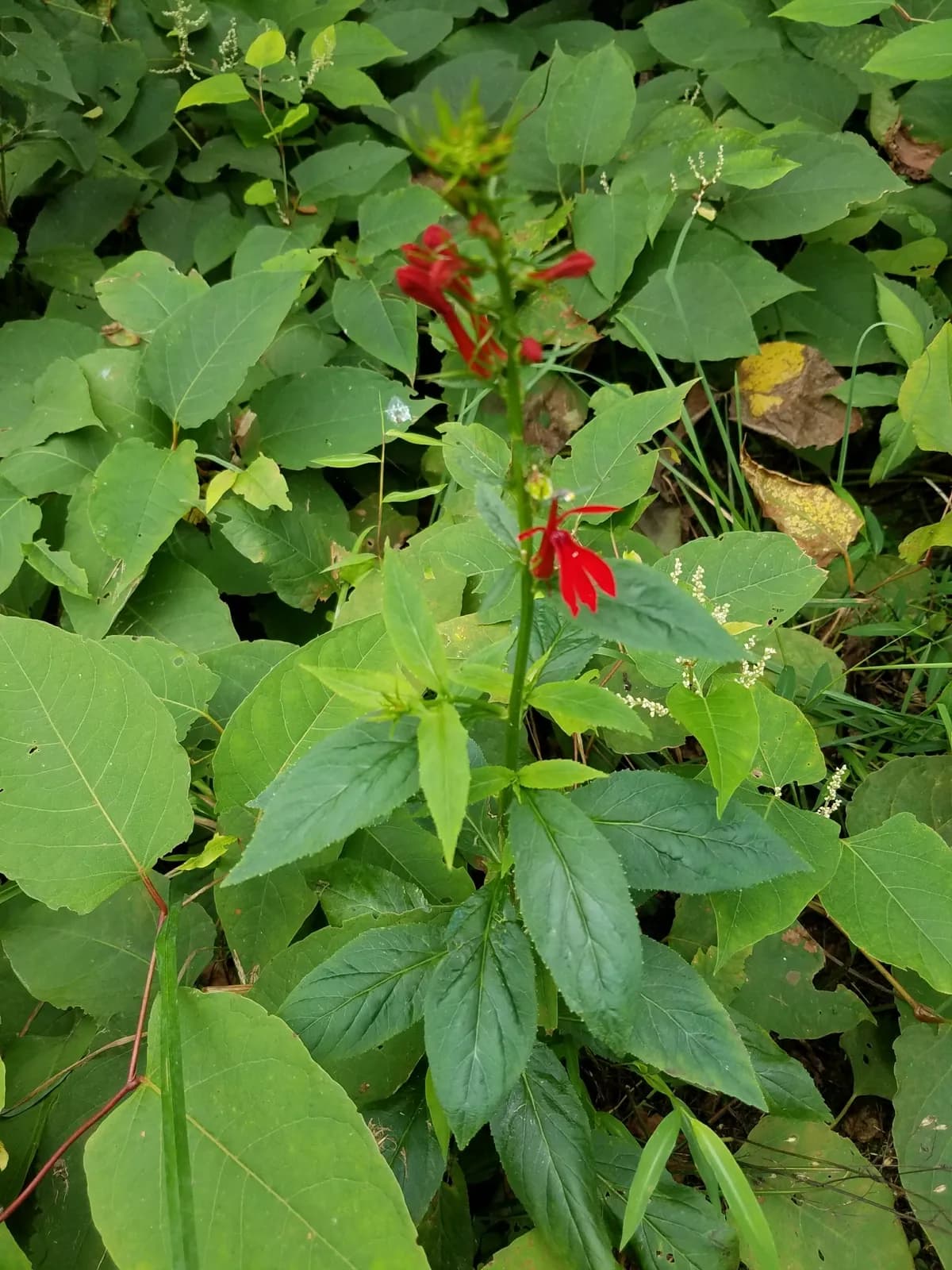
Cardinal Flower
Lobelia cardinalis

Sideoats Grama
Bouteloua curtipendula
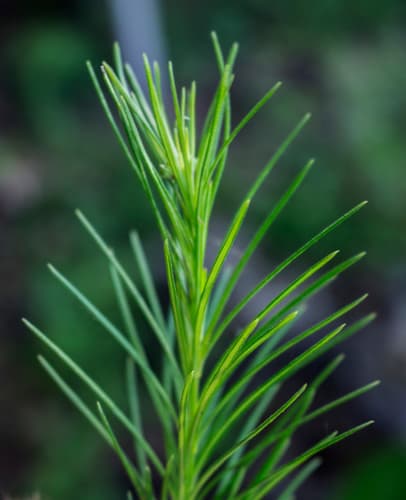
Whorled Milkweed
Asclepias verticillata
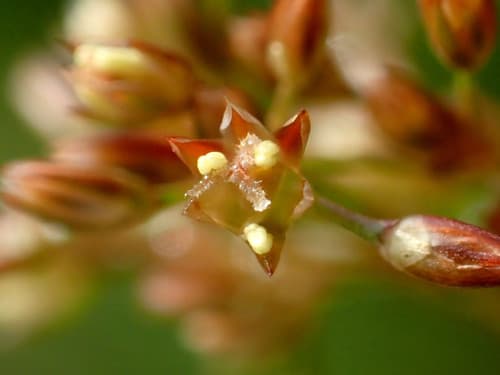
Soft rush
Juncus effusus
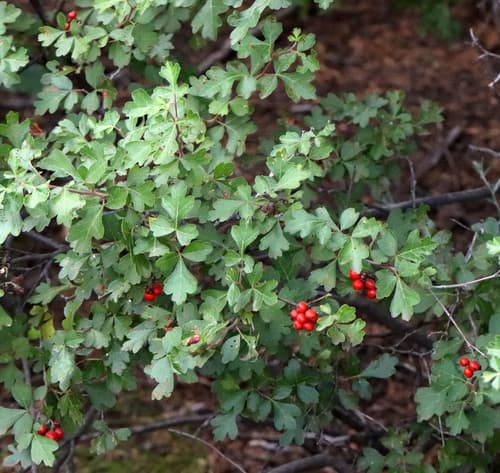
Aromatic Sumac
Rhus aromatica
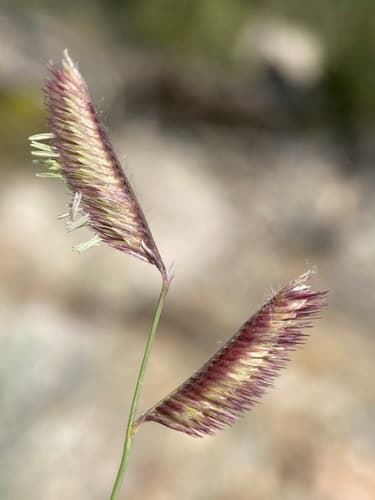
Blue Grama
Bouteloua gracilis
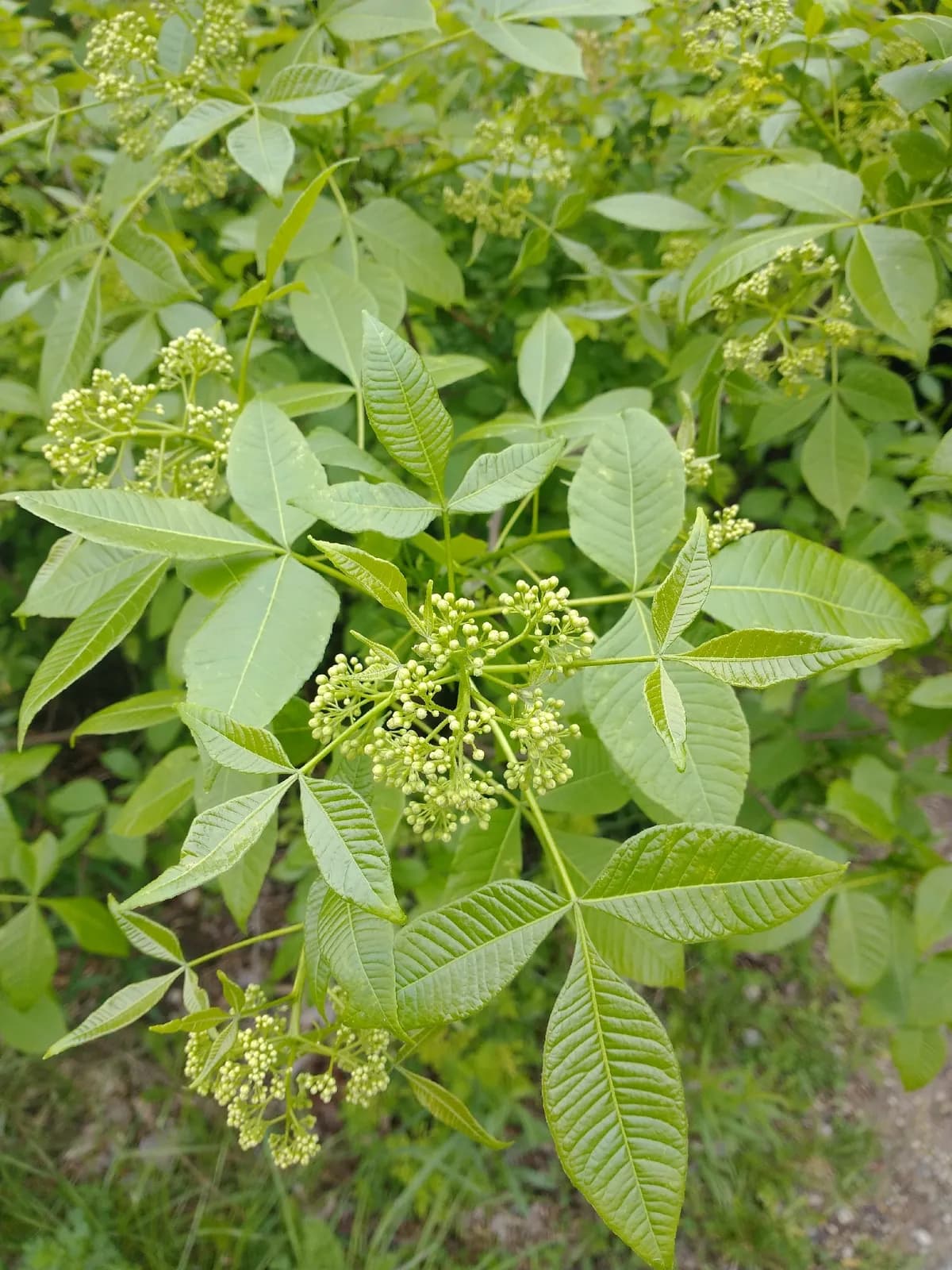
Wafer Ash
Ptelea trifoliata
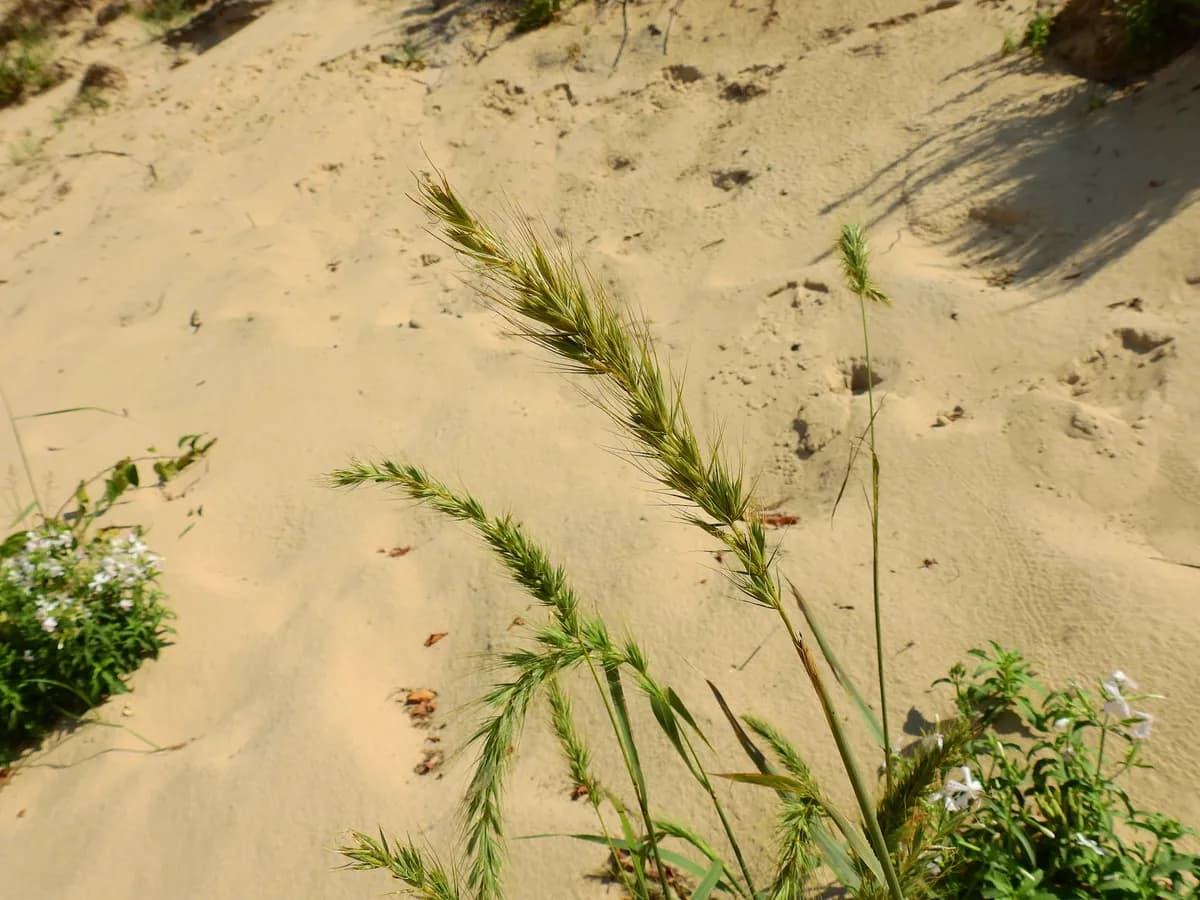
Prairie Wildrye
Elymus canadensis
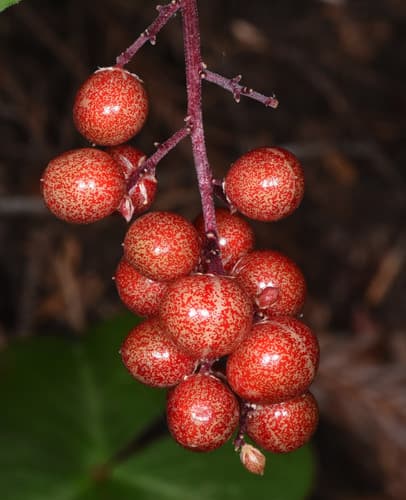
Solomon's-plume
Maianthemum racemosum
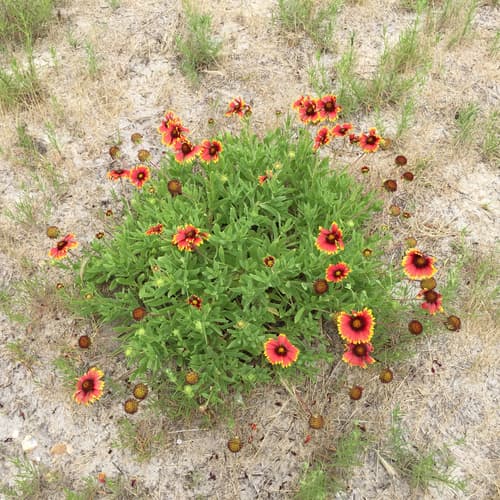
Firewheel
Gaillardia pulchella
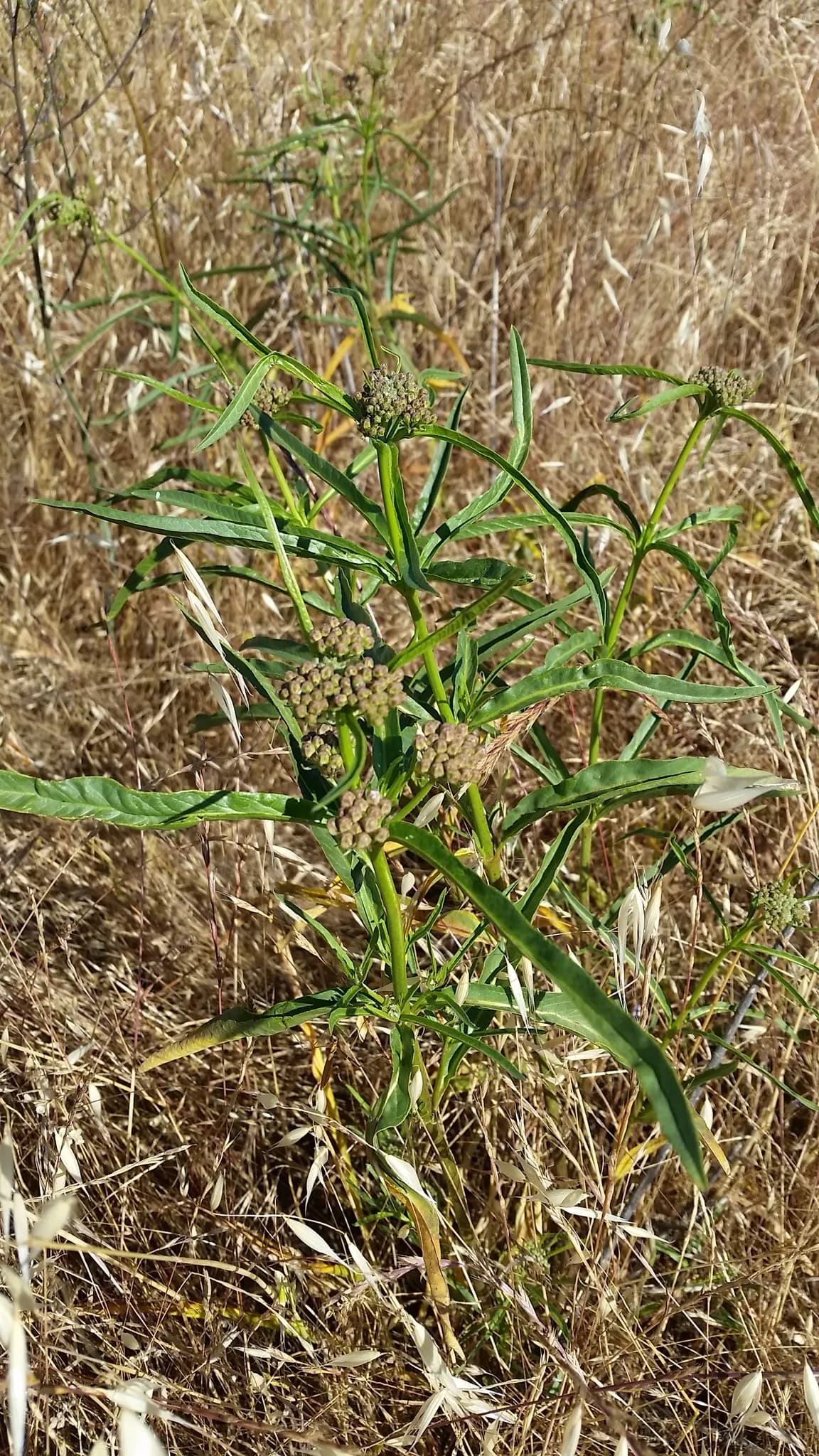
Narrowleaf Milkweed
Asclepias fascicularis
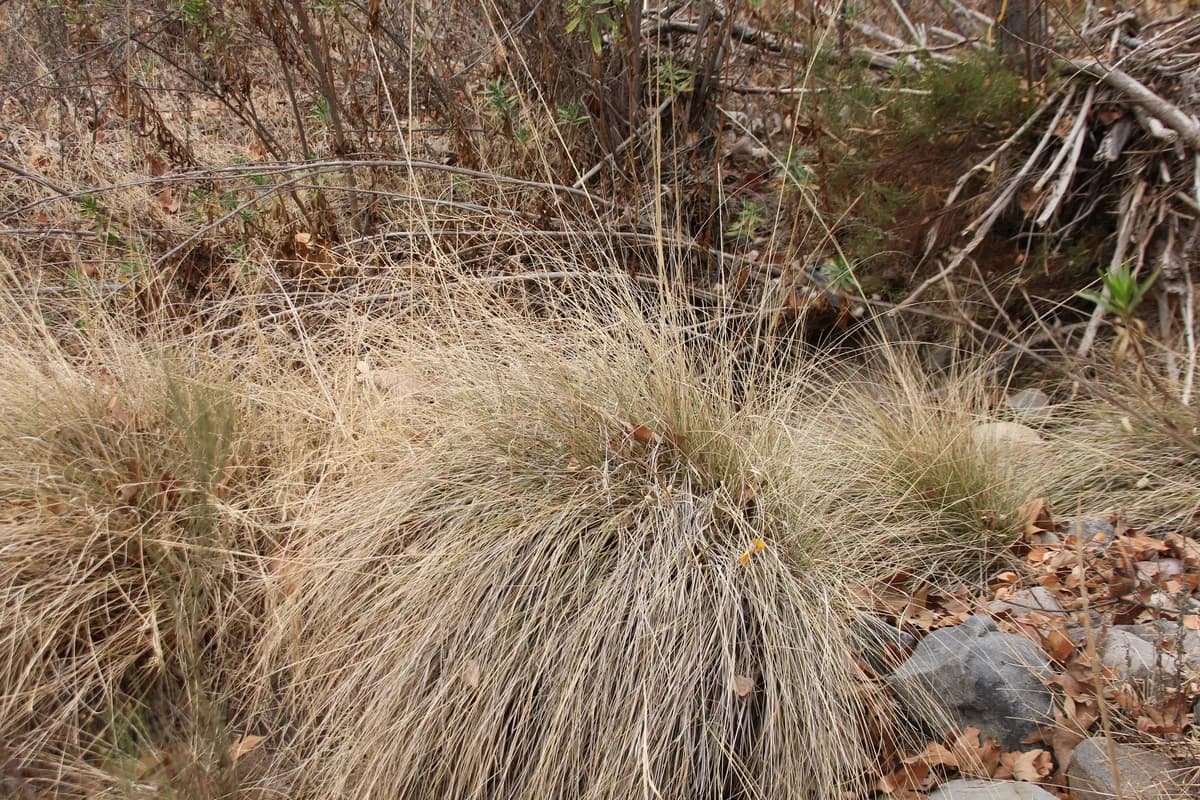
Deer Grass
Muhlenbergia rigens
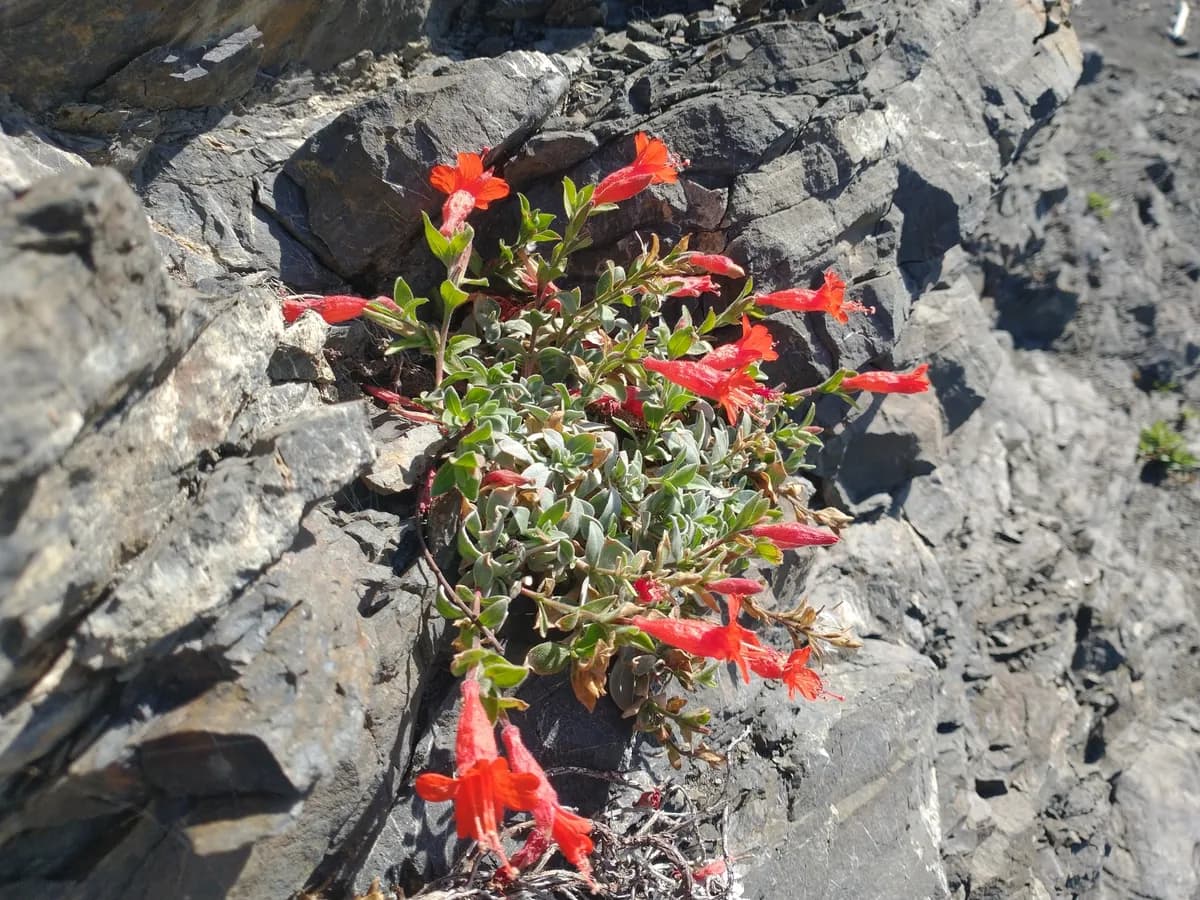
California Fuchsia
Epilobium canum
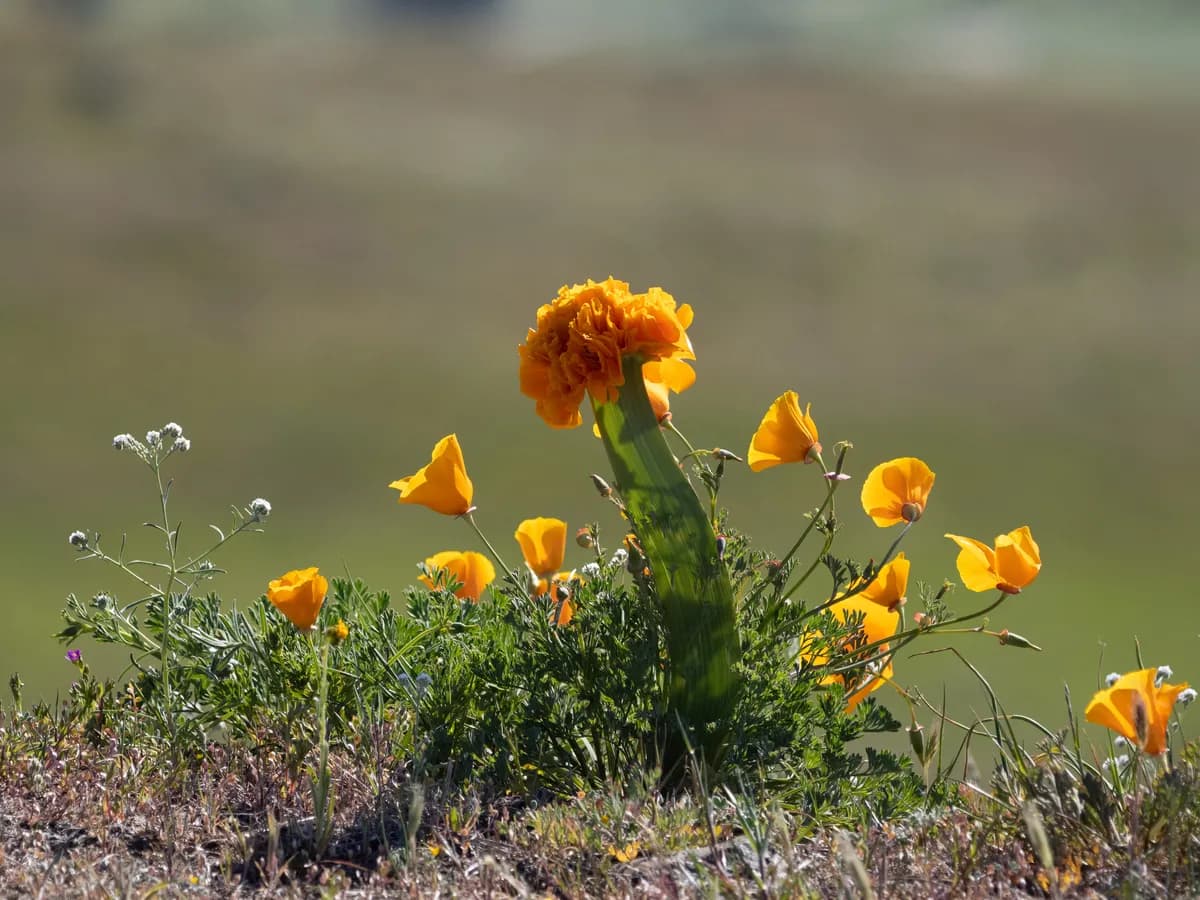
California-poppy
Eschscholzia californica
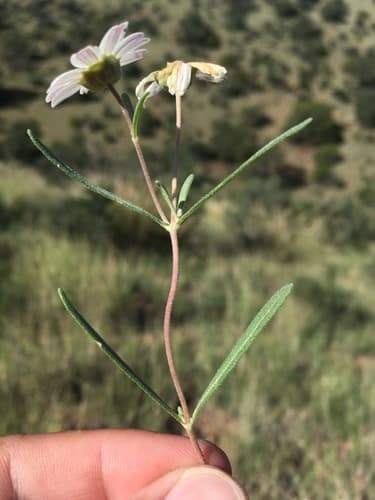
Blackfoot Daisy
Melampodium leucanthum
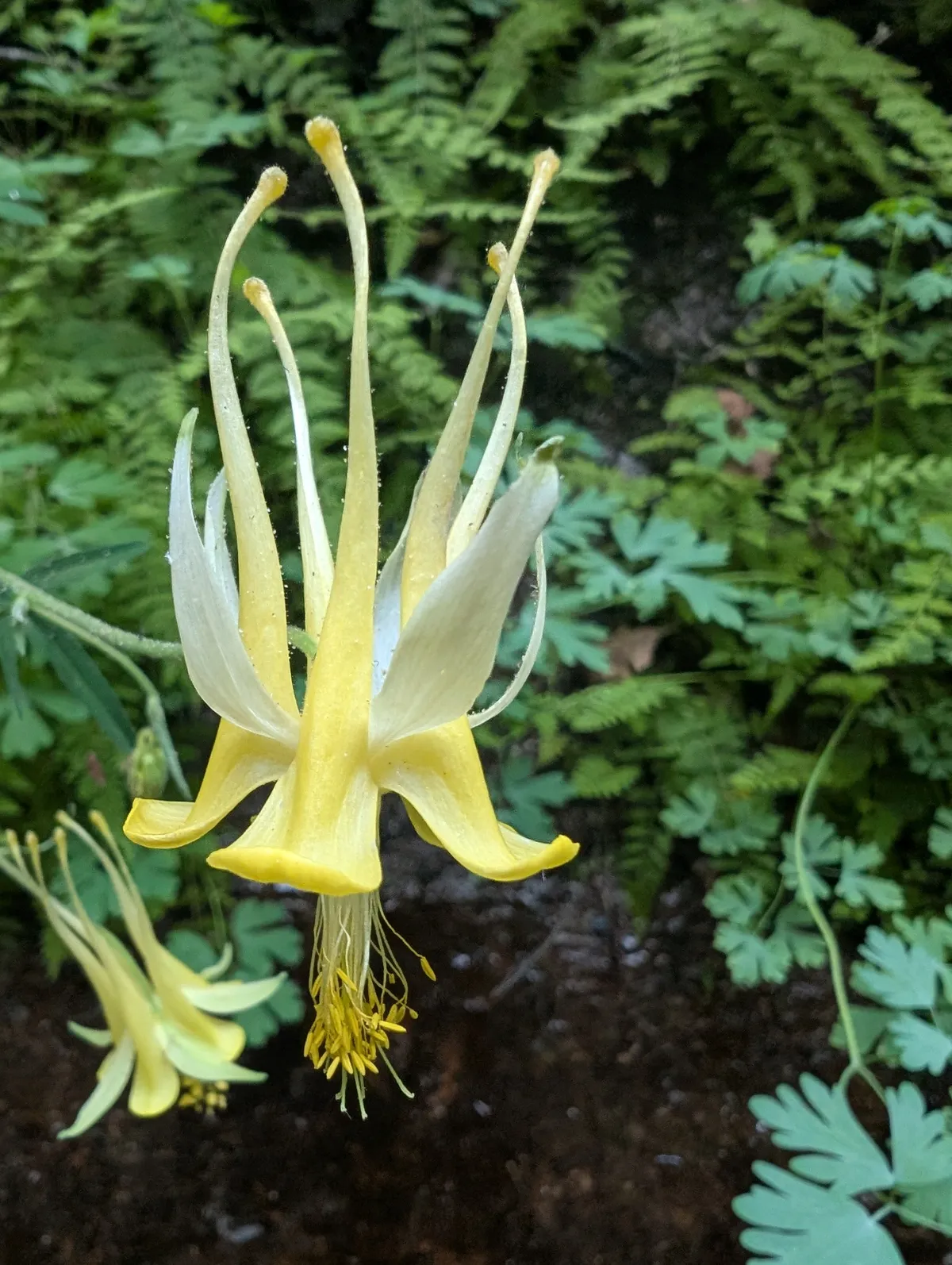
Golden columbine
Aquilegia chrysantha
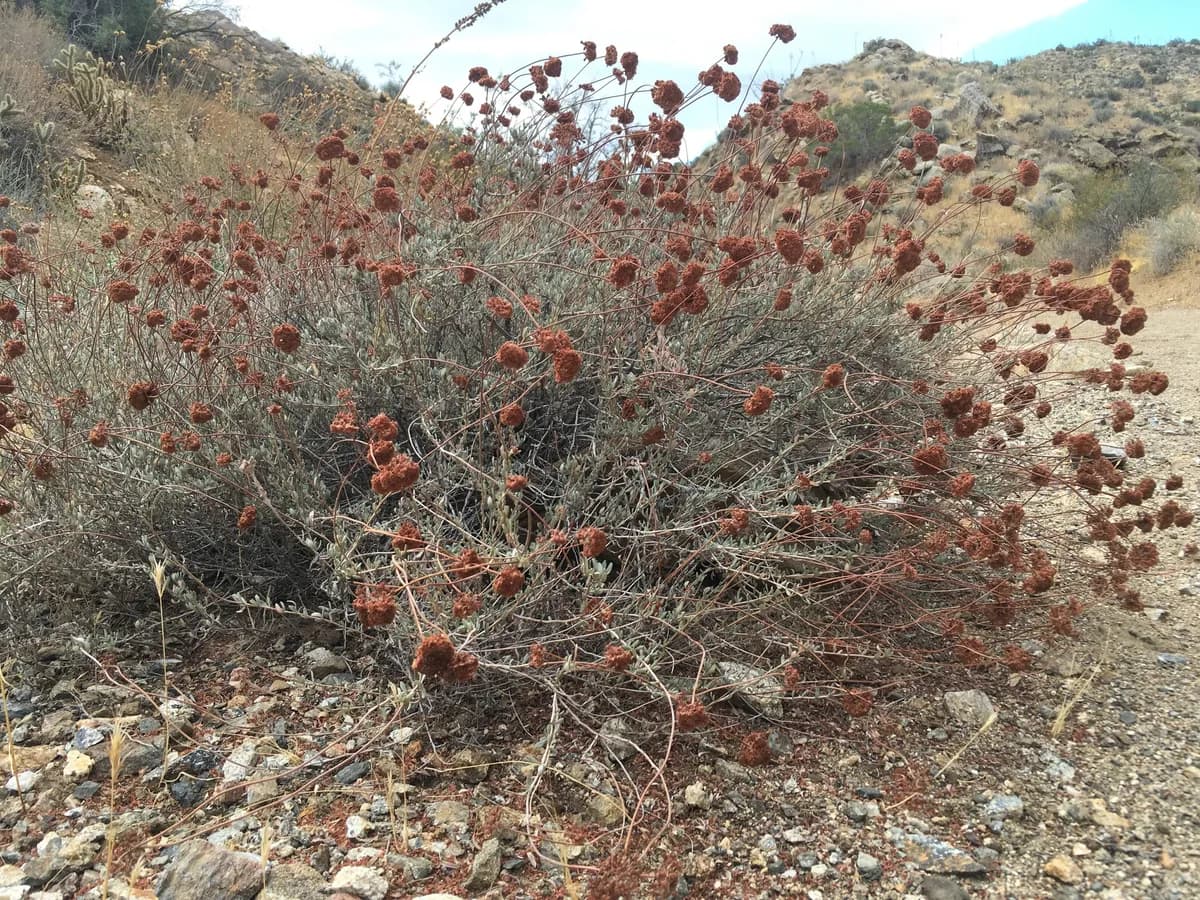
California Wild Buckwheat
Eriogonum fasciculatum
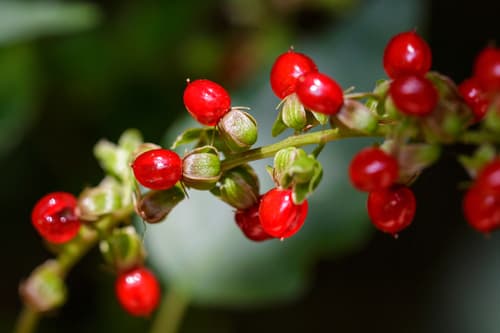
Pigeonberry
Rivina humilis
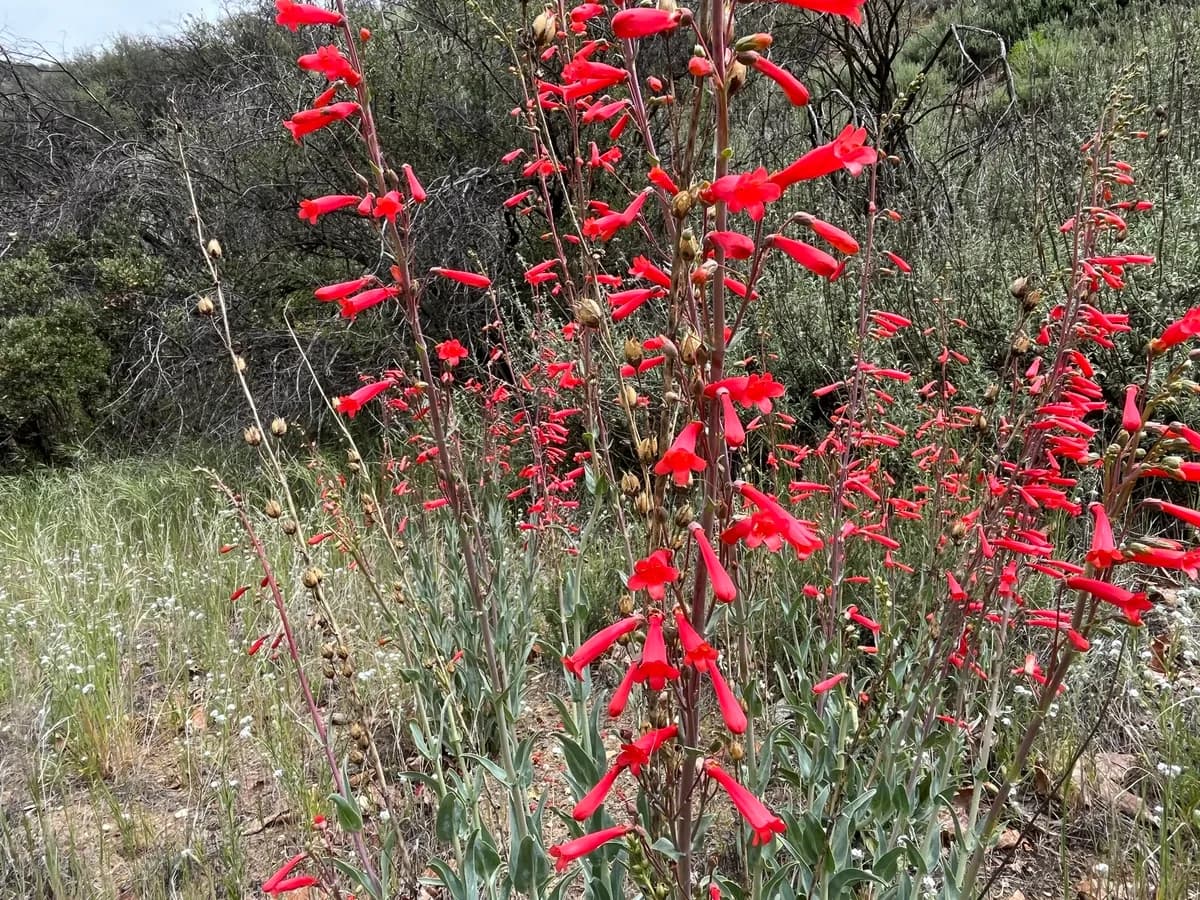
Scarlet Bugler
Penstemon centranthifolius
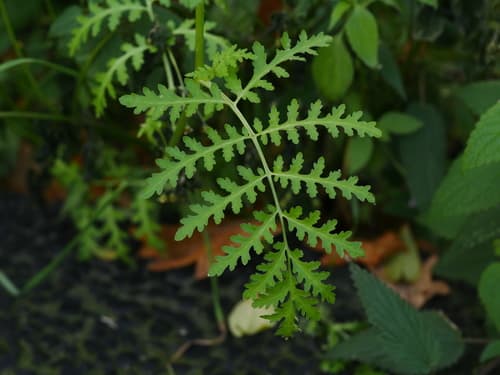
Fiddleneck
Phacelia tanacetifolia
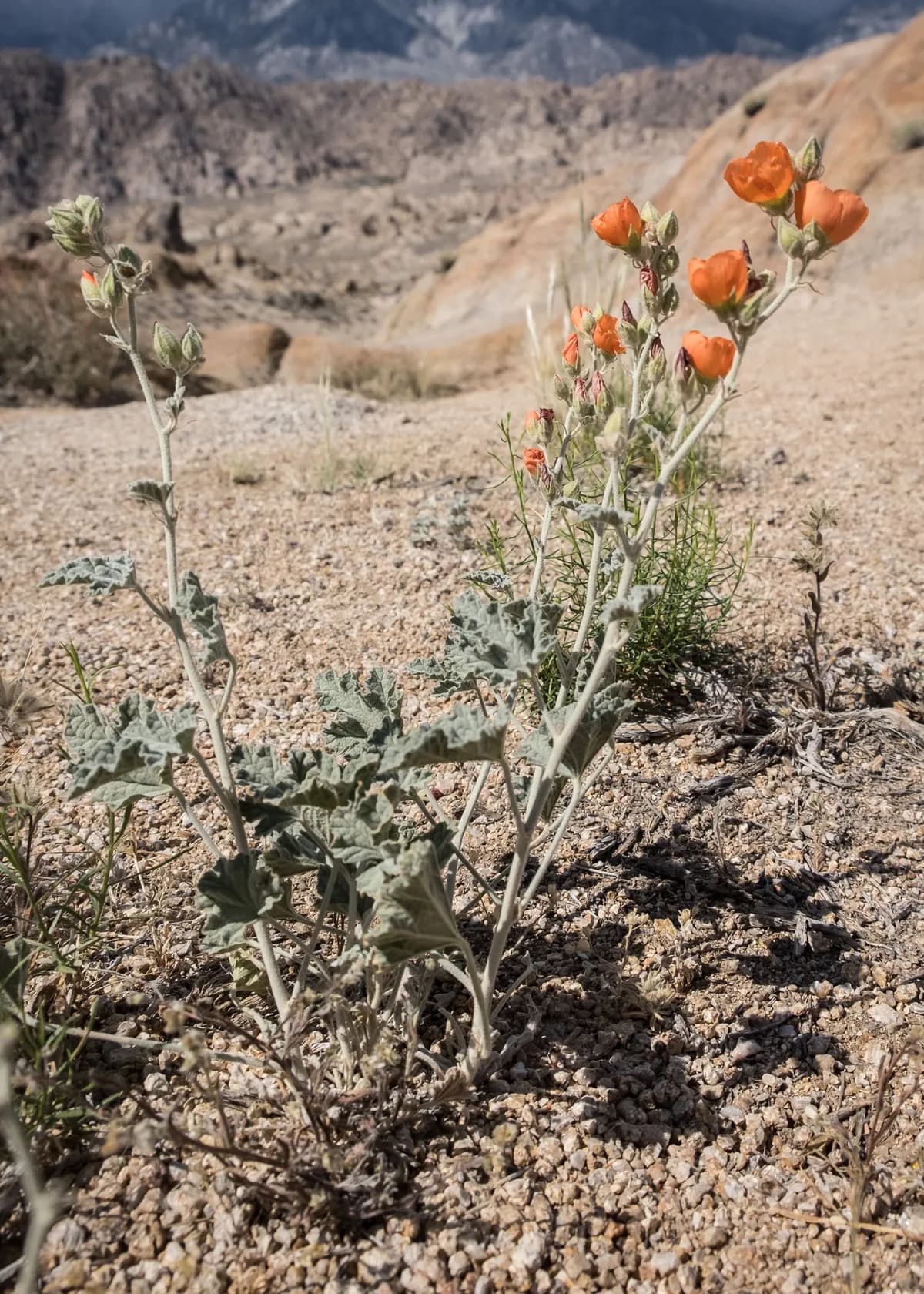
Apricot globemallow
Sphaeralcea ambigua
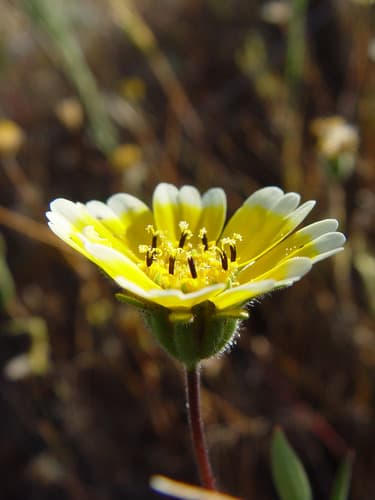
Coastal Tidytips
Layia platyglossa
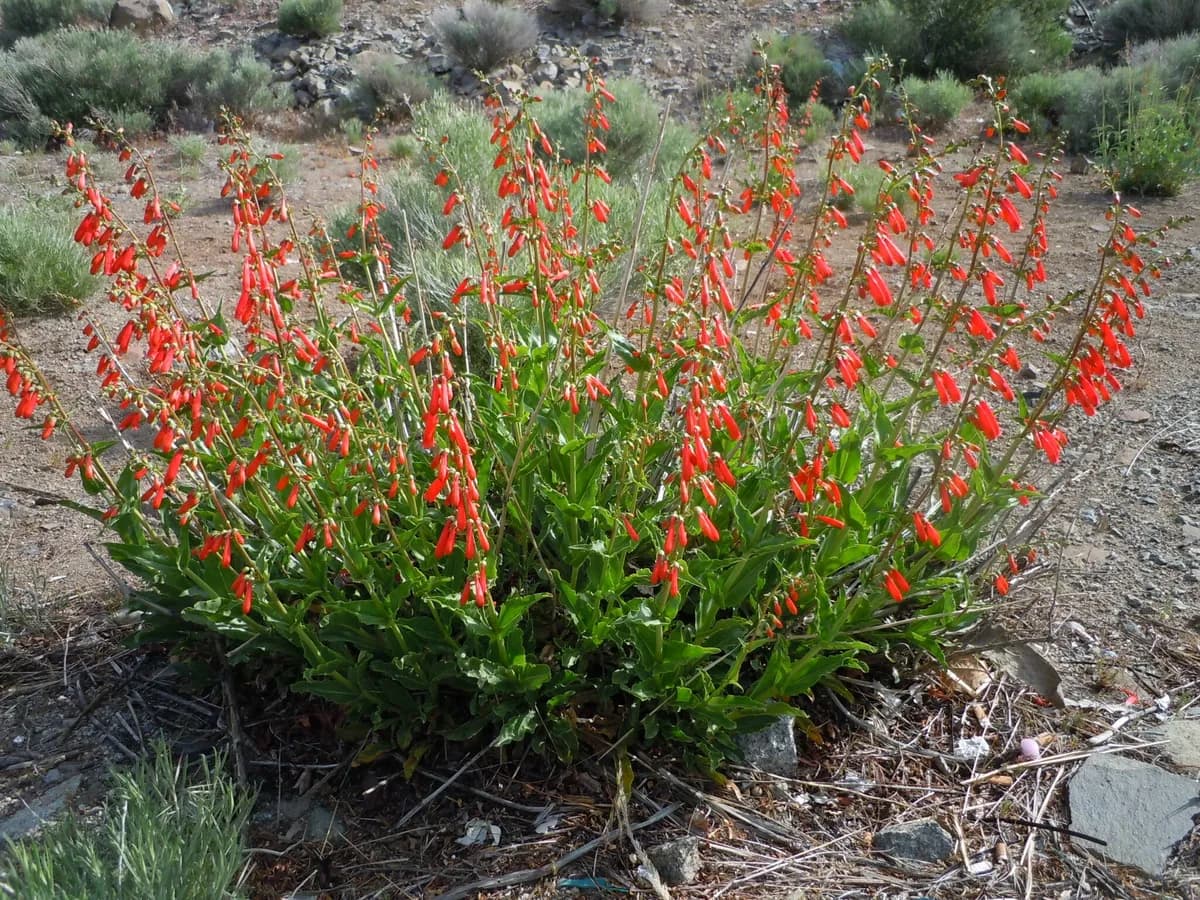
Firecracker penstemon
Penstemon eatonii
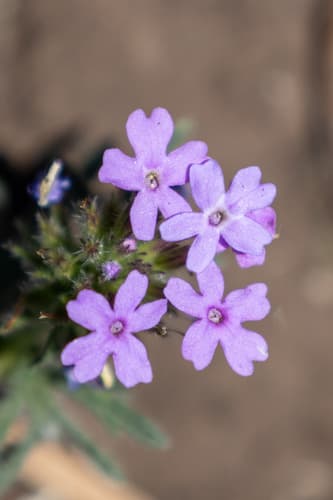
Prairie Verbena
Glandularia bipinnatifida
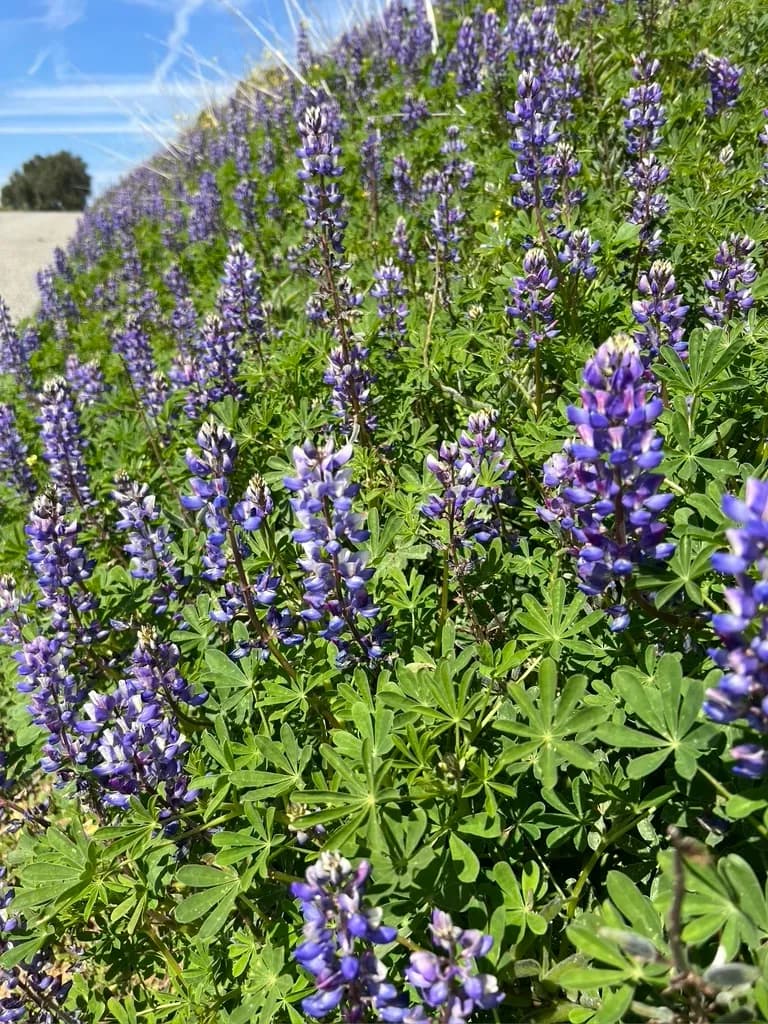
Arroyo Lupine
Lupinus succulentus
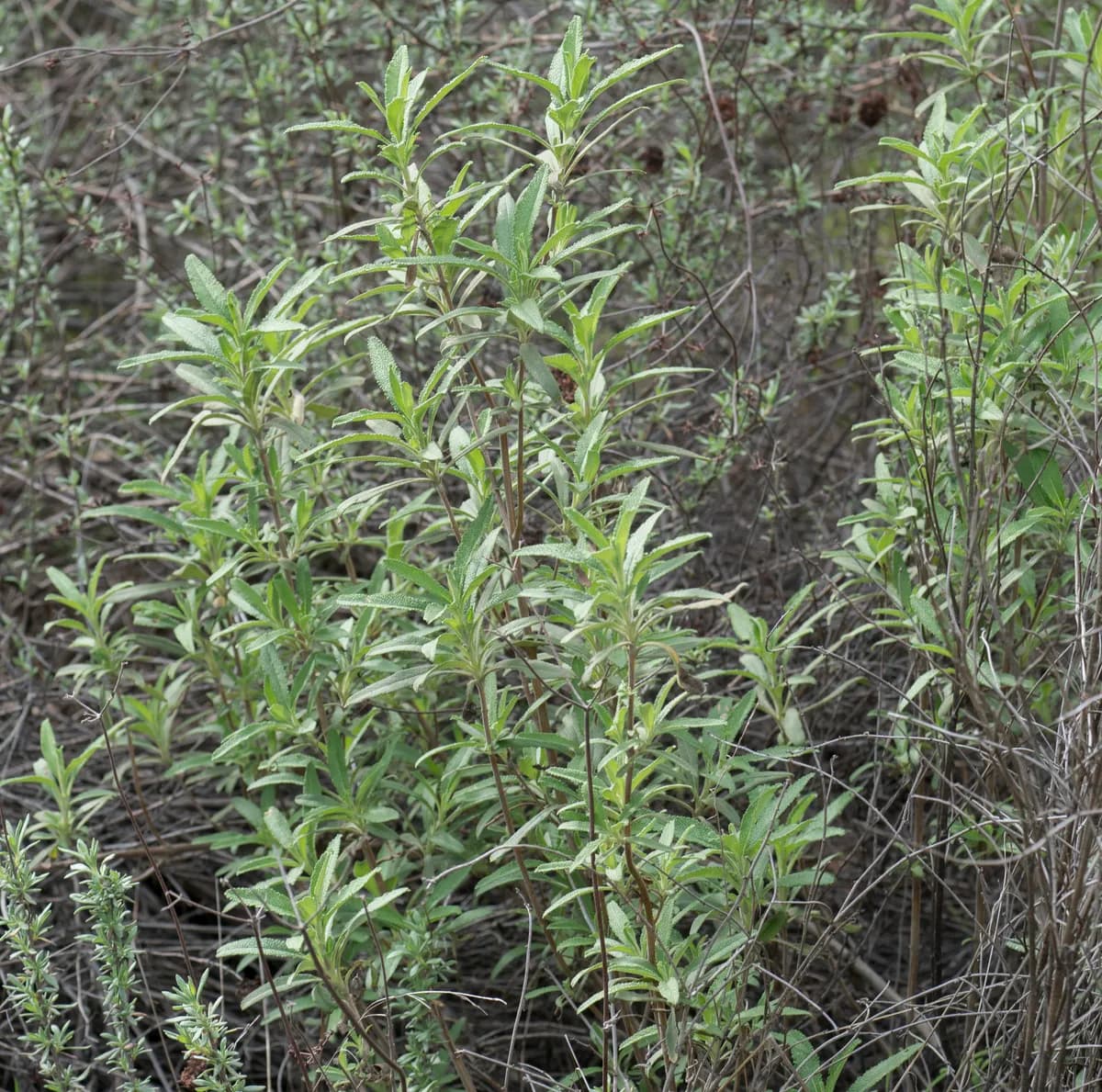
Black Sage
Salvia mellifera
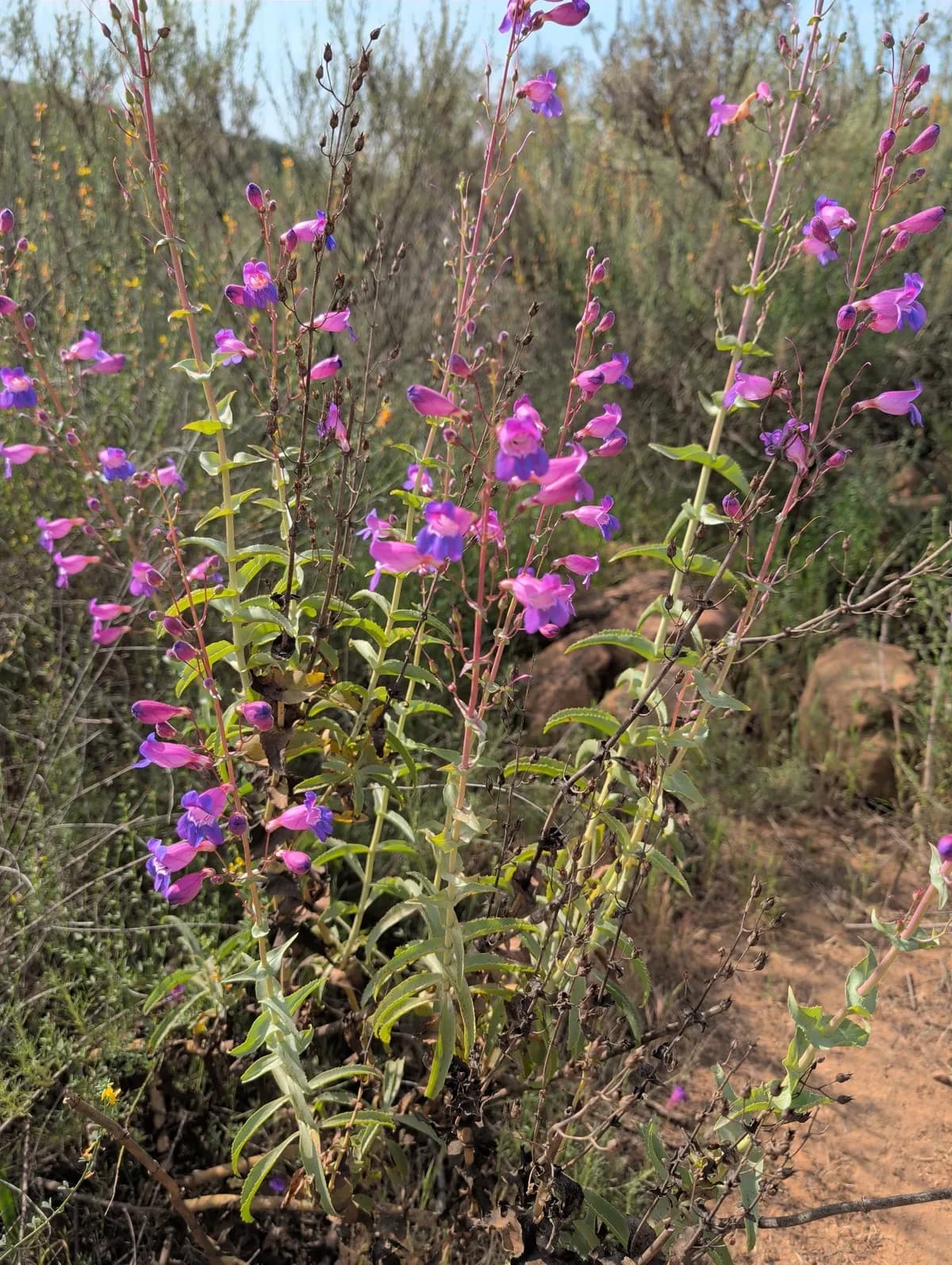
Showy Penstemon
Penstemon spectabilis
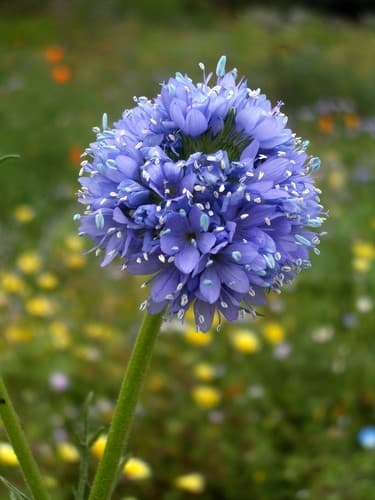
Blue Thimble-flower
Gilia capitata
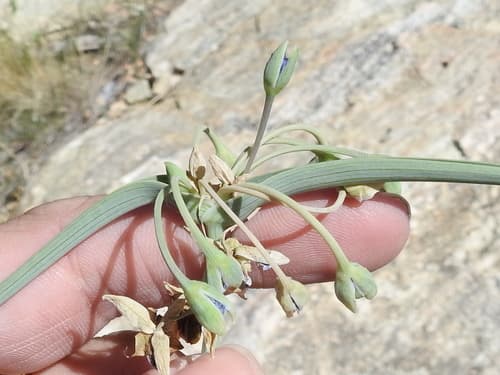
Prairie Spiderwort
Tradescantia occidentalis
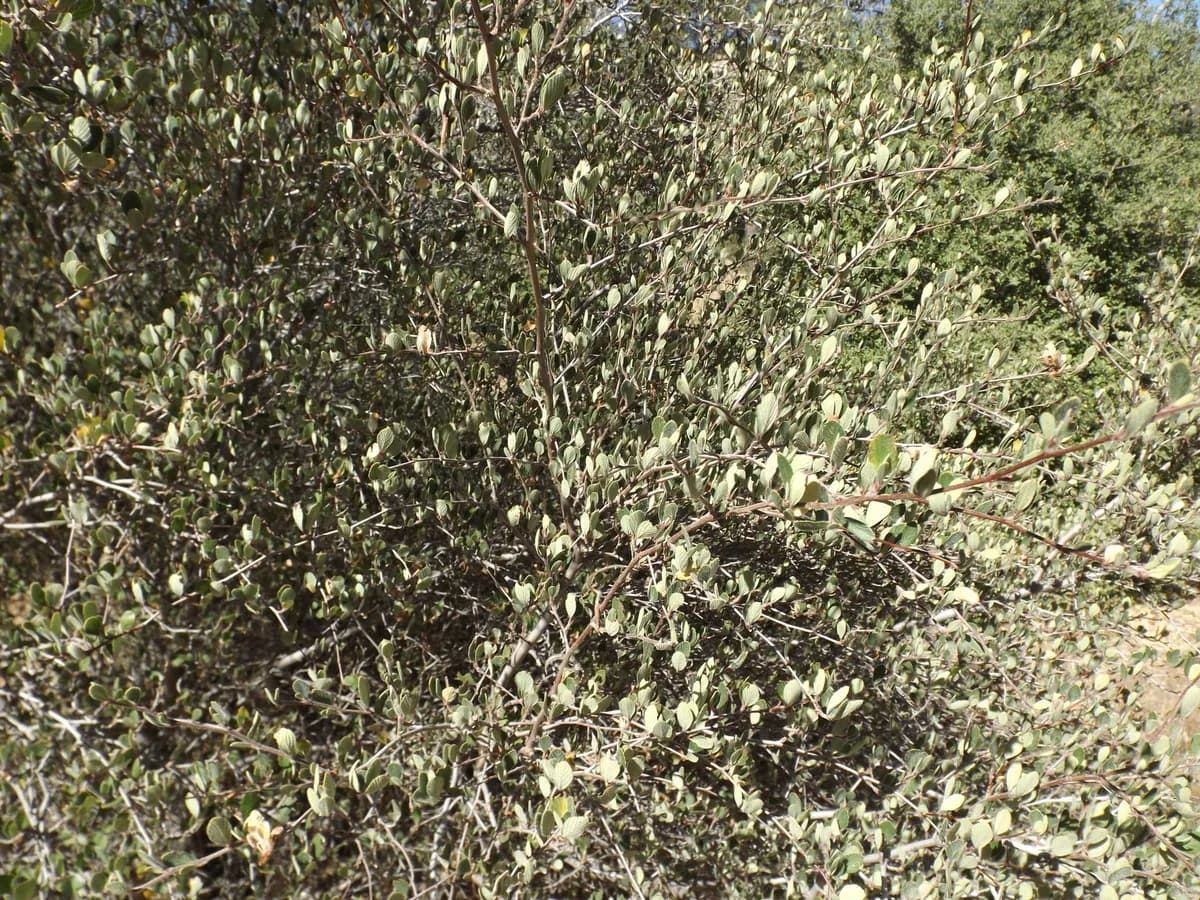
Birchleaf Mountain Mahogany
Cercocarpus betuloides
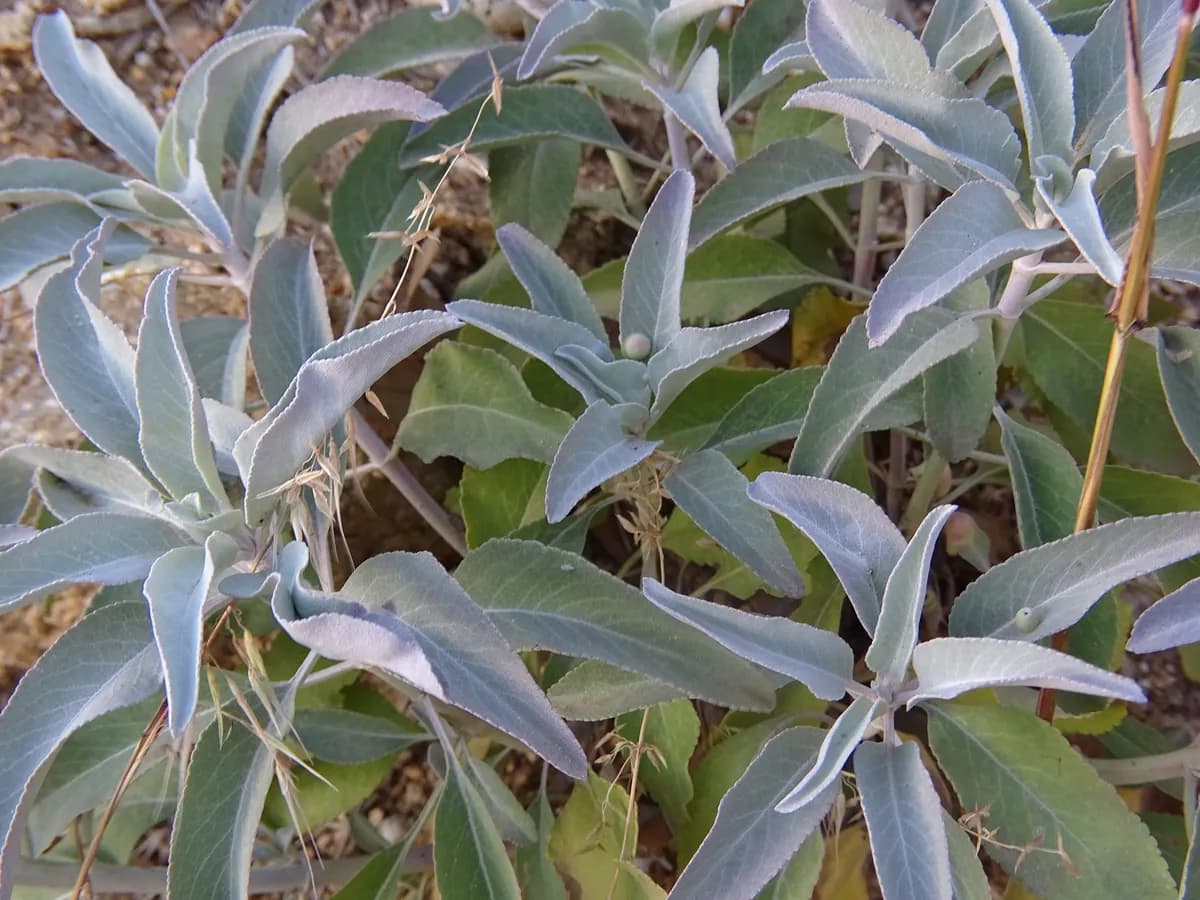
White Sage
Salvia apiana

Antelope Horn Milkweed
Asclepias asperula
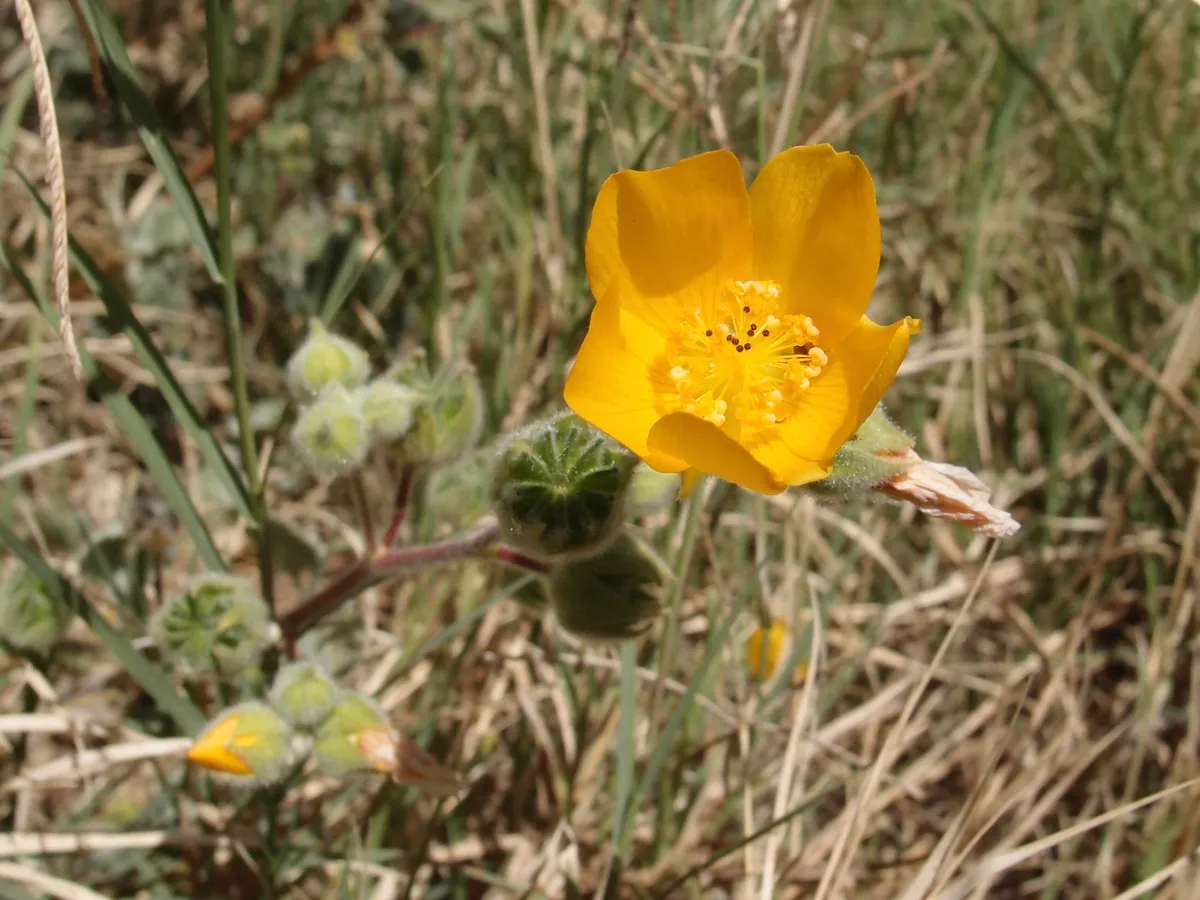
Palmer's abutilon
Abutilon palmeri
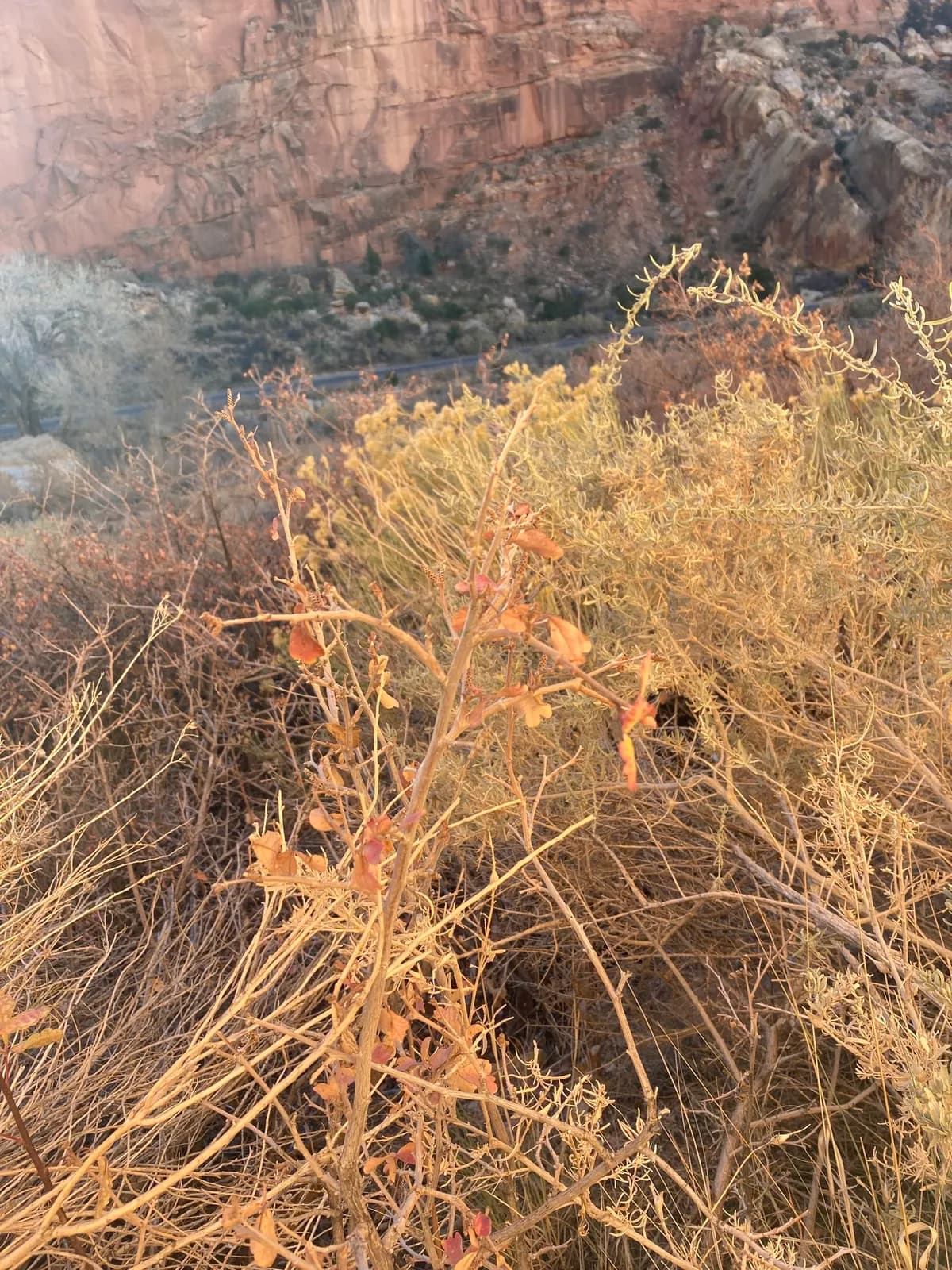
Skunkbush Sumac
Rhus trilobata
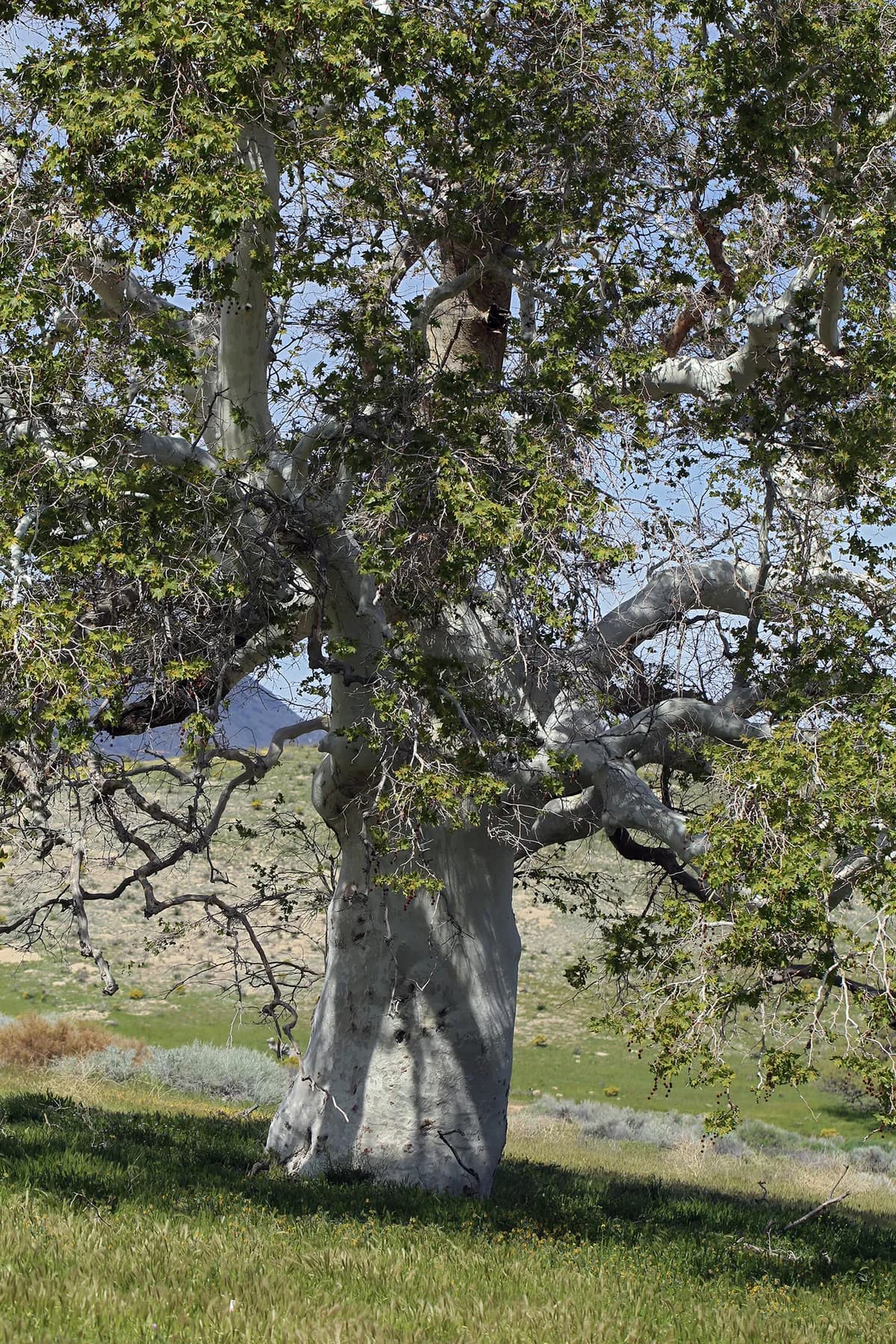
California Sycamore
Platanus racemosa
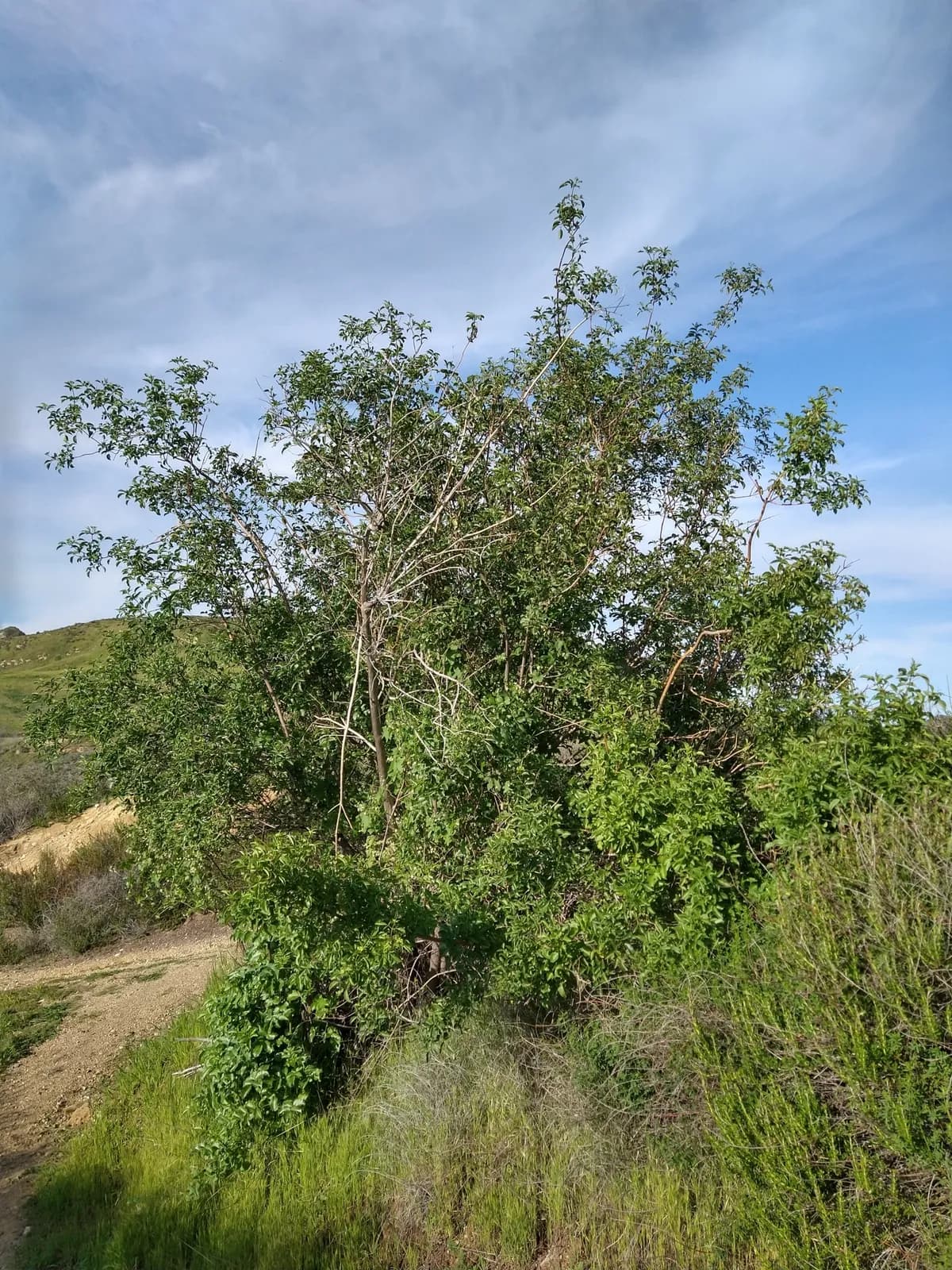
Blue Elderberry
Sambucus mexicana
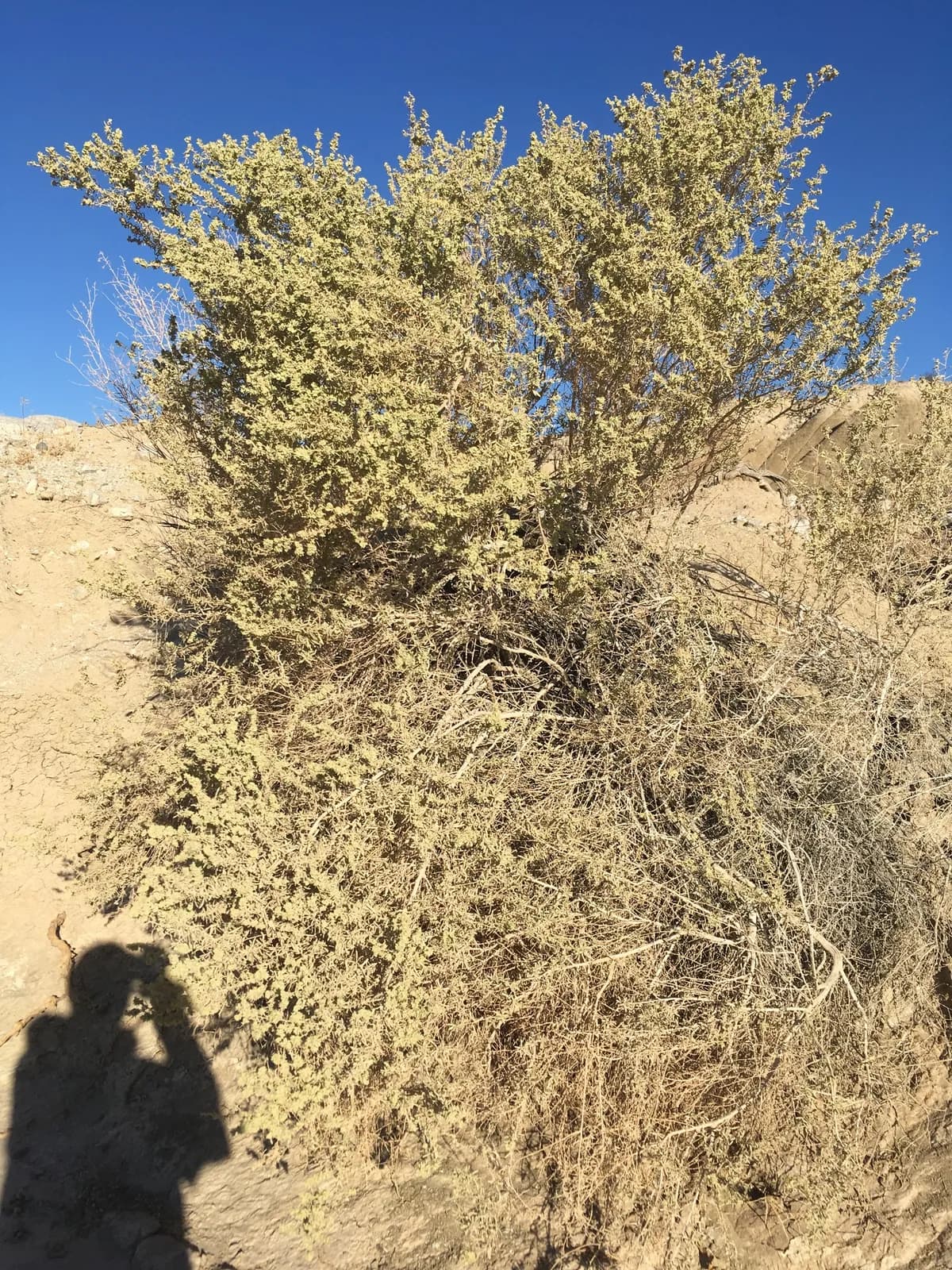
Four-wing Saltbush
Atriplex canescens
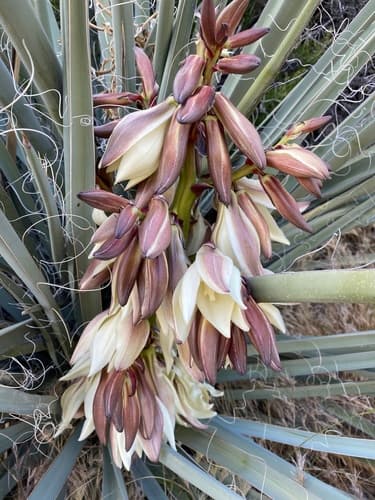
Banana yucca
Yucca baccata
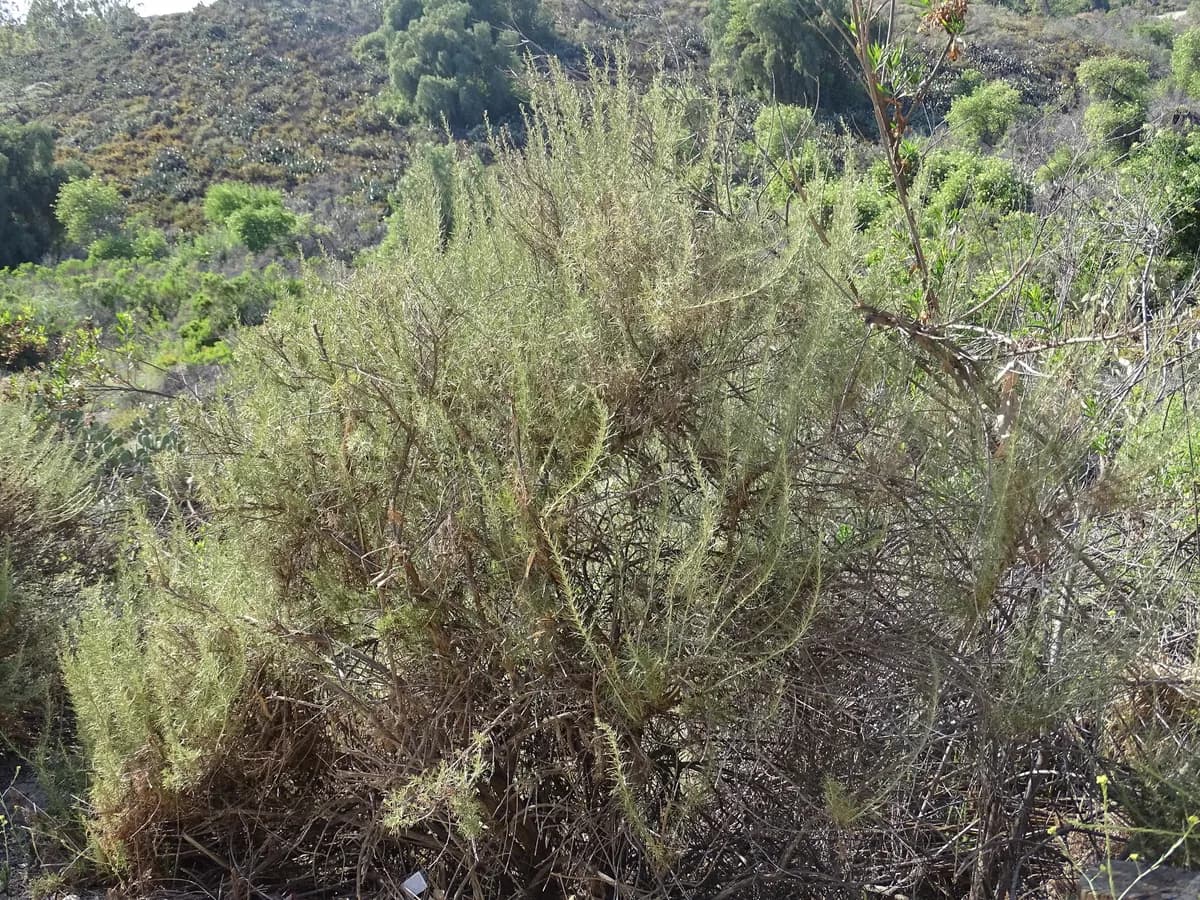
California Sagebrush
Artemisia californica
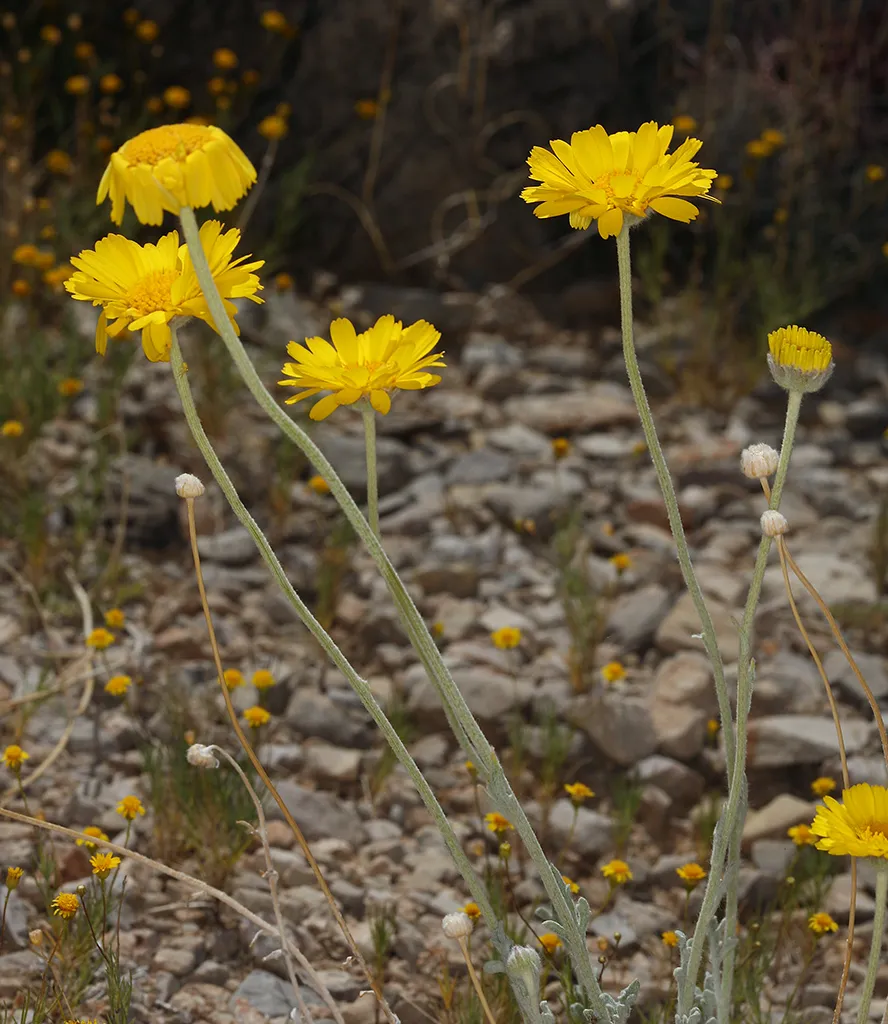
Desert Marigold
Baileya multiradiata
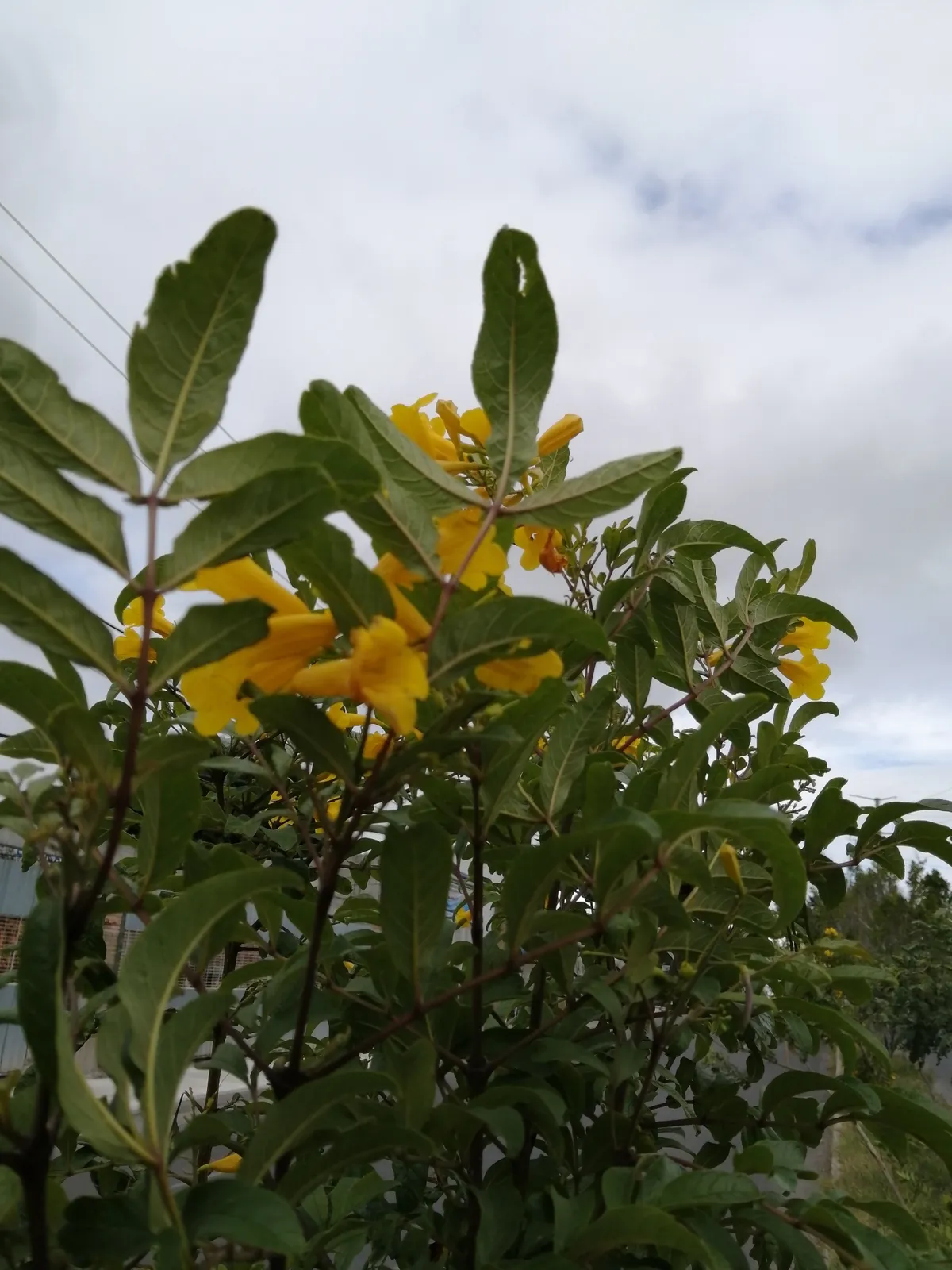
Esperanza
Tecoma stans
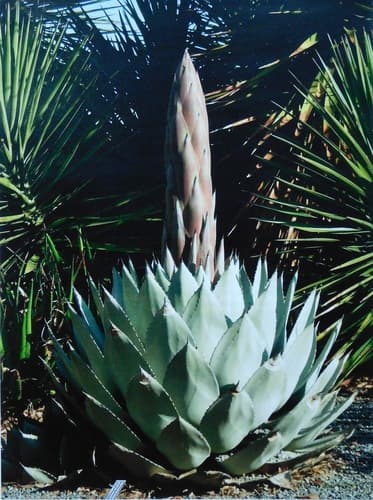
Parry's agave
Agave parryi
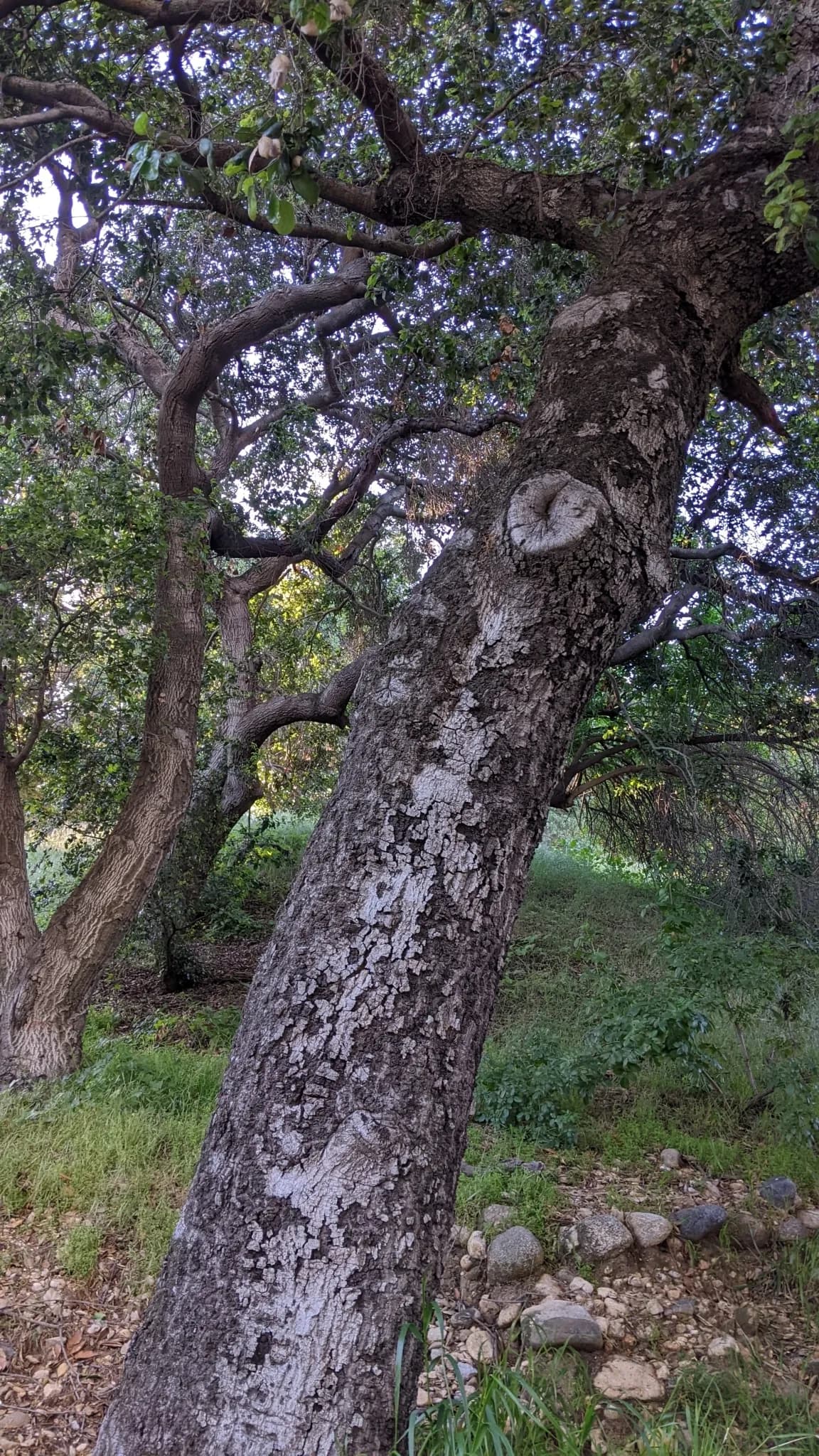
California Live Oak
Quercus agrifolia
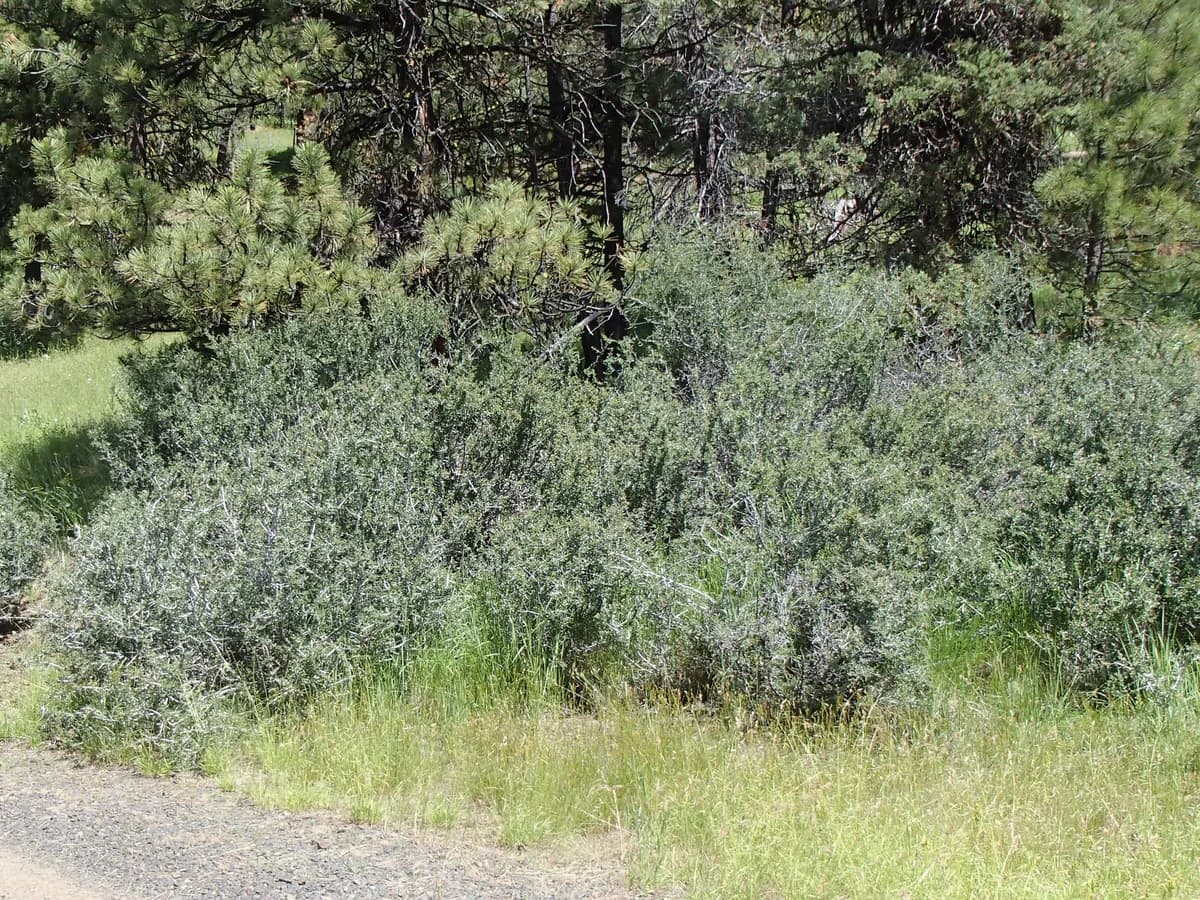
Cuneate Ceanothus
Ceanothus cuneatus
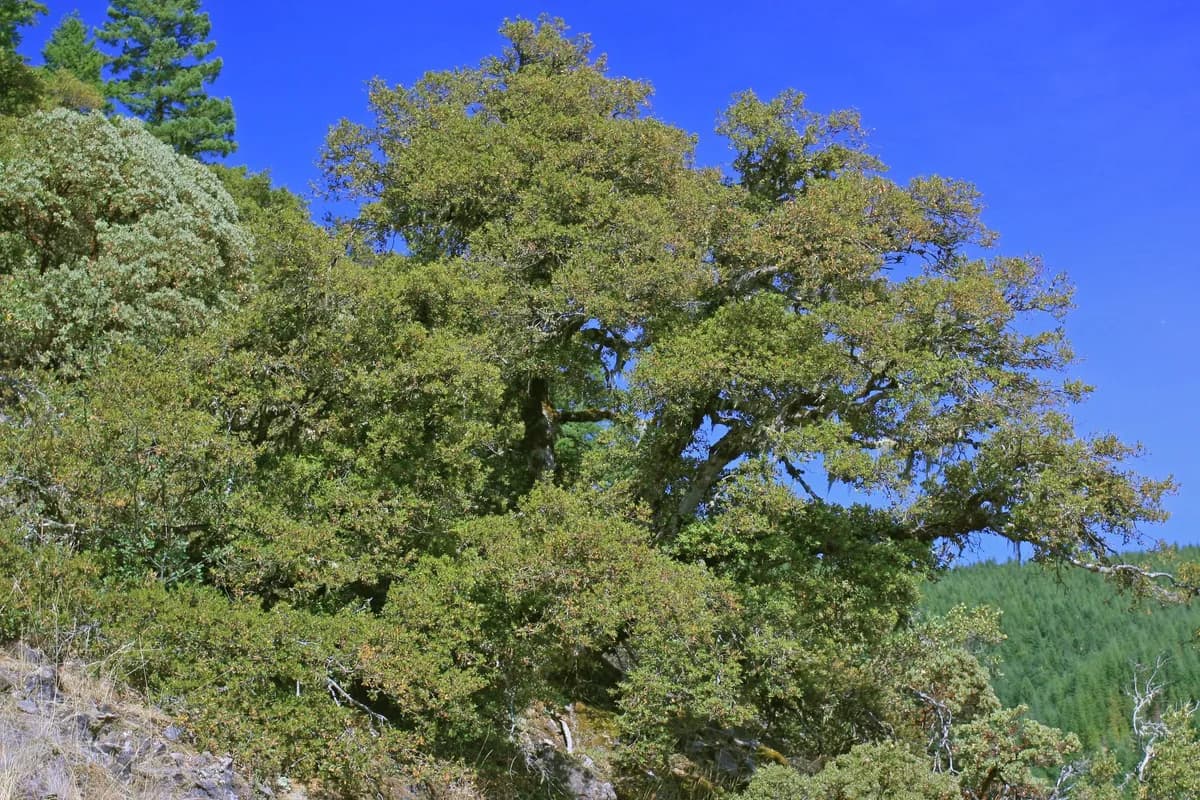
Canyon Live Oak
Quercus chrysolepis
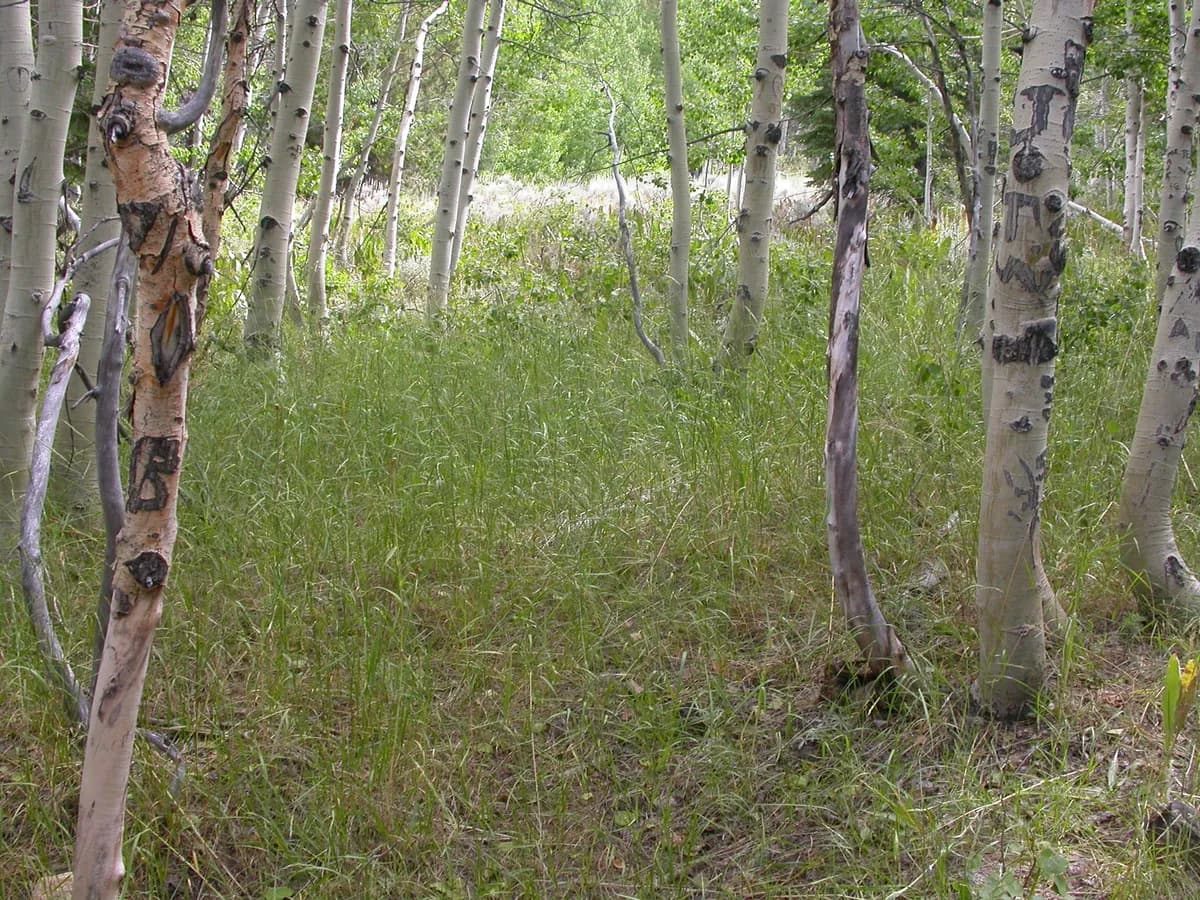
Blue Wild Rye
Elymus glaucus
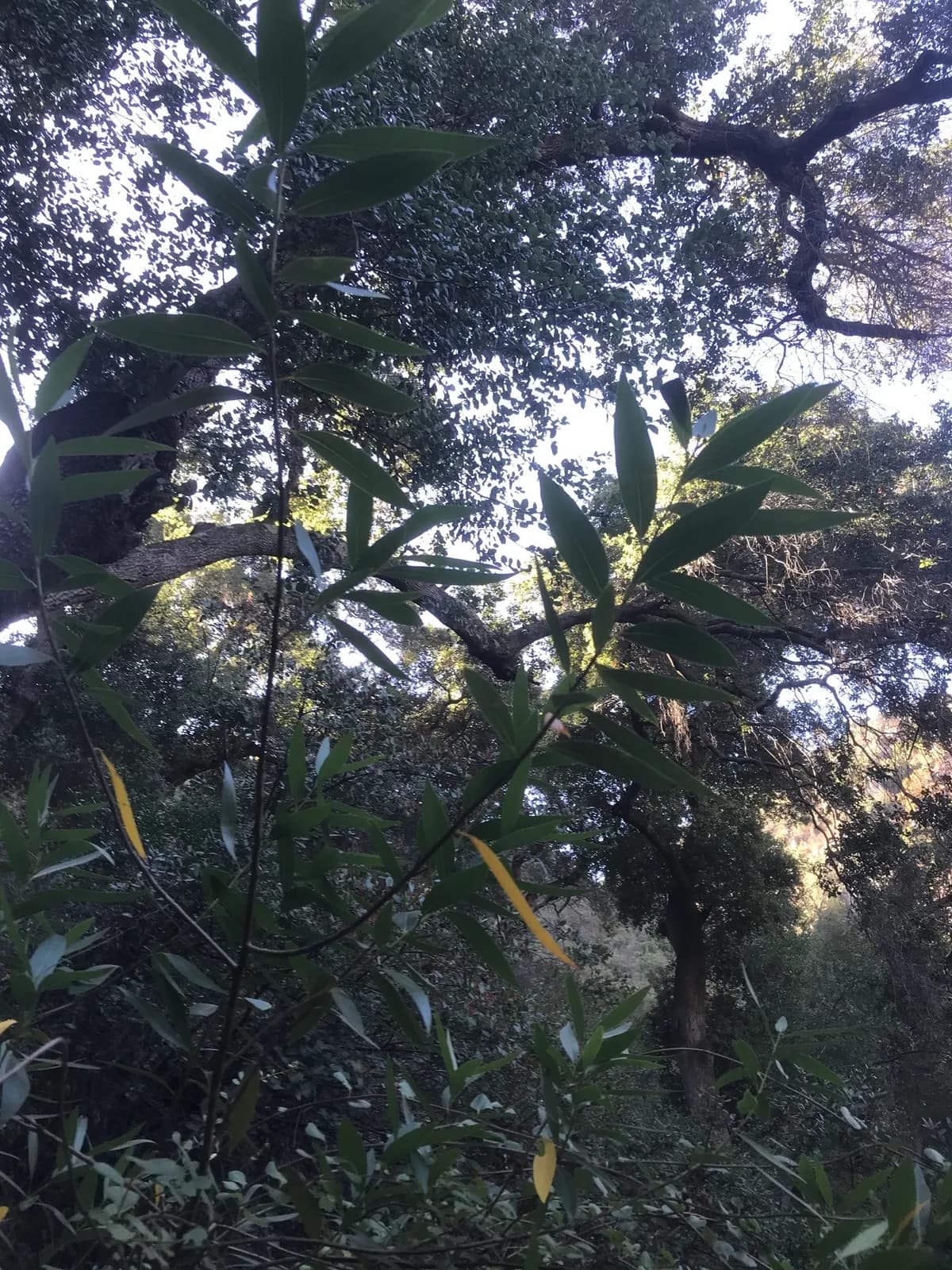
California-laurel
Umbellularia californica
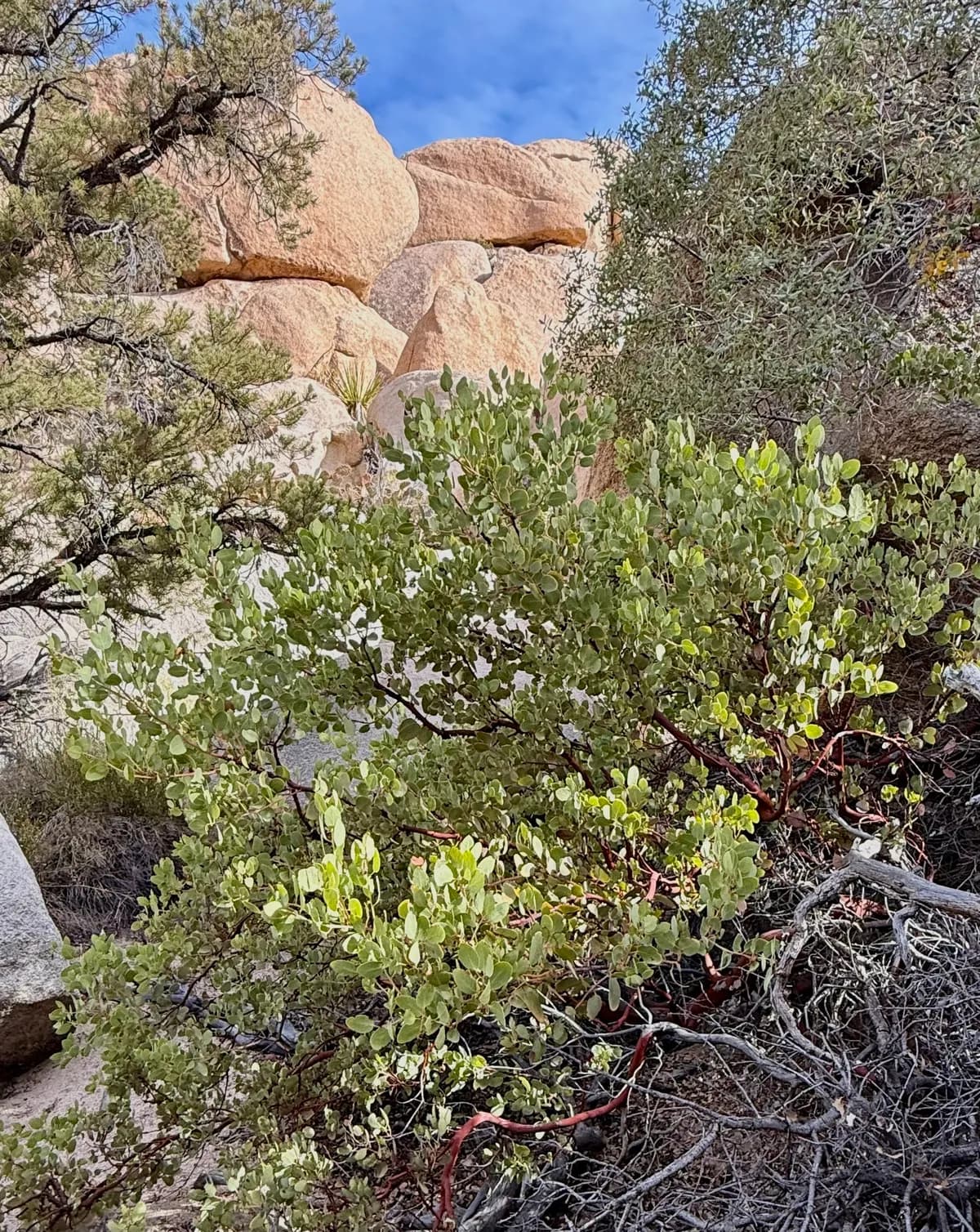
Bigberry Manzanita
Arctostaphylos glauca
Showing 48 of 601. Enter your ZIP for the natives matched to your yard.
Fall care in the Sonoran Basin and Range
What to do right now for plants commonly grown here. Each links to the full regional care guide for that species, with sources.
- California live oak
Fall is the tail end of the safer pruning window and a good time to plan next year's watering now that the heat is easing.
- Canbys bluegrass
Fall is when this grass wakes back up. Cooler temperatures and the first rains trigger fresh green growth.
- Firecracker penstemon
Fall is cleanup and reset time. Cooler weather returns and the plant can catch a second wind before winter.
- Prairie verbena
Fall often brings a second wave of blooms, especially if you trimmed the plant back in summer.
- Utah ash
Fall is this tree's best season to look at. The leaves turn a bright, clear yellow before dropping, and it is also the right time to start easing off on water.
- Sixweeks fescue
Fall is germination time. The first real rain of the season wakes up seed that has been sitting in the soil since last spring.
- Prairie wildrye
Fall is when this cool season grass perks back up as temperatures drop, and it is a good window for cleanup or new plantings.
- Hairy grama
Growth slows and seed heads dry to tan as days shorten. Watering can taper off, and this is a good window to trim for a tidy winter look if you prefer that over leaving seed heads for birds.
- Sideoats grama
Fall is when the foliage shifts from blue-green to a warm coppery bronze, and growth slows as the plant heads toward winter dormancy.
- Whorled milkweed
Fall, roughly October and November in the low desert, is a second mild growing stretch when seed pods form and the plant can be tidied up or divided.
Build a plan for the Sonoran Basin and Range
Pollinator Patch turns plants like these into a front-yard plan tuned for the soil, climate, and HOA expectations of the Phoenix area.