Parry's agave
Agave parryi
Last reviewed: August 2026
Agave parryi is a compact rosette succulent with thick blue-gray leaves, suited to hot, dry gardens in the Southwest. It tolerates low water and full sun, and mature plants send up a tall flower stalk once before the rosette dies.
Toxicity unknown
Parry's agave (Agave parryi) is not listed by the ASPCA Animal Poison Control Center (opens in new tab) or the other sources we check, so we have no verdict for it either way. Absence from those lists is not a clearance. If your pet shows symptoms after eating any plant, call the ASPCA at (888) 426-4435.
Light
full sun
Water
low
Size
12"–20" H × 18"–24" W
Bloom
N/A
Native to
AZ, NM, TX
Pollinators
bees, hummingbirds, moths
Before you buy
Your city may pay you to plant this
Cities and water utilities offer rebates for replacing lawn with native and water-wise plants. We track 459 programs across 44 states, each with a link to the provider and the date we last checked it.
Find rebates in your areaPicture natives in your own yard
Upload a photo of your yard and Patch Vision shows a rendering of it planted with natives for your region, like Parry's agave.


Browse plants for this ecoregion
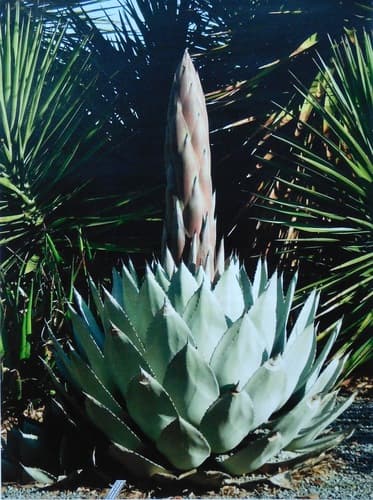
A compact, symmetrical rosette succulent with thick, powdery blue-gray leaves and dark spine tips, forming tight clumps as it offsets. Its neat, geometric form suits formal and low-water plantings alike.
Growing Parry's agave
Grow Parry's agave in full sun and low water. Mature plants reach 12 to 20 inches tall and spread 18 to 24 inches wide. Expect low maintenance to keep it looking intentional in a front yard.
How to care for Parry's agave, by region
How to care for Parry's agave where it is actually grown: year-round basics plus what to do each season, region by region, with the sources for each.
Care guidance last updated: August 2026
Cross Timbers (includes Fort Worth, TX)
Year-round
Parry's agave is a tough blue-gray succulent that grows as one tight rosette and asks for almost nothing once it settles in. In North Texas the whole job is keeping water away from its roots, because it rots long before it freezes.
- Give it full sun, at least 6 hours of direct light, on the highest and driest spot in the bed.
- In heavy black clay, build it up: set it high on a slight mound of gritty soil, or mix the backfill about half and half with crushed granite or expanded shale so water drains away fast. In the sandier soils west of the metro it drains on its own, but it will need water more often through its first summer.
- Keep the crown (where the leaves meet the ground) sitting above soil level, and never pile mulch against it.
- Skip compost and skip fertilizer. Rich, damp soil is what kills this plant.
- Wear thick gloves and eye protection when you handle it. Every leaf ends in a stiff spine, and the sap inside the leaves holds calcium oxalate crystals and saponins that a published medical case report links to skin rashes and to a badly inflamed joint after a spine puncture.
This is one of the tidiest things you can put in a front yard, so it reads as a deliberate design choice rather than something that got away from you. One rosette set in gravel with a clean edge looks intentional all year, which is what makes it a strong HOA-friendly anchor.
Fall
Autumn rain is the risk here, not the cold. Fall is mostly a quick tidy plus one check that the plant is not sitting where water collects.
- In October or November, cut off any dried brown lower leaves flush with the base using clean pruners. Two or three leaves a year is normal.
- Pull fallen tree leaves out of the rosette by hand. Wet leaf litter trapped between the leaves holds moisture right against the plant.
- Fix drainage now, before the autumn storms. If water stood near the base last spring, lift the plant and reset it 2 to 3 inches higher on a gritty mound.
- If you want to keep one clean rosette, dig out the small pups around the base with a hand trowel and pot them up.
- Do not fertilize in fall, and do not snip the spine tips off. A trimmed tip leaves a blunt brown scar that never heals over.
The fall cleanup on this plant takes five minutes and it shows from the sidewalk. Taking off the two or three brown lower leaves and raking the gravel back into place keeps the outline crisp through winter, which is the look most front-yard rules are really after.
Winter
This is the cold-hardiest of the common agaves, so a normal North Texas winter does not bother it. What it cannot take is being cold and soggy at the same time.
- Leave it alone. No water from December through February unless we go six weeks with no rain at all.
- Before a hard freeze, make sure no water is pooling at the base. Cold plus standing water is what rots the crown, while dry cold on its own is fine far below our usual winter lows.
- During a severe Arctic outbreak, you can lay a breathable frost cloth loosely over the rosette for the two or three coldest days. Take it off as soon as it warms up, and never use plastic sheeting.
- Expect some leaves to look bleached or spotted after a hard freeze. Wait until March to trim anything, because the damage usually looks worse in February than it turns out to be.
- Do not plant a new agave in winter. Hold the pot in a bright spot and plant it after mid March.
This plant keeps its shape in January when most beds have gone flat, so it carries the curb appeal of the whole front yard through winter. Leaving it uncovered and unpruned is the tidiest choice here, not a neglectful one.
Spring
Spring is the planting window in North Texas. Get it in the ground after mid March so the roots settle before the heat arrives, and give it only a little water to start.
- Plant between mid March (after our last frost) and late April, so the roots have three months to settle before July.
- Dig a wide shallow hole, not a deep one. The roots stay near the surface, so set the plant shallow and firm the soil gently around it.
- Water once at planting, then back off. After that, a slow soak every 10 to 14 days is plenty, and skip it entirely in a rainy spring week.
- Top the soil with 1 to 2 inches of gravel or decomposed granite instead of bark mulch. Gravel keeps the base dry and looks clean.
- This plant comes from the mountains of Arizona, New Mexico and far west Texas, not from North Texas, so treat it as a well-behaved import rather than a local native.
Leave 24 to 30 inches of clear space on every side when you plant it. Spacing it on purpose, instead of tucking it into a crowded bed, is what makes the planting read as designed when someone looks at it from the street.
Summer
July and August are when new plantings die here, but with this plant the danger is usually too much water, not too little. An established rosette coasts through 100F afternoons on almost nothing.
- Water a first-year plant deeply about once every two to three weeks during 100F stretches, and only when the soil 3 inches down is dry.
- After the first year, give it nothing. Our 35 to 40 inches of rain a year is more than it wants.
- Never let a lawn sprinkler or a drip line hit it in summer. Daily water plus hot clay is the fastest way to rot the roots.
- After a heavy summer storm, check the bottom leaves. Soft, brown, mushy ones mean water is sitting there, and that spot needs better drainage or a higher mound.
- Watch for agave weevil damage, which shows up as a rosette that suddenly leans or collapses at the base. Dig out and dispose of a collapsed plant, and do not replant an agave in the same hole.
Sources: Missouri Botanical Garden Plant Finder, Agave parryi, Aseptic monoarthritis due to agave sap (case report, PMC), Ask Extension, soil preparation for agaves and yuccas, Lady Bird Johnson Wildflower Center, Agave parryi
Sonoran Basin and Range (includes Palm Springs, CA)
Year-round
Parry's agave is a tough, slow-growing succulent that many low-desert yards near Palm Springs grow as a tidy accent plant, even though it is not naturally found in this hot low desert.
- Parry's agave naturally grows in mountain areas of Arizona, New Mexico, west Texas, and northern Mexico at 4,000 to 8,000 feet, not in the low desert around Palm Springs, so treat it as a garden plant here rather than a local native.
- Give it full sun to light shade. In the hottest low desert spots, some afternoon shade helps keep the leaves from scorching.
- Water deeply but rarely. Let the soil dry out completely between waterings and never let it sit wet, especially in winter.
- Plant it in gritty, fast draining soil. Heavy clay or soggy ground is the main way people lose this plant.
- Pet toxicity is not confirmed one way or the other. Agave parryi does not have its own entry on the ASPCA's toxic or non-toxic plant list, so the safest approach is to keep curious pets away from the stiff, spine tipped leaves regardless.
- It is monocarpic, meaning each rosette flowers once, often after ten or more years, then that rosette dies. Most plants leave behind small offshoots called pups that keep the planting going.
- Watch for the agave snout weevil and agave mite, two pests that can kill an agave from the inside out.
- Winters here are far milder than this plant needs to worry about. It tolerates temperatures down to about 0 degrees Fahrenheit.
Fall
Fall is the season to clean up a spent bloom stalk if your agave flowered, and to start easing off summer watering.
- Start reducing water as temperatures cool. By late fall this plant wants very little to no supplemental water.
- If your agave sent up its tall flowering stalk this year, the main rosette will decline and eventually die since Parry's agave only flowers once in its life.
- Once the stalk and old rosette have fully dried out, cutting them back keeps the front bed looking tidy and intentional.
- Look for pups around the base of a spent plant. These can be left in place or transplanted to keep the spot filled.
- Fall is also a decent second planting window in low desert climates since the worst heat has passed.
- Skip fertilizer. This plant does not need it at any time of year.
Cutting back a spent, fully dried bloom stalk once the rosette has died keeps the front yard looking tidy for curb appeal.
Winter
Winter in Palm Springs is mild enough that Parry's agave needs almost nothing from you besides staying on the dry side.
- This plant tolerates cold down to about 0 degrees Fahrenheit, far colder than Palm Springs winters typically get, so frost protection usually is not necessary here.
- The bigger winter risk is wet soil, not cold. Skip supplemental watering through winter and make sure the spot does not collect rain runoff.
- If a rare hard freeze warning does come through, established plants in well drained soil should be fine on their own.
- Hold off on fertilizer and on any major pruning until growth picks back up in spring.
- This is a slow season for growth, so do not expect much visible change until spring.
Spring
Spring is a good time to plant or divide Parry's agave pups before Palm Springs heat ramps up.
- If you're adding a new plant, spring is the easiest season since the ground isn't yet baking hot.
- Keep watering light. This plant does not want frequent water even while it's actively growing.
- If pups, the small offshoots at the base, have formed and rooted, spring is a fine time to separate and replant them.
- Check the soil drainage before planting. Mix in coarse sand or gravel if the soil is heavy or compacted so water moves through quickly.
- Start watching for agave snout weevil activity. The adults become active as temperatures warm up and can kill a plant quickly from the inside.
- Skip fertilizer. This desert succulent does not need feeding, and rich soil can work against it.
Summer
Palm Springs summer heat is more intense than anywhere Parry's agave naturally grows, so protecting it from sunburn matters more than watering it.
- This plant's native mountain habitat is much cooler than the Coachella Valley floor in summer, so full, reflected desert sun can scorch the leaves, especially on a plant that was recently moved from a nursery pot.
- Give it some afternoon shade during the hottest stretch of summer if you can, especially near west facing walls or reflective hardscape.
- Keep watering minimal even in summer heat. Deep, infrequent watering beats frequent light watering for this succulent.
- Make sure the planting spot drains well if summer monsoon rain comes through. Standing water is more dangerous to this plant than the heat is.
- Keep an eye out for agave snout weevil and agave mite damage, both more active in warm weather.
- Do not fertilize during summer stress.
Sources: Lady Bird Johnson Wildflower Center Native Plant Database, Agave parryi, ASPCA Toxic and Non-Toxic Plant List, Dogs, UC Agriculture and Natural Resources, Aloe and Agave Pests, University of Arkansas Cooperative Extension Service, Hardy Agave (Agave parryi)
Texas Blackland Prairies (includes Dallas, TX)
Year-round
Parry's agave is a tough blue-gray succulent that grows as one tight rosette and asks for almost nothing once it settles in. In North Texas the whole job is keeping water away from its roots, because it rots long before it freezes.
- Give it full sun, at least 6 hours of direct light, on the highest and driest spot in the bed.
- In heavy black clay, build it up: set it high on a slight mound of gritty soil, or mix the backfill about half and half with crushed granite or expanded shale so water drains away fast. In the sandier soils west of the metro it drains on its own, but it will need water more often through its first summer.
- Keep the crown (where the leaves meet the ground) sitting above soil level, and never pile mulch against it.
- Skip compost and skip fertilizer. Rich, damp soil is what kills this plant.
- Wear thick gloves and eye protection when you handle it. Every leaf ends in a stiff spine, and the sap inside the leaves holds calcium oxalate crystals and saponins that a published medical case report links to skin rashes and to a badly inflamed joint after a spine puncture.
This is one of the tidiest things you can put in a front yard, so it reads as a deliberate design choice rather than something that got away from you. One rosette set in gravel with a clean edge looks intentional all year, which is what makes it a strong HOA-friendly anchor.
Fall
Autumn rain is the risk here, not the cold. Fall is mostly a quick tidy plus one check that the plant is not sitting where water collects.
- In October or November, cut off any dried brown lower leaves flush with the base using clean pruners. Two or three leaves a year is normal.
- Pull fallen tree leaves out of the rosette by hand. Wet leaf litter trapped between the leaves holds moisture right against the plant.
- Fix drainage now, before the autumn storms. If water stood near the base last spring, lift the plant and reset it 2 to 3 inches higher on a gritty mound.
- If you want to keep one clean rosette, dig out the small pups around the base with a hand trowel and pot them up.
- Do not fertilize in fall, and do not snip the spine tips off. A trimmed tip leaves a blunt brown scar that never heals over.
The fall cleanup on this plant takes five minutes and it shows from the sidewalk. Taking off the two or three brown lower leaves and raking the gravel back into place keeps the outline crisp through winter, which is the look most front-yard rules are really after.
Winter
This is the cold-hardiest of the common agaves, so a normal North Texas winter does not bother it. What it cannot take is being cold and soggy at the same time.
- Leave it alone. No water from December through February unless we go six weeks with no rain at all.
- Before a hard freeze, make sure no water is pooling at the base. Cold plus standing water is what rots the crown, while dry cold on its own is fine far below our usual winter lows.
- During a severe Arctic outbreak, you can lay a breathable frost cloth loosely over the rosette for the two or three coldest days. Take it off as soon as it warms up, and never use plastic sheeting.
- Expect some leaves to look bleached or spotted after a hard freeze. Wait until March to trim anything, because the damage usually looks worse in February than it turns out to be.
- Do not plant a new agave in winter. Hold the pot in a bright spot and plant it after mid March.
This plant keeps its shape in January when most beds have gone flat, so it carries the curb appeal of the whole front yard through winter. Leaving it uncovered and unpruned is the tidiest choice here, not a neglectful one.
Spring
Spring is the planting window in North Texas. Get it in the ground after mid March so the roots settle before the heat arrives, and give it only a little water to start.
- Plant between mid March (after our last frost) and late April, so the roots have three months to settle before July.
- Dig a wide shallow hole, not a deep one. The roots stay near the surface, so set the plant shallow and firm the soil gently around it.
- Water once at planting, then back off. After that, a slow soak every 10 to 14 days is plenty, and skip it entirely in a rainy spring week.
- Top the soil with 1 to 2 inches of gravel or decomposed granite instead of bark mulch. Gravel keeps the base dry and looks clean.
- This plant comes from the mountains of Arizona, New Mexico and far west Texas, not from North Texas, so treat it as a well-behaved import rather than a local native.
Leave 24 to 30 inches of clear space on every side when you plant it. Spacing it on purpose, instead of tucking it into a crowded bed, is what makes the planting read as designed when someone looks at it from the street.
Summer
July and August are when new plantings die here, but with this plant the danger is usually too much water, not too little. An established rosette coasts through 100F afternoons on almost nothing.
- Water a first-year plant deeply about once every two to three weeks during 100F stretches, and only when the soil 3 inches down is dry.
- After the first year, give it nothing. Our 35 to 40 inches of rain a year is more than it wants.
- Never let a lawn sprinkler or a drip line hit it in summer. Daily water plus hot clay is the fastest way to rot the roots.
- After a heavy summer storm, check the bottom leaves. Soft, brown, mushy ones mean water is sitting there, and that spot needs better drainage or a higher mound.
- Watch for agave weevil damage, which shows up as a rosette that suddenly leans or collapses at the base. Dig out and dispose of a collapsed plant, and do not replant an agave in the same hole.
Sources: Missouri Botanical Garden Plant Finder, Agave parryi, Aseptic monoarthritis due to agave sap (case report, PMC), Ask Extension, soil preparation for agaves and yuccas, Lady Bird Johnson Wildflower Center, Agave parryi
In an HOA neighborhood
Parry's agave is an HOA-friendly choice. Maintenance level: low. Tidiness: 5 out of 5.
Works well in: front yard, foundation, street edge, mid zone.
- spine-tipped leaves near pathways
Wildlife value
The tall flowering stalk, when it occurs, draws bees, moths, and hummingbirds to its nectar.
Common questions
- How much water does Agave parryi need?
- Agave parryi is drought tolerant once established and prefers infrequent, deep watering. In garden settings it does well with occasional summer water but suffers in soggy or poorly drained soil.
- When does Agave parryi bloom?
- A mature Agave parryi rosette typically blooms only once, sending up a tall flowering stalk in summer, after which that rosette dies back while offsets around its base continue growing.
- What pollinators visit Agave parryi flowers?
- The tall flower spikes attract bees, hummingbirds, and moths, which feed on the nectar-rich blooms.
- What kind of light does Agave parryi need?
- It grows best in full sun but can tolerate part sun or light afternoon shade, especially in hotter, lower-elevation gardens.
- Is Parry's agave HOA-friendly?
- Parry's agave is generally an HOA-friendly choice in the right placement, with low maintenance.
These answers were drafted with an AI model from this plant's data. Verify care details with a local expert.
Native range data from vouchered herbarium specimen records and regional native plant society lists. Pollinator and host plant associations compiled from GBIF, iNaturalist, and published ecological literature.
If something looks wrong
Common plant problems, and what to check first
These come up on almost any plant. Each guide lists the likely causes in the order they are worth ruling out, with one thing to check before you act on any of them, and links to the source it came from.
- It is dying right after planting
- Leaves turning yellow
- Wilting even though I watered it
- Brown crispy leaf tips
- Bugs on the plant
Ready to grow Parry's agave? Add it to your garden in Pollinator Patch to track it and get season-by-season care guidance.