Blue Wild Rye
Elymus glaucus
Last reviewed: September 2026
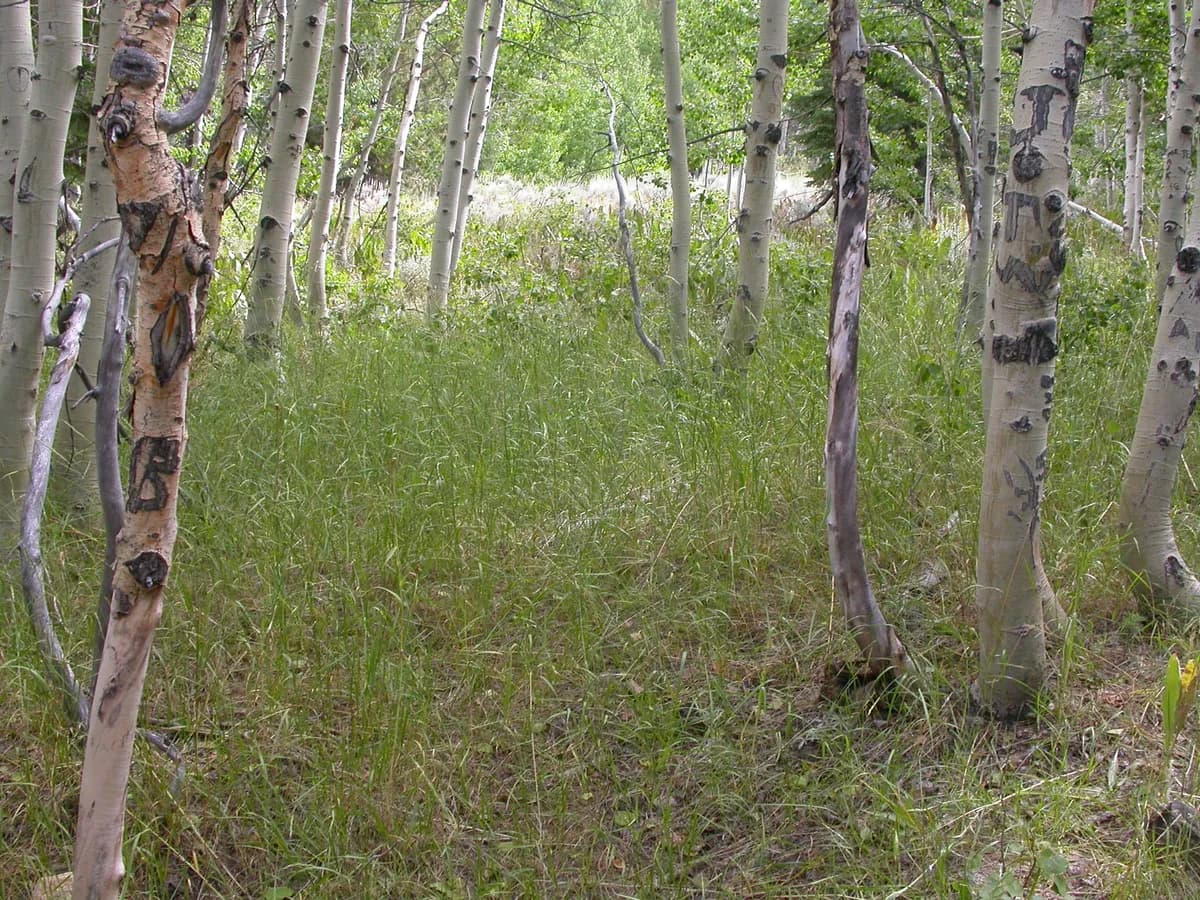
Elymus glaucus, or blue wildrye, is a cool-season bunchgrass that blooms May through July and handles full sun to light shade with low water once established.
Toxicity unknown
Blue Wild Rye (Elymus glaucus) is not listed by the ASPCA Animal Poison Control Center (opens in new tab) or the other sources we check, so we have no verdict for it either way. Absence from those lists is not a clearance. If your pet shows symptoms after eating any plant, call the ASPCA at (888) 426-4435.
The USDA PLANTS Database (opens in new tab) does not flag Blue Wild Rye as toxic to livestock.
Light
full sun
Water
low
Size
12"–48" H × 12"–24" W
Bloom
May, Jun, Jul
Native to
AR, AZ, CA, CO and 16 more states
Pollinators
bees, beetles
Before you buy
Your city may pay you to plant this
Cities and water utilities offer rebates for replacing lawn with native and water-wise plants. We track 459 programs across 44 states, each with a link to the provider and the date we last checked it.
Find rebates in your areaPicture natives in your own yard
Upload a photo of your yard and Patch Vision shows a rendering of it planted with natives for your region, like Blue Wild Rye.


Browse plants for this ecoregion
Blue wild rye is a native bunchgrass that forms attractive clumps of blue-green foliage. It produces delicate seed heads in late spring and summer, then goes dormant in winter.
Growing Blue Wild Rye
Grow Blue Wild Rye in full sun and low water. Mature plants reach 12 to 48 inches tall and spread 12 to 24 inches wide. Expect low maintenance to keep it looking intentional in a front yard.
How to care for Blue Wild Rye, by region
How to care for Blue Wild Rye where it is actually grown: year-round basics plus what to do each season, region by region, with the sources for each.
Care guidance last updated: October 2026
Central California Foothills and Coastal Mountains (includes San Francisco, CA)
Year-round
Blue wildrye is a low water bunchgrass that does well in sun or part shade.
- Water use is low and summer watering tops out at about twice a month once it is established.
- It takes full sun or part shade and many soil types.
- It is a cool-season clumping grass that grows up to about 4 feet tall.
Fall
Fall is a good time to start new blue wildrye from seed.
- Seed needs no pretreatment and is easy to find.
- Cooler weather lets this cool-season grass green up again.
- Keep watering light and let fall rain take over.
Winter
Winter asks very little of blue wildrye in San Francisco.
- It tolerates cold down to about -15F, far colder than a typical bay winter.
- Skip extra watering when rain is regular.
- No winter protection is needed.
Spring
In San Francisco's cool spring, let the grass grow and keep extra water light.
- It is a cool-season grass, so it grows best while the weather stays mild.
- Yellow flowers can show up from spring on.
- Established plants rarely need more than occasional water.
Summer
In a cool summer by the bay, water once or twice a month at most.
- The page caps summer watering at about twice a month once established.
- Some browning or summer rest is normal because it is semi-deciduous in summer.
- Full sun or part shade both work.
Sources: Calscape: Elymus glaucus, Lady Bird Johnson Wildflower Center: Elymus glaucus
Central California Valley (includes Sacramento, CA)
Year-round
In Sacramento's hot, dry summers, give blue wildrye part shade if you can and very little water.
- Water use is low and summer watering tops out at about twice a month once established.
- Full sun works, and part shade is listed too, which helps in inland heat.
- It tolerates a wide variety of soils.
Fall
Fall is the time to sow seed or let the clump perk up in Sacramento.
- Seed does not need pretreatment.
- Cooler nights bring this cool-season grass back to life.
- Water only if autumn is unusually dry.
Winter
Sacramento winters are easy on blue wildrye.
- The plant tolerates cold to about -15F, well below valley frosts.
- Rain should cover its water needs.
- Leave it alone and enjoy the blue-green foliage.
Spring
Spring is the main growing window for blue wildrye in the Sacramento area.
- It is a cool-season grass, so it grows hardest before summer heat.
- Yellow flowers can appear from spring through fall.
- Established plants only need occasional water.
Summer
Valley heat is when blue wildrye goes semi-dormant, so keep water to about twice a month.
- Summer is when the grass is listed as semi-deciduous, so browning is expected.
- Do not push it with frequent watering.
- Part shade is a good spot for a bit of afternoon relief.
Sources: Calscape: Elymus glaucus, Lady Bird Johnson Wildflower Center: Elymus glaucus
Willamette Valley (includes Portland, OR)
Year-round
Blue wild rye is a native bunchgrass that does well in the Portland area's wet winters and dry summers. It grows in sun or part shade, handles a wide range of soils, and needs almost no upkeep once it settles in.
- It grows well in full sun or part shade, and handles soil that goes soggy in winter and bone dry in summer, everywhere except the lowest, wettest spot in a yard.
- This is a native prairie grass in the Willamette Valley, used by local conservation districts to restore oak savanna and prairie habitat here.
- It grows as a tidy clump rather than a runner, and sends up seed heads three to five feet tall by early summer.
- Water it regularly through its first one to two summers, after that it can get through Portland's dry season with little or no help from you.
- It's in the wildrye group that woodland skipper butterflies use to lay eggs and feed their caterpillars.
Fall
Fall is prime planting season for blue wild rye in the Willamette Valley once the rain comes back, and it's also when you cut the old growth back for a tidy winter look.
- Fall, once the rain returns, is a good time to plant from seed or containers here, the seed needs no special treatment to sprout.
- Cut the whole clump back to about four to six inches, or all the way to the ground, in late fall once it's gone dormant for the year.
- Fall is also a good window to divide a crowded clump if you didn't get to it in spring.
- Rake up the cut foliage and let the fall rain water everything in, it doesn't need fertilizer.
Cutting the dried grass back in late fall keeps the front yard looking tidy and HOA-friendly through winter instead of leaving a flopped, straw colored clump.
Winter
Winters here are wet and mild, so this grass mostly takes care of itself. Just make sure the crown isn't sitting in a spot that stays flooded.
- No watering needed, Portland's rainy season supplies plenty of moisture on its own.
- Avoid planting it in the lowest, soggiest part of the yard that stays flooded all winter, it prefers well drained ground even though it tolerates moist soil most of the year.
- The foliage can turn tan or beige and look dormant through the coldest months, that's normal and it greens back up in spring.
- If you missed the fall cutback, late winter just before new growth starts is your last good window to cut the old growth back.
A tan, dormant looking clump through winter is expected for this grass, not a dead or neglected patch, and it still reads as a low key, HOA-friendly planting.
Spring
Spring is a good window in Portland to plant new blue wild rye or split up a crowded clump, and to clean up any leftover winter foliage.
- Spring, along with fall, is the best time to plant new starts or divide an overcrowded clump into smaller pieces.
- Space new plants about a foot to a foot and a half apart so they have room to fill in.
- Trim away any brown or frost damaged blades left over from winter once new blue green growth shows up.
- Portland's spring rain usually covers watering for new plantings, but give them a soak if you hit a dry stretch.
Summer
Portland summers are dry, and once blue wild rye's roots are established it rides out the dry spell on its own.
- After the first one to two summers, established plants need only occasional deep watering during dry stretches, often none at all.
- It's normal for the grass to fade to a straw color or go summer dormant when things dry out, that's the plant handling drought, not a sign of trouble.
- First year plantings still need regular water through their first summer to get roots down.
- Seed heads ripen in early to mid summer, and birds and small mammals feed on the seed.
Sources: Benton Soil and Water Conservation District, Blue Wildrye (Elymus glaucus), Lady Bird Johnson Wildflower Center, Elymus glaucus plant profile, Butterflies and Moths of North America, Woodland Skipper (Ochlodes sylvanoides), Harvest to Table, How to Grow Blue Wild Rye (Elymus) (community tip), Backyard Habitats, Native Plant Highlight: Blue Wildrye (community tip), Calscape (California Native Plant Society), Blue Wildrye
In an HOA neighborhood
Blue Wild Rye is an HOA-friendly choice in the right placement. Maintenance level: low. Tidiness: 3 out of 5.
Works well in: mid zone, foundation.
- Goes completely dormant in winter leaving bare ground
- Seed heads may look untidy to some
- Can appear sparse compared to traditional lawn grasses
Wildlife value
The flowers attract bees and beetles during its May through July bloom period. Seeds provide food for birds and small mammals.
Common questions
- When does blue wildrye bloom?
- Blue wildrye typically flowers from May through July, producing slender seed heads on upright stems.
- How much water does blue wildrye need?
- It tolerates low water once established but can also handle occasional medium moisture, making it useful in dry meadows and open woodland settings.
- What light conditions does blue wildrye prefer?
- It grows best in full sun but adjusts well to partial sun or the dappled light found at woodland edges.
- What insects visit blue wildrye?
- Bees and beetles are commonly observed visiting the plant, drawn to the pollen produced during its bloom period.
- Is Blue Wild Rye toxic to livestock?
- The USDA PLANTS Database does not flag Blue Wild Rye as toxic to livestock.
- Is Blue Wild Rye HOA-friendly?
- Blue Wild Rye is generally an HOA-friendly choice in the right placement, with low maintenance.
These answers were drafted with an AI model from this plant's data. Verify care details with a local expert.
Native range data from the World Checklist of Vascular Plants (Kew). Pollinator and host plant associations compiled from GBIF, iNaturalist, and published ecological literature.
If something looks wrong
Common plant problems, and what to check first
These come up on almost any plant. Each guide lists the likely causes in the order they are worth ruling out, with one thing to check before you act on any of them, and links to the source it came from.
- It is dying right after planting
- Leaves turning yellow
- Wilting even though I watered it
- Brown crispy leaf tips
- Bugs on the plant
Ready to grow Blue Wild Rye? Add it to your garden in Pollinator Patch to track it and get season-by-season care guidance.