California Live Oak
Quercus agrifolia
Last reviewed: September 2026
Quercus agrifolia is a large evergreen tree found in California's coastal woodlands, canyons, and foothills. It tolerates full sun and low water once established, with inconspicuous catkin blooms appearing March through May.
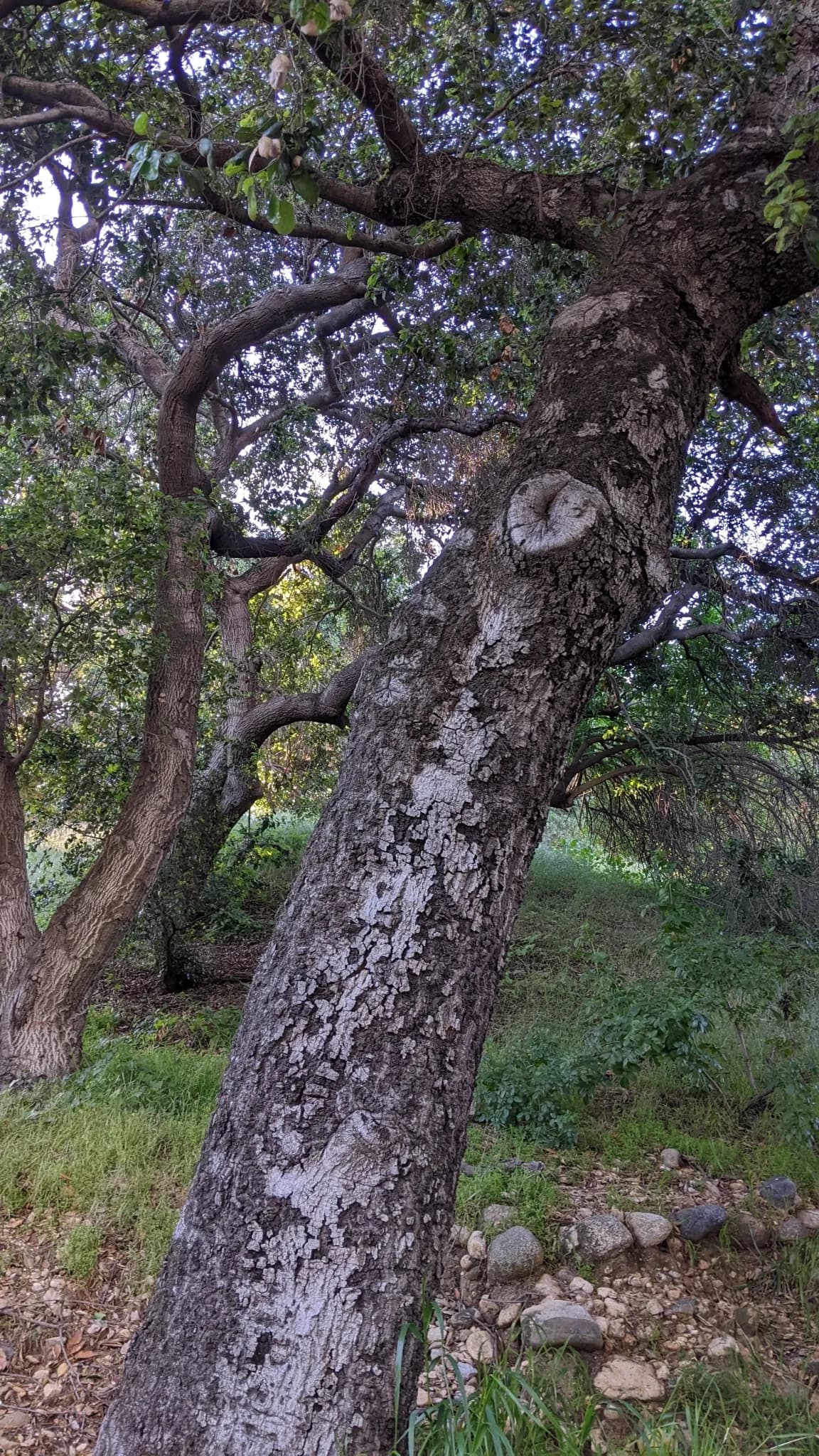
California Live Oak (Quercus agrifolia) is not on the ASPCA Animal Poison Control Center toxic plant list for dogs or cats (aspca.org (opens in new tab), last reviewed 2026-05-21). If your pet shows symptoms after eating any plant, call the ASPCA at (888) 426-4435.
The USDA PLANTS Database (opens in new tab) does not flag California Live Oak as toxic to livestock.
Light
full sun
Water
low
Size
240"–720" H × 240"–720" W
Bloom
Mar, Apr, May
Native to
CA
Pollinators
bees, beetles
Before you buy
Your city may pay you to plant this
Cities and water utilities offer rebates for replacing lawn with native and water-wise plants. We track 459 programs across 44 states, each with a link to the provider and the date we last checked it.
Find rebates in your areaPicture natives in your own yard
Upload a photo of your yard and Patch Vision shows a rendering of it planted with natives for your region, like California Live Oak.


Browse plants for this ecoregion
This live oak is a magnificent evergreen tree native to coastal regions. It features dark green, spiny leaves and develops a broad, rounded crown with age. This drought-tolerant oak can live for centuries and serves as a cornerstone species in its native ecosystems.
Growing California Live Oak
Grow California Live Oak in full sun and low water. Mature plants reach 240 to 720 inches tall and spread 240 to 720 inches wide. Expect moderate maintenance to keep it looking intentional in a front yard.
How to care for California Live Oak, by region
How to care for California Live Oak where it is actually grown: year-round basics plus what to do each season, region by region, with the sources for each.
Care guidance last updated: August 2026
Sonoran Basin and Range (includes Palm Springs, CA)
Year-round
Coast live oak is a California coastal species being grown well outside the cool, foggy climate it evolved in, so treat it like a shade tree adapting to the desert rather than a true desert native.
- This tree's natural home is the coast ranges from north-central California down into northern Baja, where summers stay mild because of fog, not the dry desert heat around Palm Springs. The USDA plant guide describes it as adapted to warm, wet winters and dry summers moderated by fog and cool temperatures.
- We could not confirm coast live oak is native to the low desert around Palm Springs. Calscape and the USDA plant guide both place its range in coastal and foothill plant communities below about 3,000 feet, with no mention of the Colorado Desert.
- Because it is out of its natural climate here, expect it to need more consistent water while young, more help with sun protection on the trunk, and closer watching for heat stress than the same tree gets near the coast.
- Once established, mature oaks handle drought well, but avoid watering right against the trunk in summer. The USDA plant guide warns that summer irrigation near oaks can promote root and crown rot.
- On pet safety, ASPCA lists oak (the Quercus genus) as toxic to horses because of a compound called gallotannin, which can cause abdominal pain and digestive upset. ASPCA's oak listing does not separately flag dogs or cats as at risk.
- This is a large tree at maturity, eventually reaching well over 30 feet tall with a wide canopy, so give it room to grow away from structures and power lines.
Fall
Fall is the tail end of the safer pruning window and a good time to plan next year's watering now that the heat is easing.
- If any pruning is needed for safety or clearance, timing matters for disease risk. UC's oak program favors either dormant season pruning or dry weather pruning depending on local disease pressure, and recommends against pruning unless there is a real safety or health reason.
- Avoid heavy pruning that suddenly exposes shaded bark to direct sun. In desert conditions, newly exposed bark from a big pruning cut is at real risk of sunburn once the canopy gap lets full sun through.
- As temperatures drop, you can start easing off the extra summer watering, but do not let the tree go fully dry all at once. Taper down gradually.
- Fall is a reasonable time to inspect the trunk and lower branches for sunburn damage from the summer and touch up any white protective paint before winter.
- This is an evergreen tree, so do not expect a dramatic fall leaf drop or cleanup like a deciduous shade tree provides. The canopy stays full and green year round.
Winter
Winter is the coldest, wettest stretch even in the desert, and mostly a season to hold back on water and let the tree rest.
- Coast live oak is evergreen and stays green through winter, so there is little seasonal maintenance needed beyond keeping an eye on the tree after any rare hard freeze.
- The USDA plant guide notes this species is adapted to mild coastal winters and does not occur naturally where the ground freezes. A desert winter with occasional overnight freezes is colder than what it evolved with, so watch young trees for cold or wind damage.
- Cut back on supplemental watering in winter. Standing water or soggy soil around the root zone is a known risk factor for root and crown rot in oaks, per UC Master Gardener guidance.
- Hold off on pruning cuts in winter if you are trying to avoid disease pathogens. UC's oak program favors dormant season or dry weather pruning over wet winter pruning, depending on the specific disease risk in your area.
- If the tree is still young, this is a good time to check that winter storm wind has not loosened any stakes or ties, since an out of range planting like this often needs more support than usual while it establishes.
Because it stays evergreen through winter, there is no bare or dead looking stage, which tends to read as a tidy, cared for front yard through the winter months.
Spring
Spring is bloom and new-growth season, and a good time to check trunk protection and refresh mulch before summer desert heat arrives.
- Coast live oak flowers between February and April, and old leaves drop gradually through spring as new growth pushes them off, so light litter under the canopy in spring is normal, per the USDA plant guide.
- Keep a 3 inch layer of mulch under the canopy, pulled back from the trunk, to help hold moisture before the hottest months hit. UC Master Gardeners note that mulch piled against the trunk encourages fungal disease.
- If you painted the trunk white to prevent sunburn last year, check it now and touch up any worn spots before summer heat starts, following UC guidance on diluted white latex paint for sun-prone trunks.
- Watch new leaf growth for scorched or crispy edges. In this desert setting that can be an early sign the tree needs more water than a coastal planting would.
- Skip routine fertilizing. Established native oaks generally do not need regular feeding, and pushing fast growth can make a tree more vulnerable to heat stress later in the year.
Summer
Summer is where the gap between how this tree evolved and where it is planted matters most, so extra deep watering and sun protection are the priority now.
- Desert summer heat far exceeds the fog-cooled summers this species evolved with along the California coast, so do not treat it like a no-summer-water native here.
- Check soil moisture 12 to 18 inches down under the canopy edge. If it is dry, UC Master Gardeners recommend deep, slow watering with a hose at low flow once or twice during summer into early fall, based on guidance from a UC ANR oak specialist.
- Keep water away from the trunk itself. The USDA plant guide specifically warns that summer irrigation close to the trunk promotes oak root and crown rot, a risk that does not go away just because the climate is hotter.
- Young or recently planted trees need more frequent, consistent water than an established tree, since they have not yet grown roots deep enough to find moisture on their own.
- Watch for leaf scorch, drooping, or early leaf drop, all signs of heat stress in a species that did not evolve for extended triple digit dry heat.
- If the trunk is not already protected, get white latex paint or a wrap on young, thin barked trunks before peak summer sun, since bark exposed to this much direct heat and light can sunburn.
Sources: USDA NRCS Plant Guide: Coast Live Oak (Quercus agrifolia), Calscape: Quercus agrifolia (Coast Live Oak), ASPCA: Oak (Toxic and Non-Toxic Plants), UC Master Gardener Program of Contra Costa County: Gardening Under Oaks, UC Oaks Program: FAQ (pruning guidance), UC IPM: Whitewashing Tree Trunks
Southern California/Northern Baja Coast (includes Los Angeles, CA)
Year-round
Coast live oak is an easygoing, deeply drought tolerant evergreen once it is past its first few years in the ground. In the Los Angeles area its main care requirement is restraint, meaning little to no summer water and a permit before any real pruning.
- Water a newly planted tree weekly through its first summer or two, then taper to monthly, then to nothing once it tops about 10 feet, matching this species' native dry-summer pattern.
- Skip irrigation near the trunk or canopy of an established tree. Summer water is the leading cause of root and crown rot in mature coast live oaks, and UC Cooperative Extension notes most oaks decline within about ten years if watered through summer.
- Los Angeles lists coast live oak as a protected tree. Anything beyond light deadwood removal, including major pruning or removal, needs a permit from the Board of Public Works, so bring in a licensed, ISA certified arborist for real cuts.
- Oak leaves and acorns are not on the ASPCA toxic plant list for dogs or cats, though a dog that eats a lot of fallen acorns can still get an upset stomach from the tannins. ASPCA does list oak as toxic to horses in quantity.
Fall
Fall brings Santa Ana wind season and the start of the year's heaviest leaf and acorn drop, so fall care in LA is mostly about limb safety and keeping litter off hardscape before the rains return.
- Walk the canopy for dead or hanging limbs before Santa Ana wind events pick up. Removing any live wood still requires the city's protected-tree permit, so call a licensed arborist rather than doing it yourself.
- Acorn and leaf drop typically increases through fall. Sweep them off the driveway, walkway, and gutters regularly rather than letting them build up as dry fuel heading into fire season.
- Hold off starting any winter watering routine early. This tree wants a dry fall in LA, its water year starts when the rains actually arrive, not by the calendar.
Keeping fallen leaves and acorns swept off the sidewalk and driveway through fall keeps the front yard looking tended and avoids a debris or slip-hazard complaint.
Winter
Winter is the rainy season in the LA basin. An established coast live oak typically gets everything it needs from rainfall alone, making this a quiet season for the tree.
- Established trees need no supplemental winter water in a normal LA rain year. Rainfall alone should carry it.
- This is a good time to look over the tree's structure while hazards are easy to spot, but save any actual cuts for the dry months later in the year to avoid fungal exposure.
- If a tree was planted in fall and winter rain has been unusually light, check soil moisture a few inches down before adding any water. When in doubt, do not water.
Spring
Spring is bloom and new-growth season for coast live oak in the LA basin. Small yellow catkins appear and last year's leaves drop as new ones flush in, so expect a bump in leaf litter even though the tree stays evergreen.
- Small yellow catkins bloom March through May, and the tree drops much of last year's foliage as new leaves flush in, a normal evergreen leaf turnover rather than a sign of stress.
- If a young tree under about 10 feet was planted in fall or winter, spring is when to start its weekly deep watering as temperatures warm. Established trees planted years earlier do not need it.
- Coast live oak is among the oaks that host California sister butterfly caterpillars, so leaving the leaf litter and any minor early-season leaf chewing alone through spring supports them rather than signaling a pest problem.
- Hold off on pruning until the dry months later in the year. Cuts made now are more exposed to fungal infection while spring growth is active.
Raking spring leaf drop into a tidy mulch ring under the canopy, rather than leaving it against the trunk or blown onto the sidewalk, reads as deliberate upkeep and keeps walkways clear.
Summer
Summer in the LA basin is coast live oak's most hands-off season for water and its best window for pruning. The tree wants to stay dry at the root zone through the heat.
- Do not run sprinklers, drip line, or lawn irrigation under an established tree's canopy through summer. Oak roots are not built for wet-season moisture in the heat, and it is the top driver of root and crown rot here.
- A young tree under about 10 feet still wants a deep weekly soak through summer heat. Taper that back as it grows past that height.
- Summer's dry weather is the recommended pruning season for evergreen oaks like this one, but anything beyond removing small deadwood still needs a City of Los Angeles Board of Public Works permit. Hire a licensed arborist for real cuts.
- A wide, several-inch mulch ring beats bare soil or turf right up to the trunk. It moderates soil temperature without adding summer moisture.
A clean mulch ring standing in for lawn right up to the trunk reads as deliberate, water wise landscaping through an LA summer, not a dead or neglected patch of grass.
Sources: Calscape: Coast Live Oak (Quercus agrifolia) plant profile, UC Marin Master Gardeners: Under Oaks (irrigation and pruning guidance), Los Angeles Fire Department: Protected Trees and Shrubs Ordinance, ASPCA: Toxic and Non-Toxic Plants, Oak, Regional Parks Botanic Garden: California Sister butterfly host plants, Las Pilitas Nursery: Quercus agrifolia care notes
In an HOA neighborhood
California Live Oak is an HOA-friendly choice in the right placement. Maintenance level: moderate. Tidiness: 3 out of 5.
Works well in: street edge, mid zone.
- Mature size (20-60 ft) may be too large for smaller properties
- Leaf and acorn drop requires seasonal cleanup
- Root systems may interfere with hardscaping over time
Wildlife value
Host plant for myrtle blue butterfly, California sister butterfly.
This oak provides exceptional wildlife value, supporting numerous native insects, birds, and mammals. Its acorns are a crucial food source for many species, while its structure offers nesting habitat for birds.
Common questions
- When does California live oak bloom?
- California live oak produces small, easy-to-miss catkin flowers from March through May.
- What pollinates California live oak?
- Bees and beetles visit the flowers, though like most oaks this tree also relies on wind to move pollen between trees.
- Does California live oak lose its leaves in winter?
- No, it is evergreen and keeps its stiff, dark green leaves year round rather than dropping them seasonally.
- How much water does California live oak need once established?
- It needs very little supplemental water and does best with dry summers, which matches the Mediterranean climate pattern of much of its range.
- What growing conditions suit California live oak best?
- It grows as a large tree in full sun to part shade and handles low water conditions, making it well suited to slopes, canyons, and open woodland settings.
- Is California Live Oak toxic to dogs?
- California Live Oak is not on the ASPCA Animal Poison Control Center toxic plant list for dogs (aspca.org).
- Is California Live Oak toxic to cats?
- California Live Oak is not on the ASPCA Animal Poison Control Center toxic plant list for cats (aspca.org).
- Is California Live Oak toxic to livestock?
- The USDA PLANTS Database does not flag California Live Oak as toxic to livestock.
- Is California Live Oak HOA-friendly?
- California Live Oak is generally an HOA-friendly choice in the right placement, with moderate maintenance.
These answers were drafted with an AI model from this plant's data. Verify care details with a local expert.
Native range data from vouchered herbarium specimen records and regional native plant society lists. Pollinator and host plant associations compiled from GBIF, iNaturalist, and published ecological literature.
If something looks wrong
Common plant problems, and what to check first
These come up on almost any plant. Each guide lists the likely causes in the order they are worth ruling out, with one thing to check before you act on any of them, and links to the source it came from.
- It is dying right after planting
- Leaves turning yellow
- Wilting even though I watered it
- Brown crispy leaf tips
- Bugs on the plant
Ready to grow California Live Oak? Add it to your garden in Pollinator Patch to track it and get season-by-season care guidance.