Whorled Milkweed
Asclepias verticillata
Last reviewed: September 2026
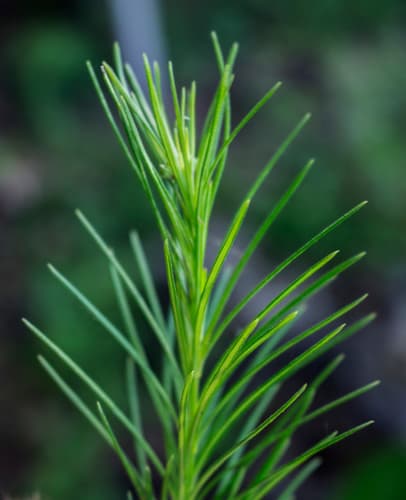
Asclepias verticillata is a slender forb with whorled, needle-like leaves and small white flower clusters that bloom June through August. It grows well in full sun and dry, low-water soils, often found in prairies, glades, and roadsides.
Whorled Milkweed is toxic to dogs and cats.
Listed as toxic by the ASPCA Animal Poison Control Center (opens in new tab) (last reviewed 2026-05-21). If your pet has been exposed, call the ASPCA Animal Poison Control Center at (888) 426-4435 and your veterinarian's emergency line.
Pollinator Patch flags toxic plants so you can choose a pet-safe native alternative for your yard.
Native swaps for a yard with pets
Whorled Milkweed is listed as toxic to dogs by the ASPCA Animal Poison Control Center. These natives fill a similar role in a planting and are not on the ASPCA toxic plant list for dogs or cats. Each plant's page carries its dated record.
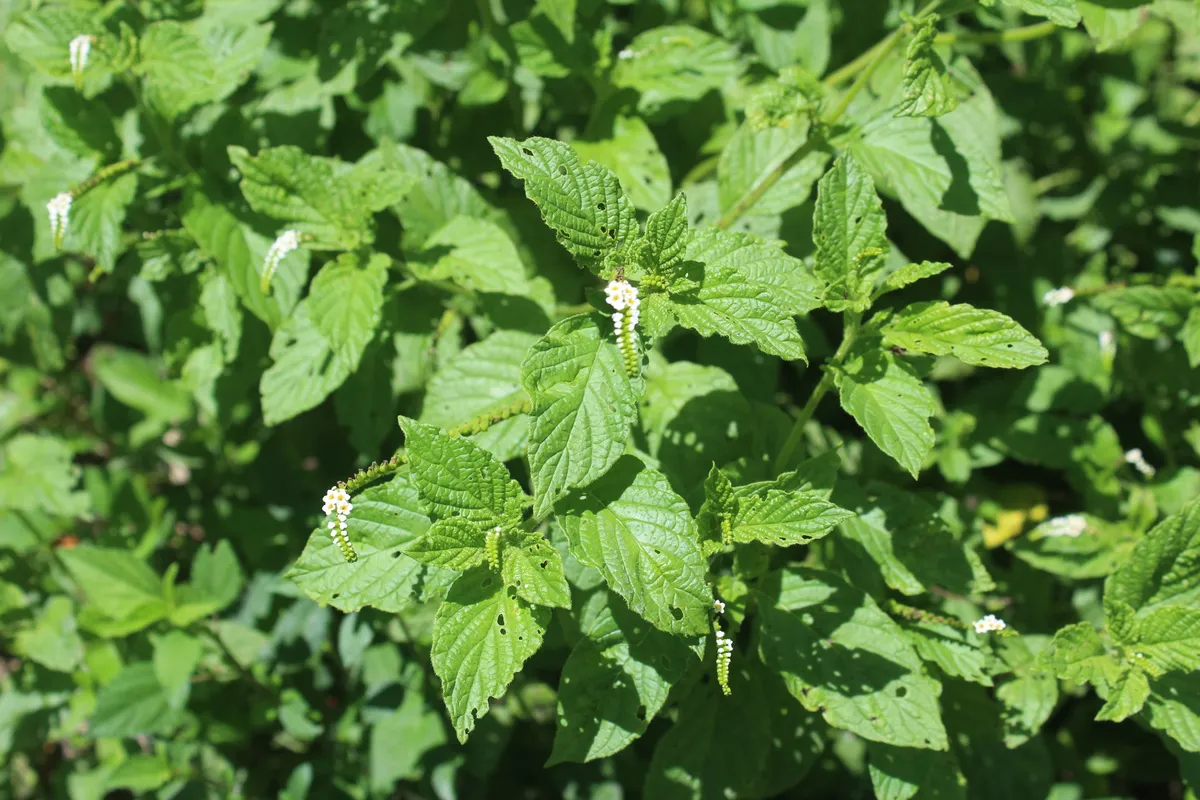
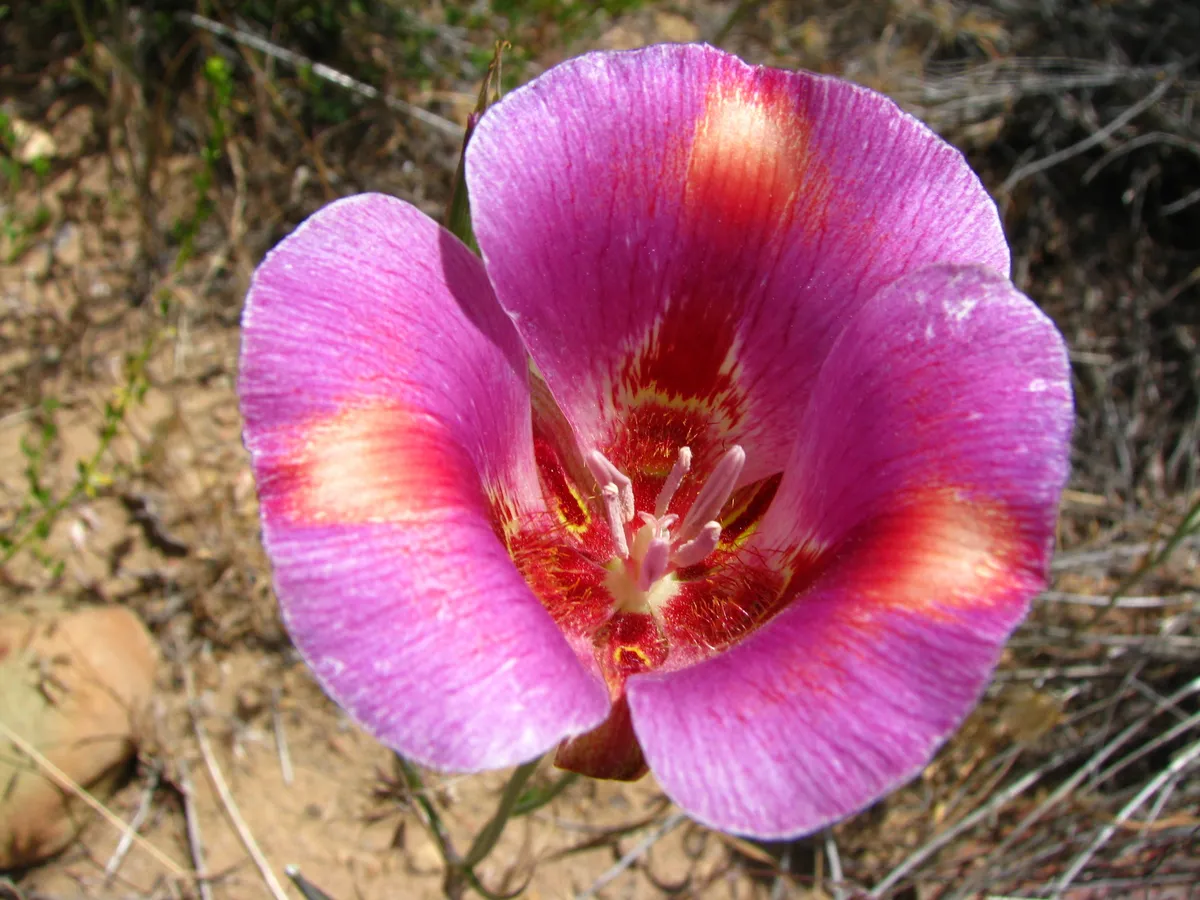
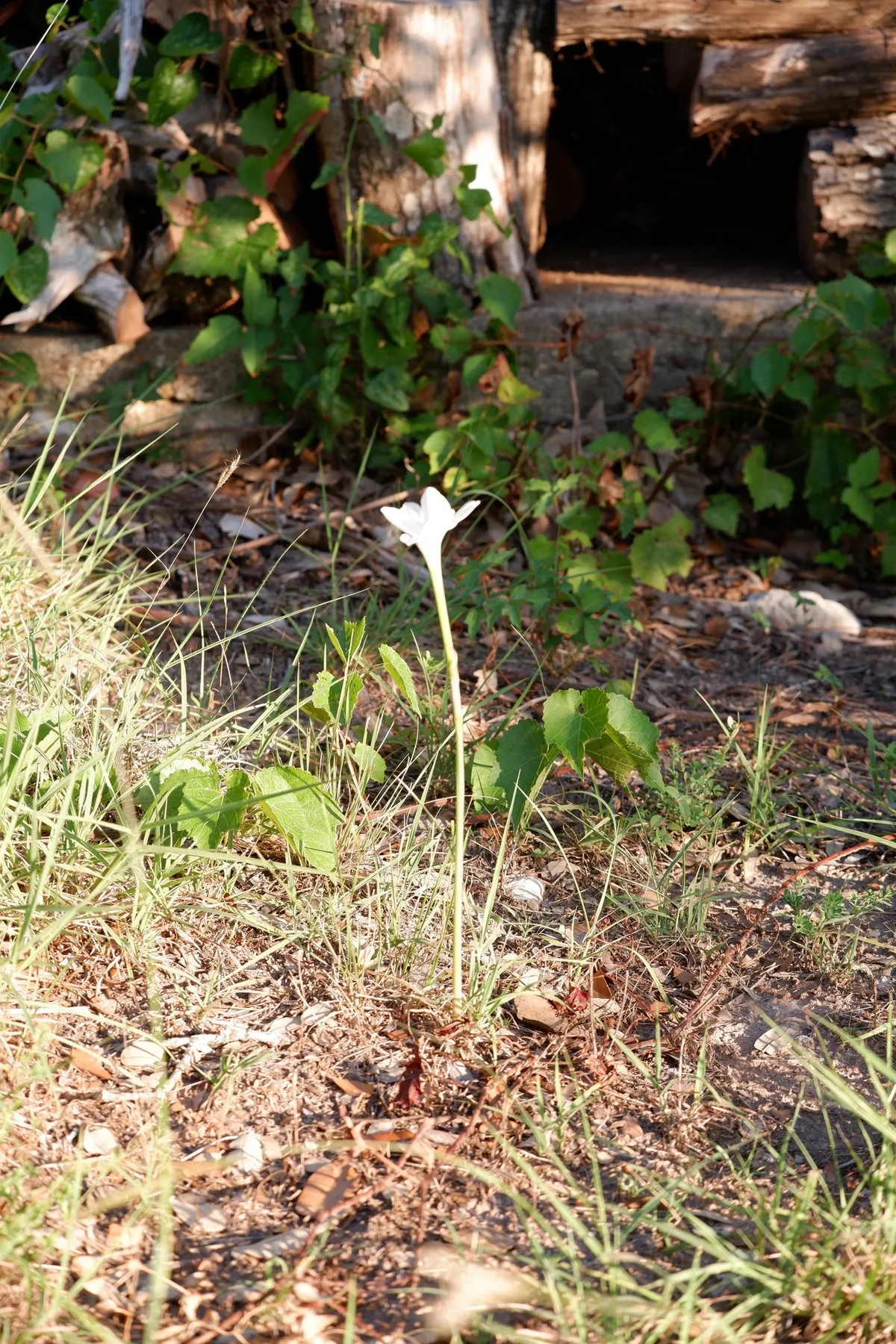
Light
full sun
Water
low
Size
12"–36" H × 12"–24" W
Bloom
Jun, Jul, Aug
Native to
AL, AR, AZ, CT and 33 more states
Pollinators
bees, butterflies, beetles
Deer
Resistant (per Prairie Moon Nursery)
Before you buy
Your city may pay you to plant this
Cities and water utilities offer rebates for replacing lawn with native and water-wise plants. We track 460 programs across 44 states, each with a link to the provider and the date we last checked it.
Find rebates in your areaPicture natives in your own yard
Upload a photo of your yard and Patch Vision shows a rendering of it planted with natives for your region, like Whorled Milkweed.


Browse plants for this ecoregion
Horsetail milkweed is a compact native perennial with narrow, whorled leaves and small clusters of white flowers that bloom throughout summer. This drought-tolerant plant forms neat clumps and is one of the more refined-looking milkweed species. It goes dormant in winter, disappearing completely until spring regrowth.
Growing Whorled Milkweed
Grow Whorled Milkweed in full sun and low water. Mature plants reach 12 to 36 inches tall and spread 12 to 24 inches wide. Expect low maintenance to keep it looking intentional in a front yard.
How to care for Whorled Milkweed, by region
How to care for Whorled Milkweed where it is actually grown: year-round basics plus what to do each season, region by region, with the sources for each.
Care guidance last updated: October 2026
Atlantic Coastal Pine Barrens (includes Riverhead, NY)
Year-round
Year-round care for whorled milkweed around Riverhead, NY: sun to part shade, dry well drained soil, and little water once established.
- Give it sun to part shade. NC State says full sun is 6 or more hours a day.
- Plant it in sandy, clayey, or rocky soil with good drainage. It prefers dry conditions.
- Water use is low. Once established it resists drought and dry soils.
- Expect about 1 to 2.5 feet tall and 1 to 2 feet wide. It is hardy in USDA zones 4a through 9b.
- Greenish-white flowers bloom from May through September.
- Seed sown outside in the fall germinates quickly. Seedlings may not flower until the second year.
Fine, whorled leaves and a compact form read as a soft, tidy filler in a front bed. Massing a few plants together looks planned.
Sources: Lady Bird Johnson Wildflower Center: Asclepias verticillata, NC State Extension Plant Toolbox: Asclepias verticillata
Cross Timbers (includes Fort Worth, TX)
Year-round
Horsetail milkweed (also called whorled milkweed) is a slender, upright native wildflower that blooms in summer and serves as a caterpillar host plant for monarch butterflies. It needs full sun and very little water once established, and its narrow, whorled-leaf form fits well into small, tidy front-yard beds.
- Plant in full sun; it does not tolerate shade well compared with some other milkweeds.
- Space plants 12 to 18 inches apart, since individual stems are only about 1/8 inch wide and look best grown in small clusters rather than as single stems.
- Water regularly through the first growing season to establish roots, then rely mostly on rainfall; established plants need little supplemental water.
- Leave a few seed pods on the plant if you want it to self-sow, or deadhead spent flower clusters for a more contained look.
- Keep it out of areas where pets regularly graze on plants; all parts contain cardiac glycosides that are toxic to dogs, cats, and horses if eaten.
Its slim, upright, whorled-leaf form reads as an intentional narrow accent plant rather than a spreading weed, especially when grown in small clusters.
Fall
Fall is when whorled milkweed sets narrow seed pods and begins winding down as North Texas cools toward its mid-November first frost.
- Seed pods split open in fall and release silky-tufted seeds; leave a few pods on the plant if you want it to self-sow, or cut spent flower stalks back to reduce spread.
- Foliage starts to yellow and die back after the first cool snaps; this is normal dormancy, not disease.
- Fall is not the best planting window for this forb (spring is), but it is the better season nearby for any woody companion plantings like shrubs or trees.
- Hold off on cutting the plant back until it is fully dormant, since monarch caterpillars can still be feeding on late-season growth into early fall.
Cutting spent stalks back once seed pods have dried keeps the bed looking tended through fall as the rest of the garden goes dormant too.
Winter
Winter is full dormancy; top growth dies back to the ground and the plant survives underground on its crown and rhizomes.
- Cut dead stems back to 2 to 4 inches above the soil once they have fully browned, usually by late December or January.
- Do not dig or disturb the root zone in winter; whorled milkweed spreads by underground rhizomes, and the crown needs to stay intact to resprout in spring.
- A hard freeze or an occasional severe Arctic outbreak will not damage the dormant crown; the plant is adapted to the mild winters and cold snaps typical here.
- For a tidier winter look, cut the bed back in January rather than leaving bare stems all season; leaving some stems standing instead can shelter overwintering insects.
A cut-back bed in January reads as tended and intentional rather than neglected, if a bare winter bed is a concern.
Spring
Spring is when whorled milkweed breaks dormancy and puts out fresh growth from its underground crown, and it is the recommended window for planting new starts here.
- New shoots emerge slowly in spring; do not assume a dormant crown is dead just because you do not see growth until after the last frost.
- Plant new nursery starts in spring, after the last frost has passed in mid March.
- Because it is deep-rooted like other milkweeds, avoid digging up or dividing established plants in spring; use new nursery starts instead.
- In the heavy black clay soils common in North Texas, plant a bit high on a slight mound or amend for drainage; in the sandier soils to the west it drains faster but will need more frequent watering through its first spring.
- Watch for monarch caterpillars starting to feed on new leaves in spring; that feeding is the plant doing its job as a host plant, not a problem to treat.
Sparse, low growth in early spring is normal establishment, not a sign of a struggling or dead plant, if a neighbor asks.
Summer
Summer is bloom season for whorled milkweed and also the hardest stretch on new plantings, with weeks of triple-digit afternoons and little rain.
- Small greenish-white flower clusters appear from June through August, drawing bees, wasps, and butterflies.
- Expect to see monarch caterpillars feeding on the narrow leaves in summer; this is expected host-plant activity, not damage that needs fixing.
- Water new, first-year plantings once or twice a week during the hottest stretches in July and August; established plants need supplemental water only during extended dry spells.
- Skip fertilizer; whorled milkweed is adapted to poor, dry soils and extra fertility mostly encourages floppy, weak growth.
- Hold off on hard pruning during summer bloom; wait until seed pods form or the plant starts to go dormant in fall.
The narrow, upright stems and small flower clusters read as a deliberate accent even in full bloom, not an overgrown patch.
Sources: Lady Bird Johnson Wildflower Center, Asclepias verticillata, ASPCA, Milkweed toxicity
High Plains (includes Lubbock, TX)
Year-round
Whorled milkweed is a rhizome-spreading, drought-tolerant perennial that can be grown successfully in a Lubbock yard, feeds monarch caterpillars, and is toxic to pets if chewed.
- Plant in full sun to part shade in sandy, rocky, or clay soil with good drainage, matching the light and soil range Texas native-plant sources report for this species.
- Once established the plant tolerates the High Plains' low rainfall and summer heat, but water new plantings regularly through their first growing season.
- It spreads slowly by underground rhizomes into a patch over a few years, which is good for a dedicated milkweed bed but means it will not stay a single tidy clump.
- Texas Parks and Wildlife Department survey records place this species mainly in prairies farther east in Texas, with only rare documented occurrences in High Plains prairie fens (wet seep habitats). Texas overall is within its native range, but a typical dry Lubbock yard sits outside its narrow natural High Plains niche, so treat it as a plant you are introducing rather than one restoring an existing local population.
- The plant is a larval host for monarch butterfly caterpillars, according to the Xerces Society, so leave chewed leaves alone in summer and fall rather than treating them as damage.
- The ASPCA lists Asclepias (milkweed) as toxic to dogs, cats, and horses, so keep it out of reach of pets that chew on garden plants.
Fall
Fall bloom can continue late in the season, and whorled milkweed hosts late monarch caterpillars headed south.
- Texas Parks and Wildlife Department records show this species can keep blooming into November, later than many other milkweeds.
- Whorled milkweed is one of the later milkweeds to die back each year, so it can serve as an important late-season host plant for monarch caterpillars during fall migration, according to Monarch Watch, the University of Kansas monarch conservation program.
- Seed pods split open in fall and release windborne seed, and combined with the plant's rhizome spread this can let it move around a bed over a few years if pods are left to open.
Deadheading spent flower heads before pods split open in fall keeps the plant from reseeding into a front-yard bed and keeps it looking tidy.
Winter
Whorled milkweed dies back completely in winter and survives Lubbock's cold as a dormant rootstock underground.
- As a herbaceous perennial, per Texas Parks and Wildlife Department's classification, its top growth dies back to the ground with the first hard freezes rather than staying woody through winter.
- The rootstock stays alive underground through the High Plains winter and resprouts the following spring.
- No winter protection or mulching is typically needed once the plant is established, since the dieback is a normal seasonal cycle rather than cold damage.
- Dead standing stems can be left through winter for wildlife interest or cut back any time before spring growth starts.
Cutting back the dead winter stems rather than leaving them standing keeps a front-yard bed looking neat through the dormant season for an HOA-conscious yard.
Spring
In spring the rootstock sends up new whorled-leaf stems once the soil warms, before any bloom appears.
- New shoots emerge from the same rootstock each spring, per Lady Bird Johnson Wildflower Center growth-habit records, since this species is a herbaceous perennial rather than a woody one.
- Water new spring growth if the High Plains stays dry, since establishment years need more moisture than a mature, rooted-in plant.
- Do not expect flowers yet. Texas Parks and Wildlife Department records list bloom starting in May, so spring is a growth and establishment period, not a bloom period.
Clearing last year's dead stems in early spring before new growth fills in keeps the bed looking tended.
Summer
Summer is peak bloom and peak monarch caterpillar activity for whorled milkweed on the High Plains.
- Flowers appear starting in May and continue through summer, per both Lady Bird Johnson Wildflower Center and Texas Parks and Wildlife Department records.
- The plant tolerates Lubbock's hot, dry summers once established and generally only needs supplemental water during extended heat or drought stretches.
- Monarch caterpillars may feed on the narrow leaves during summer, since Asclepias verticillata is a documented monarch larval host plant according to the Xerces Society.
- Chewed or thinned leaves in summer are a sign the plant is doing its job as a host plant, not a problem that needs treating.
Sources: Lady Bird Johnson Wildflower Center, Asclepias verticillata (NPIN), Texas Parks and Wildlife Department, Identification of Milkweeds in Texas, ASPCA Animal Poison Control, Milkweed, Xerces Society, Native Milkweeds, Monarch Watch (University of Kansas), Asclepias verticillata profile
Huron/Erie Lake Plains (includes Toledo, OH)
Year-round
Whorled milkweed is native to Ohio and does well in a sunny, dry spot in a Toledo yard.
- Give it full sun to light part shade. Six or more hours of direct sun produces the fullest bloom.
- Plant it in dry to average, well drained soil. It handles sandy, rocky, or clay ground once established and does not want rich soil or extra water.
- It spreads slowly by underground roots, so a single start can grow into a small patch over a few years rather than staying put.
- The thin, whorled leaves are food for monarch caterpillars, so chewed foliage in summer is normal and not something to treat.
- It is one of the later milkweeds to bloom in the Toledo area, with small greenish white flower clusters opening from July into September.
- This species is native to Ohio, so it fits naturally into a native planting bed alongside other regional wildflowers.
Fall
Slender seed pods follow the summer bloom, and the growing season winds down around Toledo's average first frost in mid October.
- Narrow seed pods form after the July through September bloom and split open in fall, releasing seeds on silky floss. Leave a few pods on the plant if a spreading patch is welcome.
- Foliage usually blackens after the first fall frost, typically around October 10 in the Toledo area, and can be cut back to a few inches or left standing through winter.
- Fall is a good time to dig and move a piece of the spreading root system if a new patch is wanted elsewhere in the yard.
- Skip fall fertilizer. This plant is built for lean, dry soil, and extra feeding tends to make growth floppy.
Cutting blackened stems back after the first frost keeps a front-yard bed tidy heading into winter.
Winter
The plant is fully dormant through winter and needs no protection in Toledo's USDA zone 6b climate.
- No winter protection is needed. Whorled milkweed is hardy well beyond Toledo's USDA zone 6b winters.
- If stems were left standing in fall, the hollow stalks can shelter overwintering insects through the cold months. Cutting them back instead is fine if a tidier winter look is wanted.
- Avoid piling winter mulch directly over the crown in ground that stays wet. This species prefers dry soil and can struggle in soggy winter conditions.
- Skip pruning, watering, and fertilizing until new shoots appear in late spring.
Cutting stems to a low, even height instead of leaving a floppy dried clump keeps a front-yard bed looking intentional through winter.
Spring
New growth is often the last milkweed in the yard to appear each spring, so give it extra patience before assuming it did not survive winter.
- Wait for new shoots at the base before deciding a plant did not make it through winter. Whorled milkweed is slow to break dormancy and can wait until mid to late May to show growth in the Toledo area, after the average last frost around May 5.
- Leave last year's dried stems standing until new shoots are visible, then cut the old stems back to a few inches above ground.
- If small yellow aphids cluster on new growth, rinse them off with a strong spray of water instead of an insecticide, since this plant is grown to host monarch caterpillars later in the season.
- If a patch has spread past its space, spring is a good time to dig and divide a piece of the root system before new growth gets tall.
Cutting back last year's dried stems once new growth appears keeps a front bed looking tended.
Summer
This is bloom season and the stretch when monarch caterpillars are most likely to show up on the leaves.
- Flower clusters open in July and continue into September, later than most other milkweeds growing nearby.
- Established plants rarely need watering through a normal Toledo summer, even in a dry stretch, since this species is built for dry ground.
- Avoid using any insecticide on or near the plant during summer. Monarch caterpillars may be feeding on the leaves.
- Chewed or stripped leaves in July and August usually mean caterpillars are doing their job, not a pest problem that needs treating.
Sources: Lady Bird Johnson Wildflower Center: Asclepias verticillata plant profile, The Buckeye Botanist (Flora of Ohio): A Guide to the Milkweeds of Ohio (community tip), UF Seeds: Vegetable Planting Calendar, Toledo, Ohio (frost dates and hardiness zone)
Northeastern Coastal Zone (includes New York, NY)
Year-round
A New York City area native milkweed with fine, needle-like whorled leaves, valued as a monarch host plant and toxic to pets if eaten.
- Native to the New York City area, though uncommon today. Vouchered records exist in New York, Queens, Nassau, Suffolk, Westchester, and Rockland counties, and the New York Flora Atlas lists it as a rare native in the state.
- Prefers full sun and dry, sandy, clayey, or rocky soil, and generally does better with lean soil than a rich garden bed.
- Like other members of the milkweed genus, its leaves and sap are toxic to dogs and cats if eaten, so keep pets that chew on plants away from it.
- Spreads by underground rhizomes and can form a colony over a few seasons, so plan for room to spread or be ready to edge the bed.
- Blooms with small greenish white flower clusters from mid to late summer, and monarch caterpillars feed on the narrow leaves.
Fall
In fall, seed pods split open and release wind-carried seeds, and it is a good time to manage both self-seeding and rhizome spread.
- Slender seed pods form after bloom and split open in fall, releasing seeds with silky white hairs that catch the wind and can drift into nearby beds.
- To limit self-seeding in a small front-yard bed, snip pods before they split open and dispose of them rather than letting them scatter.
- Leave stems standing rather than cutting the planting down to the ground now. Standing stems give native bees and other insects a place to shelter through winter.
- Fall is also a reasonable time to dig out or root-prune unwanted rhizome growth if the colony has spread beyond the bed.
Snipping seed pods before they split, and trimming the bed's outer edge, keeps a spreading native milkweed patch looking deliberate rather than overgrown heading into fall.
Winter
Winter care is mostly hands-off. The plant dies back and the rhizomes rest dormant in the soil until spring.
- The plant dies back to the ground for winter, and the rhizomes overwinter in the soil within its USDA zone 4 to 9 hardiness range.
- Leave dead stems standing through winter rather than cutting them down. The Xerces Society notes many native bees nest inside old plant stems and rest on dried stems and seed heads over winter.
- No winter watering or covering is needed. The species is adapted to cold winters and dry soil within its range.
If a bare winter bed matters to your household or HOA, hold off on any cleanup until early spring rather than cutting now, then follow the spring trim guidance above.
Spring
Spring is when to trim back last year's stems and manage the rhizome patch's edges before new shoots push up.
- Wait until early spring to cut back last year's dead stems rather than clearing them in fall. Trim to a mix of heights between about 8 and 24 inches instead of cutting to the ground, since some native bees nest inside the old stems over winter.
- Because whorled milkweed spreads by underground rhizomes, spring is also a good time to edge or dig out the colony's border before new shoots emerge and the patch expands further.
- Established plants generally don't need extra watering in spring, since the species prefers dry, sandy soil once it is settled in.
Trimming stems to varied heights between 8 and 24 inches, rather than clearing the bed to bare ground, keeps a spreading native milkweed patch looking tended while still supporting nesting bees.
Summer
Summer is bloom season for whorled milkweed and the time monarch caterpillars are most likely to be feeding on it.
- Small greenish white flower clusters open from mid to late summer and draw a wide range of pollinating insects, not only monarchs.
- If monarch caterpillars strip the leaves, that is the plant doing its job as a host plant. It can look ragged for a few weeks and typically grows back.
- Because the species tolerates dry soil, water only during extended dry spells rather than on a regular schedule.
- Keep an eye on the rhizome patch's edges through summer. Vigorous growth can push the colony past its original footprint.
Sources: Lady Bird Johnson Wildflower Center - Asclepias verticillata, New York Flora Atlas - Asclepias verticillata, ASPCA - Milkweed (Toxic and Non-Toxic Plants), Mt. Cuba Center - Whorled Milkweed, Xerces Society - Save the Stems, Prairie Moon Nursery - Asclepias verticillata
Northwestern Glaciated Plains (includes Great Falls)
Year-round
Year-round care for whorled milkweed around Great Falls: sun to part shade, dry well drained soil, and little water once established.
- Give it sun to part shade. NC State says full sun is 6 or more hours a day.
- Plant it in sandy, clayey, or rocky soil with good drainage. It prefers dry conditions.
- Water use is low. Once established it resists drought and dry soils.
- Expect about 1 to 2.5 feet tall and 1 to 2 feet wide. It is hardy in USDA zones 4a through 9b.
- Greenish-white flowers bloom from May through September.
- Seed sown outside in the fall germinates quickly. Seedlings may not flower until the second year.
Fine, whorled leaves and a compact form read as a soft, tidy filler in a front bed. Massing a few plants together looks planned.
Sources: Lady Bird Johnson Wildflower Center: Asclepias verticillata, NC State Extension Plant Toolbox: Asclepias verticillata
Piedmont (includes Atlanta, GA)
Year-round
Whorled milkweed is a fine, thread leaved native that belongs in Atlanta yards and feeds monarch caterpillars and native bees all season.
- This plant is documented as native to Georgia's Piedmont region, which includes the Atlanta metro, so it is a natural fit for local yards rather than an import from elsewhere in the country.
- Give it full sun to part shade and well drained soil. It naturally grows in sandy, rocky, or clay ground as long as the spot does not stay soggy, and Atlanta's dense red clay may need some grit worked in at planting time to help drainage.
- Once it settles in, it is very drought tolerant and heat tolerant, so it usually gets by on normal rainfall after the first year.
- Every part of this plant is toxic if eaten and it is listed as toxic to dogs, cats, and horses. If a pet chews or swallows any part of it, call ASPCA Animal Poison Control at (888) 426-4435 or a veterinarian right away.
- It is a caterpillar host plant for monarch butterflies and a nectar source for native bees, bumble bees, and other pollinators.
Fall
Whorled milkweed keeps going later into fall than most other Georgia milkweeds, which makes it useful for monarchs still moving south.
- It is one of the last milkweeds in Georgia to die back for the year, so it can still offer nectar and habitat to monarchs passing through on their fall migration south.
- Let the plant stand through fall rather than cutting it back early. The stems and any late blooms are still doing work for pollinators during this stretch.
- After the first hard freeze, which in the Atlanta area typically lands sometime in November, the foliage will die back on its own down to the ground.
Browning stalks in a front bed can read as neglect to a passing neighbor or HOA. Leaving the stems up through fall for migrating monarchs and then cutting them down together once a hard freeze has finished them off keeps it looking like a deliberate seasonal choice instead of an unmowed corner.
Winter
In winter the top growth dies back completely and the plant rests underground until spring.
- After a hard freeze kills the top growth, the stems turn brown and dry. The roots stay alive underground and are naturally hardy through an Atlanta winter without any covering.
- Cutting the dry stems down in late winter, before new shoots appear, clears the way for spring growth and keeps the bed looking tended going into the new season.
- Leaving some dry stems standing over winter will not hurt the plant. It is really a choice between a tidier look right away or a bit of extra shelter for overwintering insects.
A stand of bare dead stems left all winter can draw a comment from an HOA or a neighbor. Cutting them back to a few inches before spring growth starts reads as a tidy winter silhouette rather than an abandoned bed.
Spring
Spring in Atlanta is when whorled milkweed wakes back up from its dormant winter roots.
- New shoots come up from the roots once the soil warms in spring, which in the Atlanta area is typically April.
- If you are growing this from seed, sow it outdoors in fall rather than spring. Seedlings that come up this year may stay leafy without blooming until their second year, which is normal.
- Hold off on any leftover late winter cleanup until you can see the new shoots at the base of the plant, so you do not accidentally cut into new growth.
Summer
Summer is bloom season for whorled milkweed in Atlanta and the main time to watch for aphids.
- Small white to pale green flower clusters form from early summer into fall, with the fullest bloom generally in July and August in the Atlanta area.
- It handles Atlanta's summer heat and humidity well once established and usually only needs extra water during long dry stretches.
- Watch for oleander aphids, small orange insects that cluster on stems and buds. Wipe them off by hand with a wet paper towel or lift them off with tape rather than spraying an insecticide, since sprays can also harm monarch eggs and caterpillars on the plant.
- Young, newly planted milkweed is more vulnerable to aphid damage than an established clump, so keep a closer eye on plants in their first year.
Sources: Lady Bird Johnson Wildflower Center - Asclepias verticillata, State Botanical Garden of Georgia / Georgia Milkweed Initiative - Monarch Butterflies & Georgia's Gardeners, ASPCA - Toxic and Non-Toxic Plants: Milkweed, Xerces Society - Milkweed FAQ, UGA Cooperative Extension (CAES) - Milkweed Pests in Georgia Gardens, Bird Watching HQ - Milkweed in Georgia (community tip)
Ridge and Valley (includes Harrisburg, PA)
Year-round
Whorled milkweed is a slim, upright native wildflower with narrow, whorled leaves and small white flower clusters. It is smaller and more delicate looking than showier milkweeds like butterfly weed or swamp milkweed, but it is a genuine native of the Ridge and Valley region around Harrisburg and a reliable host plant for monarch caterpillars.
- Give it full sun and dry, well drained soil. It does best in poor or rocky ground, not a rich damp bed.
- This milkweed spreads by underground rhizomes and can travel beyond where you first planted it, more than most other milkweed species. Plan an edge or a contained bed if you want to keep it in place.
- Monarch caterpillars use this plant as food, and it holds its leaves later into fall than many milkweeds, so it can still be feeding caterpillars after other milkweeds have gone dormant.
- Milkweed tussock moth caterpillars can also feed here, though NC State Extension reports they rarely become a problem on this particular species.
- This plant is toxic to dogs and cats if chewed or eaten, per the ASPCA's genus-wide milkweed determination. Keep an eye on pets around it.
Fall
Whorled milkweed holds on later into fall than most other milkweeds, which makes it valuable for the last monarch caterpillars of the season before migration.
- Leave the plant standing into fall if you can. It is one of the last milkweeds to lose its leaves, so it can still be feeding late season monarch caterpillars in September.
- Seed pods split open and release fluffy white seed in fall. Remove pods before they open if you do not want the plant spreading by seed on top of its rhizome spread.
- This is a reasonable time to divide or thin a rhizome patch that has spread past its bed, since the plant is heading into dormancy.
If you are HOA-conscious about fall dieback looking untidy, wait until the leaves fully brown before cutting back. This plant is still doing real work feeding late monarch caterpillars right up until then.
Winter
Whorled milkweed dies back to the ground in winter and regrows from its root system each spring. Its native range reaches into southern Canada, so Harrisburg-area winters are well within what it normally handles.
- The above ground growth dies back completely in winter. What survives is the rhizome and root system below ground, so an empty looking spot in winter is expected.
- This species' native range extends north into southern Canada, which is a good sign for how well it handles a Ridge and Valley winter.
- Late winter, before new shoots emerge, is a good time to cut last year's dead stems to the ground and to install or check a rhizome barrier if you are managing how far it spreads.
Cutting the dead stems back to the ground in late winter, before new growth starts, keeps the bed looking intentional rather than neglected for anyone judging curb appeal in early spring.
Spring
Spring care for whorled milkweed is mostly about restraint. Keep it dry, and use this window to manage last year's rhizome spread before new shoots get tall.
- Keep this plant on the dry side in spring. It prefers average to dry, well drained soil and does not need extra watering or fertilizer to get going.
- If last year's patch spread further than you wanted, spring, before shoots get tall, is a good time to dig out unwanted rhizome growth at the bed edge.
- New shoots are thin and grass like with narrow whorled leaves, and easy to mistake for a weed. Mark the planting so it does not get pulled by accident.
If you are HOA-conscious about this plant reading as messy from the street, define a clear edge or install a rhizome barrier now, while the bed is still low, rather than after it has filled in.
Summer
Summer is when whorled milkweed blooms and is most likely to host monarch caterpillars. Small clusters of white flowers appear on thin stems through the season.
- Flowers appear in small white clusters roughly June through September, later in the season than many other milkweeds.
- Watch for monarch caterpillars feeding on the leaves during summer. Do not treat for caterpillars here, they are the reason to plant this species.
- Milkweed tussock moth caterpillars, recognizable by tufts of yellow, black and white hair, may also show up. NC State Extension notes they are not usually a problem on this species.
- Stay on the dry side. This plant tolerates heat and drought better than most garden perennials and does not want to be watered like the rest of a mixed bed.
Sources: Lady Bird Johnson Wildflower Center, Asclepias verticillata, Missouri Botanical Garden Plant Finder, Asclepias verticillata, Xerces Society, Native Milkweeds, Monarch Watch, Asclepias verticillata Milkweed Profile, NC State Extension, Asclepias verticillata, ASPCA Animal Poison Control, Milkweed
Sonoran Basin and Range (includes Palm Springs, CA)
Year-round
Whorled milkweed is a slender, wiry wildflower that spreads by underground roots and settles into a reliable low-water pollinator plant once established.
- Give it full sun to light afternoon shade and well-drained sandy or rocky soil.
- It is drought-tolerant once established and only needs occasional deep watering rather than frequent shallow watering.
- It spreads by underground rhizomes, so give it its own bed or a barrier if you do not want it wandering into nearby plantings.
- Small white and green flower clusters open from late spring into summer and feed native bees, honeybees, and monarch butterflies, which use it as a caterpillar host plant (Lady Bird Johnson Wildflower Center).
- It is toxic to dogs and cats. The sap contains cardiac glycosides, and the ASPCA lists milkweed (Asclepias species) as toxic to dogs, cats, and horses, so keep pets from chewing on it.
- If monarch caterpillars strip the leaves down to bare stems, that is normal, it means the plant is doing its job as a host plant.
Fall
Fall, roughly October and November in the low desert, is a second mild growing stretch when seed pods form and the plant can be tidied up or divided.
- Let the slender seed pods dry and split open on their own if you want to collect seed for more plants (Lady Bird Johnson Wildflower Center).
- Cooling fall temperatures make this a good second window for planting or dividing, similar to spring.
- Trim back any stems that browned or scorched during summer heat for a neater look, this is light grooming, not a full cutback.
- Ease watering back down toward the plant's normal low-water routine as temperatures cool.
Trimming back stems that browned in the summer heat keeps the front bed looking tidy without a hard cutback.
Winter
Winter, roughly December and January, is dormant season for whorled milkweed. Top growth dies back and the plant needs little attention until spring.
- Expect the stems and leaves to die back to the ground, this is normal dormancy, not the plant dying.
- Palm Springs winters are mild and rarely bring hard freezes, so this species typically does not need frost protection here.
- Cut the dead stems down to the ground for a clean winter look in front-yard beds.
- Hold off on watering except during unusually long dry stretches, dormant roots need very little moisture.
Cutting the dead stems to the ground in winter keeps the bed tidy instead of leaving bare brown stalks up front.
Spring
In Palm Springs' low desert, spring runs roughly February through May and is the best window to get whorled milkweed in the ground before summer heat sets in.
- Plant or transplant in a sunny, well-drained spot while nights are still cool, before the hottest stretch of the year arrives.
- Water new plantings regularly through spring to help the roots establish, tapering off once the plant is settled in.
- Watch for returning monarch butterflies, they may lay eggs on the fresh spring growth (Lady Bird Johnson Wildflower Center).
- Skip fertilizer. This plant is adapted to lean desert soil, and extra nitrogen mainly feeds aphids faster than it feeds the plant.
- New spring shoots and any pods left from last year can look a little untidy at the front of a bed until growth fills in.
Summer
Low desert summers around Palm Springs run hotter and drier than most of whorled milkweed's native range, so summer is the season this plant needs the most help.
- Give it some afternoon shade during the hottest stretch of summer. Full, unbroken desert sun can scorch a plant adapted to cooler prairie and woodland habitat across most of its native range (Lady Bird Johnson Wildflower Center).
- Water more often during peak summer heat than its overall low-water reputation suggests, deep watering less frequently works better than a light daily sprinkle.
- Check stems for clusters of small, bright yellow oleander aphids. Wipe or squish them off by hand rather than spraying insecticide, which can also kill any monarch caterpillars on the plant, and skip forceful water sprays for the same reason (South Dakota State University Extension).
- If monarch caterpillars are eating the leaves down to bare stems, leave them alone, new growth will follow once conditions cool (Lady Bird Johnson Wildflower Center).
- Heat-stressed or aphid-covered stems can look ragged at the front of a bed during the hottest weeks.
Sources: ASPCA: Milkweed toxicity (Asclepias species), Lady Bird Johnson Wildflower Center: Asclepias verticillata, SDSU Extension: Are Aphids on Milkweed Really a Bad Thing?
Southern Michigan/Northern Indiana Drift Plains (includes Grand Rapids, MI)
Year-round
Whorled milkweed is native to Michigan, including sandy prairie remnants in the western part of the state, and is a larval host plant for monarch caterpillars, but it is toxic to dogs, cats, and horses if eaten.
- It prefers dry, well-drained soil, sandy, rocky, or clayey, which suits the glacial till and sandy pockets common around Grand Rapids better than a wet low spot.
- Give it full sun to part shade, and expect it to spread over time by both rhizomes and self-seeding.
- Because it is toxic to dogs, cats, and horses if ingested, per the ASPCA, keep it away from areas where pets graze or chew on plants.
Its spreading habit can look unruly in a small front bed over a few seasons, so plan to thin or edge it if a tidy, HOA-conscious look matters to you.
Fall
Fall is when whorled milkweed finishes its bloom and sets seed before Michigan's first hard frost ends the growing season.
- Let pods mature and split if you want it to self-sow, or deadhead spent blooms to limit spreading.
- This is a good time to divide an established clump. Do it early enough that new divisions can root before the ground freezes.
Winter
Whorled milkweed dies back completely with the first hard freeze in Grand Rapids and depends on its roots surviving winter to return in spring.
- Cut back dead stems anytime after frost blackens them, or leave them standing through winter for habitat value and to help catch insulating snow cover.
- This species is winter hardy well into Michigan's climate. A real freeze is expected as part of its normal life cycle, not a threat to the plant.
Spring
Whorled milkweed is slow to emerge in spring in Michigan's shorter growing season, so patience is key before assuming a planting failed.
- Wait for the soil to warm before planting new starts. This species tends to green up later in spring than many other perennials.
- New growth is often the last of your milkweeds to appear. Mark the spot in fall so you do not accidentally disturb dormant roots in early spring.
Summer
Whorled milkweed blooms later than most milkweeds in Grand Rapids, typically July into September, after many other perennials have already finished flowering.
- Expect small greenish-white flower clusters through mid to late summer. This later bloom timing is normal for the species.
- It is drought tolerant once established. Water only during extended dry spells, and avoid a spot that collects water after rain.
- Watch for spreading by rhizome and pull unwanted shoots early if you want to keep the patch contained.
Sources: Lady Bird Johnson Wildflower Center - Asclepias verticillata, ASPCA - Milkweed Toxicity, Prairie Moon Nursery - Asclepias verticillata
Texas Blackland Prairies (includes Dallas, TX)
Year-round
Horsetail milkweed (also called whorled milkweed) is a slender, upright native wildflower that blooms in summer and serves as a caterpillar host plant for monarch butterflies. It needs full sun and very little water once established, and its narrow, whorled-leaf form fits well into small, tidy front-yard beds.
- Plant in full sun; it does not tolerate shade well compared with some other milkweeds.
- Space plants 12 to 18 inches apart, since individual stems are only about 1/8 inch wide and look best grown in small clusters rather than as single stems.
- Water regularly through the first growing season to establish roots, then rely mostly on rainfall; established plants need little supplemental water.
- Leave a few seed pods on the plant if you want it to self-sow, or deadhead spent flower clusters for a more contained look.
- Keep it out of areas where pets regularly graze on plants; all parts contain cardiac glycosides that are toxic to dogs, cats, and horses if eaten.
Its slim, upright, whorled-leaf form reads as an intentional narrow accent plant rather than a spreading weed, especially when grown in small clusters.
Fall
Fall is when whorled milkweed sets narrow seed pods and begins winding down as North Texas cools toward its mid-November first frost.
- Seed pods split open in fall and release silky-tufted seeds; leave a few pods on the plant if you want it to self-sow, or cut spent flower stalks back to reduce spread.
- Foliage starts to yellow and die back after the first cool snaps; this is normal dormancy, not disease.
- Fall is not the best planting window for this forb (spring is), but it is the better season nearby for any woody companion plantings like shrubs or trees.
- Hold off on cutting the plant back until it is fully dormant, since monarch caterpillars can still be feeding on late-season growth into early fall.
Cutting spent stalks back once seed pods have dried keeps the bed looking tended through fall as the rest of the garden goes dormant too.
Winter
Winter is full dormancy; top growth dies back to the ground and the plant survives underground on its crown and rhizomes.
- Cut dead stems back to 2 to 4 inches above the soil once they have fully browned, usually by late December or January.
- Do not dig or disturb the root zone in winter; whorled milkweed spreads by underground rhizomes, and the crown needs to stay intact to resprout in spring.
- A hard freeze or an occasional severe Arctic outbreak will not damage the dormant crown; the plant is adapted to the mild winters and cold snaps typical here.
- For a tidier winter look, cut the bed back in January rather than leaving bare stems all season; leaving some stems standing instead can shelter overwintering insects.
A cut-back bed in January reads as tended and intentional rather than neglected, if a bare winter bed is a concern.
Spring
Spring is when whorled milkweed breaks dormancy and puts out fresh growth from its underground crown, and it is the recommended window for planting new starts here.
- New shoots emerge slowly in spring; do not assume a dormant crown is dead just because you do not see growth until after the last frost.
- Plant new nursery starts in spring, after the last frost has passed in mid March.
- Because it is deep-rooted like other milkweeds, avoid digging up or dividing established plants in spring; use new nursery starts instead.
- In the heavy black clay soils common in North Texas, plant a bit high on a slight mound or amend for drainage; in the sandier soils to the west it drains faster but will need more frequent watering through its first spring.
- Watch for monarch caterpillars starting to feed on new leaves in spring; that feeding is the plant doing its job as a host plant, not a problem to treat.
Sparse, low growth in early spring is normal establishment, not a sign of a struggling or dead plant, if a neighbor asks.
Summer
Summer is bloom season for whorled milkweed and also the hardest stretch on new plantings, with weeks of triple-digit afternoons and little rain.
- Small greenish-white flower clusters appear from June through August, drawing bees, wasps, and butterflies.
- Expect to see monarch caterpillars feeding on the narrow leaves in summer; this is expected host-plant activity, not damage that needs fixing.
- Water new, first-year plantings once or twice a week during the hottest stretches in July and August; established plants need supplemental water only during extended dry spells.
- Skip fertilizer; whorled milkweed is adapted to poor, dry soils and extra fertility mostly encourages floppy, weak growth.
- Hold off on hard pruning during summer bloom; wait until seed pods form or the plant starts to go dormant in fall.
The narrow, upright stems and small flower clusters read as a deliberate accent even in full bloom, not an overgrown patch.
Sources: Lady Bird Johnson Wildflower Center, Asclepias verticillata, ASPCA, Milkweed toxicity
Western Gulf Coastal Plain (includes Houston, TX)
Year-round
Whorled milkweed is native to the Gulf Coast Prairies and Marshes region around Houston and is a larval host plant for monarch caterpillars, but it is toxic to dogs, cats, and horses if eaten.
- It prefers dry, well-drained soil and struggles if planted somewhere that stays soggy after Houston's heavy rain events. Choose a raised bed or slope over a low spot.
- Give it full sun to part shade, and expect it to spread over time by both rhizomes and self-seeding.
- Because it is toxic to dogs, cats, and horses if ingested, per the ASPCA, keep it out of areas where pets graze or chew on plants.
Its spreading habit can look unruly in a small front bed over a few seasons, so plan to thin or edge it if a tidy, HOA-conscious look matters to you.
Fall
Fall is when whorled milkweed finishes blooming and sets seed in Houston, and it is a good late-season nectar stop for pollinators before cooler weather arrives.
- Let seed pods mature and split if you want the plant to self-sow. Deadhead spent blooms instead if you want to limit spreading.
- This is a good time to divide or thin an established clump that has spread more than you want.
Winter
Whorled milkweed dies back to the ground in Houston's cooler winter weather and typically resprouts from the roots in spring.
- Cut back dead stems after a hard freeze blackens them, or leave them through winter for a bit of habitat value.
- Established plants tolerate Houston's occasional winter freezes without issue since the root system survives even when top growth dies back.
Spring
Spring is the best planting window for whorled milkweed in Houston, ahead of its summer bloom period.
- Plant new starts in spring once the soil has warmed, giving roots time to establish before summer heat.
- New shoots emerge slowly in spring compared to some other milkweeds. Do not assume a planting failed if growth looks sparse early on.
Summer
Whorled milkweed blooms later than most milkweeds in Houston, typically July through September, right as many other nectar sources fade.
- Expect small, greenish-white flower clusters through the hottest part of summer. This is normal bloom timing for this species, not a delay.
- It handles Houston heat and drought well once established. Water only during extended dry spells.
- Watch for spreading by rhizome during the growing season and pull unwanted shoots early if you want to keep it contained.
Sources: Lady Bird Johnson Wildflower Center - Asclepias verticillata, Native Plant Society of Texas - Asclepias verticillata, ASPCA - Milkweed Toxicity
In an HOA neighborhood
Whorled Milkweed is an HOA-friendly choice. Maintenance level: low. Tidiness: 4 out of 5.
Works well in: mid zone, foundation, front yard.
- Completely disappears in winter dormancy
- May need explanation as milkweed to gain HOA acceptance
Wildlife value
Host plant for monarch butterfly, milkweed tussock moth.
Essential host plant for monarch butterfly caterpillars and provides nectar for various butterflies, bees, and beetles. The flowers are particularly attractive to small native bees and beneficial insects.
Common questions
- When does horsetail milkweed bloom?
- Horsetail milkweed typically blooms from June through August, producing small, tight clusters of white to greenish-white flowers.
- What growing conditions does horsetail milkweed need?
- It prefers full sun and low water once established, tolerating dry, rocky, or sandy soils better than consistently moist ground.
- What insects are attracted to horsetail milkweed?
- Bees, butterflies, and beetles regularly visit the flower clusters for nectar, and the plant also serves as a host for monarch caterpillars.
- How is horsetail milkweed different from common milkweed?
- Horsetail milkweed has narrow, whorled, thread-like leaves rather than the broad oval leaves of common milkweed, giving it a finer, grass-like texture.
- Is Whorled Milkweed toxic to dogs?
- Yes. Whorled Milkweed is listed as toxic to dogs by the ASPCA Animal Poison Control Center (aspca.org). If your pet has been exposed, call the ASPCA Animal Poison Control Center at (888) 426-4435.
- Is Whorled Milkweed toxic to cats?
- Yes. Whorled Milkweed is listed as toxic to cats by the ASPCA Animal Poison Control Center (aspca.org). If your cat has been exposed, call the ASPCA Animal Poison Control Center at (888) 426-4435.
- Is Whorled Milkweed HOA-friendly?
- Whorled Milkweed is generally an HOA-friendly choice in the right placement, with low maintenance.
These answers were drafted with an AI model from this plant's data. Verify care details with a local expert.
Native range data from vouchered herbarium specimen records and regional native plant society lists. Pollinator and host plant associations compiled from GBIF, iNaturalist, and published ecological literature.
If something looks wrong
Common plant problems, and what to check first
These come up on almost any plant. Each guide lists the likely causes in the order they are worth ruling out, with one thing to check before you act on any of them, and links to the source it came from.
- It is dying right after planting
- Leaves turning yellow
- Wilting even though I watered it
- Brown crispy leaf tips
- Bugs on the plant
Pollinator Patch flags toxic plants like Whorled Milkweed and shows pet-safe natives for your ecoregion instead.