EPA Level III Ecoregion
Northern Lakes and Forests
1103 native plants for the Northern Lakes and Forests ecoregion (Duluth area).
Northern Lakes and Forests covers the north woods of Minnesota, Wisconsin, and Michigan’s Upper Peninsula, from Duluth across to Marquette and Sault Ste. Marie. Glacial lakes, sandy and rocky acidic soils, and long hard winters define it, and the growing season is short enough that timing matters more than it does further south. Natives such as Michigan lily, blue giant-hyssop, and Riddell’s goldenrod are adapted to that short season and to soils most garden-center stock will not tolerate.
Conditions: Sandy and rocky acidic glacial soils, 28–34 inches of precipitation with heavy snow, short cool summers and long cold winters.
Cities and areas: Duluth, Marquette, Traverse City, Wausau, Bemidji, Sault Ste. Marie.
1103 Native Plants for the Northern Lakes and Forests
HOA-friendly picks listed first. Pet-safety status varies by species; each plant page shows its sourced ASPCA status. Native range data from vouchered herbarium specimen records and regional native plant society lists.

Little Bluestem
Schizachyrium scoparium
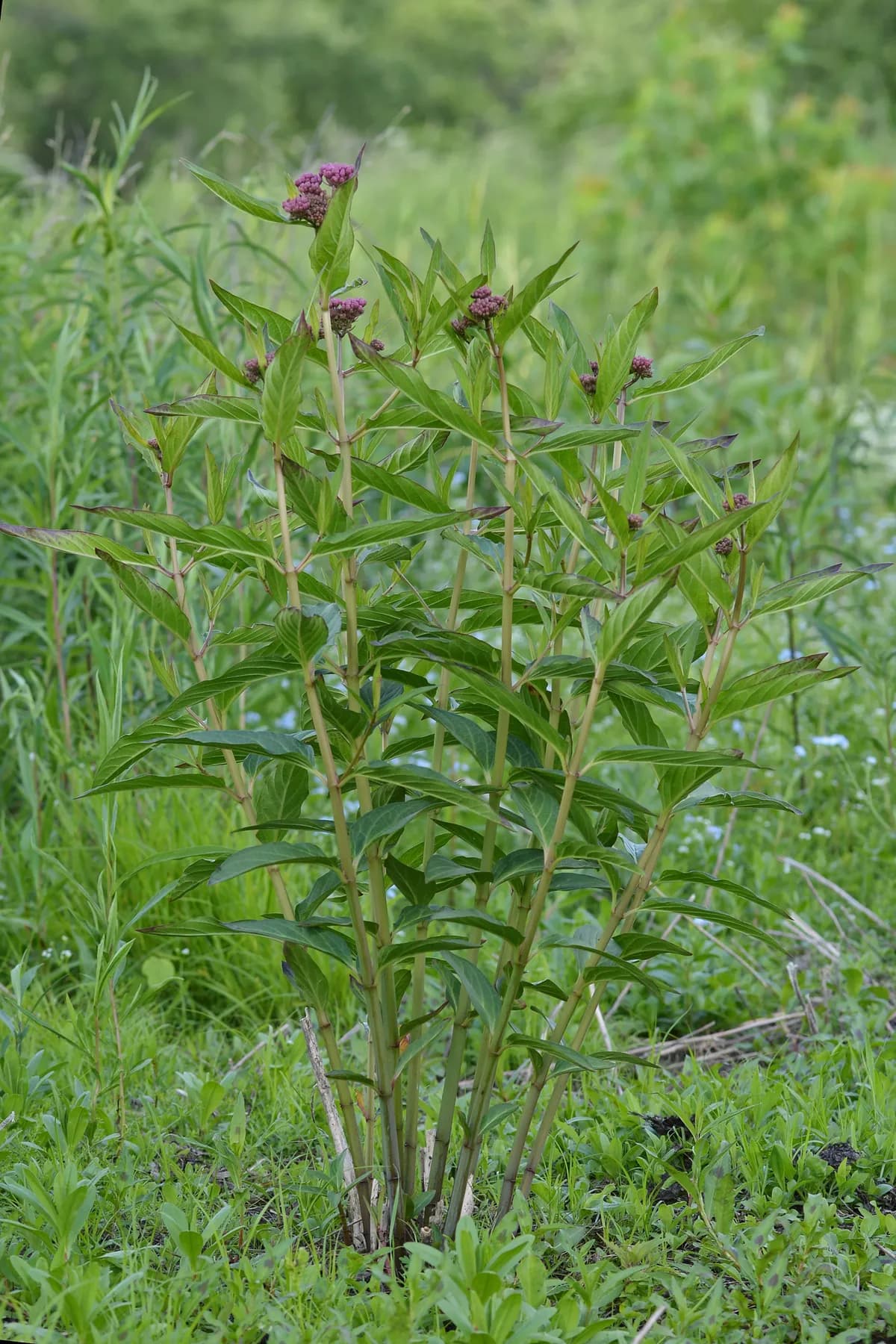
Swamp Milkweed
Asclepias incarnata
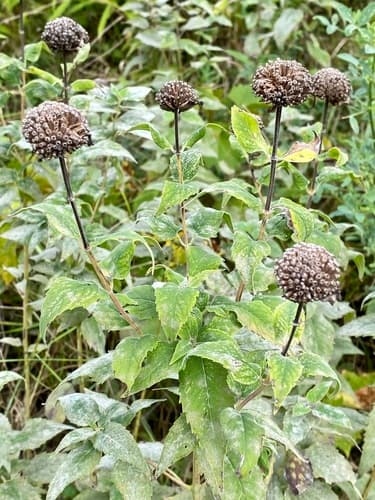
Wild Bergamot
Monarda fistulosa
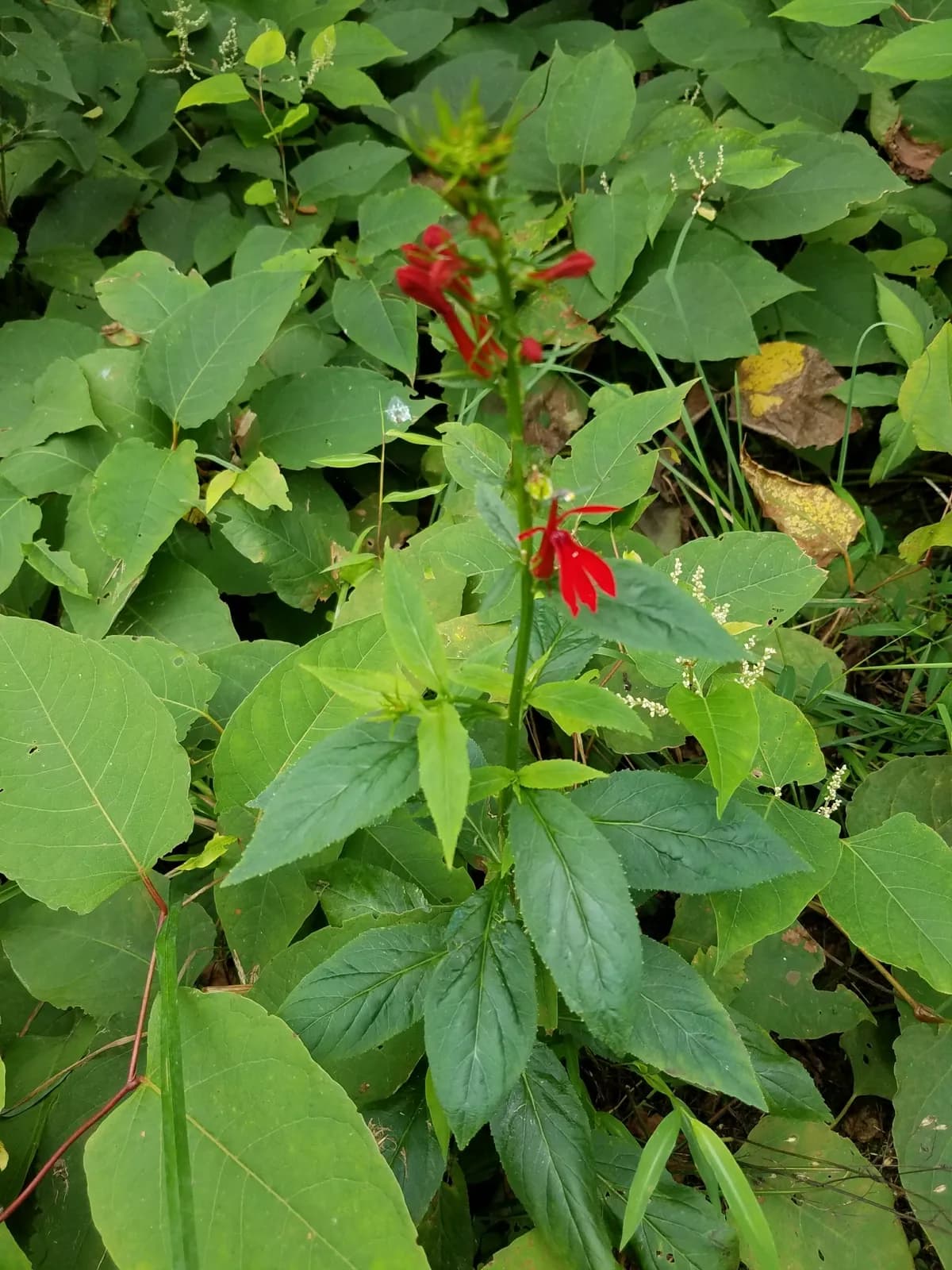
Cardinal Flower
Lobelia cardinalis
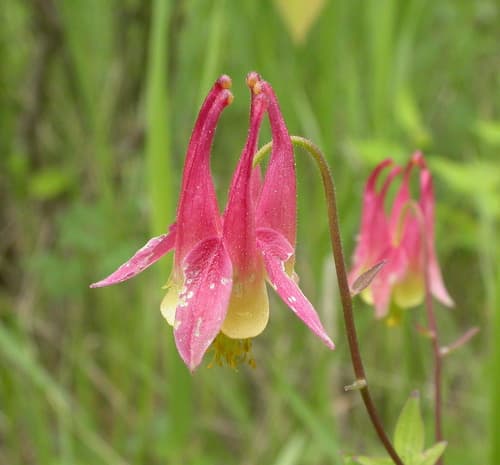
Wild Red Columbine
Aquilegia canadensis
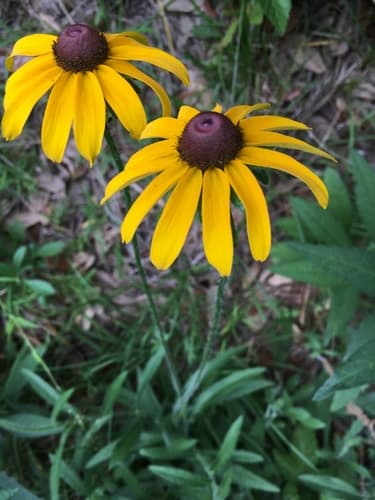
Black-eyed Susan
Rudbeckia hirta
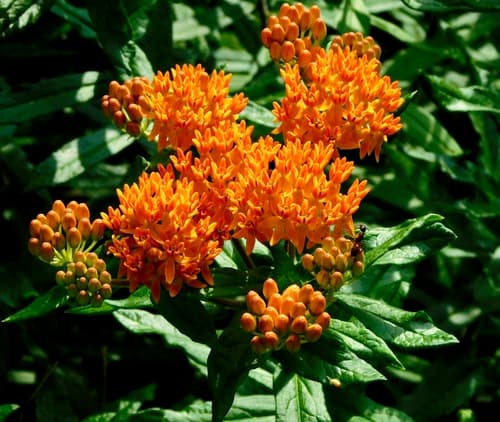
Butterfly Milkweed
Asclepias tuberosa
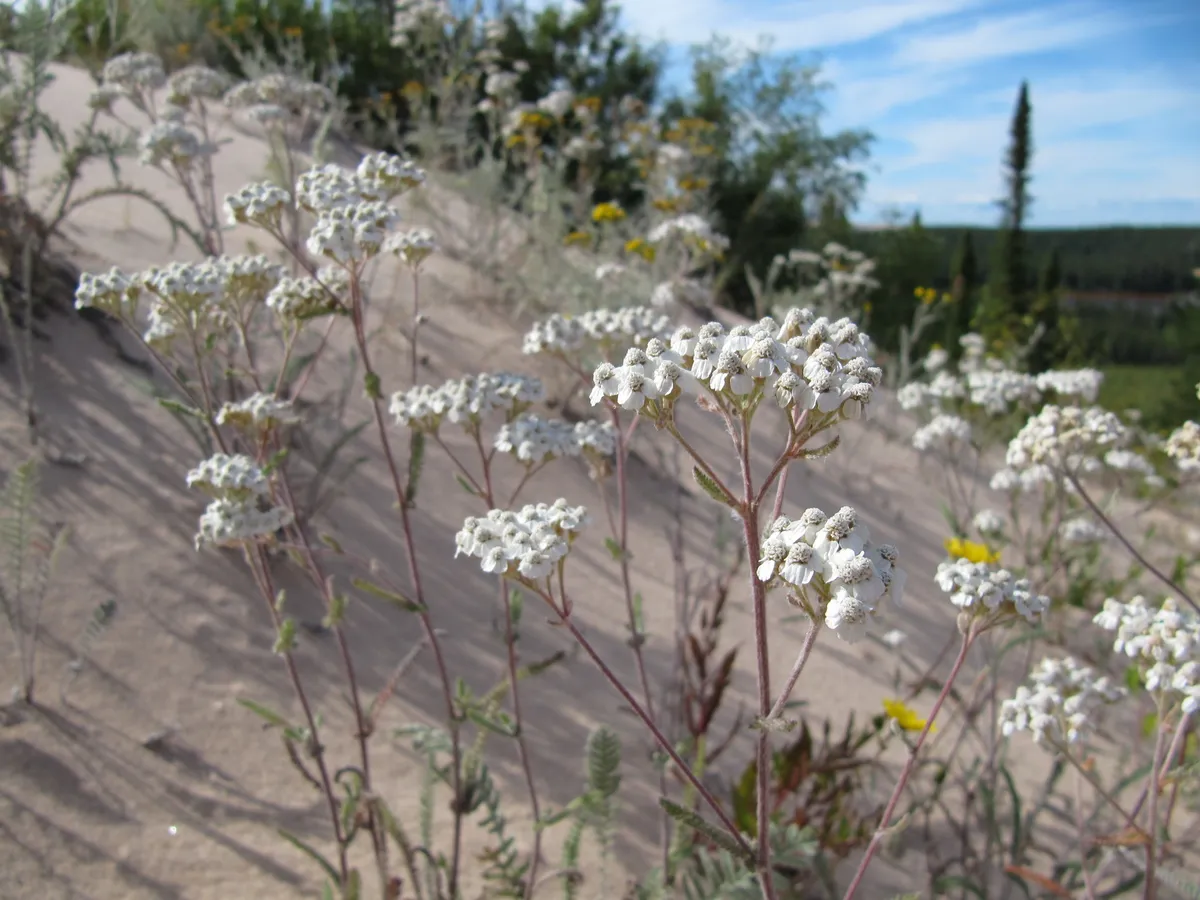
Common Yarrow
Achillea millefolium
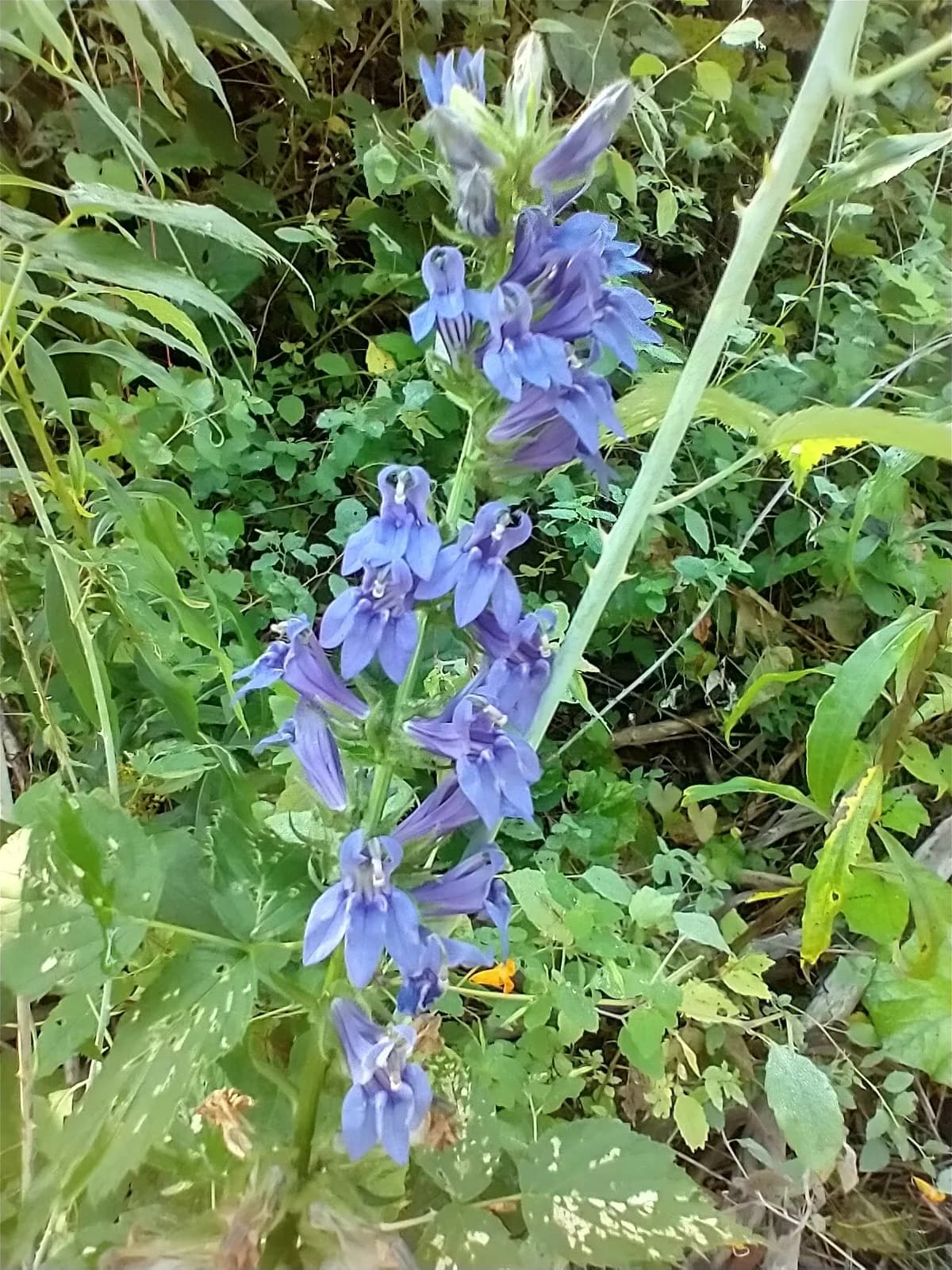
Blue Lobelia
Lobelia siphilitica

Golden Alexanders
Zizia aurea
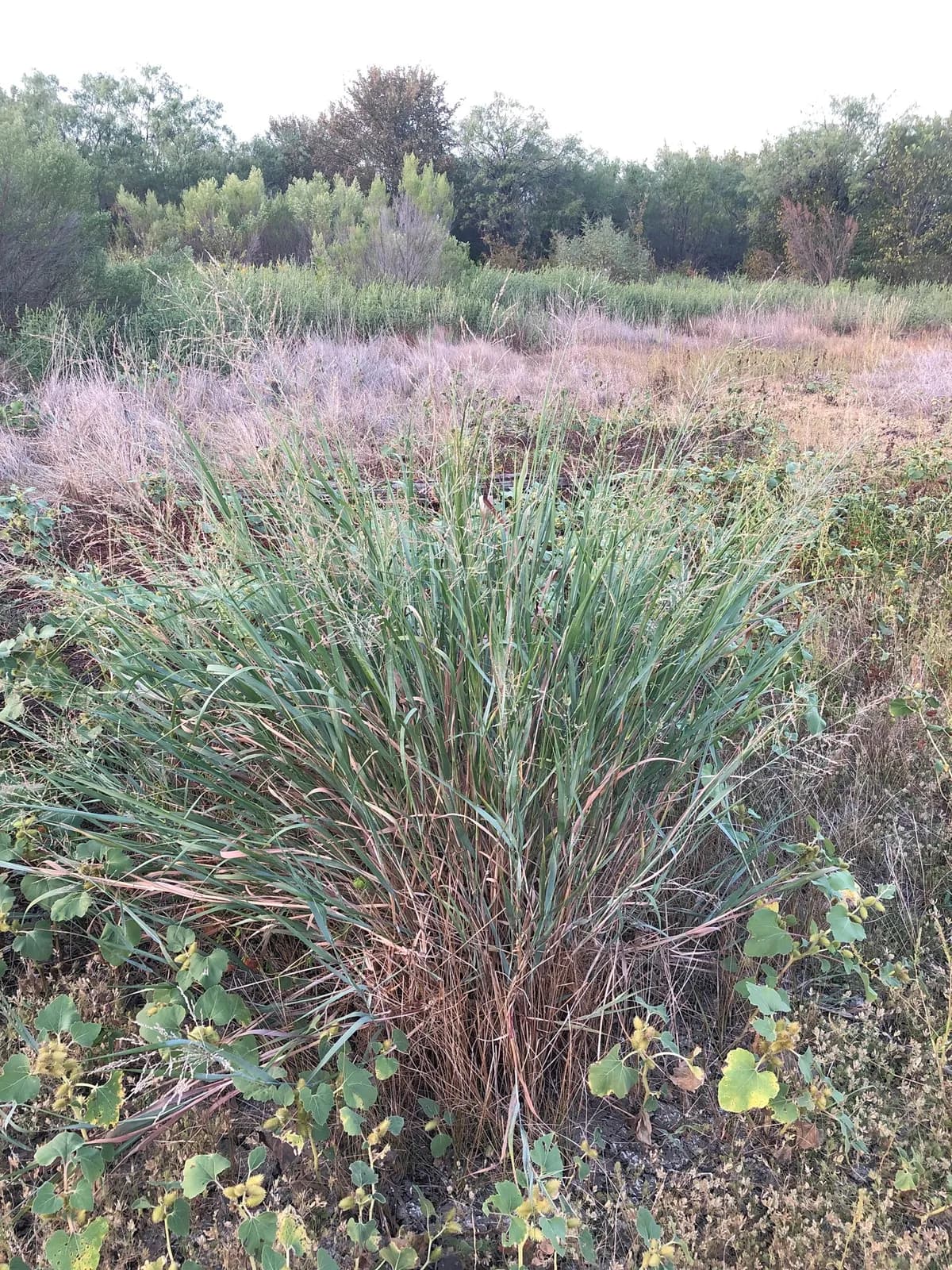
Switchgrass
Panicum virgatum
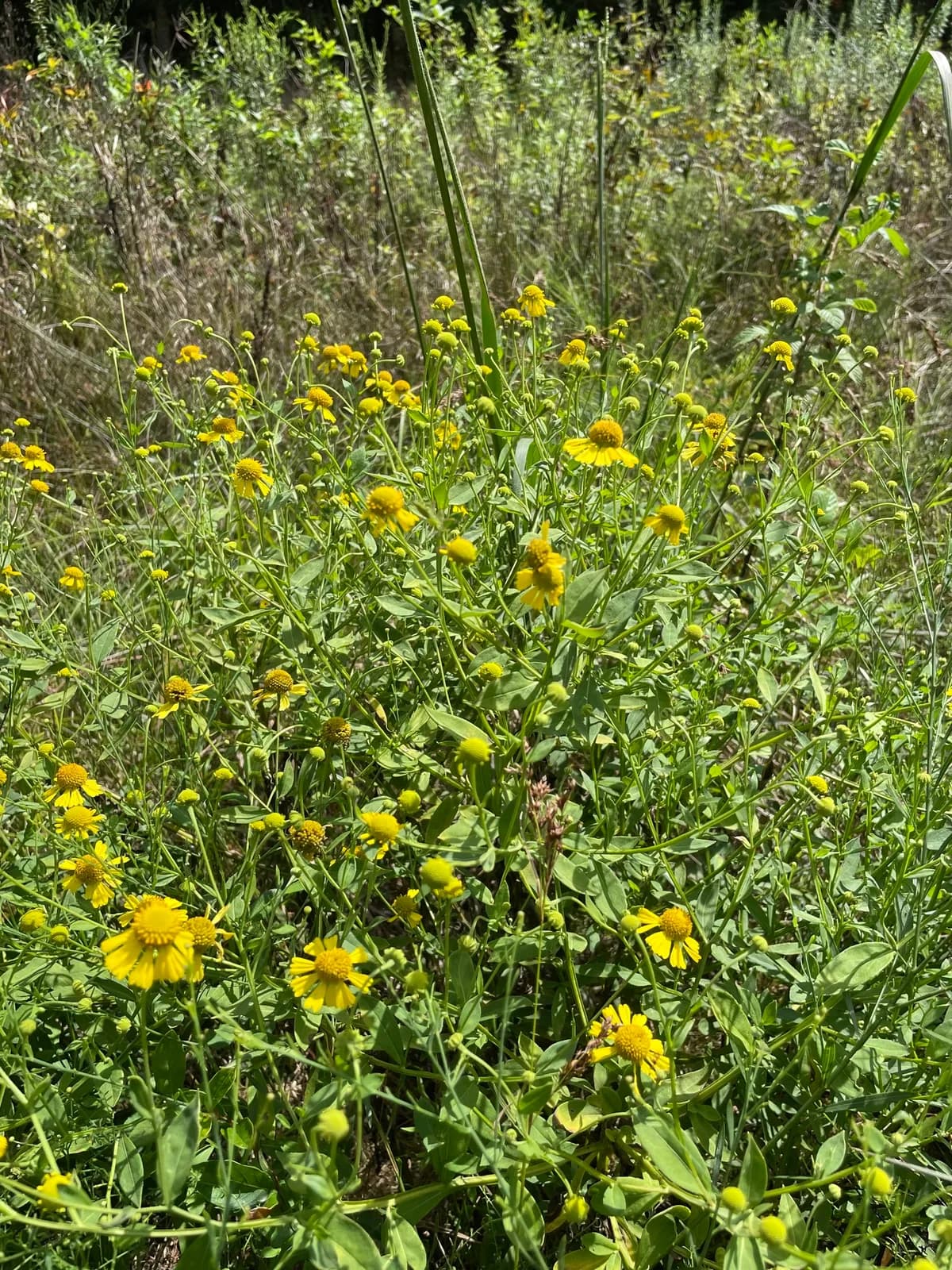
Common Sneezeweed
Helenium autumnale
Lanceleaf Coreopsis
Coreopsis lanceolata
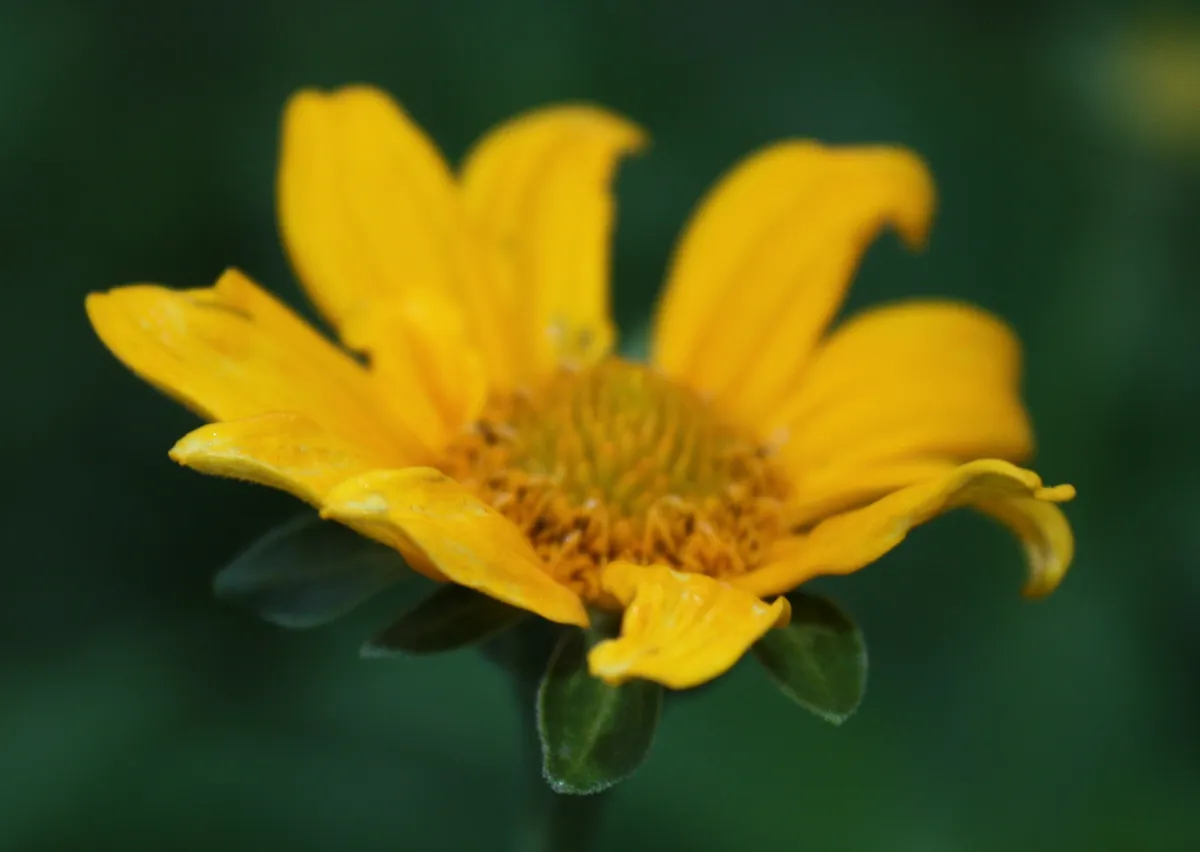
False Sunflower
Heliopsis helianthoides
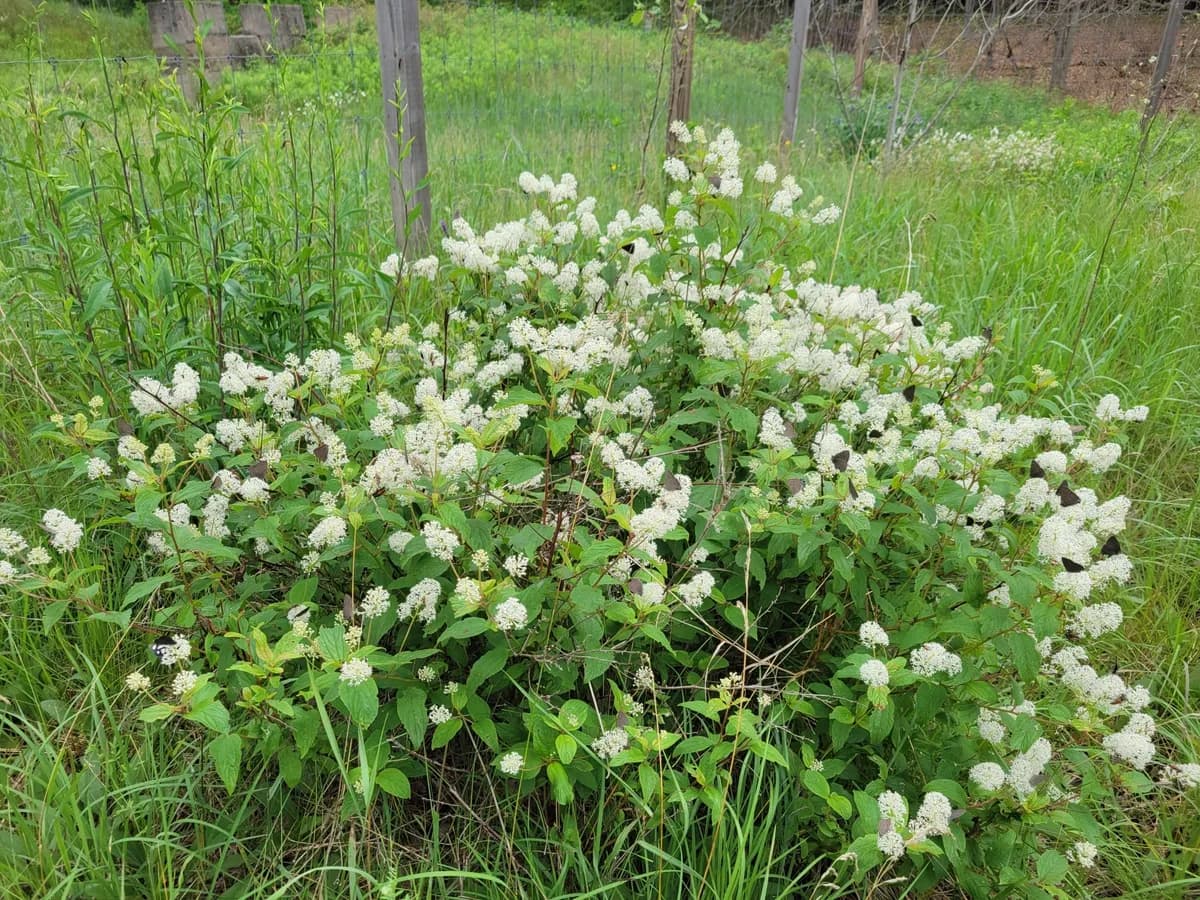
New Jersey-tea
Ceanothus americanus
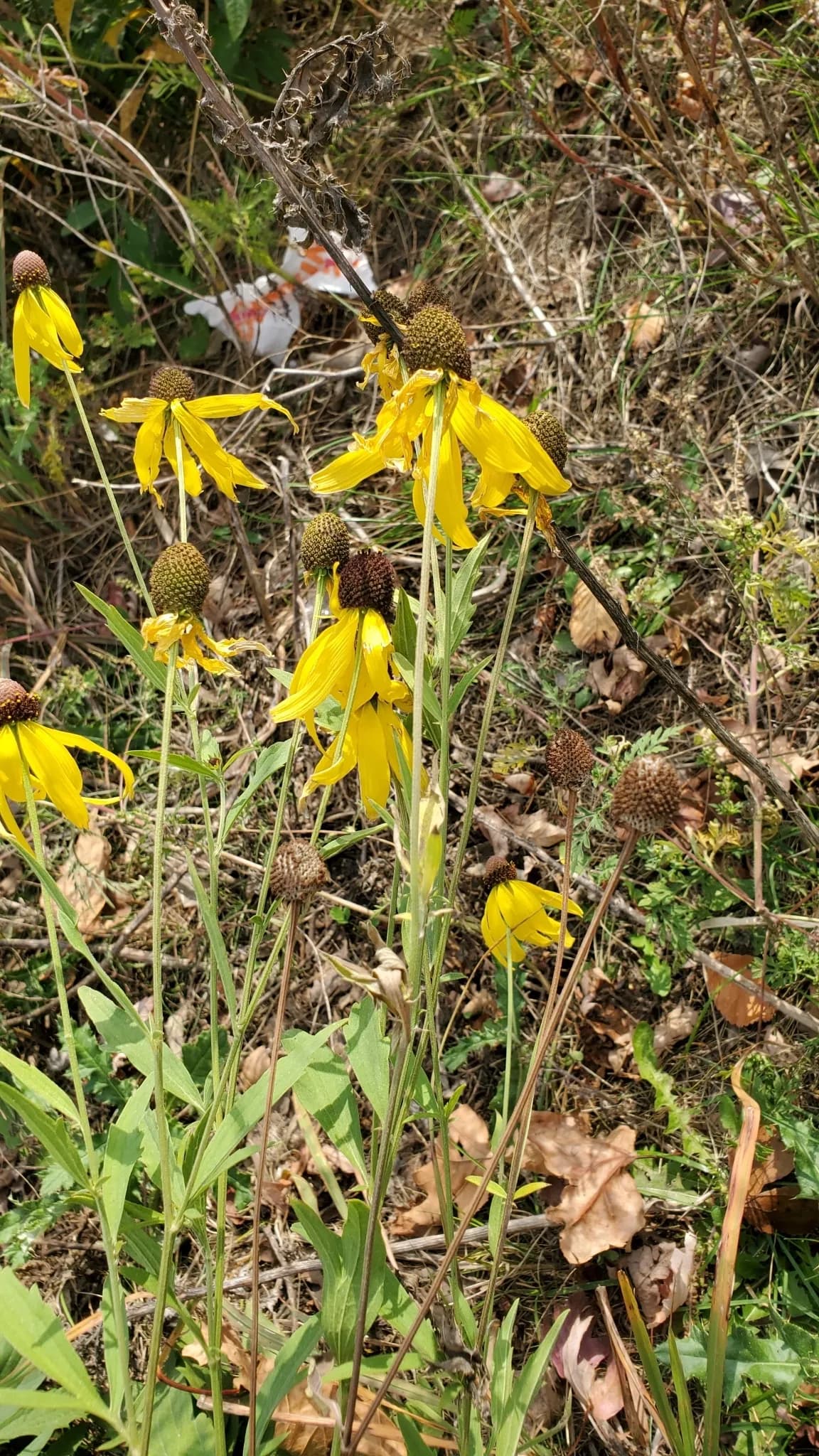
Drooping Prairie-coneflower
Ratibida pinnata
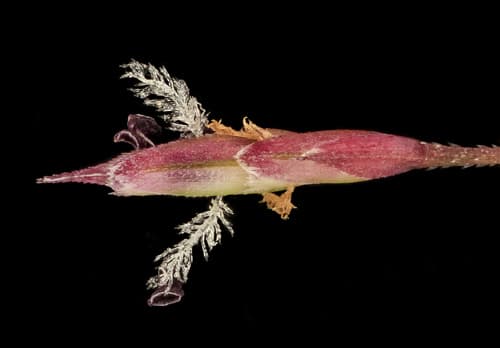
Purple Lovegrass
Eragrostis spectabilis
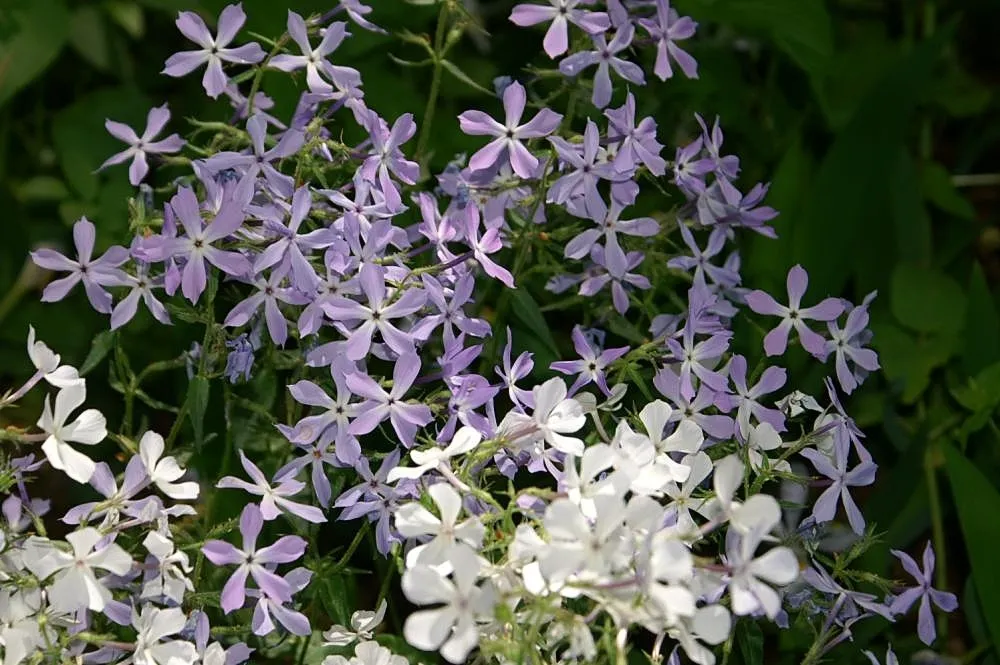
Blue Woodland Phlox
Phlox divaricata
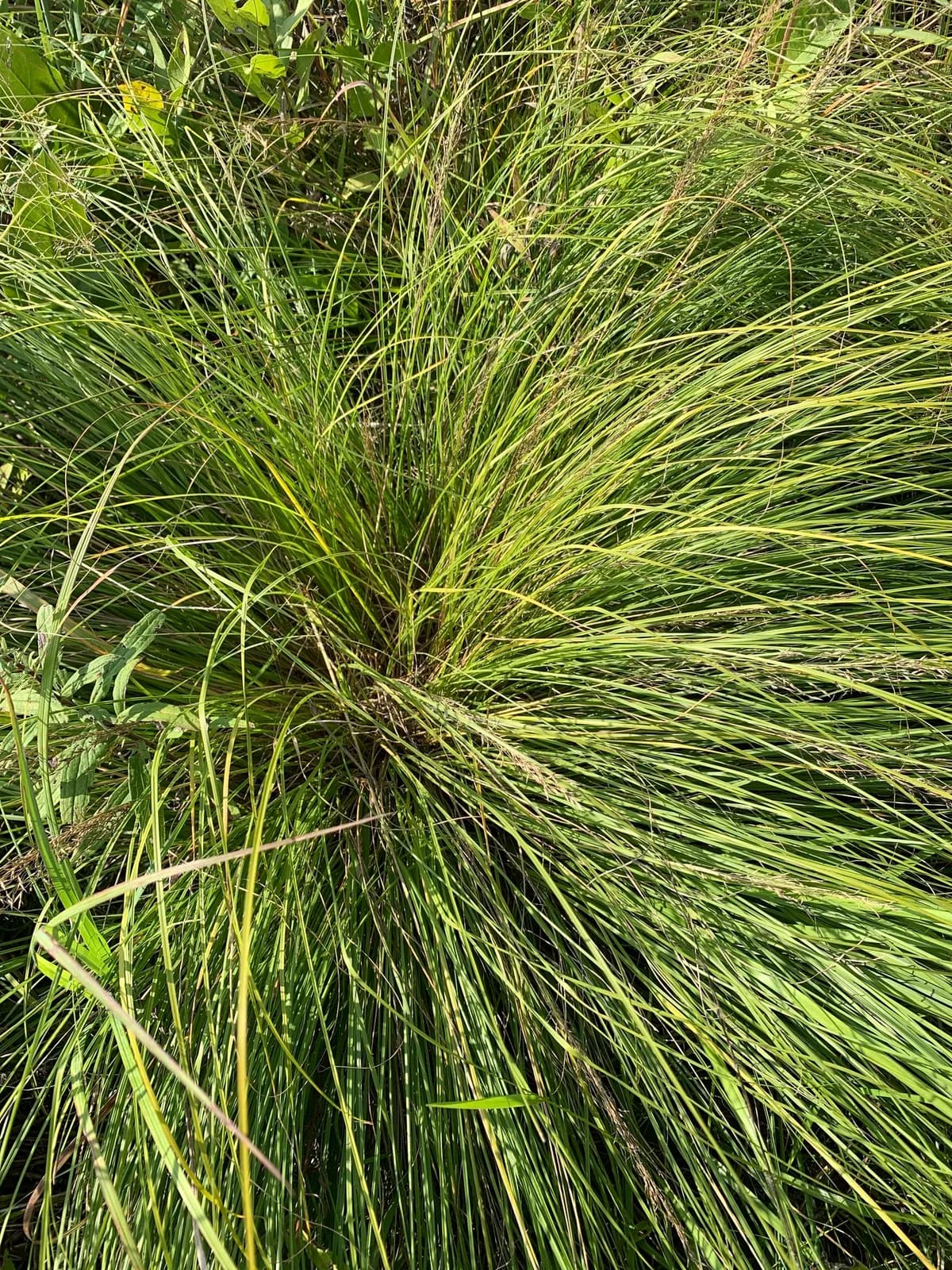
Prairie Dropseed
Sporobolus heterolepis
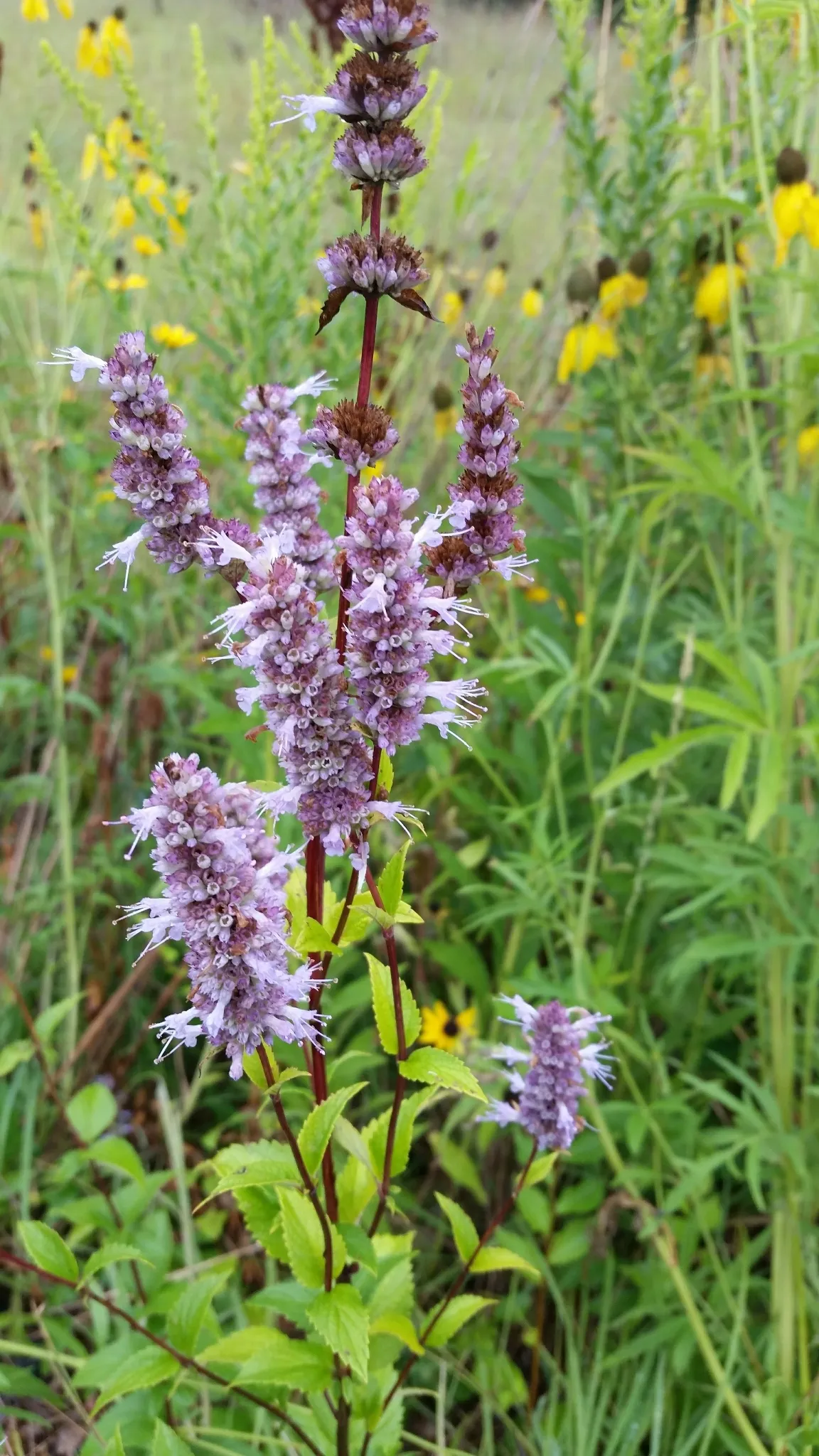
Blue Giant-hyssop
Agastache foeniculum
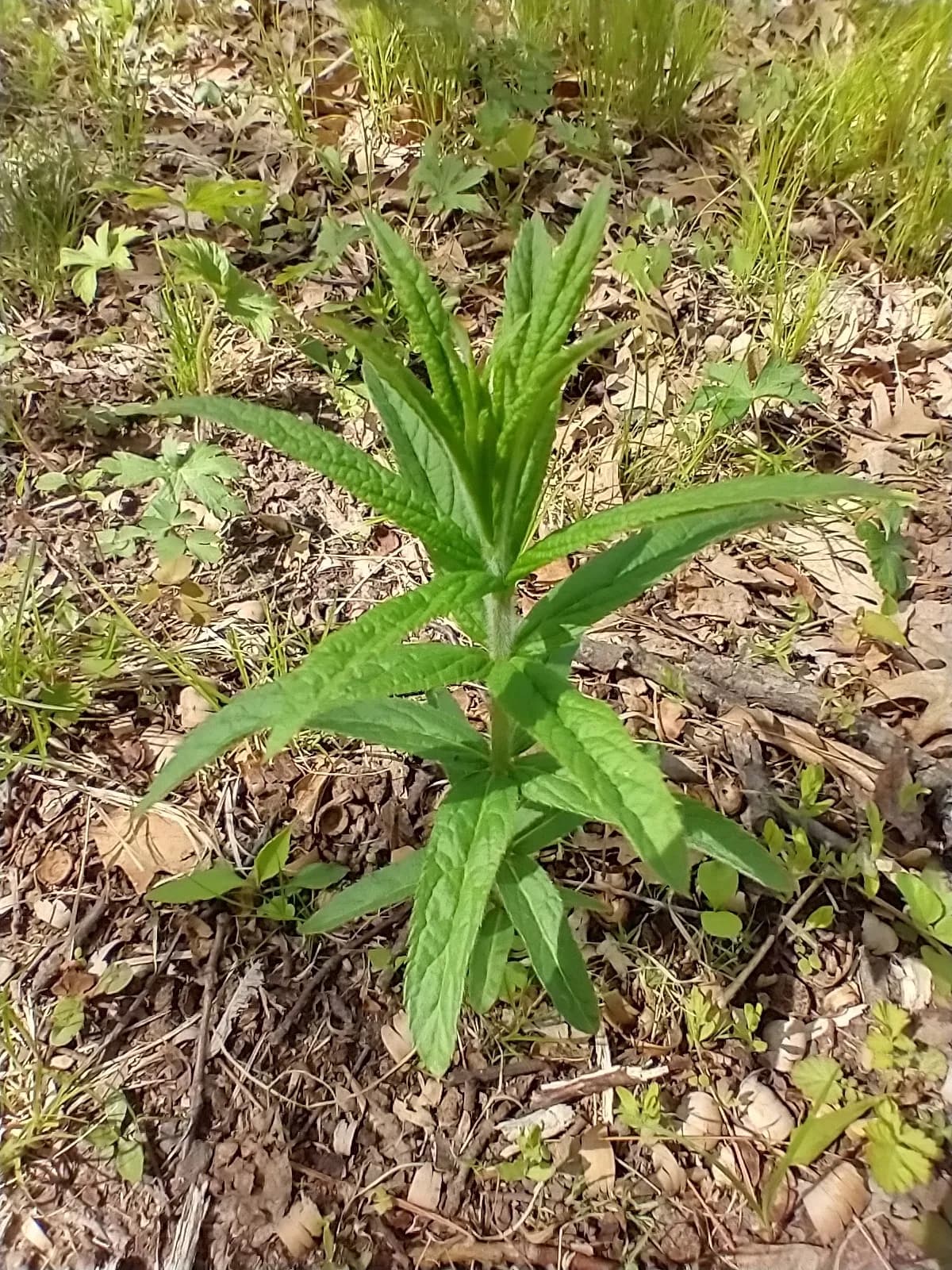
Culver's Root
Veronicastrum virginicum

Sideoats Grama
Bouteloua curtipendula
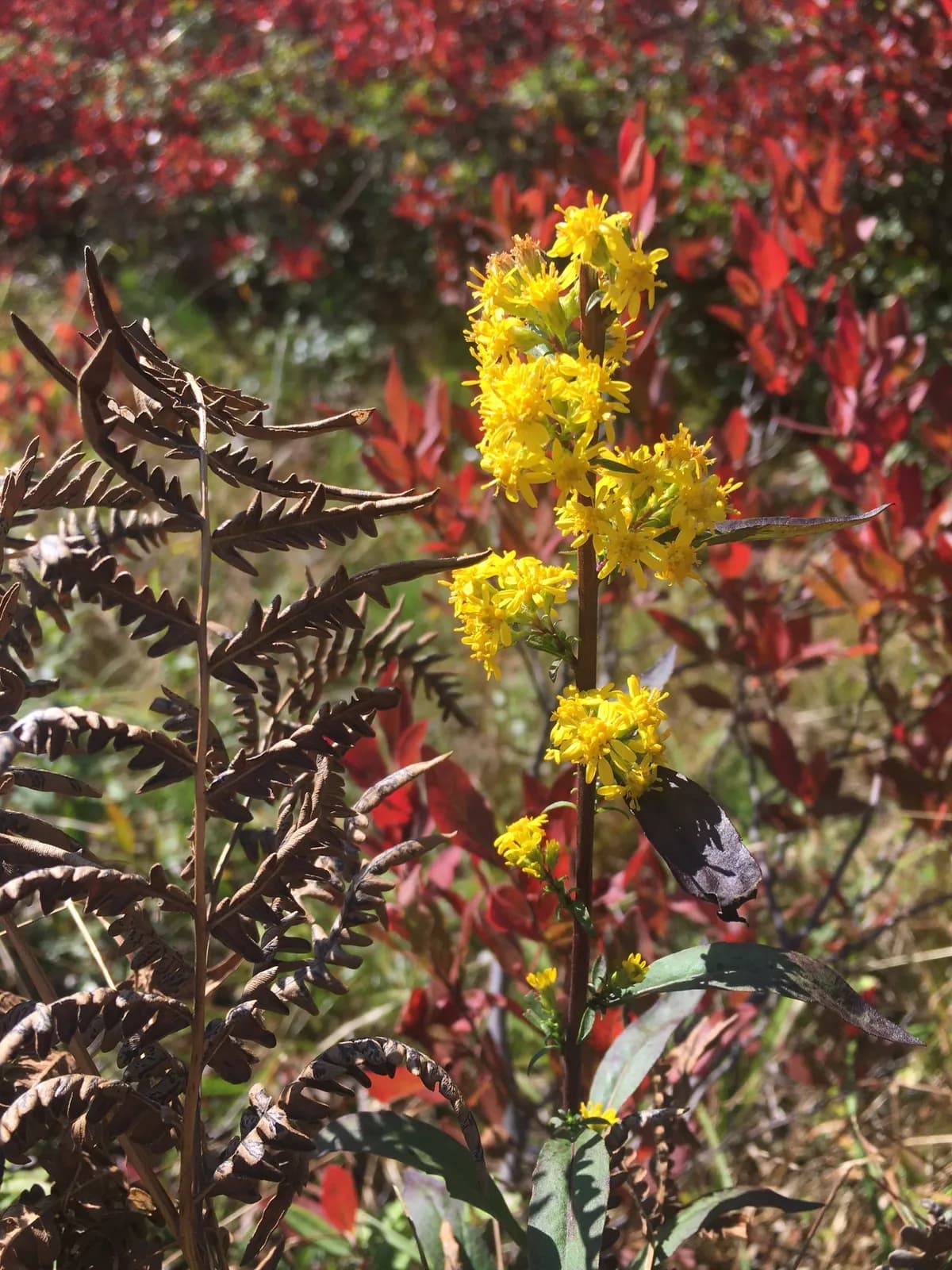
Showy Goldenrod
Solidago speciosa
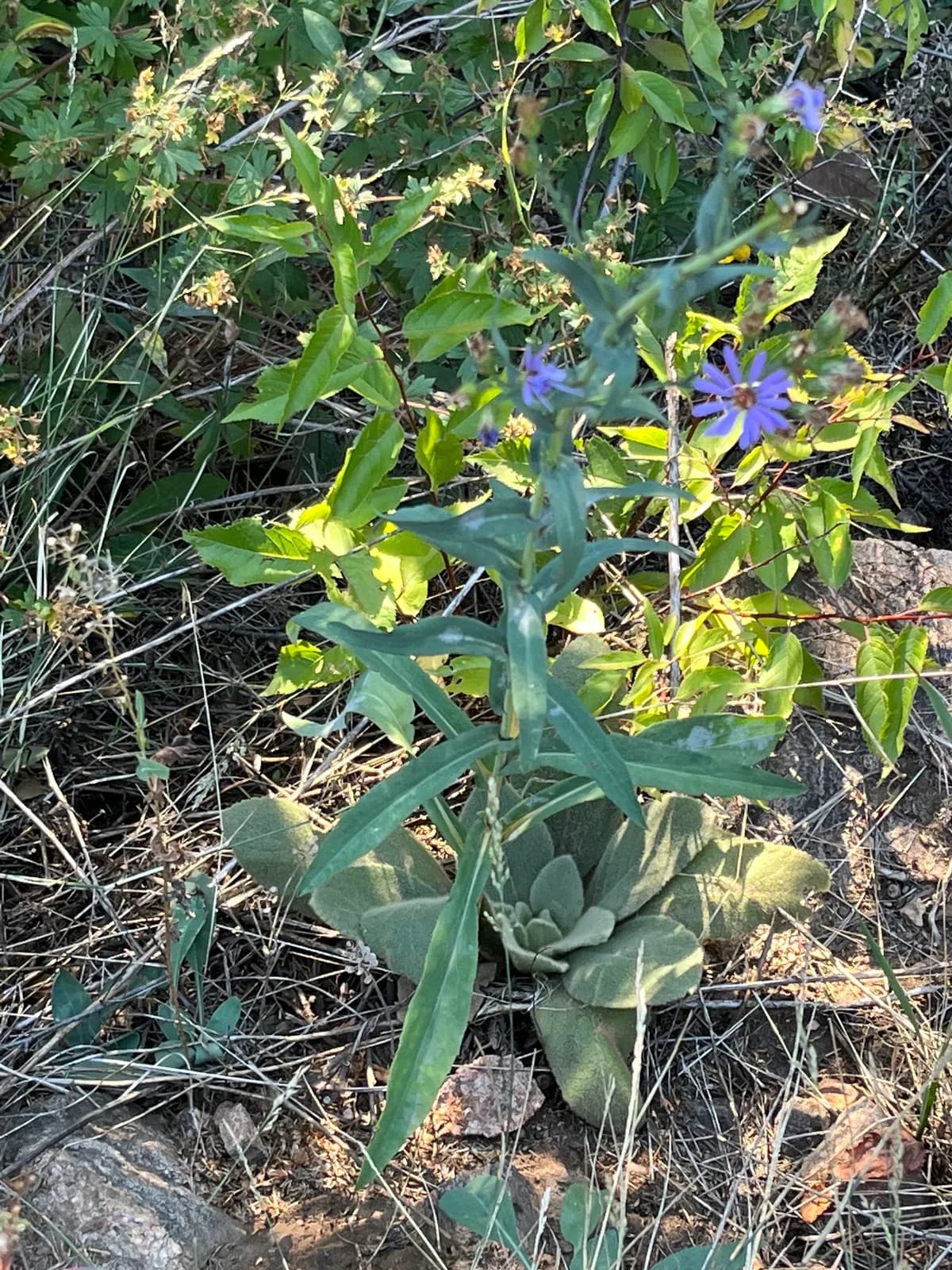
Smooth Aster
Symphyotrichum laeve
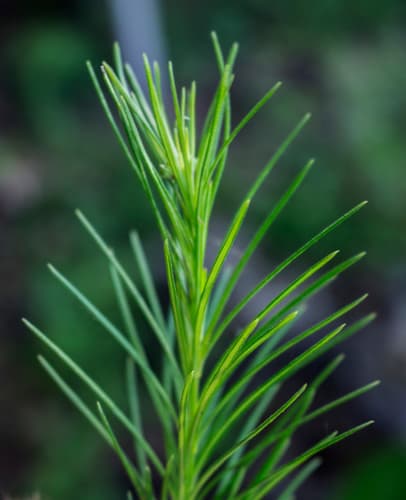
Whorled Milkweed
Asclepias verticillata
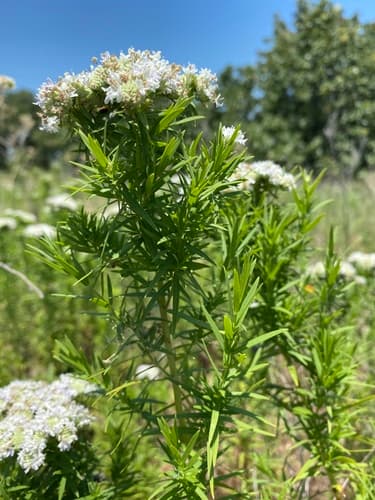
Narrowleaf Mountain Mint
Pycnanthemum tenuifolium
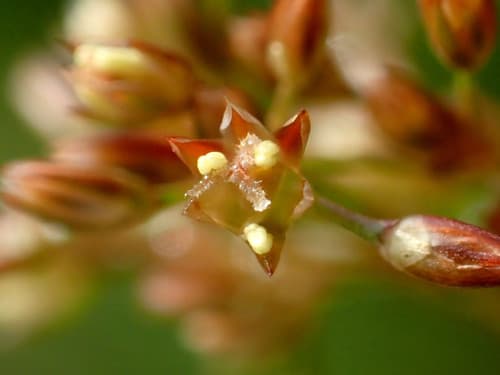
Soft rush
Juncus effusus
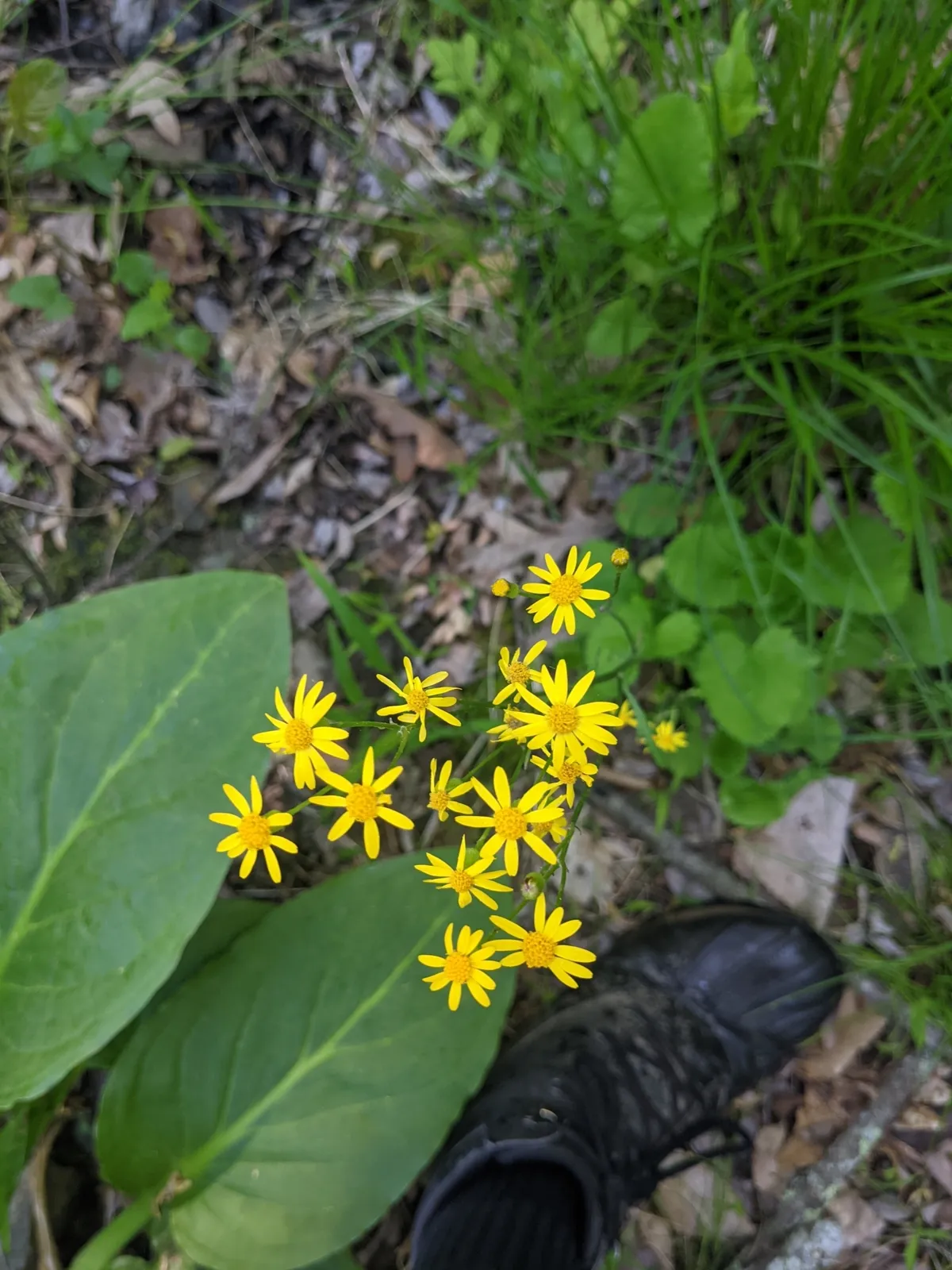
Golden Groundsel
Packera aurea
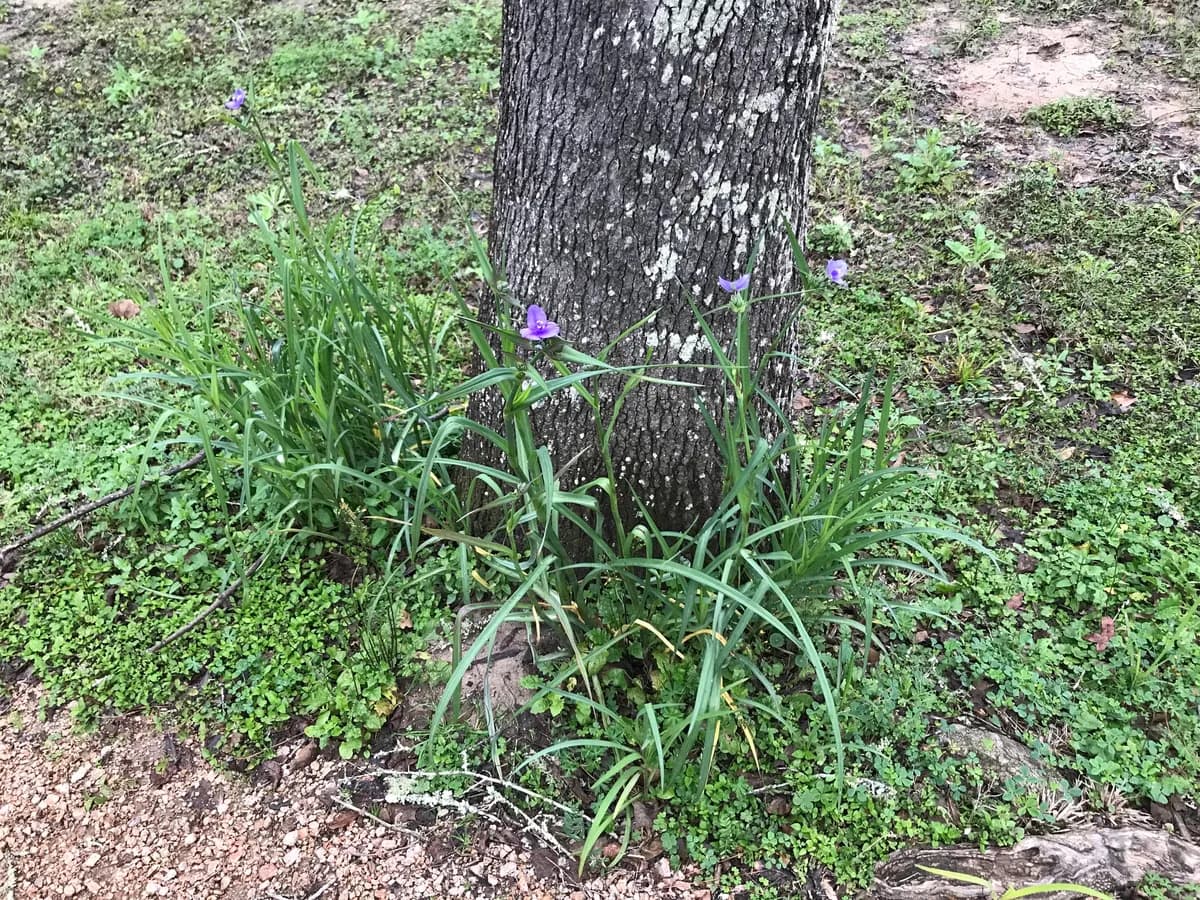
Smooth Spiderwort
Tradescantia ohiensis
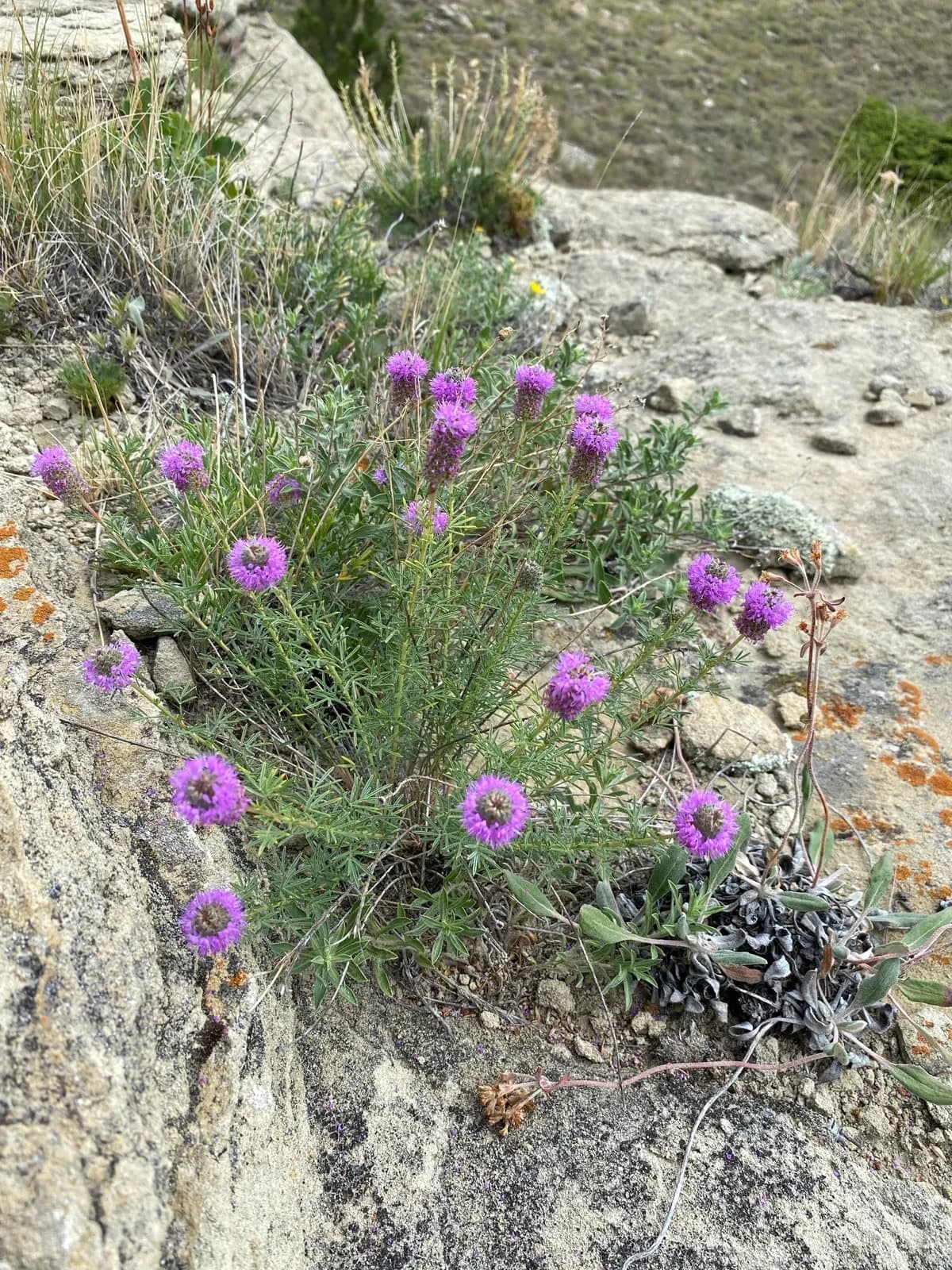
Purple Prairie Clover
Dalea purpurea
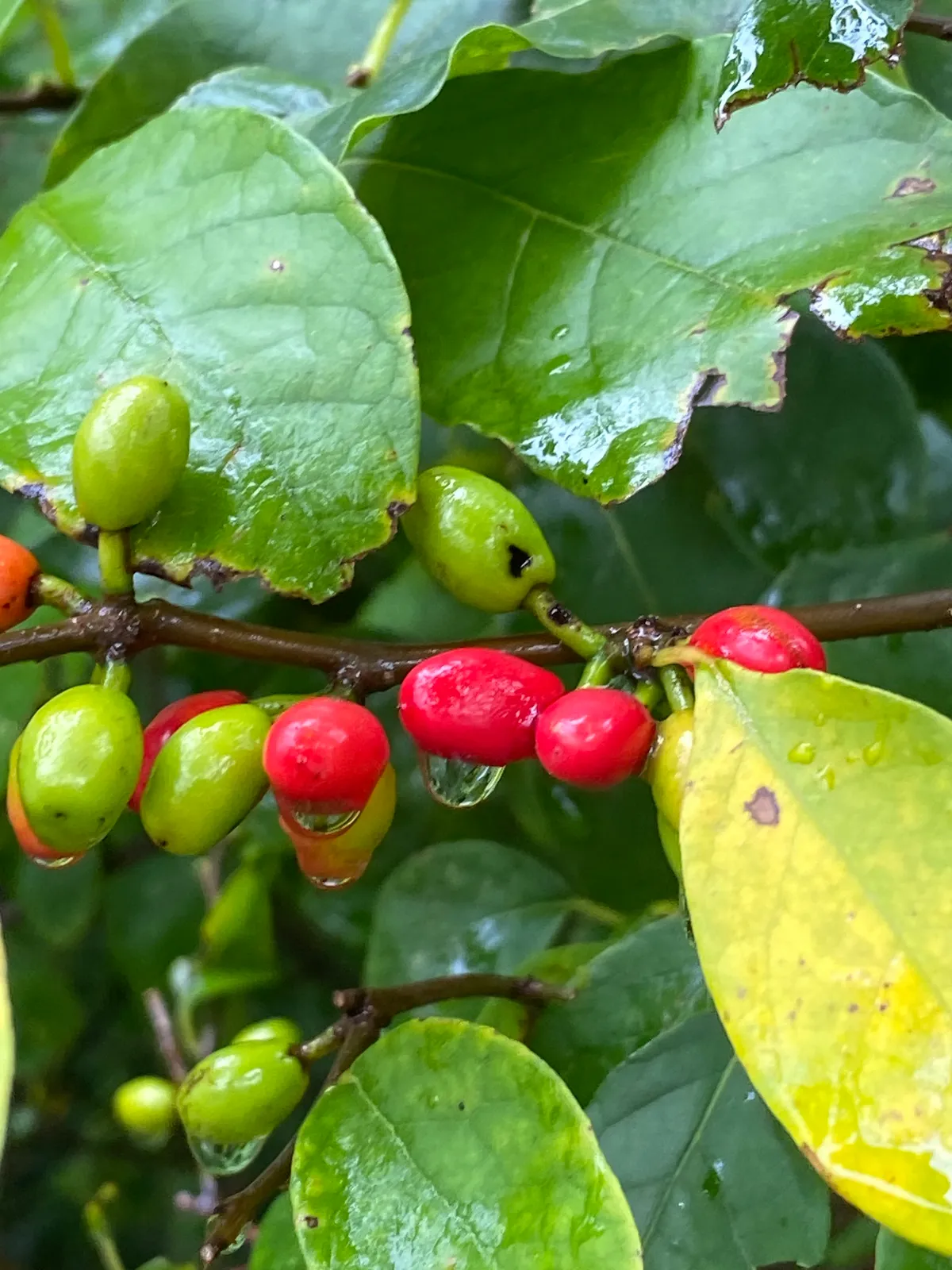
Spicebush
Lindera benzoin
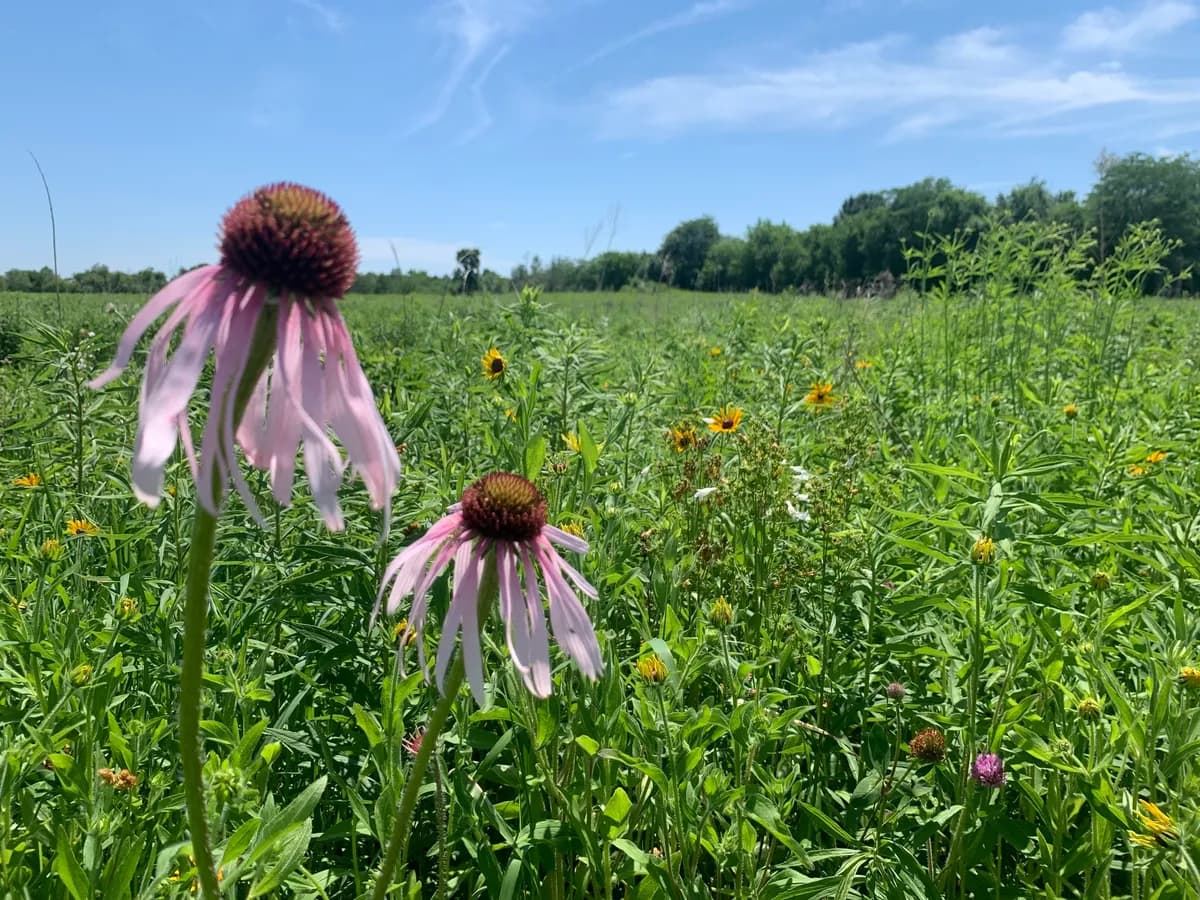
Pale Purple Coneflower
Echinacea pallida
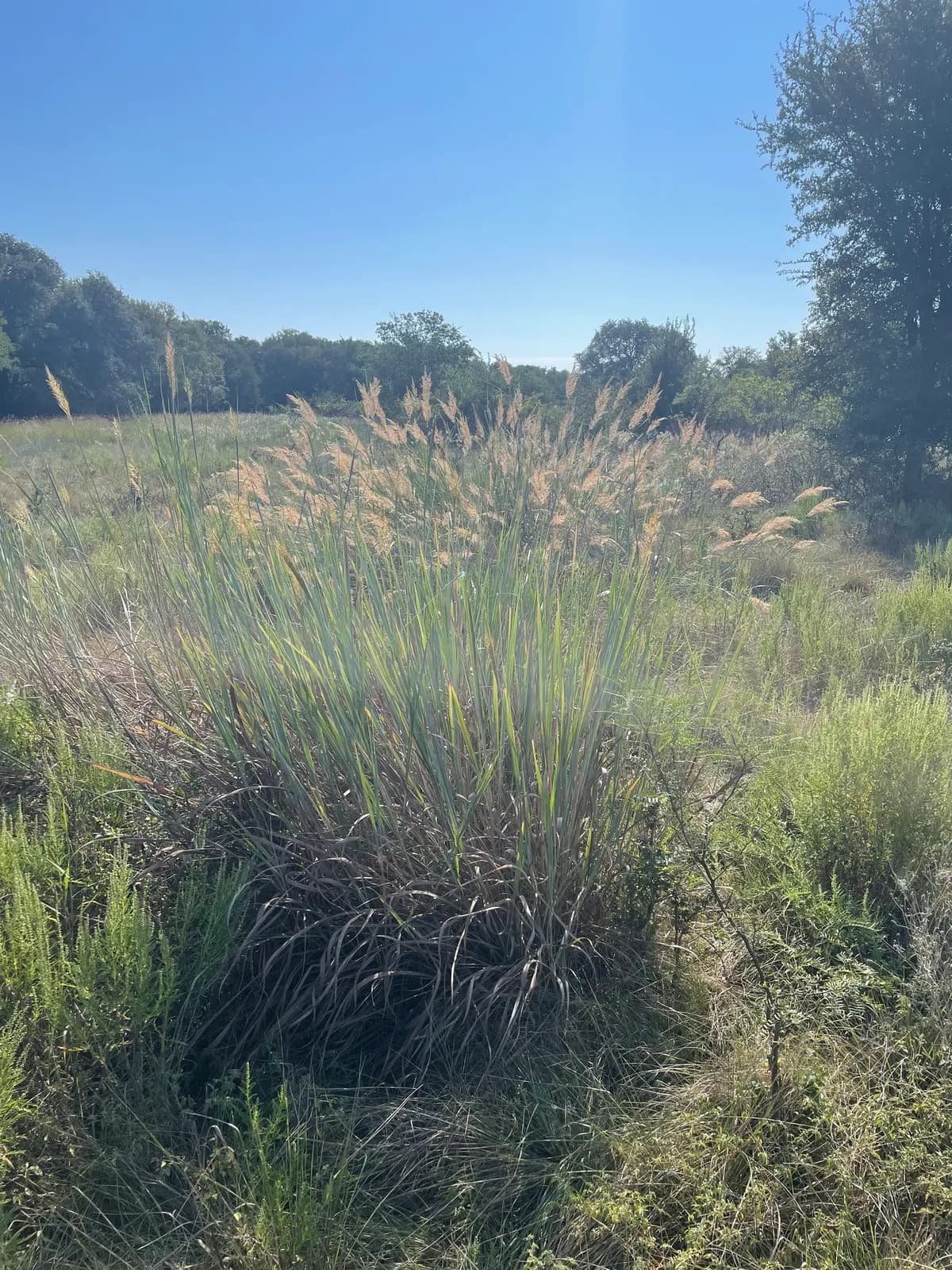
Indiangrass
Sorghastrum nutans

Michaelmas Daisy
Symphyotrichum novae-angliae
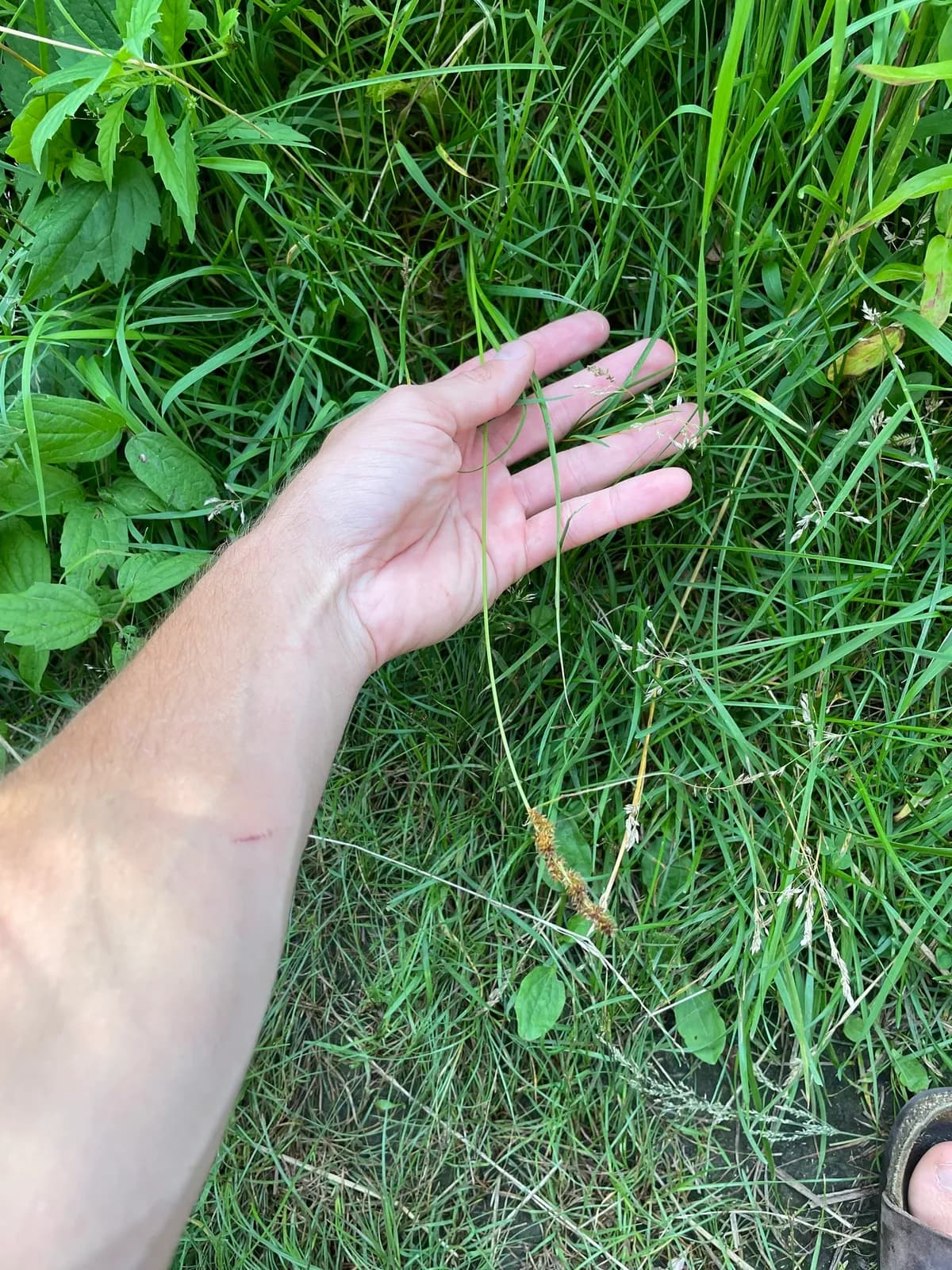
American Fox Sedge
Carex vulpinoidea
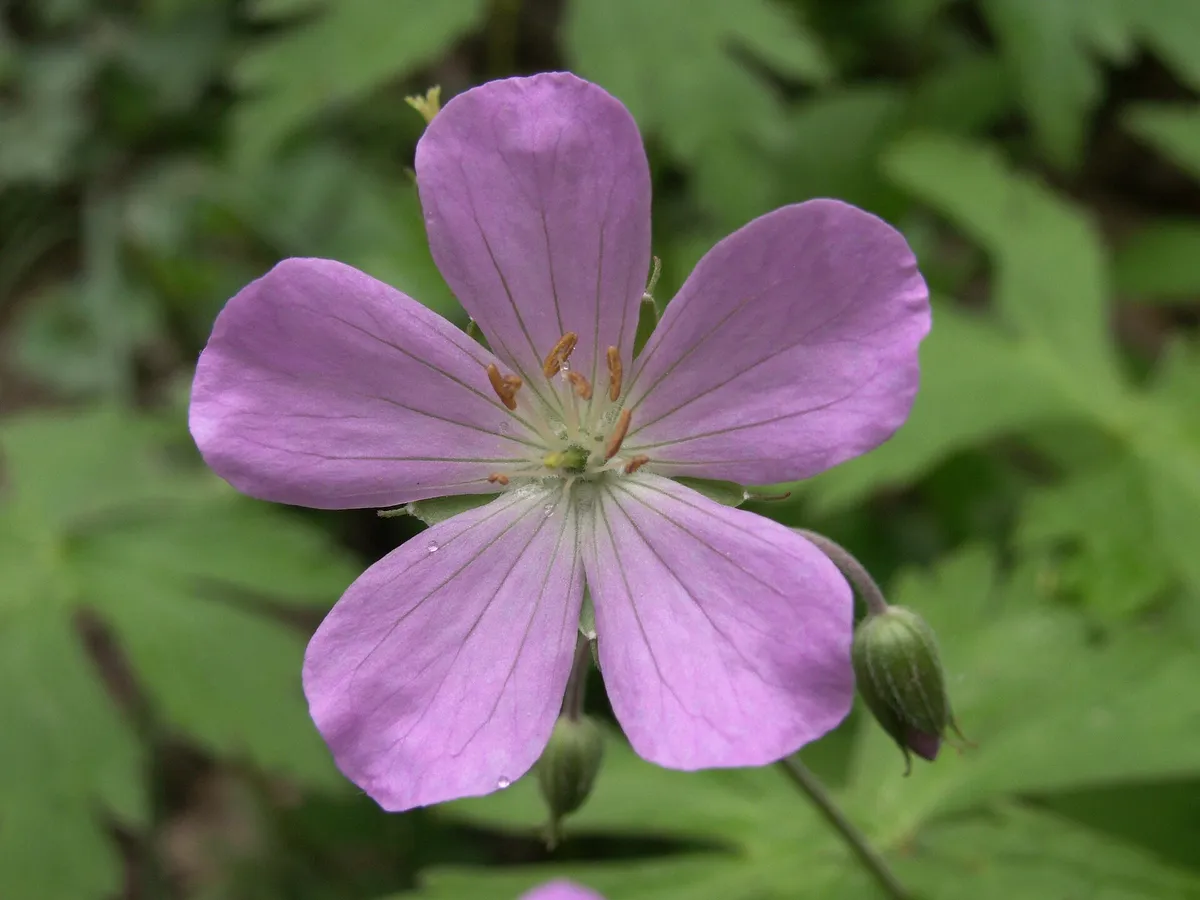
Spotted Geranium
Geranium maculatum
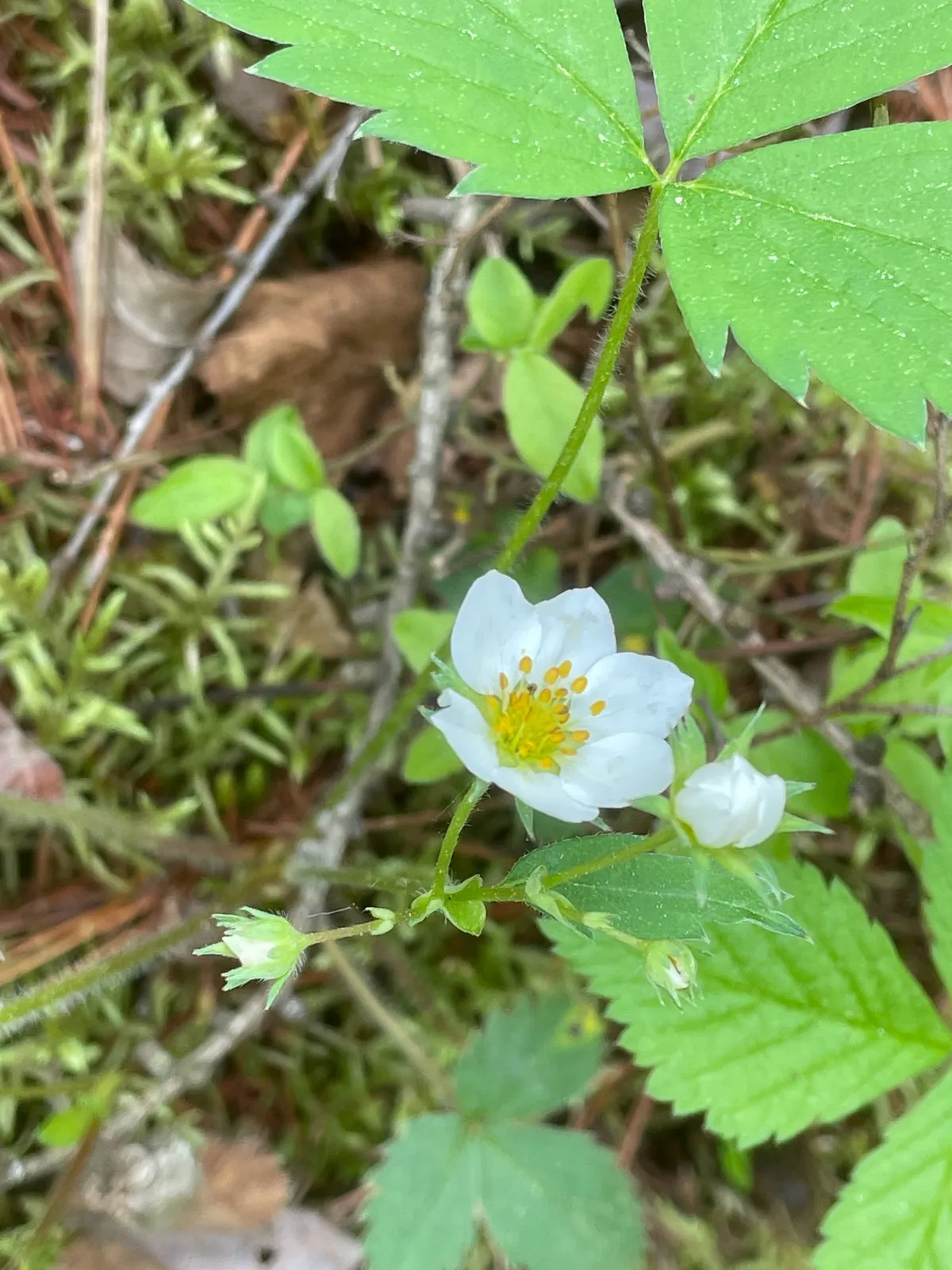
Scarlet Strawberry
Fragaria virginiana
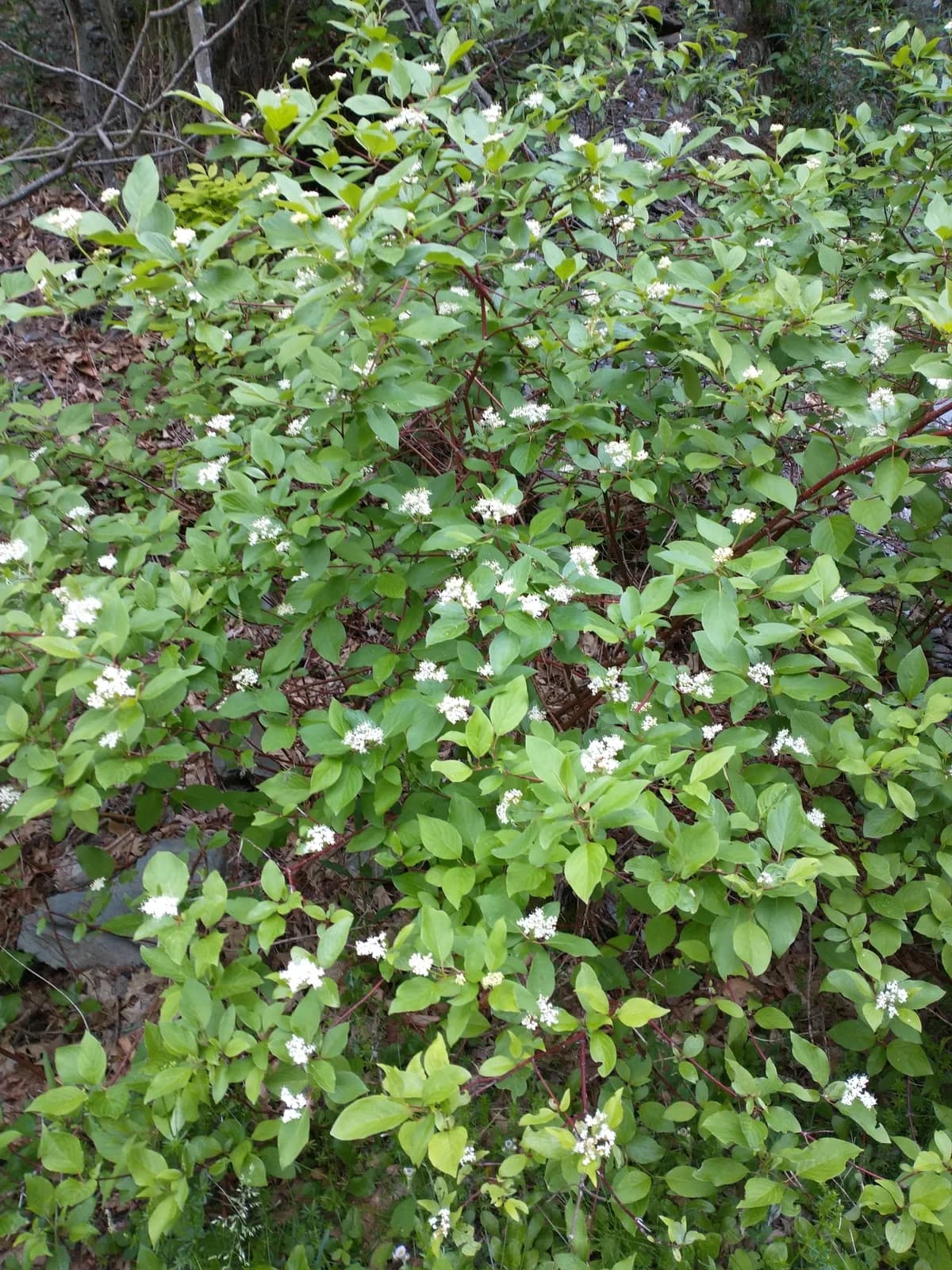
Red-osier Dogwood
Cornus sericea
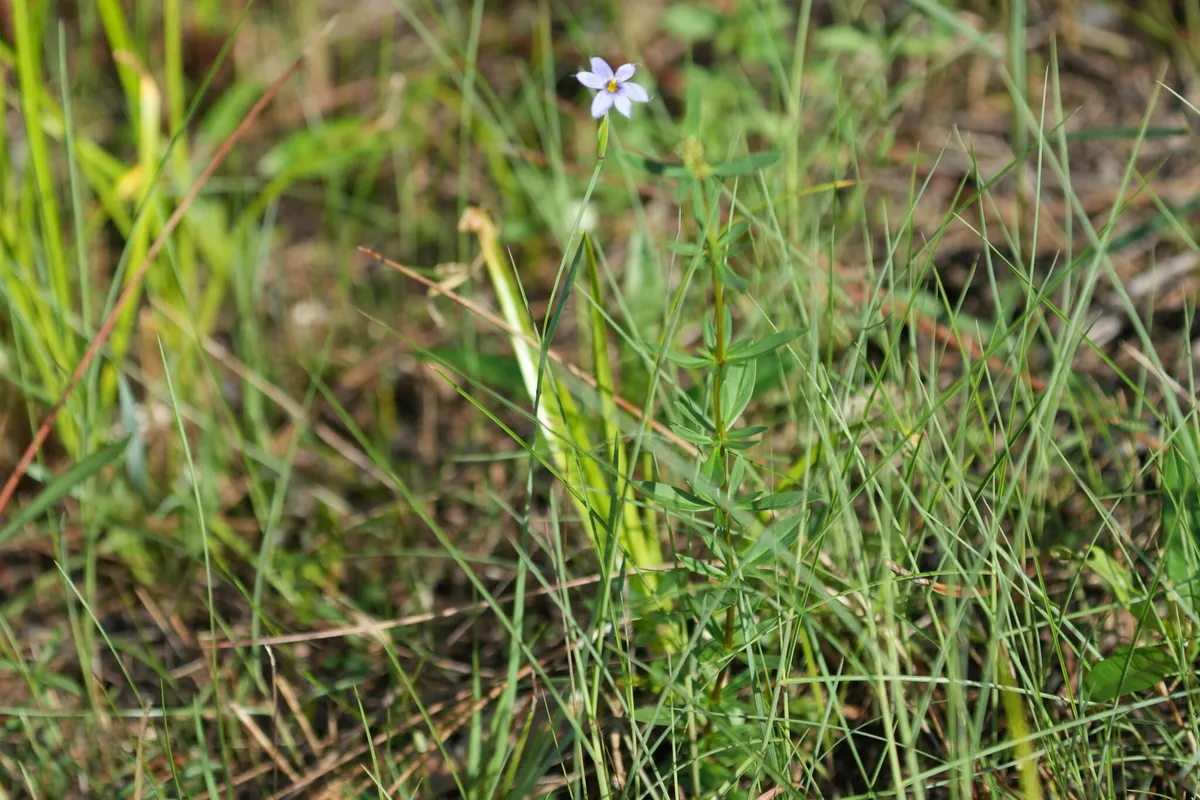
Narrowleaf Blue-eyed Grass
Sisyrinchium angustifolium
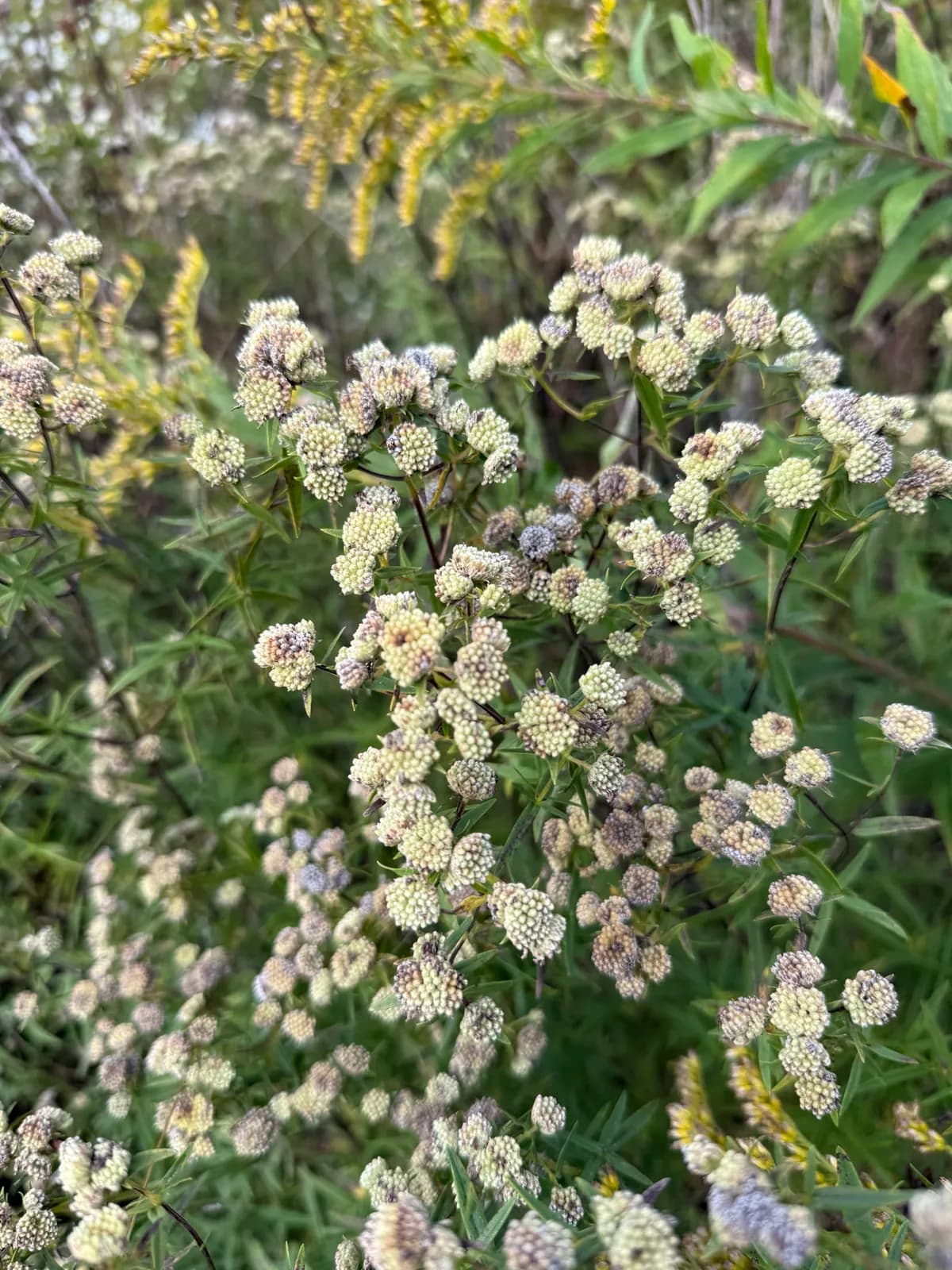
Virginia Mountain-Mint
Pycnanthemum virginianum
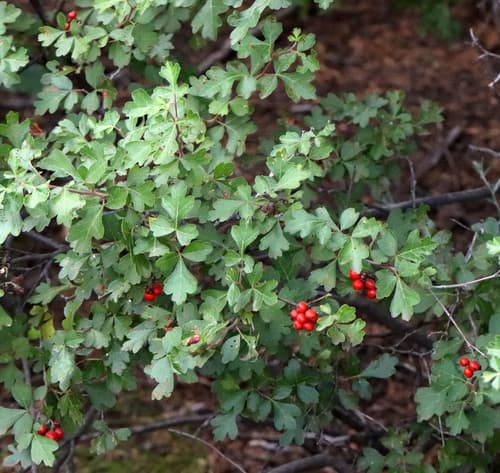
Aromatic Sumac
Rhus aromatica
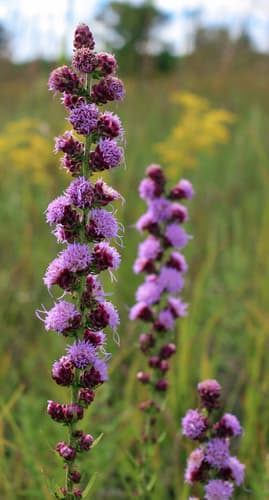
Tall Blazing Star
Liatris aspera
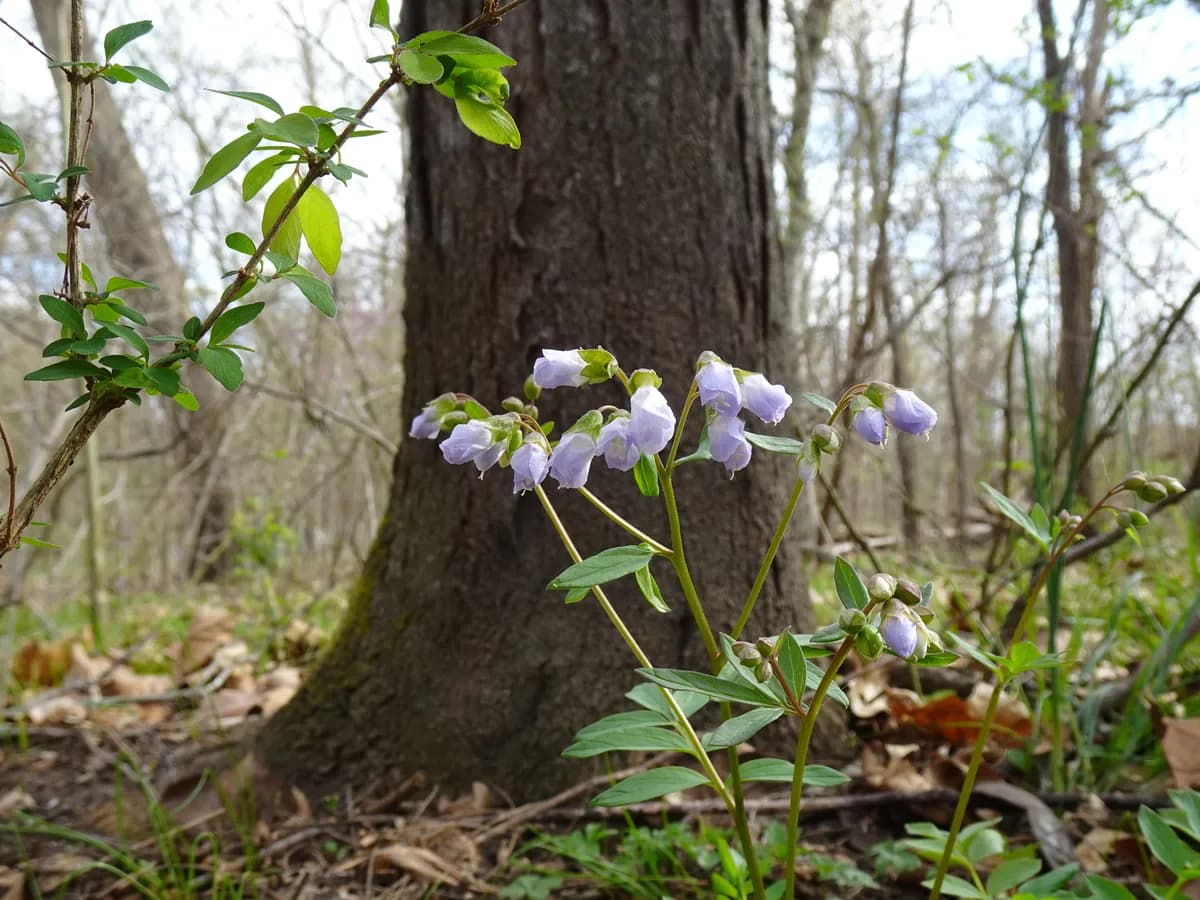
Creeping Polemonium
Polemonium reptans
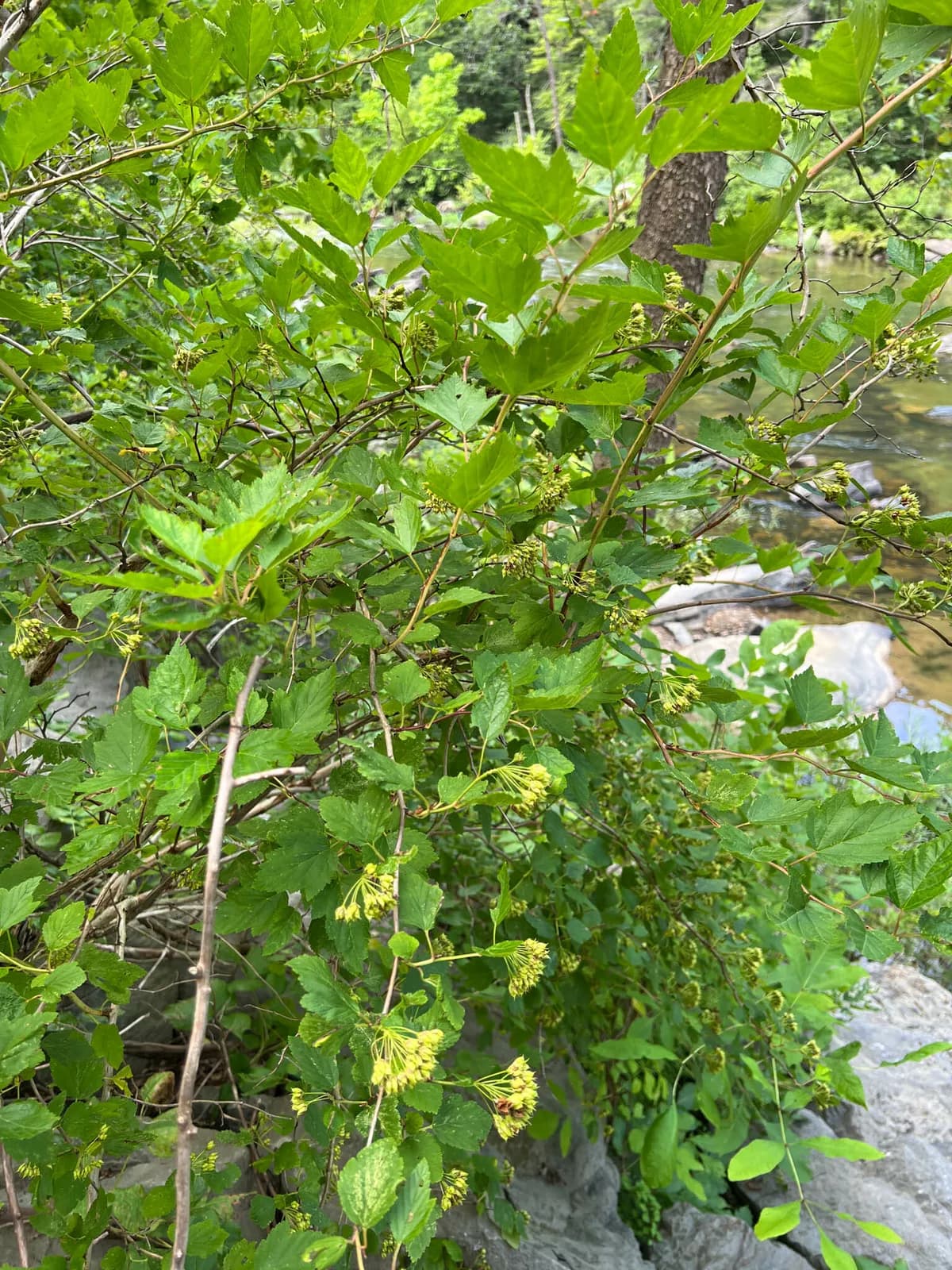
Ninebark
Physocarpus opulifolius
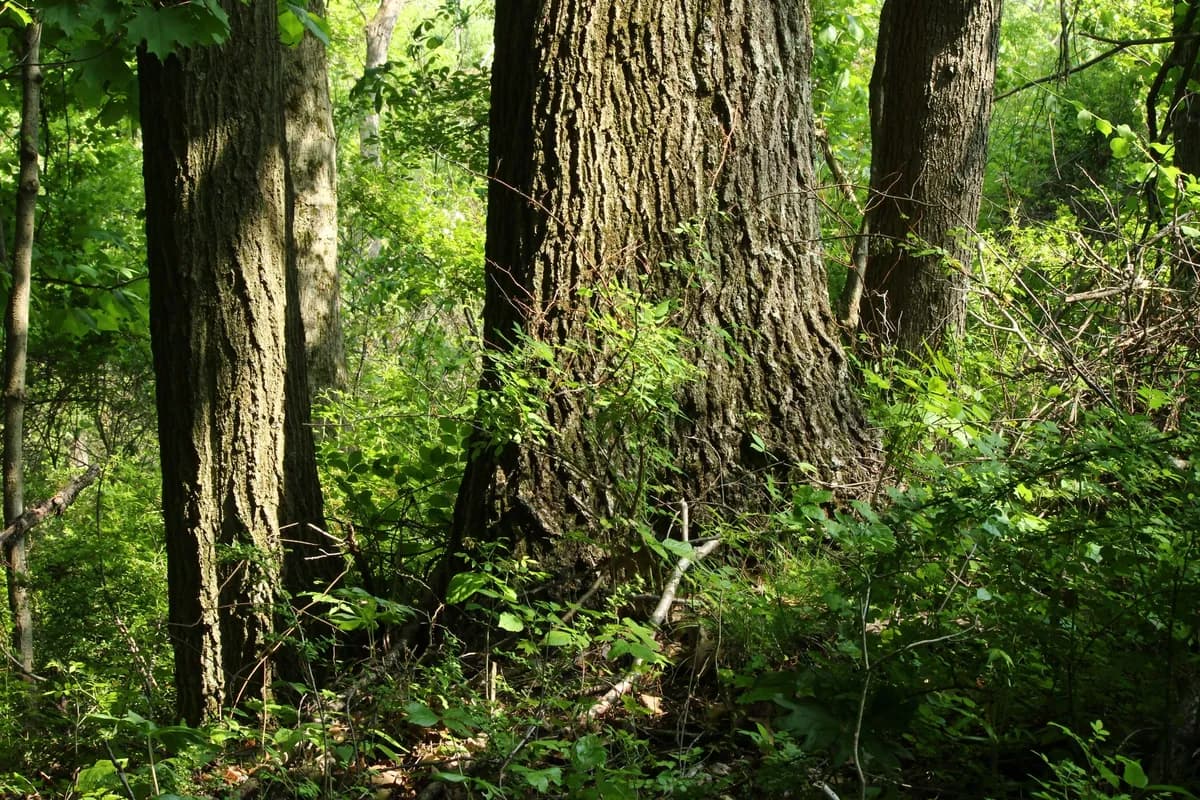
Northern Red Oak
Quercus rubra
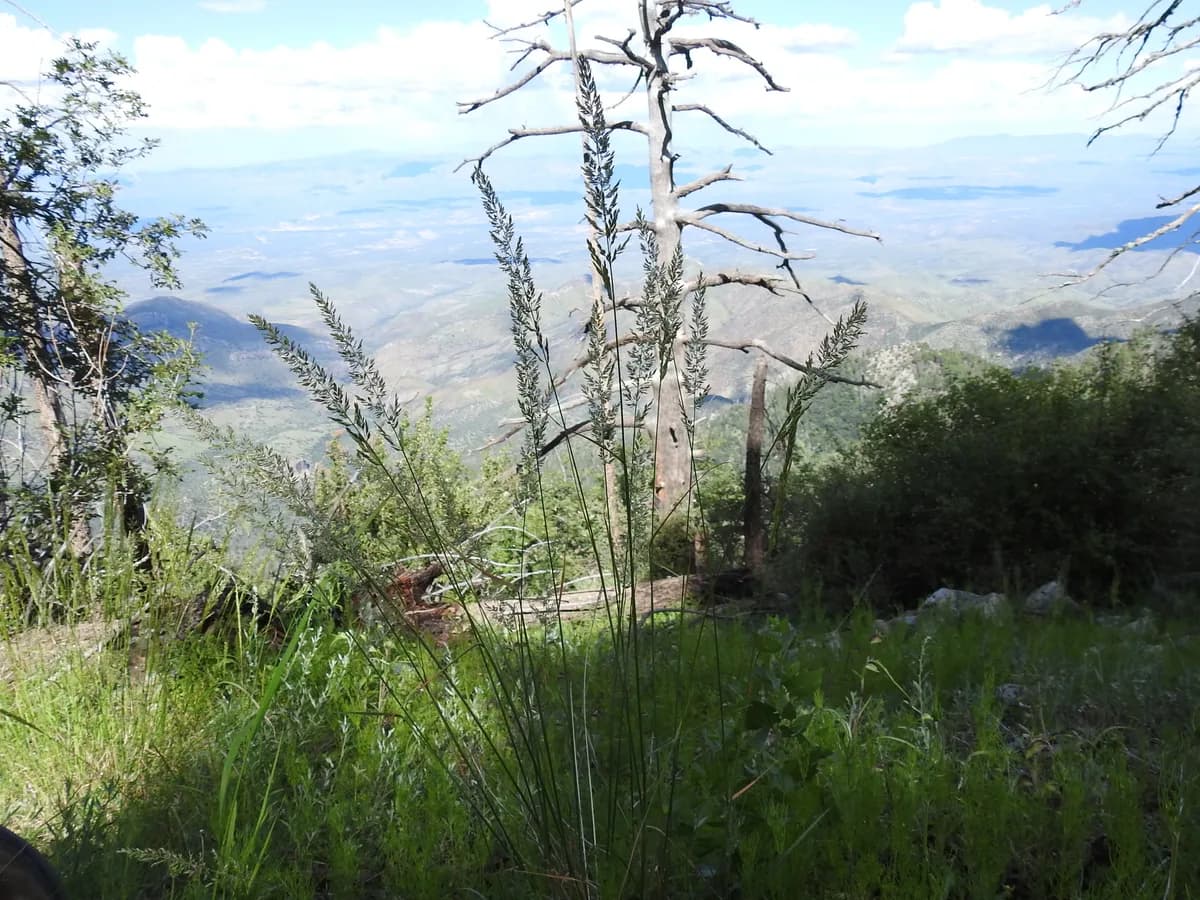
Prairie Junegrass
Koeleria macrantha
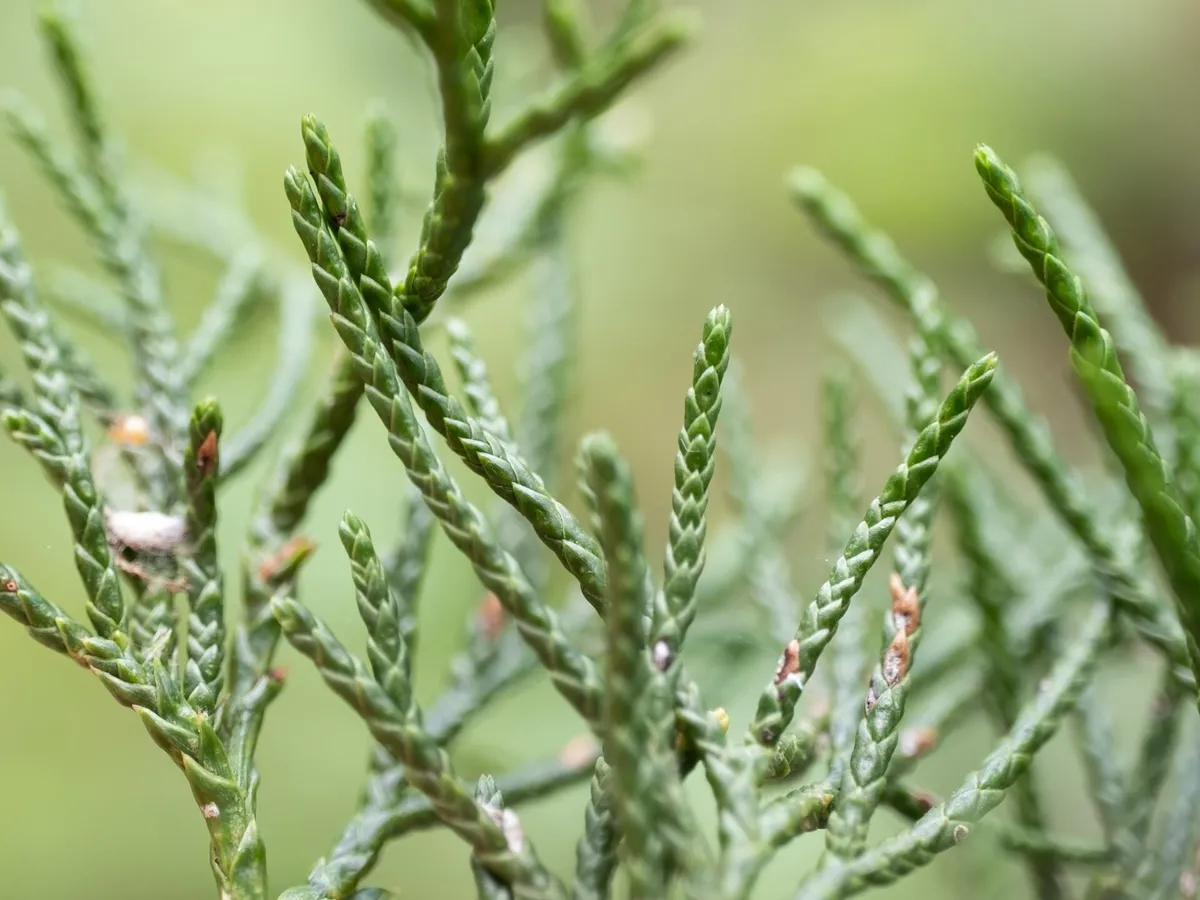
Eastern Red Cedar
Juniperus virginiana
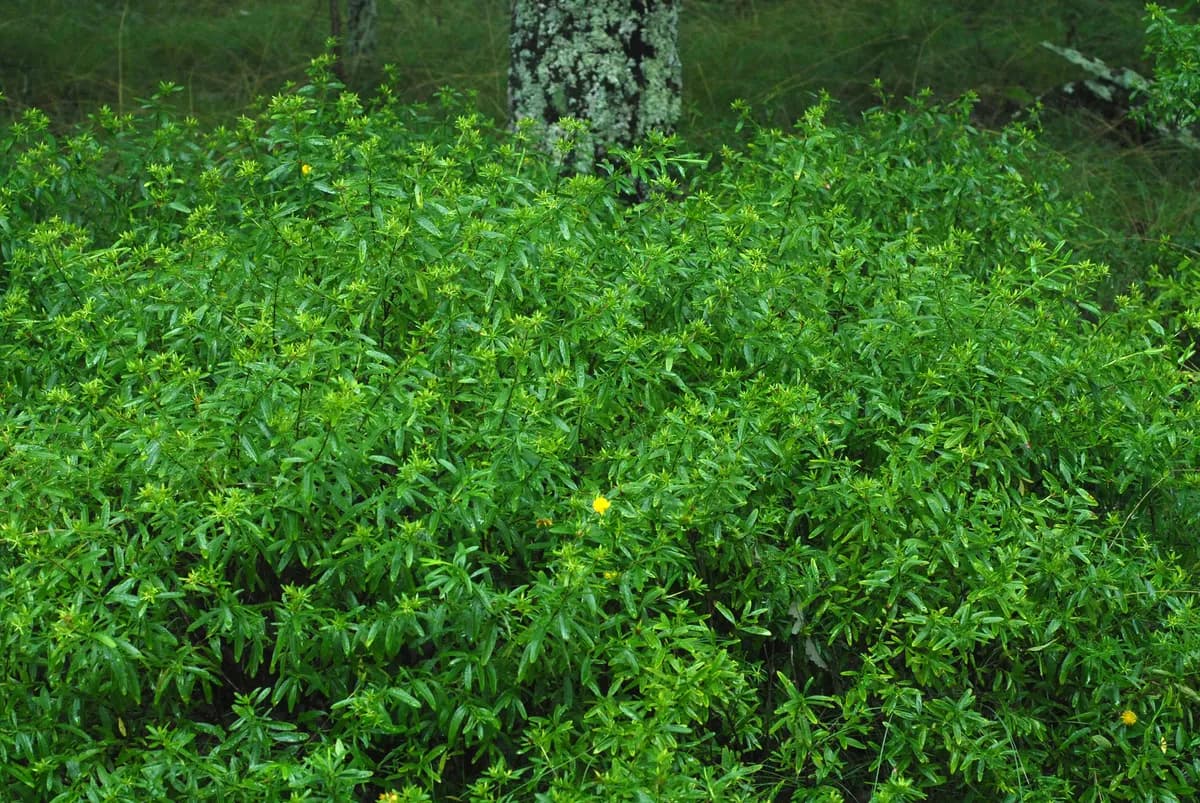
Broombush
Hypericum prolificum
Showing 48 of 1103. Enter your ZIP for the natives matched to your yard.
Fall care in the Northern Lakes and Forests
What to do right now for plants commonly grown here. Each links to the full regional care guide for that species, with sources.
- Old mans whiskers
Fall is a good time to plant or divide prairie smoke in Bemidji, giving roots time to settle before the ground freezes.
- Scarlet strawberry
Fall is a good time to plant, divide, or mulch wild strawberry ahead of Bemidji's hard winters.
- Blue giant hyssop
Bemidji's average first frost lands around September 26, early compared to most of the country, so bloom season ends quickly. Once frost blackens the foliage, leave the dried stalks and seed heads standing instead of cutting them back. They hold seed that goldfinches and other birds rely on into winter.
- Smooth aster
Fall bloom comes a bit earlier here than farther south, feeding pollinators before the first hard freeze.
- Prairie dropseed
Fall brings the best color of the year on prairie dropseed, with foliage turning orange and copper as seed heads mature.
- Rough stem goldenrod
Fall bloom arrives earlier here than in warmer regions, often peaking by mid-September.
- Little bluestem
Fall brings the best color of the year, with blades turning copper and rust.
- Black eyed susan
Fall comes early to the Upper Peninsula, so black-eyed Susan seed heads mature and dry quickly once nights turn cold.
- Switchgrass
Fall arrives early in the Upper Peninsula, and switchgrass responds with good color and seed for wildlife.
- Wild bergamot
Fall arrives early up here, so wrap up any planting before the ground cools too much.
Build a plan for the Northern Lakes and Forests
The Pollinator Patch App turns plants like these into a front-yard plan tuned for the soil, climate, and HOA expectations of the Duluth area.