Culver's Root
Veronicastrum virginicum
Last reviewed: October 2026
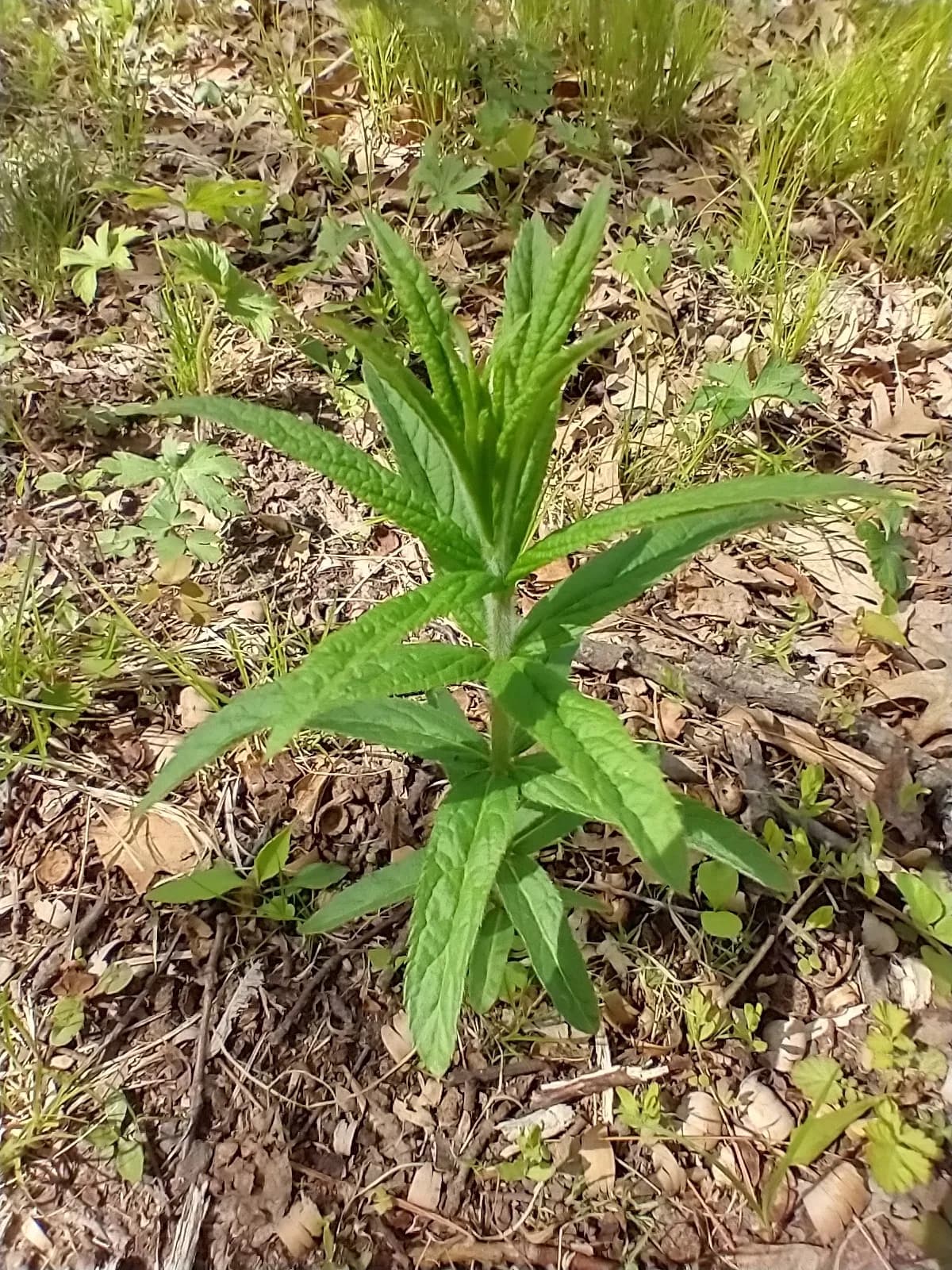
Veronicastrum virginicum, or Culver's Root, is an upright forb that blooms from June through August with tall white flower spikes. It grows well in full sun and consistently moist, medium to wet soil.
Toxicity unknown
Culver's Root (Veronicastrum virginicum) is not listed by the ASPCA Animal Poison Control Center (opens in new tab) or the other sources we check, so we have no verdict for it either way. Absence from those lists is not a clearance. If your pet shows symptoms after eating any plant, call the ASPCA at (888) 426-4435.
Light
full sun
Water
medium
Size
36"–72" H × 12"–24" W
Bloom
Jun, Jul, Aug
Native to
AL, AR, CT, DE and 30 more states
Pollinators
bees, butterflies, moths
Deer
Resistant (per Prairie Moon Nursery)
Before you buy
Your city may pay you to plant this
Cities and water utilities offer rebates for replacing lawn with native and water-wise plants. We track 459 programs across 44 states, each with a link to the provider and the date we last checked it.
Find rebates in your areaPicture natives in your own yard
Upload a photo of your yard and Patch Vision shows a rendering of it planted with natives for your region, like Culver's Root.


Browse plants for this ecoregion
Culver's root is a tall, stately native perennial that produces elegant white flower spikes from June through August. Its upright growth habit and clean foliage create a formal appearance that works well in structured garden settings.
Growing Culver's Root
Grow Culver's Root in full sun and medium water. Mature plants reach 36 to 72 inches tall and spread 12 to 24 inches wide. Expect low maintenance to keep it looking intentional in a front yard.
How to care for Culver's Root, by region
How to care for Culver's Root where it is actually grown: year-round basics plus what to do each season, region by region, with the sources for each.
Care guidance last updated: October 2026
Atlantic Coastal Pine Barrens (includes Riverhead, NY)
Year-round
Culver's Root is native to New York State, though it's rare in the wild today. The state lists it as Threatened, so a Riverhead garden planting should come from a nursery, never a wild-collected plant.
- New York's wild populations are scattered mostly south of the Adirondacks, on forest edges, north or northwest-facing slopes, and river bottomlands, per the state's own conservation survey.
- It's listed as Threatened in New York, meaning it's likely to become Endangered without conservation attention. Always buy nursery-propagated plants rather than digging or collecting from the wild.
- In the garden it's an adaptable native: 3 to 6 feet tall, full sun to part shade, and it wants soil that doesn't dry out for long stretches.
- Riverhead's naturally sandy Long Island soils benefit from compost or other organic matter worked in to help hold moisture for this plant.
Fall
As Riverhead heads toward its first fall frost, leave Culver's Root standing rather than cutting it back right after bloom.
- Cornell Cooperative Extension of Suffolk County recommends leaving perennial stems and seed heads up through fall and winter rather than trimming right after bloom, since they shelter hibernating native pollinators.
- Riverhead's average first fall frost lands around late October, with a near-certain frost by mid-November, so growth naturally slows well before then.
- Fruit and seed set continues into October for this species, so standing stems also mean more seed available for birds later in the season.
- This isn't the best time to plant new Culver's Root here. Spring or early summer planting gives roots more time to establish before winter.
Leaving stems up over fall reads as deliberate winter interest when the bed has a clean edge, rather than as an unfinished cleanup.
Winter
Culver's Root is reliably winter hardy on Long Island, and the dried stems left standing from fall are the main winter feature in the bed.
- The species is hardy well beyond Riverhead's mild coastal winters, so cold isn't a concern for an established planting here.
- Leave the dried stems and seed heads standing through winter rather than cutting them down. Cornell Cooperative Extension recommends holding off on cutback until spring for pollinator habitat.
- No winter mulching or protection is needed for an established planting in this climate.
- Wait until soil temperatures warm to around 55°F in spring before doing any cleanup or cutback.
Dried standing stems give the bed winter shape, but a clean-edged border helps it read as a planned feature through the off-season.
Spring
On eastern Long Island, hold off on spring cleanup in the Culver's Root bed until the soil has warmed, then cut back old stems and check for new shoots.
- Cornell Cooperative Extension of Suffolk County recommends waiting on spring cleanup until soil temperatures reach about 55°F, giving overwintering native pollinators time to emerge before old stems get cut.
- Riverhead's average last spring frost falls in mid to late April, with roughly a 90 percent chance of no frost by early May.
- Cut old stems to the ground once new growth is visible at the base, and keep new spring growth consistently watered, especially in Long Island's sandier, faster-draining soils.
- This is also a reasonable window to divide an overgrown clump if it has outgrown its space.
Waiting a few extra weeks on cleanup can look untidy to a passerby, so a clean-edged bed border helps it read as intentional rather than neglected.
Summer
Culver's Root reaches full bloom on Long Island in July, with tall white flower spikes that hold up through the area's humid summer stretches.
- Bloom typically runs from early July through late August in New York, per the state's own conservation survey data for the species.
- It naturally grows in moist floodplain and river-bottom habitat, so Long Island's sandy, fast-draining soil needs more frequent watering than the loamier soils it also tolerates.
- Deadheading is optional. Left in place, spent spikes turn into seed heads that feed birds later in the season.
- Full sun produces the sturdiest, most upright stems. In a partly shaded yard, a discreet stake keeps the tall spikes from leaning.
Sources: New York Natural Heritage Program: Culver's Root Guide, Lady Bird Johnson Wildflower Center, Native Plant Database: Veronicastrum virginicum, Cornell Cooperative Extension of Suffolk County: Plants For Pollinators, Mt. Cuba Center: Culver's-root Growing Guide
Central Corn Belt Plains (includes Chicago, IL)
Year-round
Culver's root is a tall, patient plant that likes full sun and moist soil.
- Give it full sun, 6 or more hours a day.
- Average to wet soil is fine, and it suits rain gardens and pond edges.
- It is slow to establish, so give it time.
- It grows 4 to 7 feet tall and 2 to 4 feet wide in USDA zones 3 to 8.
Fall
Fall is for cutting spent spikes if you want more flowers.
- Cut spent flower spikes back to the basal rosette for possible rebloom in fall.
Winter
Winter needs very little from you.
- It is hardy in USDA zones 3 to 8.
- It is a low-maintenance perennial and is listed as deer resistant.
Spring
Spring is for giving it room and patience.
- It is slow to establish, so do not worry if growth starts slowly.
- Plan for 4 to 7 feet tall and 2 to 4 feet wide.
Summer
Summer brings tall flower spikes that bees love.
- Spikes open from the top down from late spring into early summer.
- Bees and butterflies visit the flowers.
- It tolerates wet soil, so keep it from drying out.
Sources: NC State Extension Plant Toolbox: Veronicastrum virginicum
Central Irregular Plains (includes Kansas City, MO)
Year-round
Year-round care for Culver's root around Kansas City, MO: full sun to part shade, moist soil, and low upkeep.
- Give it full sun. The Wildflower Center also lists part shade.
- NC State says it grows in average to wet soil and tolerates wet conditions well. The Wildflower Center lists moist, rich soils.
- It is slow to get established, so be patient in the first seasons.
- Expect 4 to 7 feet tall and 2 to 4 feet wide.
- It needs little maintenance. Cut spent flower spikes back to the rosette for a possible fall rebloom.
- White, pink, or blue flower spikes open from July through September.
Tall, straight spikes read as structured and deliberate when placed toward the back of a bed. A clean edge of shorter plants in front keeps the height looking planned.
Sources: Lady Bird Johnson Wildflower Center: Veronicastrum virginicum, NC State Extension Plant Toolbox: Veronicastrum virginicum
Cross Timbers (includes Fort Worth, TX)
Year-round
Culver's root can grow in Fort Worth's clay prairie soil if you give it steady moisture and a little afternoon shade, since Fort Worth summers run hotter and drier than the moist meadows this plant evolved in.
- Plant in spring or fall into enriched, well dug clay soil so roots can settle before summer heat arrives.
- Water deeply once or twice a week through the first growing season, this plant does not tolerate drying out the way many Texas natives do.
- Once established, keep watering during dry summer stretches, Culver's root wants consistently moist soil, not xeric conditions.
- Lay 2 to 3 inches of mulch to hold moisture and keep clay soil from baking hard in summer heat.
- The most common mistake is treating it like a drought-tolerant prairie plant and letting it go dry, in Fort Worth heat that stress shows up fast as browning leaf edges and stunted bloom spikes.
- Give it afternoon shade if you can, a few hours of relief from the hottest sun helps it hold moisture better here.
Culver's root's straight white flower spikes read as structured and formal, which many HOA-conscious front yards want, but give it support or companion plants so tall stems do not flop and look unkempt.
Fall
Flowering winds down by September as temperatures ease.
- Leave seed heads standing through fall, they feed finches and other seed eating birds through the cooler months.
- Fall is a good time to plant new Culver's root, cooler temperatures let roots establish before next summer's heat.
- Divide overcrowded clumps now if needed, giving new divisions a full season to settle in.
- Taper off watering as temperatures drop and rainfall typically increases.
Winter
Fort Worth winters are mild with occasional hard freezes, and the plant dies back to the ground on its own.
- No winter protection is needed, established roots handle Fort Worth's typical winter lows fine.
- If stems were left standing, cut them to a few inches above ground in late winter before new growth starts.
- Skip watering unless the season turns unusually dry, dormant roots need far less moisture than active summer growth.
- Leave the crown undisturbed through any hard freeze nights, mulch already in place is enough buffer.
Bare winter stems can look messy to a strict HOA eye, if that is a concern in your neighborhood, cut them back after the first hard freeze instead of leaving them all winter.
Spring
New shoots break dormancy as Fort Worth's soil warms in March and April.
- Plant new divisions now while soil is still cool and moist from spring rain, ahead of the coming summer heat.
- Water new plantings well to help roots establish before Fort Worth's heat sets in around June.
- Watch tall stems as they grow, stake them or interplant with sturdier neighbors if your spot gets wind.
- Skip heavy fertilizer, rich Blackland clay usually already has enough nutrients for this plant.
Summer
Bloom spikes open June through August, and this is the plant's most demanding season in Fort Worth.
- Water deeply through Fort Worth's hot, dry stretches, summer moisture stress is the real challenge here, not winter cold.
- Deadhead spent spikes back to the rosette for a chance at fall rebloom, or leave a few for seed.
- Watch for leaf scorch on the hottest afternoons, that is a sign the plant needs more water or more shade.
- Keep mulch topped up so soil does not bake and crack around the roots during the driest weeks.
Sources: Lady Bird Johnson Wildflower Center - Veronicastrum virginicum, NC State Extension Plant Toolbox - Veronicastrum virginicum
Eastern Corn Belt Plains (includes Columbus, OH)
Year-round
A tall, tough perennial that is slow to settle in.
- Plant it in full sun, at least 6 hours of direct light.
- It prefers average, medium to wet soil and tolerates wet conditions.
- It is slow to get established, so be patient in the first years.
- It is deer resistant and maintenance is rated low.
Fall
Cut spent flowers for a possible second bloom.
- Cut spent flowers to the rosette for possible rebloom in the fall.
- The stems are strong, upright and branching.
- It is deer resistant.
Winter
Hardy and low fuss.
- The plant is hardy in USDA zones 3a through 8b.
- Maintenance is rated low.
- Expect a slow start again in spring if it is a young plant.
Spring
Give it space for a 4 to 7 foot plant.
- Plant in full sun. It can grow 4 to 7 feet tall and 2 to 4 feet wide.
- Expect it to be slow to get established.
- Seed is the recommended way to propagate it.
Summer
Flowers open from the top down.
- Flowers open from the top down starting in late spring.
- Both long and short tongued bees collect pollen and nectar.
- Butterflies, moths and syrphid flies also visit.
Sources: NC State Extension Plant Toolbox, Veronicastrum virginicum
Edwards Plateau (includes San Antonio, TX)
Year-round
San Antonio's thin limestone soil and dry summers put this moisture-loving plant outside its comfort zone, so it needs real soil prep and reliable water to do well here.
- Amend planting holes with compost, San Antonio's caliche and limestone drain too fast to hold the moisture Culver's root wants on their own.
- Water new plants two to three times a week the first season, shallow limestone soils here dry out faster than deeper prairie clay.
- Once established, keep up regular watering through San Antonio's long dry summer, this plant will not thrive on rainfall alone the way many Hill Country natives do.
- Mulch heavily, 3 inches or more, to slow evaporation from thin rocky soil.
- The most common mistake is planting it in a typical xeriscape bed with cactus and agave, Culver's root needs the moist end of your garden, not the dry end.
- Choose a spot with morning sun and afternoon shade to ease heat and moisture stress.
The upright white spikes give a tidy, vertical look that fits HOA-conscious front beds, but a stressed, underwatered plant droops and browns fast in San Antonio heat, which reads as neglect rather than intentional design.
Fall
As temperatures ease in October, watering needs start to drop.
- Leave some seed heads for birds through the fall rather than cutting everything back right away.
- This is the best time to plant new divisions, cooler weather and typically better fall rainfall give roots a chance to establish before next year's heat.
- Cut back fully browned stems once they've finished providing winter interest.
- Reduce your watering schedule gradually as San Antonio's fall rains pick up.
Winter
San Antonio winters are mild, with only occasional hard freezes, and the plant goes fully dormant.
- Cut old stems back to a few inches in late winter before new growth starts.
- No frost protection is needed for established roots, but watch first year plantings during any hard freeze night.
- Cut back on watering, dormant roots need very little moisture through the mild San Antonio winter.
- Leave mulch in place, it buffers roots through any cold snaps that do arrive.
If dead winter stems are a concern for your HOA, cut them back once they've browned rather than leaving them standing through San Antonio's mild winter.
Spring
Plant in early spring once nights stay above freezing, giving roots time to settle before summer heat.
- Amend soil generously with compost at planting time since native caliche won't hold enough moisture on its own.
- Water new plantings often as spring winds and rising temperatures dry the thin soil quickly.
- Watch for tender new shoots, San Antonio spring can bring both late cold snaps and early heat spikes.
- Hold off on fertilizer, focus energy on getting the watering routine established instead.
Summer
This is the hardest season for Culver's root in San Antonio.
- Water deeply two to three times a week during the worst heat, thin rocky soil here dries out fast.
- Provide afternoon shade if possible, full San Antonio summer sun on limestone soil stresses this plant more than it would in a moister climate.
- Deadhead spent blooms back to the rosette to keep the planting tidy and encourage a shot at fall rebloom.
- Check mulch depth and top it off if it has thinned, it is doing a lot of work holding moisture right now.
Sources: Lady Bird Johnson Wildflower Center - Veronicastrum virginicum, NC State Extension Plant Toolbox - Veronicastrum virginicum
Erie Drift Plain (includes Cleveland, OH)
Year-round
Culver's root is a tall, upright native perennial that wants steady moisture and full sun, and it earns its keep in a Cleveland-area yard if you site it toward the back of a bed.
- Native to Ohio and the eastern and central United States, and at home in the moist meadow and prairie conditions found across the Erie Drift Plain.
- Give it full sun to part shade. In the heavy clay and glacial till common around Cleveland, part afternoon shade helps it hold up in July heat.
- Water is the main thing. It wants soil that stays evenly moist. In a dry stretch of 10 days or more, give it a deep soak or the leaves will scorch at the edges and the plant will wilt.
- Expect 4 to 6 feet tall with whorled leaves and white candelabra flower spikes from June into August.
- It clumps and stays put. It does not run or spread by underground stems, so it will not take over the bed.
- Skip fertilizer. Rich feeding just makes the stems taller and floppier. A two inch mulch ring holds moisture better than any feeding would.
At 4 to 6 feet, this belongs at the back of a bed or the mid to rear of a front planting, never at the street edge. Keep a clean, defined front edge in front of it so the height reads as a designed layer rather than something overgrown.
Fall
Fall is when you decide whether the stems stand for winter or come down, and that choice is mostly about how visible the plant is from the street.
- Bloom finishes and the spikes dry to tan seed heads. The foliage often turns a soft yellow before frost.
- Leaving the stems standing gives winter structure above lake-effect snow and lets birds work the seed heads. If you can accept the look, this is the better wildlife choice.
- If you want it tidy, cut stems to about three inches after a hard frost. Cutting later, in early spring, is equally fine for the plant.
- Keep watering until the ground starts to freeze, especially for a plant set out this year. Fall drought going into winter is harder on roots than the cold is.
- Fall is a reasonable window to move or divide an established clump in zone 6, but do it early enough that roots settle before the ground locks up.
- No fall fertilizer. Let the plant harden off on its own.
For a front yard, a clean compromise works well: cut the plants nearest the street or walk to a few inches, and leave the back of the bed standing. You get the tidy edge and still keep the seed heads.
Winter
Winter is a do-nothing season for this plant in the Cleveland area, since it is fully hardy here and needs no protection.
- Culver's root is reliably hardy through zone 6a and 6b winters. Lake-effect snow is a benefit, not a threat, because it insulates the crown.
- Leave standing stems alone if you kept them. They catch snow and give the bed some vertical interest in a flat white season.
- Do not pile heavy wet mulch on the crown. This plant sits in clay that already holds water, and a soggy smothered crown is the one real winter risk.
- If a heavy ice load snaps stems, just snip the broken pieces off. There is nothing to save and no harm done.
- Skip winter watering. Ohio winter moisture is plenty.
- Use the quiet months to plan. If the plant flopped or scorched last year, note whether it needs a wetter, sunnier, or more sheltered spot, and move it in spring.
Standing dry stems can read as neglect on a front lawn by February. If yours are still up and looking ragged, cut them then rather than waiting for spring.
Spring
Spring is for patience, moisture, and the one optional cut that keeps this plant from flopping later.
- Culver's root wakes up late. Bare stems or an empty spot in April is normal and does not mean the plant died. Wait until mid to late May before you decide anything.
- If you cut the old stems back in fall, clear any remaining stubble now. If you left them standing for winter, cut them to about three inches once new growth shows at the base.
- Keep the soil moist while it puts on height. Spring rain around Cleveland usually handles this, but check during a dry warm spell.
- Optional flop control: in late May or very early June, when stems are roughly two feet tall, cut the top third off. This gives you a shorter, sturdier plant with slightly later, more branched bloom. Do this instead of staking if the site is windy or part shade.
- If you would rather keep full height, set a grow-through ring or a few stakes now while the plant is short, not after it leans.
- Spring is the better time to divide in a cold zone like 6a to 6b. Dig the clump as growth starts, split it with a spade, and replant the outer pieces at the same depth.
The bare, slow start in April can look like a dead spot at the front of a house. Pair it with an early bulb or a low evergreen in front so the bed still reads as tended while the stems catch up.
Summer
Summer is bloom season, and the whole job is keeping water steady so the plant does not wilt or brown out.
- White spikes open in June and carry through August. Culver's root is a strong nectar plant for native bees and other pollinators during that window.
- Water deeply once a week during dry stretches, more in a heat wave. Wilting leaves and crispy leaf edges are the plant telling you the soil dried out.
- A soaker hose or a slow hose at the base beats overhead sprinkling. Wet foliage in humid Ohio summers invites leaf spotting.
- Watch for lean after a thunderstorm. If stems tip, tie them loosely to a stake rather than trying to prop the whole clump.
- Deadheading spent spikes can bring a lighter second flush and keeps the plant looking neat, but it is optional.
- Refresh mulch if it has thinned. Bare clay bakes hard and sheds water instead of soaking it in.
Trimming finished brown spikes through August is the single easiest thing that keeps a tall plant looking intentional from the sidewalk.
Sources: USDA PLANTS Database, Veronicastrum virginicum (VEVI3), Lady Bird Johnson Wildflower Center, Veronicastrum virginicum, Xerces Society, Pollinator Plants: Great Lakes Region
Huron/Erie Lake Plains (includes Toledo, OH)
Year-round
Culver's root is native to Ohio, including meadows and woodland edges in the northeast part of the state, and grows well in the Toledo area with full sun and consistently moist soil.
- This plant's native range covers Ohio, so it is naturally suited to our Great Lakes climate and soils.
- Give it full sun, 6 or more hours a day, and soil that stays evenly moist. Toledo's heavy lake-plain clay works if the site is not constantly waterlogged.
- Mature plants reach 4 to 6 feet tall with an upright, unbranched form that usually does not need staking.
- No major pest or disease problems are documented, and it is not a typical deer favorite.
Fall
Fall arrives earlier in Toledo than in warmer parts of this plant's range, so plan to cut back or divide before our first frost.
- Our average first frost is in mid October, earlier than much of the rest of this plant's range, so expect the growing season to wind down by then.
- Cut the plant back to the ground after frost blackens the foliage, or leave stems standing for winter interest and wildlife.
- Fall division is possible but spring is generally the safer window here, given our shorter season before hard freezes.
- Avoid fertilizing in fall. New soft growth right before frost is more prone to cold damage.
Winter
Toledo winters are cold, so this plant relies on its dormant root system and benefits from a bit more winter protection than in milder climates.
- If stems were left standing in fall, cut them to the ground in late winter before new growth starts.
- A layer of mulch over the root zone after the ground first freezes helps buffer the freeze-thaw cycles common in our winters.
- Standing dead stems give seed and shelter to birds and insects through the cold months if you leave them up.
Leaving the tall dead stems up through winter helps wildlife, but cutting back by late winter keeps a visible front-yard bed looking tended. HOA-conscious tradeoff, your call.
Spring
Toledo has a shorter, later spring than warmer regions, so plant and divide once the ground has fully warmed.
- Our average last frost is late April into early May, later than most of the country, so hold off planting new starts or dividing outdoors until then.
- Divide older, congested clumps in spring once new shoots are a few inches tall.
- Water new plantings during dry spells while roots establish, especially if spring rain is light.
- Skip fertilizer at planting. Compost worked in is enough for this plant.
Summer
Toledo summers are warm but shorter than in the South, so this plant has less time to bloom before fall here.
- Water during dry stretches. This plant prefers soil that does not fully dry out, and our lake-plain clay can still dry hard in a summer dry spell.
- Deadhead spent flower spikes to keep the plant blooming into late summer.
- It draws bees, butterflies, and other pollinators well through its bloom window here.
- Staking is rarely needed if the plant gets full sun and steady moisture.
Sources: Lady Bird Johnson Wildflower Center - Veronicastrum virginicum, NC State Extension Gardener Plant Toolbox - Veronicastrum virginicum, Old Farmer's Almanac - Frost Dates for Toledo, OH (community tip), Gardenia.net - Grow the Perfect Culver's Root (community tip), Prairie Moon Nursery - Culver's Root
Lake Agassiz Plain (includes Fargo, ND)
Year-round
Culver's root is right at home in Fargo's climate, it is winter hardy well into USDA zone 3 and just needs the moist prairie soil it evolved in.
- Plant in spring after the last frost into rich, moisture retentive soil, Fargo's clay loam prairie soils suit this plant well.
- Water regularly the first year while roots establish, Culver's root is naturally slow to get going even in good conditions.
- Once established, keep soil consistently moist, this is not a drought tolerant prairie plant, it wants the wetter end of your beds or a spot near a downspout.
- Mulch 2 to 3 inches to hold moisture through Fargo's hot summer stretches and to buffer roots ahead of the region's deep winter freeze.
- The most common mistake here is underestimating its water needs because it looks like a tough prairie native, in a Fargo summer dry spell it will wilt and stop blooming without irrigation.
Culver's root's tall, orderly flower spikes give a clean vertical accent that suits HOA-conscious front beds, plant it in a cluster rather than a single stem so it reads as a planned feature rather than a stray weed.
Fall
Growth slows as nights cool in September.
- Leave seed heads standing, they are valuable winter food for finches on the prairie.
- Fall is a fine time to divide overcrowded clumps, giving roots time to settle before the ground freezes.
- Reduce watering as temperatures drop and the plant heads into dormancy.
- Get any new divisions in the ground early in the season so roots have time to anchor before frost.
Winter
Fargo winters are long and hard, often well below zero, and Culver's root is fully cold hardy here once established.
- No special winter protection is needed, established roots are hardy to USDA zone 3.
- Leave old stems standing over winter for insect habitat and snow catch, this also helps insulate the crown.
- Cut dead stems back in late winter or very early spring before new growth starts.
- Do not water during the frozen months, dormant roots need none.
If bare winter stems would draw HOA attention, cut them back after the ground freezes rather than leaving them standing all winter, though many neighborhoods appreciate the wildlife value of leaving them up.
Spring
New growth emerges late, often not until May once soil warms after Fargo's long winter.
- Be patient, this plant is slow to break dormancy and slower still to bulk up in its first couple springs.
- Plant new divisions once the ground is workable and frost risk has passed.
- Water in new plantings well since spring can turn dry quickly on the prairie.
- Skip fertilizer this early, let the plant focus on root establishment first.
Summer
Bloom spikes open in July and August.
- Water during Fargo's hot, sometimes dry summer weeks, especially any stretch without rain.
- Deadhead back to the rosette for a tidier look and a shot at fall rebloom, or leave spikes for pollinators and later seed.
- Watch for tall stems leaning in prairie wind, stake or plant among sturdier neighbors if your site is exposed.
- Keep mulch topped up to buffer roots through any hot, dry stretch.
Sources: Lady Bird Johnson Wildflower Center - Veronicastrum virginicum, Prairie Moon Nursery - Veronicastrum virginicum, NC State Extension Plant Toolbox - Veronicastrum virginicum
Middle Atlantic Coastal Plain (includes Philadelphia, PA)
Year-round
Culver's root is a tall, upright native perennial confirmed native to Pennsylvania by the Pennsylvania Flora Project. In the Philadelphia area (USDA zone 7a to 7b) it grows well in the region's humid summers and moist clay loam soils typical of the piedmont and coastal plain.
- Give it full sun to light afternoon shade. Afternoon shade helps in Philadelphia's hottest, most humid stretches.
- Plant in average to rich soil that stays consistently moist. It tolerates brief dry spells once established but does best without long droughts.
- Stems typically reach 3 to 6 feet with spikes of white to pale lavender flowers blooming from late June into September.
- The Lady Bird Johnson Wildflower Center notes special value to native bees and honeybees, and deer and rabbits generally leave the foliage alone.
Fall
Fall around Philadelphia (first frost typically early to mid November) is when Culver's root finishes its bloom cycle and heads into dormancy.
- Seed heads can stay up after bloom fades. They hold their shape well and goldfinches and other birds will feed on the seed.
- For a tidier front yard look, cut stems down to a few inches once they've browned after the first hard frost.
- Early to mid fall, at least four to six weeks before the ground freezes, is a good window to divide or transplant clumps.
- A light layer of shredded leaf mulch around the base after frost helps protect the crown through winter.
A clean cutback reads as a tended front bed, and leaving the seed heads standing instead is an equally intentional, tidy look most HOAs read as a deliberate choice rather than neglect.
Winter
Winter in the Philadelphia area is comparatively mild for the region (zone 7a to 7b), and Culver's root is fully dormant with no live growth above ground.
- If stems were left standing in fall, their fine seed head silhouette adds subtle structure to an otherwise bare bed.
- The root crown is hardy well past Philadelphia's typical winter lows and needs no extra covering once established.
- Keep foot traffic off the dormant crown, especially during freeze thaw cycles, which can heave shallow roots.
- Winter is a good time to plan any spring division, since the plant's spot is still marked by last year's stems or a plant tag.
Either a cut back bed or a deliberately left standing seed head display reads as an intentional, cared for front yard through the dormant season.
Spring
Spring around Philadelphia (last frost typically early to mid April, zone 7a to 7b) is when Culver's root emerges and resumes active growth.
- New shoots appear in mid to late April. Clear away last year's dried stems once new growth is visible so the crown gets full light.
- Spring, once shoots are a few inches tall, is the best time to divide crowded clumps with a spade, keeping roots attached to each section.
- Water newly divided or newly planted crowns regularly through spring while roots establish in the still cool soil.
- No fertilizer is usually needed in reasonably rich piedmont soil, but a light compost topdressing can help in leaner, sandier spots.
Summer
Summer is peak season for Culver's root in the Philadelphia area, with bloom running from roughly late June through August in the region's warm, humid climate.
- Deep water during dry spells longer than a week or two. Established plants otherwise handle Philadelphia's summer humidity well.
- Cutting spent flower spikes back to the small side rosettes can bring a lighter second bloom in early fall.
- Upright stems in full sun rarely need staking. Plants grown in shadier spots can flop and may need a discreet stake or grow-through ring.
- No serious pests or diseases are typical for this plant in the region.
Sources: Lady Bird Johnson Wildflower Center Native Plant Database, Veronicastrum virginicum, NC State Extension Plant Toolbox, Veronicastrum virginicum, Mt Cuba Center, Culver's-root (Veronicastrum virginicum)
North Central Hardwood Forests (includes Minneapolis, MN)
Year-round
Culver's Root is part of Minnesota's native flora and grows well in a Minneapolis-area garden with full sun to part shade and soil that stays evenly moist.
- Reaches 3 to 6 feet tall with narrow, whorled leaves and tall, candelabra-shaped white flower spikes.
- Naturally found in Minnesota fields, prairies, and along woodland edges, so it tolerates both average garden soil and consistently moist spots.
- Full sun keeps the stems sturdiest. In part shade the tall spikes may lean and can benefit from a discreet stake or grow-through support.
- Once established, it draws native bees and honey bees, with bumble bees and hummingbirds regularly seen nectaring on the flower spikes.
Fall
As the Twin Cities head toward the first fall frost, let Culver's Root stand rather than cutting it back right away.
- Leave the seed heads and stems standing after bloom fades. They add winter structure and feed birds through the colder months.
- If a full cutback is wanted, the Upper Midwest calendar places general perennial cutback in November, once the plant has gone dormant.
- Growth naturally slows heading into the Minneapolis area's typical late September to early October first frost.
- Fall isn't the best window for planting new Culver's Root here. Spring through mid-summer planting gives roots more time to establish before winter.
Standing seed heads read as an intentional native planting rather than an unfinished bed, especially with a clean-edged border along the front.
Winter
Culver's Root is a hardy, cold-tolerant perennial that needs little from a Minneapolis gardener once winter sets in.
- The species is winter hardy well into USDA zone 3, so Twin Cities winters fall comfortably within its normal range.
- Leaving stems standing over winter rather than cutting them to the ground in fall gives some insulation to the crown and shelter for overwintering insects.
- No winter watering, wrapping, or mulching is needed for an established planting in this climate.
- Heavy, wet snow can flatten the dried stems. That's cosmetic only. The plant regrows from the root each spring regardless.
Dried standing stems give the bed winter interest and shape, but a clean-edged border helps it read as a planned feature rather than an overlooked patch.
Spring
Early spring in Minneapolis is the window to cut back last year's stems and, if needed, divide an overgrown clump before new growth gets tall.
- Cut old stems down to the ground in March or April, before new shoots get tall, per the general Upper Midwest perennial care calendar.
- Mid-April through June is the recommended window for dividing an established clump that has outgrown its space.
- Regular watering resumes around the third week of April in this region. Keep new spring growth consistently moist.
- New shoots are slow to appear, so mark the spot in fall if the plant is easy to lose track of in a mixed bed.
Cutting the old stems down in early spring keeps the bed tidy right as neighboring yards green up for the season.
Summer
Culver's Root reaches full bloom in the Twin Cities in July, with tall white flower spikes that carry the display into August.
- Bloom typically runs from late June or July into August, later in the season than many other Minnesota prairie natives.
- It naturally grows in floodplains and wet meadows, so water it during dry summer stretches. It's less drought-tolerant once established than many other natives.
- Deadheading spent spikes from June through September can help extend the bloom period, following general Upper Midwest perennial guidance.
- Stems in full sun rarely need staking, but a spot with afternoon shade may need a discreet support ring to keep the tall spikes upright.
Sources: Lady Bird Johnson Wildflower Center, Native Plant Database: Veronicastrum virginicum, Minnesota Wildflowers: Culver's Root (community tip), UMN Extension: Upper Midwest Home Garden Care Calendar, Mt. Cuba Center: Culver's-root Growing Guide
Northeastern Coastal Zone (includes New York, NY)
Year-round
Culver's Root is a tall, upright, clumping perennial that reaches 4 to 7 feet when it flowers, with candelabra-like white spikes in midsummer. Height is the whole story for a front yard: it belongs at the back of a bed, and it holds itself upright best in full sun with soil that stays evenly moist. Grown in too much shade it stretches and leans, which is the usual reason people end up staking it. One honest caution before you dig anything up: the root has a long documented history as a strong purgative, and it is not something to handle, harvest, or let anyone chew.
- Allow 2 to 4 feet of width per clump and plan for 4 to 7 feet of height at bloom; it forms a clump rather than running through the bed (Missouri Botanical Garden)
- Give it 6 or more hours of direct sun, since plants grown in too much shade tend to flop and then need support (Missouri Botanical Garden, North Carolina Extension Gardener Plant Toolbox)
- This species is recorded as native in New York and is scattered through the state south of the Adirondacks, though wild populations are state-listed as Threatened, so buy nursery-grown plants rather than collecting (New York Flora Atlas, New York Natural Heritage Program)
- The root contains a powerful emetic and cathartic, so leave the crown undisturbed and keep it out of reach of curious children and animals that dig (Lady Bird Johnson Wildflower Center)
- Botanical authorities describe the fresh root as a violent cathartic and possibly emetic, with the dried root milder, and no authority we found covers effects on household animals, so treat the root as strictly hands-off (Cornell Botanic Gardens, USDA Forest Service)
Height is what neighbors actually notice. Keeping the tallest stems behind a lower, well-edged front row makes the planting read as a designed bed rather than something that got away from you, which is the HOA-friendly way to use a plant this size.
Fall
Flowering finishes and the spikes turn to dark seed capsules that hold their candelabra shape well into October in New York. Fall is the other good window for dividing a clump that has gotten crowded. The real decision is whether to cut the stems down now for a clean bed or leave them standing through winter.
- Lift and split crowded clumps in late fall once the plant has stopped growing; root division is the most reliable way to make more of it (Lady Bird Johnson Wildflower Center)
- Either cut stems down to about 6 inches in late fall, or leave them standing and do the cleanup in early spring instead (PlantNative)
- Leaving the stems up over winter gives shelter to beneficial insects, which is why many native-plant growers skip the fall cutback entirely (Prairie Moon Nursery)
- If you want volunteer seedlings, surface-sow the very fine seed in fall rather than burying it, since it needs roughly three months of cold and needs light to germinate (Lady Bird Johnson Wildflower Center)
- Fruits stay on the plant through October in New York, so the spikes keep their upright shape long after the flowers finish (New York Natural Heritage Program)
Fall is the fork in the road for curb appeal. Cutting it down gives you a clean, bare bed; leaving it up gives you winter structure. Either one reads as intentional, as long as you pick one and keep a crisp bed edge. What reads as neglect is half-cut stems and a soft, blurred edge.
Winter
A New York City winter is no trouble for this plant, which is rated well north of here. It dies back to the ground, so a bare gap where it stood is normal, not a failure. If you left the stems up, the stiff dark spikes stand through snow and give the bed real vertical structure. Cut them down in late winter or very early spring, before new shoots start pushing.
- Rated for USDA zones 3 through 8, so an established clump is in no danger from a New York City winter (Missouri Botanical Garden)
- Left standing, the stiff stalks hold their shape through snow and give small birds shelter and a place to perch (PlantNative)
- Cut the old stems all the way to the ground in late winter or very early spring, ahead of new growth, if you did not cut them in fall (Prairie Moon Nursery, PlantNative)
- It dies back completely and returns from the ground each year, so an empty patch in January does not mean the plant is gone (Prairie Moon Nursery)
- No mulching or winter protection is needed; once established this is a low-maintenance perennial with no serious insect or disease problems (Missouri Botanical Garden)
Left up, the dark seed spikes read as deliberate winter structure rather than dead growth, especially against snow, and that is a genuinely HOA-friendly look. If your street's norm is bare, cut-down beds, keeping a clean edge and an even height across the standing stems is what makes it look chosen rather than forgotten.
Spring
Spring is when you decide how tall this plant will be in August. Heavy New York spring rain suits it, since it wants soil that never fully dries. Early spring is one of the two good windows for dividing a crowded clump. Then in late May or early June, you have a choice: leave it alone and accept a 6 foot plant, or cut the stems back by a third to a half for a shorter, bushier plant that holds itself up without stakes.
- Divide crowded clumps by lifting and splitting the roots in early spring as new growth appears, or wait for late fall; both windows work better than midsummer (Lady Bird Johnson Wildflower Center)
- Once stems have put on roughly 6 to 12 inches of growth in late May or early June, cut them back by up to half; the plant comes back shorter, branches more, needs less staking, and flowers a bit later (Royal Horticultural Society)
- For Culver's Root specifically, cutting the stems back by a third to a half in mid to late spring delays bloom but produces heavier flowering on the branched stems (Horticulture magazine)
- Do not worry about a wet spring; this plant grows in average to wet soil and the ground should not be allowed to dry out (Missouri Botanical Garden)
- New plants take several years to settle in and reach full size, so pick the spot carefully and resist moving them each season (Missouri Botanical Garden)
If last year's stems leaned into the walkway or across the lawn edge, the late-spring cutback is the low-effort fix. A 3 to 4 foot plant standing on its own looks tidier from the sidewalk than a 6 foot one propped up on stakes and twine.
Summer
This is the show. The white spikes open from midsummer and carry for about a month, and in New York the records run early July into late August. The main job is water: a hot, dry New York City stretch will yellow the leaves and shorten the display. Deadheading the finished spikes can buy you a second, smaller flush later in the season.
- Water through dry spells rather than letting the soil bake, since the ground should not dry out and leaves turn yellowish green in drought or very hot sun (Missouri Botanical Garden, Illinois Wildflowers)
- Cut spent flower spikes back to the leafy rosette for a possible rebloom later in the season (North Carolina Extension Gardener Plant Toolbox)
- Expect about a month of bloom, with New York flowering records running from early July through late August (New York Natural Heritage Program)
- Plants in genuine full sun usually stand on their own; staking is mostly needed when they are grown in too much shade (Missouri Botanical Garden)
- Long-tongued and short-tongued bees work the spikes heavily, along with butterflies, moths, wasps, and flower flies, so expect a lot of insect traffic at eye level (Cornell Botanic Gardens)
A 6 foot stem lying across the lawn edge after a thunderstorm is the thing a neighbor reads as neglect. Walk the bed after summer storms and reset or trim any stem that has gone horizontal, while the rest of the planting is still upright.
Sources: Missouri Botanical Garden Plant Finder, Veronicastrum virginicum, Lady Bird Johnson Wildflower Center, Veronicastrum virginicum, Cornell Botanic Gardens, Culver's Root, USDA Forest Service, Plant of the Week: Veronicastrum virginicum, New York Flora Atlas, Veronicastrum virginicum species page, New York Natural Heritage Program, Culver's Root guide
Northern Piedmont (includes Lancaster, PA)
Year-round
Culver's root is a tall native perennial confirmed native to Pennsylvania by the Pennsylvania Flora Project. Around Lancaster (USDA zone 6b to 7a) it fits well into the region's fertile, limestone based piedmont soils and slightly cooler summers than Philadelphia.
- Full sun to light shade suits it best. Lancaster's farmland soils, often rich in clay and limestone, are naturally close to what this plant prefers.
- Keep soil consistently moist, especially while plants are getting established. Once rooted in, it tolerates short dry stretches.
- Expect upright stems 3 to 6 feet tall with white to pale lavender flower spikes blooming from late June into September.
- The Lady Bird Johnson Wildflower Center lists special value to native bees and honeybees, and the foliage is generally left alone by deer.
Fall
Fall around Lancaster (first frost typically mid to late October) arrives a little earlier than in Philadelphia, so plan cutback and division timing accordingly.
- Seed heads can be left standing after bloom. They hold up well and feed goldfinches and other seed eating birds through fall.
- For a neater front yard look, cut stems to a few inches once they brown after the first hard frost.
- Divide or transplant clumps in early fall, allowing at least four to six weeks before the ground freezes.
- A layer of shredded leaf mulch after frost helps insulate the crown, especially in Lancaster's clay soils that can heave with freeze thaw cycles.
A tidy fall cutback or a deliberately maintained standing seed head display both read as an intentional planting rather than an unkept bed.
Winter
Winters around Lancaster (zone 6b to 7a) run a bit colder than Philadelphia, and Culver's root is fully dormant through the season.
- Standing stems left from fall add a subtle seed head silhouette to the bed through winter if you chose not to cut back.
- The root crown handles Lancaster's typical winter lows without extra protection once it's established.
- Avoid compacting the soil over the dormant crown, particularly during the area's freeze thaw cycles in late winter.
- Use the quiet winter season to plan spring division or any bed changes while the plant's location is still marked.
Whether the bed is cut back or left standing with seed heads, either reads as a deliberate, cared for front yard through the dormant months.
Spring
Spring around Lancaster (last frost typically mid to late April, zone 6b to 7a) is a bit later than Philadelphia, so give new growth a little more patience before it appears.
- New shoots typically emerge in late April to early May. Clear old stems away once growth is visible.
- Divide crowded clumps in spring once shoots are a few inches tall, keeping roots intact on each division.
- Lancaster County's clay heavy soils hold moisture well, so check that new plantings are not sitting in standing water after spring rain.
- Water regularly through spring while new divisions or transplants establish roots.
Summer
Summer bloom around Lancaster runs from late June into August, with warm days but somewhat less humidity than closer to the coast.
- Water deeply during dry spells longer than a week. Established plants otherwise tolerate the local summer heat well.
- Cut spent flower spikes back to the small side rosettes for a chance at a lighter rebloom in early fall.
- Full sun plantings usually stand upright without help. In part shade, stems can lean and may need a simple stake.
- This plant is not prone to serious pest or disease problems in the region.
Sources: Lady Bird Johnson Wildflower Center Native Plant Database, Veronicastrum virginicum, NC State Extension Plant Toolbox, Veronicastrum virginicum, Mt Cuba Center, Culver's-root (Veronicastrum virginicum)
Piedmont (includes Atlanta, GA)
Year-round
Culver's root is native to the Georgia Piedmont and grows well in the Atlanta area with full sun and consistently moist soil. It sends up tall, narrow white flower spikes in summer.
- This plant's native range runs from Vermont and Ontario south to Georgia, so it is naturally suited to our climate and rainfall pattern.
- Give it full sun, 6 or more hours a day, and soil that does not dry out for long. It tolerates our red clay as long as the site is not constantly soggy.
- Mature plants reach 4 to 6 feet tall with an upright, unbranched form.
- No major pest or disease problems are documented, and it is not a typical deer favorite here.
Fall
Fall stays mild in Atlanta well into November, so this plant keeps going later here than in colder climates.
- Our average first frost is around November 13, so expect green growth into late October or early November.
- Cut the plant back to the ground after a hard frost blackens the foliage, or leave stems up for winter interest and wildlife.
- Fall is also a good window to divide or transplant once summer heat has eased.
- Avoid fertilizing in fall. New soft growth right before frost is more prone to cold damage.
Winter
Atlanta winters are mild with occasional hard freezes, so this plant's roots handle our winters without extra protection.
- If stems were left standing in fall, cut them to the ground in late winter before new growth starts.
- No winter mulching is typically needed here, though a light layer of mulch after a hard freeze can help even out soil temperature swings.
- Standing dead stems give seed and shelter to birds and insects through winter if you leave them up.
Leaving the tall dead stems up through winter helps wildlife, but cutting back by late winter keeps a visible front-yard bed looking tended. HOA-conscious tradeoff, your call.
Spring
Spring is the main planting and dividing window in Atlanta, ahead of our hot, humid summer.
- Our average last frost is around March 21, so plant new starts or move divisions outdoors after that.
- Divide older, congested clumps in early spring while shoots are just a few inches tall.
- Water new plantings during dry spells while roots establish. Atlanta spring rain is often enough, but check the soil during dry stretches.
- Skip fertilizer at planting. Compost worked into the soil is enough for this plant.
Summer
Atlanta summers are hot and humid with regular afternoon thunderstorms, which generally suits this plant's need for consistent moisture.
- Water during dry stretches between storms. This plant prefers soil that does not fully dry out.
- Good airflow around the plant helps in our humid summers, since crowded, damp conditions favor fungal problems in many perennials.
- Deadhead spent flower spikes to keep the plant blooming and tidy.
- This is a strong pollinator plant here, drawing bees, butterflies, and other insects through peak summer bloom.
Sources: Lady Bird Johnson Wildflower Center - Veronicastrum virginicum, NC State Extension Gardener Plant Toolbox - Veronicastrum virginicum, National Weather Service Atlanta/Peachtree City - Last Spring Freeze Dates, Gardenia.net - Grow the Perfect Culver's Root (community tip), Prairie Moon Nursery - Culver's Root
Ridge and Valley (includes Harrisburg, PA)
Year-round
Culver's root is native to Pennsylvania woodland edges and meadows, so Harrisburg's moist Piedmont soils and four season climate suit it about as well as anywhere.
- Plant in spring or fall into moist, humus rich soil, Harrisburg's typical loam holds moisture well for this plant.
- Water new plantings regularly the first season, it is slow to establish even in good native conditions.
- Once established, Harrisburg's normal rainfall is often enough, though extra water helps during any dry summer stretch.
- Mulch 2 to 3 inches to keep soil evenly moist and suppress competing weeds while the plant fills in.
- The most common mistake is siting it in a dry, sunny foundation bed, Culver's root wants a moist meadow or woodland edge setting, not a hot dry border.
The upright, structured flower spikes make this an easy plant to place in an HOA-conscious front bed, cluster several plants together for a fuller look rather than relying on one stem.
Fall
Bloom finishes by September as days shorten.
- Leave seed heads through fall and into winter, they feed finches and other seed eating birds.
- This is a good time to divide crowded clumps or plant new ones, cooler weather and typical Pennsylvania fall rain help roots settle in.
- Cut back fully dried stems once they've lost their winter appeal, or leave them standing.
- Reduce watering gradually as the plant heads into dormancy.
Winter
Harrisburg winters bring real cold and occasional snow cover, and the plant is fully hardy here.
- No protection is needed, this species handles Pennsylvania winters without special care.
- Leave stems standing over winter for wildlife habitat if you like the look, snow cover also helps insulate the crown.
- Cut old stems back in late winter before new growth starts in spring.
- Skip watering, dormant roots in cold wet Piedmont soil need none.
Standing winter stems read as wildlife friendly to some neighbors and untidy to others, if your HOA leans toward a clean winter look, cut them back once they've fully browned.
Spring
New shoots emerge in April as Pennsylvania soil warms.
- Plant new divisions now into moist rich soil while spring rains keep the ground consistently damp.
- Water regularly if a dry spring stretch hits.
- Watch young stems for slug damage in damp Pennsylvania springs, a common early season nuisance.
- Hold fertilizer, established beds usually have enough nutrients already.
Summer
Flower spikes open in July and hold into August.
- Harrisburg's regular summer rain usually covers watering needs, but water during any multi week dry spell.
- Deadhead spent spikes back to the rosette for tidiness and a chance at fall rebloom, or leave some for pollinators and later seed.
- Watch tall stems in open, windy spots, they can flop in rich moist soil and may need a stake or sturdy neighbor plants.
- Check for leaf spot in unusually humid stretches, good air flow around the plant helps prevent it.
Sources: Lady Bird Johnson Wildflower Center - Veronicastrum virginicum, NC State Extension Plant Toolbox - Veronicastrum virginicum
South Central Plains (includes Beaumont, TX)
Year-round
Culver's root is a tall, upright perennial with slim white flower spikes that reach up to five feet in the Piney Woods (Beaumont area). It is native to East Texas moist prairies, wet meadows, savannas, and stream banks, so it wants the same damp, acidic, rich soil it grows in wild here (Lady Bird Johnson Wildflower Center).
- Give it consistently moist, rich, acidic soil (pH under 6.8). It grows wild along Piney Woods stream banks and wet meadows and does not like to dry out (Lady Bird Johnson Wildflower Center).
- Full sun to part shade both work. In the hotter, brighter open spots it will want more water. A woodland edge is a good home.
- The flower spikes draw a lot of native bees and honey bees, and support butterflies (Lady Bird Johnson Wildflower Center, Xerces Society).
- The root contains a strong emetic and cathartic compound, so it can make pets or people sick if eaten (Lady Bird Johnson Wildflower Center). Plant it where curious dogs and toddlers will not chew the roots.
- It blooms white (sometimes pink or blue-tinged) in mid to late summer and stands tall without staking when the soil stays moist.
The narrow vertical flower spikes read as tidy and deliberate in a front bed, and its clumping upright shape keeps a clean edge that stays HOA-friendly.
Fall
In fall the Piney Woods (Beaumont area) plant finishes blooming and the seed heads dry on the stems. You can leave it standing for winter interest and seed, or cut it back once it browns.
- Flowering winds down in early fall and the spikes turn to dry seed heads.
- Ease off watering as temperatures drop, but do not let the soil bake dry while roots are still active.
- You can leave the dried stalks standing into winter for a bit of structure and to let seed drop. Or cut the plant back to a few inches once it fully browns.
- Fall is a fine time to plant a new nursery-grown Culver's root, since cooler, damp Beaumont weather lets roots settle in before summer heat.
Winter
Winter is a rest period. In the Piney Woods (Beaumont area) Culver's root dies back to the ground and the roots wait out the cold. There is very little to do beyond leaving it be.
- The top of the plant dies back and it goes fully dormant. Bare ground over the crown in winter is normal and does not mean the plant is dead.
- If you left the stalks standing, cut them down to a few inches anytime before new spring shoots appear.
- Beaumont winters are mild and this plant is fully cold hardy here, so no special frost protection is needed.
- Do not overwater dormant roots. Natural winter rain is usually plenty, and soggy standing water in cold soil can rot the crown.
Spring
Spring in the Piney Woods (Beaumont area) is when Culver's root wakes up and does most of its leafy growing. Keep the soil damp and let the clump fill out before it sends up flower spikes in summer.
- New shoots push up in early spring as the soil warms. Do not cut or disturb them.
- Keep the soil evenly moist through the spring growth flush. This plant grows wild in wet East Texas meadows and grows best when it never fully dries out.
- If you want a bushier, shorter plant, you can pinch the stem tips back once in late spring. Left alone it grows tall and upright.
- Spring is the right time to divide an older clump if it has gotten crowded. Dig it, split the crown into pieces with roots, and replant right away in moist soil.
Summer
Summer is the show. Tall white spikes open across the top of the plant and pull in bees all over the Piney Woods (Beaumont area). The main job is water, since East Texas summer heat can dry the soil this plant depends on.
- It blooms mid to late summer, white and sometimes pink or blue-tinged, on candelabra-like spikes.
- Water deeply in dry spells. In full sun through a hot Beaumont summer the soil can dry faster than this moisture-loving plant likes, and it may wilt or flop if it gets too dry.
- The flowers feed a lot of native bees and honey bees through summer, so it is a strong pollinator plant while in bloom (Lady Bird Johnson Wildflower Center, Xerces Society).
- A layer of mulch over the root zone helps hold moisture and keeps the soil cooler through the hottest weeks.
- You can snip spent spikes to tidy the plant, though leaving some lets seed form for the fall.
In peak bloom the upright white spikes look like an intentional planting, not a weedy patch, which keeps a front yard reading as cared-for.
Sources: Lady Bird Johnson Wildflower Center, Veronicastrum virginicum (VEVI4), USDA PLANTS Database, Culver's root fact sheet (VEVI4), Xerces Society, Culver's root value to native bees and pollinators, Missouri Botanical Garden, Veronicastrum virginicum culture, Illinois Wildflowers, Culver's root (Veronicastrum virginicum) (community tip)
Texas Blackland Prairies (includes Dallas, TX)
Year-round
Culver's root is a tall summer-blooming perennial with narrow white flower spikes. In the Dallas area, plant it in full sun with consistent moisture, since our heavy clay and hot summers differ from the cooler, moister climates this plant is more commonly grown in.
- Give it full sun, 6 or more hours a day, and soil that stays evenly moist. It struggles if the ground dries out for long stretches.
- Blackland Prairie clay holds water in spring and can crack hard in summer heat, so work compost into the planting hole to even out moisture swings.
- Mature plants reach about 4 to 6 feet tall with an upright, unbranched form that usually does not need staking if it gets enough sun.
- No major pest or disease problems are documented for this plant, and it is not a typical deer favorite.
Fall
Fall in Dallas stays warm well into October, so this plant keeps blooming later here than it does farther north.
- Our first frost usually lands in mid November, so expect green growth and some bloom to continue into October.
- Cut the plant back to the ground after a hard frost blackens the foliage, or leave stems standing for winter interest and wildlife.
- Fall is also a good second window to divide or transplant, once the worst of summer heat has passed.
- Avoid fertilizing in fall. New soft growth right before frost is more likely to get damaged by cold.
Winter
Dallas winters are mild, so this plant's dormant stems and roots are rarely at real risk here.
- If you left the stems standing in fall, cut them to the ground in late winter before new growth starts in spring.
- No winter mulching is typically needed in the Dallas area since hard freezes are usually brief.
- Standing dead stems provide seed and shelter for birds and insects over winter if you choose to leave them up.
Leaving the tall dead stems up through winter helps wildlife, but cutting them back by late winter keeps a front-yard bed looking tended. HOA-conscious tradeoff, your call.
Spring
Spring is the main planting and dividing window here, before Dallas summer heat arrives.
- Our average last frost lands in mid March, so hold off planting new starts or moving divisions outdoors until then.
- If a clump is old and congested, divide it in spring while new shoots are still just a few inches tall.
- Water new plantings deeply once or twice a week through April and May so roots are established before summer heat sets in.
- Skip fertilizer at planting. Compost mixed into the soil is enough for this plant.
Summer
Dallas summers are hot and can dry this plant out fast, so watering and a little afternoon shade matter more here than in cooler climates.
- Water deeply during stretches without rain. This plant wilts and can scorch if the soil dries out in 100 degree heat.
- A few hours of afternoon shade helps in Dallas even though the plant is labeled full sun, since our summer sun is more intense than in cooler regions.
- Deadhead spent flower spikes to keep it blooming and tidy through the season.
- Staking is rarely needed if the plant gets enough water and light, but a stressed plant may flop in wind or heavy rain.
Sources: NC State Extension Gardener Plant Toolbox - Veronicastrum virginicum, Prairie Moon Nursery - Culver's Root, Old Farmer's Almanac - Frost Dates for Dallas, TX (community tip), Gardenia.net - Grow the Perfect Culver's Root (community tip)
Western Allegheny Plateau (includes Pittsburgh, PA)
Year-round
Culver's root is a tall native perennial confirmed native to Pennsylvania by the Pennsylvania Flora Project. Around Pittsburgh (USDA zone 6a to 6b) it handles the region's cooler summers and clay heavy Allegheny Plateau soils well.
- Full sun to light shade works best. Some afternoon shade is fine and can help on hot summer days.
- Plant in average to rich soil that stays evenly moist. Pittsburgh's clay soils hold moisture naturally, which this plant appreciates.
- Stems generally reach 3 to 6 feet with white to pale lavender flower spikes, blooming from late June into September.
- The Lady Bird Johnson Wildflower Center notes special value to native bees and honeybees, and deer typically avoid the foliage.
Fall
Fall around Pittsburgh (first frost typically early to mid October) arrives earlier than the rest of the state, so cutback and division should happen a bit sooner.
- Seed heads can stay standing after bloom fades, holding their shape and feeding goldfinches and other birds into fall.
- For a tidier front yard look, cut stems down to a few inches once they brown after the first hard frost.
- Divide or transplant clumps in early fall, ideally at least four to six weeks before the ground freezes.
- A layer of shredded leaf mulch after frost helps protect the crown, especially through Pittsburgh's freeze thaw winters.
A clean fall cutback or a deliberately kept standing seed head display both read as an intentional, tended front yard rather than neglect.
Winter
Winters around Pittsburgh (zone 6a to 6b) are the coldest of the three Pennsylvania metros here, and Culver's root is fully dormant through the season.
- Stems left standing from fall provide a fine seed head silhouette in the bed through the winter months.
- The root crown is hardy through Pittsburgh's typical winter lows and needs no extra protection once established.
- Keep foot traffic off the dormant crown, particularly during the region's freeze thaw cycles.
- Winter is a good time to plan spring division while the plant's spot is still marked by last year's growth.
Either a cut back bed or a standing seed head display through winter reads as a deliberate, cared for planting to neighbors and an HOA.
Spring
Spring around Pittsburgh (last frost typically late April to early May, zone 6a to 6b) arrives later than the eastern part of the state, so new growth is slower to show.
- New shoots usually emerge in late April to early May. Wait for visible growth before clearing away last year's stems.
- Divide overcrowded clumps once shoots are a few inches tall, using a spade to keep roots intact on each section.
- Pittsburgh's clay soils drain slowly, so check new plantings are not sitting in saturated soil after heavy spring rain.
- Water regularly through spring while roots establish, especially on slopes or compacted clay where water can run off before soaking in.
Summer
Summer bloom around Pittsburgh runs from late June into August, generally with less extreme heat and humidity than eastern Pennsylvania.
- Water deeply during dry spells longer than a week or two. Established plants otherwise tolerate the local summer conditions well.
- Cutting spent flower spikes back to the small side rosettes can encourage a lighter rebloom into early fall.
- Full sun plantings usually stay upright without support. In shadier spots stems can lean and benefit from a simple stake.
- This plant is not prone to serious pests or diseases in the region.
Sources: Lady Bird Johnson Wildflower Center Native Plant Database, Veronicastrum virginicum, NC State Extension Plant Toolbox, Veronicastrum virginicum, Mt Cuba Center, Culver's-root (Veronicastrum virginicum)
In an HOA neighborhood
Culver's Root is an HOA-friendly choice. Maintenance level: low. Tidiness: 4 out of 5.
Works well in: front yard, foundation, street edge, mid zone.
- Stems may look bare in early spring before leafing out
Wildlife value
The dense flower spikes attract numerous pollinators including native bees, butterflies, and moths throughout the summer blooming period.
Common questions
- When does Culver's Root bloom?
- Veronicastrum virginicum blooms from June through August, sending up narrow spikes of small white flowers well above the foliage.
- What pollinators does Culver's Root attract?
- Its flower spikes draw bees, butterflies, and moths, making it a useful nectar source in a sunny perennial planting.
- How much water does Culver's Root need?
- It grows best with consistent moisture and tolerates soil ranging from medium to fairly wet, so it does well in low spots or near rain gardens.
- What light conditions suit Culver's Root?
- Full sun produces the sturdiest stems and most flowers, though the plant also tolerates part sun to part shade with slightly less bloom density.
- How tall does Culver's Root get and does it need staking?
- Plants commonly reach three to six feet, and in rich soil or partial shade the stems can flop, so some gardeners stake them or plant them among neighbors for support.
- Is Culver's Root HOA-friendly?
- Culver's Root is generally an HOA-friendly choice in the right placement, with low maintenance.
These answers were drafted with an AI model from this plant's data. Verify care details with a local expert.
Native range data from vouchered herbarium specimen records and regional native plant society lists. Pollinator and host plant associations compiled from GBIF, iNaturalist, and published ecological literature.
If something looks wrong
Common plant problems, and what to check first
These come up on almost any plant. Each guide lists the likely causes in the order they are worth ruling out, with one thing to check before you act on any of them, and links to the source it came from.
- It is dying right after planting
- Leaves turning yellow
- Wilting even though I watered it
- Brown crispy leaf tips
- Bugs on the plant
Ready to grow Culver's Root? Add it to your garden in Pollinator Patch to track it and get season-by-season care guidance.