EPA Level III Ecoregion
Southeastern Wisconsin Till Plains
1045 native plants for the Southeastern Wisconsin Till Plains ecoregion (Rockford area).
The Southeastern Wisconsin Till Plains cover the country between Rockford, Madison, Milwaukee, and Kenosha. It was oak savanna and tallgrass prairie over glacial till before it was farmed and built on, and the soil left behind is rich and holds water well. Natives such as prairie dropseed, prairie dock, and sweet coneflower come from those savanna and prairie remnants, and they give a front yard structure that stands up through winter.
Conditions: Rich loam over glacial till, 32–36 inches of precipitation, cold snowy winters and warm humid summers, generally reliable moisture.
Cities and areas: Rockford, Milwaukee, Madison, Racine, Kenosha, Janesville.
1045 Native Plants for the Southeastern Wisconsin Till Plains
HOA-friendly picks listed first. Pet-safety status varies by species; each plant page shows its sourced ASPCA status. Native range data from vouchered herbarium specimen records and regional native plant society lists.
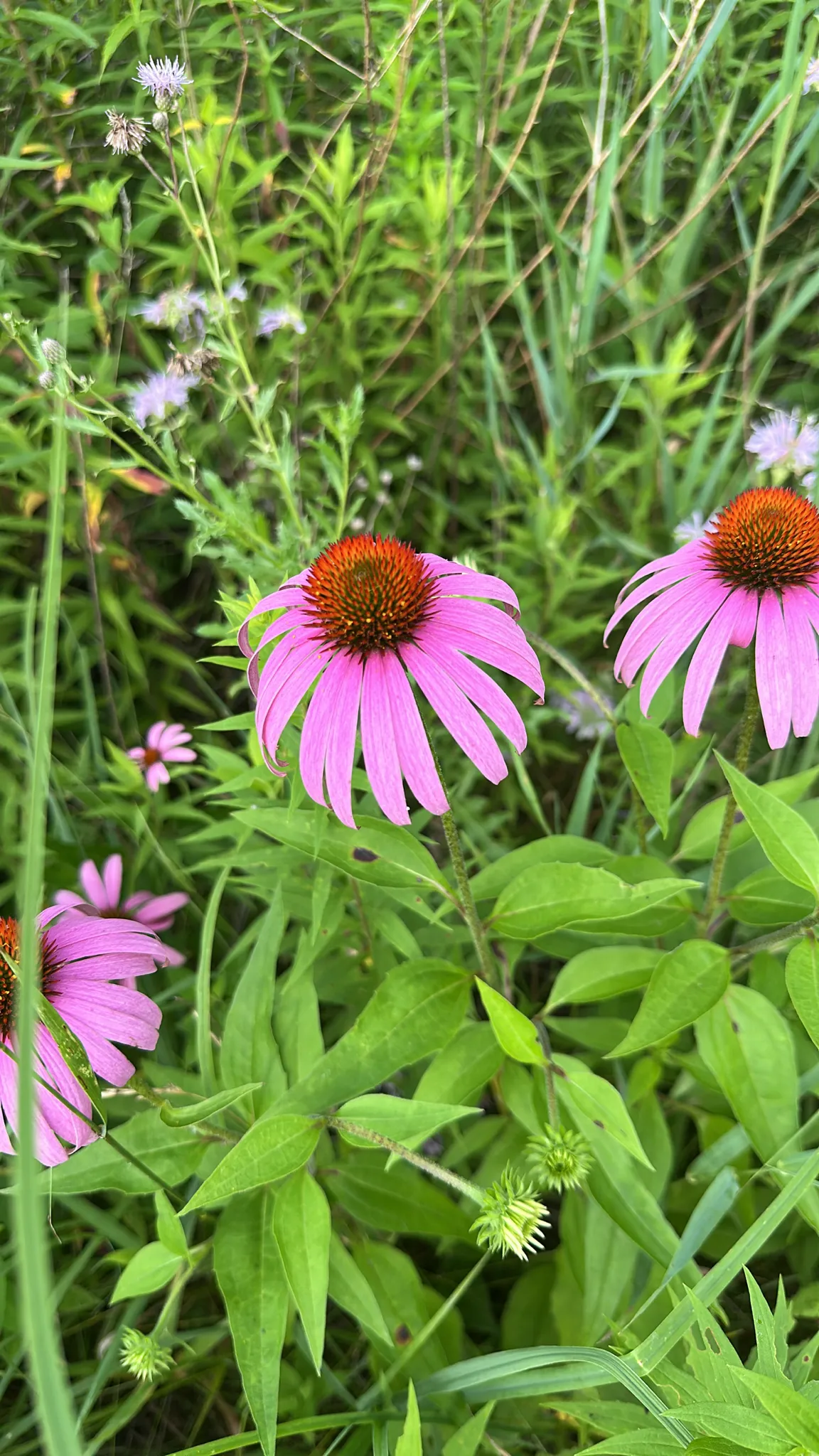
Purple Coneflower
Echinacea purpurea

Little Bluestem
Schizachyrium scoparium
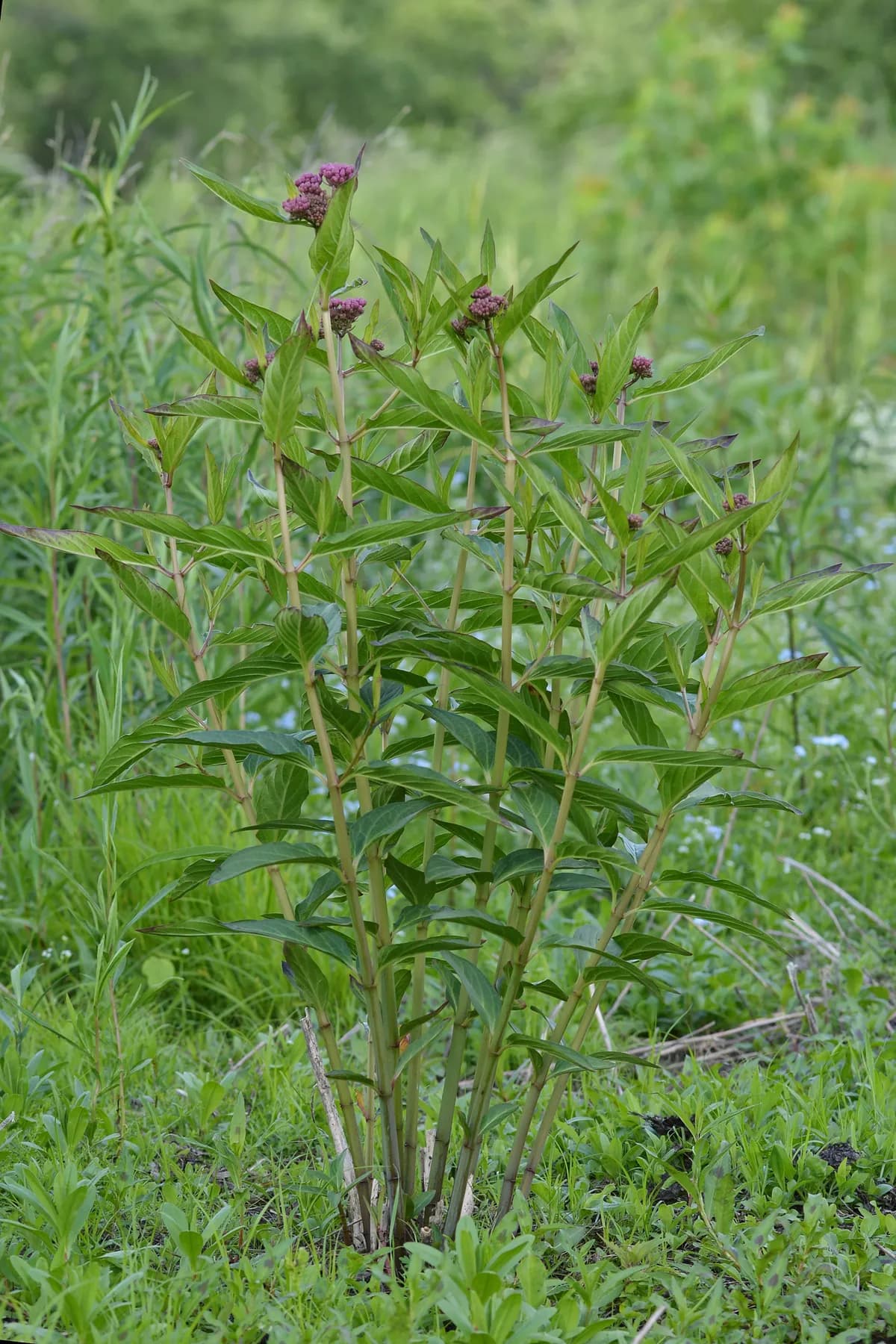
Swamp Milkweed
Asclepias incarnata
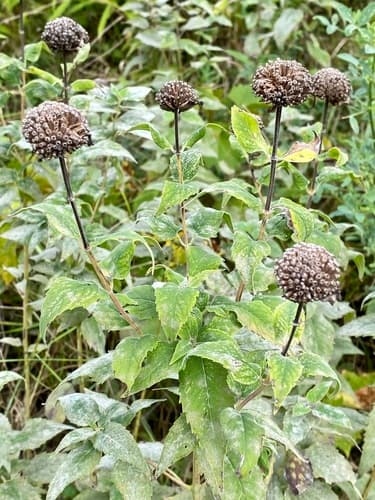
Wild Bergamot
Monarda fistulosa
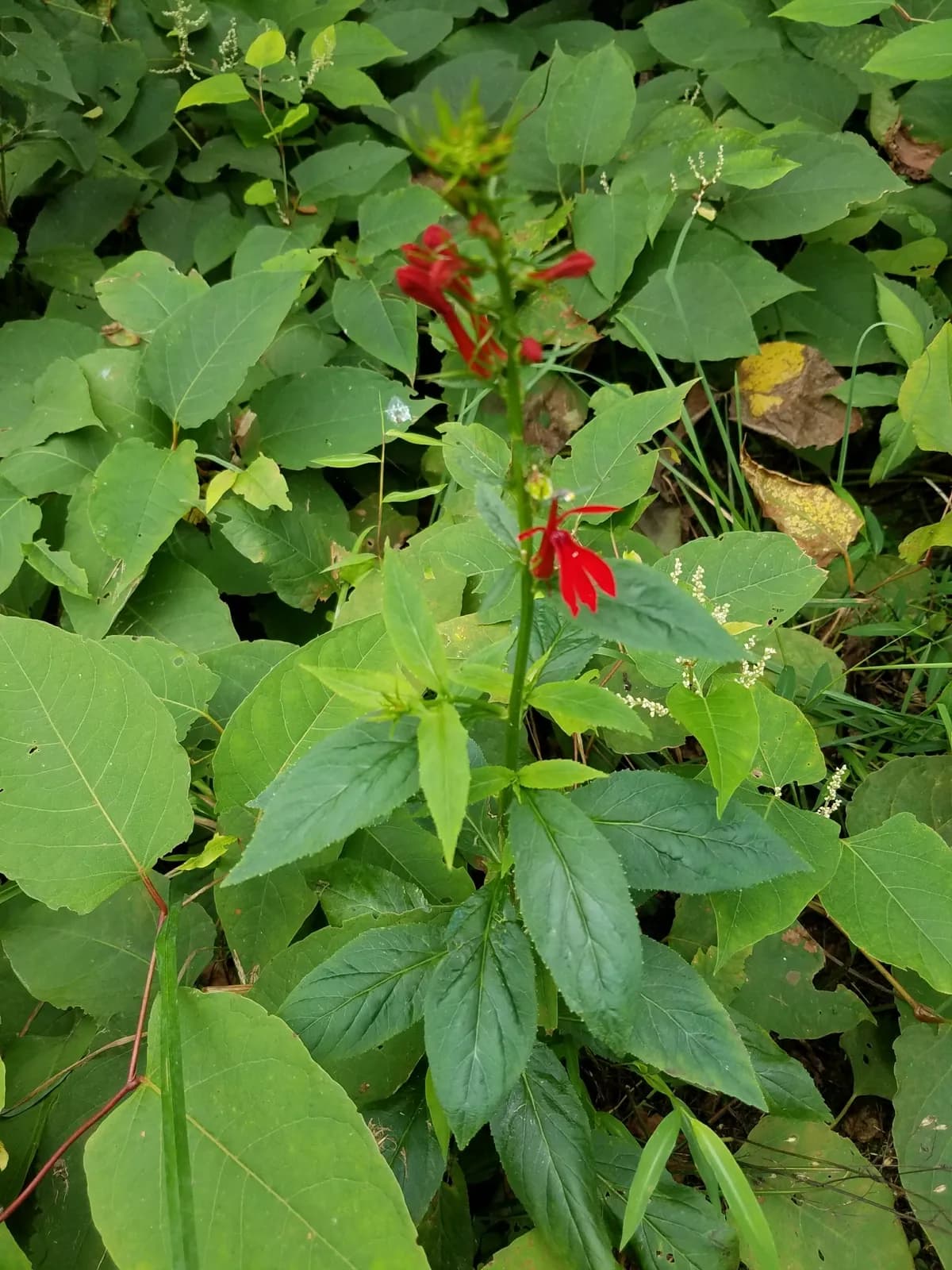
Cardinal Flower
Lobelia cardinalis
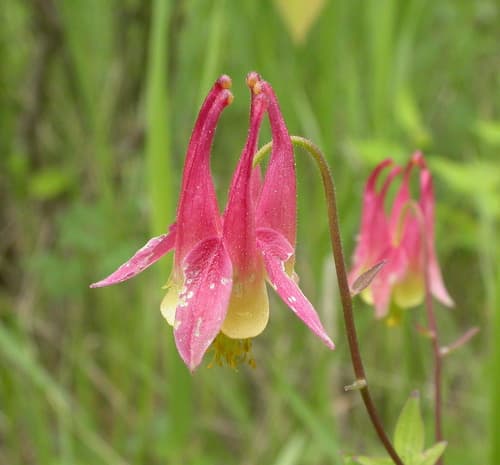
Wild Red Columbine
Aquilegia canadensis
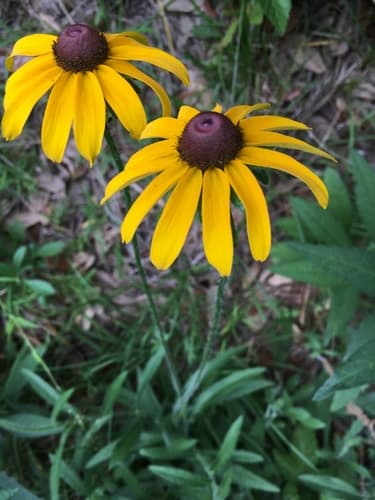
Black-eyed Susan
Rudbeckia hirta
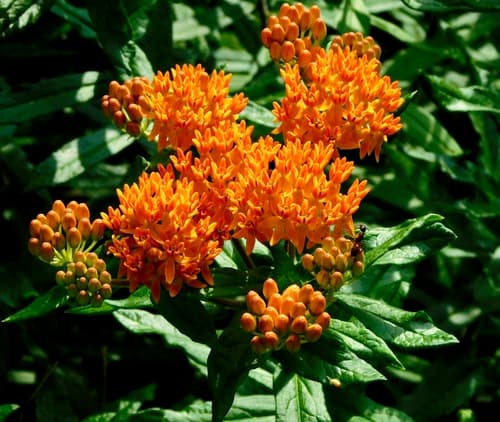
Butterfly Milkweed
Asclepias tuberosa
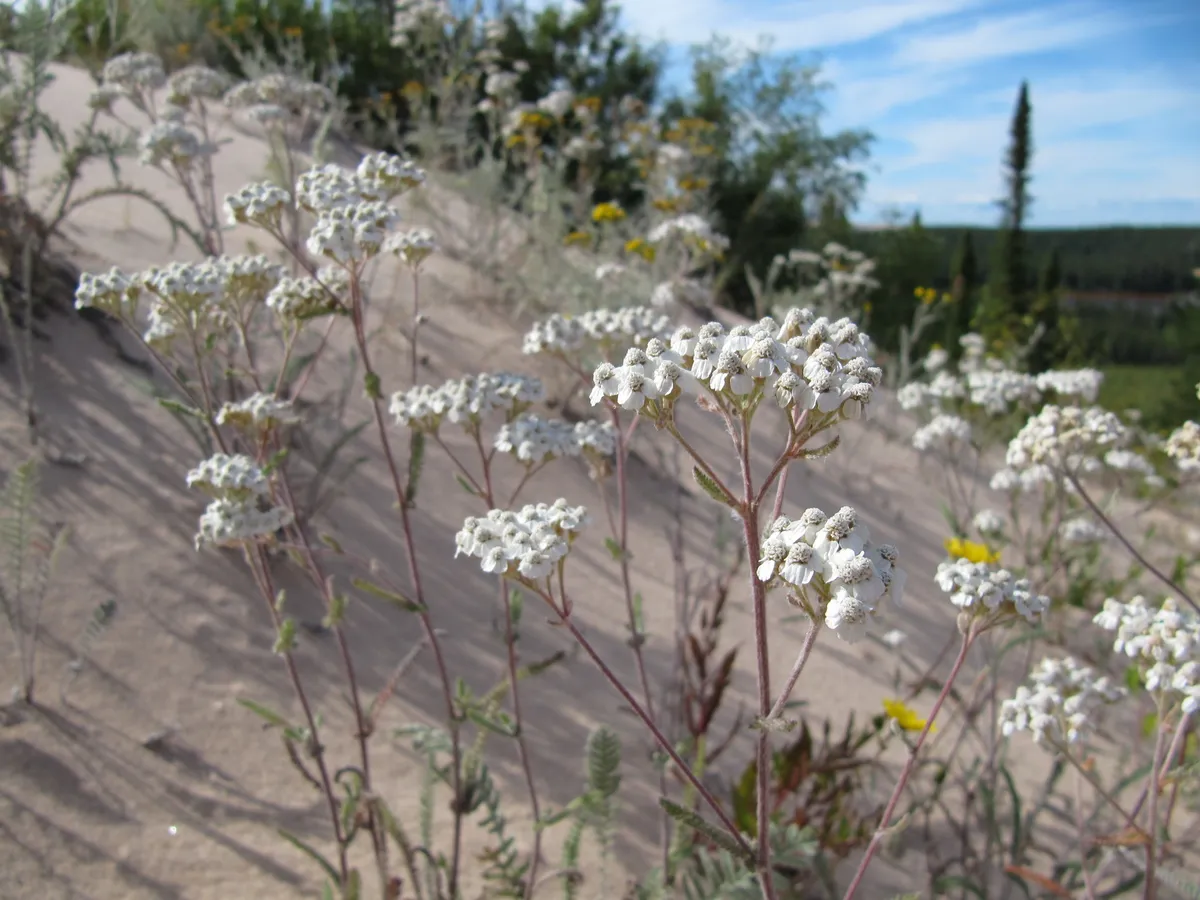
Common Yarrow
Achillea millefolium
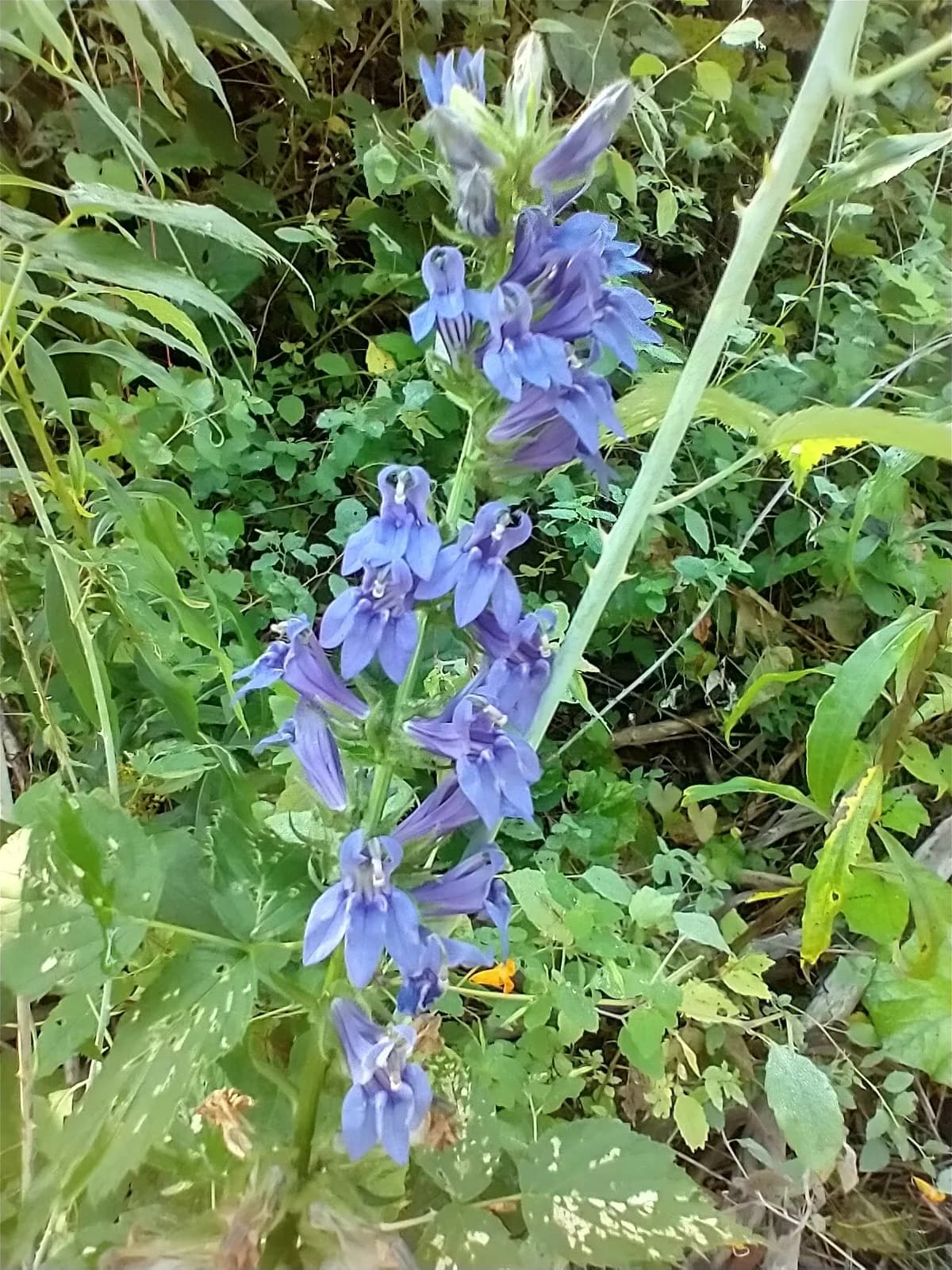
Blue Lobelia
Lobelia siphilitica
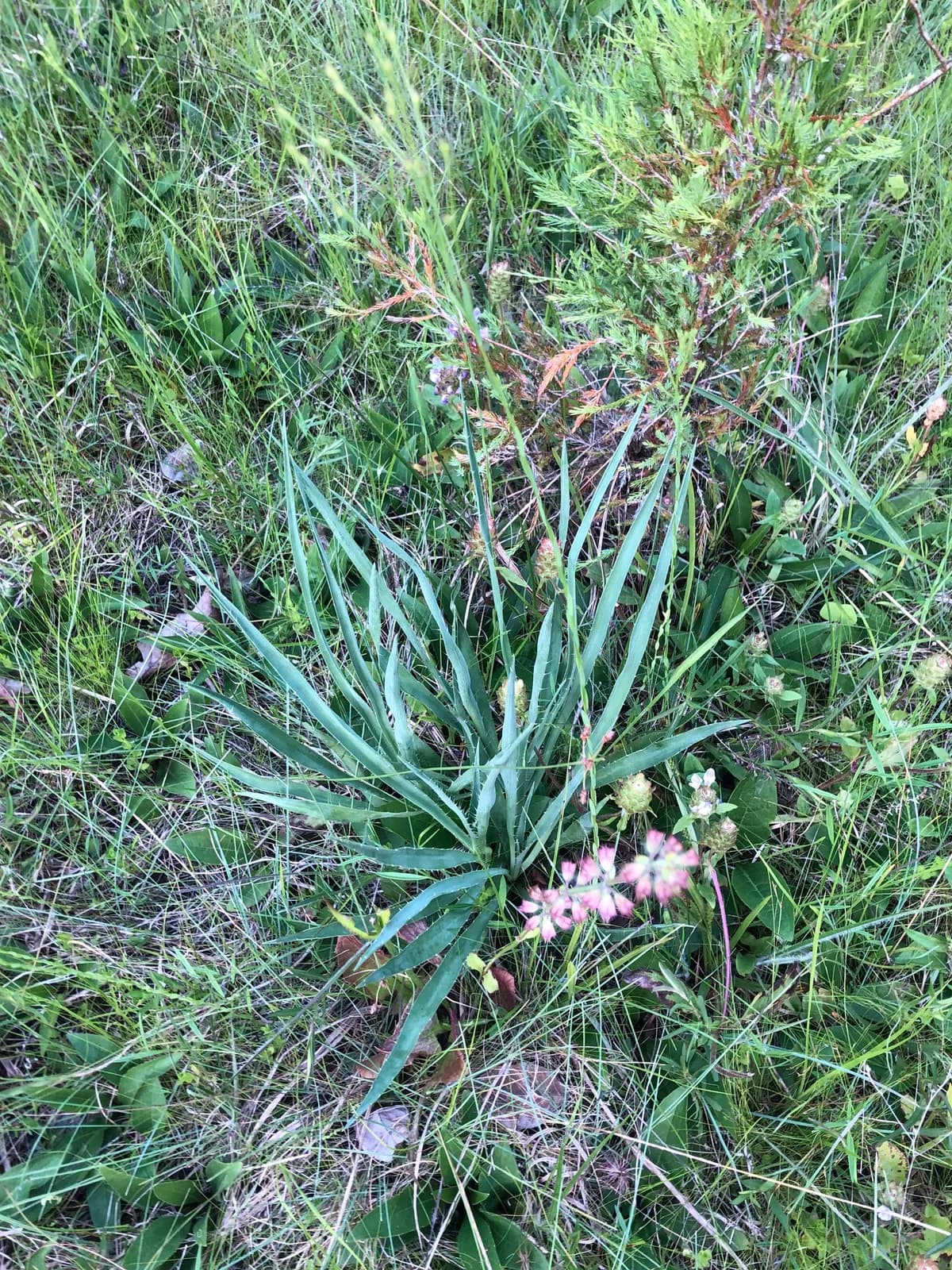
Rattlesnake Master
Eryngium yuccifolium
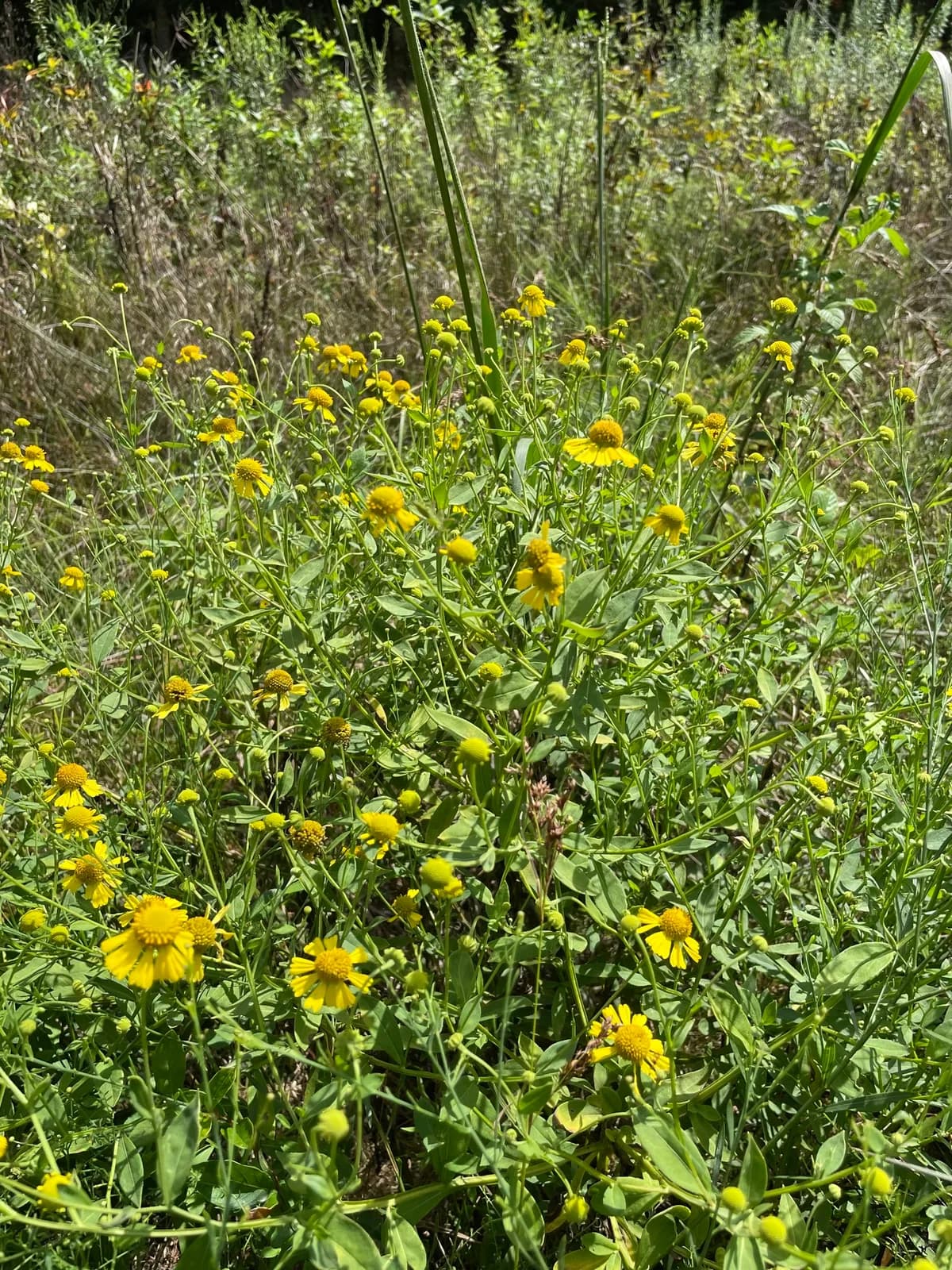
Common Sneezeweed
Helenium autumnale
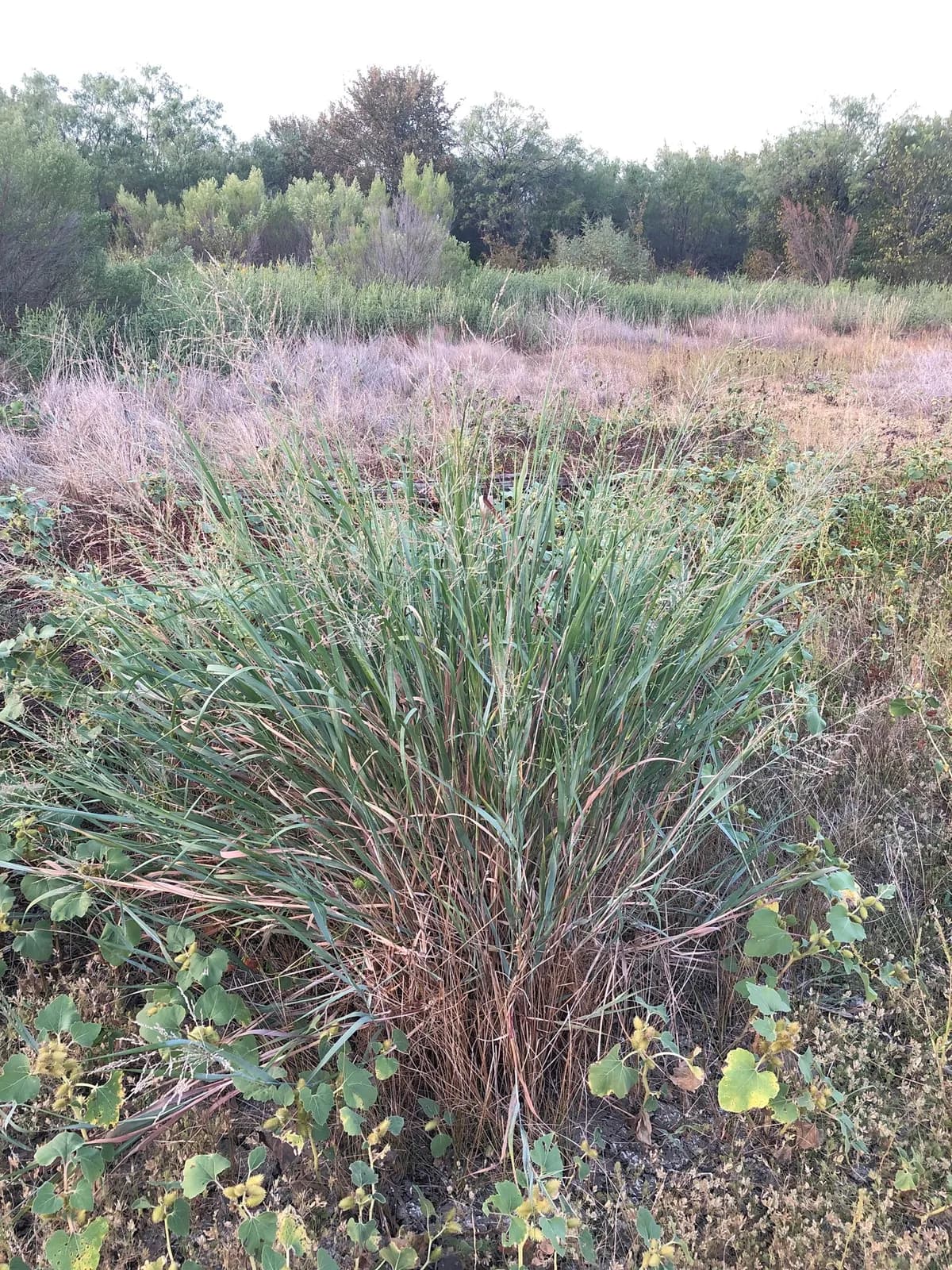
Switchgrass
Panicum virgatum

Golden Alexanders
Zizia aurea
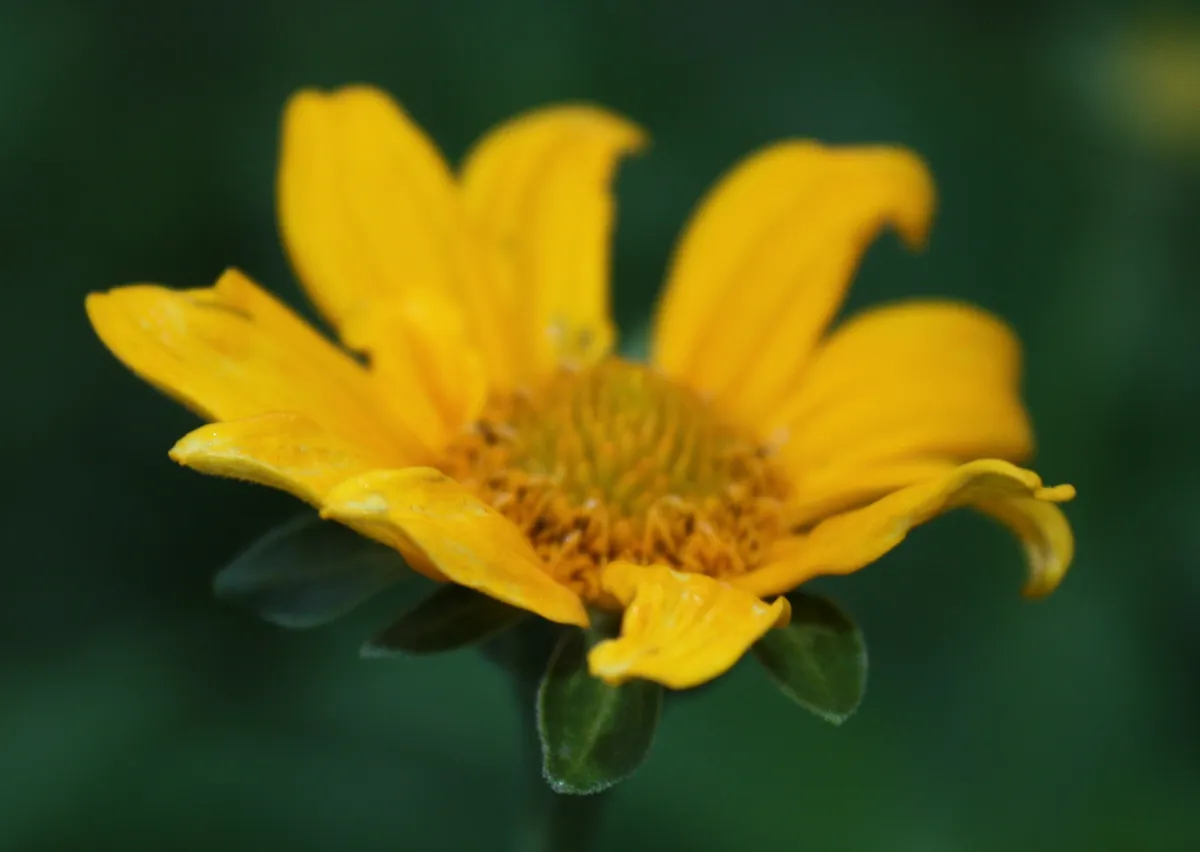
False Sunflower
Heliopsis helianthoides
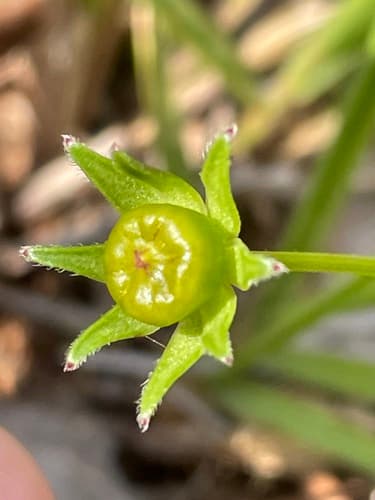
Lanceleaf Coreopsis
Coreopsis lanceolata
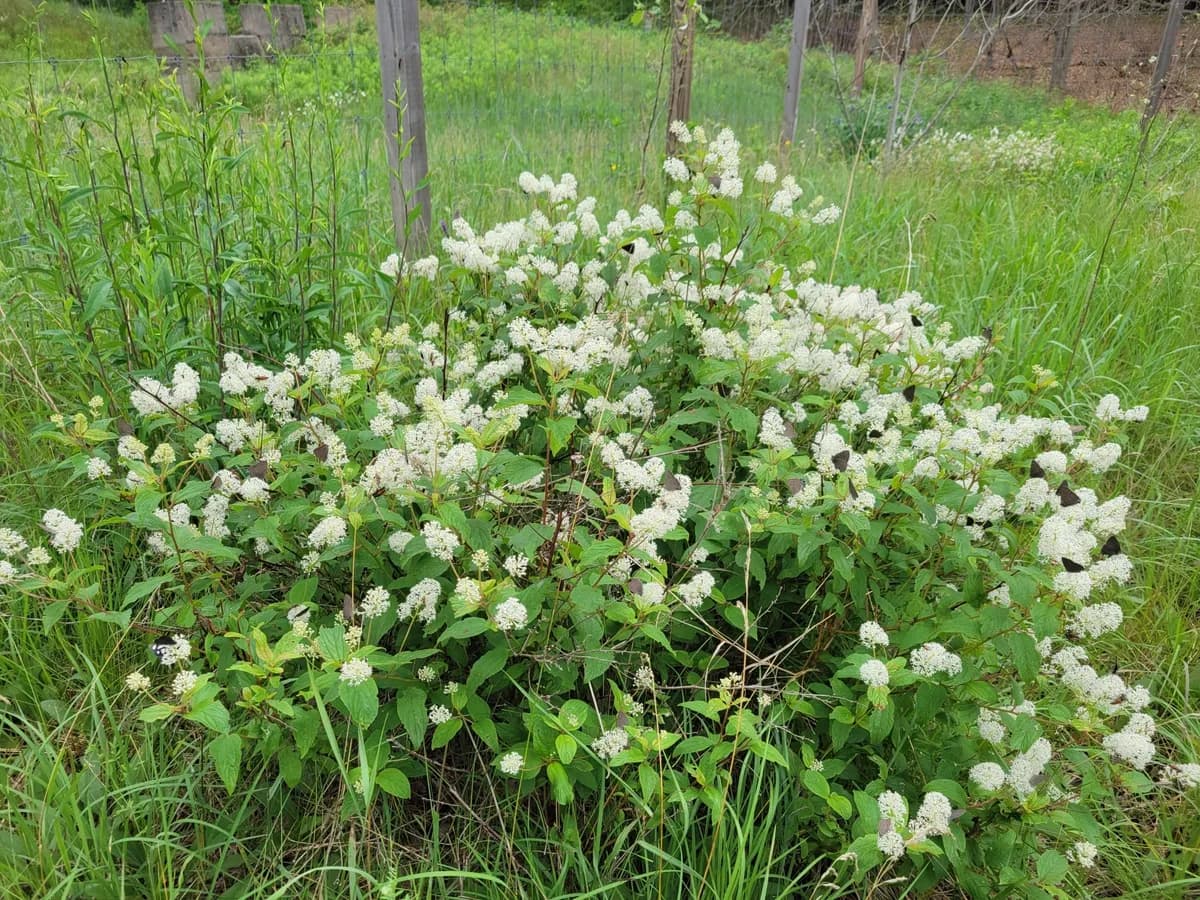
New Jersey-tea
Ceanothus americanus
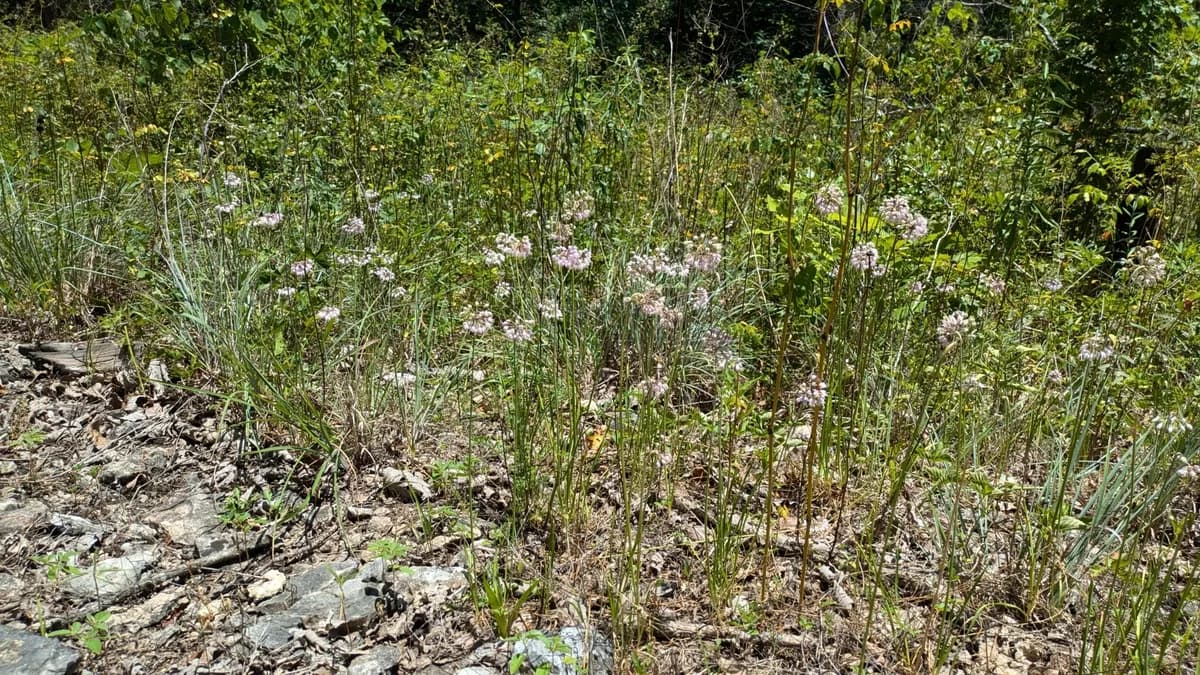
Nodding Onion
Allium cernuum
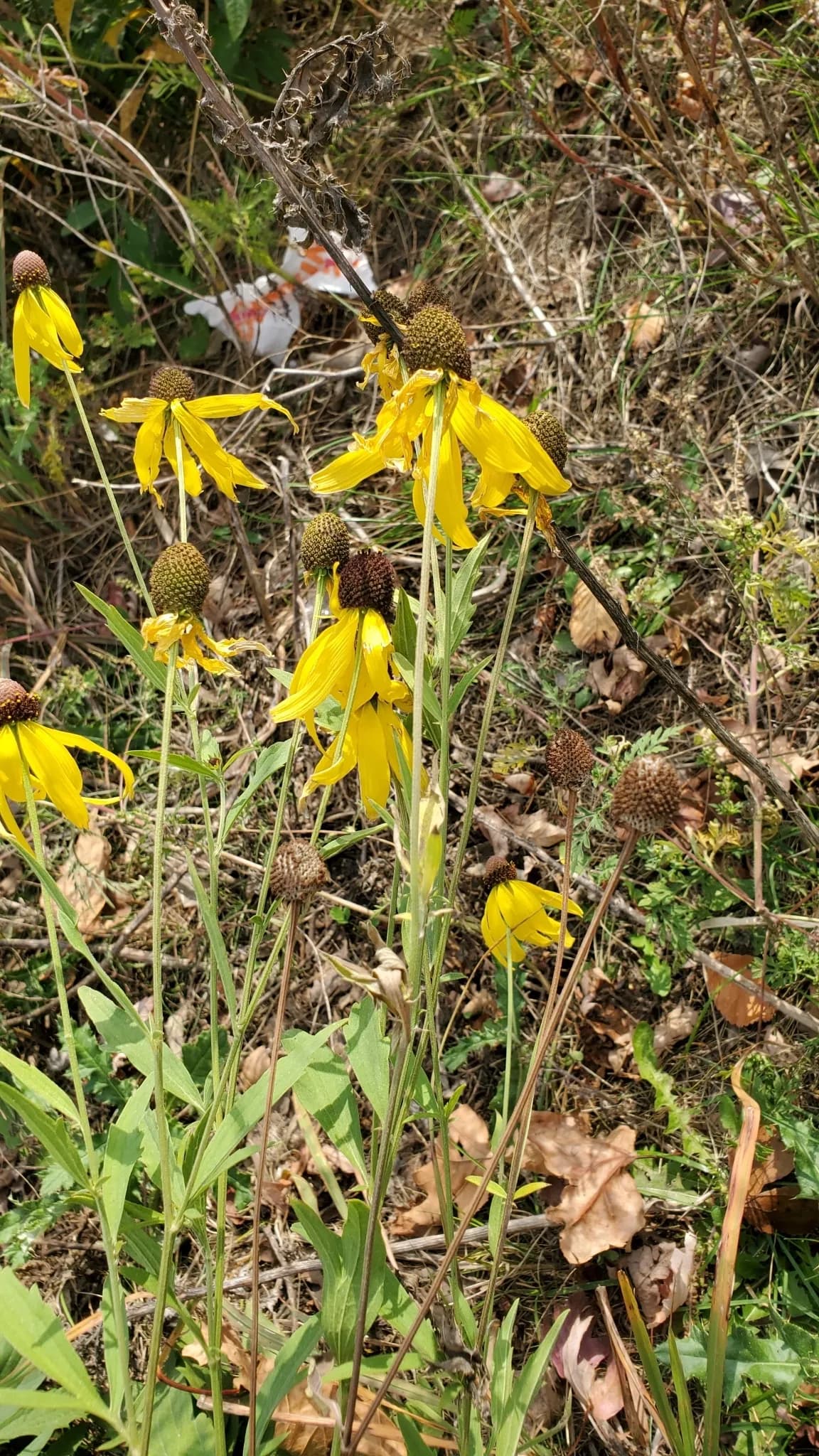
Drooping Prairie-coneflower
Ratibida pinnata
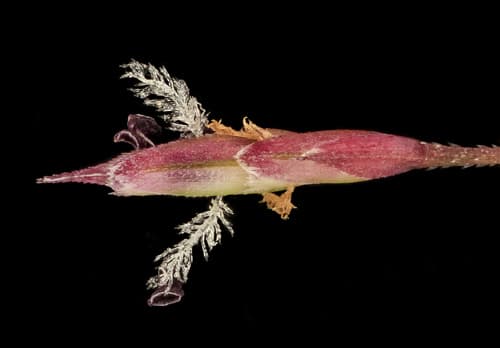
Purple Lovegrass
Eragrostis spectabilis
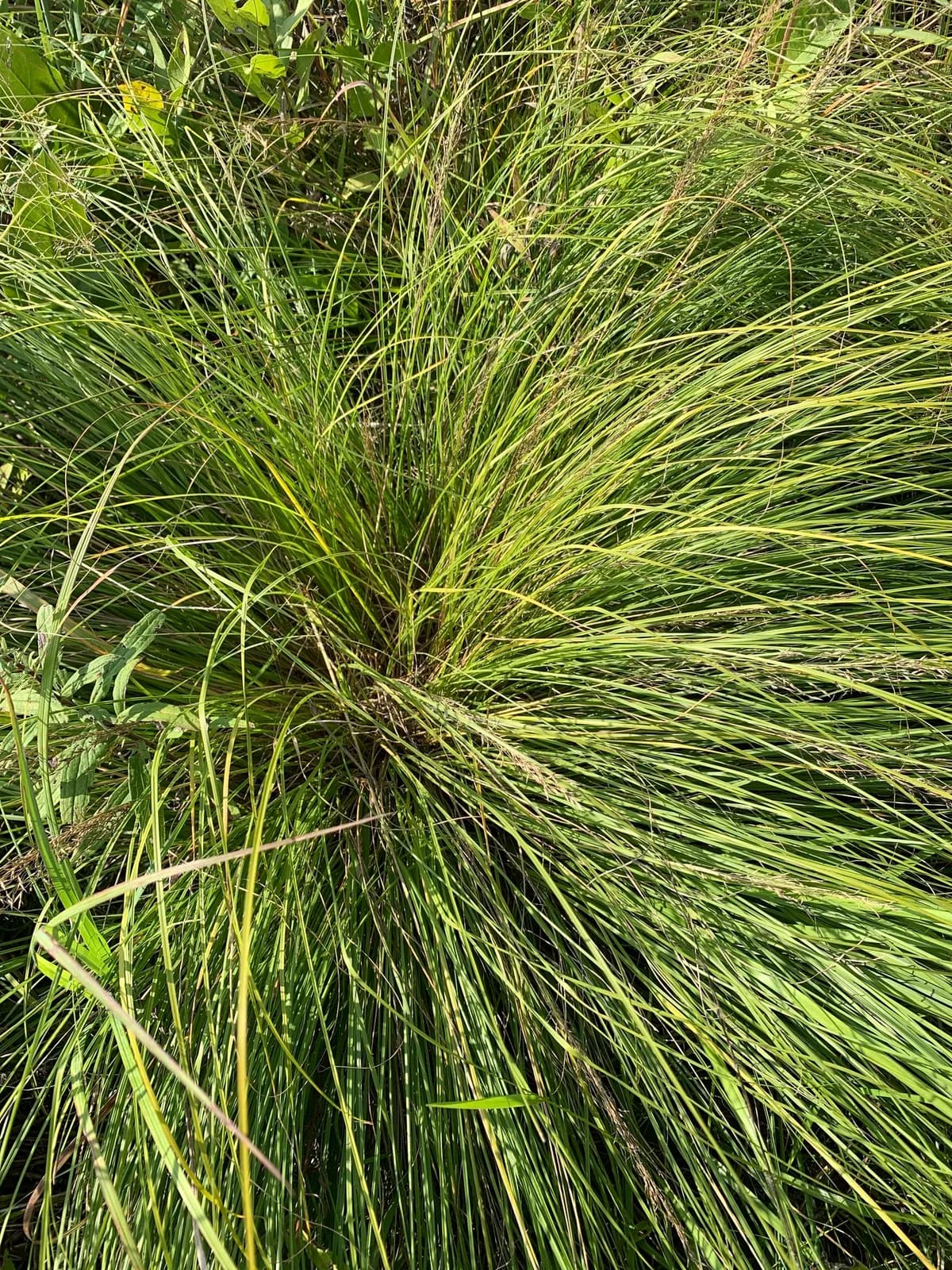
Prairie Dropseed
Sporobolus heterolepis
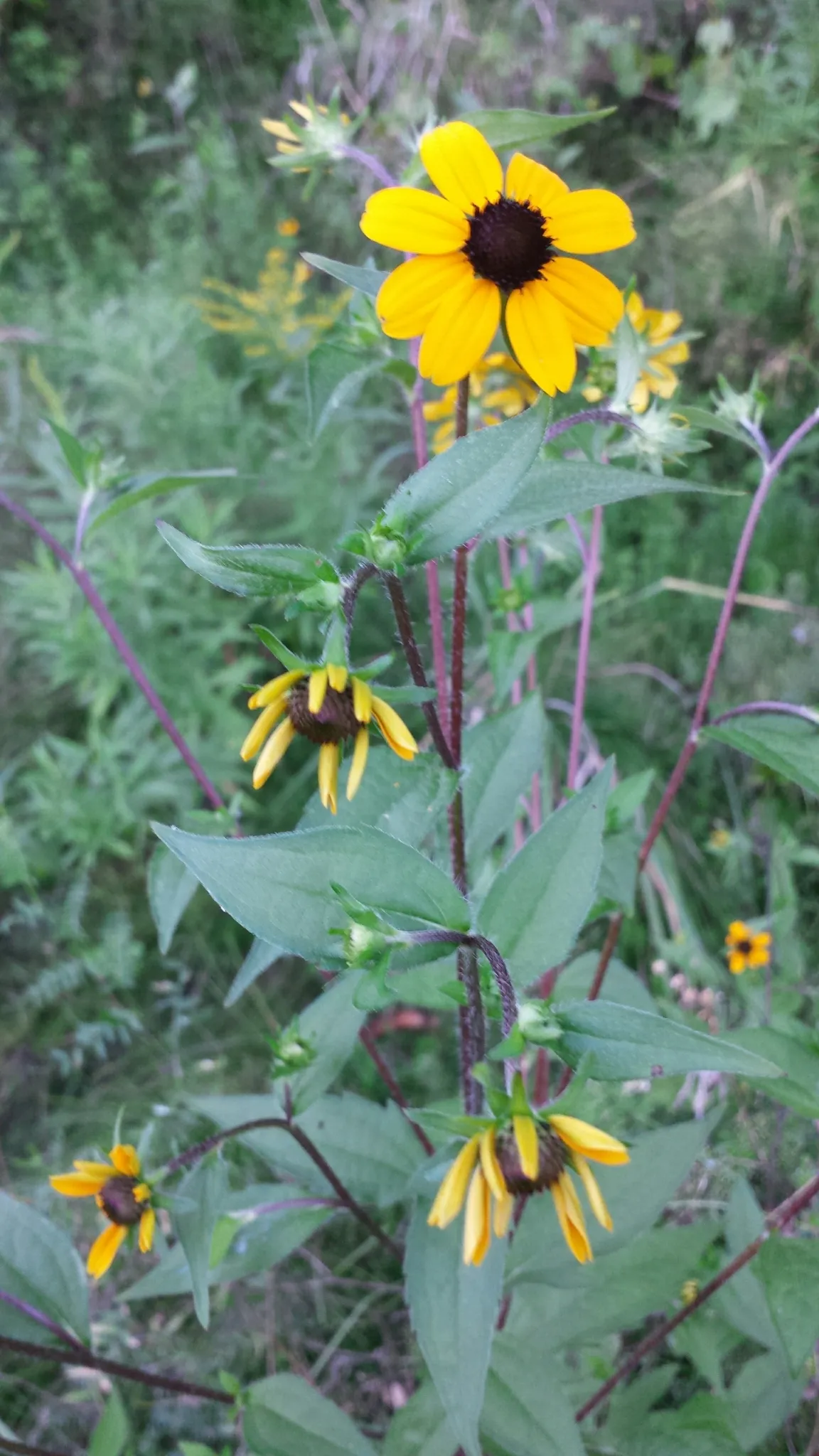
Brown-eyed Susan
Rudbeckia triloba
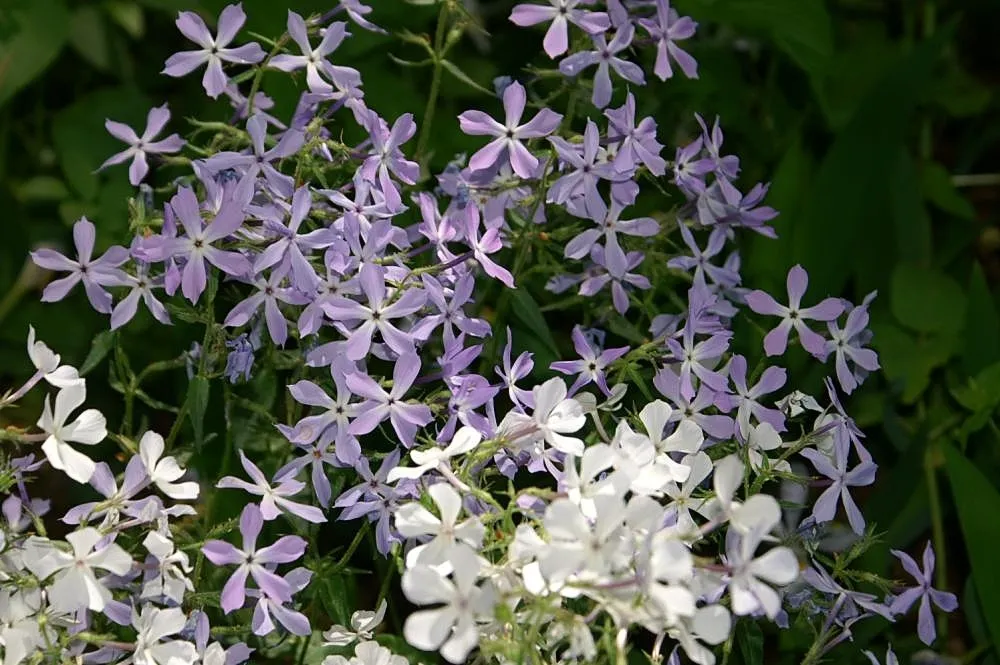
Blue Woodland Phlox
Phlox divaricata

Sideoats Grama
Bouteloua curtipendula
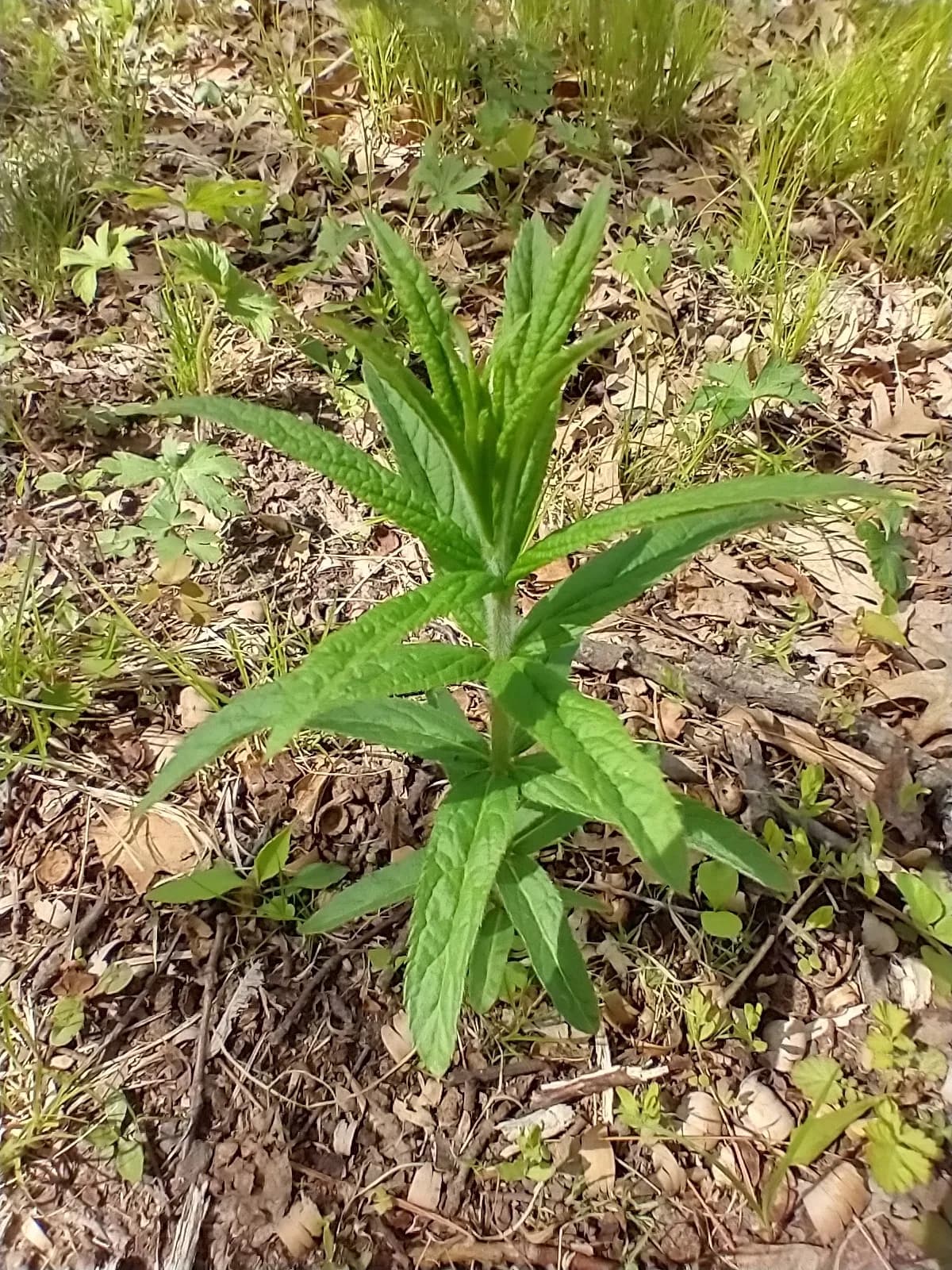
Culver's Root
Veronicastrum virginicum
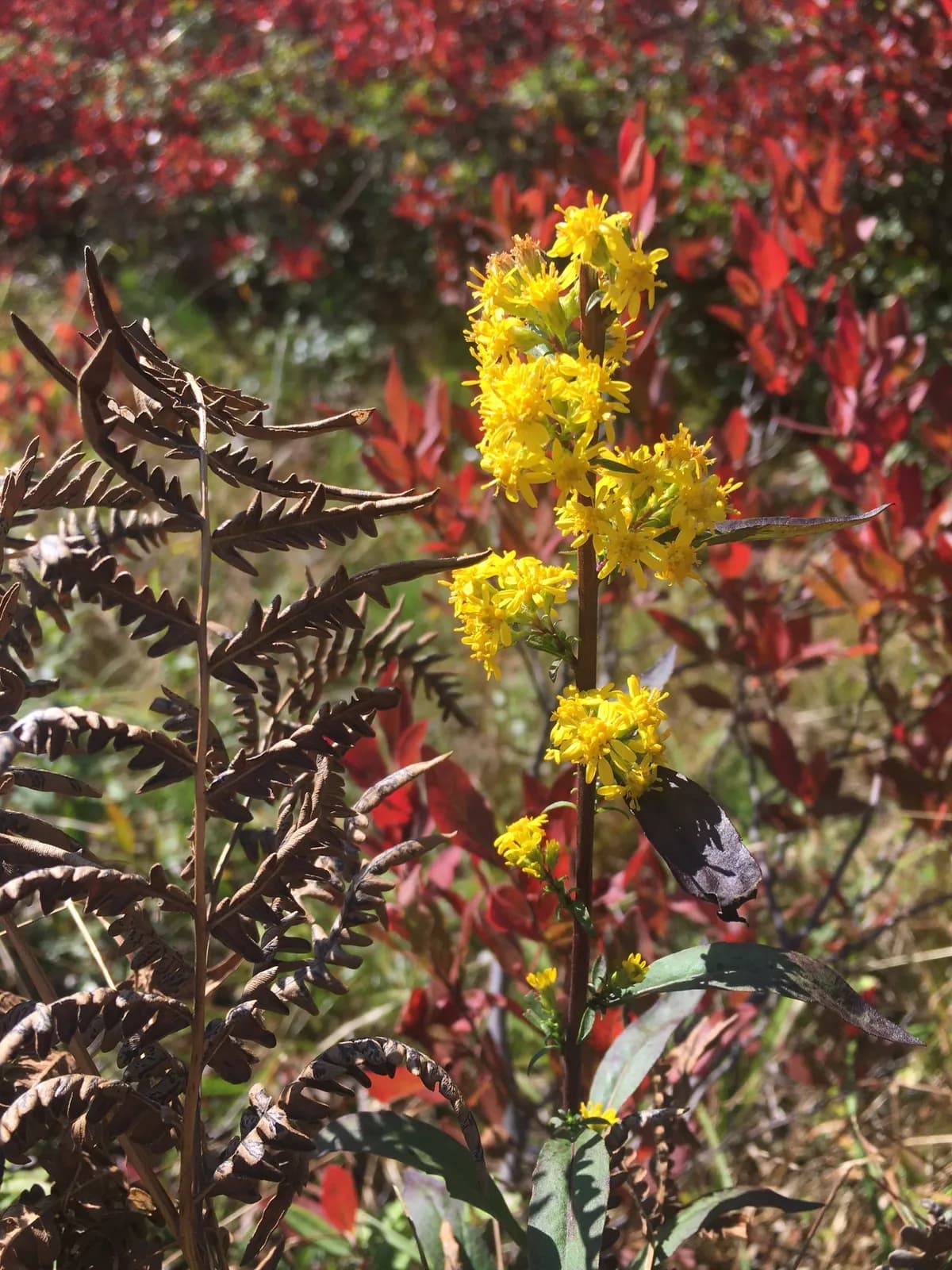
Showy Goldenrod
Solidago speciosa
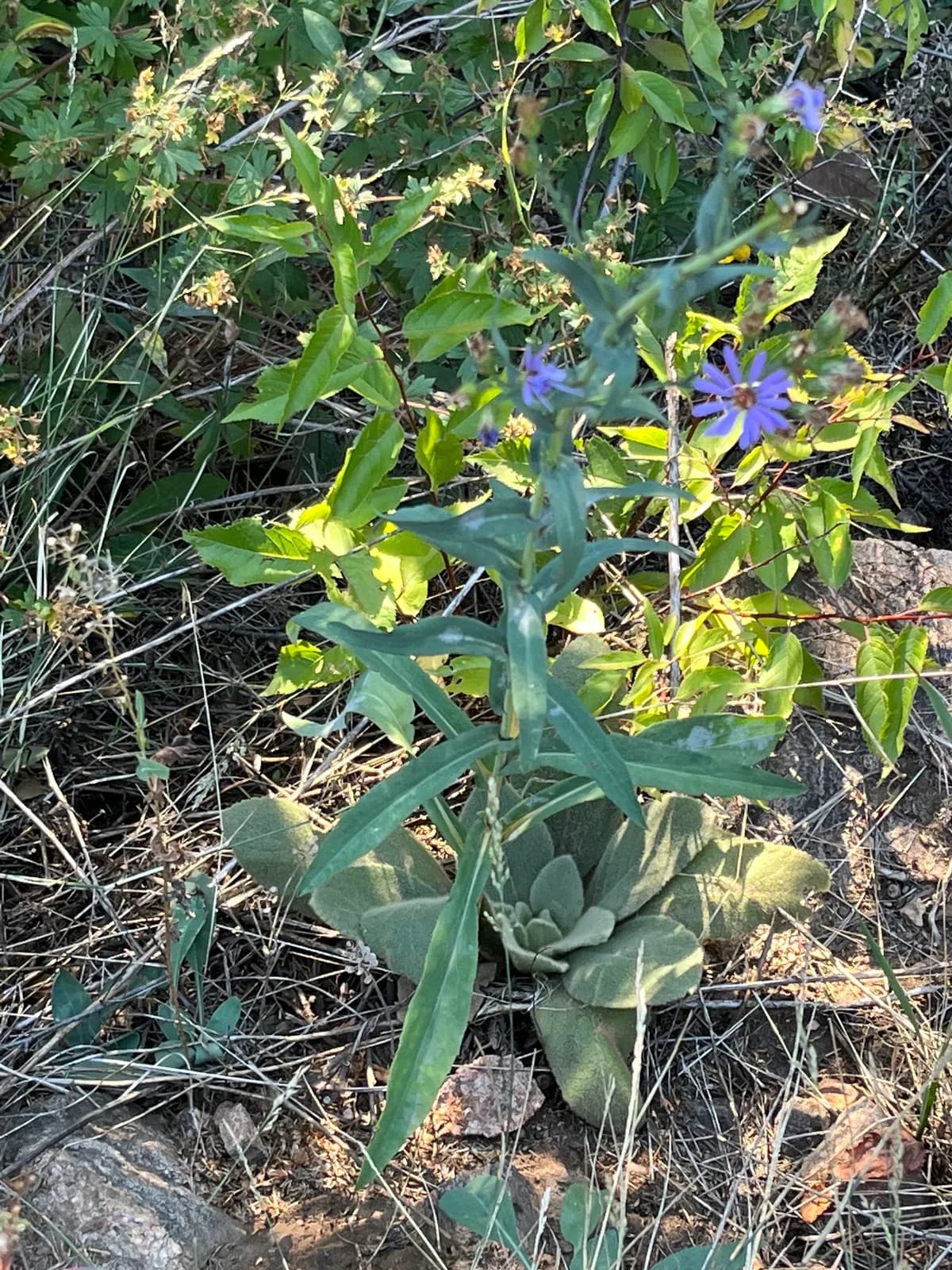
Smooth Aster
Symphyotrichum laeve
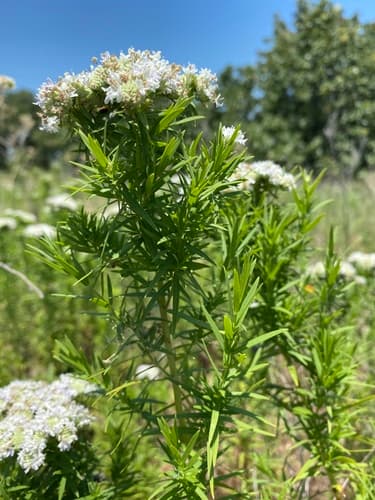
Narrowleaf Mountain Mint
Pycnanthemum tenuifolium
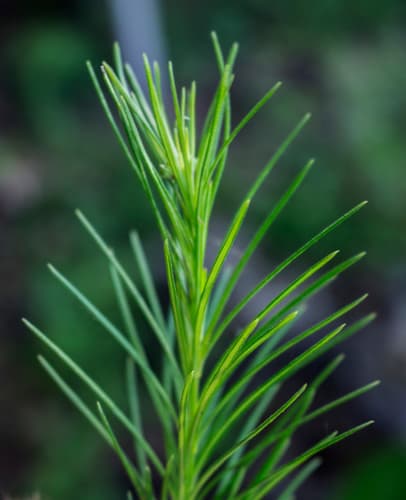
Whorled Milkweed
Asclepias verticillata
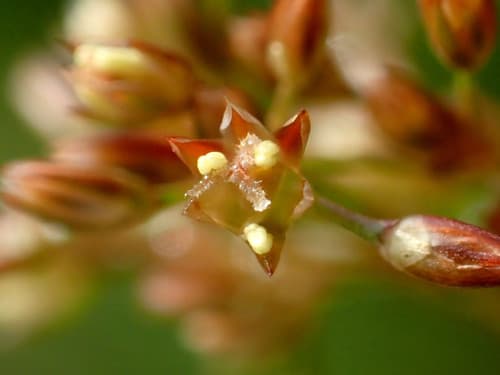
Soft rush
Juncus effusus
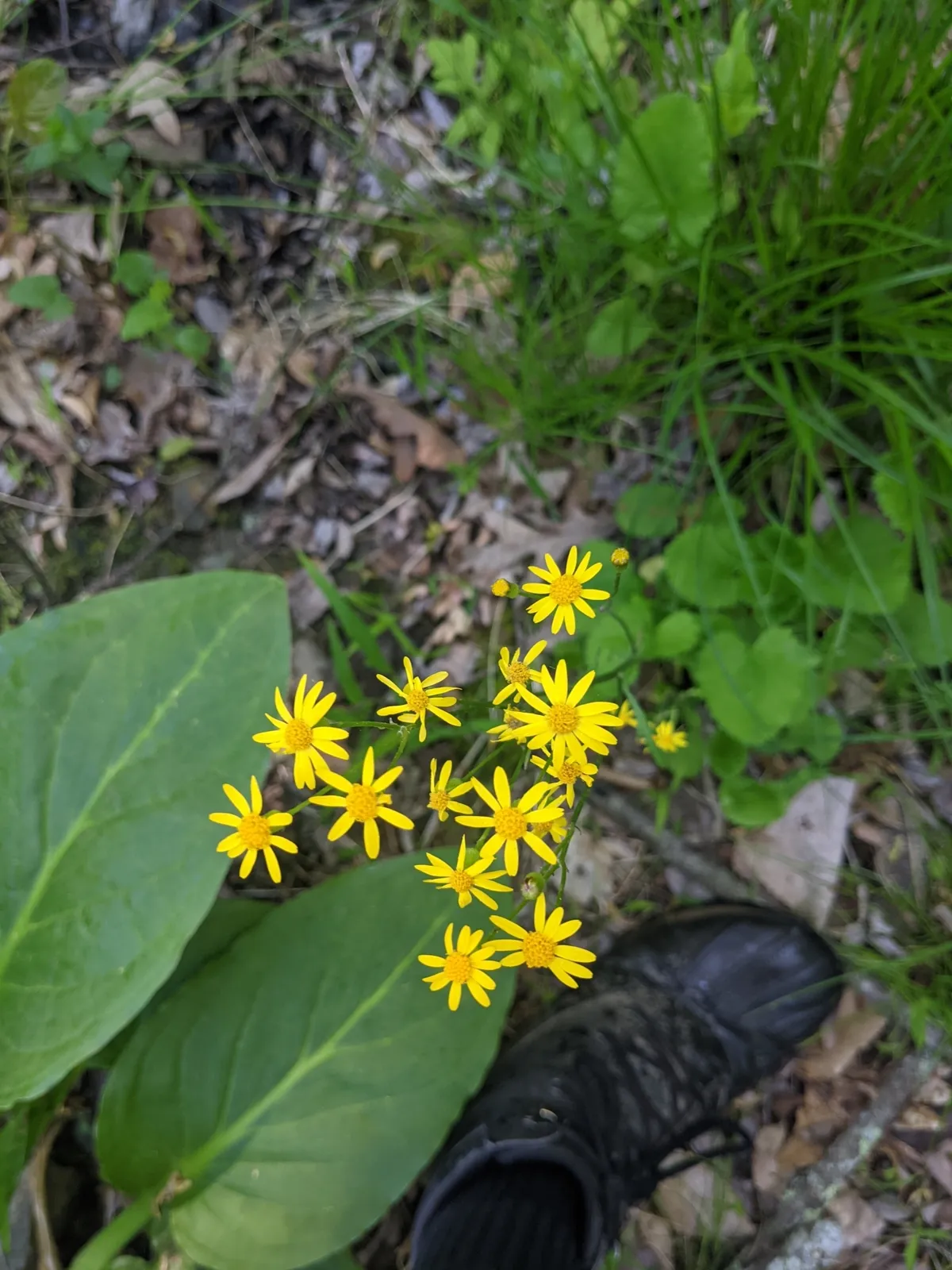
Golden Groundsel
Packera aurea
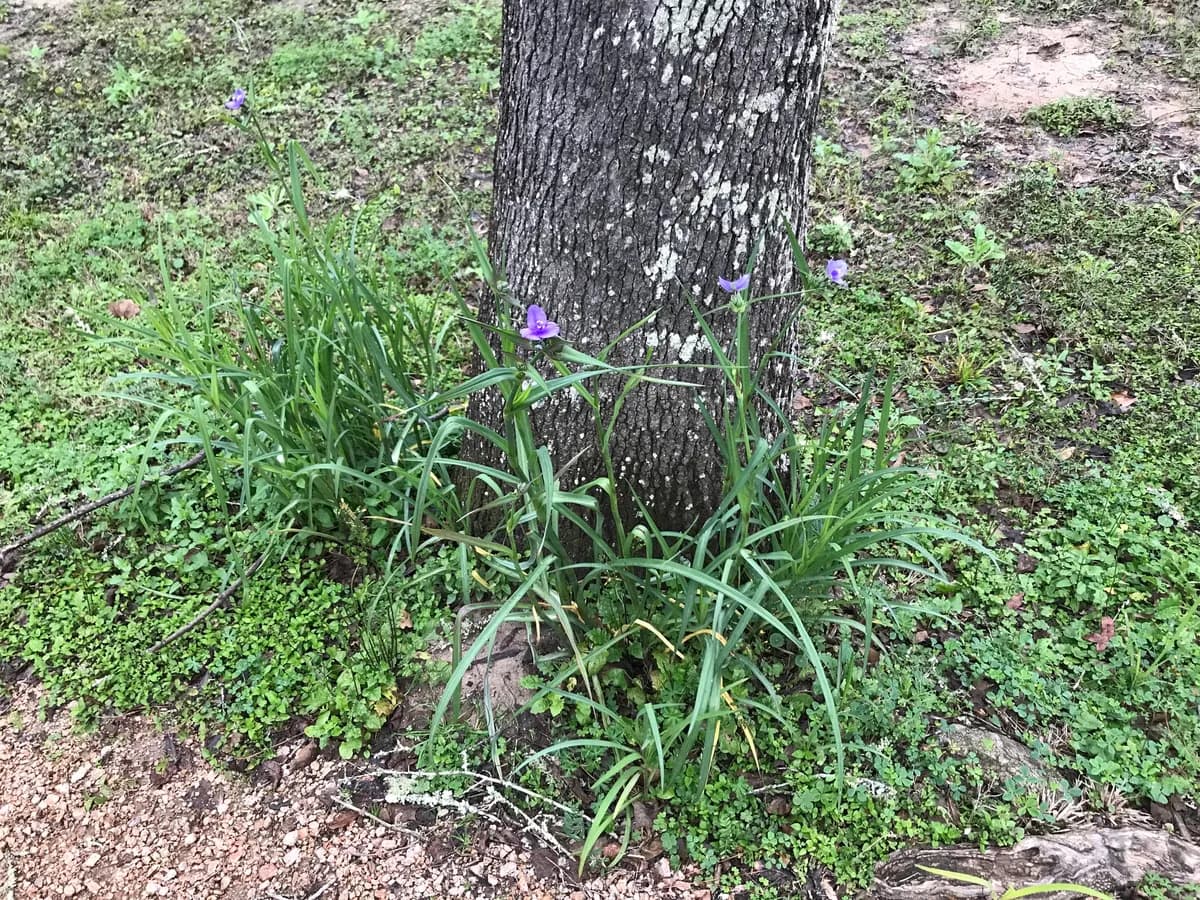
Smooth Spiderwort
Tradescantia ohiensis
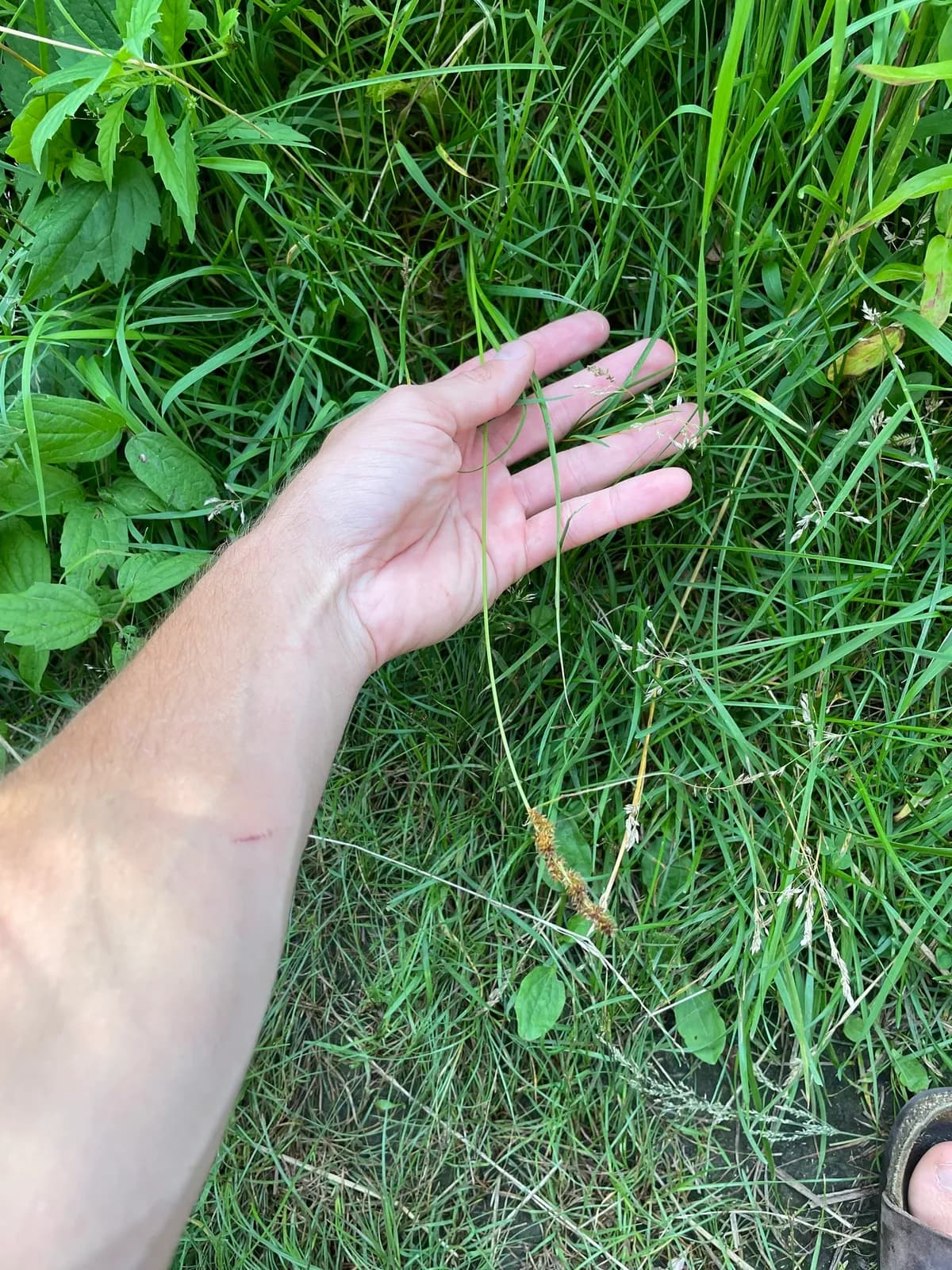
American Fox Sedge
Carex vulpinoidea
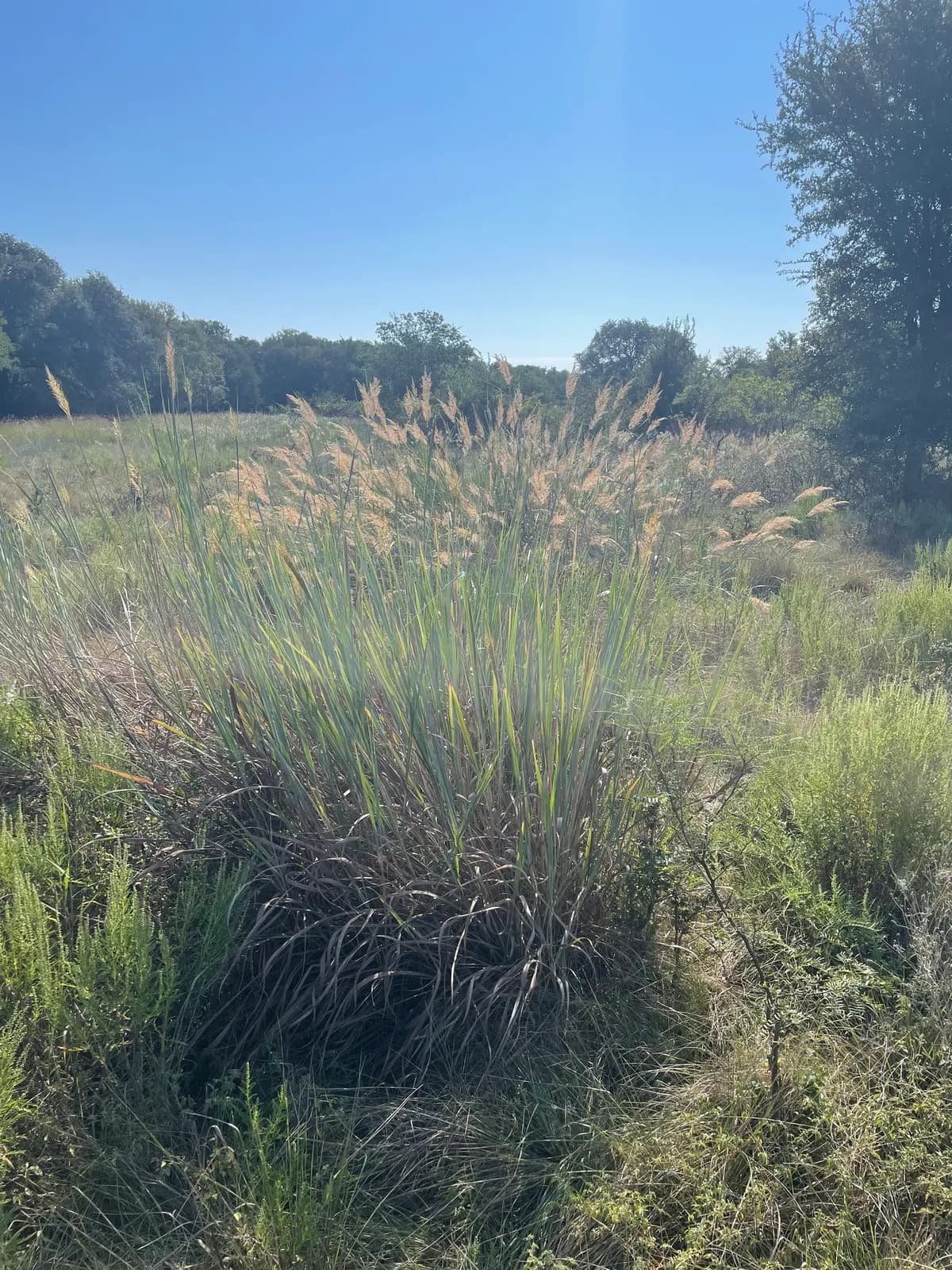
Indiangrass
Sorghastrum nutans
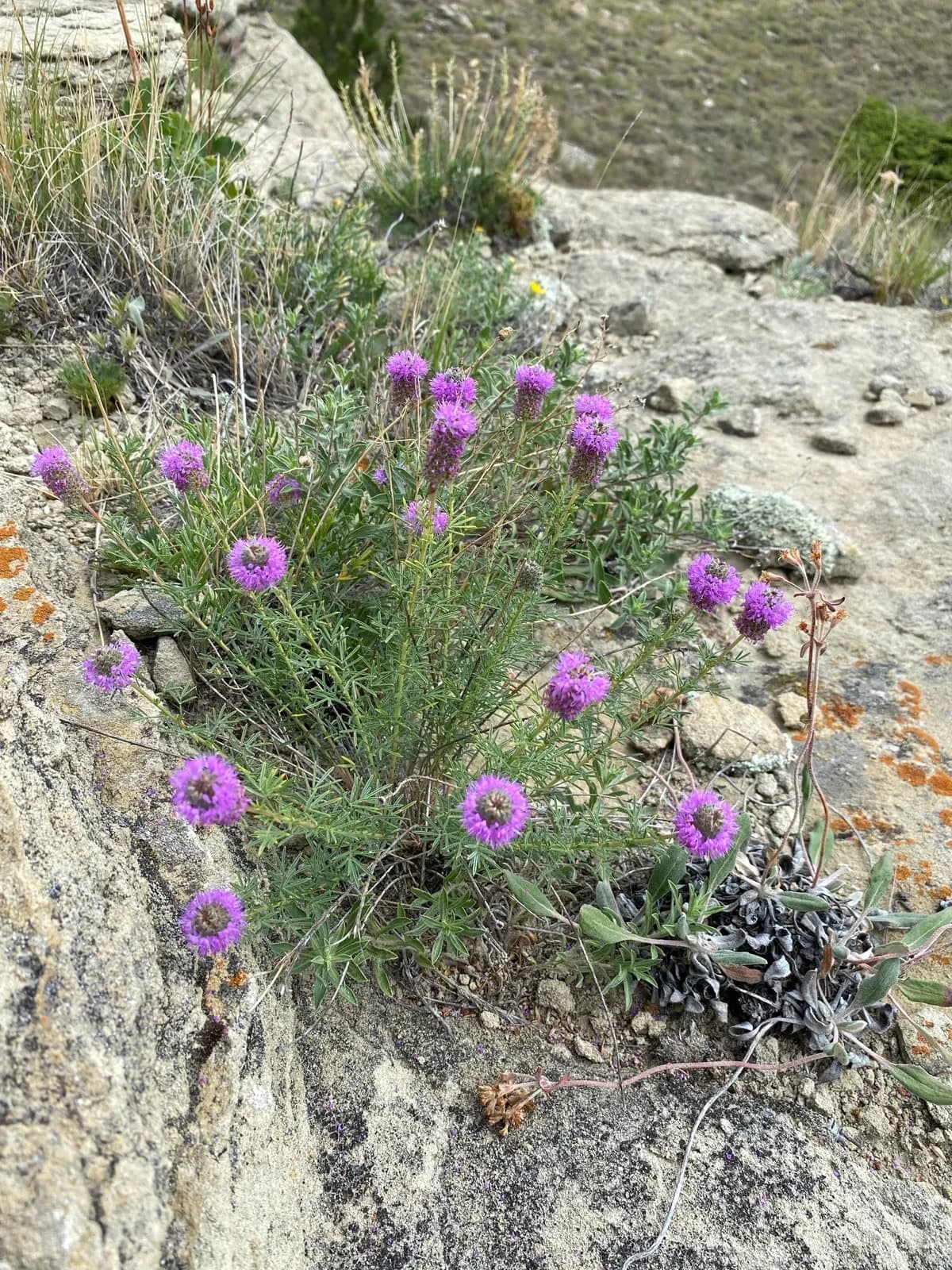
Purple Prairie Clover
Dalea purpurea
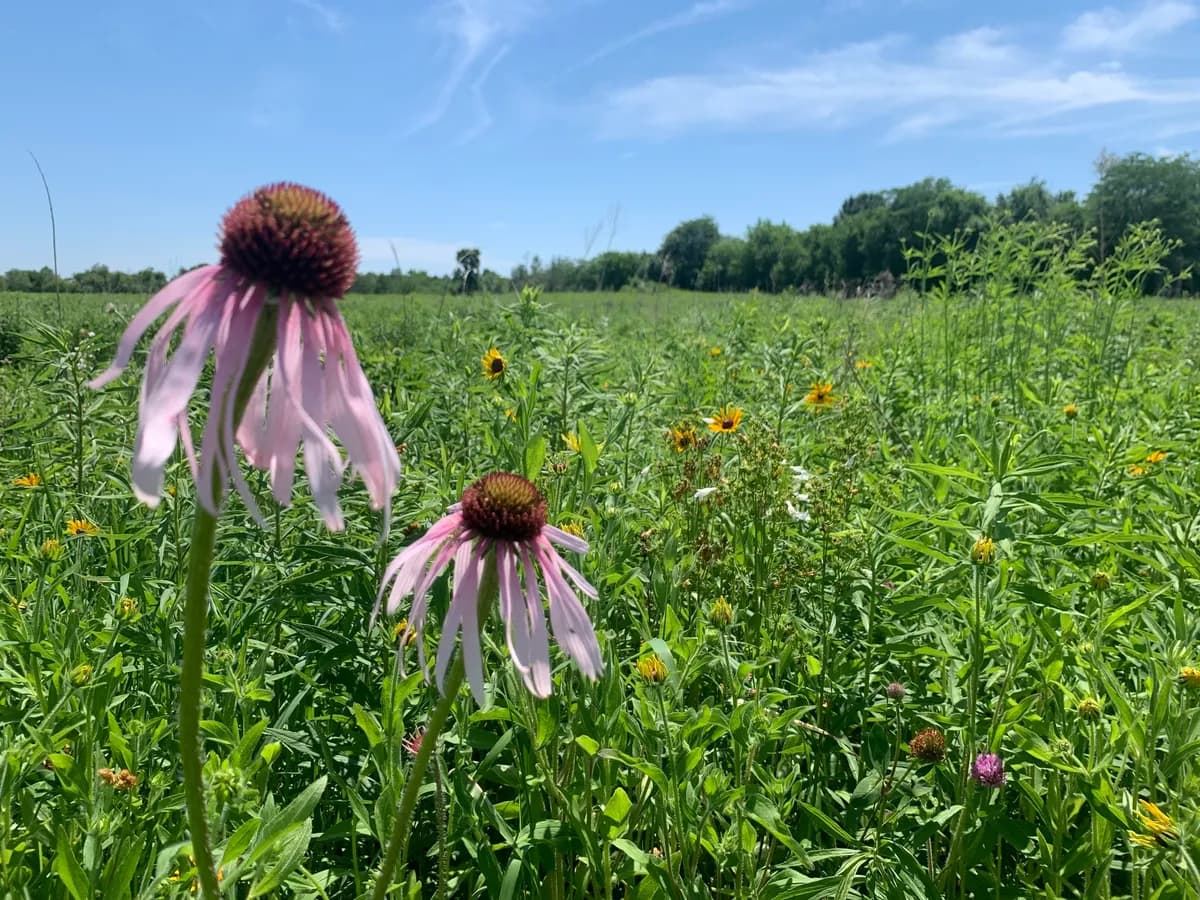
Pale Purple Coneflower
Echinacea pallida
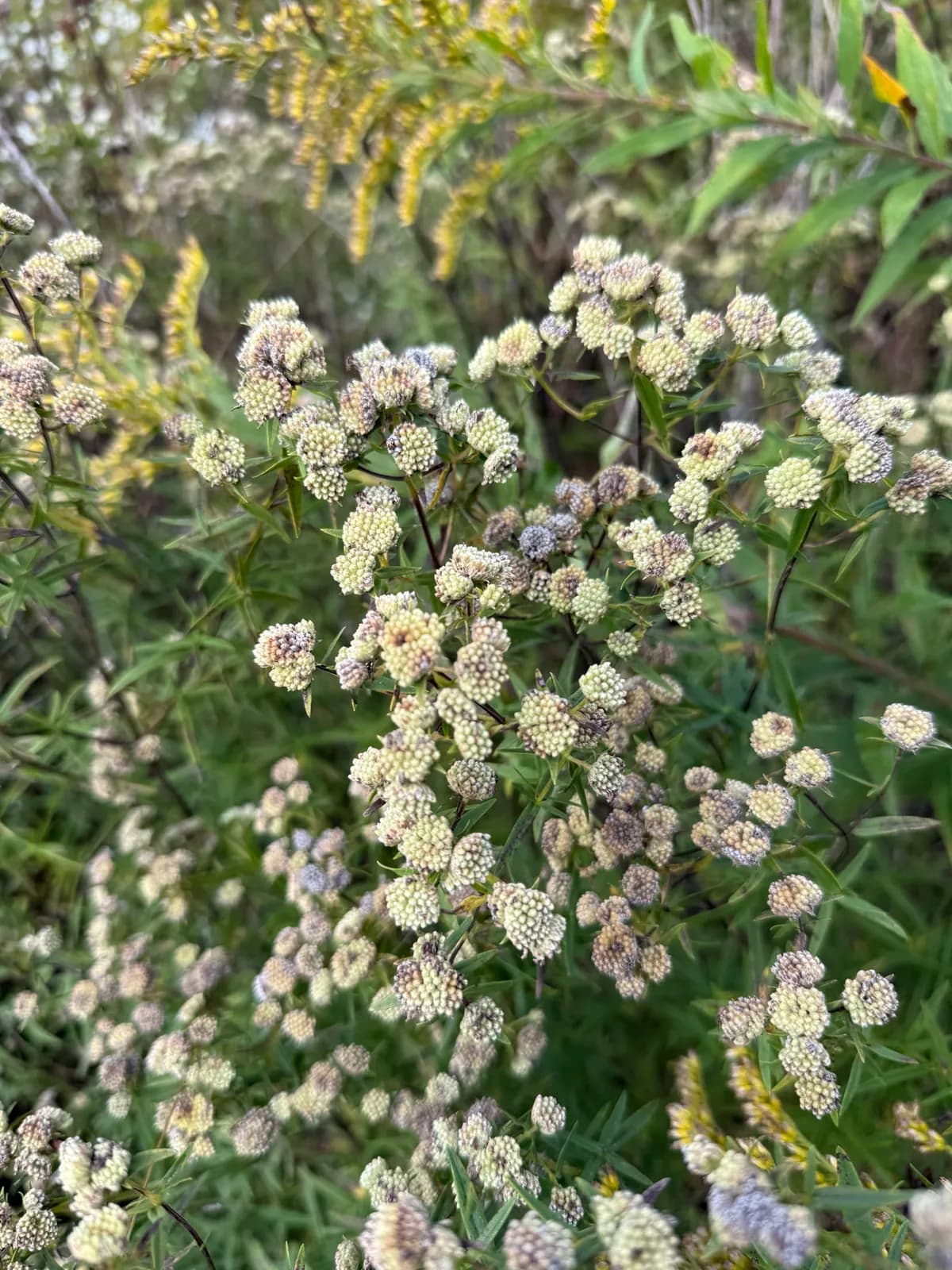
Virginia Mountain-Mint
Pycnanthemum virginianum
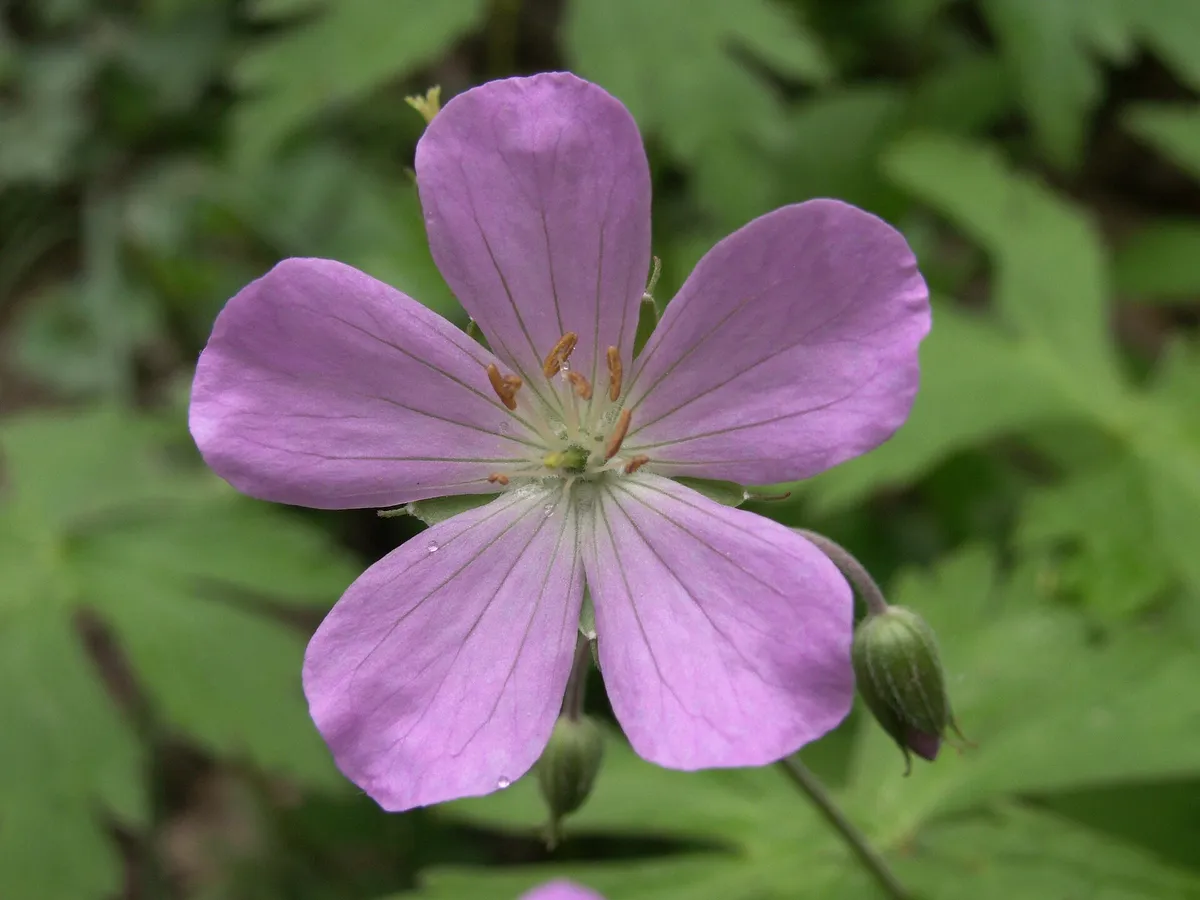
Spotted Geranium
Geranium maculatum
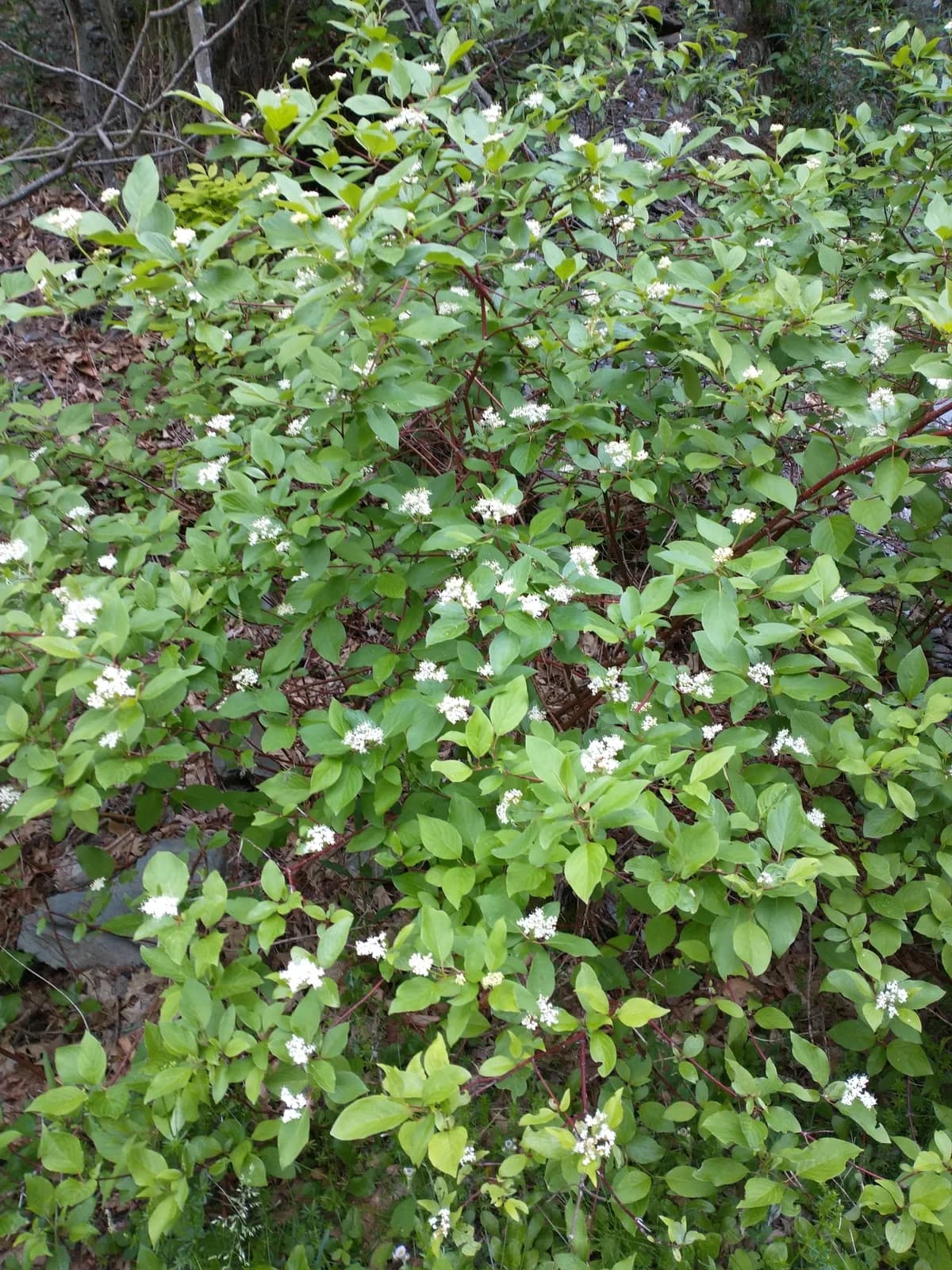
Red-osier Dogwood
Cornus sericea
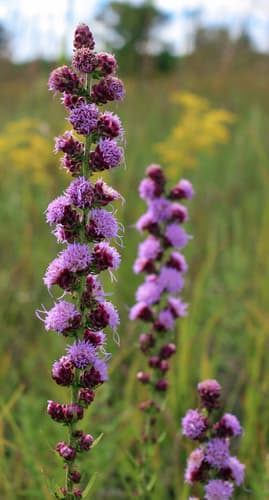
Tall Blazing Star
Liatris aspera
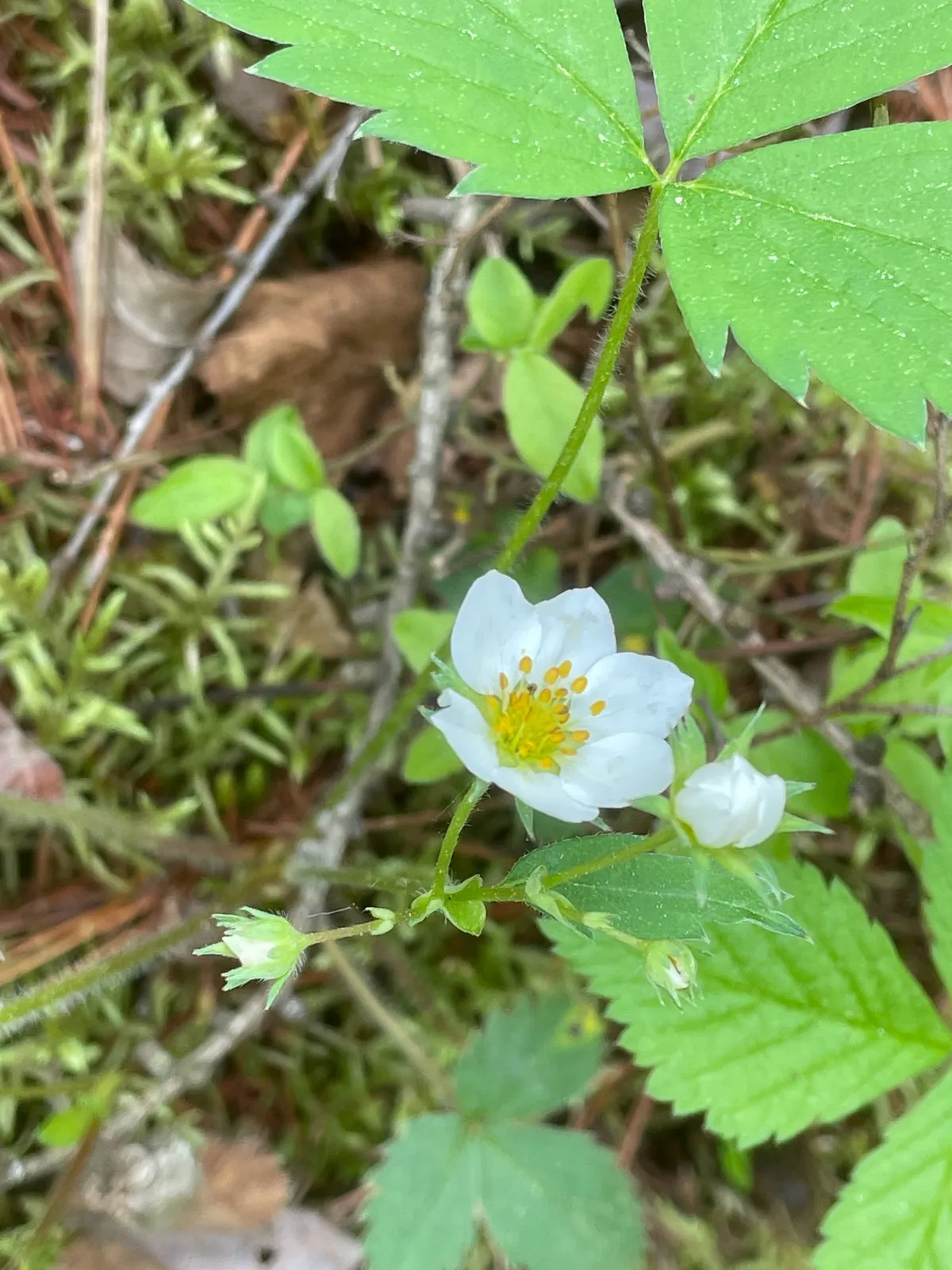
Scarlet Strawberry
Fragaria virginiana
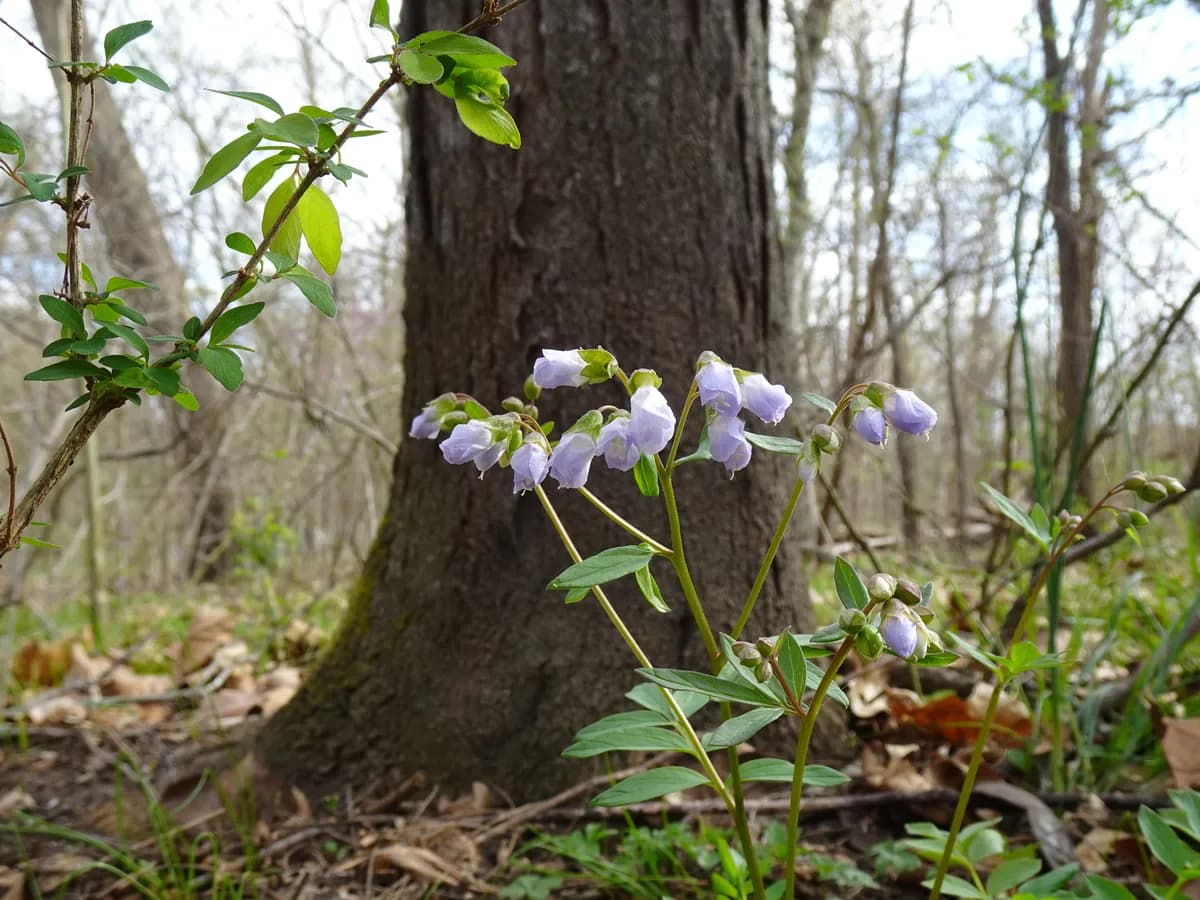
Creeping Polemonium
Polemonium reptans
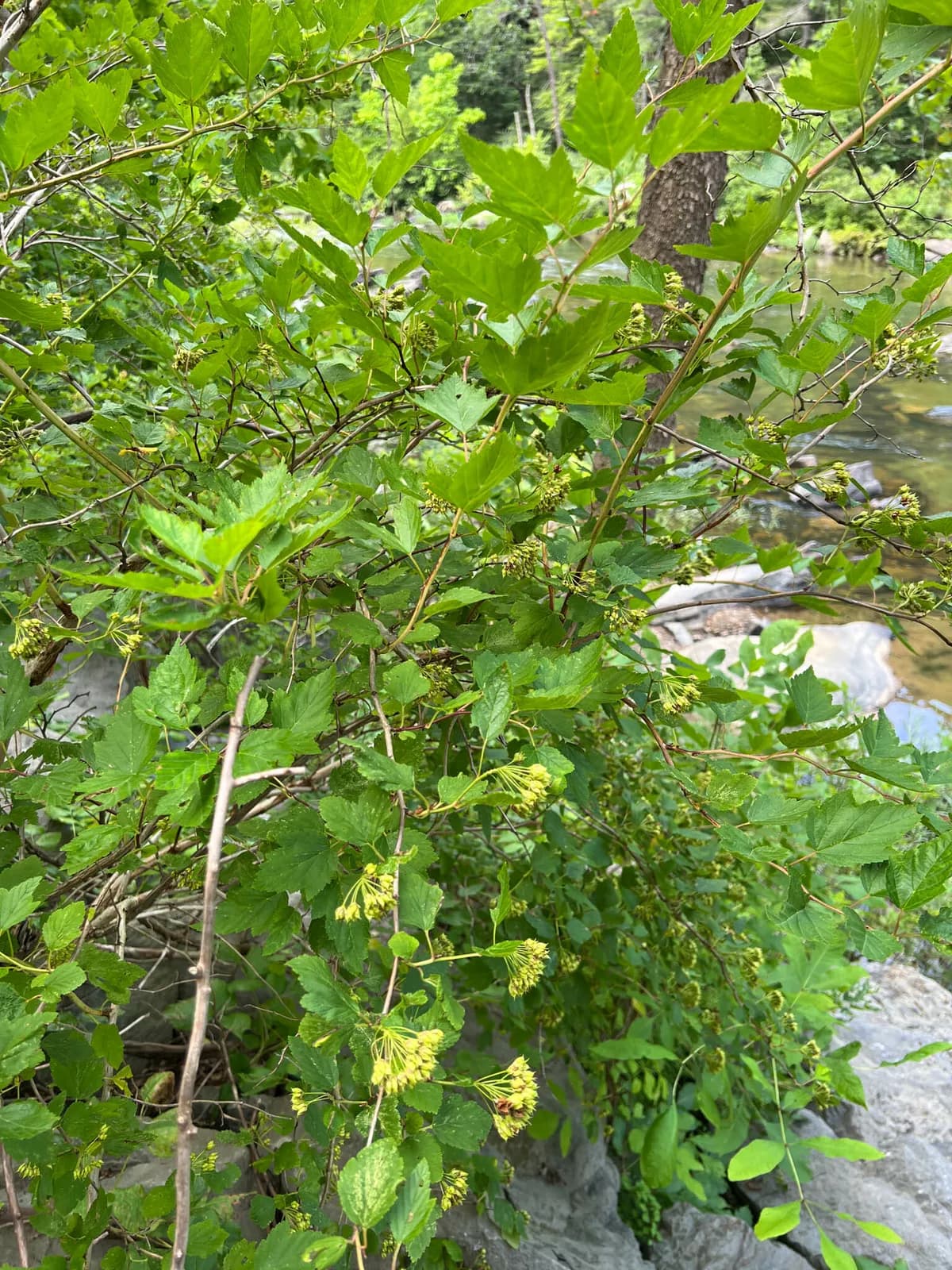
Ninebark
Physocarpus opulifolius
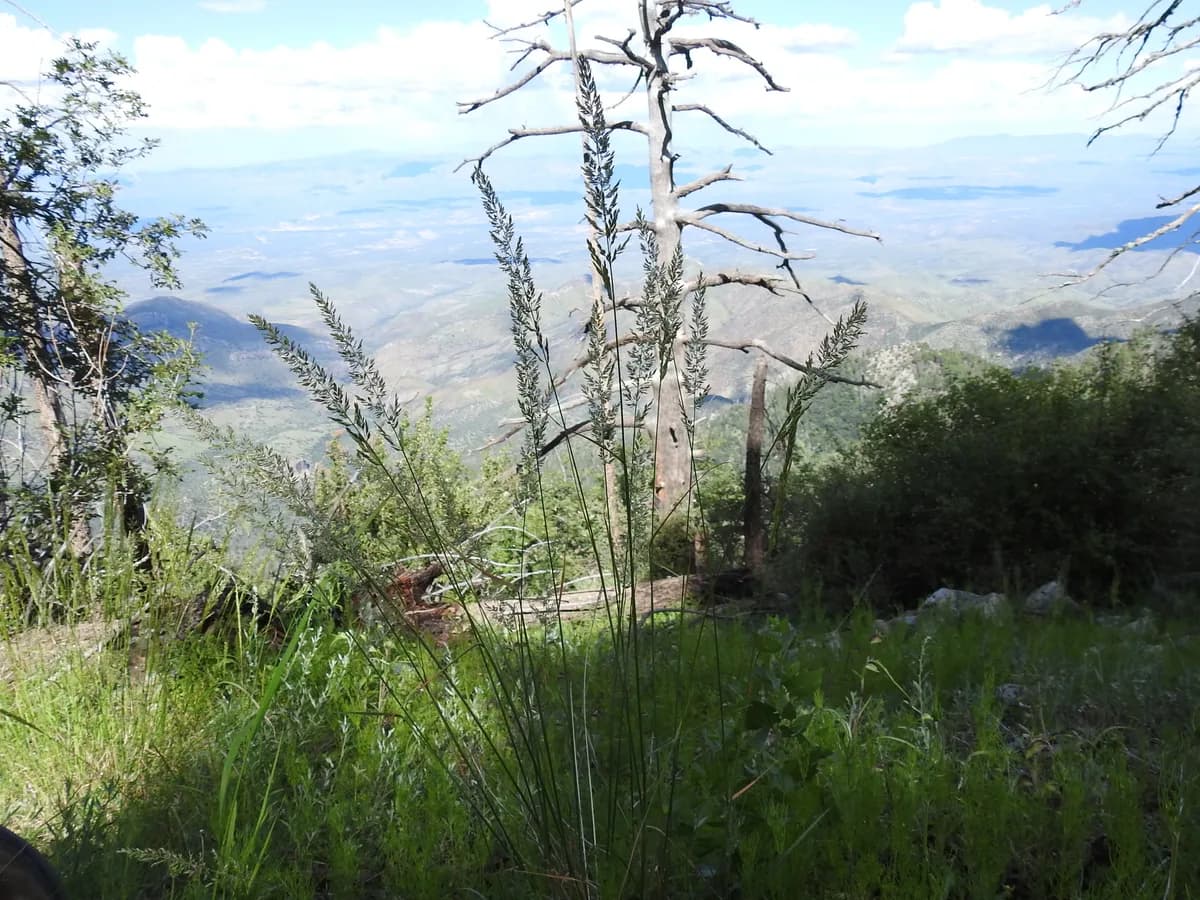
Prairie Junegrass
Koeleria macrantha
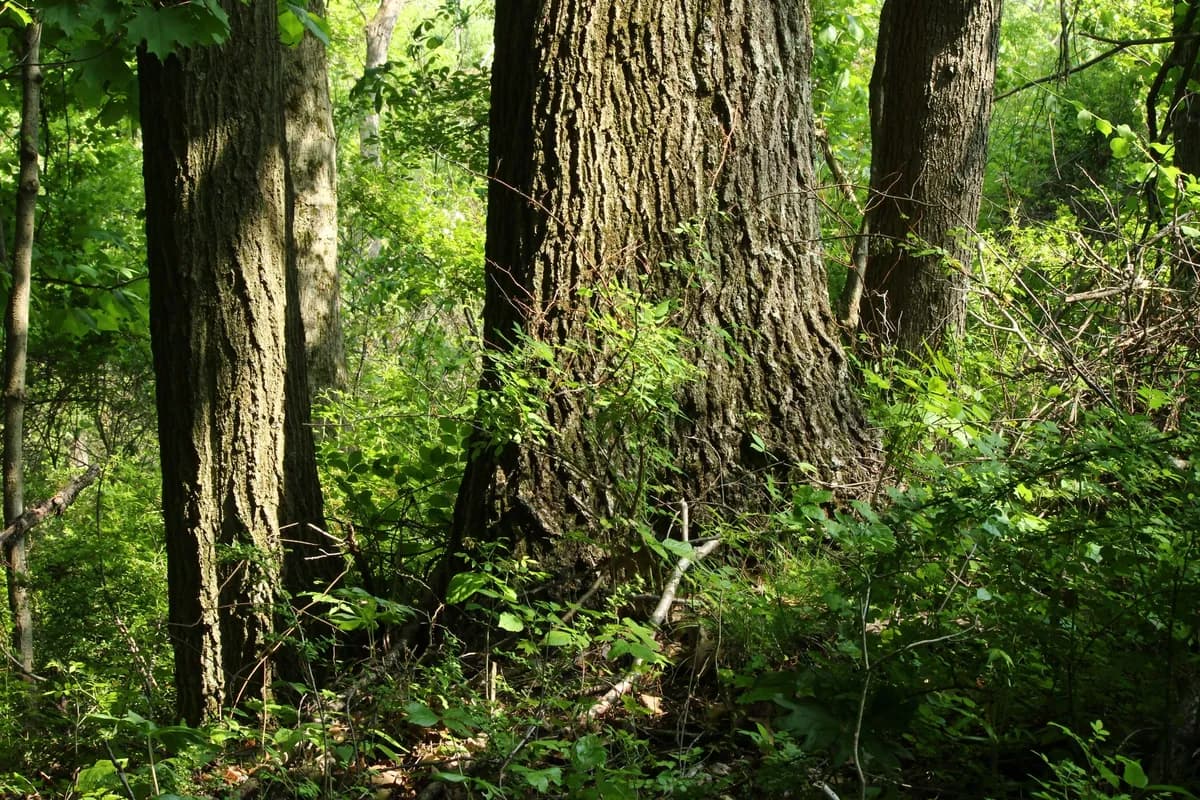
Northern Red Oak
Quercus rubra

Pennsylvania Sedge
Carex pensylvanica
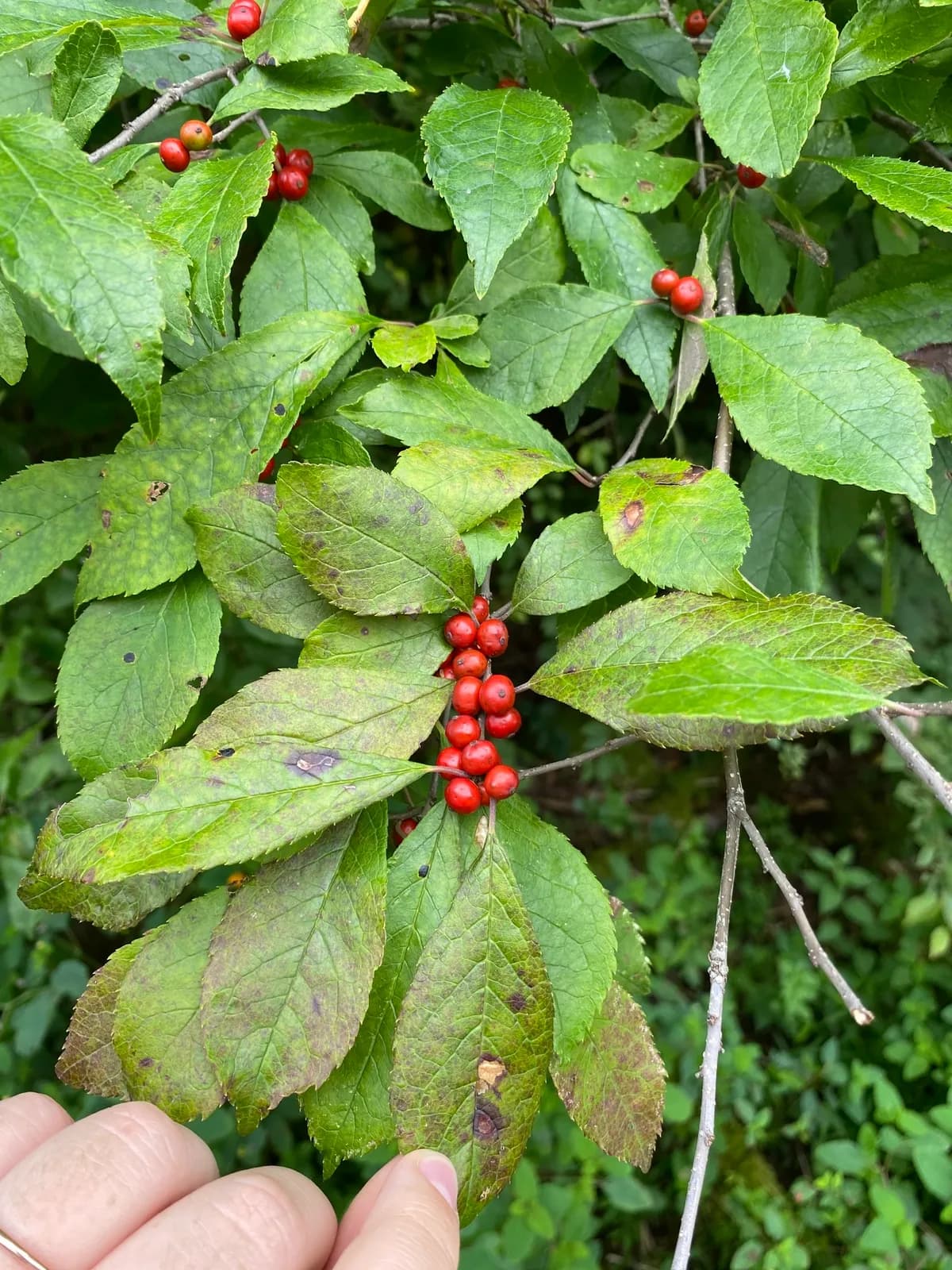
Black-alder
Ilex verticillata
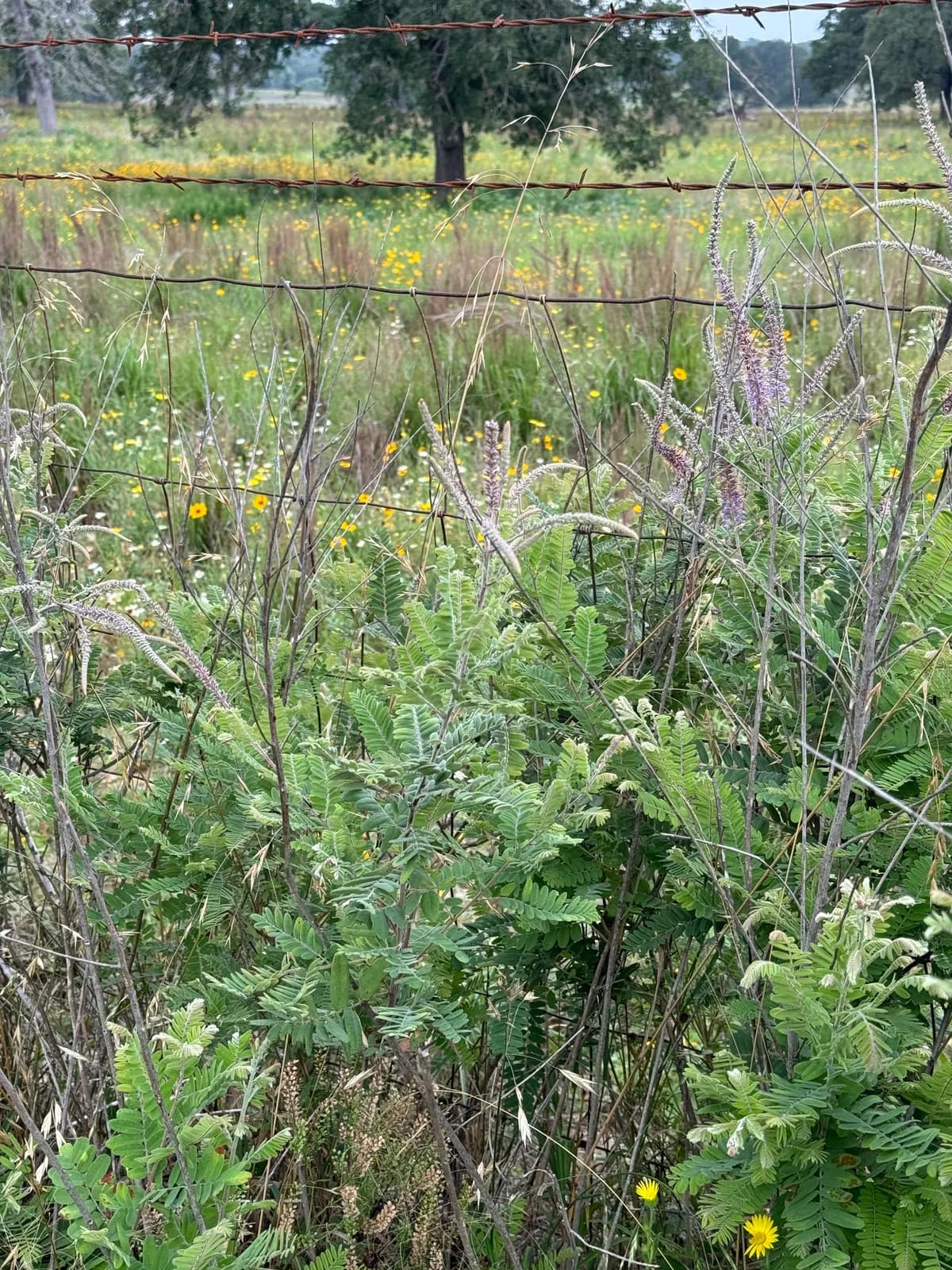
Leadplant
Amorpha canescens
Showing 48 of 1045. Enter your ZIP for the natives matched to your yard.
Fall care in the Southeastern Wisconsin Till Plains
What to do right now for plants commonly grown here. Each links to the full regional care guide for that species, with sources.
- Prairie alumroot
Fall cleanup for prairie alumroot in Milwaukee means cutting back the spent flower stalks and letting the basal foliage settle in before winter.
- Spotted joe pye weed
Fall is when Spotted Joe-Pye Weed puts on its best show in Milwaukee gardens, with flowers continuing into September, and it's also a good time to divide crowded clumps or think about a tidy cutback before winter.
- Joe pye weed
Fall is peak bloom in Milwaukee, and the flowers are an important late season nectar source before frost ends the year.
- Golden alexanders
Fall in Milwaukee is when golden alexanders finishes its yearly cycle and its seed heads become a small food source for birds.
- Heart leaf golden alexanders
Fall in the Milwaukee area is a good time to plant new starts or collect seed, and this plant needs only light cleanup before winter.
- Stiff goldenrod
Fall bloom in Milwaukee runs from August into the area's average first frost around late September.
- Tall blazing star
Bloom typically finishes by late September in the Milwaukee area, then the plant shifts to feeding birds until frost.
- Prairie petunia
Fall arrives earlier in Milwaukee than in most of this plant's range, so the bloom season and the die-back both come sooner.
- Bur oak
Fall brings bur oak's big acorn and leaf drop plus one of the two best planting windows, so cleanup and watering new trees are the main tasks.
- Smooth aster
Fall is the whole point of this plant. It is confirmed native to this part of Wisconsin, and its lavender-blue blooms open from late August into October, right as Milwaukee's growing season winds down.
Build a plan for the Southeastern Wisconsin Till Plains
The Pollinator Patch App turns plants like these into a front-yard plan tuned for the soil, climate, and HOA expectations of the Rockford area.