False Sunflower
Heliopsis helianthoides
Last reviewed: October 2026
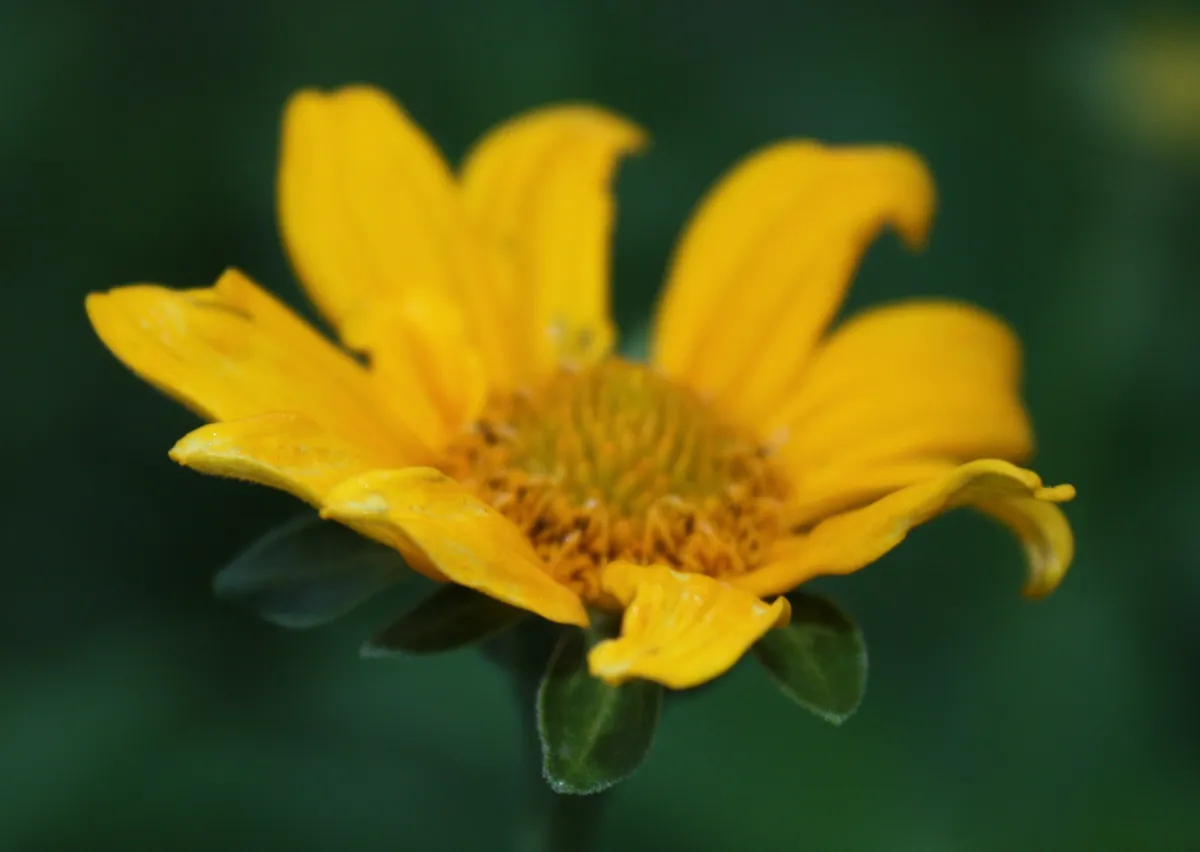
Heliopsis helianthoides, or false sunflower, is a sturdy prairie forb that blooms with bright yellow daisy-like flowers from July through September. It thrives in full sun with medium moisture and holds up well in garden borders and meadow plantings.
Toxicity unknown
False Sunflower (Heliopsis helianthoides) is not listed by the ASPCA Animal Poison Control Center (opens in new tab) or the other sources we check, so we have no verdict for it either way. Absence from those lists is not a clearance. If your pet shows symptoms after eating any plant, call the ASPCA at (888) 426-4435.
The USDA PLANTS Database (opens in new tab) does not flag False Sunflower as toxic to livestock.
Light
full sun
Water
medium
Size
24"–48" H × 18"–36" W
Bloom
Jul, Aug, Sep
Native to
AL, AR, CO, DE and 30 more states
Pollinators
bees, butterflies, beetles
Before you buy
Your city may pay you to plant this
Cities and water utilities offer rebates for replacing lawn with native and water-wise plants. We track 459 programs across 44 states, each with a link to the provider and the date we last checked it.
Find rebates in your areaPicture natives in your own yard
Upload a photo of your yard and Patch Vision shows a rendering of it planted with natives for your region, like False Sunflower.


Browse plants for this ecoregion
False sunflower produces bright yellow, daisy-like blooms from July through September on sturdy stems reaching 2-4 feet tall. This reliable native perennial forms attractive clumps and tolerates various soil conditions while providing long-lasting summer color. The flowers are excellent for cutting and the plant maintains good foliage throughout the growing season.
Growing False Sunflower
Grow False Sunflower in full sun and medium water. Mature plants reach 24 to 48 inches tall and spread 18 to 36 inches wide. Expect low maintenance to keep it looking intentional in a front yard.
How to care for False Sunflower, by region
How to care for False Sunflower where it is actually grown: year-round basics plus what to do each season, region by region, with the sources for each.
Care guidance last updated: October 2026
Blue Ridge (includes Asheville, NC)
Year-round
Year-round care for false sunflower around Asheville, NC: full sun and medium to dry, well-drained soil.
- Full sun is best, and plants in shade have weaker stems.
- It tolerates clay, loam and sand.
- The soil should be medium moist to dry and well-drained.
- It is highly resistant to dry soil.
- Plants reach 3 to 6 feet tall and 2 to 4 feet wide.
- Stems may be cut back in late May to reduce plant height, and tall plants may need staking.
Cutting stems back in late May keeps it shorter and tidy in a front bed.
Sources: NC State Extension Plant Toolbox: Heliopsis helianthoides
Cross Timbers (includes Fort Worth, TX)
Year-round
False sunflower reaches the Cross Timbers around Fort Worth along the eastern edge, where the region's post oak woodlands and sandy soils grade into its documented range. It is a 3 to 5 foot yellow-flowered perennial that takes the sandy loams and clay pockets here and blooms right through summer in full sun.
- Native to open woodlands, savannas, and prairies of central and eastern Texas, which reaches the eastern Cross Timbers near Fort Worth (Lady Bird Johnson Wildflower Center).
- Handles the region's sandy loams and clay and takes some drought once established, though it blooms best with steady moisture.
- Feeds native bees, honey bees, butterflies, skippers, and beetles all season (USDA NRCS smooth oxeye plant guide).
- Not on the ASPCA toxic plant list for dogs, cats, or horses.
- Documented Texas records concentrate in the northeastern part of the state, so this is a stronger fit toward the eastern side of the Cross Timbers (BONAP North American Plant Atlas).
Upright clumps with long yellow bloom give a front bed planned, seasonal color that neighbors read as tended.
Fall
Blooms fade in fall and the plant moves energy into its roots. Leave the seed heads for birds or cut back for a cleaner bed. Once the heat breaks, fall is a good time to divide or move a clump.
- Flowering winds down as nights cool in fall.
- Leave seed heads standing and birds will feed on them.
- Divide or relocate clumps after the heat breaks.
- For a tidier bed, cut spent stems back partway and leave the base.
Winter
The plant dies back and rests through winter. The bare crown is alive even though the top looks dead. Standing stems left from fall shelter insects, and you can cut everything to a few inches any time before spring shoots start.
- Fully dormant in winter, the underground crown stays alive.
- Cut old stems to a few inches in late winter before new growth.
- Standing stems shelter overwintering insects, so cutting late helps them.
- No watering needed during dormancy.
A late-winter cutback leaves a low, clean crown that looks intentional rather than neglected.
Spring
Spring is the planting and growing window. Shoots come up from the crown in March and the clump fills out fast. Get new plants in early, water them while it is cool, and pinch the stems once for a shorter plant that does not need staking.
- Plant or divide in early spring while soil is cool and moist.
- Water new plants through spring so roots go deep before Fort Worth summer heat.
- Pinch stem tips once in mid-spring for a bushier, sturdier plant.
- Feed lightly at most, too much and the stems flop.
Summer
Summer is peak bloom, June into September, with yellow flowers that keep coming when deadheaded. It holds up through the hot, dry Fort Worth summer and stays one of the steadier pollinator plants when spring color has faded.
- Blooms June through September through the hottest Fort Worth months (Lady Bird Johnson Wildflower Center).
- Deadhead every week or two to keep new flowers coming.
- Give it a deep soak during long dry spells for better bloom, even though it tolerates drought.
- Native bees, butterflies, and skippers work the flowers all summer (USDA NRCS smooth oxeye plant guide).
Weekly deadheading keeps the clump crisp through the season front beds get watched most.
Sources: Lady Bird Johnson Wildflower Center, Heliopsis helianthoides (Smooth oxeye), USDA NRCS Plant Guide, Smooth Oxeye (Heliopsis helianthoides), ASPCA Toxic and Non-Toxic Plants database, BONAP North American Plant Atlas, Heliopsis helianthoides county map, Prairie Moon Nursery, Heliopsis helianthoides (Early Sunflower) growing notes
East Central Texas Plains (includes College Station, TX)
Year-round
False sunflower is a good fit for the Post Oak Savanna around College Station, where it grows in the open woodland edges and grassy openings the region is made of. It is a 3 to 5 foot perennial with cheerful yellow flowers all summer and does fine in the sandy loams here as long as it gets sun.
- Native to savannas, open woodlands, and prairies of central and eastern Texas, which matches the Post Oak Savanna around College Station (Lady Bird Johnson Wildflower Center).
- Handles sandy loam and part shade at woodland edges, though it flowers hardest in full sun.
- Supports native bees, honey bees, butterflies, skippers, and beetles through the whole season (USDA NRCS smooth oxeye plant guide).
- Not on the ASPCA toxic plant list for dogs, cats, or horses.
- Seed heads left standing feed birds into fall and winter.
A tidy clump with steady summer color works well as a front-bed anchor next to lower groundcovers.
Fall
Blooms fade in fall and the plant moves energy down into its roots. Leave the seed heads for the birds, or cut things back for a cleaner bed. Once the heat lets up, fall is also a good time to divide or move a clump.
- Flowering winds down as nights cool in fall.
- Leave seed heads and finches and other birds will feed on them.
- Divide or relocate clumps after the heat breaks.
- For a tidier bed, cut spent stems back partway and leave the base.
Winter
The plant dies back and rests through winter. The bare crown is alive even though the top looks gone. Standing stems from fall shelter insects, and you can cut everything down to a few inches any time before spring shoots start.
- Fully dormant in winter, the underground crown stays alive.
- Cut old stems to a few inches in late winter before new growth.
- Standing stems shelter overwintering insects, so cutting late helps them.
- No watering needed during dormancy.
A late-winter cutback leaves a low, clean crown that reads as intentional.
Spring
Spring is the growing and planting window. New shoots come up from the crown in March and the clump fills out through spring. Get new plants in early, water them while it is cool, and pinch the stems once if you want a shorter plant that stands on its own.
- Plant or divide in early spring while soil is cool and holds moisture.
- Water new plants steadily through spring so roots go deep before summer.
- Pinch stem tips once in mid-spring for a bushier, sturdier plant.
- Go light on feeding, rich soil makes the stems flop.
Summer
Summer is peak bloom. Yellow flowers keep coming from June into September, and snipping off the spent ones keeps them going. In the Post Oak Savanna this is one of the more dependable pollinator plants during the hot months when other flowers slow down.
- Blooms June through September through the hottest College Station months (Lady Bird Johnson Wildflower Center).
- Deadhead every week or two to keep new flowers coming.
- Give it a deep soak during long dry spells, it takes drought but blooms better watered.
- Native bees, butterflies, and skippers work the flowers all summer (USDA NRCS smooth oxeye plant guide).
Regular deadheading keeps the plant looking tended through the most-watched season.
Sources: Lady Bird Johnson Wildflower Center, Heliopsis helianthoides (Smooth oxeye), USDA NRCS Plant Guide, Smooth Oxeye (Heliopsis helianthoides), ASPCA Toxic and Non-Toxic Plants database, Prairie Moon Nursery, Heliopsis helianthoides (Early Sunflower) growing notes
Erie Drift Plain (includes Buffalo, NY)
Year-round
This is a tough, sunny yellow flower that likes dry to average soil and asks for little.
- Plant in full sun or part shade.
- It prefers dry soil and does fine in sandy or clay soil.
- Large clumps can be divided, though the source says this is hard to do.
Cut stems back after frost and deadhead spent blooms for a tidy, HOA-friendly look.
Fall
Fall is a good time to sow seed and to wrap up the season.
- Sow seed in fall for next year if you want more plants.
- Leave seed heads standing a while or cut stems back after frost.
- First frost in Buffalo is around mid October.
Winter
The plant rests under snow and needs nothing from you.
- Do not water or fertilize.
- Snow cover is fine.
- Cut back any stems left standing once spring growth begins.
Spring
Spring is for planting and watching new growth return.
- Sow seed in early spring or set out plants once the ground thaws.
- Water new plants during their first season.
- Wait for late spring frost danger to pass before adding new plants.
Summer
Summer is bloom time, from June through September.
- Water only in long dry spells since it uses little water.
- Do not overwater, because it prefers dry soil.
- Snip spent blooms if you want a neater look.
Sources: Lady Bird Johnson Wildflower Center: Heliopsis helianthoides
Interior River Valleys and Hills (includes Peoria, IL)
Year-round
False sunflower is a sturdy, easy prairie perennial that does well in full sun around Peoria and blooms for most of the summer, making it a reliable cut flower too.
- Give it full sun to light afternoon shade. In too much shade the stems get weak and floppy.
- It handles clay and average garden soil fine. It just needs decent drainage so roots are not sitting in standing water.
- Water it regularly while it gets established. Once it has a full season of roots down, it handles dry spells well.
- Space plants about 18 to 24 inches apart. Mature clumps can spread 2 to 4 feet wide.
- Low fuss overall. Deadhead spent flowers through the season to keep new blooms coming, and cut a few stems for a vase whenever you want.
- Heliopsis helianthoides is native to Illinois and most of the eastern and central United States, according to the Lady Bird Johnson Wildflower Center.
Fall
Fall is when you decide how tidy you want the bed to look and whether to let this plant reseed.
- Blooming can continue into September and sometimes early October before Peoria's first frost, which usually lands around mid October.
- This plant self sows freely and can spread into a small colony if the seed heads are left to mature and drop.
- If you want winter interest or seed for birds, leave a few stems standing instead of cutting the whole clump down now.
Cutting spent flower heads back after bloom keeps the bed looking tidy from the street and helps stop this plant from spreading past its bed into a neighboring lawn or walkway.
Winter
Winter is a rest period. This plant is hardy in Peoria and needs no protection once established.
- False sunflower dies back to the ground and stays dormant through Peoria's winter. No mulching or wrapping is needed for an established plant.
- If you left stems standing in fall, cut them down to about 6 inches above the ground before new growth starts in spring, or do it now if you prefer a cleaner look through winter.
- No watering or feeding is needed while the plant is dormant.
- A plant in its first winter benefits from a light layer of mulch over the crown, removed once new growth starts in spring.
Spring
Spring in Peoria is cleanup and planting time, once the frost risk has passed.
- Cut back any dead stems still standing from last fall before new growth pokes up, so the fresh shoots get light and room.
- Peoria's average last frost lands in mid to late April. Wait until after that to plant new false sunflower or divide an established clump.
- If you started plants indoors or bought them early from a nursery, harden them off and hold off setting them outside until after the last frost date.
- New spring growth is soft and can wilt fast if a late cold snap sneaks in. A light cover overnight protects young plants on a surprise cold night.
Summer
Summer is the main show for false sunflower in Peoria. It blooms for months and asks for very little upkeep.
- Expect flowers from June into September. Deadhead spent blooms every week or so to keep new ones coming and stretch out the bloom season.
- Water during stretches without rain, especially the plant's first summer. Once established it handles Peoria's occasional dry, humid stretches fine.
- Tall stems can flop over after summer storms. Stake clumps early in the season, or cut them back by about a third in late May to keep them shorter and sturdier.
- Check leaves for aphids on hot, still days. A strong spray of water from the hose knocks most of them off.
Sources: NC State Extension Gardener Plant Toolbox: Heliopsis helianthoides, Lady Bird Johnson Wildflower Center: Heliopsis helianthoides
South Central Plains (includes Beaumont, TX)
Year-round
False sunflower is native to the Piney Woods, mainly through the open woodlands, clearings, and prairie openings of the northern and central part of the region. It is a tall yellow-flowered perennial that likes sun to part shade and the sandy loams common in East Texas. Around the wetter far-southeast near Beaumont, plant it in the sunniest, best-drained spot you have.
- Native to open woods, woodland borders, thickets, and prairie openings of eastern Texas, which places it in the Piney Woods (Lady Bird Johnson Wildflower Center).
- Prefers full sun to part shade and moist, well-drained sandy loam, it is an upland plant, so avoid soggy low spots.
- Feeds native bees, honey bees, butterflies, skippers, and beetles through the season (USDA NRCS smooth oxeye plant guide).
- Not on the ASPCA toxic plant list for dogs, cats, or horses.
- Documented Texas records sit in the northeastern part of the state, so the strongest fit is the northern Piney Woods rather than the wet coastal edge (BONAP North American Plant Atlas).
Placed in a sunny, well-drained front bed, its upright form and long yellow bloom look like a planned perennial rather than a volunteer.
Fall
Blooms fade in fall and the plant sends energy back to its roots. Leave the seed heads for birds or cut back for a cleaner look. Once the summer heat and humidity ease, fall is a good time to divide or move a clump in East Texas.
- Flowering winds down as nights cool in fall.
- Leave seed heads standing and birds will feed on them.
- Divide or relocate clumps once the heat and humidity drop.
- For a tidier bed, cut spent stems back partway and leave the base.
Winter
The plant dies back and rests through the mild Piney Woods winter. The crown stays alive even though the top looks dead. Standing stems shelter insects, and you can cut everything down to a few inches any time before spring shoots appear.
- Fully dormant in winter, the underground crown survives the mild East Texas cold.
- Cut old stems to a few inches in late winter before new growth starts.
- Leaving stems up over winter shelters overwintering insects.
- No watering needed during dormancy.
A late-winter cutback to a few inches keeps the crown low and tidy through the off season.
Spring
Spring is the planting and growing window. Shoots come up in March and the clump fills out through spring. In the humid Piney Woods, put it where morning sun and good drainage keep the crown from staying wet, and pinch the stems once for a sturdier plant.
- Plant or divide in early spring while the soil is cool and moist.
- Pick a spot with good drainage, in this wet region a raised or sloped bed helps.
- Pinch stem tips once in mid-spring for a shorter, bushier plant.
- Feed lightly at most, rich soil plus East Texas moisture makes stems flop.
Summer
Summer is full bloom, June into September, with yellow flowers that keep coming when you deadhead. In the humid Piney Woods, good air flow around the plant matters, so give it room and keep it in a sunny spot to head off leaf spot in the wet heat.
- Blooms June through September through the hot, humid summer (Lady Bird Johnson Wildflower Center).
- Deadhead every week or two to keep new flowers coming and the plant tidy.
- Space plants for air flow, crowding in this humid region invites leaf spot and mildew.
- Flowers stay busy with native bees, butterflies, and skippers (USDA NRCS smooth oxeye plant guide).
Spacing plants for air flow also keeps the bed looking open and cared-for rather than overgrown.
Sources: Lady Bird Johnson Wildflower Center, Heliopsis helianthoides (Smooth oxeye), USDA NRCS Plant Guide, Smooth Oxeye (Heliopsis helianthoides), ASPCA Toxic and Non-Toxic Plants database, BONAP North American Plant Atlas, Heliopsis helianthoides county map, Prairie Moon Nursery, Heliopsis helianthoides (Early Sunflower) growing notes
Texas Blackland Prairies (includes Dallas, TX)
Year-round
False sunflower is a clump-forming perennial that belongs in the Blackland Prairie around Dallas. It puts out yellow, sunflower-like flowers all summer on stems 3 to 5 feet tall and handles the heavy clay soils this region is known for. Give it full sun and it will settle in and come back on its own each year.
- Native to blackland prairies and open woodlands of central and eastern Texas, so it is a genuine fit for the Dallas-area Blackland Prairie (Lady Bird Johnson Wildflower Center).
- Grows best in full sun with moist, well-drained soil, but it tolerates the region's heavy clay and short dry spells once established.
- Flowers feed honey bees, native bees, butterflies, skippers, and beetles across the whole bloom season (USDA NRCS smooth oxeye plant guide).
- Not on the ASPCA toxic plant list for dogs, cats, or horses.
- Leave the seed heads up in fall and birds will work them for seed.
Neat, upright clumps and a long yellow bloom read as tended flower-garden color, which sits well in a visible front bed.
Fall
Blooms wind down in fall and the plant starts putting energy back into its roots. You have a choice here. Cut it back for a clean look, or leave the stems and seed heads standing so birds can feed and the dry stalks give cover to insects through winter.
- Flowering tapers off as nights cool, usually finishing up by early fall.
- Leave seed heads standing and finches and other birds will work them for seed.
- Fall is a fine time to divide or move clumps once the heat breaks.
- If you want a tidier look, cut spent stems back partway and leave the base.
If your HOA prefers a trimmed look, cutting stems partway keeps the bed neat while still leaving some cover at the base.
Winter
False sunflower dies back to the ground and rests through winter. This is normal, and the bare crown is not a dead plant. Standing stems left from fall keep giving cover to insects, and you can cut everything back to a few inches whenever you are ready before spring growth starts.
- The plant is fully dormant in winter, the crown stays alive underground even though the top looks dead.
- Cut old stems back to a few inches any time from late winter before new shoots appear.
- Standing dead stems shelter overwintering insects, so cutting late helps them.
- No watering needed while it is dormant in the Dallas area.
A late-winter cutback to a few inches leaves a clean, low crown that looks intentional rather than neglected.
Spring
Spring is when false sunflower wakes up and does most of its growing. New shoots push up from the crown in March, and the clump fills out fast through April and May. This is the window to divide old clumps, get new plants in the ground, and pinch stems if you want a shorter, bushier plant.
- Set out new plants or divide crowded clumps in early spring while the soil is still cool and damp.
- Water new plantings through spring so the roots reach down before Dallas summer heat arrives.
- Pinch the stem tips back once in mid to late spring for a shorter, fuller plant that needs less staking.
- A single spring feeding is plenty, too much and the stems get floppy in the clay.
Summer
Summer is the show. False sunflower blooms from June into September with bright yellow daisy-like flowers that keep coming if you snip off the spent ones. It is one of the steadier pollinator plants during the hottest Dallas months, when a lot of spring color has already faded.
- Blooms June through September, right through the hottest part of the Dallas summer (Lady Bird Johnson Wildflower Center).
- Deadhead spent flowers every week or two to push more blooms and keep the plant tidy.
- Water deeply during long dry stretches, it takes some drought but blooms better with a soak during heat waves.
- Flowers stay busy with native bees, butterflies, and skippers all summer (USDA NRCS smooth oxeye plant guide).
Weekly deadheading keeps the clump looking cared-for through summer, which is the season front-yard beds get the most scrutiny.
Sources: Lady Bird Johnson Wildflower Center, Heliopsis helianthoides (Smooth oxeye), USDA NRCS Plant Guide, Smooth Oxeye (Heliopsis helianthoides), ASPCA Toxic and Non-Toxic Plants database, Prairie Moon Nursery, Heliopsis helianthoides (Early Sunflower) growing notes
In an HOA neighborhood
False Sunflower is an HOA-friendly choice. Maintenance level: low. Tidiness: 4 out of 5.
Works well in: front yard, foundation, street edge, mid zone.
- May need staking in windy locations
- Can spread moderately over time
Wildlife value
The abundant flowers attract bees, butterflies, and beetles throughout the long blooming period. Seeds provide food for birds in fall and winter.
Common questions
- When does false sunflower bloom?
- Heliopsis helianthoides typically flowers from July through September, producing yellow daisy-like blooms on upright stems throughout the summer months.
- What kind of light and water does false sunflower need?
- This forb grows best in full sun with medium moisture, though it tolerates part sun and can handle drier soil once its roots are established.
- What pollinators visit false sunflower?
- Bees, butterflies, and beetles regularly visit the flowers of Heliopsis helianthoides for nectar and pollen, making it a useful addition to pollinator gardens.
- Does false sunflower lose its leaves in winter?
- Yes, it is a deciduous herbaceous perennial that dies back to the ground after frost and regrows from its root system each spring.
- Is False Sunflower toxic to livestock?
- The USDA PLANTS Database does not flag False Sunflower as toxic to livestock.
- Is False Sunflower HOA-friendly?
- False Sunflower is generally an HOA-friendly choice in the right placement, with low maintenance.
These answers were drafted with an AI model from this plant's data. Verify care details with a local expert.
Native range data from vouchered herbarium specimen records and regional native plant society lists. Pollinator and host plant associations compiled from GBIF, iNaturalist, and published ecological literature.
If something looks wrong
Common plant problems, and what to check first
These come up on almost any plant. Each guide lists the likely causes in the order they are worth ruling out, with one thing to check before you act on any of them, and links to the source it came from.
- It is dying right after planting
- Leaves turning yellow
- Wilting even though I watered it
- Brown crispy leaf tips
- Bugs on the plant
Ready to grow False Sunflower? Add it to your garden in Pollinator Patch to track it and get season-by-season care guidance.