Leadplant
Amorpha canescens
Last reviewed: October 2026
Leadplant is a compact shrub of dry prairies and rocky or sandy plains in the central and western United States, producing dense purple flower spikes from June through August.
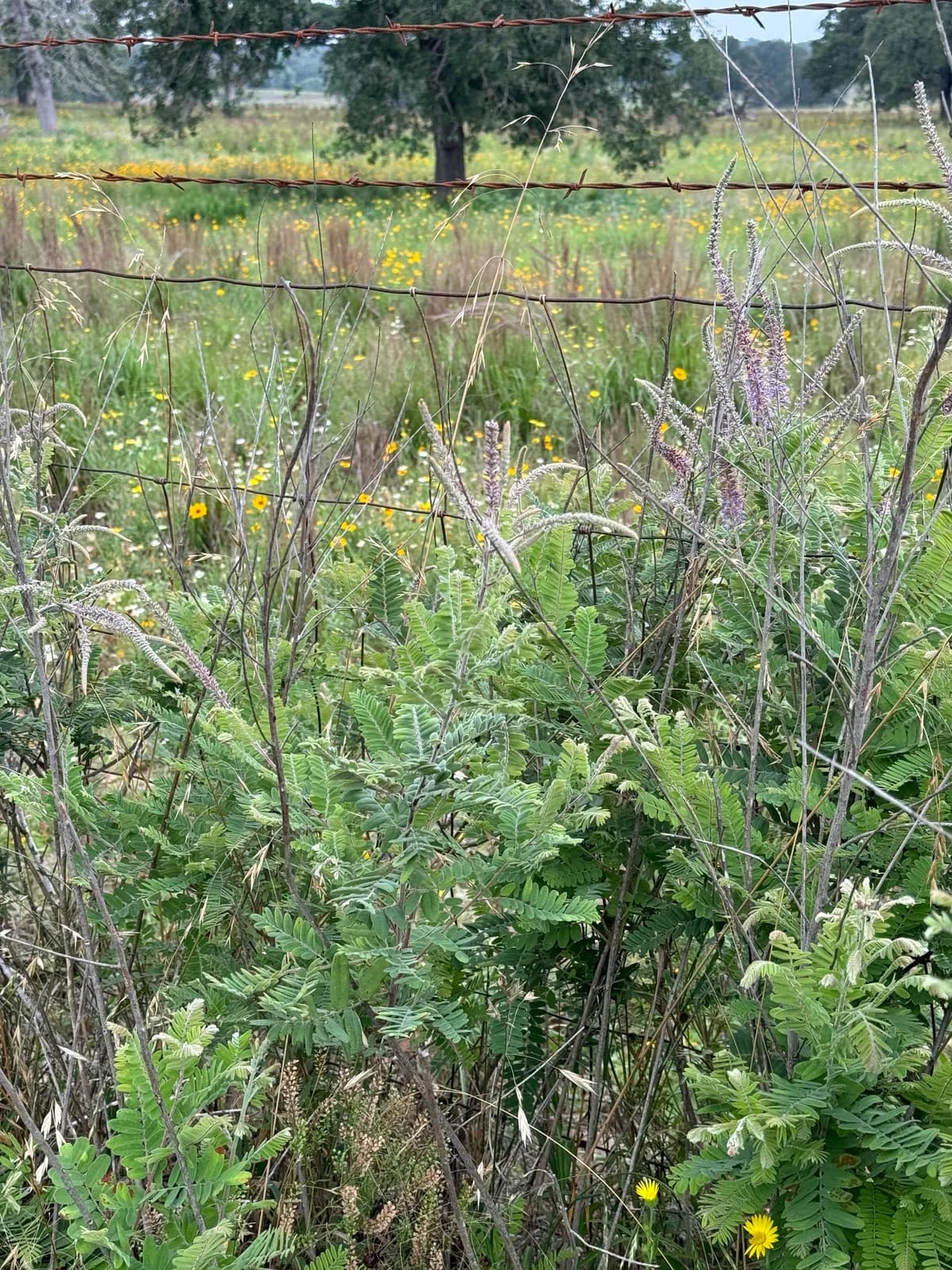
Toxicity unknown
Leadplant (Amorpha canescens) is not listed by the ASPCA Animal Poison Control Center (opens in new tab) or the other sources we check, so we have no verdict for it either way. Absence from those lists is not a clearance. If your pet shows symptoms after eating any plant, call the ASPCA at (888) 426-4435.
The USDA PLANTS Database (opens in new tab) does not flag Leadplant as toxic to livestock.
Light
full sun
Water
low
Size
24"–48" H × 24"–36" W
Bloom
Jun, Jul, Aug
Native to
AR, AZ, CO, IA and 16 more states
Pollinators
bees, butterflies, moths
Deer
Resistant (per Prairie Moon Nursery)
Before you buy
Your city may pay you to plant this
Cities and water utilities offer rebates for replacing lawn with native and water-wise plants. We track 459 programs across 44 states, each with a link to the provider and the date we last checked it.
Find rebates in your areaPicture natives in your own yard
Upload a photo of your yard and Patch Vision shows a rendering of it planted with natives for your region, like Leadplant.


Browse plants for this ecoregion
Leadplant is a compact native shrub with silvery-gray foliage and striking purple flower spikes that bloom throughout summer. This drought-tolerant plant develops a neat, rounded form and requires minimal care once established. The distinctive flowers and attractive foliage make it a standout addition to sunny gardens.
Growing Leadplant
Grow Leadplant in full sun and low water. Mature plants reach 24 to 48 inches tall and spread 24 to 36 inches wide. Expect low maintenance to keep it looking intentional in a front yard.
How to care for Leadplant, by region
How to care for Leadplant where it is actually grown: year-round basics plus what to do each season, region by region, with the sources for each.
Care guidance last updated: October 2026
Central Corn Belt Plains (includes Chicago, IL)
Year-round
Leadplant wants full sun and dry, well-drained soil. Once its deep roots settle in, it needs very little water or care.
- Plant in full sun. It handles sandy soil and also tolerates clay and alkaline soil.
- Water regularly the first season, then mostly leave it alone.
- It often dies to the ground in winter, so cutting it back in early spring is normal.
- Skip rich soil and extra fertilizer. Lean soil keeps it tidy.
Cutting it back each spring and giving it a little room keeps the clump looking intentional in a front bed.
Fall
Fall is a good window to plant new leadplants so roots settle before winter. Established plants need nothing special.
- Plant new ones early enough for roots to grow before the ground freezes.
- Water new plants until the soil freezes.
- Leave the stems standing for now and cut them back in spring.
Winter
Leadplant is hardy through Chicago winters and often dies back to the ground. That is normal, not a sign it has failed.
- It is hardy in USDA zones 2 to 6, which covers Chicago.
- Bare stems or no top growth in winter is expected.
- No watering or covering is needed for established plants.
Spring
Spring is the time to cut old stems back and let new growth start fresh. Chicago springs can be wet, so keep the soil from staying soggy.
- Cut stems to the ground or to about 12 inches in late winter or early spring.
- New growth can look slow to wake up. Give it time as the soil warms.
- Water new plants during dry spells while roots get established.
Summer
Summer is bloom time, and established leadplant handles heat and dry spells well. Humid Chicago summers rarely call for extra work.
- Expect purple flower spikes from early summer, with gray-green leaves all season.
- Established plants rarely need watering thanks to roots up to 4 feet deep.
- Water a first-year plant deeply during long dry stretches.
- No serious pests or diseases are expected.
Sources: Morton Arboretum: Leadplant, University of Illinois Extension: Leadplant, Lady Bird Johnson Wildflower Center: Amorpha canescens
Eastern Corn Belt Plains (includes Columbus, OH)
Year-round
Leadplant is a small, deep-rooted shrub in the pea family that is native to tallgrass and mixed grass prairie country. The Lady Bird Johnson Wildflower Center and the USDA PLANTS Database both place its documented native range from northern Indiana and southeastern Michigan west through the Great Plains, and neither source lists it as native to the Columbus, Ohio area. Grown here as a garden planting, it still does well in full sun and in average to dry, well drained soil, and it flowers reliably for bees and other pollinators once established.
- Plant in full sun. Leadplant tolerates part shade but sprawls and blooms less there.
- Any well drained soil works, including sand, gravel, loam, or clay. Rich, fertile soil is not needed.
- Expect a mature height around 1 to 3 feet, spaced 1 to 2 feet apart.
- Blooms appear June through August on the current year's growth and draw bees and other pollinators, per the Wildflower Center.
Fall
Fall is a reasonable second planting window in central Ohio if spring did not work out, and otherwise it is a season to let the plant wind down rather than clean it up hard. Seed pods that follow the summer bloom stay in place and add fall interest.
- If planting in fall, get it in the ground at least 4 to 6 weeks before the soil freezes, usually before mid October in the Columbus area.
- Leave faded flower spikes and seed pods standing. Do not cut the plant back in fall.
- Water new fall plantings during dry spells, then taper off as the plant goes dormant.
- Skip fall fertilizer. It is not needed and can push late, frost tender growth.
Standing seed heads and dry stems through fall can read as messy to a strict HOA. Framing it as intentional winter habitat, not neglect, usually settles the question.
Winter
Leadplant is dormant through a Columbus winter and often dies back to the ground like a perennial, which is normal and not a sign of a failed planting. Local winters fall well inside its usual hardiness range, so established plants need no special protection.
- No watering needed once the ground is cold and the plant is dormant.
- Leave dried stems and seed heads standing through winter for structure and for insects that overwinter in old stalks.
- Plan the hard cutback, to 6 to 12 inches or to the ground, for late winter before new growth starts, typically February or March in central Ohio.
- A plant in its first winter benefits from a couple inches of mulch over the root zone, pulled back again in spring.
Bare, cut back stems in late winter are part of leadplant's normal yearly cycle rather than a sign of dieback. Worth a quick note if the bed faces the street.
Spring
Spring is the main planting and pruning window for leadplant in the Columbus area. Because it flowers on new growth and often dies back over winter like a perennial, a hard cutback before new leaves emerge sets up a fuller, better blooming plant for summer.
- Cut the whole plant back to about 6 to 12 inches, or to the ground, before new growth starts in late winter or early spring.
- Set out new container grown plants once the soil has warmed and hard frost has passed, usually mid to late April in central Ohio.
- Water new transplants regularly through their first spring while roots get established.
- Skip heavy fertilizer. Leadplant is a legume and fixes its own nitrogen, so rich feeding just makes it flop over.
A hard spring cutback leaves the planting low and bare for a few weeks before regrowth starts. A quick note to neighbors or an HOA-conscious sign nearby can head off questions.
Summer
Columbus summers run hot and often humid, but an established leadplant is built for it thanks to roots that can reach many feet into the soil. This is also the main bloom window, with purple flower spikes opening from June into August.
- Established plants, past their first year, usually need no extra water during a normal Columbus summer, even in dry stretches.
- First year plants still appreciate a deep soak during extended heat with no rain.
- Deadheading is optional. Leaving spent flower spikes in place lets seed develop and keeps maintenance low.
- Leadplant has no serious insect or disease problems in most gardens, per University of Illinois Extension.
Sources: Lady Bird Johnson Wildflower Center, Native Plant Database, Amorpha canescens, USDA PLANTS Database, Amorpha canescens plant profile, University of Illinois Extension, Hort Answers, Leadplant, Prairie Moon Nursery, Amorpha canescens Lead Plant
High Plains (includes Lubbock, TX)
Year-round
Leadplant is a small, deep rooted prairie shrub that shrugs off Lubbock's dry, windy High Plains climate once it settles in, and its native range reaches the Panhandle and Llano Estacado prairies around Lubbock, so it counts as regionally native here.
- Plant it in full sun in fast draining sandy, loamy, or caliche soil, and skip low spots where water sits after a rain.
- Water it regularly through the first one to two growing seasons while the deep taproot forms, then taper to occasional deep soaks during dry stretches.
- Cage or fence young plants for the first couple of years, rabbits and deer browse the soft new growth hard on the High Plains.
- Expect slow growth and few blooms for the first two to three years, that is normal for this species and not a sign it is failing.
- Leadplant does not appear on the ASPCA toxic plant list for dogs or cats.
Fall
Fall is quiet for leadplant, the leaves fade and the plant starts settling in for its usual winter dieback. There is nothing to prune yet, that waits until spring.
- Leave the stems and any seed pods standing through fall rather than cutting them back now, many native bees use dead plant stems as winter shelter.
- Skip fall fertilizer, this legume fixes its own nitrogen through root nodules and extra fertilizer can push weak growth right before winter.
- Water only if fall turns unusually dry before the first freeze, established plants rarely need it.
- If collecting seed, wait until the pods turn brown and papery, usually by late fall in the Lubbock area.
- Do not cut the plant back now, wait for spring growth to show exactly where the live wood is.
Stems and seed heads left standing through fall are doing a job for local pollinators, not sitting neglected, worth mentioning if a fall HOA walk-through flags it.
Winter
Winter is when leadplant often looks completely dead above ground, and that is normal. It typically dies back to the base and resprouts from the roots once spring warms up.
- Do not pull or dig up a plant that looks dead in winter, check for green or firm tissue right at the base before deciding anything is gone.
- Leave the dry stems standing rather than cutting them now, they trap a little extra snow and insulation and give overwintering insects a place to shelter.
- Skip watering entirely once the ground is regularly freezing, this species is built for the dry, cold High Plains winter.
- Mulch lightly around the base of a plant in its first winter with a couple inches of wood chips or leaf litter, established plants do not need it.
- Wait for new growth low on the plant before touching it with pruning tools, that is a spring task.
A leadplant that looks bare and brown all winter is doing exactly what this species does every year rather than dying, so it is worth flagging to an HOA that new growth returns every spring instead of pulling or replacing the plant.
Spring
Spring is cutback season. Once new leaf buds show low on the plant, usually by mid to late April in the Lubbock area, cut back last year's dead stems.
- Wait for new growth at the base before cutting, then remove any stems that stayed bare, this shrub is known to die back to the ground each winter and regrow from the base.
- On plants at least two to three years old, a hard cutback close to the ground each spring keeps the shrub compact and encourages more blooms.
- Skip pruning entirely on plants in their first two growing seasons, let the root system establish first.
- Spring winds on the High Plains run strong, stake or shield new transplants until they root in.
- Hold off on extra watering once you see steady new growth, established plants pull what they need from their deep roots.
Cutting the winter stems down to a clean, low clump before new growth fills in reads as tended and deliberate to a passing HOA inspection, not neglected.
Summer
Summer is bloom season, small blue purple flower spikes open in June and July and draw in bees. Once established, this shrub handles Lubbock's summer heat and dry stretches without extra care.
- Let it bloom without deadheading, the flower spikes turn into seed pods that birds and wind help scatter.
- Skip supplemental watering on established plants, heavy summer watering can cause floppy growth and fewer flowers.
- Give a first or second year plant one deep soak if its leaves stay wilted into the evening on the hottest days.
- After a hailstorm, trim only the stems that actually broke, the plant recovers on its own by the following spring.
- Several native bee species rely heavily on leadplant blooms, so avoid spraying insecticide near the flowers while they are open.
Sources: USDA Forest Service, Fire Effects Information System, Amorpha canescens, Lady Bird Johnson Wildflower Center, Amorpha canescens, ASPCA Toxic and Non-Toxic Plant List, Dogs, ASPCA Toxic and Non-Toxic Plant List, Cats, Morton Arboretum, Leadplant care guide, Xerces Society, Save the Stems
North Central Hardwood Forests (includes Minneapolis, MN)
Year-round
Leadplant is a small native prairie shrub in the pea family that does well in Minneapolis full sun and dry, well-drained spots once it settles in.
- Give it full sun and soil that drains well, like sandy, gravelly, or loamy ground. It struggles in wet, heavy clay that stays soggy.
- The taproot can run many feet deep once established, so a mature plant rarely needs extra watering even in a dry Minneapolis summer.
- It is slow to show growth in spring, often one of the last plants in the bed to leaf out, so do not assume a bare plant in May is dead.
- Minneapolis winters, USDA zone 5a, are well inside its normal range of zone 3 to 8. A very harsh winter can still kill the top growth back to the ground, and it typically comes back from the root within a season or two.
- ASPCA's toxic and non-toxic plant lists for both dogs and cats do not include leadplant or the genus Amorpha, so there is no official read either way. Keep an eye on pets that chew on it out of general caution rather than treating it as confirmed non-toxic.
Fall
Fall is a quiet, hands-off season for leadplant in Minneapolis. Let it wind down on its own.
- Leave the plant standing through fall instead of cutting it back. The seed heads still matter to the leadplant flower moth, whose larvae depend on leadplant seed.
- hoaNote: A standing native shrub with seed heads reads as an intentional, HOA-conscious planting when it sits in a defined or edged bed rather than left to sprawl into the lawn.
- Skip fertilizing in fall. Leadplant is a nitrogen-fixing legume that does not need extra feeding, and late feeding can push soft new growth that winter damages.
- Foliage fades to a muted gray-green before dropping. That is expected leadplant behavior, not a sign of stress.
Winter
Winter is leadplant's rest period in Minneapolis, and pruning waits until the very end of it.
- Leave the woody stems standing through winter for structure and habitat rather than cutting back in fall.
- hoaNote: The upright winter silhouette reads as an intentional, low-maintenance native planting rather than a mess, especially if the surrounding bed is edged.
- Save pruning for late winter, once the hardest cold has passed, cutting to about 12 inches or down to the ground to encourage bushier growth next season.
- A hard winter can kill stems back to the ground here. That is normal for leadplant this far north in zone 5a, and it typically resprouts from the root by early summer.
Spring
Spring is a waiting game with leadplant in Minneapolis. It wakes up later than most prairie plants around it.
- Do not worry if it is still bare in May while nearby plants have leafed out. Leadplant is known for being slow to emerge in spring, especially this far north.
- If you are pruning, do it in late winter to very early spring before new growth starts, cutting back to about 12 inches or down to the ground to keep the plant bushy.
- New growth comes in silvery gray from fine hairs on the leaves. That coloring is normal for leadplant, not a sign of disease or stress.
- hoaNote: A late-winter cutback done before new growth starts keeps the front bed looking tidy and intentional going into the growing season, which reads as HOA-friendly upkeep rather than neglect.
Summer
Summer is when leadplant does its main show in Minneapolis, blooming purple through the heat with almost no help from you.
- Purple flower spikes with bright orange anthers open June through August, right on schedule for a Minneapolis summer.
- Skip supplemental watering once the plant is established. The deep taproot handles a Minnesota dry spell better than a hose can.
- Watch the flower spikes for well-camouflaged caterpillars of the leadplant flower moth. Its larvae feed only on leadplant seeds, so this plant is one of the few food sources that species has.
- Leadplant is also a known host plant for silver-spotted skipper caterpillars, one of many legumes that butterfly uses.
- No deadheading is needed for appearance. Letting spent flowers go to seed keeps the moth's food source intact.
Sources: Lady Bird Johnson Wildflower Center, Amorpha canescens plant profile, Prairie Moon Nursery, Amorpha canescens growing guide, ASPCA Toxic and Non-Toxic Plant List, Dogs, Minnesota DNR Rare Species Guide, Schinia lucens (Leadplant Flower Moth), Butterflies and Moths of North America, Epargyreus clarus (Silver-spotted Skipper)
In an HOA neighborhood
Leadplant is an HOA-friendly choice. Maintenance level: low. Tidiness: 4 out of 5.
Works well in: front yard, foundation, street edge, mid zone.
- Winter appearance is bare stems
Wildlife value
Host plant for leadplant flower moth, silver-spotted skipper.
The purple flower spikes attract numerous native bees, butterflies, and moths during the long summer bloom period. This plant is particularly valuable for specialist native bees that depend on native legumes.
Common questions
- When does leadplant bloom?
- Leadplant typically flowers from June through August, producing narrow spikes of purple blooms with orange-tipped stamens.
- What pollinators visit leadplant flowers?
- Bees, butterflies, and moths regularly visit leadplant for nectar and pollen during its summer bloom period.
- How much water does leadplant need?
- Leadplant is adapted to dry, well-drained sites and needs little supplemental water once its deep root system is established.
- What growing conditions does leadplant prefer?
- Leadplant does best in full sun with well-drained, often sandy or rocky soil, similar to conditions found on open prairies and dry plains.
- Does leadplant lose its leaves in winter?
- Yes, leadplant is deciduous. Its stems die back to a woody base and it produces new growth each spring.
- Is Leadplant toxic to livestock?
- The USDA PLANTS Database does not flag Leadplant as toxic to livestock.
- Is Leadplant HOA-friendly?
- Leadplant is generally an HOA-friendly choice in the right placement, with low maintenance.
These answers were drafted with an AI model from this plant's data. Verify care details with a local expert.
Native range data from the World Checklist of Vascular Plants (Kew). Pollinator and host plant associations compiled from GBIF, iNaturalist, and published ecological literature.
If something looks wrong
Common plant problems, and what to check first
These come up on almost any plant. Each guide lists the likely causes in the order they are worth ruling out, with one thing to check before you act on any of them, and links to the source it came from.
- It is dying right after planting
- Leaves turning yellow
- Wilting even though I watered it
- Brown crispy leaf tips
- Bugs on the plant
Ready to grow Leadplant? Add it to your garden in Pollinator Patch to track it and get season-by-season care guidance.