EPA Level III Ecoregion
Eastern Corn Belt Plains
1121 native plants for the Eastern Corn Belt Plains ecoregion (Columbus area).
The Eastern Corn Belt Plains cover the glaciated farm country of western Ohio and eastern Indiana, centered on Columbus, Dayton, Indianapolis, and Fort Wayne. Flat to gently rolling ground, heavy glacial till, and a high water table make drainage the dominant question in most yards here. Natives such as prairie milkweed, glade-mallow, and clustered mountain-mint are prairie and wet-prairie plants that take the clay and the standing water of a wet spring.
Conditions: Heavy glacial till over a high water table, 36–42 inches of rain, cold winters and warm humid summers, slow drainage.
Cities and areas: Columbus, Dayton, Indianapolis, Fort Wayne, Springfield, Muncie.
1121 Native Plants for the Eastern Corn Belt Plains
HOA-friendly picks listed first. Pet-safety status varies by species; each plant page shows its sourced ASPCA status. Native range data from vouchered herbarium specimen records and regional native plant society lists.
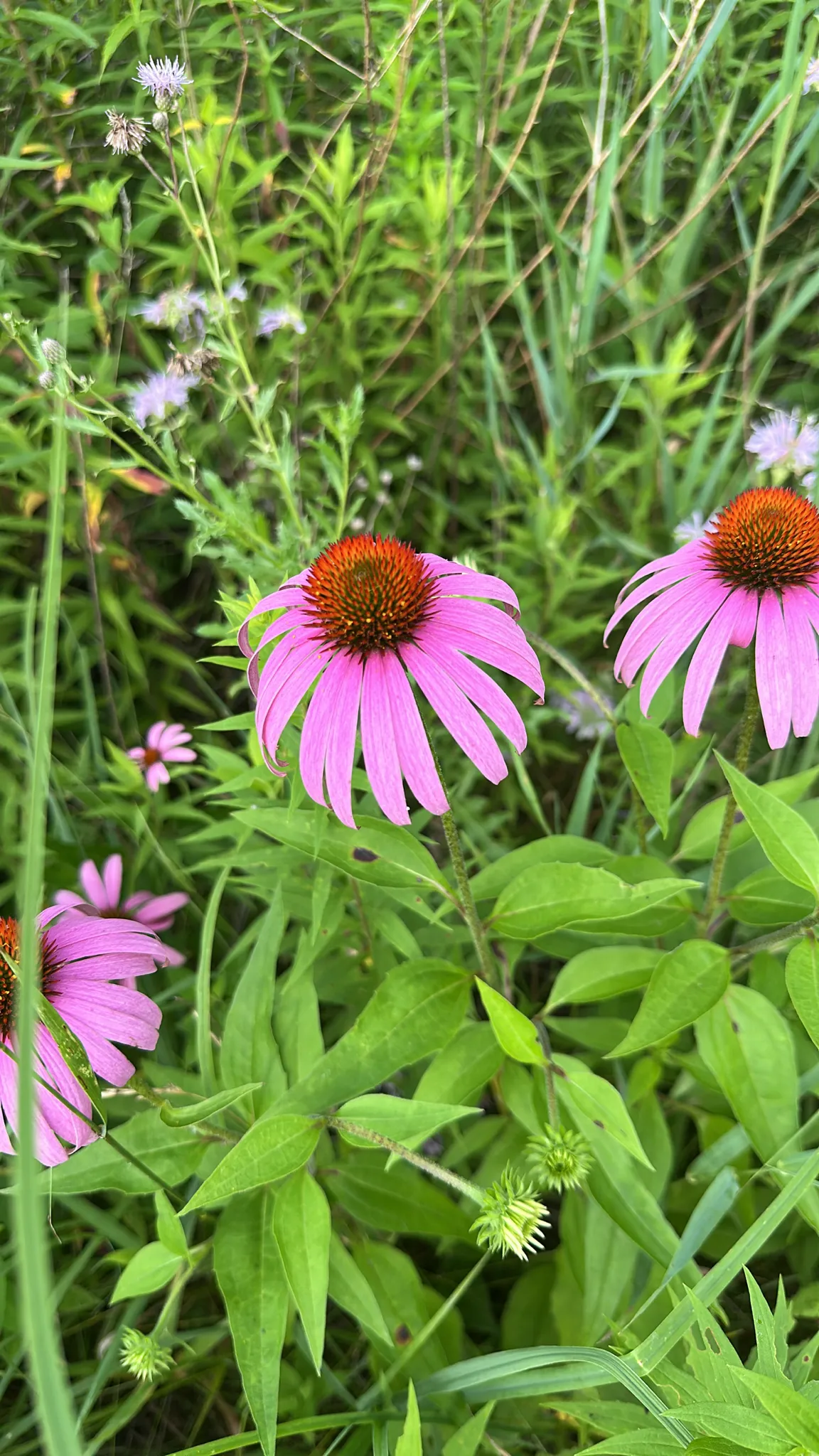
Purple Coneflower
Echinacea purpurea
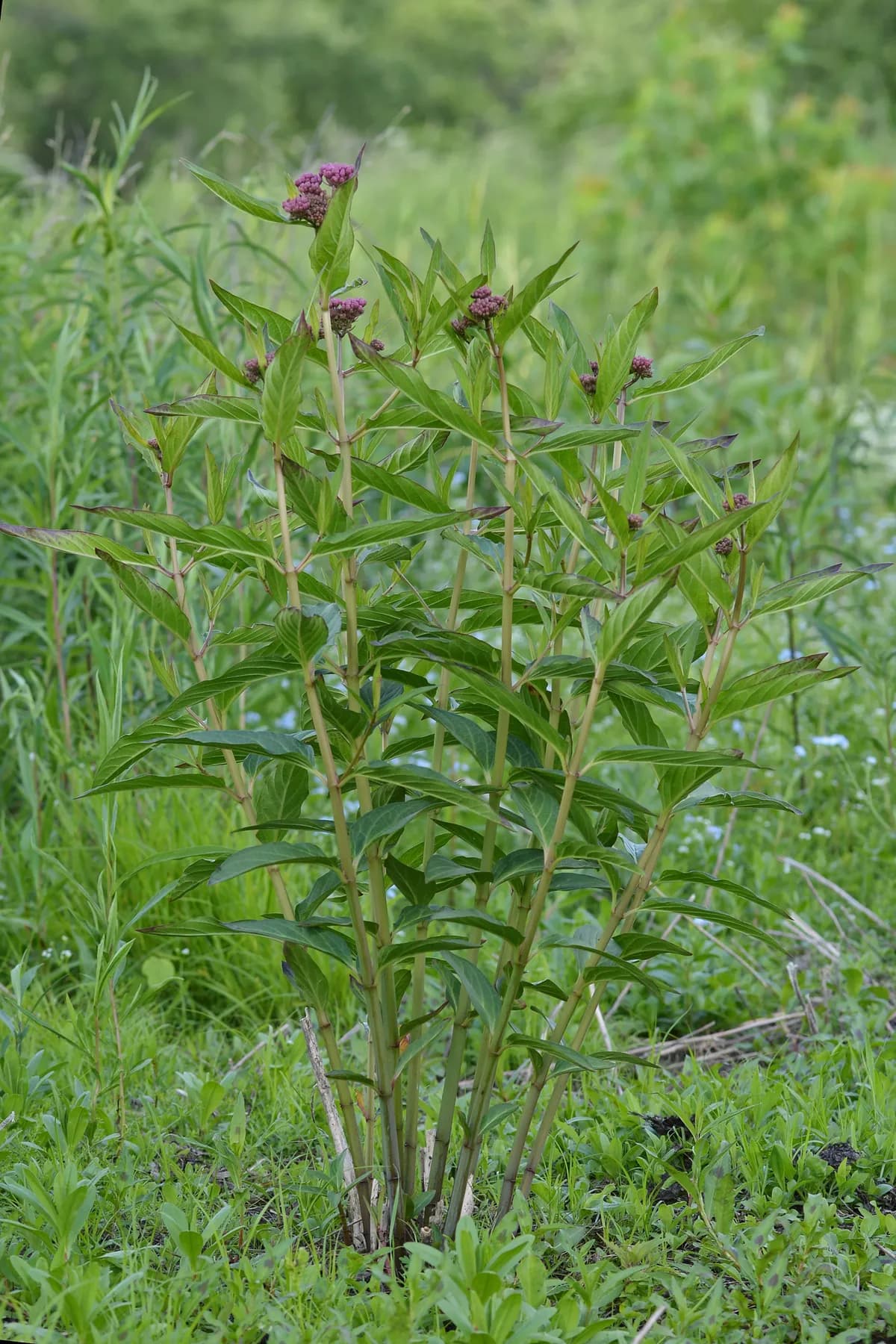
Swamp Milkweed
Asclepias incarnata

Little Bluestem
Schizachyrium scoparium
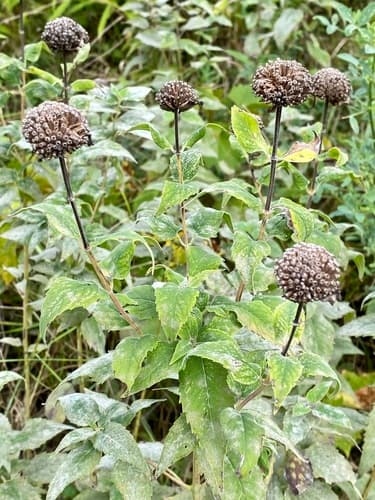
Wild Bergamot
Monarda fistulosa
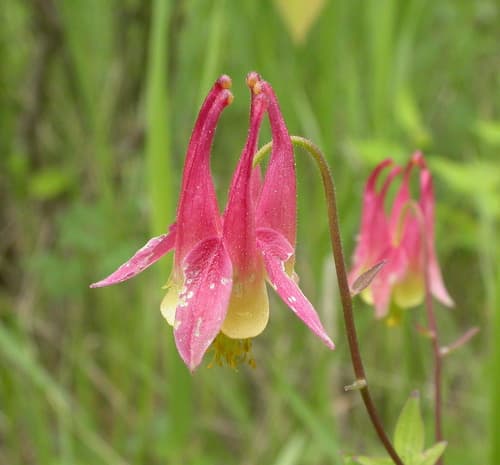
Wild Red Columbine
Aquilegia canadensis
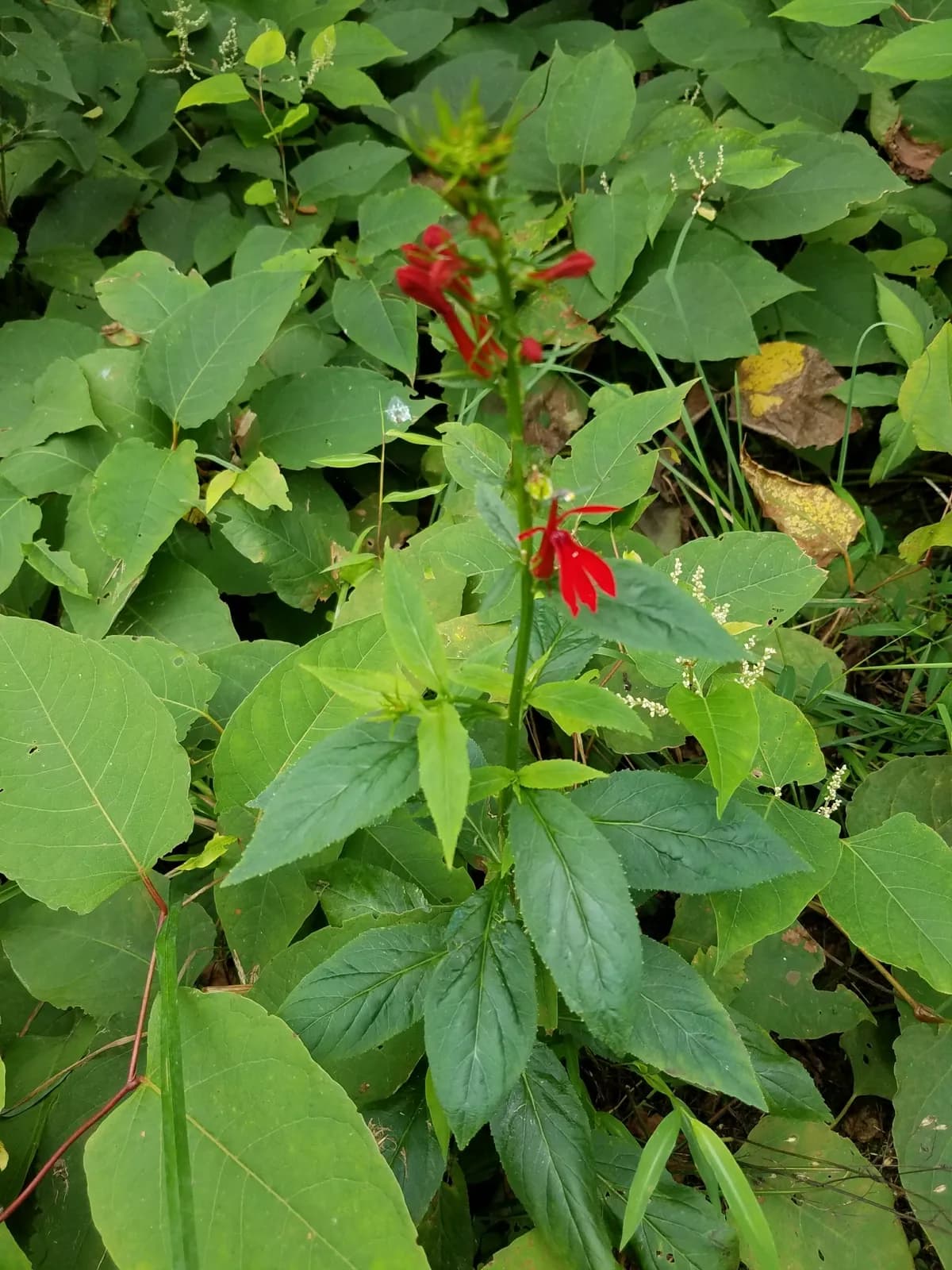
Cardinal Flower
Lobelia cardinalis
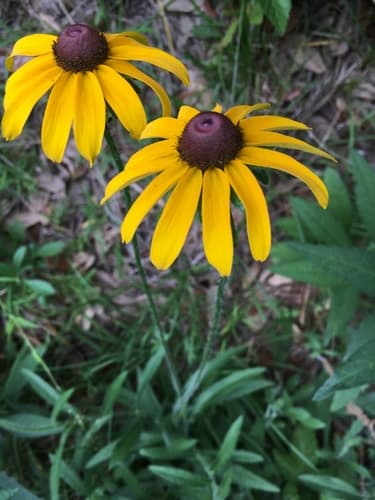
Black-eyed Susan
Rudbeckia hirta
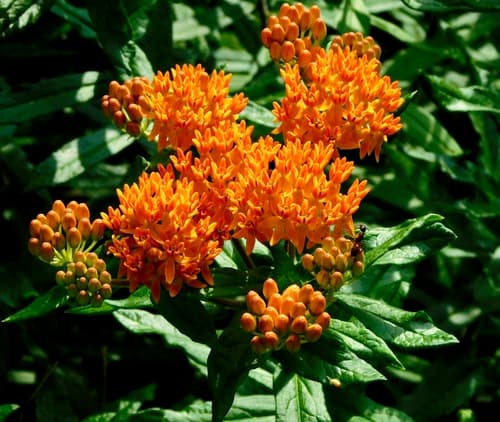
Butterfly Milkweed
Asclepias tuberosa
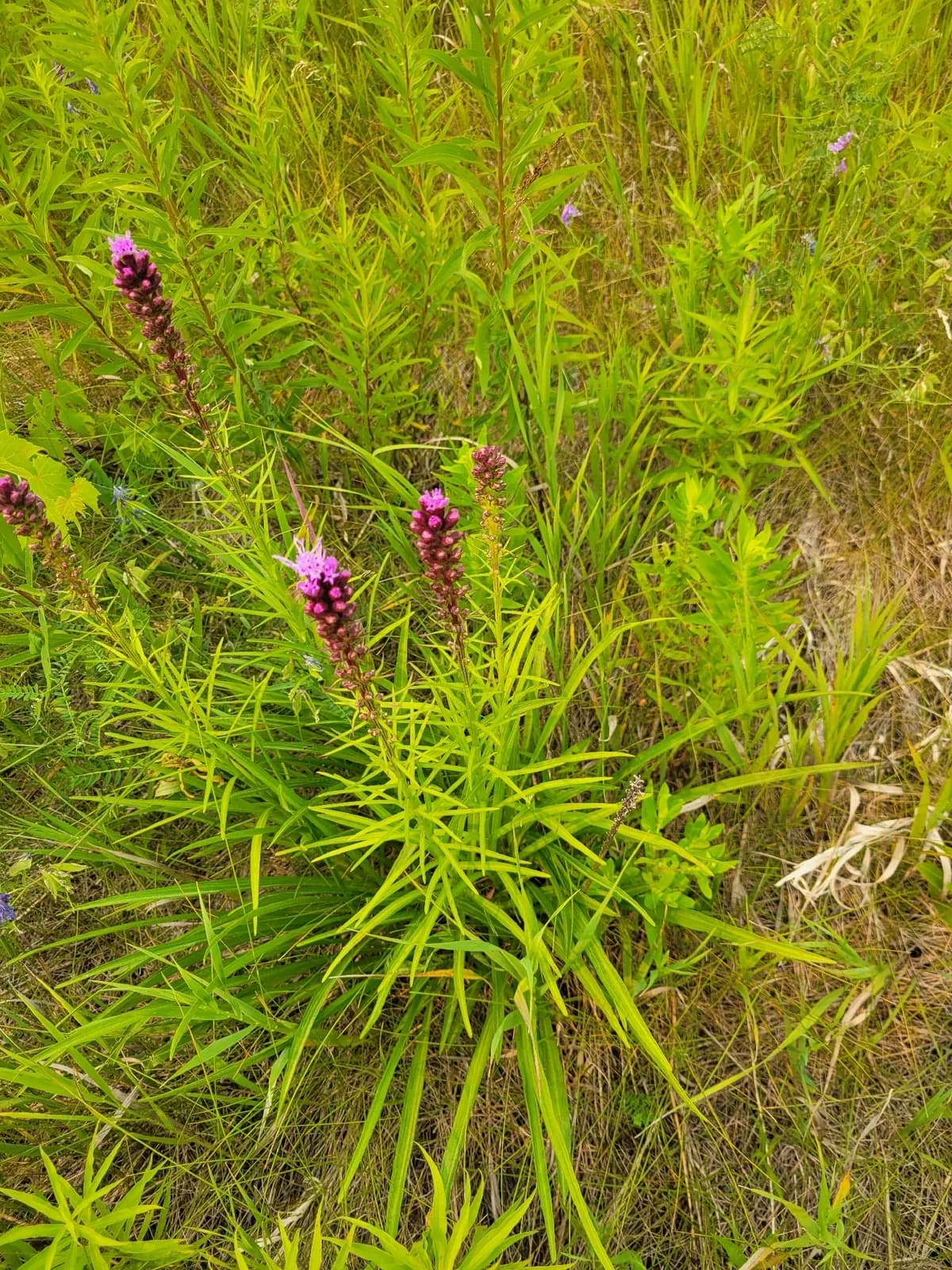
Dense Blazing Star
Liatris spicata
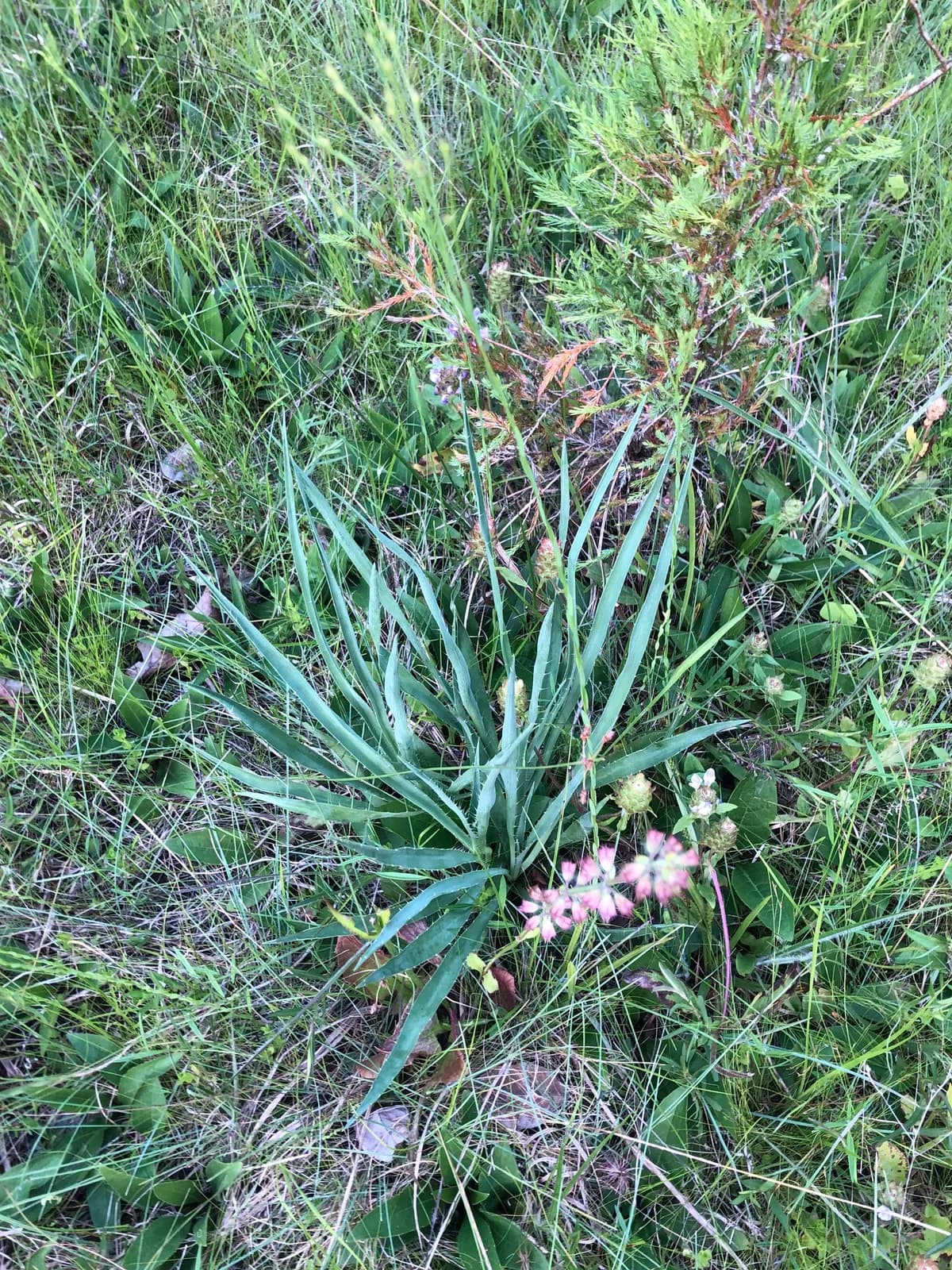
Rattlesnake Master
Eryngium yuccifolium
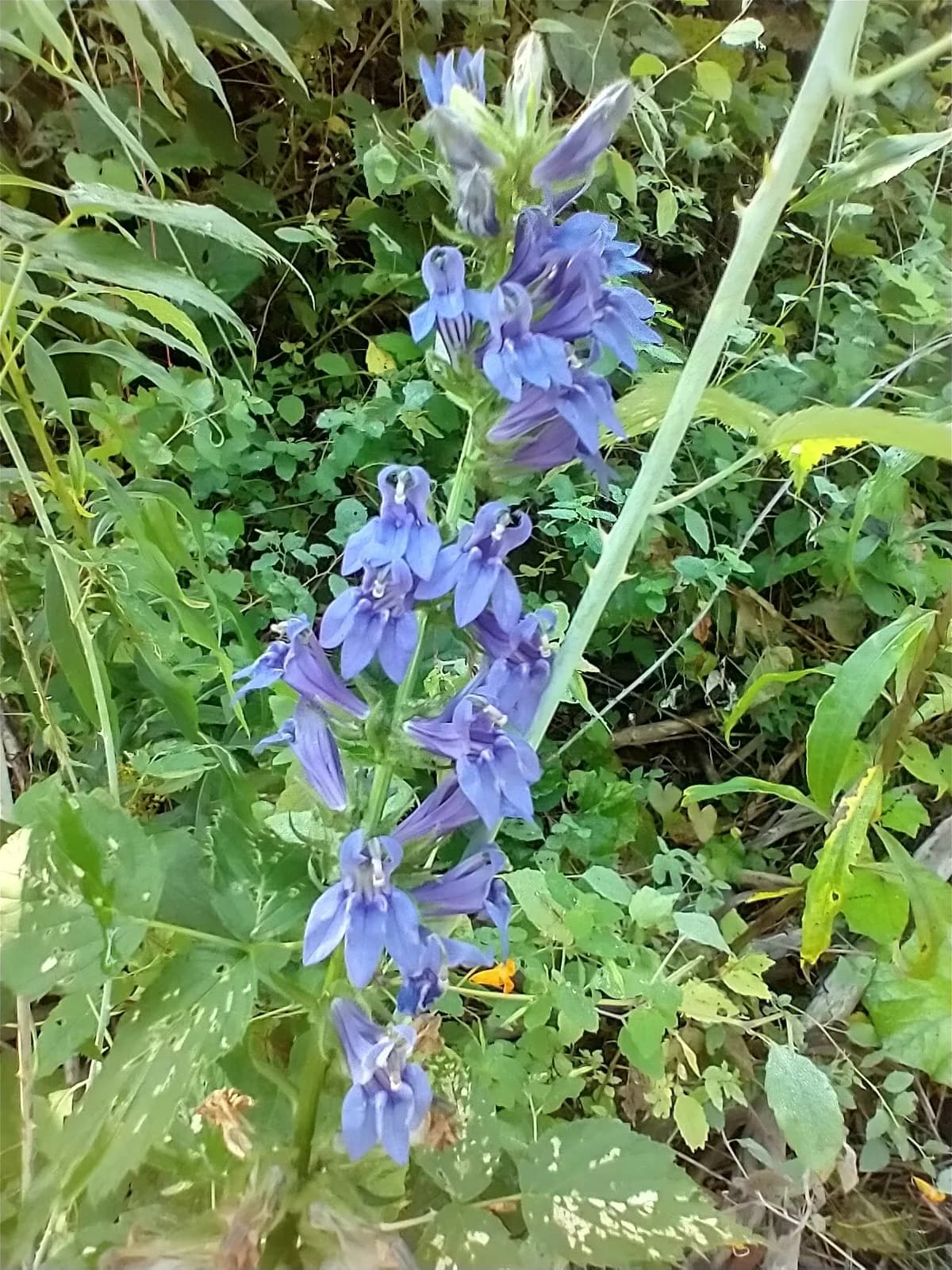
Blue Lobelia
Lobelia siphilitica
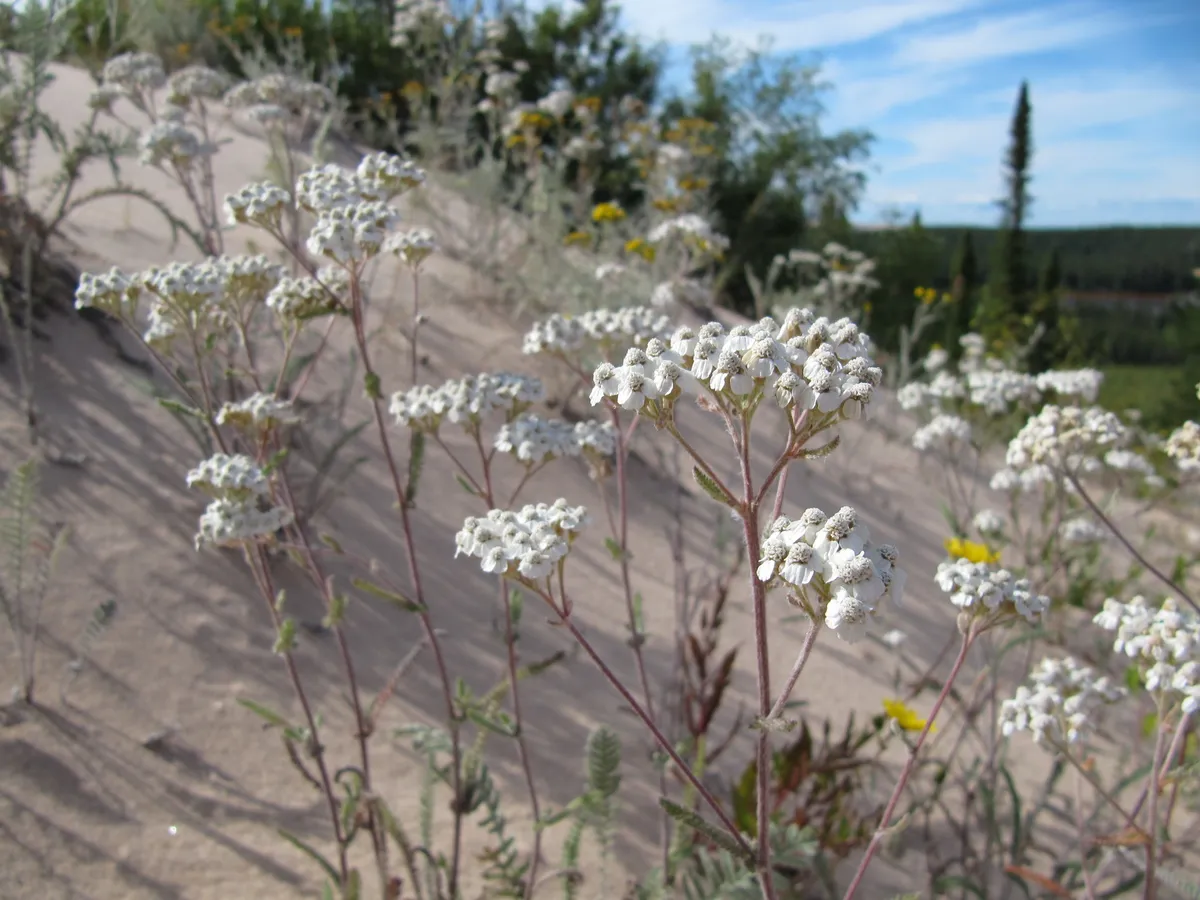
Common Yarrow
Achillea millefolium
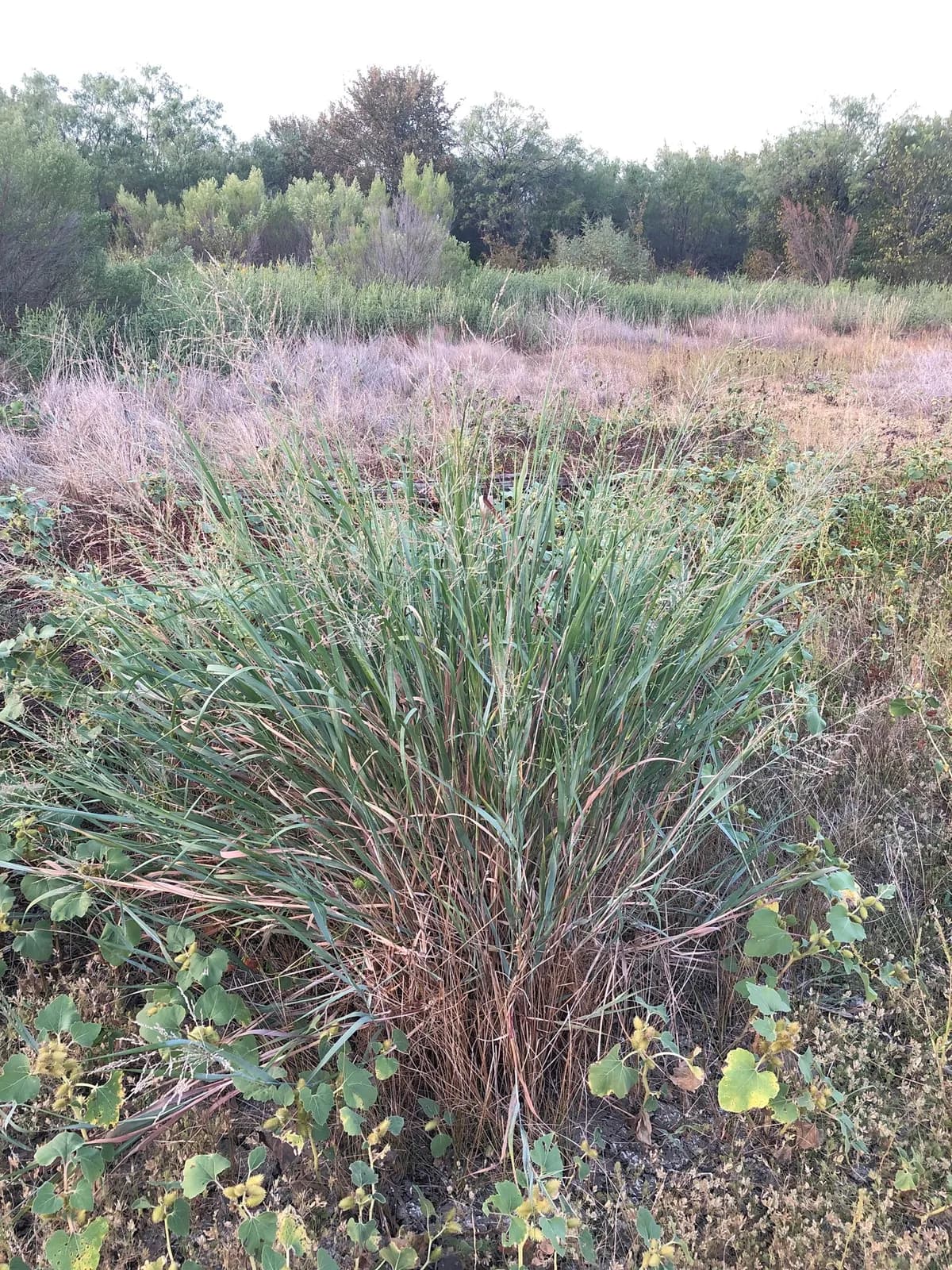
Switchgrass
Panicum virgatum

Golden Alexanders
Zizia aurea
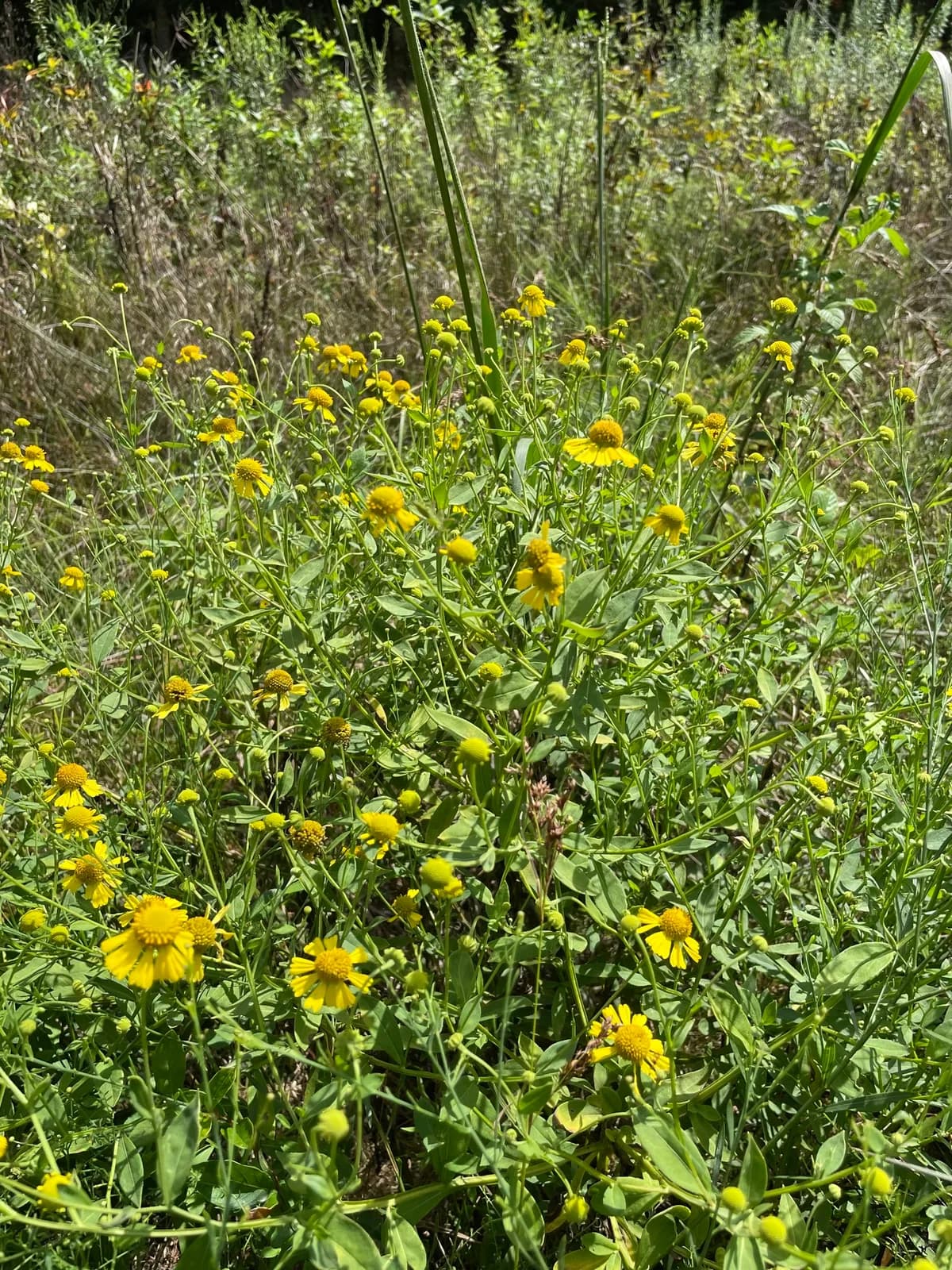
Common Sneezeweed
Helenium autumnale
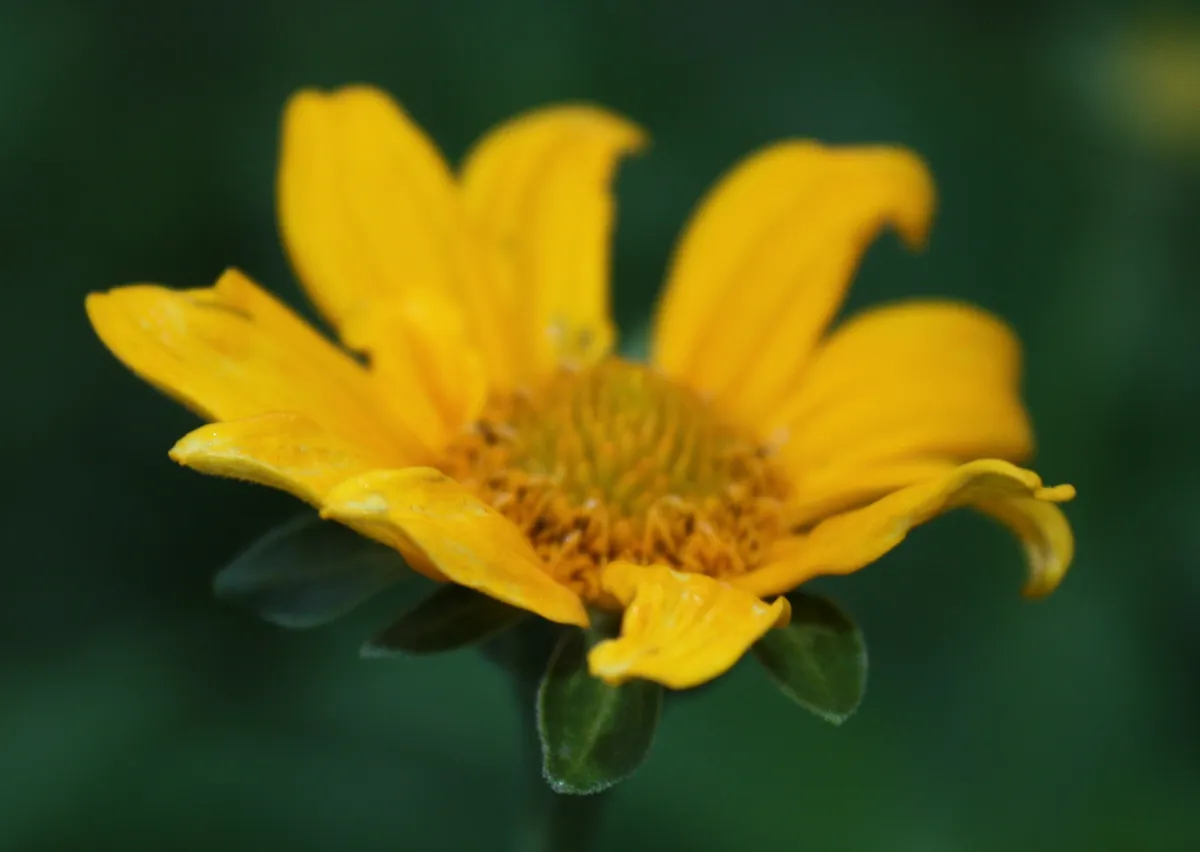
False Sunflower
Heliopsis helianthoides
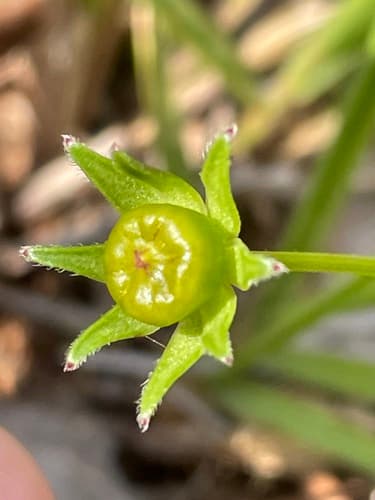
Lanceleaf Coreopsis
Coreopsis lanceolata
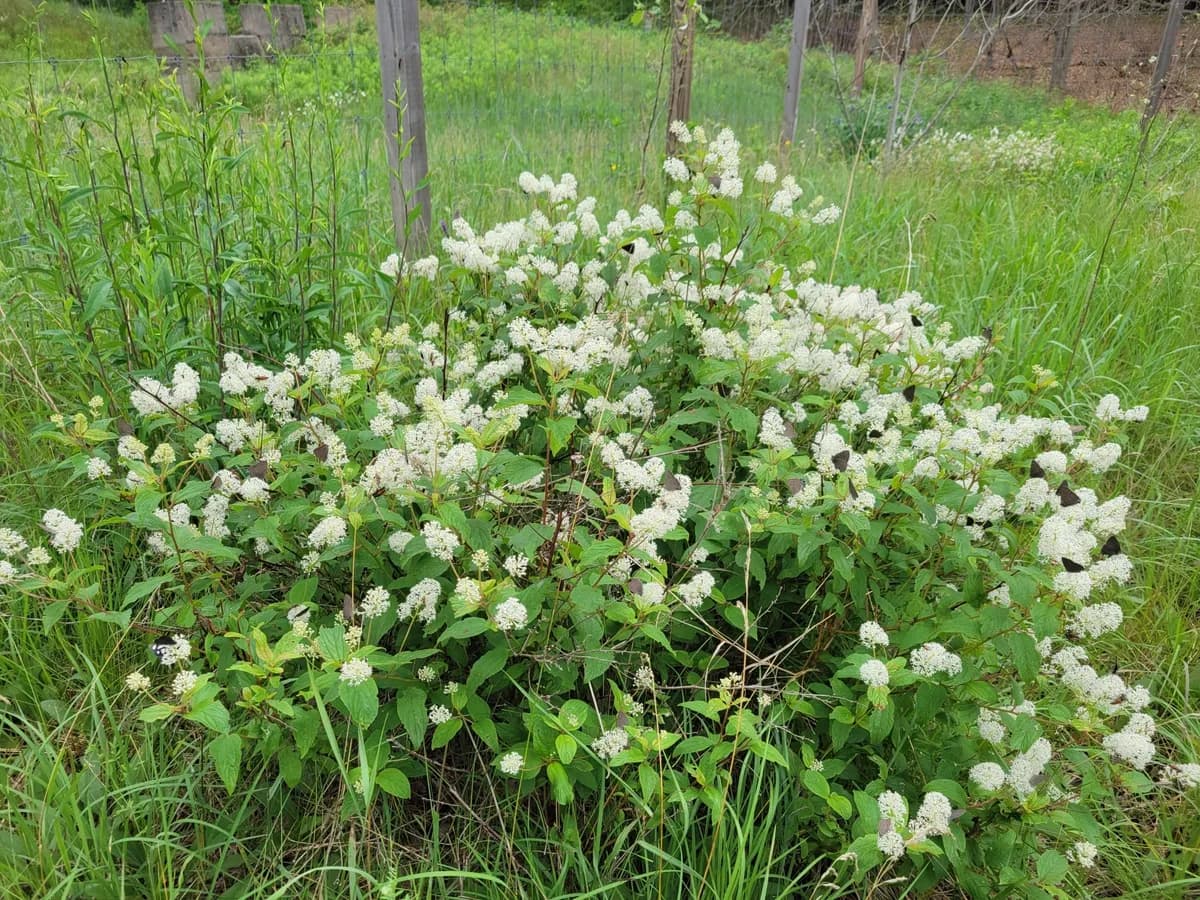
New Jersey-tea
Ceanothus americanus
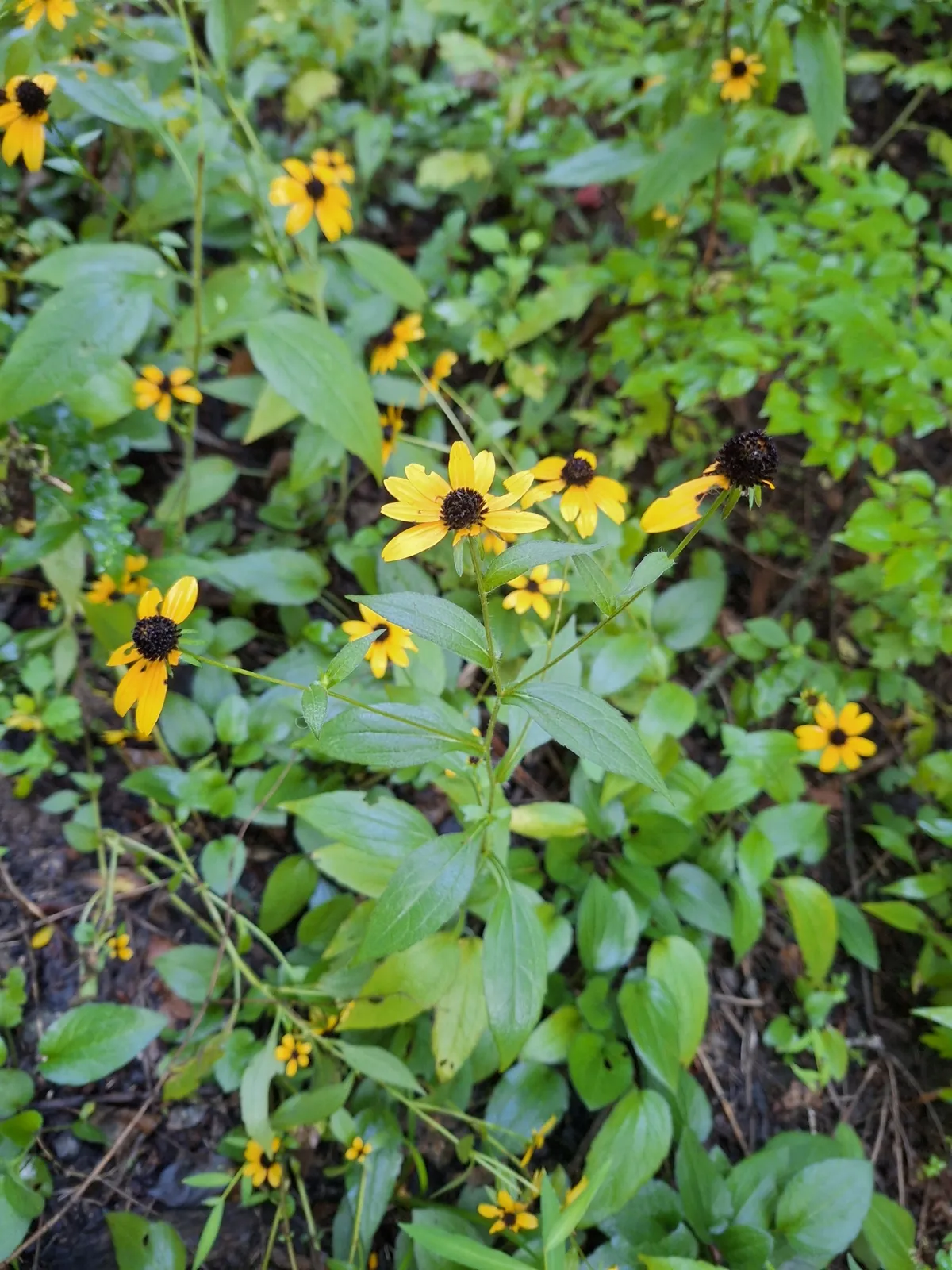
Perennial Black-eyed Susan
Rudbeckia fulgida
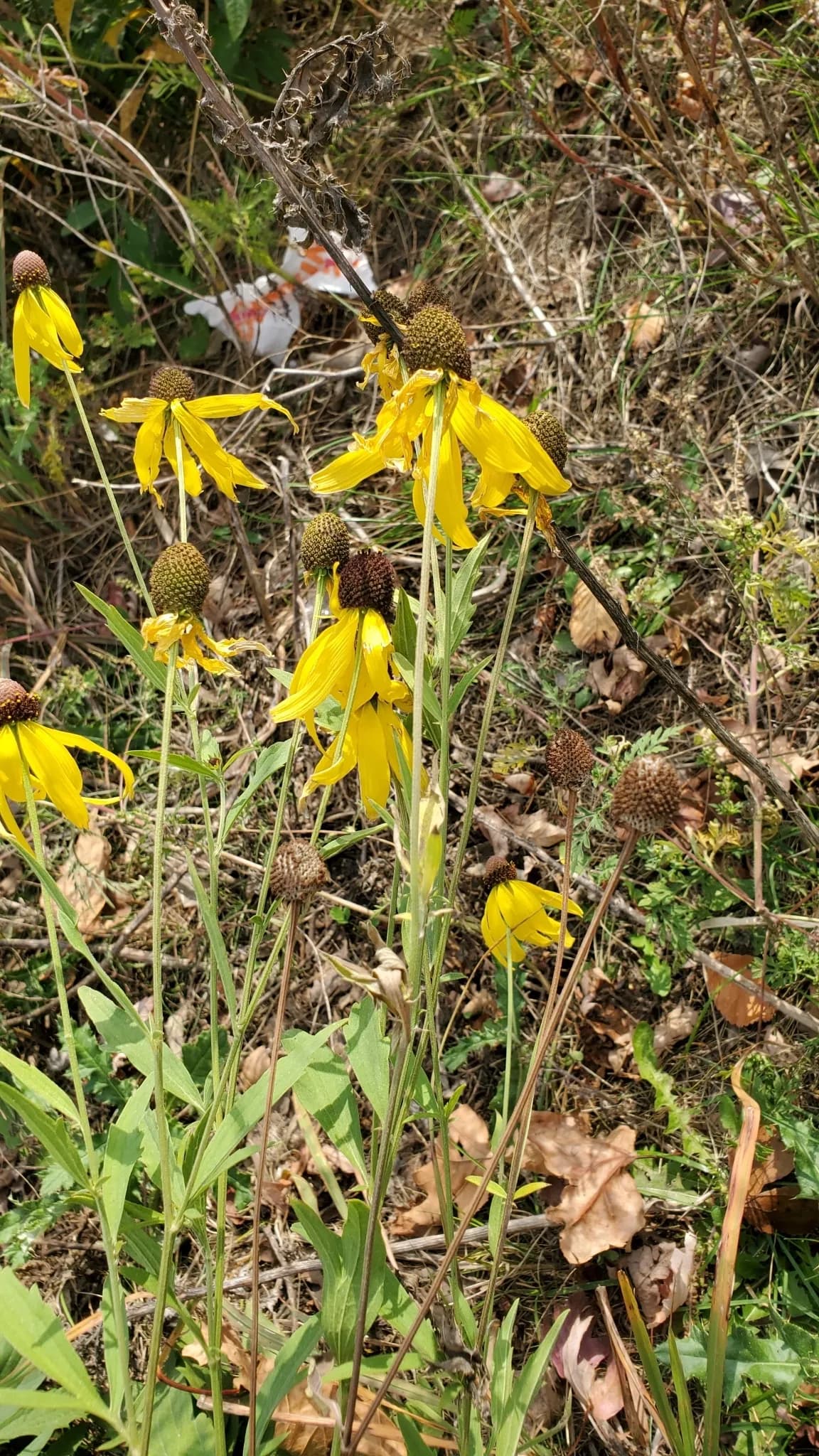
Drooping Prairie-coneflower
Ratibida pinnata
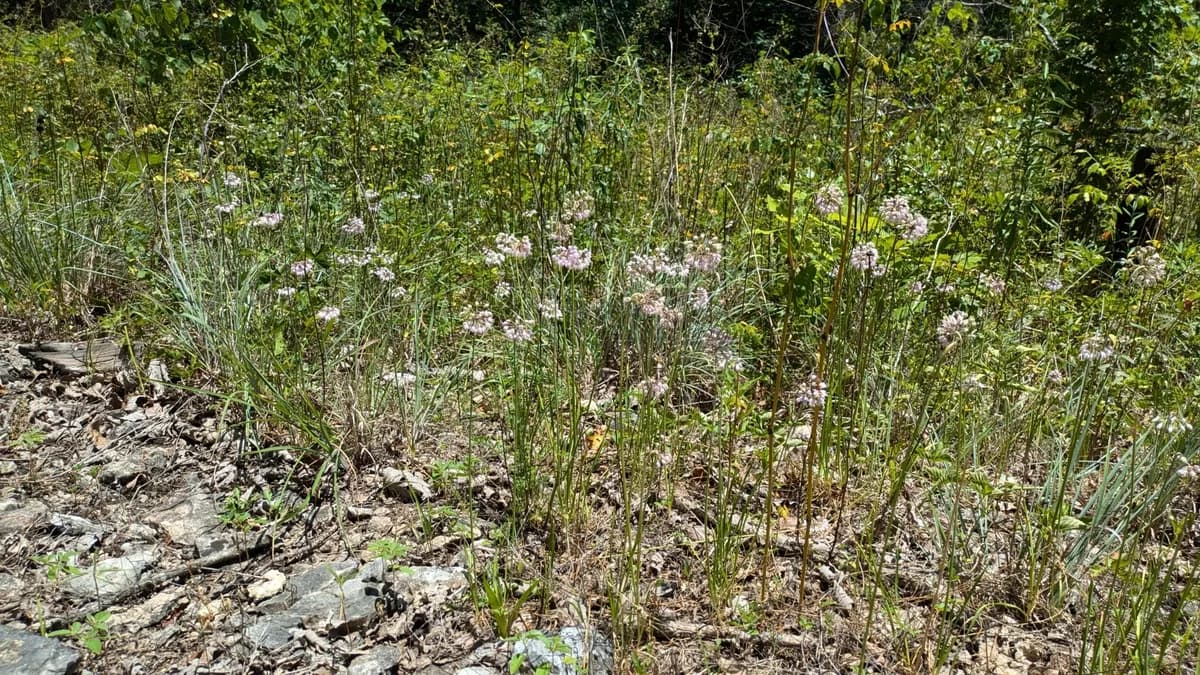
Nodding Onion
Allium cernuum
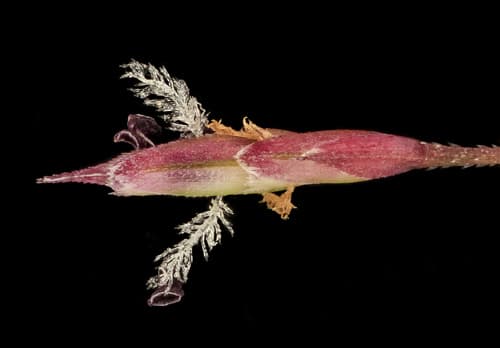
Purple Lovegrass
Eragrostis spectabilis
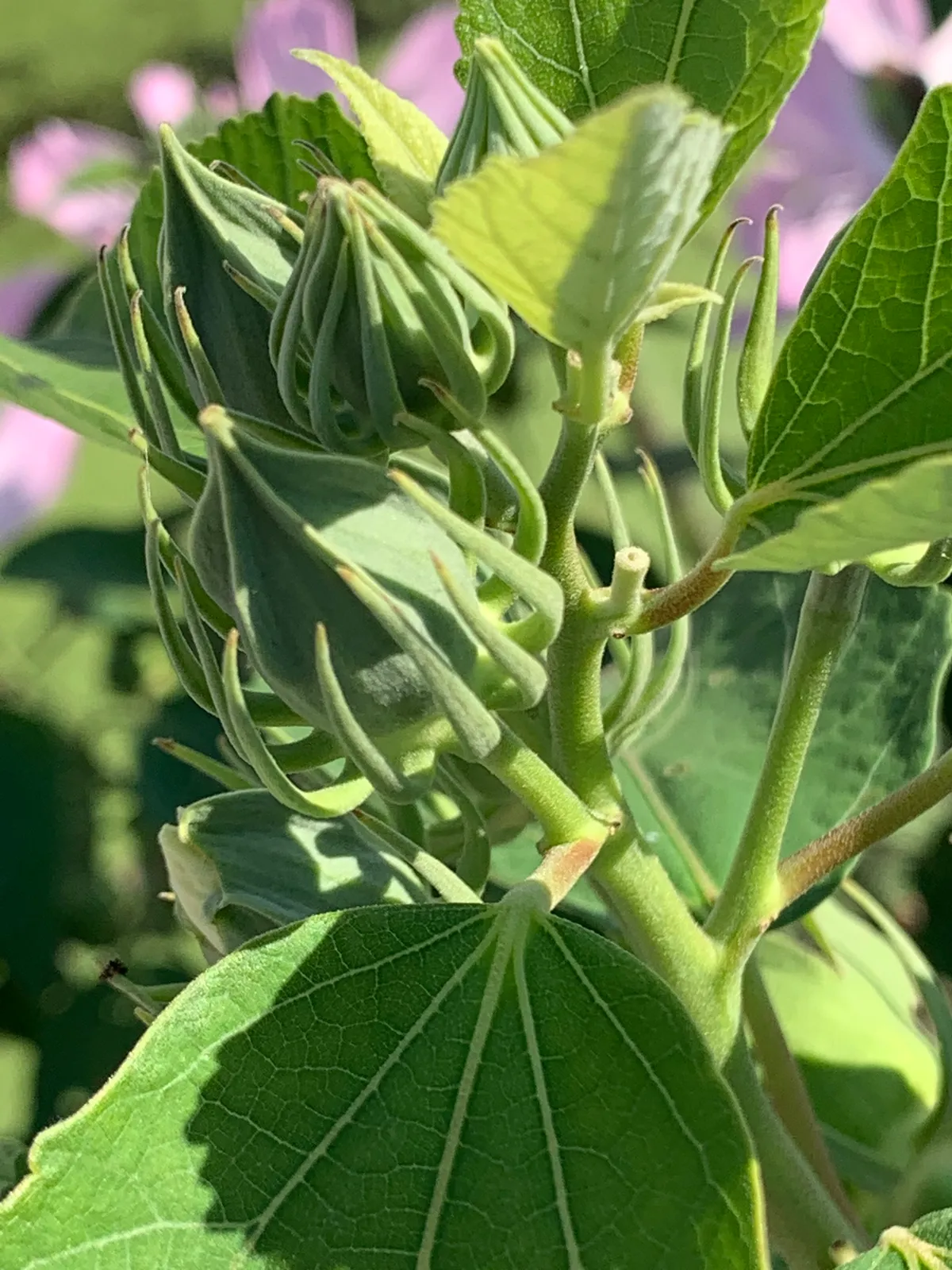
Mallow-rose
Hibiscus moscheutos
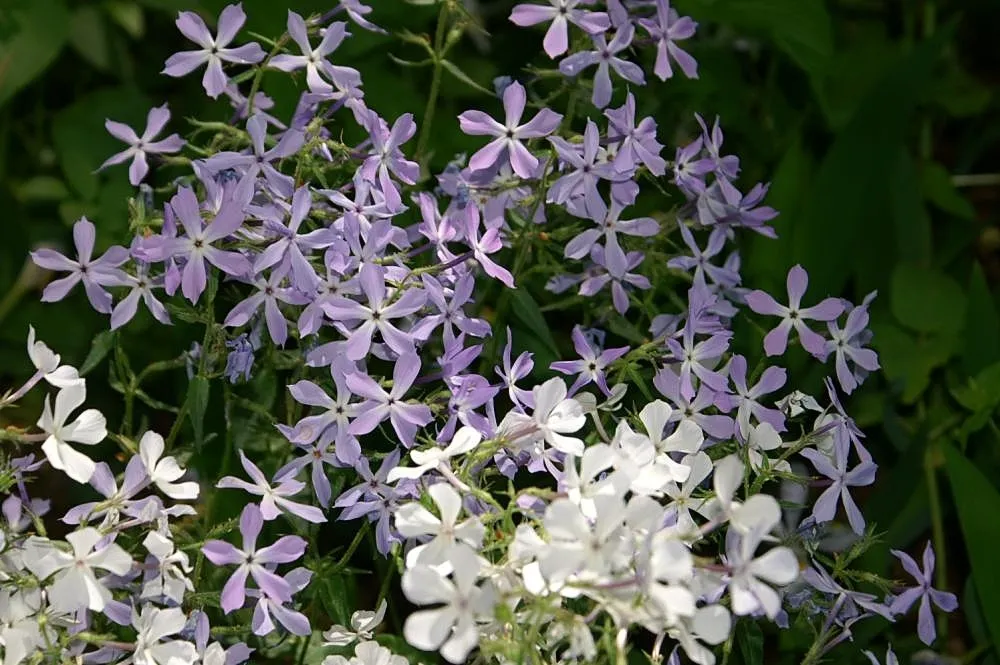
Blue Woodland Phlox
Phlox divaricata
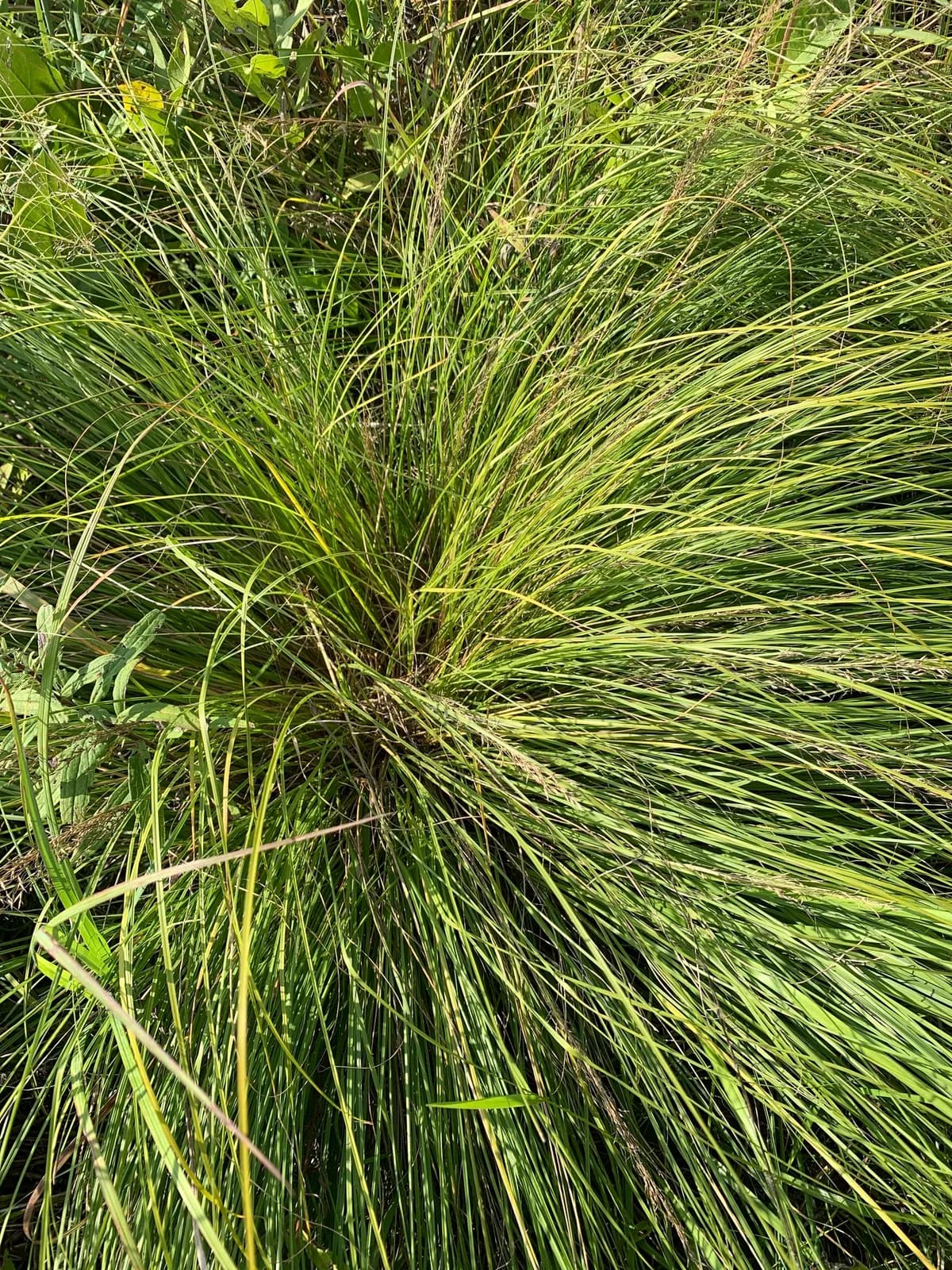
Prairie Dropseed
Sporobolus heterolepis
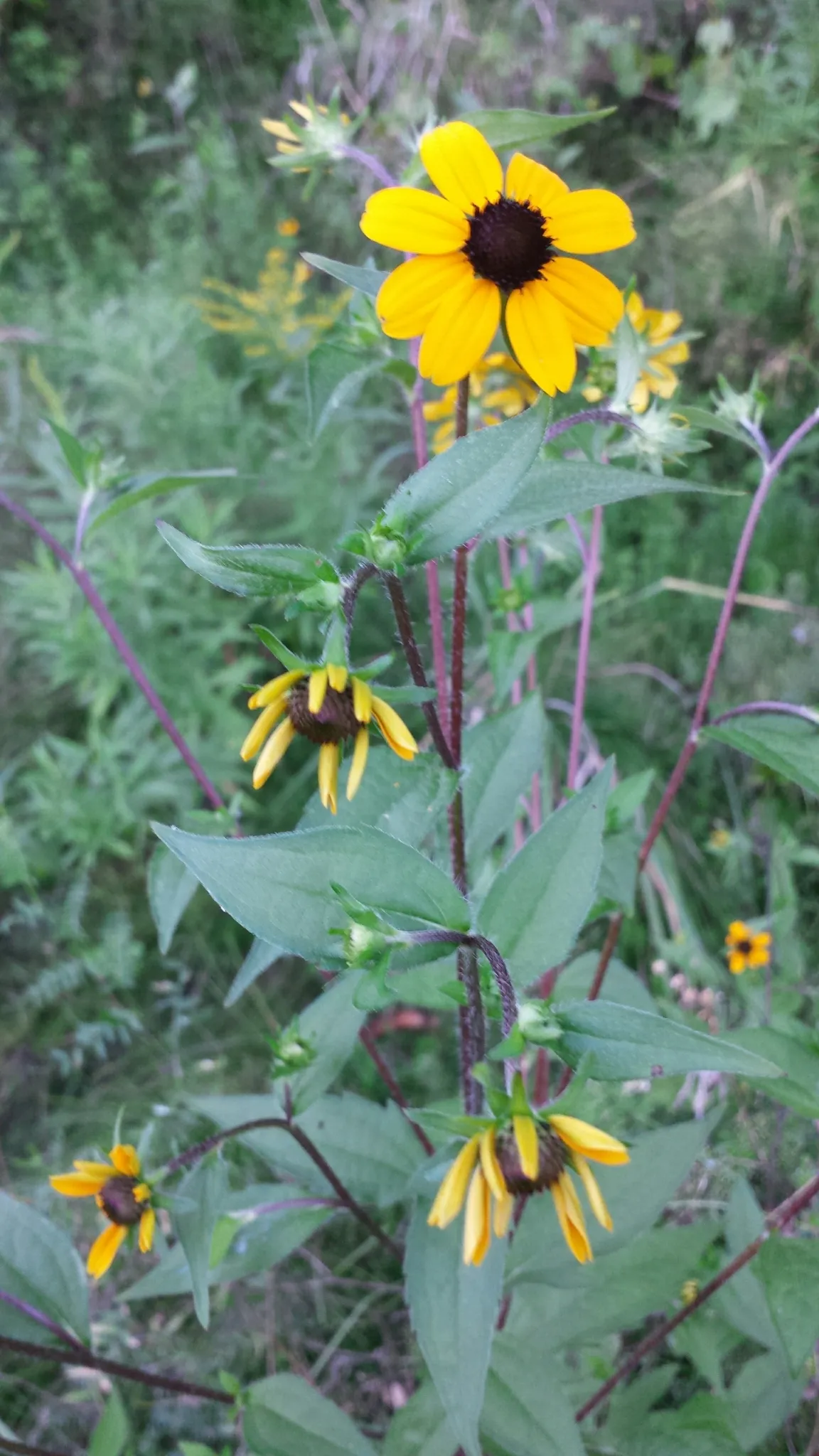
Brown-eyed Susan
Rudbeckia triloba
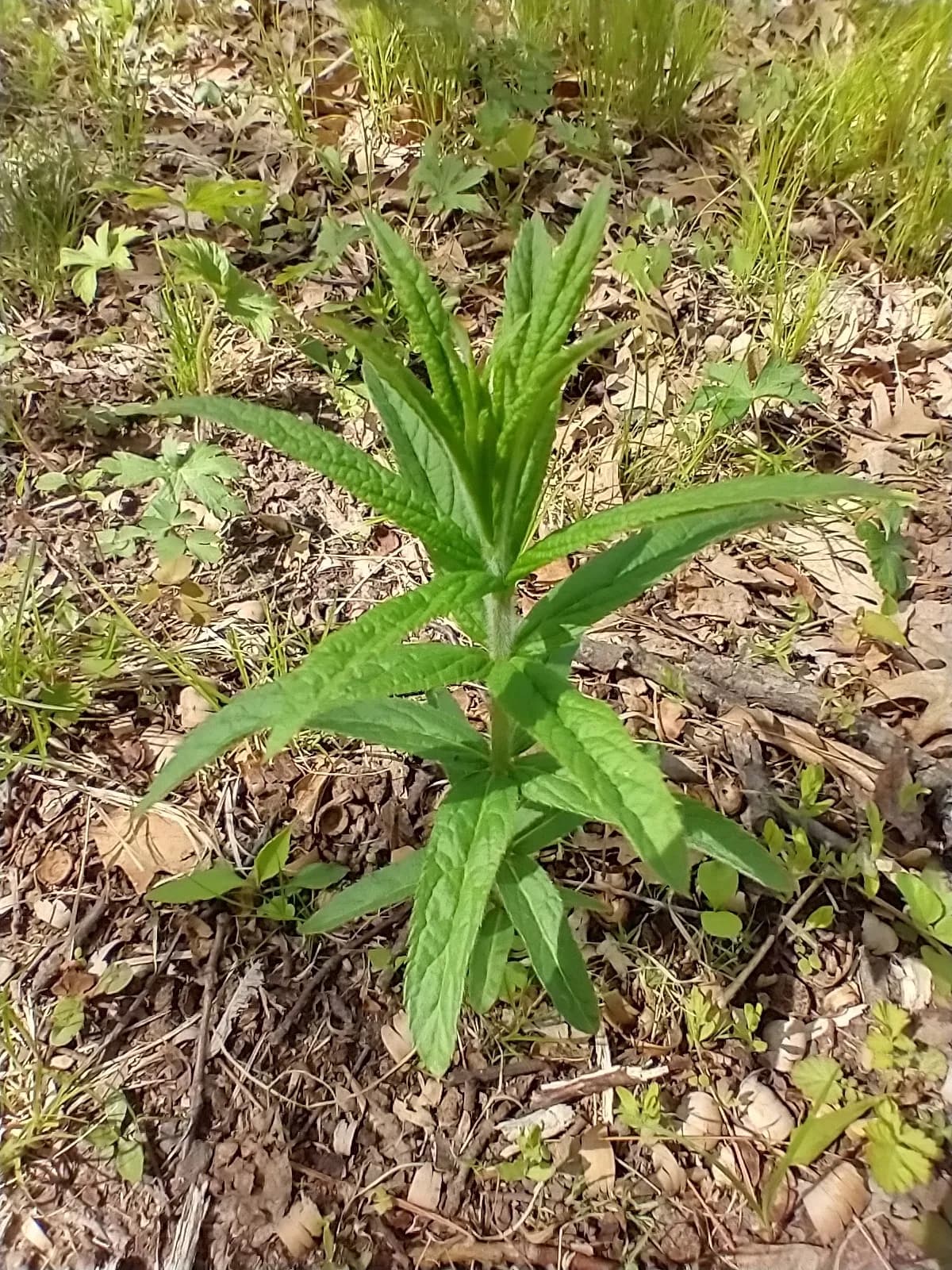
Culver's Root
Veronicastrum virginicum

Sideoats Grama
Bouteloua curtipendula
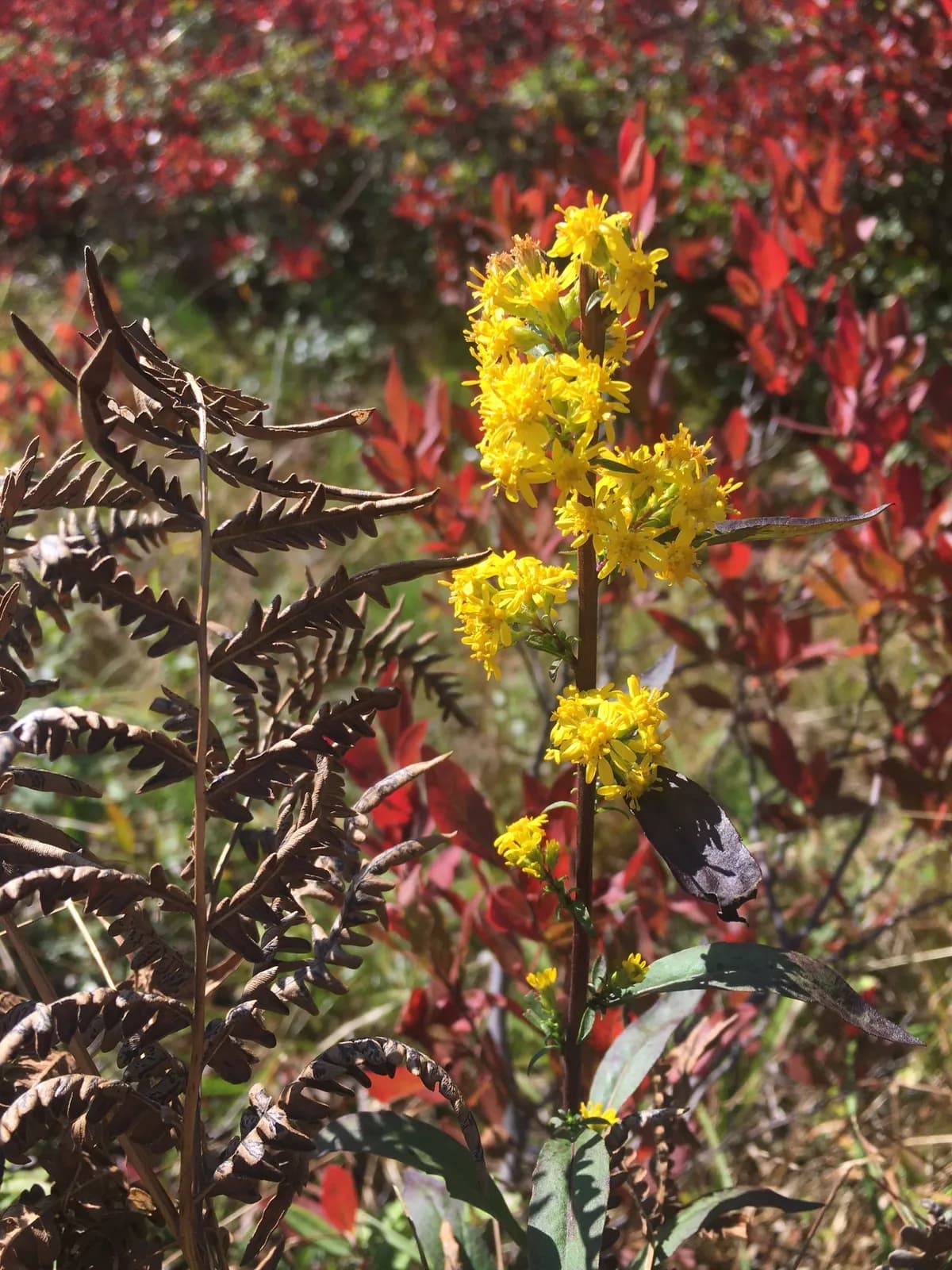
Showy Goldenrod
Solidago speciosa
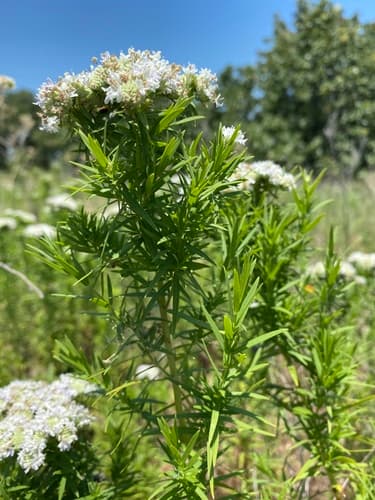
Narrowleaf Mountain Mint
Pycnanthemum tenuifolium
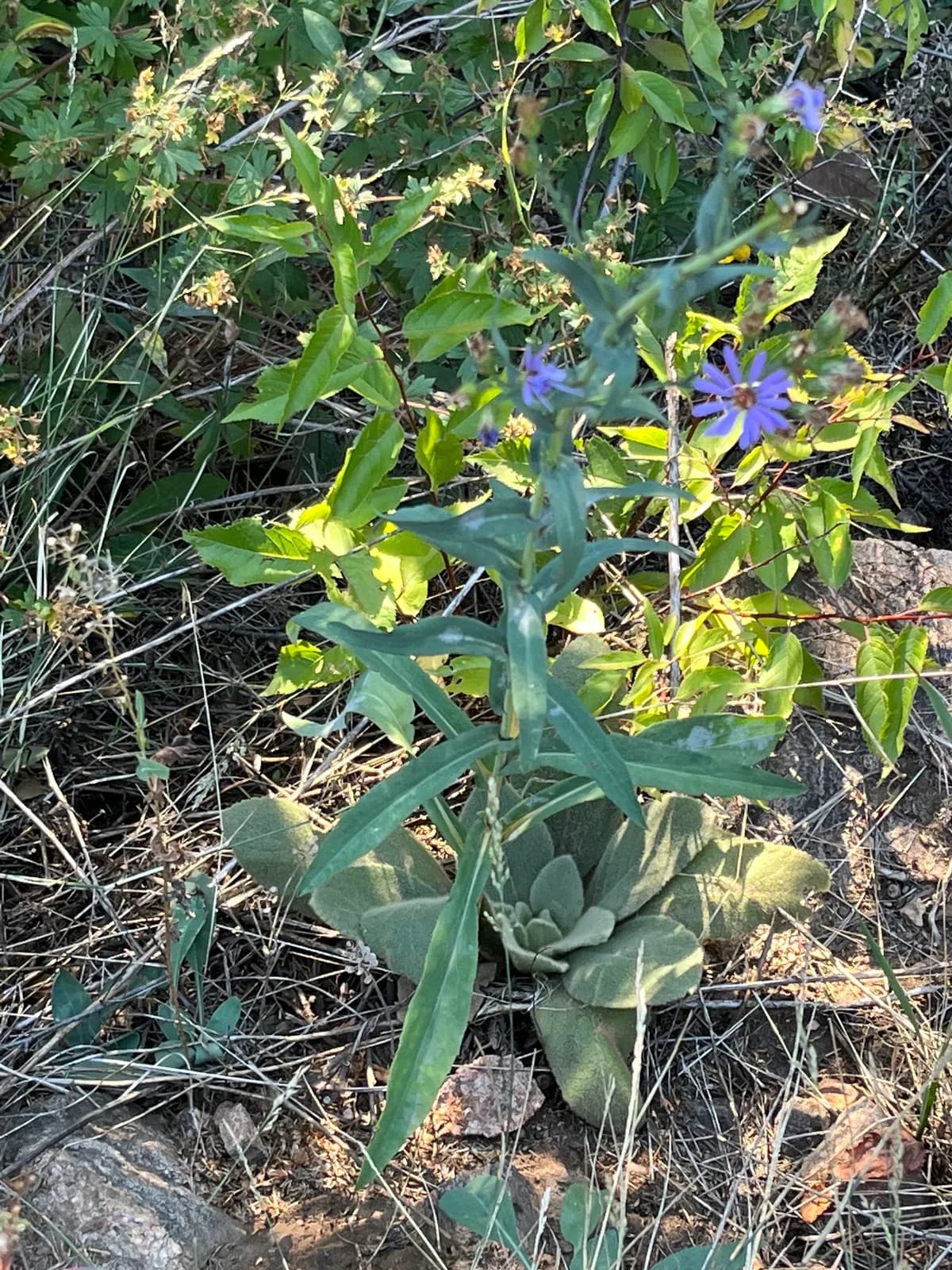
Smooth Aster
Symphyotrichum laeve
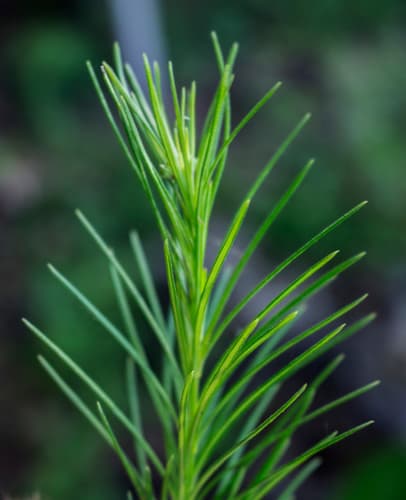
Whorled Milkweed
Asclepias verticillata

Inland Sea Oats
Chasmanthium latifolium
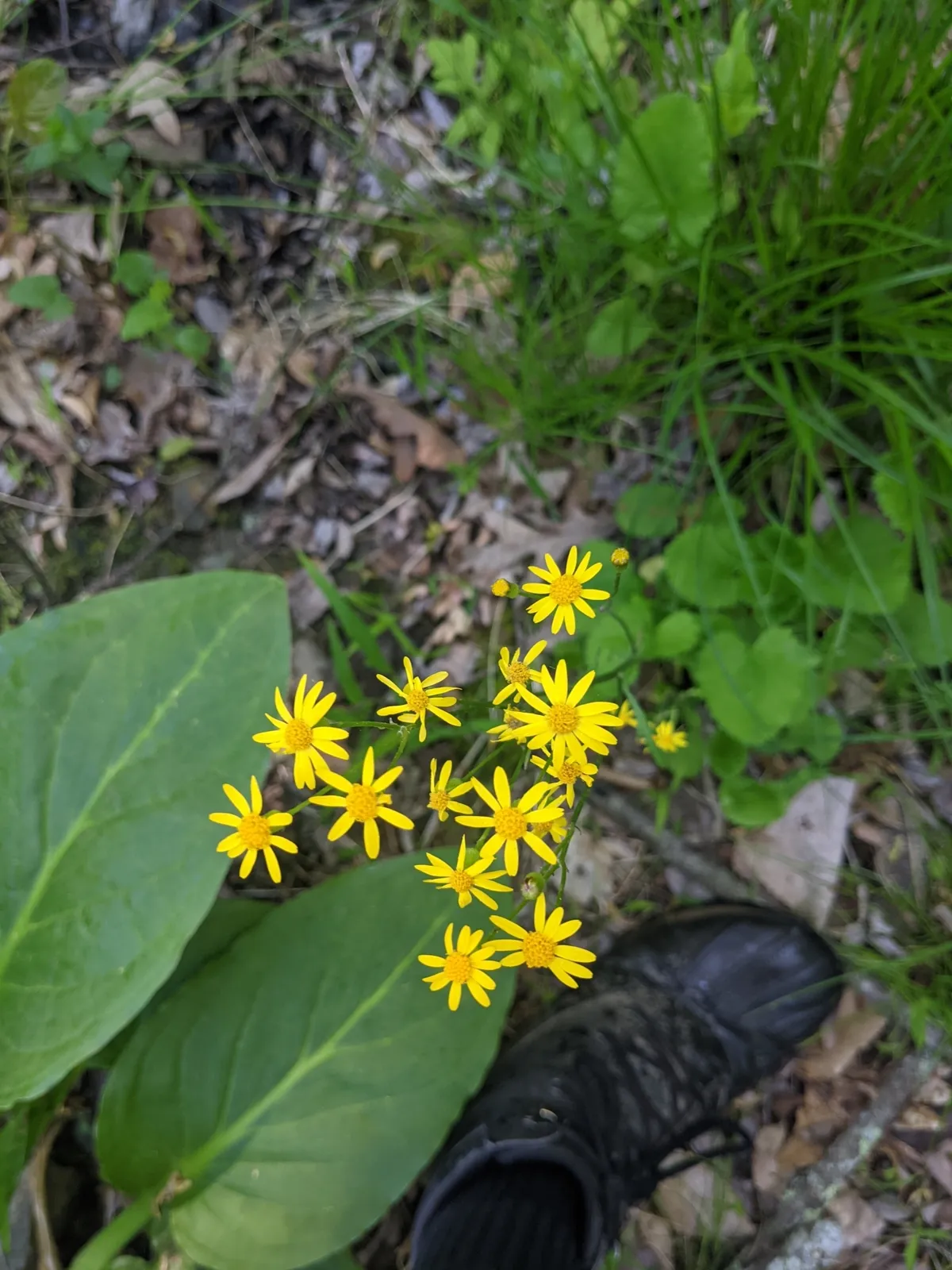
Golden Groundsel
Packera aurea
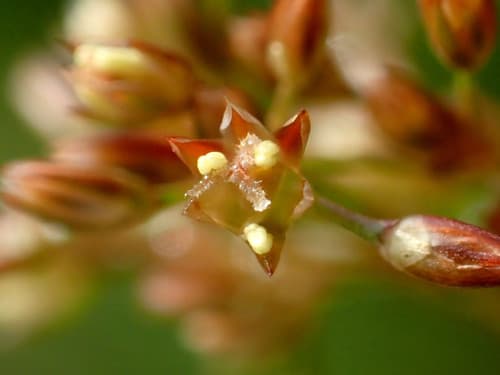
Soft rush
Juncus effusus
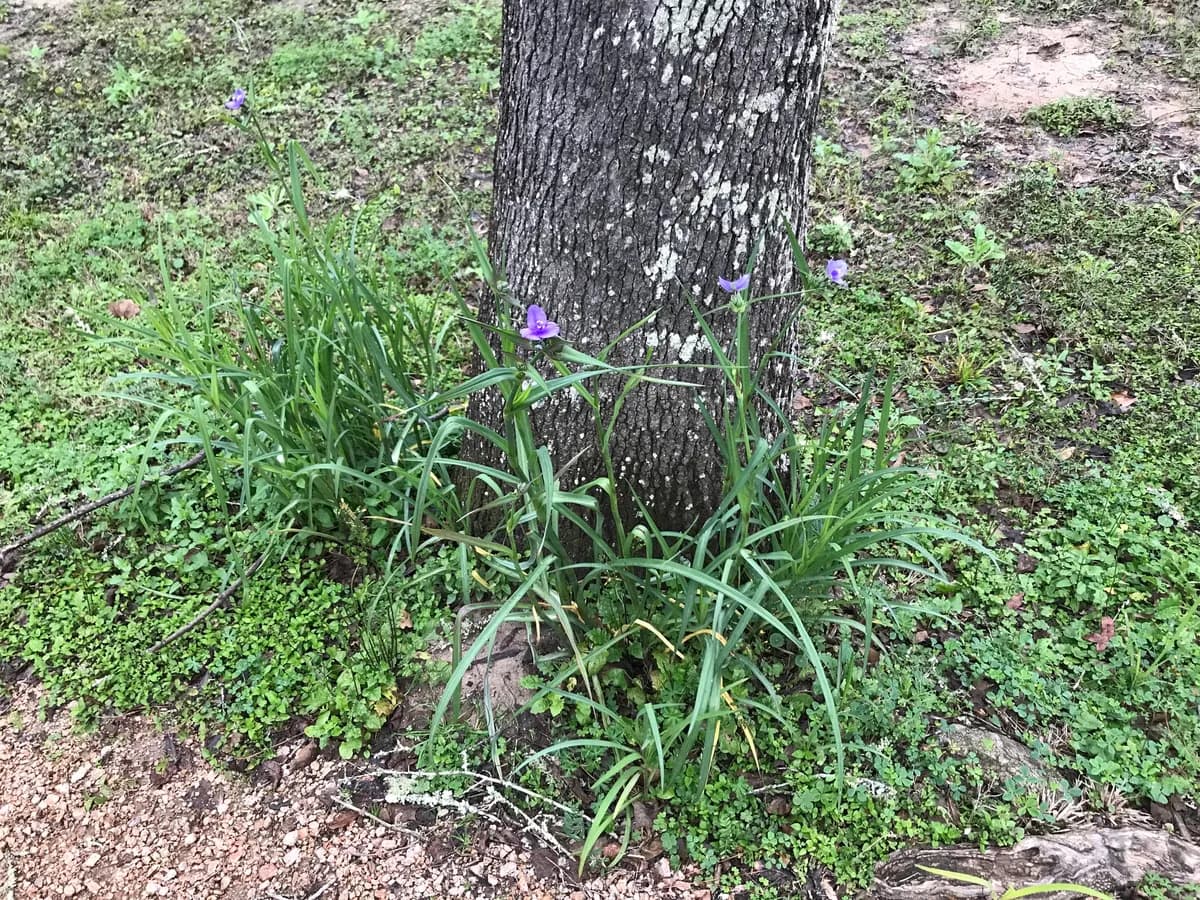
Smooth Spiderwort
Tradescantia ohiensis
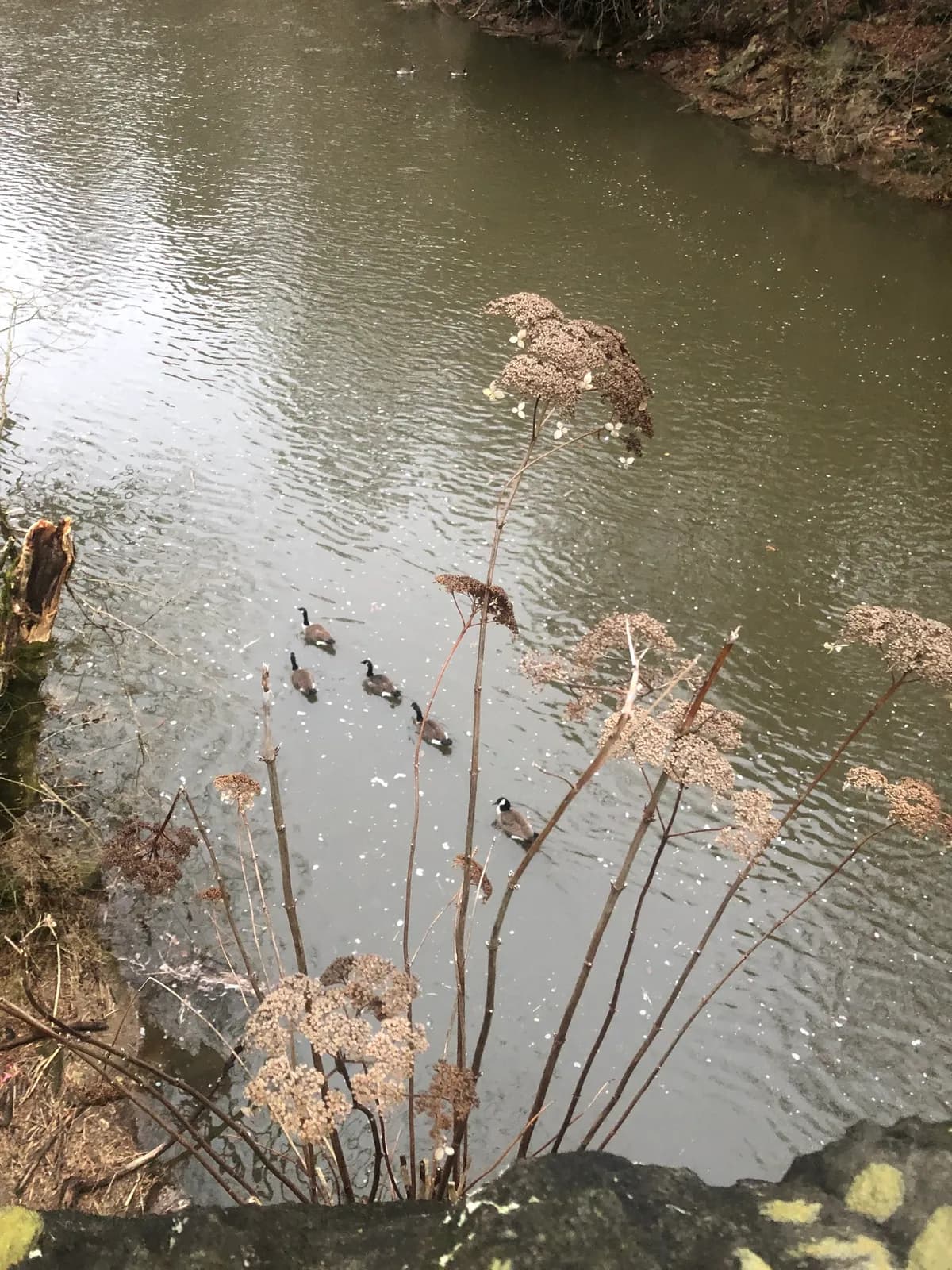
Sevenbark
Hydrangea arborescens

Michaelmas Daisy
Symphyotrichum novae-angliae
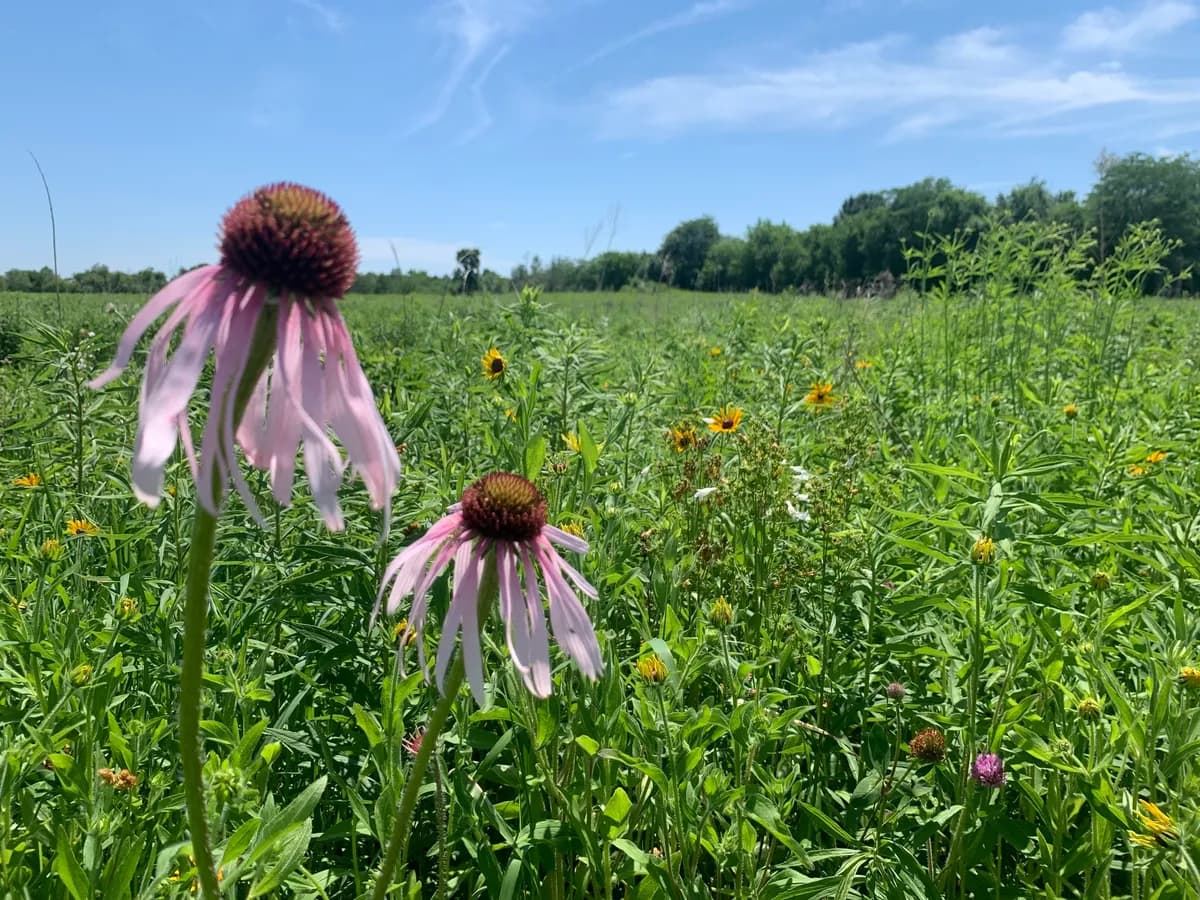
Pale Purple Coneflower
Echinacea pallida
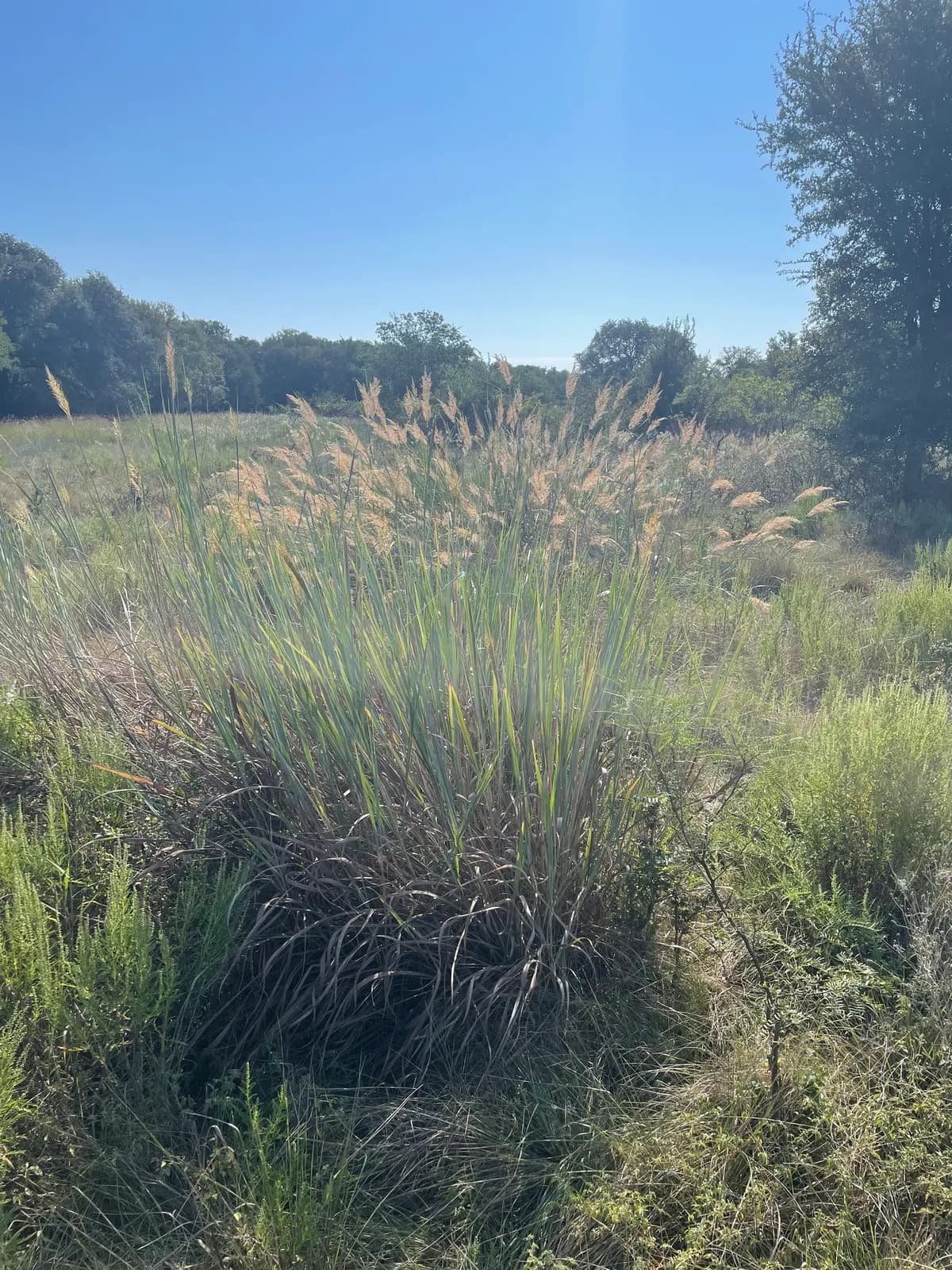
Indiangrass
Sorghastrum nutans
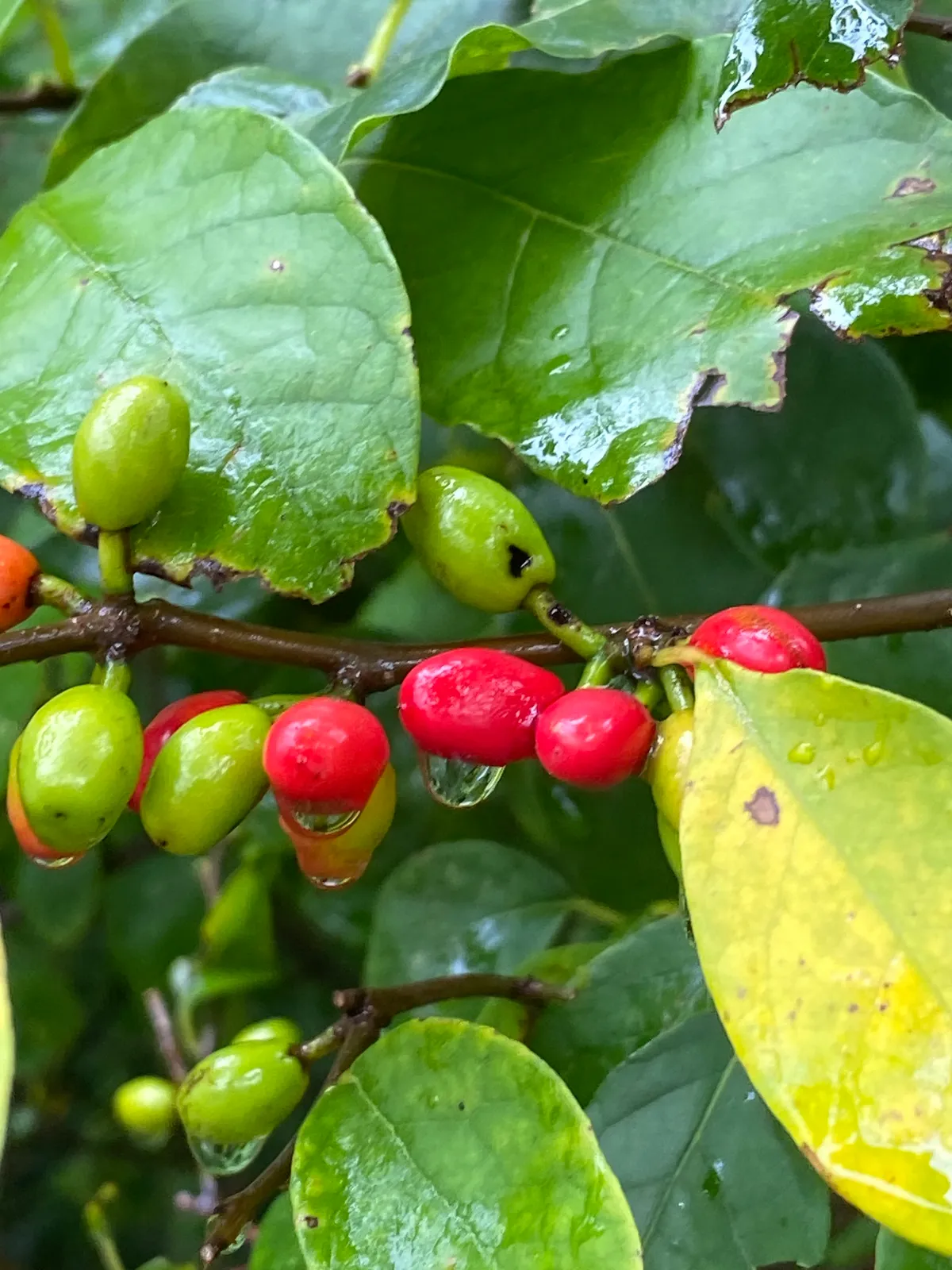
Spicebush
Lindera benzoin
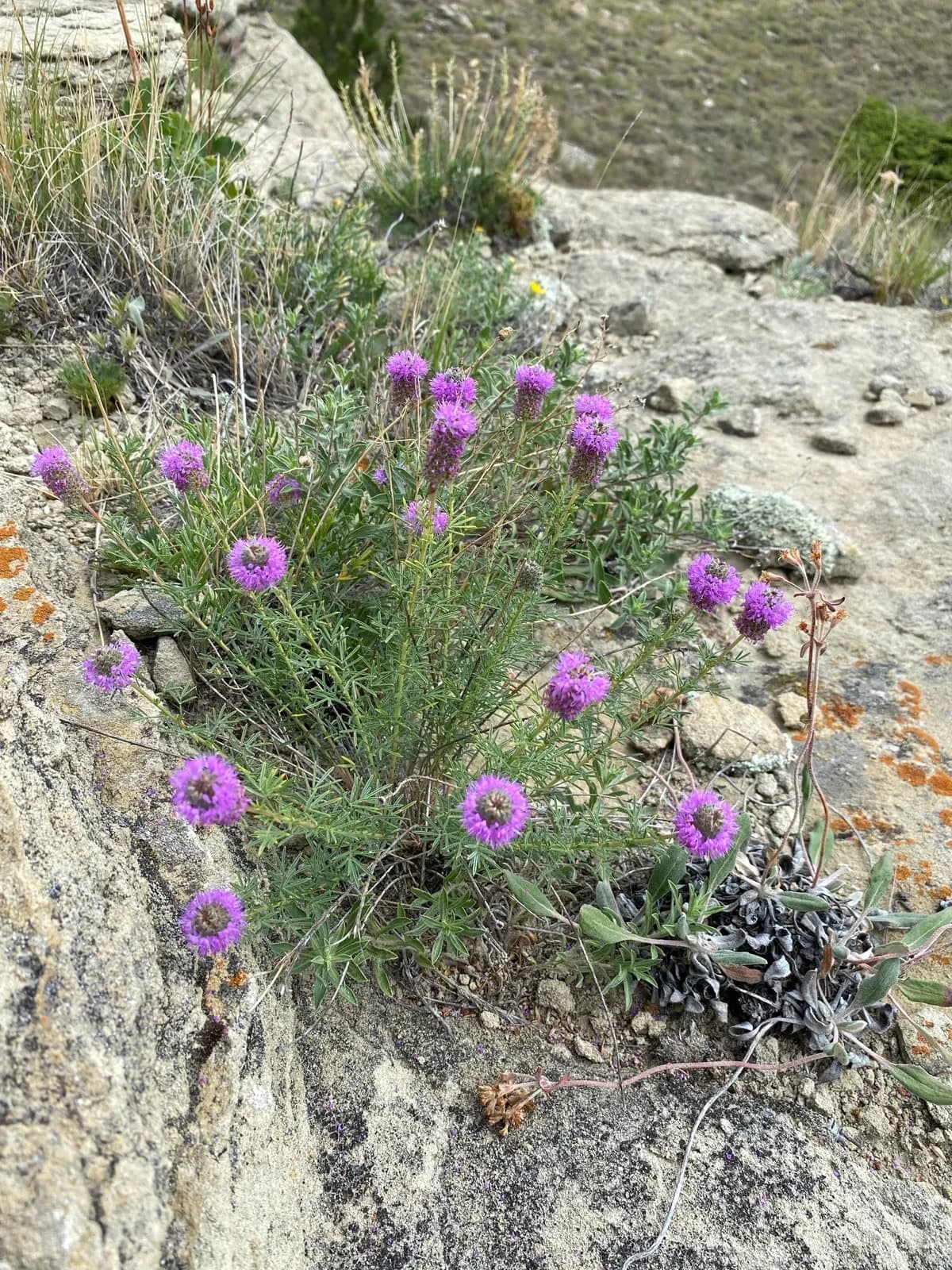
Purple Prairie Clover
Dalea purpurea
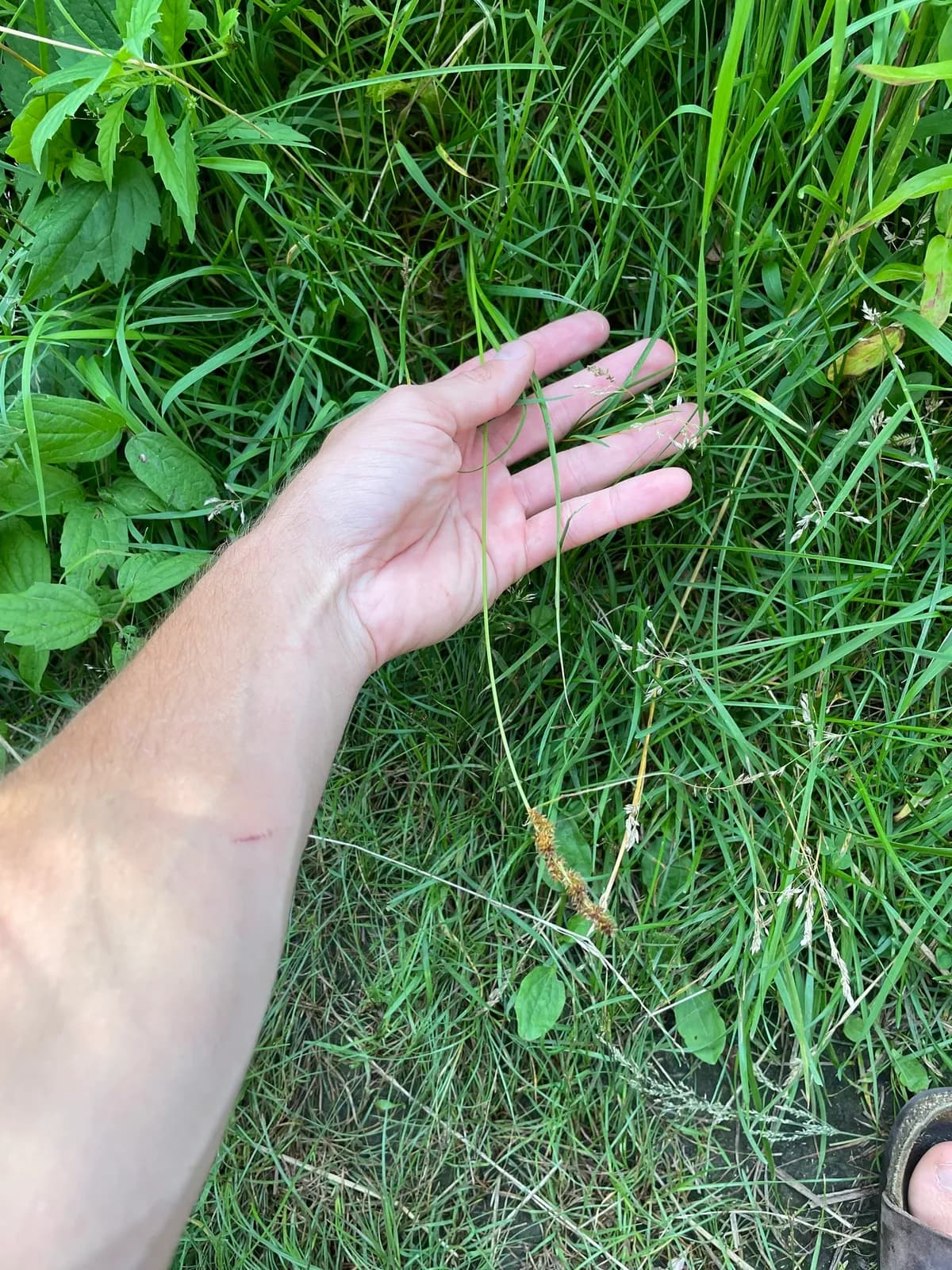
American Fox Sedge
Carex vulpinoidea
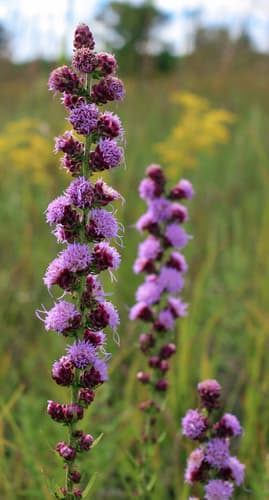
Tall Blazing Star
Liatris aspera
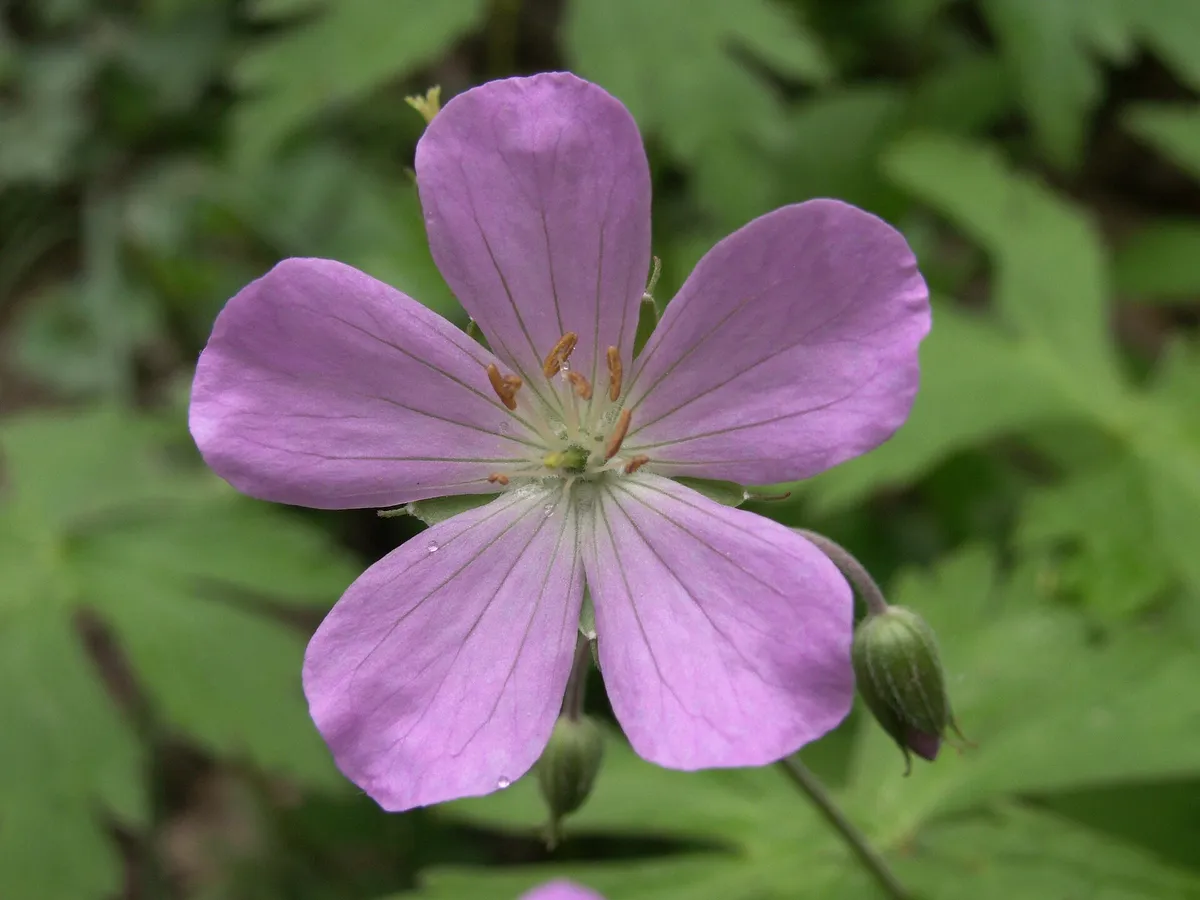
Spotted Geranium
Geranium maculatum
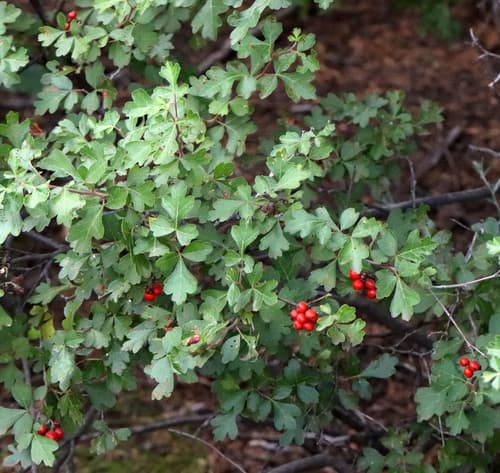
Aromatic Sumac
Rhus aromatica
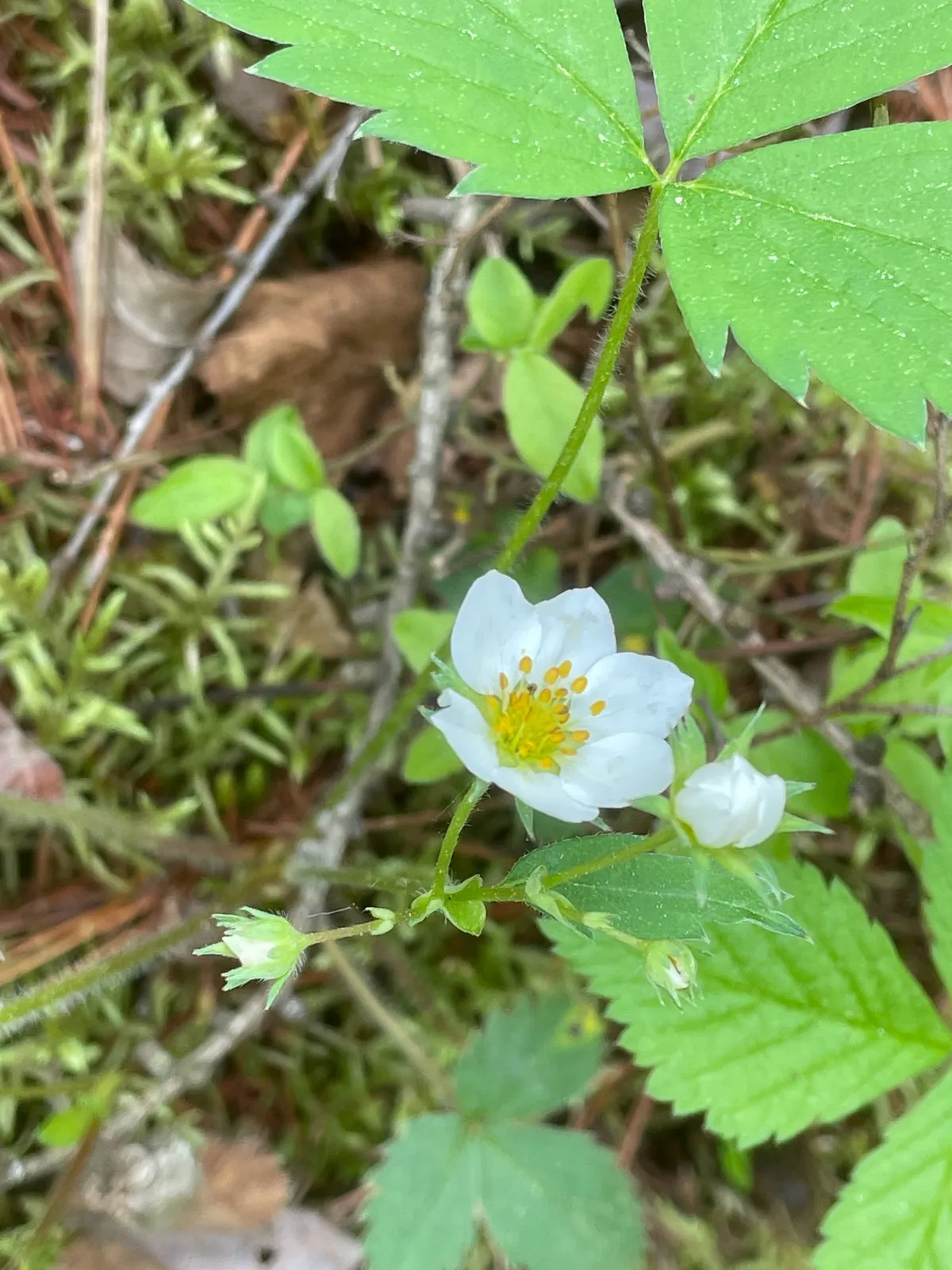
Scarlet Strawberry
Fragaria virginiana
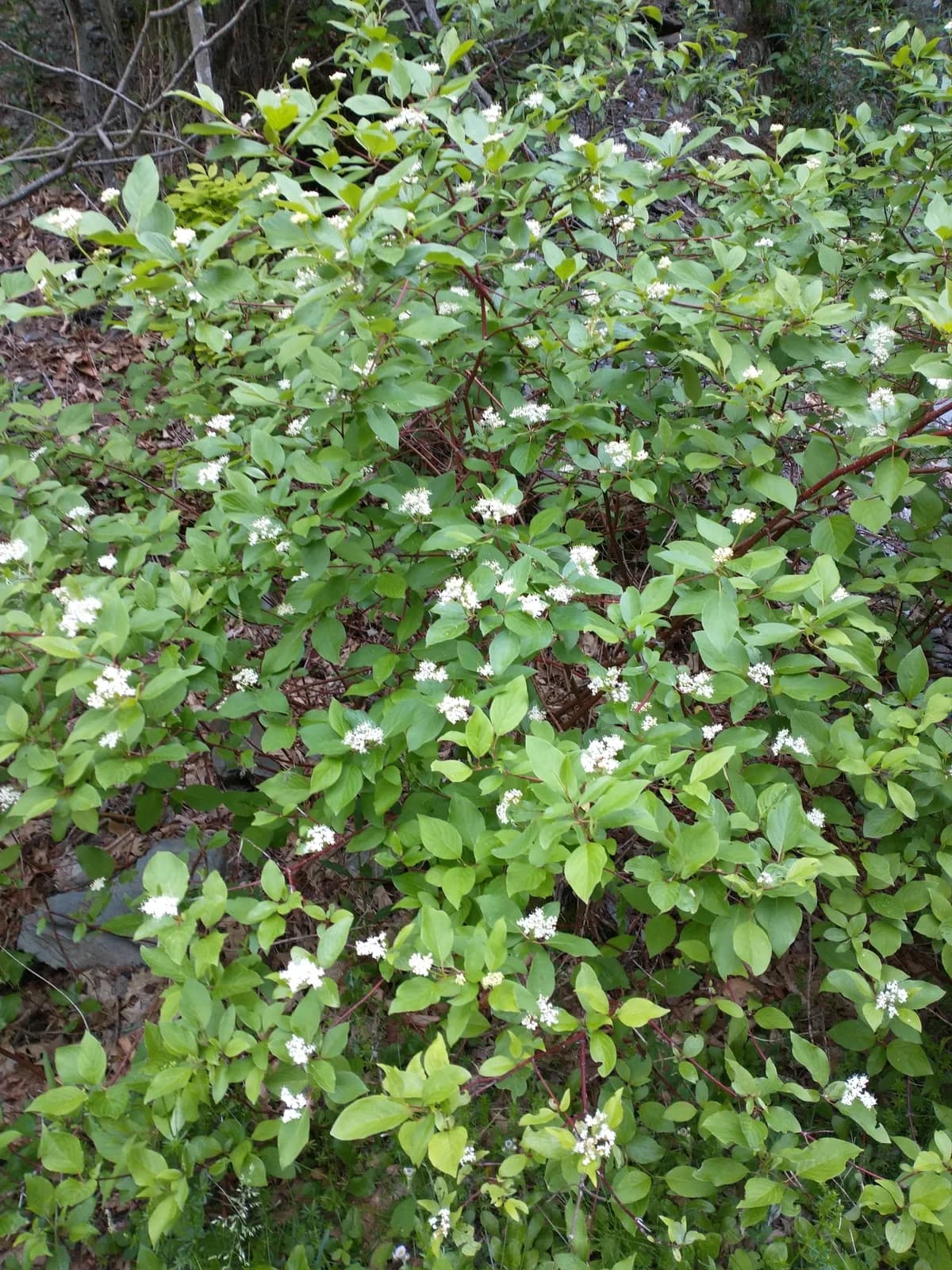
Red-osier Dogwood
Cornus sericea
Showing 48 of 1121. Enter your ZIP for the natives matched to your yard.
Fall care in the Eastern Corn Belt Plains
What to do right now for plants commonly grown here. Each links to the full regional care guide for that species, with sources.
- Stiff goldenrod
Fall brings the second bloom wave, through October, and then seeds ripen for birds.
- Brown eyed susan
Blooms run through October. Leave some seed heads if you want it to come back.
- Foxglove beardtongue
Fall is quiet. Check drainage and keep watering light.
- Dense blazing star
In fall, goldfinches eat the seeds, so there is a reason to wait before cutting.
- Rose of sharon
Brown seed capsules are on the shrub in fall. Clip them if you want to limit spread.
- Rose mallow
Fall is when bloom winds down in October. For the related H. moscheutos, fall is also cutback time.
- Hollyhock
Fall is when hollyhock sets seed, which is how it comes back. Decide whether you want new plants or a tidier bed.
- Culvers root
Cut spent flowers for a possible second bloom.
- Fall aster
Late flowers feed pollinators and seeds feed wildlife.
- Perennial black eyed susan
Fall is for seeds and optional division.
Build a plan for the Eastern Corn Belt Plains
The Pollinator Patch App turns plants like these into a front-yard plan tuned for the soil, climate, and HOA expectations of the Columbus area.