Hollyhock
Alcea rosea
Last reviewed: September 2026
Hollyhock (Alcea rosea) is a biennial forb. It blooms in June, July, and August. The flowers draw bees and hummingbirds.
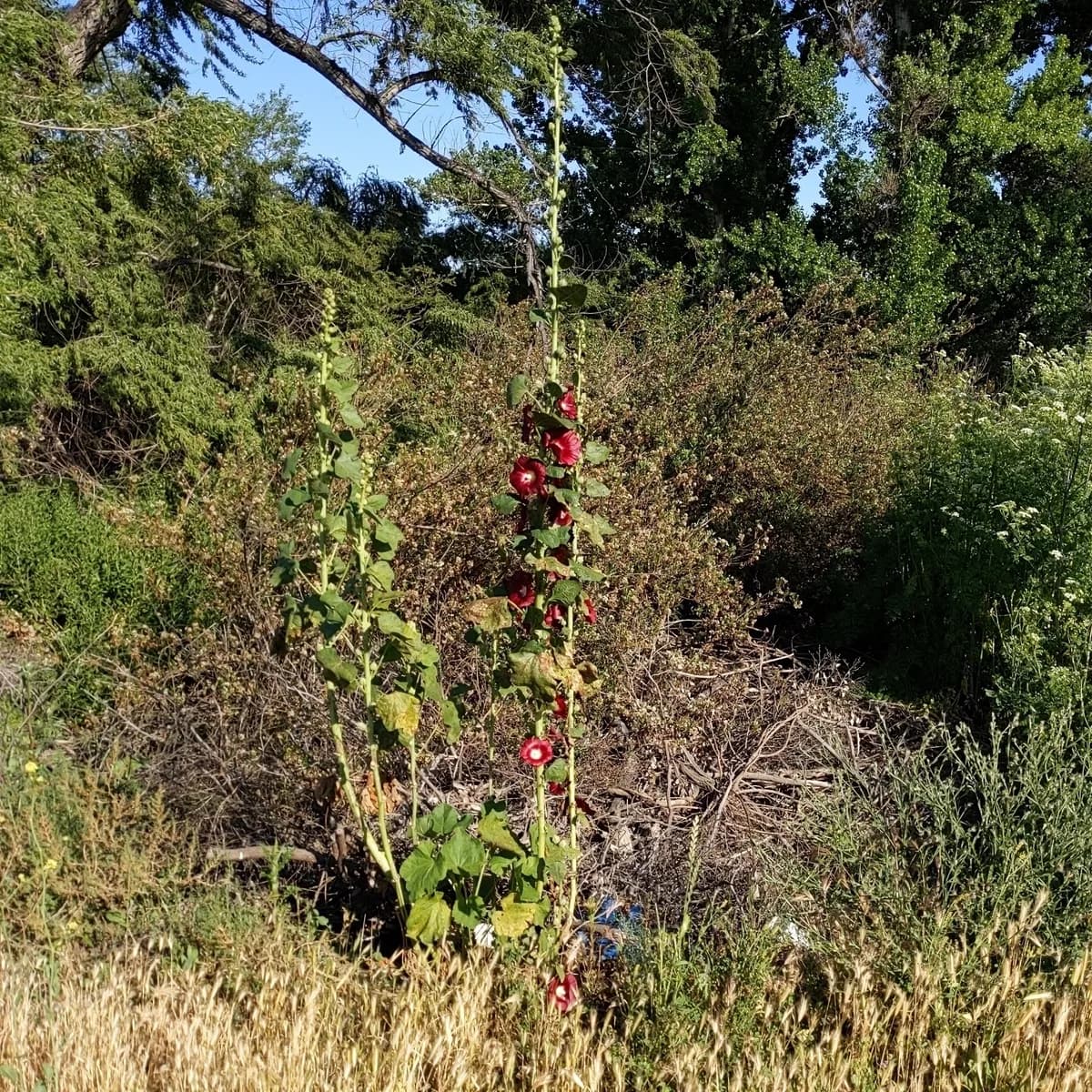
Hollyhock (Alcea rosea) is not on the ASPCA Animal Poison Control Center toxic plant list for dogs or cats (aspca.org (opens in new tab), last reviewed 2026-09-22). If your pet shows symptoms after eating any plant, call the ASPCA at (888) 426-4435.
Light
full sun
Water
medium
Size
60"–96" H × 18"–24" W
Bloom
Jun, Jul, Aug
Pollinators
bees, hummingbirds
Native alternatives to Hollyhock
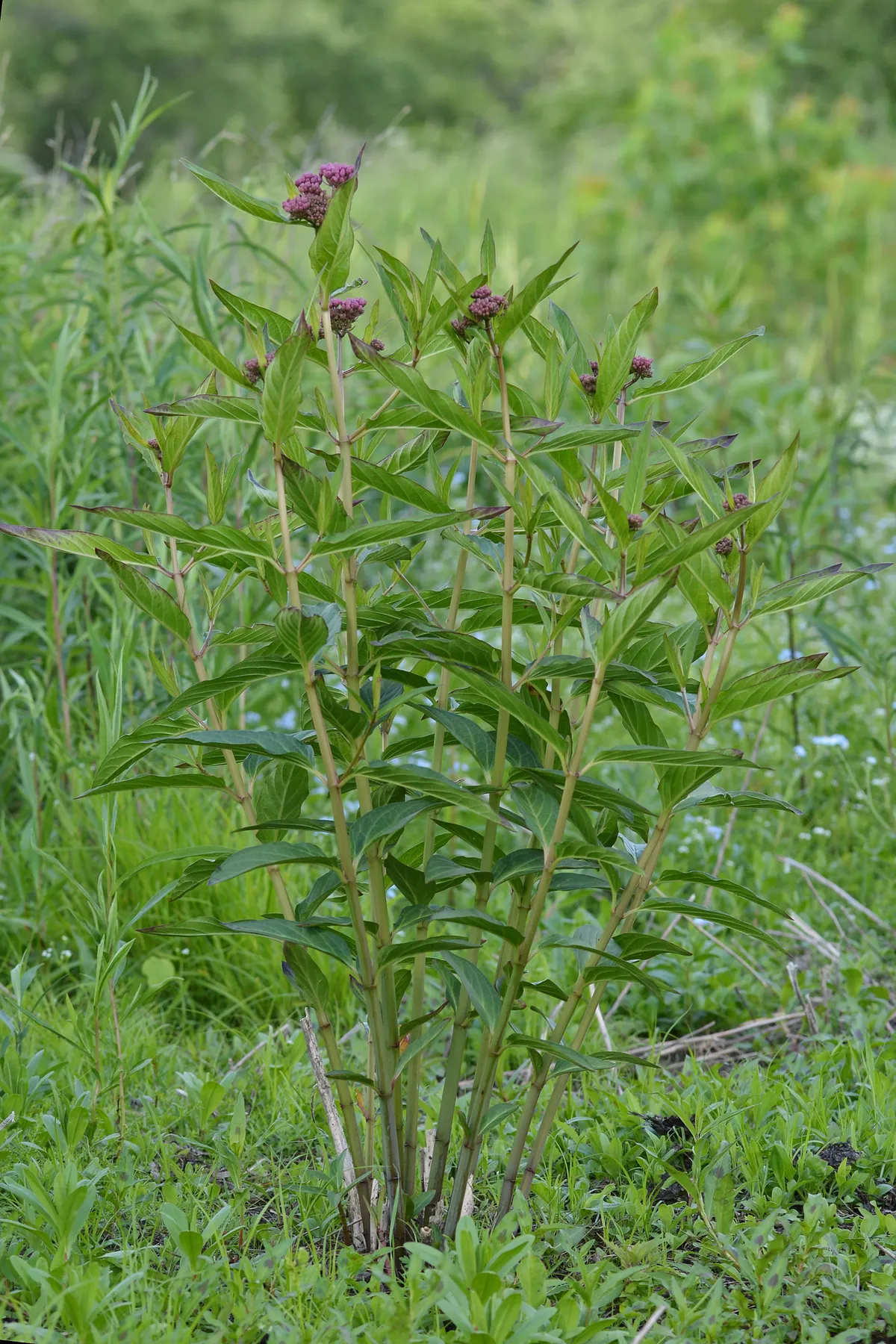
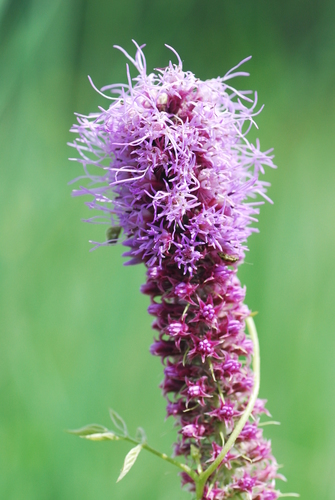
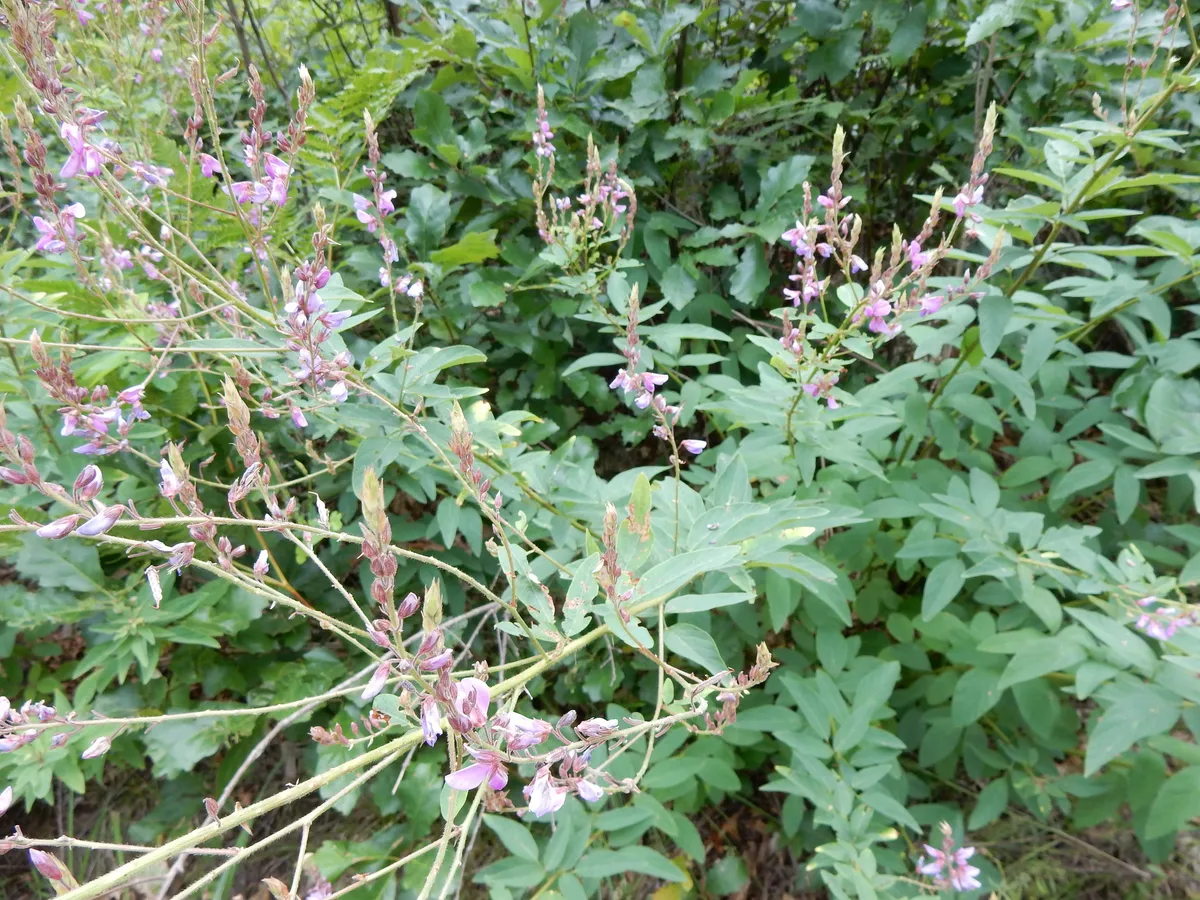
Hollyhock is not native to the United States. These natives fill a similar role in a planting, matched on bloom season, bloom color and mature size.
Before you buy
Your city may pay you to plant this
Cities and water utilities offer rebates for replacing lawn with native and water-wise plants. We track 458 programs across 44 states, each with a link to the provider and the date we last checked it.
Find rebates in your areaA tall, old-fashioned garden biennial known for towering flower spikes lined with large, saucer-shaped blooms. A classic choice for cottage-style borders and against fences or walls where its height can be supported.
Growing Hollyhock
Grow Hollyhock in full sun and medium water. Mature plants reach 60 to 96 inches tall and spread 18 to 24 inches wide. Expect moderate maintenance to keep it looking intentional in a front yard.
How to care for Hollyhock, by region
How to care for Hollyhock where it is actually grown: year-round basics plus what to do each season, region by region, with the sources for each.
Care guidance last updated: September 2026
Piedmont (includes Atlanta, GA)
Year-round
Hollyhock is a tall, upright biennial in the mallow family, native to Turkey and western Asia rather than the Piedmont. In the Atlanta area it does best in full sun to light shade with rich, well-drained soil, reaching 5 to 8 feet tall with large saucer-shaped blooms from June through August.
- Native to Turkey and western Asia, so it is a garden ornamental here rather than a naturalized plant (NC State Extension Gardener Plant Toolbox).
- Needs at least 6 hours of direct sun and moist, well-drained soil rich in organic matter; tolerates both acidic and alkaline soil (NC State Extension Gardener Plant Toolbox).
- Not on the ASPCA toxic plant list for dogs, cats, or horses (ASPCA Animal Poison Control Center).
- Flowers attract bees, butterflies, and hummingbirds, and the foliage serves as a caterpillar host plant for Painted Lady butterflies.
- Tall flower spikes often need staking or a sheltered spot against a fence or wall in Atlanta's summer storms.
A tall bloom spike staked against a fence or wall reads as an intentional cottage-garden feature rather than a stray weed, which keeps it calm for HOA-conscious front yards.
Fall
Fall is cleanup and next-year setup for hollyhock in the Atlanta area, since most plants behave as biennials that flower in their second year.
- Cut spent flower stalks back once bloom finishes to tidy the bed and reduce rust spores overwintering on old foliage (NC State Extension Gardener Plant Toolbox).
- Leave or transplant this year's self-sown seedlings now if you want blooms next summer; they overwinter as a low basal rosette.
- Rake up and discard fallen leaves showing rust spots rather than composting them.
- Fall is a low-risk time to direct sow fresh seed for next year's bloom in the Piedmont's mild autumn soil temperatures.
Cutting back finished stalks keeps the bed looking intentional going into fall rather than leaving tall brown skeletons.
Winter
Winters in the Atlanta area are mild enough that hollyhock's basal foliage often stays semi evergreen, so care is mostly about keeping the crown dry and clean.
- The basal rosette from this year's seedlings typically persists through a Piedmont winter and resumes growth in spring.
- Avoid heavy mulch piled directly against the crown, which can trap moisture and encourage rot in a mild, wet winter.
- Clear away any remaining old stalks or diseased leaves now so rust does not carry over into next year's growth.
- This is a good season to plan next year's staking and spacing before growth resumes.
A clean, low rosette over winter keeps the bed looking maintained even during the dormant season.
Spring
Spring is when hollyhock seedlings and overwintered basal rosettes put on their growth spurt ahead of summer bloom in the Atlanta area.
- Transplant or thin seedlings once the soil has warmed, spacing plants 18 to 24 inches apart to give the tall stalks room (NC State Extension Gardener Plant Toolbox).
- Watch for aphid clusters on new growth and rinse them off with water rather than reaching for a spray.
- Stake young stalks early, before they get top heavy, so the support does not damage roots later in the season.
- Mulch around the base to hold soil moisture as days warm and to keep rain from splashing rust spores up onto new leaves.
Early staking keeps the stand upright and tidy from the start instead of flopping into a walkway later.
Summer
Summer is hollyhock's main bloom window in the Atlanta area, running from June into August, and also the season when rust pressure is highest in the region's heat and humidity.
- Deadhead spent flowers from the bottom of the spike upward to prolong bloom and limit self-seeding you did not plan for (NC State Extension Gardener Plant Toolbox).
- Watch the lower leaves for orange rust pustules, a common problem in humid summers, and remove affected leaves promptly rather than letting them spread (NC State Extension Gardener Plant Toolbox).
- Water deeply during dry spells; consistent moisture keeps flower spikes from stalling partway up.
- Check for Japanese beetles and slugs on foliage and hand pick or trap rather than a blanket spray.
Prompt deadheading keeps the display looking fresh through the bloom season instead of going brown and ragged.
Sources: NC State Extension Gardener Plant Toolbox, Alcea rosea, ASPCA Animal Poison Control Center, Hollyhock
In an HOA neighborhood
Hollyhock is an HOA-friendly choice. Maintenance level: moderate. Tidiness: 3 out of 5.
Works well in: cottage garden, fence line planting, background border.
- can require staking in windy sites
- prone to rust disease on foliage
Wildlife value
Host plant for Painted Lady butterfly.
Flowers attract bees and hummingbirds, and the foliage serves as a caterpillar host plant for Painted Lady butterflies.
Common questions
- How much sun does Hollyhock need?
- Hollyhock grows best in full sun conditions.
- When does Hollyhock bloom?
- Hollyhock blooms in June, July, and August.
- Is Hollyhock toxic to dogs?
- Hollyhock is not on the ASPCA Animal Poison Control Center toxic plant list for dogs (aspca.org).
- Is Hollyhock toxic to cats?
- Hollyhock is not on the ASPCA Animal Poison Control Center toxic plant list for cats (aspca.org).
- What butterflies or moths does Hollyhock host?
- Hollyhock is a larval host plant for Painted Lady butterfly.
- Is Hollyhock HOA-friendly?
- Hollyhock is generally an HOA-friendly choice in the right placement, with moderate maintenance.
Pollinator and host plant associations compiled from GBIF, iNaturalist, and published ecological literature.
If something looks wrong
Common plant problems, and what to check first
These come up on almost any plant. Each guide lists the likely causes in the order they are worth ruling out, with one thing to check before you act on any of them, and links to the source it came from.
- It is dying right after planting
- Leaves turning yellow
- Wilting even though I watered it
- Brown crispy leaf tips
- Bugs on the plant
Ready to grow Hollyhock? Add it to your garden in Pollinator Patch to track it and get season-by-season care guidance.