Prairie Gayfeather
Liatris pycnostachya
Last reviewed: August 2026
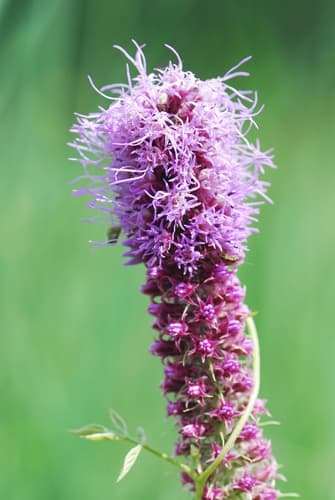
Liatris pycnostachya, or prairie gayfeather, sends up tall purple flower spikes from midsummer into fall and thrives in full sun on prairies and moist meadows across the central and eastern United States.
Toxicity unknown
Prairie Gayfeather (Liatris pycnostachya) is not listed by the ASPCA Animal Poison Control Center (opens in new tab) or the other sources we check, so we have no verdict for it either way. Absence from those lists is not a clearance. If your pet shows symptoms after eating any plant, call the ASPCA at (888) 426-4435.
The USDA PLANTS Database (opens in new tab) does not flag Prairie Gayfeather as toxic to livestock.
Light
full sun
Water
medium
Size
12"–60" H × 6"–12" W
Bloom
Jun, Jul, Aug, Sep, Oct, Nov
Native to
AR, IA, IL, IN and 18 more states
Pollinators
butterflies, bees, nectar insects
Before you buy
Your city may pay you to plant this
Cities and water utilities offer rebates for replacing lawn with native and water-wise plants. We track 452 programs across 44 states, each with a link to the provider and the date we last checked it.
Find rebates in your areaBrowse plants for this ecoregion
Prairie Gayfeather produces tall spikes of purple flowers that bloom from top to bottom, creating a dramatic vertical accent in the garden. This drought-tolerant native perennial forms clumps of narrow leaves and can reach up to 5 feet tall during its impressive summer to fall blooming period.
Growing Prairie Gayfeather
Grow Prairie Gayfeather in full sun and medium water. Mature plants reach 12 to 60 inches tall and spread 6 to 12 inches wide. Expect low maintenance to keep it looking intentional in a front yard.
How to care for Prairie Gayfeather, by region
How to care for Prairie Gayfeather where it is actually grown: year-round basics plus what to do each season, region by region, with the sources for each.
Care guidance last updated: September 2026
Arkansas Valley (includes McAlester, OK)
Year-round
Prairie blazing star is native to the Arkansas Valley's historic prairie and savanna patches, which once formed a mosaic with woodland on the moisture-limited shale soils here. Regional native seed sources sell an Arkansas River Valley ecotype specifically for this area.
- Plant in full sun with soil that holds moisture, the shale-derived soils typical of this ecoregion suit it well.
- It reaches four to five feet at bloom, give it room at the back of a bed or in a cluster rather than right against a walkway.
- Look for regionally sourced seed or plants where possible, an Arkansas River Valley ecotype is sold by regional native seed growers.
A single vertical spike planter or a tidy row reads as an intentional accent near a front walk or mailbox, not a wild patch.
Fall
Bloom fades and the plant sets seed. Good window for seed collection or division, and the dried stalks hold their shape through fall.
- Seed heads turn tan and fluffy as they dry, collect them once they look papery if you want to grow more from seed.
- Cut stalks back now for a tidy look, or leave them up through winter for birds and structure.
- Fall division works but early spring is gentler on the plant if you have a choice.
Winter
The plant dies back fully to the underground corm and goes dormant. Well within its cold hardiness range for this ecoregion's winters.
- Rated hardy through USDA zone 3, so McAlester winters are well within range, no protection needed.
- Leave dried stalks up through winter for structure and bird food, or cut them back for a cleaner bed.
- No watering needed during dormancy unless winter turns unusually dry for a long stretch.
Spring
Growth starts slow from an underground corm, with grass-like leaves emerging before the flower stalk develops later in the season.
- Cut back any dried flower stalks left up for winter interest once new growth appears at the base.
- New growth looks grass-like at first, mark the spot in fall so you do not weed it out by accident in spring.
- Divide congested clumps in early spring before stalks get tall, every three to four years keeps plants blooming well.
Summer
Peak growing season. The stalk shoots up and opens into a dense rose-purple spike by late summer, a strong draw for bees and butterflies.
- Flowers open top-down along the spike, which is unusual for the genus and worth pointing out if visitors ask.
- Water during extended dry spells, especially in the first year while the corm is still establishing roots.
- Bees and butterflies use it heavily for nectar in late summer, per the Xerces Society pollinator plant lists, avoid spraying insecticide near open blooms.
- Deadhead if you want a neater look, or leave spikes standing for seed and winter bird interest.
Peak bloom reads as a formal vertical accent, similar to an ornamental grass spike, which looks tended rather than wild.
Sources: Roundstone Native Seed, Prairie Blazing Star, AR River Valley Ecotype, USDA PLANTS Database, Liatris pycnostachya profile, Xerces Society, Pollinator Conservation Resources, Prairie Moon Nursery, Liatris pycnostachya growing guide
Central Corn Belt Plains (includes Chicago)
Year-round
Prairie blazing star is a genuine tallgrass prairie native in the Chicago region, and it wants the moist, rich soil that made this ground so good for farming.
- This is one of the few Liatris that actually likes damp soil. Give it a spot that stays moist to average, not a dry hillside.
- Full sun brings the tallest, straightest flower spikes. In part shade the stems tend to flop.
- It grows in a rich loam or clay loam and tolerates some rocky material, matching the black-soil prairie ground common around Chicago.
- Established plants handle short dry spells, but this species is one of the least drought tolerant Liatris, so do not treat it like a xeriscape plant.
- Long, unbranched purple spikes bloom top down over several weeks in late summer, which is why bees and butterflies keep coming back to the same plant.
Fall
Fall is seed harvest time if you want more plants, and the fluffy brown seed heads are worth leaving up for birds either way.
- Seed heads look dry and fluffy when ready, usually in fall, and shatter quickly once mature, so check plants every few days if you want to collect seed.
- Goldfinches and other seed eating birds work the dried spikes through fall, so leaving some stems standing feeds wildlife instead of just looking tidy.
- Fall is the other good window for dividing overcrowded clumps, along with spring.
- This is also a fine time to cut and dry a few spikes indoors. The color holds well if air dried quickly out of direct light.
Standing seed heads can look unkempt to a neighbor used to a mowed lawn. Leaving one or two upright clumps near the house and cutting back the rest keeps the wildlife value without looking neglected.
Winter
Winter is quiet dormancy underground in the corm, and there is not much to do besides leaving the old stems as insulation and habitat.
- The plant survives winter as a corm below ground, so there is no foliage to protect, just avoid disturbing the soil where it is planted.
- Leaving dried stems standing over winter gives overwintering insects a place to shelter and keeps seed available for birds during lean months.
- Do not mulch heavily right over the crown. This species prefers well drained conditions and can rot if kept too wet and covered through winter thaw cycles.
- This is a good season to plan next year's planting layout since the plant is fully dormant and easy to map around.
Cut stems down to a low, even height in late winter before spring green up if bare standing stalks bother a neighbor, rather than leaving them ragged into the growing season.
Spring
Spring is when the basal leaves come up from the corm and the plant decides how tall it will grow this year.
- New growth is low and grass like at first. Mark the spot last fall so you do not accidentally weed it out or step on it.
- Rabbits go after the tender new shoots, so a simple wire cage around young plants for the first few weeks helps a lot.
- Do not fertilize with nitrogen in spring. It just pushes floppy growth and weeds, not stronger flower spikes.
- If you are dividing an established clump, spring is one of the two good windows, right as new growth starts.
Summer
Summer is the main event: tall magenta spikes open from the top down over weeks, right when bumblebees and monarchs need the fuel most.
- Keep soil evenly moist through hot stretches. This species struggles more in drought than other Liatris, and lower leaves will yellow and wither if it dries out too long.
- The flower spikes open from the top down, so a single plant stays in bloom for an extended period rather than all at once.
- Long tongued bees, bumblebees, and butterflies including monarchs and swallowtails are the main visitors, and Xerces Society lists blazing stars as a strong native bee plant.
- Skip deadheading if you want it to reseed into a naturalized area. Deadhead spent spikes if you want a tidier look and more repeat blooming instead.
Tall purple flower spikes read as an intentional, tended planting rather than an overgrown patch, especially if kept to one clean clump instead of scattered stems.
Sources: Chicago Botanic Garden, Plant Finder: Liatris pycnostachya, USDA NRCS Plant Guide: Thickspike Gayfeather (Liatris pycnostachya), Illinois Wildflowers: Prairie Blazingstar, Xerces Society: Plants for Pollinators, Blazingstar, Prairie Moon Nursery: Liatris pycnostachya
Central Great Plains (includes Oklahoma City, OK)
Year-round
Prairie blazing star is a tall native prairie wildflower with dense purple flower spikes that can reach four to five feet. It is a core species of the mesic tallgrass and mixed-grass prairies that once covered this ecoregion, and it tolerates the heavier clay and loam soils common around Oklahoma City better than most other Liatris species.
- Give it a spot in full sun with soil that stays evenly moist, it handles clay and heavier soils better than most Liatris species per the Lady Bird Johnson Wildflower Center.
- Space plants about a foot apart, the flower spikes stand tall and thin so a small cluster reads better than a single stem.
- Established plants tolerate short dry spells but do best without long droughts, water during extended dry stretches in the growing season.
- No pruning needed through summer, just remove any stems that flop after heavy rain.
A single vertical spike planter or a tidy row reads as an intentional accent, not a wild patch, which keeps it easy to place near a front walk or mailbox.
Fall
Bloom winds down and the plant sets seed. This is a good window to collect seed or divide clumps, and the dried stalks still add structure to the bed.
- Seed heads turn fluffy and tan as they mature, collect them once they look dry and papery if you want to start new plants.
- You can cut stalks back now for a tidier look, or leave them standing through winter for birds and visual structure.
- This is also a fine time to divide large clumps, though early spring division is gentler on the plant.
Winter
The plant goes fully dormant, with all growth dying back to the underground corm. Hardy well below Oklahoma's typical winter lows.
- Rated hardy through USDA zone 3, so an Oklahoma City winter is well within its range, no winter protection needed.
- Leave dried stalks standing if you want winter structure and a seed source for birds, or cut them down for a cleaner look.
- No watering needed during dormancy unless the winter is unusually dry for an extended stretch.
Spring
Growth starts slow from an underground corm, with grass-like leaves emerging low to the ground before the flower stalk appears later in the season.
- Cut back last year's dried flower stalks in early spring if you left them up for winter interest and bird food.
- New growth is easy to mistake for grass, mark the spot in fall so you do not accidentally weed it out.
- Divide congested clumps in early spring before new growth gets tall, every three to four years keeps plants vigorous.
Summer
This is peak growing season. The flower stalk shoots up through early summer and opens into a dense rose-purple spike by late summer, drawing bees and butterflies.
- Flowers open from the top down, which is unusual for the genus, the top buds open first and it blooms downward.
- Water during extended dry stretches, especially in the first year while roots are still establishing.
- Bees and butterflies use it heavily for nectar in late summer, per the Xerces Society pollinator plant lists, avoid spraying insecticide on or near open blooms.
- Deadhead spent spikes if you want a tidier look, or leave them for seed and winter bird interest.
Peak bloom looks like a formal vertical accent plant, similar in effect to a small ornamental grass spike, which reads as tended rather than wild.
Sources: Lady Bird Johnson Wildflower Center, Liatris pycnostachya, USDA PLANTS Database, Liatris pycnostachya profile, Prairie Moon Nursery, Liatris pycnostachya growing guide, Xerces Society, Pollinator Conservation Resources, Prairie Restorations Inc, Discovering Liatris pycnostachya (community tip)
Central Irregular Plains (includes Kansas City, MO)
Year-round
Prairie blazing star is a signature tallgrass prairie native of the Central Irregular Plains around Kansas City, where remnant upland prairies and claypan soils are its home ground. It is one of the few Liatris that handles the heavier, moisture-holding prairie soils of this region, and its tall purple spikes give a front yard a clean upright accent.
- Genuinely native here. The Missouri Department of Conservation lists it in upland prairies and savannas, and it is a classic tallgrass prairie plant, so it belongs in the Osage and claypan prairie country around Kansas City.
- Full sun is a must. It grows in average soil that runs moist to occasionally dry, and unlike its drier cousins it tolerates the heavier, slower-draining prairie and claypan soils of this region.
- It is a top nectar plant for monarchs and native bees, and Liatris hosts the flower moths Schinia gloriosa and Schinia sanguinea per the Xerces Society.
- Not on the ASPCA toxic plant list, so it is safe around dogs and cats.
Fall
In fall the spikes go to seed and the clump starts to brown. Around Kansas City you can leave the stems standing for birds and winter structure or cut them back so a front bed reads clean into the cold months.
- After bloom, snap off spent spikes for a tidier look or leave them for goldfinches working the seed.
- To spread it on a prairie-style planting, let a few heads ripen and drop seed on open ground in fall.
- Trim stems low only if the bed needs it. Leaving them standing is fine for the plant and helps overwintering insects.
A fall cutback to a low, even clump reads as intentional care and helps a front yard avoid a violation letter over the winter. If you leave seed heads for birds, keep a crisp edge and a contained clump so it still looks tended.
Winter
Winter is easy for the plant itself around Kansas City, but the region's heavy claypan soil can hold water, and that is the one thing the corm will not tolerate. The winter job is drainage, not cold protection.
- The corm is fully cold hardy here. The risk is a wet crown, since the Missouri Botanical Garden notes it is intolerant of wet soils in winter.
- On claypan soil, make sure the spot drains during winter thaws. A slight raise or a well-drained bed keeps the crown from sitting in water.
- Keep mulch light over the crown. A heavy wet blanket on slow-draining soil invites rot.
Standing tan winter stems can read as untidy to an HOA-conscious neighbor. Cutting back in fall to a low even clump with a clean bed edge keeps the yard looking intentional and avoids a violation letter through the dormant season.
Spring
In spring around Kansas City the plant sends up grassy new leaves from its corm. On the region's heavier claypan prairie soils, the spring job is making sure the crown does not sit in a wet low spot as rains come through.
- Grassy new shoots come up in spring. Mark the clump so you do not disturb the corm before it fills out.
- On heavy claypan soil, plant it where water moves off rather than pools. It tolerates prairie moisture in the growing season but still does not want a standing-water crown.
- Hold off on fertilizer. Rich feeding makes the tall stems flop, and the region's prairie soils already carry enough for it.
Summer
Summer brings the tall purple spikes that made this a prairie favorite. Around Kansas City it blooms July into August, and because prairie soil grows it lush, a tall clump often needs a little quiet support to stay upright in a front bed.
- Bloom runs July into August, opening from the top down, a strong vertical accent in a prairie-style planting.
- The Missouri Botanical Garden notes flower spikes usually need staking. On rich prairie soil the stems can get tall and heavy, so set a slim stake or ring early.
- Leave the blooms for pollinators. This is the peak window for monarchs and native bees on Liatris per the Xerces Society.
- Water only in a real drought. Prairie soils hold moisture, so it usually needs no extra water through a normal Kansas City summer.
Sources: Missouri Department of Conservation, Blazing Stars (Liatris) field guide, Lady Bird Johnson Wildflower Center, Liatris pycnostachya, Xerces Society, Plants for Pollinators: Blazingstar, ASPCA Animal Poison Control Center, Liatris, Missouri Botanical Garden Plant Finder, Liatris pycnostachya
Cross Timbers (includes Fort Worth, TX)
Year-round
Prairie Gayfeather is a Texas prairie native that sends up a single tall purple flower spike from a grass-like clump of foliage. It needs full sun and, once established, handles North Texas heat and dry stretches without much fuss.
- Give it full sun, at least 6 hours a day direct; too much shade makes the flower stalk flop over.
- Plant in well drained soil; the sandier, faster draining soils west of the metro suit it well, so water more often through the first summer while roots establish.
- Space plants 12 to 18 inches apart, the clump stays narrow and upright rather than spreading.
- Skip regular fertilizer; rich soil produces tall, floppy stalks instead of sturdy ones.
- After the first full summer, it only needs supplemental water during extended dry spells.
A single upright flower spike reads as an intentional bed anchor rather than a stray weed, especially planted in a group of 3 or more.
Fall
Bloom often carries into fall, and the spent flower spikes turn into seed heads that keep feeding wildlife after the color fades.
- Leave spent flower spikes standing into fall; the dried seed heads feed goldfinches and other seed eating birds.
- If a tidier look is wanted for the season, cut the flower stalk back to the basal foliage in November once blooms are fully spent and seed heads have dried.
- Do not cut into the low foliage rosette itself, only the tall flower stalk; the rosette stays through winter.
- Skip fertilizing going into fall; no winterizing is needed beyond the optional stalk trim.
Cutting the spent flower stalk back to a clean rosette by late November keeps the bed reading tidy and intentional if neighboring yards are being cleaned up for the season.
Winter
The plant goes fully dormant in winter. A bare or low rosette look at the base is normal, not a sign of trouble.
- Expect dormancy: only a low rosette of foliage or bare ground where the clump was, this is normal for the species.
- No regular watering is needed in a typical North Texas winter; water only if there has been no rain for several weeks during a mild stretch.
- Leave the thickened root undisturbed; do not dig up or divide clumps in winter.
- Ahead of a hard freeze warning (below 20F), a light 2 inch mulch layer over the root zone is enough protection, no covering needed.
A dormant, cut back clump can look like bare dirt to neighbors; keeping a 2 inch mulch ring around it signals a maintained bed rather than a neglected patch.
Spring
Spring is planting season and a quiet growth stage. Before the flower stalk shoots up, all you will see is a low rosette of narrow, grass-like leaves.
- Plant new Prairie Gayfeather from mid March through May, after the last frost, so roots establish before summer heat arrives.
- Water new plantings twice a week for the first 4 to 6 weeks, until you see fresh leaf growth.
- Expect only a low, grass-like rosette this season; the flower stalk has not emerged yet, so the plant can look sparse next to spring bulbs.
- Do not fertilize and do not disturb the base; the thickened root needs to settle in undisturbed.
- Spread 2 inches of mulch around, not touching, the base to hold moisture as temperatures climb.
Grouping several plants together in spring reads as an intentional new bed rather than an empty gap, since the flower spike has not appeared yet.
Summer
This is when Prairie Gayfeather earns its name: a tall purple flower spike opens from the top down through the hottest months.
- The flower spike opens top down, unusual among prairie plants; no deadheading is required, though removing the spent top third keeps it tidier if wanted.
- Water once a week during the hardest weeks of July and August if there has been no rain; established plants tolerate the dry stretch but bloom fuller with occasional deep watering.
- Watch for tall spikes leaning after a summer storm; a single discreet stake per clump keeps them upright.
- Leave the full spike standing through the season, it is actively feeding bees and butterflies while in bloom.
A tall, upright purple spike is a clear, deliberate bloom that reads as a planted feature, not an overgrown weed, through the hardest part of summer.
Sources: Lady Bird Johnson Wildflower Center: Liatris pycnostachya
Driftless Area (includes Galena, IL)
Year-round
Prairie blazing star is native across Illinois, including the Driftless-area river bluffs and prairie remnants around Galena, but it needs the moist, rich ground of a low prairie rather than the drier, rockier upland spots common in this hill country.
- This species does best on moist to mesic ground, so look for a low spot or swale rather than a dry, thin-soil hillside typical of the Driftless region's steep terrain.
- Full sun and a rich loam or clay loam give the strongest, straightest flower spikes.
- It is one of the least drought tolerant Liatris species, so a rocky bluff prairie site with fast drainage is a poor match without supplemental water.
- It is locally common in high quality prairie remnants but uncommon or absent through much of the wider region, so match it to an actual moist prairie pocket on your property.
- Purple spikes up to 5 feet tall bloom from the top down over an extended period in late summer.
Fall
Fall seed heads dry out fast, giving you a short window to collect seed before birds and wind take it.
- Seed is ready when heads look dry and fluffy, typically in fall, and it shatters quickly once mature.
- Goldfinches and other birds feed on the dried spikes, so leaving some stems standing supports wildlife through fall.
- Fall is the second good window for dividing crowded clumps, along with spring.
- Cut a few spikes for indoor drying if you want to keep the color. Air dry quickly out of direct light.
Leaving every seed head standing across the yard can look unkempt. Cut back most stems and leave just one or two clumps up if curb appeal is a concern.
Winter
Winter is spent dormant underground as a corm, with little to do besides leaving the planting undisturbed.
- There is no foliage above ground to protect in winter, just avoid digging or heavy foot traffic where the corm sits.
- Standing dried stems give overwintering insects shelter and keep some seed available for birds.
- Skip heavy mulch directly on the crown. This species wants decent drainage and can rot if kept wet under mulch through winter freeze-thaw cycles.
- Use the dormant season to plan out where a moist, low spot on your property could work for next year's planting.
Cut old stalks down to a low, even height in late winter if bare stems bother a neighbor, rather than leaving them standing ragged into spring.
Spring
Spring growth comes up from the corm, and this is the time to protect tender new shoots and plan around the plant's need for reliable moisture.
- Cage young shoots if rabbits are active nearby. New growth is a favorite target while it is tender.
- Hold off on nitrogen fertilizer. It pushes weak, floppy growth instead of a sturdier flower spike later.
- Spring is one of two good times to divide a crowded clump, right as new growth begins.
- If your site tends to dry out fast, like a thin-soil bluff, water new spring growth consistently since this species does not tolerate drought well while establishing.
Summer
Summer brings the tall purple bloom spikes, and steady moisture through hot stretches matters more for this species than for other Liatris.
- Water during dry spells if the site is prone to drying out. Lower leaves yellow and wither on this species faster than on drought tolerant Liatris relatives.
- Flowers open from the top of the spike downward, keeping the display going for weeks.
- Long-tongued bees, bumblebees, and butterflies including monarchs visit heavily, and Xerces Society lists blazing stars among the strongest native bee plants.
- Deadhead for a tidier look and more repeat bloom, or leave spikes intact if you want the stand to reseed.
A single tended clump of tall purple spikes reads as an intentional garden planting, especially kept clear of surrounding weeds.
Sources: Illinois Wildflowers: Prairie Blazingstar, USDA NRCS Plant Guide: Thickspike Gayfeather (Liatris pycnostachya), Xerces Society: Plants for Pollinators, Blazingstar
East Central Texas Plains (includes College Station)
Year-round
Prairie blazing star reaches into the East Central Texas Plains around College Station, right at the southwestern edge of its native range.
- Native range runs from Wisconsin south to Louisiana and eastern Texas, and the Native Plant Society of Texas lists it in the East Central Texas Plains ecoregion, specifically the Northern Post Oak Savanna and Northern Prairie Outliers subregions (Native Plant Society of Texas, npsot.org).
- It's one of the few Liatris species that tolerates very moist soils, which fits the wetter prairie remnants and savanna openings found in this ecoregion, though it also handles typical garden soil once established (Lady Bird Johnson Wildflower Center, wildflower.org).
- It provides special value to native bees and is a nectar source for butterflies during its late summer and fall bloom (Lady Bird Johnson Wildflower Center, wildflower.org).
- Prairie blazing star is not on the ASPCA's toxic plant list for dogs, cats, or horses.
Fall
Blooms run into fall, opening from the top of the spike downward, and pull in butterflies right through the season.
- Flowering continues from late summer into fall, sometimes December, opening from the top of the spike down.
- Butterflies and native bees actively visit the blooms through this stretch.
- Leave spent flower stalks standing after bloom. Seed heads still offer some wildlife value and cutting too early removes late nectar for pollinators still active in fall.
The tall purple spikes read as an intentional cut flower garden accent, not an overgrown corner.
Winter
Cut back the dead flower stalks in winter once they've finished feeding what wildlife still visits them.
- The corm goes dormant for winter and the top growth dies back completely.
- Cut spent stalks down to the ground in late winter, before new spring growth starts.
- Dividing overcrowded clumps works well in late winter dormancy if the planting has gotten thick after a few seasons.
Spring
New foliage emerges from the corm in early spring. Keep the area weeded so the young rosette isn't crowded out.
- New basal leaves emerge in early to mid spring from the underground corm.
- Keep the area around new growth clear of competing weeds while the rosette establishes.
- No cutting back is needed in spring since last year's flower stalks should already be gone.
Summer
Watch for the tall flower spikes to start forming in mid to late summer as the plant gets ready for its top down bloom.
- Flower stalks elongate through summer, eventually reaching 2 to 5 feet or more with the spike making up nearly half the height.
- This species tolerates wetter soil than most Liatris, so it doesn't need special drought protection in a normal College Station summer.
- Staking can help tall stalks stay upright in open, windy spots, especially after summer thunderstorms.
Sources: Liatris pycnostachya, Native Plant Society of Texas, Liatris pycnostachya (Prairie blazing star), Lady Bird Johnson Wildflower Center, ASPCA Toxic and Non-Toxic Plant List, Dogs
Eastern Corn Belt Plains (includes Columbus)
Year-round
Prairie blazing star is a native prairie remnant species in Ohio's Eastern Corn Belt Plains around Columbus, though it is uncommon and tied to specific moist prairie sites rather than found everywhere.
- It wants moist to mesic, rich soil, similar to the black-soil prairie ground it grew in historically before the region was converted to farmland.
- Full sun is essential for strong, upright flower spikes. Shaded plants tend to flop.
- This is one of the least drought tolerant Liatris species, so a dry, thin-soil spot is a poor match without extra water.
- It survives today mostly in scattered prairie remnants and restorations rather than being common across the landscape, so treat it as a specialty planting for a moist, sunny bed.
- Unbranched spikes up to 5 feet tall bloom purple from the top down over an extended stretch in late summer.
Fall
Fall seed heads dry out quickly, giving a short window to collect seed before wind and birds take it.
- Seed is ready when heads look dry and fluffy, usually in fall, and it shatters fast once mature.
- Goldfinches and other birds feed on the dried spikes through fall, so leaving a few stems up supports them.
- Fall is the second good window for dividing crowded clumps, along with spring.
- Cut a few spikes to dry indoors if you want to keep the color. Air dry quickly out of direct light.
Leaving seed heads standing across the whole bed can look unkempt. Cut back most stems and leave one or two clumps up if curb appeal matters.
Winter
The plant overwinters underground as a corm, so winter care is mostly leaving it alone.
- No foliage survives above ground in winter. The corm underground carries the plant through to spring.
- Standing dead stems shelter overwintering insects and hold seed for birds through the cold months.
- Avoid piling heavy mulch directly over the crown. This species needs decent drainage and can rot if kept soggy under mulch through winter freeze-thaw cycles.
- Use the dormant season to plan next year's layout, since the plant is fully dormant and easy to map around.
Cut old stalks to a low, even height in late winter if bare stems bother a neighbor, rather than leaving them ragged into spring.
Spring
Spring is when new growth pushes up from the corm, and young shoots need protection while the plant gets going.
- Cage tender new shoots if rabbits are active. They target this soft spring growth first.
- Skip nitrogen fertilizer this time of year. It leads to weak, floppy stems instead of a stronger bloom later.
- Spring is one of two good windows to divide a crowded clump, right as new growth emerges.
- Water consistently while plants establish. This species does not tolerate being allowed to dry out the way drier-soil Liatris can.
Summer
Summer is bloom time, with tall purple spikes that draw bumblebees, butterflies, and other pollinators over a period of weeks.
- Water during hot, dry stretches. This species yellows and wilts faster than drought-tolerant Liatris relatives if it goes too long without moisture.
- Flowers open from the top of the spike down, keeping each plant in bloom for an extended time.
- Xerces Society lists blazing stars as valuable native bee plants, and the blooms coincide with monarch migration through the region in late summer.
- Deadhead for tidier repeat bloom, or leave spent flowers if you want the plant to self-sow.
A single, well-tended clump of tall purple spikes reads as a deliberate garden feature rather than an overgrown patch.
Sources: The Buckeye Botanist: Liatris, the Star of the Prairies (community tip), USDA NRCS Plant Guide: Thickspike Gayfeather (Liatris pycnostachya), Xerces Society: Plants for Pollinators, Blazingstar
Flint Hills (includes Manhattan)
Year-round
Prairie blazing star is a tall native tallgrass-prairie wildflower that hits its greatest densities right here in the Flint Hills, sending up purple flower spikes in mid to late summer.
- Give it full sun and a spot that holds a little moisture. Unlike most blazing stars, this one likes the deeper, moister prairie soils and low swales rather than a dry limestone glade.
- Once its roots are down it handles the Flint Hills climate on rainfall alone. Water new plants through their first summer, then let them be.
- It is one of the best native-bee and butterfly nectar plants on the prairie, so plant a few together and leave the flower spikes standing for the insects.
- The July and August bloom peaks with the Flint Hills displays around Manhattan and Council Grove.
Fall
In fall the flowers finish and set seed, and the plant starts pulling energy back down into its corm for winter.
- Let the spent flower heads ripen into seed. Goldfinches and other birds work the seed heads, and the plant will drop seed to fill in over time.
- If you want it to spread, leave the seed heads standing. If you want to keep a clump tidy, snip the heads off before the seed scatters.
- No fall watering is needed. The plant is going dormant.
- You can leave the dry stems up through fall for winter interest and wildlife, or cut them back if your yard needs to look tidier for the season.
Deadheading spent spikes in fall, or a tidy cutback, keeps the plant looking cared for and signals intention to HOA-conscious neighbors.
Winter
The plant is fully dormant in winter, waiting underground as a corm through the cold Flint Hills months.
- It is hardy through the Manhattan-area zone 6 winter and needs no protection. The corm sits dormant below ground.
- Standing dead stems give a fine winter silhouette and hold a little seed for birds, so leaving them up is a real option.
- The natural reset for this species is a late-winter cutback that mimics the spring prairie burn. Cut old stems to a few inches in February or early March before new growth.
- No watering in winter.
Standing dead stems can read as neglect to some HOAs, so a clean late-winter cutback keeps the yard looking intentional and avoids a violation letter.
Spring
Spring is when the corm wakes up and new leaves push through, and it is the season the Flint Hills prairie is burned.
- On tallgrass prairie this plant is adapted to a prescribed spring burn. In a home yard you do not need to burn. A hard late-winter or early-spring cutback of last year's dead stems to a few inches does the same job of clearing old growth.
- Do the cutback before new leaves get tall, usually March around Manhattan, so you are not clipping fresh growth.
- Hold off on watering unless spring is dry. These plants prefer to start on natural moisture.
- If you want more plants, spring is a good time to divide the corms of a clump that has gotten crowded.
A clean late-winter cutback before growth starts reads as intentional care and keeps last year's brown stems from drawing a violation letter.
Summer
Summer is peak season, when the tall spikes open from the top down in rose-purple and pull in bees and butterflies.
- Flowering runs July into August in the Flint Hills. The spikes bloom top to bottom, which is the reverse of most flowers.
- This is one of the highest-value native-bee and butterfly nectar plants of the tallgrass prairie, so leave the blooms up for the pollinators.
- In deep, moist soil the tall stems can lean. Plant them close together or among prairie grasses like little bluestem so they hold each other up.
- Water only if you hit a hard summer drought. Established plants usually ride out a Flint Hills summer on their own.
Sources: Lady Bird Johnson Wildflower Center, Liatris pycnostachya, USDA PLANTS, thickspike gayfeather plant guide, Xerces Society, pollinator plants and Liatris value to native bees, USDA Forest Service FEIS, Liatris pycnostachya, fire and prairie management
Huron/Erie Lake Plains (includes Toledo)
Year-round
Prairie blazing star is native to Ohio's prairie remnants, including sites near the Oak Openings region around Toledo, but it stays tied to moist prairie ground rather than the drier sandy soils common in that area.
- It needs moist to mesic soil. The Oak Openings area's sandy, well-drained soils can work only in the lower, wetter spots, not the dry ridges.
- Full sun gives the strongest, straightest flower spikes.
- This is one of the least drought tolerant Liatris species, so avoid a dry, sandy rise without supplemental watering.
- It survives today mainly in scattered prairie remnants and restorations near Toledo rather than being widespread, so treat it as a specialty planting for a consistently moist bed.
- Unbranched purple spikes reach up to about 5 feet and bloom top down over an extended stretch of late summer.
Fall
Fall seed heads dry out fast, so check often if you want to collect seed, and leave some for the birds either way.
- Seed is ready when heads look dry and fluffy, usually in fall, and it shatters quickly once mature.
- Goldfinches and other seed-eating birds work the dried spikes, so leaving a few stems up feeds them through fall.
- Fall is the second good window for dividing crowded clumps, along with spring.
- Cut some spikes for indoor drying if you want to keep the color. Air dry quickly out of direct light.
Leaving seed heads up everywhere can look weedy to a neighbor. Cut back most stems and leave a clump or two standing if curb appeal is a concern.
Winter
The plant is dormant underground as a corm through winter, and the main task is leaving it undisturbed.
- No foliage survives above ground in winter. The corm underground carries it through to spring.
- Standing dead stems shelter overwintering insects and hold seed for birds through the cold months.
- Skip heavy mulch right on the crown. This species needs decent drainage and can rot if kept wet under mulch through winter freeze-thaw cycles.
- Winter dormancy is a good time to plan next year's layout since the plant is fully dormant and easy to map around.
Cut stalks down to a low, even height in late winter if bare stems bother a neighbor, rather than leaving them ragged into the growing season.
Spring
Spring growth emerges from the corm, and young shoots need protection and steady water to get established.
- Cage new shoots if rabbits are a problem in your yard. Tender spring growth is their favorite target.
- Avoid nitrogen fertilizer in spring since it encourages weak, floppy growth instead of a stronger flower spike.
- Spring is one of two good times to divide an overcrowded clump, right as new growth starts.
- Water new transplants and seedlings consistently, especially on the sandier soils common near Toledo, since this species does not establish well if it dries out.
Summer
Summer brings the tall purple bloom spikes, and this species needs more consistent moisture through the heat than other Liatris.
- Water during dry spells, especially on sandy ground. Lower leaves yellow and wither faster on this species if it dries out too long.
- Blooms open from the top of the spike downward, keeping the display going for weeks.
- Long-tongued bees, bumblebees, and butterflies including monarchs visit heavily, and Xerces Society lists blazing stars among the strongest native bee plants.
- Deadhead for a tidier look and more repeat bloom, or leave the spikes to let the planting reseed.
A single tended clump of tall purple spikes reads as an intentional planting rather than an overgrown patch.
Sources: The Buckeye Botanist: Liatris, the Star of the Prairies (community tip), USDA NRCS Plant Guide: Thickspike Gayfeather (Liatris pycnostachya), Xerces Society: Plants for Pollinators, Blazingstar
Interior River Valleys and Hills (includes Peoria, IL)
Year-round
Prairie blazing star grows in scattered counties across Illinois, including the river valley country around Peoria, wherever moist black-soil prairie or damp meadow ground remains.
- It wants full sun and soil that stays moist to mesic, not a dry, sandy bank.
- A rich loam or clay loam suits it best, and it can handle some rocky material mixed in.
- This is one of the least drought tolerant Liatris species, so it is not a good pick for a hot, exposed spot with poor soil.
- It is locally common in high quality prairie remnants but uncommon or absent in many other spots, so do not assume every yard in the region is a perfect match without checking your own site's drainage.
- Unbranched spikes up to about 5 feet tall bloom purple from top to bottom over an extended stretch of late summer.
Fall
Fall seed heads turn dry and fluffy fast, so this is the window to collect seed or just let the birds have it.
- Check plants every few days once seed heads look dry and fluffy. They shatter and blow away quickly once ready.
- Goldfinches and other seed-eating birds will work the dried spikes, so leaving a few stems up feeds wildlife through fall.
- Fall is the second good window for dividing an overcrowded clump, along with spring.
- Cut spikes for drying indoors hold their color well if air dried quickly out of direct sunlight.
Leaving all the seed heads up everywhere can look weedy to a neighbor. Cutting most stems back and leaving just one or two clumps standing keeps the wildlife benefit without the messy look.
Winter
The plant overwinters underground as a corm, so winter care is mostly about leaving it alone.
- No foliage survives above ground in winter. The corm below the surface is what carries the plant through to spring.
- Standing dead stems provide shelter for overwintering insects and hold seed for birds through the coldest months.
- Avoid piling heavy mulch directly over the crown. This species needs decent drainage and can rot if kept soggy under mulch through winter thaws.
- Winter dormancy is a good time to plan where you might divide or add plants once spring growth resumes.
If bare winter stalks look untidy to a neighbor, cut them down to a low, even height in late winter before new growth starts rather than leaving them ragged.
Spring
Spring brings up new basal growth from the underground corm, and this is when the plant is most vulnerable to rabbits and overcrowding.
- Watch for young rabbit-browsed shoots. A temporary wire cage protects new growth until stems toughen up.
- Skip nitrogen fertilizer this time of year. It encourages floppy stems and weed competition instead of a stronger bloom.
- Spring is one of two good windows to divide a crowded clump, right as new growth emerges.
- Give seedlings and new transplants consistent moisture. Unlike drier-soil Liatris, this species will not tolerate being neglected while it establishes.
Summer
Summer is bloom season, with tall purple spikes opening top down and drawing in bumblebees, butterflies, and other long-tongued pollinators.
- Keep the soil from drying out completely during hot stretches. Lower leaves yellow and wither if this plant goes too long without water.
- Flower spikes open from the top of the stalk down, so each plant stays showy for weeks rather than blooming all at once and fading.
- Xerces Society lists blazing stars as valuable for native bees, and the fragrant blooms line up with monarch migration timing in late summer.
- Deadhead if you want tidier repeat bloom, or leave spent flowers if you want the plant to reseed on its own.
A single well-kept clump of tall purple spikes reads as a deliberate garden feature rather than an overgrown patch.
Sources: Illinois Wildflowers: Prairie Blazingstar, USDA NRCS Plant Guide: Thickspike Gayfeather (Liatris pycnostachya), Xerces Society: Plants for Pollinators, Blazingstar
Lake Agassiz Plain (includes Fargo, ND)
Year-round
Prairie blazing star is a genuine Red River Valley native around Fargo-Moorhead, and it is one of the few blazing stars that is happy in the valley's heavy, moist, sometimes clay soil.
- Documented growing in the Lake Agassiz Plain in Clay County near Glyndon on glacial sand ridges and in moist roadside ditches, per Minnesota Wildflowers, and native to eastern North Dakota per USDA PLANTS.
- The historic Red River Valley was tallgrass and wet prairie, which is exactly this plant's home, so it fits the ecoregion rather than just the state.
- It handles the valley's damp, heavy soil better than most Liatris and will take clay as long as it is not standing in water all season.
- Late-summer purple spikes are a top nectar source for monarchs and native bees, including the endangered rusty patched bumble bee, per the Xerces Society.
- Not on the ASPCA toxic plant list, so it is a low-worry pick around dogs, cats, and horses. For a large accidental nibble, ASPCA Animal Poison Control is (888) 426-4435.
Fall
Fall is seed and clean-up-choice time in the valley.
- Spent spikes turn to fluffy seed that goldfinches and small birds feed on, so standing stems keep feeding wildlife into fall.
- To grow more plants, let a few heads ripen and scatter the seed where you want new clumps, since it needs winter cold to sprout.
- Wait on any heavy cutting until you have decided about winter cover, because standing stems help shield the crown through the valley's hard freeze.
Running a mower or shears along the front edge for one clean knee-high line, while leaving the interior for the birds, reads as intentional and helps avoid a violation letter in a stricter HOA.
Winter
Winter is hands-off in the cold zone 3b to 4a valley, since the corm rides out the freeze underground.
- The plant is fully hardy for the Red River Valley and needs no special winter protection once established.
- Leave stems up for winter structure and seed if you like, then cut them to a few inches in late winter before the late spring shoots push through.
- Keep heavy wet mulch and matted leaves off the crown, since a corm sitting in soggy cover through a thaw can rot, which is a real risk on the valley's slow-draining clay.
A late-winter cutback to a few inches gives the bed a tidy, deliberate edge before spring and reads as cared-for to neighbors and an HOA-conscious eye.
Spring
Spring in the Fargo-Moorhead valley is late, so wait for the clay to drain before you plant or divide.
- The valley's flat clay holds water long into spring, so let the soil drain and warm before planting corms 2 to 3 inches deep or setting out plugs.
- Shoots emerge late, so mark the clumps and hold off on hard weeding around them or you may pull a plant that is just slow to appear.
- Spring is the time to lift and split crowded corms, and to keep new plugs watered so the roots take hold before summer.
Summer
Summer brings the purple spikes right as monarchs move through the Red River Valley.
- Flowers open from the top down in late July and August and time up with monarch migration, so leave them standing for the butterflies and bees.
- The valley's moisture usually suits this plant, but water it during a hot dry stretch since it is thirstier than a dry-prairie species.
- In rich, damp valley soil the tall stems can lean, so grow it with prairie grasses or firmer neighbors that keep it upright instead of staking.
Sources: Minnesota Wildflowers, Liatris pycnostachya (Clay County Glyndon record, moist habitat, native status), USDA PLANTS, Liatris pycnostachya profile (native to eastern North Dakota), Xerces Society, Plants for Pollinators, Blazingstar (special value to native bees, monarch and rusty patched bumble bee nectar), ASPCA Animal Poison Control Center plant database, Liatris (not listed as toxic), Lady Bird Johnson Wildflower Center, Liatris pycnostachya (tolerates moist clay, propagation, full sun)
Mississippi Alluvial Plain (includes Memphis, TN)
Year-round
Prairie blazing star is native to the Mississippi Valley Loess Plains, part of the same Mississippi River corridor range that includes documented populations in Kentucky, Mississippi, and Louisiana.
- Plant in full sun in the region's loess-derived silty soils, which hold moisture well and suit this species better than the driest prairie sites.
- Expect a single, dense flower spike 3 to 5 feet tall that blooms top-down, distinct from most other Liatris.
- Deer resistant, a plus for yards near wooded edges typical of this region's loess bluffs and hollows.
- Not on the ASPCA toxic plant list.
- This is one of the few Liatris species suited to heavier, moisture-retentive soils rather than needing sharp drainage.
Fall
Fall seed heads are a food source for songbirds as the plant goes dormant.
- Leave the dried spikes standing so goldfinches and other birds can feed on the seed.
- No fall fertilizing needed for established plants in loess soils.
- Fall planting works well here given the region's mild autumns, as long as new plantings get water through any dry stretches.
Winter
Winter dormancy below ground with mild regional winters typical of the loess plains.
- The corm overwinters fine in this region's typically mild winters without extra protection.
- Leave standing stems up through winter for wildlife cover and seasonal structure in the bed.
- No watering needed. Established plants rely on normal winter rainfall.
Standing winter stalks can look unkempt to a neighbor expecting a bare bed; a short note on the wildlife value can help.
Spring
Spring is when new basal foliage emerges from the corm after winter dormancy.
- Cut back last year's dead stalks once fresh basal leaves show at the base of the plant.
- Divide clumps every 3 to 4 years in spring if flowering has started to thin out.
- Loess soils drain better than heavier alluvial clay, so watch for dry spells even in spring and water new plantings as needed.
Tidying up old stalks in early spring keeps the bed looking maintained before new growth fills in.
Summer
Summer heat and humidity in the loess plains match the muggy, warm-summer prairie climate this species evolved in.
- Blooms open from the top of the spike downward, the reverse of most Liatris species.
- Water during extended dry spells since loess soils drain faster than the heavier clay found closer to the river.
- Deadheading is optional and only affects appearance, not plant health.
- Tall spikes in open, windy spots may benefit from planting close to sturdier neighboring plants for support.
Tall, upright purple spikes give a clean, intentional look along a front bed or fence line.
Sources: Missouri Botanical Garden Plant Finder, Liatris pycnostachya, Tennessee-Kentucky Plant Atlas, Liatris pycnostachya var. pycnostachya, ASPCA Toxic and Non-Toxic Plants, Liatris, Lady Bird Johnson Wildflower Center, Liatris pycnostachya, Prairie Moon Nursery, Liatris pycnostachya, USDA NRCS Plant Guide, Thickspike Gayfeather
Mississippi Valley Loess Plains (includes Memphis, TN)
Year-round
Prairie blazing star is native to the wet hardpan prairies of the Mississippi Alluvial Plain, including remnant prairies like Arkansas's Grand Prairie just across the river from Memphis.
- Plant in full sun in soil that holds moisture. This species tolerates the region's heavy, poorly drained alluvial soils better than most other Liatris species.
- Mature height runs 3 to 5 feet with a single dense flower spike, so give it room at the back of a bed.
- Deer resistant, which helps in yards backing up to wooded or undeveloped land.
- Not on the ASPCA toxic plant list.
- Established plants handle both standing wet spells and short dry spells, but they do best without ever drying out completely.
Fall
Fall seed heads feed songbirds and mark the start of the plant's dormant season.
- Leave dried seed spikes standing for goldfinches and other seed-eating birds.
- No need to fertilize in fall. Alluvial soils are naturally fertile and established plants do not need extra feeding.
- Fall is a workable time to plant new corms in this region's typically mild autumns, as long as the soil is not waterlogged.
Winter
Winter dormancy below ground, with occasional flooding typical of the alluvial plain.
- The corm survives normal winter flooding common to this floodplain region better than most Liatris species can.
- Leave standing stems through winter for wildlife cover and visual structure in the bed.
- Skip watering. Winter moisture in this region typically comes from rain and periodic flooding, not irrigation.
Standing winter stalks can look messy to a neighbor expecting a bare bed; a brief note about the wildlife benefit can help.
Spring
Spring growth starts once soils begin to warm and dry from winter flooding.
- Clear away last year's dead stalks once new basal leaves appear. Alluvial plain soils often stay wet into early spring, so wait for visible new growth before cutting back.
- Divide crowded clumps every 3 to 4 years in spring to keep the planting vigorous.
- Avoid working the soil while it is still saturated from spring rains, since compacting wet clay can smother the corm.
Clearing winter debris in spring keeps beds looking cared for as neighbors' yards green up.
Summer
Summer is bloom season, and Memphis-area humidity and heat are well within what this species handles in its native alluvial prairie habitat.
- Blooms open from the top of the spike down, the reverse pattern of most other Liatris species, so what looks like the top fading first is normal.
- Keep an eye on soil moisture during dry spells. Even though it tolerates wet soil well, prolonged drought will cause leaf loss.
- Watch for basal rot only in poorly drained sites without any slope; the plant is otherwise well suited to heavier soils here.
- Deadheading spent spikes is optional and mainly for tidiness.
The tall, upright purple spikes give a clean, intentional look that reads well from the street.
Sources: Southeastern Grasslands Institute, Mississippi Alluvial Plain Grasslands Gallery, Missouri Botanical Garden Plant Finder, Liatris pycnostachya, ASPCA Toxic and Non-Toxic Plants, Liatris, Prairie Moon Nursery, Liatris pycnostachya, Lady Bird Johnson Wildflower Center, Liatris pycnostachya, USDA NRCS Plant Guide, Thickspike Gayfeather
Northeastern Coastal Zone (includes New York City)
Year-round
Prairie blazing star is a cold-hardy native for the New York City area, sending up tall magenta spikes right as monarchs migrate through in late summer.
- Plant in full sun. It grows from an underground corm and tolerates both dry and moist soils, unusual for this genus (Lady Bird Johnson Wildflower Center).
- The tall flower spike can lean in rich, moist soil. Stake it if needed, or plant in leaner soil where it stays upright.
- Its late-summer bloom lines up with the monarch's fall migration south, making it a reliable monarch nectar plant.
- Liatris is not known to be toxic to people or pets.
Fall
Bloom finishes and feathery seed heads take over. Leave them for the goldfinches.
- Leave the seed heads standing. Finches, sparrows, and especially American goldfinches eat them (MasterClass Gardening Guide).
- If you prefer a tidy look, cut spent spikes back instead.
- A light mulch helps first-year plants ahead of their first cold winter.
For a neat front bed, cut back spent spikes; for wildlife, leave the seed heads. Either reads fine with clean bed edges.
Winter
The corm rests underground through the cold. Established plants are reliably winter hardy.
- Established corms are winter hardy in the New York City area and need no special protection (Lady Bird Johnson Wildflower Center).
- Cut back any remaining spikes before new growth in late winter.
- Do not water dormant plants.
If standing seed heads read as messy in your neighborhood, plan one clean cutback in late winter.
Spring
New growth emerges from the corm in spring. Cut back old spikes if you left them standing.
- Cut last year's flower spikes to the ground before new growth (Wisconsin Horticulture Extension).
- New foliage comes up as a grassy tuft before the flower spike develops in summer.
- Established plants need little supplemental water once the season warms.
An early-spring cutback clears last year's stalks so a front bed looks intentional as the season starts.
Summer
Tall magenta spikes bloom top to bottom in late summer, right as monarchs pass through on migration.
- Flowers open from the top of the spike downward, an unusual bloom pattern for the genus.
- Deadhead spent spikes to tidy the look, or leave a few for the birds later (Gardenia).
- Stake tall spikes if they lean in richer soil. Water only in an extended dry spell.
Staking a leaning spike keeps this tall bloomer looking upright and intentional rather than sprawling into the walkway.
Sources: Lady Bird Johnson Wildflower Center, U.S. Fish and Wildlife Service, Prairie Blazing Star, ASPCA Animal Poison Control Center, Toxic and Non-Toxic Plants, Wisconsin Horticulture Extension, Liatris, Gardenia, Liatris Blazing Star (community tip), MasterClass, Liatris Grow Guide (community tip)
Northern Glaciated Plains (includes Aberdeen, SD)
Year-round
Prairie blazing star is a tall, moisture-loving native of the eastern Dakota tallgrass and pothole prairie around Aberdeen, and it wants full sun and a soil that stays a little damp.
- Native to the tallgrass and mixed-grass prairie of eastern South Dakota, including the pothole country near Aberdeen, per USDA PLANTS and BONAP.
- It likes the low, moist spots more than most blazing stars, so plant it near the base of a slope or a swale edge where the soil holds water longer, not on a dry ridge.
- Give it full sun and room to stand up, 3 to 4 feet tall, with a dense purple flower spike that opens from the top down in late summer.
- It is a strong late-summer nectar plant for monarch butterflies and native bees, including the endangered rusty patched bumble bee, per the Xerces Society.
- Not on the ASPCA toxic plant list, so it is a low-worry choice around dogs, cats, and horses. If a pet eats a lot of any plant you can call ASPCA Animal Poison Control at (888) 426-4435.
Fall
Fall is seed time, and you get to choose between leaving the stalks standing for wildlife or a light tidy-up for the front yard.
- After bloom the spikes go to fluffy seed that goldfinches and other small birds pick at, so leaving stalks up feeds wildlife through fall.
- If you want more plants, let a few heads ripen and scatter the seed where you want new clumps, since it needs cold winter weather to sprout.
- Hold off on heavy cutting until you have decided about winter cover, because standing stems also protect the crown in the cold zone 4 winter.
A single clean edge or a knee-high cut on the front-facing clumps reads as intentional and keeps a tidy look while the rest stands for the birds, which helps avoid a violation letter in a stricter HOA.
Winter
Winter care is mostly leaving it alone, since the corm sleeps underground through the deep cold around Aberdeen.
- The plant is fully hardy in this cold zone 4 region and needs no special protection once established, the corm simply waits out the freeze underground.
- You can leave standing stems all winter for structure and seed, then cut them back to a few inches in late winter or very early spring before the late new growth pushes up.
- Avoid piling wet mulch or matted leaves right over the crown, since the corm can rot if it sits in soggy cover during a thaw.
Cutting the dead stalks to a few inches in late winter gives the bed a neat, cared-for edge before spring and reads as intentional to neighbors and an HOA-conscious eye.
Spring
Spring near Aberdeen is planting and dividing time, once the frost is truly out of the cold zone 4 ground.
- Wait until late April or May when the soil has thawed and dried enough to work, then plant corms 2 to 3 inches deep or set out plugs.
- New shoots come up late, so mark last year's clumps with a stake before you weed or you will hoe out a plant that is just slow to wake up.
- This is the season to divide crowded corms every few years, and to water new plantings so the moisture-loving roots settle in before summer heat.
Summer
Summer is bloom season, and the main job is keeping the soil from drying out during the hot stretch.
- Flower spikes open from late July into August, right as monarchs move through, so leave the blooms up for the butterflies and native bees instead of cutting them for the vase.
- In a dry Aberdeen summer, water during long dry spells since this species leans on more moisture than a typical dry-prairie plant.
- Tall spikes can flop in rich garden soil or after storms, so plant it among grasses or sturdier neighbors that hold it upright rather than staking each stem.
Sources: USDA PLANTS, Liatris pycnostachya profile and native range, Xerces Society, Plants for Pollinators, Blazingstar (special value to native bees, monarch and rusty patched bumble bee nectar), ASPCA Animal Poison Control Center plant database, Liatris (not listed as toxic), Lady Bird Johnson Wildflower Center, Liatris pycnostachya (moist soils, full sun, propagation)
Ouachita Mountains (includes Hot Springs, AR)
Year-round
Prairie gayfeather is a tall native perennial with fuzzy purple flower spikes that draw butterflies and hummingbirds. It grows from an underground corm instead of a spreading root system, so one plant stays put rather than wandering through the bed.
- Full sun and well drained to occasionally moist soil suit it best. It is one of the few Liatris species that tolerates wetter soil than most others in the genus.
- Mature height runs two to five feet, with the fuzzy flower spike making up close to half of that.
- Flowers open from the top of the spike downward, the reverse of how most spike shaped bloomers open.
- Not on the ASPCA toxic plant list for dogs or cats.
Fall
Bloom carries into early fall around Hot Springs, and this is the point where you decide whether to deadhead or leave the seed heads for wildlife.
- Leaving spent flower spikes standing feeds songbirds through fall, since the small seeds are a food source.
- For a tidier look, cut the bloom spike off just below the lowest flowers once it fades. This does not push out a second round of bloom.
- Cut the whole plant back to the ground after the first hard frost, typically in the first half of November in this area.
Cutting the spent bloom spikes back once they fade gives a neater front-yard look while the plant finishes its season, without needing to remove the whole clump.
Winter
The plant goes fully dormant in winter and survives Hot Springs winters underground as a corm. The bigger risk is wet, poorly drained soil sitting around the corm, not the cold itself.
- Cut dried stalks to the ground any time from late fall through late winter, before new growth starts in spring.
- Skip winter watering in spots that already stay damp. Corm rot is more likely from wet soil than from freezing temperatures in this zone.
- Keep mulch light if you use it at all. A heavy, soggy mulch layer over the corm works against it more than the cold does.
Leaving the dry stalks up over winter gives some structure and bird food, but cutting them to the ground before spring keeps an HOA-friendly, tidy look going into the next season.
Spring
Spring is when the corm sends up new leafy growth, and it is the easiest time to plant, divide, or move clumps before Hot Springs summer heat arrives.
- Wait until new growth is a few inches tall and the soil has warmed before dividing or transplanting, typically by mid to late spring in this Zone 8a area.
- Work compost into heavy or clay soil at planting time. Soggy ground around the corm over winter is the most common reason a plant fails to come back.
- Space new plants about a foot apart so the tall stems get enough light and airflow once summer humidity sets in.
Summer
This is bloom season. The tall purple spikes open through the summer heat and are one of the better hummingbird and butterfly draws in a Hot Springs garden.
- Stake the flower spikes before they lean, especially in rich or heavily fertilized soil. Set the stake in early and off to the side so it does not pierce the corm underground.
- Water during dry stretches but let the soil dry out between waterings. Soil that stays soggy through Arkansas's humid summers can rot the corm.
- Watch for blackened stems right at the soil line during hot, wet weeks. That is basal rot showing up in a spot with poor drainage.
Staking the spikes early keeps them upright along a front walk or bed edge instead of flopping into the lawn, an easy way to keep an HOA-conscious bed looking intentional.
Sources: Lady Bird Johnson Wildflower Center: Liatris pycnostachya, USDA NRCS Plant Guide: Thickspike Gayfeather (Liatris pycnostachya), ASPCA Animal Poison Control: Toxic and Non-Toxic Plants, Missouri Botanical Garden Plant Finder: Liatris pycnostachya
Ozark Highlands (includes Springfield, MO)
Year-round
Prairie blazing star is a real native of the Ozark Highlands around Springfield, where it grows on open dolomite and limestone glades, bluff tops, savannas, and the sunny edges of upland woods. In the rocky, thin, acidic Ozark uplands it acts as a tough, upright purple spike that pollinators love, so it fits a front yard that needs to read tidy and intentional.
- Native here in the true sense: the Missouri Department of Conservation lists it in glades, ledges and tops of bluffs, savannas, and openings of upland forests, which are the classic open Ozark habitats around Springfield.
- Give it full sun and the sharpest drainage you have. The rocky, gravelly, slightly acidic Ozark soils it evolved on drain fast, and it hates sitting wet, so a lean rocky spot beats a rich watered bed.
- It is a strong nectar plant for bees and butterflies, including monarchs, and Liatris is a host for the flower moths Schinia gloriosa and Schinia sanguinea per the Xerces Society.
- Not on the ASPCA toxic plant list, so it is a safe pick for yards with dogs or cats.
Fall
In fall the spikes fade to tan and set seed. Around Springfield you can leave the stems for winter birds and structure, or cut them back if a front-yard bed needs to look tended going into the dormant season.
- Once flowers finish, you can snap off the spent spikes for a cleaner look or leave them so goldfinches and other birds work the seed.
- If you want more plants, let a few spikes ripen and scatter seed on bare rocky ground in fall, which matches how it reseeds on Ozark glades.
- Cut stems to a few inches only if the bed needs to look tidy. Leaving them is fine for the plant and better for overwintering insects.
A quick fall cutback to a low, even height reads as intentional care to an HOA-conscious neighbor and helps a front bed avoid a violation letter. If you prefer to leave the seed heads for birds, keep the edge crisp and the clump contained so it still looks tended.
Winter
Winter is the danger season on Ozark ground, and the risk is wet, not cold. The corm handles Springfield winters fine but rots if it sits in soggy soil, so the main job is making sure the spot drains and the crown is not buried.
- The corm is fully hardy through an Ozark winter. The real threat is standing water, since the Missouri Botanical Garden notes it is intolerant of wet soils in winter.
- Make sure water drains away from the clump. A rocky, raised, or sloped glade-style spot keeps the crown from sitting wet during winter thaws.
- Do not smother the crown with heavy mulch. A light gravel or thin leaf cover is plenty, and a soggy mulch blanket can cause rot.
Left-standing tan stems can read as neglect to some HOA-conscious neighbors in winter. If you cut them back in fall, a low even clump plus a crisp bed edge keeps the yard looking intentional and avoids a violation letter through the dormant months.
Spring
In spring around Springfield, prairie blazing star pushes up a clump of grassy leaves from an underground corm. On Ozark ground this is the time to make sure it is in a lean, fast-draining rocky spot and to hold back on water and feeding.
- New growth appears low and grass-like in spring. Mark where the clump sits so you do not dig into the corm while it is small.
- Do not add compost or fertilizer. On rich or watered soil the Ozark-adapted stems grow soft and flop, so the thin gravelly glade-type soil it prefers keeps it standing.
- Skip spring irrigation once you see growth. It is built for the fast-draining Ozark uplands and rots in soggy ground, so let spring rain do the work.
Summer
Summer is the show. Tall purple spikes open from the top down in July and August across the Ozarks. On thin glade-type soil the stems stay stiffer, but a tall clump in a windy front yard can still lean, so a quiet early support keeps it looking neat.
- Bloom runs July into August here, opening top-down, which is unusual and reads as a clear intentional vertical accent.
- The Missouri Botanical Garden notes the flower spikes usually need staking. Set a slim stake or grow-through ring early so any support is hidden by the time it blooms.
- Leave the flowers up for the bees and butterflies. This is peak nectar season for monarchs and native bees on Liatris per the Xerces Society.
- Even in an Ozark summer, water only in a hard drought. It is drought-tolerant once established and prefers to run dry rather than wet.
Sources: Missouri Department of Conservation, Blazing Stars (Liatris) field guide, Lady Bird Johnson Wildflower Center, Liatris pycnostachya, Xerces Society, Plants for Pollinators: Blazingstar, ASPCA Animal Poison Control Center, Liatris, Missouri Botanical Garden Plant Finder, Liatris pycnostachya
South Central Plains (includes Beaumont)
Year-round
Prairie blazing star sends up tall magenta spikes in the Piney Woods right as monarchs migrate through, one of the few Liatris that actually likes this region's damp soils.
- Plant in full sun. It grows from an underground corm and, unlike most Liatris, tolerates moist soils well, which suits the wetter Piney Woods climate (Lady Bird Johnson Wildflower Center).
- It occurs naturally along the western edge of the pine belt in longleaf pine and bluestem grass associations, and in East Texas flatwoods and bottomlands (Native Plant Society of Texas; USDA NRCS Plant Guide).
- Its July to August bloom lines up with the monarch's fall migration south, making it one of the most dependable monarch nectar plants.
- Liatris is not known to be toxic to people or pets.
Fall
Bloom finishes and the feathery seed heads take over. Leave them for the goldfinches.
- Leave the seed heads standing. Finches, sparrows, and especially American goldfinches eat them (MasterClass Gardening Guide).
- If you prefer a tidy look, cut spent spikes back instead.
- No watering or feeding needed.
For a neat front bed, cut back spent spikes; for wildlife, leave the seed heads. Either reads fine with clean bed edges.
Winter
The corm rests underground. Mild Piney Woods winters ask nothing of you.
- Established corms are cold hardy in this mild climate and need no protection (Lady Bird Johnson Wildflower Center).
- Cut back any remaining spikes before new growth in late winter.
- No watering needed.
If standing seed heads read as messy in your neighborhood, plan one clean cutback in late winter.
Spring
New growth emerges from the corm in spring. Cut back old spikes if you left them standing.
- Cut last year's flower spikes to the ground in late winter or early spring, before new growth (Wisconsin Horticulture Extension).
- New foliage comes up as a grassy tuft before the flower spike develops later in summer.
- East Texas spring rains usually handle the watering.
An early-spring cutback clears last year's stalks so the bed looks tidy as new growth starts.
Summer
The tall magenta spikes bloom top to bottom in the summer heat and humidity, right as monarchs pass through.
- Flowers open from the top of the spike downward, an unusual bloom pattern for the genus.
- Deadhead spent spikes to tidy the look or to limit self-seeding, or leave a few for the birds later (Gardenia).
- Stake tall spikes if they lean in the region's damp, rich soil. It handles moisture well, but flower stalks can still flop under their own weight.
Staking a leaning spike keeps this tall bloomer looking upright and intentional rather than sprawling into the walkway.
Sources: Lady Bird Johnson Wildflower Center, Native Plant Society of Texas, Liatris pycnostachya, USDA NRCS Plant Guide, Tall Blazing Star (Liatris pycnostachya), ASPCA Animal Poison Control Center, Toxic and Non-Toxic Plants, Gardenia, Liatris Blazing Star (community tip), Wisconsin Horticulture Extension, Liatris
Southeastern Wisconsin Till Plains (includes Milwaukee, WI)
Year-round
Prairie blazing star is a tallgrass prairie perennial that grows from an underground corm and sends up a single upright flower spike each summer. The Lady Bird Johnson Wildflower Center lists Wisconsin within its native range, and its listed habitat is prairies, rocky open areas, and bluffs. In the Milwaukee area, give it full sun and soil that stays evenly moist rather than dry.
- Plant corms or nursery starts in full sun and moist, well-drained soil, the growing conditions the Lady Bird Johnson Wildflower Center lists for this species.
- Expect a single upright spike 3 to 5 feet tall from each corm, opening top-down rather than bottom-up like most spike-form flowers.
- Group plants in odd numbers or tuck them among sturdier neighbors. Milwaukee's spring and summer storms off Lake Michigan can flatten a single tall spike.
- The Xerces Society lists prairie blazing star among its recommended nectar plants for monarch butterflies and native bees.
- Hardy through Milwaukee's winters without extra protection. Its native range already reaches well north and west of the city.
Fall
As Milwaukee's growing season winds down toward its average mid-October first frost, prairie blazing star finishes blooming and shifts into seed production, still useful in the garden after the color fades.
- Blooming tapers off as nights cool, typically by mid to late September in the Milwaukee area.
- Seed heads that form after bloom can be left standing to feed birds through fall and winter.
- Fall is also a good window to divide or plant new corms, several weeks before the ground freezes.
- Cut back only foliage that has fully browned. Green leaves are still feeding the corm for next year's growth.
- Hold off cutting stalks to the ground if winter interest or bird feeding matters. Wait until late winter or early spring instead.
Leaving browned seed heads standing into fall can read as untended to a passerby. A clean edge or mow strip along the bed signals the look is intentional.
Winter
Milwaukee winters are cold enough to freeze the ground solid, but prairie blazing star's corm sits below the frost line and needs no extra winter protection in this climate.
- The corm is hardy well past Milwaukee's winter lows and needs no mulch or wrapping to get through the season.
- Leave dried flower stalks standing through winter. They add structure to the bed and continue to hold seed for birds after snow covers the ground.
- Skip watering. Dormant corms in Milwaukee's clay-loam soils do not need supplemental moisture over winter.
- Wait until late winter or early spring to cut back last year's stalks, once new growth is about to start.
- Snow from Lake Michigan's lake-effect systems acts as natural insulation over the dormant corm.
Standing dead stalks through winter can look untended to a passerby. Keeping the bed's edge crisp nearby signals the stalks are left on purpose for winter interest, not neglect.
Spring
Spring in Milwaukee warms slowly, with Lake Michigan holding cool air near the shoreline into April and May. Prairie blazing star responds by staying low and grass-like for weeks before its flower stalk starts to rise.
- Wait until the ground has fully thawed and the average last frost has passed, typically late April into early May near Milwaukee, before planting new corms.
- Early growth is a low tuft of narrow, grass-like leaves. The flower stalk does not start rising until late spring at the earliest.
- Divide overcrowded corm clumps now, while the plant is still short and easy to handle.
- Keep new plantings evenly moist through spring establishment. Once rooted in, established plants tolerate short dry spells.
- Weed around young shoots by hand. The narrow leaves are easy to mistake for grass and easy to damage with a hoe.
Summer
By mid to late summer the flower stalk shoots up and opens into one of the most eye-catching native blooms in a Milwaukee-area garden, and a recommended nectar source for monarchs and native bees per the Xerces Society.
- Flower spikes typically open in August in the Milwaukee area, opening from the top of the spike downward rather than from the bottom up.
- Water during dry stretches. The plant prefers evenly moist soil and does not hold up well through extended drought once it is blooming.
- Stake the spike or interplant with sturdier neighbors if it leans after heavy rain or wind off Lake Michigan.
- The Xerces Society lists prairie blazing star among its recommended nectar plants for monarch butterflies, and native bees visit it heavily too.
- Deadhead spent lower flowers for a tidier look, or leave the spike intact to let seed heads form for fall.
Grouping the tall spikes with shorter companions along the front edge of the bed keeps the display reading as an intentional planting rather than an overgrown one.
Sources: Lady Bird Johnson Wildflower Center: Liatris pycnostachya, Xerces Society: Plants for Pollinators, Blazingstar
Southern Michigan/Northern Indiana Drift Plains (includes Lansing, MI)
Year-round
Prairie blazing star is native to the black-soil prairie remnants of the Southern Michigan/Northern Indiana Drift Plains and does well in the region's clay-heavy, seasonally moist soils.
- Give it full sun and soil that stays evenly moist through the growing season. This is one of the few Liatris species that tolerates heavier, wetter clay soils instead of needing sharp drainage.
- Space plants 12 to 18 inches apart. Mature plants reach 3 to 5 feet tall with a dense flower spike that opens from the top down, which is the opposite of most Liatris species.
- It is deer resistant, which is useful for HOA-conscious yards near wooded lots where deer browse is common.
- Not on the ASPCA toxic plant list.
- Once established, it needs only occasional watering during long dry stretches. First-year plants need regular water to build a strong root system.
Fall
Fall brings seed heads that feed songbirds through the season.
- Leave the dried flower spikes standing. Goldfinches and other songbirds eat the small seeds well into fall.
- No fertilizing needed this time of year. Established plants in drift-plains soils rarely need supplemental feeding.
- This is a fine window to plant new corms or divisions so roots can settle before the ground freezes.
Winter
Winter is a rest period below ground for the corm, with standing seed heads still doing work above it.
- Standing stems and seed heads provide winter interest and cover for birds and overwintering insects. Leave them up until spring cleanup.
- The corm survives cold winters underground without protection in this region's climate.
- Avoid walking on or compacting the bed over winter, since wet, frozen clay soils compress easily and can damage the shallow corm.
Standing winter stalks can look unkempt to neighbors used to a cleared bed; a short note on the seasonal wildlife value can help if it comes up.
Spring
Spring is when the grass-like foliage emerges from the base, clearing last year's dead stems.
- Cut back any old flower stalks left standing over winter once new growth appears at the base. Leaving them through winter gives seed to birds and shelter to overwintering insects.
- New corms send up narrow leaves early. Avoid deep cultivation right around the crown so you do not damage the shallow corm.
- This is a good time to divide overcrowded clumps every 3 to 4 years to keep flowering strong.
Cutting back winter stalks in early spring keeps the bed looking tidy before the new growth fills in.
Summer
Summer is bloom season, with tall magenta spikes that draw pollinators for weeks.
- Flower spikes open from the top of the spike downward, which is reversed from most Liatris and helps you tell this species apart from Liatris spicata.
- Keep soil from drying out completely during hot stretches since this species tolerates moisture better than other blazing stars.
- Deadhead spent spikes if you want to prevent self-seeding, but it is not required for plant health.
- Tall stems in exposed, windy spots may need staking or planting among sturdier neighbors.
The tall, uniform purple spikes read as an intentional planting rather than a wild look, which helps with curb appeal.
Sources: Indiana Native Plant Finder, Prairie Blazing Star, Missouri Botanical Garden Plant Finder, Liatris pycnostachya, ASPCA Toxic and Non-Toxic Plants, Liatris, Lady Bird Johnson Wildflower Center, Liatris pycnostachya, Prairie Moon Nursery, Liatris pycnostachya, USDA NRCS Plant Guide, Thickspike Gayfeather
Texas Blackland Prairies (includes Dallas)
Year-round
Prairie blazing star sends up tall magenta spikes in the Dallas and Austin area right as monarchs migrate through. One of the most reliable monarch-attracting plants you can grow.
- Plant in full sun. It grows from an underground corm and tolerates both dry and moist soils, unusual for this genus, which is why it handles Blackland clay well (Lady Bird Johnson Wildflower Center).
- The tall flower spike can lean or flop in rich, moist soil. Stake it if needed, or plant in leaner soil where it stays upright.
- Its July to August bloom lines up with the monarch's fall migration south, making it one of the most dependable monarch nectar plants (Plant Native).
- Liatris is not known to be toxic to people or pets.
Fall
Bloom finishes and the feathery seed heads take over. Leave them for the goldfinches.
- Leave the seed heads standing. Finches, sparrows, and especially American goldfinches eat them (Master Class Gardening Guide).
- If you prefer a tidy look, cut spent spikes back instead.
- No watering or feeding needed.
For a neat front bed, cut back spent spikes; for wildlife, leave the seed heads. Either reads fine with clean bed edges.
Winter
The corm rests underground. Mild Blackland winters ask nothing of you.
- Established corms are cold hardy here and need no protection (Lady Bird Johnson Wildflower Center).
- Cut back any remaining spikes before new growth in late winter.
- Do not water dormant plants.
If standing seed heads read as messy in your neighborhood, plan one clean cutback in late winter.
Spring
New growth emerges from the corm in spring. Cut back old spikes if you left them standing.
- Cut last year's flower spikes to the ground in late winter or early spring, before new growth (Wisconsin Horticulture Extension).
- New foliage comes up as a grassy tuft before the flower spike develops later in summer.
- Established plants need little water. Hold off unless spring turns dry.
An early-spring cutback clears last year's stalks so the bed looks tidy as new growth starts.
Summer
The tall magenta spikes bloom top to bottom in July and August, right as monarchs pass through.
- Flowers open from the top of the spike downward, an unusual bloom pattern for the genus.
- Deadhead spent spikes to tidy the look or to limit self-seeding, or leave a few for the birds later (Gardenia).
- Stake tall spikes if they lean in richer soil. Drought tolerant once established, so water only in a hard, dry stretch.
Staking a leaning spike keeps this tall bloomer looking upright and intentional rather than sprawling into the walkway.
Sources: Lady Bird Johnson Wildflower Center, U.S. Fish and Wildlife Service, Prairie Blazing Star, ASPCA Animal Poison Control Center, Toxic and Non-Toxic Plants, Wisconsin Horticulture Extension, Liatris, MasterClass, Liatris Grow Guide (community tip), Gardenia, Liatris Blazing Star (community tip)
Western Corn Belt Plains (includes St. Joseph, MO)
Year-round
Prairie blazing star is a true native of the Western Corn Belt Plains around St. Joseph, and this is arguably its heartland. It reaches its greatest density on the deep loess prairies of this region, so the loess hill prairies of northwest Missouri and neighboring western Iowa are exactly where it thrives. In a front yard it gives a tall, clean purple spike on the deep, fertile loess soils.
- Deeply native here. The Missouri Department of Conservation specifically lists loess hill prairies among its habitats, and it reaches its greatest density on the loess prairies of this region.
- Full sun, and it handles the deep fertile loess soil well. It is one of the few Liatris happy in richer, moisture-holding ground rather than only dry sand.
- It is a standout nectar plant for monarchs and native bees, and Liatris hosts the flower moths Schinia gloriosa and Schinia sanguinea per the Xerces Society.
- Not on the ASPCA toxic plant list, so it is safe for households with dogs or cats.
Fall
In fall the spikes brown and set seed on the loess prairies. Around St. Joseph you can leave the stems for birds and winter structure or cut them back so a front bed stays clean going into the cold.
- After bloom, remove spent spikes for a tidier look or leave them for goldfinches on the seed.
- To spread it, let a few heads ripen and drop seed on open loess ground in fall, which is how it fills a prairie naturally.
- Cut stems low only if the bed needs tidying. Standing stems are fine for the plant and shelter overwintering insects.
A fall cutback to a low, even height reads as intentional care and helps a front yard avoid a violation letter over winter. If you keep seed heads for the birds, hold a crisp bed edge and a contained clump so it still looks tended.
Winter
Winter is straightforward for the plant around St. Joseph, but deep loess can stay damp, and a wet crown is the one thing the corm cannot take. The winter job is keeping the crown drained, not shielding it from cold.
- The corm is fully hardy in a northwest Missouri winter. The real risk is wet soil, since the Missouri Botanical Garden notes it is intolerant of wet soils in winter.
- On moisture-holding loess, make sure the spot drains during thaws. A slight raise or well-drained bed keeps the crown out of standing water.
- Keep winter mulch light over the crown. A heavy wet layer on damp loess can cause rot.
Standing tan winter stems can read as neglect to an HOA-conscious neighbor. A fall cutback to a low even clump with a clean edge keeps the yard looking intentional and avoids a violation letter through the dormant months.
Spring
In spring around St. Joseph the corm sends up fresh grassy leaves. On the deep loess soils of this region it comes up strong, so the spring job is mostly restraint: no feeding, and a spot with sun and enough drainage.
- Grassy new growth appears in spring. Mark the clump so you do not cut into the corm early on.
- Do not fertilize. The deep loess soil is already fertile, and extra feeding makes the tall stems flop.
- Pick a full-sun spot that drains. Loess holds moisture well, which suits the plant in the growing season, but the crown should not sit in a wet low pocket.
Summer
Summer is when the loess prairies light up with purple spikes, and this is the plant at its best. Around St. Joseph it blooms July into August, and on rich loess soil it grows tall enough that a front-yard clump usually wants a little quiet support.
- Bloom runs July into August, opening top-down, a strong upright accent that suits a loess-prairie look.
- The Missouri Botanical Garden notes flower spikes usually need staking. Deep loess soil grows it tall, so set a slim stake or grow-through ring early to keep it upright.
- Leave the blooms for the pollinators. This is peak season for monarchs and native bees on Liatris per the Xerces Society.
- Water only in a hard drought. The moisture-holding loess usually carries it through a St. Joseph summer without help.
Sources: Missouri Department of Conservation, Blazing Stars (Liatris) field guide, Lady Bird Johnson Wildflower Center, Liatris pycnostachya, Xerces Society, Plants for Pollinators: Blazingstar, ASPCA Animal Poison Control Center, Liatris, Missouri Botanical Garden Plant Finder, Liatris pycnostachya
Western Gulf Coastal Plain (includes Houston)
Year-round
Prairie blazing star is a great fit for the Houston area, one of the few Liatris species that actually likes the region's moist prairie soils.
- Plant in full sun. Unlike most Liatris, it tolerates moist soils well, which suits Gulf Coast conditions (Lady Bird Johnson Wildflower Center; Houston Audubon).
- The tall flower spike can lean in rich, wet soil. Stake it if needed for a cleaner look.
- Its July to August bloom lines up with the monarch's fall migration south, making it a reliable monarch nectar plant.
- Liatris is not known to be toxic to people or pets.
Fall
Bloom finishes and feathery seed heads take over. Leave them for the goldfinches.
- Leave the seed heads standing. Finches and sparrows, especially American goldfinches, eat them (MasterClass Gardening Guide).
- If you prefer a tidy look, cut spent spikes back instead.
- No watering or feeding needed.
For a neat front bed, cut back spent spikes; for wildlife, leave the seed heads. Either reads fine with clean bed edges.
Winter
The corm rests underground. Mild Gulf winters ask nothing of you.
- Established corms are cold hardy in this mild climate and need no protection (Lady Bird Johnson Wildflower Center).
- Cut back any remaining spikes before new growth in late winter.
- No watering needed.
If standing seed heads read as messy in your neighborhood, plan one clean cutback in late winter.
Spring
New growth emerges from the corm in spring. Cut back old spikes if you left them standing.
- Cut last year's flower spikes to the ground before new growth (Wisconsin Horticulture Extension).
- New foliage comes up as a grassy tuft ahead of the summer flower spike.
- Spring rains usually handle the watering.
An early-spring cutback clears last year's stalks so the bed looks tidy as new growth starts.
Summer
Tall magenta spikes bloom top to bottom through the heat, right as monarchs pass through.
- Flowers open from the top of the spike downward.
- Deadhead spent spikes for a tidier look, or leave a few for the birds (Gardenia).
- Stake tall spikes if they lean in the region's moist, rich soil.
Staking a leaning spike keeps this tall bloomer looking upright and intentional rather than sprawling.
Sources: Lady Bird Johnson Wildflower Center, Houston Audubon, Prairie Blazing Star, ASPCA Animal Poison Control Center, Toxic and Non-Toxic Plants, Wisconsin Horticulture Extension, Liatris, MasterClass, Liatris Grow Guide (community tip), Gardenia, Liatris Blazing Star (community tip)
Want these tasks as reminders timed to your yard? Pollinator Patch turns this guidance into a season-by-season care plan for the plants you actually grow.
In an HOA neighborhood
Prairie Gayfeather is an HOA-friendly choice. Maintenance level: low. Tidiness: 4 out of 5.
Works well in: mid zone, backyard only.
- May flop without support
- Best in less formal zones
Wildlife value
The dense flower spikes are magnets for butterflies, bees, and other nectar-seeking insects throughout the long blooming season. Seeds provide food for birds in late fall and winter.
Common questions
- When does prairie gayfeather bloom?
- Prairie gayfeather typically flowers from June through November, with its dense purple spikes usually peaking in mid to late summer.
- What pollinators visit prairie gayfeather?
- The tall purple spikes attract butterflies, bees, and other nectar seeking insects, making it a good addition to a pollinator garden.
- How much water does prairie gayfeather need?
- This forb prefers medium moisture but tolerates drier soils once established, which suits its use in open prairie and meadow plantings.
- What growing conditions does prairie gayfeather prefer?
- It grows best in full sun to part sun in well drained soil, mimicking the open prairie and meadow habitats where it is commonly found.
- How tall does prairie gayfeather get?
- Prairie gayfeather usually grows two to five feet tall, sending up a single stiff flower spike above a clump of narrow, grasslike leaves.
- Is Prairie Gayfeather toxic to livestock?
- The USDA PLANTS Database does not flag Prairie Gayfeather as toxic to livestock.
- Is Prairie Gayfeather HOA-friendly?
- Prairie Gayfeather is generally an HOA-friendly choice in the right placement, with low maintenance.
These answers were drafted with an AI model from this plant's data. Verify care details with a local expert.
Native range data from the World Checklist of Vascular Plants (Kew). Pollinator and host plant associations compiled from GBIF, iNaturalist, and published ecological literature.
If something looks wrong
Common plant problems, and what to check first
These come up on almost any plant. Each guide lists the likely causes in the order they are worth ruling out, with one thing to check before you act on any of them, and links to the source it came from.
- It is dying right after planting
- Leaves turning yellow
- Wilting even though I watered it
- Brown crispy leaf tips
- Bugs on the plant
Ready to grow Prairie Gayfeather? Add it to your garden in Pollinator Patch to track it and get season-by-season care guidance.
Planning a bed around it? Start a free plan with this plant
Not sure where to start? Take the 2-minute yard quiz