Rose of Sharon
Hibiscus syriacus
Last reviewed: October 2026
Rose of Sharon (Hibiscus syriacus) is a perennial shrub. It blooms in July, August, and September.
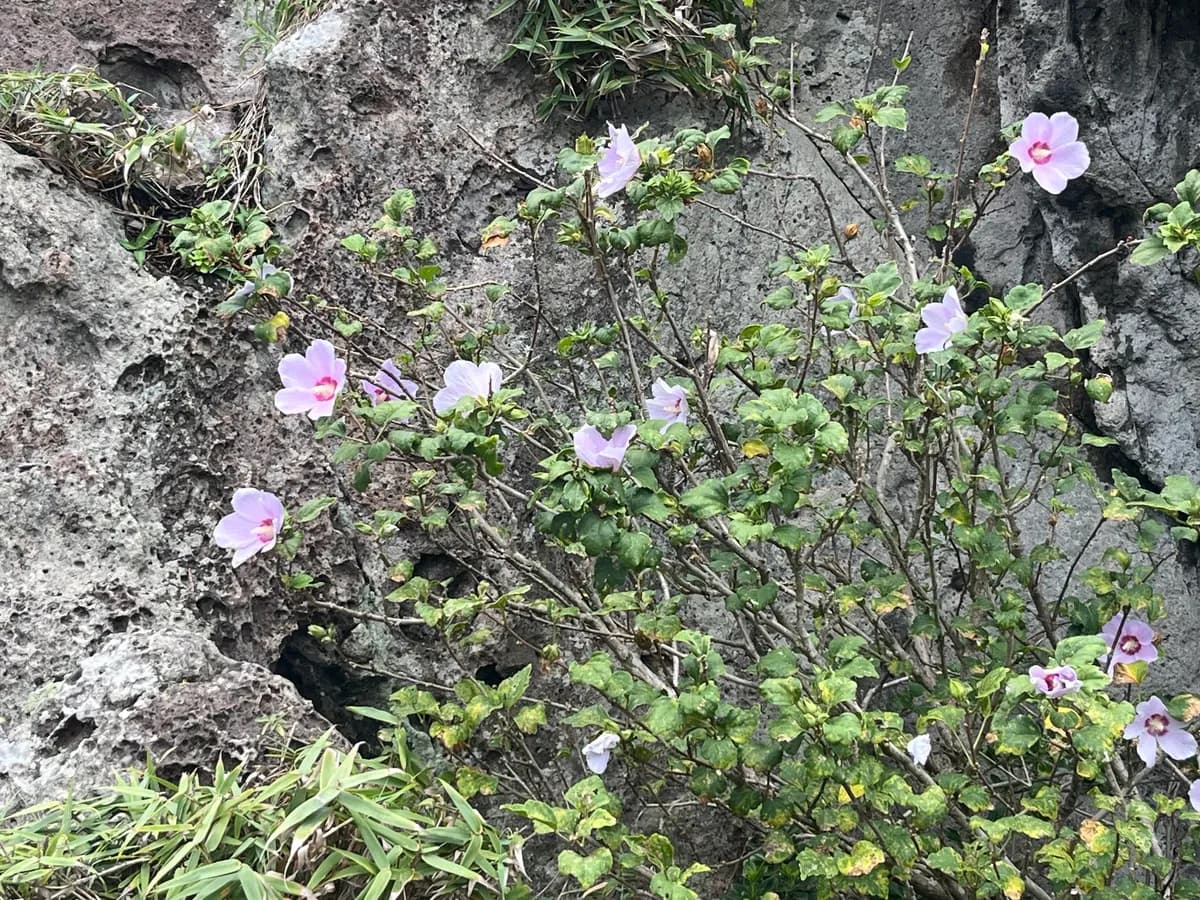
Rose of Sharon (Hibiscus syriacus) is not on the ASPCA Animal Poison Control Center toxic plant list for dogs or cats (aspca.org (opens in new tab), last reviewed 2026-08-15). If your pet shows symptoms after eating any plant, call the ASPCA at (888) 426-4435.
Light
full sun
Water
medium
Size
72"–144" H × 48"–96" W
Bloom
Jul, Aug, Sep
Native alternatives to Rose of Sharon
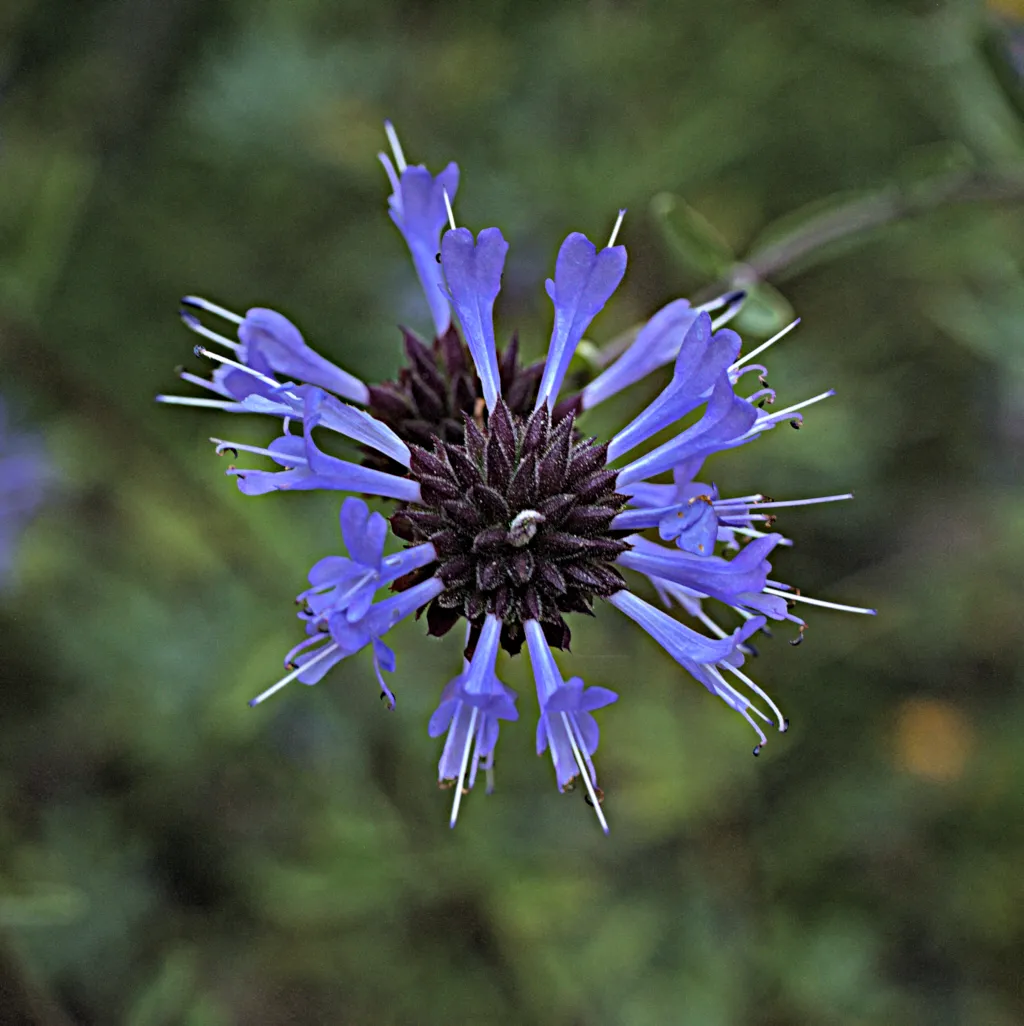
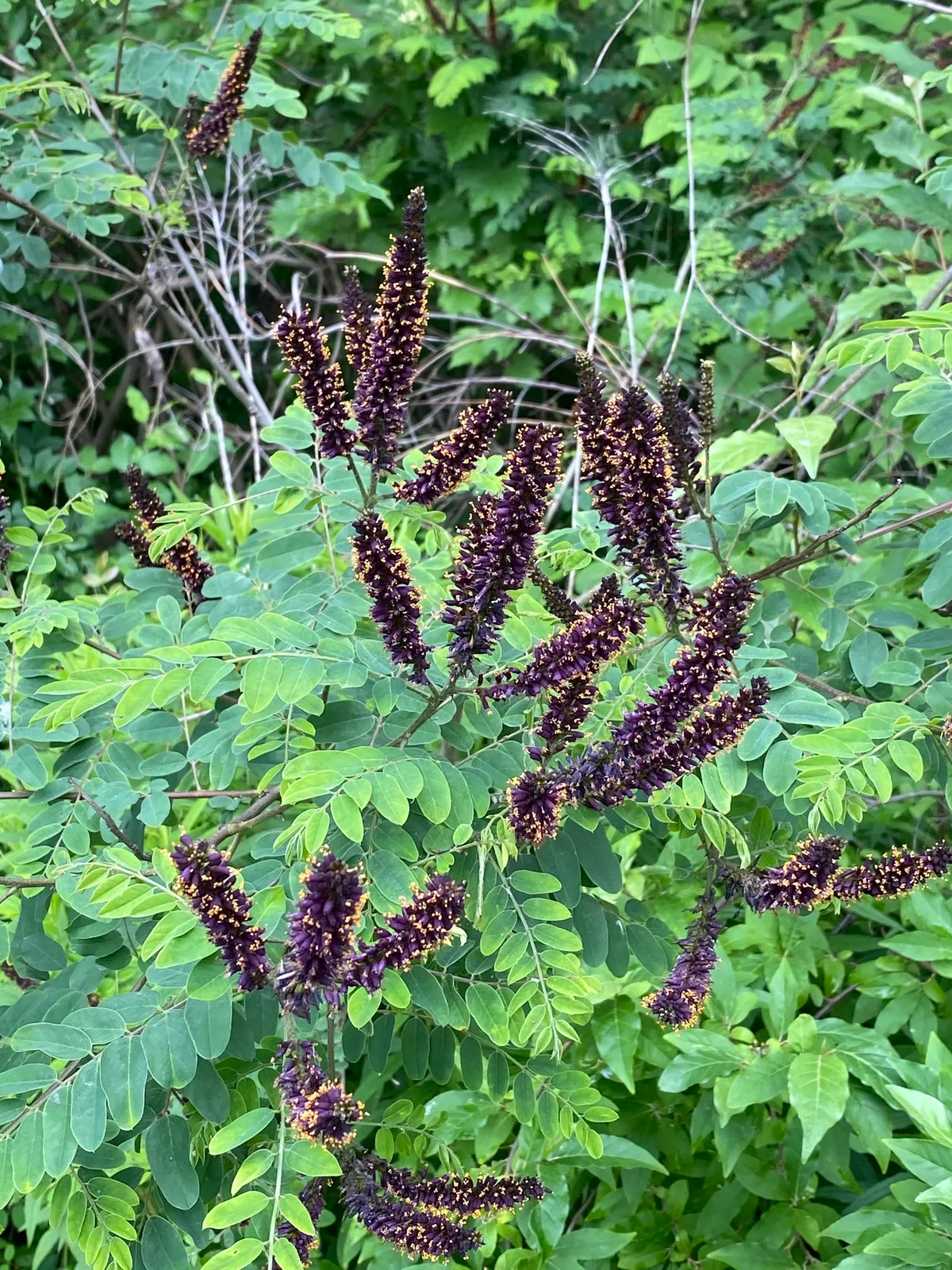
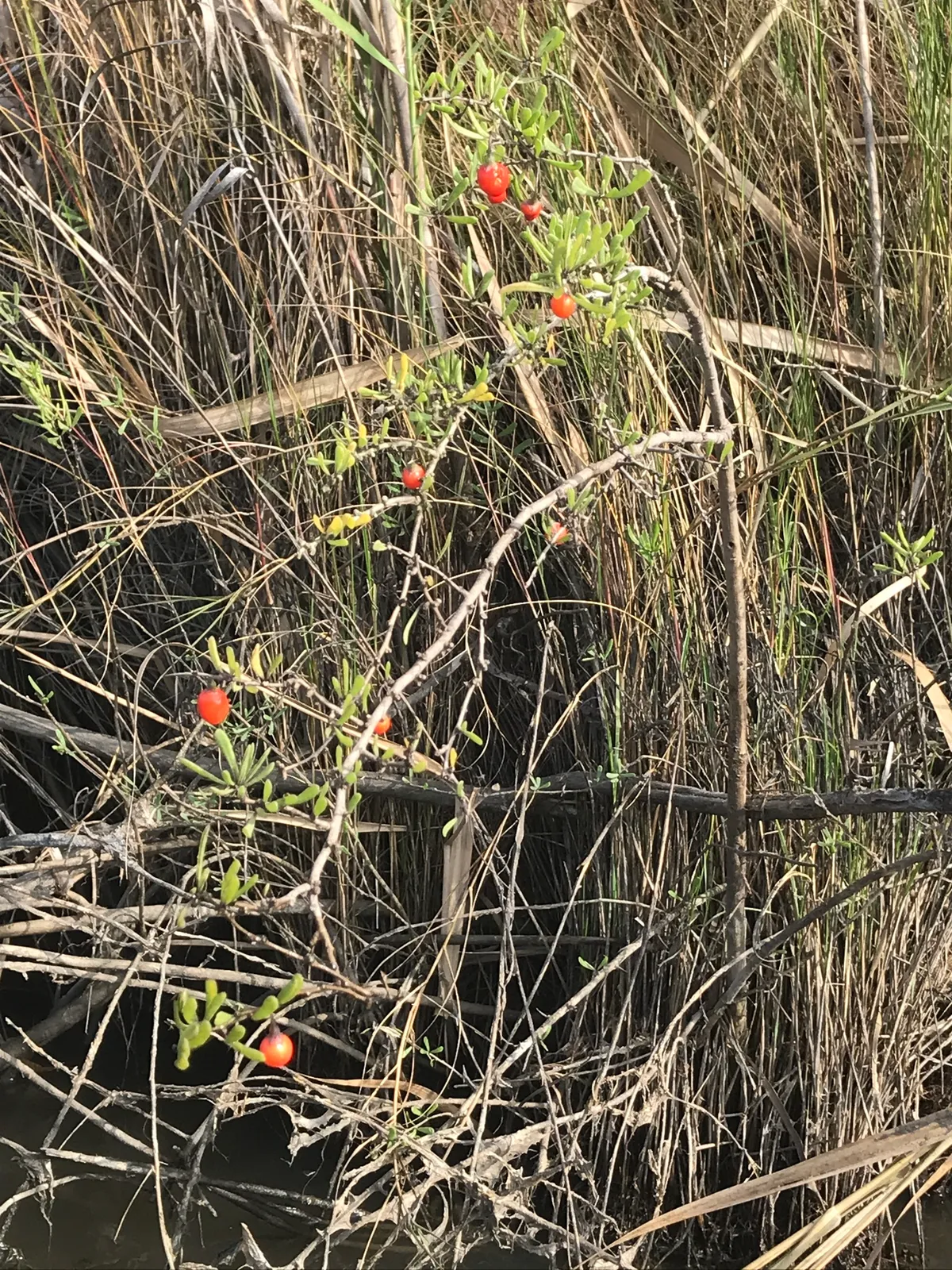
Rose of Sharon is not native to the United States. These natives fill a similar role in a planting, matched on bloom season, bloom color and mature size.
Before you buy
Your city may pay you to plant this
Cities and water utilities offer rebates for replacing lawn with native and water-wise plants. We track 460 programs across 44 states, each with a link to the provider and the date we last checked it.
Find rebates in your areaPicture natives in your own yard
Wondering what could grow where Rose of Sharon is now? Upload a photo of the spot and Patch Vision shows a rendering of it replanted with natives for your region.


An upright deciduous shrub that flowers from midsummer into fall, when little else is blooming. It leafs out very late in spring, which is normal and not a sign of a dead plant. Seedlings come up freely around the parent unless spent flowers are removed.
Growing Rose of Sharon
Grow Rose of Sharon in full sun and medium water. Mature plants reach 72 to 144 inches tall and spread 48 to 96 inches wide. Expect moderate maintenance to keep it looking intentional in a front yard.
How to care for Rose of Sharon, by region
How to care for Rose of Sharon where it is actually grown: year-round basics plus what to do each season, region by region, with the sources for each.
Care guidance last updated: September 2026
Southeastern Plains (includes Tallahassee, FL)
Year-round
Rose of Sharon is a tough, deciduous flowering shrub that adapts well to Tallahassee yards, though it is an introduced ornamental from Asia rather than a native plant here.
- Full sun to partial shade works well, and this shrub tolerates nearly any soil type except constantly soggy or bone dry ground
- Mature size runs about 8 to 12 feet tall and 6 to 10 feet wide, so give it room away from walkways, windows, and utility lines
- Water regularly through the first growing season while roots get established, then it needs only occasional deep watering during Tallahassee's hot, dry stretches
- This is an introduced ornamental shrub from eastern Asia, not native to Florida or anywhere in North America, even though it has been a common Southern landscape plant for generations
- ASPCA lists Rose of Sharon as non-toxic to dogs, cats, and horses, though it is still good practice to keep pets from chewing on any ornamental plant
Fall
Blooming tapers off into fall as Tallahassee heads toward its first frost, and this is a good time to clean up spent seed pods before pruning season arrives in winter.
- Flowering slows as Tallahassee approaches its average first frost, typically in mid to late November
- Seed pods that follow the fading flowers can self-seed readily in mild Southeast climates
- Hold off on pruning now, since cuts made in fall do not have time to harden off before winter
Raking up dropped seed pods and fallen leaves keeps the bed looking tended as the shrub goes dormant for the season.
Winter
Rose of Sharon drops its leaves and goes fully dormant for winter, which is normal here, and Tallahassee's mild winters need no special protection for this shrub.
- The shrub is bare from late fall until spring, which is normal since Rose of Sharon is deciduous
- This dormant, leafless period is the clearest window to do any hard pruning or shaping, since the full branch structure is visible
- The species is winter hardy well into colder zones than Tallahassee ever sees, so no winter protection is needed here
A bare, well-shaped structure through winter reads as tended rather than overgrown when viewed from the street.
Spring
Spring is pruning season for Rose of Sharon in Tallahassee, since flowers form on new growth and pruning before leaf out shapes the plant and boosts bloom size.
- Prune in late winter through early spring before new leaves open, cutting back last year's growth to shape the plant and push out bigger flowers
- New leaves emerge as nights warm up, generally after Tallahassee's average last frost in March
- Check new shoot tips for aphid clusters and rinse them off with a strong spray of water if leaves start to curl
A late-winter to early-spring trim keeps the shrub's shape tidy and full before it leafs out, which matters for a planting near the street or front walk.
Summer
Summer is peak bloom season for Rose of Sharon, with flowers opening continuously through Tallahassee's heat and humidity and established plants needing little extra care.
- Flowers open continuously from early summer into fall, with each bloom lasting a single day before the next one opens
- Once established, the shrub tolerates Tallahassee's heat and humidity well, needing supplemental water only during multi-week dry spells
- This shrub produces seed capsules that can self-seed readily, a trait that has led to it naturalizing in some states in the eastern US
Deadheading spent blooms before they form seed pods keeps them from scattering into nearby beds or turf, which helps the planting look kept up.
Sources: NC State Extension Gardener Plant Toolbox: Hibiscus syriacus, Native Plant Trust Go Botany: Hibiscus syriacus native status, ASPCA Toxic and Non-Toxic Plants: Rose of Sharon
Southern Coastal Plain (includes Orlando, FL)
Year-round
Rose of Sharon is a tough, easy flowering shrub that shrugs off Orlando's heat and humidity once it gets established. It is not native to Florida, but it asks for very little upkeep in return for months of blooms.
- Plant it in full sun to light shade, six or more hours of direct sun keeps the flowers coming all season.
- Average garden soil is fine here, and a couple inches of mulch around the base helps it hold moisture through Orlando's dry stretches.
- Water it deeply once or twice a week for the first year, then only during long dry spells once it is established.
- It flowers on the current season's new growth, so pruning it back in late winter will not cost you blooms.
- Rose of Sharon is on the ASPCA's non-toxic list for dogs, cats, and horses, though any plant eaten in quantity can still upset a pet's stomach.
Fall
Fall in Orlando is still warm, so Rose of Sharon keeps blooming and growing well into the season before it finally slows down.
- Keep watering through fall if rainfall tapers off, Orlando's wet season usually winds down by October.
- Let the last blooms finish on their own, there is no need to deadhead late in the season.
- Stop fertilizing from fall onward so you are not pushing tender new growth into cooler weather.
- Clear fallen leaves and spent flowers from around the base to cut down on fungal problems.
Winter
Winters are mild in Orlando, so Rose of Sharon mostly just rests, with an occasional cold snap being the only real risk.
- Orlando sits in USDA hardiness zone 9b to 10a, so Rose of Sharon usually comes through a normal winter here without trouble.
- If a rare hard freeze is forecast, a light frost cloth over young or newly planted shrubs adds some protection.
- This is the best time for structural pruning, cut back to shape while the shrub is bare and dormant.
- Skip fertilizer in winter, wait until new growth starts up again in spring.
A neatly pruned, bare winter shrub still reads as cared for rather than neglected, which helps if an HOA walk-through happens during the dormant months.
Spring
Spring is when Rose of Sharon wakes up in Orlando, and it is your best window to shape the shrub before it fully leafs out.
- Finish any structural pruning early in spring, before new growth hardens off.
- Check new leaves for aphids, mealybugs, or thrips, a strong spray of water from the hose usually knocks small infestations back.
- Water regularly if spring stays dry, Orlando's dry season often runs right through May.
- A light feeding with a balanced fertilizer as new growth appears can help push out earlier flowers.
A shaped, freshly pruned shrub reads as intentional to neighbors and an HOA reviewer, rather than overgrown.
Summer
Summer is peak bloom season for Rose of Sharon in Orlando, and Florida's rainy season usually handles the watering for you.
- Let rainfall cover most of the watering during Orlando's wet season, only step in during a rare dry stretch.
- Deadhead spent flowers to keep new buds coming through the season.
- Watch for fungal leaf spots in the heavy humidity, thinning out crowded branches improves airflow if you see them.
- Hold off on heavy fertilizer in peak summer heat, it tends to push weak, floppy growth.
Keeping up with deadheading through summer keeps the shrub looking tended rather than ragged, during the months neighbors are outside the most.
Sources: ASPCA Toxic and Non-Toxic Plants: Rose of Sharon, Clemson HGIC Factsheet: Hibiscus (Rose-of-Sharon, Althea), NC State Extension Plant Toolbox: Hibiscus syriacus, USDA Plant Hardiness Zone Map
In an HOA neighborhood
Rose of Sharon takes more care to keep looking intentional in a front yard. Maintenance level: moderate. Consider it for backyard or mid-zone beds rather than the street edge.
Works well in: front yard, foundation bed, border.
- Self sows freely if spent flowers are left on the plant.
Wildlife value
Flowers offer nectar that generalist visitors will use, but as a non-native it feeds no local caterpillars. Treat it as garden interest rather than habitat.
Common questions
- How much sun does Rose of Sharon need?
- Rose of Sharon grows best in full sun conditions.
- When does Rose of Sharon bloom?
- Rose of Sharon blooms in July, August, and September.
- Is Rose of Sharon toxic to dogs?
- Rose of Sharon is not on the ASPCA Animal Poison Control Center toxic plant list for dogs (aspca.org).
- Is Rose of Sharon toxic to cats?
- Rose of Sharon is not on the ASPCA Animal Poison Control Center toxic plant list for cats (aspca.org).
- Is Rose of Sharon HOA-friendly?
- Rose of Sharon takes more care to look intentional in a front yard. Consider it for backyard or mid-zone beds rather than the street edge.
Pollinator and host plant associations compiled from GBIF, iNaturalist, and published ecological literature.
If something looks wrong
Common plant problems, and what to check first
These come up on almost any plant. Each guide lists the likely causes in the order they are worth ruling out, with one thing to check before you act on any of them, and links to the source it came from.
- It is dying right after planting
- Leaves turning yellow
- Wilting even though I watered it
- Brown crispy leaf tips
- Bugs on the plant
Ready to grow Rose of Sharon? Add it to your garden in Pollinator Patch to track it and get season-by-season care guidance.