Perennial Black-eyed Susan
Rudbeckia fulgida
Last reviewed: October 2026
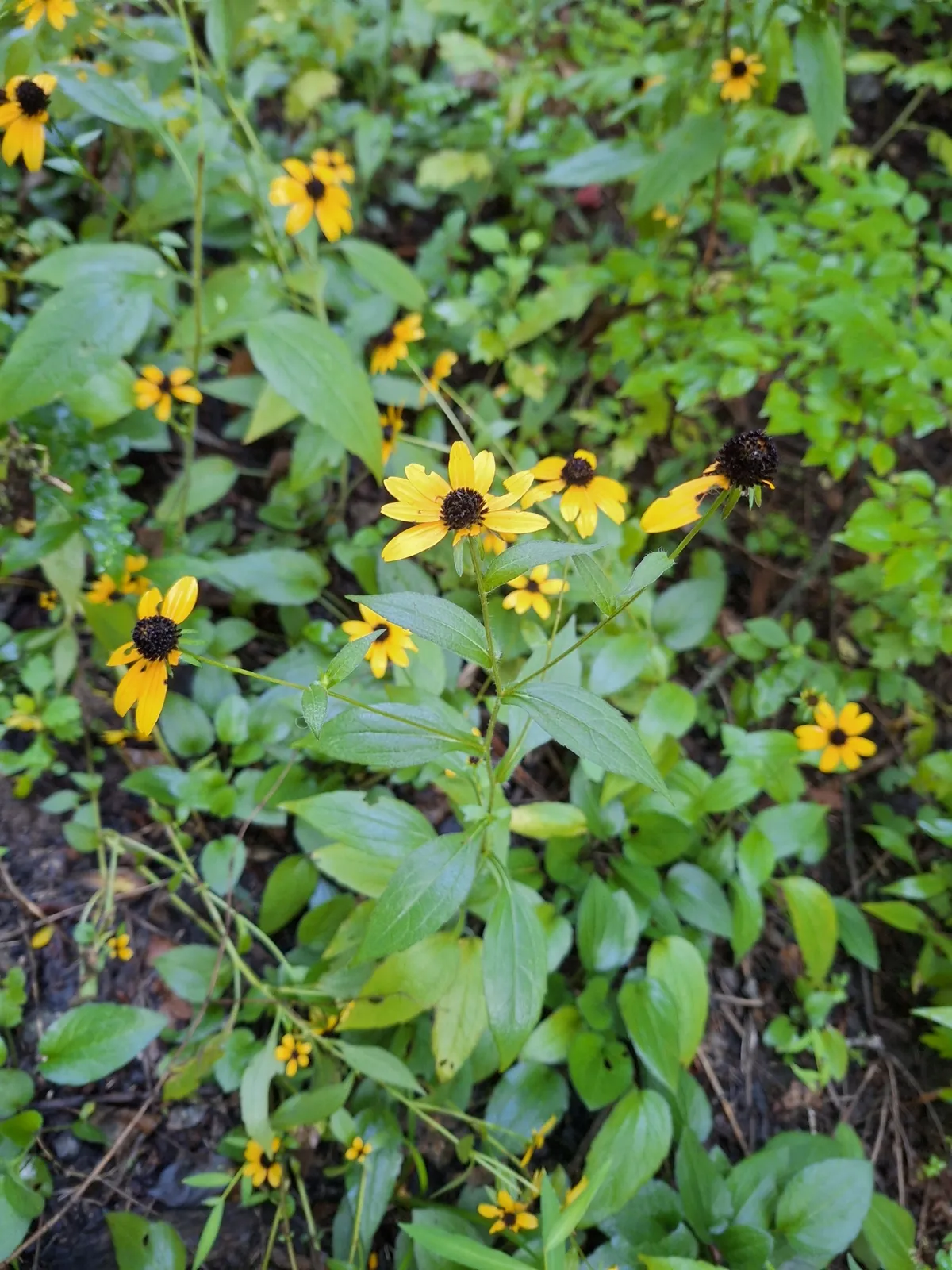
Orange Coneflower is a sun loving forb that blooms from July through September with bright yellow daisy like flowers. It grows well in meadows and open sites with medium moisture soil across much of the eastern and central United States.
Toxicity unknown
Perennial Black-eyed Susan (Rudbeckia fulgida) is not listed by the ASPCA Animal Poison Control Center (opens in new tab) or the other sources we check, so we have no verdict for it either way. Absence from those lists is not a clearance. If your pet shows symptoms after eating any plant, call the ASPCA at (888) 426-4435.
Light
full sun
Water
medium
Size
24"–48" H × 3"–6" W
Bloom
Jul, Aug, Sep
Native to
AL, DE, FL, GA and 13 more states
Pollinators
bees, butterflies, beetles
Deer
Resistant (per Prairie Moon Nursery)
Before you buy
Your city may pay you to plant this
Cities and water utilities offer rebates for replacing lawn with native and water-wise plants. We track 459 programs across 44 states, each with a link to the provider and the date we last checked it.
Find rebates in your areaPicture natives in your own yard
Upload a photo of your yard and Patch Vision shows a rendering of it planted with natives for your region, like Perennial Black-eyed Susan.


Browse plants for this ecoregion
Orange coneflower produces bright yellow-orange daisy-like flowers with dark centers from July through September. This reliable perennial forms neat clumps and is drought tolerant once established, making it a low-maintenance choice for sunny gardens.
Growing Perennial Black-eyed Susan
Grow Perennial Black-eyed Susan in full sun and medium water. Mature plants reach 24 to 48 inches tall and spread 3 to 6 inches wide. Expect low maintenance to keep it looking intentional in a front yard.
How to care for Perennial Black-eyed Susan, by region
How to care for Perennial Black-eyed Susan where it is actually grown: year-round basics plus what to do each season, region by region, with the sources for each.
Care guidance last updated: October 2026
Central Appalachians (includes Johnstown, PA)
Year-round
Orange coneflower is a native Pennsylvania perennial that fits right into Johnstown's cooler, wetter climate on the Allegheny Plateau. It forms neat clumps, blooms most of the summer and fall, and needs very little help once it settles in.
- This plant is native to Pennsylvania, part of a range that runs from New Jersey to Indiana and south to Florida and east Texas.
- Johnstown sits in USDA hardiness zone 6a to 6b, so winters can drop to around zero degrees Fahrenheit or a bit below.
- The area gets steady rain most of the year, often 40 to 50 inches annually, with early summer usually the wettest stretch.
- It grows in clumps and spreads slowly by underground stems, so it stays in a defined patch rather than roaming the yard.
- Flowers open bright orange and yellow from midsummer into fall and are a draw for native bees and songbirds.
Fall
Fall is decision time on cleanup. Bloom continues until the first frost, usually in early to mid October, and the seed heads that follow are useful bird food through the colder months.
- Blooming continues into fall until the first frost, which typically arrives in the Johnstown area in early to mid October.
- You can cut the plant back after frost, or leave the seed heads standing since songbirds such as American goldfinches feed on them into winter.
- Fall is also a good second window for dividing clumps if you did not get to it in spring.
- Clear away any diseased foliage at cleanup time rather than composting it, to cut down on next year's leaf spot.
Leaving seed heads up over winter reads as an intentional, HOA-friendly choice if you trim the bed edges neatly and keep the stems at a consistent height instead of letting everything flop.
Winter
Winter in Johnstown is a real winter. This plant is fully cold hardy for the area's USDA zone 6a to 6b conditions and needs no special protection.
- This plant is hardy through USDA zone 6a to 6b, which covers the winter lows Johnstown typically sees, down to around zero degrees Fahrenheit or a bit below.
- No winter mulching or covering is needed for an established plant in this climate.
- Any stems left standing from fall continue to provide structure and bird food through snow cover.
- Avoid walking on the crown when the ground is frozen or waterlogged, since compacted, wet soil in winter can stress the roots.
A dormant bed with either cut stems or clean mulch reads as tended over winter, so either approach works for an HOA-conscious front yard.
Spring
Spring is cleanup and dividing season. Johnstown's last frost usually lands in mid to late April, so new growth can get nipped if it comes out too early or gets planted too soon.
- Wait to cut back last year's dead stems until you see new green growth low on the plant, usually once the weather turns consistently mild.
- The last spring frost in the Johnstown area typically falls around mid April, so hold off on planting new starts until after that date.
- Every three to four years, dig and divide crowded clumps in early spring to keep the plant healthy and control its spread.
- A light layer of mulch after cleanup helps hold moisture through any dry spring stretches.
Cutting the bed back to a clean, even height in spring makes it look tended even before new growth fills in, which reads well in a front yard.
Summer
Summer is peak bloom. The plant flowers from July through fall and holds up well in Johnstown's humid stretches as long as it gets some water during dry spells.
- Flowering usually runs from July through October, so summer is when this plant is doing most of its work in the bed.
- It prefers consistently moist soil, so give it a soak during any dry week rather than letting it fully dry out.
- Deadheading spent flowers can encourage more blooms and keeps the plant looking tidy, though leaving some flowers alone is fine too.
- The plant has good resistance to leaf spot, a common issue in humid summer weather, so disease pressure is usually low.
- June tends to be the wettest month in this area, so make sure the bed drains well and doesn't sit soggy after heavy storms.
A quick deadheading pass every week or two keeps the plant looking neat for a front yard bed without much extra effort.
Sources: Lady Bird Johnson Wildflower Center, Rudbeckia fulgida plant profile, USDA PLANTS Database, Rudbeckia fulgida plant profile, U.S. Climate Data, Johnstown, Pennsylvania climate averages (community tip), NC State Extension Gardener Plant Toolbox, Rudbeckia fulgida, USDA Plant Hardiness Zone Map, Old Farmer's Almanac, frost dates for Johnstown, Cambria County, PA (community tip)
Central Corn Belt Plains (includes Chicago, IL)
Year-round
Black-eyed Susan is easygoing in sun and almost any soil that is not soggy.
- Give it full sun, though it tolerates partial shade.
- It grows in almost any soil except soggy soil.
- Once established it tolerates drought and dry spells.
- It is hardy in USDA zones 3 to 9.
Fall
Fall flowers feed pollinators and then birds.
- Bloom runs through October.
- American goldfinches and other songbirds eat the seeds.
- Fall is also a good time to divide clumps.
Winter
Winter is easy, just leave the seed heads.
- The basal rosette of leaves stays green through winter.
- Leave seed heads standing as winter bird food.
Spring
Spring is a good time to divide clumps.
- Divide clumps in spring or fall.
- It spreads by rhizomes, so dividing keeps clumps in check.
- Large flower heads may need staking.
Summer
Summer is for letting established plants cope with dry spells.
- Established plants tolerate drought.
- Avoid waterlogged conditions.
- Flowers start in summer and continue into fall.
Sources: NC State Extension Plant Toolbox: Rudbeckia fulgida
Cross Timbers (includes Fort Worth, TX)
Year-round
Orange Coneflower is a compact, long-blooming perennial that stays about 2 to 3 feet tall and holds its shape well, which is why it reads as tidy in a front bed. It is not native to Texas, but it is a well-known, well-behaved garden perennial that many North Texas gardeners already grow successfully. It is not on the ASPCA toxic plant list for dogs, cats, or horses.
- Give it full sun, at least 6 hours a day, for the sturdiest stems and best bloom.
- Water regularly the first growing season to establish roots, then cut back once it is settled in.
- Divide the clump every 3 to 4 years in early spring when the center starts to thin out.
- Deadhead spent flowers through the bloom season to keep new buds coming and the plant looking neat.
- Leave a few seed heads standing into winter, since goldfinches and other birds feed on them.
Its low, rounded habit and steady bloom read as an intentional, cared-for planting rather than an overgrown patch, which helps it blend into a front-yard bed.
Fall
Bloom tapers off through September and the plant starts settling in for winter, so fall is about cleanup timing, not new flowers.
- Let the last flowers finish and go to seed rather than deadheading everything in late September.
- Hold off on a hard cutback, since the first frost usually does not arrive until mid November here.
- This is a good month to divide crowded clumps if you skipped it in spring, giving roots time to settle before frost.
- Water occasionally during dry fall stretches, but taper off as temperatures cool.
- Leave seed heads in place for fall migrating and overwintering birds rather than cutting them down.
A few standing seed heads read as a deliberate wildlife planting rather than neglect, especially next to a bed that is otherwise tidy.
Winter
The plant dies back to the ground in a hard freeze and stays dormant through winter. North Texas winters are mild overall but can bring short severe Arctic cold snaps, and the dormant crown handles that fine.
- Cut the dead stems back to 2 to 4 inches once they turn brown and brittle, any time from late fall through February.
- Leave the cutback for late winter if you want the seed heads to keep feeding birds through the cold months.
- Do not fertilize or force new growth during a winter warm spell, since a hard freeze that follows can damage tender shoots.
- Skip covering it during an Arctic outbreak. The dormant crown below ground is what survives winter, not the top growth.
- Check in February for new basal growth at the base of the old stems as a sign it made it through.
A clean late-winter cutback to a few inches keeps the bed looking maintained even while the plant is dormant.
Spring
Spring is when new growth pushes up from last year's clump and it is the best time to plant or divide it, before the North Texas heat arrives.
- Plant new starts after the last frost in mid March once nights are reliably above freezing.
- Divide an established clump in March or early April, replanting divisions right away and watering well.
- In heavy black clay, plant it high on a slight mound or work in compost so the roots do not sit in wet soil; in the sandier soils west of the metro it will need watering more often while it settles in.
- Pinch back stems by a few inches in May if you want a bushier, shorter plant with more flowers later.
- Watch for fresh green foliage by April, a sign the clump made it through winter.
Fresh spring foliage fills in the bed quickly, so a newly planted patch looks established well before neighbors are used to seeing bare ground.
Summer
This is the main show, with orange yellow daisy-like flowers from July through September, right through the hottest weeks of the year.
- Water deeply once or twice a week during 100F-plus stretches in July and August, more often for plants in their first summer.
- Deadhead faded blooms every week or two to keep new flowers coming through September.
- Watch for caterpillars of the silvery checkerspot and gorgone checkerspot feeding on the leaves. Some chewed foliage is a sign the plant is doing its job as a host plant, not a problem to spray.
- Add 2 to 3 inches of mulch if you have not already, to hold moisture through dry summer stretches.
- Skip high-nitrogen fertilizer, which pushes floppy growth instead of strong bloom.
Steady summer flowers keep the bed looking colorful and maintained during the season when a lot of yards start to look tired.
Sources: ASPCA Toxic and Non-Toxic Plant List (search: Rudbeckia), Missouri Botanical Garden Plant Finder: Rudbeckia fulgida, North Carolina Extension Gardener Plant Toolbox: Rudbeckia fulgida, Lady Bird Johnson Wildflower Center: Rudbeckia fulgida, Missouri Department of Conservation: Silvery Checkerspot
Eastern Corn Belt Plains (includes Columbus, OH)
Year-round
A tough, long-blooming perennial that likes sun and spreads into clumps.
- It does best in full sun but tolerates partial shade.
- It is easy to grow and thrives in any but soggy soils.
- It is hardy in USDA zones 3 to 9.
- It spreads by rhizomes into large clumps.
Fall
Fall is for seeds and optional division.
- Leave the seed heads on as a food source for birds.
- Goldfinches and other songbirds eat the seeds in fall.
- Fall is one of the two good times to divide crowded clumps.
- It will reseed, so expect new plants nearby.
Winter
Winter is mostly hands off.
- Leave the seed heads on as a winter food source for birds.
- It is hardy through zone 3, so Columbus winters are fine.
- Plan to divide crowded clumps in spring or fall.
- It attracts birds and butterflies.
Spring
Spring is the time to divide and share clumps.
- Divide in spring or fall.
- Divide every 3 to 4 years to keep plants vigorous and keep them from spreading.
- Black-eyed Susan will reseed.
- Staking may be needed for large flower heads.
Summer
Summer needs very little work once plants are settled.
- Once established, it will tolerate drought.
- It does best in full sun.
- It has good resistance to leaf spot and is moderately resistant to deer.
- Stake large heads if they flop.
Sources: NC State Extension Plant Toolbox, Rudbeckia fulgida, University of Illinois Extension, Black Eyed Susan
Interior Plateau (includes Cincinnati, OH)
Year-round
Orange coneflower is a native perennial wildflower with golden-orange, dark-centered daisy blooms from midsummer into fall, and it is a reliably cold-hardy choice for Cincinnati's shorter growing season.
- Plant in full sun to light shade, at least six hours of direct sun gives the best bloom
- Adapts to a range of soils, from clay to loam, as long as drainage is reasonable
- Drought tolerant once established, needing only occasional watering after its first year
- Divide clumps every three to four years to keep them from getting overcrowded
- Cold-hardy well into zone 4, so Cincinnati's zone 6a/6b winters are well within its comfort range
Its tidy clumping habit and long bloom season make it an HOA-conscious front-bed choice that still reads as an intentional, cared-for planting rather than a wild patch.
Fall
Cincinnati's first frost typically arrives in mid to late October, noticeably earlier than in warmer parts of the region, so fall care starts a bit sooner here.
- Expect stems to die back after the first frost, usually by late October
- Leave the black seed heads standing rather than cutting them down, they feed goldfinches and other songbirds through winter
- Fall is a good division window before the ground cools, aim for several weeks before frost so roots can settle
- Add a layer of mulch after the first light frosts to help buffer root temperature swings
Winter
Cincinnati winters bring real cold and occasional snow cover, colder than Atlanta's, but this plant is hardy well beyond zone 6 and needs only modest protection.
- Add two to three inches of mulch over the root zone to buffer freeze-thaw cycles common in the Ohio Valley
- Leave dead stems and seed heads standing over winter, both for wildlife and to help trap insulating snow
- Cut stems back to the ground in late winter, before new growth starts in spring
- No extra winter watering is needed, dormant plants do not require it
Spring
Cincinnati's spring arrives later than the Deep South, with a last frost typically in mid-April, so cleanup and division happen a few weeks later than in warmer climates.
- Wait until new growth is visible at the base before cutting back any stems left standing over winter
- Divide clumps once the soil has warmed and is workable, usually mid to late spring here
- Cool spring soil means growth starts slowly, be patient before assuming a clump did not survive winter
- Mulch lightly to conserve moisture as the season warms toward summer
Summer
Cincinnati summers are warm and humid, though generally less extreme than the Deep South, and this is the season of peak bloom.
- Water deeply during dry stretches, established plants otherwise need little supplemental watering
- Give plants good spacing for airflow, humid stretches can bring on powdery mildew or leaf spot
- Deadhead spent blooms to keep new flowers coming through late summer
- Full sun locations bloom heaviest, part shade is fine but produces fewer flowers
Sources: Lady Bird Johnson Wildflower Center: Rudbeckia fulgida native distribution (includes Georgia and Ohio), The Ohio State University PlantFacts: Rudbeckia fulgida
Northeastern Coastal Zone (includes New York, NY)
Year-round
Full sun, average well-drained soil, drought-tolerant once established, forms 2 to 3 foot clumps.
- Give it full sun for the best bloom, though it will still grow and flower some in part shade.
- It handles clay and average garden soil fine as long as the ground drains and does not stay soggy.
- Water new plants deeply and often for the first few weeks after planting, then cut back to occasional deep watering once it settles in, since an established plant tolerates dry spells well.
- Plants spread into clumps and typically reach about 2 to 3 feet tall and 1 to 2 feet wide.
Fall
Bloom fades into October, average first frost lands around November 20 in the NYC area.
- Blooms often continue into October before fading.
- The average first fall frost for the New York City area lands around November 20, though it can arrive as early as mid October in colder pockets or as late as December near the coast.
- Once the ground is still workable in fall, this is also a second window for dividing crowded clumps if that was not done in spring.
- Leaving the dried seed heads standing after bloom gives birds like goldfinches something to feed on into winter.
Winter
Fully dormant and reliably cold hardy through NYC winters, no wrapping or extra protection needed.
- The plant goes fully dormant and dies back to the ground, and the roots handle cold well beyond what a New York City winter brings since this species is hardy down through USDA zone 3.
- No winter mulch or wrapping is needed for cold protection here, though a couple of inches of mulch over the root zone helps hold moisture.
- Skip fertilizing until new growth resumes in spring.
- You can leave the dried stems and seed heads standing through winter for wildlife interest, or cut them back to the ground now for a neater look.
Dried stems left standing over winter can look messy from the street, so cutting the plant back to the ground in late fall keeps the bed tidier through the dormant months, useful for an HOA-conscious front yard.
Spring
New growth resumes in mid spring, roughly matching the NYC area's early to mid April last frost window.
- New leaves push up from the base clump starting in mid spring, so wait for fresh growth before assuming a plant died over winter.
- The average last spring frost for the New York City area falls between April 1 and April 15, with some outer parts of the metro staying frosty into late April, so hold off on planting new divisions outside until after that window.
- If a clump got crowded or bloomed less the year before, spring is a good time to dig it up and split it into smaller sections.
- Water new transplants deeply about once a week until they show new growth.
Summer
Peak bloom through the hot, humid NYC summer, water at the soil line and deadhead for a tidier look.
- Flowers open in mid to late summer and keep going into fall, so this is the plant's showiest stretch.
- New York City summers run hot and humid, and this plant tolerates that well, but water at the soil line instead of overhead so the leaves do not develop powdery mildew.
- During a dry stretch with no real rain for a week or more, give it one deep soak rather than several light sprinkles.
- Removing spent flower heads through the season can encourage more blooms and keeps the plant looking neater.
Removing spent flower heads through summer keeps an HOA-conscious front yard bed looking tended rather than ragged.
Sources: NC State Extension Gardener Plant Toolbox: Rudbeckia fulgida, New York Botanical Garden Mertz Library: average first fall frost date for the NYC area, New York Botanical Garden Mertz Library: average last spring frost date for the NYC area
Piedmont (includes Atlanta, GA)
Year-round
Orange coneflower is a native perennial wildflower with golden-orange, dark-centered daisy blooms from midsummer into fall, and it is well suited to Atlanta's hot, humid growing season.
- Plant in full sun to light shade, at least six hours of direct sun gives the best bloom
- Tolerates Georgia's clay soil well as long as it is not constantly waterlogged
- Drought tolerant once established, so it needs little supplemental watering after the first year
- Divide clumps every three to four years in spring to keep them vigorous
- Low-maintenance and generally trouble-free, with occasional powdery mildew in humid stretches
Its tidy clumping habit and long bloom season make it an HOA-conscious front-bed choice that still reads as an intentional, cared-for planting rather than a wild patch.
Fall
Fall extends the bloom season in Atlanta, and it is worth leaving the seed heads up rather than cutting the plant back right away.
- Blooms often continue into October before Atlanta's first frost, typically mid-November
- Leave seed heads standing through fall and winter, they are a food source for goldfinches and other songbirds
- Fall is a good secondary window for division if you did not divide in spring
- Water during dry autumn stretches until the plant goes dormant
Winter
Atlanta's mild zone 7b/8a winters mean this plant needs very little protection, and the main task is deciding when to cut it back.
- Leave dead stems and seed heads standing through winter for bird food and cold-season interest
- Cut stems back to the ground in late winter, before new growth starts, to tidy the bed for spring
- No mulching or frost protection is needed for this cold-hardy perennial in Atlanta's climate
- Skip fertilizing over winter, wait until active spring growth resumes
Spring
Spring in Atlanta, with a last frost around March 21, is the right time to clean up last year's growth and divide crowded clumps before the summer heat arrives.
- Cut back any dead stems left standing over winter once new growth appears at the base
- Divide congested clumps in early spring, this is the best window before hot weather stresses the plant
- Watch for slugs on tender new shoots after wet spring weather
- A light layer of mulch helps hold moisture as Atlanta's spring warms toward summer
Summer
Atlanta's hot, humid summers are peak bloom time for this plant, though the humidity means watching for a couple of common fungal issues.
- Water deeply during extended dry spells, otherwise established plants handle Georgia summer heat on their own
- Space or thin plants for airflow, humidity can bring on powdery mildew or leaf spot
- Deadhead spent blooms to keep flowers coming through late summer
- Avoid overhead watering late in the day, wet foliage overnight in humid weather invites fungal problems
Sources: Lady Bird Johnson Wildflower Center: Rudbeckia fulgida native distribution (includes Georgia and Ohio), NC State Extension Gardener Plant Toolbox: Rudbeckia fulgida
Ridge and Valley (includes Harrisburg, PA)
Year-round
Orange coneflower is an easy perennial that likes full sun and ordinary garden soil. In Harrisburg it settles in fast and needs little once its roots are established.
- Give it 6 or more hours of direct sun. It tolerates some shade but blooms best in sun.
- It handles clay if the spot drains and is not soggy. Established plants tolerate dry spells.
- It spreads by underground stems into a bigger clump, so divide every few years if it gets crowded.
- It can reseed. Pull extra seedlings if you want to keep it in bounds.
Cutting the stalks back in late winter keeps a front bed reading as intentional.
Fall
Orange coneflower blooms into fall, and this is also a good window to divide or plant it in Harrisburg.
- Remove spent flowers to keep blooms coming, or leave the seedheads if you like the look.
- Divide crowded clumps in early fall so roots settle before freeze.
- Keep new divisions watered until the ground freezes.
Trimming browned stems along the front edge keeps the bed looking tended.
Winter
Orange coneflower is hardy in zones 3 to 9, so Harrisburg winters are fine. It dies back and rests until spring.
- No watering or covering is needed once the ground is frozen.
- Leave the stalks and seedheads standing for winter interest, or cut them back in late winter.
- Skip fertilizer. It does well without it.
Spring
Spring is a good window to plant or divide orange coneflower in Harrisburg. New growth shows up as the soil warms.
- Divide crowded clumps in spring and replant the pieces at the same depth.
- Water new plants deeply once a week if rain is under an inch.
- Staking can help tall plants later, so set supports early if they flopped last year.
Summer
Orange coneflower builds toward its late summer bloom. Harrisburg heat is fine once the plant is established.
- Water young plants deeply during dry weeks. Established plants usually need little extra.
- Avoid soggy soil. Water at the base so leaves stay dry, which helps with mildew and leaf spot.
- Give plants air flow. Crowded clumps in humid weather are more prone to mildew.
Sources: NC State Extension Gardener Plant Toolbox: Rudbeckia fulgida, Lady Bird Johnson Wildflower Center: Rudbeckia fulgida
Southwestern Appalachians (includes Chattanooga, TN)
Year-round
Orange coneflower is a tough, long-blooming native perennial that does well in the ridge-and-valley clay soils around Chattanooga. It spreads slowly by rhizomes into clumps and blooms from mid-summer into fall.
- Plant it in full sun to light afternoon shade in average to clay soil. It handles both moist and drier ground once it's established.
- Space new plants 18 to 24 inches apart. It spreads slowly by underground rhizomes and fills in a bed over a few seasons rather than staying a single clump.
- Divide crowded clumps every 3 to 4 years in spring or fall to keep the colony a manageable size and keep blooms strong.
- The silvery checkerspot butterfly is a confirmed larval host user of this plant, and its long bloom feeds many nectar-seeking bees and butterflies. Gorgone checkerspot caterpillars are documented on the Rudbeckia genus too, mostly on black-eyed Susan, but we could not confirm orange coneflower specifically as one of its host plants.
The long July-into-October bloom and tidy clumping habit read as intentional, low-maintenance color along a front bed. Because it spreads by rhizomes, a buried edging strip or a few minutes of division every few years keeps the colony from wandering past the bed line.
Fall
Bloom keeps going into October around Chattanooga, and fall is the other best window to plant or divide this coneflower before winter.
- Flowering commonly runs into October before frost, giving strong late-season color.
- September and October are good months to divide overgrown clumps or plant new ones, giving roots time to settle in before winter.
- Leave seed heads standing this fall instead of cutting the plant back. American goldfinches feed on them into winter.
- Rake fallen tree leaves off the crown so the basal rosette underneath doesn't sit wet.
Standing seed heads read as a deliberate wildlife-friendly choice rather than an unkempt bed, especially paired with a neat edge.
Winter
This coneflower holds a low rosette of green basal leaves through a Chattanooga winter, so the bed doesn't look fully bare, and it needs almost no winter care.
- The basal foliage stays through zone 7a and 7b winters without any covering once the plant is established.
- Leave standing seed heads and stems from fall for continued bird feeding and winter structure. Cut them back in late winter before new growth starts.
- A first-winter planting benefits from a light mulch layer over the crown in clay soil to buffer freeze-thaw heaving.
- Hold off on any pruning until late winter or very early spring, right before new growth resumes.
A persistent low green rosette keeps the bed from reading as dead space in winter, without any extra maintenance.
Spring
Spring is planting and division season for orange coneflower in the Chattanooga area, and new basal growth comes up fast once the ground warms.
- Plant new nursery starts or divided clumps in April or May once the clay soil has dried out enough to work easily.
- Clear old winter stems back to the basal rosette before new leaves crowd in.
- Watch for slugs or aphids on tender new growth in wet springs. An established clump usually shrugs this off without lasting damage.
- Water new transplants weekly if spring rain is light. Chattanooga's clay can crust over and shed water instead of soaking in.
Fresh spring foliage fills the bed early and reads as tended and deliberate rather than empty ground waiting on summer color.
Summer
Summer is the peak bloom season. This coneflower flowers from July into fall through Chattanooga's heat and humidity with very little watering once established.
- Full sun keeps stems sturdiest. Plants grown in shade tend to flop and lean toward the light in this climate.
- Established clumps handle normal summer dry spells on their own. Water only during an extended drought of 10 or more days without rain.
- Deadheading spent blooms encourages more flowers into fall, though leaving some seed heads through summer is fine too.
- Powdery mildew or leaf spot can show up in muggy, low-airflow corners of the yard. Giving clumps some breathing room between plants helps prevent it.
Nonstop July-to-fall bloom gives a front bed reliable color through the hottest stretch of the year, when a lot of other perennials stall out.
Sources: NC State Extension Gardener Plant Toolbox - Rudbeckia fulgida, Missouri Botanical Garden Plant Finder - Rudbeckia fulgida, Lady Bird Johnson Wildflower Center - Rudbeckia fulgida, Butterflies and Moths of North America - Silvery Checkerspot, Butterflies and Moths of North America - Gorgone Checkerspot, University of Tennessee Smart Yards - Rudbeckia fulgida
Texas Blackland Prairies (includes Dallas, TX)
Year-round
Orange Coneflower is a compact, long-blooming perennial that stays about 2 to 3 feet tall and holds its shape well, which is why it reads as tidy in a front bed. It is not native to Texas, but it is a well-known, well-behaved garden perennial that many North Texas gardeners already grow successfully. It is not on the ASPCA toxic plant list for dogs, cats, or horses.
- Give it full sun, at least 6 hours a day, for the sturdiest stems and best bloom.
- Water regularly the first growing season to establish roots, then cut back once it is settled in.
- Divide the clump every 3 to 4 years in early spring when the center starts to thin out.
- Deadhead spent flowers through the bloom season to keep new buds coming and the plant looking neat.
- Leave a few seed heads standing into winter, since goldfinches and other birds feed on them.
Its low, rounded habit and steady bloom read as an intentional, cared-for planting rather than an overgrown patch, which helps it blend into a front-yard bed.
Fall
Bloom tapers off through September and the plant starts settling in for winter, so fall is about cleanup timing, not new flowers.
- Let the last flowers finish and go to seed rather than deadheading everything in late September.
- Hold off on a hard cutback, since the first frost usually does not arrive until mid November here.
- This is a good month to divide crowded clumps if you skipped it in spring, giving roots time to settle before frost.
- Water occasionally during dry fall stretches, but taper off as temperatures cool.
- Leave seed heads in place for fall migrating and overwintering birds rather than cutting them down.
A few standing seed heads read as a deliberate wildlife planting rather than neglect, especially next to a bed that is otherwise tidy.
Winter
The plant dies back to the ground in a hard freeze and stays dormant through winter. North Texas winters are mild overall but can bring short severe Arctic cold snaps, and the dormant crown handles that fine.
- Cut the dead stems back to 2 to 4 inches once they turn brown and brittle, any time from late fall through February.
- Leave the cutback for late winter if you want the seed heads to keep feeding birds through the cold months.
- Do not fertilize or force new growth during a winter warm spell, since a hard freeze that follows can damage tender shoots.
- Skip covering it during an Arctic outbreak. The dormant crown below ground is what survives winter, not the top growth.
- Check in February for new basal growth at the base of the old stems as a sign it made it through.
A clean late-winter cutback to a few inches keeps the bed looking maintained even while the plant is dormant.
Spring
Spring is when new growth pushes up from last year's clump and it is the best time to plant or divide it, before the North Texas heat arrives.
- Plant new starts after the last frost in mid March once nights are reliably above freezing.
- Divide an established clump in March or early April, replanting divisions right away and watering well.
- In heavy black clay, plant it high on a slight mound or work in compost so the roots do not sit in wet soil; in the sandier soils west of the metro it will need watering more often while it settles in.
- Pinch back stems by a few inches in May if you want a bushier, shorter plant with more flowers later.
- Watch for fresh green foliage by April, a sign the clump made it through winter.
Fresh spring foliage fills in the bed quickly, so a newly planted patch looks established well before neighbors are used to seeing bare ground.
Summer
This is the main show, with orange yellow daisy-like flowers from July through September, right through the hottest weeks of the year.
- Water deeply once or twice a week during 100F-plus stretches in July and August, more often for plants in their first summer.
- Deadhead faded blooms every week or two to keep new flowers coming through September.
- Watch for caterpillars of the silvery checkerspot and gorgone checkerspot feeding on the leaves. Some chewed foliage is a sign the plant is doing its job as a host plant, not a problem to spray.
- Add 2 to 3 inches of mulch if you have not already, to hold moisture through dry summer stretches.
- Skip high-nitrogen fertilizer, which pushes floppy growth instead of strong bloom.
Steady summer flowers keep the bed looking colorful and maintained during the season when a lot of yards start to look tired.
Sources: ASPCA Toxic and Non-Toxic Plant List (search: Rudbeckia), Missouri Botanical Garden Plant Finder: Rudbeckia fulgida, Lady Bird Johnson Wildflower Center: Rudbeckia fulgida, North Carolina Extension Gardener Plant Toolbox: Rudbeckia fulgida, Missouri Department of Conservation: Silvery Checkerspot
In an HOA neighborhood
Perennial Black-eyed Susan is an HOA-friendly choice. Maintenance level: low. Tidiness: 4 out of 5.
Works well in: front yard, foundation, street edge, mid zone.
- Foliage dies back completely in winter
Wildlife value
Host plant for silvery checkerspot, gorgone checkerspot.
The flowers attract bees, butterflies, and beneficial beetles throughout the summer blooming period. Seeds provide food for goldfinches and other songbirds in fall and winter.
Common questions
- When does Rudbeckia fulgida bloom?
- Rudbeckia fulgida typically flowers from July through September, producing yellow ray flowers with a dark brown center disc.
- What pollinators visit Rudbeckia fulgida?
- Bees, butterflies, and beetles regularly visit the flowers of Rudbeckia fulgida for nectar and pollen.
- How much sun and water does Rudbeckia fulgida need?
- This plant grows best in full sun with medium moisture soil, though it can tolerate somewhat drier conditions once established.
- What kind of habitat suits Rudbeckia fulgida?
- It grows well in meadows, open woodland edges, and garden borders where soil drains reasonably well and sunlight is plentiful.
- Is Perennial Black-eyed Susan HOA-friendly?
- Perennial Black-eyed Susan is generally an HOA-friendly choice in the right placement, with low maintenance.
These answers were drafted with an AI model from this plant's data. Verify care details with a local expert.
Native range data from vouchered herbarium specimen records and regional native plant society lists. Pollinator and host plant associations compiled from GBIF, iNaturalist, and published ecological literature.
If something looks wrong
Common plant problems, and what to check first
These come up on almost any plant. Each guide lists the likely causes in the order they are worth ruling out, with one thing to check before you act on any of them, and links to the source it came from.
- It is dying right after planting
- Leaves turning yellow
- Wilting even though I watered it
- Brown crispy leaf tips
- Bugs on the plant
Ready to grow Perennial Black-eyed Susan? Add it to your garden in Pollinator Patch to track it and get season-by-season care guidance.