EPA Level III Ecoregion
Northern Piedmont
1363 native plants for the Northern Piedmont ecoregion (Lancaster area).
The Northern Piedmont runs from the Hudson Valley down through eastern Pennsylvania and Maryland into northern Virginia, taking in Lancaster, Reading, the western suburbs of Baltimore, and the Washington exurbs. It is rolling farm country on limestone and shale, with better soil than the mountains to the west and a longer season than the ridges. Natives like heart-leaf foamflower, sweetbay magnolia, and Appalachian-tea suit that middle ground, handling both the clay and the humid summers.
Conditions: Rolling limestone and shale soils, 40–48 inches of rain through the year, warm humid summers, moderately cold winters.
Cities and areas: Lancaster, Reading, Baltimore, Frederick, Trenton, Leesburg.
1363 Native Plants for the Northern Piedmont
HOA-friendly picks listed first. Pet-safety status varies by species; each plant page shows its sourced ASPCA status. Native range data from vouchered herbarium specimen records and regional native plant society lists.
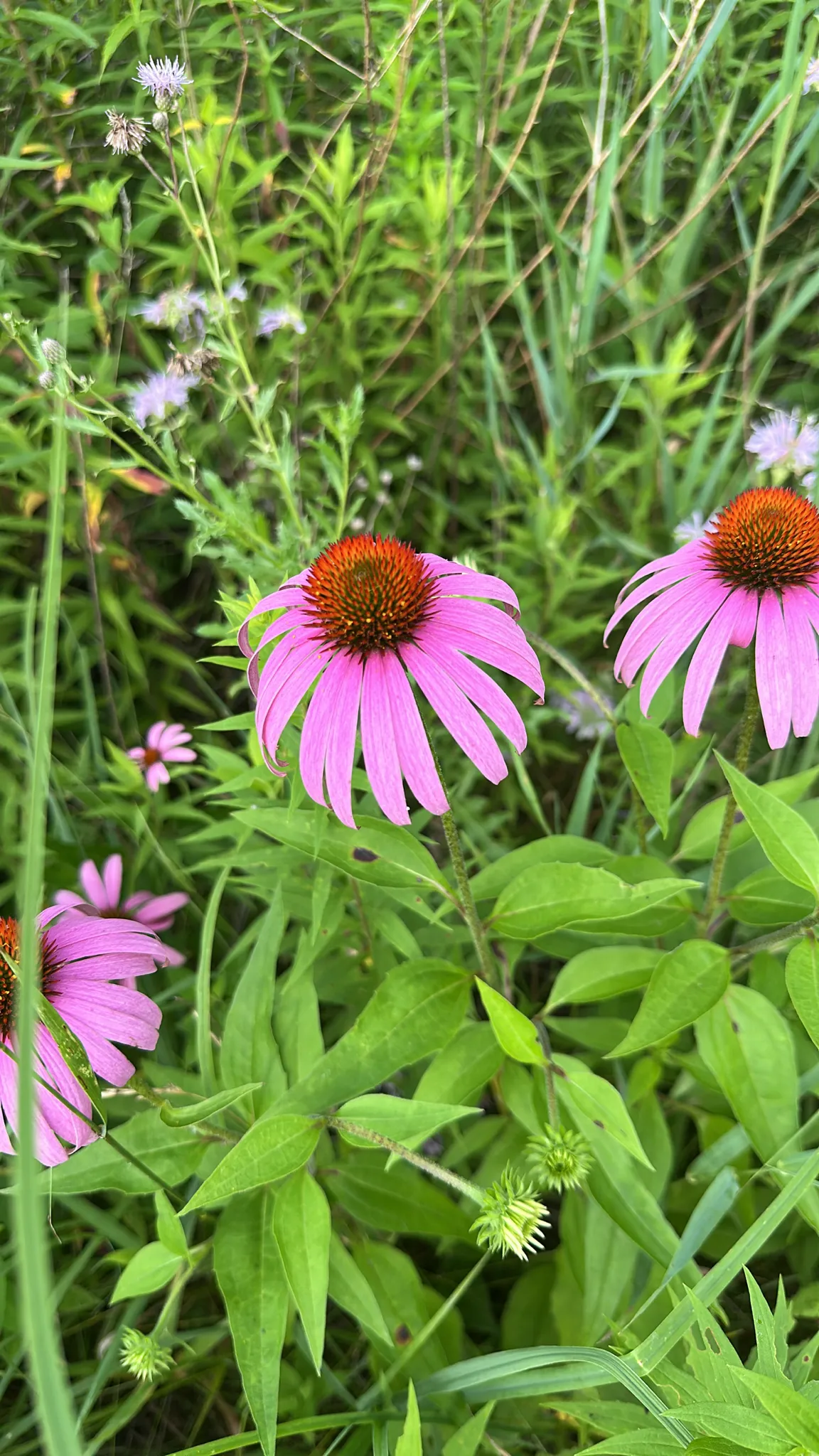
Purple Coneflower
Echinacea purpurea

Little Bluestem
Schizachyrium scoparium
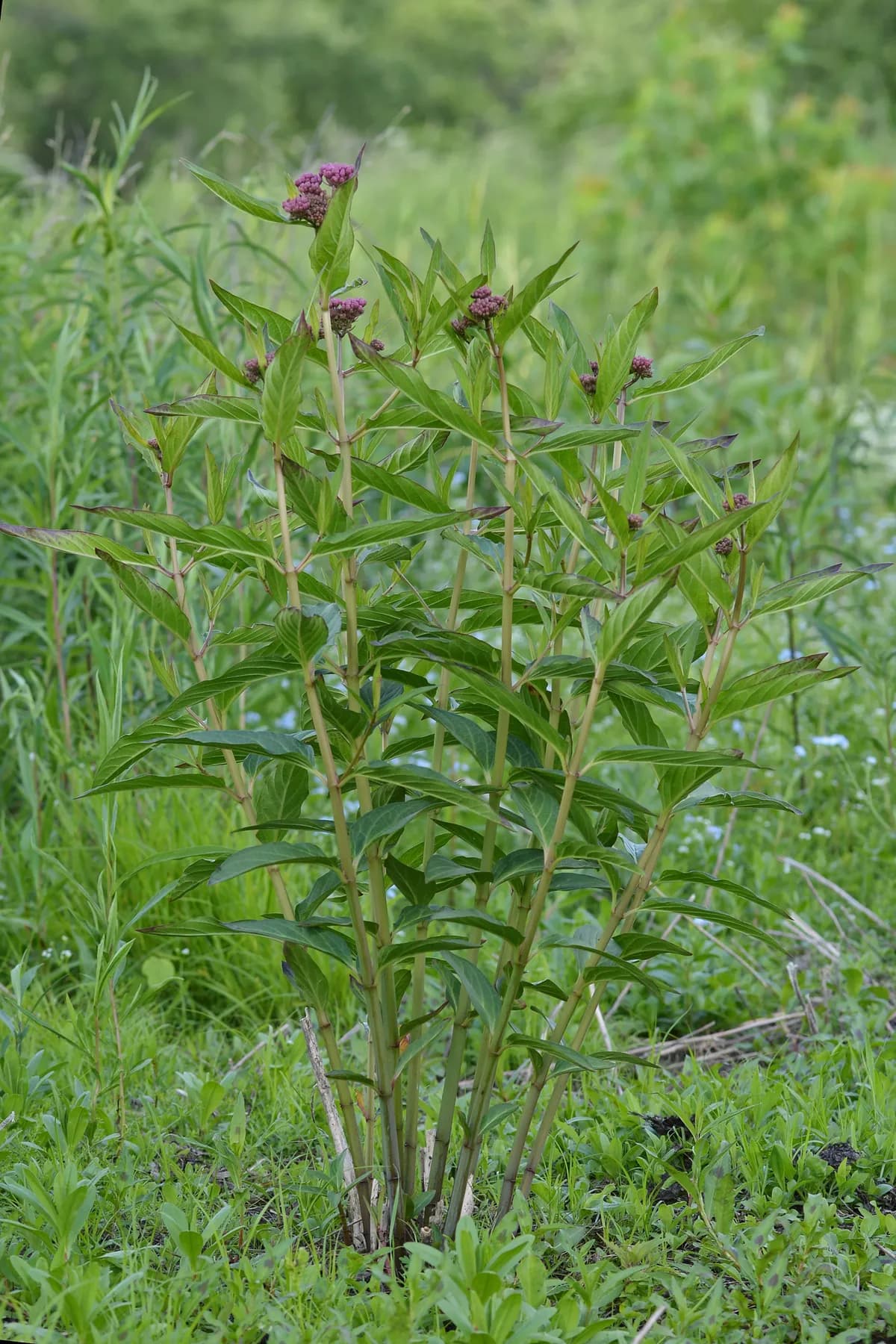
Swamp Milkweed
Asclepias incarnata
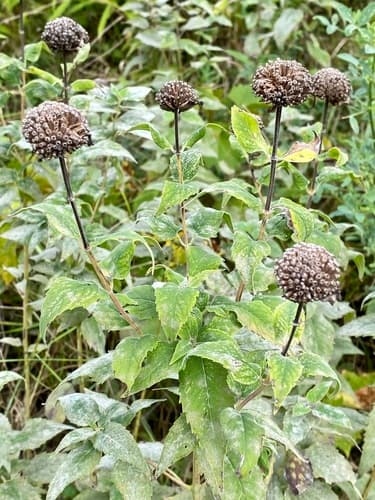
Wild Bergamot
Monarda fistulosa
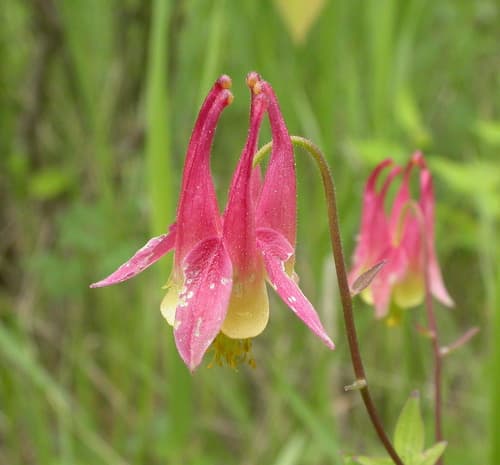
Wild Red Columbine
Aquilegia canadensis
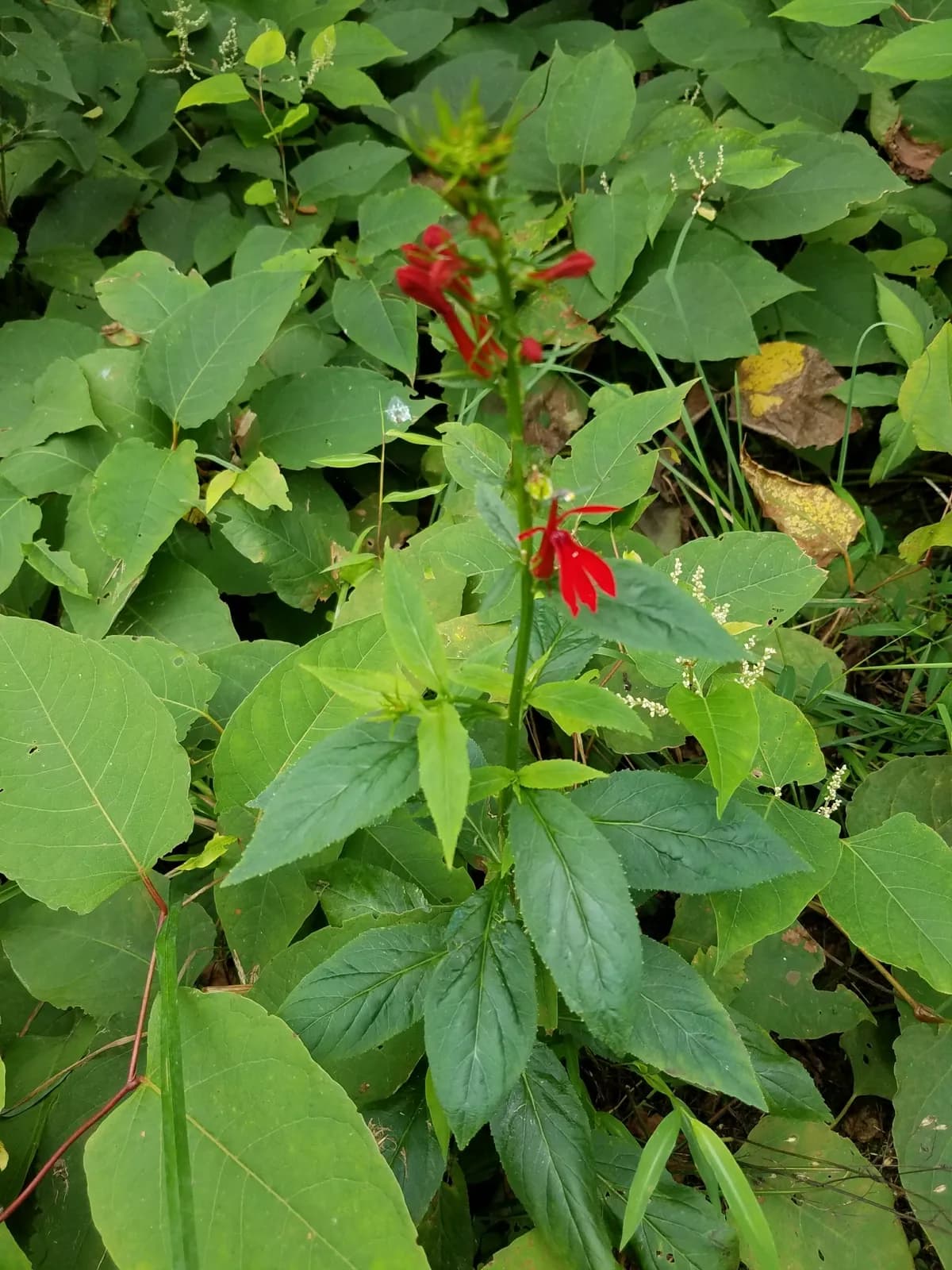
Cardinal Flower
Lobelia cardinalis
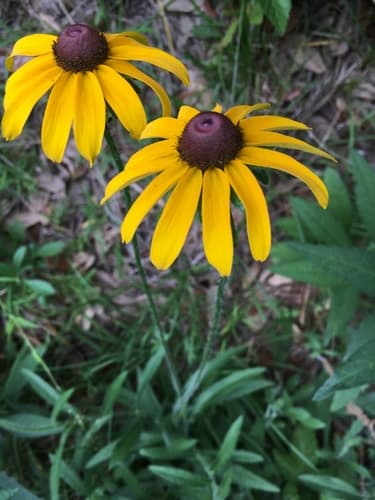
Black-eyed Susan
Rudbeckia hirta
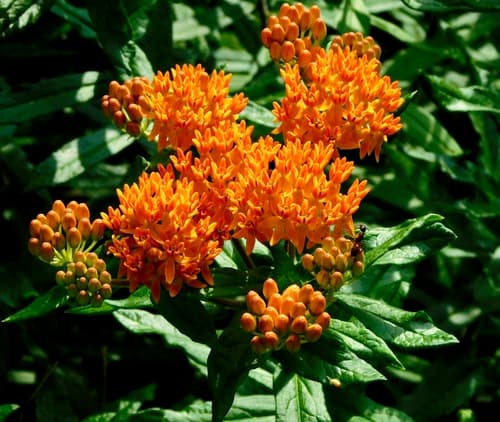
Butterfly Milkweed
Asclepias tuberosa
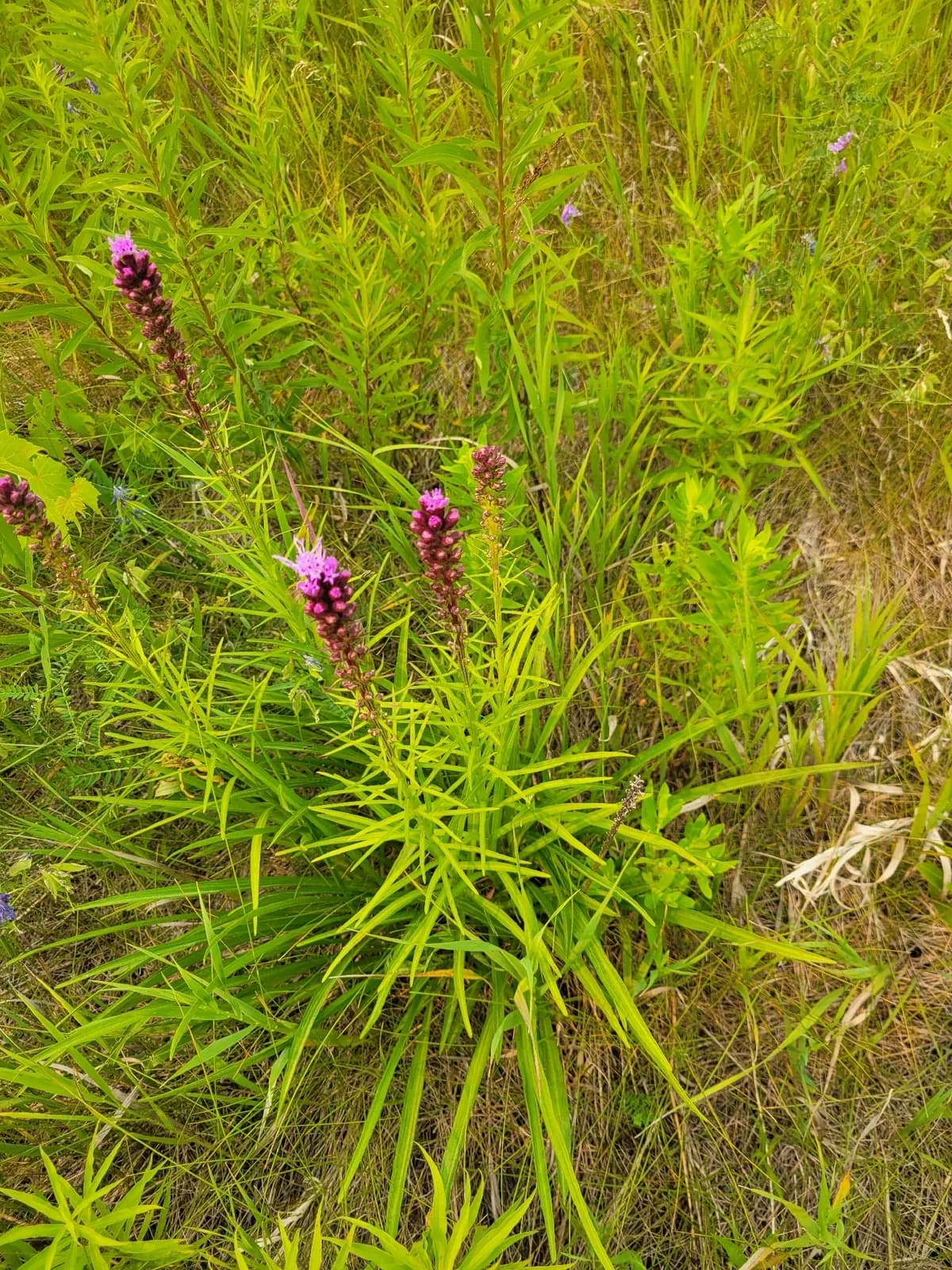
Dense Blazing Star
Liatris spicata
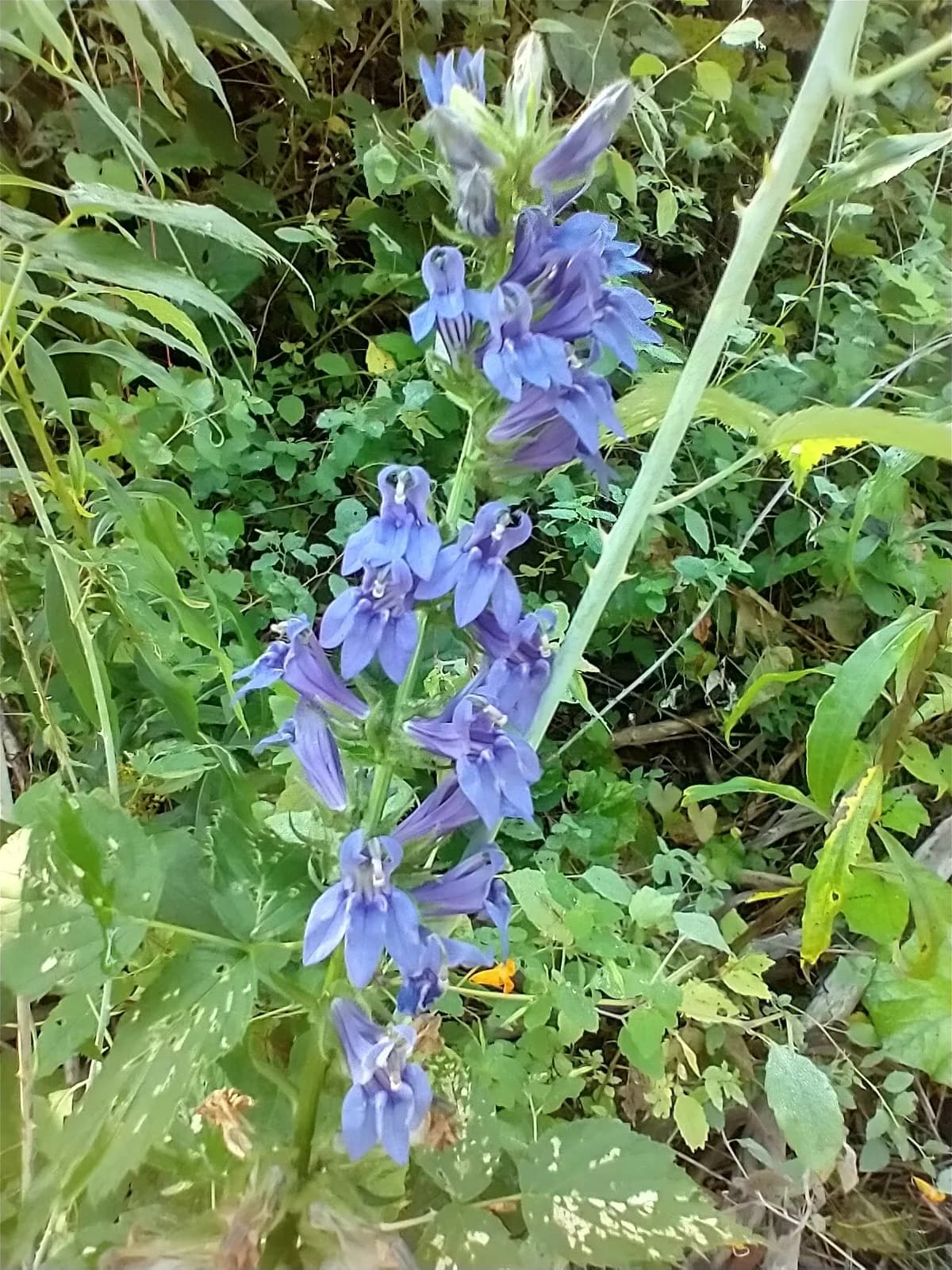
Blue Lobelia
Lobelia siphilitica
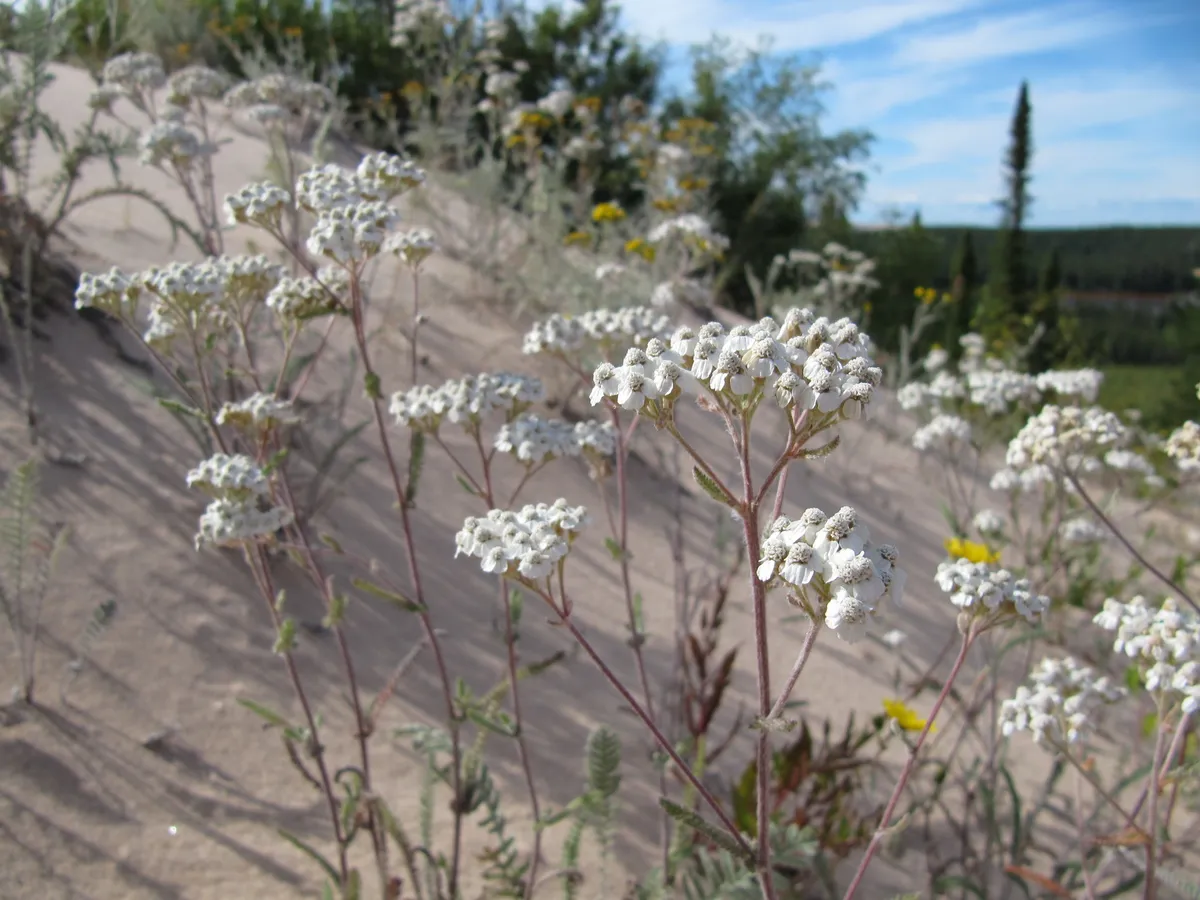
Common Yarrow
Achillea millefolium
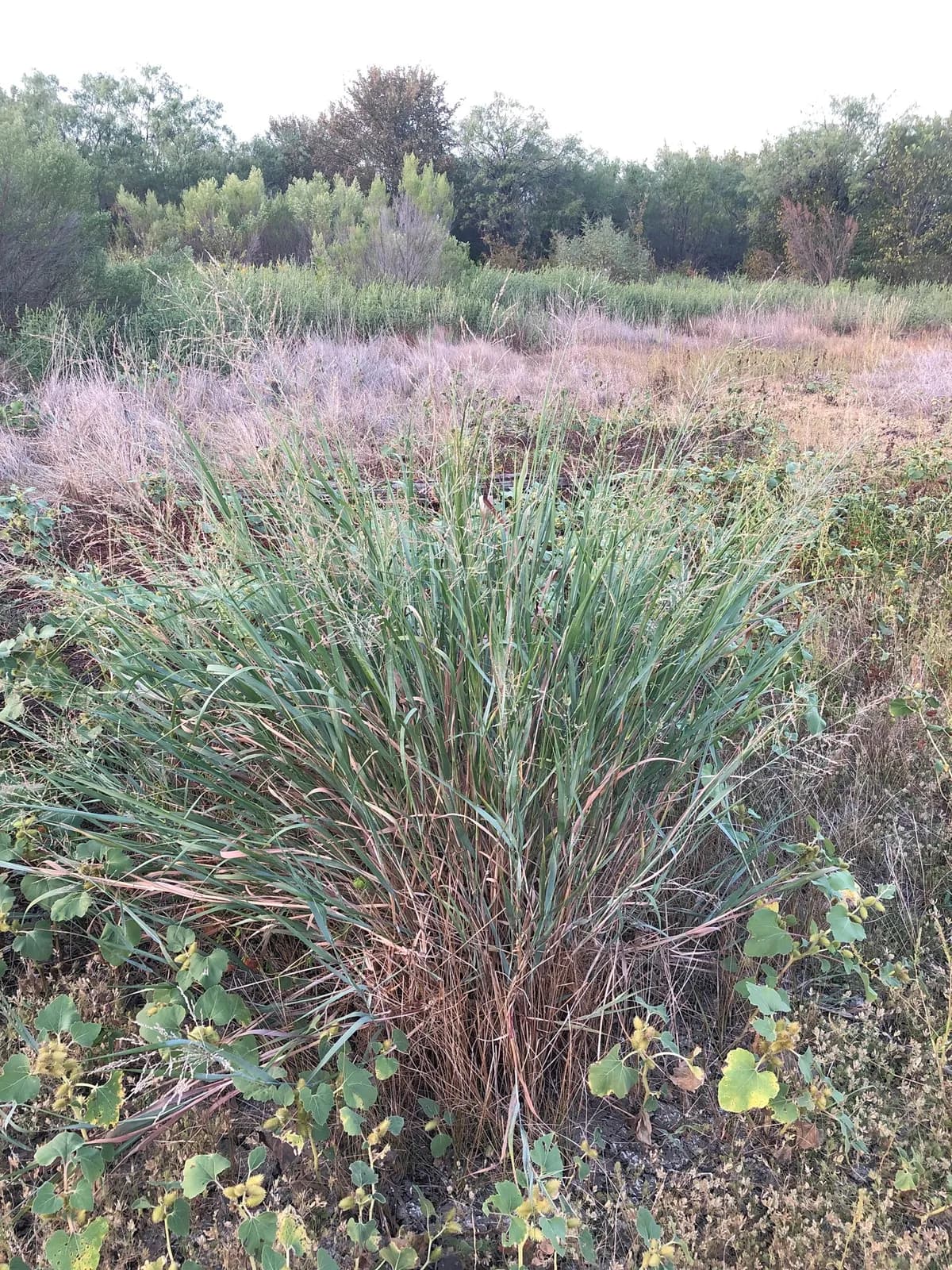
Switchgrass
Panicum virgatum
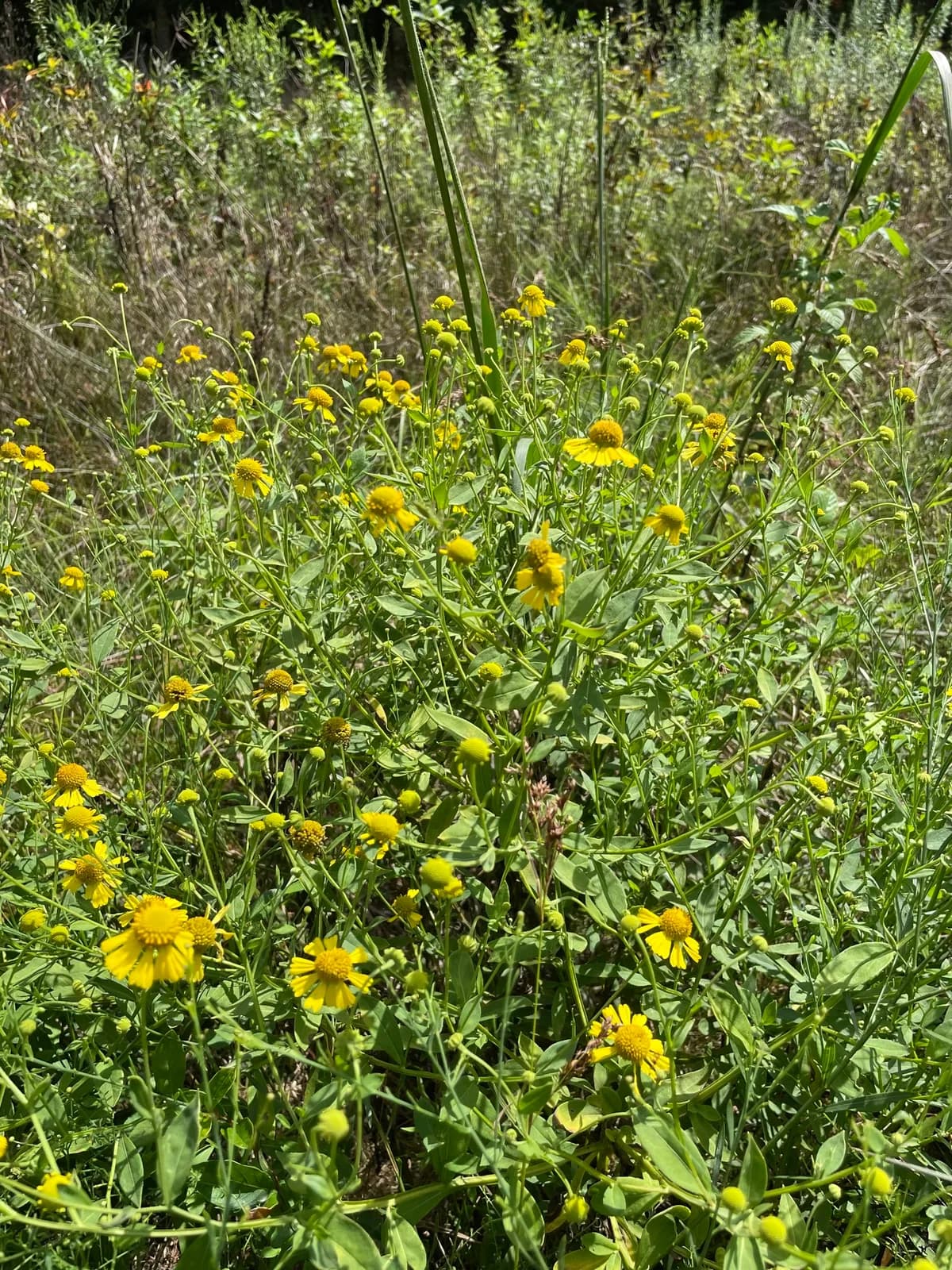
Common Sneezeweed
Helenium autumnale

Golden Alexanders
Zizia aurea
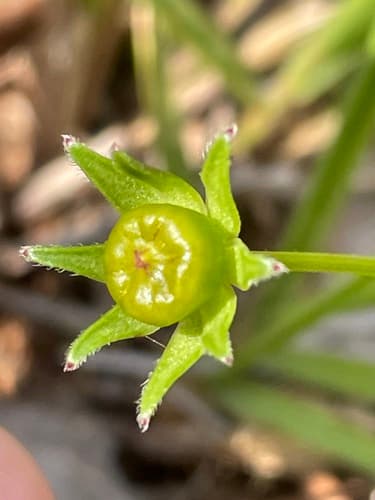
Lanceleaf Coreopsis
Coreopsis lanceolata
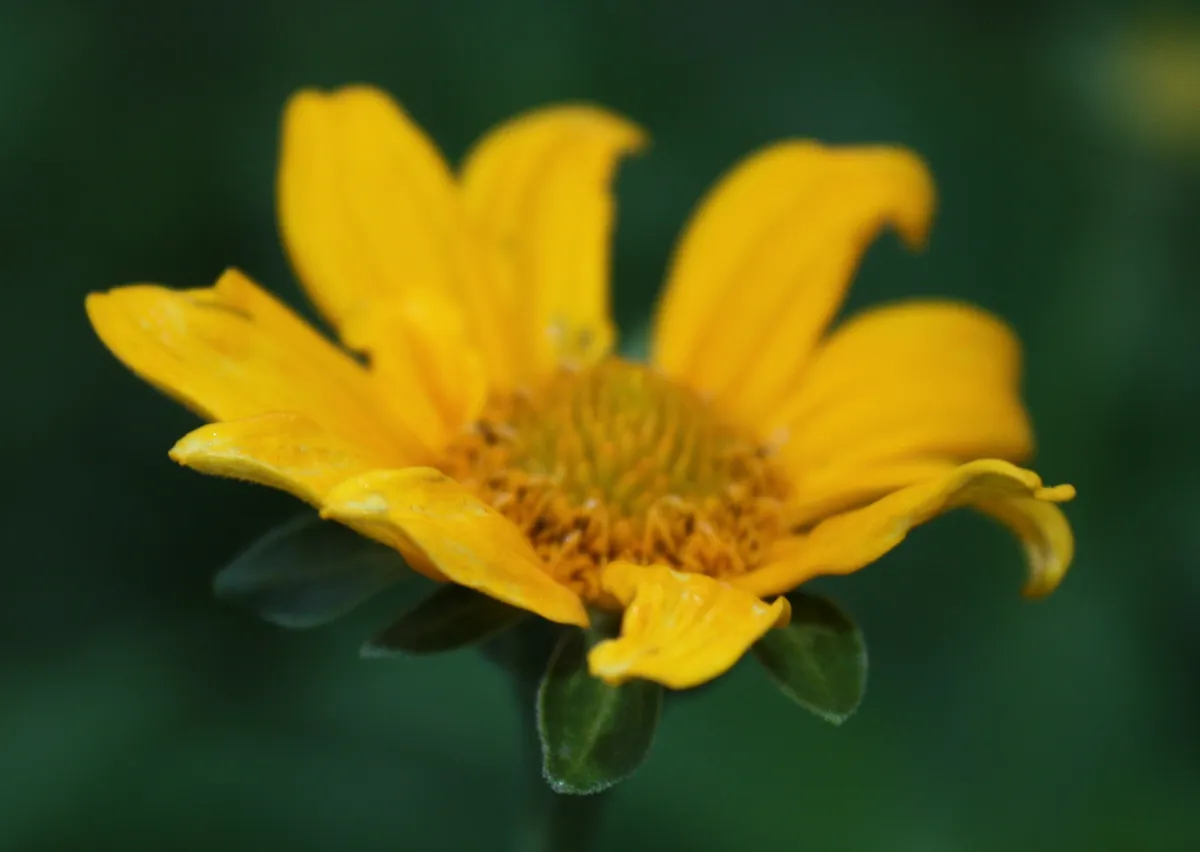
False Sunflower
Heliopsis helianthoides
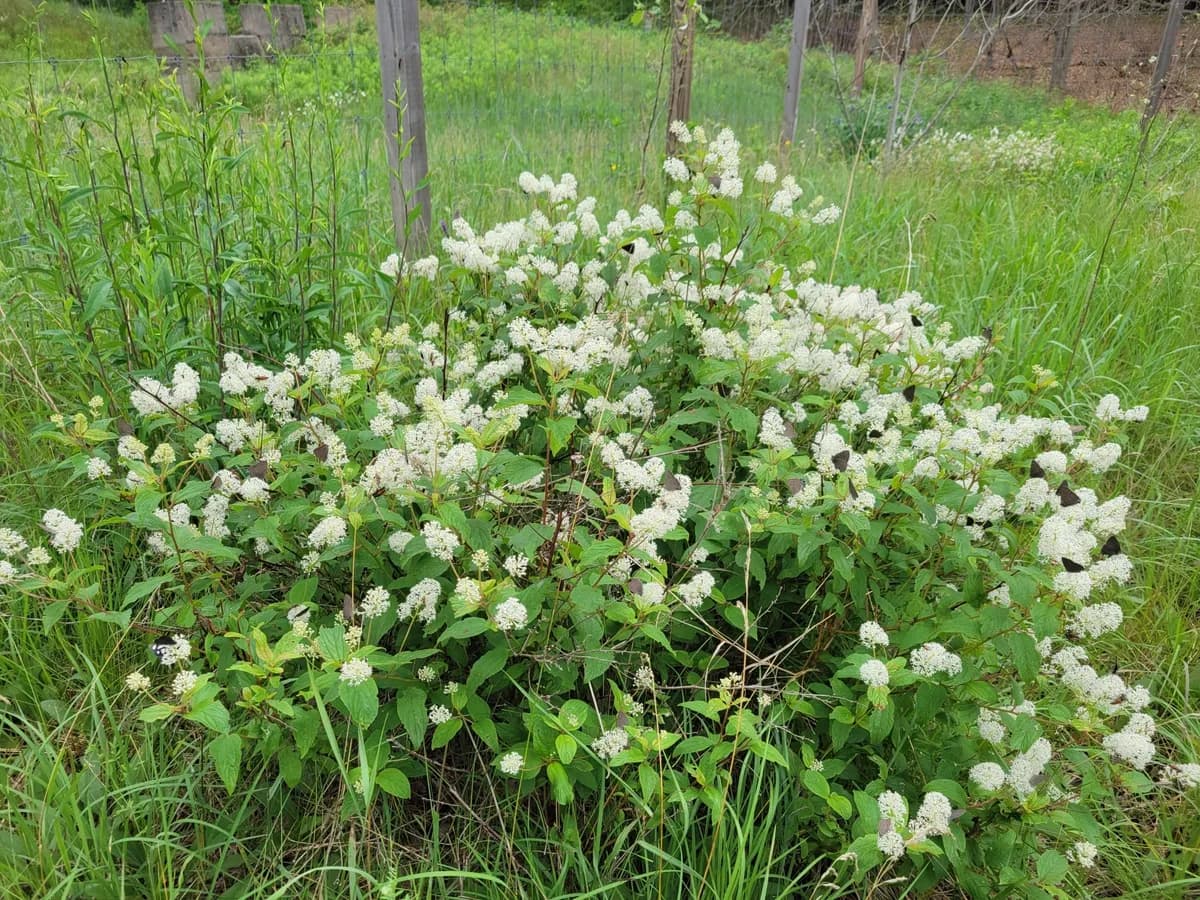
New Jersey-tea
Ceanothus americanus
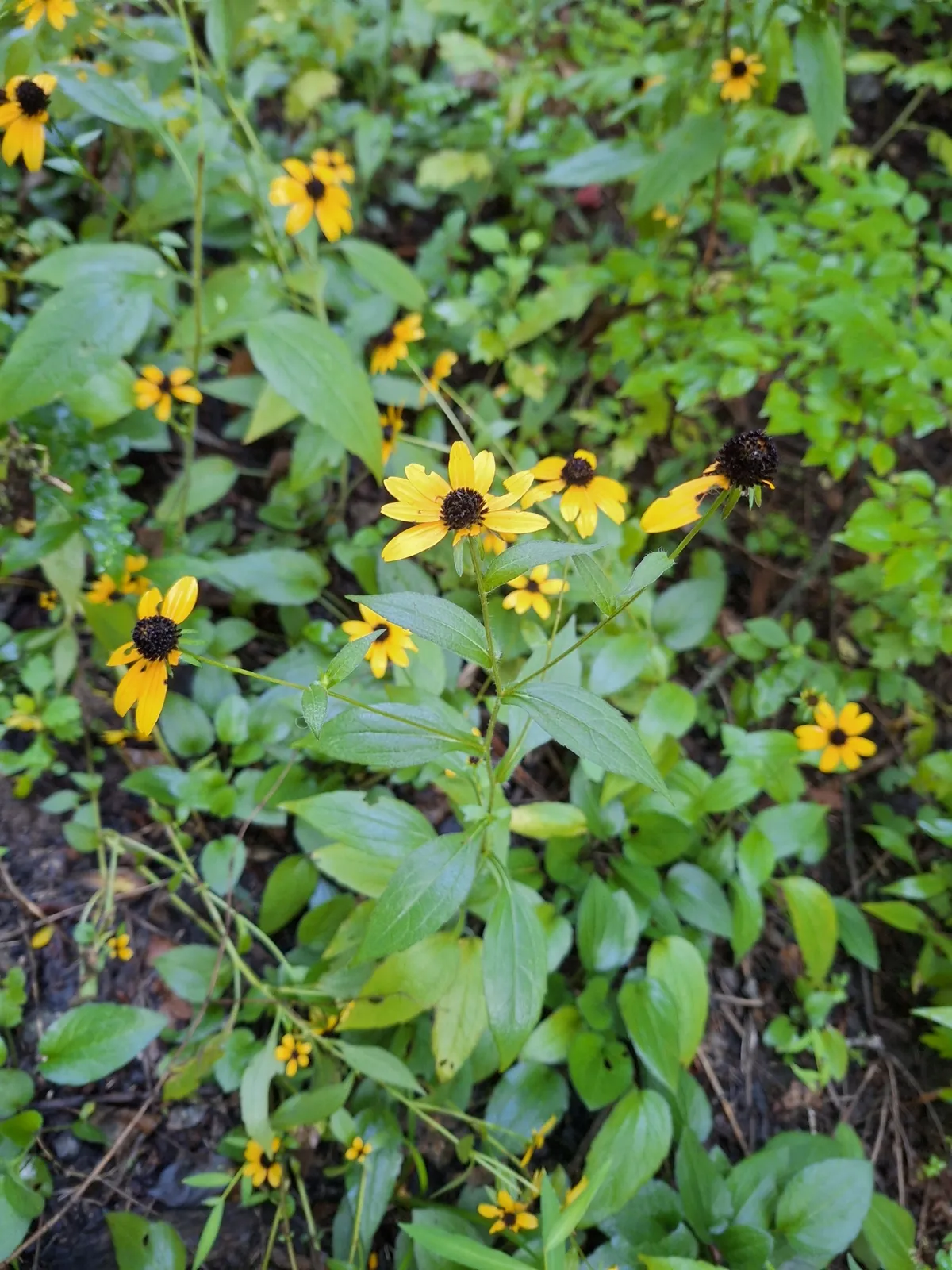
Perennial Black-eyed Susan
Rudbeckia fulgida
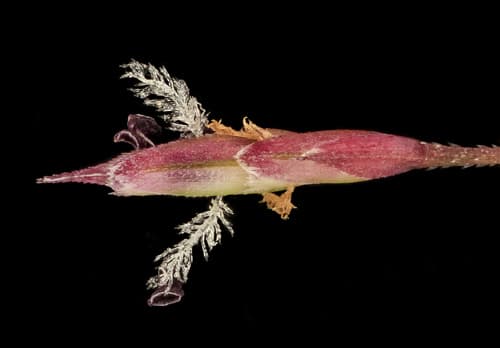
Purple Lovegrass
Eragrostis spectabilis
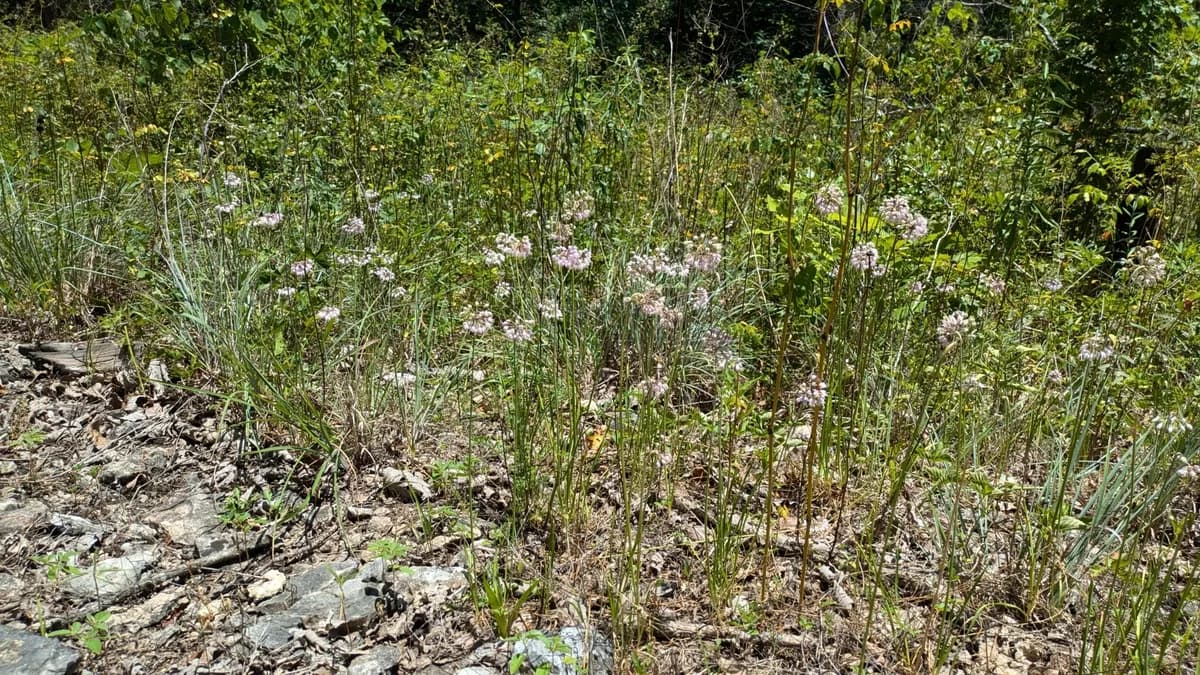
Nodding Onion
Allium cernuum
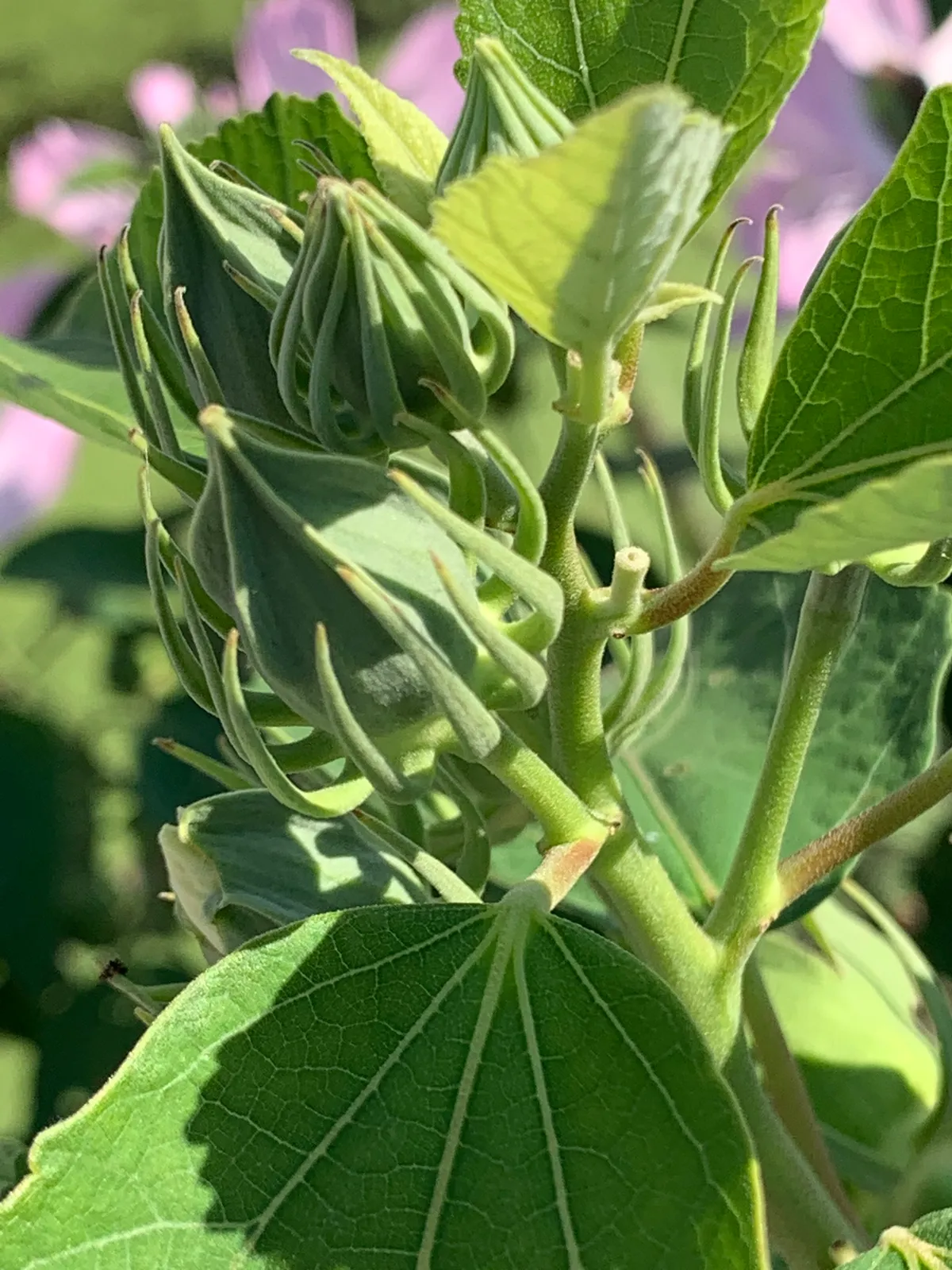
Mallow-rose
Hibiscus moscheutos
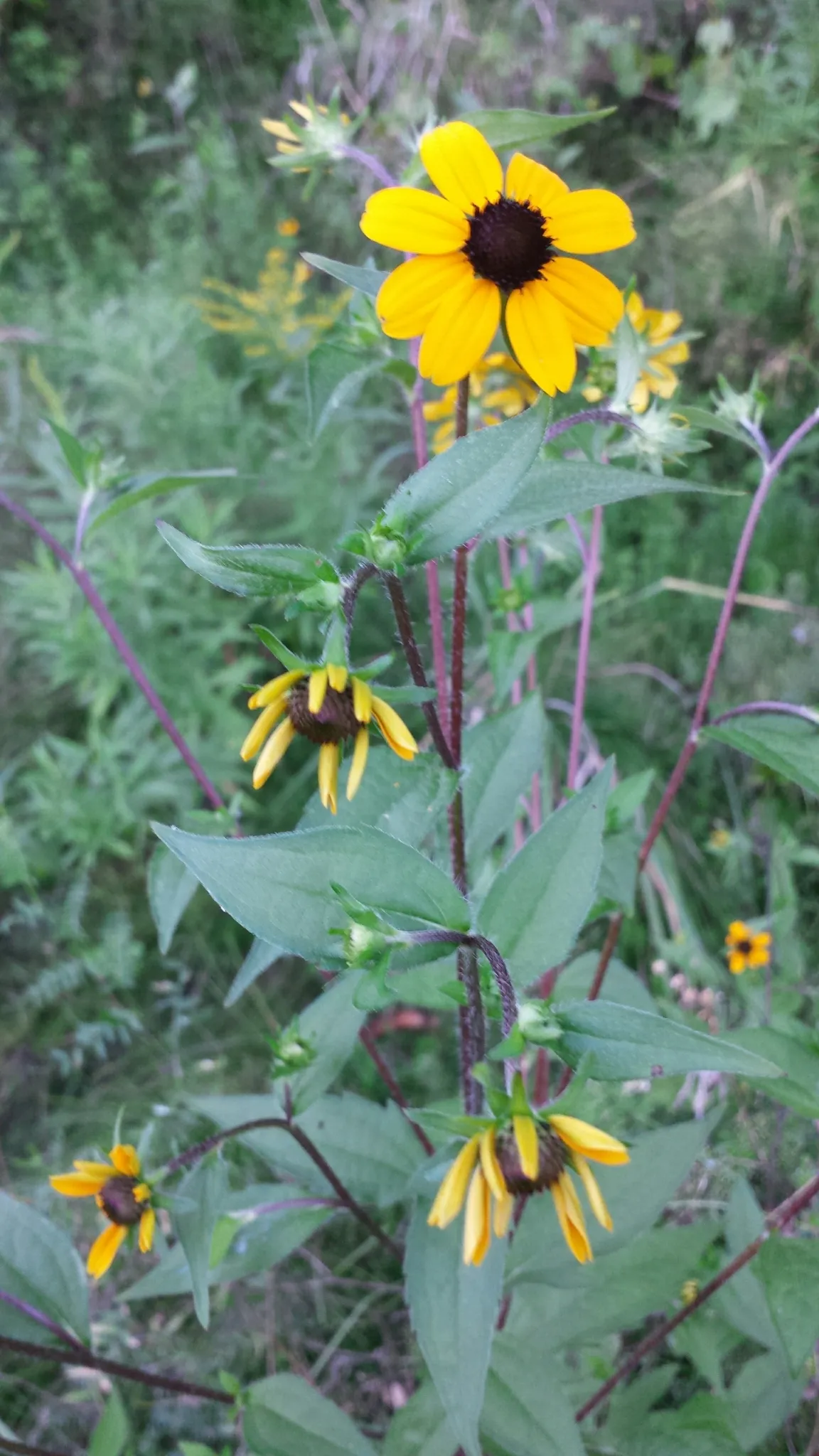
Brown-eyed Susan
Rudbeckia triloba
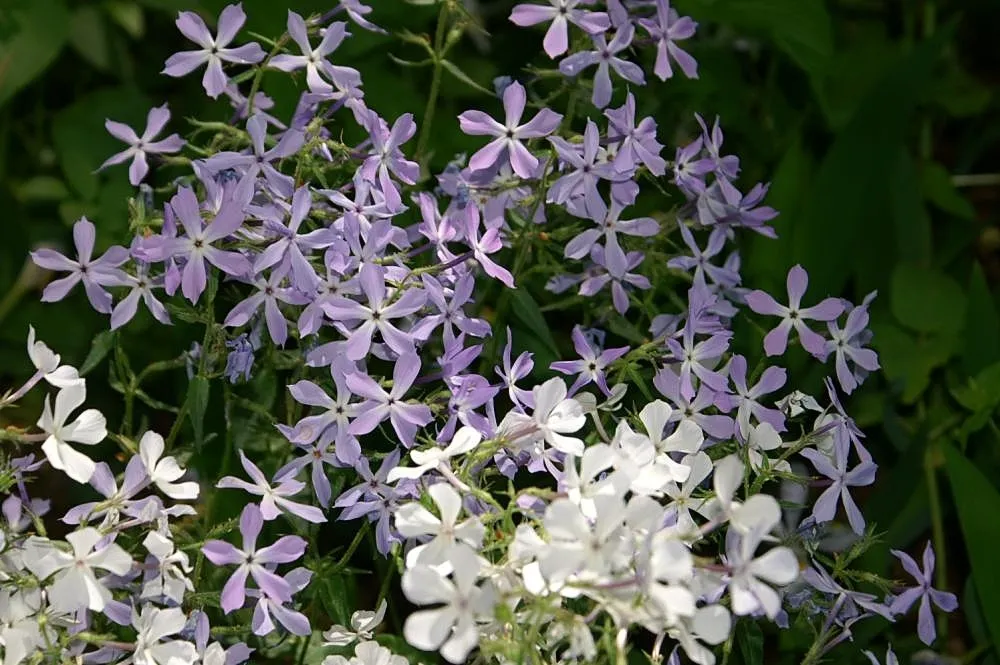
Blue Woodland Phlox
Phlox divaricata
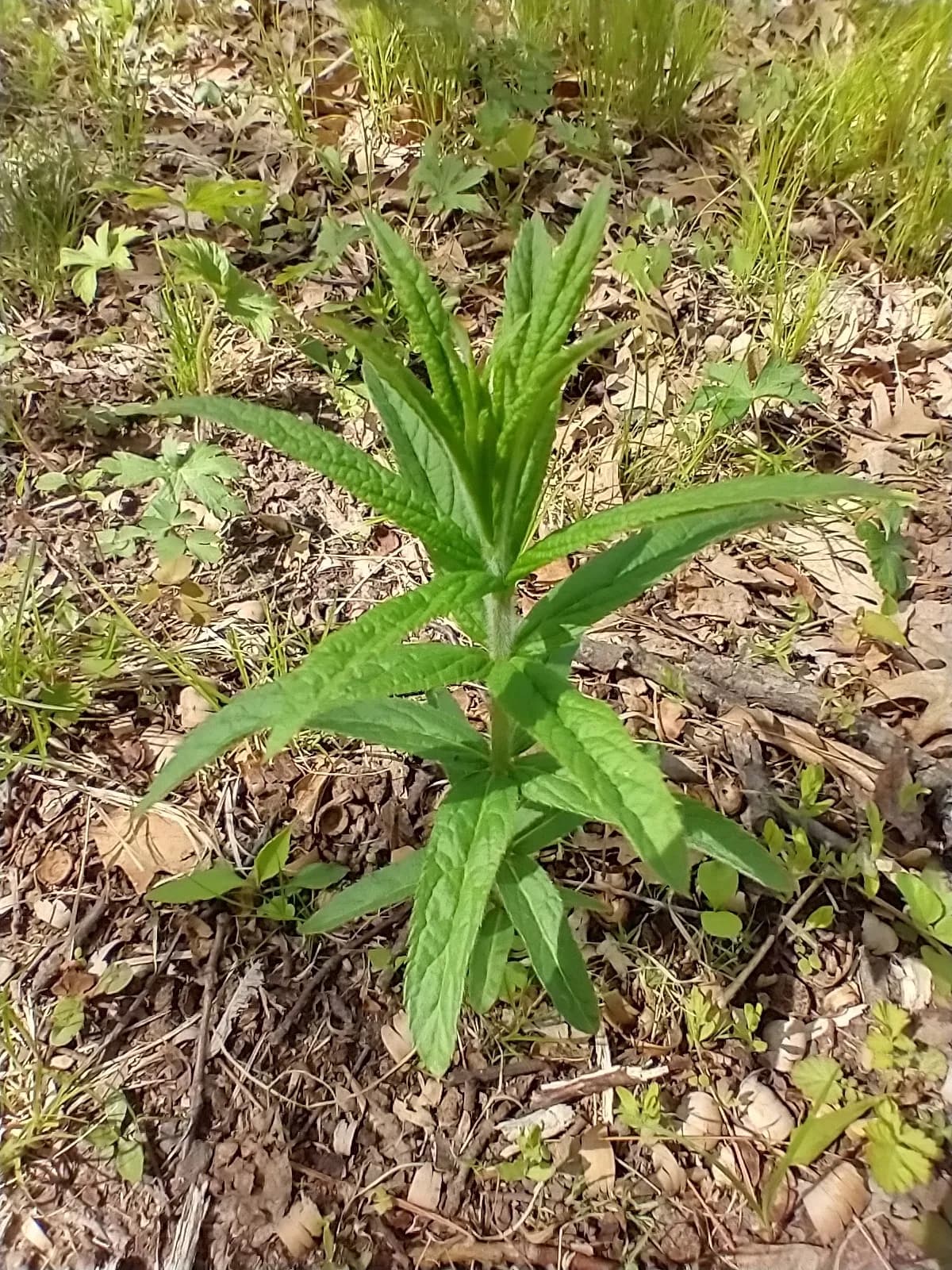
Culver's Root
Veronicastrum virginicum
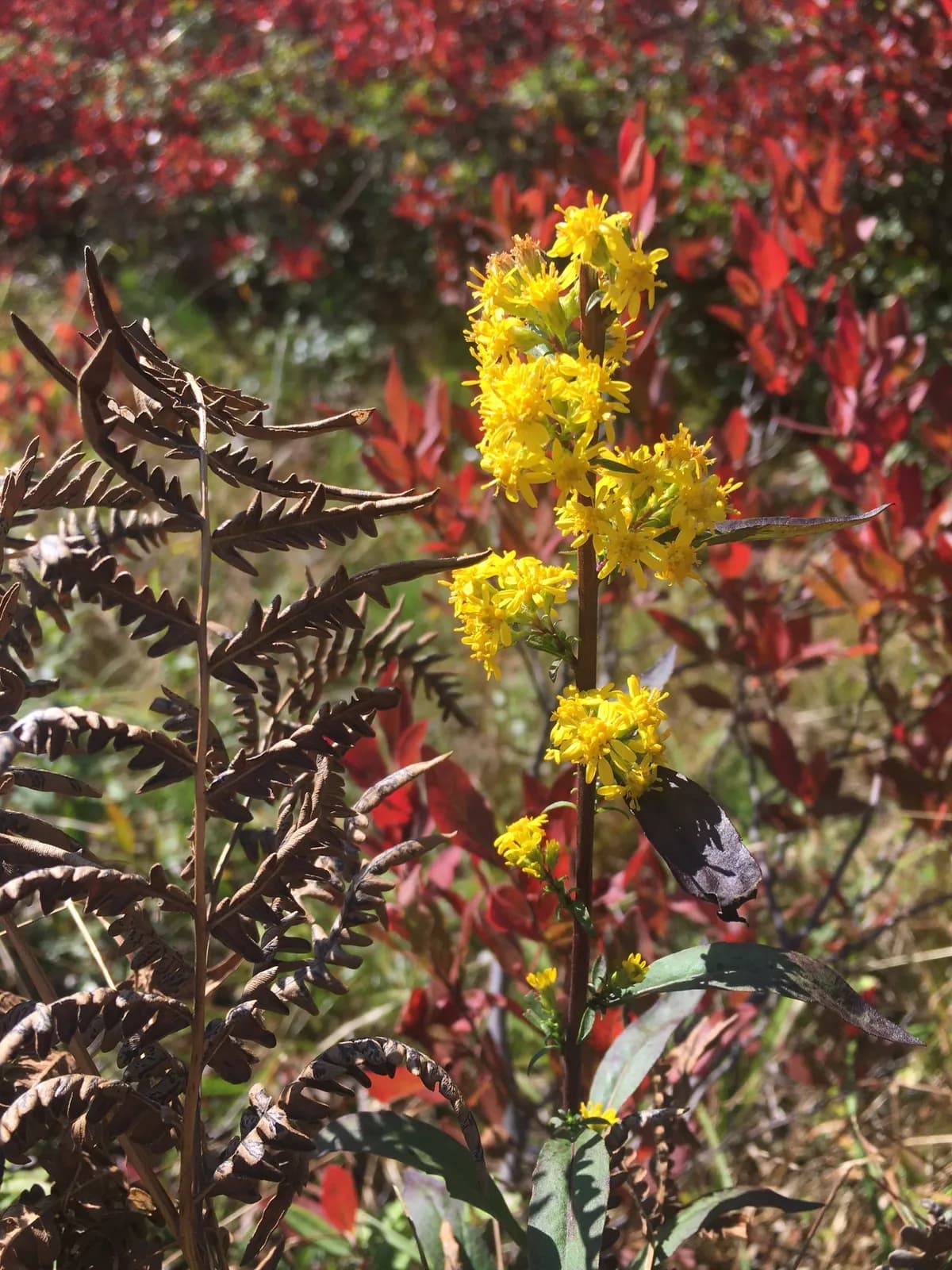
Showy Goldenrod
Solidago speciosa

Sideoats Grama
Bouteloua curtipendula
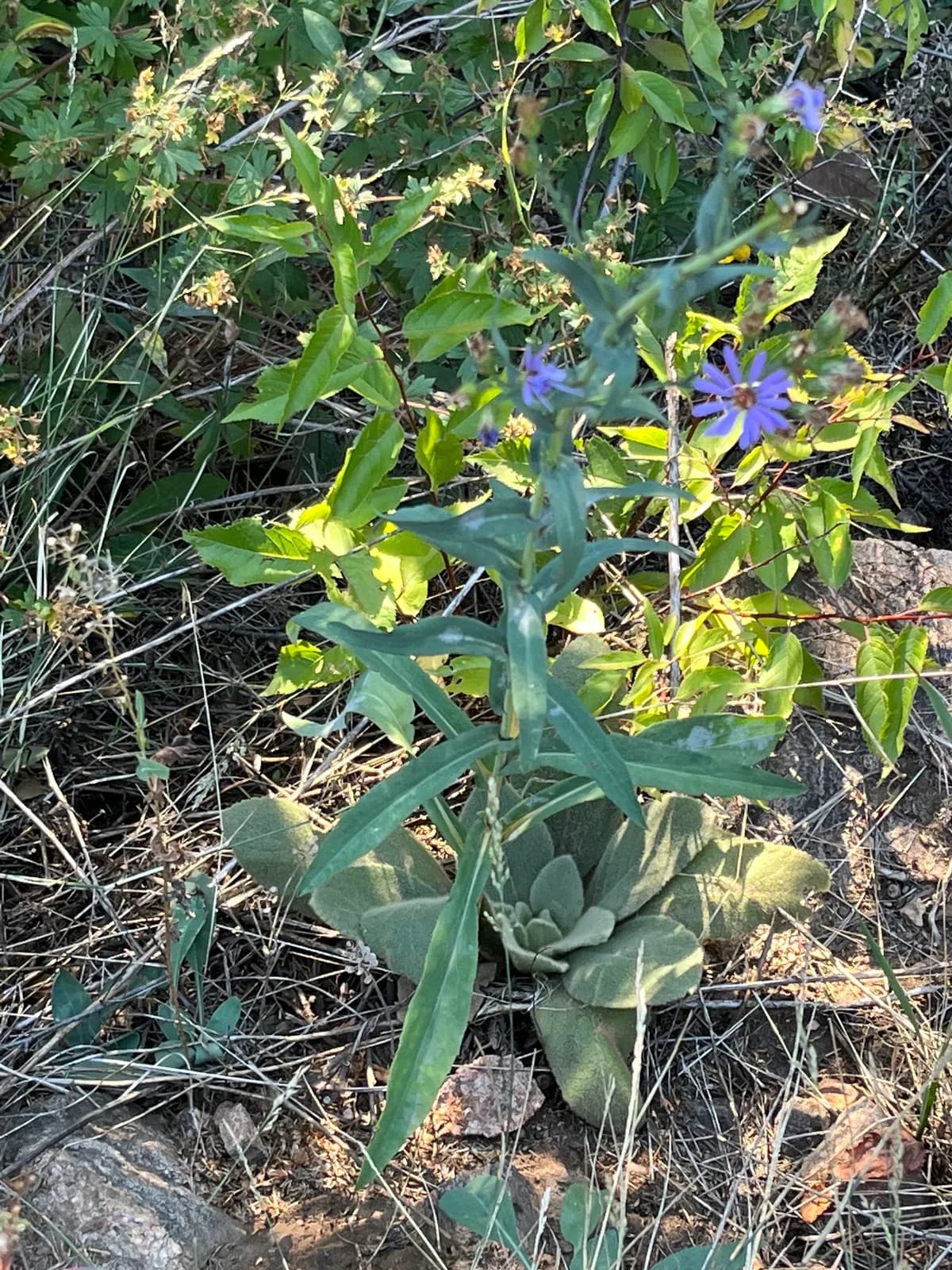
Smooth Aster
Symphyotrichum laeve
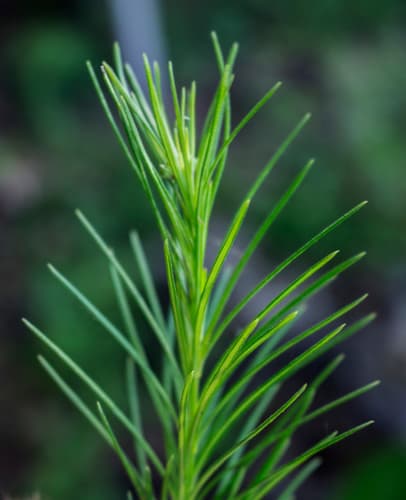
Whorled Milkweed
Asclepias verticillata
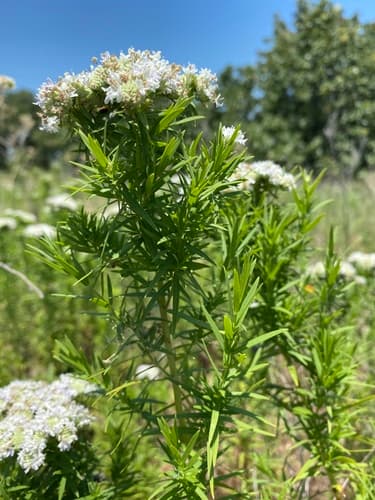
Narrowleaf Mountain Mint
Pycnanthemum tenuifolium

Inland Sea Oats
Chasmanthium latifolium
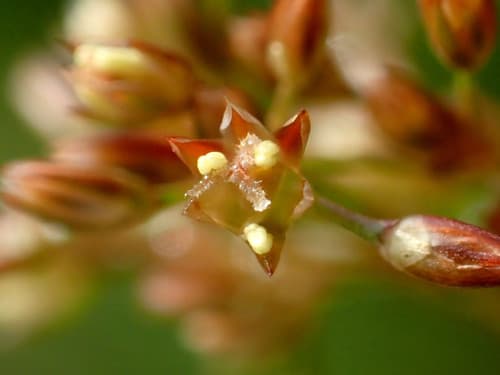
Soft rush
Juncus effusus
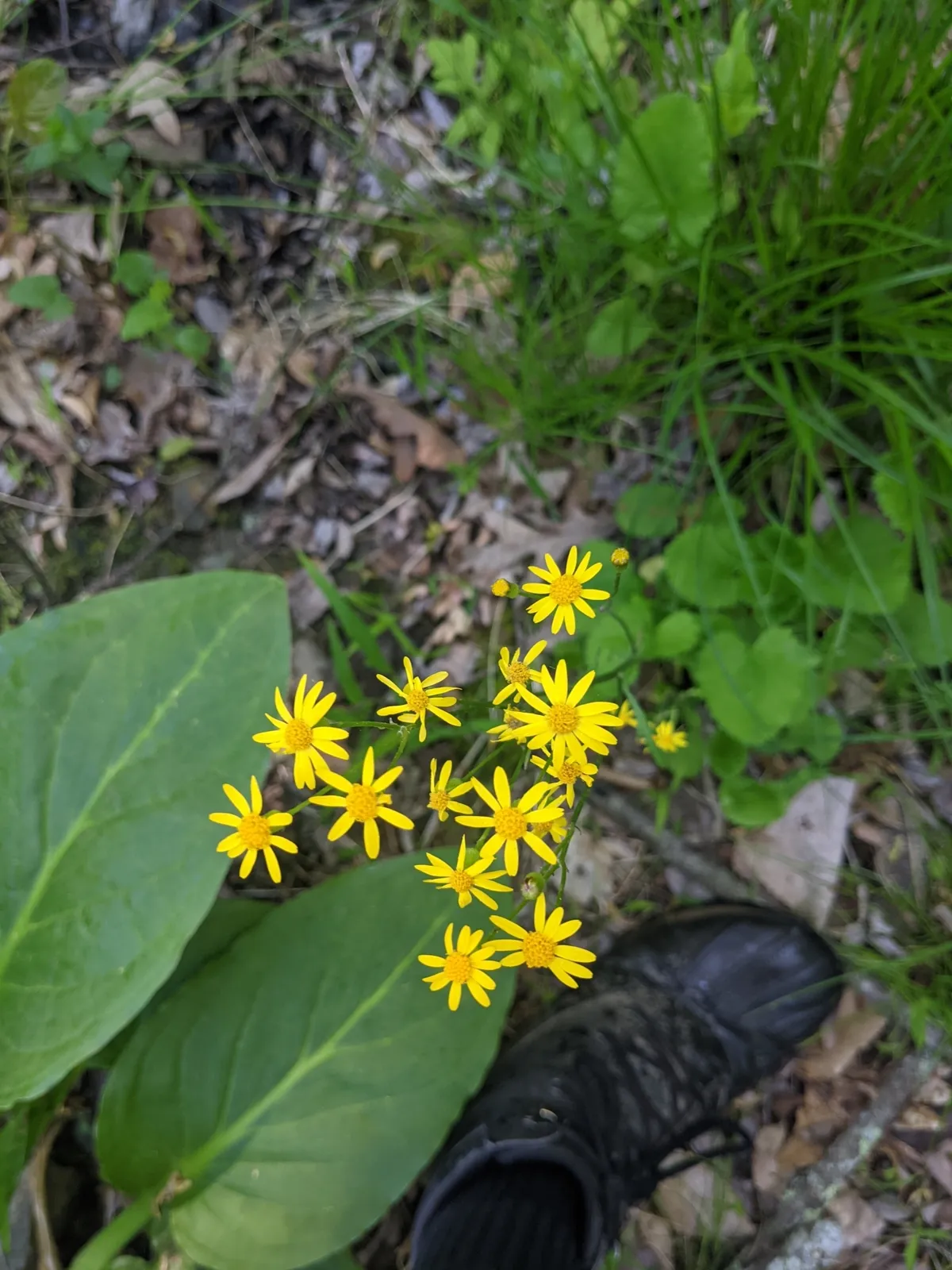
Golden Groundsel
Packera aurea
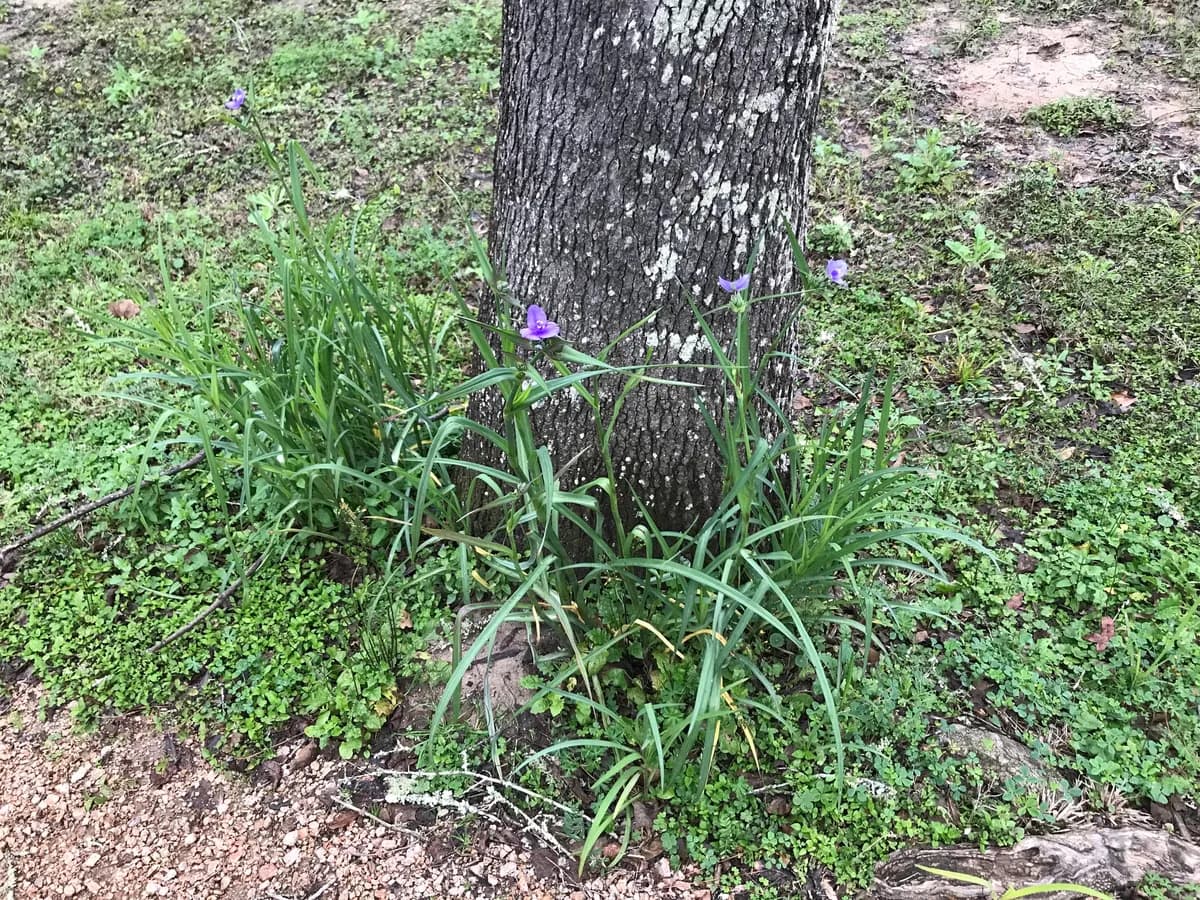
Smooth Spiderwort
Tradescantia ohiensis
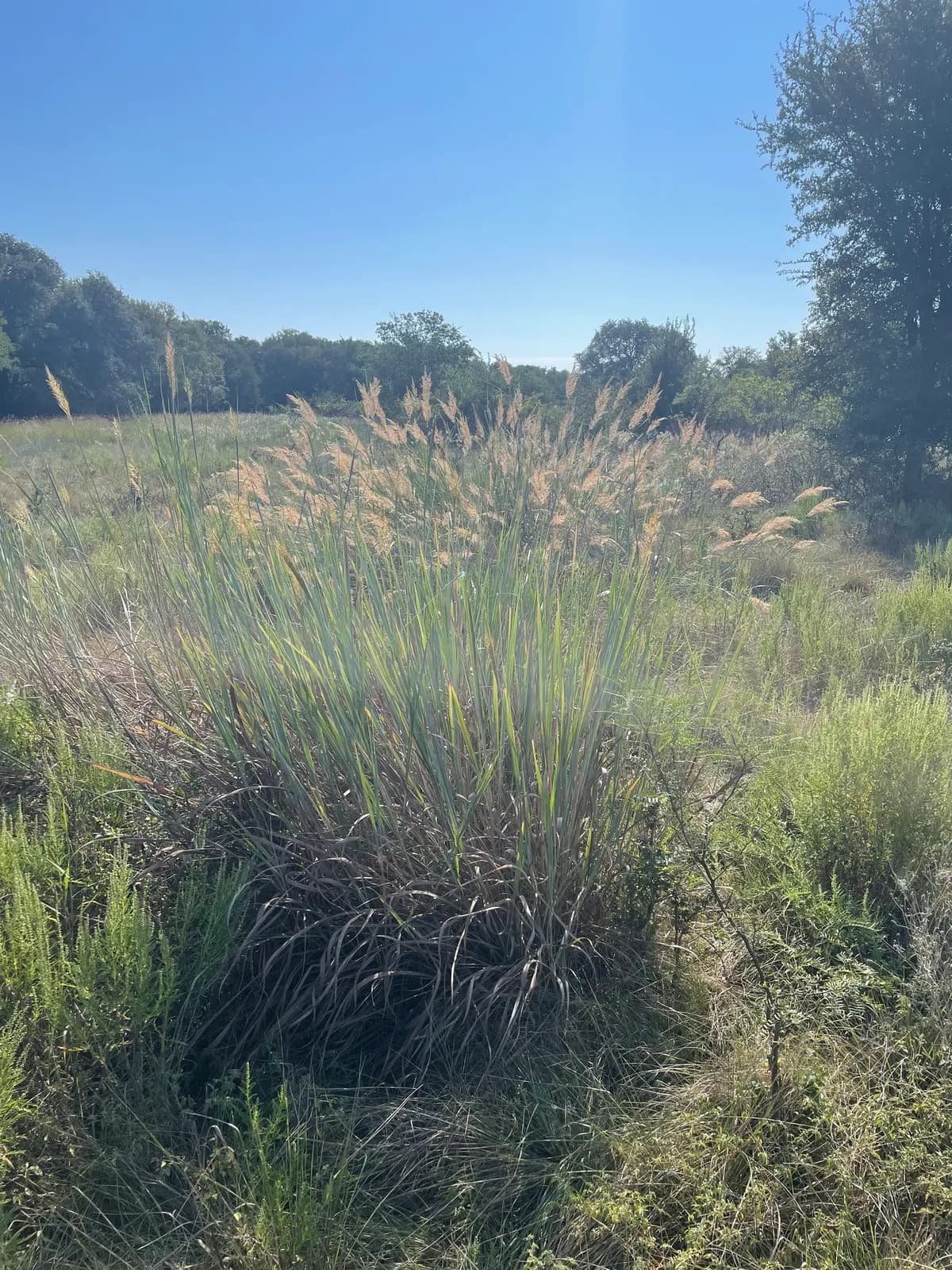
Indiangrass
Sorghastrum nutans
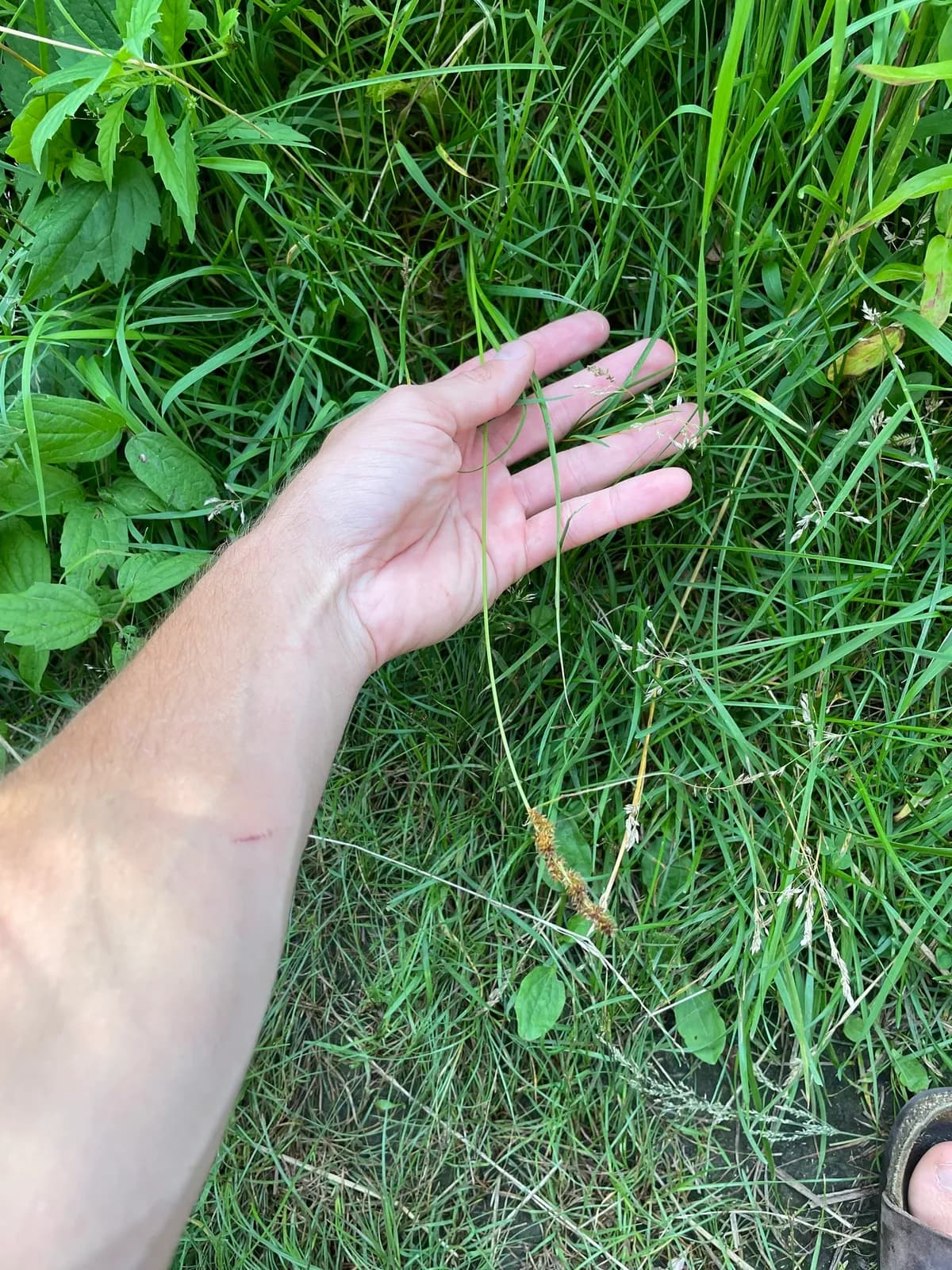
American Fox Sedge
Carex vulpinoidea
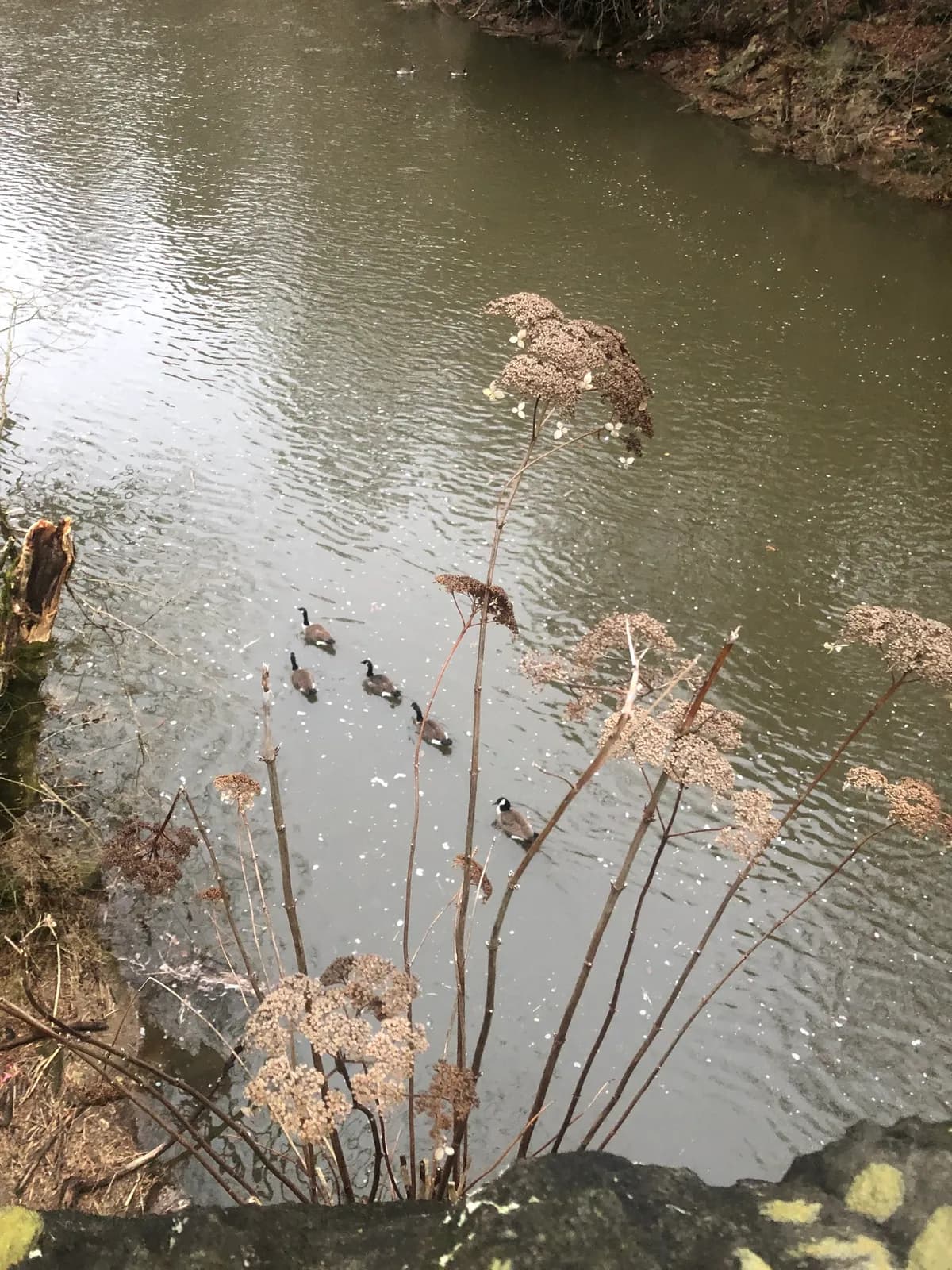
Sevenbark
Hydrangea arborescens
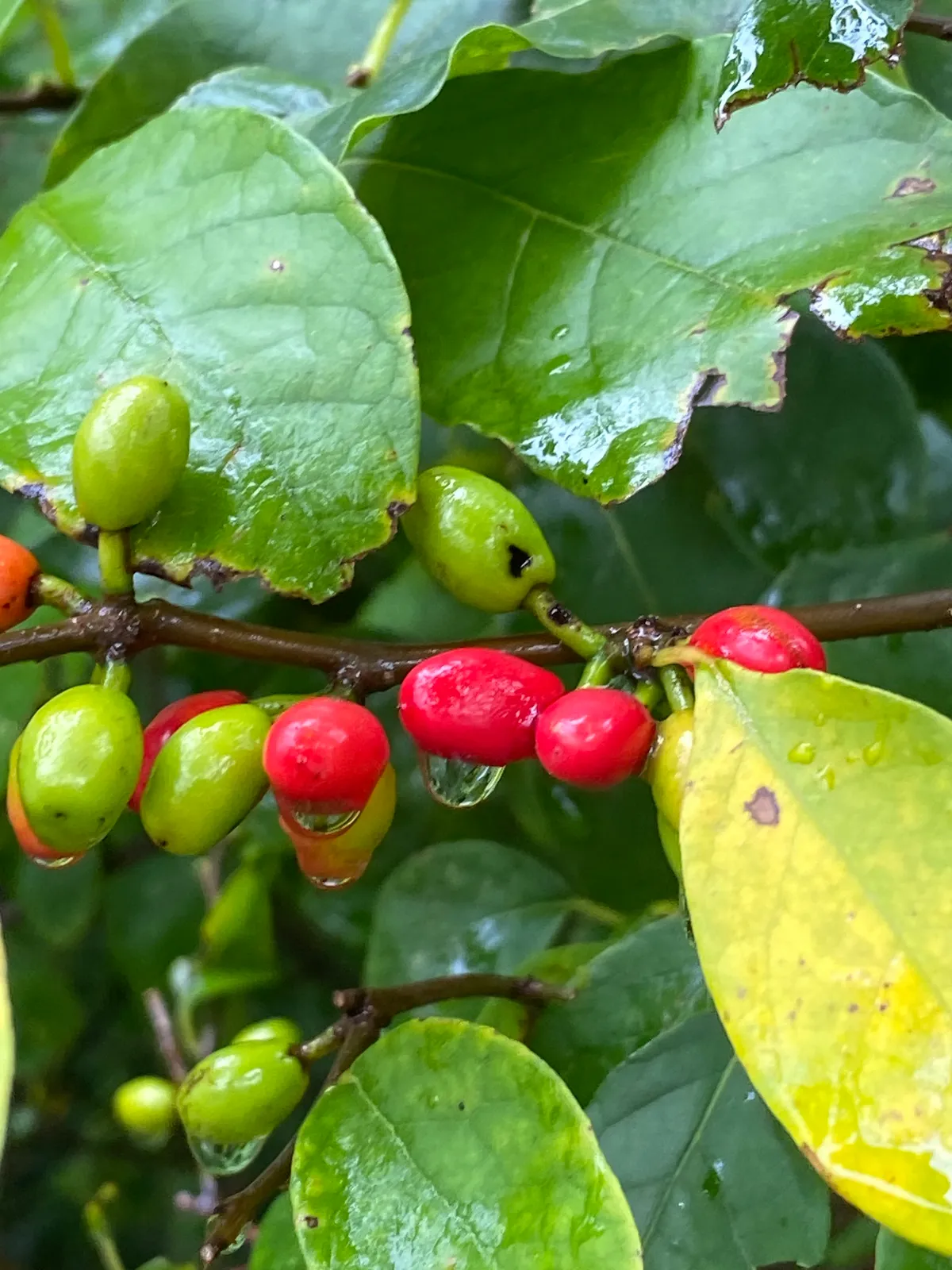
Spicebush
Lindera benzoin

Coral Honeysuckle
Lonicera sempervirens
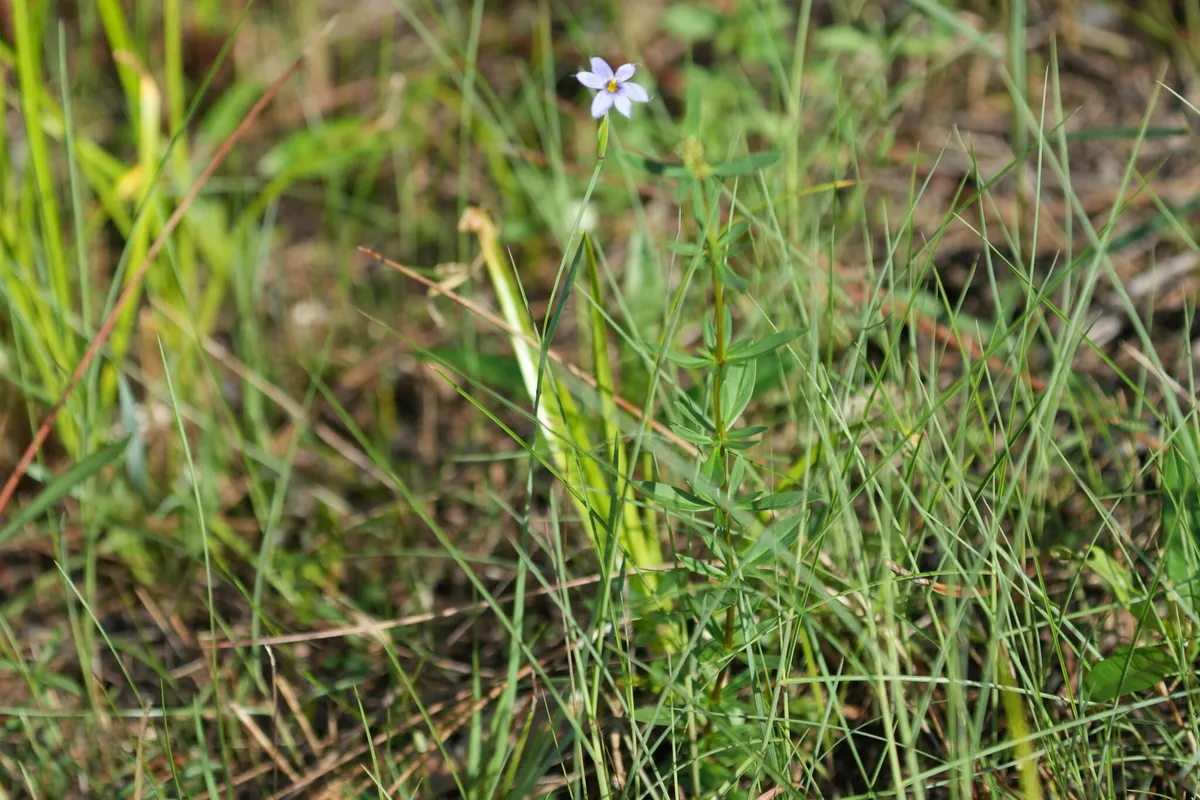
Narrowleaf Blue-eyed Grass
Sisyrinchium angustifolium
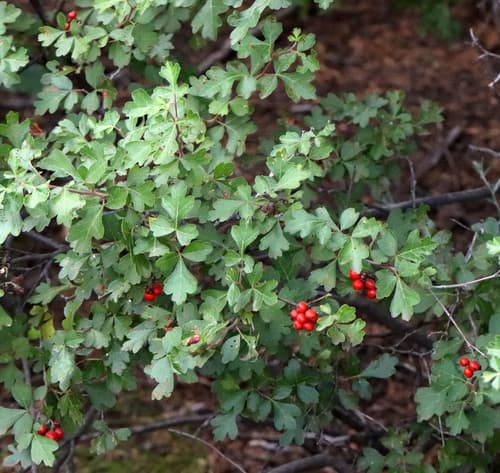
Aromatic Sumac
Rhus aromatica
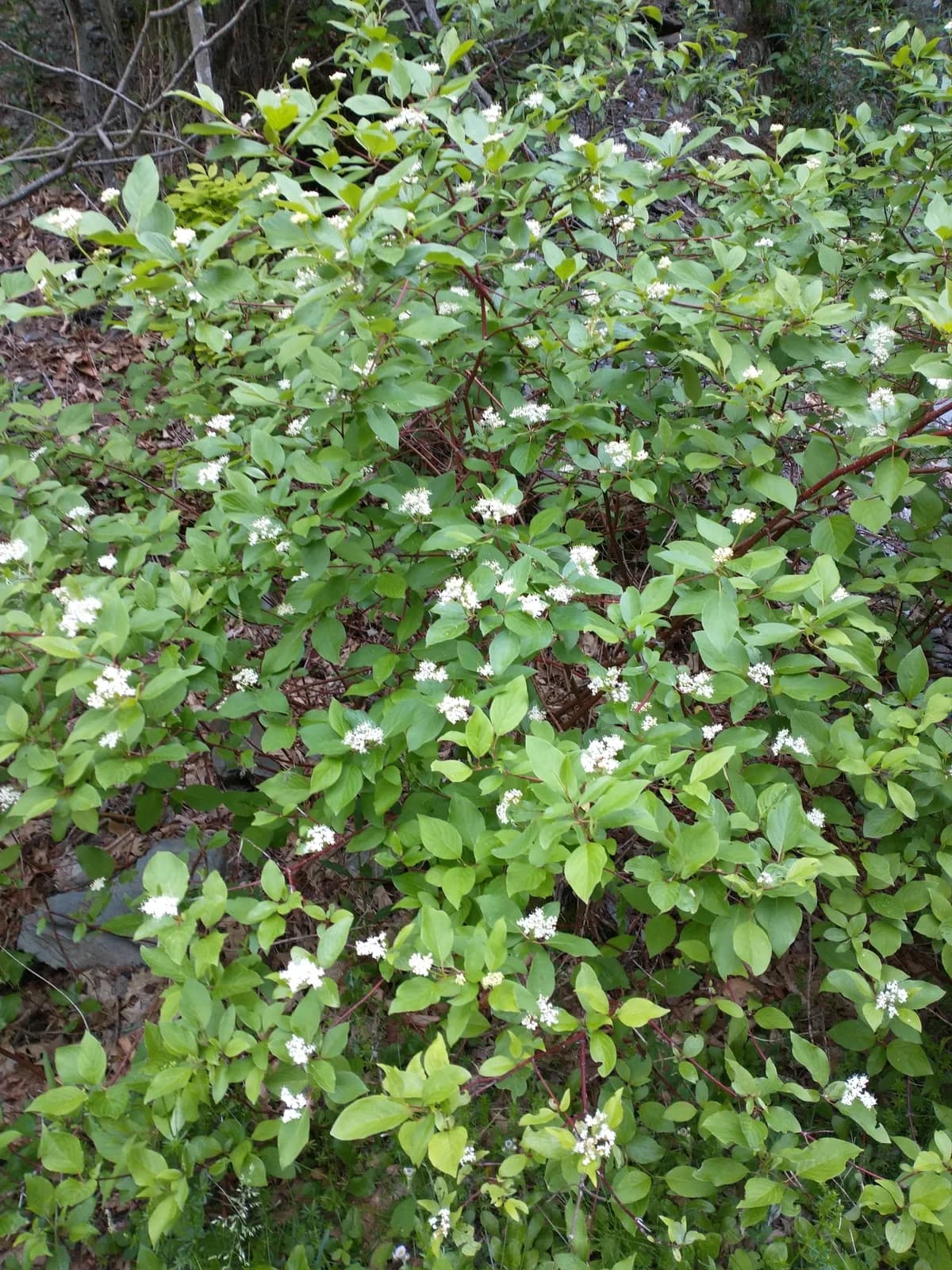
Red-osier Dogwood
Cornus sericea
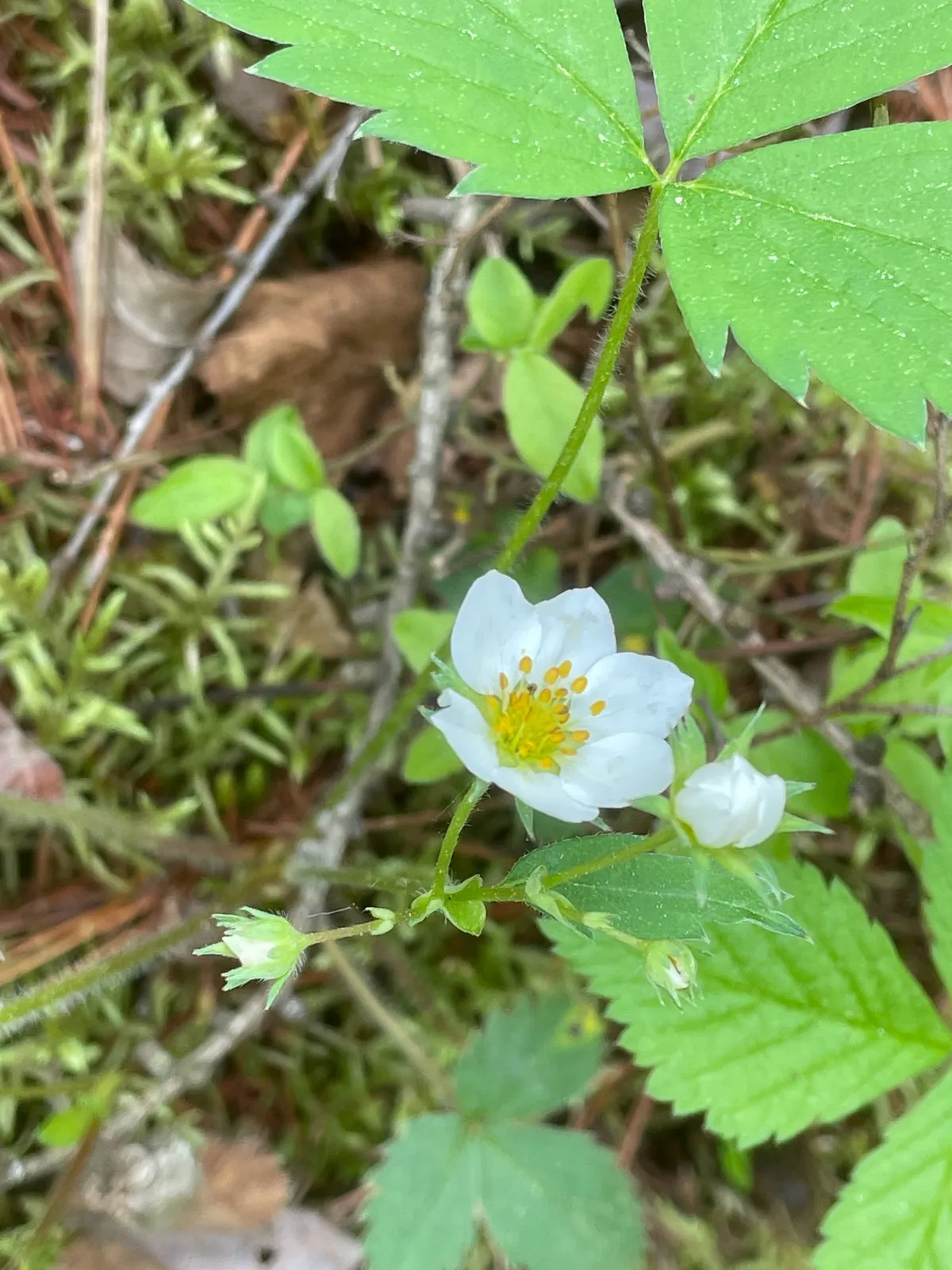
Scarlet Strawberry
Fragaria virginiana
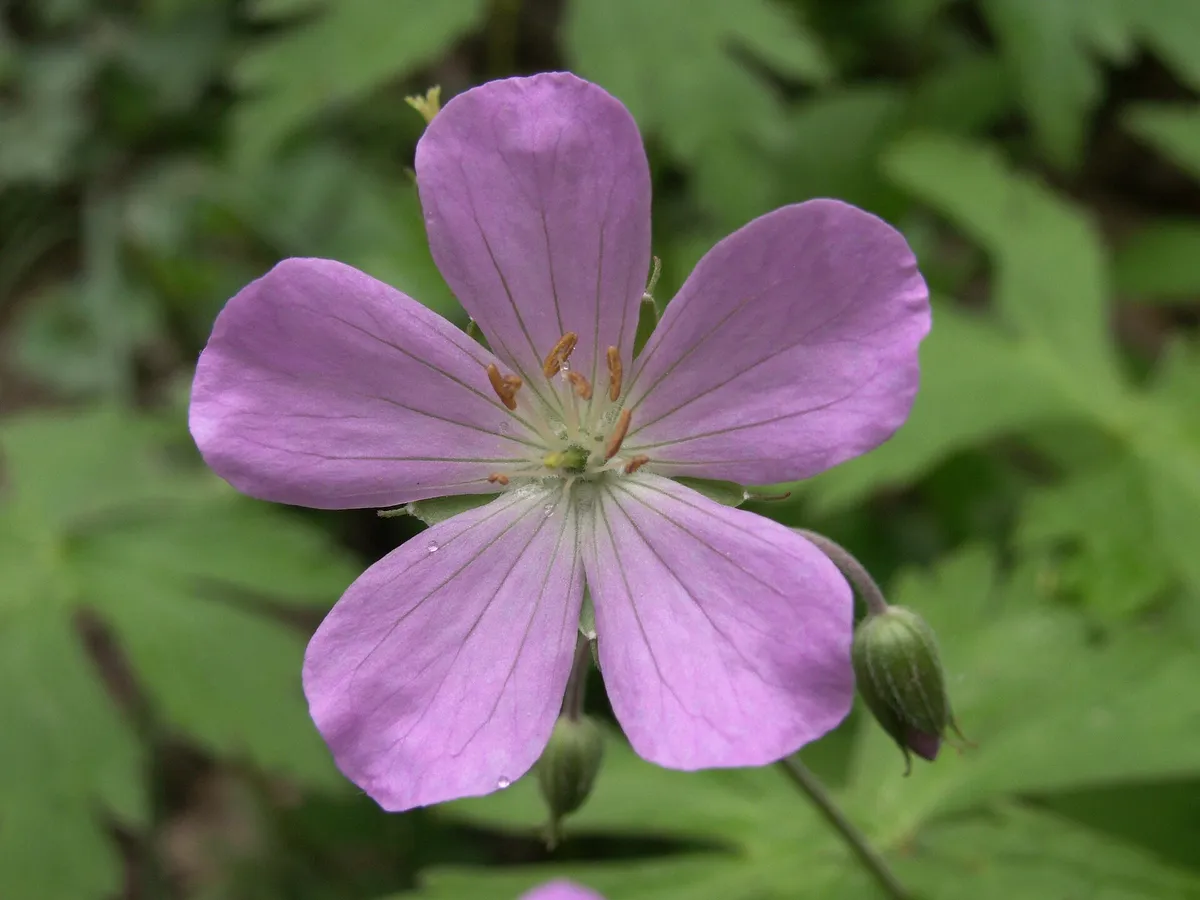
Spotted Geranium
Geranium maculatum
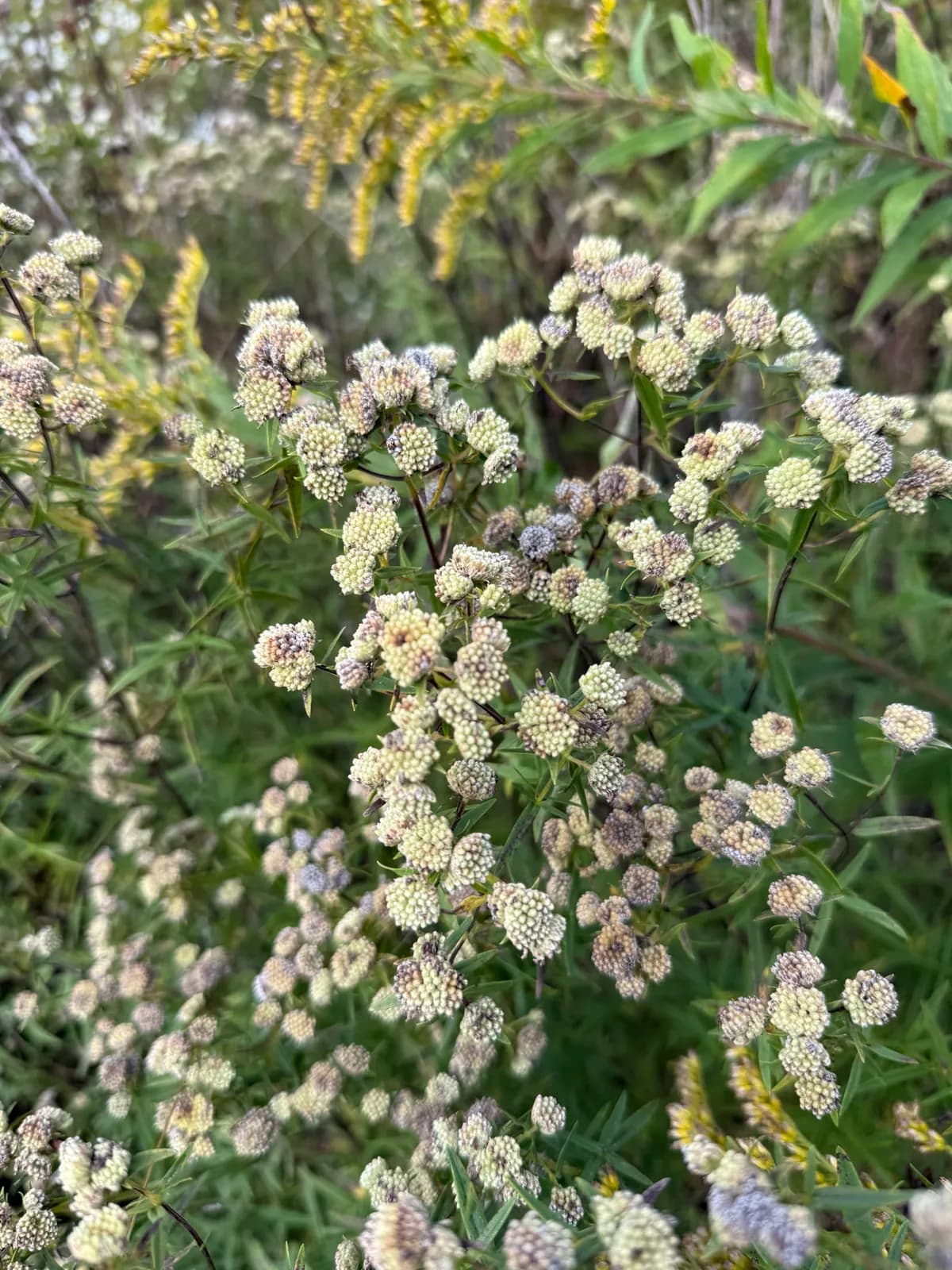
Virginia Mountain-Mint
Pycnanthemum virginianum
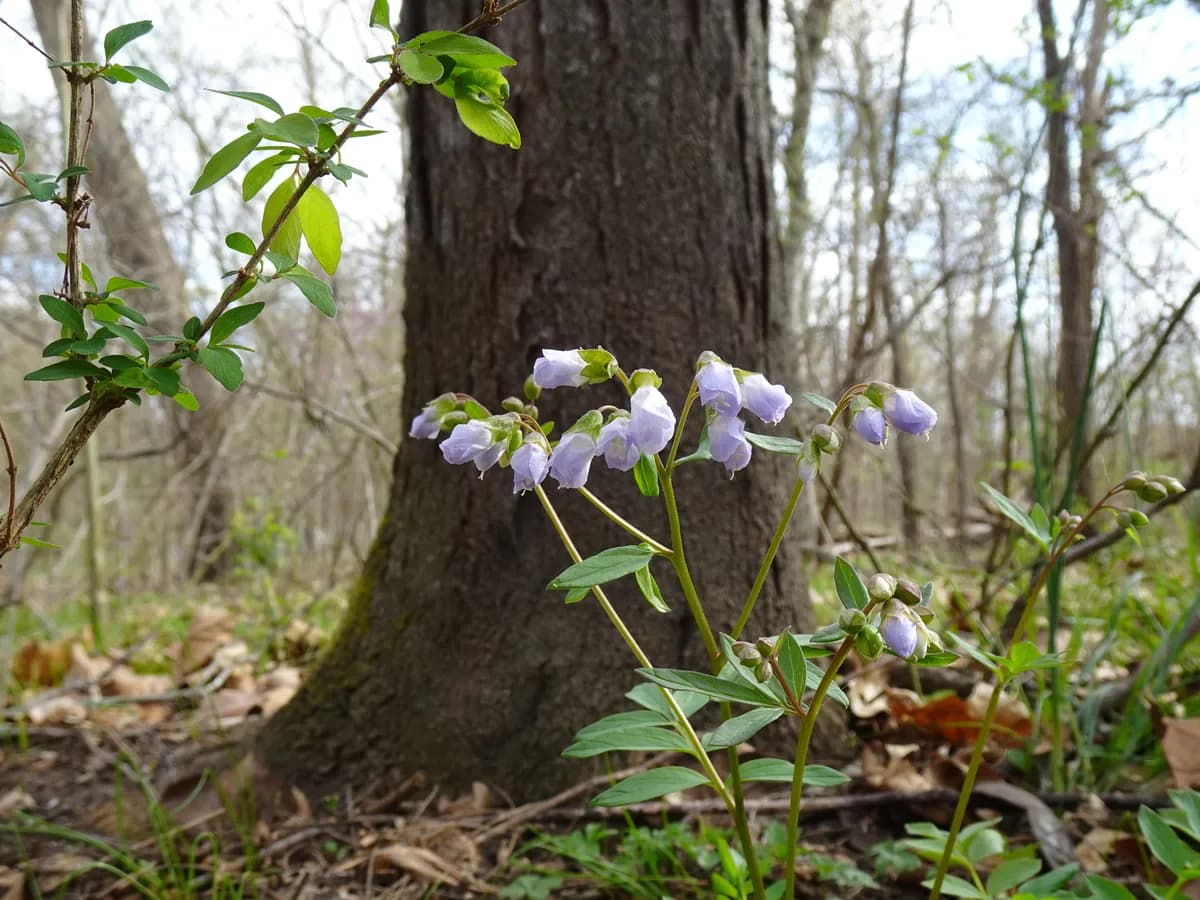
Creeping Polemonium
Polemonium reptans
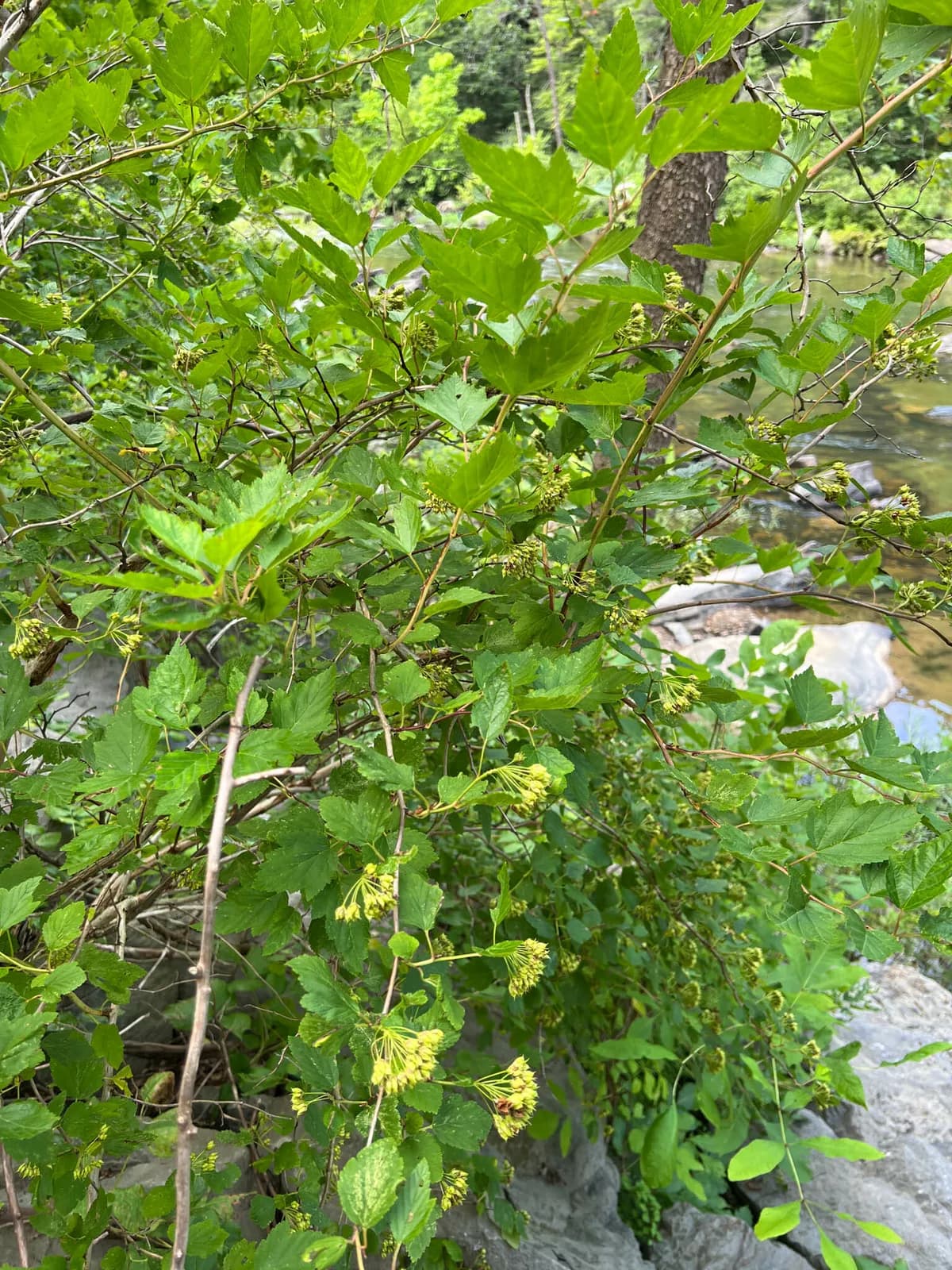
Ninebark
Physocarpus opulifolius
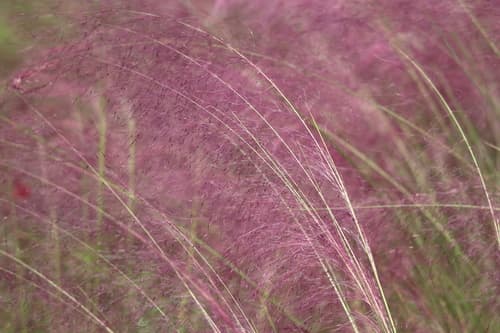
Gulf Muhly
Muhlenbergia capillaris
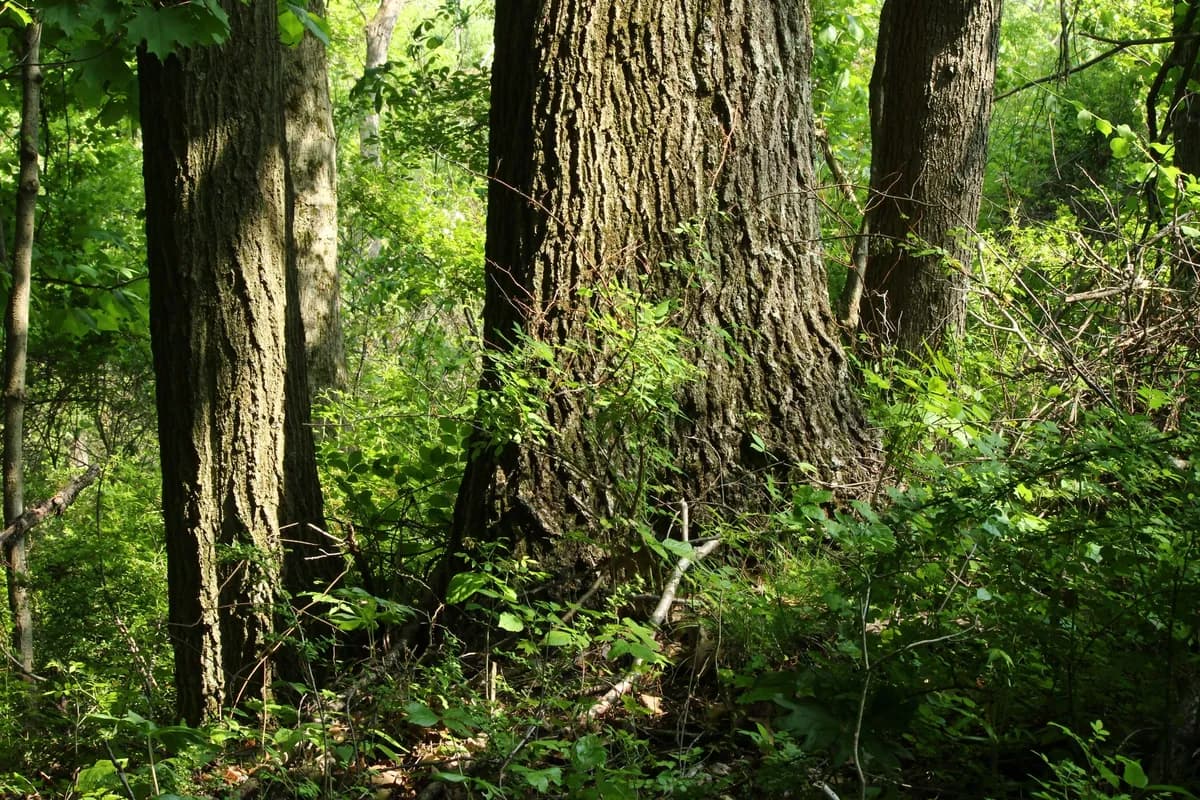
Northern Red Oak
Quercus rubra
Showing 48 of 1363. Enter your ZIP for the natives matched to your yard.
Fall care in the Northern Piedmont
What to do right now for plants commonly grown here. Each links to the full regional care guide for that species, with sources.
- Autumn sage
Fall is when autumn sage blooms best, and the right prep helps it face a Lancaster winter.
- Golden alexanders
Fall is the best time to sow seed and tidy up.
- Walters violet
Fall is an easy time to plant or divide, since cooler air and rain help roots settle.
- Heart leaf foamflower
Fall is a calm time to plant, divide, and let leaves feed the soil.
- Fire pink
Fall is a good time to plant, divide, and let seed settle in.
- Creeping polemonium
Fall is a low-stress time to tidy up and divide.
- Golden groundsel
Fall is easy. Water if it is dry and let the leaves be.
- Spotted beebalm
Fall is for seed and cleanup. Easy chores keep it healthy for next year.
- Whorled tickseed
Fall is easy. Enjoy the last blooms and wait to cut back until the plant dies down.
- Whitetinge sedge
Fall is a good, low-stress time to plant or divide, and the plant needs little else.
Build a plan for the Northern Piedmont
The Pollinator Patch App turns plants like these into a front-yard plan tuned for the soil, climate, and HOA expectations of the Lancaster area.