Switchgrass
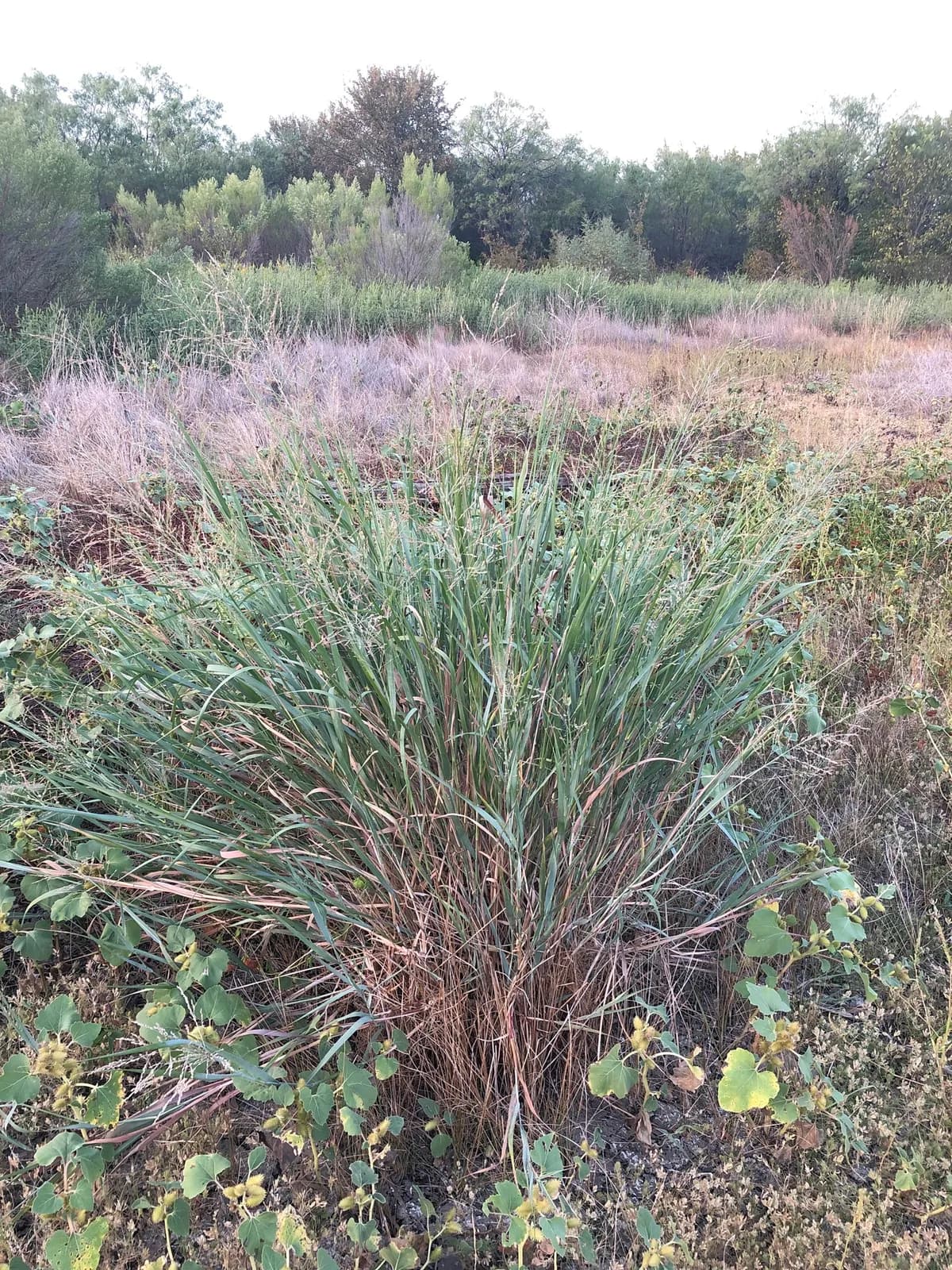
Panicum virgatum
Last reviewed: September 2026
Panicum virgatum is a warm season prairie grass that blooms from July through September and tolerates full sun with low water once established.
Toxicity unknown
Switchgrass (Panicum virgatum) is not listed by the ASPCA Animal Poison Control Center (opens in new tab) or the other sources we check, so we have no verdict for it either way. Absence from those lists is not a clearance. If your pet shows symptoms after eating any plant, call the ASPCA at (888) 426-4435.
The USDA PLANTS Database (opens in new tab) does not flag Switchgrass as toxic to livestock.
Light
full sun
Water
low
Size
24"–72" H × 18"–36" W
Bloom
Jul, Aug, Sep
Native to
AL, AR, AZ, CO and 40 more states
Pollinators
bees, beetles, moths
Deer
Resistant (per Prairie Moon Nursery)
Before you buy
Your city may pay you to plant this
Cities and water utilities offer rebates for replacing lawn with native and water-wise plants. We track 452 programs across 44 states, each with a link to the provider and the date we last checked it.
Find rebates in your areaBrowse plants for this ecoregion
Blackwell switch grass is an upright native grass that forms neat, fountain-like clumps with airy seed heads in summer and fall. This drought-tolerant perennial offers excellent four-season interest, turning golden-bronze in winter before being cut back in spring.
Growing Switchgrass
Grow Switchgrass in full sun and low water. Mature plants reach 24 to 72 inches tall and spread 18 to 36 inches wide. Expect low maintenance to keep it looking intentional in a front yard.
How to care for Switchgrass, by region
How to care for Switchgrass where it is actually grown: year-round basics plus what to do each season, region by region, with the sources for each.
Care guidance last updated: September 2026
Arizona/New Mexico Mountains (includes Prescott, AZ)
Year-round
Switchgrass is native to the Arizona/New Mexico Mountains around Prescott, documented in Yavapai County, and fits mid-elevation home landscapes here.
- This warm season bunchgrass grows 3 to 5 feet tall with airy seed heads by late summer.
- In this region it favors riparian corridors, drainages, and moister mountain meadow pockets rather than the driest chaparral slopes.
- It handles a range of soils but does best with some reliable moisture, especially while young.
- Full sun is best for a strong upright form at Prescott's elevation.
- It carries a high flammability rating once dormant, so keep it out of defensible space right against the house.
Fall
Fall brings mature seed heads and fall color to switchgrass around Prescott.
- Seed heads finish maturing and foliage takes on gold and tan tones as nights cool.
- Leave seed heads standing so birds and small mammals can feed through fall.
- Do not cut back now. The late winter or early spring window is the right time.
- Clear any built-up dry litter around the base as the plant dries down, since dormant stems are more flammable.
Standing seed heads in fall are normal for this plant, but keep the area around it clear of dry debris given local fire risk.
Winter
Switchgrass goes dormant over winter around Prescott and stands dry until the spring cutback.
- Stems stand through winter, providing cover for birds and small mammals.
- Dormant stems are dry and more flammable, so keep debris cleared near structures.
- Hold off on cutting back until late winter or very early spring, right before new growth begins.
- Snow at this elevation is usually light enough that the upright stems handle it fine.
Standing dry grass through winter is expected for this plant, but keep it clear of the home's defensible space zone.
Spring
Spring around Prescott is the cutback window for switchgrass before summer growth kicks in.
- Cut stems back to 4 to 6 inches above the ground before new growth emerges.
- New shoots usually wait until it warms up, so a bare clump into early spring is normal at this elevation.
- Divide a thinning clump now while it is still dormant or just breaking dormancy.
- Plan on occasional deep watering through spring if rain has been light.
Finish the cutback before new growth starts so dry winter stems do not linger into the region's dry spring fire season.
Summer
Summer monsoon rains around Prescott drive most of switchgrass's growth for the year.
- Growth ramps up with the summer monsoon, the main rainy season for this region.
- In a dry summer, supplemental watering keeps the plant from stalling since it is not built for full desert drought.
- It hosts skipper butterfly larvae and other insects that support nesting birds.
- No pruning needed. Let the plant grow and form seed heads through the season.
Sources: Arizona Grasses (azgrasses.org), county distribution index including Yavapai County, NC State Extension Gardener Plant Toolbox, Panicum virgatum (flammability rating), USDA NRCS Plant Guide, Switchgrass (Panicum virgatum)
Arizona/New Mexico Plateau (includes Flagstaff, AZ)
Year-round
Switchgrass is native to the Arizona/New Mexico Plateau around Flagstaff, documented in Coconino County, and works in higher-elevation home landscapes here.
- This is a warm season bunchgrass that grows 3 to 5 feet tall with airy seed heads by late summer.
- Around Flagstaff it turns up in grassy meadow and open ponderosa pine settings on the Colorado Plateau, not the driest desert scrub sites.
- It does best with some supplemental moisture at this elevation, especially while getting established, since natural stands here favor damper meadow pockets over dry uplands.
- Full sun works well at Flagstaff's elevation and clear skies.
- It is one of the more flammable ornamental grasses, so keep it out of any defensible space zone right against the house.
Fall
Fall brings switchgrass's seed heads and color around Flagstaff before the first hard freezes.
- Seed heads mature and foliage shifts to gold and tan as nights cool at this elevation.
- Leave the seed heads standing so birds and small mammals can feed through fall.
- Do not cut back now. Wait for the late winter or early spring window instead.
- Once dormant, the dried stems become more flammable, so keep fallen debris cleared from around the base.
Leaving seed heads through fall is normal for this plant and supports birds, but keep the surrounding area free of built-up dry litter given local fire risk.
Winter
Switchgrass goes fully dormant over the Flagstaff winter and stands as dry, flammable material until spring cutback.
- Stems stay standing through winter for wildlife cover, but they are dry and more flammable at this stage.
- Keep the dormant clump clear of built-up leaf litter or debris near structures over winter.
- Do not cut back yet. Wait until late winter or very early spring, right before new growth starts.
- Snow load at this elevation is usually not a problem for the stiff, upright stems.
Standing dry grass through winter is the normal look for this plant, but keep it away from home defensible space zones given local wildfire conditions.
Spring
Spring around Flagstaff is cutback time for switchgrass, before the summer rains bring on new growth.
- Cut old stems to 4 to 6 inches above the ground before new shoots emerge.
- New growth typically lags until temperatures warm up at this elevation, often later than lower desert areas.
- Divide crowded clumps now if the center has thinned.
- Plan on a deep watering or two through spring if rainfall has been light, since this elevation does not get reliable spring moisture every year.
Complete the cutback before new growth starts so the bed does not sit with matted, fire-prone dry stems into the dry spring season.
Summer
Summer monsoon rains around Flagstaff give switchgrass its main growth push.
- Growth picks up once the summer monsoon arrives, which is the natural rainy season for this part of the plateau.
- In a dry summer, plan on supplemental watering since this species is not adapted to full desert drought at this elevation.
- It supports skipper butterfly larvae and other insects that feed nesting birds through the season.
- No pruning needed. Let seed heads form as the plant matures through summer.
Sources: Arizona Grasses (azgrasses.org), county distribution index including Coconino County, NC State Extension Gardener Plant Toolbox, Panicum virgatum (flammability rating), USDA NRCS Plant Guide, Switchgrass (Panicum virgatum)
Arkansas Valley (includes McAlester, OK)
Year-round
The Arkansas Valley once held its own belt of tallgrass prairie east of the Ozarks and Ouachitas, and switchgrass was one of its defining grasses. It still fits the valley's mix of bottomland and upland sites around McAlester and Poteau, forming upright clumps that hold their shape through the seasons.
- Historically part of the Arkansas Valley prairie belt, including prairie remnants documented east of Fort Smith in this same ecoregion, per Arkansas Heritage records.
- Native, warm-season bunchgrass adapted to the valley's clay, loam, and seasonally wet lowland soils, per the Lady Bird Johnson Wildflower Center habitat notes.
- Grows 3 to 6 feet tall in a defined clump rather than spreading into surrounding beds.
- Handles both the valley's summer heat and its heavier bottomland soils without special amendments.
A clumping, upright form keeps this looking like intentional landscaping rather than an unmowed field.
Fall
Fall is switchgrass at its showiest, turning gold and burgundy as the Arkansas Valley cools down. Leave it standing through the season rather than cutting it back.
- Foliage shifts to gold, orange, and burgundy tones as nights cool, usually peaking in October.
- Leave dried stems standing through fall and winter for cold protection and seed cover, per Missouri Botanical Garden.
- Seed heads feed ground-feeding songbirds and game birds through fall.
- Standing foliage also serves as a larval host site for several skipper and satyr butterfly species, per the Lady Bird Johnson Wildflower Center.
Fall color reads as intentional seasonal interest, a useful point if a neighbor asks about the standing grass.
Winter
Winter dormancy is normal and expected for switchgrass here. The standing dried clump protects itself and feeds wildlife, so leave the cutting back for late winter.
- Leave the dried clump standing through winter for cold protection and wildlife cover, per Missouri Botanical Garden.
- Skip watering and fertilizing during dormancy.
- Wait until very late winter, right before spring green-up, to cut the clump back to 4 to 6 inches.
- The upright, tan winter form still reads as a deliberate planting rather than dead growth if the clump edge stays defined.
Spring
Switchgrass in the Arkansas Valley greens up later than most spring perennials, so don't be alarmed by a bare clump into April. This is the window to cut back last year's growth before new blades take over.
- Cut the dormant clump to 4 to 6 inches above ground in late winter or very early spring, before new blades appear, per Missouri Botanical Garden's care guide.
- New growth typically lags behind other spring perennials, often not visible until late April in this region.
- Divide clumps now if the center has thinned out, splitting the root mass with a sharp spade.
- Water newly planted clumps regularly through spring to help roots establish in valley soils before summer heat arrives.
Summer
Established switchgrass shrugs off Arkansas Valley summer heat, growing steadily upward with little care needed from you.
- Fully drought-tolerant once established, needing no supplemental watering through a typical valley summer.
- Seed heads emerge above the foliage on thin stalks by mid to late summer.
- First-year plantings need regular water through their first summer to build deep roots before facing heat on their own.
- Ground-feeding songbirds and game birds use the developing seed heads and surrounding cover, per the Lady Bird Johnson Wildflower Center.
Sources: Arkansas Heritage, Prairies, Glades, and Barrens: Rare Habitats for Rare Species, Lady Bird Johnson Wildflower Center, Panicum virgatum native distribution and habitat, Missouri Botanical Garden Plant Finder, Panicum virgatum maintenance
Atlantic Coastal Pine Barrens (includes Riverhead, NY)
Year-round
Switchgrass is native to the sandy dunes, pine barrens, and marsh edges around Riverhead on Long Island.
- It thrives in the sandy, well-drained soils typical of the Atlantic Coastal Pine Barrens.
- Full sun keeps clumps sturdy and upright. It thins in shade.
- It tolerates coastal wind and some salt spray better than many grasses.
- Cut back to about 6 inches in late winter before new growth starts.
Fall
Fall brings gold foliage and airy seed heads to switchgrass around Riverhead.
- Leaves turn yellow to orange as seed heads open into soft plumes that catch coastal breezes.
- Birds feed on the seed heads through fall migration.
- Leave the plant standing for winter interest rather than cutting back now.
The gold fall display gives the planting a clearly intentional, ornamental coastal look.
Winter
Switchgrass is dormant through the winter around Riverhead.
- Leave the tan stalks standing. They hold up well through coastal winter wind and shelter birds.
- No watering or care is needed while dormant.
- Cut back close to the ground in late winter, right before new growth starts.
A trimmed bed edge around the dormant clump keeps it looking cared for through winter.
Spring
Spring green-up is slow for switchgrass around Riverhead.
- Cut back last year's dead stalks before new blades emerge.
- It greens up later than cool-season lawn grass, which is normal.
- Divide clumps now if you want to expand the planting to a new spot.
Clearing old growth before new shoots appear keeps the bed looking tended in early spring.
Summer
Summer is the main growing season for switchgrass around Riverhead.
- It handles sandy soil and coastal summer heat well with little extra watering.
- Seed heads start forming by late summer.
- Skip fertilizer, since rich soil makes tall stems more likely to flop.
Sources: Go Botany, Panicum virgatum, Lady Bird Johnson Wildflower Center, Panicum virgatum
Blue Ridge (includes Gettysburg, PA)
Year-round
Switchgrass is native to meadows and open woodlands in the Blue Ridge around Gettysburg.
- It handles both dry rocky soil and moister valley soil common in this mountainous region.
- Full sun keeps clumps upright. It thins and leans in shade.
- Space plants 2 to 3 feet apart to allow room for slow rhizome spread.
- Cut back to about 6 inches in late winter before new growth starts.
Fall
Fall brings gold foliage and seed heads to switchgrass around Gettysburg.
- Leaves turn yellow to orange as seed heads open into a soft haze.
- Birds feed on the seed heads through fall migration.
- Leave it standing rather than cutting back now, it adds winter structure and bird food.
The gold fall color and upright seed heads read as an intentional ornamental grass planting.
Winter
Switchgrass is dormant through the winter in the Blue Ridge around Gettysburg.
- Leave dried stalks standing. They hold up under snow and shelter birds.
- No watering or care is needed while dormant.
- Cut back close to the ground in late winter, right before new growth starts.
A trimmed bed edge around the dormant clump keeps it looking cared for through winter.
Spring
Spring is a slow start for switchgrass in the Blue Ridge.
- Cut back last year's dead stalks before new blades come up.
- Cooler mountain spring temperatures can delay green-up.
- Divide clumps now if you want to spread the planting to a new spot.
Clearing old growth before new shoots appear keeps the bed from looking messy in early spring.
Summer
Summer is the main growing season for switchgrass in the Blue Ridge foothills.
- It grows steadily through summer with little need for extra watering once established.
- Seed heads begin forming by late summer.
- Skip fertilizer, which can make tall stems more prone to flopping.
Sources: North Carolina Extension Gardener Plant Toolbox, Panicum virgatum, Lady Bird Johnson Wildflower Center, Panicum virgatum
Boston Mountains (includes Fayetteville)
Year-round
Switchgrass is a tall native prairie-and-woodland-edge grass that grows well on the rocky, acidic Ozark soils of the Boston Mountains and gives you upright golden clumps that stand up through winter.
- Plant it in full sun to light shade on almost any Boston Mountains site, from a gravelly slope to a moister stream-bottom edge; it takes both dry and wet spells once it is rooted in.
- Give each clump room, since a mature plant can spread three feet wide and top out over five feet; a single clump anchors a corner better than a crowded row.
- It feeds pollinators and wildlife: switchgrass is a larval host for several skipper butterflies and the common wood-nymph, and songbirds eat the seed in fall and winter.
- It is not on the ASPCA toxic plant list for dogs or cats, but keep horses away from it because the leaves can cause liver damage and sun-sensitivity in horses and small ruminants.
Fall
Fall is the show season, when the airy seed heads and warm foliage color come in, so the main job is to leave it standing.
- Let the reddish seed heads and golden leaves stand; they hold color and feed seed-eating songbirds well into fall in the Boston Mountains.
- Do not cut it back yet; the standing clump gives winter cover for wildlife and reads as an intentional feature, not a chore left undone.
- If you want more plants, you can collect ripe seed now, though division in spring is the simpler way to make new clumps.
Leaving the seed heads up for winter interest can look untidy to some boards, so pair it with a clean edge and a mulched bed so the standing grass reads as an intentional design choice and stays HOA-friendly.
Winter
Through a real Ozark winter switchgrass goes dormant but stays standing, giving you upright straw-gold clumps and cover for birds.
- Leave the clumps up all winter; the stems hold their shape through cold and give sparrows and other birds shelter and leftover seed.
- No watering or feeding is needed while the plant is dormant; it is fully hardy to the Boston Mountains' zone 6b to 7a winters.
- Wait until late winter or early spring to cut it back rather than tidying it now, so you keep the winter structure and wildlife cover.
A standing clump of dormant grass can look messy to a strict board in winter, so a tidy bed edge and even spacing keep it reading as a deliberate winter silhouette and help avoid a violation letter.
Spring
Spring is when you cut the old growth down and get new clumps into the ground before summer heat.
- Cut last year's brown stems down to a few inches in late winter or early spring, before the new green shoots push up; switchgrass is a warm-season grass and leafs out later than cool-season lawns.
- This is the best window to plant or divide clumps; an axe splits a tough old crown better than a shovel does.
- Skip fertilizer on Ozark sites; switchgrass does fine on lean, rocky, acidic soil and rich feeding just makes it flop over later.
The spring cutback reads as intentional seasonal maintenance rather than a neglected clump, which helps a front-yard planting stay HOA-friendly and avoid a violation letter over dead-looking growth.
Summer
In summer switchgrass does most of its growing and mostly wants to be left alone through humid Ozark heat.
- Water new plantings through their first summer during dry stretches; established clumps handle Boston Mountains drought and periodic flooding on their own.
- Watch tall clumps for late-summer floppiness, especially in richer or shadier spots; a plant in full sun on lean soil stands straighter.
- Leave the foliage up for wildlife, since skipper caterpillars feed on the leaf blades during the growing season.
Sources: USDA PLANTS profile, Panicum virgatum (PAVI2), native across the eastern and central US including Arkansas, BONAP North American Plant Atlas, Panicum virgatum county map showing present statewide in Arkansas including the northwest Ozark counties, Lady Bird Johnson Wildflower Center, Panicum virgatum larval host for skippers and common wood-nymph, ASPCA Animal Poison Control Center plant database, switchgrass not listed as toxic to dogs or cats, University of Arkansas Cooperative Extension, Plant of the Week: Switchgrass, culture and division notes
Central Appalachians (includes Johnstown, PA)
Year-round
Switchgrass is native to open meadows and highland fields around Johnstown in the Central Appalachians.
- It handles both drier upland soil and moister valley soil found in this mountainous terrain.
- Full sun keeps clumps upright and dense. It thins out in shade.
- Space plants 2 to 3 feet apart to allow for slow spread by rhizomes.
- Cut back to about 6 inches in late winter before new growth starts.
Fall
Fall brings gold foliage and seed heads to switchgrass in the Central Appalachians.
- Leaves turn yellow to orange as seed heads open into a soft haze.
- Migrating birds feed on the seed heads through fall.
- Leave it standing rather than cutting back now, it adds winter interest and bird food.
The gold fall color and upright seed heads give the bed a clearly intentional look.
Winter
Switchgrass is dormant through the cold winters around Johnstown.
- Leave dried stalks standing. They hold up under snow and mountain wind.
- No care is needed while dormant.
- Cut back close to the ground in late winter, right before new growth starts.
A trimmed bed edge around the dormant clump keeps it looking maintained through winter.
Spring
Spring green-up is slow for switchgrass in the Central Appalachians.
- Cut back last year's dead stalks before new blades emerge.
- Cool mountain spring temperatures often delay green-up compared to lowland areas.
- Divide clumps now if you want to add plants elsewhere.
Removing old stalks before new growth appears keeps the planting looking tended.
Summer
Summer is the main growth period for switchgrass around Johnstown.
- It grows well through summer with little need for extra watering once established.
- Seed heads begin forming by late summer.
- Skip fertilizer, since rich soil makes tall stems more prone to flopping.
Sources: North Carolina Extension Gardener Plant Toolbox, Panicum virgatum, Lady Bird Johnson Wildflower Center, Panicum virgatum
Central Corn Belt Plains (includes Chicago)
Year-round
Switchgrass is a classic tallgrass prairie native that grows well across the Chicago area.
- It adapts to a wide range of soils, from sandy to clay loam, common in Corn Belt yards.
- Full sun keeps it upright and dense. It leans and thins in shady spots.
- Space plants 2 to 3 feet apart, since it slowly spreads by rhizomes over the years.
- Cut back to about 6 inches in late winter before new spring growth starts.
Fall
Fall is switchgrass's showiest season in the Chicago area, with gold color and seed heads.
- Foliage shifts from green to yellow-orange and the seed heads open into a soft haze.
- Birds feed on the seed heads through fall.
- Leave it standing rather than cutting back now, it feeds birds and adds winter structure.
The gold fall color and upright form read as an intentional ornamental grass, not overgrowth.
Winter
Switchgrass is fully dormant through Chicago-area winters.
- Leave the tan stalks standing. They are sturdy under snow and give birds shelter.
- No watering or care is needed during dormancy.
- Cut back close to the ground in late winter, right before new shoots start.
A clean-edged bed around the dormant clump helps it look planned rather than untended through winter.
Spring
Switchgrass is slow to break dormancy in spring around Chicago.
- Trim back last year's dead stalks before new blades emerge.
- It greens up later than cool-season lawn turf, which is expected for this species.
- Divide overgrown clumps now if you want to expand the planting.
Cutting back old stalks in early spring keeps the planting looking cared for while new growth fills in.
Summer
Summer is when switchgrass grows fastest around Chicago.
- It holds up well in hot, humid Midwest summers with little to no extra water.
- Seed heads begin to form by mid to late summer.
- Skip fertilizer. Extra richness causes stems to grow tall and flop.
Sources: Illinois Wildflowers, Switch Grass, Lady Bird Johnson Wildflower Center, Panicum virgatum
Central Great Plains (includes Oklahoma City, OK)
Year-round
Switchgrass is one of the Big Four grasses of the tallgrass prairie that once covered central Oklahoma, growing alongside big bluestem, little bluestem, and Indiangrass. It forms upright clumps of blue-green blades that turn gold and burgundy in fall, with airy seed heads that catch light and hold through winter. It handles clay, drought, and heat without complaint, which fits the Central Great Plains climate around Oklahoma City well.
- Native, warm-season bunchgrass historically dominant across the tallgrass prairie region that includes central Oklahoma, per the Lady Bird Johnson Wildflower Center native plant database.
- Tolerates clay, sand, and loam, and handles both dry upland sites and seasonally wet lowlands once established.
- Grows 3 to 6 feet tall with a clumping habit, so it reads as a defined planting rather than a spreading patch.
- Low maintenance once rooted in, needing no fertilizer or regular watering after the first growing season.
Its upright, clumping form and defined seasonal color reads as intentional landscaping rather than an unmowed patch, which helps with HOA-friendly curb appeal.
Fall
Fall is when switchgrass earns its keep visually, turning shades of gold, orange, and burgundy while the seed heads catch afternoon light. Leave it standing rather than cutting it back now.
- Foliage color shifts from blue-green to warm gold and burgundy tones as nights cool, typically peaking in October in Oklahoma.
- Do not cut the clump back in fall. Leaving the dried stems up through winter protects the crown from cold and holds seed for birds, per Missouri Botanical Garden.
- Seeds ripen and provide food for ground-feeding songbirds and game birds through fall and into winter.
- Standing stems also serve as a larval host site used by several skipper and satyr butterflies, per the Lady Bird Johnson Wildflower Center.
Fall color and the upright, unmoving form work as a seasonal landscape feature, not an eyesore, if a neighbor asks why it's still standing.
Winter
Winter is switchgrass's dormant season, and the dried stalks left standing are doing real work, not just sitting there looking untidy. Wait until late winter to do any cutting back.
- Leave the dried clump standing through winter. It provides cold protection for the crown and habitat cover, per Missouri Botanical Garden.
- No watering, fertilizing, or pruning needed during dormancy in an Oklahoma winter.
- If cutting back, wait until very late winter, just before new spring growth starts, not mid-winter.
- Dormant color fades to tan and buff, which still reads as a deliberate planting rather than dead growth if the clump form stays intact.
A tidy, upright dormant clump with a defined edge reads as intentional winter structure rather than neglect.
Spring
Switchgrass wakes up slowly in spring, well after most perennials, so give it patience before assuming it didn't survive winter. This is also the last chance to cut back last year's growth before new blades push through the old clump.
- Cut the old clump back to 4 to 6 inches above the ground in late winter or very early spring, before new green blades appear, per Missouri Botanical Garden's care guide.
- New growth is often the last thing to emerge in a spring garden bed, sometimes not showing color until late April or May in Oklahoma's climate.
- Divide overgrown clumps now if the center has started to die out, digging and splitting the root mass into sections with a sharp spade.
- Skip fertilizer. Established prairie grasses like switchgrass are adapted to lean soils and can flop or get floppy stems if overfed.
Summer
This is switchgrass at its most active, pushing up tall blades and flower stalks through Oklahoma summer heat with almost no help from you. Once it's past its first year, plan on doing very little besides watching it grow.
- Fully drought-tolerant once established, so no supplemental watering needed even during a typical Oklahoma City summer dry stretch.
- Airy seed heads begin to appear by mid to late summer, rising above the foliage on thin stalks.
- First-year plantings still need regular water to build a deep root system. Established clumps (year two and beyond) do not.
- Ground-feeding songbirds and game birds use the seed heads and surrounding cover, per the Lady Bird Johnson Wildflower Center.
Sources: Lady Bird Johnson Wildflower Center, Panicum virgatum native distribution and habitat, Missouri Botanical Garden Plant Finder, Panicum virgatum maintenance
Central Irregular Plains (includes Kansas City, MO)
Year-round
Switchgrass is one of the signature grasses of the tallgrass prairie that covered the Central Irregular Plains around Kansas City, at home in the heavy claypan soils there.
- Native to this prairie region. The Missouri Department of Conservation calls it a characteristic species of tallgrass prairie, which is the natural community of the Osage and claypan prairies west and south of Kansas City.
- It takes the heavy clay and claypan soils of this area in stride. The Lady Bird Johnson Wildflower Center lists clay and clay loam among its soils, and it handles ground that is soggy in spring then bakes hard in summer.
- Give it full sun. On open prairie it is a tall, upright bunchgrass, and shade makes it lean and flop.
- It tolerates both the wet and the dry swings of a claypan yard. USDA Forest Service notes it is a mesic grass that also stands spring flooding, which matches low prairie spots that pond after rain.
- Seedheads feed ground-feeding songbirds through winter and the clumps host Delaware Skipper and other banded skipper caterpillars per the Lady Bird Johnson Wildflower Center.
- Not on the ASPCA toxic plant list, so it is a low-worry choice around dogs and cats. It can cause liver damage and photosensitization in horses per USDA Agricultural Research Service research, so keep it out of horse pasture.
Fall
Fall turns switchgrass gold across the old prairie country near Kansas City, with seedheads glowing over the beds just as most plants fade.
- The foliage shifts to a warm yellow as nights cool, and the seedheads stand out in low autumn light for the plant's best-looking weeks.
- Leave the clump standing into winter. The seeds feed sparrows and finches and the stems shelter small birds per the Lady Bird Johnson Wildflower Center.
- Expect some self-sown seedlings in nearby open ground, which is normal prairie behavior. Pull the ones you do not want while small.
- Do not cut it back hard yet. The winter form and the bird food both depend on leaving the stems up.
A clean mowed edge or a low border around the planting keeps the tall fall grass reading as an intentional prairie bed rather than an overgrown corner, which heads off a violation letter.
Winter
Through a Kansas City winter switchgrass holds as tan upright cover over the prairie clay, feeding birds and adding structure until a late-winter cut.
- The dried clumps stay standing through most of winter, catching frost and snow and giving the bed shape when everything else is flat.
- Standing stems shelter juncos and sparrows and the leftover seed carries them through cold snaps per the Lady Bird Johnson Wildflower Center.
- Wait for late winter to cut down, right before new growth, so the cover and seed last as long as they can.
- Cut to a few inches above the crown with a clean flat cut so the heavy clay base stays tidy and spring blades come up even.
The late-winter cutback right before new growth is what keeps the planting reading as tended rather than abandoned, so the bed looks intentional heading into spring.
Spring
Spring around Kansas City is planting time for switchgrass, and it is a good moment to divide big clumps in the heavy prairie clay before summer heat sets in.
- Plant or sow in mid to late spring once the clay soil warms and dries enough to work. Cold wet clay in early spring rots young roots.
- This is the window to divide an overgrown clump. Slice it with a sharp spade and replant the pieces while the plant is just waking up.
- Cut down last year's dead stems before new blades appear, so the fresh growth comes up through clean ground.
- Water new divisions until they root, then stop. Established clumps handle the spring-wet, summer-dry clay on their own.
Cutting the old stems back in early spring resets the clump cleanly, so the bed reads as intentional and kept-up as the yard greens.
Summer
Summer is switchgrass at full stretch on the Central Irregular Plains, sending up tall stems that shrug off the hard, cracked claypan and the heat.
- Peak growth season. Full sun and heat drive the tall upright blades, with the airy reddish seedheads starting by late summer.
- No watering needed on established clumps. The deep roots reach moisture the claypan traps below the hard surface, so it stays green when turf browns.
- Do not fertilize. Prairie soil grows it lean and sturdy, and extra feeding makes the stems flop open in the middle.
- Leave it up. The summer growth turns into fall and winter cover and seed for prairie birds, so there is nothing to cut now.
Sources: Switchgrass field guide (Missouri Department of Conservation), Panicum virgatum, Native Plant Database (Lady Bird Johnson Wildflower Center), Panicum virgatum species review (USDA Forest Service Fire Effects Information System), Toxic and Non-Toxic Plants (ASPCA Animal Poison Control Center), Switchgrass (Panicum virgatum) toxicity in rodents, sheep, goats and horses, Stegelmeier et al. (USDA Agricultural Research Service)
Chihuahuan Deserts (includes El Paso)
Year-round
Switchgrass grows in the Trans-Pecos, but only in the moist draws, streambanks, and low spots where extra water collects, not out on the dry desert flats.
- This is a warm season bunchgrass native across most of North America including the Chihuahuan Deserts ecoregion, but the Native Plant Society of Texas notes it favors moist and seasonally damp ground, so in the Trans-Pecos look for it along arroyos, irrigation ditches, and low-lying areas rather than open desert (Native Plant Society of Texas, npsot.org).
- U.S. Forest Service fire ecology research describes switchgrass as a mesic species that is seldom found on dry uplands and has limited drought tolerance compared to grasses like little bluestem, which matters a lot in a region this arid (USDA Forest Service Fire Effects Information System, research.fs.usda.gov/feis).
- It is a larval host plant for the Delaware skipper and dotted skipper butterflies, and the seed heads feed ground foraging songbirds and game birds through fall and winter (Lady Bird Johnson Wildflower Center, wildflower.org).
- Switchgrass is not on the ASPCA's toxic plant list for dogs, cats, or horses.
Fall
Fall is when switchgrass earns its keep, turning gold and feeding songbirds right as the desert cools down.
- Seed heads mature August through November and are eaten by ground-feeding songbirds and game birds.
- Leave the seed heads standing. Cutting them back now removes a winter food source and the plant's own reseeding chance.
- Fall color runs yellow to orange, which reads as a deliberate accent planting rather than an overgrown patch.
Standing gold grass through fall reads as an intentional ornamental planting, not neglect.
Winter
Leave the dried stalks up all winter. They hold up well and keep sheltering birds through the cold.
- The dried blades and seed heads stand through winter and provide cover and nesting material for birds.
- Don't cut back until late winter or early spring, right before new growth starts.
- In the Trans-Pecos, winter is dry, and established clumps in low spots or along drainage lines generally survive on winter rainfall alone.
Spring
Cut switchgrass down before new growth starts so the fresh green blades aren't fighting through last year's dead stalks.
- Cut the whole clump back to 4 to 6 inches before new shoots emerge, usually by mid to late March in the El Paso area.
- New growth is slow to start in a dry spring. Give it a deep soak at planting or after cutback if there's been no rain, since this is a moisture-loving grass in an otherwise dry region.
- Established clumps in a moist draw or low spot generally don't need supplemental water once they green up.
A tidy early spring cutback keeps the bed looking intentional instead of leaving a mat of dead grass through early spring.
Summer
Switchgrass in the Trans-Pecos needs consistent moisture through summer heat, more than most plants recommended for this region.
- This is a mesic grass, meaning it prefers steady moisture, so in the Trans-Pecos it performs best with occasional deep watering during long dry stretches rather than being left to fend for itself like true desert natives.
- It tolerates heat well once established but will look ragged and stop growing if the soil dries out completely for extended periods.
- No deadheading needed. The seed heads are still forming and will be valuable to birds later in the season.
Sources: Panicum virgatum, Native Plant Society of Texas, Panicum virgatum, Fire Effects Information System, USDA Forest Service, Panicum virgatum (Switchgrass), Lady Bird Johnson Wildflower Center, ASPCA Toxic and Non-Toxic Plant List, Dogs, Switchgrass Plant Guide, USDA NRCS
Cross Timbers (includes Fort Worth)
Year-round
Switchgrass is a natural fit for Cross Timbers, at home in both the oak woodland edges and the tallgrass prairie openings around Fort Worth.
- Native to the Cross Timbers ecoregion, where it grows in both the sandy woodland soils and the tallgrass prairie remnants that make up this mosaic landscape (Native Plant Society of Texas, npsot.org).
- It grows on a wide variety of soil textures as long as moisture is adequate, which suits the mix of sandy and rocky Cross Timbers soils, and it tolerates the region's clay pockets and moderate spring flooding (USDA Forest Service Fire Effects Information System, research.fs.usda.gov/feis).
- It's a larval host plant for the Delaware skipper and dotted skipper butterflies, and the seed heads feed ground-feeding songbirds and game birds through fall and winter (Lady Bird Johnson Wildflower Center, wildflower.org).
- Switchgrass is not on the ASPCA's toxic plant list for dogs, cats, or horses.
Fall
Fall turns Cross Timbers switchgrass gold, and the ripening seed heads become a steady food source for songbirds.
- Seed heads mature August through November and are eaten by ground-feeding songbirds and game birds.
- Leave the seed heads up rather than cutting back now. Removing them cuts off a fall and winter food source.
- Fall color runs yellow to bronze, which pairs well with the oak canopy turning color at the same time in Cross Timbers landscapes.
Gold grass against turning oak leaves reads as a deliberate fall planting, not an unmowed corner.
Winter
Leave switchgrass standing through winter in Cross Timbers. The dried stalks hold their shape and keep feeding birds.
- Dried blades and seed heads provide winter cover and nesting material for birds through the coldest months.
- Hold off on cutting back until late winter, right before spring growth starts.
- Established clumps generally need no supplemental winter water in a normal North Texas winter.
Spring
Cut switchgrass back to a few inches in early spring before it greens up, so new growth isn't stuck pushing through old stalks.
- Cut clumps back to 4 to 6 inches in March, before new shoots emerge, which is typically earlier here than in the Panhandle or Trans-Pecos.
- Cross Timbers spring rains usually give the plant plenty of moisture to green up on its own, so extra watering is rarely needed.
- New clumps planted this spring should get regular water until roots are established, since this is a moisture-loving grass even though it tolerates Cross Timbers dry spells once mature.
A clean early spring cutback keeps the bed looking tended before the neighborhood's spring lawns green up.
Summer
Switchgrass handles Cross Timbers summer heat well once established, needing water mainly during extended dry stretches.
- Established plants tolerate summer heat and humidity swings typical of North Texas without much intervention.
- During long dry spells, an occasional deep watering keeps the clump from browning out early.
- No deadheading needed. Flower spikes are forming now and will mature into the fall seed display.
Sources: Panicum virgatum, Native Plant Society of Texas, Panicum virgatum, Fire Effects Information System, USDA Forest Service, Panicum virgatum (Switchgrass), Lady Bird Johnson Wildflower Center, ASPCA Toxic and Non-Toxic Plant List, Dogs, Switchgrass Plant Guide, USDA NRCS
Driftless Area (includes Galena, IL)
Year-round
Switchgrass is a tallgrass prairie native that grows well in the rolling, unglaciated terrain around Galena.
- It grows in both dry, sandy prairie remnants and moister streambank soil in this region.
- Plant in full sun. It gets weak and floppy in shade.
- Space plants 2 to 3 feet apart. It spreads slowly by rhizomes and fills in over a few seasons.
- Cut clumps back to about 6 inches in late winter before spring growth starts.
Fall
Fall brings the classic prairie look to switchgrass in the Driftless Area, with gold foliage and airy seed heads.
- Foliage turns yellow to orange and the seed heads take on a golden haze.
- Birds feed on the seed through fall migration.
- Leave it standing. Do not cut back now, it provides winter structure and food.
The gold fall color and upright seed heads read as an intentional ornamental grass planting.
Winter
Switchgrass stays dormant through cold Driftless Area winters, standing tan against the snow.
- Leave the dried stalks up. They hold their shape through snow and wind and shelter birds.
- No care is needed while it is dormant.
- Cut back to about 6 inches in late winter, before new growth begins.
Standing tan grass through winter is normal prairie-style upkeep, not neglect, especially with a trimmed edge.
Spring
Spring growth starts late for switchgrass in the Driftless Area.
- Cut back last year's stalks to about 6 inches before new blades come up.
- It is one of the last prairie grasses to green up, so give it time before assuming a problem.
- This is the best time to divide clumps if you want more plants elsewhere.
Cutting back old growth in early spring before new shoots appear keeps the bed from looking neglected.
Summer
Summer heat drives fast growth for switchgrass in the Driftless Area.
- It handles hot, humid Midwest summers well and rarely needs supplemental water once established.
- Seed heads begin forming in mid to late summer.
- Tall stems can flop in very rich soil or after heavy rain. Avoid extra fertilizer.
Sources: Illinois Wildflowers, Switch Grass, Lady Bird Johnson Wildflower Center, Panicum virgatum
East Central Texas Plains (includes College Station)
Year-round
Switchgrass is fully at home in the East Central Texas Plains, thriving in the sandy soils and prairie openings around College Station.
- Native to the East Central Texas Plains, also known as the Post Oak Savanna ecoregion, per the Native Plant Society of Texas ecoregion listing (Native Plant Society of Texas, npsot.org).
- It grows well in the sandy, acidic soils typical of this region and tolerates moderate soil acidity down to pH 4.5, plus occasional spring flooding common in Post Oak Savanna bottomlands (USDA Forest Service Fire Effects Information System, research.fs.usda.gov/feis).
- It's a larval host plant for the Delaware skipper and dotted skipper butterflies, and its seed heads are an important fall and winter food source for ground-feeding songbirds and game birds (Lady Bird Johnson Wildflower Center, wildflower.org).
- Switchgrass is not on the ASPCA's toxic plant list for dogs, cats, or horses.
Fall
Fall brings switchgrass's gold color and ripening seed heads, a steady food source for songbirds through the Post Oak Savanna.
- Seed heads mature August through November and are eaten by ground-feeding songbirds and game birds.
- Leave seed heads standing rather than cutting back now, so birds can use them through fall.
- Fall color runs yellow to bronze against the oak woodland backdrop typical of this ecoregion.
Standing gold grass against turning oaks reads as an intentional fall planting.
Winter
Leave switchgrass standing through the mild Post Oak Savanna winter. The dried stalks keep sheltering birds until spring.
- Dried blades and seed heads provide winter cover and nesting material for birds.
- Wait until late winter to cut back, right before new growth starts.
- Established clumps typically need no supplemental winter water given normal regional rainfall.
Spring
Cut switchgrass back in early spring before new blades start pushing through, right as Post Oak Savanna soils warm up.
- Cut clumps back to 4 to 6 inches in March, before new growth emerges.
- This region's regular spring rainfall usually keeps clumps well watered without extra help.
- New plantings should get consistent water while roots establish in the sandy Post Oak Savanna soils, which drain fast.
An early spring cutback ahead of green-up keeps the bed looking maintained.
Summer
Switchgrass handles the humid East Central Texas summer well once established, needing water only in extended dry spells.
- Established clumps tolerate the region's summer heat and humidity without much fuss.
- During prolonged dry stretches, a deep watering keeps growth steady, since the sandy soils here drain quickly.
- No deadheading needed in summer. Flower spikes are still developing toward their fall bloom.
Sources: Panicum virgatum, Native Plant Society of Texas, Panicum virgatum, Fire Effects Information System, USDA Forest Service, Panicum virgatum (Switchgrass), Lady Bird Johnson Wildflower Center, ASPCA Toxic and Non-Toxic Plant List, Dogs, Switchgrass Plant Guide, USDA NRCS
Eastern Corn Belt Plains (includes Columbus)
Year-round
Switchgrass is a native tallgrass prairie grass that grows well across the Eastern Corn Belt around Columbus.
- It grows in a wide range of soils, from dry upland spots to moister low areas.
- Plant in full sun for the sturdiest form. It thins and flops in shade.
- Space plants 2 to 3 feet apart. It spreads slowly by rhizomes over a few seasons.
- Cut back to about 6 inches in late winter before new growth starts.
Fall
Fall brings gold color and airy seed heads to switchgrass around Columbus.
- Leaves turn yellow to orange and seed heads open into a soft plume.
- Birds feed on the seed heads through fall.
- Leave the plant standing rather than cutting back, it adds winter interest and bird food.
The gold fall display reads as an intentional ornamental grass planting.
Winter
Switchgrass goes fully dormant through Ohio winters.
- Leave the tan stalks standing through winter. They hold up under snow and shelter birds.
- No care is needed while dormant.
- Cut back close to the ground in late winter, before new growth starts.
A trimmed bed edge around the dormant clump keeps it looking maintained through winter.
Spring
Spring growth starts late for switchgrass around Columbus.
- Cut back last year's dead stalks before new blades appear.
- It is one of the later prairie grasses to green up, so be patient.
- This is a good time to divide clumps if you want to add plants elsewhere.
Removing old stalks before new shoots emerge keeps the bed from looking messy in early spring.
Summer
Summer heat is when switchgrass grows fastest around Columbus.
- It handles hot, humid Ohio summers well and rarely needs extra watering once established.
- Seed heads start forming by mid to late summer.
- Avoid rich soil or fertilizer, which can make tall stems flop.
Sources: North Carolina Extension Gardener Plant Toolbox, Panicum virgatum, Lady Bird Johnson Wildflower Center, Panicum virgatum
Eastern Great Lakes Lowlands (includes Rochester, NY)
Year-round
Switchgrass is native to the lake-plain meadows and wetland edges around Rochester.
- It handles the heavier, sometimes poorly drained soils common in the Eastern Great Lakes lowlands.
- Full sun keeps clumps upright. It thins and flops in shade.
- Space plants 2 to 3 feet apart to allow for slow rhizome spread.
- Cut back to about 6 inches in late winter before new growth starts.
Fall
Fall brings gold color and seed heads to switchgrass around Rochester before lake-effect winter sets in.
- Foliage turns yellow to orange and seed heads open into airy plumes.
- Birds feed on the seed heads during fall migration.
- Leave it standing through fall rather than cutting back, it holds up well into winter.
The gold fall seed heads give the bed a clearly intentional, ornamental look.
Winter
Switchgrass is dormant through Rochester's snowy, lake-effect winters.
- Leave dried stalks standing. They are sturdy enough to hold up under heavy lake-effect snow.
- No care is needed while dormant.
- Cut back close to the ground in late winter, right before new growth starts.
A tidy cut edge around the dormant clump helps it read as maintained through the snowy months.
Spring
Spring green-up is slow for switchgrass around Rochester.
- Cut back last year's dead stalks before new blades appear.
- Lake-effect cold in early spring can delay green-up further than inland areas.
- Divide clumps now if you want to start new plantings.
Clearing old growth in early spring keeps the bed from looking messy before new shoots fill in.
Summer
Summer is the main growth period for switchgrass around Rochester.
- It grows steadily through summer with little need for extra watering once established.
- Seed heads begin forming by late summer.
- Avoid fertilizer, which can make stems grow tall and flop over.
Sources: Go Botany, Panicum virgatum, Lady Bird Johnson Wildflower Center, Panicum virgatum
Edwards Plateau (includes San Antonio)
Year-round
Switchgrass is a tall, tough native for the Edwards Plateau, at home in the Hill Country's limestone soils and dry to moist drainages alike.
- Plant in full sun. It grows in thin, rocky limestone soils as well as the region's spring-fed drainages and seep wetlands, and is documented as a dominant grass in Hill Country grassland and prairie associations including Kerr County (Native Plant Society of Texas; J. Bot. Res. Inst. Texas flora survey of Kerr WMA).
- Space clumps 2 to 3 feet apart for airflow. Skip rich soil and fertilizer; both cause the tall stems to flop, and thin caliche soil is closer to what it grows in naturally here (North Carolina Extension Gardener Plant Toolbox).
- It is a host plant for the tawny-edged and Delaware skipper butterflies and provides winter seed and cover for birds.
- Switchgrass is not on the ASPCA toxic plant list for dogs and cats. Note for anyone with grazing horses: eaten in large hay quantities, switchgrass has been linked to photosensitization in horses and livestock, a separate concern from ordinary ornamental garden use (peer-reviewed veterinary toxicology research).
Fall
Airy seed heads appear above the foliage, and the blades often turn gold or burgundy.
- Leave the seed heads standing. They add movement and feed birds through winter.
- No cutting back now. Save that for late winter, just before new growth.
- No watering or feeding needed.
The upright seed heads and fall color read as an intentional ornamental grass, especially against a mowed lawn edge.
Winter
The tall stems and seed heads carry winter structure and feed birds. Leave it standing.
- The dried stems and seed heads provide winter interest and shelter for birds and insects.
- Wait to cut back until late winter, just before new growth begins.
- Established plants are cold hardy here and need no protection.
A standing clump of tall grass reads as a deliberate ornamental choice through winter, not a neglected yard.
Spring
The one job of the year: cut the clump to the ground before new growth starts.
- Cut the old foliage back to the ground in late winter or early spring, before new shoots emerge (Wilson Bros Gardens).
- New blue-green blades come up quickly once the Hill Country warms.
- No fertilizer needed. Lean limestone soil is close to what it grows in naturally, and extra nitrogen is what causes flopping later.
The single spring cutback is what keeps a tall grass clump reading as a tended ornamental planting rather than an overgrown patch.
Summer
Tall, upright growth through the heat. Lean limestone soil and good spacing keep it from flopping.
- Established plants are drought tolerant and need little to no supplemental water through a Hill Country summer.
- Skip fertilizer. Rich soil and overwatering are the two biggest causes of lodging in switchgrass (Wilson Bros Gardens).
- Give it room. Crowding blocks airflow and encourages the stems to flop over each other.
Keeping the clump lean and well-spaced is the main thing standing between a crisp upright grass and a floppy mess by late summer.
Sources: Native Plant Society of Texas, Panicum virgatum, Singhurst et al., The Vascular Flora of Kerr Wildlife Management Area (J. Bot. Res. Inst. Texas), North Carolina Extension Gardener Plant Toolbox, Panicum virgatum, ASPCA Animal Poison Control Center, Toxic and Non-Toxic Plants, Stegelmeier et al., Switchgrass toxicity in rodents, sheep, goats and horses, Wilson Bros Gardens, Planting & Caring for Panicum Switch Grass (community tip)
Erie Drift Plain (includes Buffalo)
Year-round
Switchgrass is native to the lake-plain prairies and open meadows around Buffalo.
- It tolerates the heavier clay soils common in the Erie Drift Plain, as well as sandier spots.
- Plant in full sun for a sturdy, upright form. It thins out in shade.
- Space plants 2 to 3 feet apart to allow room for slow rhizome spread.
- Cut back to about 6 inches in late winter before new growth begins.
Fall
Fall brings gold color and seed heads to switchgrass around Buffalo before lake-effect winter sets in.
- Foliage turns yellow to orange and seed heads open into airy plumes.
- Birds feed on the seed heads during fall migration.
- Leave it standing through fall rather than cutting back, it holds up well into winter.
The gold fall seed heads give the bed a clearly intentional, ornamental look.
Winter
Switchgrass is dormant through Buffalo's snowy, lake-effect winters.
- Leave dried stalks standing. They are sturdy enough to hold up under heavy lake-effect snow.
- No care is needed while dormant.
- Cut back close to the ground in late winter, right before new growth starts.
A tidy cut edge around the dormant clump helps it read as maintained through the snowy months.
Spring
Spring green-up is slow for switchgrass around Buffalo.
- Cut back last year's dead stalks before new blades appear.
- Lake-effect cold can delay green-up further than inland areas, so be patient.
- Divide clumps now if you want to start new plantings in another spot.
Clearing old growth in early spring keeps the bed from looking messy before new shoots fill in.
Summer
Summer is the main growth period for switchgrass around Buffalo.
- It grows steadily through summer with little need for extra watering once established.
- Seed heads begin forming by late summer.
- Avoid fertilizer, which can make stems grow tall and flop over.
Sources: Go Botany, Panicum virgatum, Lady Bird Johnson Wildflower Center, Panicum virgatum
Flint Hills (includes Manhattan)
Year-round
Switchgrass is one of the four signature tallgrasses of the Flint Hills prairie, so it belongs in a full-sun native yard around Manhattan.
- Give it full sun and almost any soil. It handles the thin, rocky limestone uplands of the Flint Hills but grows tallest and fullest in the moister swales and low spots where water collects.
- Very drought tolerant once its deep roots are set, so no watering is needed in a normal Kansas summer. Water only during a first-year dry spell.
- It is a warm-season grass that greens up late in spring, blooms in August and September, and holds an upright tan silhouette all winter for cover and seed.
- Birds eat the seed and shelter in the clump, and it is a larval host for several skipper butterflies, so it earns its space for wildlife.
Fall
In fall switchgrass turns golden and sets seed, and the best move is to leave it standing.
- Foliage shifts to warm yellow and tan in fall, then holds that color through winter, so there is no reason to cut it down now.
- Let the seed heads stand. Birds work them through fall and into winter for food, and the standing clump gives cover.
- Switchgrass reseeds and slowly widens by rhizomes, so if you want to limit spread, clip and remove the seed heads before they drop in a small yard.
- Skip fall fertilizing. On Flint Hills soils this prairie grass needs none, and feeding just makes it flop.
Standing gold grass with tidy edges reads as a deliberate fall feature rather than neglect, which keeps it HOA-friendly even after everything else has been cut back.
Winter
Through a Flint Hills winter switchgrass stands tall and tan, holding structure while the prairie sleeps.
- Leave the whole plant standing all winter. The upright dormant clump adds structure, catches snow, and shelters birds and beneficial insects.
- Plan to cut it back at the very end of winter, once you can see spring is near, not now. Cutting too early gives you months of bare ground.
- The dried foliage is not on the ASPCA toxic plant list for dogs and cats, so a curious pet nibbling a blade is not a poisoning worry.
- Horse and livestock owners should note switchgrass can cause photosensitization and liver injury in horses, sheep, and goats per the USDA Agricultural Research Service, so keep grazing animals off it.
A row of erect tan switchgrass looks like an intended winter accent, so a quick edge trim keeps it looking planned and avoids a tidiness complaint.
Spring
Spring is when you cut old switchgrass to the ground and let it green up with the warming prairie.
- Cut the whole clump back to about four to six inches in late winter or very early spring, before new green shoots start, usually late February into March around Manhattan.
- This is the same timing prescribed burns run on the Flint Hills prairie. If burning is not an option in your yard, a hard cutback does the same job of clearing last year's growth.
- Do not expect green until late spring. Switchgrass is a warm-season grass and stays dormant while cool-season plants are already up.
- Leave the roots undisturbed. The deep root system that survives fire and drought is already in place and needs no dividing most years.
A clean, low spring cutback reads as intentional yard care and avoids a violation letter over standing dead grass once neighbors are tidying up for the season.
Summer
Summer is switchgrass's growing and blooming season, and it mostly takes care of itself.
- No watering needed in a normal Flint Hills summer once the plant is established. Its roots reach far down for moisture that shallow-rooted plants cannot.
- Airy seed heads open in August and stand well above the leaves, giving the clump its full height by late summer.
- Skipper butterfly caterpillars feed on the leaves through summer, so expect some chewed blades and leave them be.
- In a rich, low, moist spot a tall variety can flop. Give it a little more sun and lean soil, or pick a stiffer named type, to keep it upright.
Sources: NPS, Flint Hills Tallgrasses (switchgrass is one of the four dominant grasses), Kansas Wildflowers and Grasses, Switchgrass, native throughout Kansas prairies, K-State, Panicum virgatum ornamental grass care, US Forest Service FEIS, Panicum virgatum (habitat, warm-season growth, wildlife), ASPCA Animal Poison Control, Panicum virgatum not listed as toxic to dogs or cats, USDA Agricultural Research Service, poisonous plant research on switchgrass photosensitization in livestock
High Plains (includes Lubbock)
Year-round
Switchgrass is a true High Plains native, common in the mixed grass prairies around Lubbock and tough enough for caliche and clay soils.
- Native across the High Plains ecoregion, including the Southwestern Tablelands subregion around Lubbock and the Panhandle (Native Plant Society of Texas, npsot.org).
- It grows on a wide variety of soil textures as long as moisture is adequate, and tolerates moderate salinity and the alkaline, clay heavy soils common on the Llano Estacado (USDA Forest Service Fire Effects Information System, research.fs.usda.gov/feis).
- It's a larval host plant for the Delaware skipper and dotted skipper butterflies, and its seed heads are an important fall and winter food source for ground-feeding songbirds and game birds like quail (Lady Bird Johnson Wildflower Center, wildflower.org).
- Switchgrass is not on the ASPCA's toxic plant list for dogs, cats, or horses.
Fall
Switchgrass turns gold across the High Plains in fall and the ripening seed heads bring in quail and songbirds.
- Seed heads mature August through November and feed ground-feeding songbirds and game birds, including quail common to the region.
- Leave seed heads standing rather than cutting the clump back now. Birds rely on that food through fall.
- Fall color shifts from green to gold and orange, giving the bed real seasonal interest through the Panhandle's first cool snaps.
Gold fall color on standing grass reads as an intentional prairie planting, not an unmowed lot.
Winter
Leave switchgrass standing through the High Plains winter. The dried stalks handle wind and cold fine and shelter birds.
- Dried blades and seed heads provide winter cover and nesting material for birds and stand up well to Panhandle wind.
- Wait to cut back until late winter, right before spring green-up starts.
- No winter watering is typically needed for established clumps once dormant.
Spring
Cut switchgrass back hard in early spring before the caliche soil warms up and new blades start pushing through.
- Cut clumps down to 4 to 6 inches before new growth starts, typically late March to early April on the High Plains.
- New shoots are slow to appear if a late freeze hits. That's normal for this region and not a sign of a dead plant.
- A slow deep soak after cutback helps if spring has been dry, since switchgrass needs more consistent moisture than shortgrass prairie natives.
An early spring cutback before green-up keeps the planting looking maintained instead of like an abandoned lot.
Summer
Once established, switchgrass shrugs off Panhandle summer heat and wind, though it wants water during the driest stretches.
- Established clumps handle High Plains heat and wind well and need little supplemental water in a normal summer.
- During extended dry spells with no rain, an occasional deep watering keeps the grass from going dormant early.
- No deadheading is needed in summer. Flower spikes are just starting to form and will finish in fall.
Sources: Panicum virgatum, Native Plant Society of Texas, Panicum virgatum, Fire Effects Information System, USDA Forest Service, Panicum virgatum (Switchgrass), Lady Bird Johnson Wildflower Center, ASPCA Toxic and Non-Toxic Plant List, Dogs, Switchgrass Plant Guide, USDA NRCS
Huron/Erie Lake Plains (includes Toledo)
Year-round
Switchgrass is native to the wet prairies and lake-plain soils around Toledo.
- It tolerates the heavier, poorly drained clay soils common in the Huron/Erie Lake Plains.
- Full sun keeps clumps upright. Shade makes them thin and floppy.
- Space plants 2 to 3 feet apart. It spreads slowly by rhizomes over time.
- Cut back to about 6 inches in late winter before spring growth starts.
Fall
Fall color and seed heads make switchgrass stand out around Toledo.
- Foliage turns gold to orange as seed heads open into airy plumes.
- Birds visit through fall to feed on the seed.
- Leave the plant standing for winter interest and bird food rather than cutting back now.
Gold fall seed heads give the planting a clearly intentional, ornamental look.
Winter
Switchgrass is dormant through the cold winters around Toledo and the lake plain.
- Leave dried stalks standing. They hold up under snow and lake-effect wind.
- No care needed while dormant.
- Cut back close to the ground in late winter, right before new growth appears.
A tidy bed edge around the dormant clump helps it read as maintained through the winter months.
Spring
Spring green-up is slow for switchgrass around Toledo.
- Cut back last year's stalks before new shoots come up.
- It is normal for it to lag behind cool-season lawn grass in spring.
- Divide clumps now if you want to start new plantings elsewhere.
Clearing old dead growth in early spring avoids a messy look before new blades fill in.
Summer
Summer is switchgrass's main growth period around Toledo.
- It tolerates both wet clay soil and drier spells through the growing season.
- Seed heads start forming by mid to late summer.
- Skip fertilizer, since rich soil makes tall stems more likely to flop.
Sources: North Carolina Extension Gardener Plant Toolbox, Panicum virgatum, Lady Bird Johnson Wildflower Center, Panicum virgatum
Interior Plateau (includes Cincinnati)
Year-round
Switchgrass is native to open prairies and river bluffs across the Interior Plateau around Cincinnati.
- It grows in a range of soils, from limestone-based upland to richer bottomland.
- Full sun keeps it sturdy and upright. It thins and leans in shade.
- Space plants 2 to 3 feet apart to allow for slow spread by rhizomes.
- Cut back to about 6 inches in late winter before new growth starts.
Fall
Fall brings gold foliage and airy seed heads to switchgrass around Cincinnati.
- Leaves turn yellow to orange as seed heads open into soft plumes.
- Birds feed on the seed heads through fall.
- Leave the plant standing rather than cutting back now, it adds winter structure.
The gold fall display gives the bed a clearly intentional, ornamental look.
Winter
Switchgrass is dormant through the winter around Cincinnati.
- Leave the tan stalks standing. They hold up under snow and shelter birds.
- No care is needed while dormant.
- Cut back close to the ground in late winter, before new growth starts.
A trimmed bed edge around the dormant clump keeps it looking maintained through winter.
Spring
Spring green-up is slow for switchgrass around Cincinnati.
- Cut back last year's dead stalks before new blades emerge.
- It is normal for it to green up later than cool-season lawn grass.
- Divide clumps now if you want to add plants to another part of the yard.
Clearing old growth in early spring before new shoots appear keeps the bed looking tended.
Summer
Summer is peak growth season for switchgrass around Cincinnati.
- It grows well through hot, humid summers with little to no extra watering.
- Seed heads start forming by mid to late summer.
- Avoid fertilizer, since rich soil makes tall stems more likely to flop.
Sources: North Carolina Extension Gardener Plant Toolbox, Panicum virgatum, Lady Bird Johnson Wildflower Center, Panicum virgatum
Interior River Valleys and Hills (includes Peoria, IL)
Year-round
Switchgrass is a classic tallgrass prairie native across the river valleys and hills around Peoria.
- It grows well in the bottomland and upland soils common to river valley terrain.
- Full sun keeps it upright and dense. It thins and flops in shade.
- Space plants 2 to 3 feet apart to allow for slow rhizome spread.
- Cut back to about 6 inches in late winter before new growth starts.
Fall
Fall is switchgrass's showiest season around Peoria, with gold color and seed heads.
- Foliage shifts from green to yellow-orange as seed heads open into a soft haze.
- Birds feed on the seed heads through fall.
- Leave it standing rather than cutting back now, it feeds birds and adds winter structure.
The gold fall color and upright form read as an intentional ornamental grass, not overgrowth.
Winter
Switchgrass is fully dormant through winter in the river valleys around Peoria.
- Leave the tan stalks standing. They are sturdy under snow and give birds shelter.
- No watering or care is needed during dormancy.
- Cut back close to the ground in late winter, right before new shoots start.
A clean-edged bed around the dormant clump helps it look planned rather than untended through winter.
Spring
Spring growth starts late for switchgrass around Peoria.
- Cut back dead stalks from last season before new blades come up.
- It greens up later than cool-season turf, which is expected.
- This is the best time to divide clumps for new plantings.
Removing old stalks in early spring before new growth appears keeps the bed looking maintained.
Summer
Summer is peak growing season for switchgrass around Peoria.
- It handles hot, humid Midwest summers well and rarely needs supplemental water.
- Seed heads start to appear by mid to late summer.
- Avoid extra fertilizer, which can cause tall stems to flop.
Sources: Illinois Wildflowers, Switch Grass, Lady Bird Johnson Wildflower Center, Panicum virgatum
Lake Agassiz Plain (includes Fargo, ND)
Year-round
Switchgrass is genuinely native to the Lake Agassiz Plain around Fargo, ND, where it grew in the tallgrass and wet prairie of the old Red River Valley lakebed.
- It is a core tallgrass-prairie grass of the Red River Valley, native to the flat Lake Agassiz lakebed rather than a modern introduction (USDA PLANTS, Panicum virgatum PAVI2).
- It handles the valley's heavy, poorly drained clay well, because it is a facultative wetland plant that grows in wet ground as readily as dry (Minnesota Wildflowers, Panicum virgatum).
- Plant it in full sun in the open valley and it will anchor soil with deep roots, which suits the wind-swept, flat Fargo-Moorhead landscape.
- It is a larval host for skipper butterflies and its winter seed heads feed songbirds, so it does real ecological work in a valley now dominated by row crops (Xerces Society, BAMONA).
Fall
Let switchgrass stand through fall in the valley, because the seed heads feed birds and the stalks add structure once the row crops are harvested and the land goes bare.
- Do not cut it back in autumn, since the standing seed heads feed songbirds through the open valley winter.
- Enjoy the gold-to-tan fall color, which gives a planned look in a season when the surrounding farmland turns brown.
- If a front-yard edge needs tidying, trim only the outer flopping stems and leave the core clump standing, because the hollow stems shelter native bees and other insects over winter (Xerces Society).
Leaving the clump up while trimming stems that flop onto the walk keeps it looking like intentional winter interest, not a neglected corner.
Winter
No winter work is needed, because switchgrass is hardy to the cold zone 3b to 4a winters of the Red River Valley and is meant to stand until spring.
- Leave it alone, since this native survives Lake Agassiz Plain winters without mulch or protection and is rated hardy well into the cold zones the valley sees (USDA PLANTS, Panicum virgatum).
- Let the standing tan stalks catch and hold snow, which adds vertical interest and keeps insect shelter available on the flat, windy valley floor.
- Wait until spring to cut it, because the standing stems protect the crown and keep the plant's shape through the coldest months.
Spring
Cut the old stalks down in early spring and be patient, because this warm-season grass waits for warm soil before it grows in the cold Red River Valley.
- Cut last year's clump to about 4 to 6 inches after snowmelt but before new growth, usually April in the Fargo-Moorhead area.
- Expect it to stay dormant well into May, since the flat valley soil warms slowly and switchgrass will not green up until the soil is warm.
- Hold off on fertilizer and, on heavy valley clay, make sure the spot is not sitting in standing water long after the melt, though the plant does tolerate wet feet better than most.
A tidy early-spring cutback clears the matted winter stalks and shows the planting is cared for before it draws an HOA notice.
Summer
Summer care is minimal, since established switchgrass handles both the wet spring soils and dry midsummer stretches of the valley.
- Water only in the first summer during a real drought, then let it fend for itself, because it is drought tolerant once its deep roots are set.
- Keep it in full sun and skip nitrogen, so the tall summer stems stay upright instead of flopping on the flat, exposed valley ground.
- Look for the open, airy flower heads by mid to late summer, which means the plant has settled into its Red River Valley home.
Sources: USDA PLANTS Database, Panicum virgatum (PAVI2), native status and range, Minnesota Wildflowers, Panicum virgatum, wetland indicator and habitat, Xerces Society, native grasses as skipper larval hosts
Madrean Archipelago (includes Tucson, AZ)
Year-round
Switchgrass is native to the Madrean Archipelago around Tucson, documented in Pima and Santa Cruz counties, generally along riparian corridors and canyon bottoms rather than open desert.
- This warm season bunchgrass grows 3 to 5 feet tall with airy seed heads by late summer.
- Around Tucson it belongs along stream banks, canyon bottoms, and sky island drainages, not the dry Sonoran desert flats.
- A home planting needs a spot with some reliable moisture, such as near a rain garden or downspout, to mimic its natural riparian habit here.
- Full sun to light shade works, matching canyon bottom light conditions.
- It has a high flammability rating once dry, so avoid planting it right against the house in this fire-prone region.
Fall
Fall brings switchgrass's seed heads and color around Tucson as the monsoon tapers off.
- Seed heads mature and foliage turns gold and tan as the monsoon ends and nights cool.
- Leave the seed heads in place so birds and small mammals can feed through fall.
- Do not cut back now. Wait for the late winter or early spring window.
- Keep dry litter cleared from the base as the plant cures, since it becomes more flammable once dormant.
Standing seed heads through fall are normal, but keep dry debris clear given local wildfire conditions.
Winter
Switchgrass goes dormant over the mild Tucson winter and stands dry until the spring cutback.
- Stems stay standing through winter, giving cover for birds and small mammals.
- Dormant stems are dry and more flammable, so clear debris away from structures.
- Hold off on cutting back until late winter or very early spring, right before new growth starts.
- Winters here are mild, so the main task is just leaving it be until cutback time.
Standing dry grass through winter is expected for this plant, but keep it clear of the home's defensible space zone.
Spring
Spring around Tucson is switchgrass's cutback window, well before the summer monsoon triggers new growth.
- Cut stems back to 4 to 6 inches above the ground before new shoots start.
- New growth typically waits until temperatures climb, so do not expect much green until late spring here.
- Divide a crowded or thinning clump now while still dormant.
- Plan on supplemental water through spring since this is normally the driest stretch of the year in this region.
Finish the cutback before the dry pre-monsoon season so dry stems are not sitting in the yard during peak fire risk.
Summer
The summer monsoon around Tucson is when switchgrass does most of its growing.
- Growth surges once monsoon rains arrive, which is the plant's natural cue in this region.
- Without reliable rain, plan on regular deep watering, since this species needs more moisture than most Sonoran desert natives.
- It hosts skipper butterfly larvae and supports insects that feed nesting birds through the season.
- No pruning needed. Let it grow and form seed heads.
Sources: Arizona Grasses (azgrasses.org), county distribution index including Pima and Santa Cruz counties, NC State Extension Gardener Plant Toolbox, Panicum virgatum (flammability rating), USDA NRCS Plant Guide, Switchgrass (Panicum virgatum)
Middle Atlantic Coastal Plain (includes Philadelphia)
Year-round
Switchgrass is native to the meadows and marsh edges of the Middle Atlantic Coastal Plain around Philadelphia.
- It handles both sandy dry soil and low, seasonally wet spots common on the coastal plain.
- Plant in full sun for the sturdiest form. Shade makes it thin and floppy.
- Space plants 2 to 3 feet apart to allow for slow rhizome spread.
- Cut back to about 6 inches in late winter before new growth starts.
Fall
Fall brings gold foliage and airy seed heads to switchgrass around Philadelphia.
- Leaves turn yellow to orange as seed heads open into soft plumes.
- Birds feed on the seed heads through fall migration.
- Leave the plant standing for winter interest rather than cutting back now.
The gold fall display gives the planting a clearly intentional, ornamental look.
Winter
Switchgrass is dormant through the mild winters around Philadelphia.
- Leave the tan stalks standing. They hold their shape well through winter and shelter birds.
- No watering or care is needed while dormant.
- Cut back close to the ground in late winter, right before new growth starts.
A trimmed bed edge around the dormant clump keeps it looking cared for through winter.
Spring
Spring growth starts late for switchgrass around Philadelphia.
- Cut back dead stalks from last season before new blades emerge.
- It is normal for it to green up later than cool-season lawn grass.
- Divide clumps now if you want to expand the planting to a new area.
Clearing old growth in early spring keeps the bed looking maintained before new shoots fill in.
Summer
Summer is peak growth season for switchgrass around Philadelphia.
- It grows well through hot, humid mid-Atlantic summers with little extra watering.
- Seed heads begin forming by mid to late summer.
- Avoid fertilizer, since rich soil makes tall stems prone to flopping.
Sources: Go Botany, Panicum virgatum, North Carolina Extension Gardener Plant Toolbox, Panicum virgatum
Middle Rockies (includes Missoula, MT)
Year-round
Switchgrass is a native prairie grass that fits well in a Missoula area yard. It grows as a tidy clump, tolerates dry summers once established, and deer mostly leave it alone.
- The best general name for this plant is switchgrass. Blackwell switch grass is one specific variety of it, not the species as a whole, so switchgrass is the more accurate name to lead with.
- Switchgrass is native to Montana, including this area, according to the USDA PLANTS Database and the Montana Natural Heritage Program field guide. In the drier parts of western Montana it naturally favors moister spots such as stream corridors and low ground rather than the driest hillsides, so it fits best in a medium moisture spot in the yard.
- It grows about 2 to 6 feet tall, wants full sun, and needs low to moderate water once established.
- Deer generally do not target switchgrass as a food source, according to USDA Forest Service research.
- USDA's general toxicity rating for this plant is none, but the USDA NRCS plant guide separately notes that switchgrass can contain saponins that are toxic to horses and to small ruminants like sheep and goats if grazed or fed as hay, causing photosensitization and liver damage, particularly from later season cuttings. This mainly applies to pasture and hay use. It is not a typical concern for a small home planting, but it is worth knowing if horses or other livestock are kept on the same property.
Fall
In fall, switchgrass finishes blooming, turns a warm gold or bronze color, and forms seed heads that carry it into winter.
- Seed heads mature and the foliage often turns gold, orange, or bronze in fall, adding late season color to the yard.
- Leave the seed heads standing rather than cutting them down. Songbirds and other wildlife use switchgrass seed as a food source going into winter, per the USDA NRCS plant guide's wildlife notes.
- No fall cutback is needed. Save that job for next spring.
Winter
Switchgrass stays dormant through Missoula winters. Leaving the dried stems standing through the cold months gives it a role as winter cover instead of a maintenance task.
- The plant goes fully dormant in winter, and the standing stems turn tan or straw colored.
- Leaving the dried clump standing through winter provides shelter for birds and small wildlife, and switchgrass is documented as an effective living snow barrier.
- Switchgrass is cold hardy into USDA zone 3, so Missoula's roughly zone 5a to 5b winters are well within its range. No winter protection is needed.
- Hold off on cutting the stems back until early spring. That task is covered in the spring guidance for this plant.
Spring
Early spring is cutback season for switchgrass. Cutting the old stems down before new growth starts keeps the clump looking neat.
- Cut the dried stems back to a few inches above the ground in late winter or early spring, before new green shoots appear. Switchgrass is a warm season grass, so it stays dormant into spring and only starts active growth once the soil warms, per USDA growth period data.
- Wait to divide or seed new plants until soil temperatures are reliably above 60 degrees, which is typically later in spring in the Missoula area, per the USDA NRCS plant guide.
- New shoots are slow to show themselves after cutback. A bare looking clump for the first few weeks is normal, not a problem.
The annual spring cutback is what keeps this grass looking neat and HOA-friendly. Left uncut, last year's dried stems can look overgrown by late spring.
Summer
Summer is switchgrass's main growing season, and it starts blooming partway through. It handles Missoula's dry summer stretches well once past its first year.
- This is the plant's active growth period. It puts up new leaf blades through early summer and begins flowering, generally starting in July.
- Once established, switchgrass tolerates low water and dry spells. Water new plantings during their first summer to help roots get established.
- No mowing or cutback is needed in summer. Let the clump grow and flower undisturbed.
Sources: USDA PLANTS Database, Panicum virgatum profile, Montana Field Guide, Switchgrass species detail (Montana Natural Heritage Program), USDA NRCS Plant Guide: Switchgrass (Panicum virgatum), USDA Forest Service FEIS species review, Panicum virgatum
Mississippi Alluvial Plain (includes Memphis, TN)
Year-round
Switchgrass is native to the Mississippi Valley Loess Plains around Memphis and grows well in home landscapes here.
- This warm season prairie grass grows 3 to 6 feet tall with airy, reddish seed heads by late summer.
- It is naturally found in prairies, bluffs, and open woods across this loess bluff region along the Mississippi River.
- It handles the region's loess and clay soils and tolerates both dry slopes and moister bottomland edges.
- Full sun gives the strongest upright form.
- Once established it is drought tolerant and low maintenance, a good fit for a front yard native bed.
Fall
Fall brings switchgrass's best color and seed production around Memphis.
- Foliage shifts to gold and tan as nights cool along the loess bluffs.
- Leave seed heads standing so songbirds and small mammals can feed through fall and winter.
- Do not cut back now. Cutting in fall removes cover and food ahead of winter.
- The upright form holds up well without staking through fall winds.
Standing seed heads in fall are the expected look for this plant and read as intentional when bed edges stay tidy.
Winter
Switchgrass stands through the Memphis-area winter, giving structure and food for wildlife.
- Leave stems standing through winter for cover for birds and small mammals.
- Hold off on cutting back until late winter or very early spring, right before new growth begins.
- The stiff stems generally hold up fine through typical mild winters in this region.
- This standing winter look is the plant's normal yearly cycle, not a maintenance gap.
Standing dried grass through winter is the expected look for this species, not a sign of an unmaintained yard.
Spring
Spring around Memphis is cutback time for switchgrass before its main growth push.
- Cut old stems back to 4 to 6 inches above the ground before new shoots emerge.
- New growth typically starts later than cool season grasses, so a mostly bare clump into early spring is normal.
- Divide a clump now if the center has thinned.
- No fertilizer needed for an established planting in typical loess plains soil.
Finish the cutback before new growth starts to keep the bed tidy through the transition.
Summer
Summer heat and humidity around Memphis suit switchgrass's main growing season.
- Growth is steady through summer, with flowering typically starting mid to late summer.
- It is drought tolerant once established, though a deep soak during an extended dry stretch helps.
- It hosts skipper butterfly larvae and supports insects that feed nesting birds.
- No pruning needed. Let the seed heads form through the season.
Sources: Lady Bird Johnson Wildflower Center, Panicum virgatum, NC State Extension Gardener Plant Toolbox, Panicum virgatum, USDA NRCS Plant Guide, Switchgrass (Panicum virgatum)
Mississippi Valley Loess Plains (includes Memphis, TN)
Year-round
Switchgrass is native to the Mississippi Alluvial Plain around Memphis, where it is one of the classic bottomland grasses.
- This warm season prairie grass grows 3 to 6 feet tall with airy, reddish seed heads by late summer.
- It is a documented component of Mississippi River Valley bottomland vegetation, growing in flatwoods, floodplains, and low river terraces.
- It tolerates the alluvial plain's heavier, poorly drained soils better than many ornamental grasses.
- Full sun gives the strongest upright form, though it tolerates part shade at woodland edges.
- It handles both seasonal flooding and dry spells once established, which fits the variable moisture of bottomland sites.
Fall
Fall brings switchgrass's best color and seed production on the Mississippi Alluvial Plain.
- Foliage shifts to gold and tan as nights cool across the bottomlands.
- Leave seed heads standing so songbirds and small mammals can feed through fall and winter.
- Do not cut back now. Cutting in fall removes cover and food ahead of winter.
- The upright form generally holds up well through fall winds off the river valley.
Standing seed heads in fall are the expected look for this plant and read as intentional when bed edges stay tidy.
Winter
Switchgrass stands through the winter on the Mississippi Alluvial Plain, giving structure and food for wildlife.
- Leave stems standing through winter for cover for birds and small mammals.
- Hold off on cutting back until late winter or very early spring, right before new growth begins.
- The stiff stems tolerate occasional standing water from winter rain better than most ornamental grasses.
- This standing winter look is the plant's normal yearly cycle, not a maintenance gap.
Standing dried grass through winter is the expected look for this species, not a sign of an unmaintained yard.
Spring
Spring on the Mississippi Alluvial Plain is cutback time for switchgrass, ideally before any spring flooding.
- Cut old stems back to 4 to 6 inches above the ground before new shoots emerge.
- New growth typically starts later than cool season grasses, so a bare clump into early spring is normal.
- Divide a clump now if the center has thinned.
- No fertilizer needed. Established plants handle the alluvial plain's rich bottomland soils on their own.
Finish the cutback before new growth starts to keep the bed tidy through the transition.
Summer
Summer heat and humidity on the Mississippi Alluvial Plain suit switchgrass's main growing season.
- Growth is steady through summer, with flowering typically starting mid to late summer.
- It tolerates both wet bottomland soil and dry stretches without much trouble once established.
- It hosts skipper butterfly larvae and supports insects that feed nesting birds.
- No pruning needed. Let seed heads develop through the season.
Sources: Lady Bird Johnson Wildflower Center, Panicum virgatum, NC State Extension Gardener Plant Toolbox, Panicum virgatum, USDA NRCS Plant Guide, Switchgrass (Panicum virgatum)
Nebraska Sand Hills (includes Valentine)
Year-round
Switchgrass is a tall, upright, warm-season native bunchgrass that is one of the true upland grasses of the Nebraska Sand Hills, so it fits a sandy Valentine-area yard with almost no fuss.
- Native to the Sand Hills uplands. USDA FEIS notes switchgrass grows on the upper sand dunes here because its deep roots reach even small amounts of rain in the coarse sand.
- Plant it in full sun on your sandy, well-drained spots. It grows 3 to 6 feet tall in a tidy vertical clump and turns gold in fall.
- It is a larval host for prairie skipper butterflies like the Delaware and Hobomok skipper, and its seeds feed songbirds and pheasants through winter (Lady Bird Johnson Wildflower Center).
- Not on the ASPCA toxic plant list for dogs or cats. Keep it out of horse pasture and hay, since switchgrass contains steroidal saponins that can cause liver-related photosensitization in horses and sheep (Stegelmeier et al., peer-reviewed).
Fall
Fall is when switchgrass earns its keep with golden color and seed heads, so leave it standing for winter wildlife.
- Leave the stems and seed heads up. They turn warm gold, catch the low autumn light, and feed songbirds and pheasants.
- Do not cut it back now. The standing clump holds snow, shelters birds, and protects the crown through hard Sand Hills winters.
- If it self-seeds more than you want, snip a few seed heads off in late fall before they scatter.
- No fall watering or feeding is needed as the plant goes dormant.
Standing golden grass through fall reads as intentional in most yards. If your HOA prefers a tidier look, keep the clump edged and mulched at the base and trim wandering seed heads so it stays neat.
Winter
Winter care is simply to let the dormant clump stand through the cold and wind for structure and wildlife cover.
- Leave it standing all winter. The upright straw-gold clump gives your yard vertical structure and shelters birds in zone 4b to 5a cold.
- Do not cut it back until early spring. Cutting now exposes the crown and removes winter bird cover.
- Snow load is fine. Sand Hills switchgrass is a hardy northern grass and springs back after snow melts.
- No watering. The plant is fully dormant and needs nothing until spring cleanup.
A tall dormant grass clump can look untidy to some neighbors in winter. Keeping the surrounding bed edged and the base clean signals it is a planned feature, not neglect.
Spring
Spring is cutback and planting time, done before the warm-season grass wakes up in the cold Sand Hills.
- Cut last year's dead stems down to about 4 to 6 inches in early spring, before new green growth pushes up.
- This is the best window to plant new plugs or sow seed, since switchgrass is a warm-season grass that roots in as the soil warms.
- Water new plantings every few days their first spring only. Established clumps need nothing, since deep roots pull moisture from the sand.
- Do not fertilize. Rich soil makes it flop, and Sand Hills switchgrass is built for lean, sandy ground.
Summer
Summer is hands-off, since a Sand Hills switchgrass clump handles heat, wind, and drought on its own.
- Skip watering established plants. Switchgrass is deeply drought-adapted here and thrives in droughty summer sand.
- Give it room and full sun. Crowded or shaded plants get floppy and thin.
- Watch for the flower plumes to rise above the foliage by late summer. This is normal and feeds birds later.
- No pest care needed. It is a tough native grass with few problems in this climate.
Sources: USDA Forest Service FEIS, Panicum virgatum, Nebraska Sandhills, Lady Bird Johnson Wildflower Center, Panicum virgatum, Stegelmeier et al., Switchgrass (Panicum virgatum) toxicity in rodents, sheep, goats and horses, Nebraska Statewide Arboretum, native grasses
North Central Appalachians (includes Williamsport, PA)
Year-round
Switchgrass is a native warm season prairie grass that fits well in a Williamsport area yard. It handles USDA zone 6b winters, tolerates clay or sandy soil, and needs very little upkeep once established.
- Switchgrass is native to Pennsylvania, including Lycoming County, according to the USDA PLANTS Database and the Lady Bird Johnson Wildflower Center. It is one of the original tallgrass prairie grasses that also grew in eastern meadows and along rivers here, not a modern import.
- It grows as an upright clump 3 to 6 feet tall, wants full sun, and is hardy through USDA zone 6b, which covers the Williamsport area. It tolerates clay, sandy, or average garden soil.
- It is a larval host plant for prairie skipper butterflies such as the Delaware skipper, and its seed heads feed songbirds through fall and winter, according to the Lady Bird Johnson Wildflower Center.
- USDA's general toxicity rating for this plant is none for people and typical pets, but the USDA NRCS plant guide separately notes switchgrass can contain saponins that are toxic to horses and to small ruminants like sheep and goats if grazed or fed as hay, causing photosensitization and liver damage. This mainly applies to pasture and hay use rather than a small home planting, but it is worth knowing if horses or other livestock share the property.
Fall
Fall is when switchgrass turns gold and sets seed, so the best move in a Williamsport yard is to leave it standing rather than cut it back.
- Leave the stems and seed heads up through fall. They turn warm gold, catch the low autumn light, and start feeding songbirds.
- Do not cut it back now. The standing clump gives structure through the season and protects the crown as nights get colder.
- If it self-seeds more than you want, snip a few seed heads off before they scatter, ideally before the area's average first frost in mid to late October.
- No fall watering or feeding needed as the plant goes dormant.
Standing gold grass through fall reads as an intentional planting rather than an unmowed yard, especially with the surrounding bed kept edged. That combination reads as intentional and avoids a violation letter.
Winter
Winter care is simply to let the dormant clump stand through the cold for structure and cover, typical for a USDA zone 6b yard.
- Leave it standing all winter. The upright straw gold clump adds structure to the yard and shelters birds through zone 6b cold.
- Do not cut it back until early spring. Cutting now removes winter cover and exposes the crown to more cold.
- Snow and ice are not a concern. Switchgrass is hardy through USDA zone 6b and springs back once snow melts.
- No watering needed. The plant is fully dormant until spring cleanup.
A tall dormant grass clump can look untended to some neighbors in winter. Keeping the surrounding bed edged and the base clean signals it is a planned feature, reads as intentional, and avoids a violation letter.
Spring
Spring is cutback and planting season in Williamsport, timed to warm up after the area's typical late April to early May last frost.
- Cut last year's dead stems down to about 4 to 6 inches once the hardest frost risk has passed and before new green shoots appear at the base, usually in April here.
- This is the best time to plant new plugs or divide an existing clump, since switchgrass is a warm season grass that roots in as the soil warms through May.
- Water new plantings regularly through their first spring. An established clump needs no extra water even in a dry spring.
- Skip fertilizer. Rich soil makes the clump flop over, and switchgrass is built for average to lean ground.
Cutting the old stems back in early spring, before new growth hides them, keeps the bed looking tended right as neighbors start noticing yards again. Doing it promptly reads as intentional and avoids a violation letter.
Summer
Summer is nearly hands off. An established switchgrass clump holds up fine on its own through the Williamsport area's humid, fairly evenly rainy summers.
- Skip watering established plants. Switchgrass is a drought tolerant warm season grass, and this area's summer rainfall is usually enough on its own.
- Give it full sun and room to spread. A crowded or shaded clump gets floppy and thin.
- Watch for the tall flower plumes to rise above the foliage by mid to late summer. That is normal and starts the seed that feeds birds later.
- No pest or disease care is typically needed. It is a tough native grass with few problems in this climate.
Sources: USDA PLANTS Database, Panicum virgatum profile, Lady Bird Johnson Wildflower Center, Panicum virgatum, USDA NRCS Plant Guide: Switchgrass (Panicum virgatum), Penn State Extension, Warm Season, Native Ornamental Grasses for the Home Garden, ornamental value through winter, USDA Forest Service FEIS species review, Panicum virgatum
North Central Hardwood Forests (includes Minneapolis, MN)
Year-round
Switchgrass is a tough native prairie grass that fits the sandy soils and open sun of the Minneapolis area and central Wisconsin, and it earns its keep for birds and skippers.
- Native to this ecoregion. Switchgrass grows wild across most of Minnesota, including the Twin Cities counties of Anoka and Ramsey, and in the sand prairies and pine-oak barrens of central and northern Wisconsin (Minnesota Wildflowers, Wisconsin DNR).
- It is a warm-season grass, so it sits still and brown until the soil warms in late spring, then shoots up fast through summer. Expect 3 to 6 feet tall with airy seed heads by August.
- Give it full sun. It handles dry sandy ground, loam, and even soggy spots, which covers most yards around Minneapolis, Eau Claire, and Stevens Point.
- Good for wildlife. It is a larval host for the Delaware skipper and dotted skipper, and ground-feeding songbirds eat the seeds through fall and winter (Lady Bird Johnson Wildflower Center).
- Safe around dogs and cats. Switchgrass is not on the ASPCA toxic plant list. If you keep horses, note that switchgrass can harm them if grazed, so keep it out of pasture and hay (University of Wisconsin Extension).
Fall
Let switchgrass color up and go to seed in fall, and leave the stalks standing so birds can feed on them through the cold.
- Fall is the payoff. The foliage turns gold and the seed heads catch low autumn light around Minneapolis and Wausau.
- Leave it standing, do not cut it down. The seeds feed ground-feeding songbirds and game birds through fall and into winter (Lady Bird Johnson Wildflower Center).
- This is also a fine time to plant potted switchgrass, giving roots a few weeks to settle before the ground freezes hard in November.
- Skip a fall haircut. The standing stalks trap snow, protect the crown, and hold the soil on sandy sites over winter.
If your street or HOA leans tidy, a single row of edging or a mulched border around the clump signals the standing grass is left up on purpose for birds, not neglect.
Winter
Winter is a rest season. Switchgrass is fully cold hardy here and looks good standing in the snow, so just leave it be until spring.
- Cold is no problem. Switchgrass is a true native this far north and shrugs off the deep frost and long snowy winters of central Minnesota and Wisconsin with no protection needed.
- The beige stalks stay upright through winter and look striking against snow, which is one of the main reasons gardeners keep it (University of Wisconsin Horticulture).
- Leave it standing until early spring. The stems shelter the crown and give juncos and other winter birds seeds and cover during the coldest weeks.
- No watering, no feeding, nothing to do now. Plan to cut it back once the snow melts and the ground thaws in April.
Upright winter grass can read as messy to a strict HOA. Keeping the clump inside a defined bed with a clean mulched edge shows it is a deliberate planting kept for winter interest.
Spring
Cut last year's stalks down in early spring, then plant or divide once the ground truly warms, which up here means late May.
- Cut the old dead stems down to about 3 to 4 inches before new growth starts. In the Minneapolis and Eau Claire area that window is roughly April into early May, after the snow is gone but before green shoots push up.
- Do not rush planting. Switchgrass is a warm-season grass and will just sulk in cold soil. Wait until late May when the ground has warmed and hard frosts are past.
- This is the best time to divide an old clump. Dig it up, split it with a spade, and replant the pieces in sun. Sandy soil here drains fast, so water new divisions until they root.
- Skip the fertilizer. Switchgrass is a prairie plant and grows leggy and floppy in rich soil, so plain sandy or loamy ground is exactly what it wants.
A clean early-spring cutback reads as intentional care and clears the beige winter stalks before neighbors and any HOA start noticing dead-looking grass.
Summer
Summer is mostly hands-off. Water new plants through dry stretches and let established clumps handle the heat on their own.
- New plantings need water. During the dry, warm weeks of a Minnesota or Wisconsin July, give first-year switchgrass a deep soak once a week, especially in fast-draining sandy soil.
- Established clumps are drought tough and rarely need watering once their roots are set, which is a big plus in sandy central-MN yards.
- It grows fast now and flowers by mid to late August, sending up airy seed heads a foot or two above the leaves.
- Leave it standing. There is no need to trim or stake in summer. Sturdy upright types like the ones bred for the Upper Midwest stay tidy without support.
Sources: Minnesota Wildflowers - Panicum virgatum (Switchgrass), native status and county distribution, Lady Bird Johnson Wildflower Center - Panicum virgatum, native range and skipper host / bird value, ASPCA Animal Poison Control - toxic and non-toxic plants (switchgrass not listed as toxic), University of Wisconsin Extension AgNews - Panicum grass toxicity to horses (saponins, liver/photosensitization), University of Wisconsin Horticulture - Switchgrass, drought tolerance, mid-summer bloom, upright habit
Northeastern Coastal Zone (includes New York City)
Year-round
Switchgrass is a tall, cold-hardy native for the New York City area, adaptable to both average garden soil and damp low spots.
- Plant in full sun. It is native across New York and tolerates a wide range of soils from dry to seasonally wet (Lady Bird Johnson Wildflower Center).
- Space clumps 2 to 3 feet apart for airflow. Average soil is best; rich, over-fertilized soil causes tall stems to flop (North Carolina Extension Gardener Plant Toolbox).
- It is a host plant for the tawny-edged and Delaware skipper butterflies and provides winter seed and cover for birds.
- Switchgrass is not on the ASPCA toxic plant list for dogs and cats. Note for anyone with grazing horses: eaten in large hay quantities, switchgrass has been linked to photosensitization in horses and livestock, a separate concern from ordinary ornamental garden use (peer-reviewed veterinary toxicology research).
Fall
Airy seed heads appear above the foliage, and the blades often turn gold.
- Leave the seed heads standing. They add movement and feed birds through winter.
- No cutting back now. Save that for late winter, just before new growth.
- A light mulch helps first-year plants ahead of their first cold winter.
The upright seed heads and fall color read as an intentional ornamental grass, especially against a mowed lawn edge.
Winter
Tall stems and seed heads carry winter structure and feed birds. Leave it standing.
- The dried stems and seed heads provide winter interest and shelter for birds and insects.
- Established plants are reliably winter hardy in the New York City area. Wait to cut back until late winter, just before new growth.
- No watering needed.
A standing clump of tall grass reads as a deliberate ornamental choice through winter, not a neglected yard.
Spring
The one job of the year: cut the clump to the ground before new growth starts.
- Cut old foliage back to the ground in late winter or early spring, before new shoots emerge (Wilson Bros Gardens).
- New blue-green blades return once the soil warms.
- No fertilizer needed. Rich soil and extra nitrogen are what cause it to flop later.
The single spring cutback is what keeps a tall grass clump reading as a tended ornamental planting rather than an overgrown patch.
Summer
Tall, upright growth through the summer. Keep soil on the lean side to avoid flopping.
- Established plants need little to no supplemental water through a normal summer.
- Skip fertilizer. Rich soil and overwatering are the two biggest causes of lodging (Wilson Bros Gardens).
- Give it room. Crowding blocks airflow and encourages stems to flop over each other.
Keeping the clump lean and well-spaced is the main thing standing between a crisp upright grass and a floppy mess by late summer.
Sources: Lady Bird Johnson Wildflower Center, North Carolina Extension Gardener Plant Toolbox, Panicum virgatum, ASPCA Animal Poison Control Center, Toxic and Non-Toxic Plants, Stegelmeier et al., Switchgrass toxicity in rodents, sheep, goats and horses, Wilson Bros Gardens, Planting & Caring for Panicum Switch Grass (community tip)
Northeastern Highlands (includes Montpelier, VT)
Year-round
Switchgrass is a tall native grass that is genuinely at home in Montpelier's cold zone 4b to 5a climate and needs very little help once it is established.
- Plant or divide clumps in spring so roots get a full season to establish before winter.
- Give it full sun and average to well drained soil, it tolerates both dry spots and occasional wet ones.
- Space plants 18 to 24 inches apart, mature clumps reach 3 to 6 feet tall.
- Keep a 2 to 3 inch mulch layer over the crown for the first two winters while roots settle into this cold zone.
- Skip fertilizer, lean soil keeps the stems upright instead of floppy.
Its upright, clumping habit reads as an intentional planting rather than an unmown patch, which helps it pass front yard appearance reviews.
Fall
Leave the foliage and seed heads standing through fall, they turn gold and feed birds as Montpelier heads toward its average late September first frost.
- Do not cut the plant back in fall, standing stems help protect the crown through the winter ahead.
- Seed heads left in place feed birds and read as an intentional planting rather than something overgrown.
- First frost typically arrives by late September, top growth stops for the season around then.
- Fallen leaves can stay around the base as extra insulation, no raking needed.
Standing seed heads through fall and into winter can look messy to a neighbor unless the bed edge stays crisp, a mowed or edged border around the clump keeps the overall look intentional.
Winter
Switchgrass is fully cold hardy in Montpelier's zone 4b to 5a winters and needs no protection, just wait for spring to cut it back.
- No winter care needed, the root system reliably survives Montpelier's cold in this hardiness zone.
- Leave stems standing all winter, do not cut back now, wait until early to mid spring.
- Snow cover over the crown is a benefit, not a risk, it insulates the roots.
- If the clump was planted within the last year, this first winter is the riskiest one, check in spring that the crown came through.
Spring
Cut old growth back before new shoots appear, Montpelier's average last frost does not clear until mid to late May.
- Cut last year's dried stems down to 4 to 6 inches before new growth starts.
- Wait to divide or transplant crowded clumps until after the last frost, typically mid to late May here.
- Do not fertilize in spring, lean soil keeps the clump sturdy through the season.
- New shoots are slow to appear in this cold zone, bare ground into early May does not mean the plant died.
Summer
Switchgrass does most of its growing during Montpelier's short, mild summer and needs almost no attention once it is established.
- Water only during extended dry spells in the first growing season, established clumps handle normal Vermont summer rainfall on their own.
- Expect steady upright growth to 3 to 6 feet by late summer, no staking needed.
- Skip fertilizer and rich soil amendments, both make the stems flop over.
- Deer and rabbits mostly leave mature switchgrass alone, so fencing is rarely needed once it is established.
Sources: Native Plant Trust Go Botany: Panicum virgatum (switch panicgrass), native range and Vermont conservation status, USDA Plant Hardiness Zone Map, zone lookup for Montpelier VT (05602), USDA NRCS Plant Guide, Switchgrass (Panicum virgatum), plant symbol PAVI2, NWS Burlington VT Forecast Office, Frost and Freeze Climatology (covers central Vermont)
Northern Allegheny Plateau (includes Binghamton, NY)
Year-round
Switchgrass is a native prairie grass that grows well in the hills and valleys around Binghamton.
- It adapts to a range of soils here, from dry upland to moister valley bottom.
- Plant in full sun for the sturdiest form. It thins and leans in shade.
- Space plants 2 to 3 feet apart to allow for slow rhizome spread.
- Cut back to about 6 inches in late winter before new growth starts.
Fall
Fall brings gold foliage and airy seed heads to switchgrass around Binghamton.
- Leaves turn yellow to orange as seed heads open into a soft plume.
- Migrating birds feed on the seed heads through fall.
- Leave the plant standing for winter interest rather than cutting back now.
The gold fall display and upright form read as an intentional ornamental planting.
Winter
Switchgrass is fully dormant through the cold winters around Binghamton.
- Leave the tan stalks standing. They hold up under snow and shelter birds.
- No watering or care is needed during dormancy.
- Cut back close to the ground in late winter, before new growth starts.
A trimmed bed edge around the dormant clump keeps it looking cared for through winter.
Spring
Spring growth is slow to start for switchgrass around Binghamton.
- Cut back dead stalks from last season before new blades come up.
- It greens up later than cool-season turf grass, which is normal.
- This is the best time to divide clumps for new plantings.
Removing old stalks in early spring before new growth appears keeps the bed looking maintained.
Summer
Summer is peak growth season for switchgrass around Binghamton.
- It grows well through summer heat with little to no supplemental watering.
- Seed heads start to appear by late summer.
- Skip fertilizer, since rich soil makes stems tall and prone to flopping.
Sources: Go Botany, Panicum virgatum, Lady Bird Johnson Wildflower Center, Panicum virgatum
Northern Glaciated Plains (includes Aberdeen, SD)
Year-round
Switchgrass is a warm-season prairie grass that is truly native to the Northern Glaciated Plains around Aberdeen, SD, and it thrives in this pothole prairie country.
- This is one of the four signature tallgrass-prairie grasses of the eastern Dakotas and southwestern Minnesota, so it belongs here rather than being a garden import (USDA PLANTS, Panicum virgatum PAVI2).
- Give it full sun and it will handle almost any soil you have, from the dry glacial till on a rise to the damp edge of a pothole, since it is rated a facultative wetland plant that grows in both wet and dry ground (Minnesota Wildflowers, Panicum virgatum).
- It is a slow starter that puts energy into deep roots the first year, then comes on strong, and it is hardy through the cold zone 4a to 4b winters common near Aberdeen (USDA PLANTS, Panicum virgatum).
- Switchgrass is a larval host for several skipper butterflies including Leonard's skipper, and its seed heads feed songbirds through winter, so it earns its space for wildlife (Xerces Society, BAMONA).
Fall
Leave switchgrass standing through fall, because the seed heads feed birds and the upright stalks give winter structure and shelter for overwintering insects.
- Resist cutting it back in autumn, since the standing clump holds seed for songbirds and offers cover as the pothole prairie goes quiet.
- Enjoy the fall color, as many switchgrass plants turn gold to reddish before fading to tan, which reads as a deliberate design choice.
- If you must tidy the front edge, trim only the outer flopping stems and leave the main clump up, because hollow stems shelter native bees and other insects over winter (Xerces Society).
Leaving it standing but trimming any stems that flop over the sidewalk keeps the planting reading as intentional winter interest instead of an untended patch.
Winter
Switchgrass needs no winter care in the cold zone 4 winters near Aberdeen, and the standing clump is meant to be left up.
- Do nothing, because this native is fully hardy to zone 4a to 4b and does not need mulch, wrapping, or protection to survive Northern Glaciated Plains cold (USDA PLANTS, Panicum virgatum).
- Let the tan winter stalks catch snow and stand as vertical interest, which also keeps shelter available for insects and cover for ground birds.
- Save the cutback for spring rather than winter, since standing stems protect the crown and hold the plant's shape until you cut it in April.
Spring
Cut last year's stalks to the ground in early spring, then wait, because switchgrass is a warm-season grass that stays asleep until the soil warms up.
- Cut the old clump down to about 4 to 6 inches once the snow is gone but before new green shows, usually April near Aberdeen, so fresh growth comes up clean.
- Do not panic when it sits bare while cool-season lawn grass greens up, since switchgrass will not push new blades until the soil warms into the 60s, often mid to late May here.
- This is a good window to divide an old clump with a sharp spade if the center has died out, and to skip fertilizer, because rich feeding just makes it flop.
A clean early-spring cutback reads as intentional upkeep and clears away the flattened winter stalks before neighbors or an HOA see them as neglect.
Summer
Summer is the easy season, because established switchgrass handles the heat and dry spells of the glaciated plains on its own.
- Water only during a long drought in the first summer while roots are still shallow, then leave it alone, since it is drought tolerant once settled in.
- Give it room and full sun so the tall summer clump stays upright, and hold off on any nitrogen feeding that would make the stems weak and floppy.
- Expect the airy flower heads to open by mid to late summer, a sign the plant is mature and healthy for its pothole-prairie home near Aberdeen.
Sources: USDA PLANTS Database, Panicum virgatum (PAVI2), native status and range, Minnesota Wildflowers, Panicum virgatum, habitat and wetland indicator, Xerces Society, native grasses as larval hosts and habitat
Northern Lakes and Forests (includes Marquette, MI)
Year-round
Switchgrass is native to Michigan's Upper Peninsula and grows well in home landscapes around Marquette.
- It is a warm season grass that greens up later than cool season lawns, often not showing much until late spring.
- Expect 3 to 5 feet of height with airy seed heads by late summer.
- It tolerates the region's mix of muck, clay, loam, and sandy soils, and even handles salt spray near roadsides.
- Full sun to light shade works, but full sun gives the strongest upright form.
- Once established it needs very little watering or care, which suits the shorter Upper Peninsula growing season.
Fall
Fall arrives early in the Upper Peninsula, and switchgrass responds with good color and seed for wildlife.
- Foliage turns gold to tan as nights cool, often starting earlier here than farther south in Michigan.
- Leave the seed heads in place. Songbirds and small mammals rely on them into the coming winter.
- Do not cut back in fall. Wait for the late winter or early spring window instead.
- The upright form holds up well against early lake-effect snow without much flopping.
Leaving the seed heads through fall is normal for this plant and provides real winter food for birds, not a sign of neglect.
Winter
Switchgrass stands through the long Upper Peninsula winter and earns its place with wildlife cover.
- Leave stems standing. They provide structure and shelter for birds and small mammals through heavy snow.
- Do not cut back now. Wait until late winter or very early spring, right before new growth starts.
- The stiff stems generally hold up under snow load better than floppier ornamental grasses.
- If the bed is visible from the street, the standing grass is expected winter interest, not an unmaintained look.
Standing dried grass through the Upper Peninsula winter is the normal look for this plant, not neglect.
Spring
Spring in the Upper Peninsula is a slow start for switchgrass, so patience is the main task.
- Cut back old stems to a few inches above the ground before new shoots start, usually done by early to mid spring here.
- New growth can lag behind cool season grasses and neighboring plants due to the shorter northern Michigan season.
- Divide overcrowded clumps now if needed, while the plant is still dormant or just breaking dormancy.
- No extra water is usually needed with typical Upper Peninsula spring moisture.
Do the spring cutback promptly so the bed does not sit with matted winter stems longer than necessary.
Summer
Summer is the short but productive growing window for switchgrass in the Upper Peninsula.
- This is the main growth period. Expect steady upright growth through the warmer months.
- It tolerates dry sandy patches and wetter muck soils equally well, which fits the variable soils common in the region.
- It supports skipper butterfly larvae and other insects, which in turn feed breeding birds through summer.
- No pruning needed. Let the plant grow and begin forming seed heads.
Sources: Michigan Flora, Panicum virgatum, MSU Native Plants and Ecosystem Services, Upper Peninsula regional plant list, USDA NRCS Plant Guide, Switchgrass (Panicum virgatum)
Northern Piedmont (includes Poughkeepsie, NY)
Year-round
Switchgrass is native to the meadows and open fields of the Northern Piedmont around Poughkeepsie.
- It grows in a range of soils here, from rocky upland to richer valley bottom.
- Full sun is needed for sturdy, upright clumps. It thins and flops in shade.
- Space plants 2 to 3 feet apart to allow room for slow rhizome spread.
- Cut back to about 6 inches in late winter before new growth begins.
Fall
Fall brings gold color and seed heads to switchgrass around Poughkeepsie.
- Leaves turn yellow to orange as seed heads open into airy plumes.
- Migrating birds feed on the seed heads through fall.
- Leave the plant standing rather than cutting back, it holds up well into winter.
The gold fall seed heads give the bed a clearly intentional, ornamental look.
Winter
Switchgrass is dormant through the winter around Poughkeepsie.
- Leave the tan stalks standing. They hold up well under snow and shelter birds.
- No care is needed while dormant.
- Cut back close to the ground in late winter, just before new growth starts.
A trimmed edge around the dormant clump helps it read as maintained rather than neglected through winter.
Spring
Spring green-up is slow for switchgrass around Poughkeepsie.
- Cut back last year's dead stalks before new blades emerge.
- It greens up later than cool-season lawn grass, which is normal.
- Divide clumps now if you want more plants in another part of the yard.
Removing old stalks in early spring before new growth appears keeps the bed looking tended.
Summer
Summer is peak growth season for switchgrass around Poughkeepsie.
- It grows well through summer heat and needs little extra watering once established.
- Seed heads start forming by late summer.
- Skip fertilizer, since rich soil can make tall stems flop over.
Sources: Go Botany, Panicum virgatum, Lady Bird Johnson Wildflower Center, Panicum virgatum
Northwestern Glaciated Plains (includes Great Falls)
Year-round
Switchgrass is a native warm-season prairie grass of the north-central Montana Hi-Line. It is a tall clumping grass with airy seed heads and good fall color, and it handles the semi-arid, cold-winter conditions around Great Falls, Havre, and Glasgow well.
- Native to the glaciated mixedgrass prairie of north-central Montana. The Montana Field Guide lists it as a native species tied to Great Plains mixedgrass prairie, including Hi-Line counties like Blaine, Hill, Phillips, Valley, and Roosevelt.
- Plant in full sun in average to slightly moist soil. It favors low spots that catch a little extra runoff but is drought-tolerant once established thanks to roots that reach several feet down.
- Not on the ASPCA toxic plant list, so it is a low-worry choice around dogs, cats, and horses.
- It reads as a tidy, upright clump, which makes it an HOA-friendly grass for a front-yard prairie planting.
Fall
Fall is switchgrass at its best. The foliage turns gold and the seed heads catch low light. It also feeds birds, so many gardeners leave it standing.
- Leave the clump standing into fall and winter. The seeds feed sparrows and other small birds, and the upright stalks hold structure through the cold.
- Enjoy the color change to yellow and gold, which is the plant's strongest ornamental season.
- If you want a tidier look for the street, you can trim it back after a hard frost, but leaving it up is better for wildlife.
If your street frontage needs to look intentional, a light fall trim and a clean edge signal a cared-for planting rather than neglect, which reads better to an HOA than a collapsed clump.
Winter
Switchgrass is fully cold-hardy on the Hi-Line and is meant to be left standing through winter. The tan stalks and seed heads give the yard structure and cover for wildlife in the coldest months.
- Leave it standing. The stiff stalks hold up under snow better than many grasses and give the winter garden vertical interest near Great Falls, Havre, and Glasgow.
- The standing clump provides cover for small birds and holds seed into winter.
- Do the real cutback in spring, not now, so the plant keeps its winter cover and protects its own crown from the cold.
A neat, upright winter clump with a clean edge reads as an intentional grass planting, which is the look that keeps a front-yard native bed from drawing an HOA complaint in the off-season.
Spring
Spring is when you cut back last year's clump and let the new warm-season growth start. On the Hi-Line, switchgrass stays dormant until soil warms up in late spring, so do not panic if it is slow to green.
- Cut the old stalks down to about 4 to 6 inches before new growth pushes up, usually April into early May around Great Falls.
- Wait for warm soil. As a warm-season grass it greens up later than cool-season lawns, often not until late May, so hold off on assuming it died over winter.
- This is the best window to divide an overgrown clump or plant new plugs, while the plant is still dormant.
Doing the cutback in early spring keeps the clump looking intentional and cared-for rather than like a patch of dead grass, which helps avoid a violation letter over a scruffy front-yard planting.
Summer
Summer is the main growth and flowering season. Warm soil drives the tall stalks up and the airy seed heads open, and established plants need very little water.
- Water new plantings through their first summer to get roots down. After year one, the deep roots make it drought-tolerant in the semi-arid Hi-Line climate, so skip routine watering.
- Expect it to reach its full height and bloom in mid to late summer as the plains heat builds.
- Do not fertilize. Extra nitrogen makes the stalks floppy, and native prairie soil already suits it.
Sources: Montana Field Guide, Switchgrass, native species, Great Plains mixedgrass prairie in Hi-Line counties, USDA FEIS species review, Panicum virgatum, Great Plains warm-season grass, deep roots, mesic sites, ASPCA toxic and non-toxic plant database, switchgrass not listed as toxic, USDA NRCS Switchgrass plant guide, establishment and management including division and cutback timing, Lady Bird Johnson Wildflower Center, Panicum virgatum, fall color and bird value
Northwestern Great Plains (includes Billings)
Year-round
Switchgrass is a native warm-season grass of the unglaciated mixedgrass prairie and river breaks of central and southeastern Montana. Around Billings, Miles City, and Lewistown it is at home on prairie uplands and along the Yellowstone and Missouri, where it favors the moister low spots.
- Genuinely native here. The Montana Field Guide documents switchgrass in eastern Montana counties including Yellowstone, Custer, Dawson, Richland, and Rosebud, all within this ecoregion.
- Give it full sun. It grows on prairie uplands but is happiest in low areas and along creek and river bottoms that catch a little extra moisture.
- Not on the ASPCA toxic plant list, so it is a low-worry grass around dogs, cats, and horses.
- Its tall, clean, clumping form makes it an HOA-friendly anchor for a front-yard prairie or rain-garden-edge planting.
Fall
Fall brings the gold foliage and the ripe seed heads that feed birds. Most gardeners leave the clump standing to carry color and wildlife value into the cold season.
- Leave the clump up. The seeds feed sparrows and other small birds along the Yellowstone breaks, and the stalks hold structure into winter.
- The shift to yellow and gold foliage is the plant's showiest season.
- If curb appeal calls for it, a light trim after hard frost is fine, but standing stalks are better for wildlife.
For a street-facing bed, a light fall tidy and a crisp edge make the planting read as cared-for, which sits better with an HOA than a flopped-over clump.
Winter
Switchgrass is fully hardy across the northern Great Plains and is meant to stand through winter. The tan stalks and seed heads give a Billings-area yard structure and cover in the cold months.
- Leave it standing. The stiff stalks handle snow load and give vertical winter interest across central and southeastern Montana.
- The standing clump shelters small birds and holds seed into the winter.
- Save the hard cutback for spring so the plant keeps its winter cover and protects its own crown.
A neat upright winter clump with a clean edge reads as an intentional grass planting, the look that keeps a front-yard native bed from drawing an off-season HOA complaint.
Spring
Spring is for cutting back the old growth and waiting on the warm-season green-up. Around Billings the plant stays dormant until the soil warms, so early slowness is normal.
- Cut old stalks to about 4 to 6 inches before new shoots appear, typically April into early May in the Billings and Miles City area.
- Be patient with green-up. As a warm-season grass it leafs out later than cool-season lawns, often late May, so do not assume winter killed it.
- Spring, while the plant is dormant, is the right time to divide clumps or set out new plugs.
Getting the cutback done in early spring keeps the planting looking intentional instead of like dead grass, which helps a front-yard bed avoid an HOA violation letter.
Summer
Summer is peak growth and bloom. The warm plains heat drives the tall stalks up and opens the airy seed heads, and established plants ask for almost no water.
- Water first-year plantings to establish deep roots. After that, the deep root system handles the semi-arid summers around Billings and Miles City, so routine watering is not needed.
- Expect full height and flowering in mid to late summer.
- Skip fertilizer. Rich or heavily fertilized soil makes it flop, and the native prairie soil already suits it.
Sources: Montana Field Guide, Switchgrass, native species in eastern Montana counties including Yellowstone, Custer, Dawson, Richland, USDA FEIS species review, Panicum virgatum, Great Plains warm-season grass favoring mesic low-lying sites, ASPCA toxic and non-toxic plant database, switchgrass not listed as toxic, USDA NRCS Switchgrass plant guide, spring cutback and division timing, Lady Bird Johnson Wildflower Center, Panicum virgatum, fall color and bird value
Ouachita Mountains (includes Broken Bow, OK)
Year-round
Switchgrass grows naturally in the prairie openings, glades, and stream corridors scattered through the Ouachita Mountains, not just in the flat tallgrass belt farther north. It's a warm-season bunchgrass that handles the region's mix of rocky ground and moist bottomland with equal ease.
- Native to prairie, glade, and open woodland habitat within the Ouachita Mountains region, including remnant prairies documented in Arkansas's Ouachita foothills, per Arkansas Natural Heritage records.
- Tolerates the region's variable soils, from thin rocky upland to moist stream-bank ground, per the Lady Bird Johnson Wildflower Center habitat notes.
- Forms upright clumps 3 to 6 feet tall rather than spreading aggressively, so it stays in its planted footprint.
- Needs full sun to part shade. In the more forested Ouachitas, plant it in natural clearings, glades, or open yard areas rather than under a closed canopy.
A clumping, upright habit keeps it looking like defined landscaping rather than an untended field, even on a wooded lot.
Fall
Fall brings the best show from switchgrass here, with foliage shifting to gold and burgundy against the surrounding hardwood color of the Ouachita Mountains. Leave the clump standing rather than cutting it down.
- Foliage turns gold, orange, and burgundy tones as temperatures drop, generally peaking in October.
- Leave the dried stems standing through fall and winter. They protect the crown from cold and hold seed for wildlife, per Missouri Botanical Garden.
- Seed heads feed ground-feeding songbirds and game birds into the colder months.
- The standing foliage also serves as a larval host site for several skipper and satyr butterfly species, per the Lady Bird Johnson Wildflower Center.
Fall color against a wooded backdrop reads as an intentional native planting, useful if explaining the look to a neighbor.
Winter
Switchgrass goes fully dormant in winter here, and the standing dried clump is doing quiet work protecting itself and feeding wildlife. Hold off on any cutting back until late winter.
- Leave the dried clump standing through winter for cold protection and wildlife cover, per Missouri Botanical Garden.
- No watering or fertilizing needed while dormant.
- Wait until very late winter, just before spring green-up, to cut the clump back to 4 to 6 inches.
- Winter color fades to tan, but the upright clump form still reads as deliberate structure rather than dead growth.
Spring
Give switchgrass extra patience in spring here. It's one of the last plants in the yard to green up, and cutting back the old growth now clears the way for the new season.
- Cut the dormant clump back to 4 to 6 inches above ground in late winter or very early spring, before new blades emerge, per Missouri Botanical Garden's care guide.
- Expect new growth later than most spring perennials, sometimes not showing color until late April in this region.
- If a clump is thinning in the middle, divide it now by digging up the root mass and splitting it into sections.
- Newly planted clumps benefit from consistent watering through their first spring to establish roots in rocky Ouachita soils.
Summer
Summer heat and humidity in the Ouachitas are no problem for an established switchgrass clump. It keeps growing upward through the season with little input from you.
- Established clumps handle summer heat and dry spells without supplemental watering.
- Seed heads begin to rise above the foliage by mid to late summer on thin, airy stalks.
- First-year plants still need regular watering through their first summer to build a strong root system before facing drought on their own.
- Songbirds and game birds use the developing seed heads and surrounding cover through the season, per the Lady Bird Johnson Wildflower Center.
Sources: Lady Bird Johnson Wildflower Center, Panicum virgatum native distribution and habitat, Arkansas Heritage, Prairies, Glades, and Barrens: Rare Habitats for Rare Species, Missouri Botanical Garden Plant Finder, Panicum virgatum maintenance
Ozark Highlands (includes Springfield, MO)
Year-round
Switchgrass is a real Ozark native around Springfield, growing wild on dolomite glades, bluff ledges, and gravel bars where the ground is thin, rocky, and on the acidic side.
- Native across the Ozark Highlands. The Missouri Department of Conservation lists it as common nearly statewide and names it as a characteristic species of dolomite glade natural communities, along with bluff ledges, gravel bars, and openings in dry upland forest.
- It handles the region's cherty, fast-draining, slightly acidic soil without any fuss. The Lady Bird Johnson Wildflower Center notes it grows on limestone-based ground and tolerates soil as acidic as pH 4.5, which covers most Ozark slopes.
- Give it full sun to light shade. In the wild here it clumps up on open glades and rocky south-facing bluffs rather than deep shade.
- Once its deep roots are set it needs almost no watering, a good fit for the quick-drying rocky spots where lawn grass gives up.
- The seedheads feed sparrows, finches, and other ground-feeding songbirds through winter, and the clumps host Delaware Skipper and other banded skipper caterpillars per the Lady Bird Johnson Wildflower Center.
- Not on the ASPCA toxic plant list, so it is a low-worry pick for a front yard where dogs or cats roam. Note that switchgrass can cause liver damage and photosensitization in horses per USDA Agricultural Research Service research, so keep it out of horse pasture.
Fall
Fall is when switchgrass earns its spot in an Ozark yard, with foliage turning bright yellow and the seedheads glowing over the rocky beds.
- The blades turn a warm golden yellow as nights cool, and the fine seedheads catch low autumn light. This is the plant's showiest stretch.
- Leave the clump standing through fall and into winter. The seeds feed sparrows and finches, and the stems give small birds cover per the Lady Bird Johnson Wildflower Center.
- If it self-sows into a glade-like gravel bed nearby, that is normal for the region. Pull unwanted seedlings while they are small.
- Hold off on any hard cutback now. The winter silhouette is part of the look, and cutting early strips the birds of their food.
If a fully wild look draws attention, a clean mowed edge or a low border strip around the planting keeps the tall fall grass reading as an intentional bed and heads off a violation letter.
Winter
Through an Ozark winter switchgrass stands as tan, upright cover, holding its shape over the rocky ground and feeding birds until you cut it back near spring.
- The dried clump stays standing through most of winter, adding structure and movement to a bed that would otherwise look bare.
- The standing stems shelter juncos and sparrows, and leftover seed carries them through cold snaps per the Lady Bird Johnson Wildflower Center.
- Wait until late winter to cut it down, right before new growth starts, so the wildlife value lasts as long as possible.
- When you do cut, take it to a few inches above the crown. A clean flat cut keeps the base tidy and lets the spring blades come up even.
A late-winter cutback right before new growth is the move that keeps the planting reading as tended rather than neglected, so the bed looks intentional heading into spring.
Spring
Spring is the time to plant switchgrass in the Ozarks and let the clump wake up, right as the warm-season grass starts its real growth.
- Set out plants or sow seed in mid to late spring once the soil warms. This is a warm-season grass, so it sits quiet until the ground heats up, then takes off.
- Pick a full-sun spot with fast-draining, cherty or gravelly soil. It does not want to sit in a wet, shady low corner.
- Cut last year's dead stems down to a few inches before the new blades push up, so the fresh growth looks clean coming out of the ground.
- Water new plantings during dry spring stretches for the first season only. Established clumps in Ozark ground rarely need help.
Cutting the old stems back in early spring is the tidiest way to reset the clump, so the bed reads as intentional and cared-for as the front yard greens up.
Summer
Ozark summers are hot and rocky ground dries fast, but this is exactly the season switchgrass was built for, sending up tall stems and setting its airy seedheads.
- This is peak growing season. Full sun and the summer heat drive the tall upright blades and the reddish seedheads that start showing by late summer.
- Skip the watering on established clumps. The deep roots pull moisture from far down, which is why it holds up on dry glades and bluff tops when the lawn browns out.
- Do not feed it. Rich soil and fertilizer make the stems flop, and Ozark ground is naturally lean, which keeps the clump standing straight.
- Leave it standing. The summer growth becomes cover and seed for birds later, and cutting it now removes the whole point of the plant.
Sources: Switchgrass field guide (Missouri Department of Conservation), Panicum virgatum, Native Plant Database (Lady Bird Johnson Wildflower Center), Panicum virgatum species review (USDA Forest Service Fire Effects Information System), Toxic and Non-Toxic Plants (ASPCA Animal Poison Control Center), Switchgrass (Panicum virgatum) toxicity in rodents, sheep, goats and horses, Stegelmeier et al. (USDA Agricultural Research Service)
Piedmont (includes Atlanta, GA)
Year-round
Switchgrass is a tall native prairie grass that is genuinely native to the Piedmont around Atlanta and does well in home landscapes here.
- This is a warm season bunchgrass, meaning it greens up in late spring and puts on most of its height through summer.
- It grows 3 to 6 feet tall with an airy, reddish seed head that shows up from late summer into fall.
- It handles clay soil well, which makes it a solid pick for Piedmont yards where red clay is the norm.
- Give it full sun. It gets floppy and thin in heavy shade.
- It is deep rooted, so once established it tolerates both dry spells and occasional wet clay without much fuss.
Fall
Fall is when switchgrass puts on its best show in the Piedmont, with seed heads and fall color.
- Flowering wraps up and the plant shifts into gold and burgundy fall color, especially on cooler nights.
- Leave the seed heads standing. Songbirds and small mammals feed on the seed through fall and into winter.
- Do not cut back now. Cutting in fall removes the winter cover and food source and is not the right timing.
- This is a good time to admire it against a fence line or HOA-friendly foundation bed, since the texture reads as intentional, not overgrown.
Standing seed heads in fall read as an intentional planting when the bed edges are kept clean, which matters for curb appeal.
Winter
Leave switchgrass standing through winter in the Piedmont. It is doing real work for wildlife and looks good doing it.
- The dried stems and seed heads provide cover for birds and small mammals through the cold months.
- Do not cut back yet. Wait until late winter or very early spring, right before new growth starts.
- The tan winter color and upright form hold up well through Piedmont ice and wind without falling over.
- If a neighbor or HOA asks, the standing grass is a normal, intentional part of the plant's yearly cycle, not neglect.
Standing dried grass through winter is the expected look for this species, not a sign of an unmaintained yard.
Spring
Spring is when switchgrass wakes up in the Piedmont, so this is your window for the final cutback if you have not done it yet.
- Cut old stems down to 4 to 6 inches above the ground before new green shoots take over, ideally by early spring.
- New shoots emerge from the base later than a lot of other grasses, so do not assume it is dead if you see nothing through March.
- This is also the best time to divide a clump if the center has started to die out or thin.
- No fertilizer needed. Established plants in Piedmont clay do fine without it.
Old winter stems can look messy right up until the spring cutback. Doing the cutback promptly keeps the bed looking tended.
Summer
Summer is switchgrass's main growth push in the Piedmont heat and humidity.
- It is drought tolerant once established, but a deep soak during long dry stretches keeps the color from fading.
- Watch for flopping in richer garden soil. If clumps lean, that is usually too much fertility or shade, not disease.
- This is when it earns its keep for wildlife. It is a larval host for several skipper butterflies during summer.
- No pruning needed now. Let it grow tall and let the seed heads start to form.
Sources: Lady Bird Johnson Wildflower Center, Panicum virgatum, NC State Extension Gardener Plant Toolbox, Panicum virgatum, USDA NRCS Plant Guide, Switchgrass (Panicum virgatum)
Ridge and Valley (includes Harrisburg, PA)
Year-round
Switchgrass is native to open valleys and ridgetop meadows across the Ridge and Valley region around Harrisburg.
- It grows well in a mix of soils, from rocky ridge soil to richer valley loam.
- Full sun keeps it sturdy and upright. It thins in shade.
- Space plants 2 to 3 feet apart to allow for slow spread by rhizomes.
- Cut back to about 6 inches in late winter before new growth starts.
Fall
Fall brings gold color and airy seed heads to switchgrass around Harrisburg.
- Foliage turns yellow to orange as seed heads open into soft plumes.
- Birds feed on the seed heads through fall.
- Leave the plant standing rather than cutting back now, it adds winter interest.
The gold fall display gives the bed a clearly intentional, ornamental look.
Winter
Switchgrass is dormant through the winter across the Ridge and Valley around Harrisburg.
- Leave the tan stalks standing. They hold up under snow and shelter birds.
- No care is needed while dormant.
- Cut back close to the ground in late winter, before new growth starts.
A trimmed bed edge around the dormant clump keeps it looking maintained through winter.
Spring
Spring is a slow start for switchgrass around Harrisburg.
- Cut back last year's dead stalks before new blades appear.
- It greens up later than cool-season lawn grass, which is expected.
- Divide clumps now if you want to expand the planting to a new spot.
Clearing old growth before new shoots appear keeps the bed looking maintained in early spring.
Summer
Summer drives the main growth for switchgrass around Harrisburg.
- It grows steadily through summer heat with little need for extra water once established.
- Seed heads start forming by mid to late summer.
- Skip fertilizer, since rich soil makes tall stems more likely to flop.
Sources: North Carolina Extension Gardener Plant Toolbox, Panicum virgatum, Lady Bird Johnson Wildflower Center, Panicum virgatum
South Central Plains (includes Beaumont)
Year-round
Switchgrass is a tall, adaptable native for the Piney Woods, at home in the region's pine and oak savannas as well as damp low ground.
- Plant in full sun to light shade. It naturally grows in oak and pine savannas and mesic prairies, and tolerates the acidic, sandy soils common in East Texas (US Forest Service Fire Effects Information System; North Carolina Extension Gardener Plant Toolbox).
- Space clumps 2 to 3 feet apart for airflow. Skip fertilizer; the region's higher rainfall combined with rich soil and extra nitrogen is what causes tall stems to flop.
- It is a host plant for the tawny-edged and Delaware skipper butterflies and provides winter seed and cover for birds.
- Switchgrass is not on the ASPCA toxic plant list for dogs and cats. Note for anyone with grazing horses: eaten in large hay quantities, switchgrass has been linked to photosensitization in horses and livestock, a separate concern from ordinary ornamental garden use (peer-reviewed veterinary toxicology research).
Fall
Airy seed heads appear above the foliage as the season turns.
- Leave the seed heads standing. They add movement and feed birds through winter.
- No cutting back now. Save that for late winter, just before new growth.
- No watering or feeding needed.
The upright seed heads read as an intentional ornamental grass, especially against a mowed lawn edge.
Winter
Tall stems and seed heads carry winter structure through a short, mild dormancy. Leave it standing.
- The dried stems and seed heads provide winter interest and shelter for birds and insects.
- Mild Piney Woods winters need no protection. Wait to cut back until late winter, just before new growth.
- No watering needed.
A standing clump of tall grass reads as a deliberate ornamental choice through winter, not a neglected yard.
Spring
The one job of the year: cut the clump to the ground before new growth starts.
- Cut old foliage back to the ground in late winter or early spring, before new shoots emerge (Wilson Bros Gardens).
- New growth returns quickly in the warm, humid East Texas spring.
- No fertilizer needed. Rich, damp soil plus extra nitrogen is a recipe for flopping later.
The single spring cutback is what keeps a tall grass clump reading as a tended ornamental planting rather than an overgrown patch.
Summer
Tall, upright growth through the heat and humidity. Manage moisture and spacing to avoid flopping.
- Established plants rarely need extra water through a normal humid Piney Woods summer.
- Skip fertilizer. Rich, moist soil combined with extra nitrogen is the main cause of lodging (Wilson Bros Gardens).
- Give it room for airflow, which matters even more in East Texas humidity.
Keeping the clump lean and well-spaced is the main thing standing between a crisp upright grass and a floppy mess by late summer.
Sources: US Forest Service, Fire Effects Information System: Panicum virgatum, North Carolina Extension Gardener Plant Toolbox, Panicum virgatum, ASPCA Animal Poison Control Center, Toxic and Non-Toxic Plants, Stegelmeier et al., Switchgrass toxicity in rodents, sheep, goats and horses, Wilson Bros Gardens, Planting & Caring for Panicum Switch Grass (community tip)
Southeastern Plains (includes Tallahassee)
Year-round
Switchgrass is a tall native prairie grass that does well in the sandy soils around Tallahassee.
- Plant it in full sun for the sturdiest, most upright clumps. It leans and flops in heavy shade.
- It handles both dry sandy soil and low wet spots, so it is forgiving if your yard has drainage issues.
- Give each plant 2 to 3 feet of space. It spreads slowly by rhizomes and fills in over a few years.
- Cut it back to about 6 inches in late winter before new growth starts. Leave the old stalks up through winter for birds.
Fall
Fall brings the best show for switchgrass, with seed heads and color change.
- Seed heads turn golden and catch the light, and birds will visit for the seed through fall.
- Foliage starts to turn yellow to orange, adding fall color that is rare among Florida natives.
- Leave the seed heads standing rather than cutting back now. They provide winter food and structure.
The golden fall seed heads read as an intentional ornamental grass display, not an overgrown lawn.
Winter
Switchgrass goes dormant and turns tan through winter in the Southeastern Plains.
- Leave the dried stalks standing. They hold up well through mild Florida-panhandle winters and shelter birds.
- No watering or feeding needed while it is dormant.
- Wait until late winter, just before new growth starts, to cut it back.
Tan winter stalks can look unkempt to a neighbor used to green lawns; a clean-edged bed border helps it read as intentional.
Spring
New shoots come up from the base in spring in the Southeastern Plains.
- Cut back any leftover winter stalks to about 6 inches before new growth reaches a few inches tall.
- New growth is slow to start, so do not assume it died over winter if it is late to green up.
- Divide overgrown clumps now if you want to spread them to new spots in the yard.
Cutting back the old winter stalks in early spring keeps the bed looking tidy before new growth fills in.
Summer
Summer is peak growth season for switchgrass in the Tallahassee area.
- It handles Florida summer heat and humidity well once established, and needs little to no extra watering.
- Seed heads start forming by mid to late summer, adding movement and texture to the bed.
- Watch for lodging (stems flopping over) after heavy summer storms in overly rich soil.
Sources: Florida Native Plant Society, Panicum virgatum, Lady Bird Johnson Wildflower Center, Panicum virgatum
Southeastern Wisconsin Till Plains (includes Milwaukee, WI)
Year-round
Switchgrass is a tough native prairie grass that handles Milwaukee's cold winters and hot summers well once it gets established. It is native to Wisconsin's tallgrass prairie region, so it fits right into a Milwaukee yard with little extra care.
- Milwaukee sits in USDA hardiness zone 5b to 6a, and switchgrass is hardy through zone 5, so it comes through winter here without protection.
- Plant in full sun for the sturdiest, most upright growth. It tolerates some shade but can flop over in heavy shade or overly rich soil.
- It adapts to a wide range of soils, from sandy to clay, and once roots are established it handles Milwaukee's dry summer stretches without extra watering.
- This species is native to Wisconsin's tallgrass prairie, so it supports local birds and insects better than most non-native ornamental grasses.
- Divide clumps every three years or so to keep the plant vigorous and stop the center from thinning out.
Switchgrass grows as a neat upright clump rather than spreading, which reads as tidy and intentional in HOA-friendly front yard designs when it is placed with clear edging.
Fall
Fall is when switchgrass seed heads mature, and Milwaukee plants should be left standing rather than cut back once the first frost arrives.
- Leave the seed plumes standing through fall. Songbirds and upland gamebirds feed on switchgrass seed heads into the cold months.
- Milwaukee's average first fall frost lands in late September to early October, and switchgrass foliage starts turning tan and gold around this time.
- Do not cut the plant back in fall. Wisconsin Horticulture Extension guidance is to leave the dry stems up through winter and cut back in early spring instead.
- Skip fall fertilizing or soil amendment. The plant is adapted to lean Wisconsin soils and does best without extra feeding.
Winter
Switchgrass is fully cold hardy through a Milwaukee winter and stays standing, giving the yard visual structure through the snow.
- Milwaukee sits in USDA hardiness zone 5b to 6a, well within switchgrass's hardiness range, so established plants need no winter protection.
- Leave the dried stems and seed heads standing all winter. They give birds cover and hold up well under snow load.
- No watering or care is needed during dormancy. The plant is fully dormant from first frost until the spring cutback.
- Plan the early spring cutback now. Cutting the old stems down to a few inches happens before new growth resumes, typically as the ground thaws.
Spring
Spring is cutback and division time for switchgrass in Milwaukee, done before last year's dry stems get in the way of new green shoots.
- Cut the old stems down to a few inches above the ground in early spring, before new growth resumes. Waiting too long makes it harder to separate old growth from new shoots.
- Milwaukee's average last spring frost falls in late April to early May, so new switchgrass shoots emerging that early can still meet a cold snap. This will not usually hurt an established plant.
- If a clump looks thin in the center or has not been divided in three years, early spring, right after cutback, is the best time to dig and divide it.
- Let the soil dry out enough to work before dividing. Wet Wisconsin spring soil compacts easily and can damage roots.
Summer
Summer is when switchgrass does its best growing, shrugging off Milwaukee's heat and dry stretches once established, and by mid to late summer it sends up airy, pink tinged flower spikes.
- Established plants handle Milwaukee's hot, humid summer stretches without supplemental watering. Water regularly only during the first growing season while roots are still establishing.
- Skip the fertilizer. Extra nitrogen pushes switchgrass to grow tall and floppy instead of staying upright.
- Expect airy, pink tinged flower spikes to rise 1 to 2 feet above the foliage in mid summer.
- Full sun keeps the clump upright and sturdy through summer storms. Plants in heavy shade are more likely to flop over.
Full sun and skipping fertilizer keeps switchgrass upright and tidy through summer, which reads better to an HOA-conscious eye than a floppy, sprawling clump near the front walk.
Sources: Lady Bird Johnson Wildflower Center: Panicum virgatum, Wisconsin Horticulture Extension: Switch Grass (Panicum virgatum), USDA Plant Hardiness Zone Map (2023), National Weather Service Milwaukee/Sullivan: Climate Normals
Southern Coastal Plain (includes Orlando)
Year-round
Switchgrass grows naturally in Central Florida's pinelands and wet flatwoods, and works well as an ornamental grass.
- It tolerates both dry sandy soil and seasonally wet spots, which fits Central Florida's rainy-season swings.
- Full sun keeps the clumps upright. It gets floppy and thin in shade.
- Give plants room, 2 to 3 feet apart, since it spreads slowly by rhizomes over time.
- Cut back to about 6 inches in late winter before spring growth begins.
Fall
Fall is when switchgrass looks its best in Central Florida, with airy golden seed heads.
- Seed heads catch light and sway, giving movement to the bed as other summer plants fade.
- Songbirds and small wildlife will feed on the seed heads through fall.
- Leave the plant standing. Do not cut back now, it provides winter cover and food.
Winter
Switchgrass stays dormant and tan through Central Florida's mild winters.
- The dried stalks hold their shape well through winter, unlike many other perennials.
- No watering needed during dormancy.
- Cut back close to the ground in late winter, right before new growth starts.
A tidy cut edge around the dormant clump helps it read as a planned ornamental grass bed rather than neglect.
Spring
Spring is when switchgrass breaks dormancy in the Southern Coastal Plain.
- Cut down any remaining dead stalks before new blades emerge.
- New shoots are slow to appear, often later than nearby warm-season lawns.
- This is the best time to divide and transplant if you want more plants elsewhere in the yard.
Cutting back dead growth before new shoots emerge keeps the planting looking maintained.
Summer
Central Florida's wet season is switchgrass's main growing period.
- It handles both summer downpours and dry spells between storms without extra care.
- Seed heads begin to form by mid-summer on healthy clumps.
- No fertilizer is needed. Rich soil can make the stems too tall and prone to flopping.
Sources: Florida Native Plant Society, Panicum virgatum, Florida Plant Atlas, Panicum virgatum
Southern Florida Coastal Plain (includes Miami)
Year-round
Switchgrass is native to South Florida's marshes and wet prairies, including areas near the Everglades.
- It grows well in the wet, low-lying spots that are common in South Florida yards.
- Full sun brings out the best form. It thins out and flops in shade.
- It can handle brackish conditions near coastal areas better than many other grasses.
- Trim back old growth to about 6 inches in late winter before new shoots start.
Fall
Fall brings the airy seed heads that make switchgrass stand out in South Florida beds.
- Golden seed heads sway in the breeze and draw seed-eating birds.
- Fall color change is subtler in South Florida's warmer climate than up north.
- Leave it standing through fall rather than cutting back. It is not dormant care time yet.
Winter
Switchgrass has a shorter, milder dormancy in South Florida's warm winters.
- Stalks may stay partly green longer here than in cooler regions before turning tan.
- No watering is needed while growth slows.
- Cut back in late winter, close to the ground, before spring shoots appear.
Keeping a clean edge around the clump during the dormant period helps it look intentional rather than untended.
Spring
Spring growth in South Florida starts once temperatures warm.
- Cut off old dead stalks before new blades push through.
- New growth can be slow to start and picks up once the weather warms further.
- Divide clumps now if you want to expand the planting to another spot.
Removing dead winter stalks in spring keeps the clump looking cared for as new growth fills in.
Summer
South Florida's wet season is prime growing time for switchgrass.
- It tolerates standing water in low spots better than most ornamental grasses.
- Seed heads start to form as summer progresses.
- Skip the fertilizer. Extra richness makes stems tall and floppy rather than sturdy.
Sources: Florida Native Plant Society, Panicum virgatum, Institute for Regional Conservation, Panicum virgatum
Southern Michigan/Northern Indiana Drift Plains (includes Lansing, MI)
Year-round
Switchgrass is native to southern Michigan and does well in home landscapes around Lansing.
- This warm season prairie grass grows 3 to 5 feet tall with airy, reddish seed heads by late summer.
- It is naturally part of Michigan's mesic prairie remnants, so it fits right into a native front yard planting here.
- It handles the region's clay, loam, and sandy soils without much complaint.
- Full sun gives the strongest, most upright form. Part shade works but the plant gets a little looser.
- Once established, it needs very little supplemental water even in a normal Michigan summer.
Fall
Fall brings switchgrass's best color and seed production around Lansing.
- Foliage shifts to gold and tan tones as nights cool, adding fall interest to a front yard bed.
- Leave the seed heads standing so songbirds and small mammals can feed through fall and winter.
- Do not cut back now. Cutting in fall removes food and cover before winter.
- The upright form holds well against fence lines or foundation beds without staking.
Standing seed heads in fall are the expected look for this plant and read as intentional when bed edges stay tidy.
Winter
Switchgrass stands through the Lansing-area winter, giving structure and food for wildlife.
- Leave stems standing through winter. They provide cover for birds and small mammals in the cold months.
- Hold off on cutting back until late winter or very early spring, right before new growth begins.
- The stiff upright stems generally handle Michigan snow load better than looser ornamental grasses.
- This standing winter look is the plant's normal cycle, not a maintenance gap.
Standing dried grass through winter is the expected look for this species, not a sign of an unmaintained yard.
Spring
Spring around Lansing is cutback and division time for switchgrass, right before it starts pushing new growth.
- Cut old stems down to 4 to 6 inches above the ground in early spring, before green shoots take over.
- New growth tends to show later than cool season lawn grass, so a bare-looking clump in April is normal.
- Divide a clump now if the center has thinned out or died back.
- No fertilizer is needed for an established planting in typical southern Michigan soil.
Doing the spring cutback before new growth starts keeps the bed looking tended through the transition.
Summer
Summer is switchgrass's main growing season around Lansing.
- Growth is steady and upright through summer heat, with flowering typically starting by mid to late summer.
- It is drought tolerant once established, but a deep watering during an extended dry spell helps it hold color.
- It hosts skipper butterfly larvae and supports other insects that feed nesting birds.
- No pruning needed now. Let the seed heads develop through the season.
Sources: Michigan Flora, Panicum virgatum, Michigan Natural Features Inventory, Mesic Prairie community abstract, NC State Extension Gardener Plant Toolbox, Panicum virgatum, USDA NRCS Plant Guide, Switchgrass (Panicum virgatum)
Southern Texas Plains (includes McAllen)
Year-round
Switchgrass reaches into the Southern Texas Plains, though around McAllen it sticks to the moister, low-lying spots rather than the driest brush country.
- Native to the Southern Texas Plains ecoregion, per the Native Plant Society of Texas ecoregion listing, but as a mesic grass it favors moist and seasonally damp ground within that broader thorny brushland landscape (Native Plant Society of Texas, npsot.org).
- It's tolerant of spring flooding and grows on a wide range of soil textures if soil moisture is adequate, which fits the seasonally wet swales and resacas found through the Rio Grande Valley (USDA Forest Service Fire Effects Information System, research.fs.usda.gov/feis).
- It's a larval host plant for the Delaware skipper and dotted skipper butterflies, and its seed heads feed ground-feeding songbirds and game birds (Lady Bird Johnson Wildflower Center, wildflower.org).
- Switchgrass is not on the ASPCA's toxic plant list for dogs, cats, or horses.
Fall
Switchgrass keeps blooming into late fall in the Rio Grande Valley, later than it does farther north, feeding birds through the mild season.
- Seed heads mature August through November, sometimes stretching later given the Valley's mild fall temperatures.
- Leave seed heads standing. Ground-feeding songbirds and game birds rely on them.
- Don't cut back yet even though other plants in the yard may be going dormant. Switchgrass stays useful standing through fall.
Winter
Winters are mild around McAllen, so switchgrass may stay green longer here and needs less of a hard winter dormancy cutback schedule.
- Dried or semi-dormant blades still provide cover and nesting material for birds through the mild Valley winter.
- Hold off on cutting back until very late winter, just before new growth starts, since a hard freeze is less predictable here than farther north.
- Established clumps rarely need supplemental winter water given typical Valley rainfall.
Spring
Cut switchgrass back before spring growth starts, which comes earlier in the Rio Grande Valley than almost anywhere else in Texas.
- Cut clumps back to 4 to 6 inches in late February to early March, ahead of the region's early warm-up.
- Give new plantings regular water to establish roots. This grass needs more consistent moisture than the surrounding thorn scrub natives.
- Watch for standing water after heavy spring rain. Switchgrass tolerates brief flooding but not a permanently high water table.
An early cutback ahead of the Valley's fast spring green-up keeps the bed looking deliberate.
Summer
South Texas summer heat is intense, and switchgrass here needs more consistent moisture than most of its brushland neighbors.
- This is a mesic grass with limited drought tolerance compared to true brush country natives, so plant it in a low spot or near runoff rather than the driest part of the yard.
- Water deeply during long rainless stretches. Letting the soil go bone dry for weeks will stress the clump.
- No deadheading needed in summer. Flower spikes are still forming.
Sources: Panicum virgatum, Native Plant Society of Texas, Panicum virgatum, Fire Effects Information System, USDA Forest Service, Panicum virgatum (Switchgrass), Lady Bird Johnson Wildflower Center, ASPCA Toxic and Non-Toxic Plant List, Dogs
Southwestern Appalachians (includes Chattanooga, TN)
Year-round
Switchgrass is native to the Southwestern Appalachians around Chattanooga and grows well in home landscapes here.
- This warm season prairie grass grows 3 to 6 feet tall with airy, reddish seed heads by late summer.
- It shows up naturally on dry slopes, bluffs, stream banks, and open woods in this part of the Appalachians.
- It handles the region's mix of clay and rocky soils without much trouble.
- Full sun gives the best upright form. It gets loose and floppy in heavy shade.
- Once established, it is drought tolerant and needs very little supplemental care.
Fall
Fall brings switchgrass's best color and seed production around Chattanooga.
- Foliage shifts to gold and burgundy tones as nights cool in the foothills.
- Leave the seed heads standing so songbirds and small mammals can feed through fall and winter.
- Do not cut back now. Cutting in fall removes food and cover ahead of winter.
- The upright form holds up well along slopes and fence lines without staking.
Standing seed heads in fall are the expected look for this plant and read as intentional when bed edges stay tidy.
Winter
Switchgrass stands through the Chattanooga-area winter, giving structure and food for wildlife.
- Leave stems standing through winter. They give cover for birds and small mammals in the cold months.
- Hold off on cutting back until late winter or very early spring, right before new growth begins.
- The stiff upright stems generally handle occasional ice and wind well.
- This standing winter look is the plant's normal cycle, not a maintenance gap.
Standing dried grass through winter is the expected look for this species, not a sign of an unmaintained yard.
Spring
Spring around Chattanooga is cutback and division time for switchgrass before it starts its main growth push.
- Cut old stems back to 4 to 6 inches above the ground before new shoots emerge.
- New growth tends to show up later than cool season grasses, so a bare-looking clump into early spring is normal.
- Divide a clump now if the center has thinned or died out.
- No fertilizer needed for an established Appalachian foothill planting.
Finish the cutback before new growth starts to keep the bed looking tended through the transition.
Summer
Summer heat and humidity around Chattanooga suit switchgrass's main growing season.
- Growth is steady through the summer months, with flowering typically starting mid to late summer.
- It tolerates dry slopes and rocky soil well, though a deep soak during an extended dry spell helps color hold.
- It hosts skipper butterfly larvae and supports insects that feed nesting birds.
- No pruning needed. Let the seed heads develop through the season.
Sources: Lady Bird Johnson Wildflower Center, Panicum virgatum, Tennessee Smart Yards, Panicum virgatum, NC State Extension Gardener Plant Toolbox, Panicum virgatum, USDA NRCS Plant Guide, Switchgrass (Panicum virgatum)
Southwestern Tablelands (includes Colorado Springs, CO)
Year-round
Switchgrass is a tough, upright native bunchgrass that genuinely belongs on the shortgrass tablelands and mesa country of southeastern Colorado, and it is an easy, low-drama grass to grow around Colorado Springs, Pueblo, and La Junta.
- Switchgrass (Panicum virgatum) is native to this part of Colorado, where the Colorado Native Plant Society lists it as an indicator of the plains tallgrass prairie found along the Front Range, on southeastern Colorado lava-capped mesas like Mesa de Maya, and along a few eastern-border streams (Colorado Native Plant Society, conps.org).
- It is not on the ASPCA toxic plant list for dogs or cats, so it is a safe grass to have where pets roam (ASPCA Animal Poison Control Center plant list).
- One caution for horse owners: switchgrass contains steroidal saponins and can cause liver damage and photosensitization in horses, sheep, and goats, so keep it out of pastures and hay for those animals (per peer-reviewed veterinary research on Panicum virgatum toxicity in horses, sheep, and goats).
- In the dry, wind-scoured tableland climate around Colorado Springs and Pueblo it does best in a spot that catches a little extra runoff or a low swale, since it is happier on the moister sites even though it tolerates dry ground once its deep roots are down.
- It is a warm-season grass, so it greens up late in spring and does most of its growing through the hot months, then turns gold and holds its shape into winter.
Fall
Fall is switchgrass at its best, turning gold and holding its seed heads while feeding birds and sheltering insects, and it is fine to leave standing.
- The whole clump turns a warm gold to tan in fall and keeps its shape, giving the yard color and structure well after most plants have quit around Colorado Springs.
- Leave the stems standing through fall and into winter: the seed heads feed birds and the dense clump gives shelter to overwintering insects on the open tablelands.
- Switchgrass is a larval host for several grass skipper butterflies, so leaving it uncut through fall protects any eggs or larvae tucked into the foliage (Xerces Society, xerces.org).
- If you want seedlings for next year, this is when the seed ripens and drops, so you can leave a patch uncut to let it reseed into a low, moister spot.
Golden fall grass left standing reads as an intentional seasonal display rather than neglect, so a short note or a tidy edge around the clump keeps it looking deliberate and avoids a violation letter over a tidy-yard rule.
Winter
In winter switchgrass stands as a gold-tan sculpture that catches snow and shelters wildlife, and the best move is usually to leave it be until spring.
- Left standing, the dried clump holds its upright shape through winter and looks striking with frost or a dusting of snow on the tablelands around Pueblo.
- The standing stems break the wind and give birds and insects cover through the cold, open winters of southeastern Colorado, so there is a real reason to wait until spring to cut it.
- It needs no winter water once established: it is fully dormant and its deep roots ride out the cold and dry air on their own.
- If a wet, heavy snow flattens the clump, you can tie it up loosely or wait it out, then do the real cutback in early spring before new growth starts.
A single upright clump of gold winter grass reads as intentional if it is kept neat and contained, so tying it or keeping a clean edge helps it stay HOA-friendly and avoids a violation letter over winter dieback.
Spring
Spring is for cutting back last year's stems and being patient while switchgrass wakes up slowly in the cool tableland air.
- Cut the old dried stalks down to a few inches in early spring, before the new growth pushes up, so the clump comes in clean around Colorado Springs and Pueblo.
- Do not panic if it looks dead well into May: switchgrass is a warm-season grass and stays dormant until the soil warms up, which is late in this cooler, higher-elevation part of Colorado.
- Early spring, right after cutback, is the best window to divide an old clump or plant new ones so the roots settle in before the summer heat.
- Spring moisture is usually enough to get it going, so hold off on heavy watering until the plant is actively growing and the ground has dried between the wetter spring storms.
A clean early-spring cutback keeps the bed reading as intentional and tended, which helps a native grass planting stay on the right side of a tidy-yard rule instead of drawing a violation letter.
Summer
Summer is switchgrass's growing season, when it puts up its tall stems and airy seed heads through the hottest, driest stretch of the year.
- This is when switchgrass earns its keep, growing fast and sending up feathery seed heads through the heat around Pueblo and La Junta while cool-season grasses fade.
- Water it deeply but not often during a hot, dry spell, letting the top of the soil dry out between soakings so the deep roots do the work instead of shallow surface roots.
- Give it the moister spots in the yard, since on the shortgrass tablelands switchgrass naturally favors low swales and stream edges that catch a little more water.
- The summer monsoon storms common in southeastern Colorado usually cover much of its water need, so watch the sky before you turn on the hose.
- Skip the fertilizer: this is a lean-soil native prairie grass and extra nitrogen just makes it flop over.
Sources: Colorado Native Plant Society, Plains Tallgrass Prairie (switchgrass named as a tallgrass-prairie indicator in SE Colorado and the Front Range), Lady Bird Johnson Wildflower Center, Panicum virgatum (native range and habitat), ASPCA Animal Poison Control Center toxic and non-toxic plants, letter S (Panicum virgatum not listed as toxic), Stegelmeier et al., Switchgrass (Panicum virgatum) toxicity in rodents, sheep, goats and horses (hepatogenous photosensitization from steroidal saponins), Xerces Society, switchgrass and native grasses as larval host and overwintering habitat for skipper butterflies and insects, Colorado State University Extension, GardenNotes #581, Native Grasses for Colorado Landscapes (fall color and standing structure)
Texas Blackland Prairies (includes Dallas)
Year-round
Switchgrass is a tall, adaptable prairie grass for the Dallas and Austin area, at home in both dry clay and damp low spots.
- Plant in full sun. It tolerates a wide range of soils from dry clay to seasonally damp ground, and is a dominant grass of Texas prairies (Lady Bird Johnson Wildflower Center; Native Plant Society of Texas).
- Space clumps 2 to 3 feet apart for airflow and room to mature. Average soil is best; rich, over-fertilized soil causes tall stems to flop (North Carolina Extension Gardener Plant Toolbox).
- It is a host plant for the tawny-edged and Delaware skipper butterflies and provides winter seed and cover for birds.
- Switchgrass is not on the ASPCA toxic plant list for dogs and cats. Note for anyone with grazing horses: eaten in large hay quantities, switchgrass has been linked to photosensitization in horses and livestock, a separate concern from ordinary ornamental garden use (peer-reviewed veterinary toxicology research).
Fall
Airy seed heads appear above the foliage, and the blades often turn gold or burgundy.
- Leave the seed heads standing. They add movement and feed birds through winter.
- No cutting back now. Save that for late winter, just before new growth.
- No watering or feeding needed.
The upright seed heads and fall color read as an intentional ornamental grass, especially against a mowed lawn edge.
Winter
The tall stems and seed heads carry winter structure and feed birds. Leave it standing.
- The dried stems and seed heads provide winter interest and shelter for birds and insects.
- Wait to cut back until late winter, just before new growth begins.
- Established plants are cold hardy here and need no protection.
A standing clump of tall grass reads as a deliberate ornamental choice through winter, not a neglected yard.
Spring
The one job of the year: cut the clump to the ground before new growth starts.
- Cut the old foliage back to the ground in late winter or early spring, before new shoots emerge (Wilson Bros Gardens).
- New blue-green blades come up quickly once cut.
- No fertilizer needed. Rich soil and extra nitrogen are what cause it to flop later in the season.
The single spring cutback is what keeps a tall grass clump reading as a tended ornamental planting rather than an overgrown patch.
Summer
Tall, upright growth through the heat. Keep soil on the lean side to avoid flopping.
- Established plants need little to no supplemental water through a Blackland summer.
- Skip fertilizer. Rich soil and overwatering are the two biggest causes of lodging in switchgrass (Wilson Bros Gardens).
- Give it room. Crowding blocks airflow and encourages the stems to flop over each other.
Keeping the clump lean and well-spaced is the main thing standing between a crisp upright grass and a floppy mess by late summer.
Sources: Lady Bird Johnson Wildflower Center, Native Plant Society of Texas, Panicum virgatum, North Carolina Extension Gardener Plant Toolbox, Panicum virgatum, ASPCA Animal Poison Control Center, Toxic and Non-Toxic Plants, Stegelmeier et al., Switchgrass toxicity in rodents, sheep, goats and horses, Wilson Bros Gardens, Planting & Caring for Panicum Switch Grass (community tip)
Western Allegheny Plateau (includes Pittsburgh)
Year-round
Switchgrass is native to open meadows and streambanks across the Western Allegheny Plateau around Pittsburgh.
- It grows in a range of soils, from rocky hillside to richer valley bottomland.
- Full sun keeps clumps sturdy and upright. It thins in shade.
- Space plants 2 to 3 feet apart to allow for slow rhizome spread.
- Cut back to about 6 inches in late winter before new growth starts.
Fall
Fall brings gold color and seed heads to switchgrass around Pittsburgh.
- Leaves turn yellow to orange as seed heads open into soft plumes.
- Birds feed on the seed heads through fall migration.
- Leave it standing rather than cutting back now, it adds winter interest and bird food.
The gold fall display gives the planting a clearly intentional, ornamental look.
Winter
Switchgrass is dormant through the winter around Pittsburgh.
- Leave the tan stalks standing. They hold up under snow and shelter birds.
- No care is needed while dormant.
- Cut back close to the ground in late winter, right before new growth starts.
A trimmed bed edge around the dormant clump keeps it looking maintained through winter.
Spring
Spring is a slow start for switchgrass around Pittsburgh.
- Cut back last year's dead stalks before new blades come up.
- It greens up later than cool-season lawn grass, which is normal.
- Divide clumps now if you want to expand the planting to a new area.
Clearing old growth in early spring before new shoots appear keeps the bed looking tended.
Summer
Summer is the main growing season for switchgrass around Pittsburgh.
- It grows steadily through summer heat with little need for supplemental watering.
- Seed heads begin forming by late summer.
- Skip fertilizer, which can make tall stems more prone to flopping.
Sources: North Carolina Extension Gardener Plant Toolbox, Panicum virgatum, Lady Bird Johnson Wildflower Center, Panicum virgatum
Western Corn Belt Plains (includes St. Joseph, MO)
Year-round
Switchgrass is native to the deep loess prairie country of northwest Missouri around St. Joseph, where it was a backbone grass of the tallgrass prairie on that rich farmland soil.
- Native to this region. The Missouri Department of Conservation names switchgrass a characteristic species of tallgrass prairie, the community that once covered the loess hills and plains of northwest Missouri.
- It thrives in the deep, fertile loess soil here, and that same richness means you should plant it lean and skip fertilizer, or the tall stems will flop.
- Give it full sun. On this open prairie ground it grows as a tall, upright bunchgrass, four to over six feet, and needs room to stand.
- The loess drains better than claypan, so it leans toward the taller, moisture-loving lowland form. USDA Forest Service notes it is most abundant where soils get some upslope moisture, which fits the low swales between loess hills.
- Seedheads feed sparrows, finches, and other songbirds into winter and the clumps host Delaware Skipper and other banded skipper caterpillars per the Lady Bird Johnson Wildflower Center.
- Not on the ASPCA toxic plant list, so it is a low-worry pick around dogs and cats. It can cause liver damage and photosensitization in horses per USDA Agricultural Research Service research, so keep it away from horse pasture.
Fall
Fall lights up switchgrass across the loess prairie near St. Joseph, the tall blades turning gold and the seedheads glowing over the beds.
- The foliage turns a warm yellow as nights cool, and on the tall loess-grown clumps the seedheads catch autumn light for a real show.
- Leave the clump standing into winter. The seeds feed sparrows and finches and the stems shelter small birds per the Lady Bird Johnson Wildflower Center.
- Because the loess soil grows it big, expect a few self-sown seedlings nearby. Pull the ones you do not want while they are small.
- Hold off on a hard cutback now. The winter form and the bird food both come from leaving the stems up.
A clean mowed edge or a low border strip around the tall fall grass keeps it reading as an intentional prairie planting rather than an overgrown spot, which heads off a violation letter.
Winter
Through a northwest Missouri winter switchgrass stands tall and tan over the loess ground, holding its shape and feeding birds until a late-winter cut.
- The dried clumps stand through most of winter, and the tall loess-grown stems make a strong upright shape against snow.
- Standing stems shelter juncos and sparrows and the leftover seed helps carry them through cold snaps per the Lady Bird Johnson Wildflower Center.
- Wait until late winter to cut it down, right before new growth starts, so the cover and seed last as long as possible.
- Cut to a few inches above the crown with a clean flat cut. On the tall loess plants this is a bigger armful, so a string trimmer or hedge shears makes it quick.
The late-winter cutback right before new growth keeps the tall planting reading as tended rather than neglected, so the bed looks intentional heading into spring.
Spring
Spring is planting time for switchgrass in the loess country around St. Joseph, and a good time to divide crowded clumps before the warm-season growth begins.
- Plant or sow in mid to late spring once the deep loess soil warms. This warm-season grass stays quiet until the ground heats, then grows fast.
- Divide an oversized clump now if you need to. The rich loess makes it bulk up quickly, so splitting it in spring keeps it in bounds.
- Cut last year's dead stems down before new blades appear so the fresh growth comes up clean.
- Water new plantings during dry spring spells the first season, then back off. Established clumps in this soil rarely need extra water.
Cutting the old stems back in early spring resets the clump cleanly, so the bed reads as intentional and cared-for as the yard greens up.
Summer
Summer is switchgrass at full height in the loess prairie, where the fertile soil and long days can push the lowland form well past head height.
- Peak growth. Full sun and summer heat send up the tall blades, and by late summer the reddish seedheads begin to open.
- Skip watering on established clumps. Deep roots in loess reach steady moisture, so it stays green through dry mid-summer stretches.
- Do not feed it. The rich loess is already plenty, and any extra nitrogen makes the tall stems lean and split open.
- If a clump starts to sprawl in the fertile soil, a low hoop or ring keeps it upright, but leave the growth in place for the birds later.
Sources: Switchgrass field guide (Missouri Department of Conservation), Panicum virgatum, Native Plant Database (Lady Bird Johnson Wildflower Center), Panicum virgatum species review (USDA Forest Service Fire Effects Information System), Toxic and Non-Toxic Plants (ASPCA Animal Poison Control Center), Switchgrass (Panicum virgatum) toxicity in rodents, sheep, goats and horses, Stegelmeier et al. (USDA Agricultural Research Service)
Western Gulf Coastal Plain (includes Houston)
Year-round
Switchgrass is a tall, adaptable native for the Houston area, at home in the region's coastal prairies and damp low ground alike.
- Plant in full sun. It occurs naturally in the Gulf Coast Prairies and Marshes and tolerates both wet and average soils (Native Plant Society of Texas; USDA NRCS).
- Space clumps 2 to 3 feet apart for airflow. Skip the fertilizer; rich, wet Gulf soil combined with extra nitrogen is what causes tall stems to flop (North Carolina Extension Gardener Plant Toolbox).
- It is a host plant for the tawny-edged and Delaware skipper butterflies and provides winter seed and cover for birds.
- Switchgrass is not on the ASPCA toxic plant list for dogs and cats. Note for anyone with grazing horses: eaten in large hay quantities, switchgrass has been linked to photosensitization in horses and livestock, a separate concern from ordinary ornamental garden use (peer-reviewed veterinary toxicology research).
Fall
Airy seed heads appear above the foliage as the season turns.
- Leave the seed heads standing. They add movement and feed birds through winter.
- No cutting back now. Save that for late winter, just before new growth.
- No watering or feeding needed.
The upright seed heads read as an intentional ornamental grass, especially against a mowed lawn edge.
Winter
Tall stems and seed heads carry winter structure through a short, mild dormancy. Leave it standing.
- The dried stems and seed heads provide winter interest and shelter for birds and insects.
- Mild Gulf winters need no protection. Wait to cut back until late winter, just before new growth.
- No watering needed.
A standing clump of tall grass reads as a deliberate ornamental choice through winter, not a neglected yard.
Spring
The one job of the year: cut the clump to the ground before new growth starts.
- Cut old foliage back to the ground in late winter or early spring, before new shoots emerge (Wilson Bros Gardens).
- New growth returns quickly in the warm Gulf spring.
- No fertilizer needed. Rich, wet soil plus extra nitrogen is a recipe for flopping later.
The single spring cutback is what keeps a tall grass clump reading as a tended ornamental planting rather than an overgrown patch.
Summer
Tall, upright growth through the heat and humidity. Manage moisture and spacing to avoid flopping.
- Established plants rarely need extra water through a normal rainy Gulf summer.
- Skip fertilizer. Rich, wet soil combined with extra nitrogen is the main cause of lodging (Wilson Bros Gardens).
- Give it room for airflow, which matters even more in Gulf humidity.
Keeping the clump lean and well-spaced is the main thing standing between a crisp upright grass and a floppy mess by late summer.
Sources: Native Plant Society of Texas, Panicum virgatum, USDA NRCS Plant Guide, Switchgrass, North Carolina Extension Gardener Plant Toolbox, Panicum virgatum, ASPCA Animal Poison Control Center, Toxic and Non-Toxic Plants, Stegelmeier et al., Switchgrass toxicity in rodents, sheep, goats and horses, Wilson Bros Gardens, Planting & Caring for Panicum Switch Grass (community tip)
Want these tasks as reminders timed to your yard? Pollinator Patch turns this guidance into a season-by-season care plan for the plants you actually grow.
In an HOA neighborhood
Switchgrass is an HOA-friendly choice. Maintenance level: low. Tidiness: 4 out of 5.
Works well in: front yard, foundation, street edge, mid zone.
- Needs annual spring cutback to maintain neat appearance
Wildlife value
The summer blooms attract bees, beetles, and moths, while the seeds provide food for birds throughout fall and winter. The dense clumps also offer nesting habitat and shelter for small wildlife.
Common questions
- When does switchgrass bloom?
- Switchgrass produces its airy seed heads from July through September, with panicles opening above the foliage in mid to late summer.
- How much water does switchgrass need?
- Switchgrass tolerates a wide range of moisture, from wet lowland soils to dry upland sites, but it thrives with low supplemental water once its deep root system is established.
- What light conditions does switchgrass prefer?
- Switchgrass grows best in full sun and can tolerate part sun, though flowering and stem strength are reduced with more shade.
- What insects use switchgrass?
- Switchgrass supports several skipper butterfly and moth larvae as host plant material, and its foliage and seed heads attract bees and beetles seeking shelter or forage.
- Does switchgrass stay green in winter?
- No, switchgrass is deciduous. Its blades and stems die back to a tan or golden color after frost and are typically cut back in late winter before new growth starts.
- Is Switchgrass toxic to livestock?
- The USDA PLANTS Database does not flag Switchgrass as toxic to livestock.
- Is Switchgrass HOA-friendly?
- Switchgrass is generally an HOA-friendly choice in the right placement, with low maintenance.
These answers were drafted with an AI model from this plant's data. Verify care details with a local expert.
Native range data from the World Checklist of Vascular Plants (Kew). Pollinator and host plant associations compiled from GBIF, iNaturalist, and published ecological literature.
If something looks wrong
Common plant problems, and what to check first
These come up on almost any plant. Each guide lists the likely causes in the order they are worth ruling out, with one thing to check before you act on any of them, and links to the source it came from.
- It is dying right after planting
- Leaves turning yellow
- Wilting even though I watered it
- Brown crispy leaf tips
- Bugs on the plant
Ready to grow Switchgrass? Add it to your garden in Pollinator Patch to track it and get season-by-season care guidance.
Planning a bed around it? Start a free plan with this plant
Not sure where to start? Take the 2-minute yard quiz