EPA Level III Ecoregion
Southern Rockies
950 native plants for the Southern Rockies ecoregion (Durango area).
The Southern Rockies run through central and western Colorado into northern New Mexico, covering Durango, Santa Fe, Taos, Steamboat Springs, and Salida. Everything here is governed by elevation: the growing season shortens and the snow deepens as you climb, and the same town can hold both a hot south-facing slope and a cold shaded draw. Natives such as blue giant-hyssop, Rocky Mountain blazing star, and apache plume handle thin soils, intense sun, and nights that stay cold well into summer.
Conditions: Thin rocky soils on steep terrain, 15–40 inches of precipitation depending on elevation, deep snow, intense sun, cold nights.
Cities and areas: Durango, Santa Fe, Steamboat Springs, Alamosa, Taos, Salida.
950 Native Plants for the Southern Rockies
HOA-friendly picks listed first. Pet-safety status varies by species; each plant page shows its sourced ASPCA status. Native range data from vouchered herbarium specimen records and regional native plant society lists.
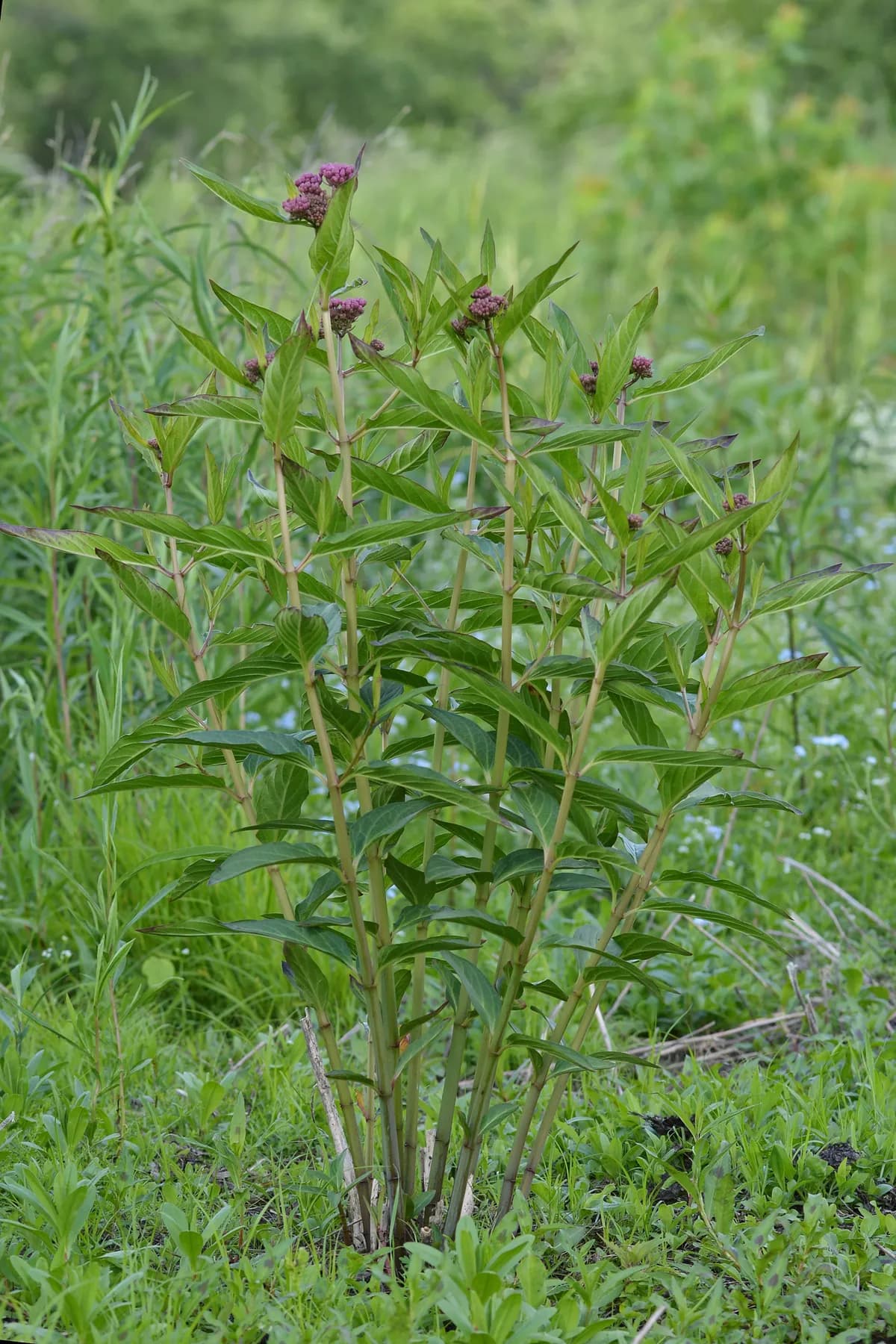
Swamp Milkweed
Asclepias incarnata

Little Bluestem
Schizachyrium scoparium
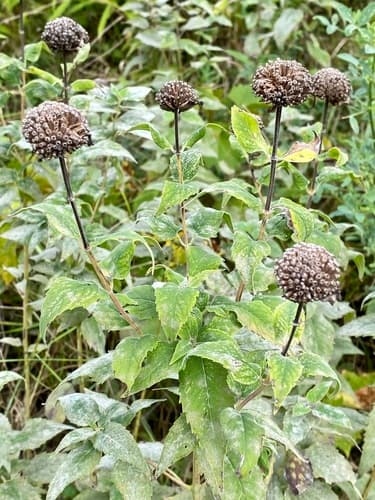
Wild Bergamot
Monarda fistulosa
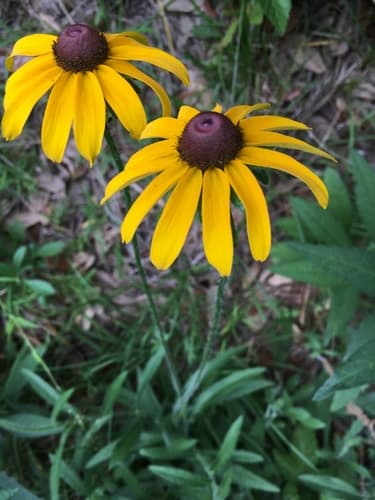
Black-eyed Susan
Rudbeckia hirta
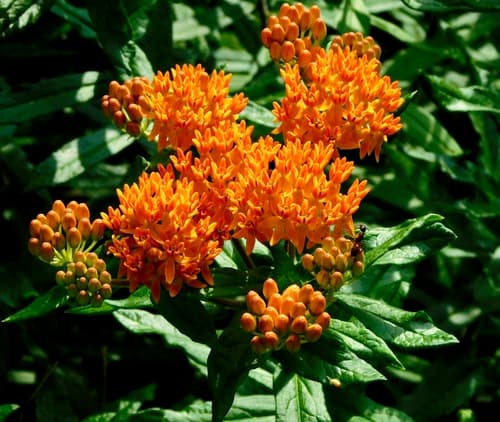
Butterfly Milkweed
Asclepias tuberosa
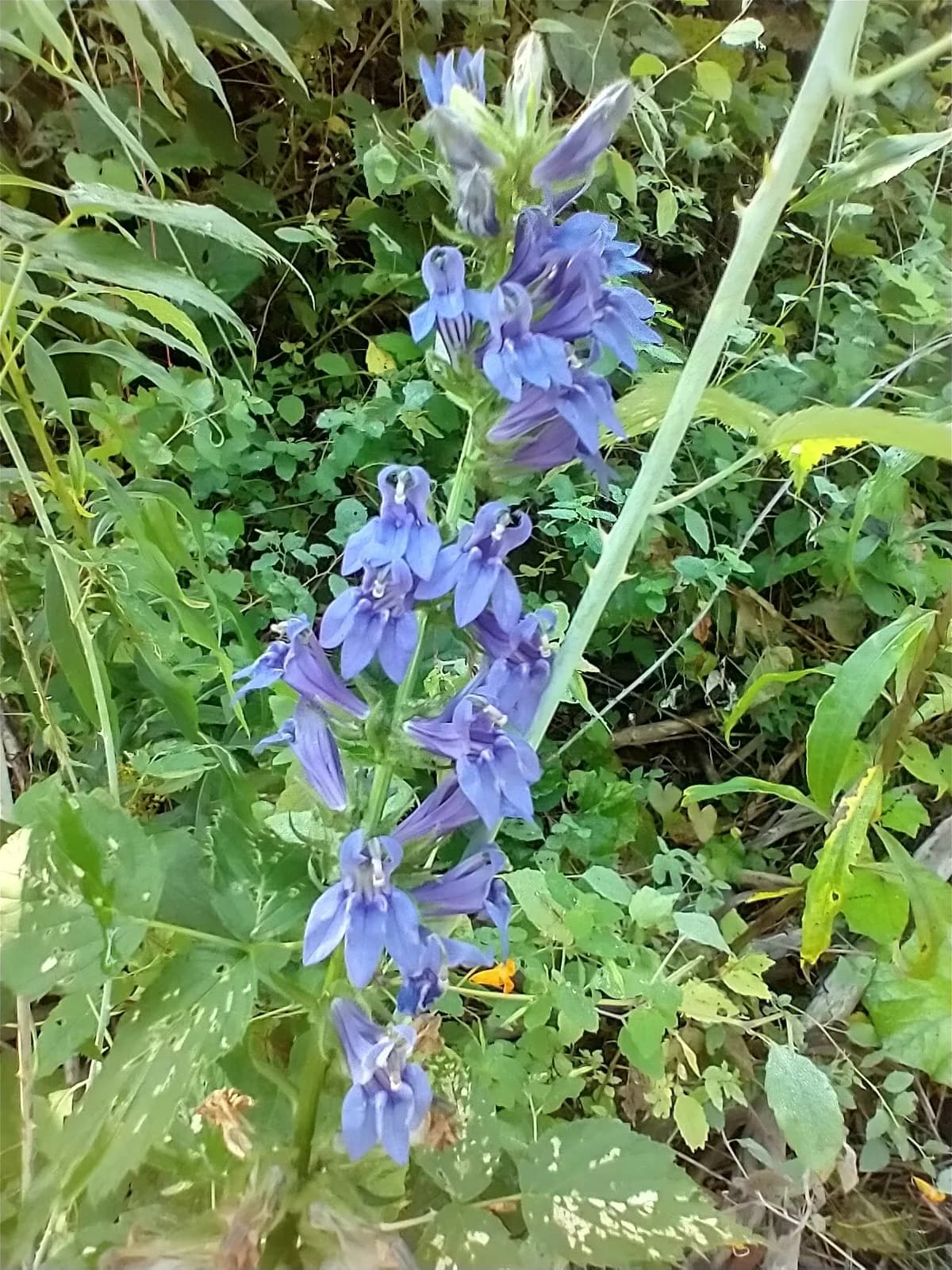
Blue Lobelia
Lobelia siphilitica
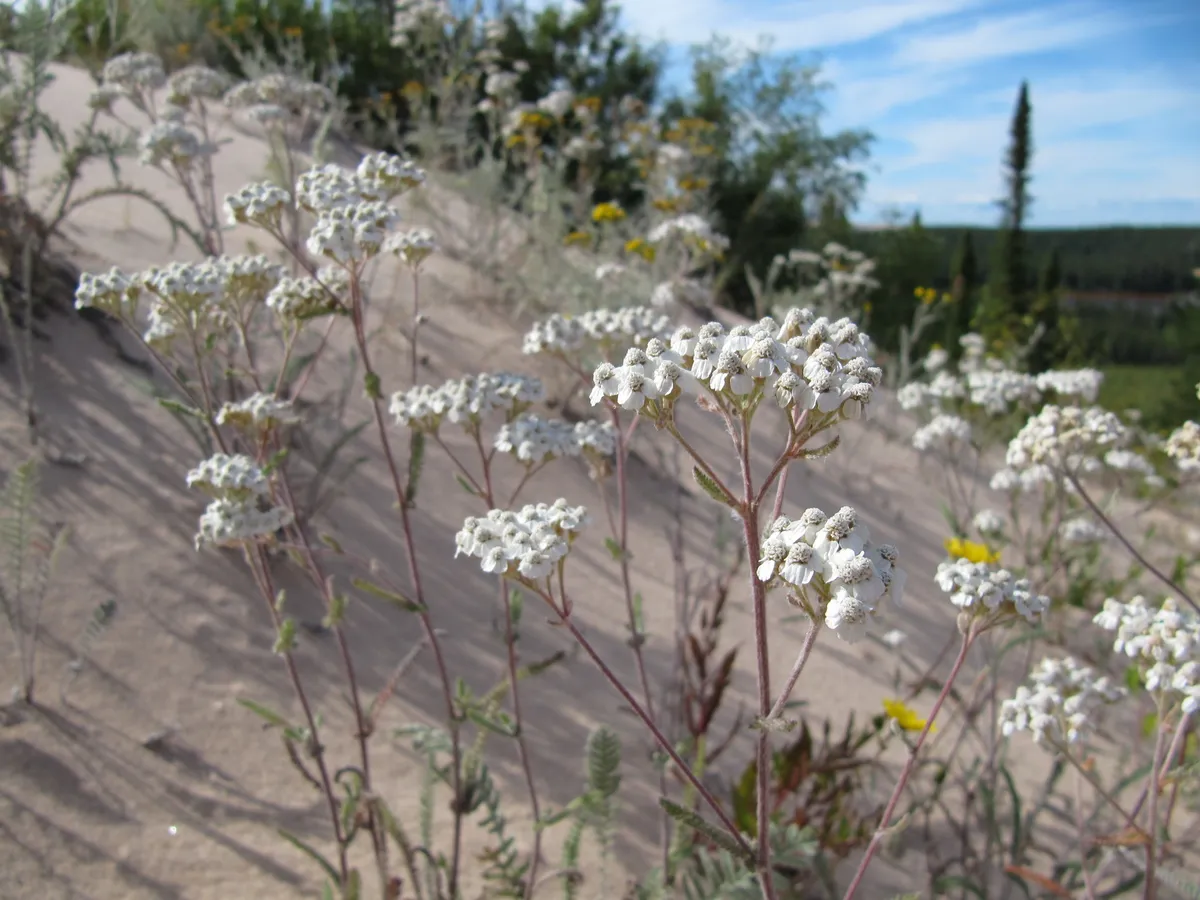
Common Yarrow
Achillea millefolium
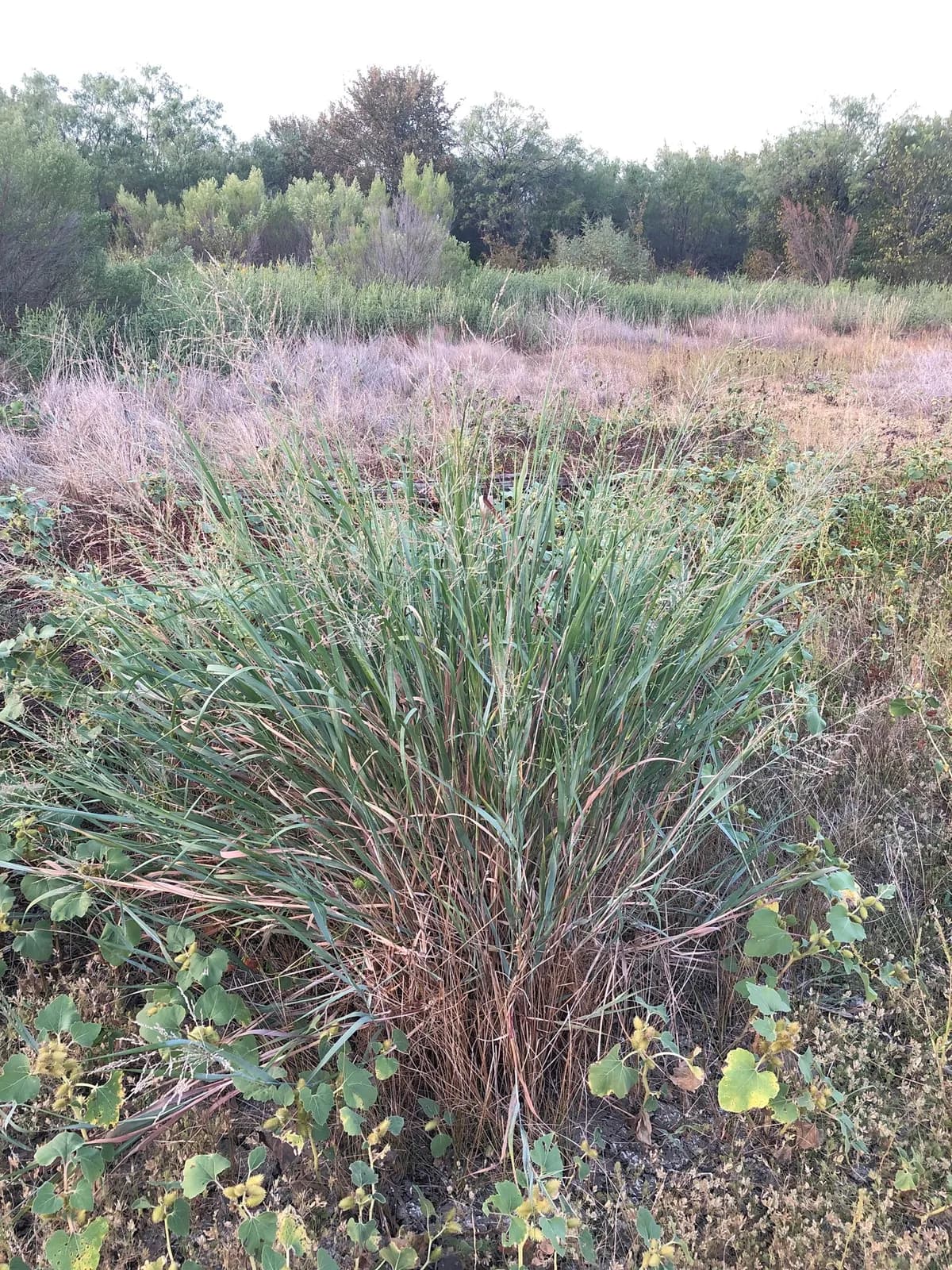
Switchgrass
Panicum virgatum
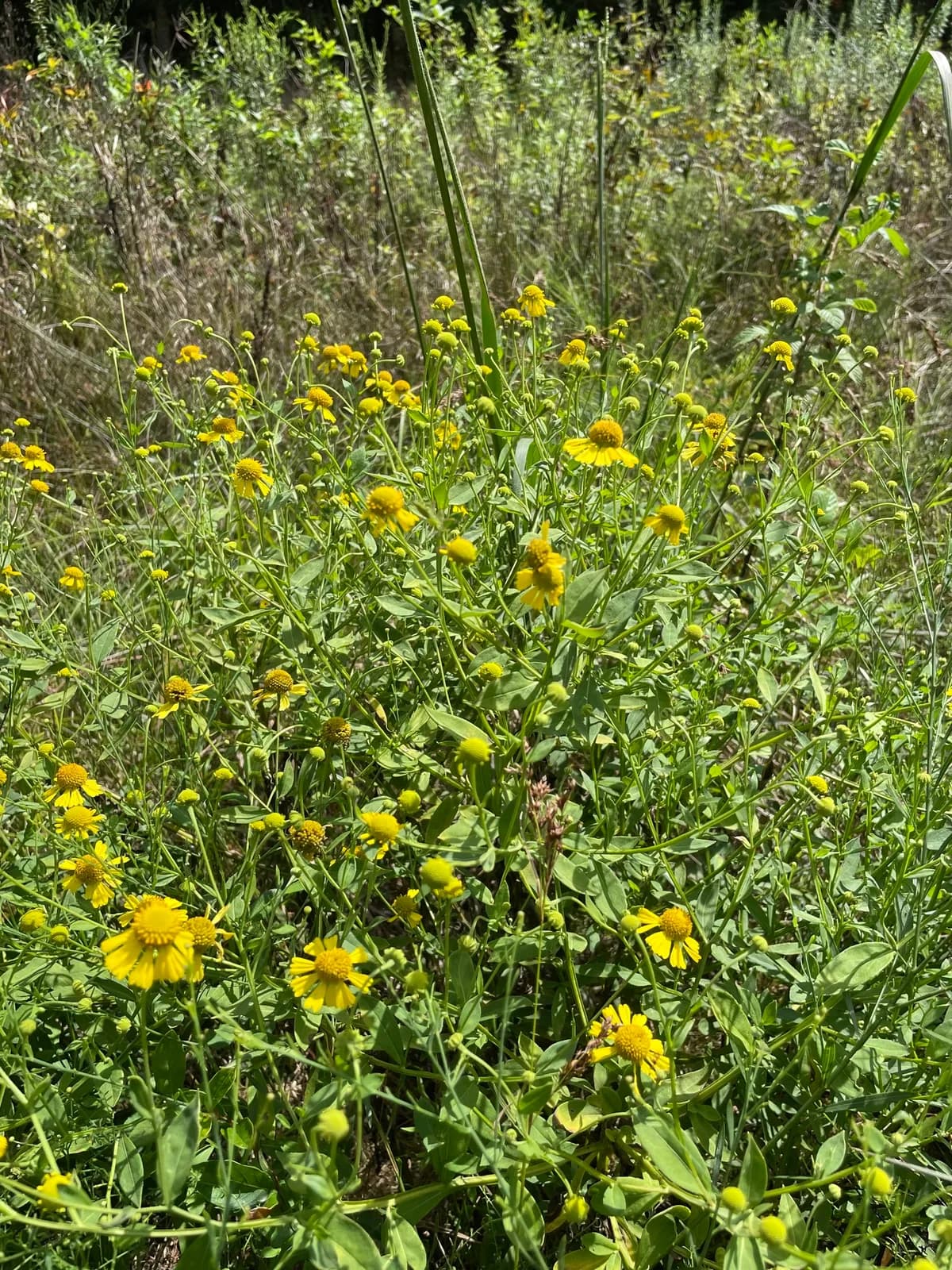
Common Sneezeweed
Helenium autumnale
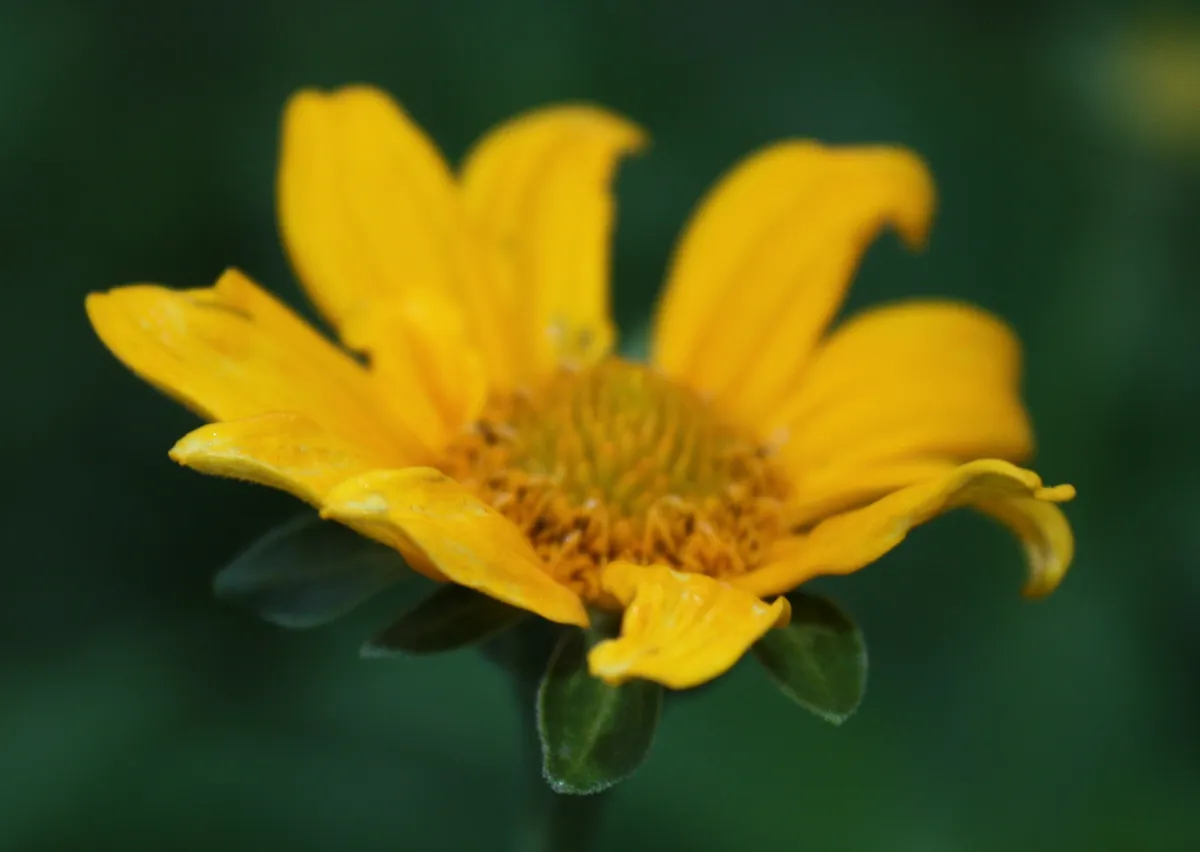
False Sunflower
Heliopsis helianthoides
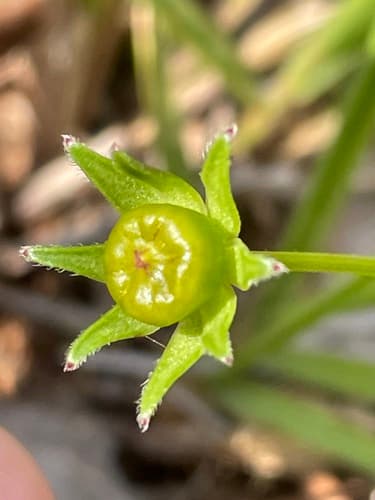
Lanceleaf Coreopsis
Coreopsis lanceolata
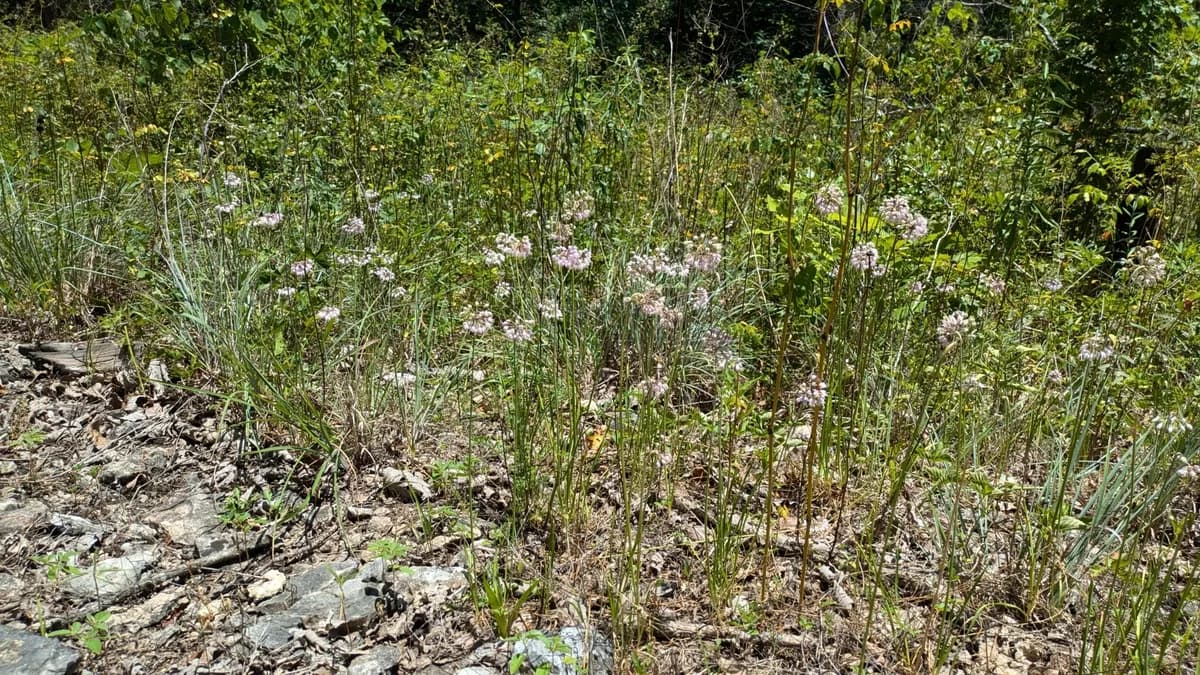
Nodding Onion
Allium cernuum
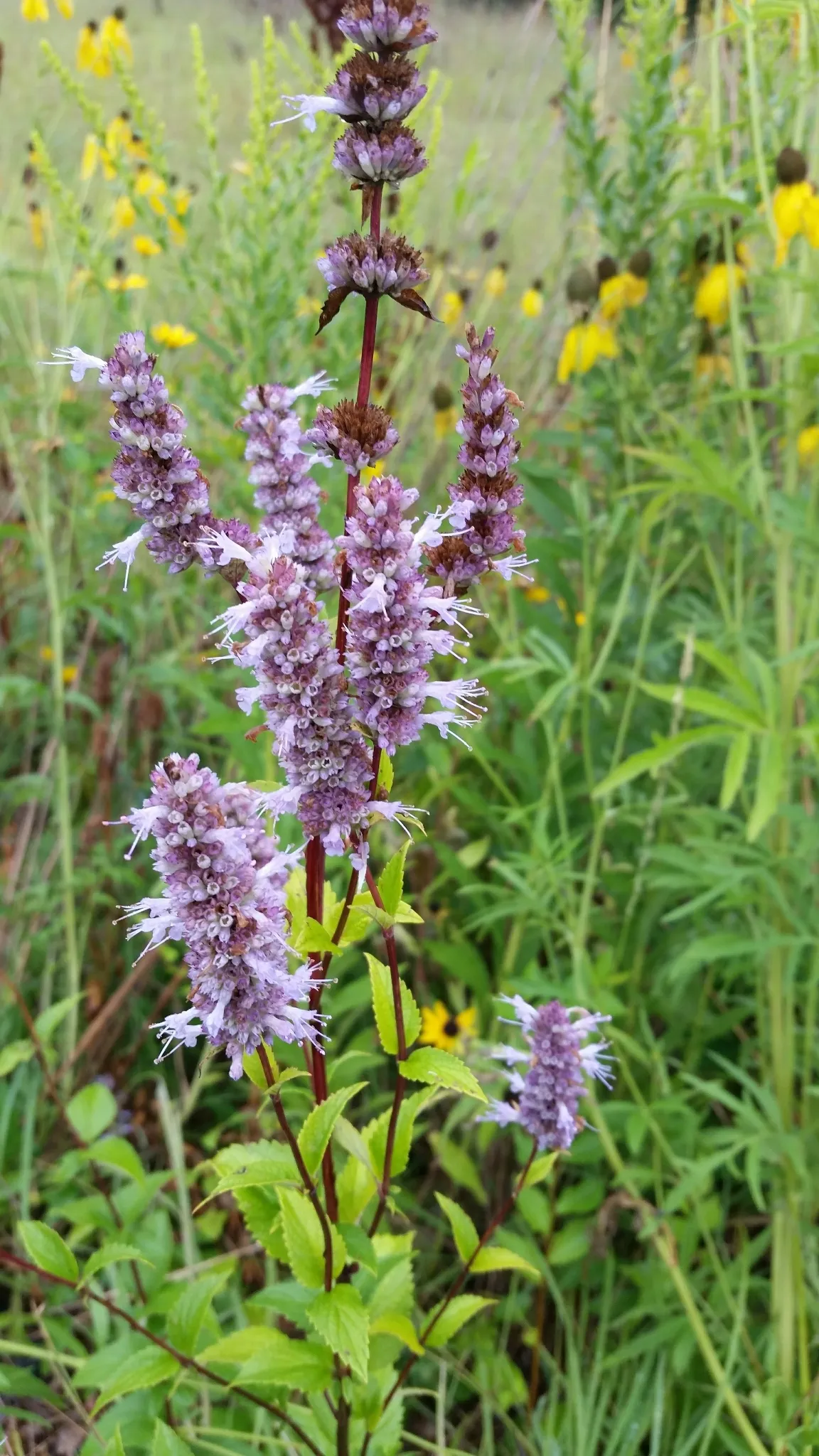
Blue Giant-hyssop
Agastache foeniculum

Sideoats Grama
Bouteloua curtipendula
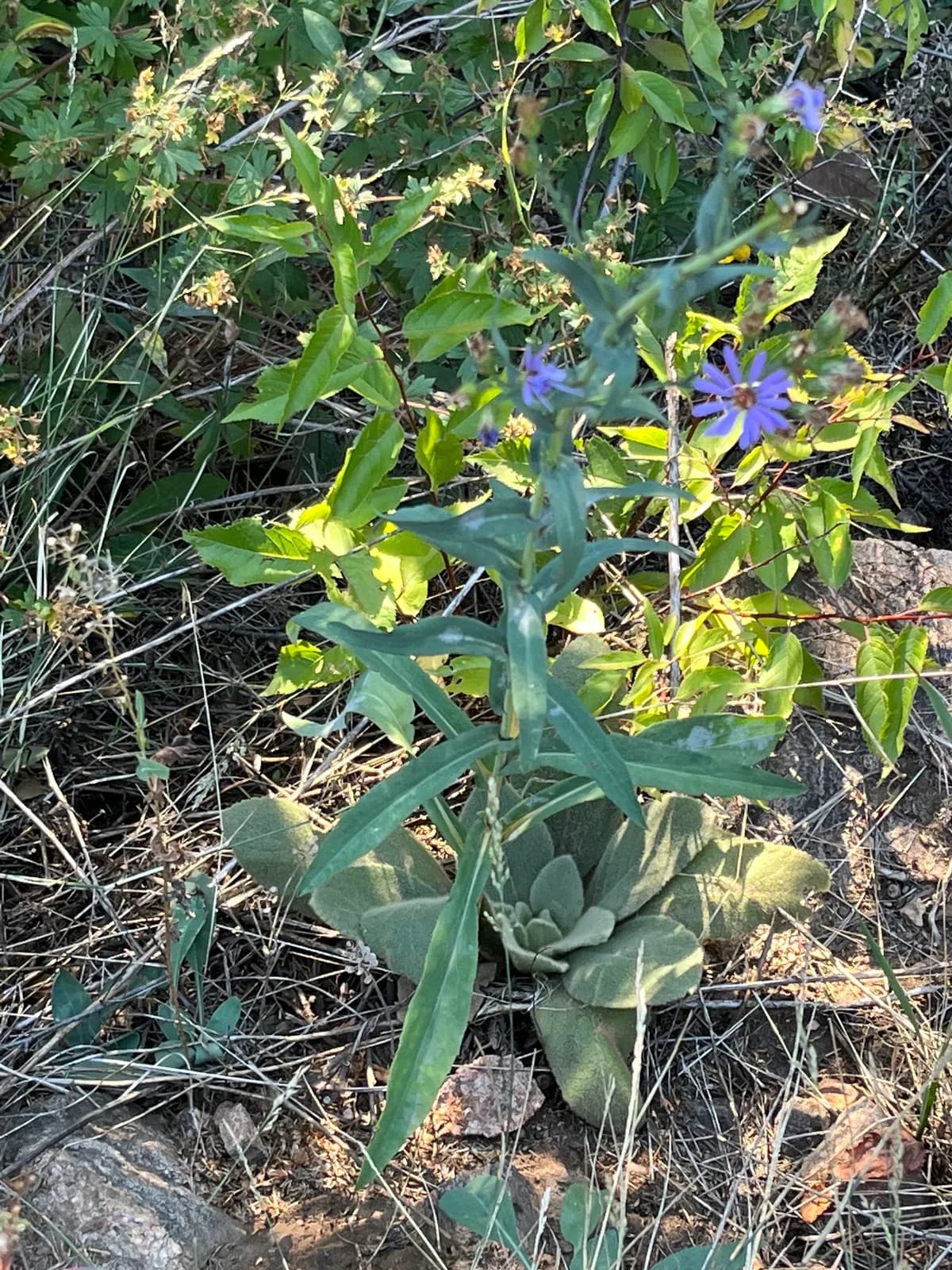
Smooth Aster
Symphyotrichum laeve
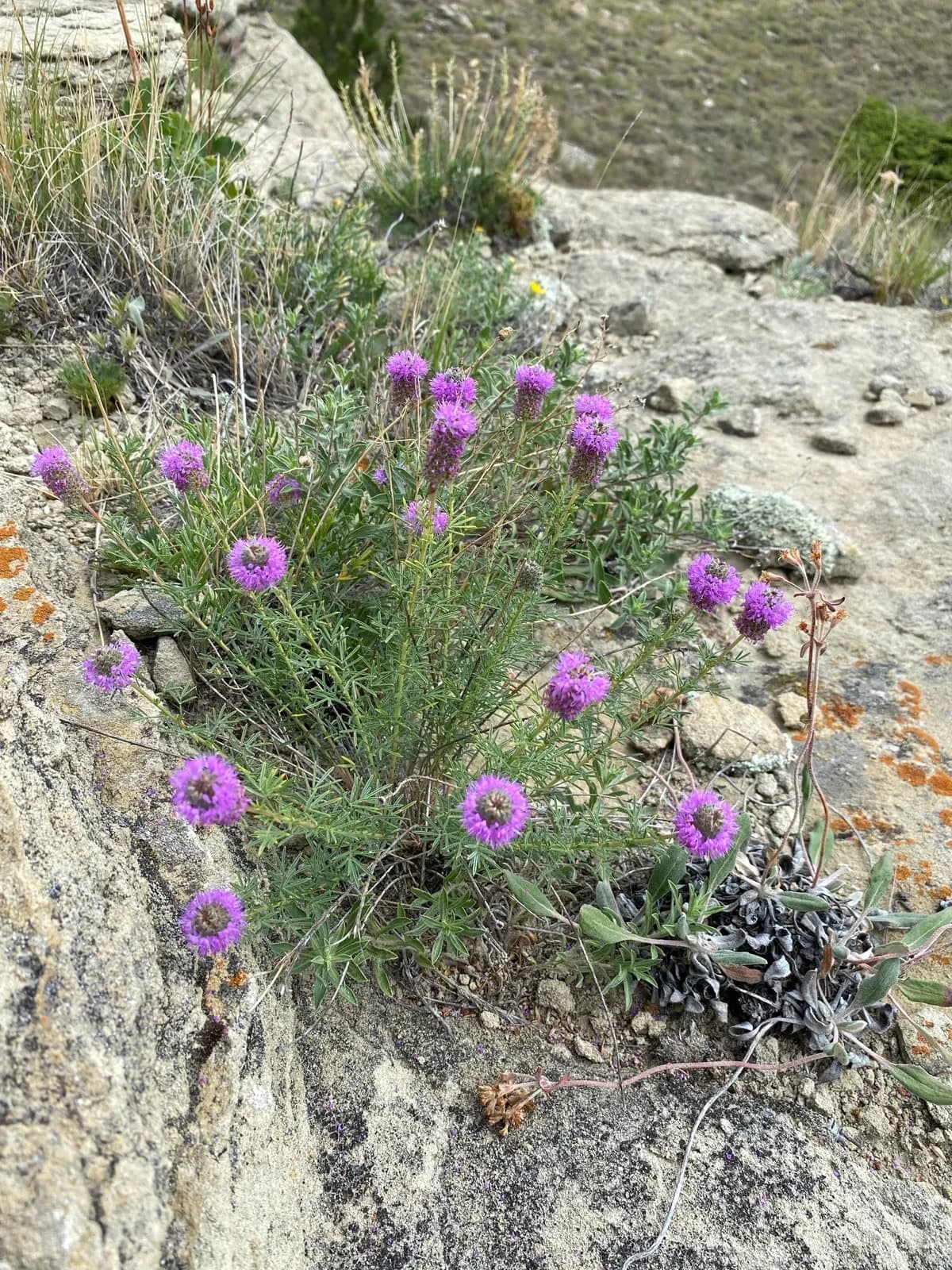
Purple Prairie Clover
Dalea purpurea
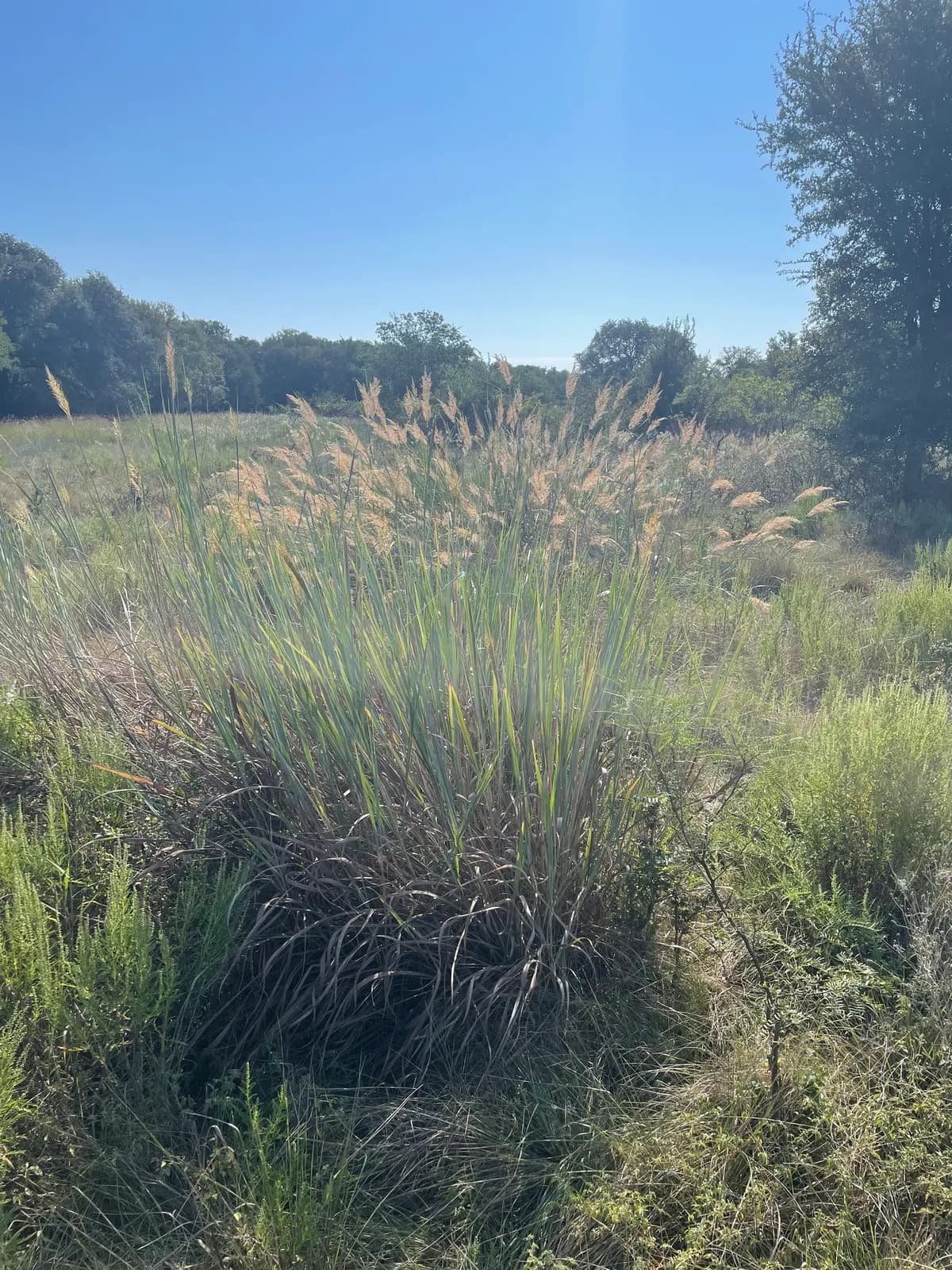
Indiangrass
Sorghastrum nutans
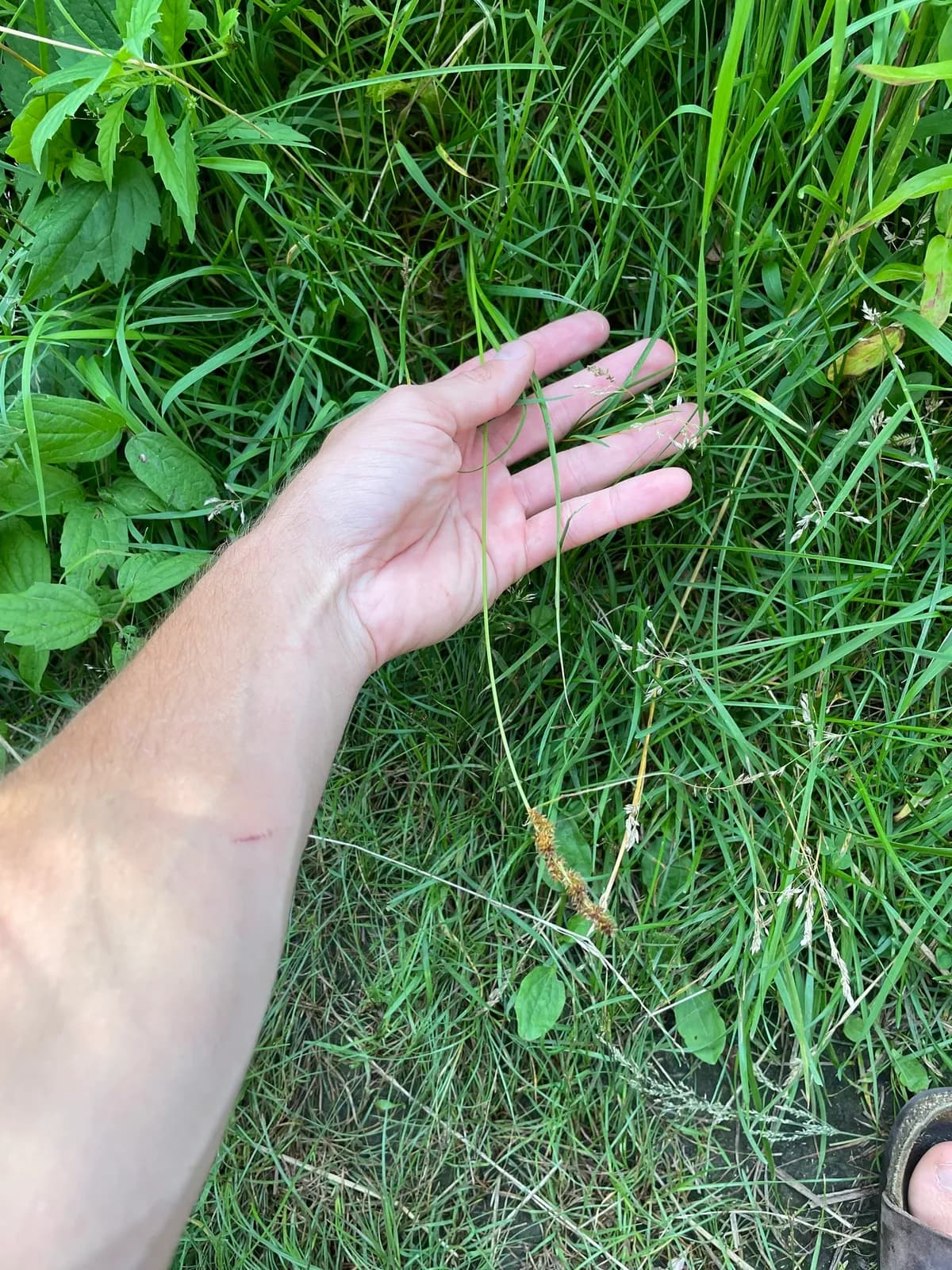
American Fox Sedge
Carex vulpinoidea
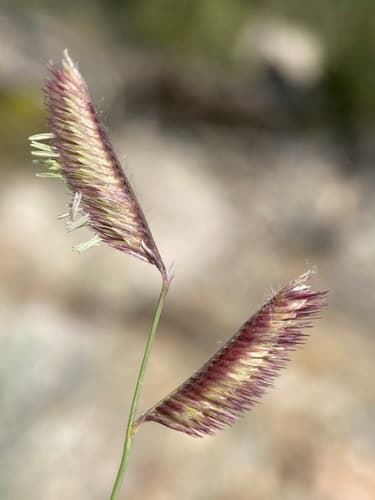
Blue Grama
Bouteloua gracilis
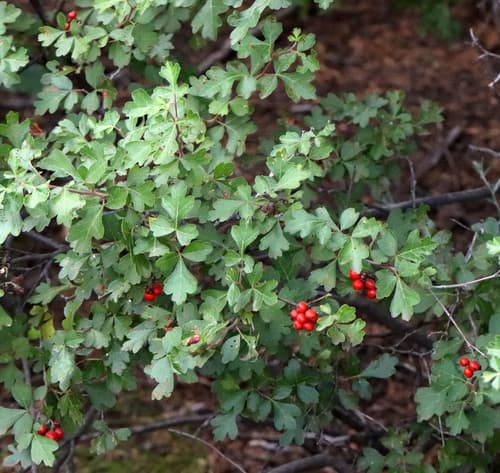
Aromatic Sumac
Rhus aromatica
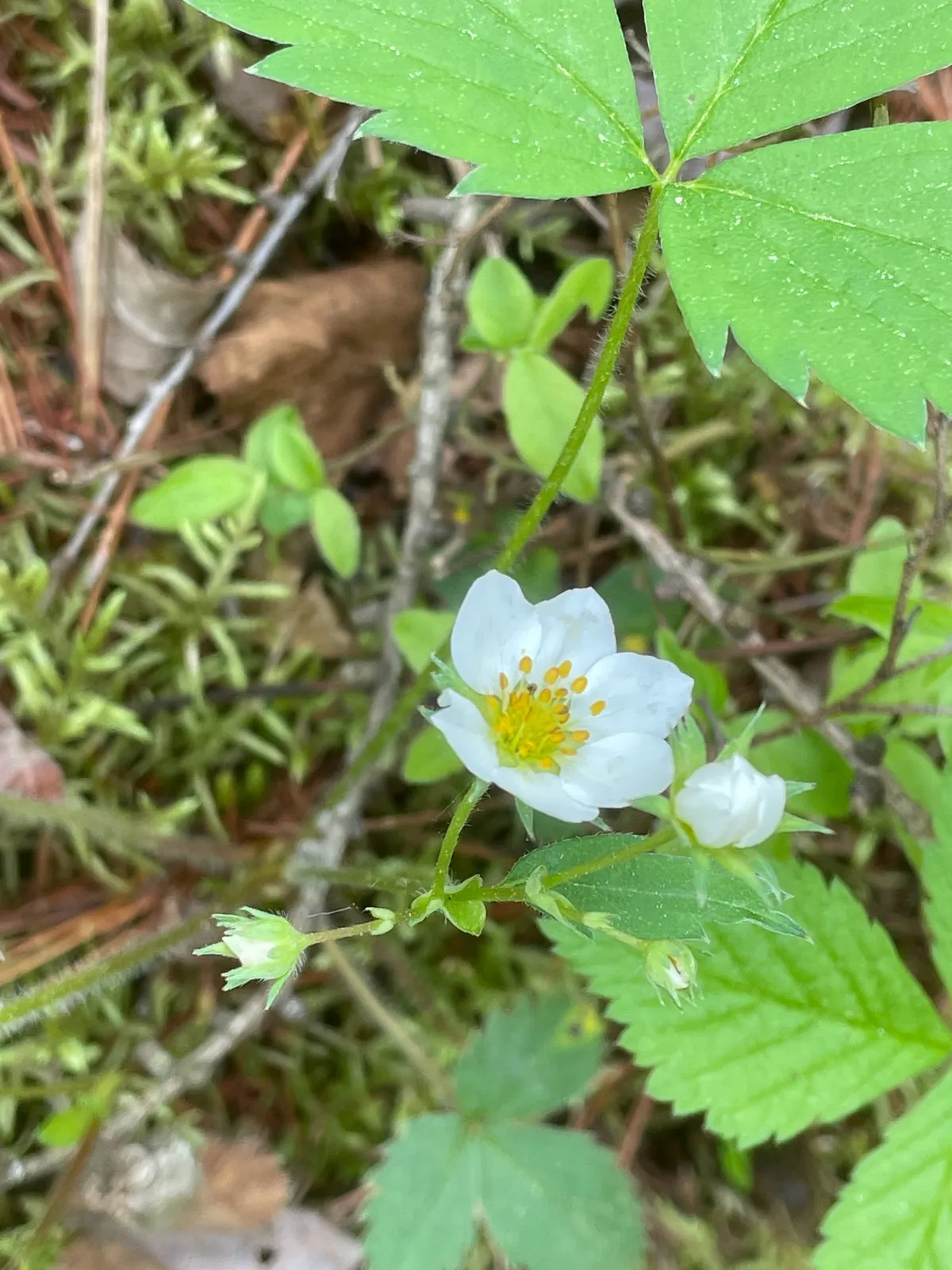
Scarlet Strawberry
Fragaria virginiana
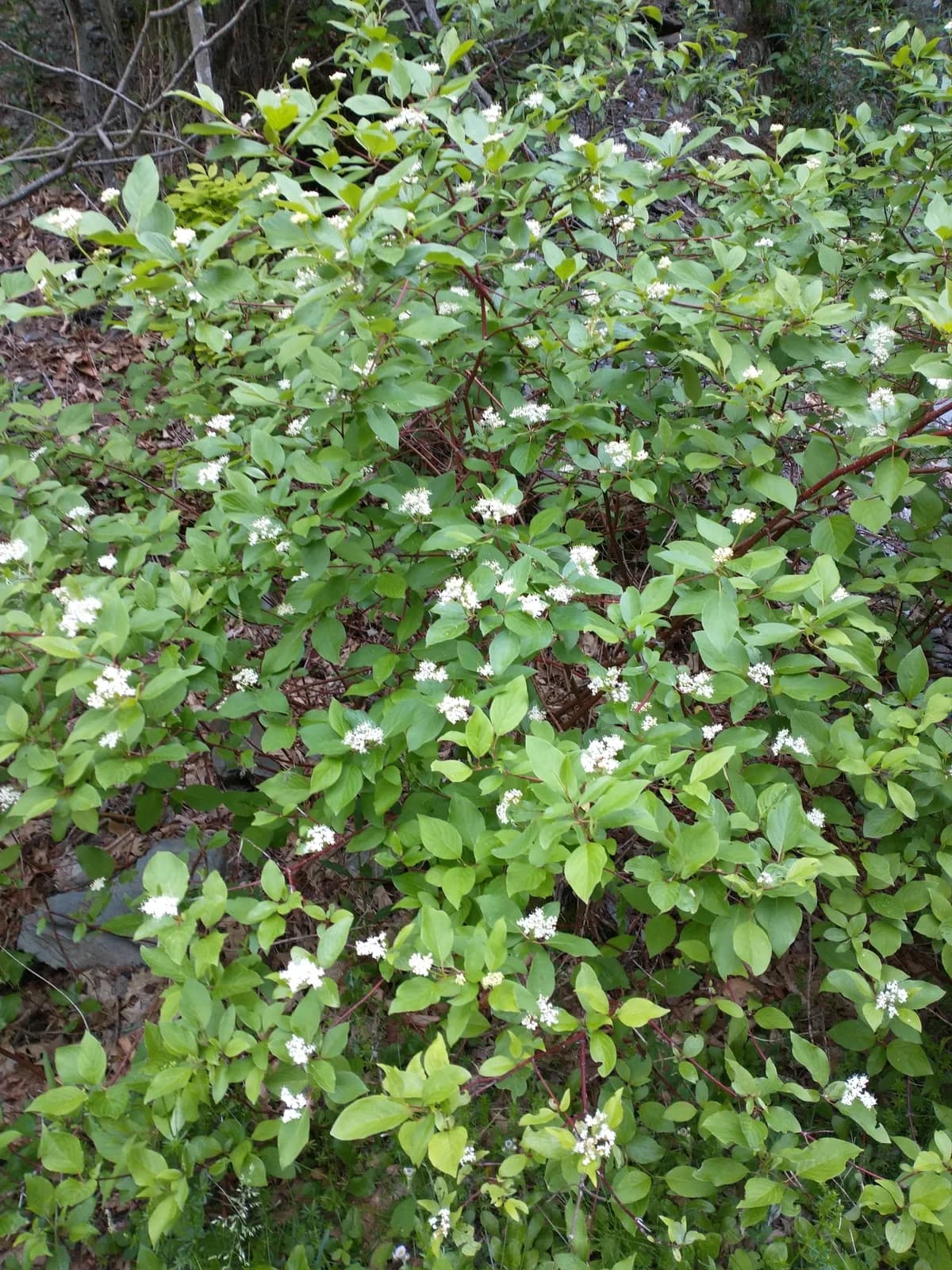
Red-osier Dogwood
Cornus sericea
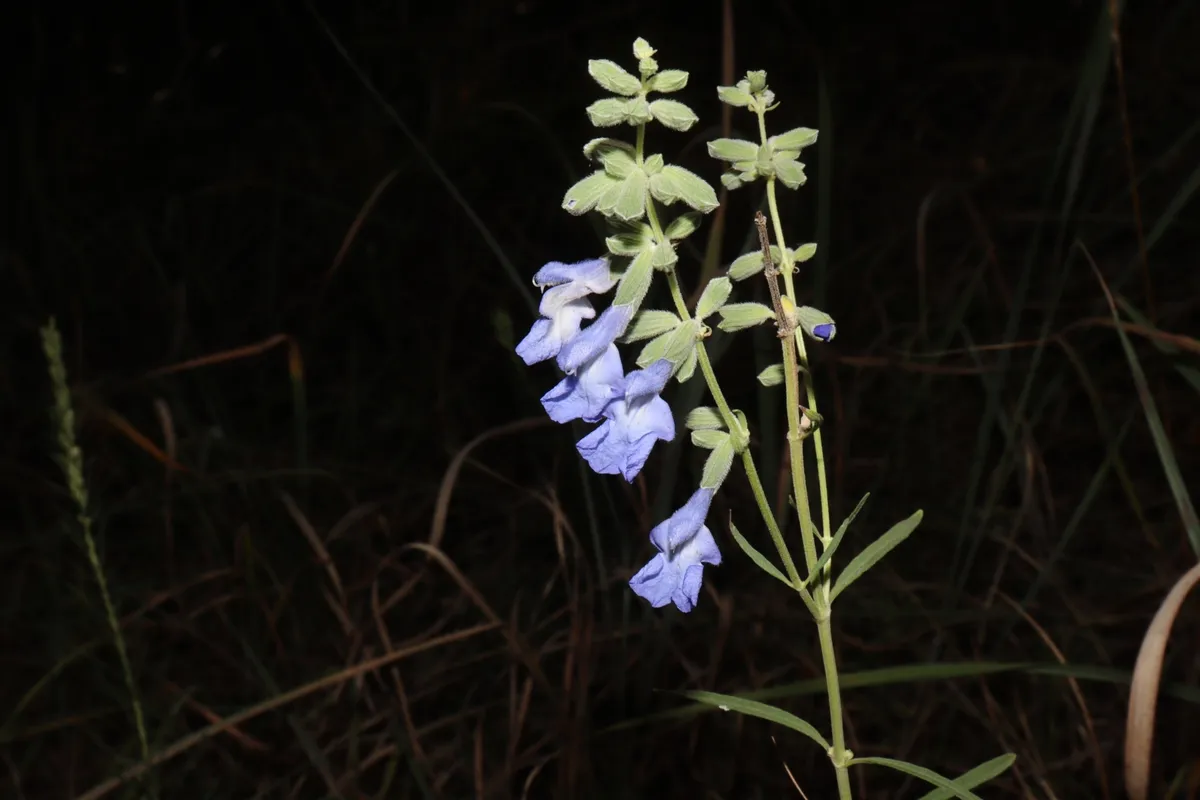
Azure Sage
Salvia azurea
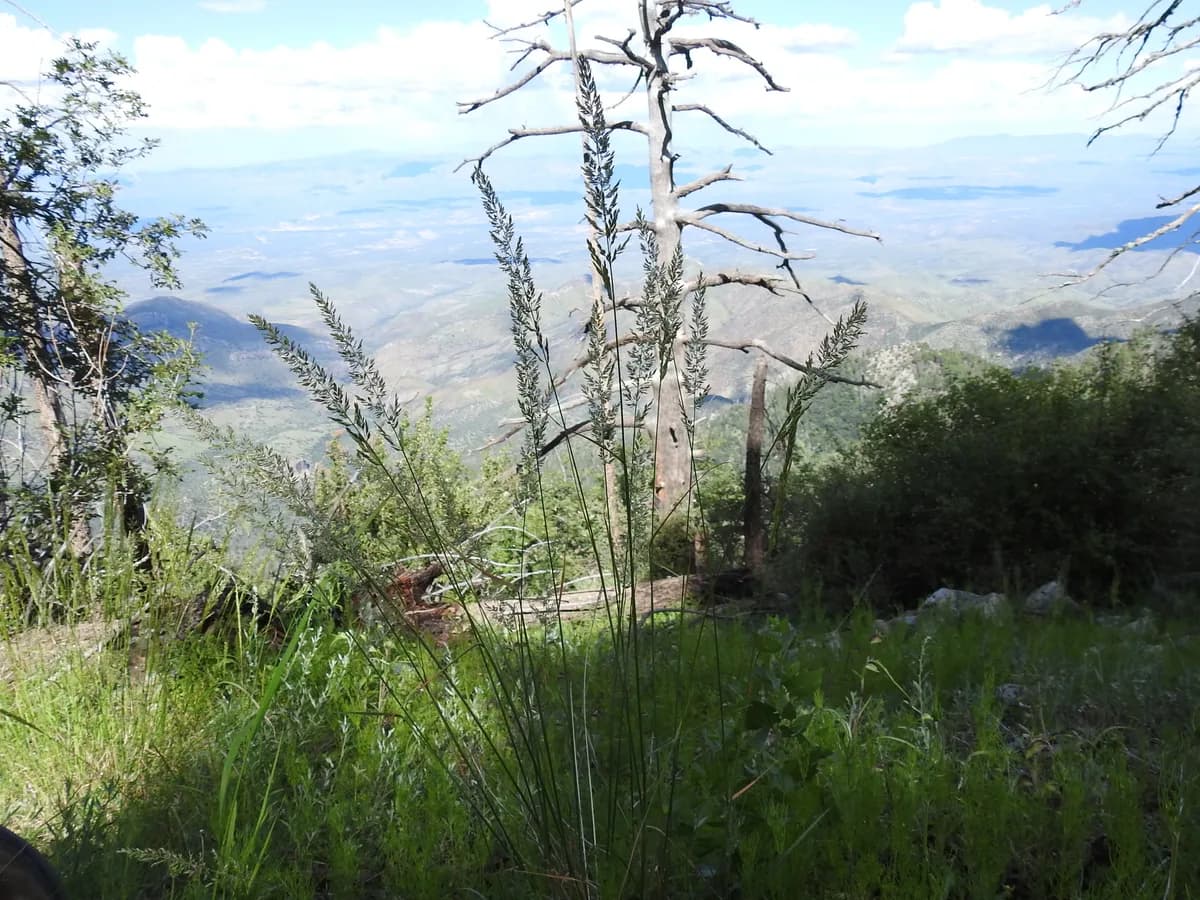
Prairie Junegrass
Koeleria macrantha
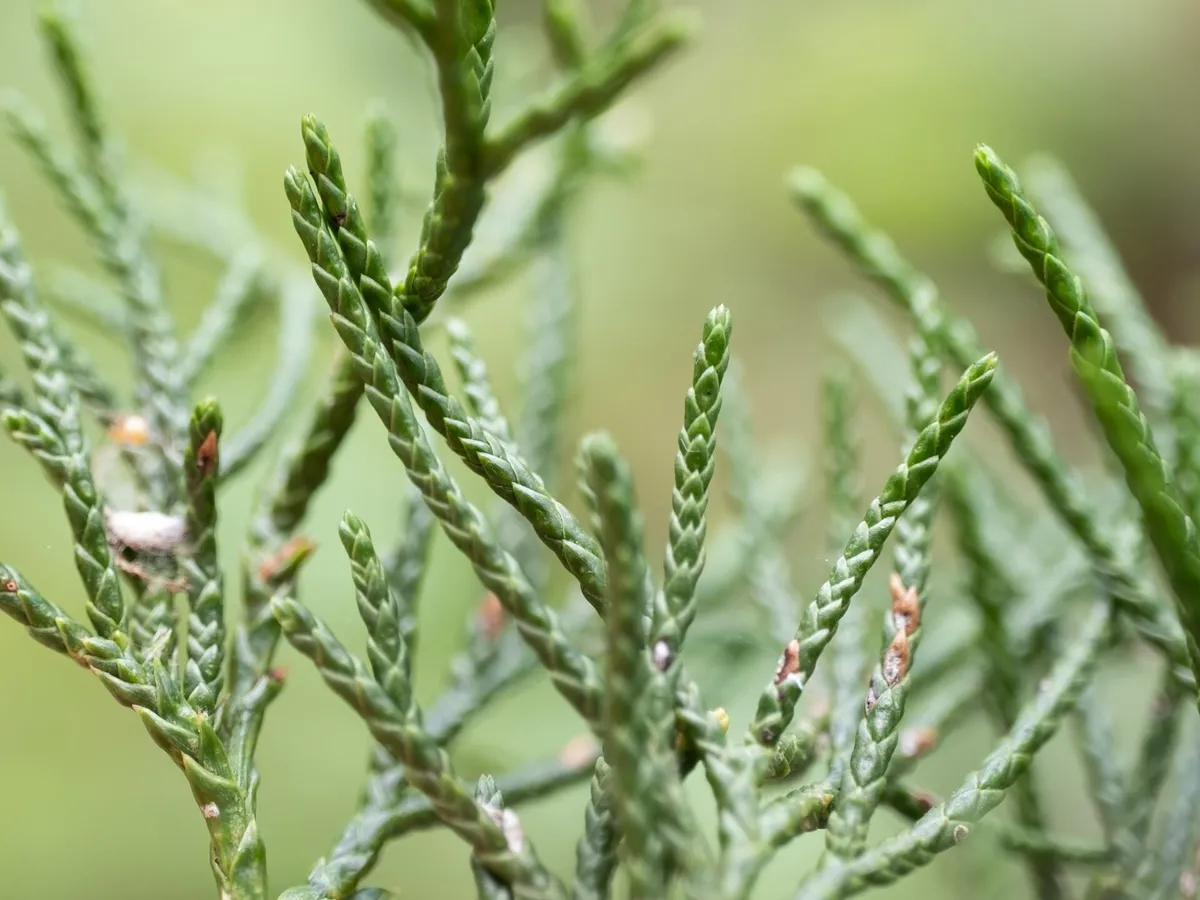
Eastern Red Cedar
Juniperus virginiana
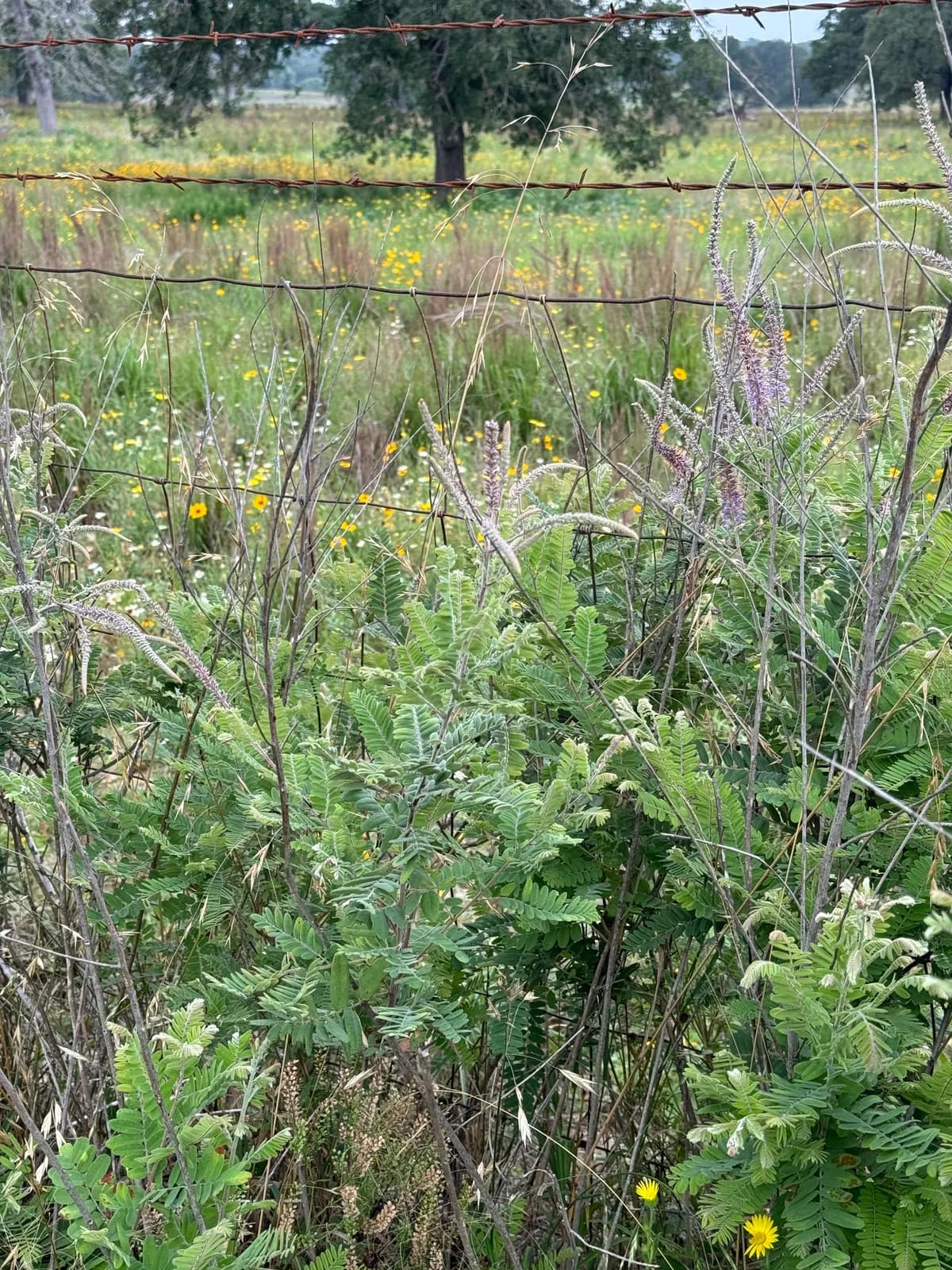
Leadplant
Amorpha canescens
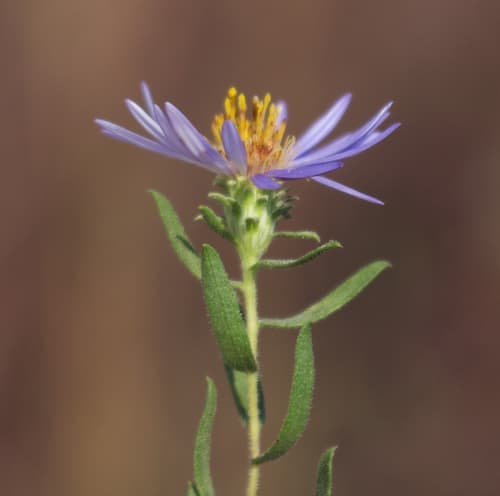
Fall Aster
Symphyotrichum oblongifolium

Mexican Hat
Ratibida columnifera
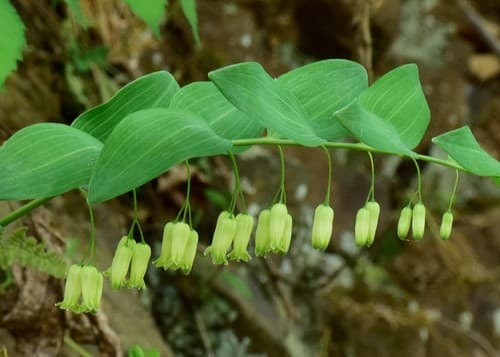
American Solomon's-seal
Polygonatum biflorum
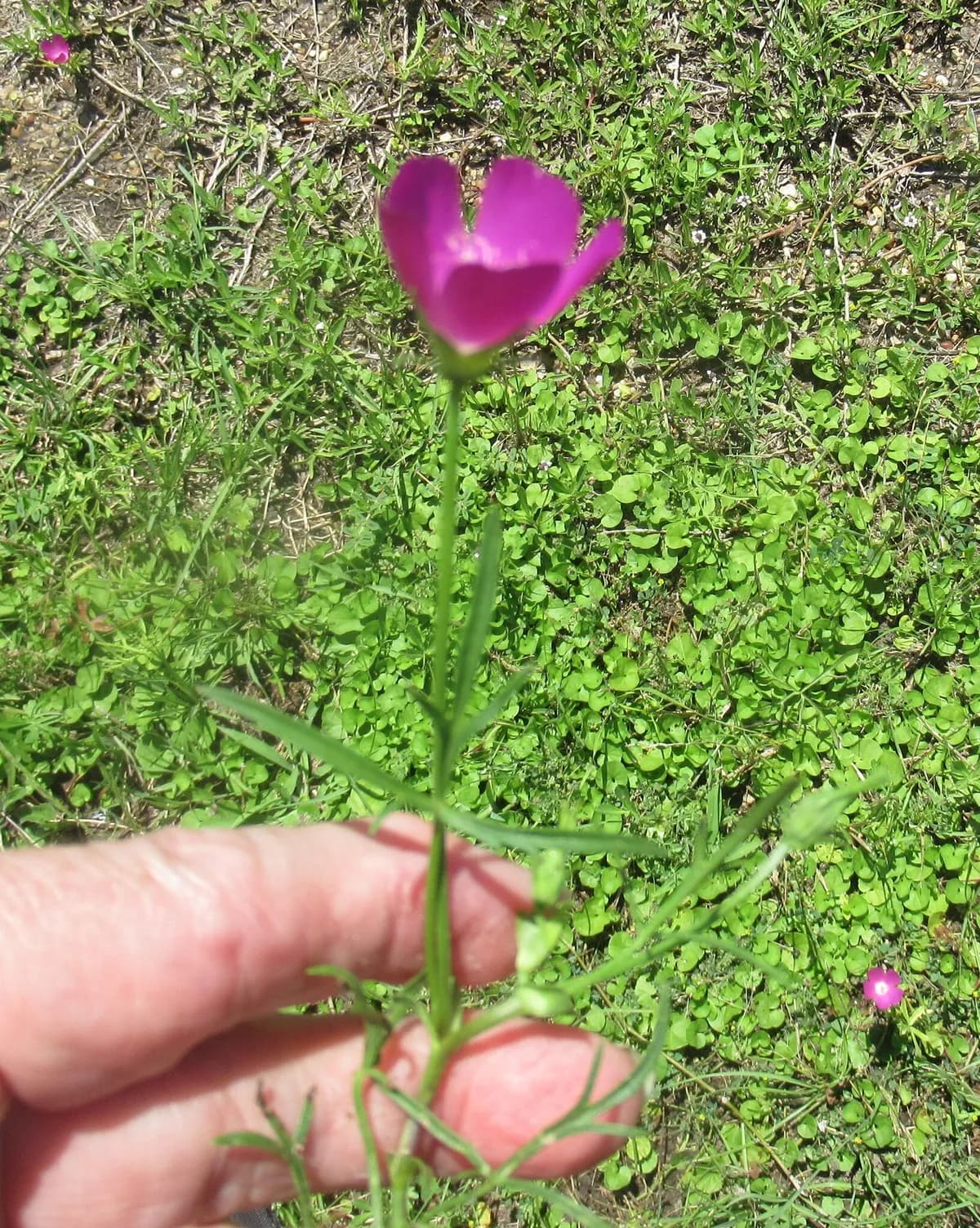
Winecup
Callirhoe involucrata
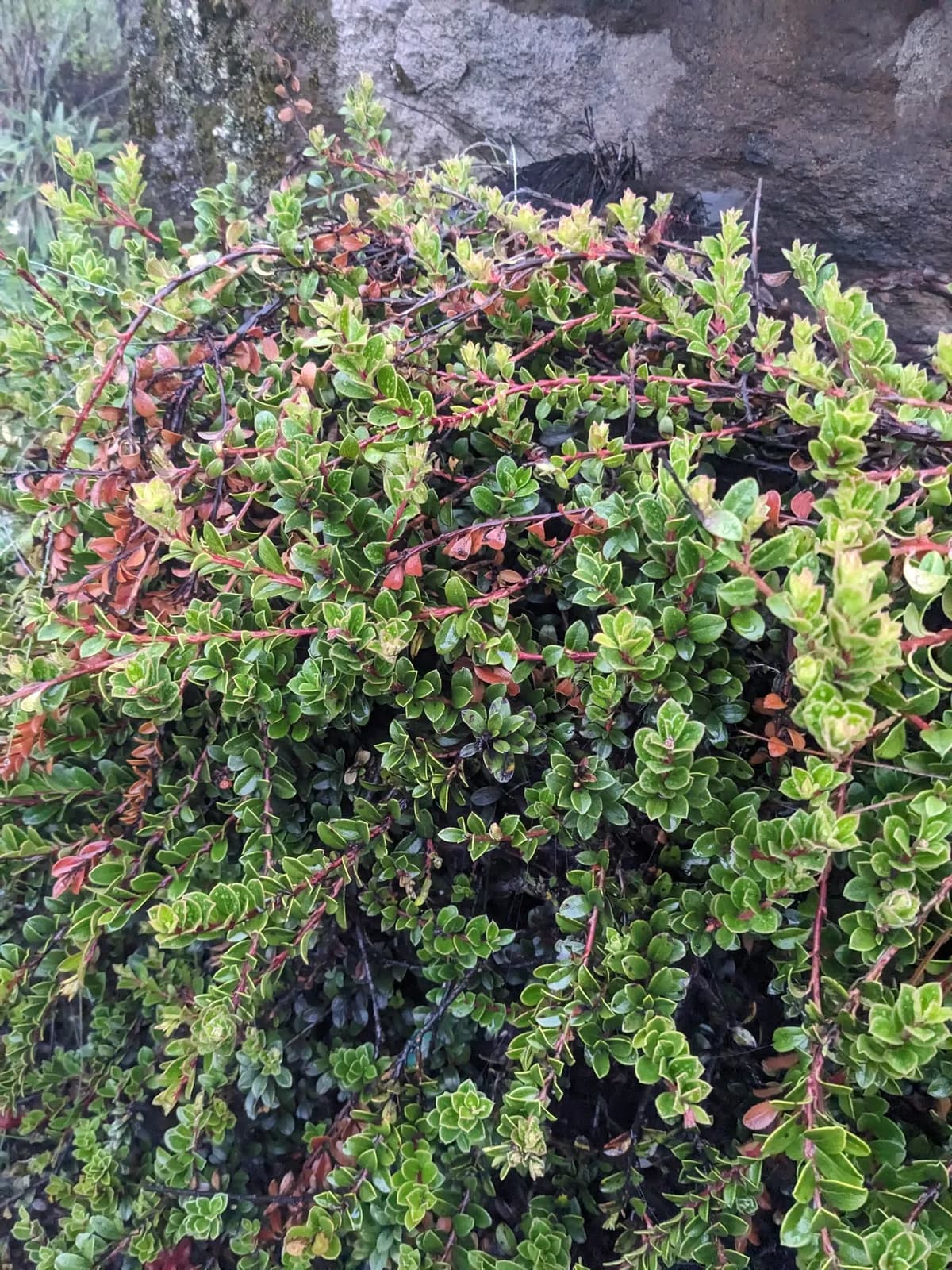
Bear-grape
Arctostaphylos uva-ursi
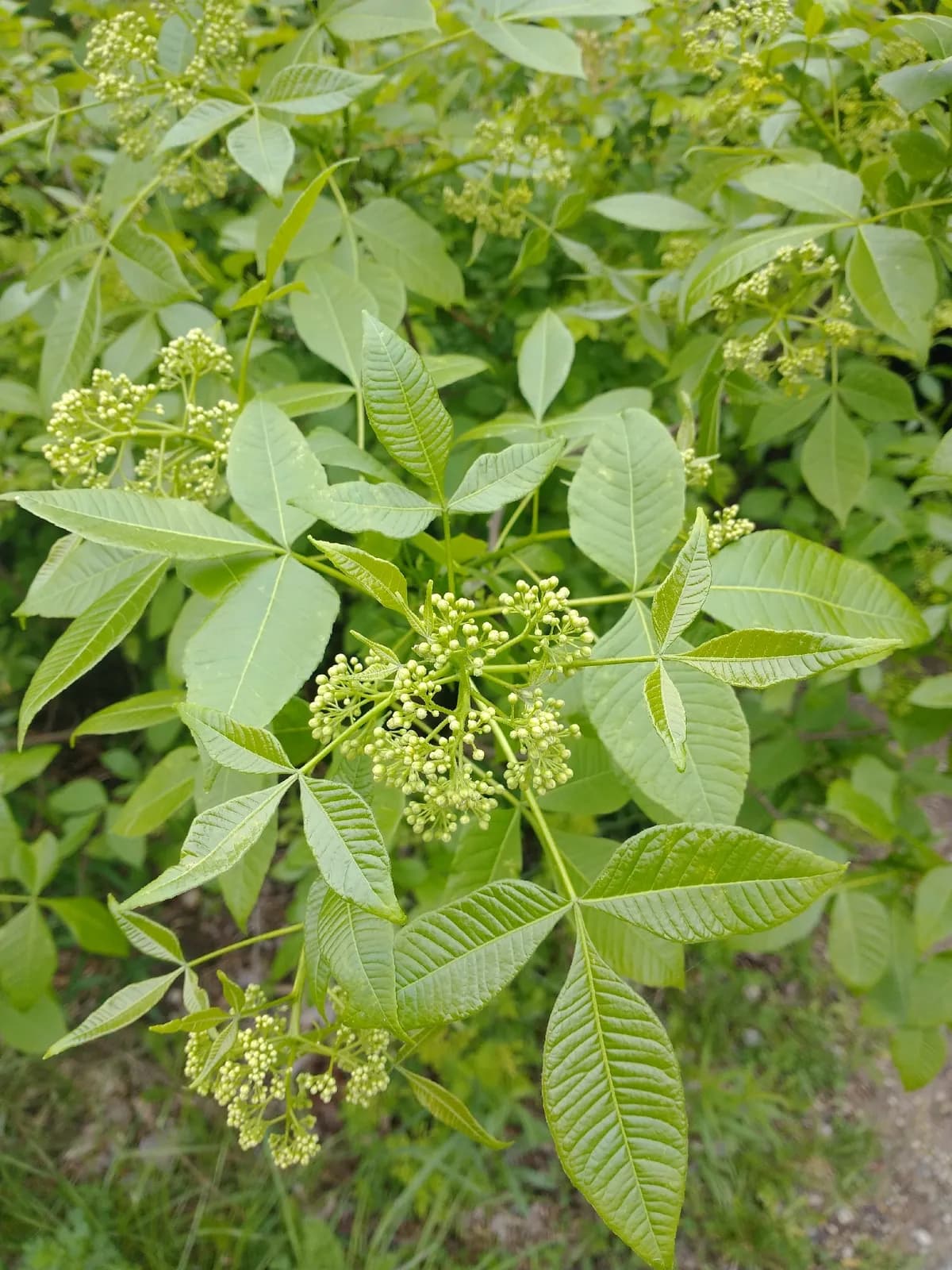
Wafer Ash
Ptelea trifoliata
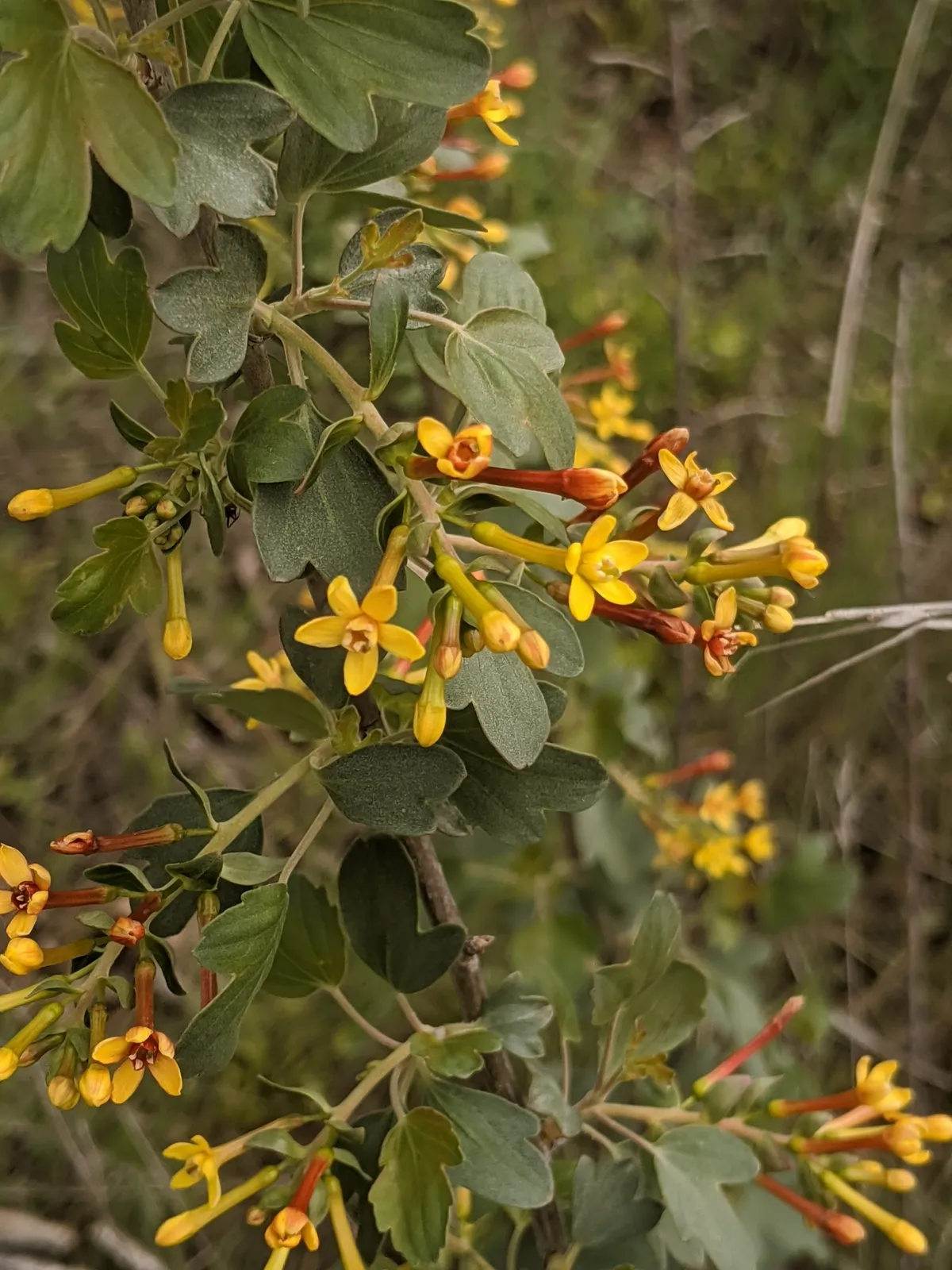
Golden Currant
Ribes aureum
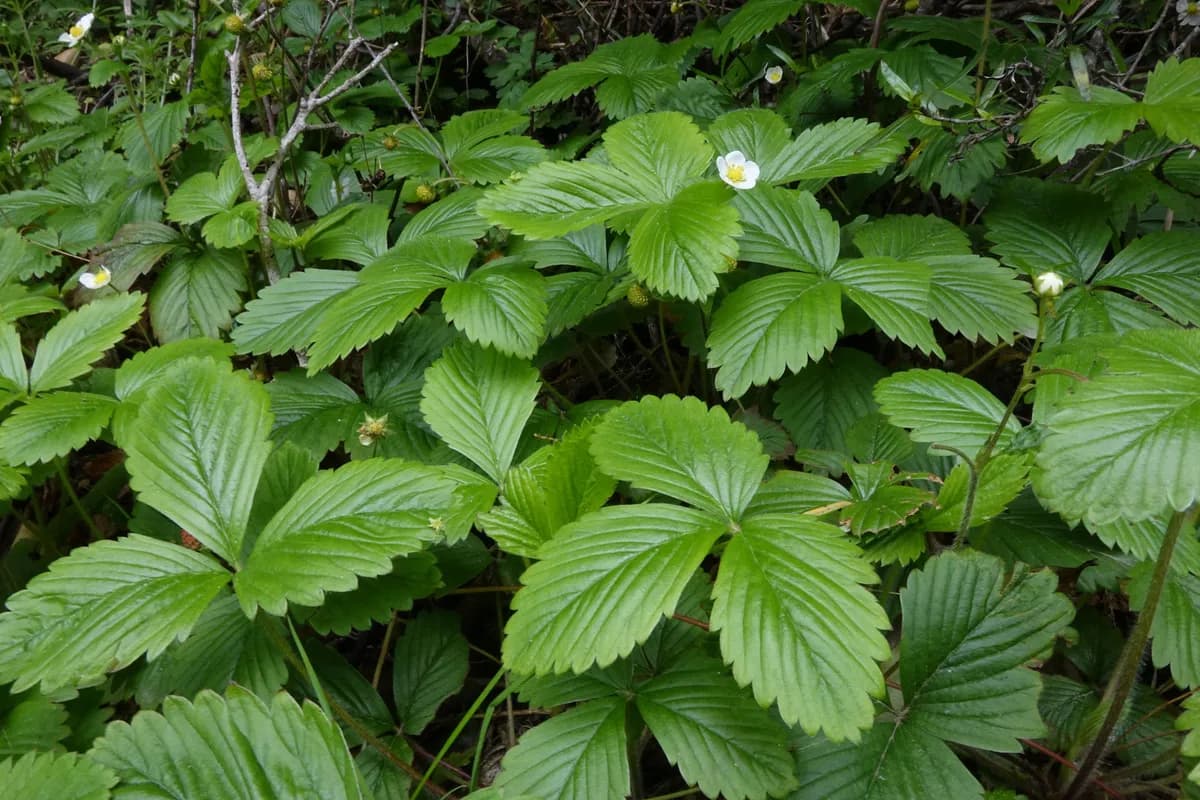
Wild Woodland Strawberries
Fragaria vesca
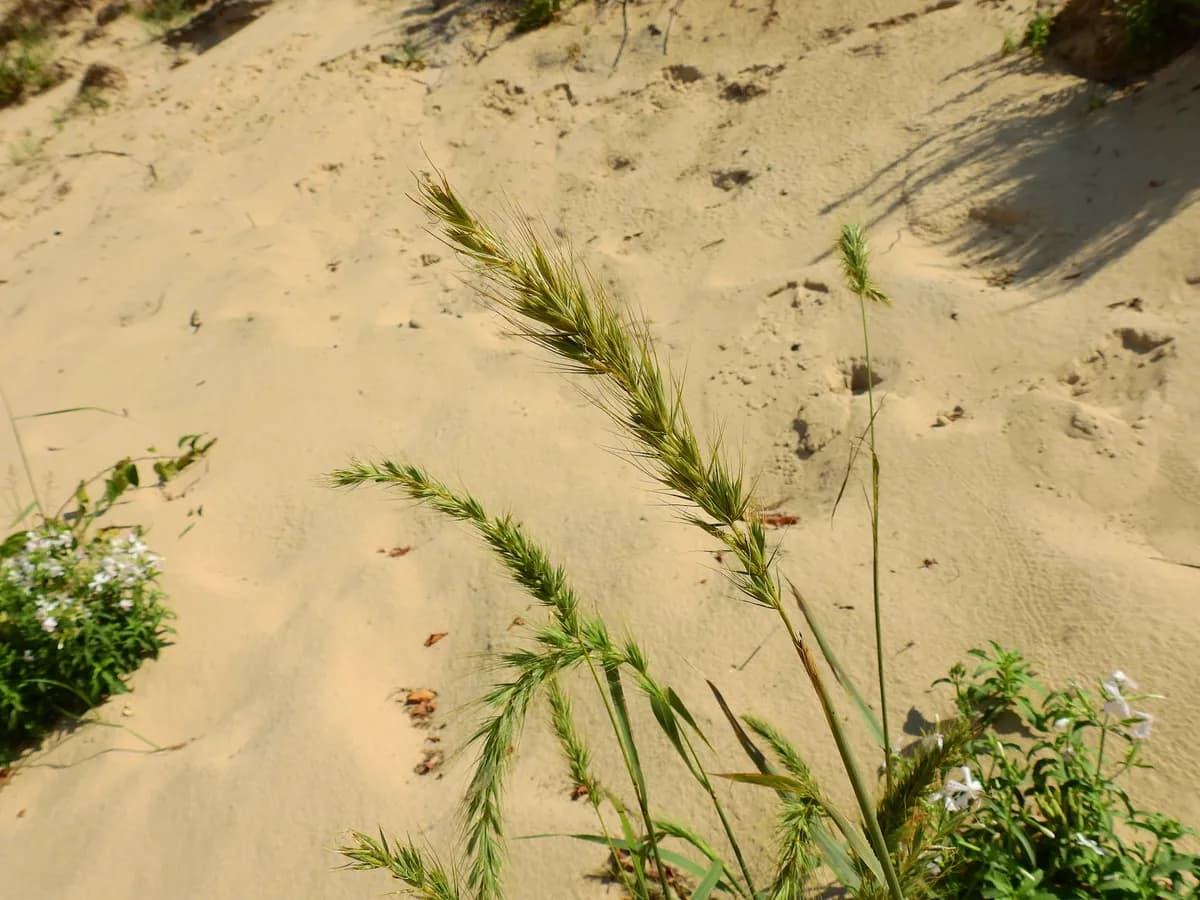
Prairie Wildrye
Elymus canadensis

American Germander
Teucrium canadense
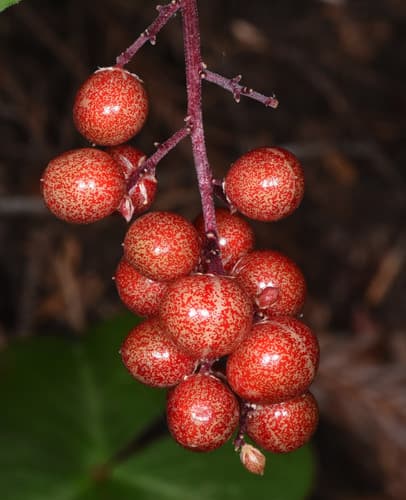
Solomon's-plume
Maianthemum racemosum
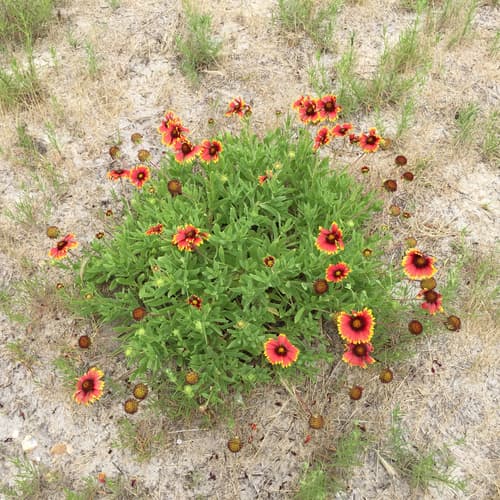
Firewheel
Gaillardia pulchella
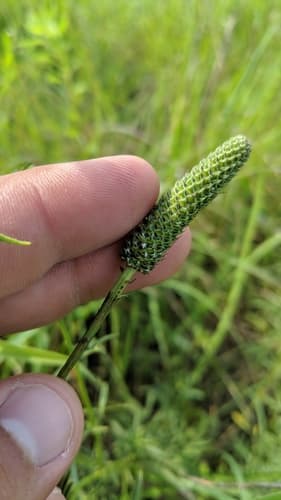
White Prairie Clover
Dalea candida
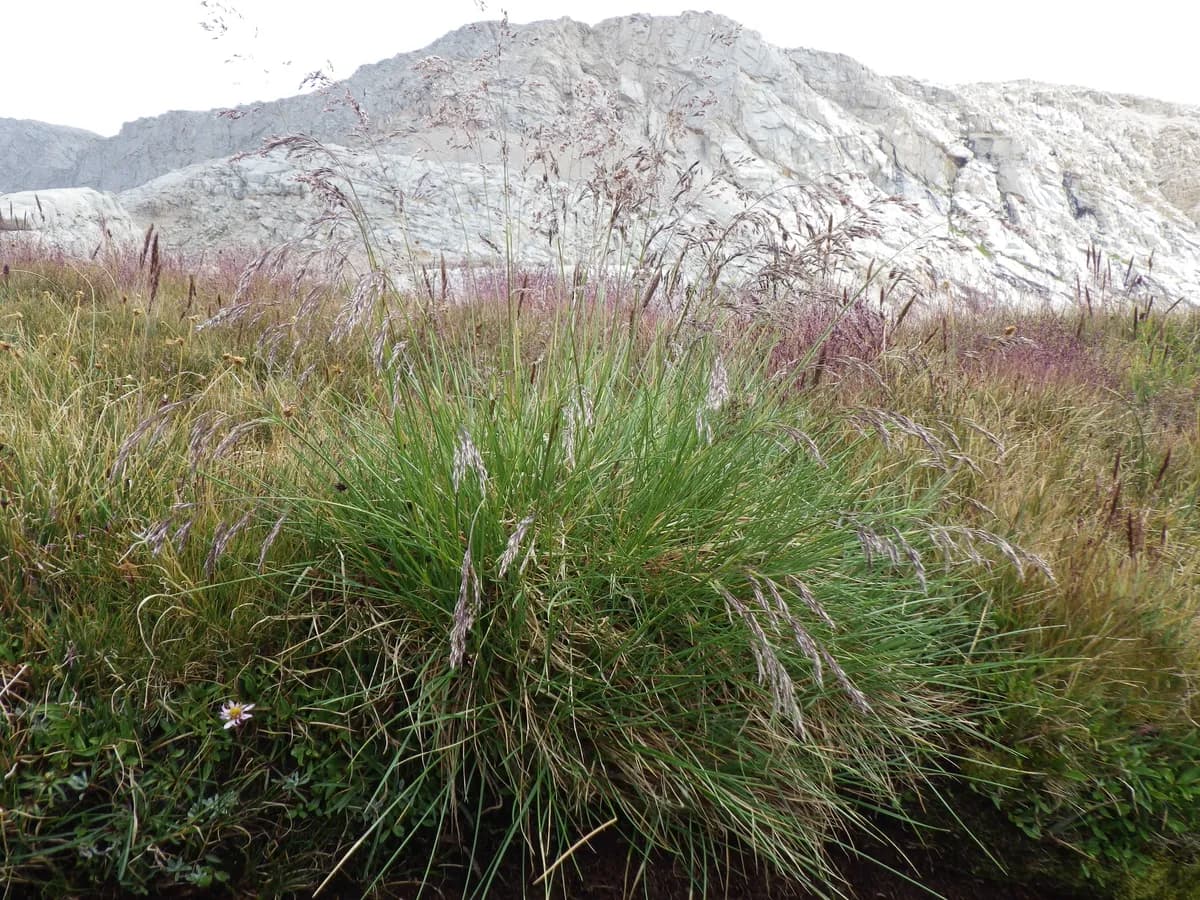
Tufted Hairgrass
Deschampsia cespitosa
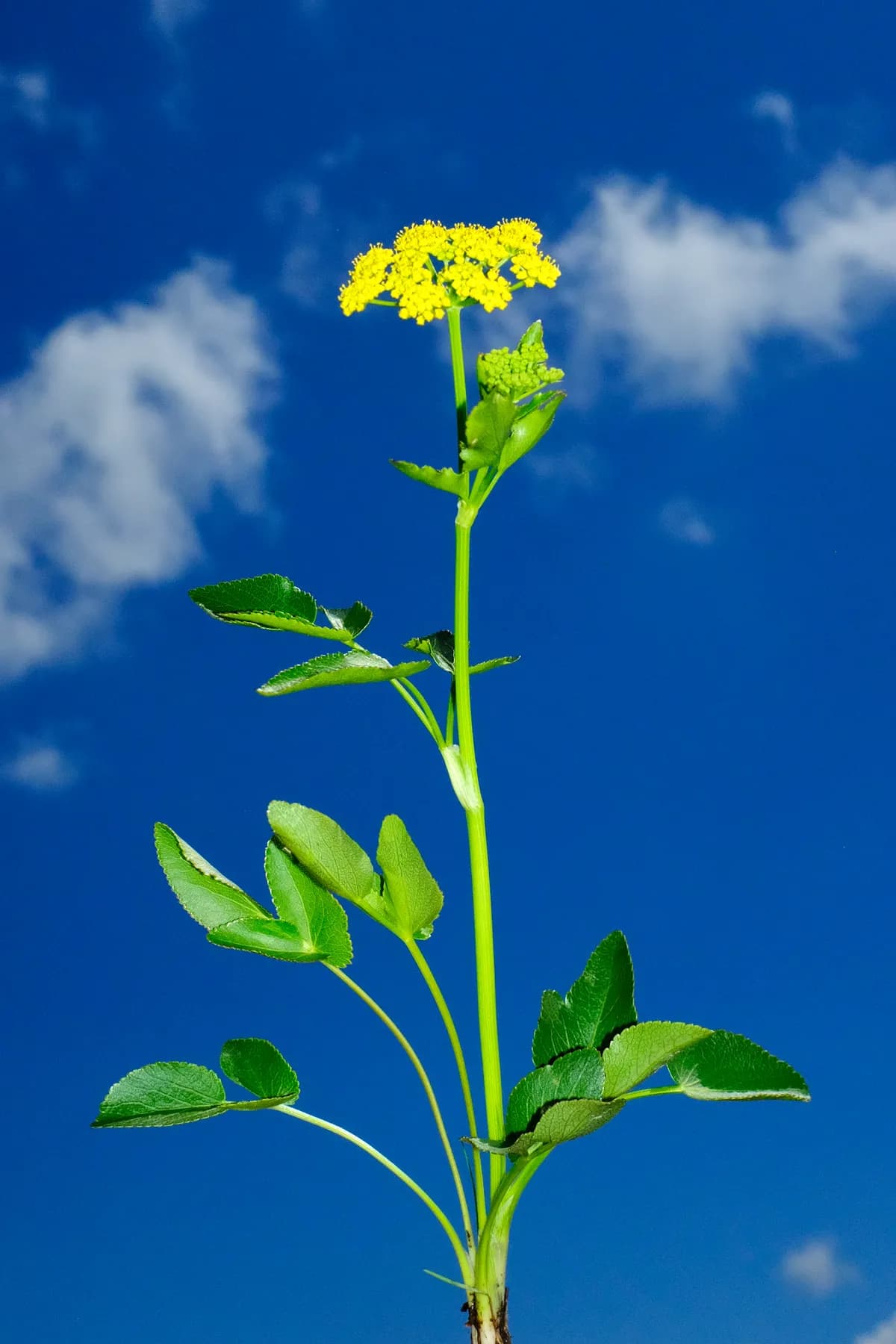
Heart-leaf Golden Alexanders
Zizia aptera

Gayfeather
Liatris punctata
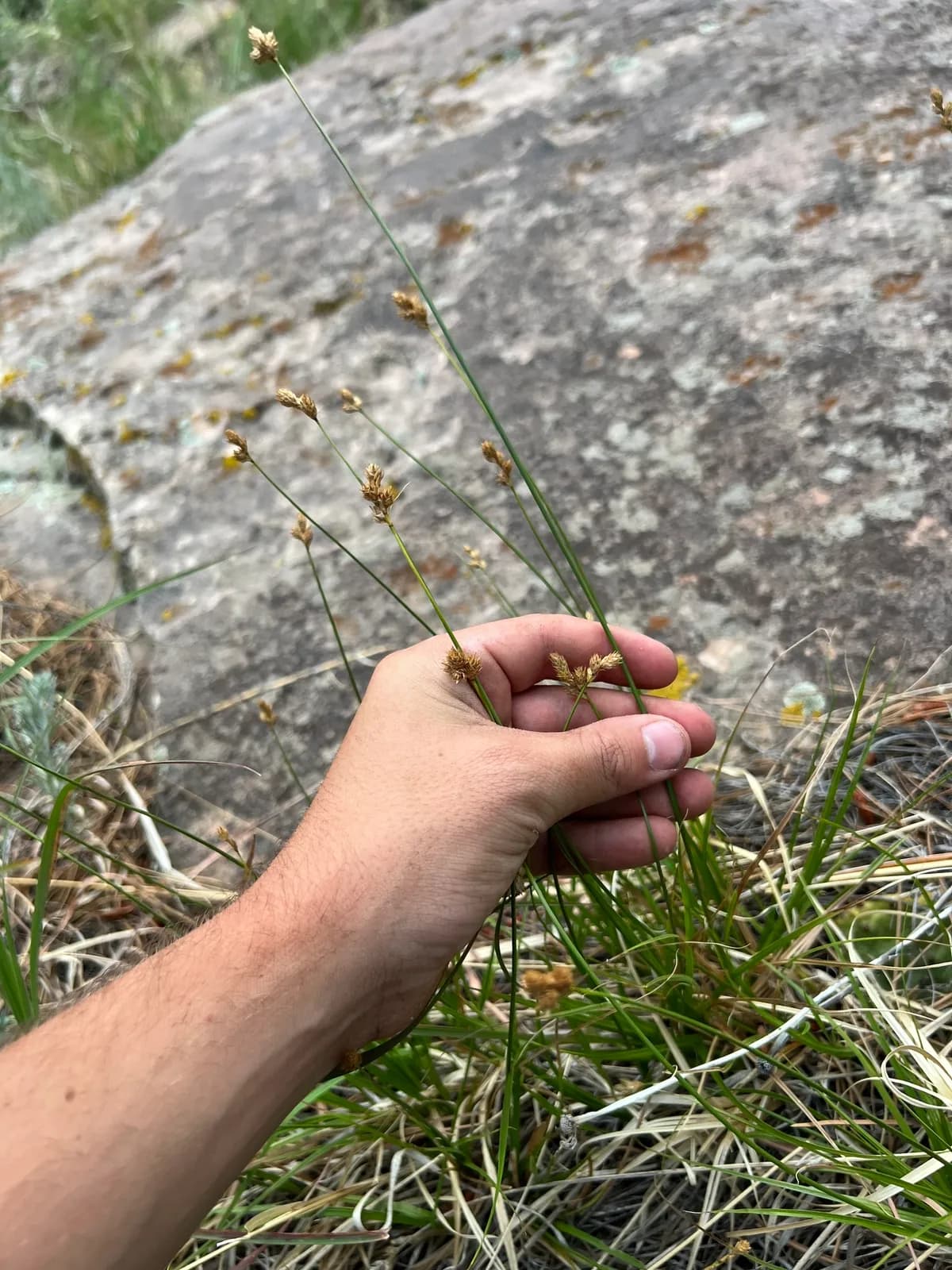
Short-beak Sedge
Carex brevior
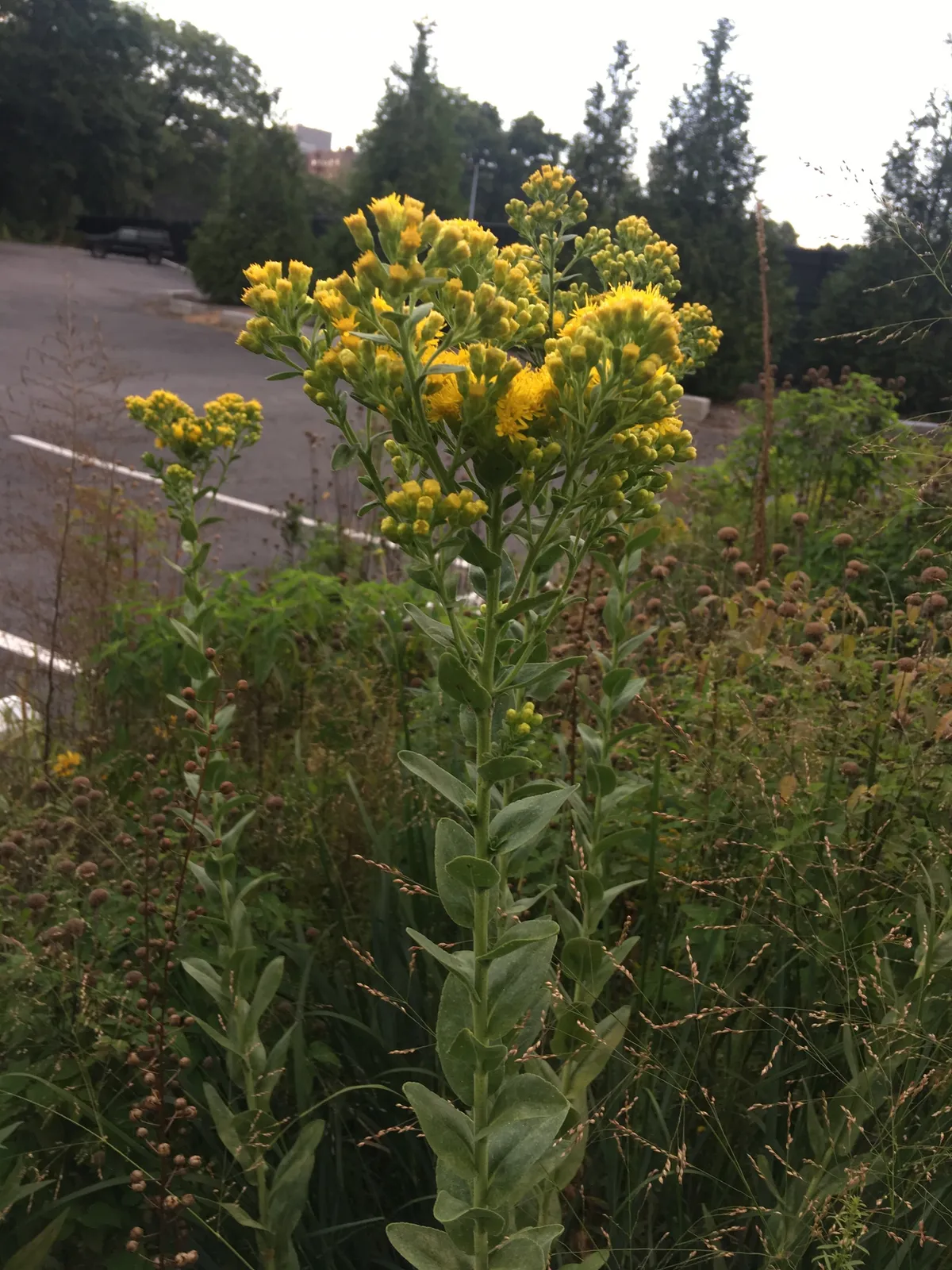
Stiff Goldenrod
Solidago rigida
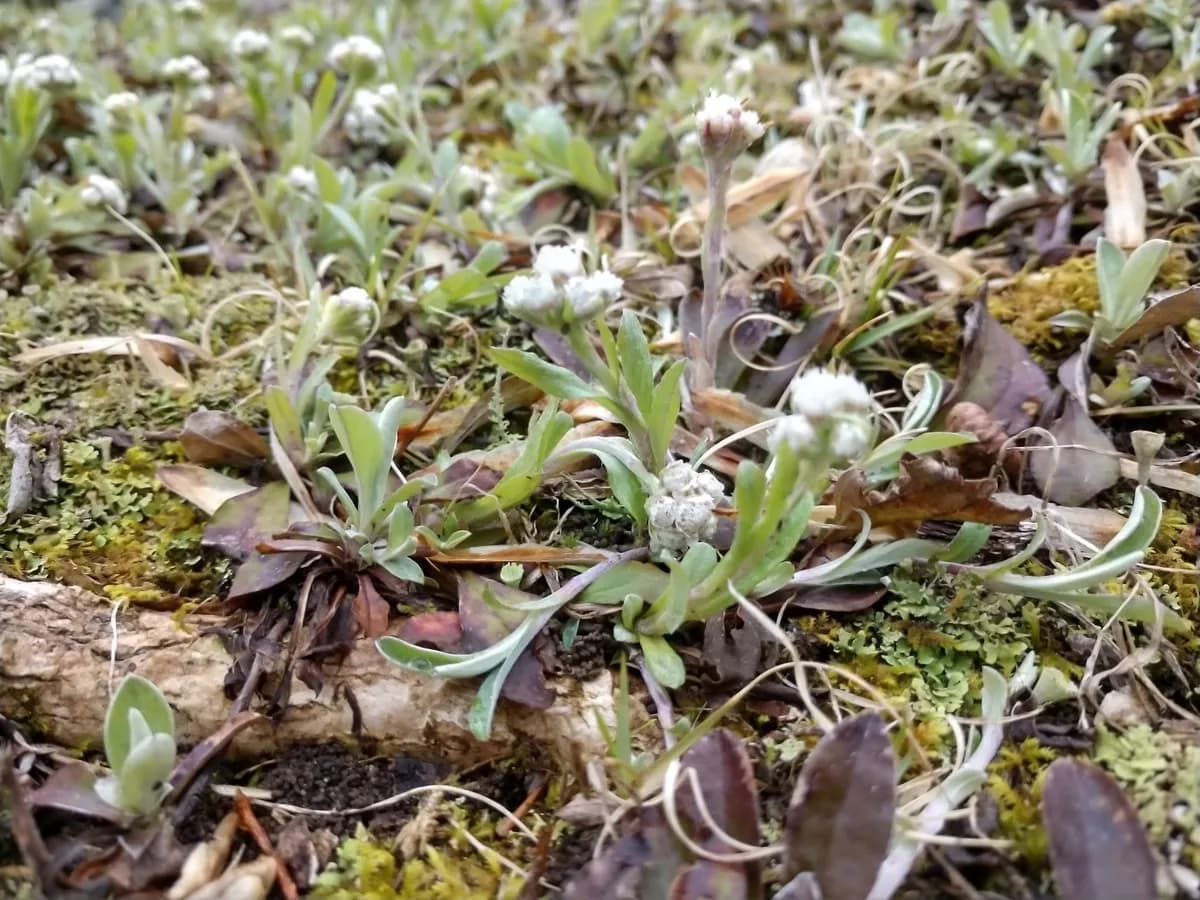
Field Pussytoes
Antennaria neglecta
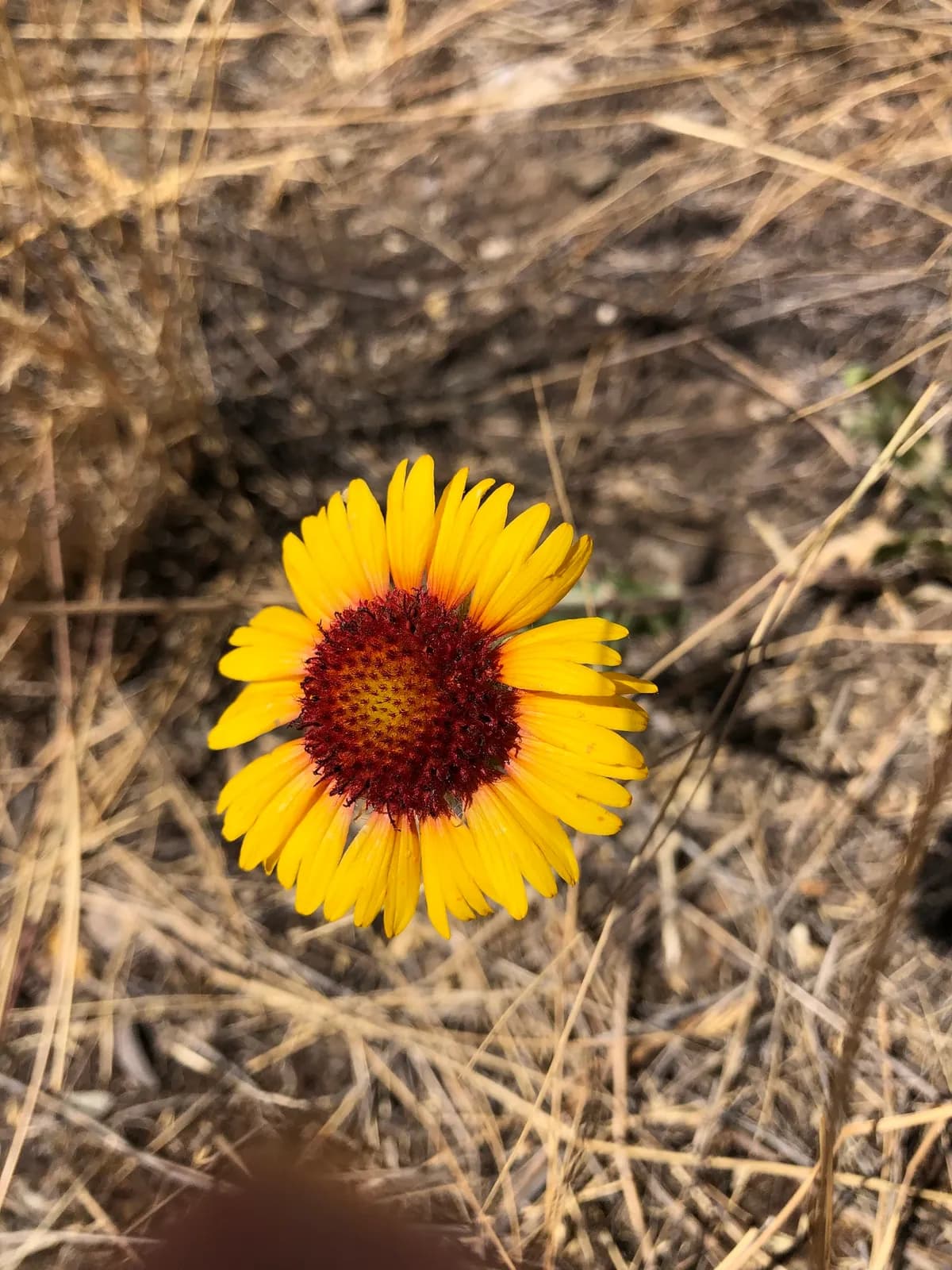
Great Blanket-flower
Gaillardia aristata
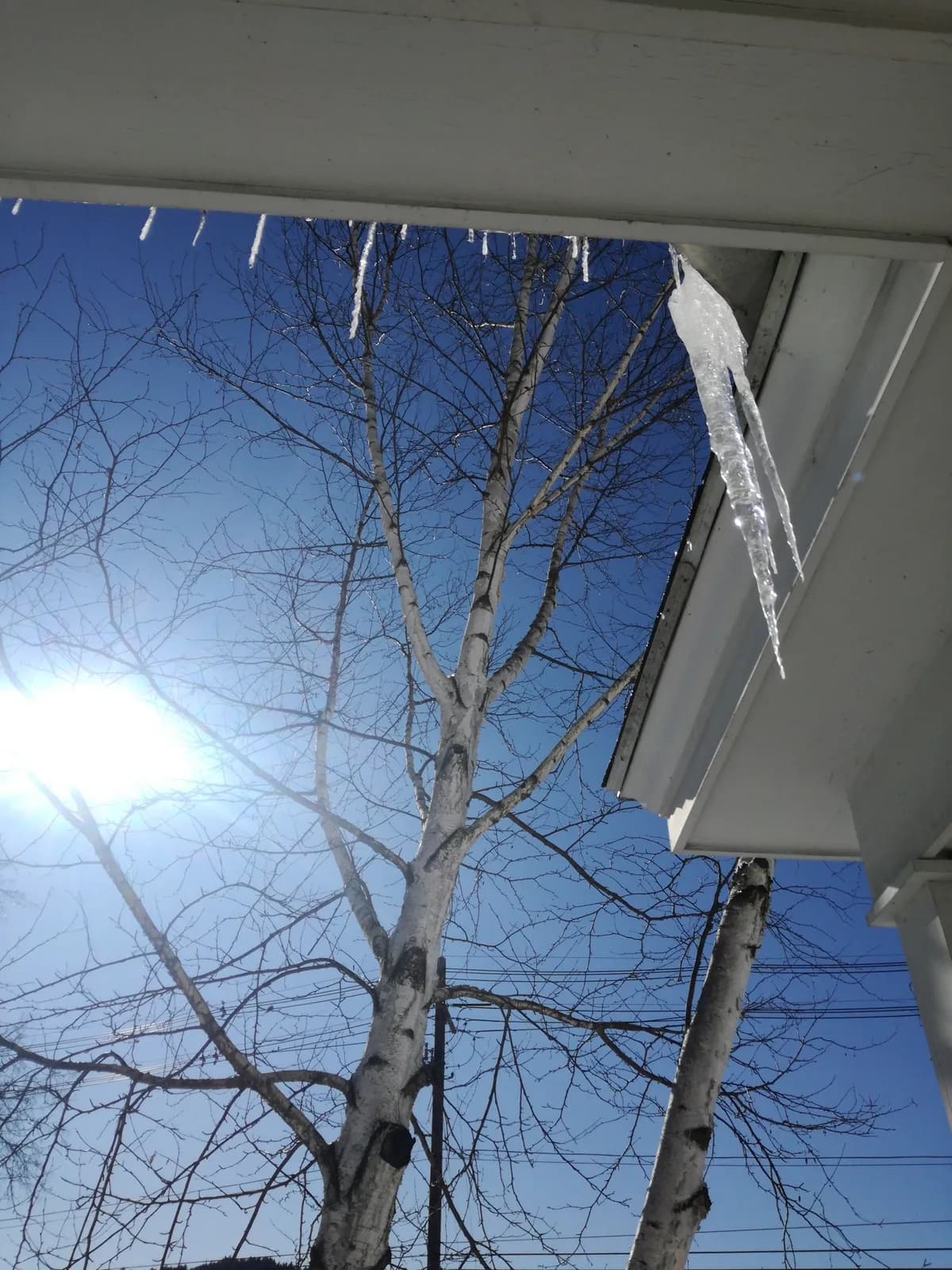
Canoe Birch
Betula papyrifera
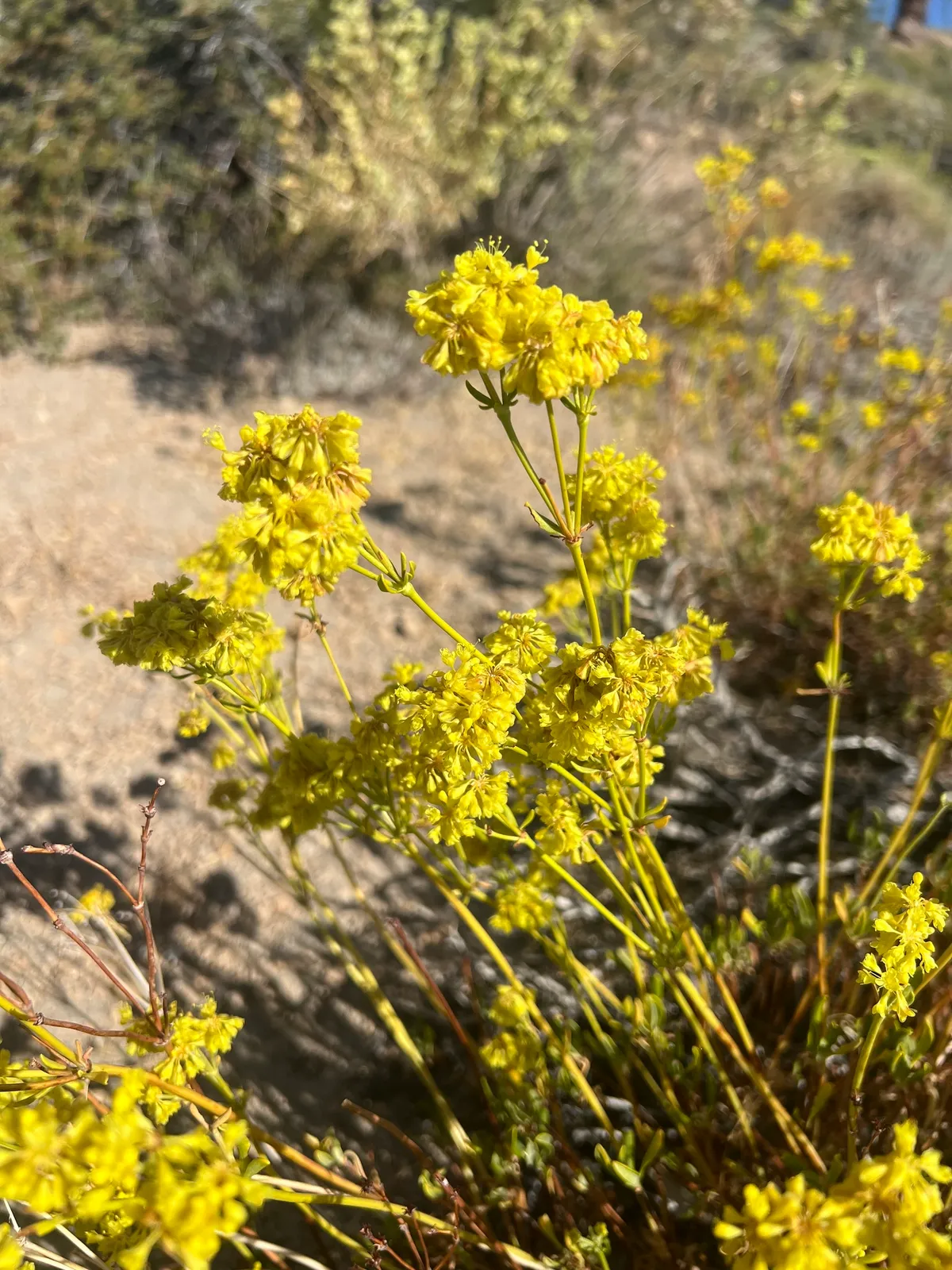
Sulfur-buckwheat
Eriogonum umbellatum
Showing 48 of 950. Enter your ZIP for the natives matched to your yard.
Fall care in the Southern Rockies
What to do right now for plants commonly grown here. Each links to the full regional care guide for that species, with sources.
- Plains zinnia
Fall bloom tapers off as Durango's first frost arrives, usually in the last week of September, and the plant needs no special prep for winter.
- Golden currant
Fall brings leaf color, the first frost, and another good planting window for golden currant.
- Tufted hairgrass
Fall brings Durango's first frost around late September, and it is one of the two good windows for dividing a clump before winter.
- Stiff goldenrod
Fall is bloom season here, with flat clusters of yellow flowers opening from August into Durango's first frosts around late September.
- Tufted evening primrose
Fall seed set and a light cleanup as Durango's growing season winds down.
- Blackfoot daisy
Fall brings the last strong bloom push before frost, plus a natural point to tidy up seed heads.
- Sweet crab apple
Fall is when Durango's mountain climate calls for a few tree-specific chores before the ground freezes, wrapping the trunk and building up mulch.
- Wavyleaf thistle
Fall is when second-year pasture thistle plants finish their life cycle, and it is a good time to manage how much the patch spreads.
- Four nerve daisy
As Durango's growing season winds down toward its typical first frost in late September, four nerve daisy keeps blooming later than most perennials in the bed.
- Common sneezeweed
Fall is peak bloom for Common Sneezeweed. Once flowering finishes and the first hard frost blackens the foliage, cut the whole plant back to 2 to 3 inches above the ground and remove the debris. This keeps a front-yard bed looking tended through the shoulder season instead of leaving collapsed brown stalks standing.
Build a plan for the Southern Rockies
The Pollinator Patch App turns plants like these into a front-yard plan tuned for the soil, climate, and HOA expectations of the Durango area.