Four-nerve Daisy
Tetraneuris scaposa
Last reviewed: August 2026
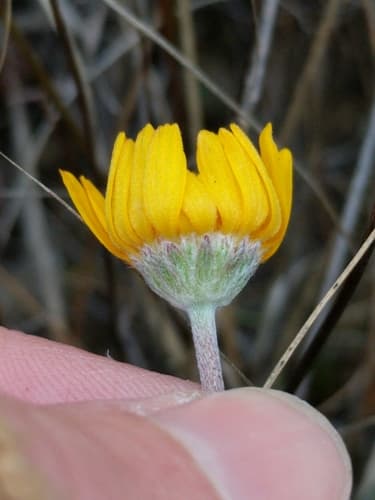
Tetraneuris scaposa, or Four-nerve Daisy, forms low mounds of grass-like leaves topped with bright yellow blooms from spring through fall. It handles full sun and dry, rocky or sandy soils typical of the southern Great Plains.
Toxicity unknown
Four-nerve Daisy (Tetraneuris scaposa) is not listed by the ASPCA Animal Poison Control Center (opens in new tab) or the other sources we check, so we have no verdict for it either way. Absence from those lists is not a clearance. If your pet shows symptoms after eating any plant, call the ASPCA at (888) 426-4435.
Light
full sun
Water
low
Size
6"–12" H × 6"–12" W
Bloom
Mar, Apr, May, Jun, Jul, Aug, Sep, Oct, Nov
Native to
CO, KS, NE, NM and 2 more states
Pollinators
nectar insects
Before you buy
Your city may pay you to plant this
Cities and water utilities offer rebates for replacing lawn with native and water-wise plants. We track 452 programs across 44 states, each with a link to the provider and the date we last checked it.
Find rebates in your areaBrowse plants for this ecoregion
Four-nerve Daisy is a compact native perennial that produces cheerful yellow daisy-like flowers from spring through fall. This low-growing plant forms neat mounds and thrives in hot, dry conditions with minimal care.
Growing Four-nerve Daisy
Grow Four-nerve Daisy in full sun and low water. Mature plants reach 6 to 12 inches tall and spread 6 to 12 inches wide. Expect low maintenance to keep it looking intentional in a front yard.
How to care for Four-nerve Daisy, by region
How to care for Four-nerve Daisy where it is actually grown: year-round basics plus what to do each season, region by region, with the sources for each.
Care guidance last updated: September 2026
Cross Timbers (includes Fort Worth, TX)
Year-round
Four-nerve daisy is a low, tidy evergreen perennial with narrow gray-green leaves and cheerful yellow daisy flowers on bare stalks above the foliage. It is native to the Cross Timbers and one of the easiest low-water plants for a front bed once it settles in.
- Give it full sun and fast-draining sandy or loamy soil; standing water rots the crown
- Space new plants 12 to 18 inches apart since each clump stays under a foot wide
- Skip fertilizer entirely, rich soil makes the clump leggy and floppy instead of tight and mounded
- Once established after its first full year, it only needs extra water during long dry stretches
- Shear off spent flower stalks through the growing season to keep the clump neat and coax out more blooms
The tight evergreen mound and repeat yellow blooms read as an intentional, well-kept border planting rather than an unmowed patch.
Fall
Fall brings a second flush of yellow blooms as temperatures cool, and it is a good time to divide clumps that have grown woody in the center.
- Expect renewed flowering from September into November as the heat breaks
- Divide overgrown or sparse-centered clumps any time from October through the mid November first frost
- Cut back any leggy summer growth to about 4 inches to keep the mound tight before winter
- Skip fertilizing; established plants do not need it heading into fall
The fall bloom flush keeps the bed looking active and cared for going into winter instead of bare.
Winter
Four-nerve daisy stays evergreen through North Texas winters and needs almost no care besides some patience after a hard freeze.
- Leave the gray-green foliage in place; it holds its color through mild winters and only needs trimming if freeze damaged
- After a hard Arctic freeze, wait until new growth appears in spring before cutting back any blackened leaves
- No winter watering is needed unless the soil has been completely dry for over a month
- Do not pile mulch over the crown; it prefers to stay dry and can rot if buried under wet mulch
An evergreen mound that holds its shape through winter avoids the bare-dirt look many perennial beds get this time of year.
Spring
Spring is the heaviest bloom period and the best window to plant new four-nerve daisies in North Texas, once the mid March last frost has passed.
- Plant new nursery starts from mid March through April so roots settle in before summer heat arrives
- Water new transplants two to three times a week for the first month, then taper off as roots take hold
- Deadhead spent yellow blooms to keep new flushes coming through late spring
- Work a couple inches of coarse sand or expanded shale into the planting hole if the native soil is slow to drain
A fresh spring planting of evergreen mounds with bright yellow blooms fills a bed quickly and reads as deliberate landscaping.
Summer
Once established, four-nerve daisy handles North Texas's 100 degree afternoons with little to no supplemental water, though blooming slows during the hardest heat.
- Water only during multi week dry spells in July and August, roughly once every 10 to 14 days if there has been no rain
- Expect fewer blooms during the hottest weeks; this is normal for the plant, not a sign of stress
- Avoid daily or frequent watering, it is the fastest way to rot the crown in humid heat
- Leave the gray-green foliage alone; it stays evergreen and does not need cutting back in summer
Because it needs so little water, it stays a tidy low mound through the driest weeks instead of getting the ragged, wilted look stressed plants show.
Sources: Lady Bird Johnson Wildflower Center: Tetraneuris scaposa, Dallas County Master Gardeners: Four-Nerve Daisy
East Central Texas Plains (includes College Station, TX)
Year-round
Four-nerve daisy is a low, mound forming perennial with narrow silvery leaves, usually growing to about 16 inches tall and wide. In the College Station area the single biggest thing to manage is drainage, since this plant comes from much drier, rockier ground than local clay soils provide.
- Plant it in full sun to very light afternoon shade, in your best drained spot. A raised bed, a mounded berm, or a bed topped with rock or gravel works better here than compost or bark mulch that holds moisture.
- Water it deeply, then let the soil go fully dry before watering again. Regular light watering on top of Brazos Valley clay is the fastest way to get a floppy, rotting plant.
- This species is documented as native across the drier parts of Texas farther west and north, places like the Hill Country, the Cross Timbers, and the High Plains. We could not confirm it is documented as native this far east into the Post Oak Savannah around College Station, so it is worth treating it as a plant you are hosting rather than one the local soil was built for, and leaning hard on the drainage steps above.
Fall
Fall often brings a second wave of bloom along with another round of Gulf Coast rain, so fall care looks a lot like spring care: enjoy the flowers, keep watching the drainage.
- Cooler, milder weather often triggers a repeat flush of yellow blooms into fall.
- September and October can still bring heavy rain from Gulf weather systems. Keep checking that water is not pooling around the base of the plant.
- This is a good time to trim back any leggy summer growth so the plant heads into winter as a tight mound instead of a sprawling one.
Winter
College Station winters run mild for most of the country, with average annual temperatures near 69 degrees, but an occasional hard freeze or ice event still comes through, and this is one of the few plants in a Texas garden that keeps blooming right through the cold months.
- Most winters here stay mild enough that Four-nerve daisy keeps blooming on and off all season, which is part of why gardeners plant it.
- During a rare hard freeze or ice event, a light frost cloth over the mound protects the foliage. It is a tough perennial and typically bounces back even if some leaves burn.
- Hold off on winter watering. Cold, wet clay around the roots is a bigger threat to this plant than the cold air itself.
Its low mounded shape and habit of blooming through winter give a front bed some color when most other plants are dormant, a small point in favor of it if your HOA cares about winter curb appeal.
Spring
Spring is Four-nerve daisy's biggest bloom push, and it is also College Station's wettest stretch of the year, so managing extra water matters more than feeding it.
- Expect the heaviest flowering from around March into June. Snap off spent yellow flower heads to keep new buds coming.
- Spring around College Station brings heavy rain events. Make sure the planting spot drains fast and never sits wet for more than a day, since standing water on clay is what rots the crown.
- Skip the fertilizer. This plant flowers best in lean soil, and rich feeding just pushes weak, floppy growth.
Summer
College Station summers are long, hot, and humid, and Four-nerve daisy handles the heat much better than the humidity.
- The plant is genuinely heat and drought tolerant, so once it is established it should need little to no extra water through summer unless there is a long dry stretch.
- Humid, muggy nights are the bigger risk here. Keep mulch to a thin gravel layer instead of bark or compost, and keep the base of the plant open to airflow to cut down on crown and root rot.
- Do not be surprised if bloom slows during the hottest, muggiest weeks. It typically picks back up as the weather cools into fall.
Sources: Lady Bird Johnson Wildflower Center native plant database, Tetraneuris scaposa, Native Plant Society of Texas plant profile, Tetraneuris scaposa, NWS Houston/Galveston climate normals for College Station
Edwards Plateau (includes San Antonio, TX)
Year-round
Four-nerve daisy's native range covers dry plains and rocky hillsides across Texas and neighboring states, and San Antonio's limestone soil and summer heat sit right in its comfort zone.
- Plant in fall or early spring so roots are established before the worst summer heat hits.
- No need to amend the soil. It's adapted to San Antonio's thin, rocky, alkaline caliche.
- Once established, rely on rainfall. It rarely needs supplemental water, even under San Antonio Water System watering restrictions.
- Use a light gravel mulch rather than heavy bark, which holds too much moisture against the crown here.
- Keep it out of irrigated turf zones. Regular lawn watering is the most common way to rot this plant in San Antonio gardens.
Its silvery, low mounding form reads as tidy and intentional in a front bed, a common choice for xeriscape curb appeal in San Antonio.
Fall
September rains often bring a second flush of bloom, and fall is a good time to plant or divide.
- Watch for a second round of flowers as fall rains arrive.
- This is a good window to plant new daisies or divide overgrown clumps before winter.
- Cut back spent flower stalks to keep the clump neat.
- Hold off on extra water once fall rain picks up.
Winter
San Antonio winters are mild, so this plant mostly just sits tight, with only an occasional hard freeze to plan for.
- No supplemental water is needed through winter.
- Leave foliage in place. It's evergreen to semi-evergreen through San Antonio's mild winters.
- If a hard freeze is forecast, an established plant in well-drained soil usually comes through fine without cover.
- Skip pruning until you see new spring growth, so you don't cut back live wood by mistake.
Spring
March through June is the main bloom season, lining up with San Antonio's spring rains.
- Expect the heaviest flush of yellow blooms during this stretch.
- Let spring rain handle watering. Only step in if there's an extended dry spell.
- Deadhead to keep blooms coming. In mild years this daisy can flower on and off nearly year round.
- Watch for standing water in low spots after heavy spring downpours, which is harder on it than dry heat.
Summer
San Antonio summers are long and brutally hot, but an established plant is built for exactly this.
- Established plants need little to no extra water, even through July and August highs.
- New plantings still need an occasional deep soak during the driest stretches.
- Check local San Antonio Water System watering restrictions before setting up any irrigation.
- Resist watering on a fixed schedule. Overwatering in summer heat is harder on this plant than the heat itself.
Sources: Lady Bird Johnson Wildflower Center - Tetraneuris scaposa var. scaposa (Native Plant Database), Texas A&M AgriLife Extension - Bexar County Office
High Plains (includes Lubbock, TX)
Year-round
Tetraneuris scaposa, commonly called four-nerve daisy or perky Sue, is a low, mounding perennial with cheerful yellow daisy flowers. It is native to the Texas High Plains and the surrounding southern Great Plains, including the Lubbock area, and it thrives in the region's dry, rocky or caliche clay soils with very little care once established.
- Plant in full sun. It tolerates part shade but blooms best and stays compact with at least 6 hours of direct sun a day.
- Use well-drained soil. Rocky, caliche, clay loam, or sandy soils all work as long as water does not pool around the crown.
- Water sparingly. Established plants are drought tolerant and can get leggy or develop crown rot if watered too often or too deeply.
- It is native to the Texas High Plains ecoregion that includes Lubbock, so it is naturally matched to the area's heat, wind, and alkaline soils.
- The flowers are a nectar source for bees and butterflies, and deer tend to leave the foliage alone.
Fall
Fall often brings a second, lighter bloom flush for four-nerve daisy in the Lubbock area as summer heat breaks, and it is also the best time for seasonal cleanup before the first freeze.
- Cooler temperatures and any fall rain can trigger a second round of yellow blooms into October.
- The first freeze in the Lubbock area typically arrives in mid-November, so this is a good window to divide crowded clumps or direct sow seed outdoors before winter.
- Cut back any dead or scraggly foliage after the first hard freeze to keep the plant tidy through winter.
- Reduce or stop supplemental watering as temperatures drop, since cool, wet soil going into winter raises the risk of crown rot.
- Clear fallen leaves from nearby trees off the low mound so the crown gets air and light.
Tidying spent foliage in fall is one of the easiest ways to keep a front-yard bed looking cared for heading into winter.
Winter
Winter is a quiet, low maintenance season for four-nerve daisy in Lubbock. The plant holds a low, semi-evergreen rosette of foliage through cold weather and needs almost no attention.
- Leave the low foliage mound in place over winter. It holds a tidy, year-round form rather than dying back completely.
- No regular watering is needed in winter unless the region goes through an unusually long dry, warm spell.
- Winter wind on the High Plains can dry out exposed beds. A light layer of mulch around, not on top of, the crown helps hold soil moisture.
- Avoid walking on or compacting the crown when the ground is frozen, since this is a slow growing plant that can be slow to recover from damage.
- This dormant season is a good time to plan where to add companion natives for spring, since the plant's low mounded form is easy to see and work around.
Because it holds its shape through winter, this bed needs no extra shaping or cleanup to look presentable street-side.
Spring
Spring is the heaviest bloom period for four-nerve daisy in the Lubbock area. Plants put on their biggest flush of yellow flowers from March through May as days warm and the risk of a hard freeze fades.
- Wait until the average last freeze has passed, typically around late March in Lubbock, before setting out new transplants.
- Deadhead spent flower heads through spring to encourage more blooms and keep the mound looking tidy.
- Spring rain can leave clay soils wet for a while. Hold off on extra watering until the top few inches of soil dry out so the crown does not sit wet.
- This is peak bloom, and the flowers draw in bees and butterflies looking for early season nectar.
- It is a good time to direct sow seed outdoors if you want to fill in bare patches, since seed germinates well in cool, moist spring soil.
Regular deadheading through spring keeps the front bed looking neat and full for street-facing curb appeal.
Summer
Summer in Lubbock brings intense heat, strong wind, and long dry stretches, which four-nerve daisy is built to handle once it is established in the ground.
- Established plants need very little supplemental water in summer. Deep, infrequent watering only during extended heat waves is enough.
- Avoid frequent shallow watering. It encourages the plant to stretch and flop instead of staying in its tight mound.
- A light trim of spent or heat-stressed blooms in mid-summer can encourage a fresh flush of flowers once temperatures ease.
- Newly planted starts still need regular watering their first summer while roots establish, even though mature plants do not.
- Good drainage matters most after summer thunderstorms. Soil that stays soggy after a downpour raises the risk of root and crown rot.
Sources: Lady Bird Johnson Wildflower Center, Native Plant Database: Tetraneuris scaposa, Native Plant Society of Texas: Tetraneuris scaposa, FrostCal average frost dates for Lubbock, TX (community tip)
South Central Plains (includes Beaumont, TX)
Year-round
Four-Nerve Daisy is a low, drought-loving Texas wildflower built for dry, rocky ground. It is native to the drier plains and limestone hill country of the state, not to the humid Gulf Coastal Plain around Beaumont, so in your soil it needs some help staying alive long term.
- This plant's native range runs through the drier parts of Texas such as the Edwards Plateau, Cross Timbers, and High Plains, where it grows on dry plains and rocky hillsides, per the Lady Bird Johnson Wildflower Center and the Native Plant Society of Texas. The humid Gulf Coastal Plain around Beaumont is not part of that native habitat.
- Beaumont gets far more rainfall and much heavier clay soil than this plant is built for. Give it a raised bed or a mounded berm at least 8 to 12 inches high, worked with coarse sand or expanded shale, so water drains away from the crown quickly.
- Full sun and lean, unamended soil work best. Skip compost-rich beds and skip routine irrigation once it is established, since wet roots in heavy clay is the main way this plant fails here.
- Treat it as a shorter-lived perennial in Beaumont's climate rather than the long-lived clump it can become in drier parts of Texas, and plan to replace or divide plants every few years.
Fall
Fall is a good second planting window and a light cutback season, once Beaumont's worst summer humidity finally breaks.
- Early fall, once summer's heaviest humidity passes but frost is still months off, is a solid second window for planting or dividing Four-Nerve Daisy into a raised, sharply drained bed.
- Cut back any leggy or rain-flattened growth left over from summer. This plant naturally forms a low, silvery clump, per the Lady Bird Johnson Wildflower Center, and responds well to a light trim to tighten its shape before winter.
- Ease off watering as fall settles in and let the bed dry out fully between any rain. Drier stretches are easier on this plant's roots than the wet summer months.
- Check drainage again after any late-season heavy rain. A raised bed that carried the plant through summer storms should keep it free of standing water at the crown through fall as well.
A fall cutback keeps the clump tight and silvery instead of sprawling and rain-battered, which matters most in a front bed that neighbors and any HOA landscaping walk-through will actually see.
Winter
Beaumont winters are mild enough that Four-Nerve Daisy usually keeps its foliage, but occasional freezes and wet weather are still the two things to manage.
- This plant keeps its low, silvery, evergreen foliage through most mild Gulf Coast winters and needs no covering for an average freeze. The City of Austin's Grow Green guide lists it as evergreen with low winter care needs.
- On the rare hard freeze that drops well below normal for the area, a light frost cloth laid over the low mound is enough protection, since the plant's growth habit stays close to the ground.
- Winter is the driest season to leave this plant alone. Stop supplemental watering entirely, since cold, wet, poorly drained clay is harder on the roots than cold alone.
- If foliage does brown back after a hard freeze, wait until new spring growth starts before trimming it away rather than cutting back in the middle of winter.
A tidy, low silvery mound holds its shape through winter with almost no care, which reads as a deliberate rock-garden accent in a front bed rather than a bare or dead-looking patch.
Spring
Spring is the best time to plant or divide Four-Nerve Daisy in Beaumont, once the wettest part of winter eases and the soil starts to dry out.
- Plant new Four-Nerve Daisy after the last frost risk passes, straight into a raised bed or berm with sharp drainage. The drier stretch before Beaumont's summer rains ramp up gives roots the best chance to establish.
- Expect yellow, daisy-like flowers on leafless stalks starting in spring and continuing into early summer, per the Lady Bird Johnson Wildflower Center, which lists a March through June bloom period.
- Hold off on extra watering unless the top few inches of soil are fully dry. In a wet Beaumont spring, watering on top of rain is the fastest way to rot the crown.
- Once flowering starts, cut off spent bloom stalks to keep new flowers coming, per the City of Austin's Grow Green plant guide.
Removing spent bloom stalks keeps the front bed looking tended and in bloom, which reads as intentional, low-key color instead of a straggly patch.
Summer
Summer in Beaumont brings the heat this plant likes, but also the humidity and heavy rain it does not. The main job is keeping its roots from sitting wet between storms.
- Four-Nerve Daisy tolerates heat well, but its native habitat is dry plains and rocky hillsides, not a humid subtropical rainfall pattern, per the Lady Bird Johnson Wildflower Center. Skip supplemental watering during Beaumont's wet summer months unless there is a real dry stretch.
- Watch for yellowing leaves or a soft, mushy base after heavy rain runs, both signs of root or crown rot in poorly drained clay. A raised bed or gravel-topped mound is the best prevention going into the wettest part of the year.
- Keep deadheading spent flower stalks through summer to keep the plant blooming instead of putting its energy into seed.
- Avoid mulching right up against the crown. In Beaumont's humidity, mulch touching the base holds moisture against a plant built for fast-draining ground.
Regular deadheading keeps the mound looking like a tended rock-garden accent instead of a rain-battered, leggy patch during the wettest months.
Sources: Lady Bird Johnson Wildflower Center - Tetraneuris scaposa, Native Plant Society of Texas - Tetraneuris scaposa, USDA PLANTS Database - Tetraneuris scaposa profile, City of Austin Grow Green - Hymenoxys (Four Nerve Daisy)
Texas Blackland Prairies (includes Dallas, TX)
Year-round
Four-nerve Daisy is a tiny Texas native from rocky limestone ground, so in Dallas black clay its number one need is sharp drainage.
- Native to Texas and north-central Texas on rocky limestone and caliche soils, not on heavy clay
- Plant it high on a mound or in a gravelly, raised, or rock-garden spot so water drains away fast
- Water sparingly and never let the roots sit wet in the slow-draining black gumbo clay
- Wet feet in soggy clay is the main way to lose this plant, not drought
- It stays a small tidy clump about 6 to 12 inches with yellow daisies most of the year
A naturally tiny, neat, long-blooming clump that reads as an intentional HOA-friendly planting along a walkway or as front-of-bed edging.
Fall
Fall is the best time to plant here and a second bloom season, just guard against soggy fall rains.
- Fall is the top planting window so roots settle in before summer heat
- Set the plant high in gritty or raised soil so fall rains drain right off
- Expect another round of yellow daisies in the mild fall weather
- Water new fall plantings lightly, then let the clay dry out
- Check that low spots are not holding water around the clump
Space clumps evenly along a walkway or bed edge for a clean, intentional look.
Winter
Dallas winters are mild with a few hard freezes, so tidy up spent growth in late winter and expect blooms in warm spells.
- The clump stays evergreen to semi-evergreen and may flower in mild winter spells
- Cut back tired or spent growth in late winter to freshen the clump
- A few hard freezes will not hurt this tough little plant
- Do not water in winter, the roots rest and hate wet cold clay
- Clear fallen leaves off the small clump so it does not stay damp
A late-winter trim keeps the edging looking crisp and intentional from the curb.
Spring
Spring is prime bloom and planting time, so set new plants high and water only enough to get them started.
- Spring brings a strong flush of small yellow daisies, so just enjoy the color
- A good window to plant, set the crown high on a mound or gritty raised spot
- Water new plants lightly and let the soil dry out between waterings
- Settled-in clumps need almost no extra water with spring rains
- Pull weeds around the small clump so it does not get crowded out
Pinch off spent flower heads through spring to keep the front-of-bed edge looking tidy.
Summer
Hot humid Dallas summers are the stress season, so the goal is keeping the roots from ever staying wet.
- This plant shrugs off heat and drought once it has settled in
- Overwatering in summer is riskier than underwatering, so keep water light
- Make sure the mound or gravel keeps rain draining away quickly
- A few blooms often keep coming through the summer heat
- Skip heavy mulch against the crown so it does not trap moisture
Sources: Lady Bird Johnson Wildflower Center: Tetraneuris scaposa, USDA PLANTS Database: Tetraneuris scaposa (TESC)
Want these tasks as reminders timed to your yard? Pollinator Patch turns this guidance into a season-by-season care plan for the plants you actually grow.
In an HOA neighborhood
Four-nerve Daisy is an HOA-friendly choice. Maintenance level: low. Tidiness: 4 out of 5.
Works well in: front yard, foundation, street edge, mid zone.
Wildlife value
The long blooming period provides nectar for butterflies, bees, and other beneficial insects throughout most of the growing season.
Common questions
- When does Four-nerve Daisy bloom?
- Tetraneuris scaposa blooms over an unusually long season, typically from March through November, with flushes of bright yellow flowers on leafless stems above a basal rosette.
- How much water does Four-nerve Daisy need?
- This plant is drought tolerant and prefers low water once established, doing best in well-drained, dry soils rather than consistently moist ground.
- What light conditions suit Four-nerve Daisy best?
- Full sun brings on the heaviest bloom, though the plant can tolerate a bit of light afternoon shade in especially hot locations.
- Does Four-nerve Daisy attract pollinators?
- Its daisy-like yellow flowers draw in nectar-seeking insects such as bees and small butterflies throughout the long bloom season.
- What growth habit does Four-nerve Daisy have?
- It grows as a low, mounding forb with narrow basal leaves, staying compact and spreading slowly by seed and short offsets rather than climbing or vining.
- Is Four-nerve Daisy HOA-friendly?
- Four-nerve Daisy is generally an HOA-friendly choice in the right placement, with low maintenance.
These answers were drafted with an AI model from this plant's data. Verify care details with a local expert.
Native range data from vouchered herbarium specimen records and regional native plant society lists. Pollinator and host plant associations compiled from GBIF, iNaturalist, and published ecological literature.
If something looks wrong
Common plant problems, and what to check first
These come up on almost any plant. Each guide lists the likely causes in the order they are worth ruling out, with one thing to check before you act on any of them, and links to the source it came from.
- It is dying right after planting
- Leaves turning yellow
- Wilting even though I watered it
- Brown crispy leaf tips
- Bugs on the plant
Ready to grow Four-nerve Daisy? Add it to your garden in Pollinator Patch to track it and get season-by-season care guidance.
Planning a bed around it? Start a free plan with this plant
Not sure where to start? Take the 2-minute yard quiz