White Prairie Clover
Dalea candida
Last reviewed: August 2026
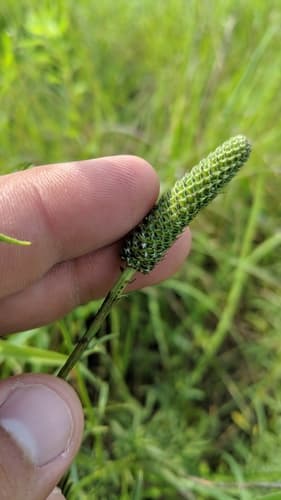
Dalea candida, or white prairie clover, is a drought tolerant forb that produces dense white flower spikes from June through August in prairies and dry grasslands.
Toxicity unknown
White Prairie Clover (Dalea candida) is not listed by the ASPCA Animal Poison Control Center (opens in new tab) or the other sources we check, so we have no verdict for it either way. Absence from those lists is not a clearance. If your pet shows symptoms after eating any plant, call the ASPCA at (888) 426-4435.
White Prairie Clover is listed as toxic to grazing livestock (cattle, sheep, and goats) at a slight level by the USDA PLANTS Database (opens in new tab). This is a livestock indicator and is separate from pet toxicity.
Light
full sun
Water
low
Size
12"–24" H × 12"–24" W
Bloom
Jun, Jul, Aug
Native to
AL, AR, AZ, CO and 21 more states
Pollinators
butterflies, bees
Before you buy
Your city may pay you to plant this
Cities and water utilities offer rebates for replacing lawn with native and water-wise plants. We track 452 programs across 44 states, each with a link to the provider and the date we last checked it.
Find rebates in your areaBrowse plants for this ecoregion
White Prairie Clover is a compact native perennial that forms neat clumps of delicate compound leaves. It produces distinctive white cylindrical flower spikes from June through August, creating an orderly display that works well in formal landscapes.
Growing White Prairie Clover
Grow White Prairie Clover in full sun and low water. Mature plants reach 12 to 24 inches tall and spread 12 to 24 inches wide. Expect low maintenance to keep it looking intentional in a front yard.
How to care for White Prairie Clover, by region
How to care for White Prairie Clover where it is actually grown: year-round basics plus what to do each season, region by region, with the sources for each.
Care guidance last updated: September 2026
Western Corn Belt Plains (includes Des Moines, IA)
Year-round
White prairie clover is a native tallgrass prairie legume that grows well around Des Moines with a deep taproot, full sun, and well drained soil. It is low maintenance once established and needs no regular fertilizing.
- Give it full sun and well drained soil. It tolerates dry conditions once it has a season or two to grow its deep taproot.
- As a legume, it partners with soil bacteria to make its own nitrogen, so skip the fertilizer.
- Expect white flower spikes from around June into September, opening from the bottom of the spike upward.
- It is native to Iowa and much of the tallgrass prairie region, so it fits naturally into a Des Moines native planting.
- Bees and other pollinators use the flowers for nectar and pollen, and it serves as a host plant for Dogface butterflies.
Fall
Fall is when white prairie clover finishes blooming and sets seed, and it is the best time of year to sow new seed if you want to expand the planting.
- Seed pods form after the flowers fade and can be left in place to feed birds and let the plant reseed itself.
- Late fall, after the ground has had some hard frosts, is the recommended time to direct sow new seed, since it needs a cold moist period before it will sprout in spring.
- Skip fall fertilizing. This legume makes its own nitrogen through soil bacteria.
- If a tidy fall look is wanted for the front yard, cut the plant back to a few inches after it goes dormant instead of leaving it until spring.
Leaving the seed heads up through fall can look intentional rather than messy if the bed has a clean mowed edge around it.
Winter
White prairie clover is fully dormant in winter and dies back to the ground in the Des Moines climate. It needs no active care until spring.
- The plant dies back to the ground each winter and regrows from its crown and taproot the following spring.
- Standing dead stems and seed heads can be left up through winter for visual structure and to feed birds.
- No watering, fertilizing, or pruning is needed while the plant is dormant.
- It is adapted to Iowa's freeze and thaw cycles, so no winter protection or mulching is needed for an established plant.
Cutting stems back in late fall instead of leaving them up gives an HOA-conscious, tidy winter look if bare stalks would otherwise stand out.
Spring
Spring is a waiting game with white prairie clover. It greens up later than many prairie neighbors, and this is also when fall sown seed germinates.
- New growth from the crown often shows up later in spring than other prairie perennials, so do not assume a quiet patch is dead.
- If old stems were left standing over winter, cut them back to a few inches once new growth starts to appear.
- Seed sown the previous late fall should germinate now. Keep seedlings weeded, since young plants compete poorly with grass and weeds.
- No fertilizer is needed in spring. The plant fixes its own nitrogen through soil bacteria.
- Confirm the spot still gets full sun before nearby trees or shrubs leaf out.
Cutting back last year's stems in early spring keeps the bed looking tended before the rest of the yard greens up.
Summer
Summer is peak season for white prairie clover, with white flower spikes blooming from around June into September and pollinators visiting all season.
- Flowers open from the base of the spike upward over several weeks, so blooms are visible most of the summer.
- Once established, the deep taproot makes this plant drought tolerant, and it usually does not need extra watering during a normal Des Moines summer.
- First year plants still benefit from watering during extended dry spells until the taproot develops.
- Avoid spraying insecticides near the plant, since bees and other pollinators rely on it for nectar and pollen through summer.
- The plant is a larval host for Dogface butterflies, so caterpillars on the foliage are a good sign, not a pest problem.
Sources: Lady Bird Johnson Wildflower Center: Dalea candida, USDA NRCS Plant Guide: White Prairie Clover, Iowa State University Extension: Perennials with Winter Interest, Prairie Moon Nursery: White Prairie Clover
Want these tasks as reminders timed to your yard? Pollinator Patch turns this guidance into a season-by-season care plan for the plants you actually grow.
In an HOA neighborhood
White Prairie Clover is an HOA-friendly choice. Maintenance level: low. Tidiness: 4 out of 5.
Works well in: front yard, foundation, street edge, mid zone.
Wildlife value
The flowers are excellent for native bees and butterflies, providing nectar throughout the summer months. This plant is particularly valuable for supporting local pollinator populations.
Common questions
- When does white prairie clover bloom?
- Dalea candida typically flowers from June through August, producing compact white flower spikes on slender upright stems.
- What pollinators visit Dalea candida?
- The flower spikes attract bees and butterflies, which feed on the nectar and pollen along the blooming stalks.
- How much water does white prairie clover need?
- This forb tolerates dry conditions well and prefers low water once established, doing best in well-drained soil.
- How much sun does this plant require?
- White prairie clover grows best in full sun and can tolerate part sun, which suits its use in open prairie and grassland plantings.
- Is White Prairie Clover toxic to livestock?
- White Prairie Clover is listed as toxic to grazing livestock such as cattle, sheep, and goats (slight severity) by the USDA PLANTS Database. This is separate from pet (dog and cat) toxicity.
- Is White Prairie Clover HOA-friendly?
- White Prairie Clover is generally an HOA-friendly choice in the right placement, with low maintenance.
These answers were drafted with an AI model from this plant's data. Verify care details with a local expert.
Native range data from vouchered herbarium specimen records and regional native plant society lists. Pollinator and host plant associations compiled from GBIF, iNaturalist, and published ecological literature.
If something looks wrong
Common plant problems, and what to check first
These come up on almost any plant. Each guide lists the likely causes in the order they are worth ruling out, with one thing to check before you act on any of them, and links to the source it came from.
- It is dying right after planting
- Leaves turning yellow
- Wilting even though I watered it
- Brown crispy leaf tips
- Bugs on the plant
Ready to grow White Prairie Clover? Add it to your garden in Pollinator Patch to track it and get season-by-season care guidance.
Planning a bed around it? Start a free plan with this plant
Not sure where to start? Take the 2-minute yard quiz