Short-beak Sedge
Carex brevior
Last reviewed: October 2026
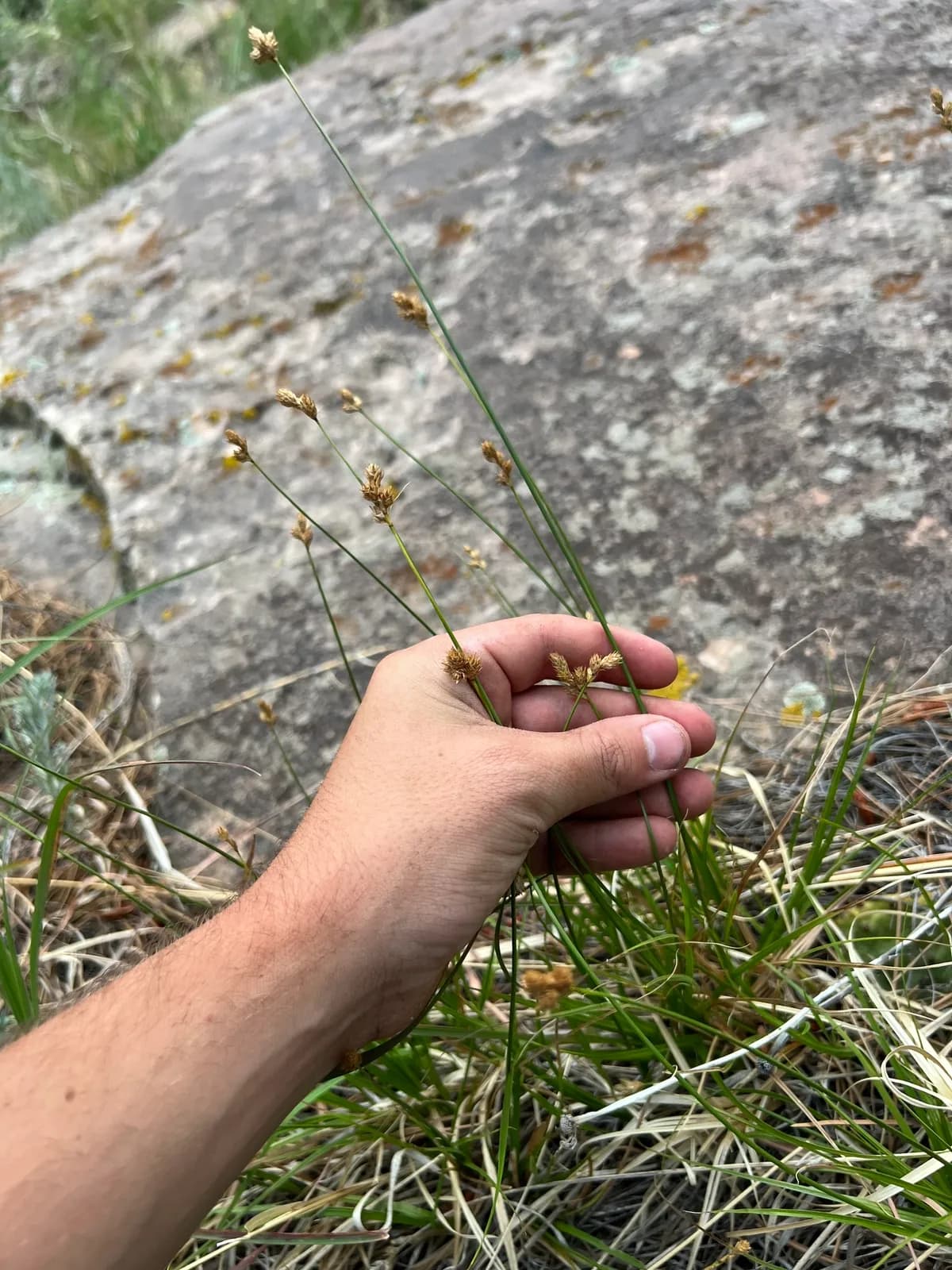
Carex brevior, or Shortbeak Sedge, is a clumping grass-like sedge that blooms from May to July and grows well in full sun with medium moisture in prairies, meadows, and open woodlands.
Toxicity unknown
Short-beak Sedge (Carex brevior) is not listed by the ASPCA Animal Poison Control Center (opens in new tab) or the other sources we check, so we have no verdict for it either way. Absence from those lists is not a clearance. If your pet shows symptoms after eating any plant, call the ASPCA at (888) 426-4435.
Light
full sun
Water
medium
Size
12"–48" H × 12"–24" W
Bloom
May, Jun, Jul
Native to
AL, AR, AZ, CO and 35 more states
Before you buy
Your city may pay you to plant this
Cities and water utilities offer rebates for replacing lawn with native and water-wise plants. We track 459 programs across 44 states, each with a link to the provider and the date we last checked it.
Find rebates in your areaPicture natives in your own yard
Upload a photo of your yard and Patch Vision shows a rendering of it planted with natives for your region, like Short-beak Sedge.


Browse plants for this ecoregion
Carex brevior is a native sedge that forms compact clumps of narrow, arching leaves. This drought-tolerant grass grows in neat bunches and produces small flower spikes in late spring and early summer.
Growing Short-beak Sedge
Grow Short-beak Sedge in full sun and medium water. Mature plants reach 12 to 48 inches tall and spread 12 to 24 inches wide. Expect low maintenance to keep it looking intentional in a front yard.
How to care for Short-beak Sedge, by region
How to care for Short-beak Sedge where it is actually grown: year-round basics plus what to do each season, region by region, with the sources for each.
Care guidance last updated: October 2026
Northeastern Highlands (includes Montpelier, VT)
Year-round
Shortbeak sedge is a tough, low-fuss clumping sedge that does best in sun and average to dry soil.
- Give it full sun to light shade.
- Average to dry soil works, and it handles sandy or rocky ground.
- It forms tidy tufts, so plan on a small clump that slowly fills in.
- Once settled in, it asks for very little.
Fall
Fall is a quiet time, and the plant picks up a second flush of growth in cool weather.
- Fall is a good time to plant or move a clump so roots settle before freeze-up.
- Water new plants until the ground freezes.
- Leave the foliage standing for winter looks.
- Skip heavy mulch on the crown.
Winter
Winter in zone 4b to 5a is mostly hands-off, and snow cover helps the clump rest.
- Leave the old leaves standing, since they often last into the next season.
- Do not pile road salt or plowed snow on the clump.
- Skip watering and fertilizing until spring.
- Trim off tired leaves in early spring if you want a neater look.
Spring
In a Montpelier spring this sedge greens up early, as soon as the snow melts and the soil thaws.
- Rake out any matted old leaves once the snow is gone.
- Water new plants during dry spells while they root in.
- Expect growth to be strongest in cool spring weather.
- Skip fertilizer, since average to lean soil suits it.
Summer
Summer is easy for shortbeak sedge, because it tolerates dry spells once it is established.
- Water new plantings weekly if there is no rain.
- Established clumps rarely need extra water.
- Seed heads form around June and July, and you can leave them for texture.
- Pull any weeds that crowd the clump.
Sources: UT Gardens Tennessee Yards: Carex brevior, Native Plant Trust Go Botany: Carex brevior, Minnesota Wildflowers: Carex brevior (community tip)
Western Gulf Coastal Plain (includes Houston, TX)
Year-round
Plains oval sedge is native to the Gulf Coast Prairies and Marshes region that includes the Houston area, and it adapts to nearly any soil type from sandy ground to heavy clay.
- This is a cool-season sedge, so expect its strongest growth in spring and fall rather than during the hottest stretch of a Houston summer.
- It tolerates Houston's heavy clay soil but naturally prefers a looser, well-drained spot, so working compost or sand into the planting hole helps it establish faster.
- Give it sun to part shade. Part shade is the better call on a west- or south-facing bed given how intense Gulf Coast summer sun gets.
Its low, tidy clumping form works well as a front-yard border or mass planting without looking unkempt, an HOA-friendly choice for edging a bed.
Fall
Fall is the second strong growth window for plains oval sedge in Houston and a good time to plant new clumps as the heat breaks.
- Cooling temperatures and Houston's typical fall rains bring on a new flush of growth, good timing for new plantings or dividing crowded clumps.
- This is a good window to work compost into clay soil around new plantings while the plant is actively rooting.
Winter
Houston's mild winters mean plains oval sedge stays semi-evergreen. Occasional hard freezes may brown the foliage but rarely harm an established clump.
- Leave foliage in place through winter for structure. Cut back only if freeze damage turns it fully brown, then trim in late winter before spring growth starts.
- It is cold hardy well into colder zones than Houston sees, so an occasional freeze is not a concern for the plant itself.
Spring
Spring is plains oval sedge's most active growth period in Houston and the best window for planting or dividing clumps before summer heat arrives.
- Plant or divide clumps in early spring so roots have time to establish before June heat sets in.
- New growth flushes out this time of year. A light topdressing of compost at the base supports it without needing fertilizer.
- Keep soil evenly moist while roots establish, then taper off watering once new growth is visible.
Summer
Houston summers push this cool-season sedge into a slower, more stressed phase, so the main job in summer is protecting it rather than pushing new growth.
- Expect growth to slow and foliage to look duller through the hottest, most humid weeks. This is normal for a cool-season sedge and not a sign of disease.
- Water during dry spells, especially in the first year, since drought stress on top of heat stress can thin out a clump.
- Avoid heavy fertilizing in midsummer. It will not push strong new growth in the heat and extra fertilizer just adds stress.
Sources: Native Plant Society of Texas - Carex brevior, Lady Bird Johnson Wildflower Center - Carex brevior, Hoffman Nursery - Carex brevior
In an HOA neighborhood
Short-beak Sedge is an HOA-friendly choice. Maintenance level: low. Tidiness: 4 out of 5.
Works well in: front yard, foundation, street edge, mid zone.
Wildlife value
The seeds provide food for songbirds and small mammals. As a native sedge, it supports various insects and adds texture to wildlife-friendly plantings.
Common questions
- What growing conditions suit Carex brevior best?
- Shortbeak Sedge does best in full sun with medium, evenly moist soil, though it also tolerates wetter or drier spots once established. It is common in prairies, meadows, and open woodland edges.
- When does Shortbeak Sedge bloom?
- It flowers from May through July, producing slender greenish spikes typical of sedges rather than showy blossoms.
- Is Carex brevior a true grass?
- No. It is a sedge, a grass-like plant in the Cyperaceae family, distinguished from true grasses by its triangular stems and clumping habit.
- Is Short-beak Sedge HOA-friendly?
- Short-beak Sedge is generally an HOA-friendly choice in the right placement, with low maintenance.
These answers were drafted with an AI model from this plant's data. Verify care details with a local expert.
Native range data from vouchered herbarium specimen records and regional native plant society lists. Pollinator and host plant associations compiled from GBIF, iNaturalist, and published ecological literature.
If something looks wrong
Common plant problems, and what to check first
These come up on almost any plant. Each guide lists the likely causes in the order they are worth ruling out, with one thing to check before you act on any of them, and links to the source it came from.
- It is dying right after planting
- Leaves turning yellow
- Wilting even though I watered it
- Brown crispy leaf tips
- Bugs on the plant
Ready to grow Short-beak Sedge? Add it to your garden in Pollinator Patch to track it and get season-by-season care guidance.