EPA Level III Ecoregion
Central Irregular Plains
1013 native plants for the Central Irregular Plains ecoregion (Kansas City area).
The Central Irregular Plains cover western Missouri, southeastern Kansas, and southern Iowa, centered on Kansas City and reaching down toward Joplin. It is a transition zone where the tallgrass prairie starts breaking up into wooded hills and river valleys, so a single neighborhood can have both open sun and heavy shade. Natives like prairie milkweed, willowleaf sunflower, and Barbara’s buttons cover that range and hold up through the hot dry stretch that usually arrives in August.
Conditions: Clay and silt loam over rolling ground, 36–44 inches of rain, cold winters and hot summers with a reliable late-summer dry spell.
Cities and areas: Kansas City, Springfield, Joplin, Columbia, Pittsburg, Ottumwa.
1013 Native Plants for the Central Irregular Plains
HOA-friendly picks listed first. Pet-safety status varies by species; each plant page shows its sourced ASPCA status. Native range data from vouchered herbarium specimen records and regional native plant society lists.
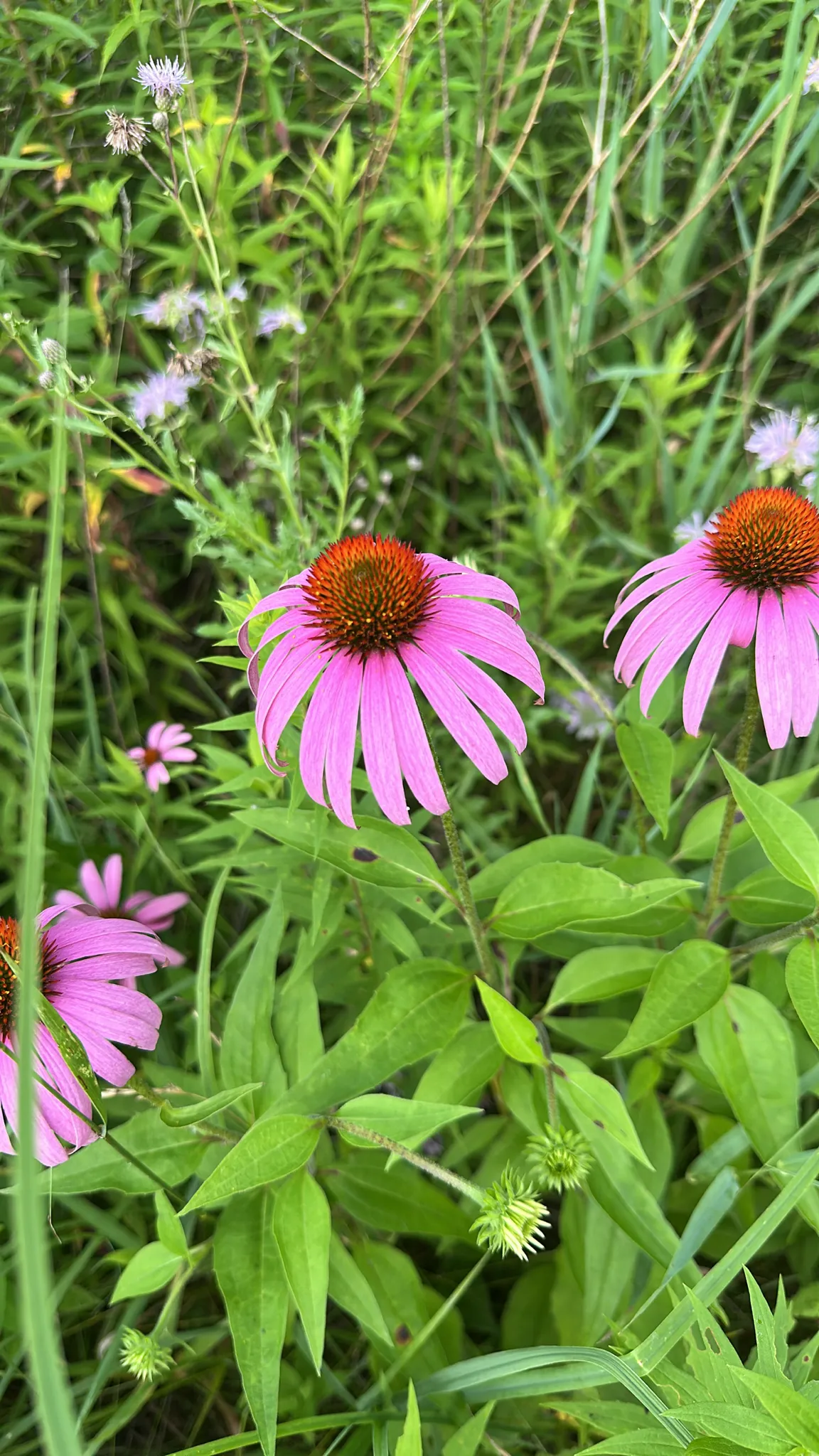
Purple Coneflower
Echinacea purpurea
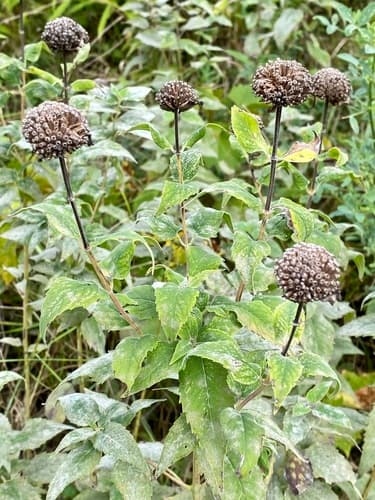
Wild Bergamot
Monarda fistulosa
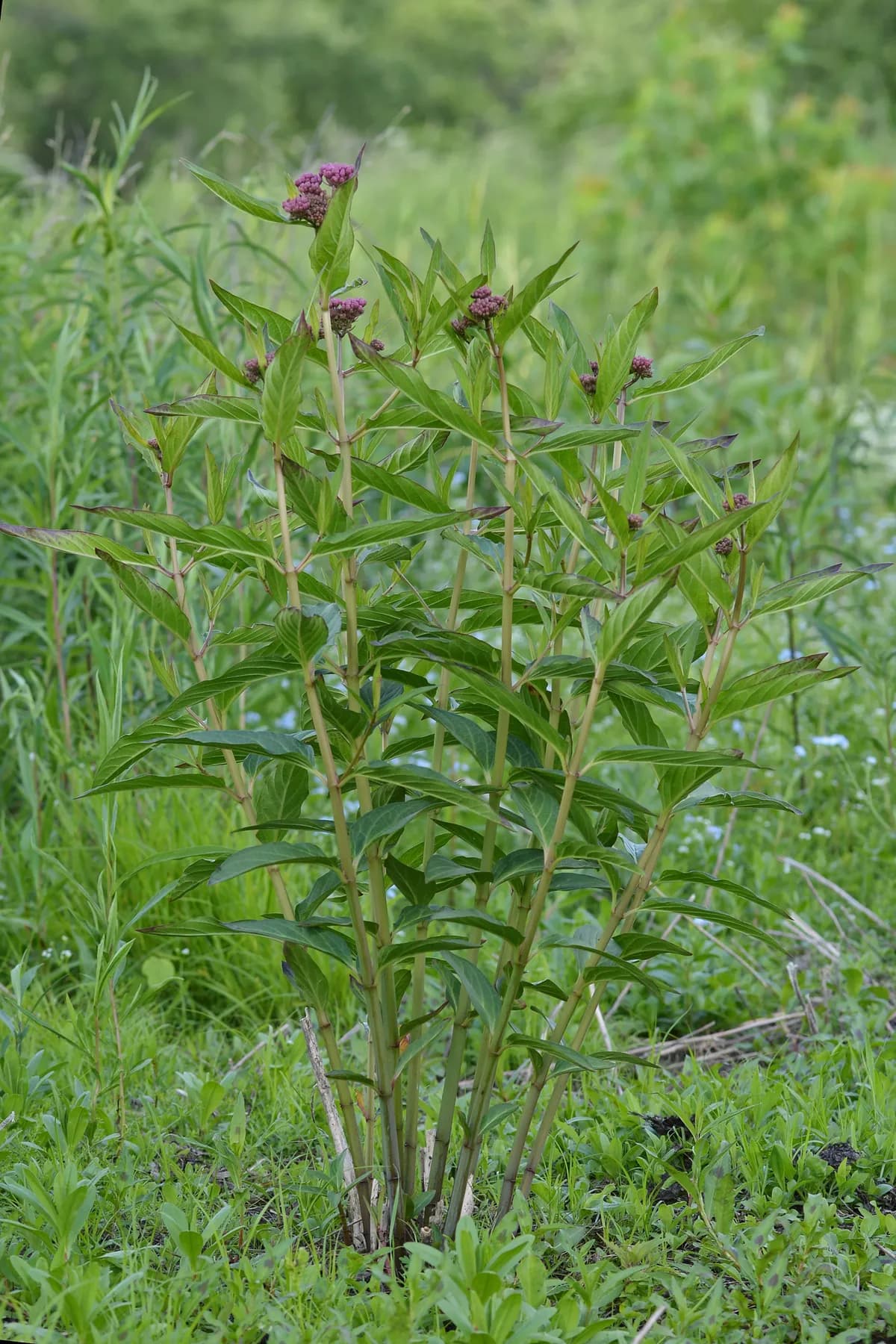
Swamp Milkweed
Asclepias incarnata

Little Bluestem
Schizachyrium scoparium
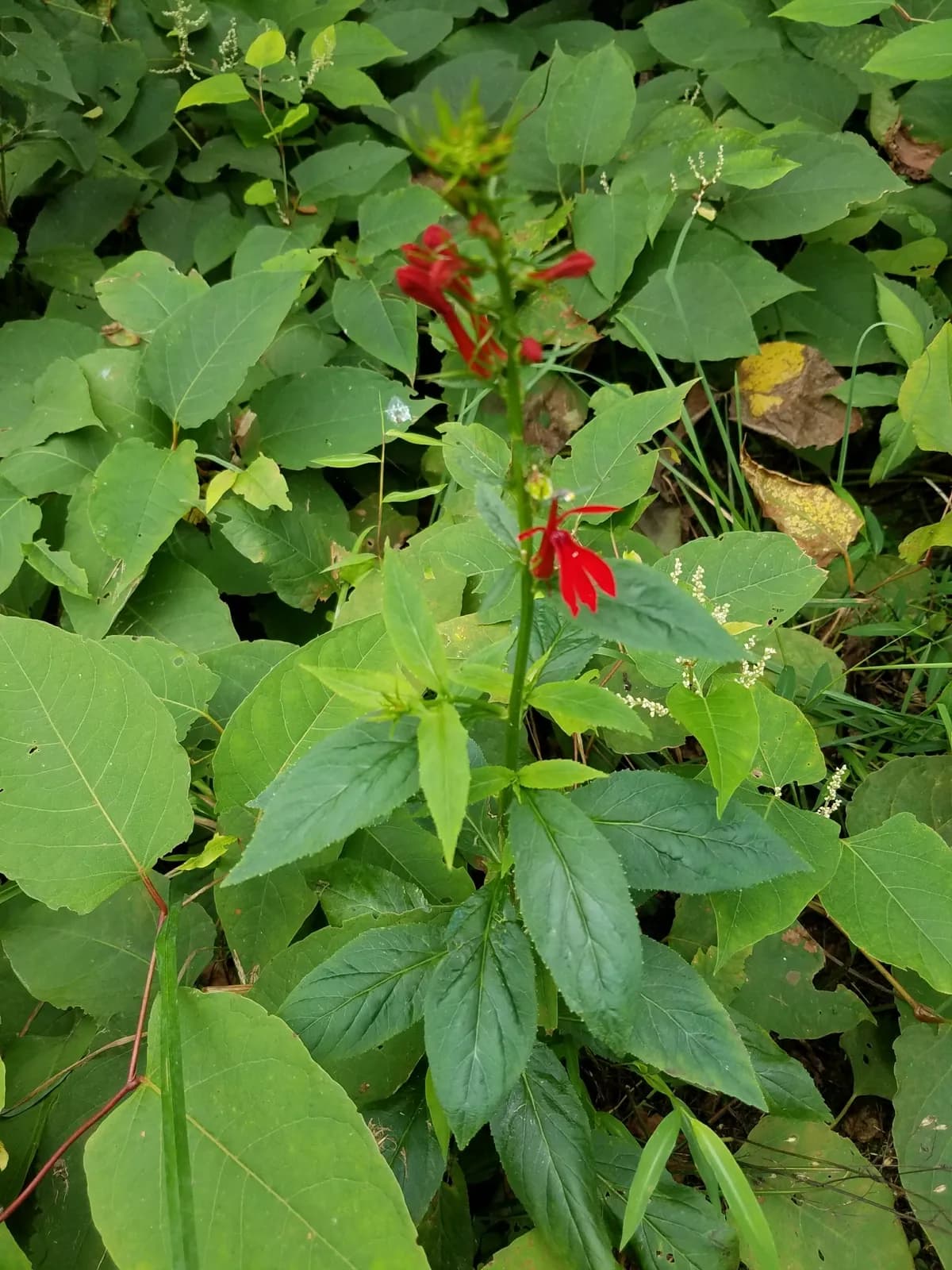
Cardinal Flower
Lobelia cardinalis
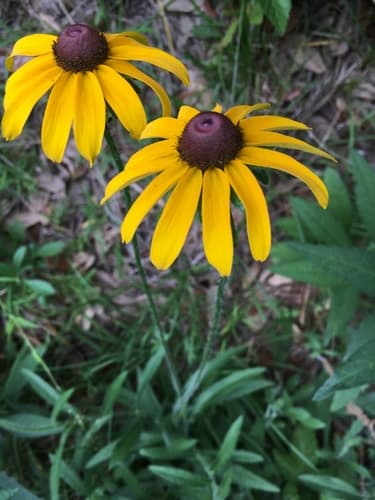
Black-eyed Susan
Rudbeckia hirta
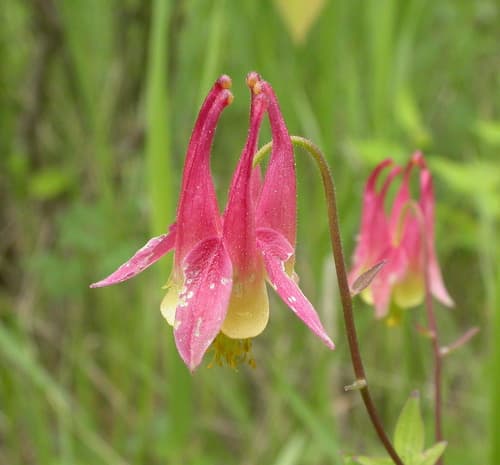
Wild Red Columbine
Aquilegia canadensis
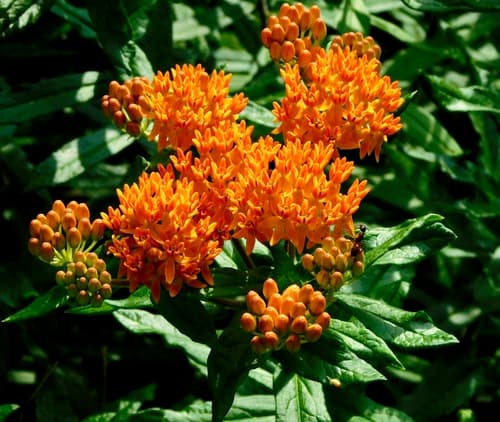
Butterfly Milkweed
Asclepias tuberosa
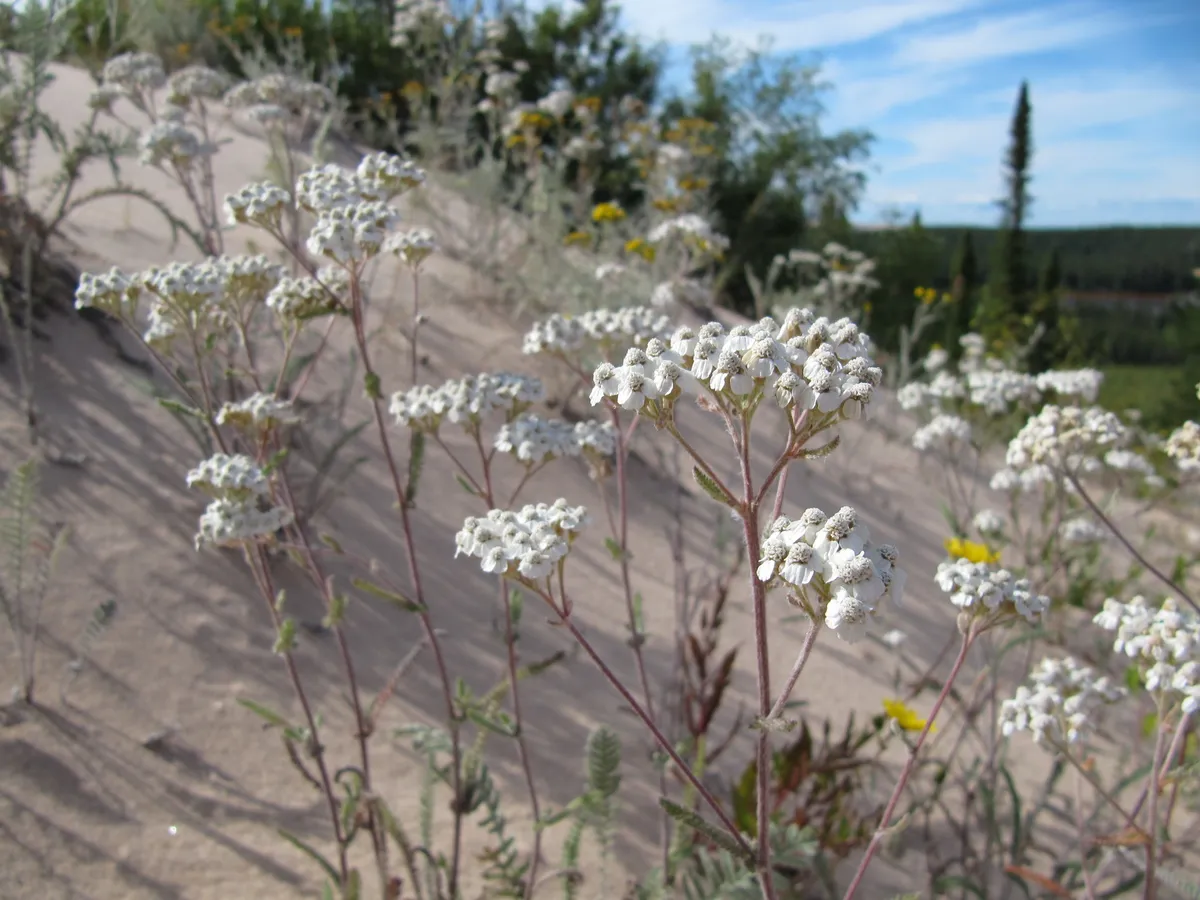
Common Yarrow
Achillea millefolium
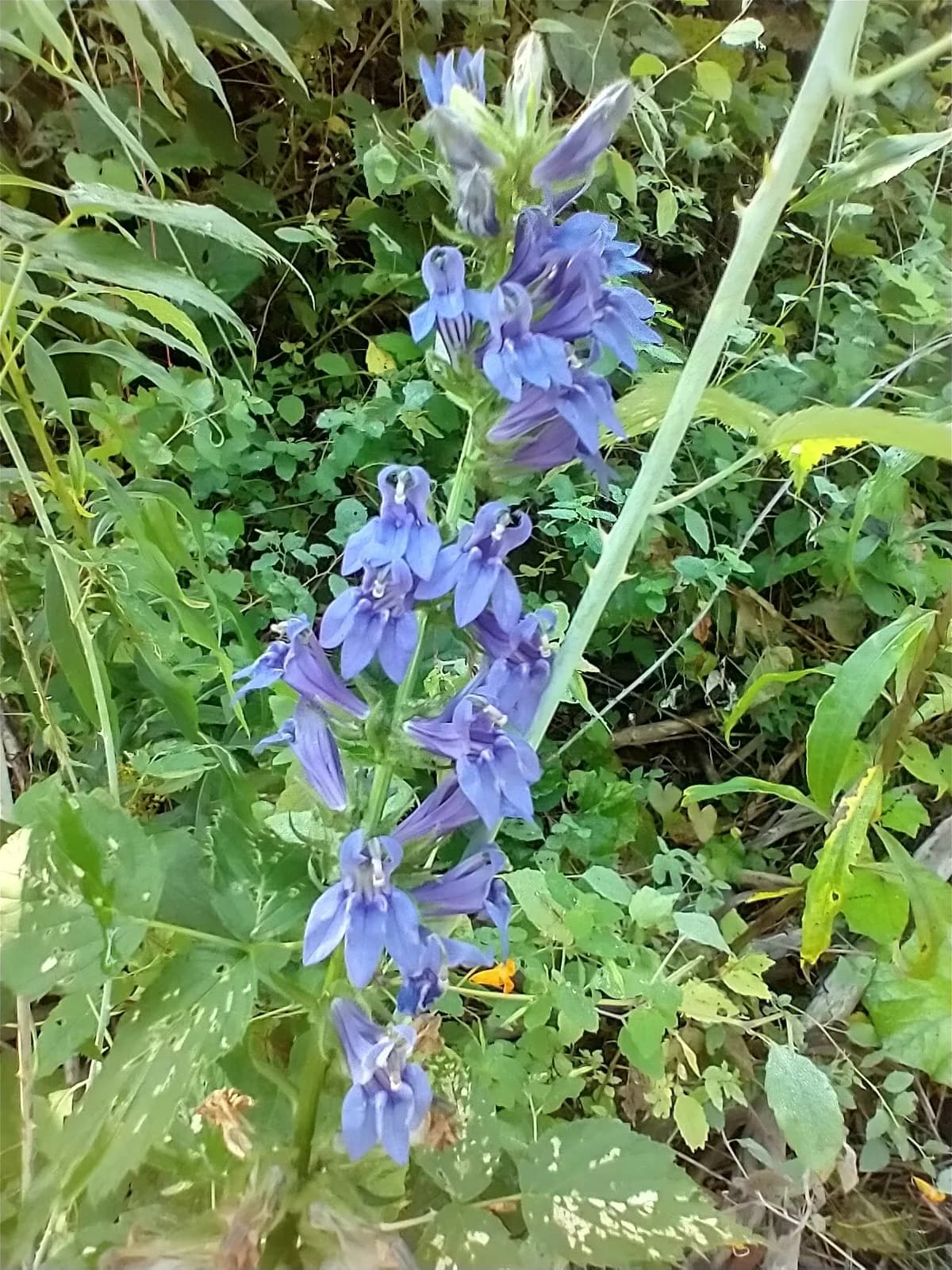
Blue Lobelia
Lobelia siphilitica
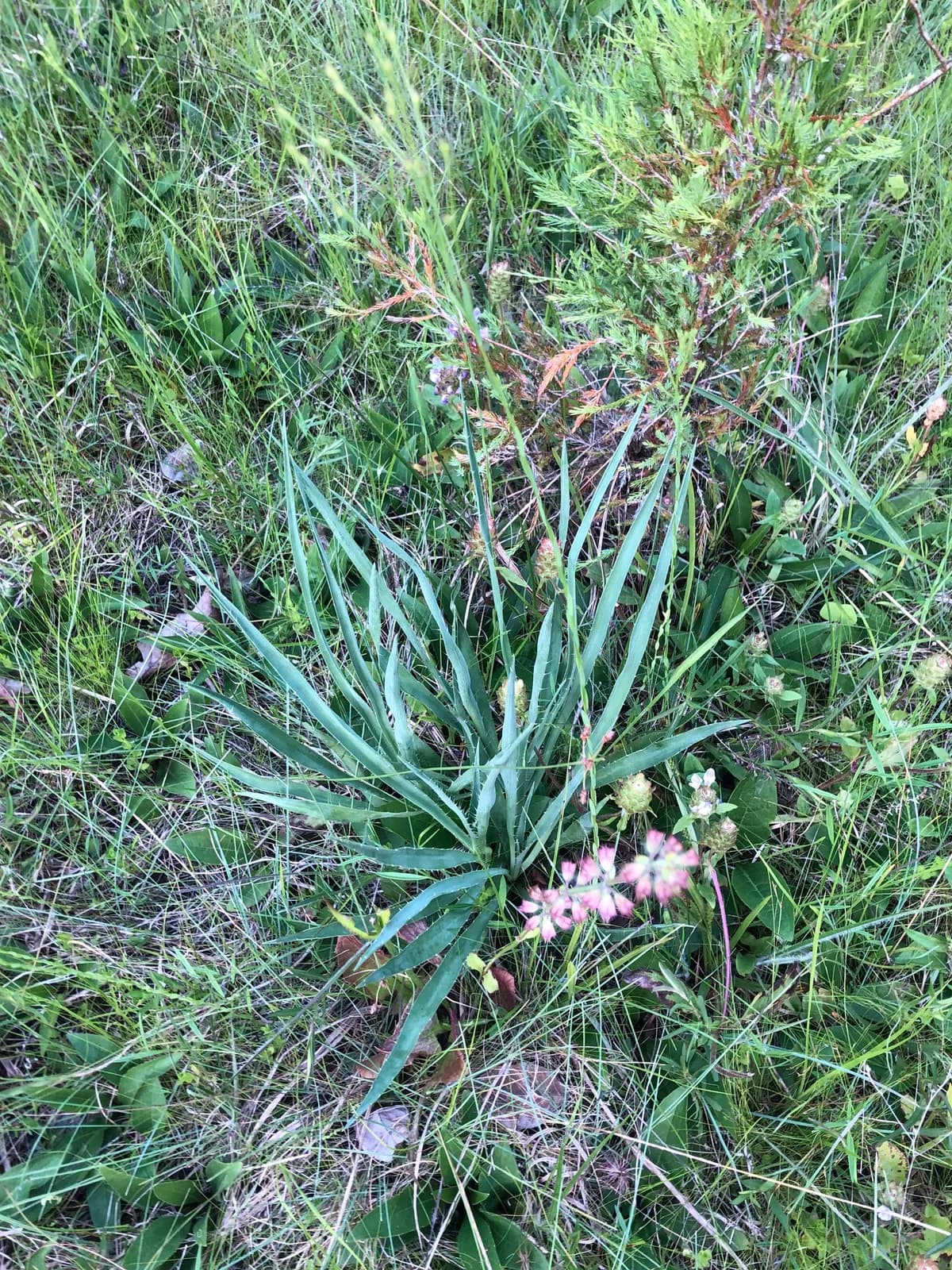
Rattlesnake Master
Eryngium yuccifolium

Golden Alexanders
Zizia aurea
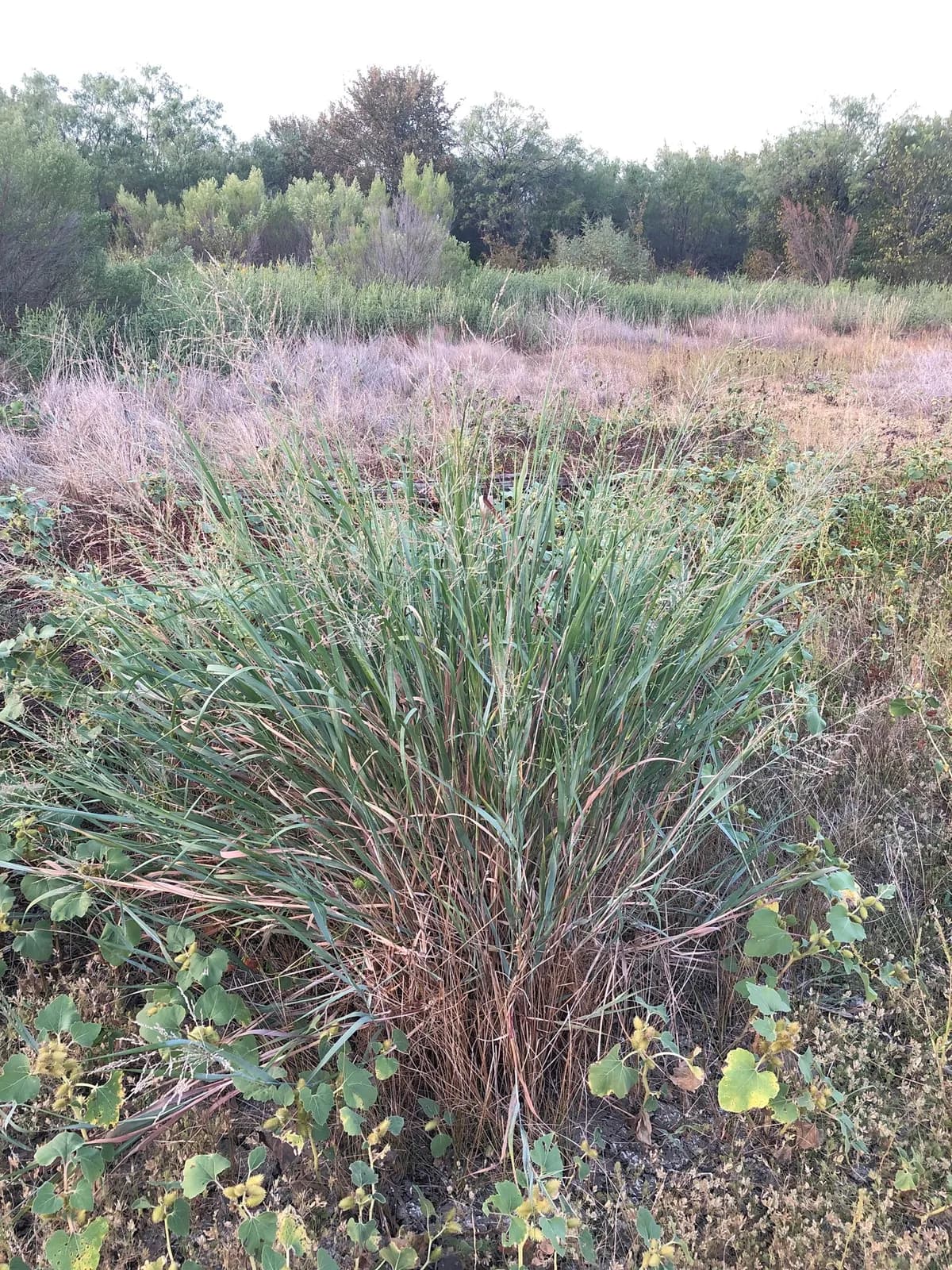
Switchgrass
Panicum virgatum
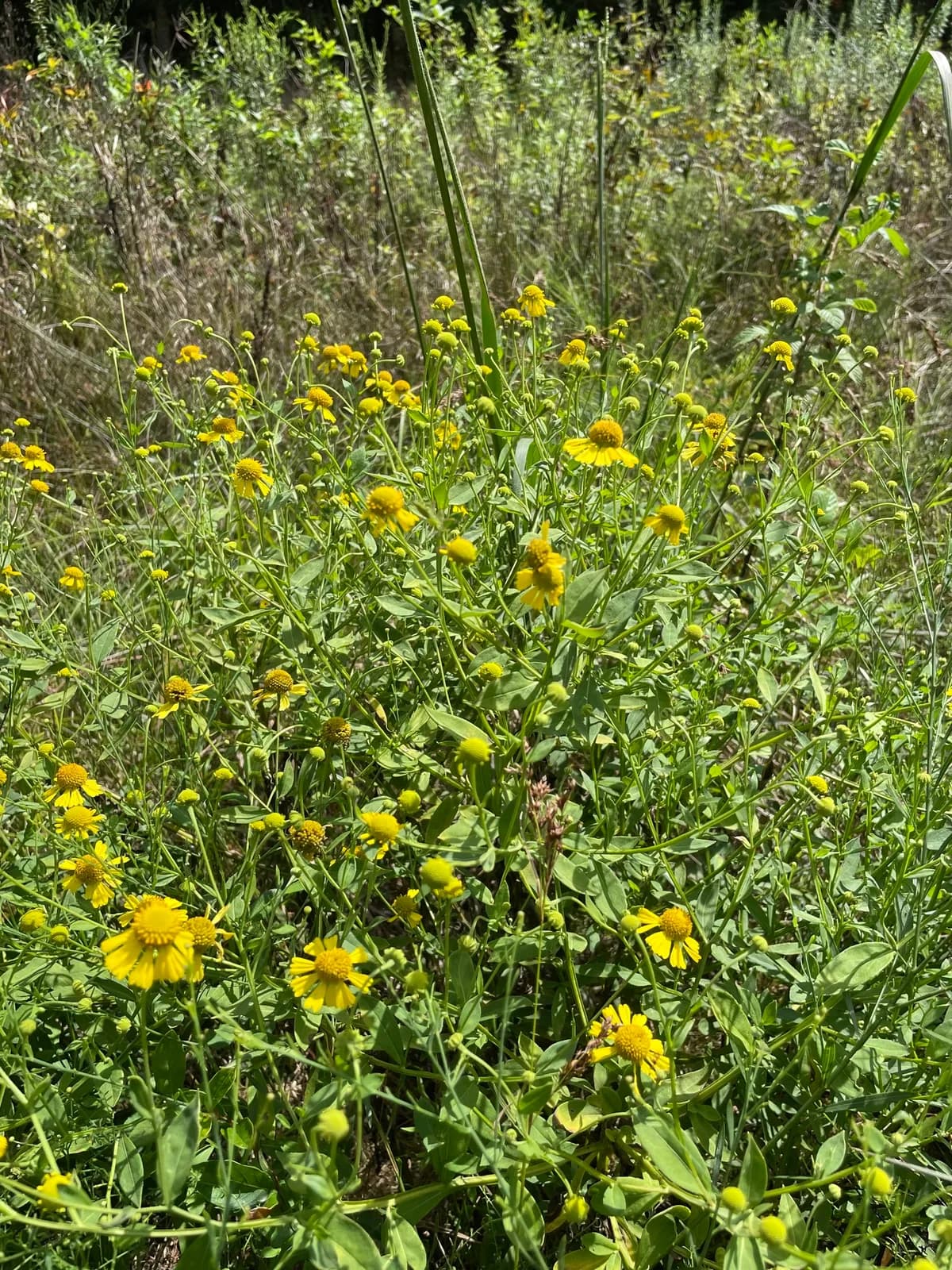
Common Sneezeweed
Helenium autumnale
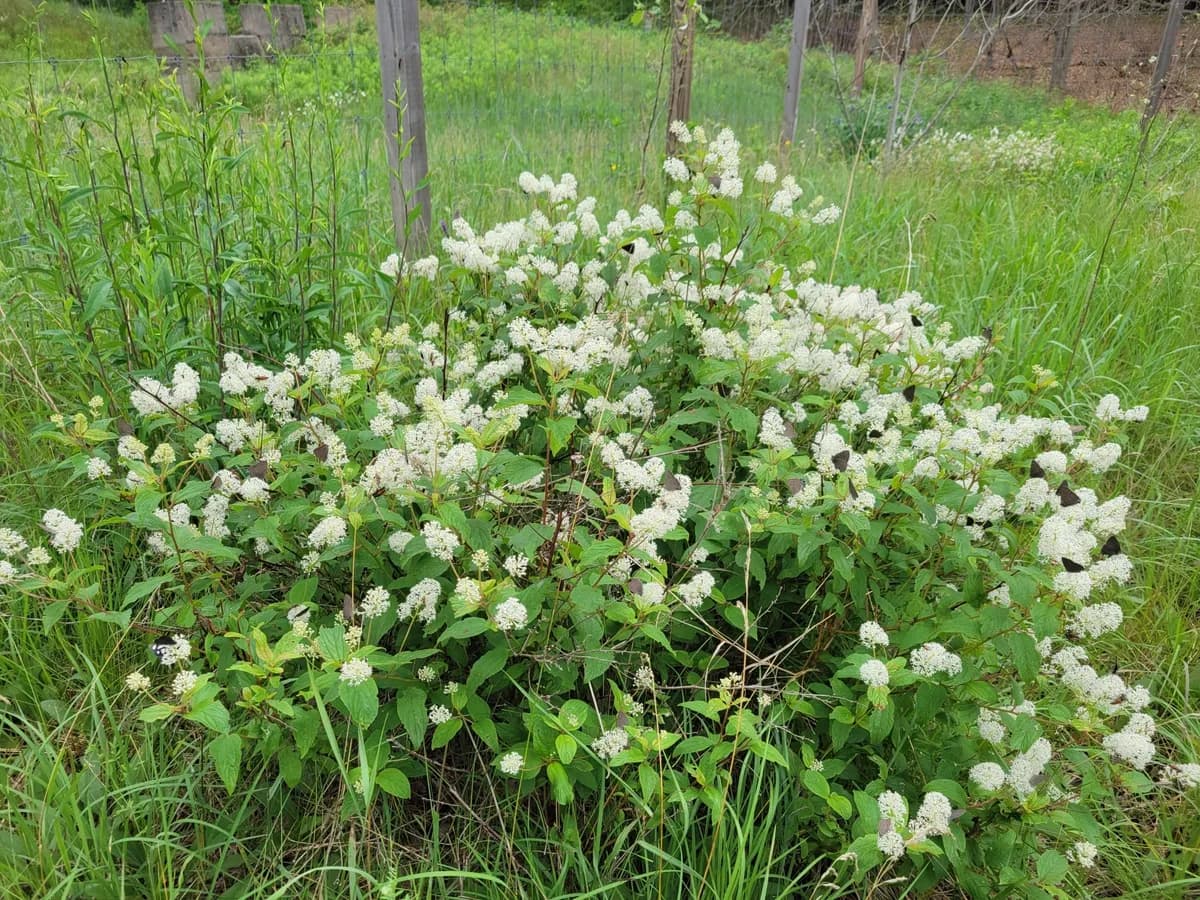
New Jersey-tea
Ceanothus americanus
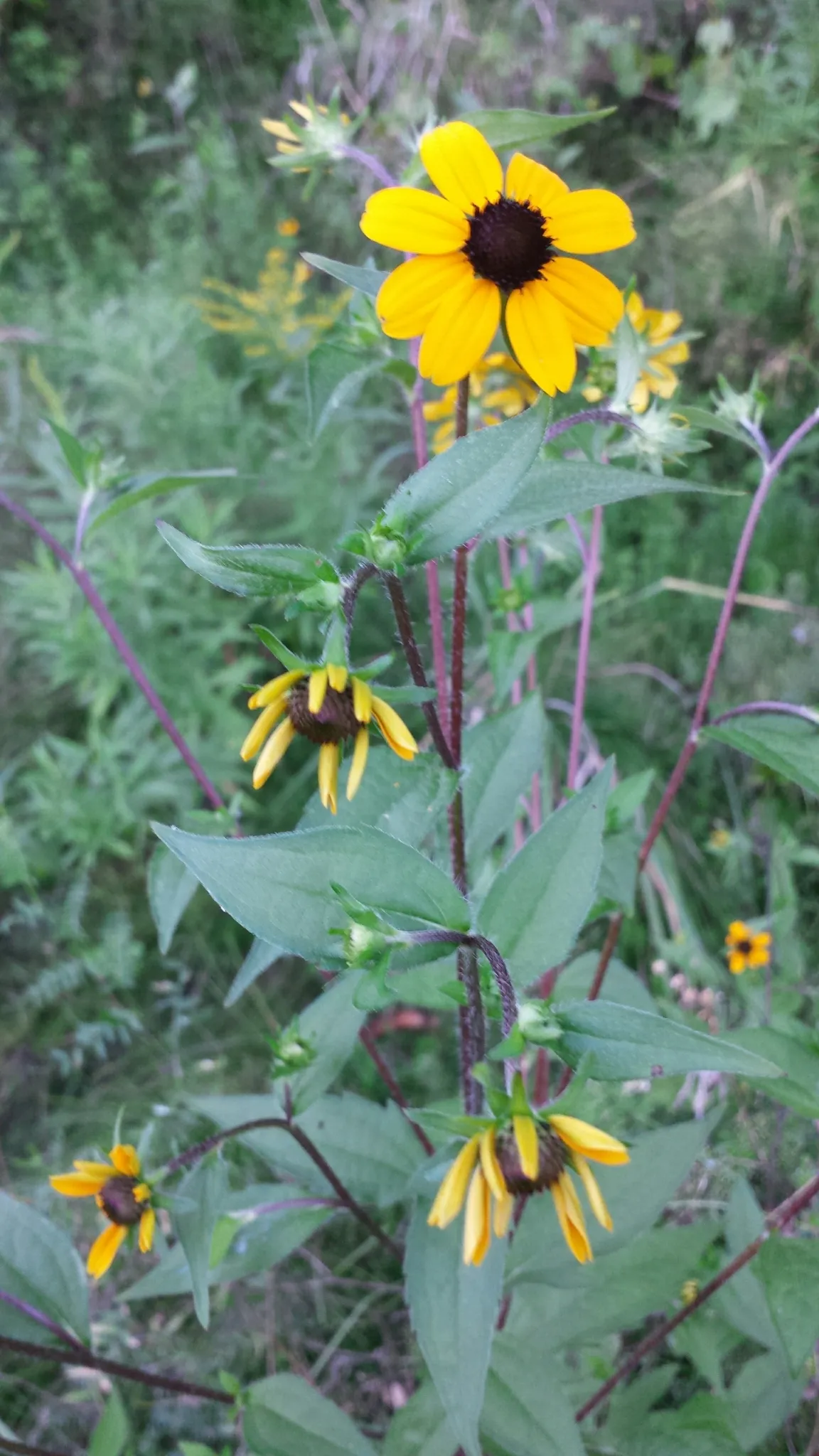
Brown-eyed Susan
Rudbeckia triloba
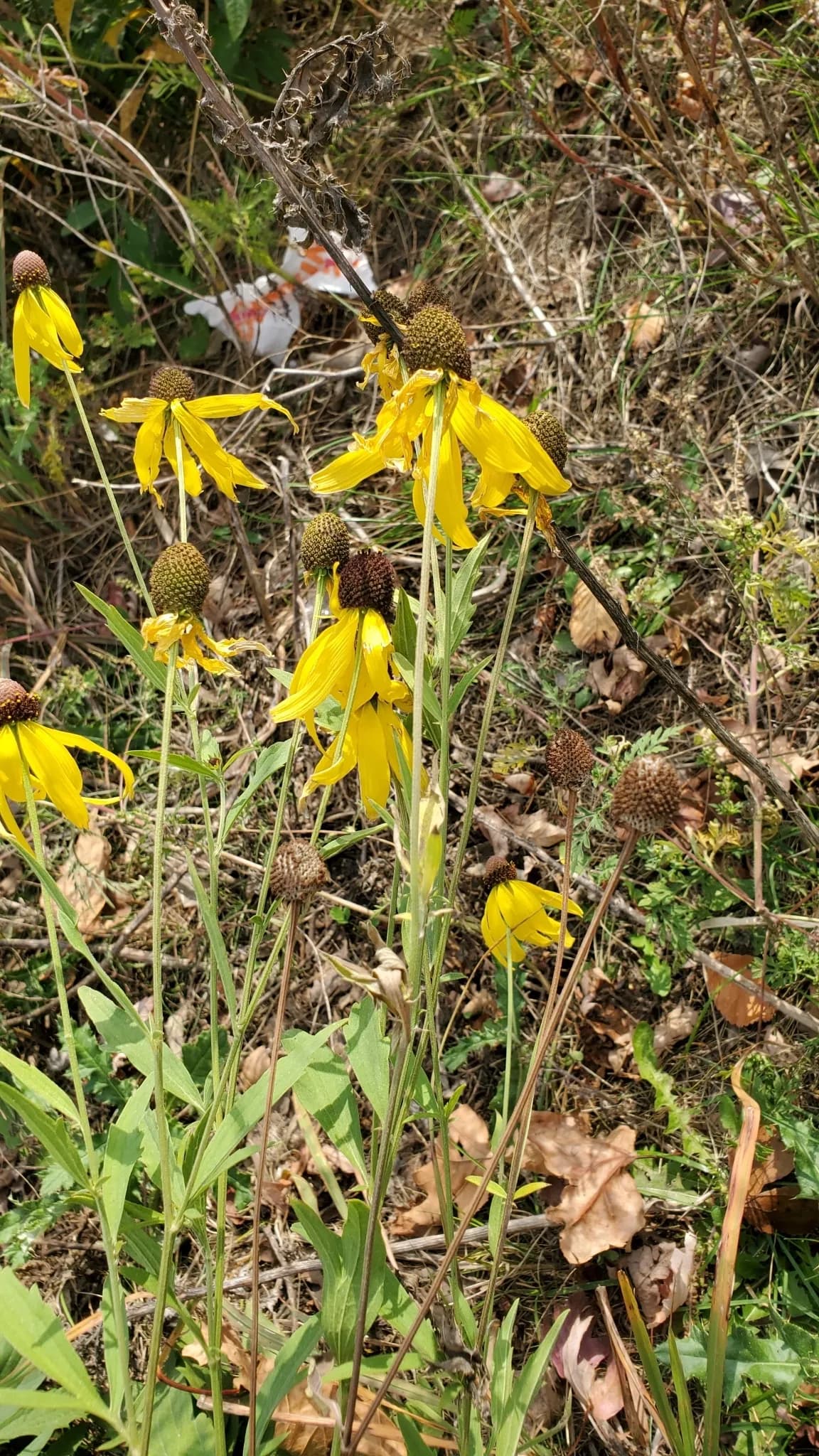
Drooping Prairie-coneflower
Ratibida pinnata
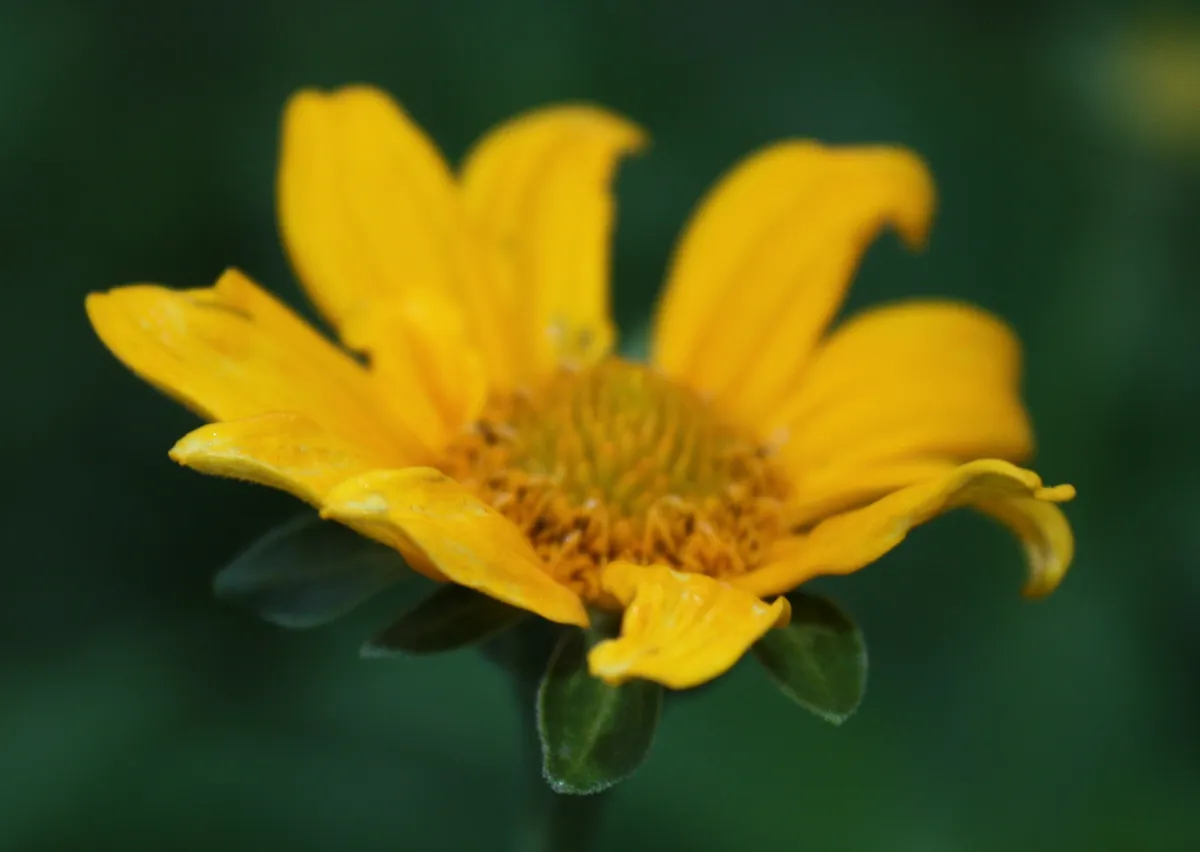
False Sunflower
Heliopsis helianthoides
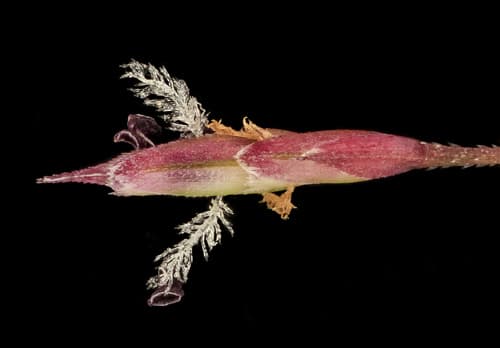
Purple Lovegrass
Eragrostis spectabilis

Sideoats Grama
Bouteloua curtipendula
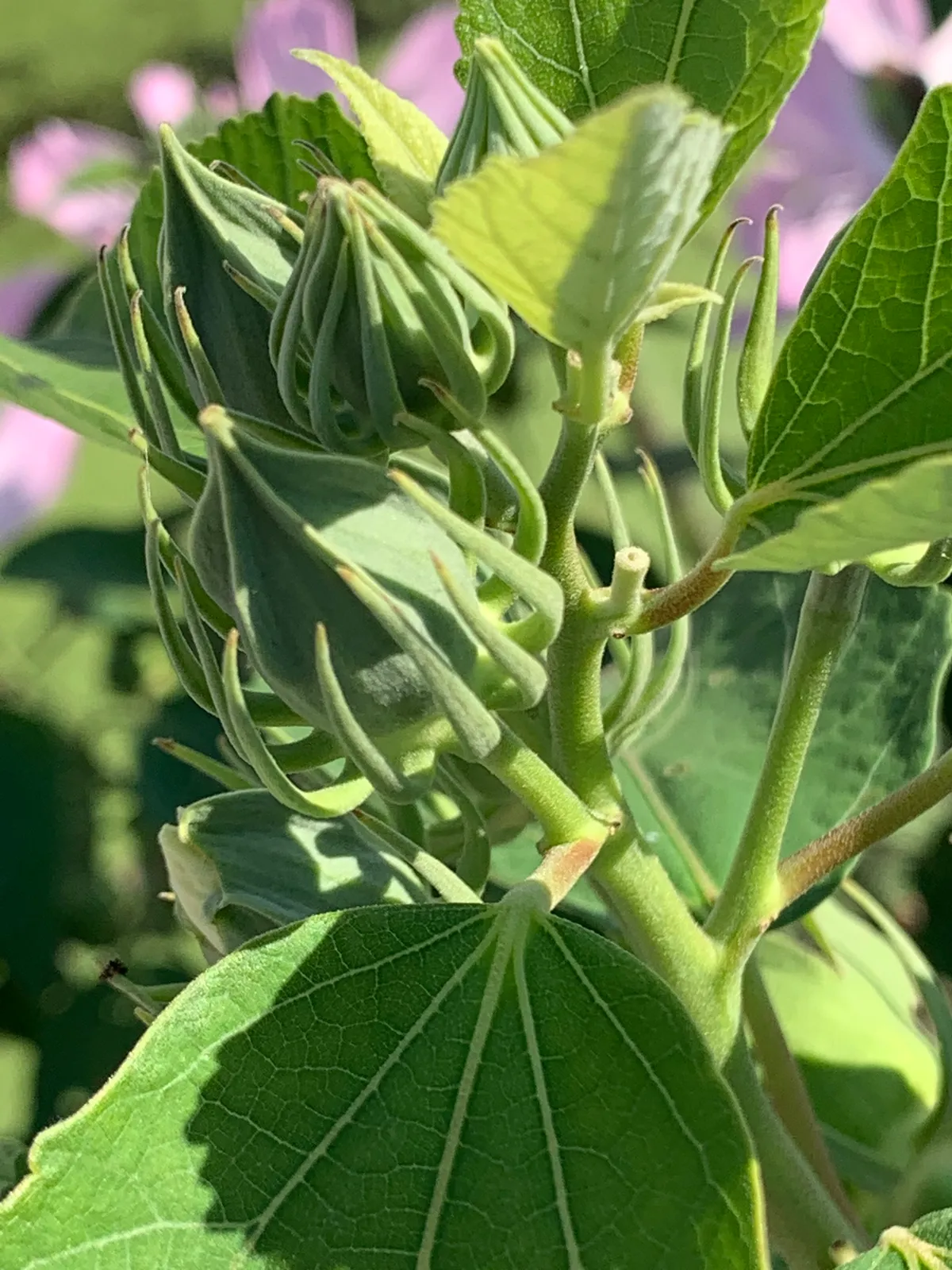
Mallow-rose
Hibiscus moscheutos
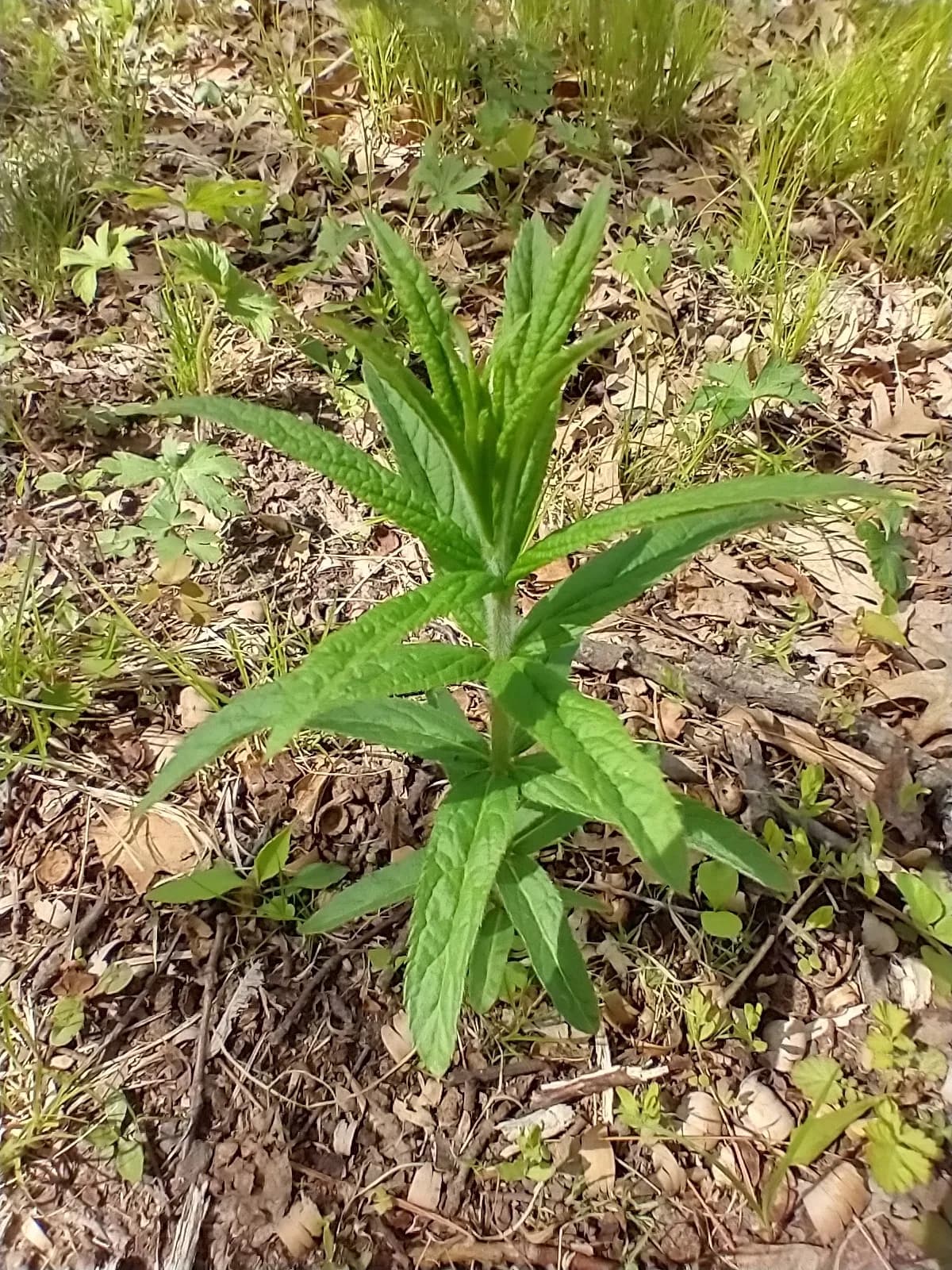
Culver's Root
Veronicastrum virginicum
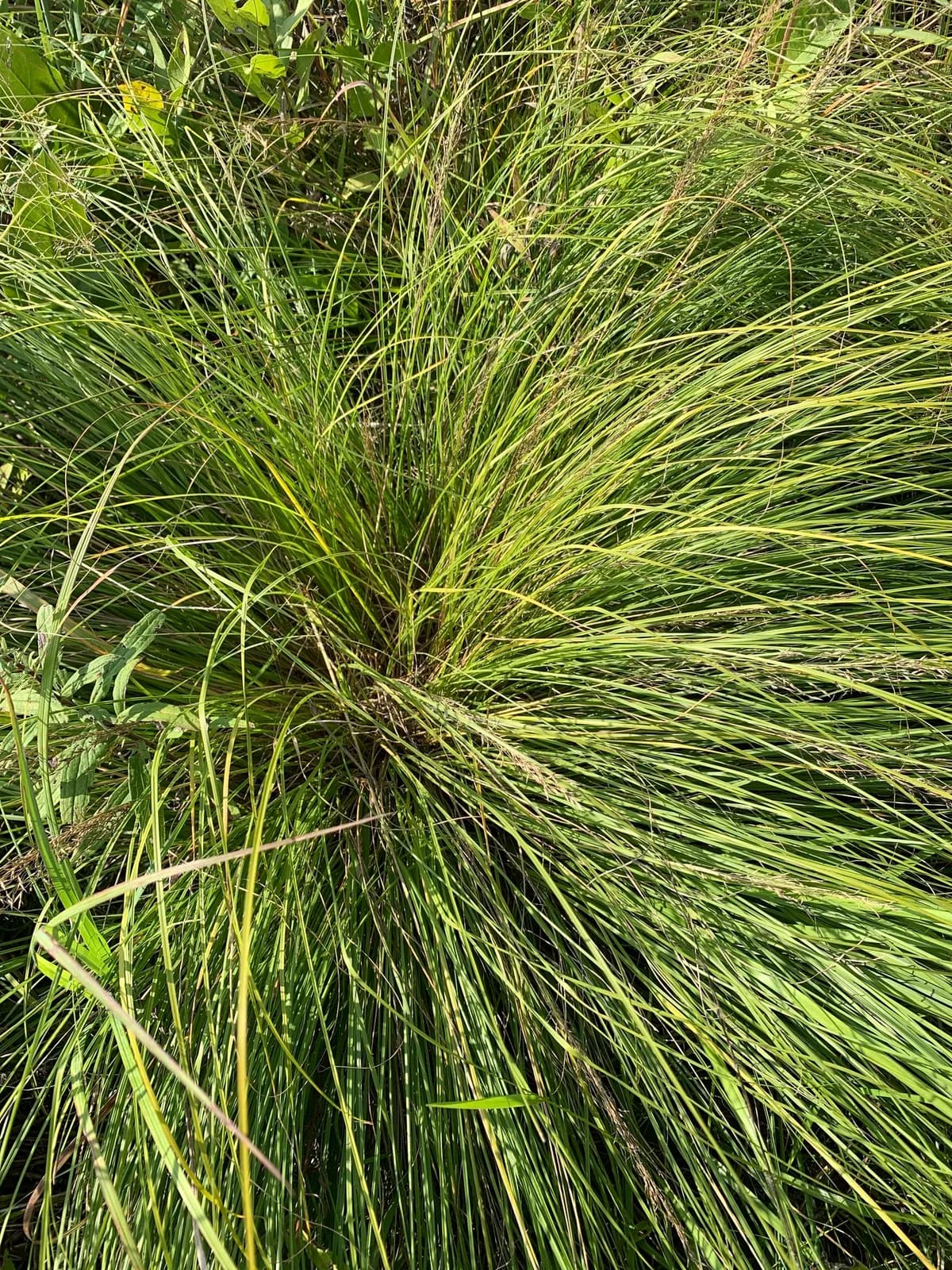
Prairie Dropseed
Sporobolus heterolepis

Inland Sea Oats
Chasmanthium latifolium
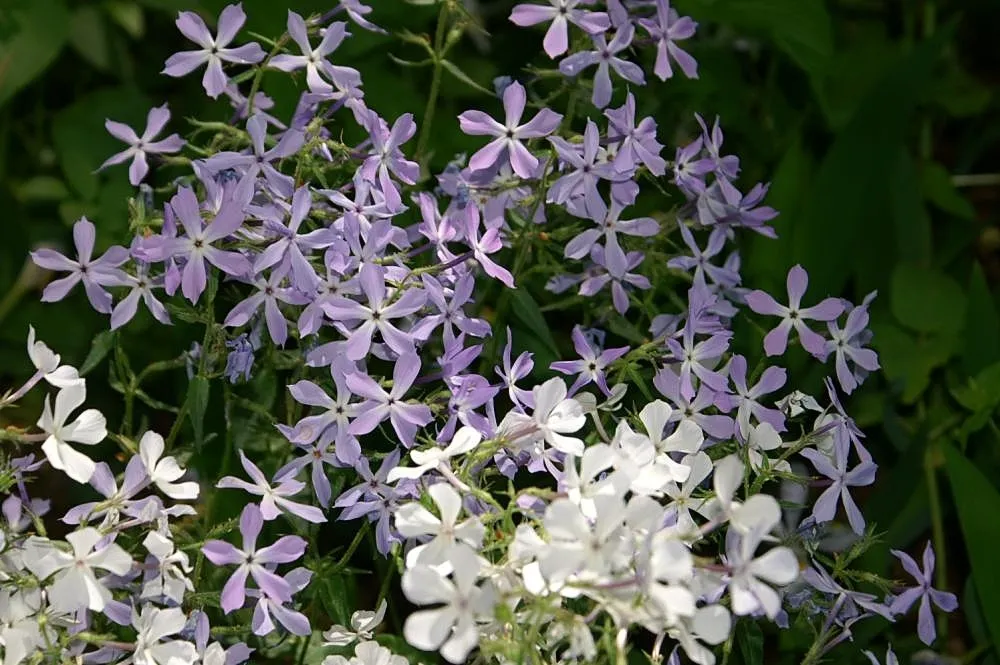
Blue Woodland Phlox
Phlox divaricata
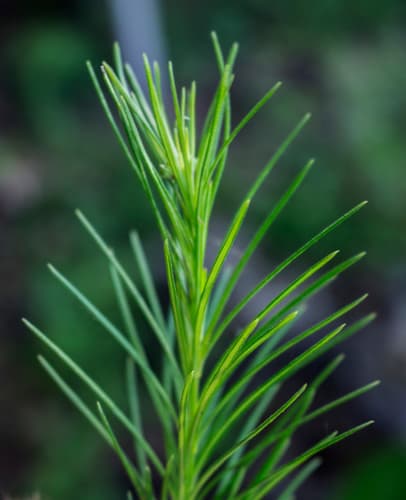
Whorled Milkweed
Asclepias verticillata
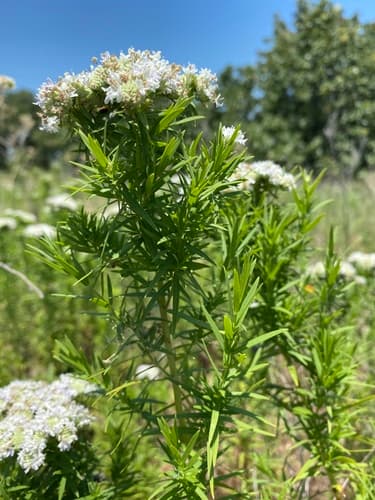
Narrowleaf Mountain Mint
Pycnanthemum tenuifolium
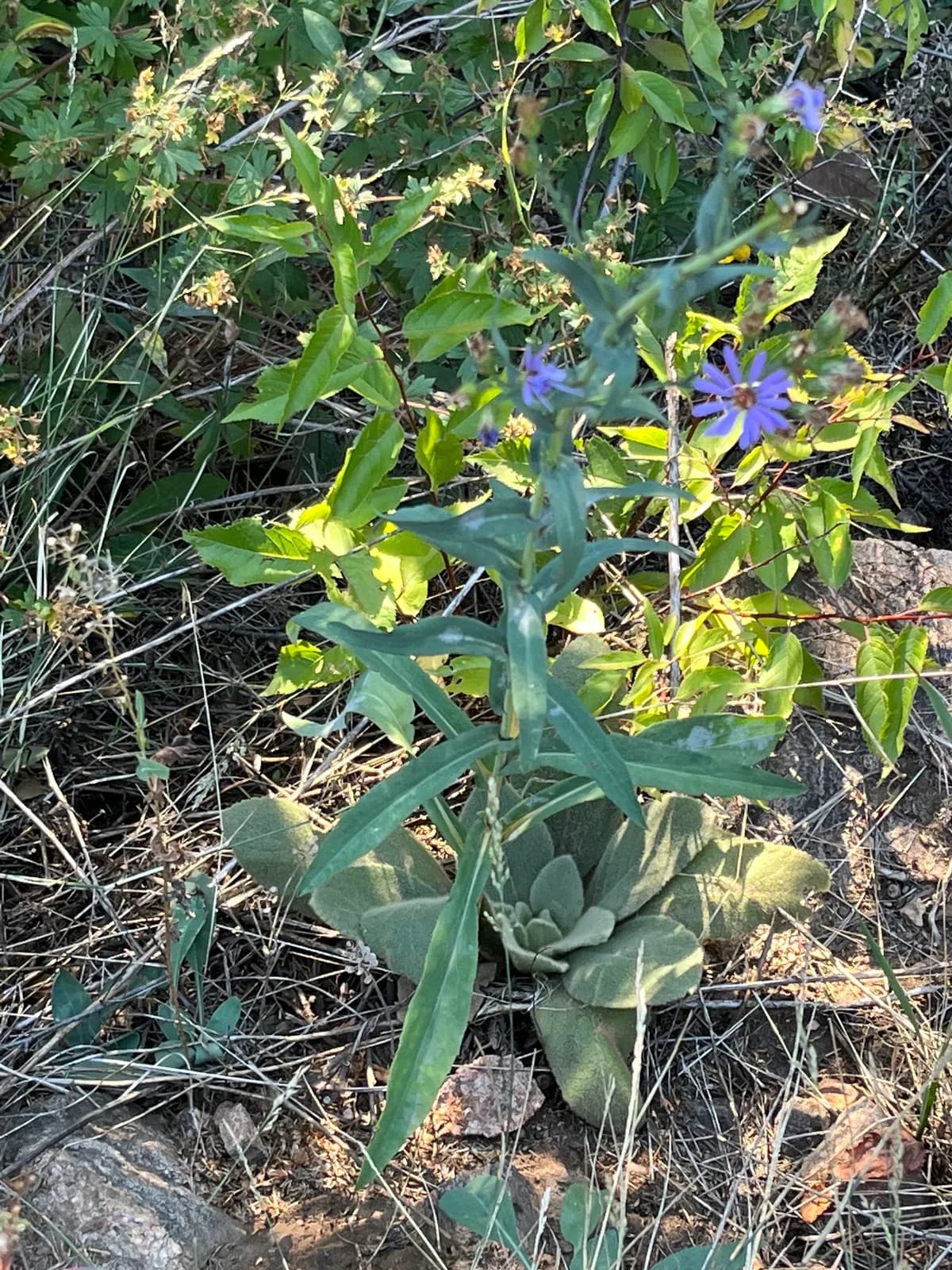
Smooth Aster
Symphyotrichum laeve
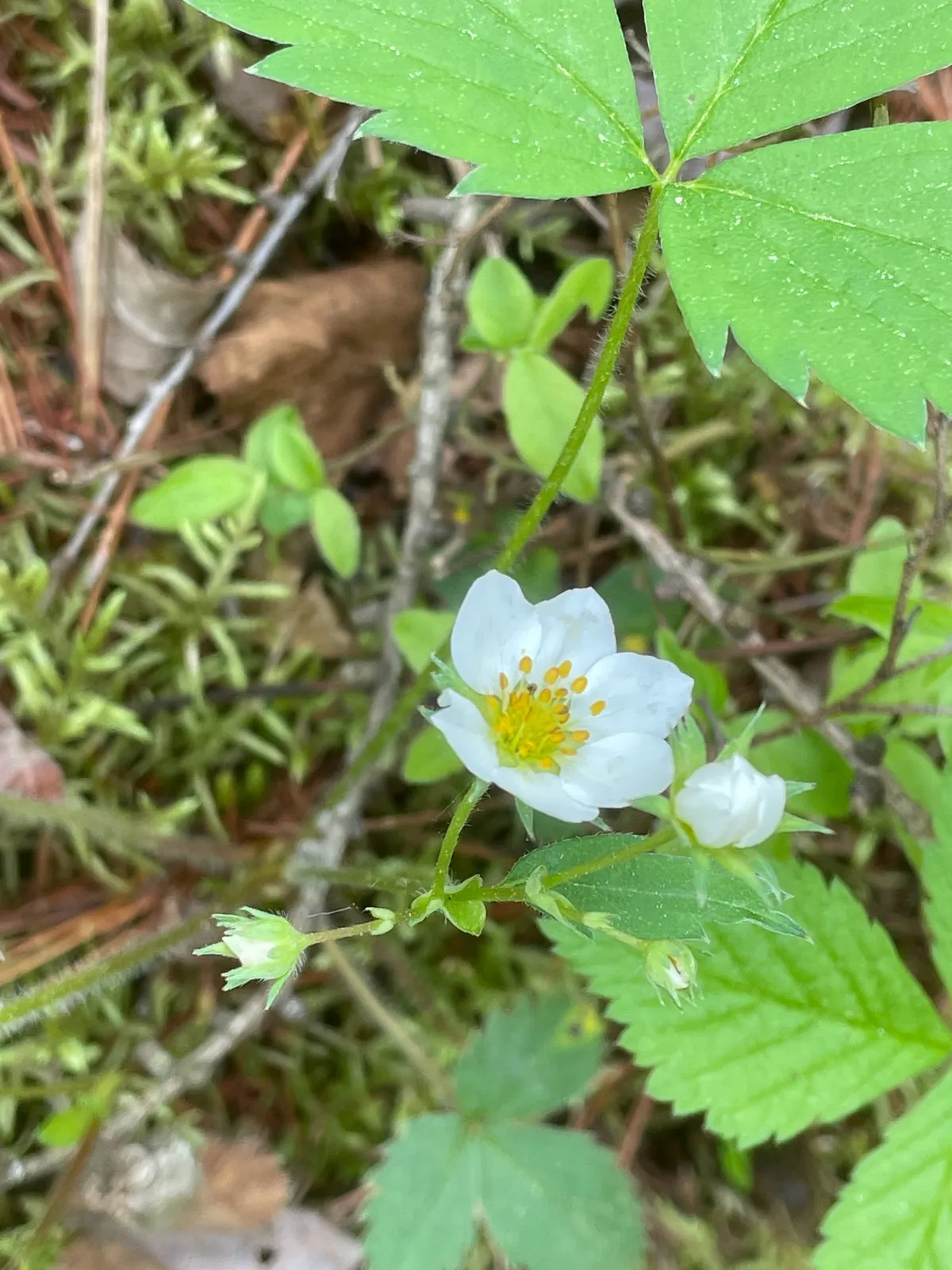
Scarlet Strawberry
Fragaria virginiana
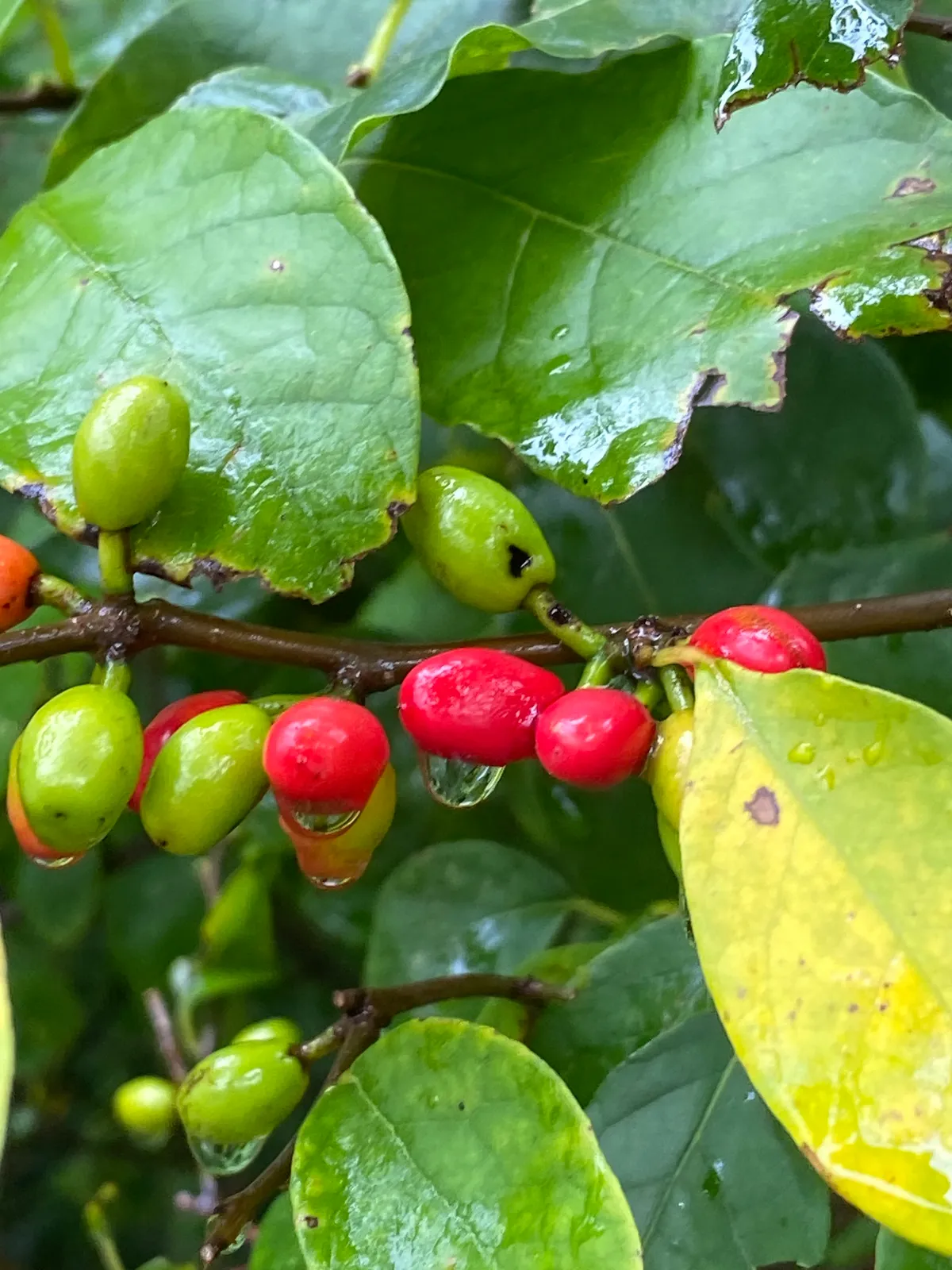
Spicebush
Lindera benzoin
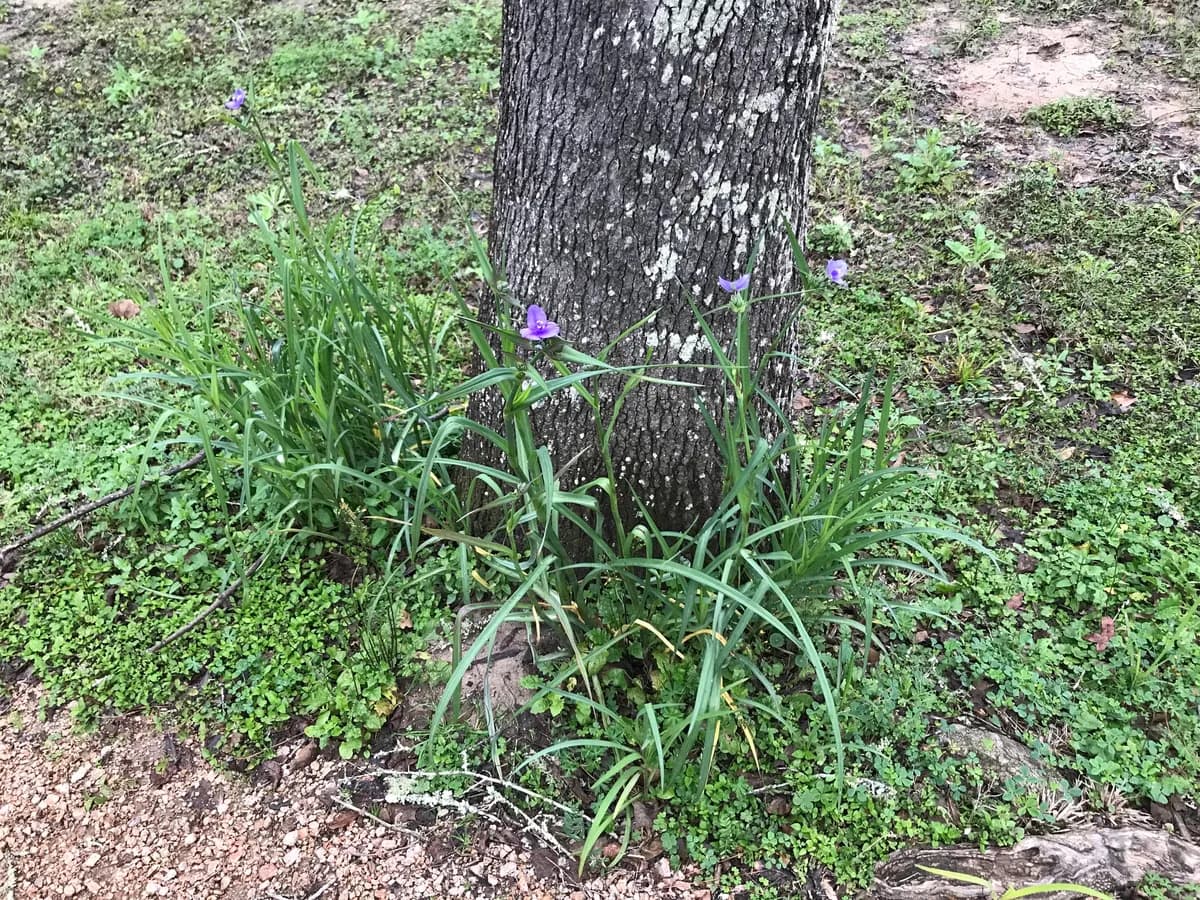
Smooth Spiderwort
Tradescantia ohiensis
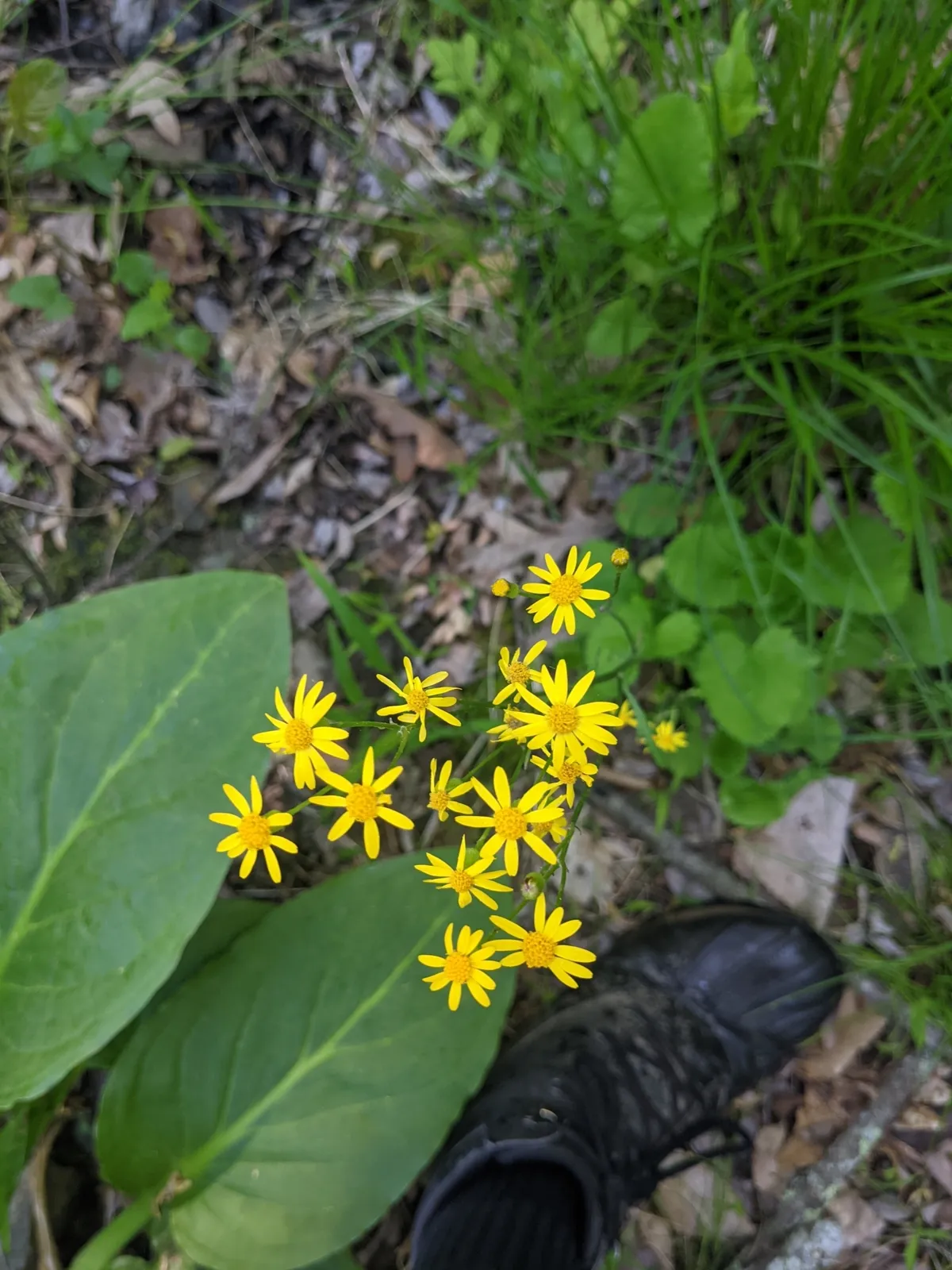
Golden Groundsel
Packera aurea
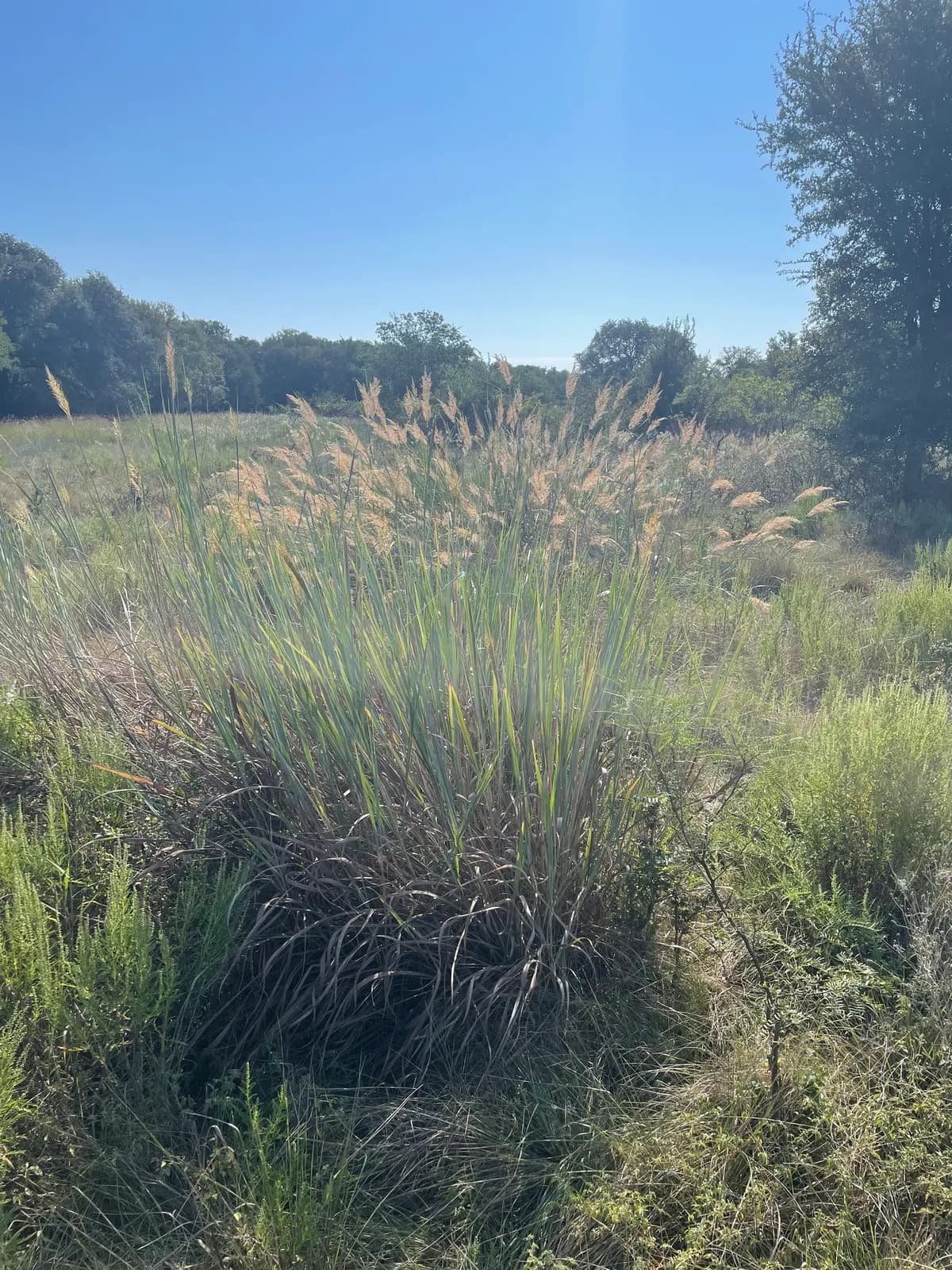
Indiangrass
Sorghastrum nutans
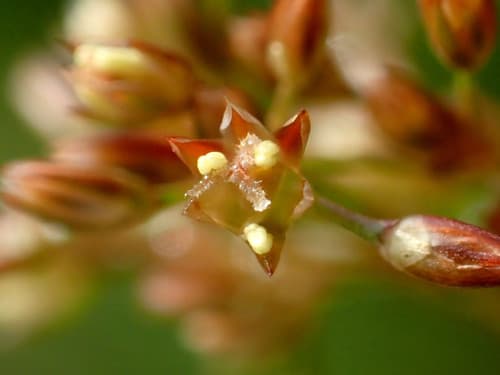
Soft rush
Juncus effusus
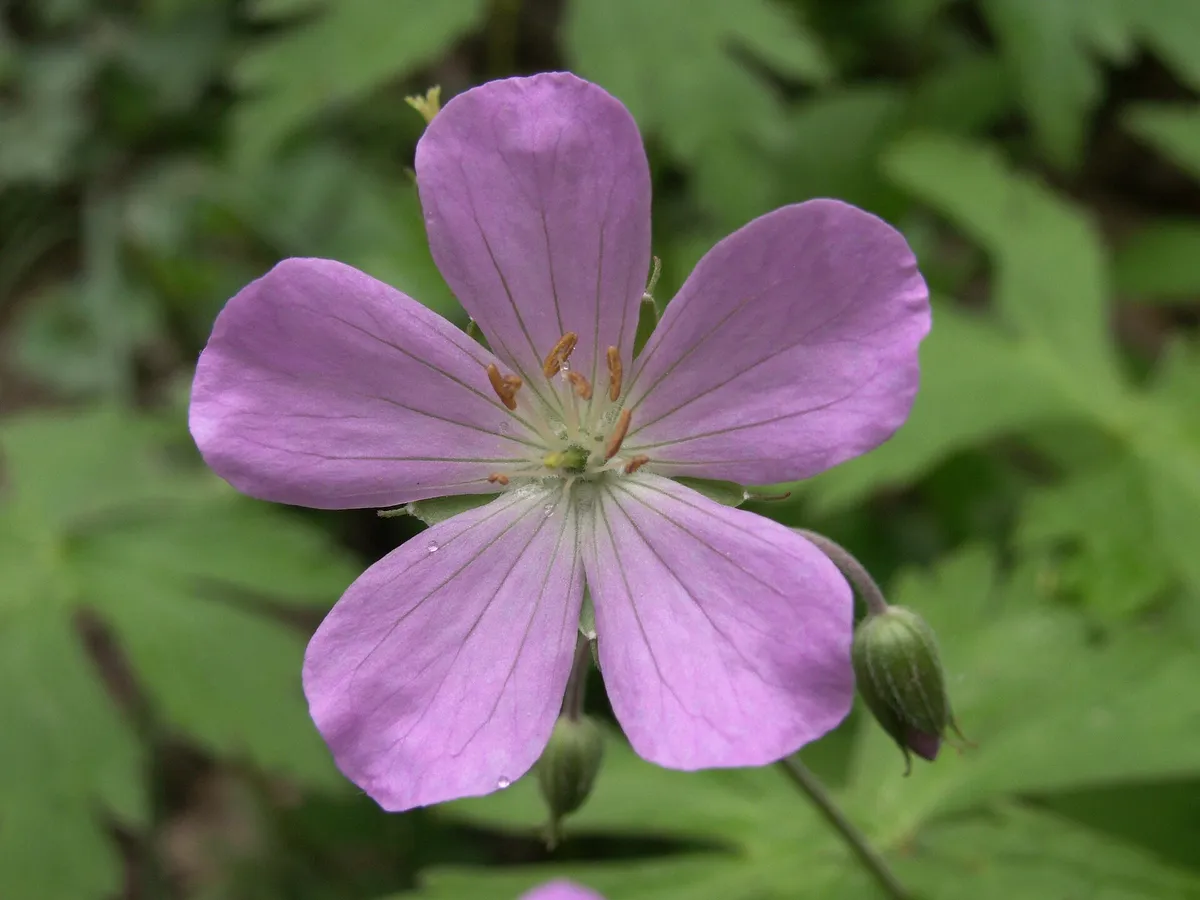
Spotted Geranium
Geranium maculatum
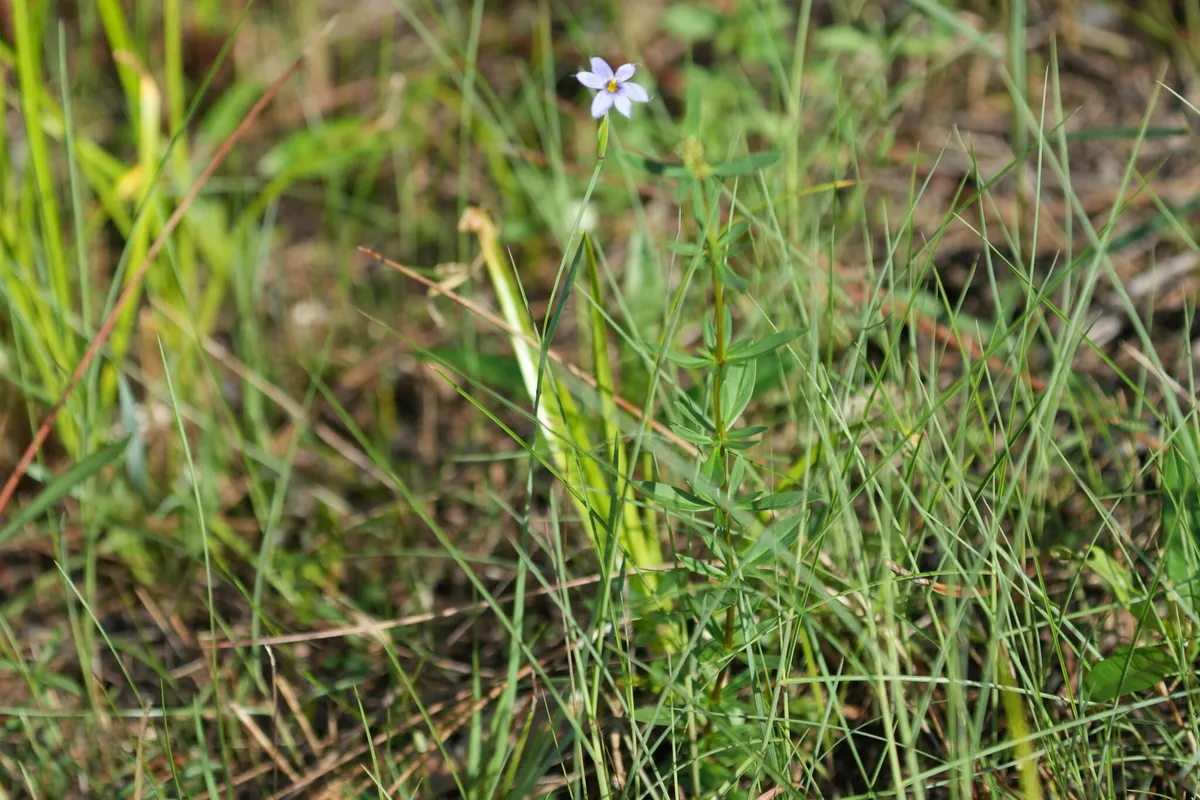
Narrowleaf Blue-eyed Grass
Sisyrinchium angustifolium
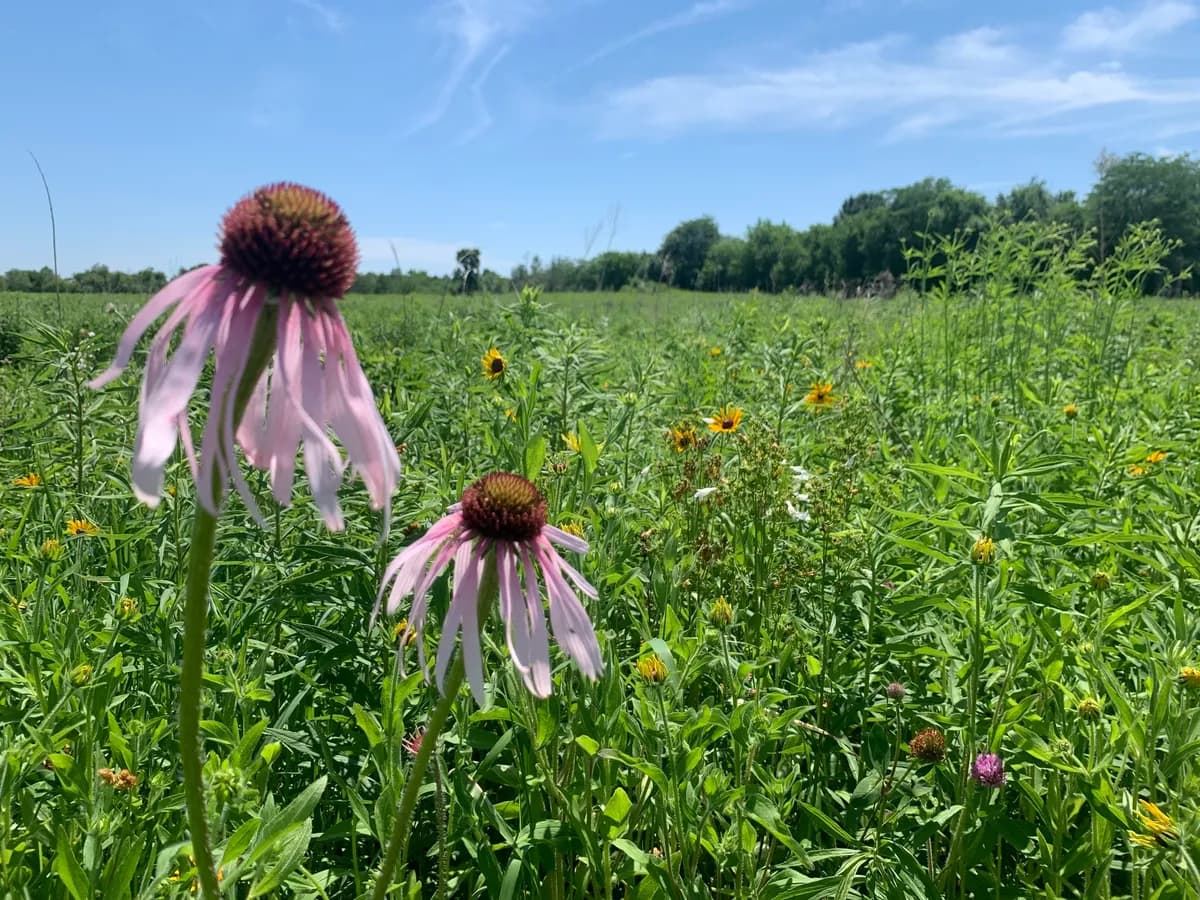
Pale Purple Coneflower
Echinacea pallida
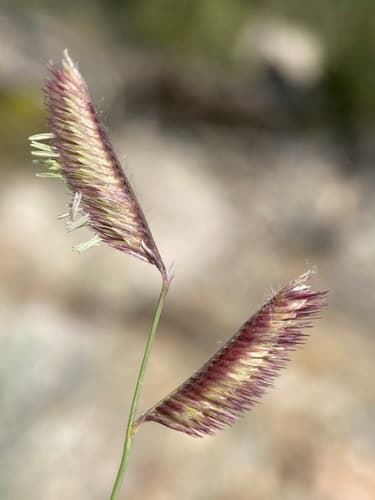
Blue Grama
Bouteloua gracilis
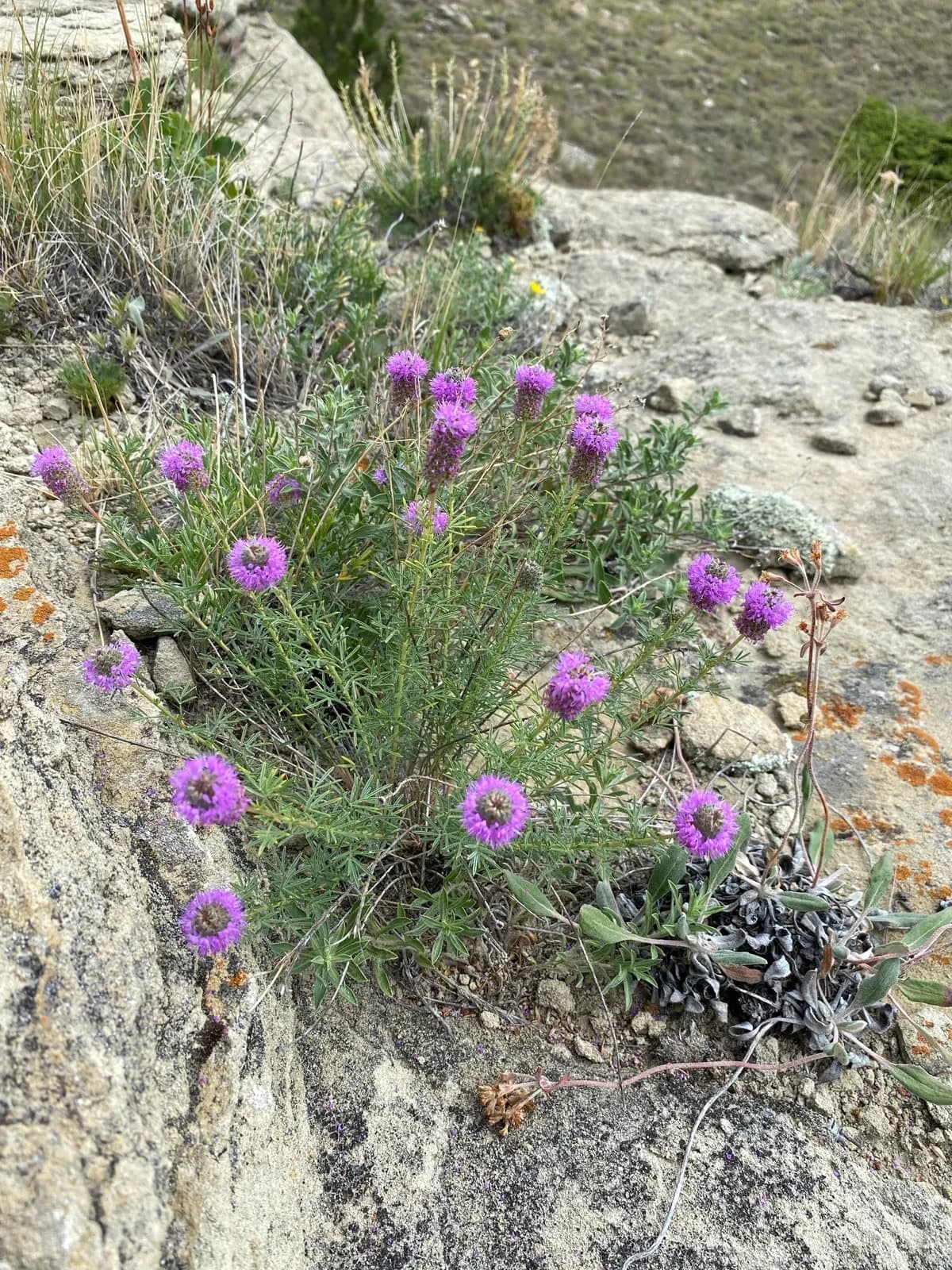
Purple Prairie Clover
Dalea purpurea
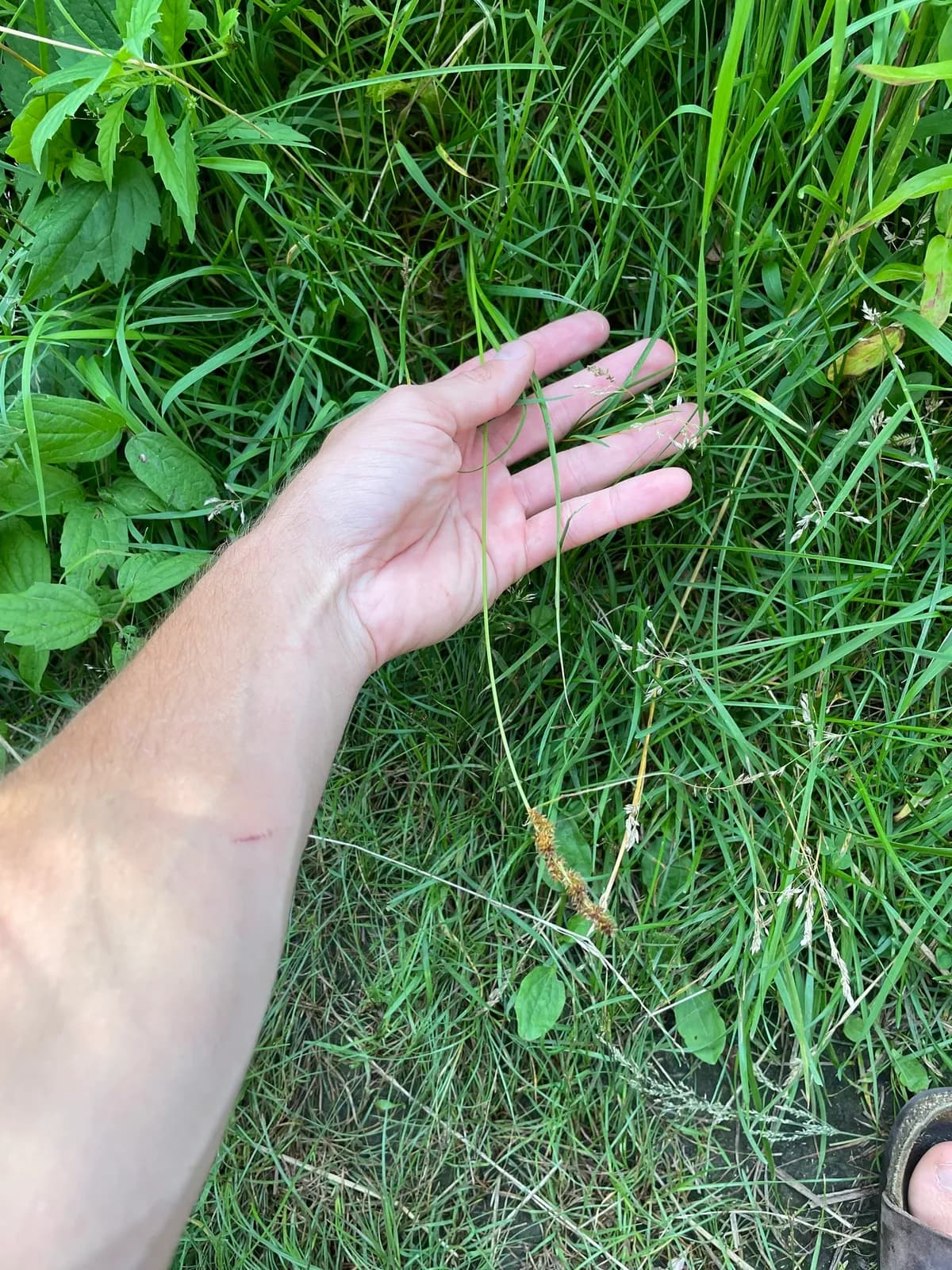
American Fox Sedge
Carex vulpinoidea
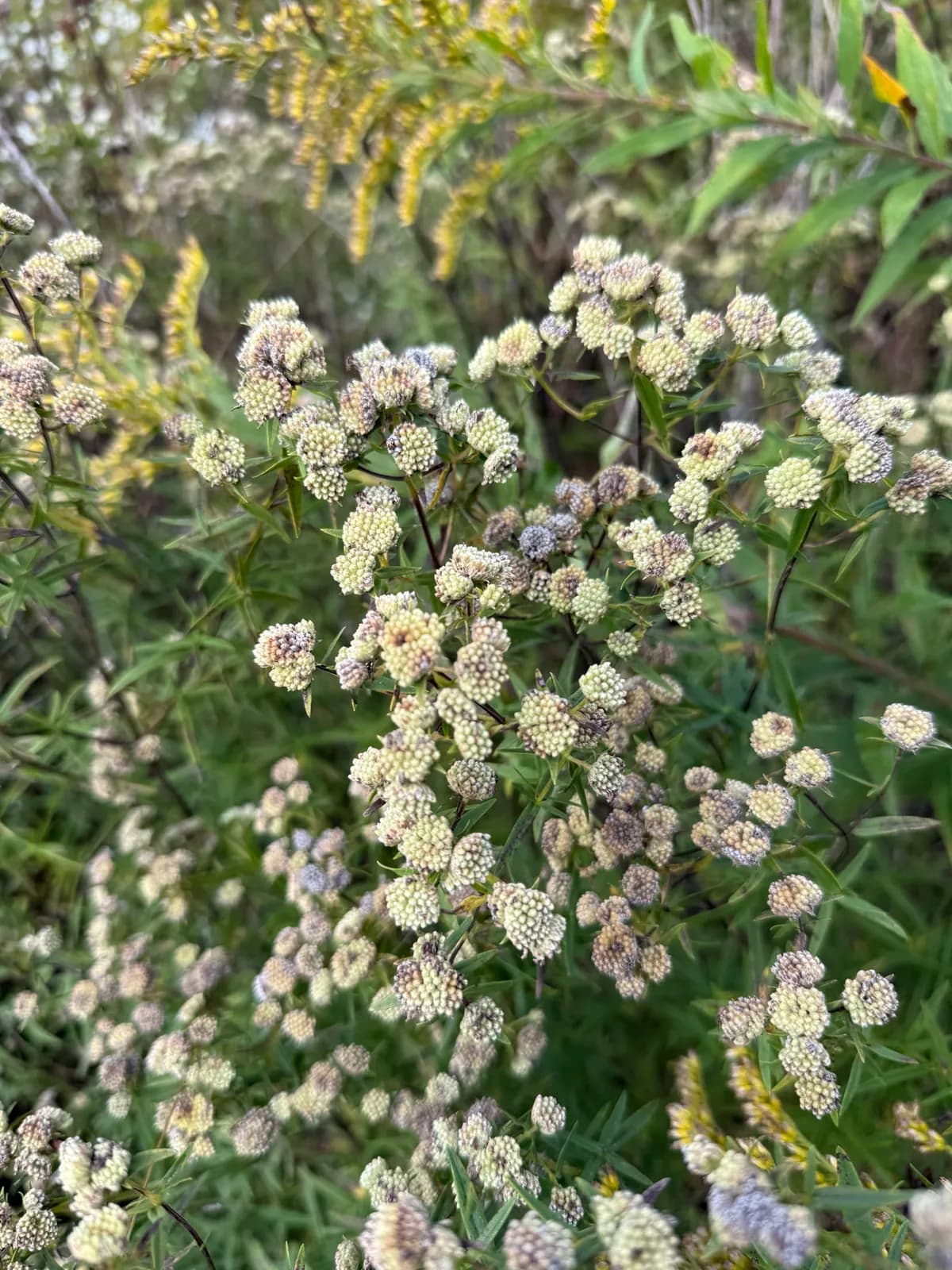
Virginia Mountain-Mint
Pycnanthemum virginianum
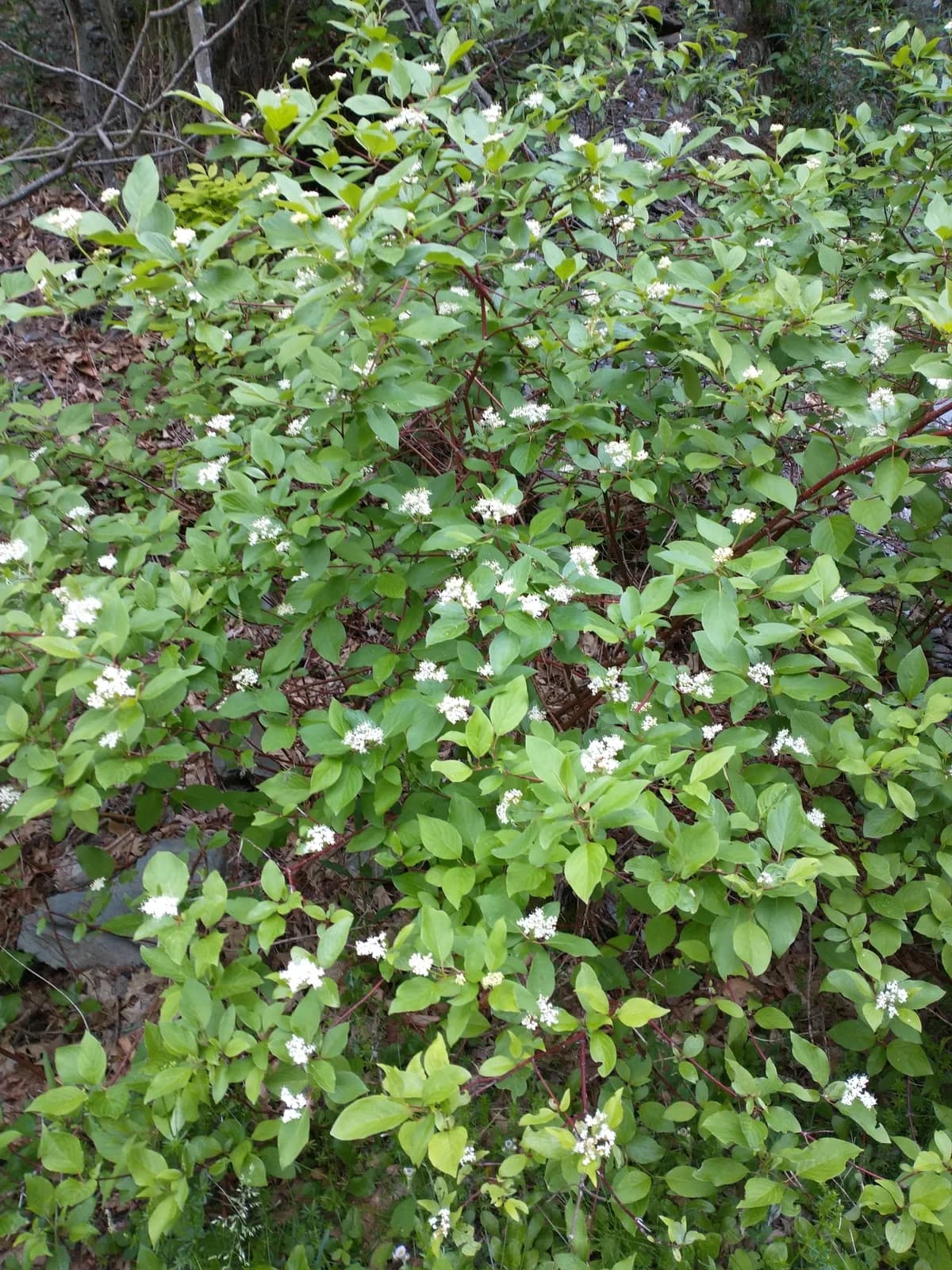
Red-osier Dogwood
Cornus sericea
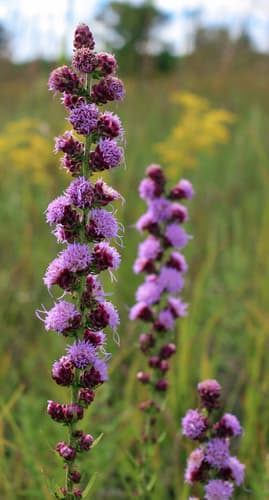
Tall Blazing Star
Liatris aspera

Coral Honeysuckle
Lonicera sempervirens
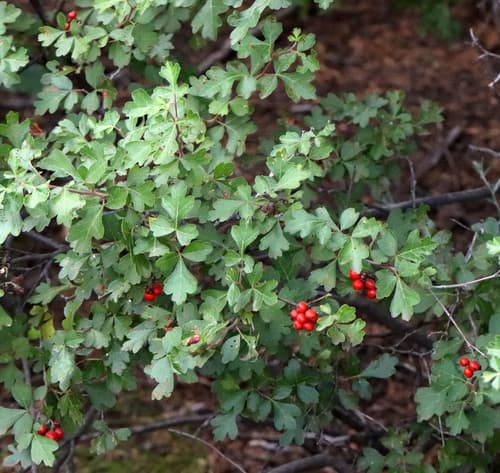
Aromatic Sumac
Rhus aromatica
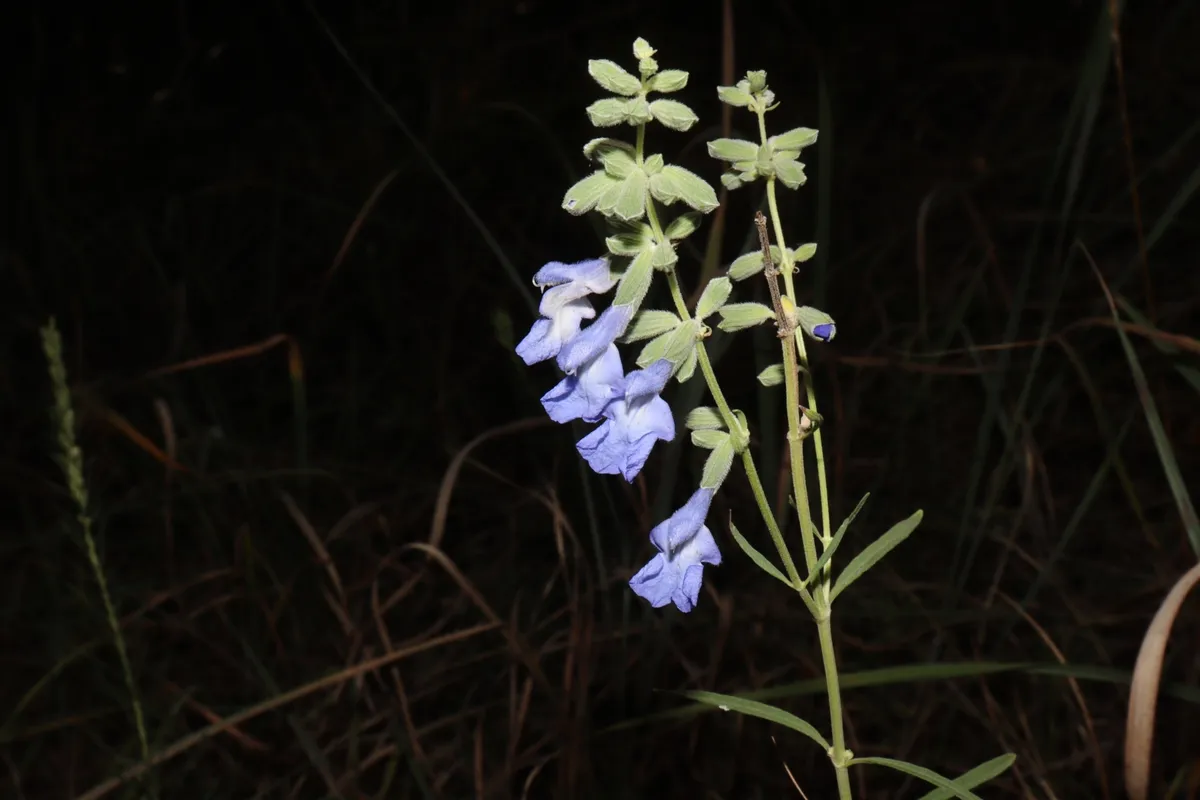
Azure Sage
Salvia azurea
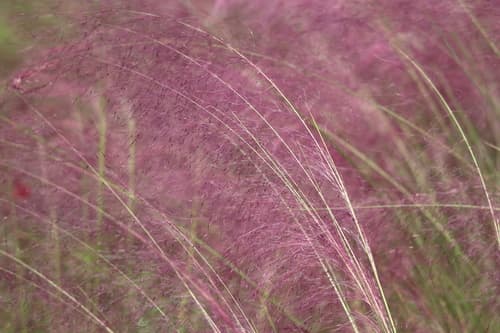
Gulf Muhly
Muhlenbergia capillaris
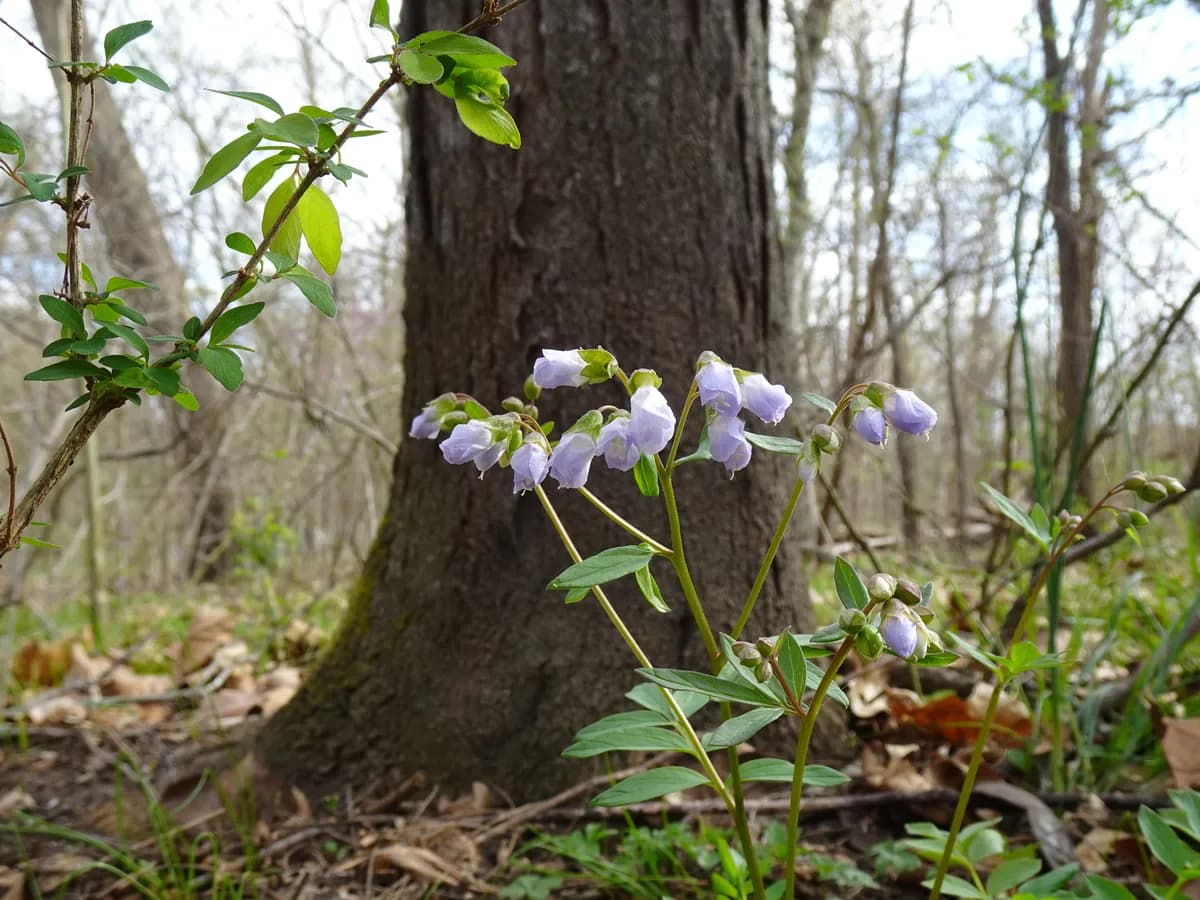
Creeping Polemonium
Polemonium reptans
Showing 48 of 1013. Enter your ZIP for the natives matched to your yard.
Fall care in the Central Irregular Plains
What to do right now for plants commonly grown here. Each links to the full regional care guide for that species, with sources.
- Creek sedge
Fall is a good time to check for unwanted seedlings.
- Hairy grama
In fall the fuzzy seedheads are the show.
- Pale purple coneflower
Fall needs almost nothing from you.
- Jumpseed
In fall jumpseed drops seed, so expect new seedlings nearby.
- Plantain leaf pussytoes
Fall needs very little from you since the leaf mat stays in place.
- Prairie junegrass
Fall is a good time to collect seed or sow new seed.
- Garden tulip
Fall is planting season for garden tulips in the Kansas City area.
- Prairie petunia
Fall is a good second planting window around Kansas City, and bloom continues until the first real cold snap.
- Bigleaf hydrangea
This is when next year's flower buds are forming, so the main job in fall is to leave the plant alone and get it ready for the winter temperature swings that cause most of the trouble here.
- Lyre leaf sage
Fall brings a light rebloom for some lyre-leaf sage plants in Kansas City, and the evergreen rosette holds its color as the season cools.
Build a plan for the Central Irregular Plains
The Pollinator Patch App turns plants like these into a front-yard plan tuned for the soil, climate, and HOA expectations of the Kansas City area.