Jumpseed
Persicaria virginiana
Last reviewed: September 2026
Persicaria virginiana, or Jumpseed, is a shade tolerant woodland forb that blooms from July through September with slender spikes of small white to pink flowers, growing best in medium to moist soil.
Toxicity unknown
Jumpseed (Persicaria virginiana) is not listed by the ASPCA Animal Poison Control Center (opens in new tab) or the other sources we check, so we have no verdict for it either way. Absence from those lists is not a clearance. If your pet shows symptoms after eating any plant, call the ASPCA at (888) 426-4435.
Light
part shade
Water
medium
Size
12"–36" H × 12"–24" W
Bloom
Jul, Aug, Sep
Native to
AL, AR, CT, DE and 30 more states
Pollinators
bees, beetles
Before you buy
Your city may pay you to plant this
Cities and water utilities offer rebates for replacing lawn with native and water-wise plants. We track 459 programs across 44 states, each with a link to the provider and the date we last checked it.
Find rebates in your areaPicture natives in your own yard
Upload a photo of your yard and Patch Vision shows a rendering of it planted with natives for your region, like Jumpseed.


Browse plants for this ecoregion
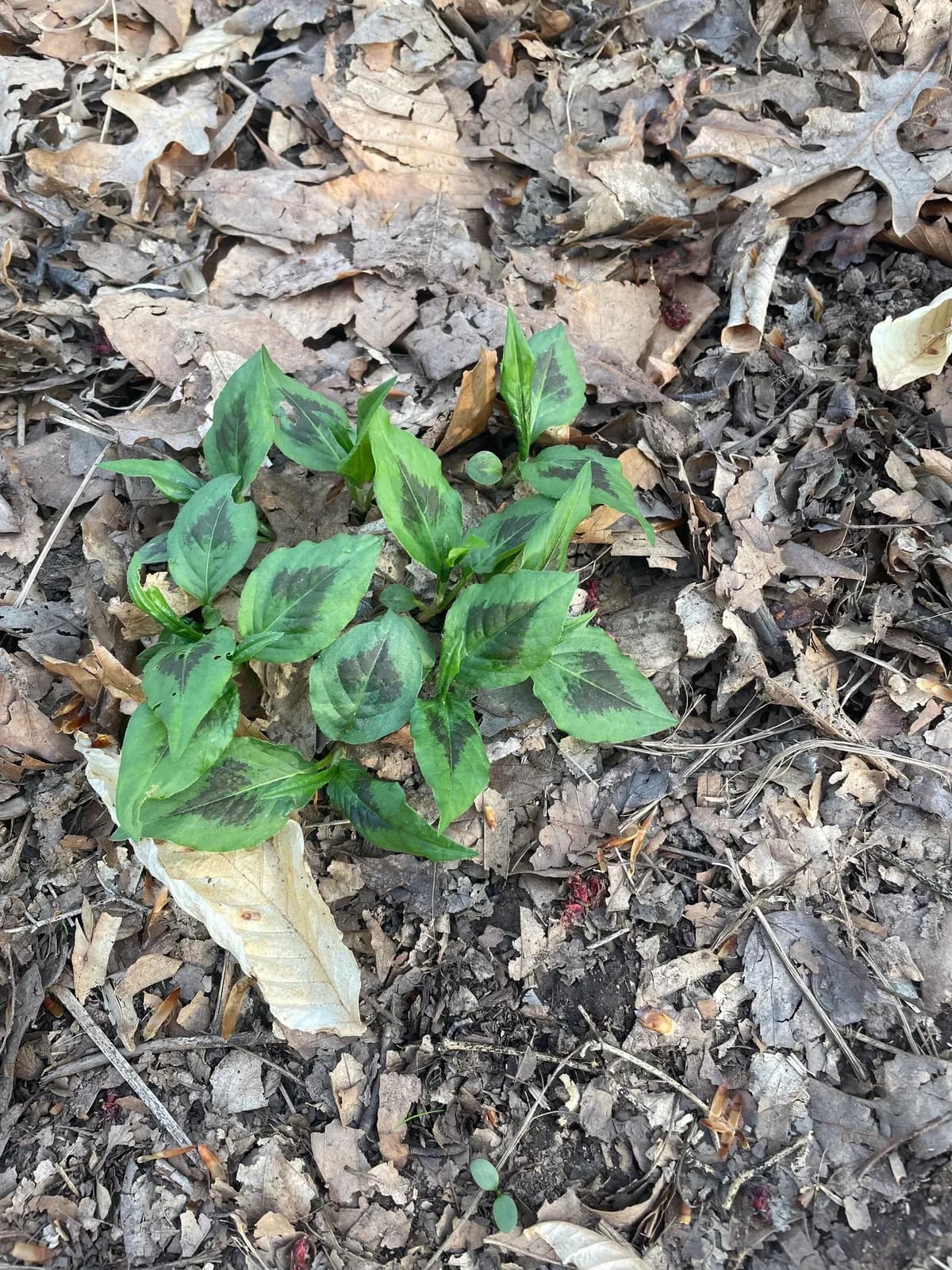
Jumpseed is a native perennial that forms neat clumps of bright green foliage in partially shaded areas. It produces delicate spikes of small white flowers from July through September, followed by interesting seed pods that can 'jump' when touched.
Growing Jumpseed
Grow Jumpseed in part shade and medium water. Mature plants reach 12 to 36 inches tall and spread 12 to 24 inches wide. Expect low maintenance to keep it looking intentional in a front yard.
How to care for Jumpseed, by region
How to care for Jumpseed where it is actually grown: year-round basics plus what to do each season, region by region, with the sources for each.
Care guidance last updated: October 2026
Central Irregular Plains (includes Kansas City, MO)
Year-round
Jumpseed is an easy shade plant that likes moist soil and can spread on its own.
- It prefers shade to partial shade but can grow in full sun.
- It likes moist to wet soil, so keep it moist in sunny spots.
- It self-seeds and spreads by rhizomes, and can be weedy in gardens.
- Maintenance is low.
Fall
In fall jumpseed drops seed, so expect new seedlings nearby.
- It self-seeds.
- Seeds are forcefully ejected when the ripe fruit is lightly touched.
- Some cultivars may spread aggressively.
Winter
The sources checked give little winter detail for jumpseed, and it needs low maintenance overall.
- Maintenance is listed as low.
- It spreads by rhizomes and seed, so seedlings may appear next year.
Spring
Spring is a good time to set its spot and plan for how far it may spread.
- It grows rapidly into a clump 2 to 3 feet tall and 3 to 4 feet wide.
- It spreads by rhizomes and self-seeds.
- A container helps limit spread.
Summer
Summer is bloom season, and moisture matters most in sunny spots.
- Small white to greenish-white flowers show from July to September.
- The flowers are not showy but attract bees and butterflies.
- Keep the soil moist, especially in sunny locations.
Sources: NC State Extension Plant Toolbox: Persicaria virginiana
Mississippi Valley Loess Plains (includes Memphis, TN)
Year-round
Jumpseed is a shade-loving native groundcover that needs almost no upkeep once it settles in.
- Confirmed native to Tennessee, including the Memphis area, by the USDA PLANTS Database and the Lady Bird Johnson Wildflower Center.
- Plant it in part to full shade in average soil. It tolerates sandy, loamy, and clay soil, and handles both slightly wet and slightly dry spots once established.
- It spreads on its own by rhizome and by seed pods that fling seeds several feet when ripe, so give it room in a shaded bed or woodland edge rather than tucking it against the foundation.
- If you want the true wild species rather than a garden cultivar, check the plant tag. Some nurseries sell a variegated selection called Painter's Palette instead of the plain green native form.
- As a low, tidy shade groundcover under trees, it reads as an intentional woodland planting rather than an overgrown look, which keeps it HOA-friendly along shaded side yards.
Fall
Fall is when jumpseed's seed pods ripen, and a bit of tidying keeps a front-facing bed looking intentional through winter.
- Seed pods ripen and can shoot seed several feet in fall. Cut the spent flower stalks before pods fully ripen if you want to limit how far it spreads.
- Foliage dies back to the ground after Memphis's first hard freeze, usually in mid to late November.
- Leaving some stems and leaf litter in place over winter shelters overwintering insects. Where a front-facing bed needs a tidier look, cutting back after die-back is a reasonable trade-off.
Cutting the dried stalks back after frost keeps a street-facing shade bed looking tended through winter, while leaving a less visible corner uncut still gives insects a place to overwinter.
Winter
Jumpseed goes fully dormant for winter in Memphis and needs nothing from you until spring growth starts.
- The plant dies back to the ground after frost and survives Memphis's USDA zone 7b to 8a winters as dormant rhizomes underground. No mulching or winter protection is needed.
- If stems were left standing in fall for overwintering insects, late winter, just before new growth starts, is a good time for a final cutback.
- No watering or feeding is needed while the plant is dormant.
Spring
In Memphis, spring is when jumpseed wakes back up from its rhizomes and last fall's self-sown seedlings start to show.
- New shoots come up from the rhizomes as soil warms in April, after Memphis's typical last frost in mid to late March. Established plants do not need frost protection.
- Spring is the easiest time to divide a clump or move volunteer seedlings, while rain keeps the soil moist and workable.
- Look for a ring of small seedlings around last year's plant. Pull or move the ones you do not want now, while they are small and easy to lift.
- No fertilizer is needed in spring. This plant is adapted to average woodland soil.
Summer
Memphis summers are hot and humid, and jumpseed handles both well once it is past its first year in the ground.
- Once established, it tolerates Memphis's hot, humid summer stretches without extra watering. Water only during a first-year dry spell.
- Small white flower spikes appear from midsummer into early fall. No deadheading is needed.
- In shady, still corners with little airflow, watch for ordinary leaf spotting during humid weeks. Thinning crowded stems improves airflow and keeps foliage cleaner.
- Ripe seed pods start flinging seed in late summer heat, so expect new seedlings nearby once the weather cools.
Sources: USDA PLANTS Database, Polygonum virginianum profile, Lady Bird Johnson Wildflower Center, Native Plant Database: Polygonum virginianum (Jumpseed), University of Tennessee Extension, Tennessee Smart Yards: Polygonum virginianum (Persicaria virginiana)
In an HOA neighborhood
Jumpseed is an HOA-friendly choice. Maintenance level: low. Tidiness: 3 out of 5.
Works well in: foundation, mid zone.
- May self-seed aggressively in ideal conditions
- Can appear sparse in early spring
Wildlife value
The summer flowers attract bees and beetles, providing nectar during the mid to late growing season. Seeds are consumed by various bird species in fall.
Common questions
- When does Jumpseed bloom?
- Persicaria virginiana blooms from July through September, sending up slender spikes of tiny white to pink flowers above its broad, arrow shaped leaves.
- How much light and water does Jumpseed need?
- Jumpseed does best in part shade to full shade with medium, consistently moist soil, though it can adjust to somewhat drier conditions once established in a woodland setting.
- What pollinators visit Jumpseed?
- Bees and beetles are the main visitors to the small flowers along Jumpseed's flowering spikes, feeding on nectar produced through its long summer bloom period.
- Is Jumpseed a good choice for a shaded garden bed?
- Its clumping growth habit, tolerance for low light, and preference for evenly moist soil make Persicaria virginiana a practical filler for shaded borders and woodland edge plantings.
- Is Jumpseed HOA-friendly?
- Jumpseed is generally an HOA-friendly choice in the right placement, with low maintenance.
These answers were drafted with an AI model from this plant's data. Verify care details with a local expert.
Native range data from vouchered herbarium specimen records and regional native plant society lists. Pollinator and host plant associations compiled from GBIF, iNaturalist, and published ecological literature.
If something looks wrong
Common plant problems, and what to check first
These come up on almost any plant. Each guide lists the likely causes in the order they are worth ruling out, with one thing to check before you act on any of them, and links to the source it came from.
- It is dying right after planting
- Leaves turning yellow
- Wilting even though I watered it
- Brown crispy leaf tips
- Bugs on the plant
Ready to grow Jumpseed? Add it to your garden in Pollinator Patch to track it and get season-by-season care guidance.