EPA Level III Ecoregion
Central Appalachians
987 native plants for the Central Appalachians ecoregion (Johnstown area).
The Central Appalachians cover the steep forested plateau of West Virginia, eastern Kentucky, western Virginia, and the Pennsylvania highlands around Johnstown. Slopes are sharp, soils are thin and acidic, and elevation keeps summers cooler and winters longer than in the valleys on either side. Natives such as flame azalea, sweet azalea, heart-leaf foamflower, and bigleaf magnolia are forest-understory plants, which makes them a natural fit for the shaded, sloping yards that are normal here.
Conditions: Thin acidic soils on steep forested slopes, 40–50 inches of precipitation, cool summers and long cold winters at elevation.
Cities and areas: Johnstown, Charleston, Lexington, Morgantown, Beckley, Altoona.
987 Native Plants for the Central Appalachians
HOA-friendly picks listed first. Pet-safety status varies by species; each plant page shows its sourced ASPCA status. Native range data from vouchered herbarium specimen records and regional native plant society lists.
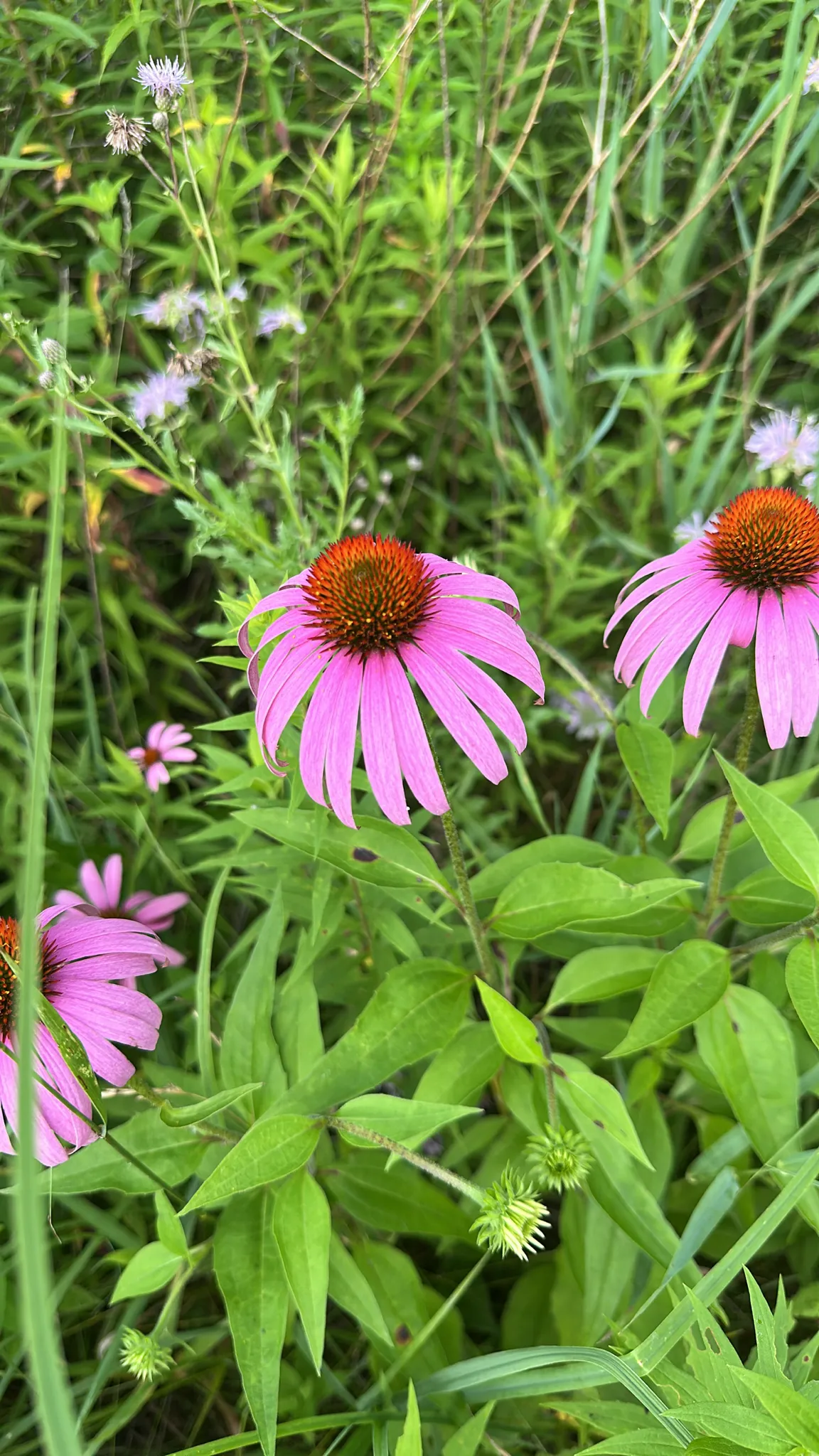
Purple Coneflower
Echinacea purpurea

Little Bluestem
Schizachyrium scoparium
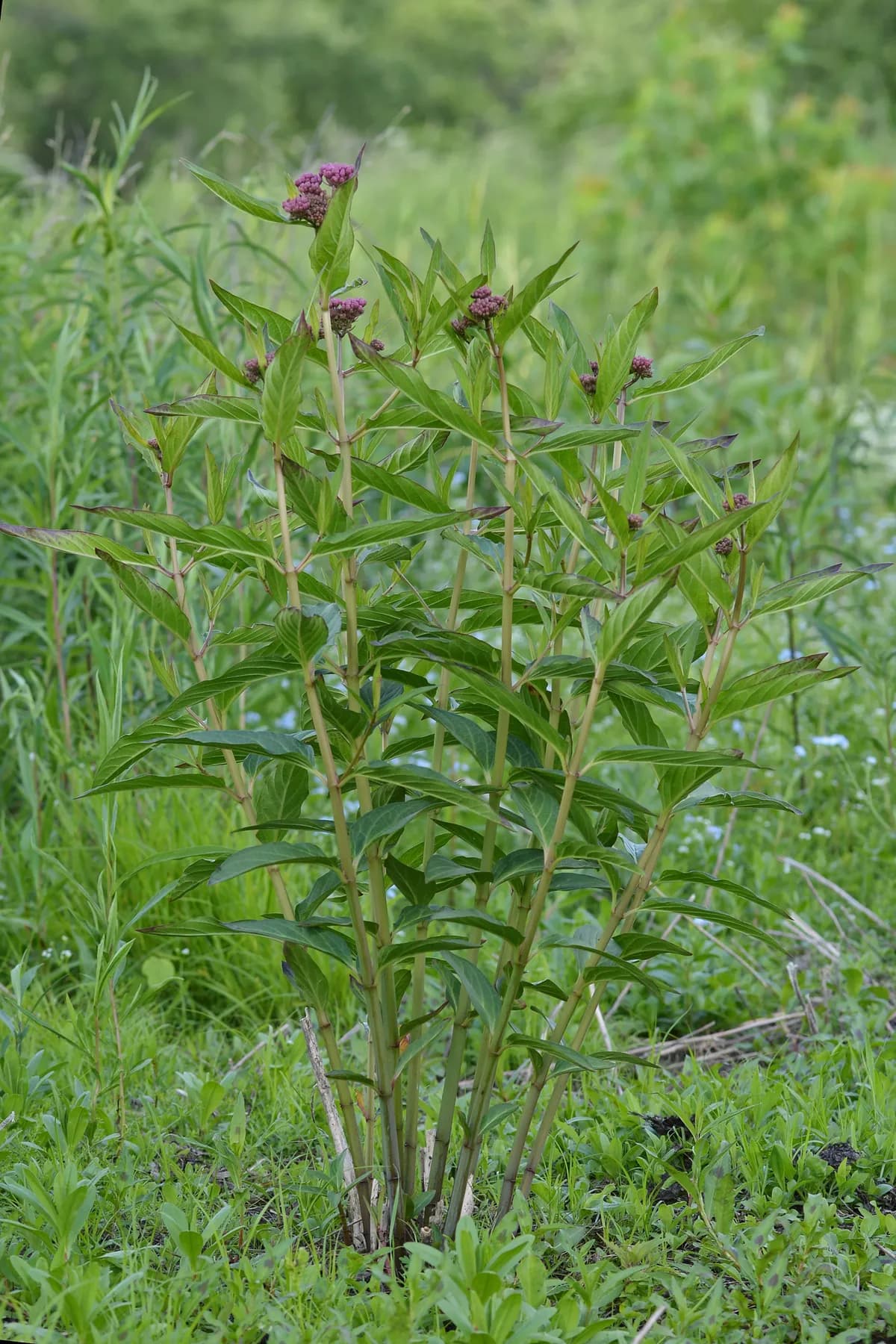
Swamp Milkweed
Asclepias incarnata
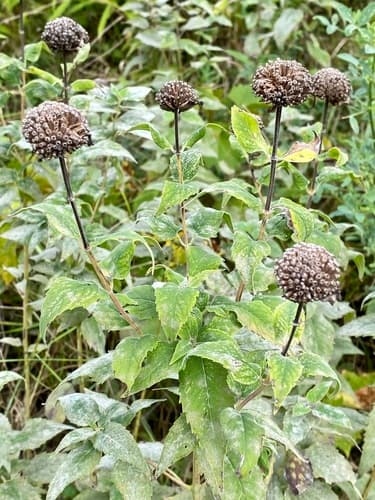
Wild Bergamot
Monarda fistulosa
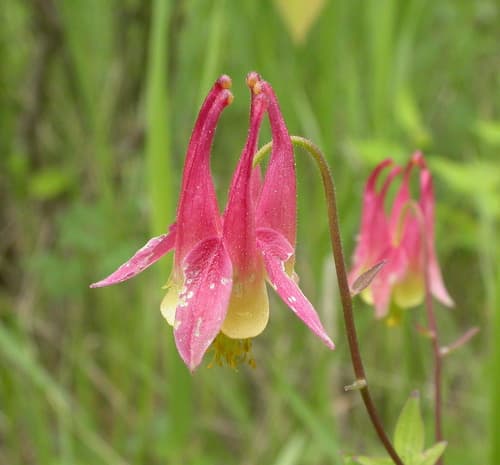
Wild Red Columbine
Aquilegia canadensis
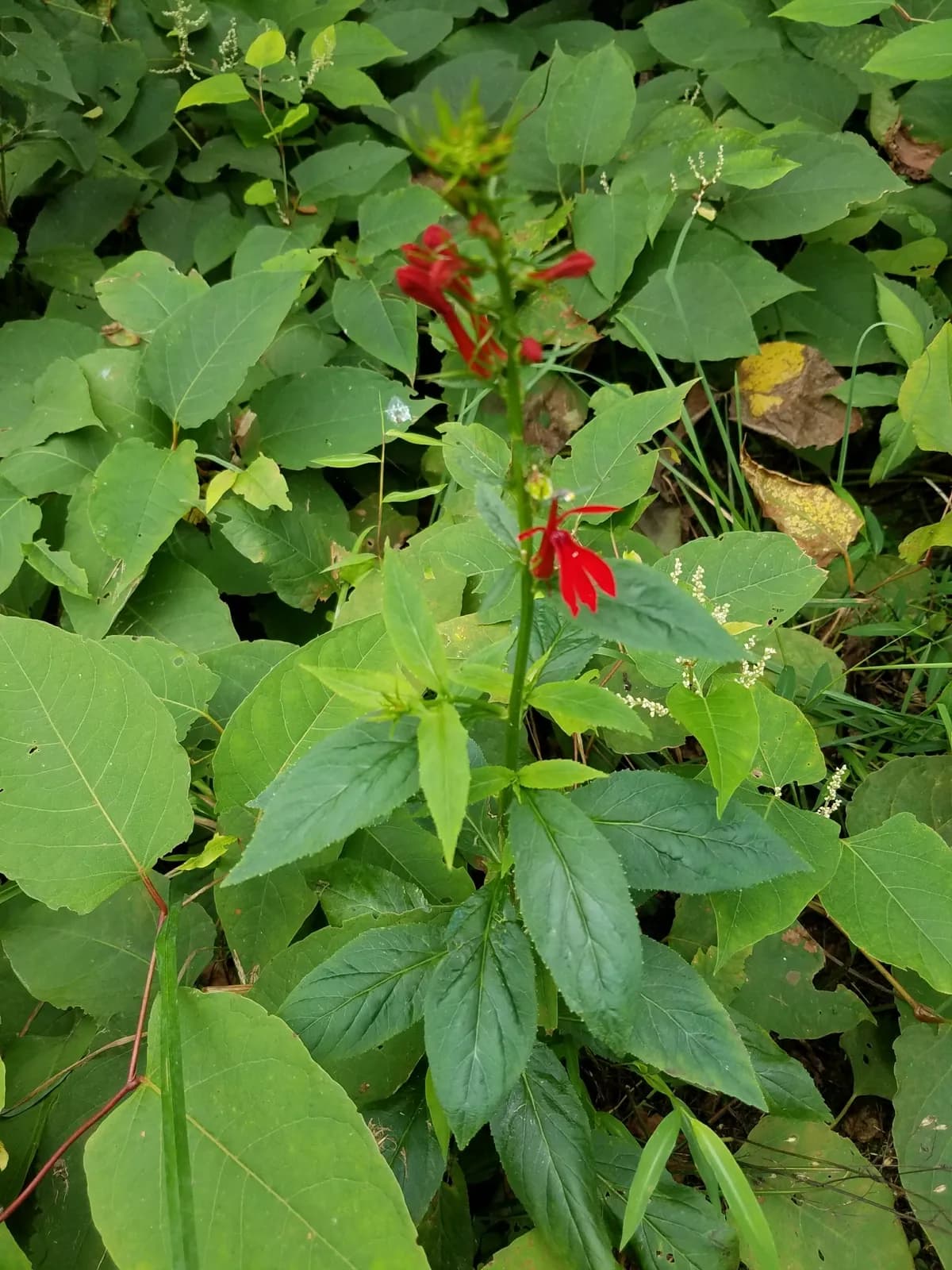
Cardinal Flower
Lobelia cardinalis
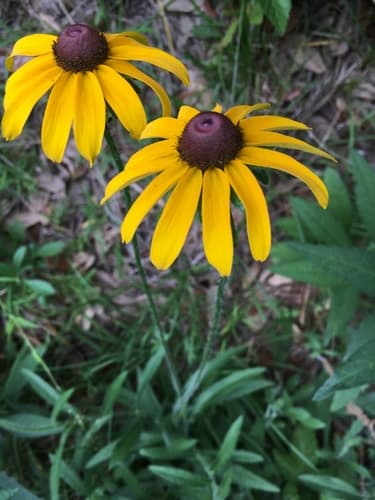
Black-eyed Susan
Rudbeckia hirta
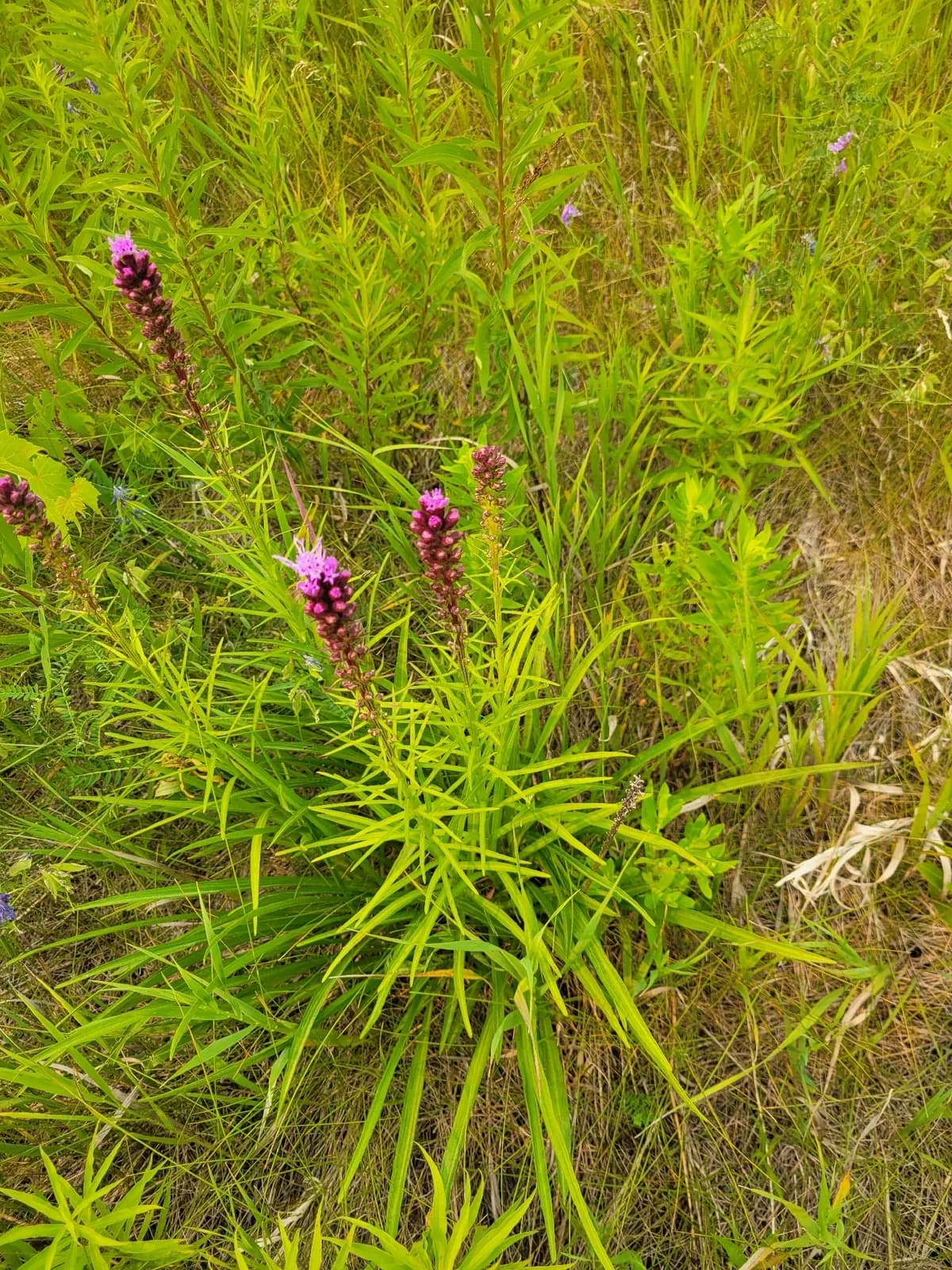
Dense Blazing Star
Liatris spicata
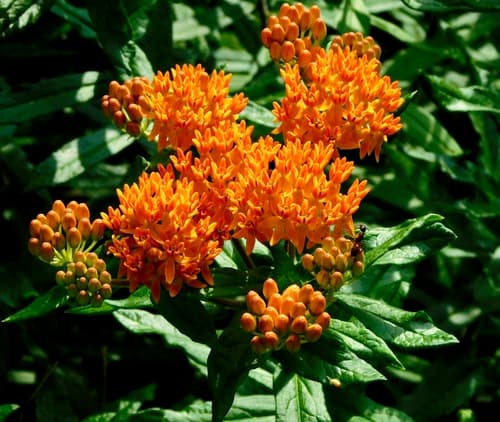
Butterfly Milkweed
Asclepias tuberosa
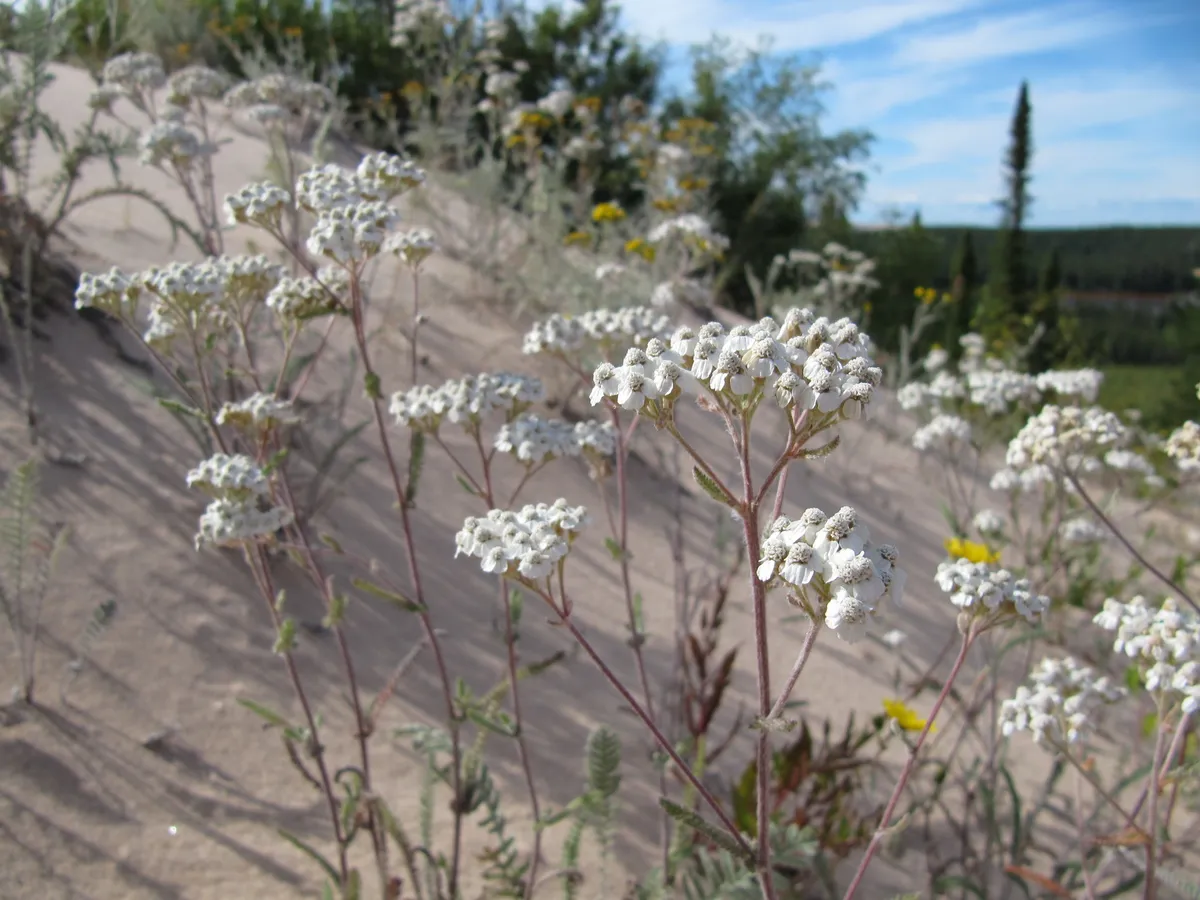
Common Yarrow
Achillea millefolium
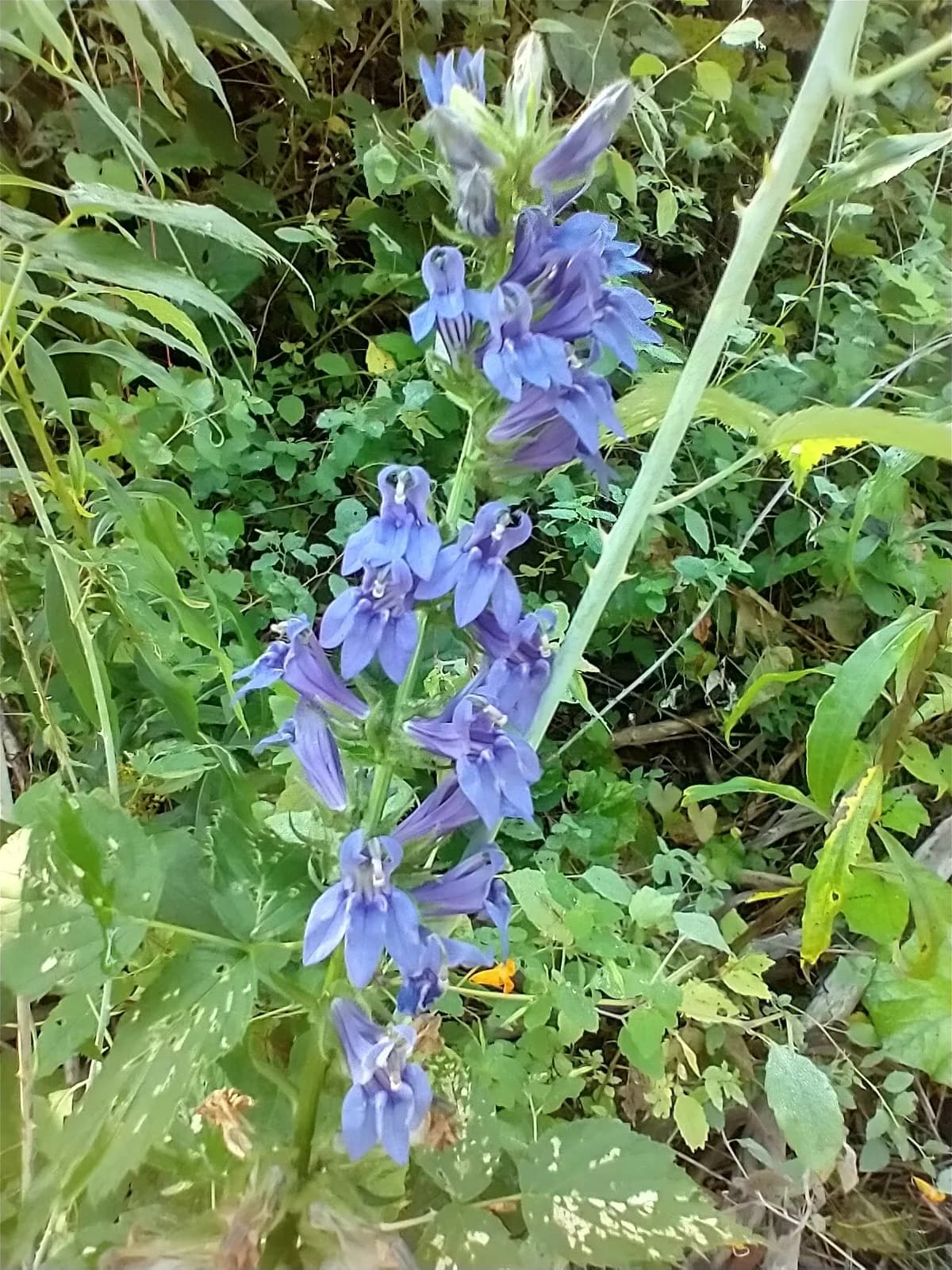
Blue Lobelia
Lobelia siphilitica
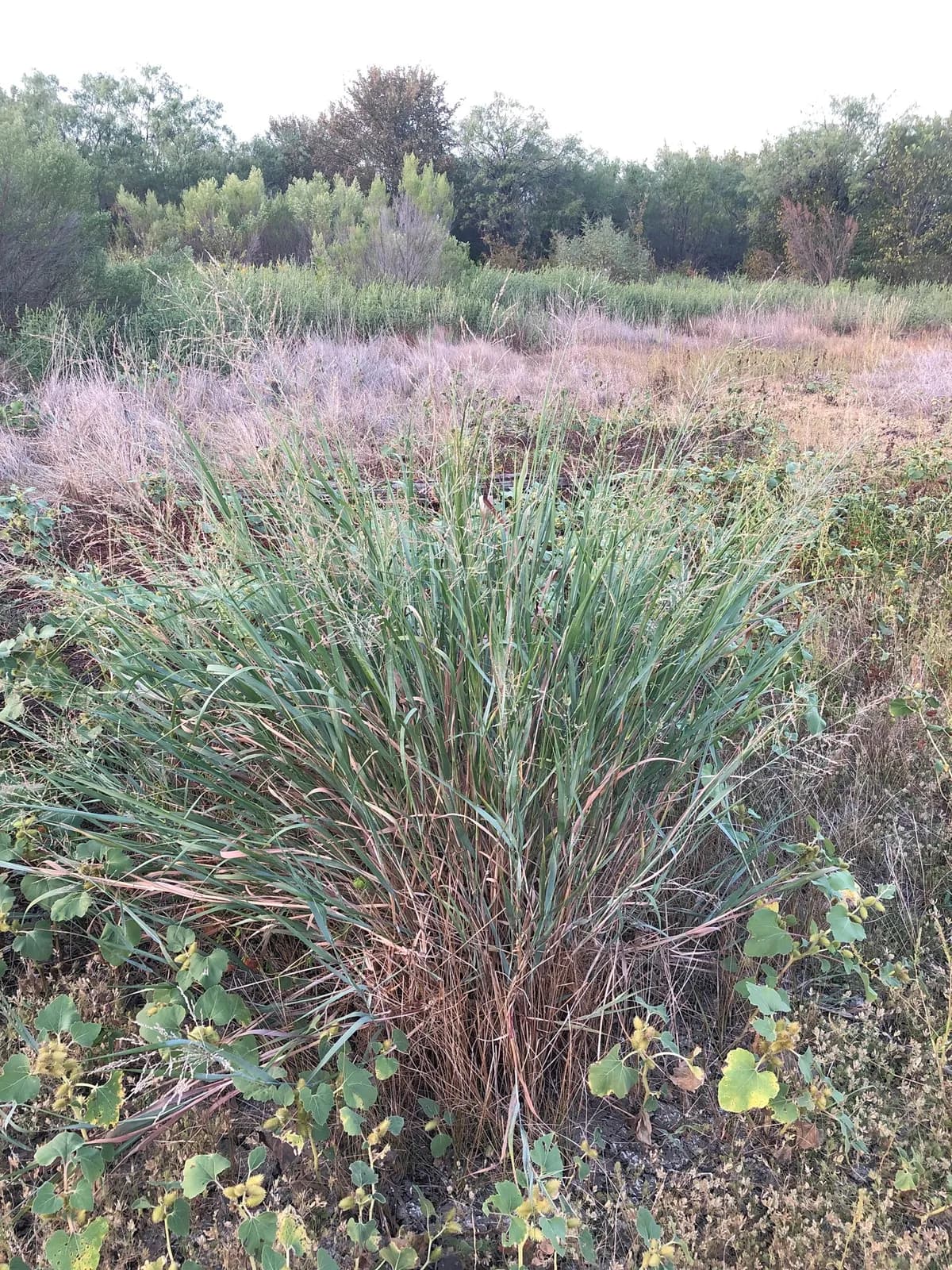
Switchgrass
Panicum virgatum
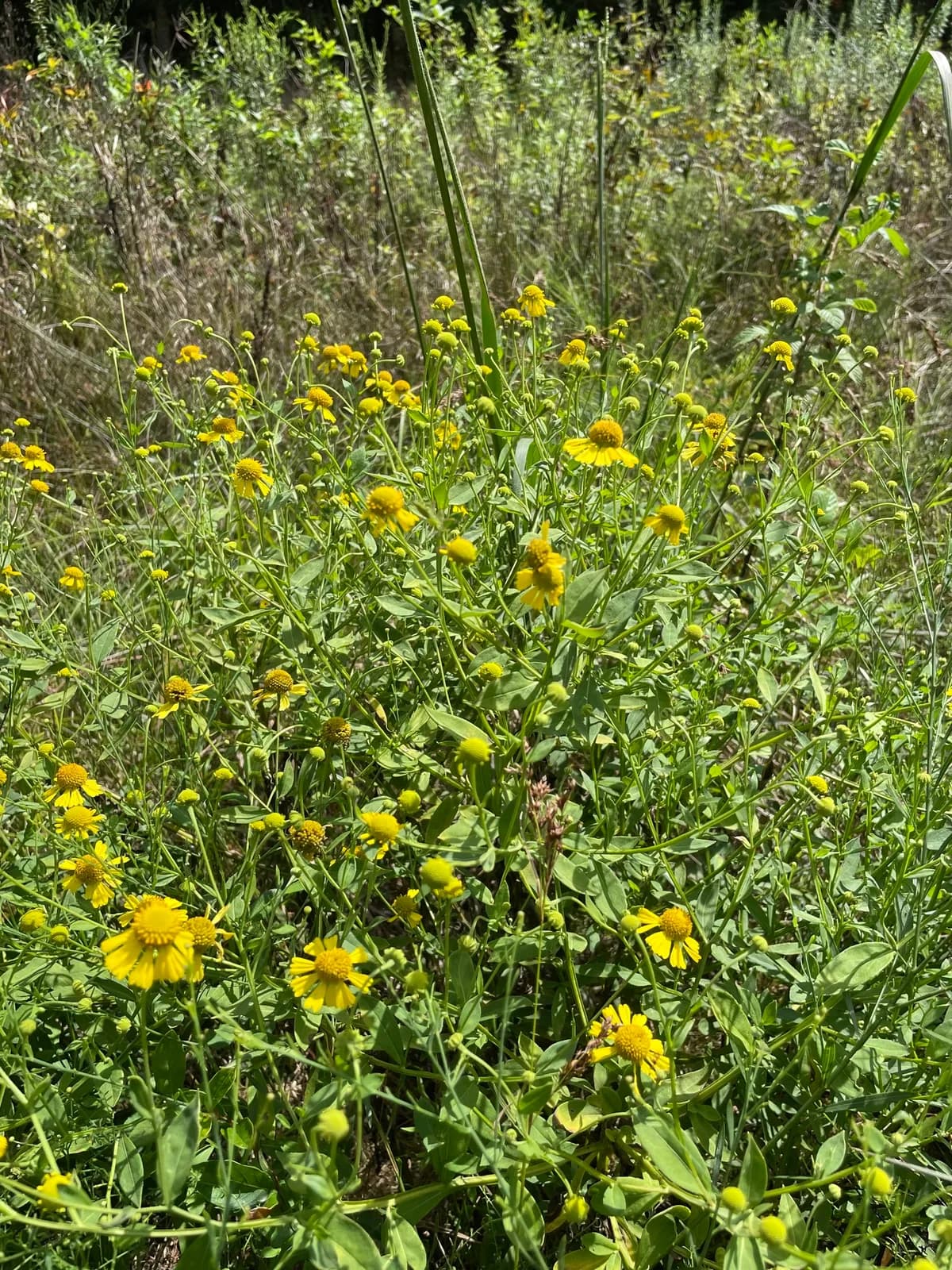
Common Sneezeweed
Helenium autumnale

Golden Alexanders
Zizia aurea
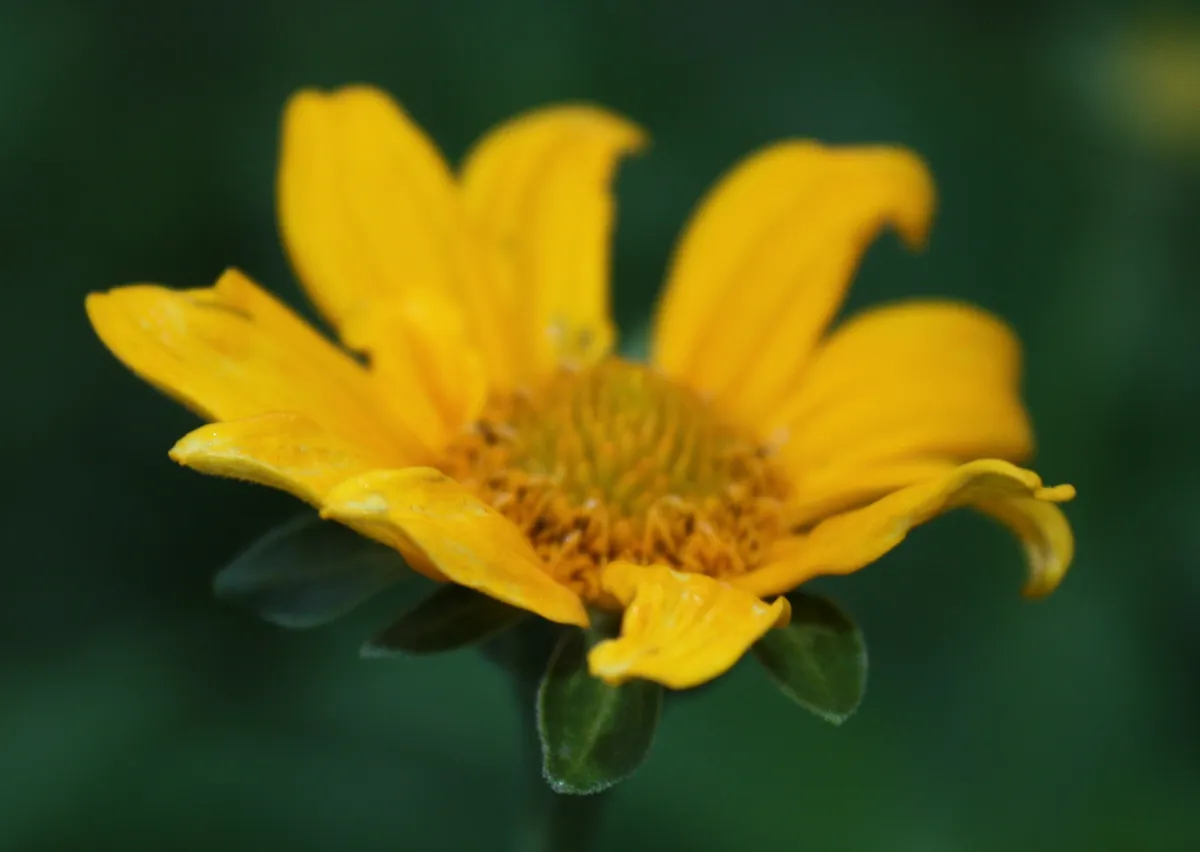
False Sunflower
Heliopsis helianthoides
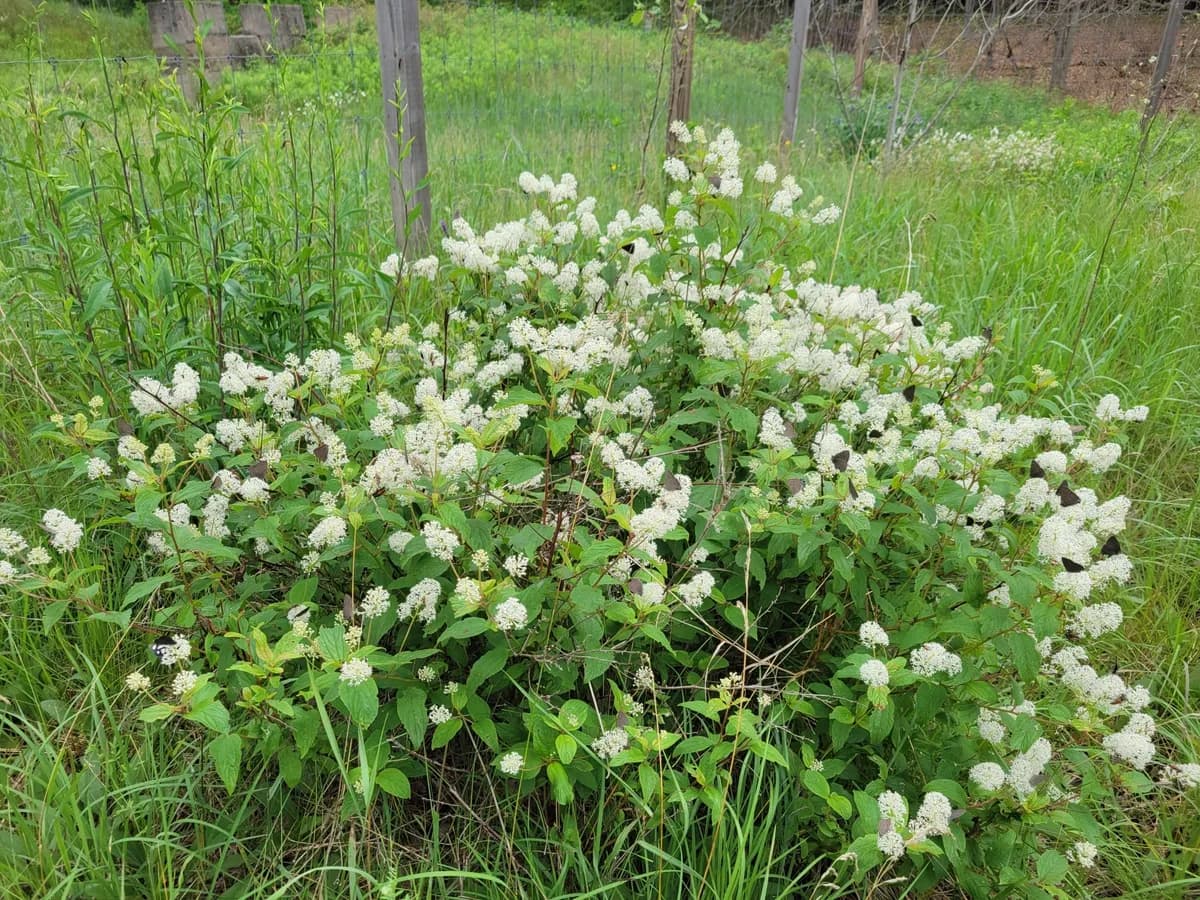
New Jersey-tea
Ceanothus americanus
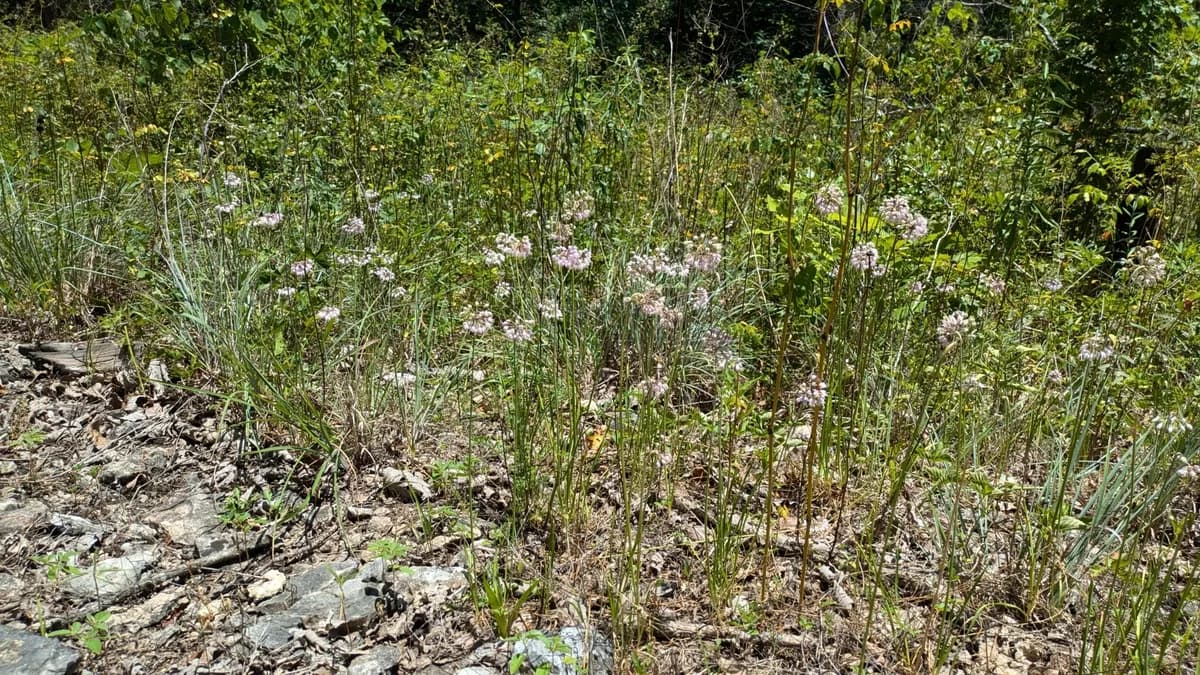
Nodding Onion
Allium cernuum
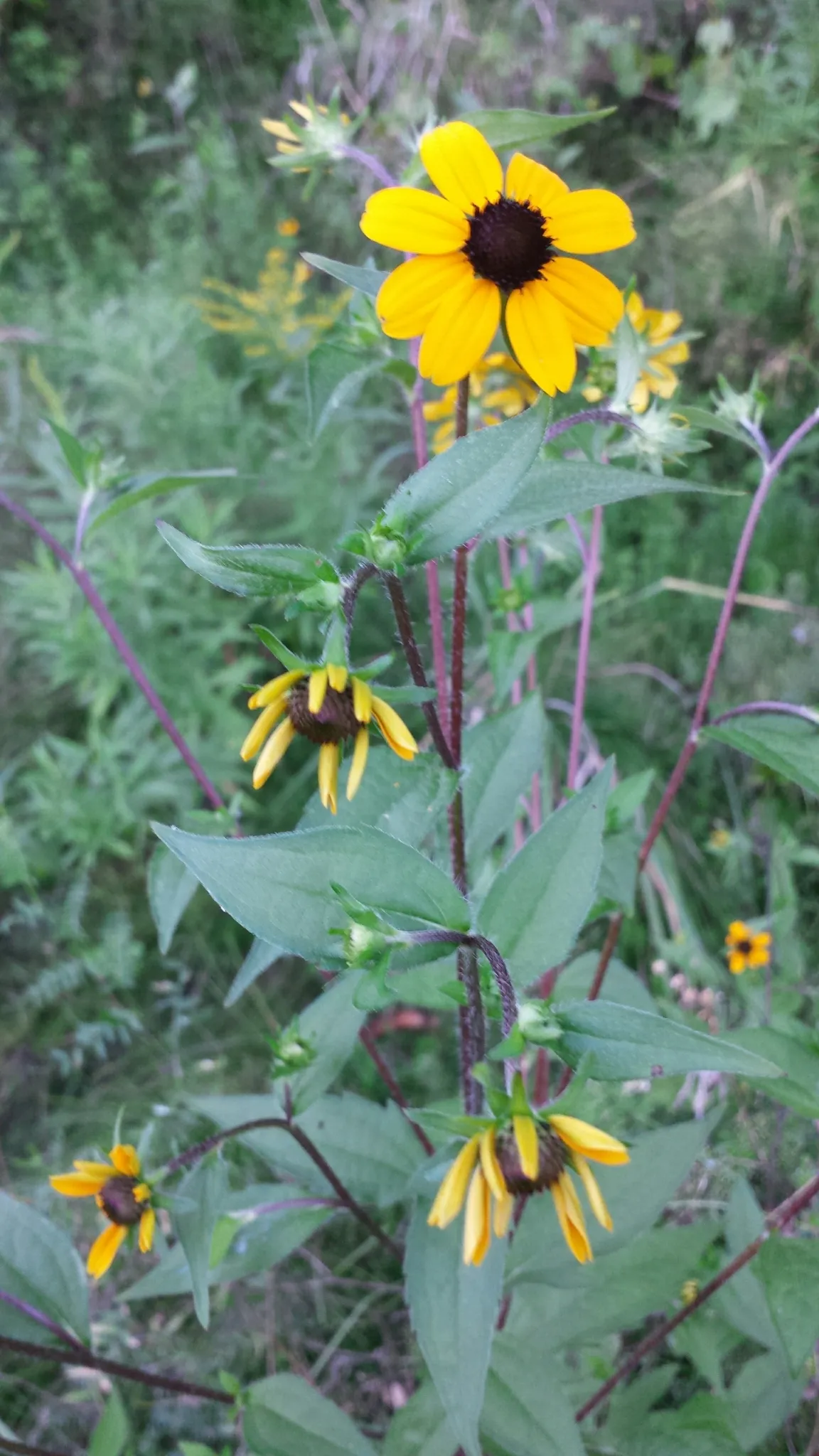
Brown-eyed Susan
Rudbeckia triloba
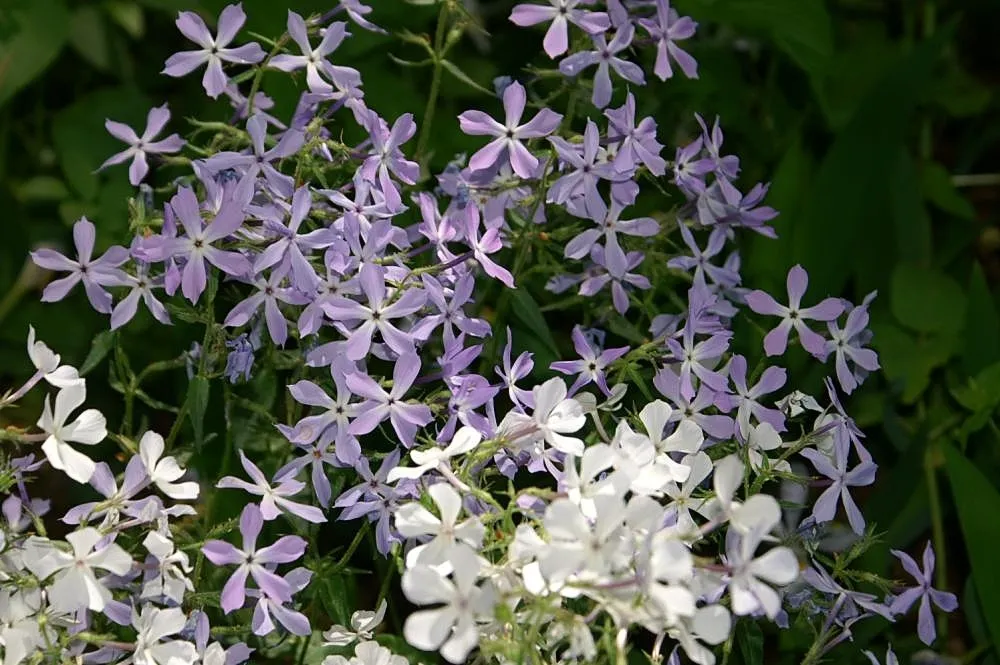
Blue Woodland Phlox
Phlox divaricata
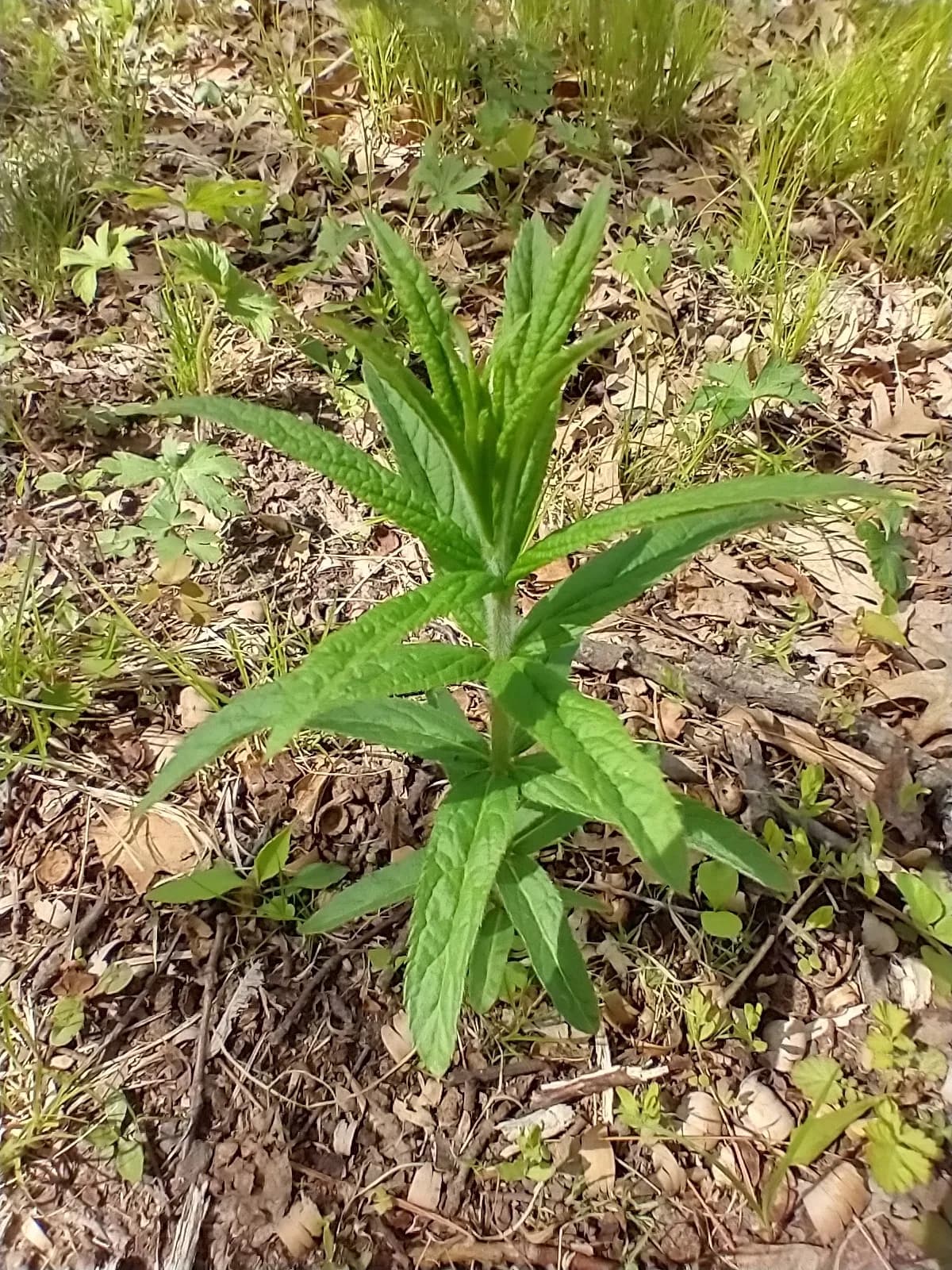
Culver's Root
Veronicastrum virginicum

Inland Sea Oats
Chasmanthium latifolium
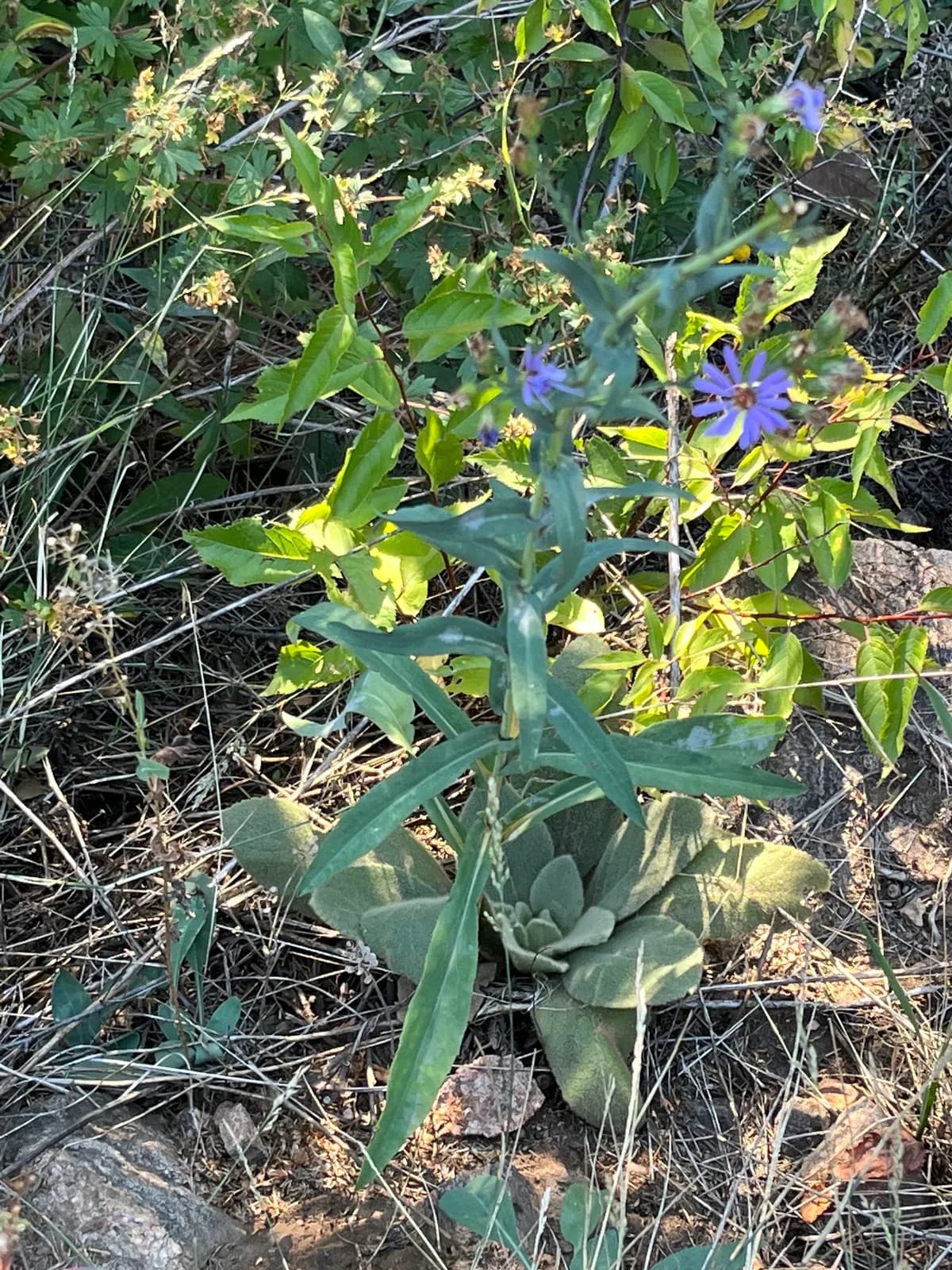
Smooth Aster
Symphyotrichum laeve
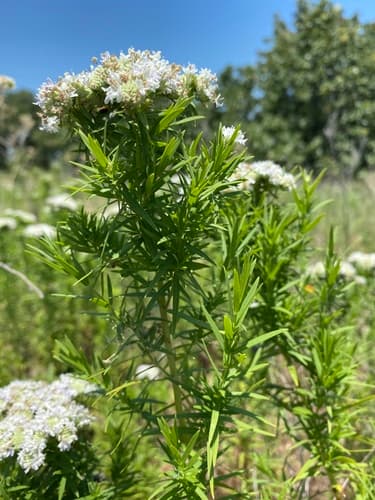
Narrowleaf Mountain Mint
Pycnanthemum tenuifolium
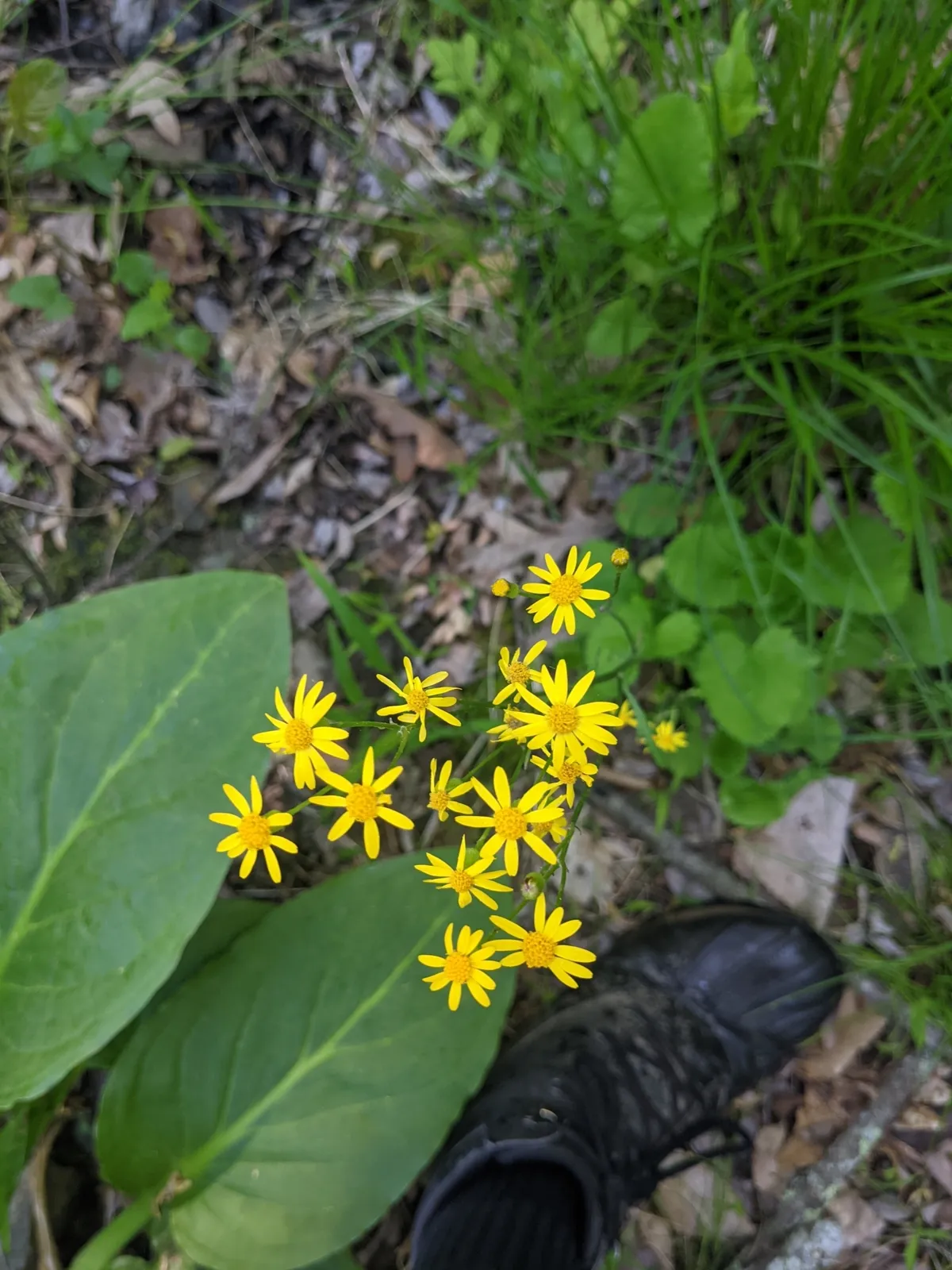
Golden Groundsel
Packera aurea
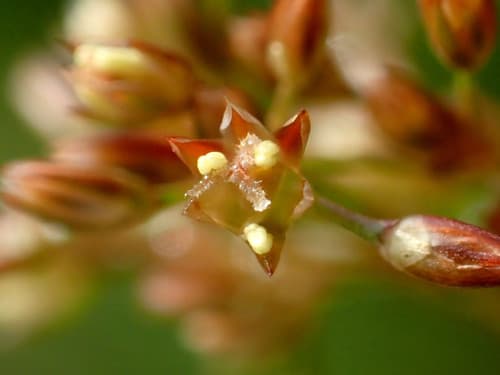
Soft rush
Juncus effusus
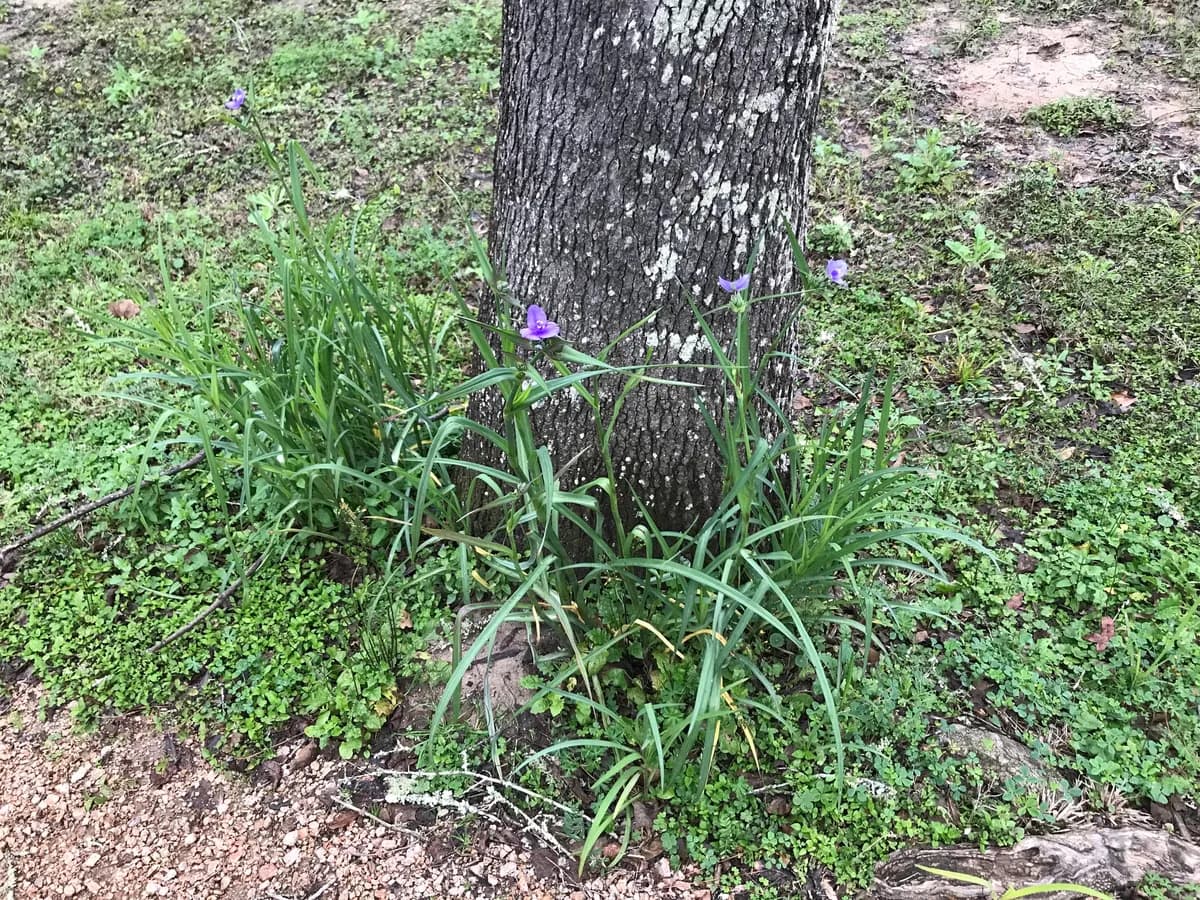
Smooth Spiderwort
Tradescantia ohiensis
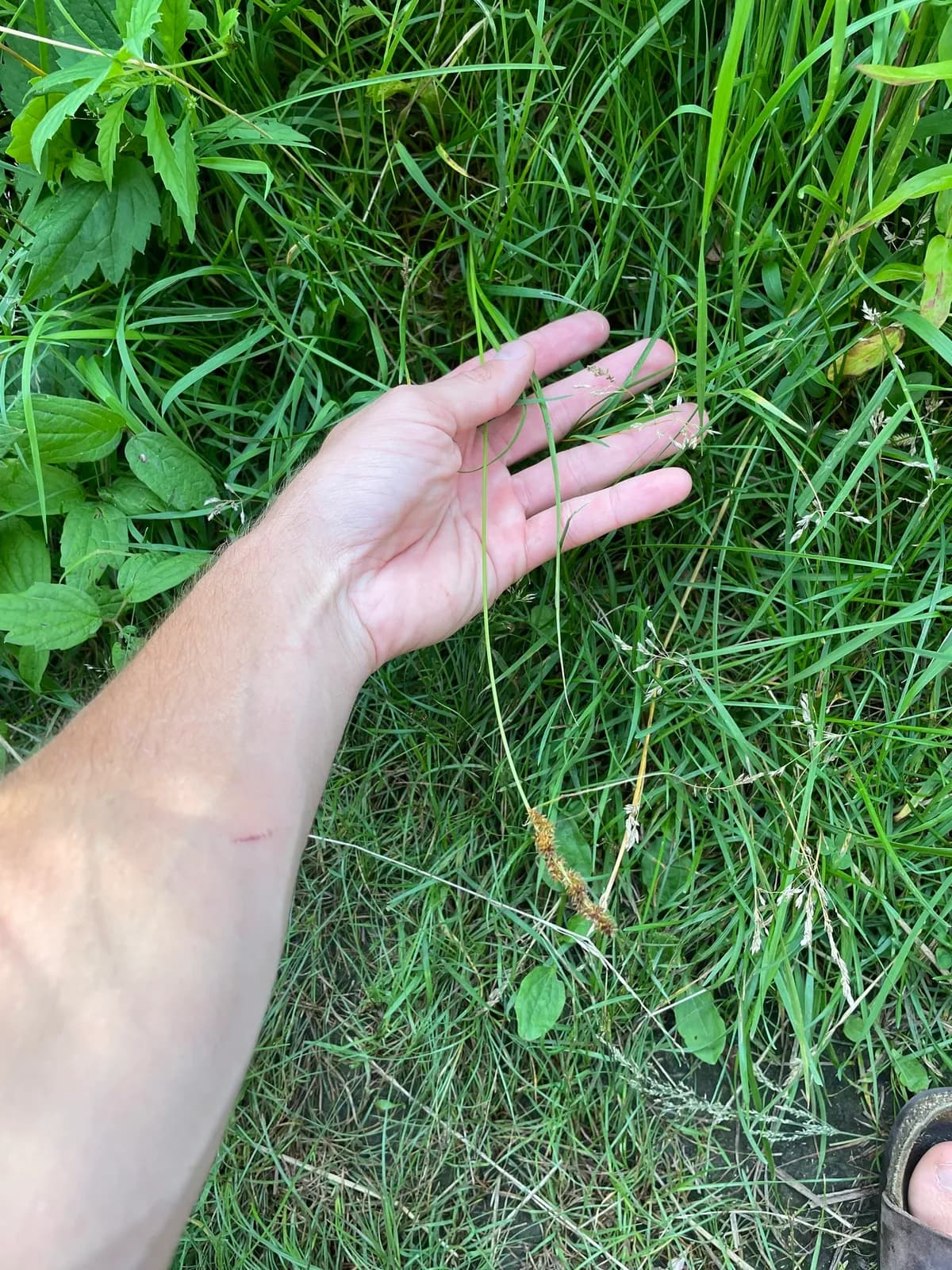
American Fox Sedge
Carex vulpinoidea

Michaelmas Daisy
Symphyotrichum novae-angliae
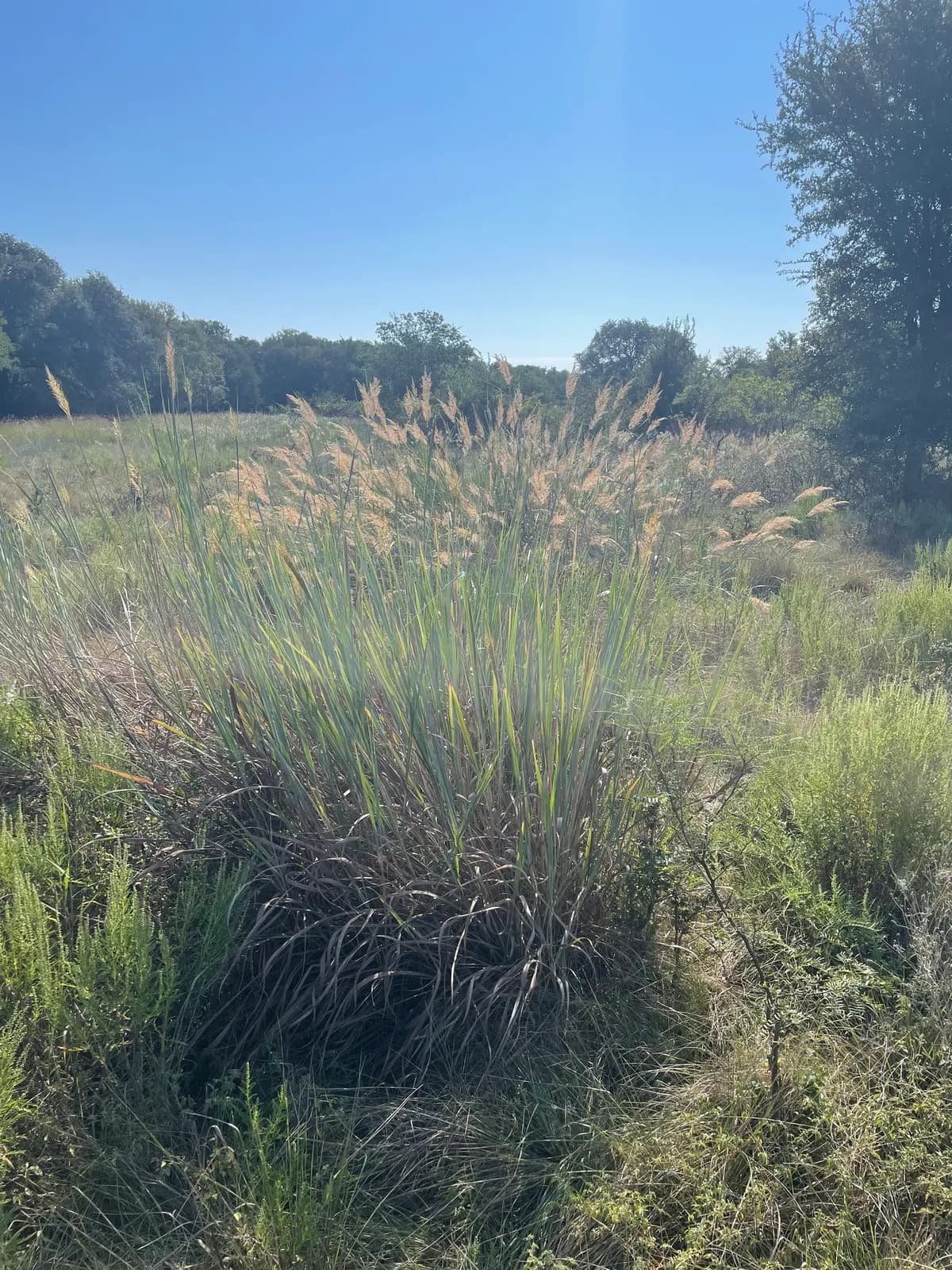
Indiangrass
Sorghastrum nutans
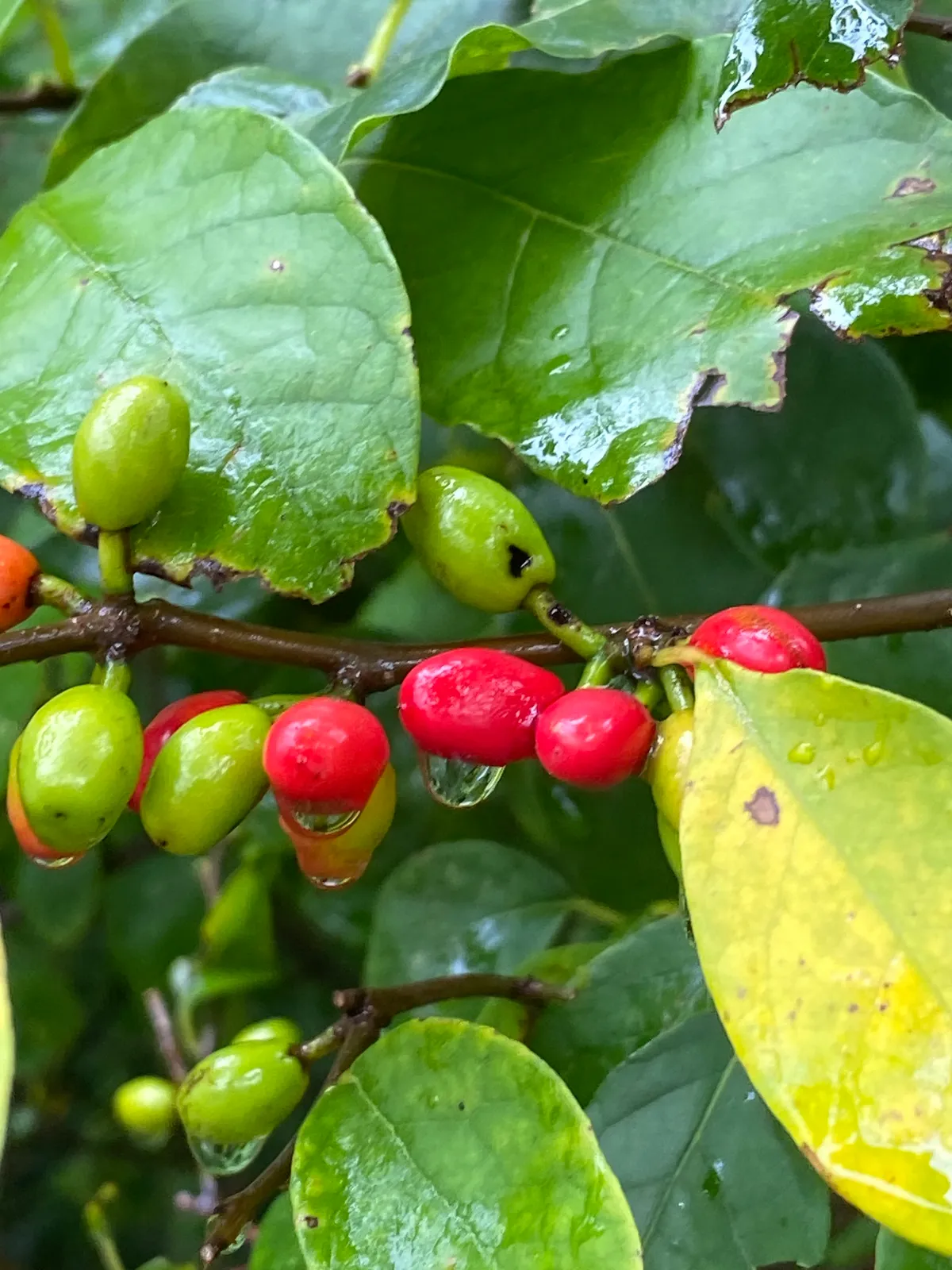
Spicebush
Lindera benzoin
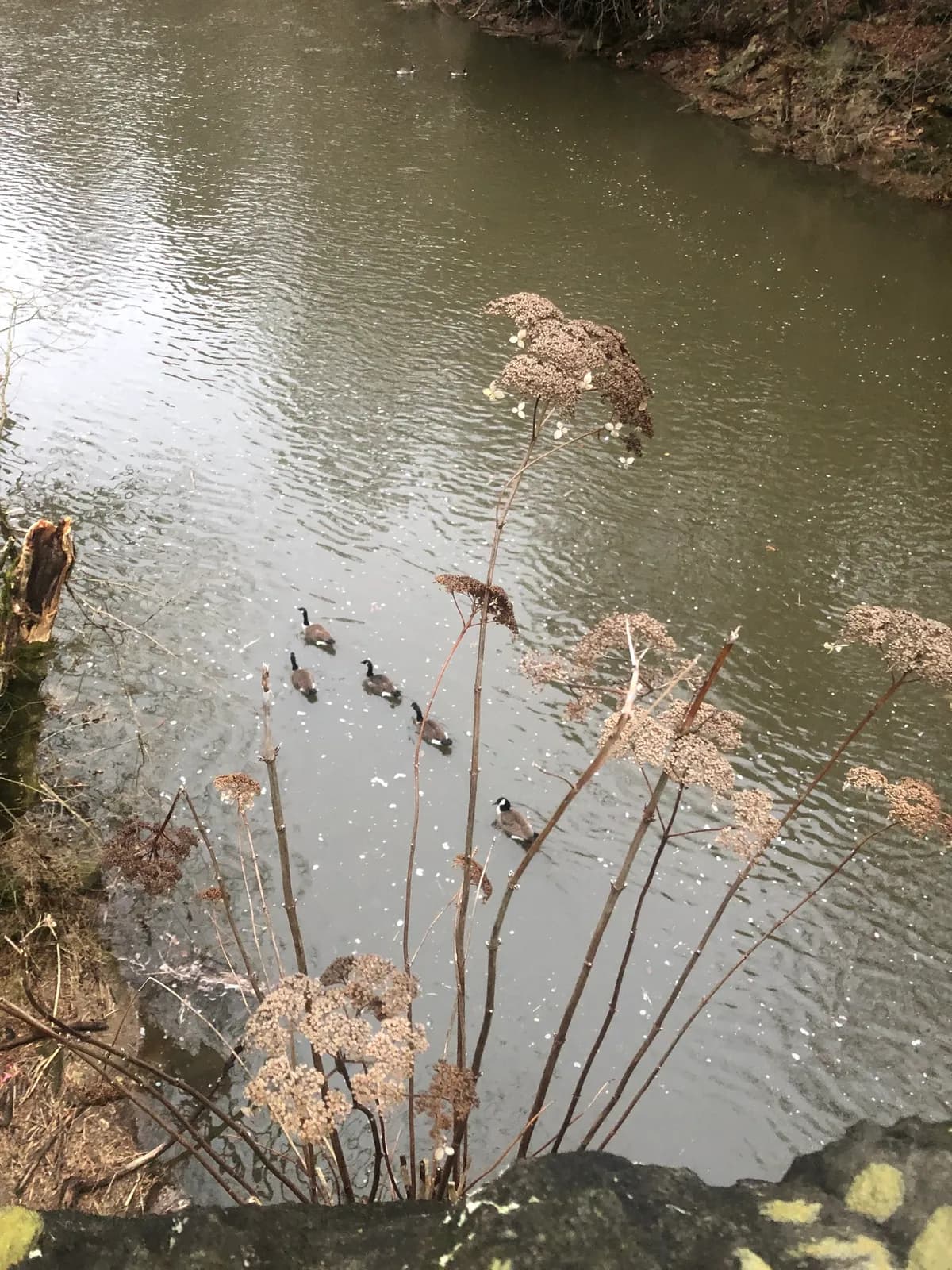
Sevenbark
Hydrangea arborescens
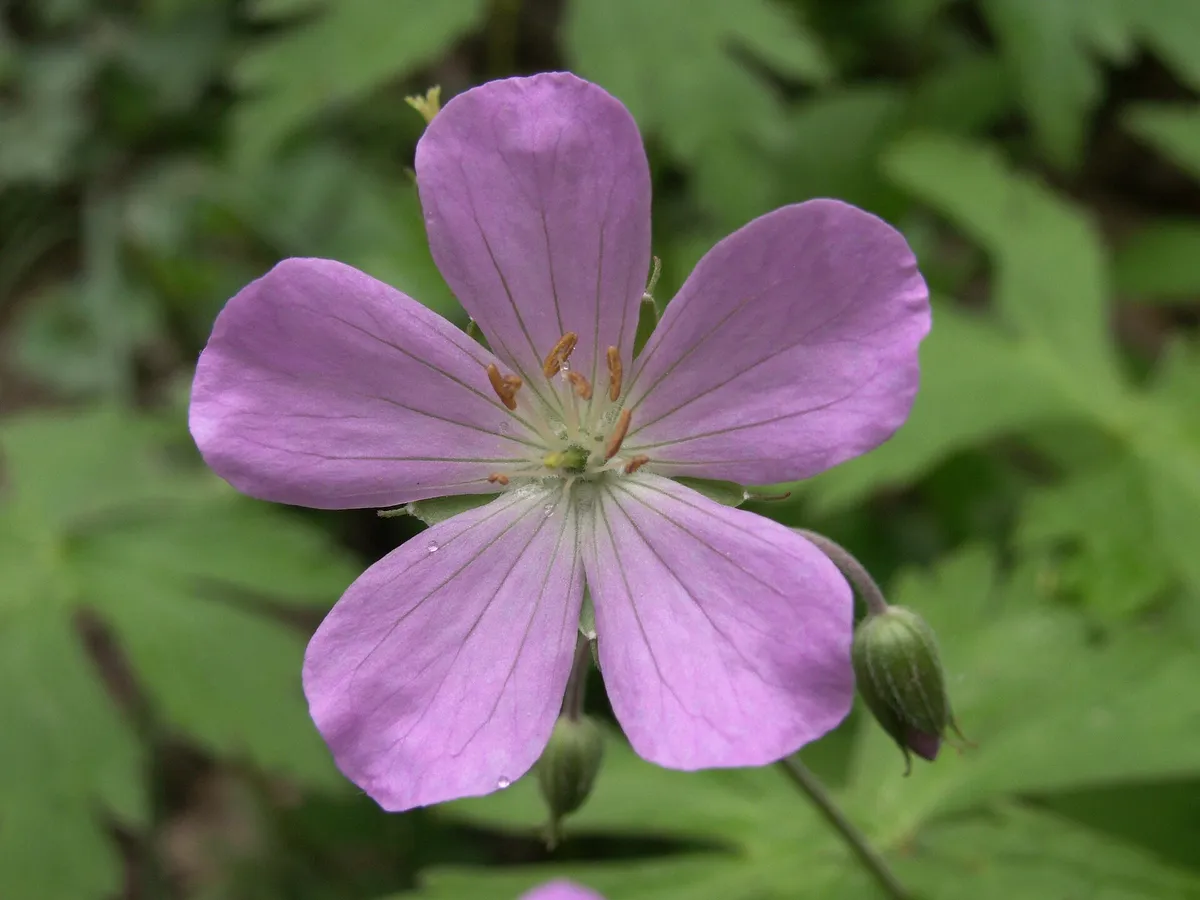
Spotted Geranium
Geranium maculatum
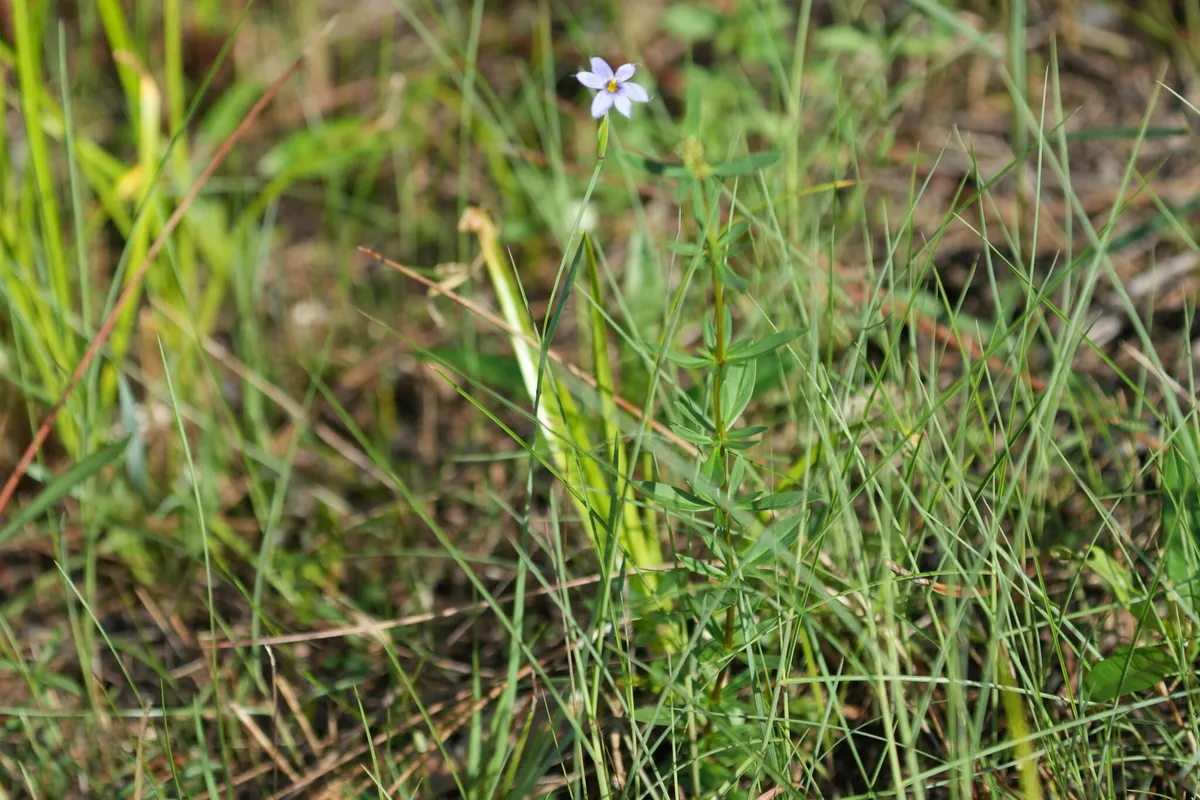
Narrowleaf Blue-eyed Grass
Sisyrinchium angustifolium
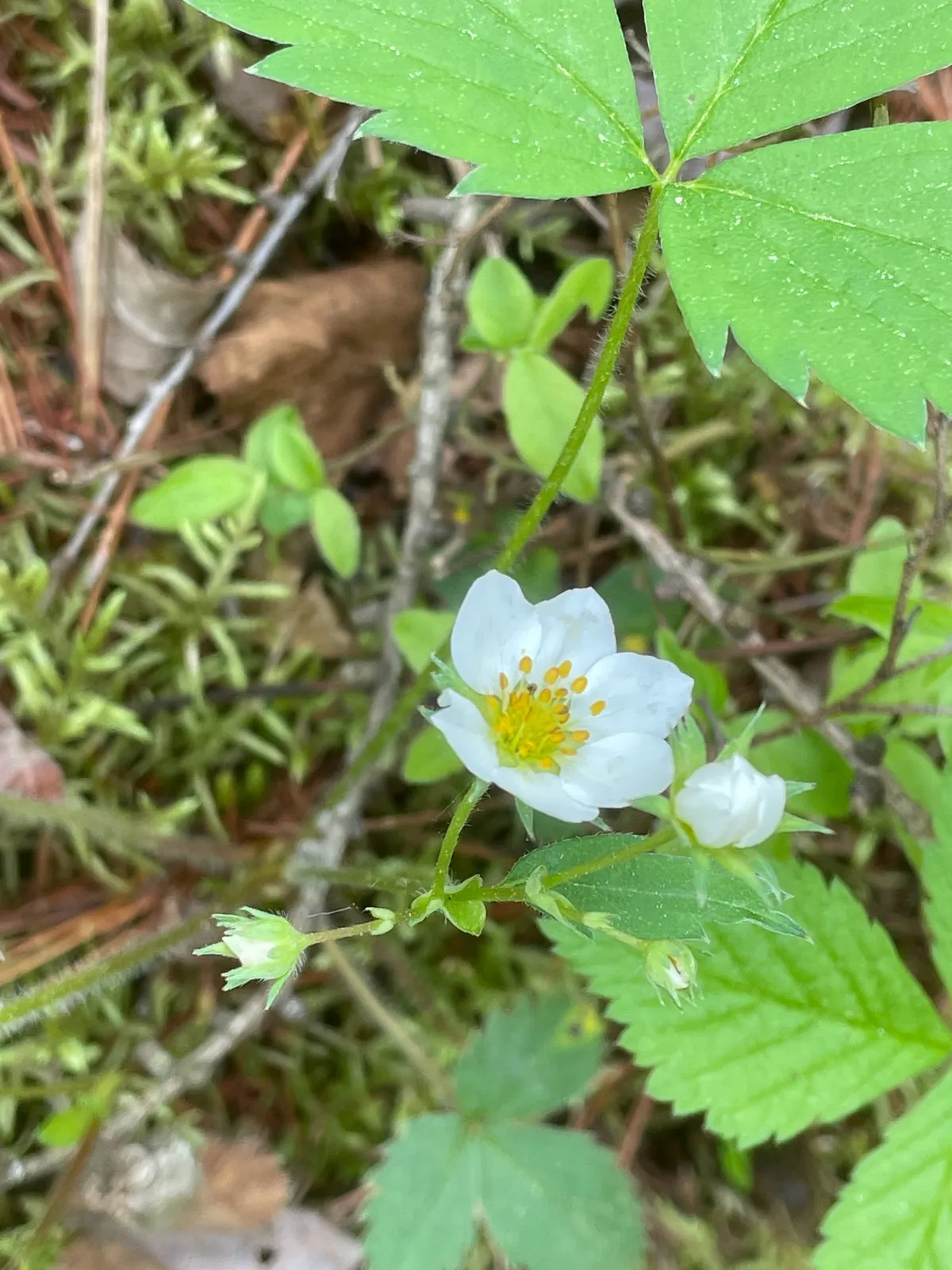
Scarlet Strawberry
Fragaria virginiana
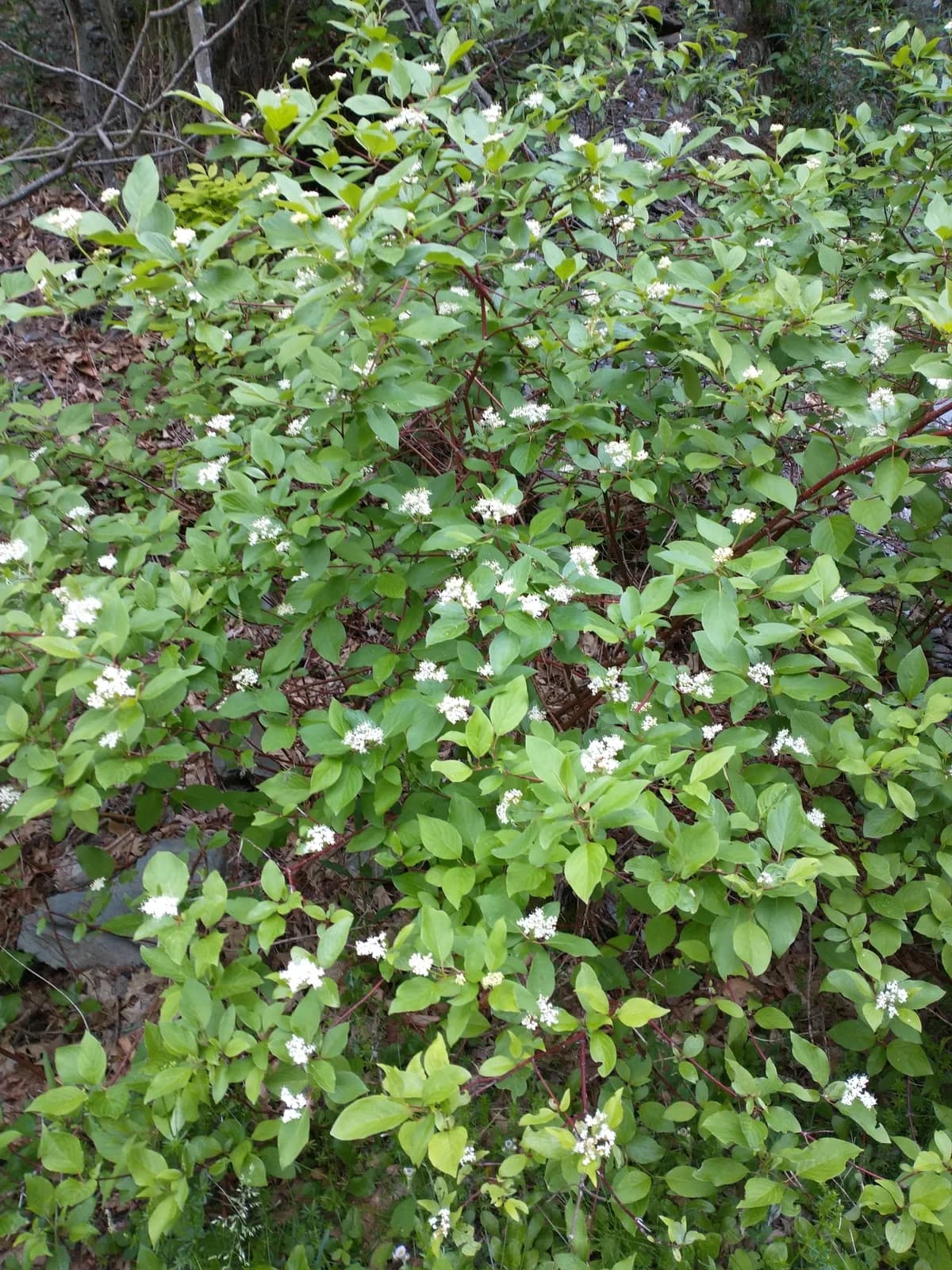
Red-osier Dogwood
Cornus sericea
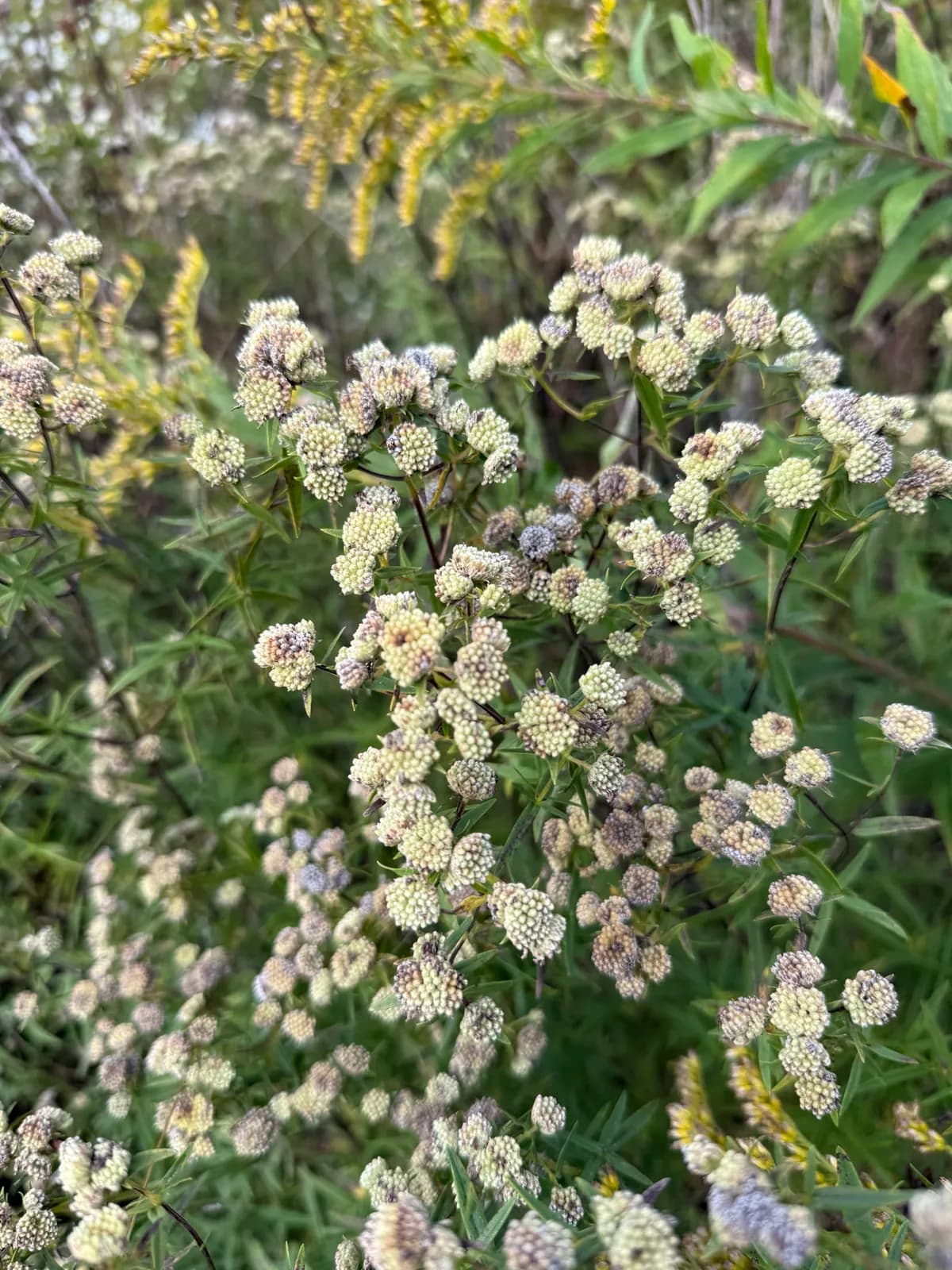
Virginia Mountain-Mint
Pycnanthemum virginianum
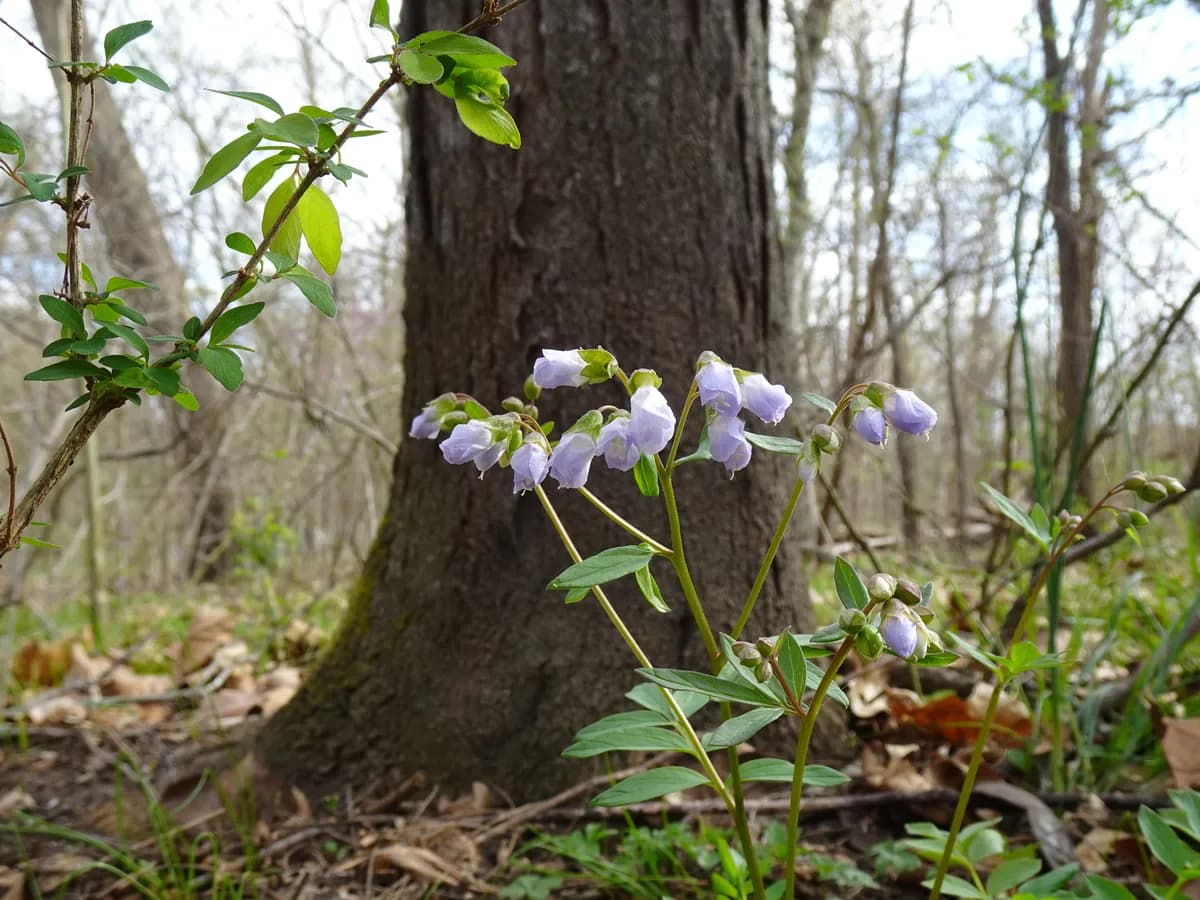
Creeping Polemonium
Polemonium reptans
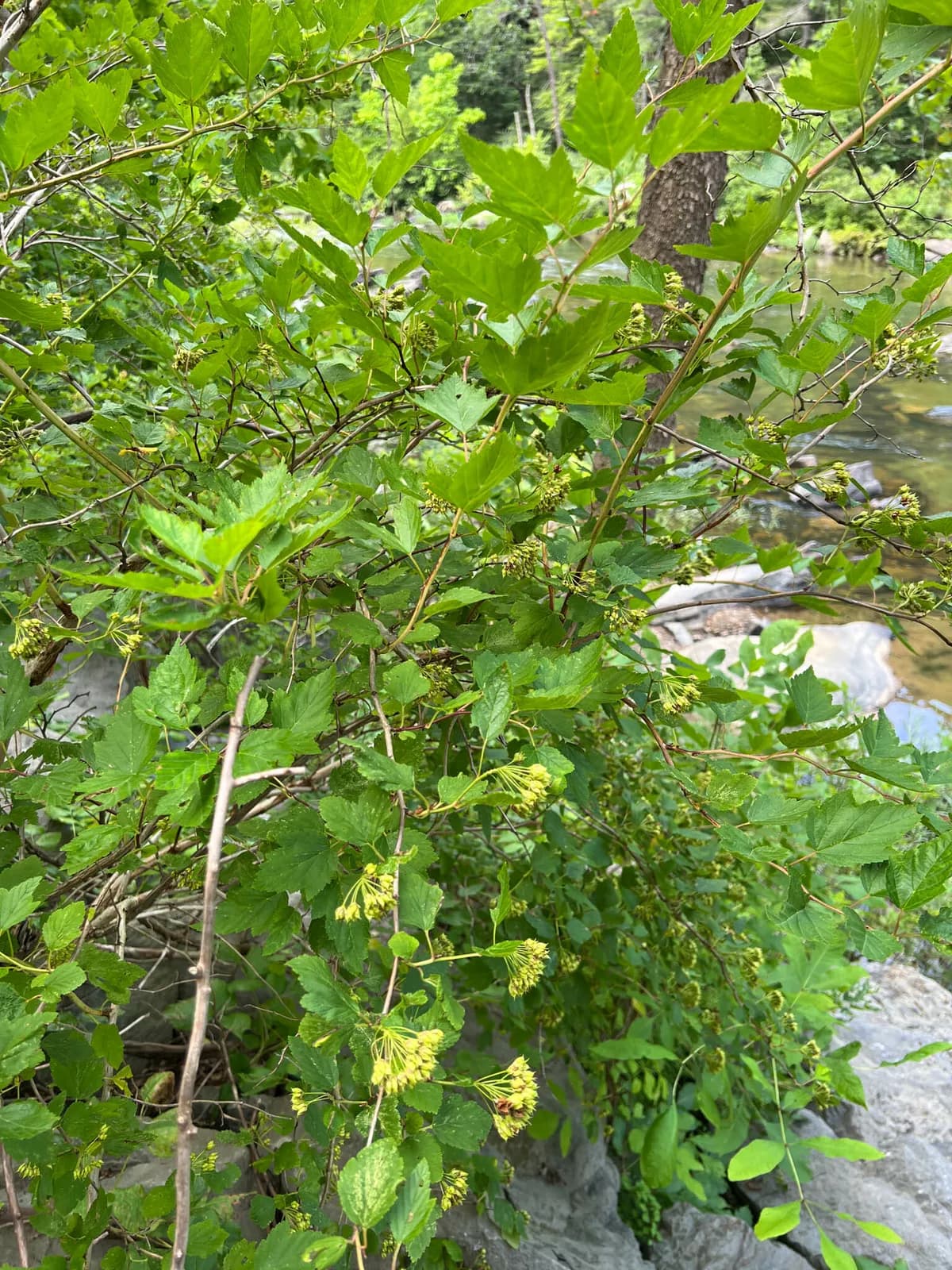
Ninebark
Physocarpus opulifolius
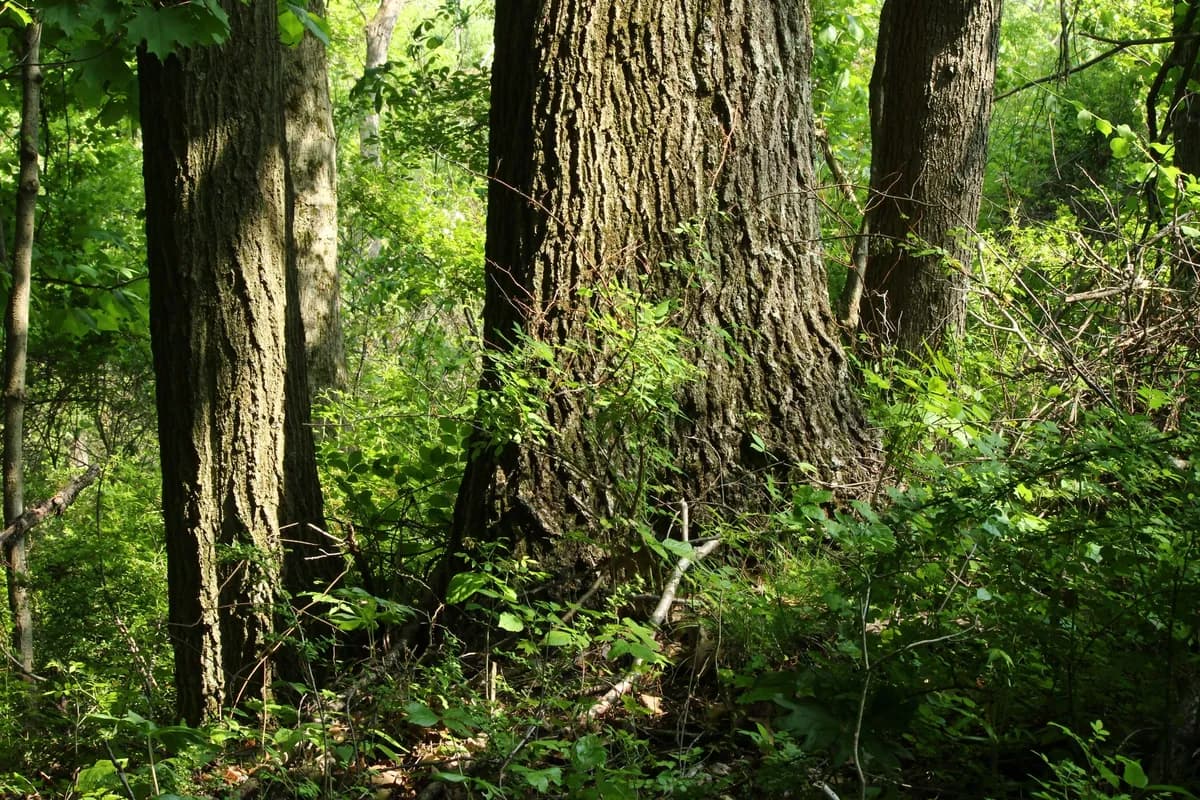
Northern Red Oak
Quercus rubra
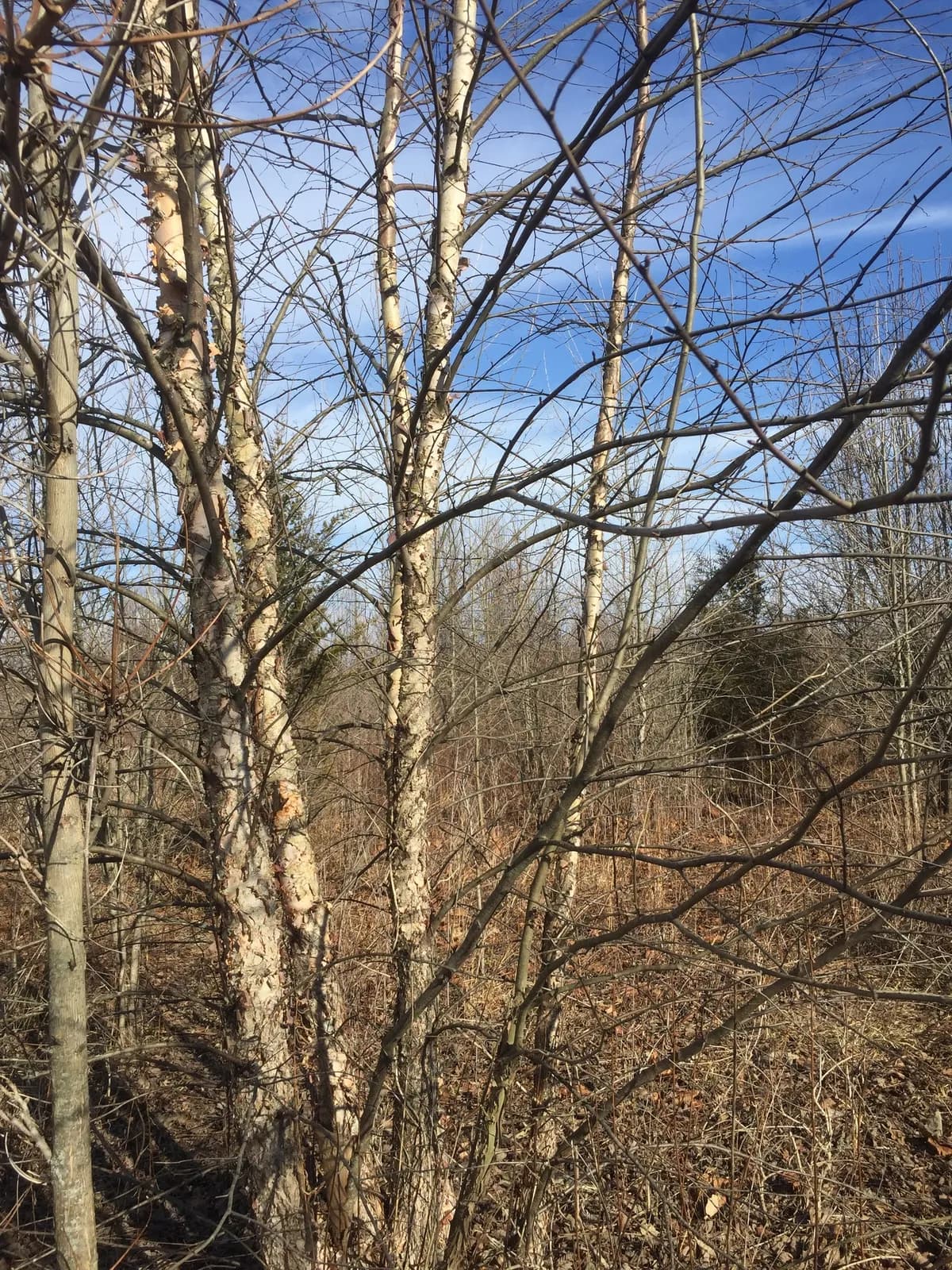
River Birch
Betula nigra

Pennsylvania Sedge
Carex pensylvanica
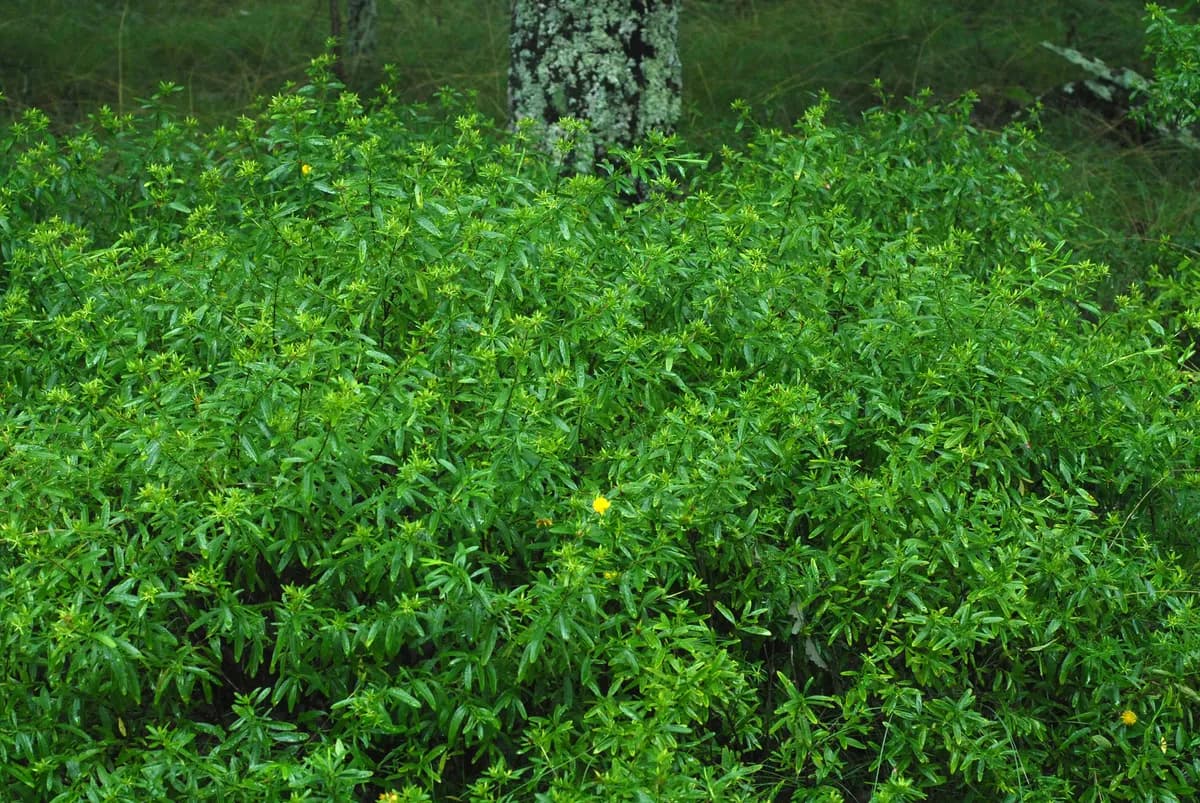
Broombush
Hypericum prolificum
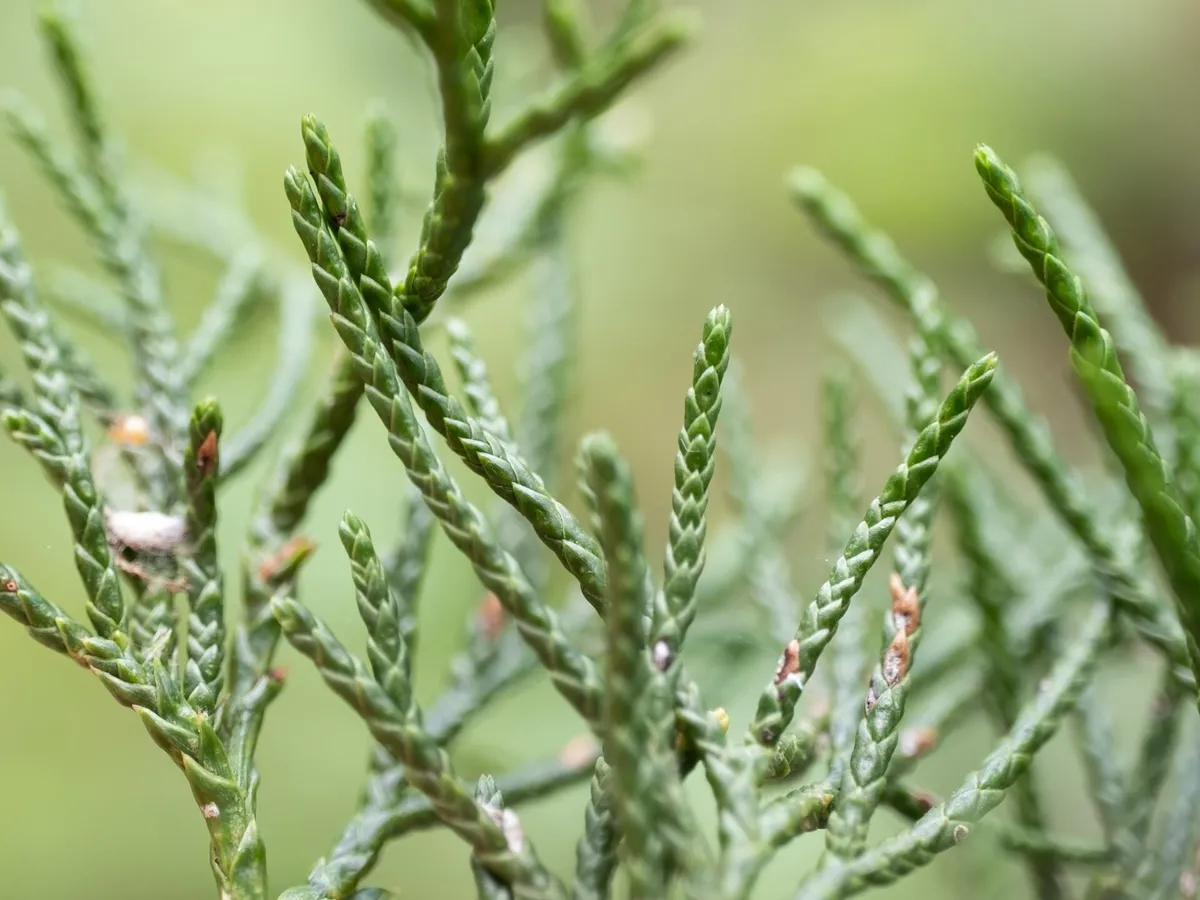
Eastern Red Cedar
Juniperus virginiana
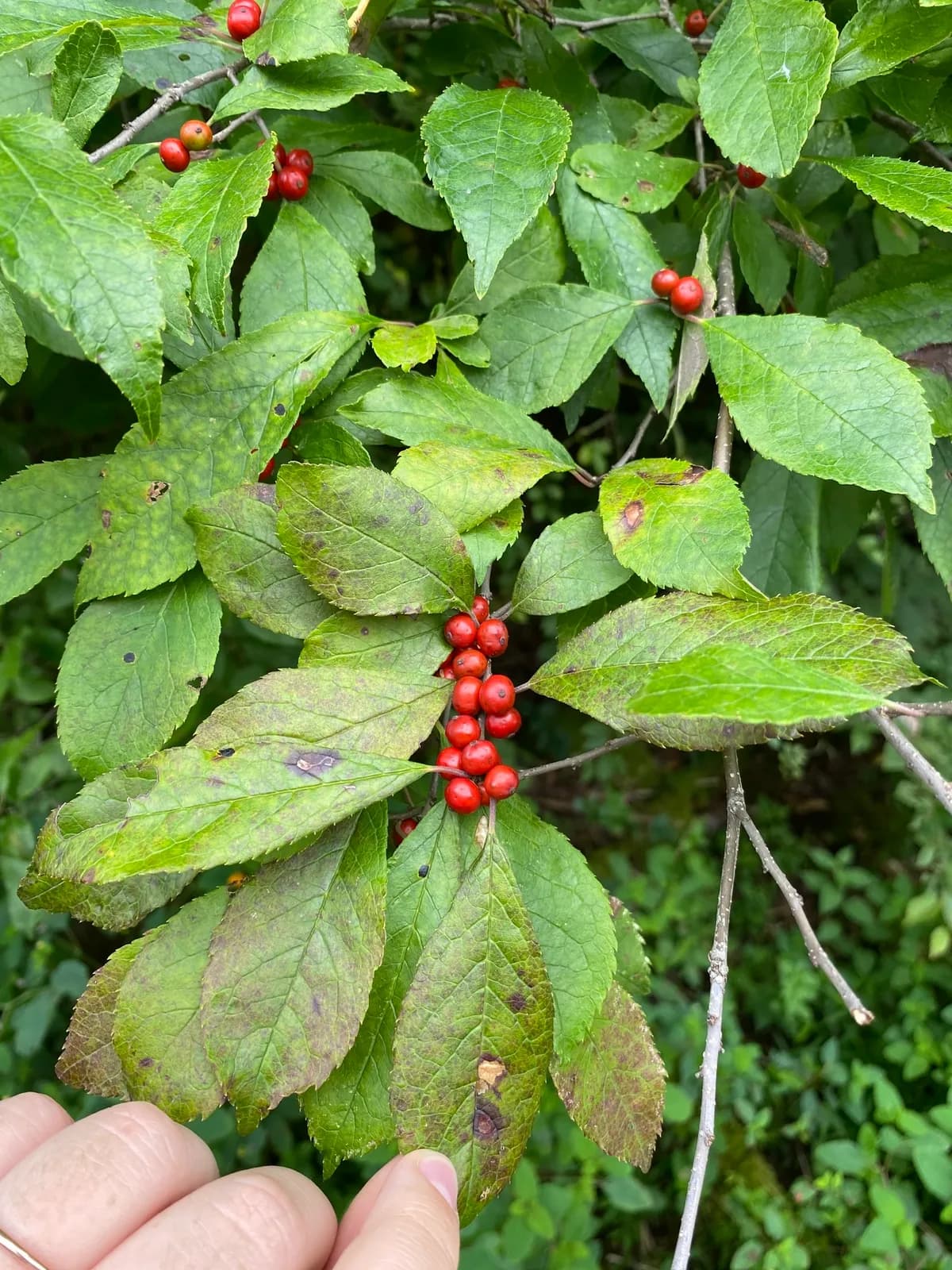
Black-alder
Ilex verticillata
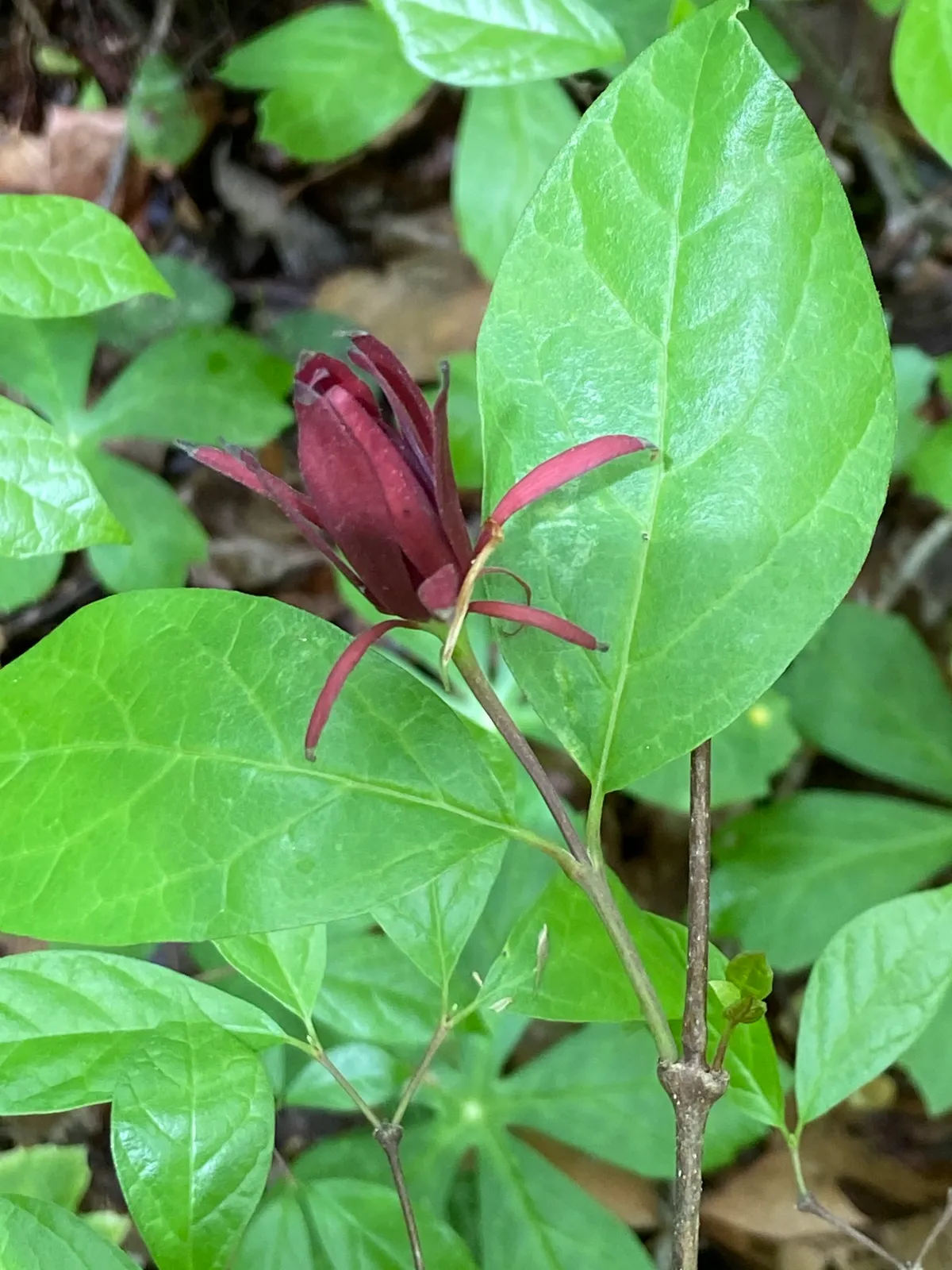
Carolina-allspice
Calycanthus floridus
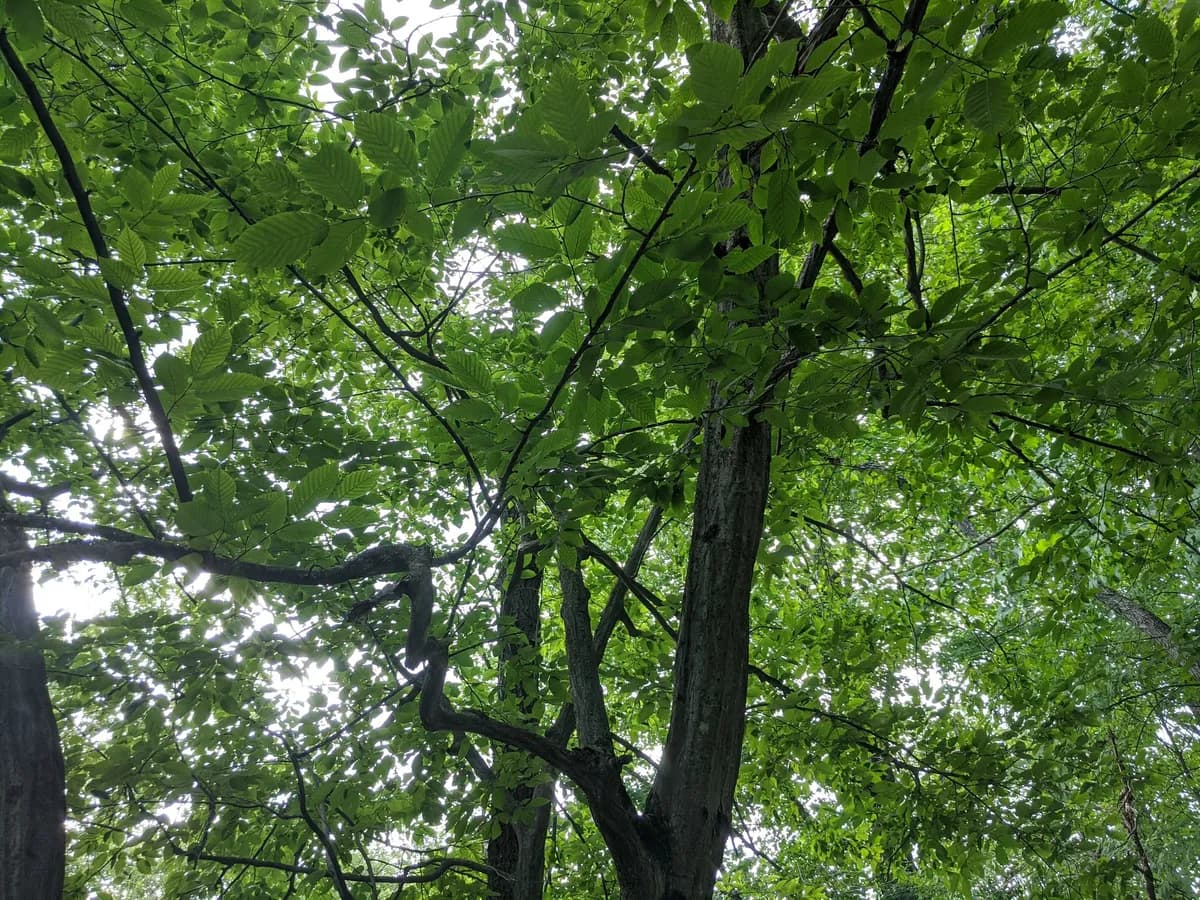
Hornbeam
Carpinus caroliniana
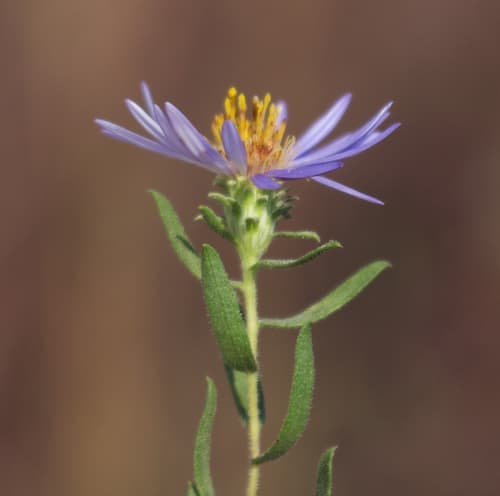
Fall Aster
Symphyotrichum oblongifolium
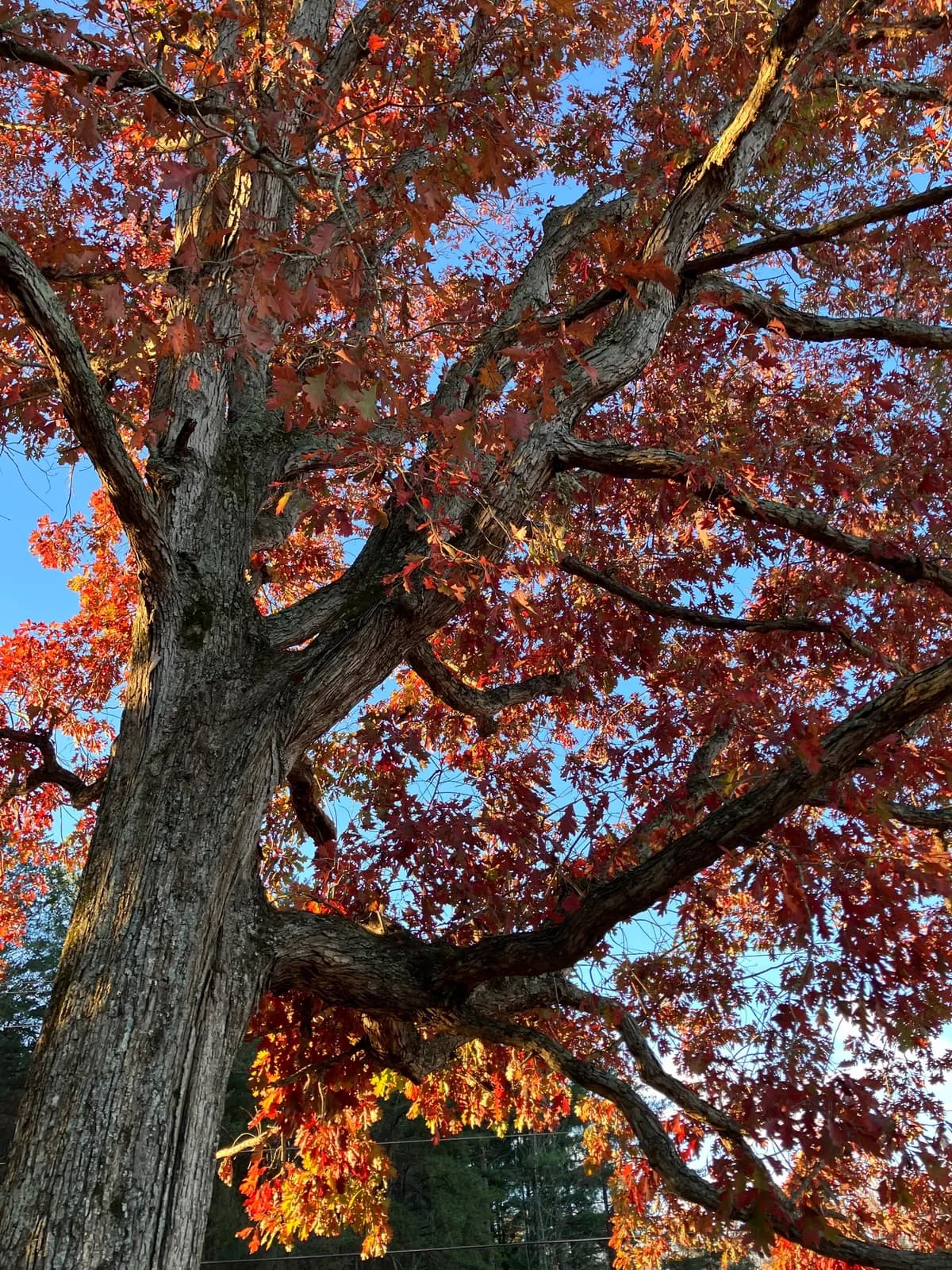
White Oak
Quercus alba
Showing 48 of 987. Enter your ZIP for the natives matched to your yard.
Fall care in the Central Appalachians
What to do right now for plants commonly grown here. Each links to the full regional care guide for that species, with sources.
- Witherod
Fall is when this shrub earns its keep. The berries move through pink, red, and blue before turning black, and the leaves turn shades of crimson, purple, or orange red at the same time. The average first frost in the Johnstown area lands in late September to early October.
- Symphyotrichum novi belgii
Fall is this aster's main event in Johnstown. It opens its blue-violet to pink flowers from late summer and keeps blooming until the season's first hard frost cuts it short.
- Canadian goldenrod
Fall is Canada goldenrod's moment in Johnstown, with bright yellow blooms from August into October, right up to the average first frost in late September.
- Perennial black eyed susan
Fall is decision time on cleanup. Bloom continues until the first frost, usually in early to mid October, and the seed heads that follow are useful bird food through the colder months.
- Garden phlox
By fall, garden phlox in Johnstown has typically finished its main bloom window and is heading into dormancy, which arrives earlier here than in lower elevation parts of Pennsylvania.
- Foxglove beardtongue
Fall arrives earlier in this higher part of western Pennsylvania, and foxglove beardtongue starts winding down by early autumn. The seed capsules that formed over summer are still holding on the stalks and add some structure once other perennials have browned. This is a reasonable window to divide crowded clumps or direct sow fresh seed, since the plant handles our winters without trouble.
- Oswego tea
Fall comes early in Johnstown, with the average first frost around mid-October, so clean up bee balm before then.
- Spicebush
Fall is spicebush's showiest season in Johnstown gardens, female plants carry shiny red berries into the yellow leaf color, and both fade as the area's first frost approaches in mid to late October.
- Dense blazing star
In fall the spikes fade to tan and the foliage yellows as the plant heads into dormancy. Johnstown's growing season runs on the shorter side, with the average first fall frost landing around October 3, so fall planting works best done early, by mid September, to give roots time to settle before the ground cools. This is also when to decide whether to leave the seedheads standing for birds and winter shape.
- Spotted geranium
Fall brings cooler nights and, on many years, a touch of bronze red color to the foliage before it dies back. The first fall frost on the Allegheny Plateau around Johnstown typically arrives by early October, so plan any final planting, dividing, or transplanting for early to mid fall while the soil is still workable and warm enough for roots to settle before the ground cools. Rake fallen tree leaves lightly over the crown rather than removing them entirely, since a thin natural leaf layer mimics the woodland floor mulch this plant is used to.
Build a plan for the Central Appalachians
The Pollinator Patch App turns plants like these into a front-yard plan tuned for the soil, climate, and HOA expectations of the Johnstown area.