Witherod
Viburnum cassinoides
Last reviewed: October 2026
Toxicity unknown
Witherod (Viburnum cassinoides) is not listed by the ASPCA Animal Poison Control Center (opens in new tab) or the other sources we check, so we have no verdict for it either way. Absence from those lists is not a clearance. If your pet shows symptoms after eating any plant, call the ASPCA at (888) 426-4435.
Light
part sun
Water
medium
Size
60"–120" H × 60"–120" W
Bloom
Jun, Jul
Native to
AL, CT, DE, GA and 19 more states
Pollinators
bees, butterflies, beetles
Before you buy
Your city may pay you to plant this
Cities and water utilities offer rebates for replacing lawn with native and water-wise plants. We track 459 programs across 44 states, each with a link to the provider and the date we last checked it.
Find rebates in your areaPicture natives in your own yard
Upload a photo of your yard and Patch Vision shows a rendering of it planted with natives for your region, like Witherod.


Browse plants for this ecoregion
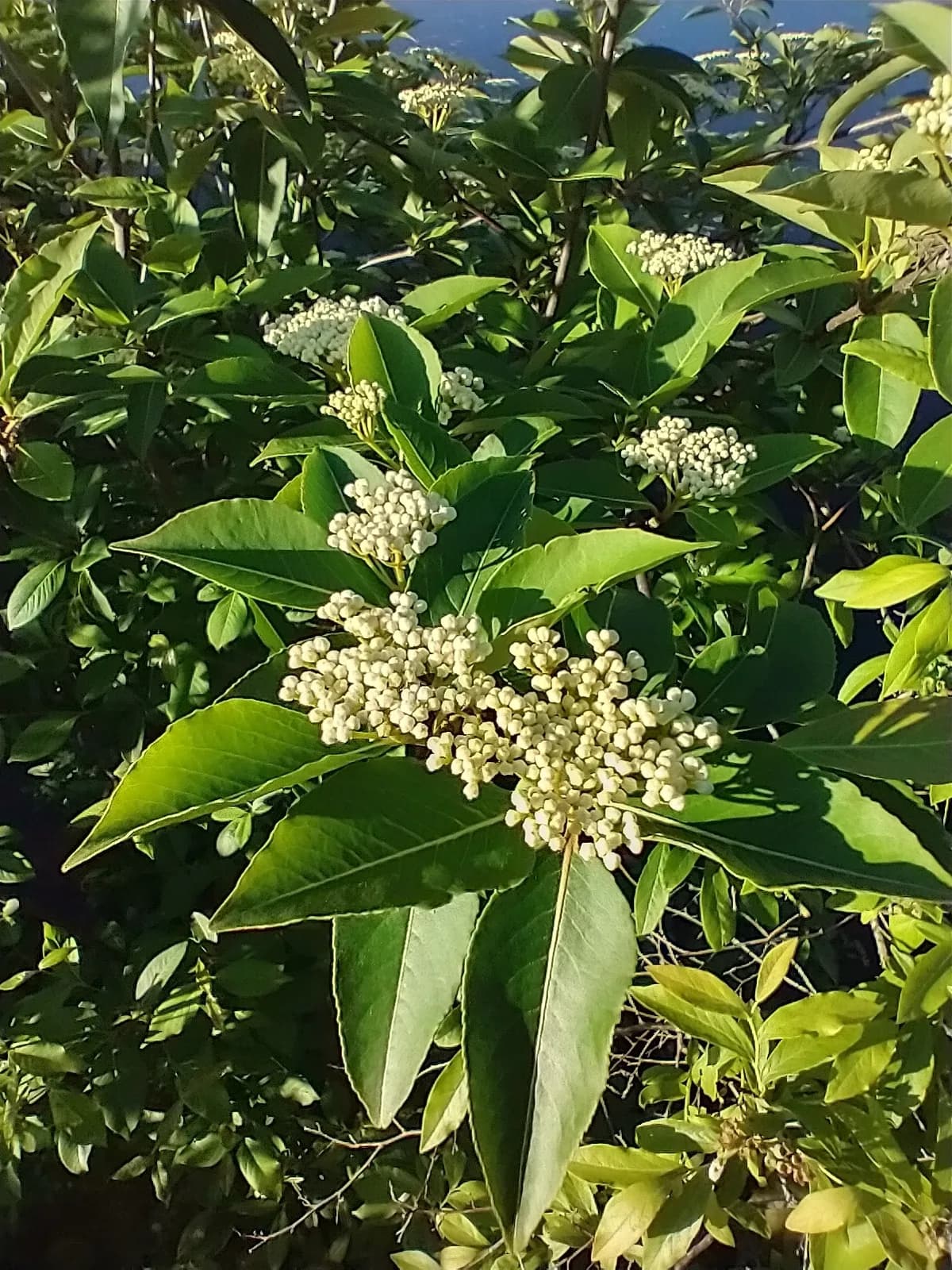
Witherod is a native shrub that forms a rounded shape with white flower clusters in summer followed by colorful berries that transition from red to dark blue. This adaptable plant thrives in partial sun and average moisture conditions, making it reliable for various landscape settings. Its deciduous nature provides seasonal interest with attractive fall foliage colors.
How to care for Witherod, by region
How to care for Witherod where it is actually grown: year-round basics plus what to do each season, region by region, with the sources for each.
Care guidance last updated: September 2026
Central Appalachians (includes Johnstown, PA)
Year-round
Withe-rod (Viburnum nudum var. cassinoides), also called wild raisin, is native to Pennsylvania's Northern Allegheny Plateau, including the Johnstown area. It grows wild in swamps and wet woods but adapts well to an average garden bed once it settles in. Give it part sun to full sun and steady moisture while it establishes, and it rewards you with white flower clusters in early summer and berries that shift through pink, red, and blue before turning black in fall.
- Plant in average to wet, well drained soil. It tolerates clay and drier spots once established, so a typical Johnstown yard works fine.
- Give it full sun to part shade. More sun generally means better flowering and richer fall color.
- Small white flower clusters open in June and July and feed bees and other pollinators.
- Birds and small mammals eat the color changing berries, which is why the fruit display rarely lasts long into winter.
- Watch for viburnum leaf beetle, a common regional pest. You can manage it without spraying by checking twigs each winter and pruning out any with egg pits.
Fall
Fall is when this shrub earns its keep. The berries move through pink, red, and blue before turning black, and the leaves turn shades of crimson, purple, or orange red at the same time. The average first frost in the Johnstown area lands in late September to early October.
- Skip shaping cuts now. Pruning in fall removes the wood that would have flowered next year.
- Starting in October, check bare twigs for viburnum leaf beetle egg sites, small rounded pits capped with dark excrement in a row along young twigs.
- Prune out and dispose of any twigs with egg pits before the eggs hatch in spring. This is the most effective non-spray control window.
- Rake and remove fallen leaves under the shrub to cut down on overwintering pests.
- Stop fertilizing by late summer so new growth has time to harden off before frost.
The berry color change and fall foliage are this shrub's showiest curb appeal moment, and a clean fall leaf rake-up underneath it keeps the bed looking HOA-friendly.
Winter
This shrub is well within its cold comfort zone in Johnstown's zone 6b winters. It goes fully dormant, drops its leaves, and needs no winter protection once established.
- No watering or fertilizing needed while the shrub is dormant.
- October through April is the best window to inspect twigs for viburnum leaf beetle egg pits and prune out any you find.
- Brush heavy, wet snow off branches after a storm to prevent splitting, especially on younger plants.
- Keep piled road salt or salted snow away from the root zone if the shrub sits near a driveway or sidewalk.
A tidy winter prune of any leaf beetle infested twigs keeps the bare shrub looking cared for, in line with an HOA-conscious front yard.
Spring
Spring starts slow in Johnstown. The average last frost lands around late May, so hold off on transplanting or heavy pruning until the cold snaps have passed. New leaves emerge in April, and flower buds that formed last year begin to swell toward the early summer bloom.
- Wait until after the last frost, usually late May in Johnstown, before you move or divide the shrub.
- Apply a balanced, slow release fertilizer in early spring to support new growth.
- Do not prune now. This shrub blooms on last year's wood, so spring pruning removes the flowers you are waiting for.
- Refresh mulch to two to three inches to hold moisture as the ground warms.
- Check the undersides of young leaves for hatching viburnum leaf beetle larvae. Hand pick a small number rather than spraying.
New leaves and swelling flower buds make this a good time to tidy the bed edges, which keeps the front yard HOA-friendly heading into bloom season.
Summer
Summer is bloom and early fruit season. The white flower clusters that opened in June carry into July, and by late summer the berries start their slow shift from green toward pink.
- Water during dry stretches, especially in the shrub's first two summers while roots are still establishing.
- Leave the spent flower clusters alone. They turn into the berries that give this shrub its fall show.
- Watch for viburnum leaf beetle larvae skeletonizing leaves. Hand pick them or prune out heavily infested twigs rather than spraying.
- Keep a two to three inch mulch ring in place to help the soil hold moisture through hot, dry weeks.
Sources: Lady Bird Johnson Wildflower Center - Viburnum nudum var. cassinoides, USDA PLANTS Profile - Viburnum nudum var. cassinoides (VINUC), Flora of Pennsylvania - Viburnum cassinoides (Northern Wild Raisin), NC State Extension Plant Toolbox - Viburnum cassinoides, University of Maryland Extension - Viburnum Leaf Beetle, PlantMaps - Johnstown, PA (15905) Hardiness Zone (community tip)
In an HOA neighborhood
Witherod is an HOA-friendly choice. Maintenance level: low. Tidiness: 4 out of 5.
Works well in: front yard, foundation, street edge, mid zone.
- Large mature size requires adequate spacing
- May need occasional pruning to maintain shape
Wildlife value
The summer blooms attract bees, butterflies, and beetles for pollination services. The berries provide important food for birds throughout fall and winter months.
Common questions
- How much sun does Witherod need?
- Witherod grows best in part sun conditions.
- When does Witherod bloom?
- Witherod blooms in June and July.
- Where is Witherod native?
- Witherod (Viburnum cassinoides) is native to AL, CT, DE, GA and 19 more states, per vouchered herbarium specimen records and regional native plant society lists.
- What pollinators does Witherod attract?
- Witherod draws bees, butterflies, and beetles.
- Is Witherod HOA-friendly?
- Witherod is generally an HOA-friendly choice in the right placement, with low maintenance.
Native range data from vouchered herbarium specimen records and regional native plant society lists. Pollinator and host plant associations compiled from GBIF, iNaturalist, and published ecological literature.
If something looks wrong
Common plant problems, and what to check first
These come up on almost any plant. Each guide lists the likely causes in the order they are worth ruling out, with one thing to check before you act on any of them, and links to the source it came from.
- It is dying right after planting
- Leaves turning yellow
- Wilting even though I watered it
- Brown crispy leaf tips
- Bugs on the plant
Ready to grow Witherod? Add it to your garden in Pollinator Patch to track it and get season-by-season care guidance.