EPA Level III Ecoregion
Eastern Great Lakes Lowlands
1039 native plants for the Eastern Great Lakes Lowlands ecoregion (Rochester area).
The Eastern Great Lakes Lowlands wrap around the eastern ends of Lake Ontario and Lake Erie, covering Rochester, Syracuse, Buffalo, and Watertown. Lake-effect snow, a growing season moderated by the water, and old lakebed soils shape the region, and the shoreline itself carries real dune and sand-plain habitat. Natives such as American beach grass, northern bayberry, and pale St. Johnswort handle those sandy lakeshore conditions and the wind that comes off the water.
Conditions: Old lakebed and sandy shoreline soils, 30–40 inches of precipitation with heavy lake-effect snow, cold winters moderated near the water.
Cities and areas: Rochester, Syracuse, Buffalo, Watertown, Oswego, Auburn.
1039 Native Plants for the Eastern Great Lakes Lowlands
HOA-friendly picks listed first. Pet-safety status varies by species; each plant page shows its sourced ASPCA status. Native range data from vouchered herbarium specimen records and regional native plant society lists.

Little Bluestem
Schizachyrium scoparium
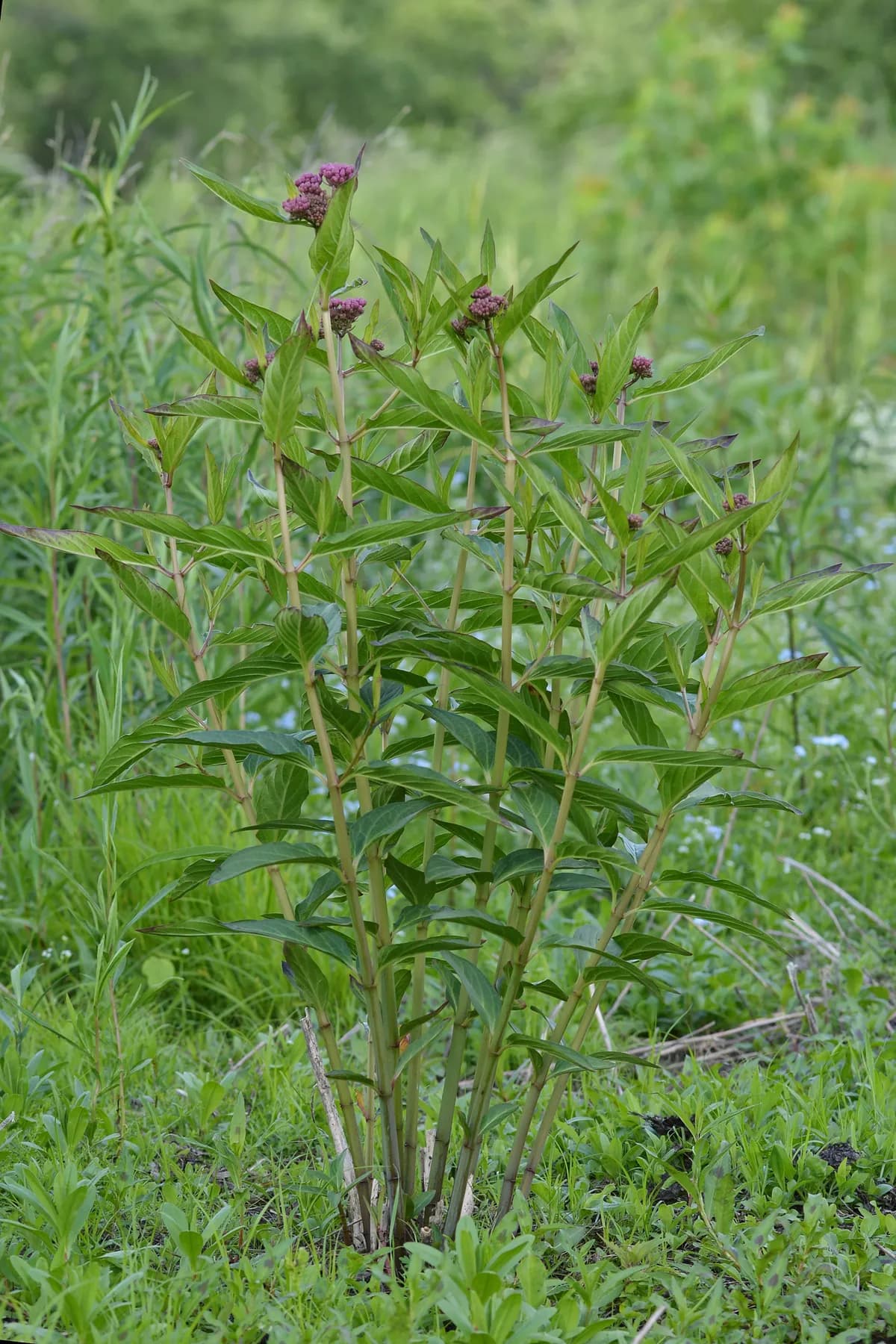
Swamp Milkweed
Asclepias incarnata
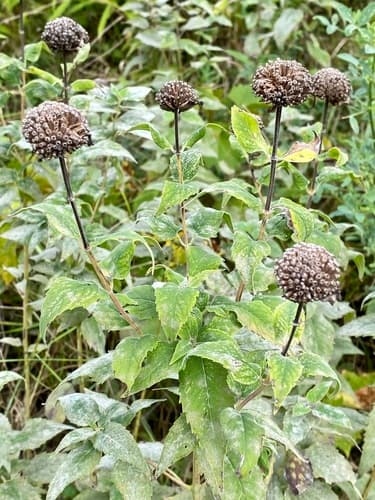
Wild Bergamot
Monarda fistulosa
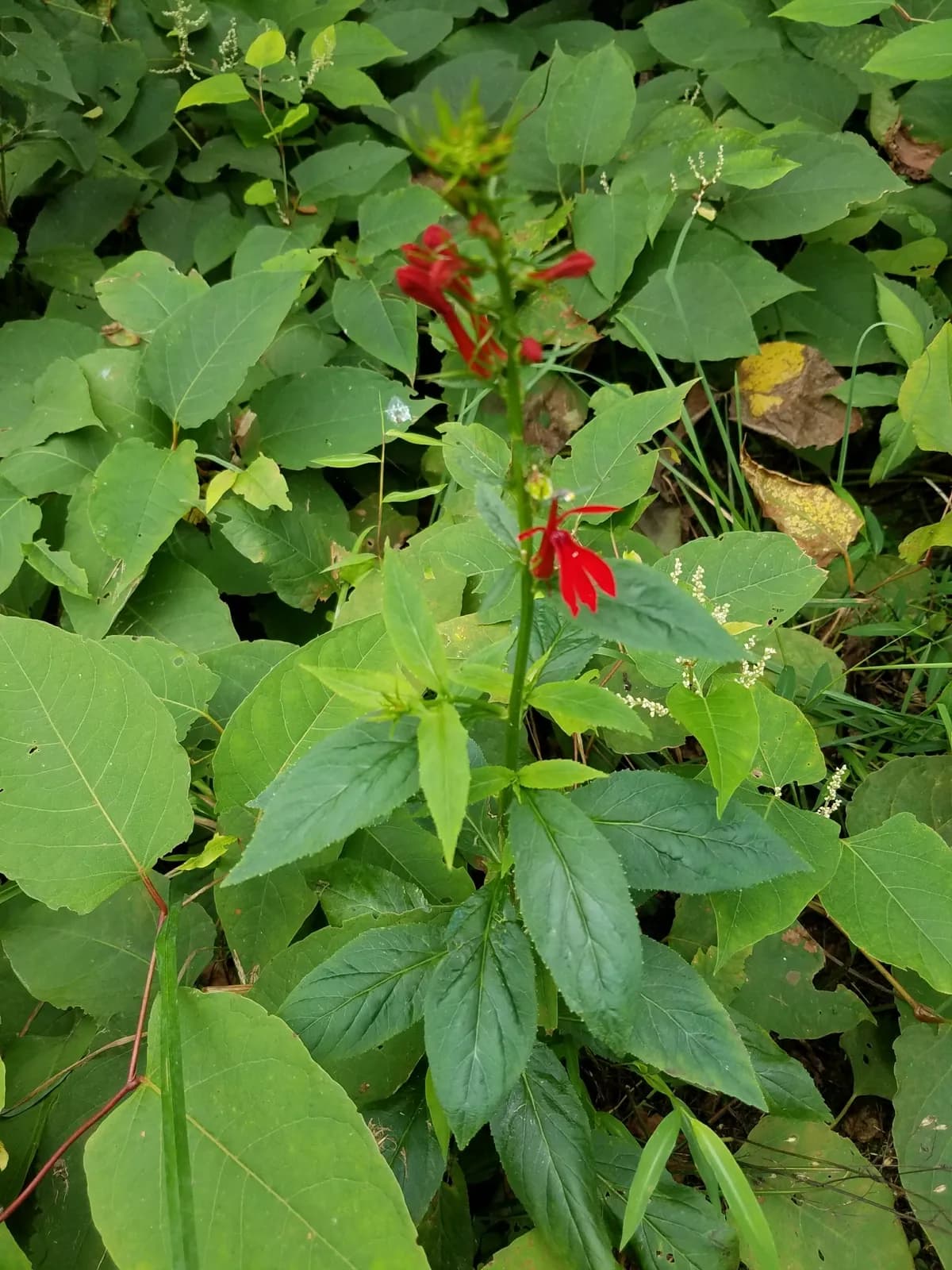
Cardinal Flower
Lobelia cardinalis
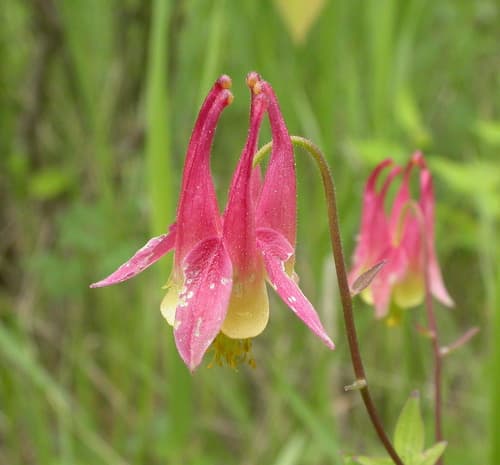
Wild Red Columbine
Aquilegia canadensis
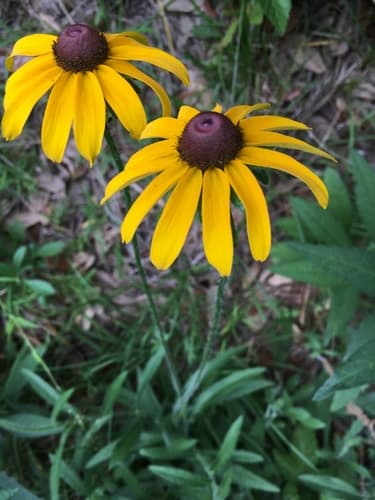
Black-eyed Susan
Rudbeckia hirta
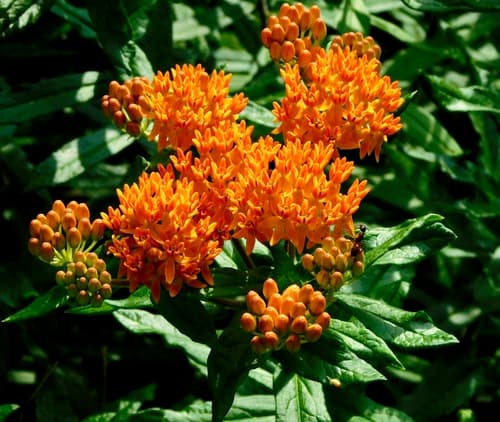
Butterfly Milkweed
Asclepias tuberosa
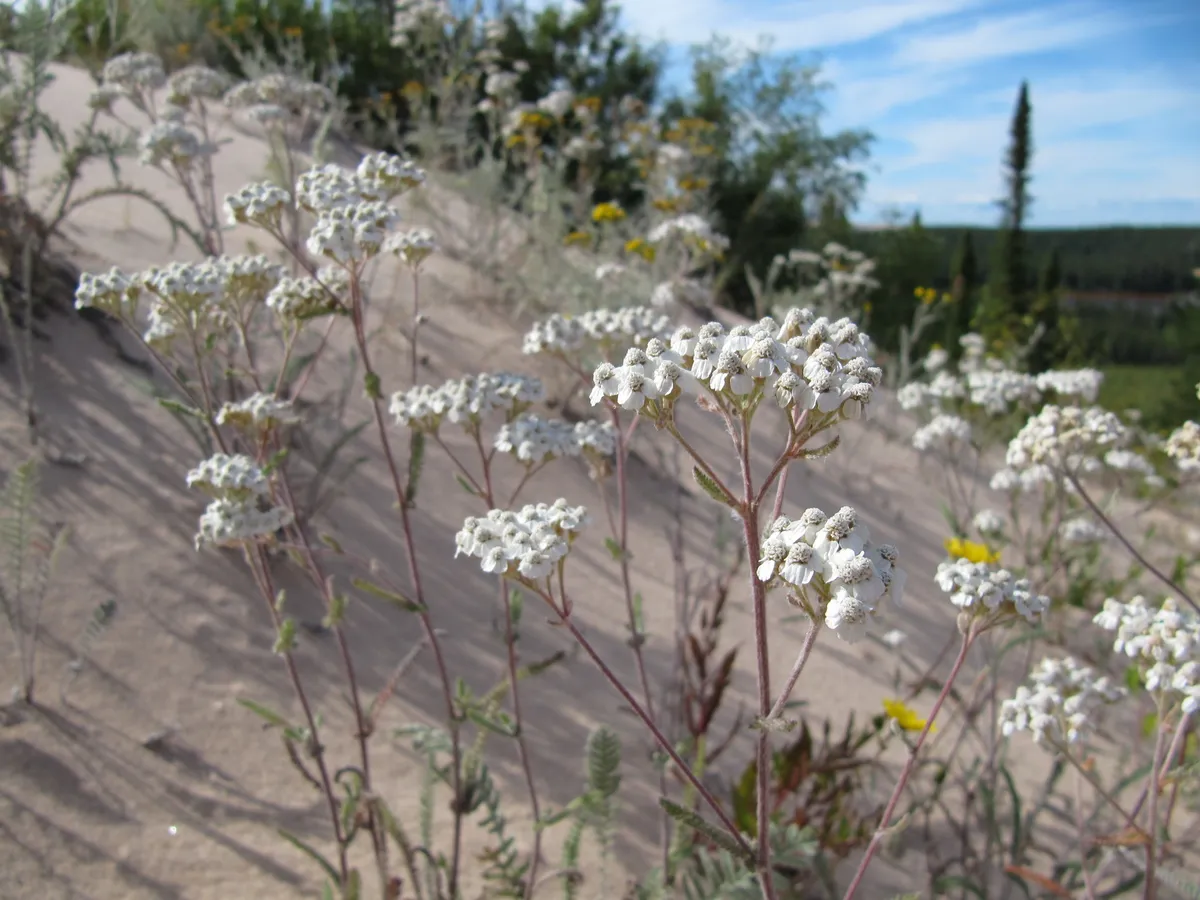
Common Yarrow
Achillea millefolium
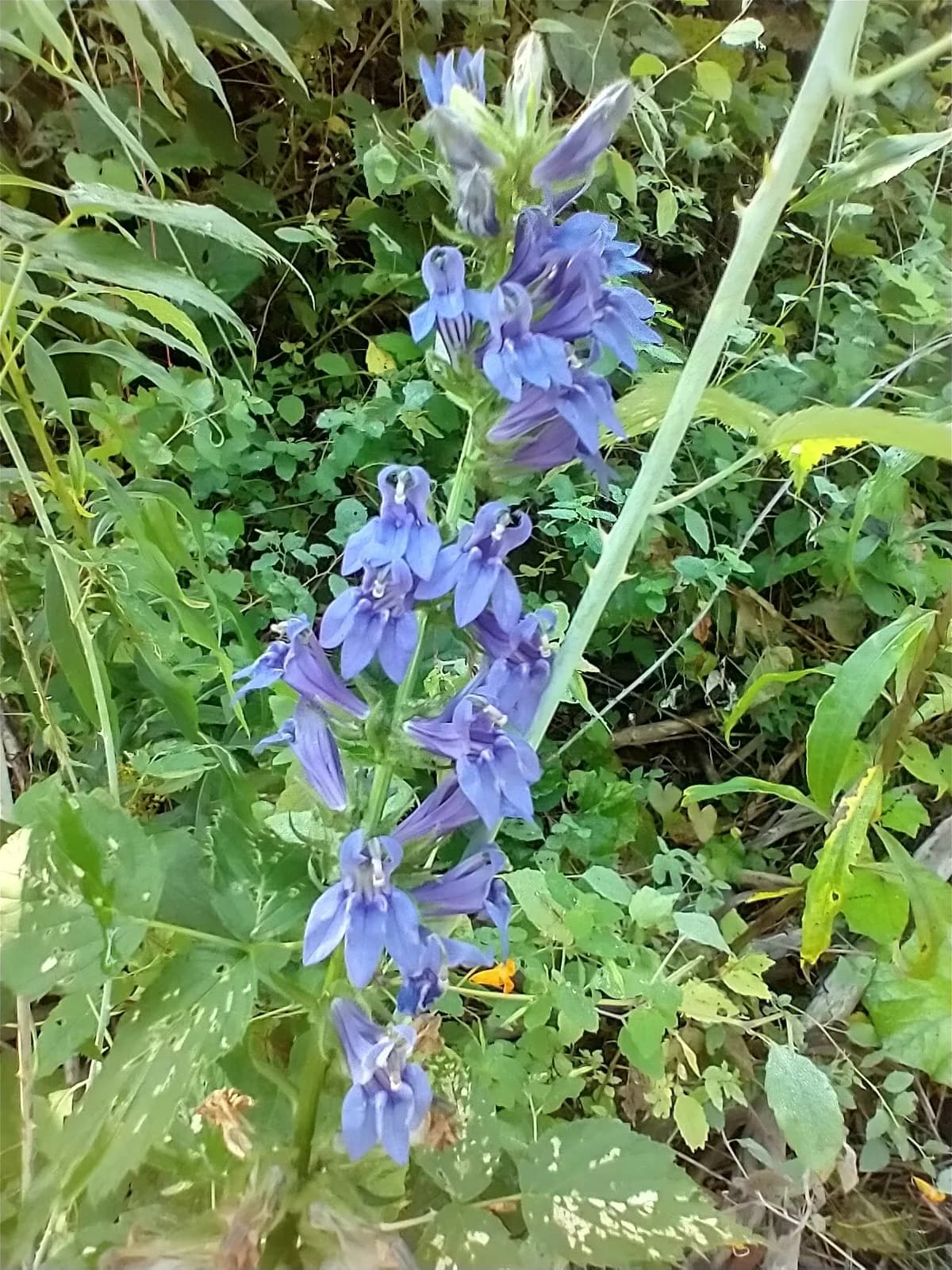
Blue Lobelia
Lobelia siphilitica

Golden Alexanders
Zizia aurea
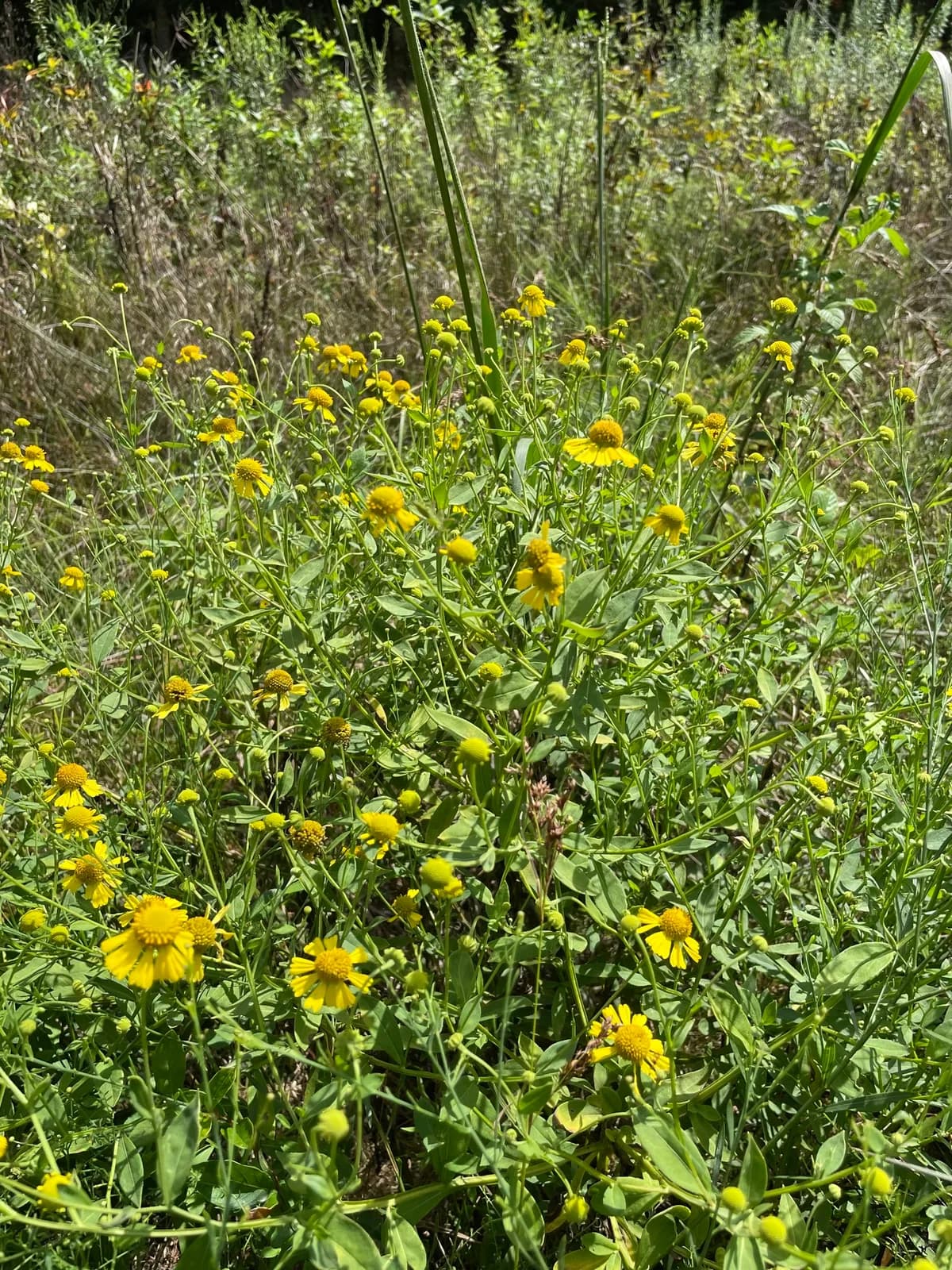
Common Sneezeweed
Helenium autumnale
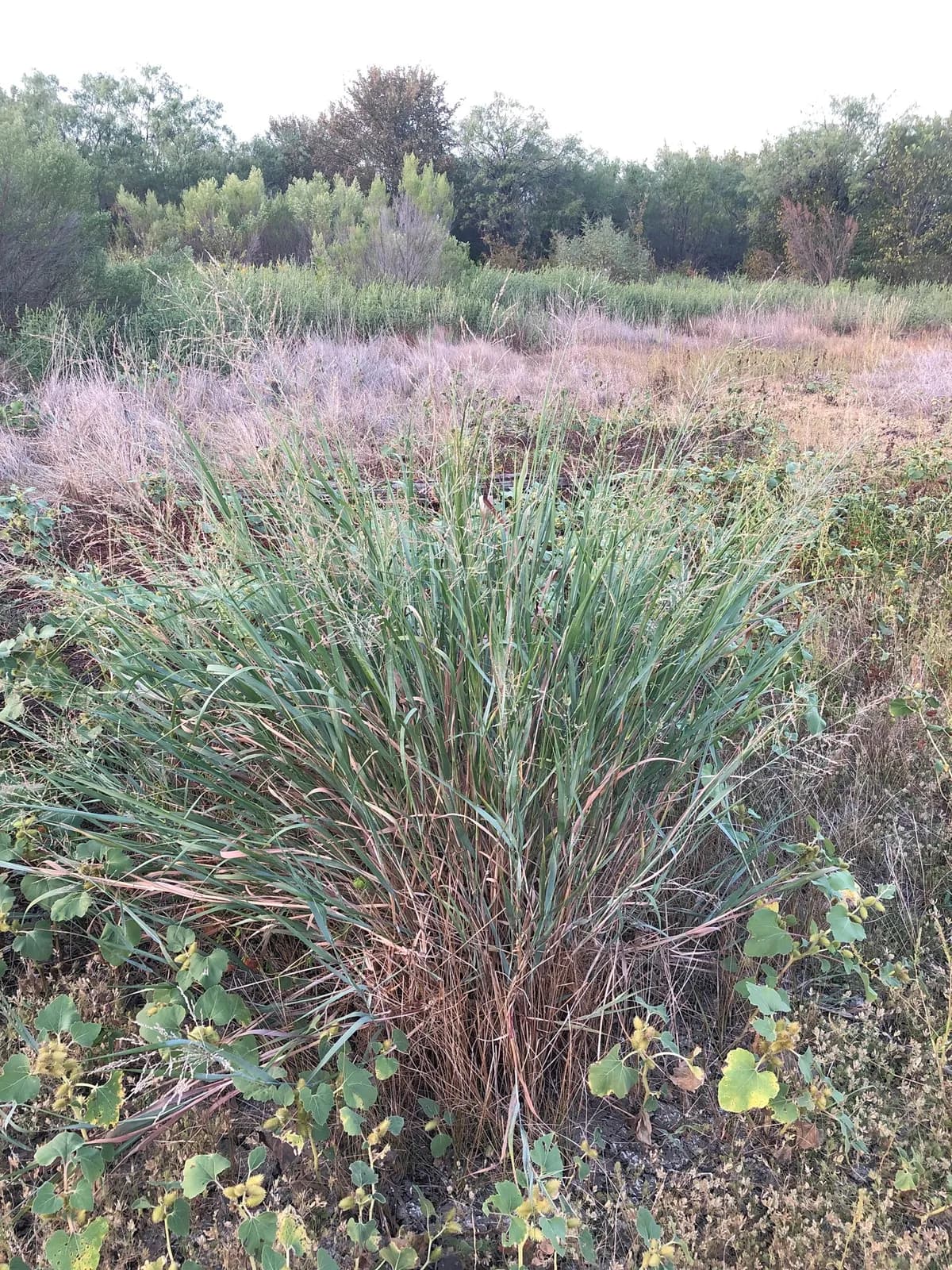
Switchgrass
Panicum virgatum
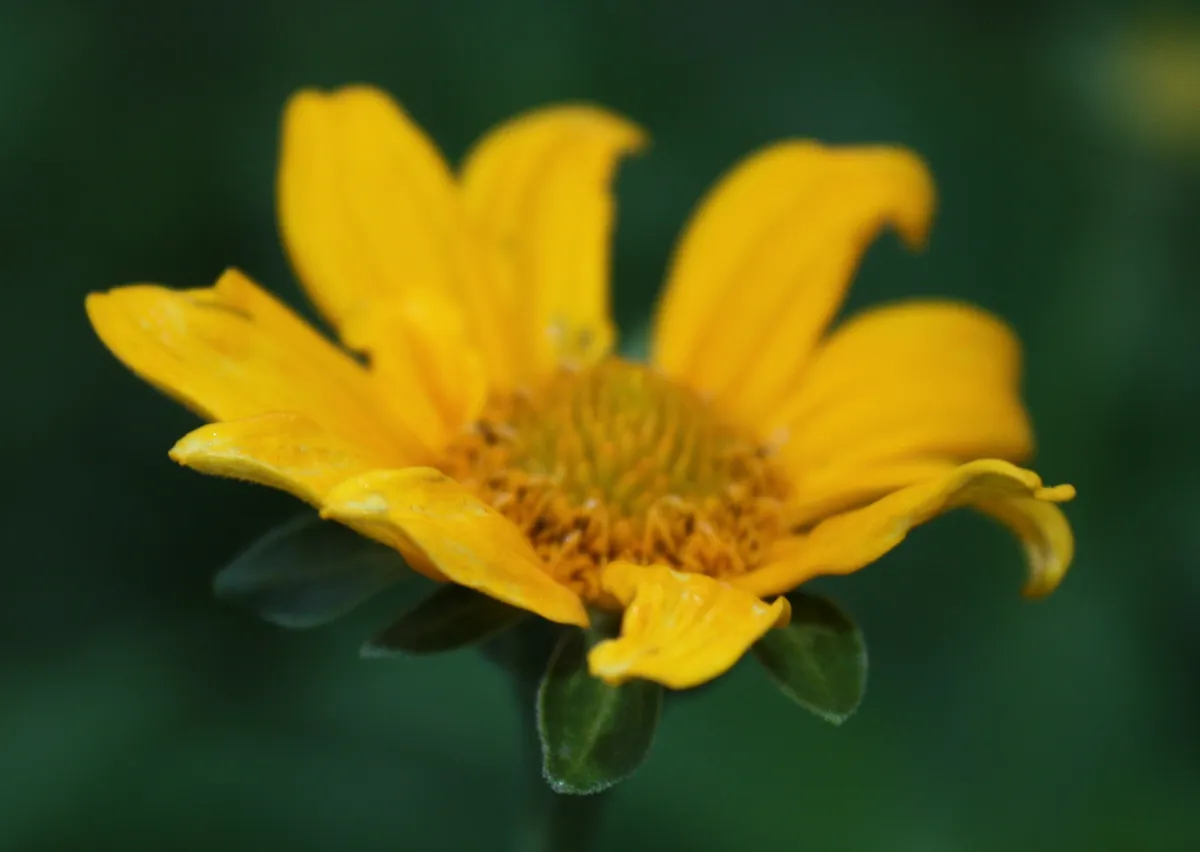
False Sunflower
Heliopsis helianthoides
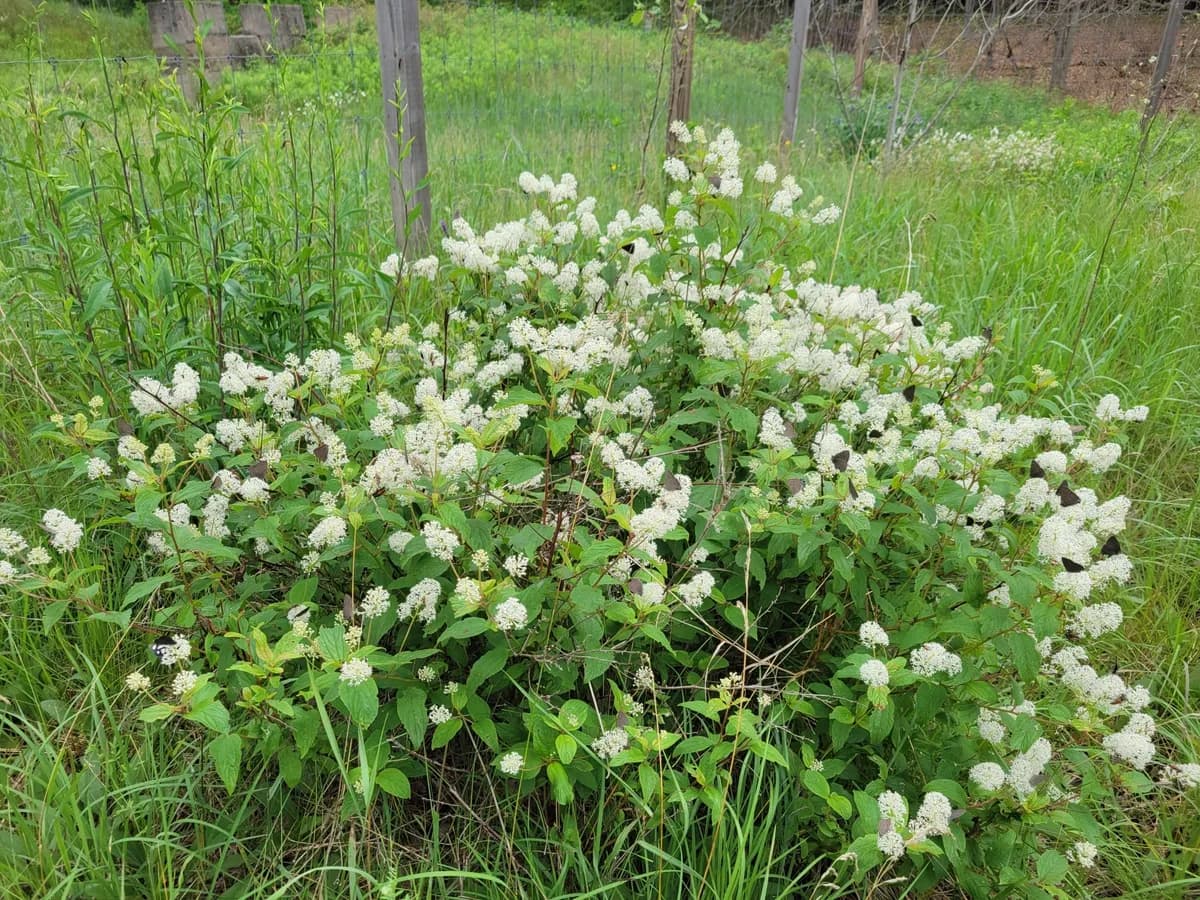
New Jersey-tea
Ceanothus americanus
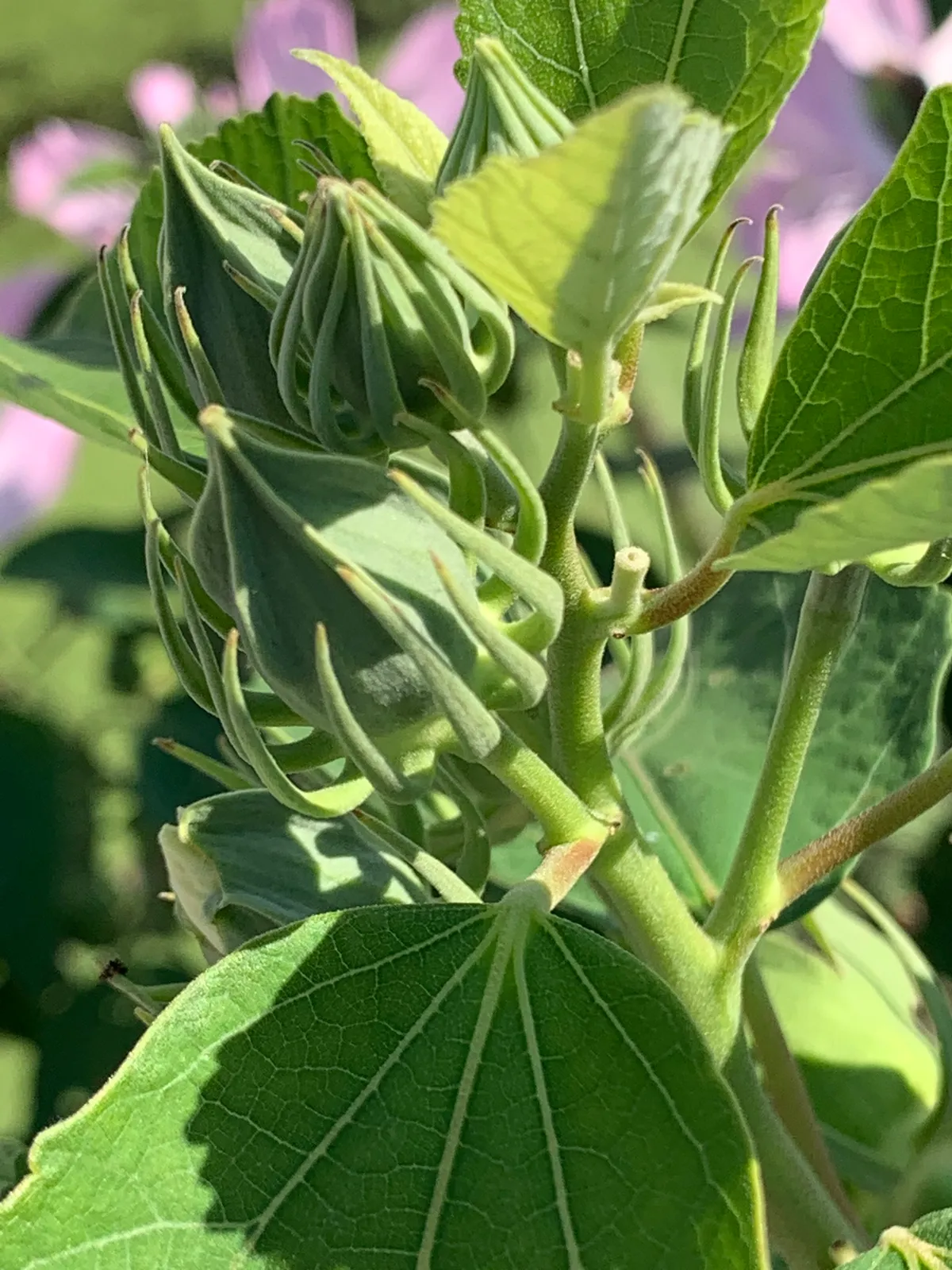
Mallow-rose
Hibiscus moscheutos
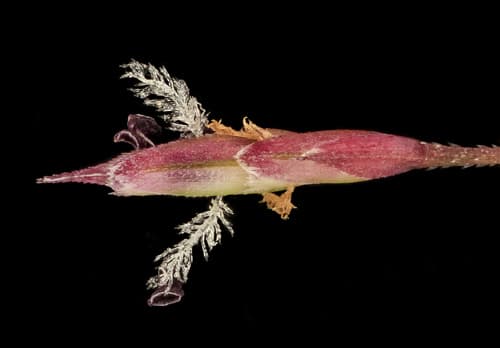
Purple Lovegrass
Eragrostis spectabilis
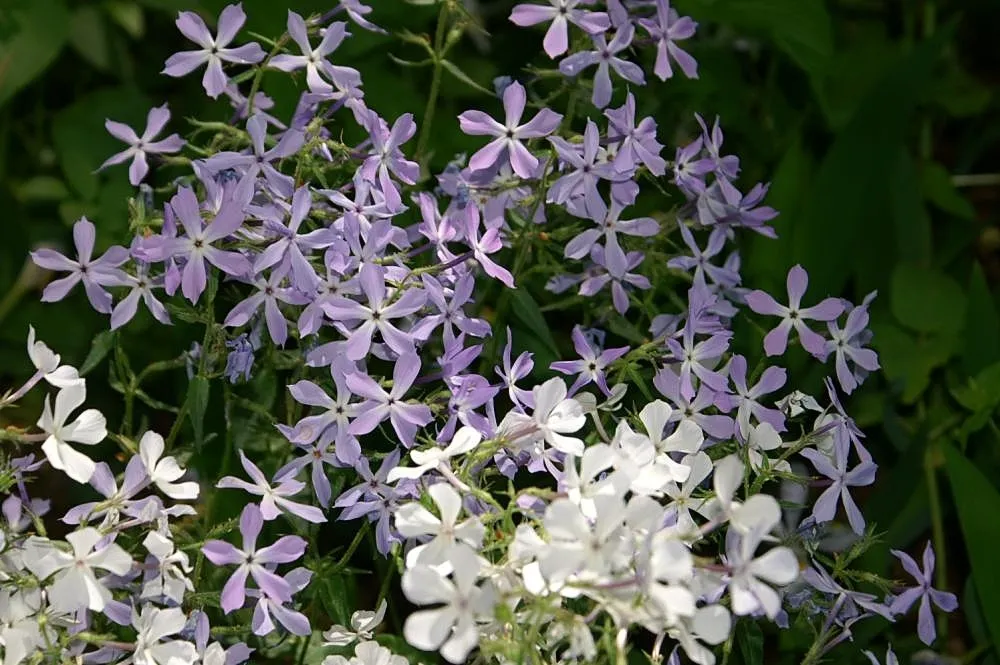
Blue Woodland Phlox
Phlox divaricata
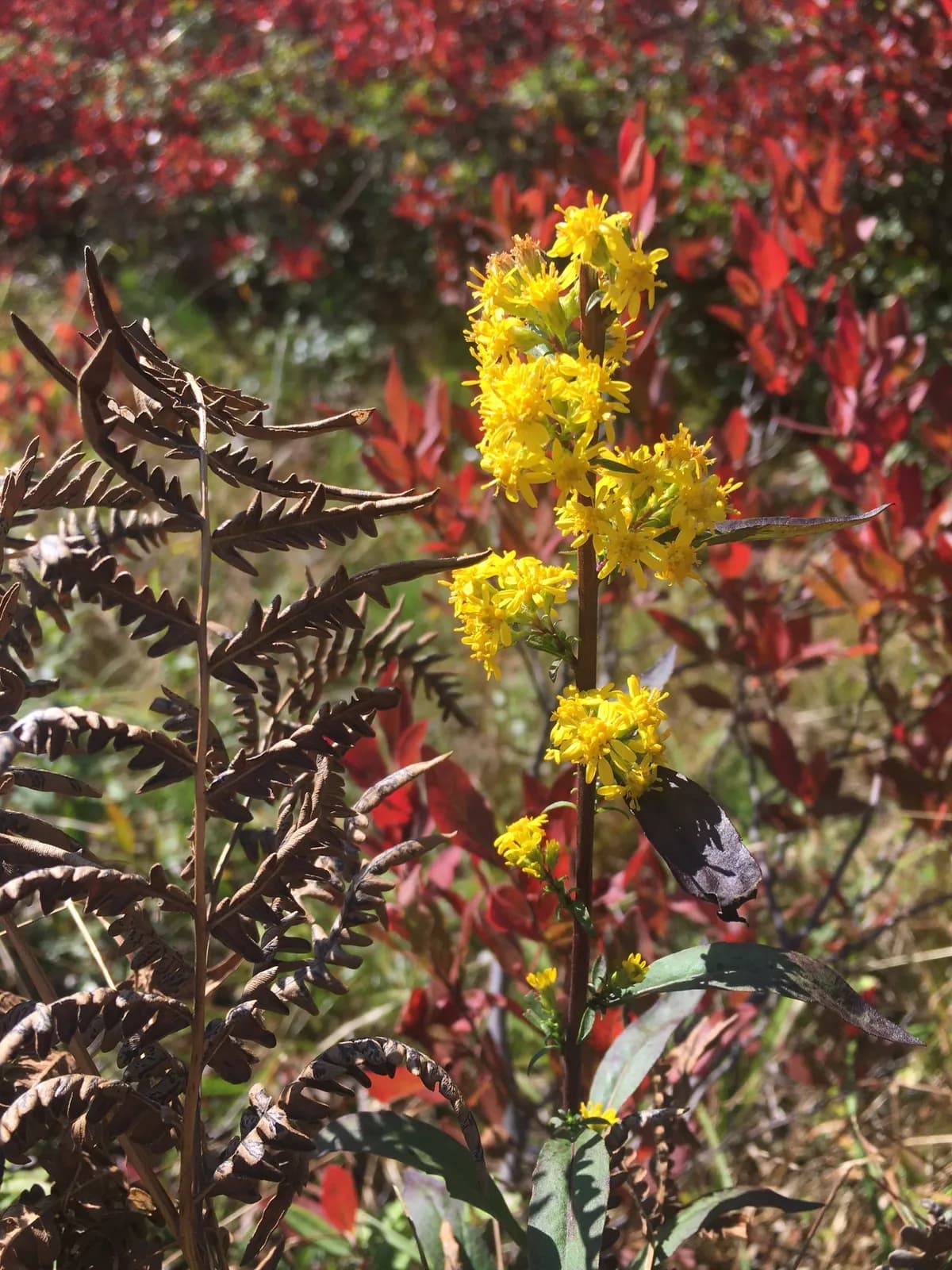
Showy Goldenrod
Solidago speciosa
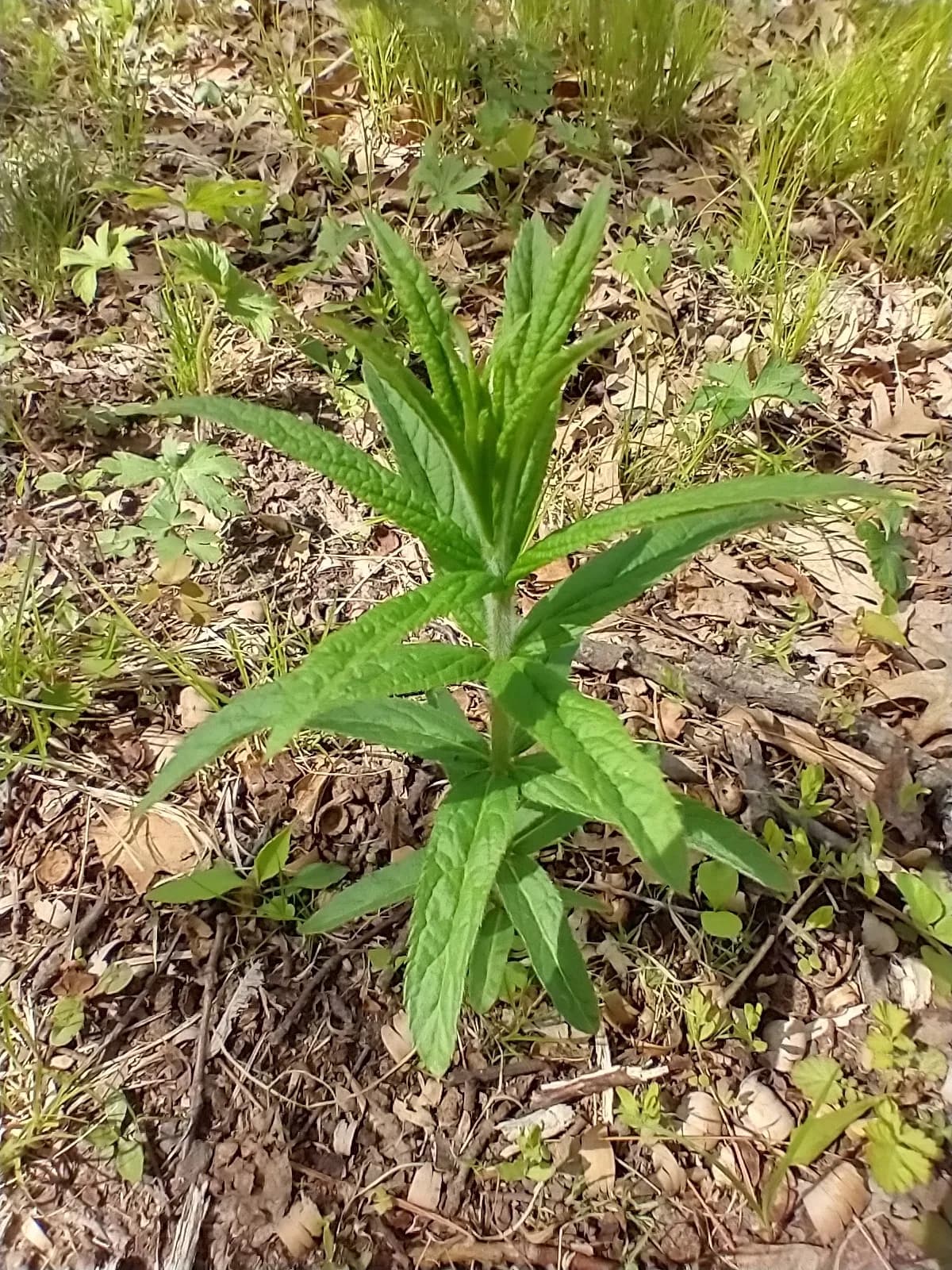
Culver's Root
Veronicastrum virginicum
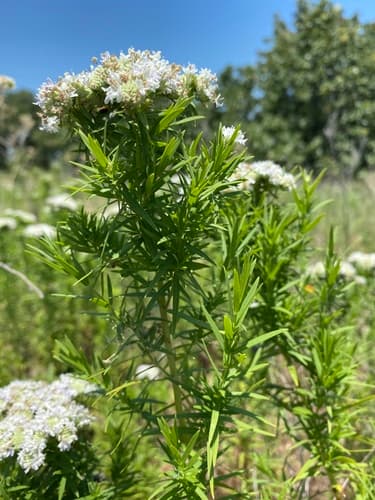
Narrowleaf Mountain Mint
Pycnanthemum tenuifolium
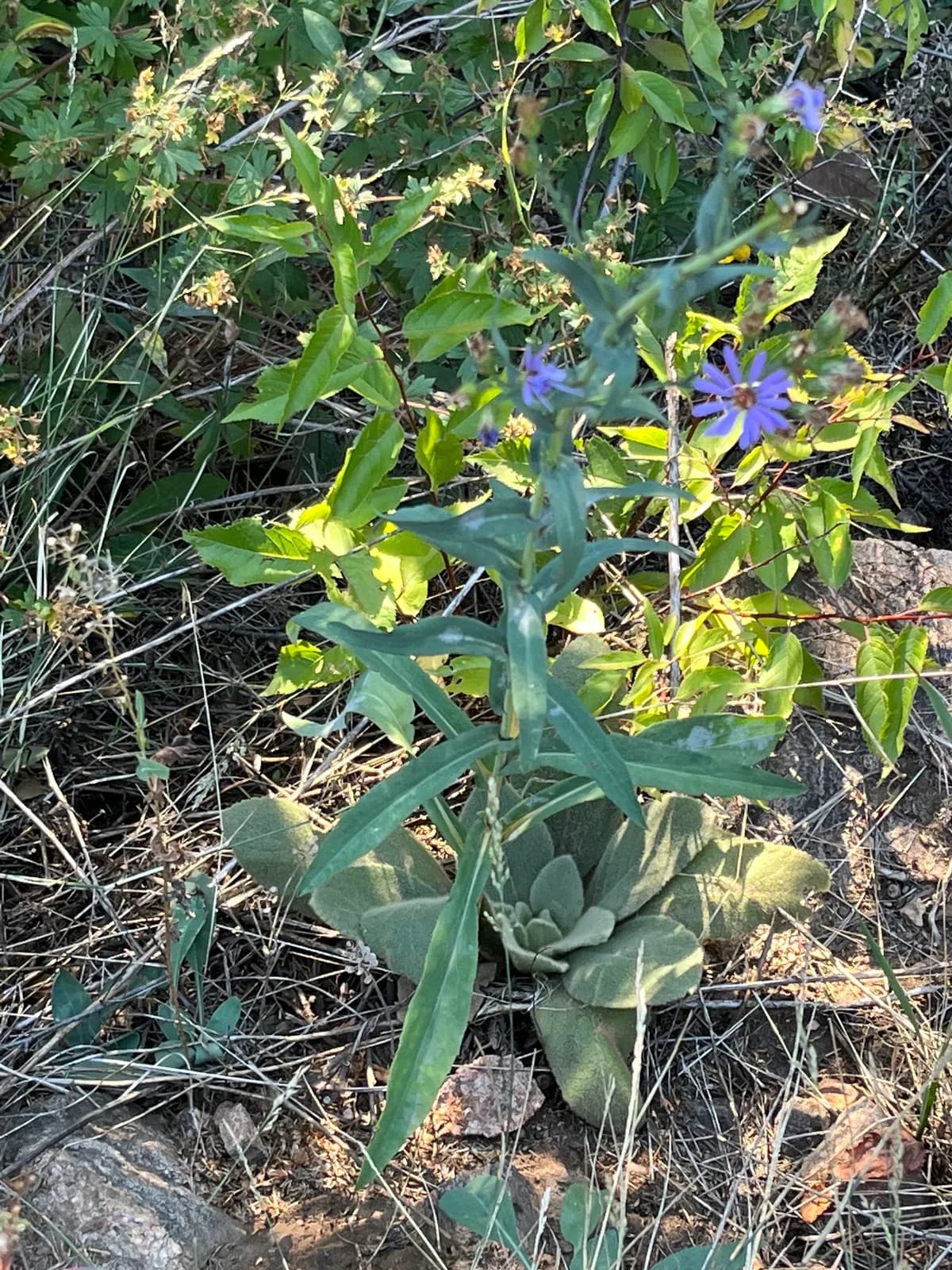
Smooth Aster
Symphyotrichum laeve
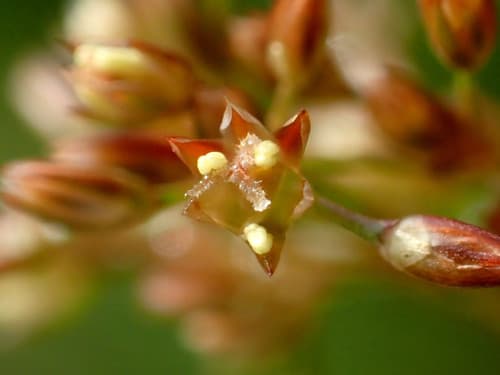
Soft rush
Juncus effusus
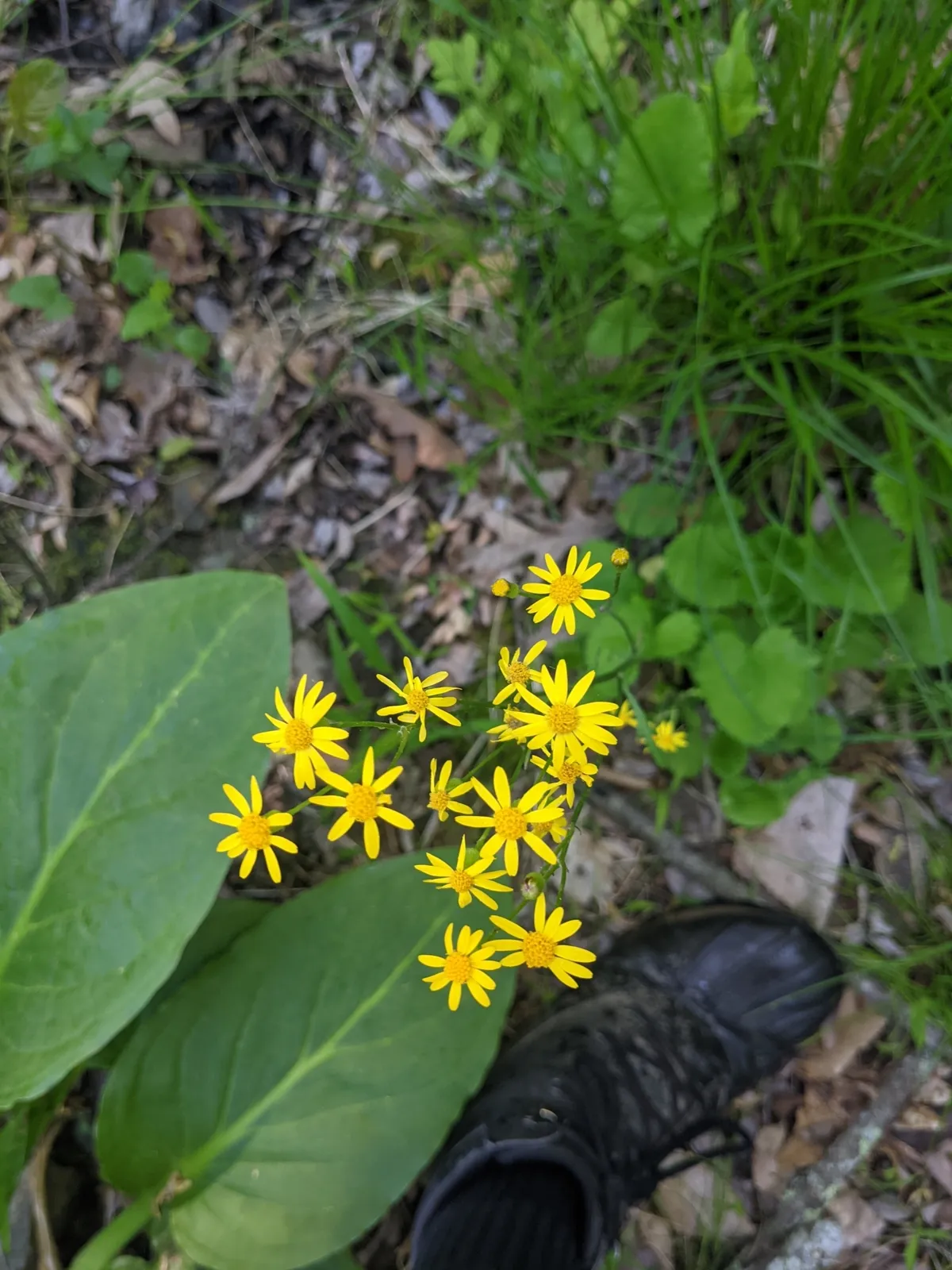
Golden Groundsel
Packera aurea
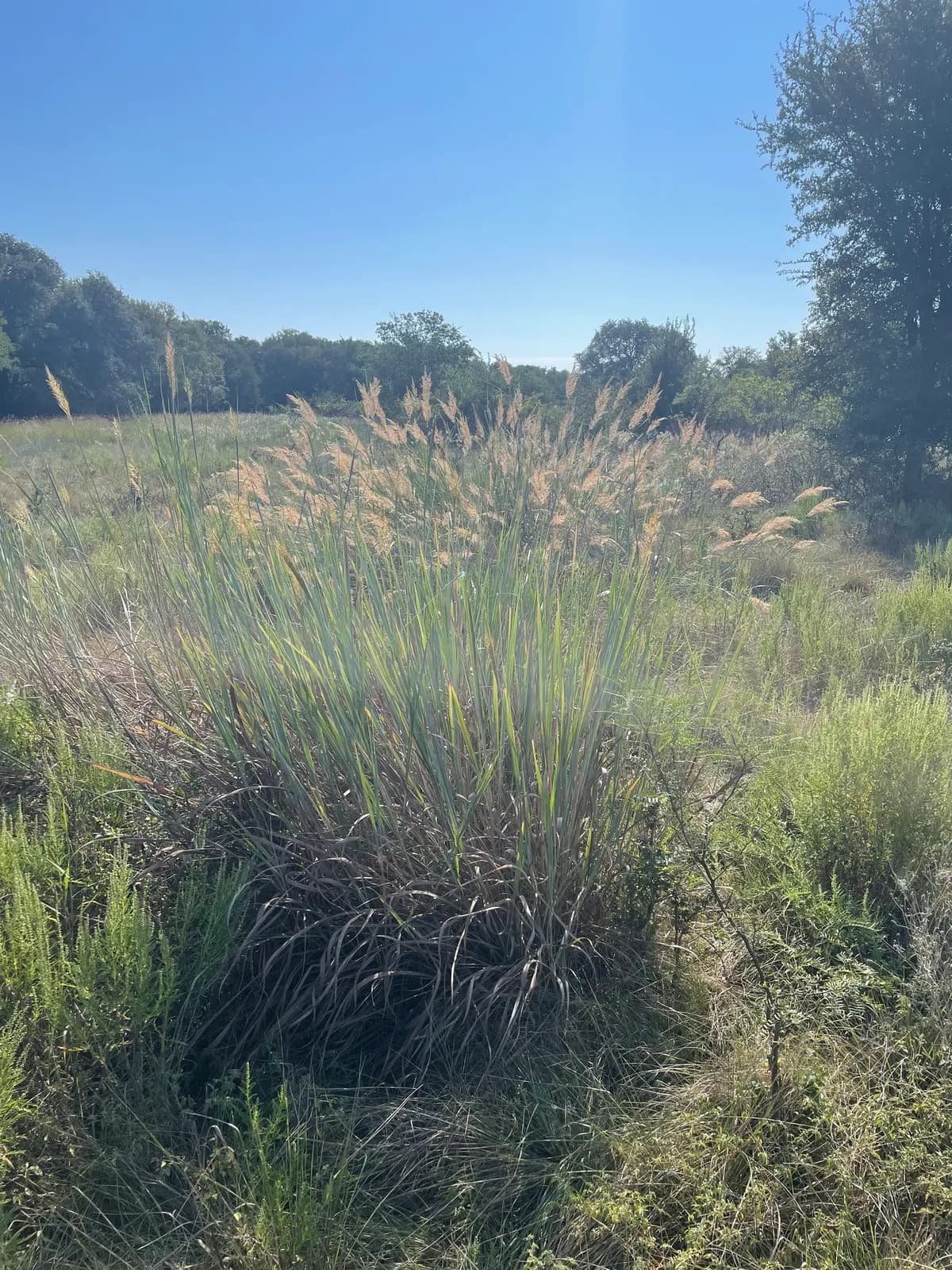
Indiangrass
Sorghastrum nutans

Michaelmas Daisy
Symphyotrichum novae-angliae
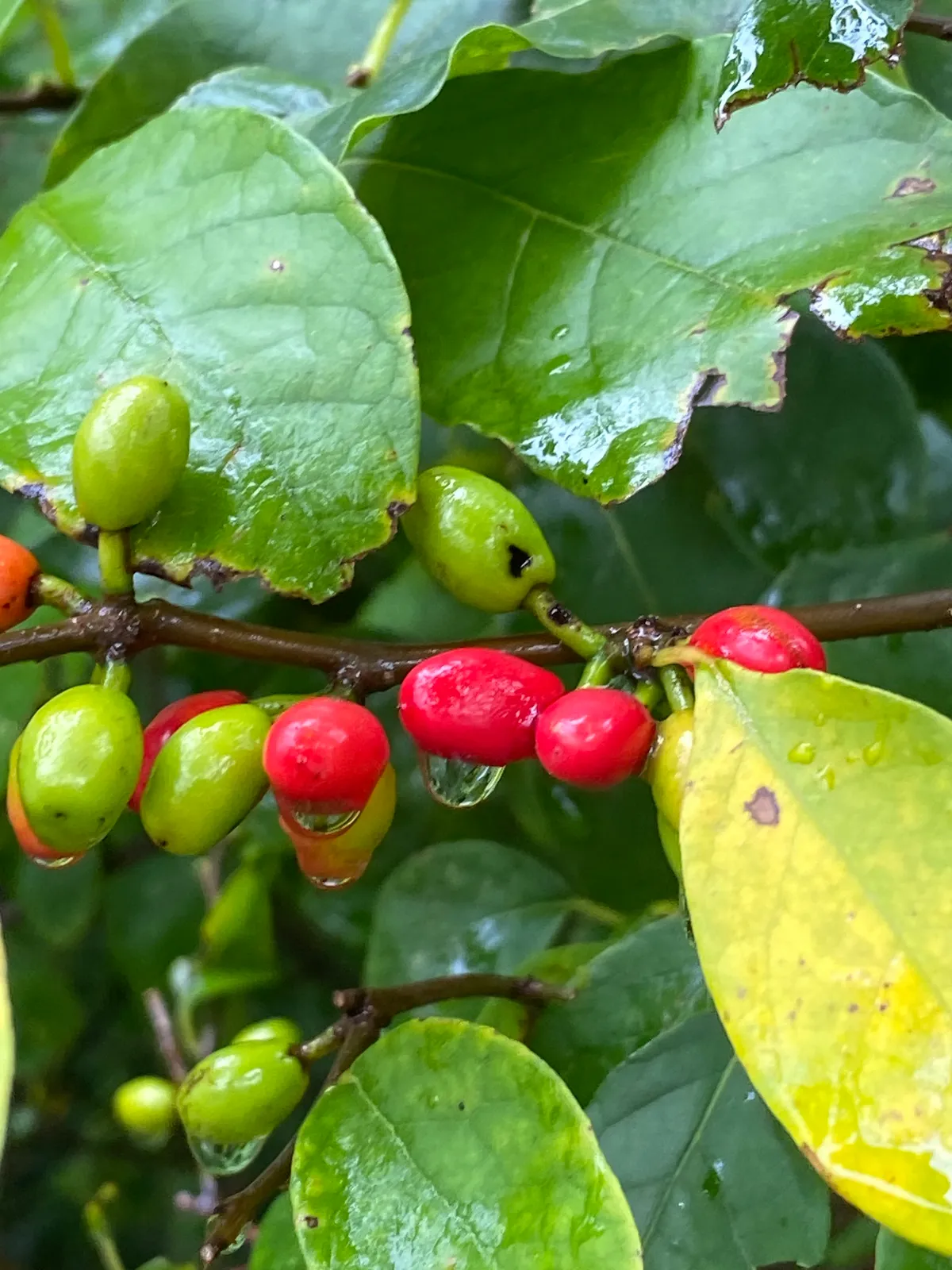
Spicebush
Lindera benzoin
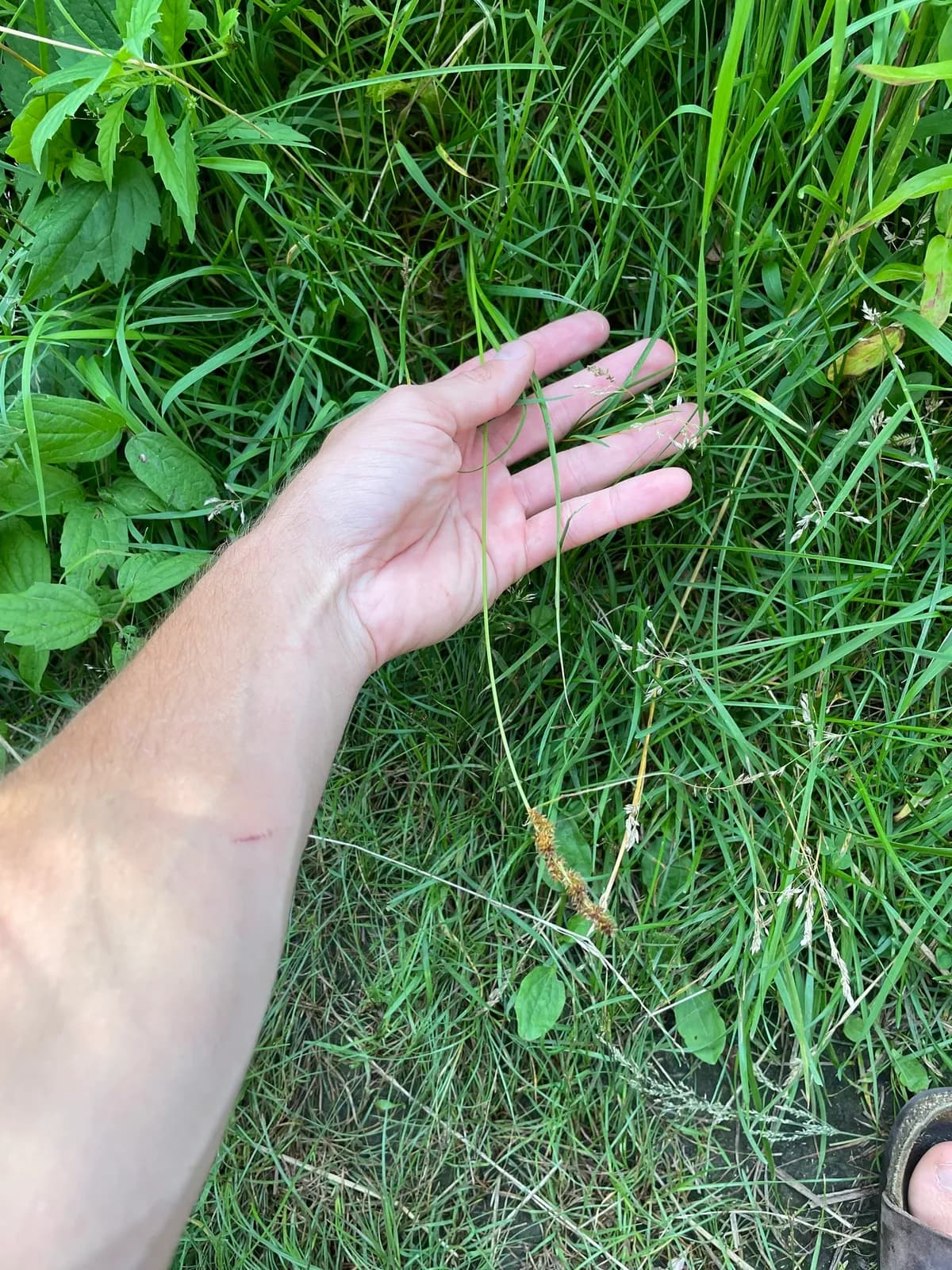
American Fox Sedge
Carex vulpinoidea
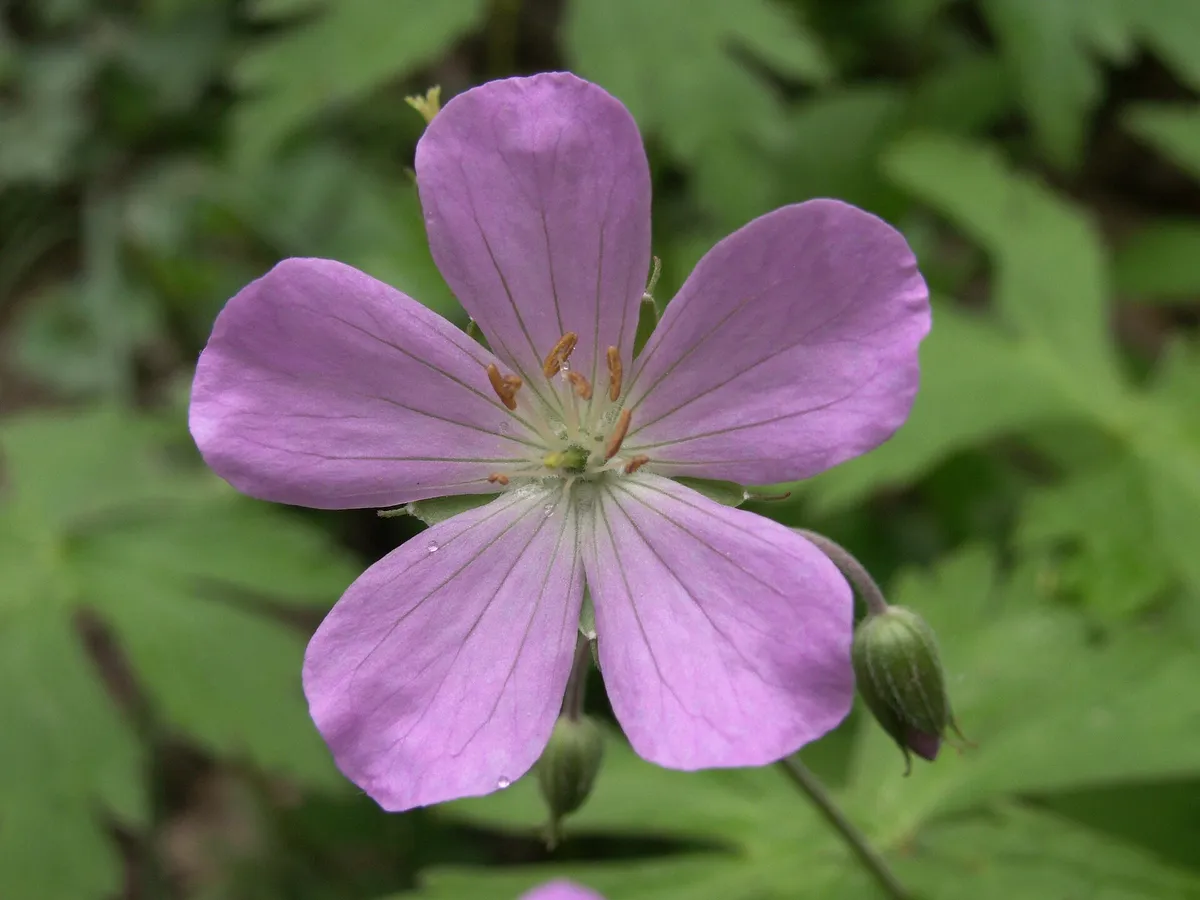
Spotted Geranium
Geranium maculatum
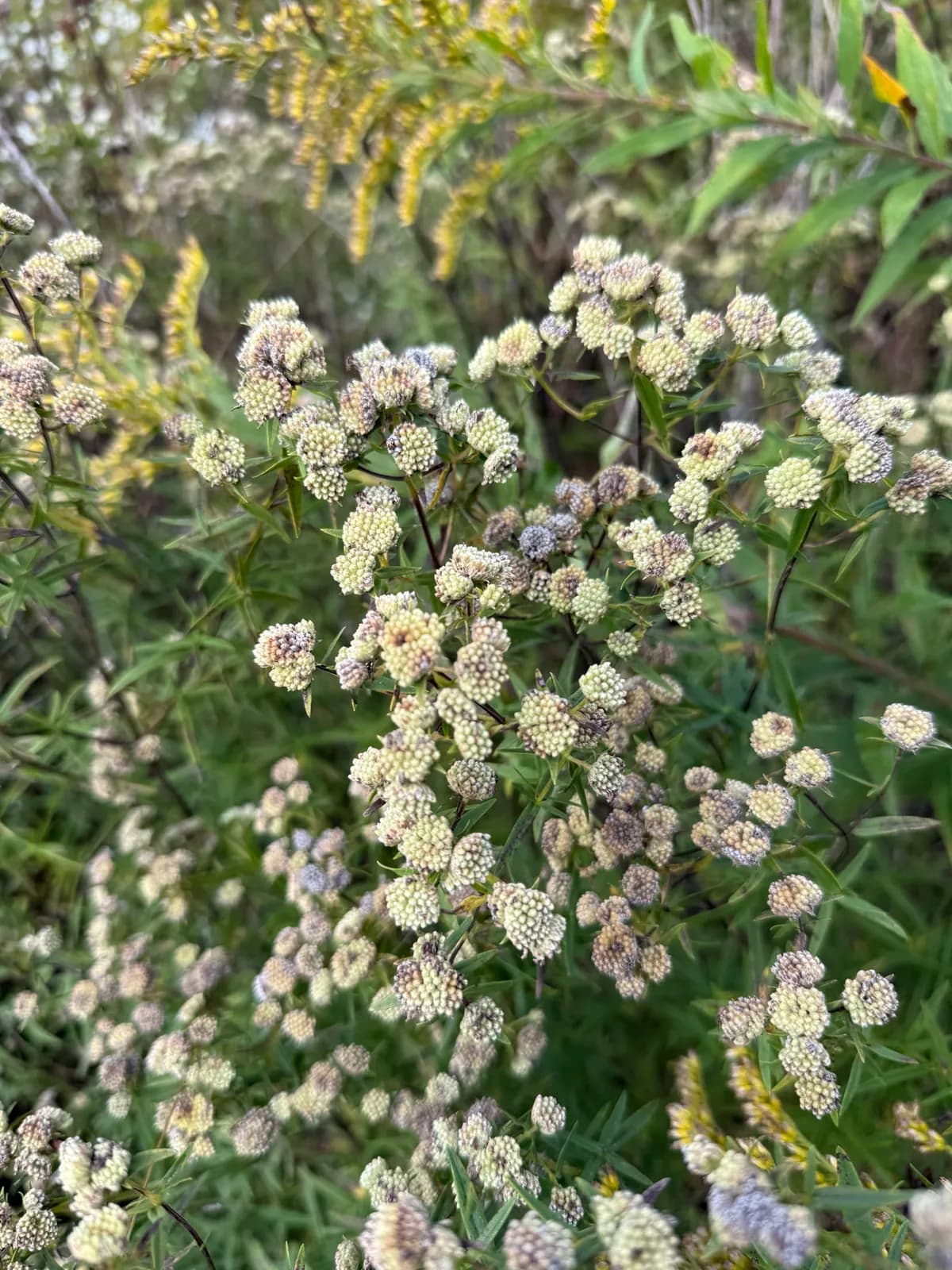
Virginia Mountain-Mint
Pycnanthemum virginianum
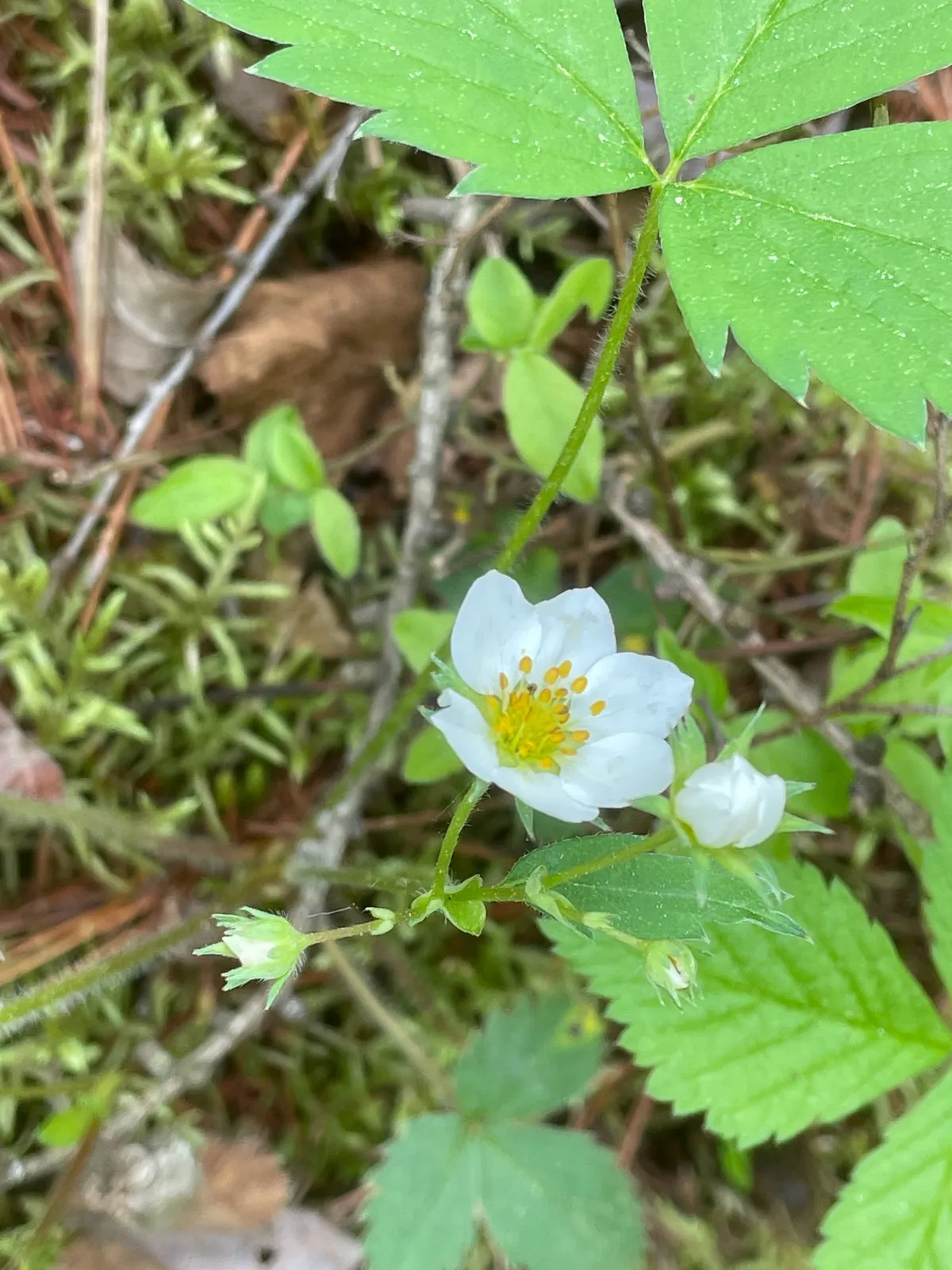
Scarlet Strawberry
Fragaria virginiana
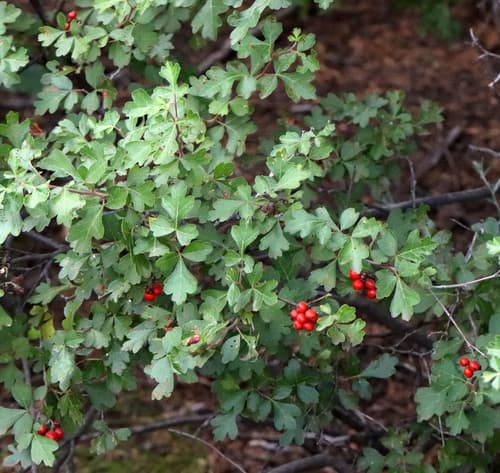
Aromatic Sumac
Rhus aromatica
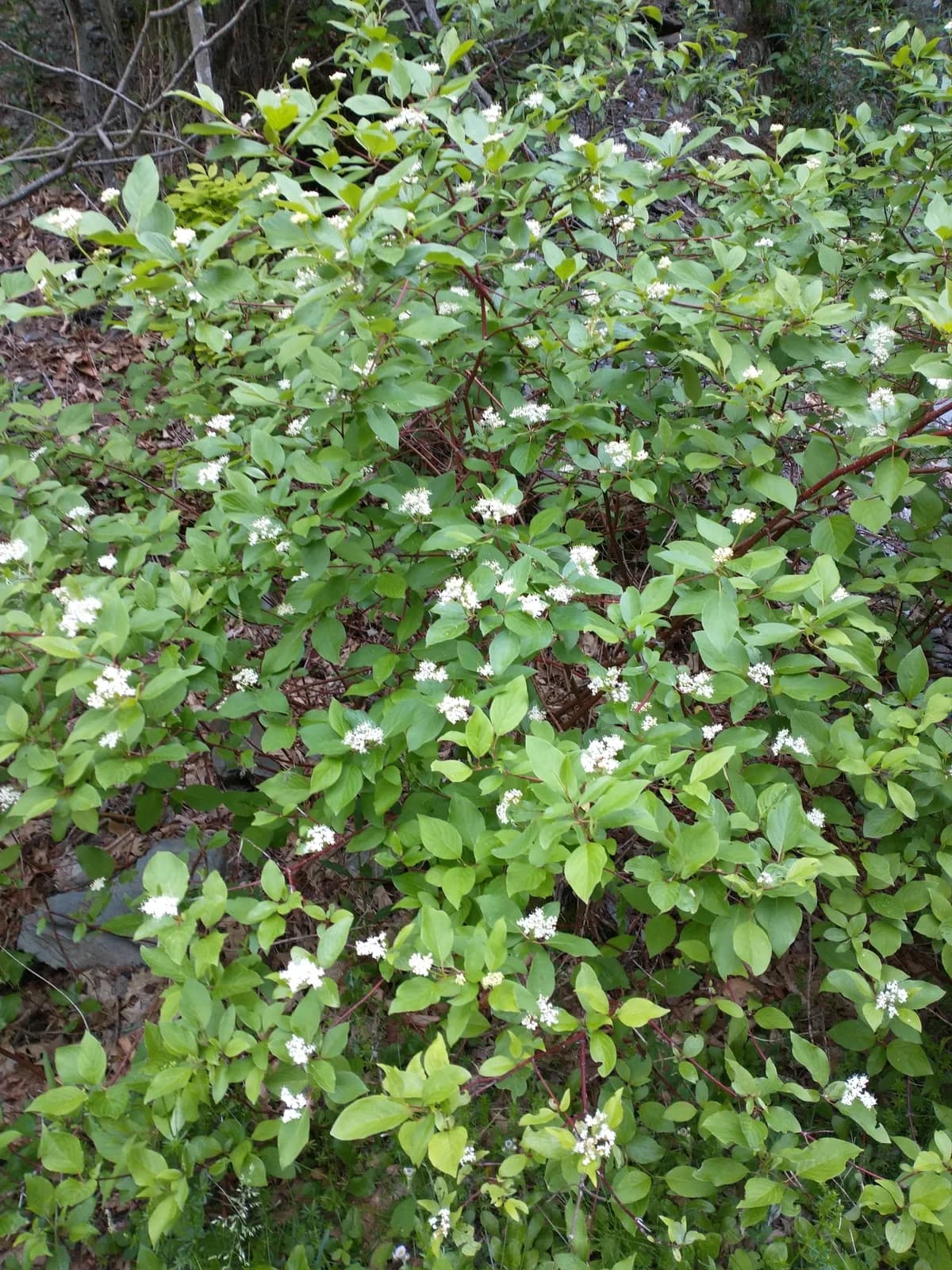
Red-osier Dogwood
Cornus sericea
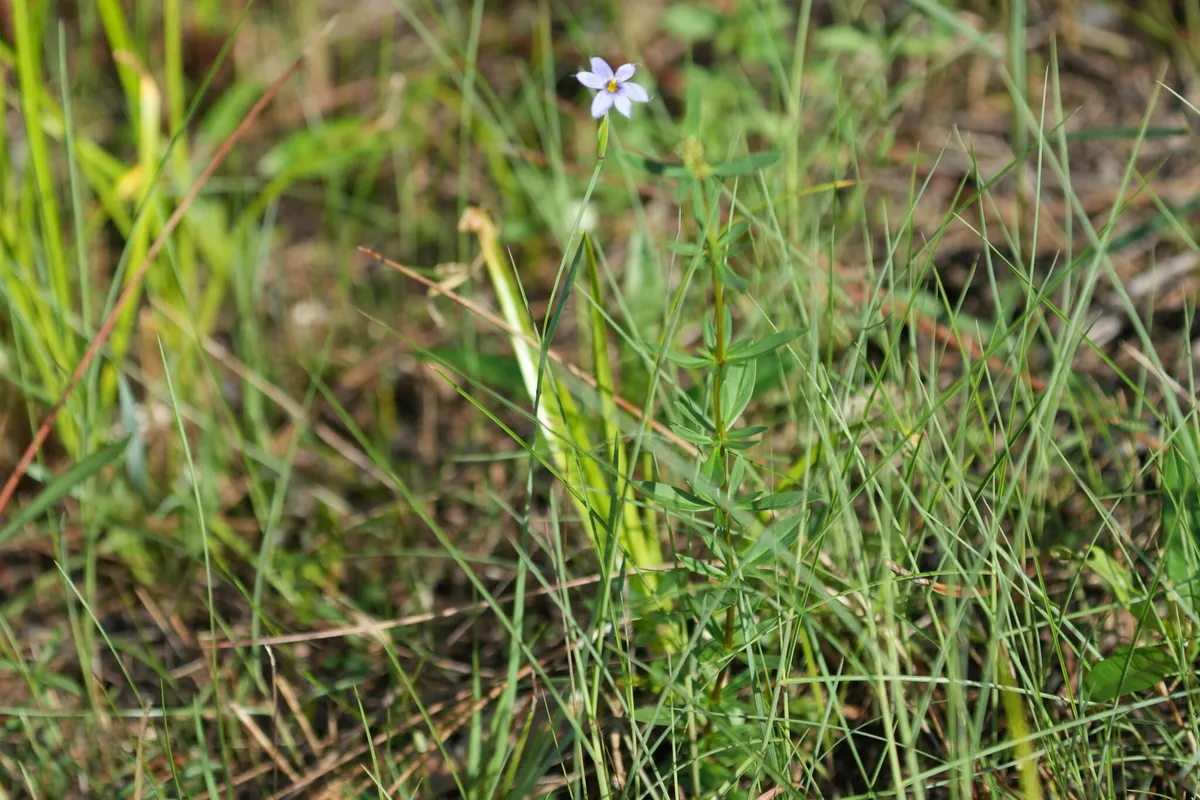
Narrowleaf Blue-eyed Grass
Sisyrinchium angustifolium
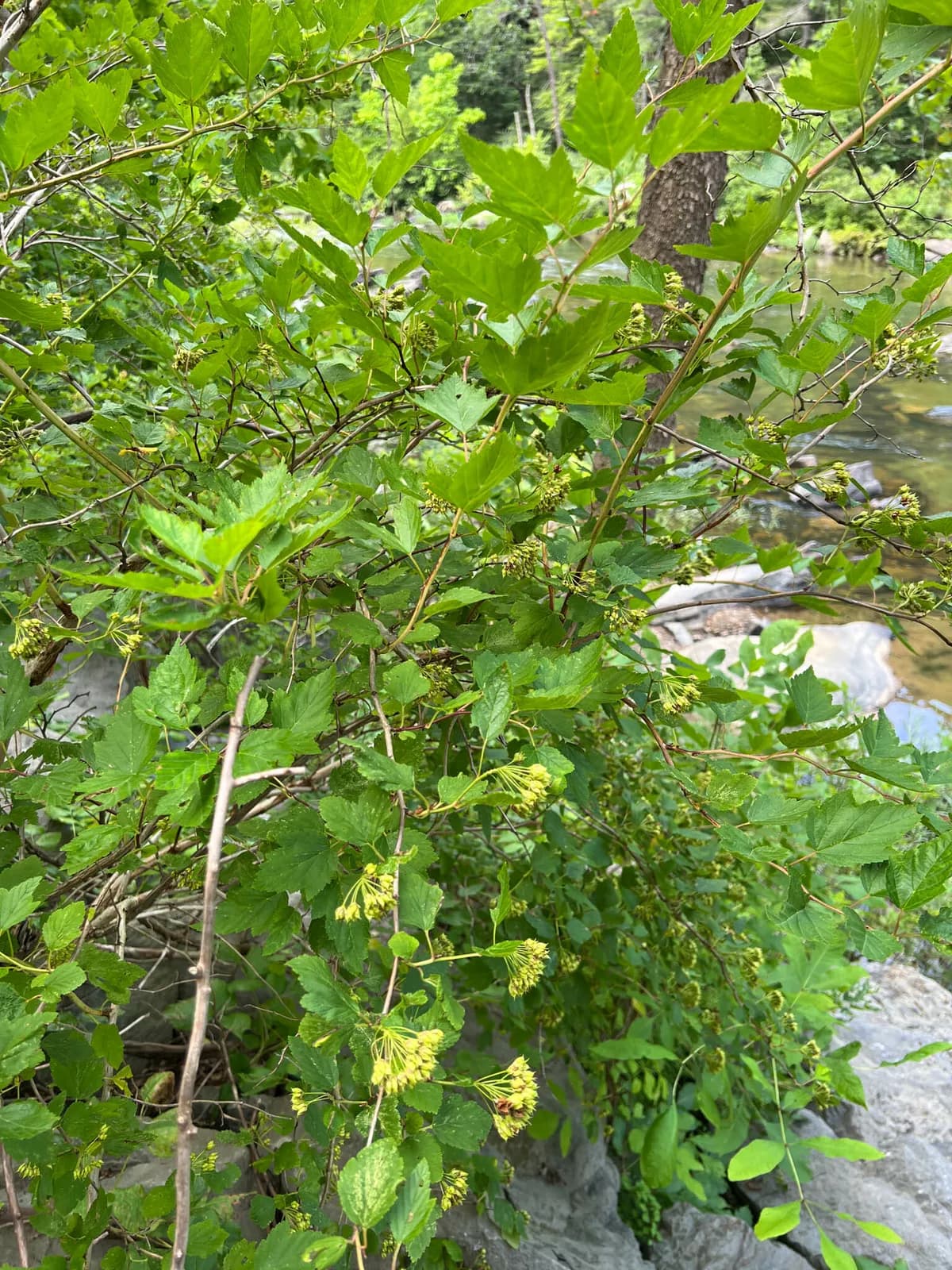
Ninebark
Physocarpus opulifolius
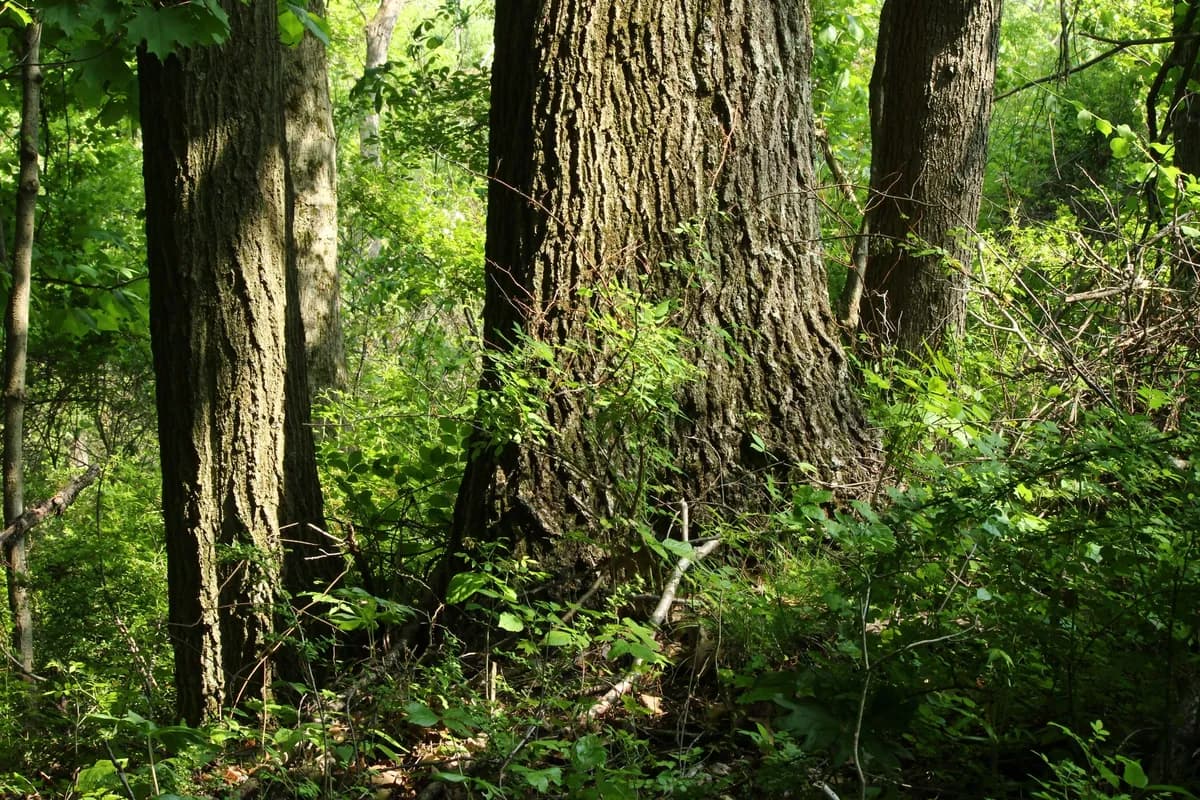
Northern Red Oak
Quercus rubra
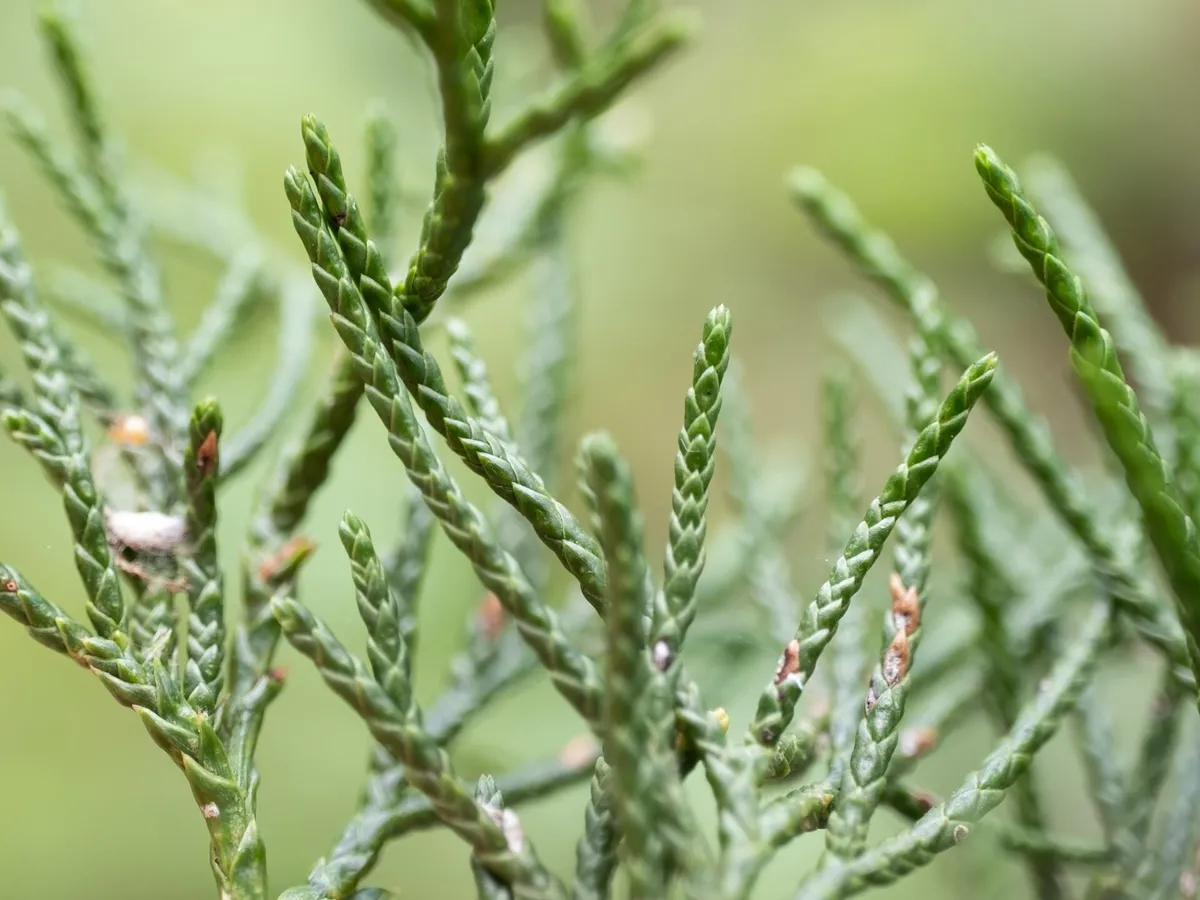
Eastern Red Cedar
Juniperus virginiana
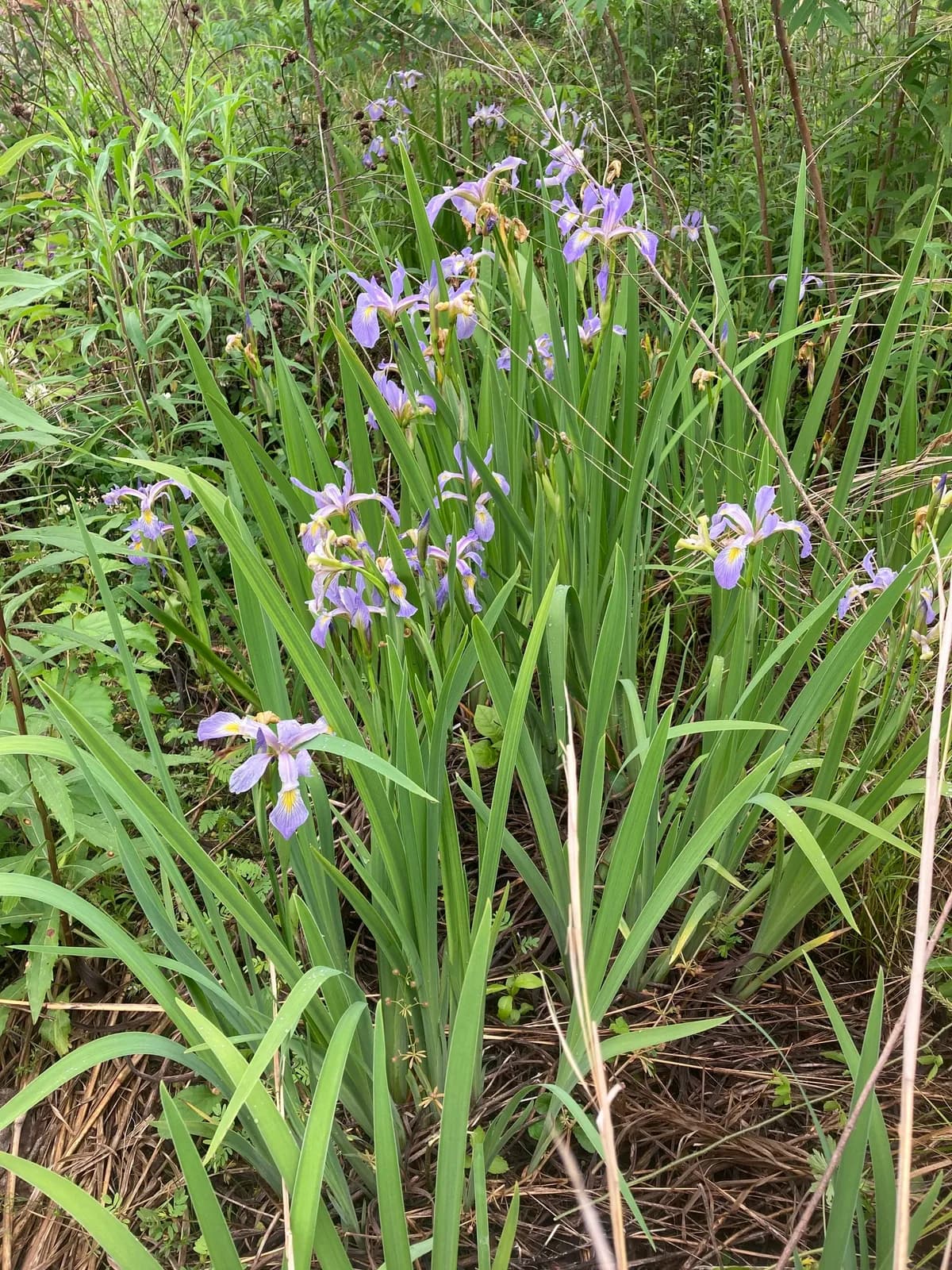
Southern Blue Flag Iris
Iris virginica
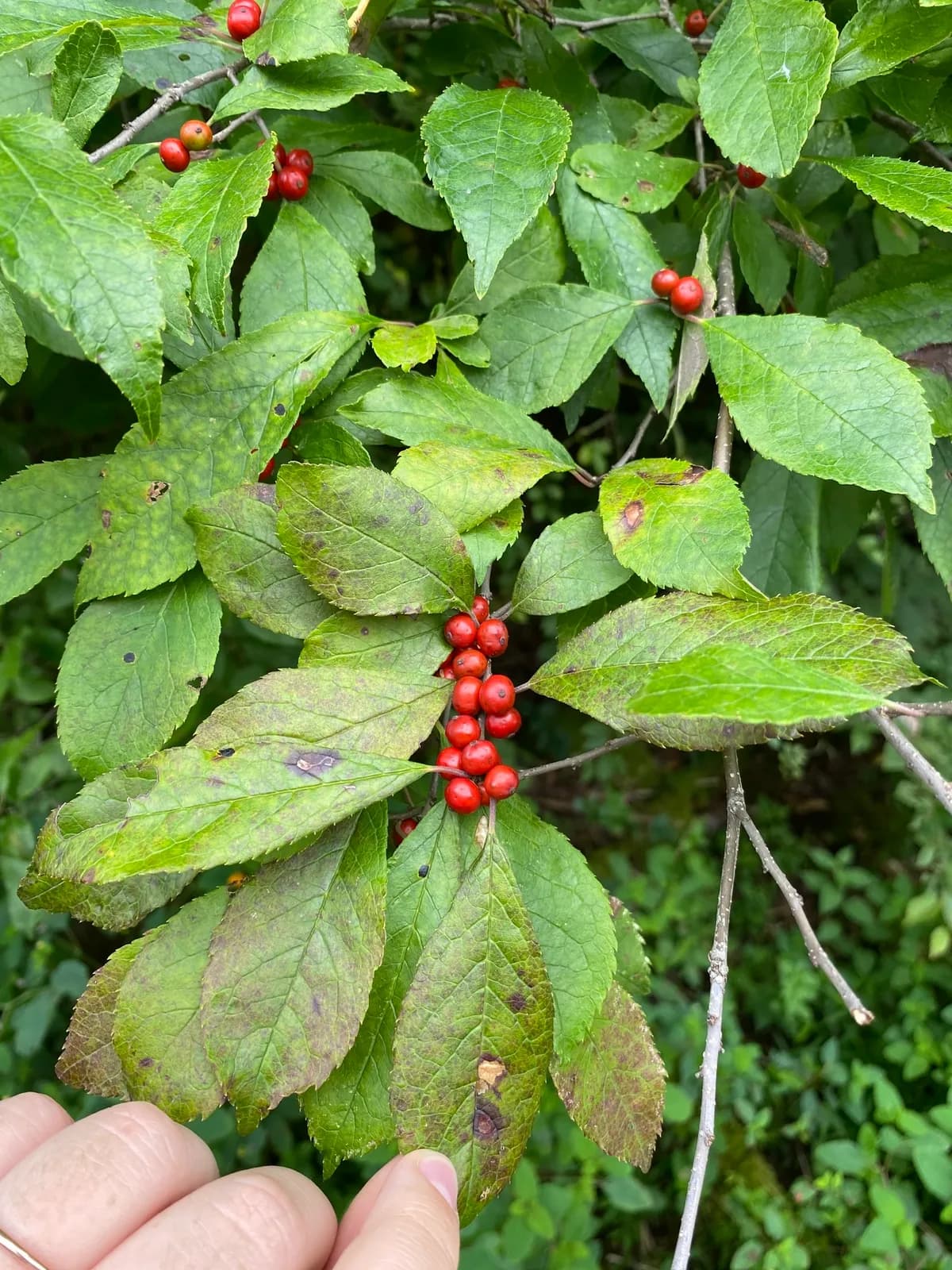
Black-alder
Ilex verticillata

Pennsylvania Sedge
Carex pensylvanica

Blunt Mountain Mint
Pycnanthemum muticum
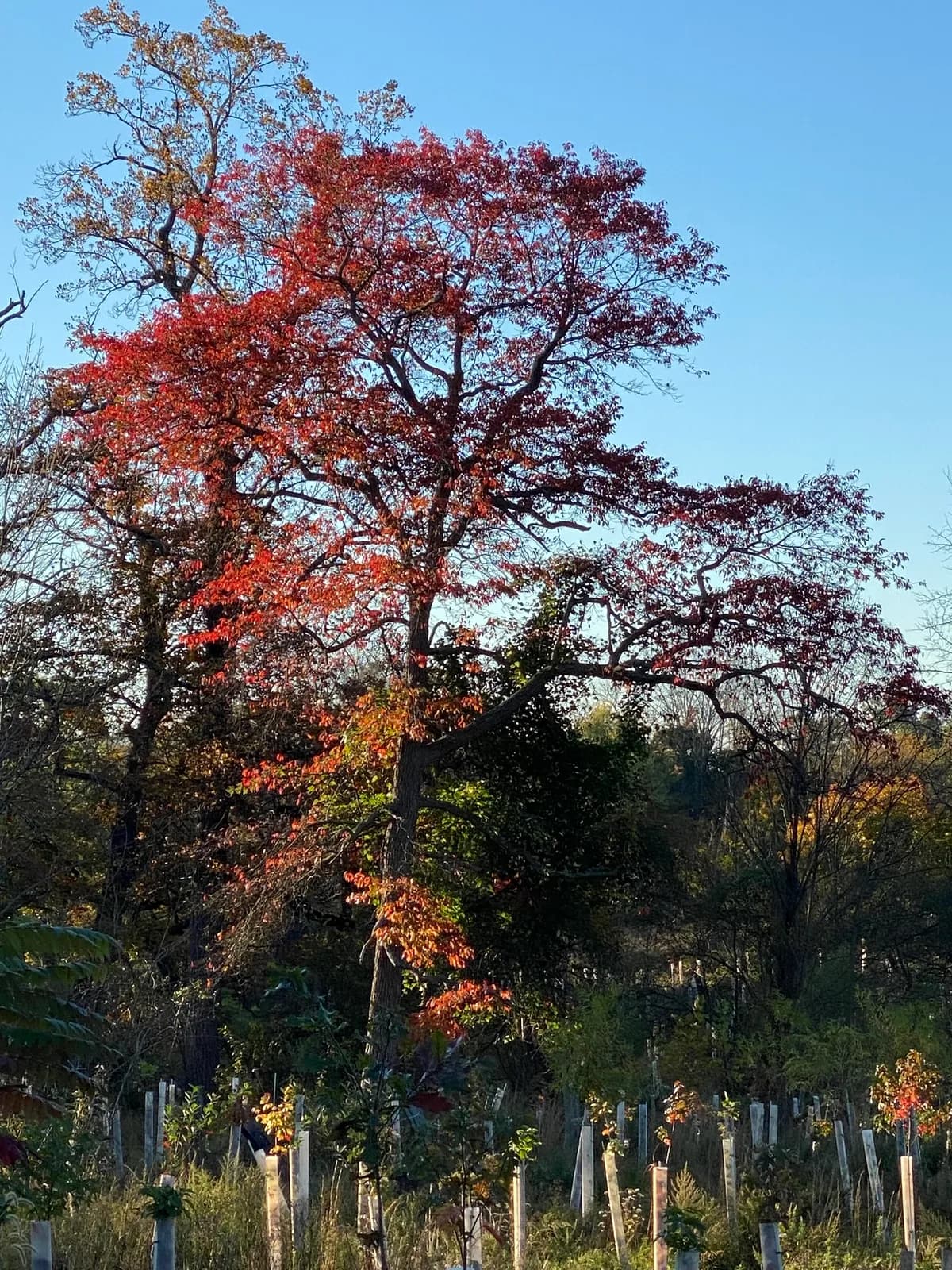
Black Gum
Nyssa sylvatica
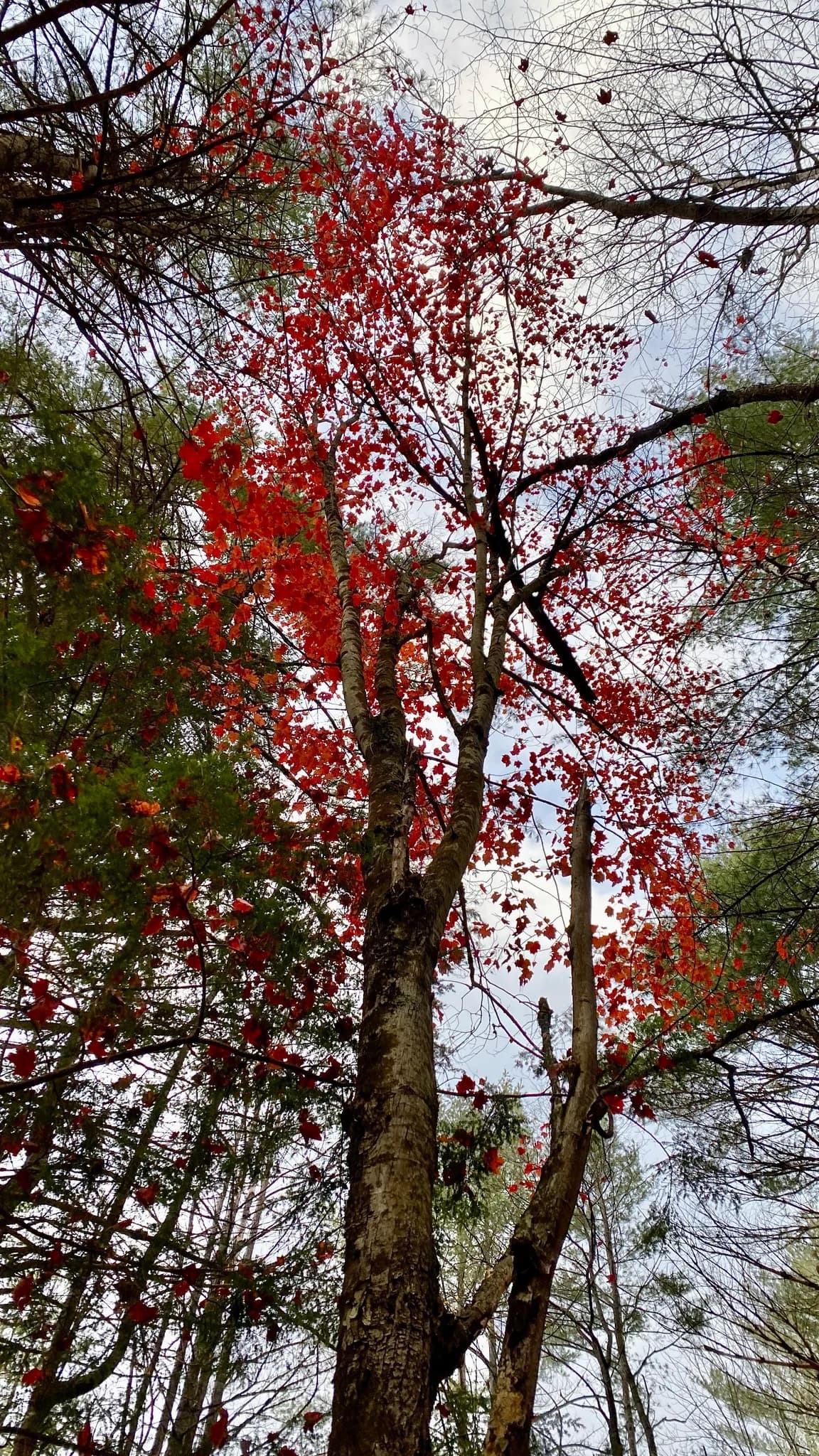
Red Maple
Acer rubrum
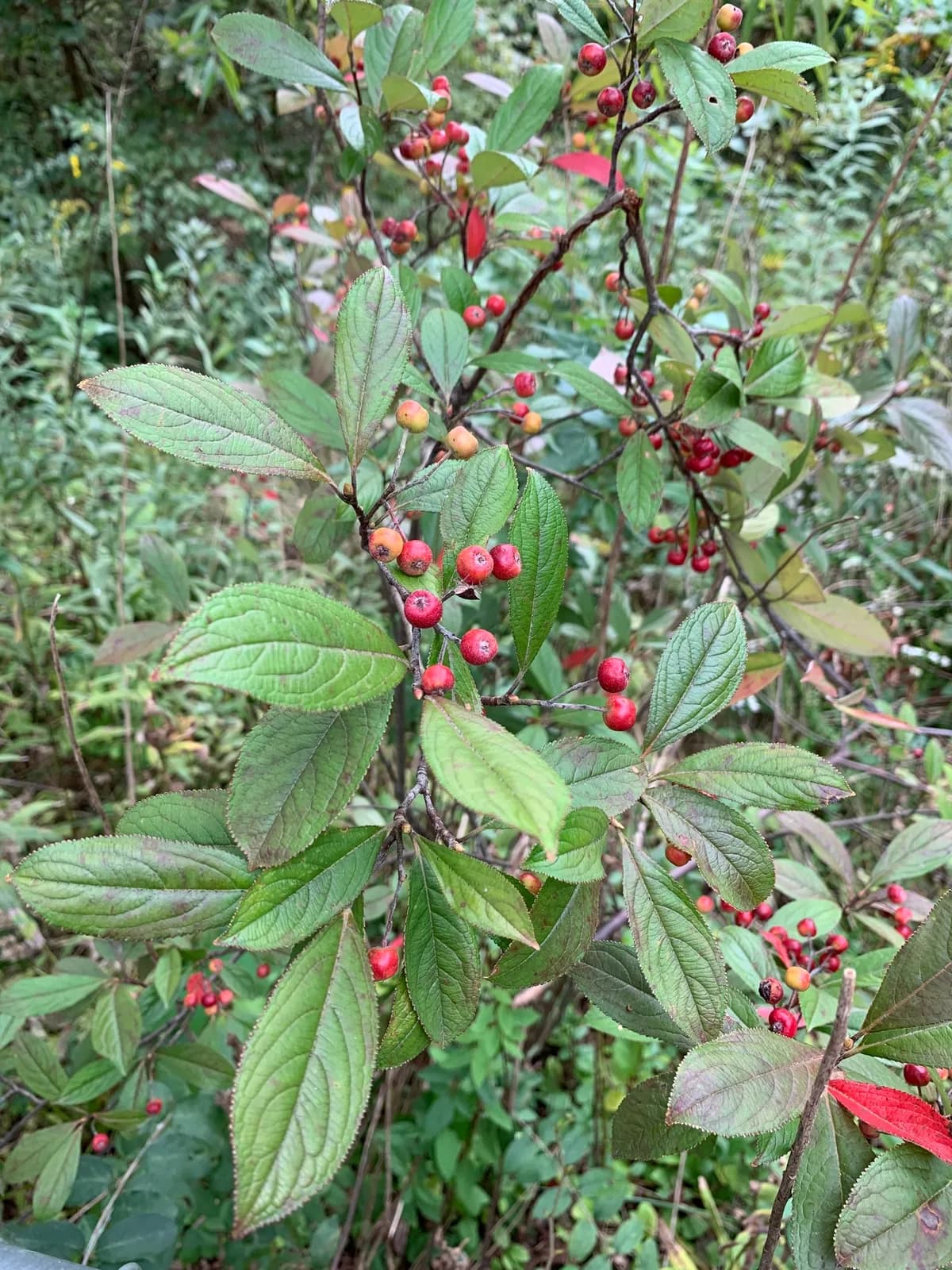
Red Chokeberry
Aronia arbutifolia
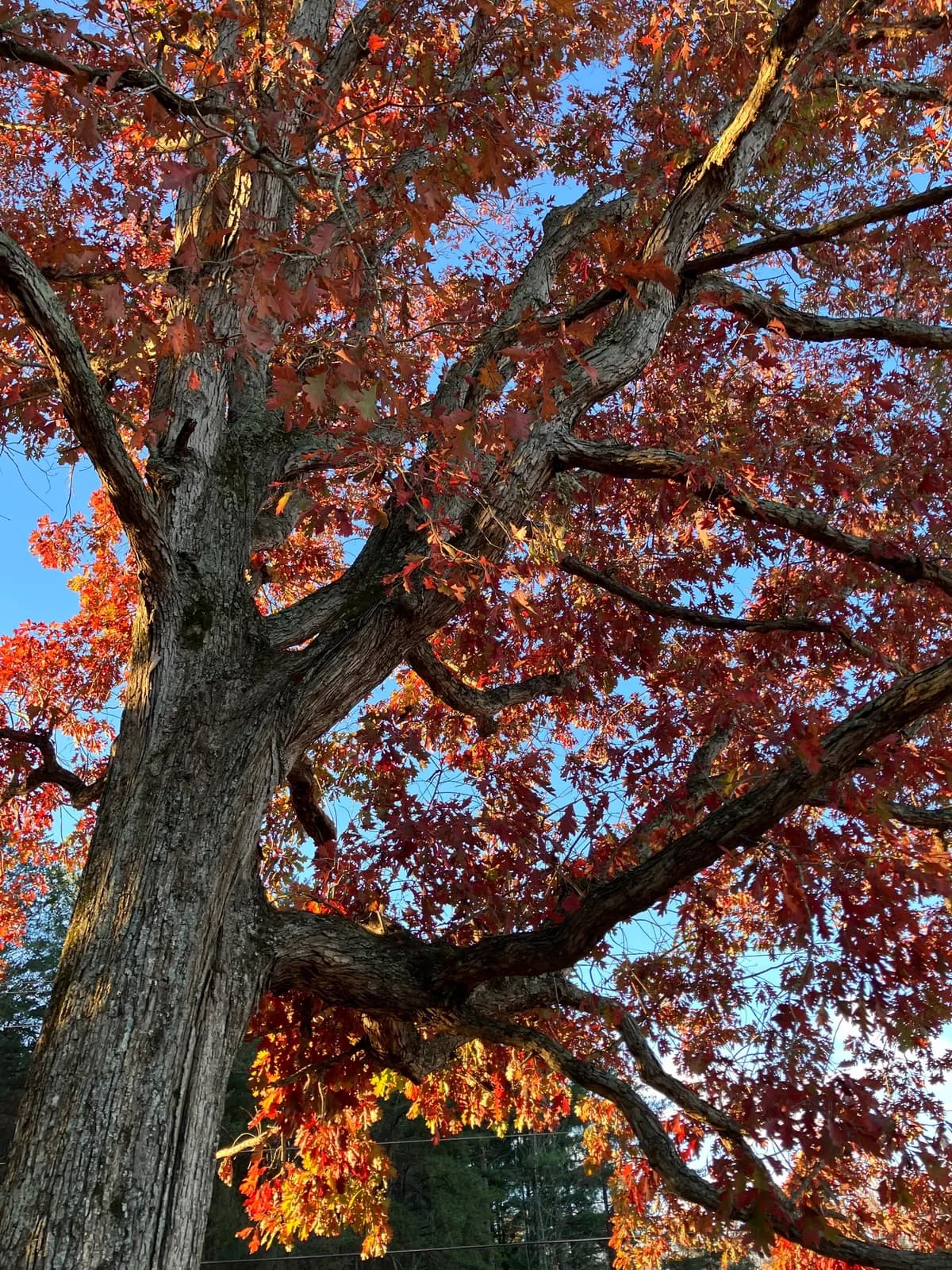
White Oak
Quercus alba

Christmas Fern
Polystichum acrostichoides
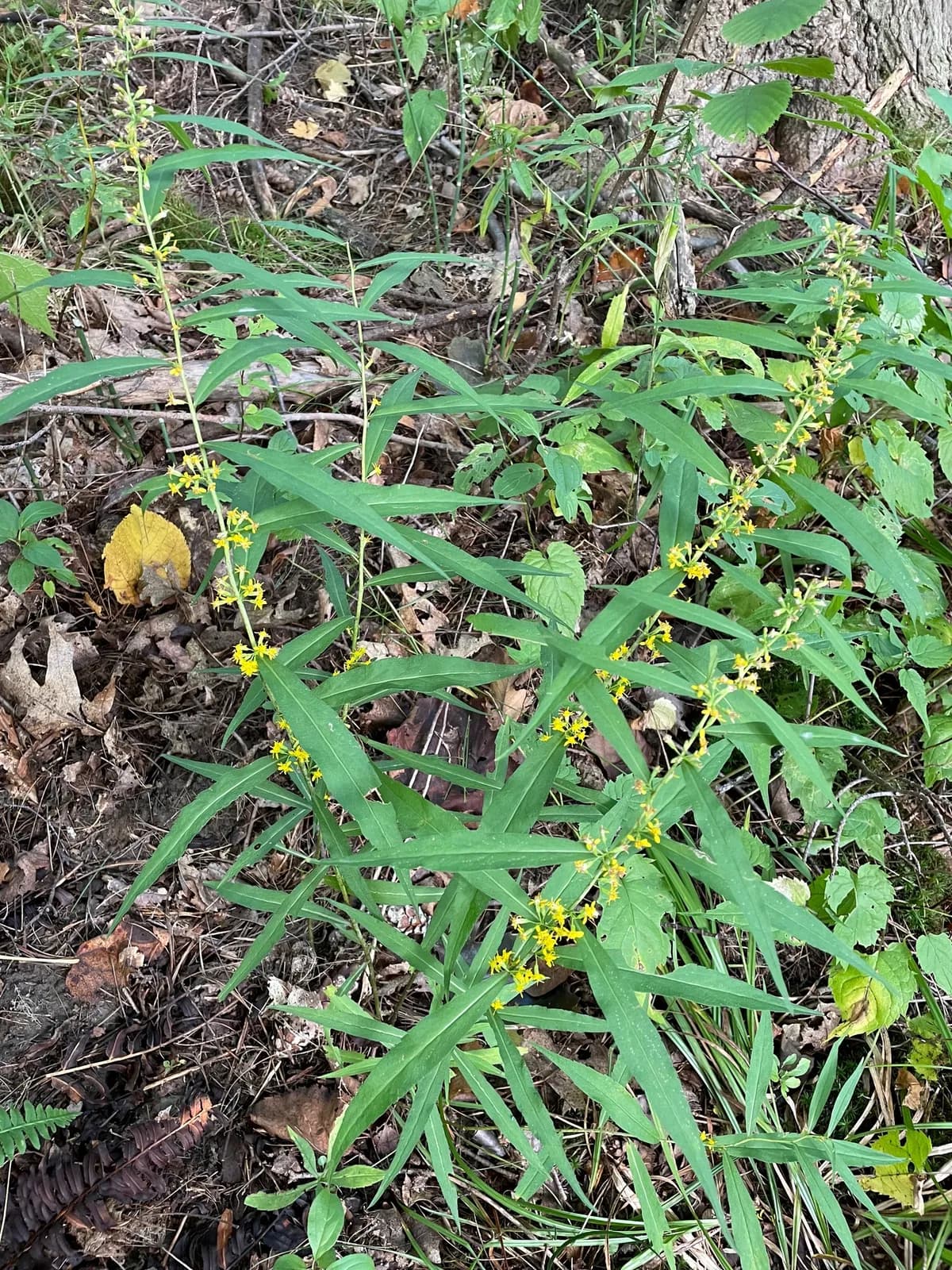
Blue-stemmed Goldenrod
Solidago caesia
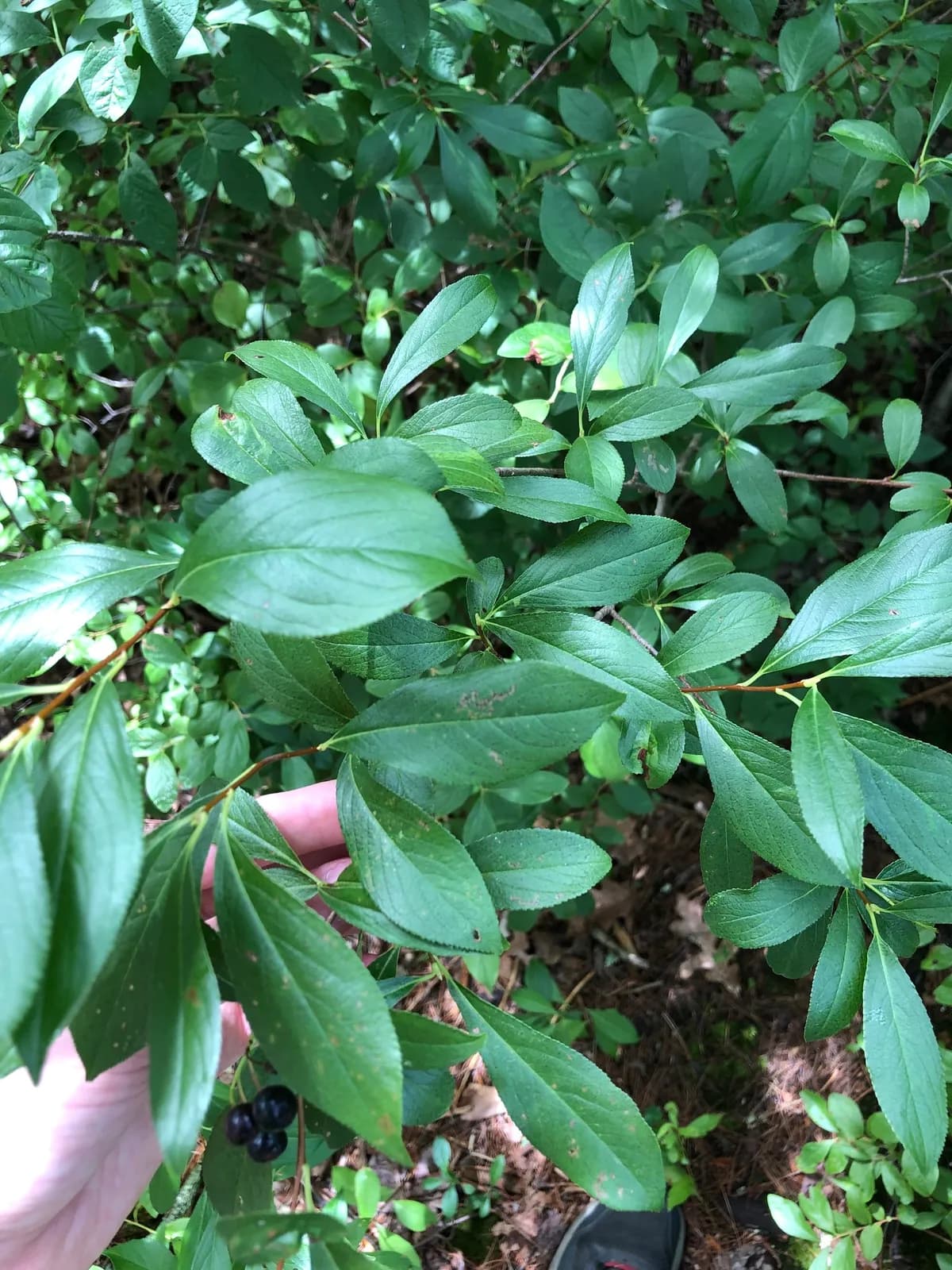
Black Chokeberry
Aronia melanocarpa
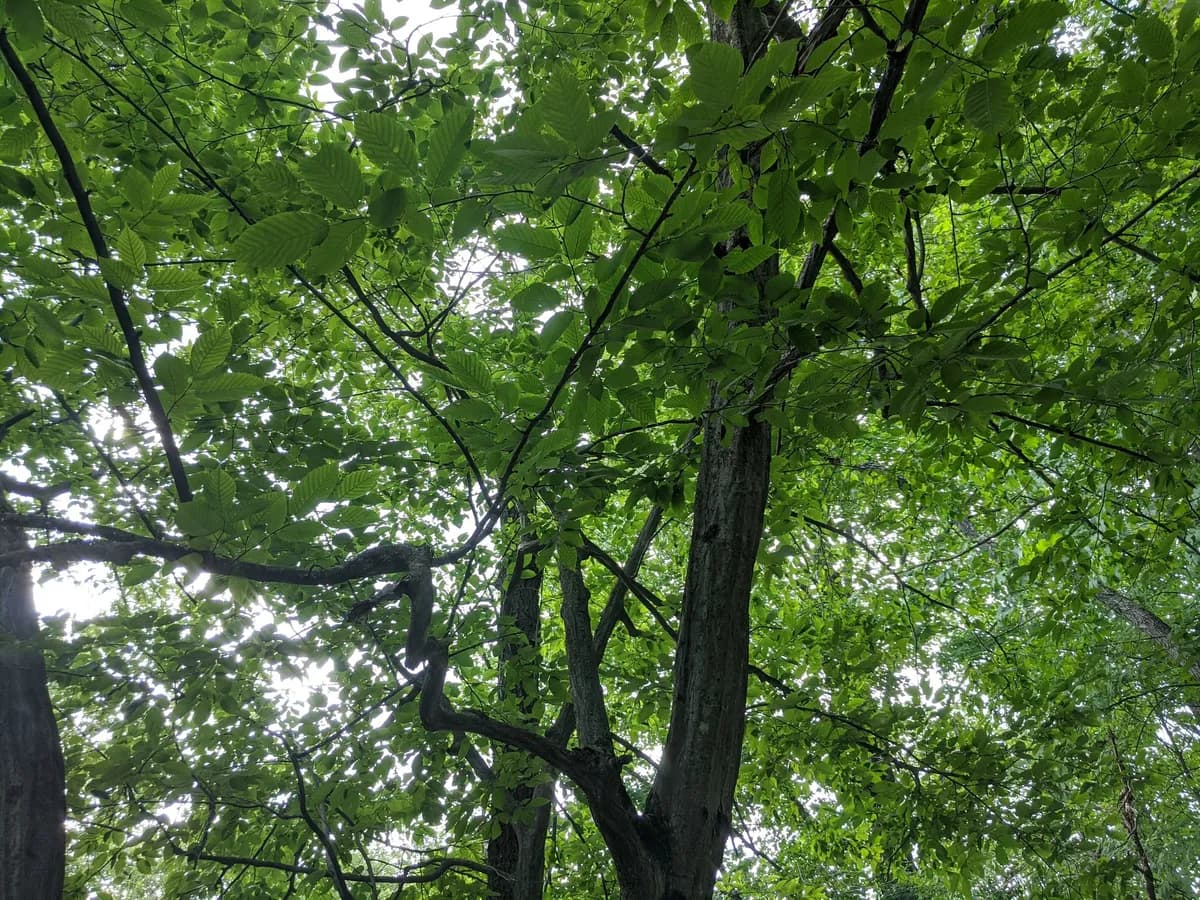
Hornbeam
Carpinus caroliniana
Showing 48 of 1039. Enter your ZIP for the natives matched to your yard.
Fall care in the Eastern Great Lakes Lowlands
What to do right now for plants commonly grown here. Each links to the full regional care guide for that species, with sources.
- Smooth aster
Fall brings the main bloom, a critical nectar source for bees and butterflies before frost.
- Rough stem goldenrod
Fall is peak bloom, a key late nectar source.
- Little bluestem
Fall shows off little bluestem's best color around Rochester, turning copper and mahogany.
- Black eyed susan
Fall brings the last blooms and seed set around Rochester.
- Switchgrass
Fall brings gold color and seed heads to switchgrass around Rochester before lake-effect winter sets in.
- Wild bergamot
Seed heads form after bloom and feed birds through fall near the lake plain.
- Cardinal flower
Fall is for cutting back spent stalks before lake-effect winter sets in.
- Black alder
Fall brings early leaf drop and the start of winterberry's red berry display near Rochester.
- Hollow joe pyeweed
Bloom winds down and seed heads form around Rochester through fall.
- New jersey tea
Fall is quiet for New Jersey tea as seed pods mature near the Great Lakes lowlands.
Build a plan for the Eastern Great Lakes Lowlands
The Pollinator Patch App turns plants like these into a front-yard plan tuned for the soil, climate, and HOA expectations of the Rochester area.