Christmas Fern
Polystichum acrostichoides
Last reviewed: October 2026
Polystichum acrostichoides, or Christmas fern, keeps its glossy green fronds through winter, making it a reliable evergreen groundcover for shaded gardens and woodland borders.
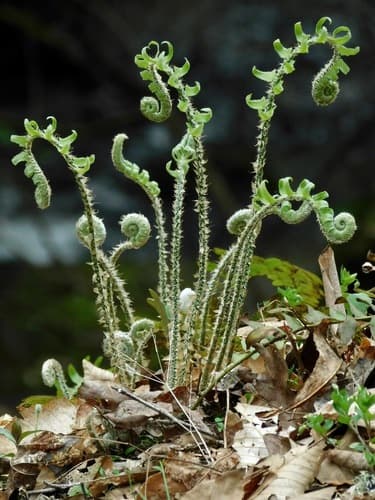
Christmas Fern (Polystichum acrostichoides) is not on the ASPCA Animal Poison Control Center toxic plant list for dogs or cats (aspca.org (opens in new tab), last reviewed 2026-05-21). If your pet shows symptoms after eating any plant, call the ASPCA at (888) 426-4435.
Light
part shade
Water
medium
Size
12"–24" H × 6"–12" W
Bloom
N/A
Native to
AL, AR, CT, DE and 30 more states
Before you buy
Your city may pay you to plant this
Cities and water utilities offer rebates for replacing lawn with native and water-wise plants. We track 459 programs across 44 states, each with a link to the provider and the date we last checked it.
Find rebates in your areaPicture natives in your own yard
Upload a photo of your yard and Patch Vision shows a rendering of it planted with natives for your region, like Christmas Fern.


Browse plants for this ecoregion
Christmas fern is a classic evergreen native fern that forms neat, arching clumps of dark green fronds. It stays attractive year-round and thrives in shaded areas where many other plants struggle. This reliable perennial requires minimal care once established.
Growing Christmas Fern
Grow Christmas Fern in part shade and medium water. Mature plants reach 12 to 24 inches tall and spread 6 to 12 inches wide. Expect low maintenance to keep it looking intentional in a front yard.
How to care for Christmas Fern, by region
How to care for Christmas Fern where it is actually grown: year-round basics plus what to do each season, region by region, with the sources for each.
Care guidance last updated: October 2026
Northern Piedmont (includes Lancaster, PA)
Year-round
Christmas fern is a tough evergreen fern for shade. It likes rich, well-drained soil and does fine in dry to medium moisture once settled. It is hardy in zones 3 to 9.
- Part to deep shade works, with 2 to 6 hours of direct sun at most.
- Rich, well-drained soil is best.
- Grows 1 to 3 feet tall and wide and spreads slowly.
- Crown rot can happen in soggy soil, especially in winter.
A tidy evergreen fern keeps shady front beds looking neat all year, which is HOA-friendly.
Fall
Fall is a good time to plant. Let leaves fall on it and rake the heavy ones off.
- Plant or divide in early fall.
- Water new ferns until the ground freezes.
- Lift heavy leaf piles off the crown.
- Leave green fronds in place.
Winter
The green fronds stay up in winter, which gives the bed color. Keep the crown from sitting in cold wet soil.
- Do not cut the green fronds.
- Check for standing water over the crown.
- Skip watering when frozen.
- Trim old brown fronds in early spring.
Spring
Spring is when new fronds uncurl. Tidy up and feed the soil, not the plant.
- Cut off any tattered old fronds before new ones open.
- Top-dress with a little compost.
- Water new plants weekly until they settle.
- Do not cover the crown with mulch.
Summer
Summer needs little. Keep the soil from baking dry, but never soggy.
- Water deeply in dry spells.
- Shade from trees makes this plant happiest.
- Leave the fronds alone even if some brown.
- Watch for soggy spots where the crown could rot.
Sources: NC State Extension Plant Toolbox: Polystichum acrostichoides
Piedmont (includes Atlanta, GA)
Year-round
Christmas fern wants shade, good drainage and some moisture. Once happy, it is very low work.
- Plant in shade or dappled light. Too much sun can leave it pale and stunted.
- Use acidic, humus-rich soil that drains well.
- Keep it moist while it is getting established.
- Avoid soggy spots, since crown rot can develop in poorly drained soil.
- It stays green all year and spreads slowly.
Fall
Fall needs little. Keep the soil from drying out and let the plant stay as is.
- Fronds stay glossy and green into winter.
- Keep the bed moist but not waterlogged.
- Fall is a fine time to plant, then water until settled.
Winter
This fern is evergreen, so it keeps its look in winter. Drainage matters most now.
- Fronds stay green through winter.
- Avoid waterlogged soil in winter, which can cause crown rot.
- Some stiff fertile fronds die back in winter. That is normal.
Spring
Spring is a good time to plant or divide and keep the soil moist.
- Water new plants so the soil stays moist.
- Division is one way to make more plants.
- Keep it in shade. Strong sun can stress the fronds.
Summer
Summer heat is the stress test. Shade and steady moisture keep it looking good.
- Keep it moist, cool and shaded.
- Pale, stunted fronds point to too much sun.
- Water in dry spells, since it prefers some moisture even when established.
Sources: NC State Extension Plant Toolbox: Polystichum acrostichoides, Lady Bird Johnson Wildflower Center: Polystichum acrostichoides
In an HOA neighborhood
Christmas Fern is an HOA-friendly choice. Maintenance level: low. Tidiness: 4 out of 5.
Works well in: front yard, foundation, mid zone.
Wildlife value
Christmas fern provides shelter and nesting material for small wildlife and birds. The evergreen fronds offer year-round habitat structure in shaded woodland gardens.
Common questions
- Does Christmas fern flower?
- No. Christmas fern is a fern and does not produce flowers or seeds. It reproduces by spores released from spore cases on the undersides of its fertile fronds.
- Why is it called Christmas fern?
- The common name comes from its evergreen fronds, which stay green and upright through winter, often still visible around the Christmas holiday season.
- How much light does Christmas fern need?
- It grows best in part shade to full shade, though it can tolerate a few hours of morning sun if soil moisture is adequate.
- How much water does Christmas fern need?
- It prefers medium, consistently moist soil but can tolerate drier conditions once its root system is established.
- Is Christmas Fern toxic to dogs?
- Christmas Fern is not on the ASPCA Animal Poison Control Center toxic plant list for dogs (aspca.org).
- Is Christmas Fern toxic to cats?
- Christmas Fern is not on the ASPCA Animal Poison Control Center toxic plant list for cats (aspca.org).
- Is Christmas Fern HOA-friendly?
- Christmas Fern is generally an HOA-friendly choice in the right placement, with low maintenance.
These answers were drafted with an AI model from this plant's data. Verify care details with a local expert.
Native range data from vouchered herbarium specimen records and regional native plant society lists. Pollinator and host plant associations compiled from GBIF, iNaturalist, and published ecological literature.
If something looks wrong
Common plant problems, and what to check first
These come up on almost any plant. Each guide lists the likely causes in the order they are worth ruling out, with one thing to check before you act on any of them, and links to the source it came from.
- It is dying right after planting
- Leaves turning yellow
- Wilting even though I watered it
- Brown crispy leaf tips
- Bugs on the plant
Ready to grow Christmas Fern? Add it to your garden in Pollinator Patch to track it and get season-by-season care guidance.