EPA Level III Ecoregion
Interior River Valleys and Hills
1236 native plants for the Interior River Valleys and Hills ecoregion (Peoria area).
The Interior River Valleys and Hills follows the broad bottomlands and wooded bluffs of the Mississippi, Illinois, Ohio, and Wabash rivers through Illinois, Indiana, and Kentucky, taking in Peoria, Springfield, Evansville, and Terre Haute. Rich alluvial soil on the flats gives way to steep timbered slopes, and spring flooding is part of the pattern rather than an exception. Natives like prairie milkweed, rose-mallow, and clustered mountain-mint are built for ground that stays wet into spring and bakes dry by August.
Conditions: Deep alluvial bottomland soils below wooded bluffs, 38–48 inches of rain, wet springs and dry late summers, cold winters.
Cities and areas: Peoria, Springfield, Evansville, Terre Haute, Quincy, Paducah.
1236 Native Plants for the Interior River Valleys and Hills
HOA-friendly picks listed first. Pet-safety status varies by species; each plant page shows its sourced ASPCA status. Native range data from vouchered herbarium specimen records and regional native plant society lists.
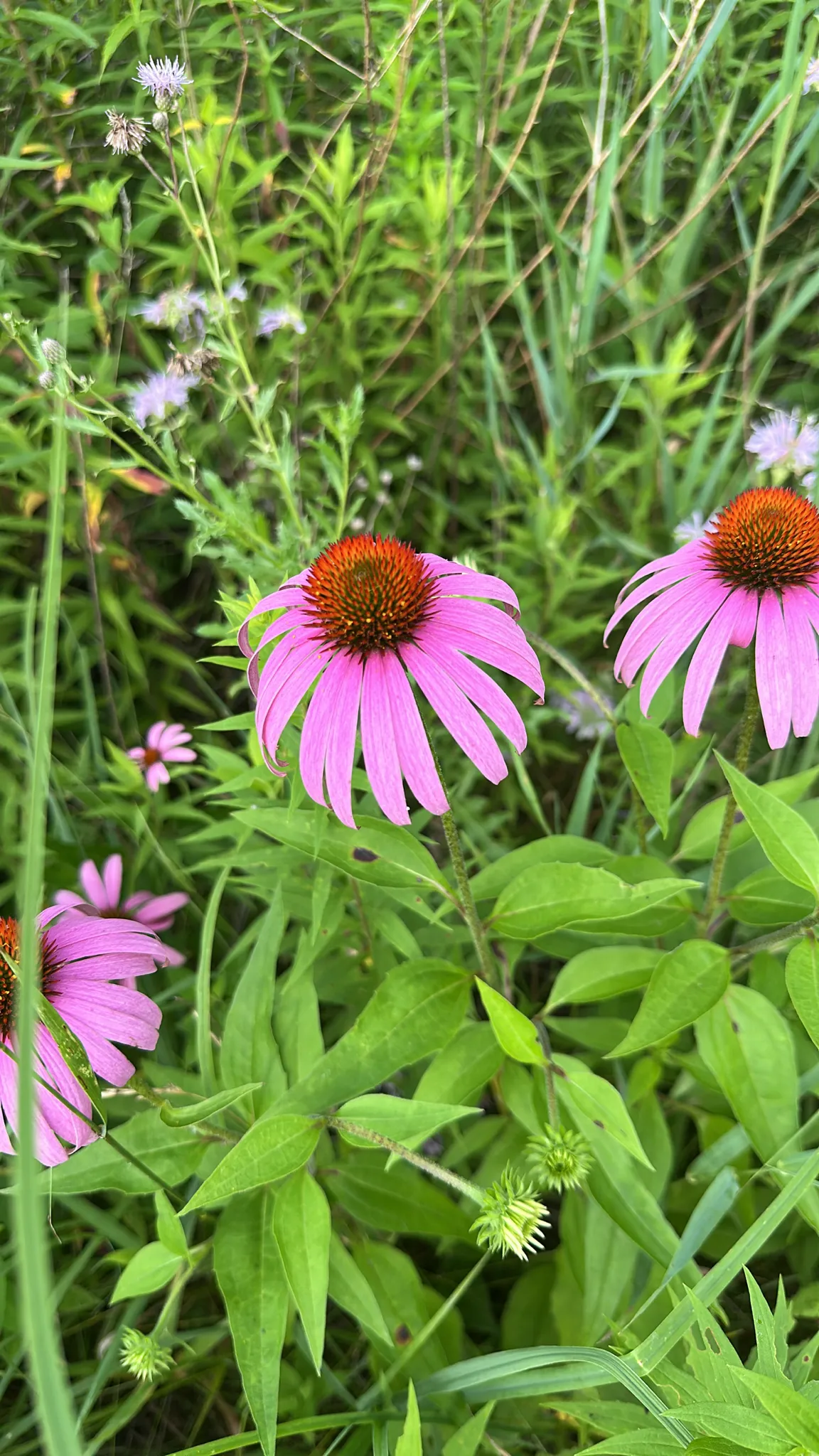
Purple Coneflower
Echinacea purpurea
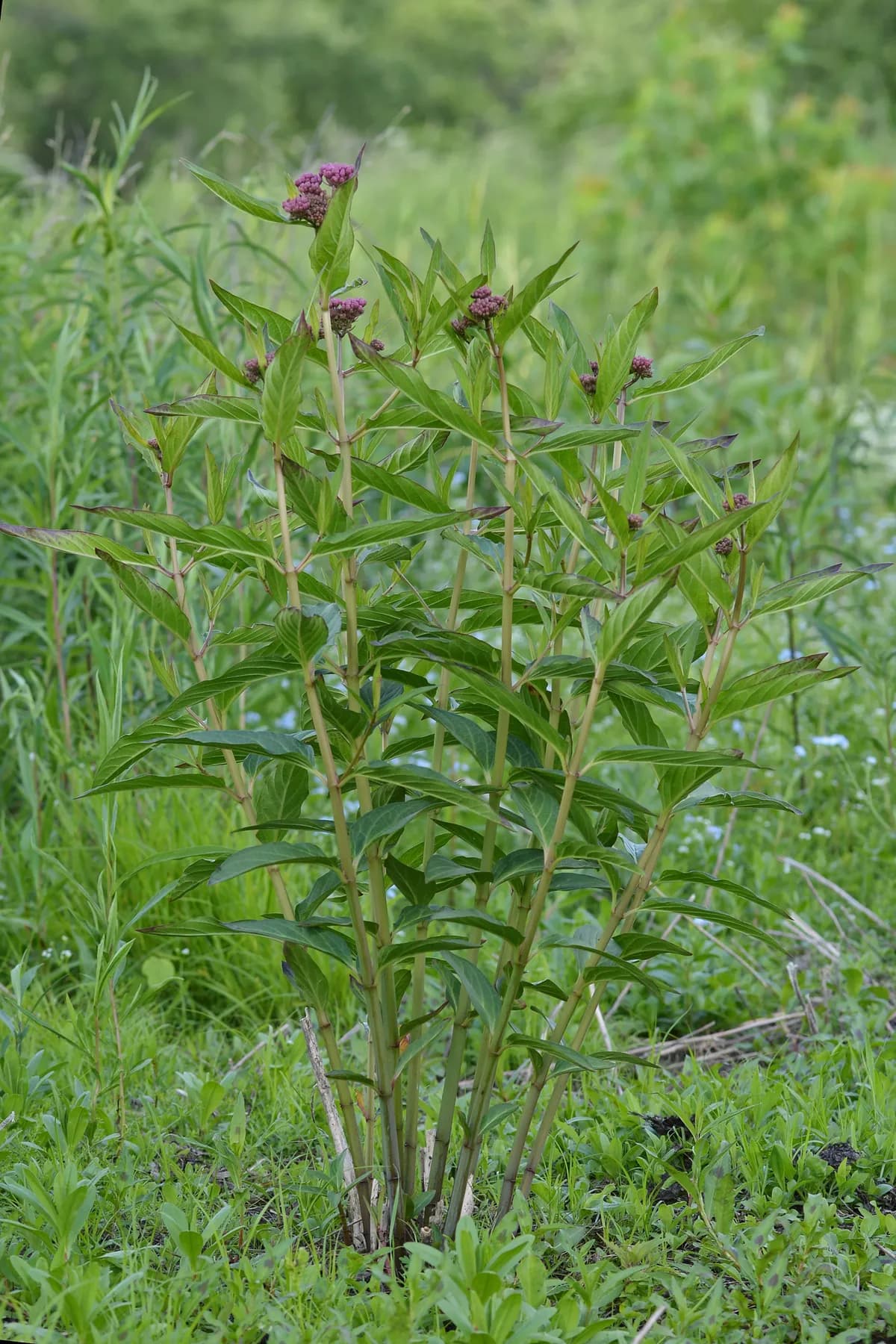
Swamp Milkweed
Asclepias incarnata

Little Bluestem
Schizachyrium scoparium
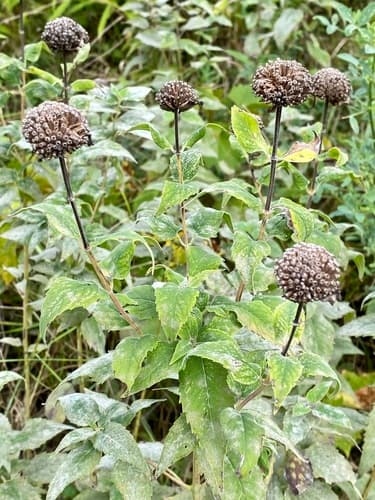
Wild Bergamot
Monarda fistulosa
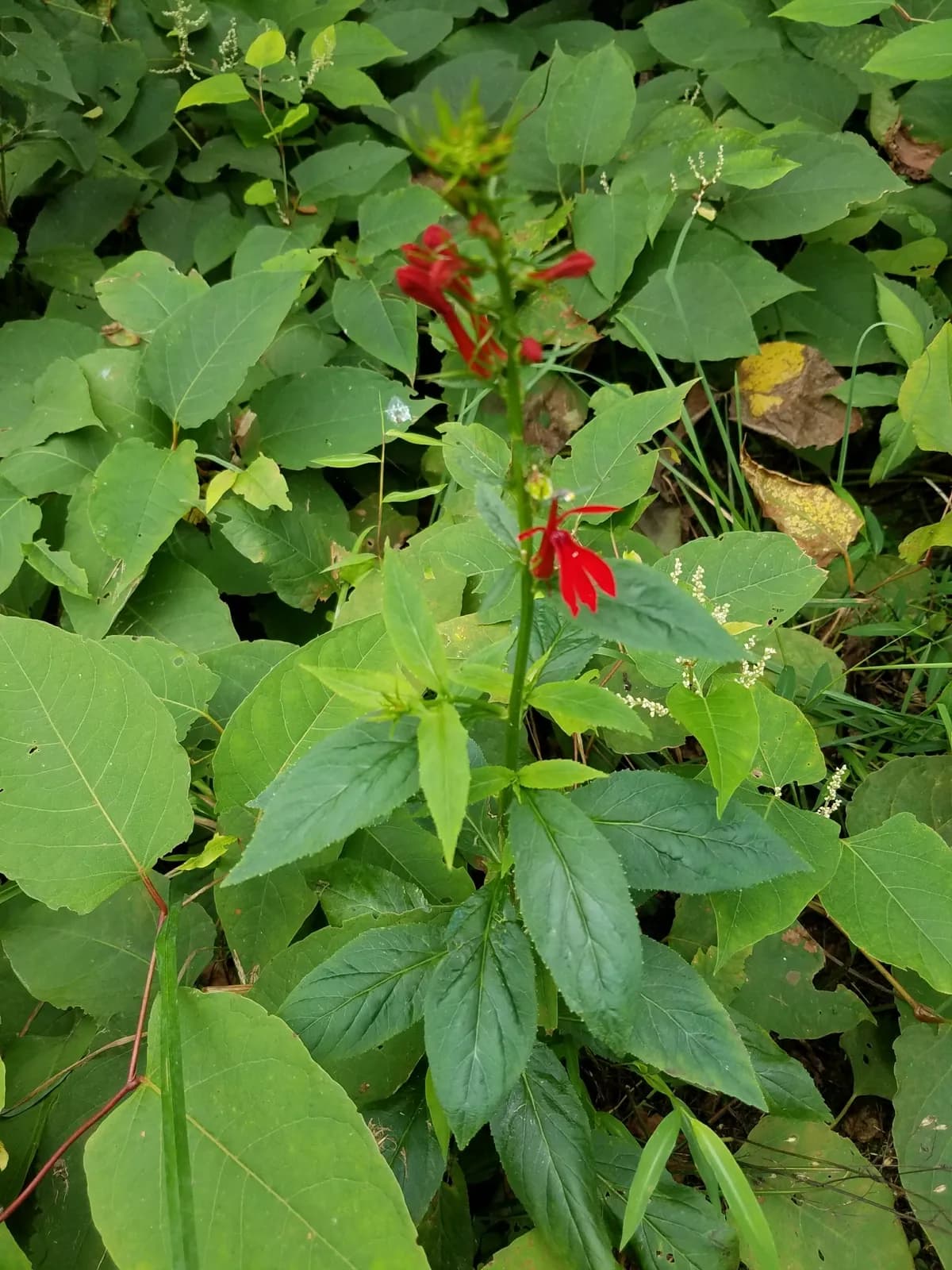
Cardinal Flower
Lobelia cardinalis
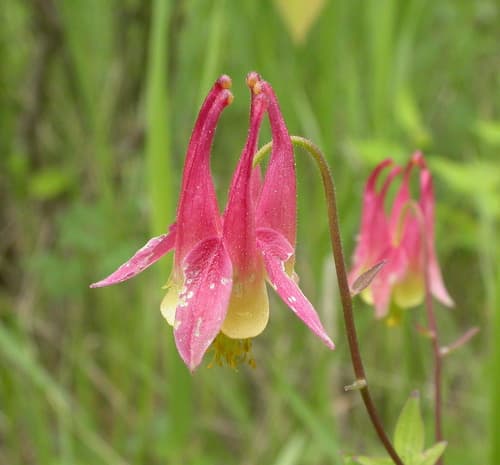
Wild Red Columbine
Aquilegia canadensis
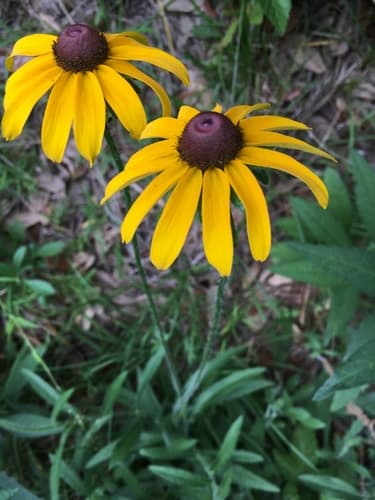
Black-eyed Susan
Rudbeckia hirta
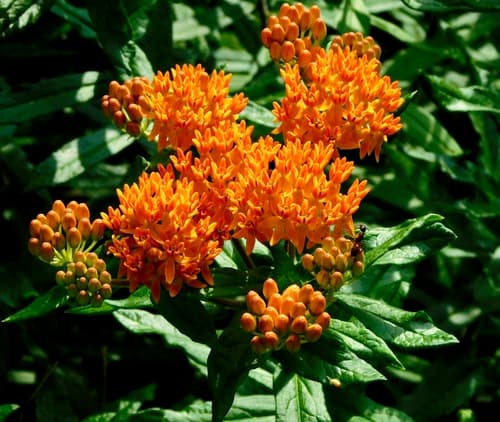
Butterfly Milkweed
Asclepias tuberosa
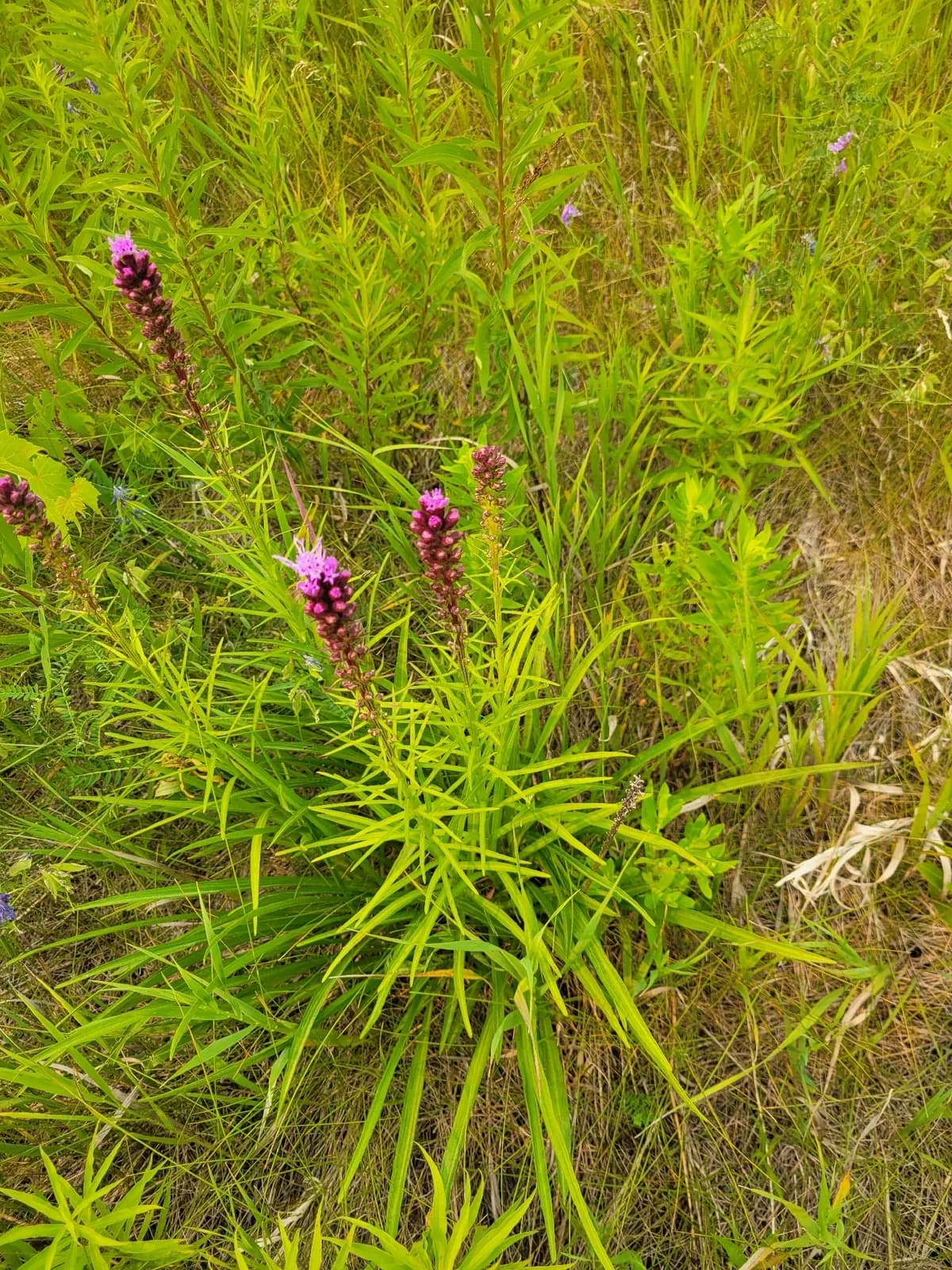
Dense Blazing Star
Liatris spicata
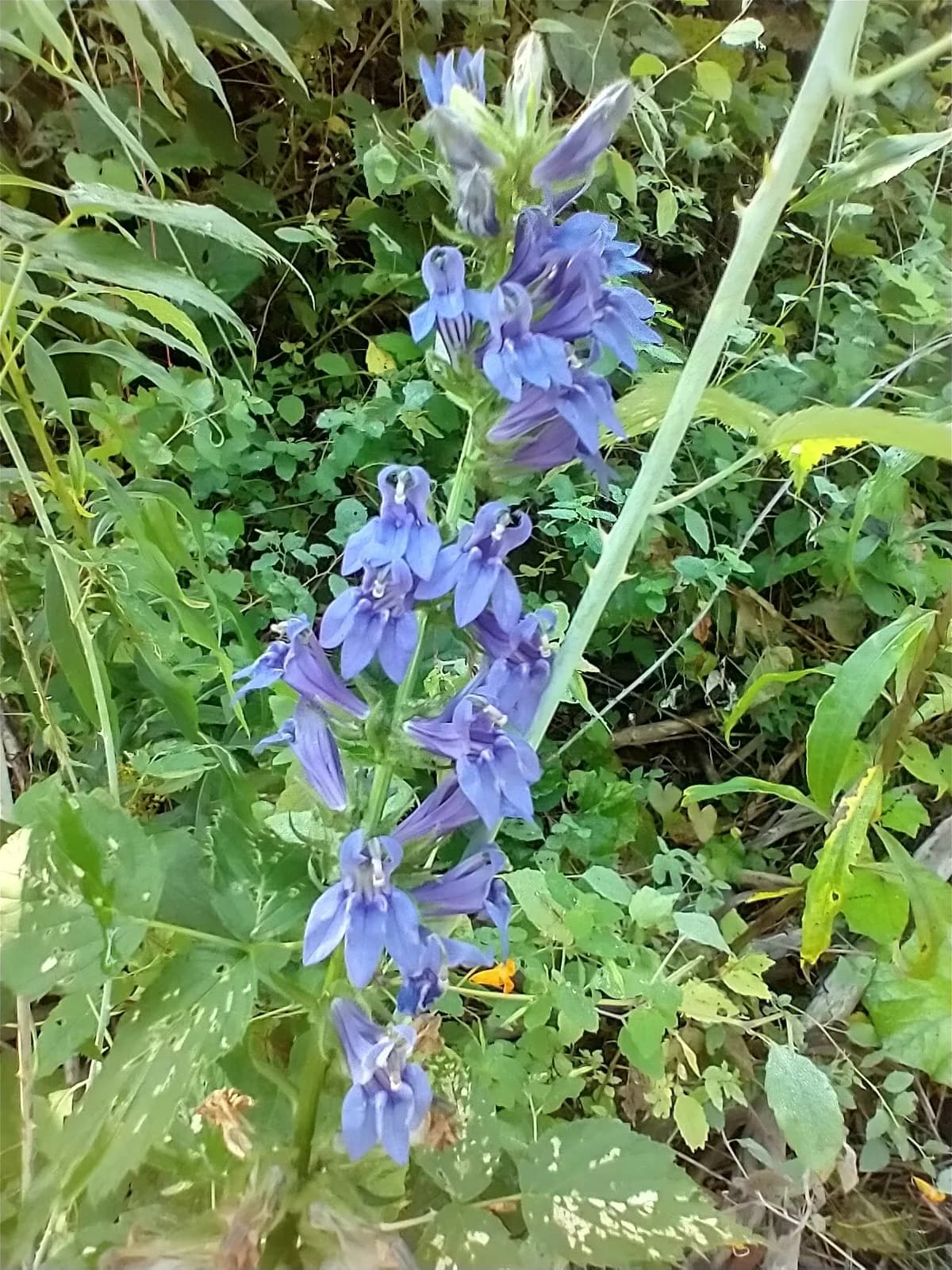
Blue Lobelia
Lobelia siphilitica
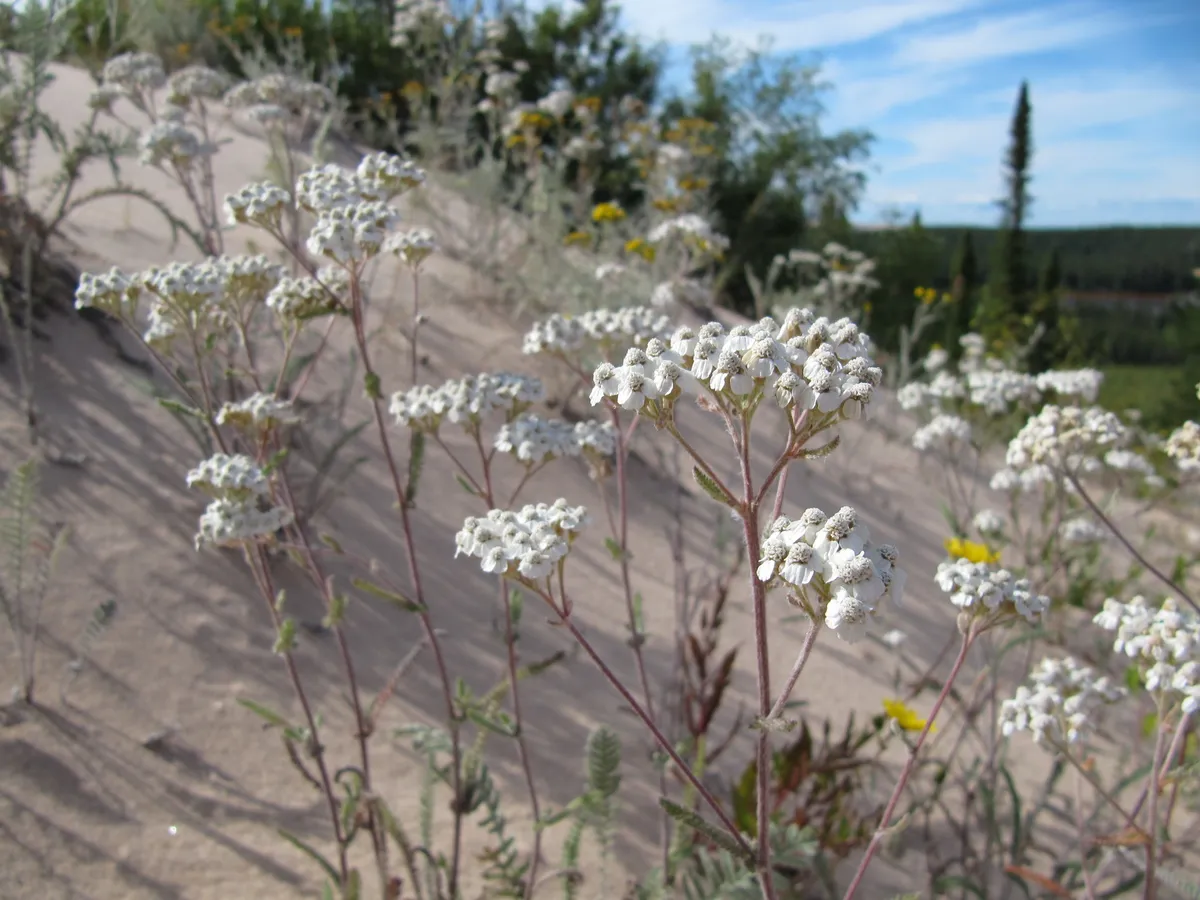
Common Yarrow
Achillea millefolium
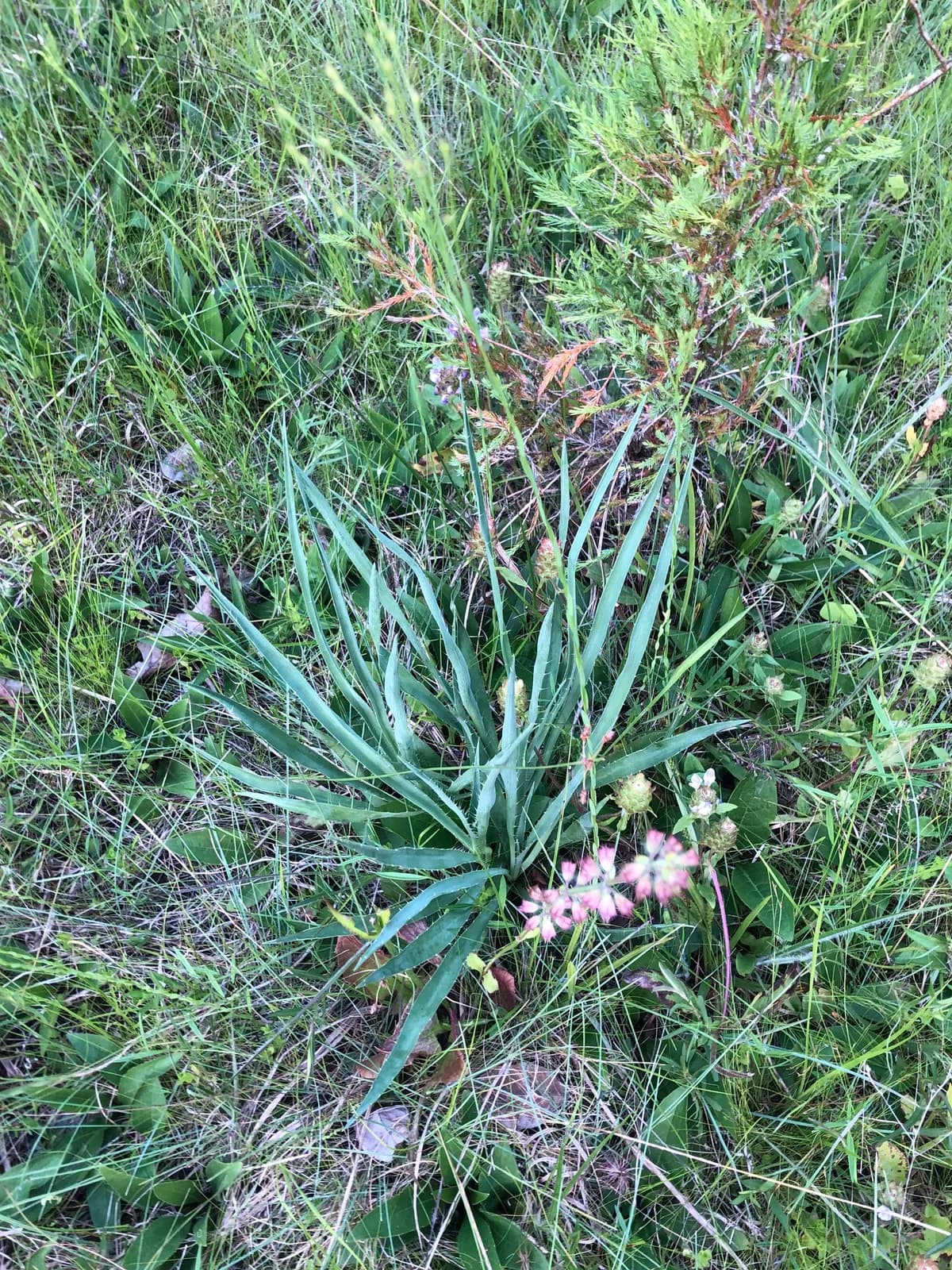
Rattlesnake Master
Eryngium yuccifolium

Golden Alexanders
Zizia aurea
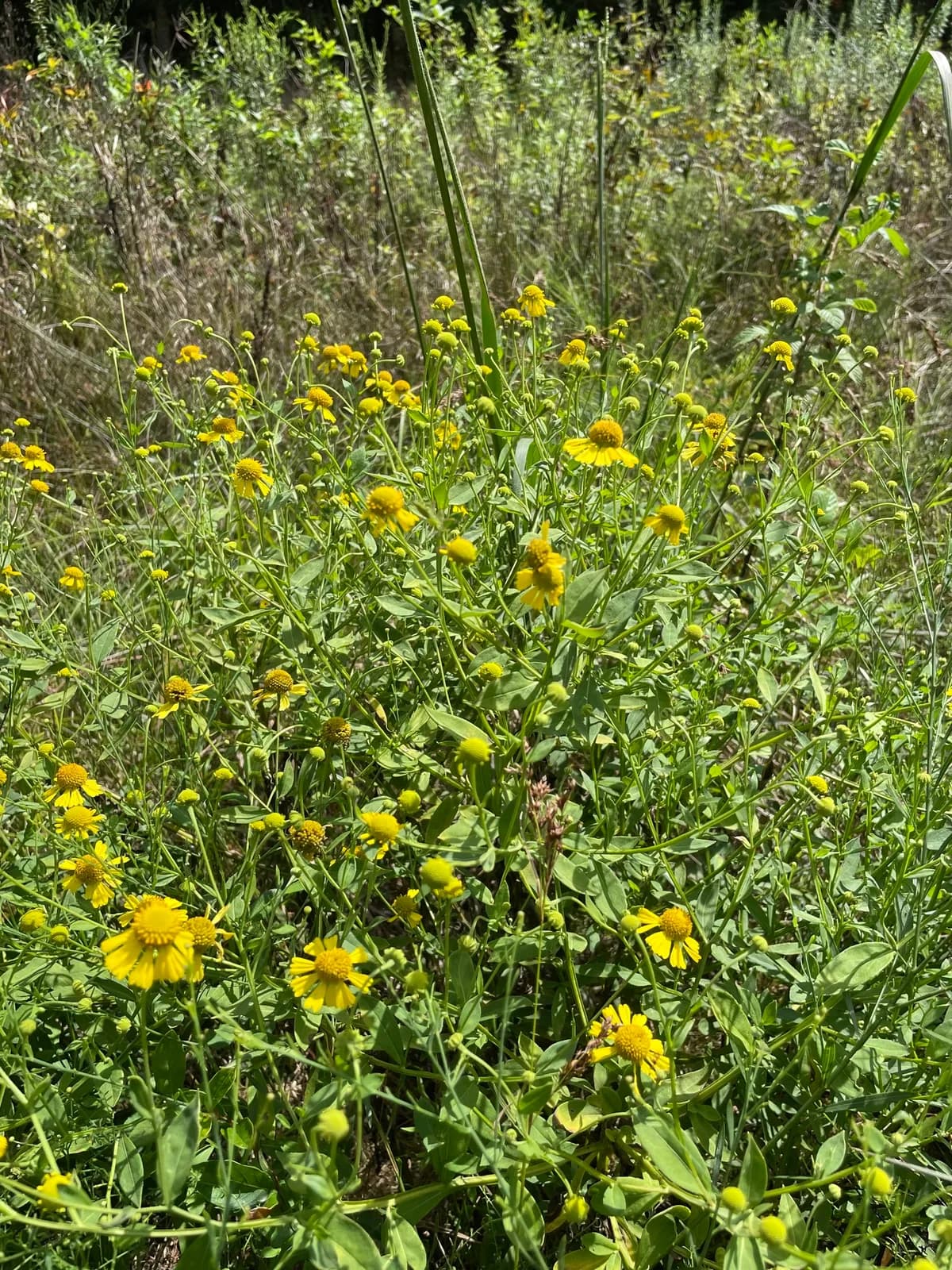
Common Sneezeweed
Helenium autumnale
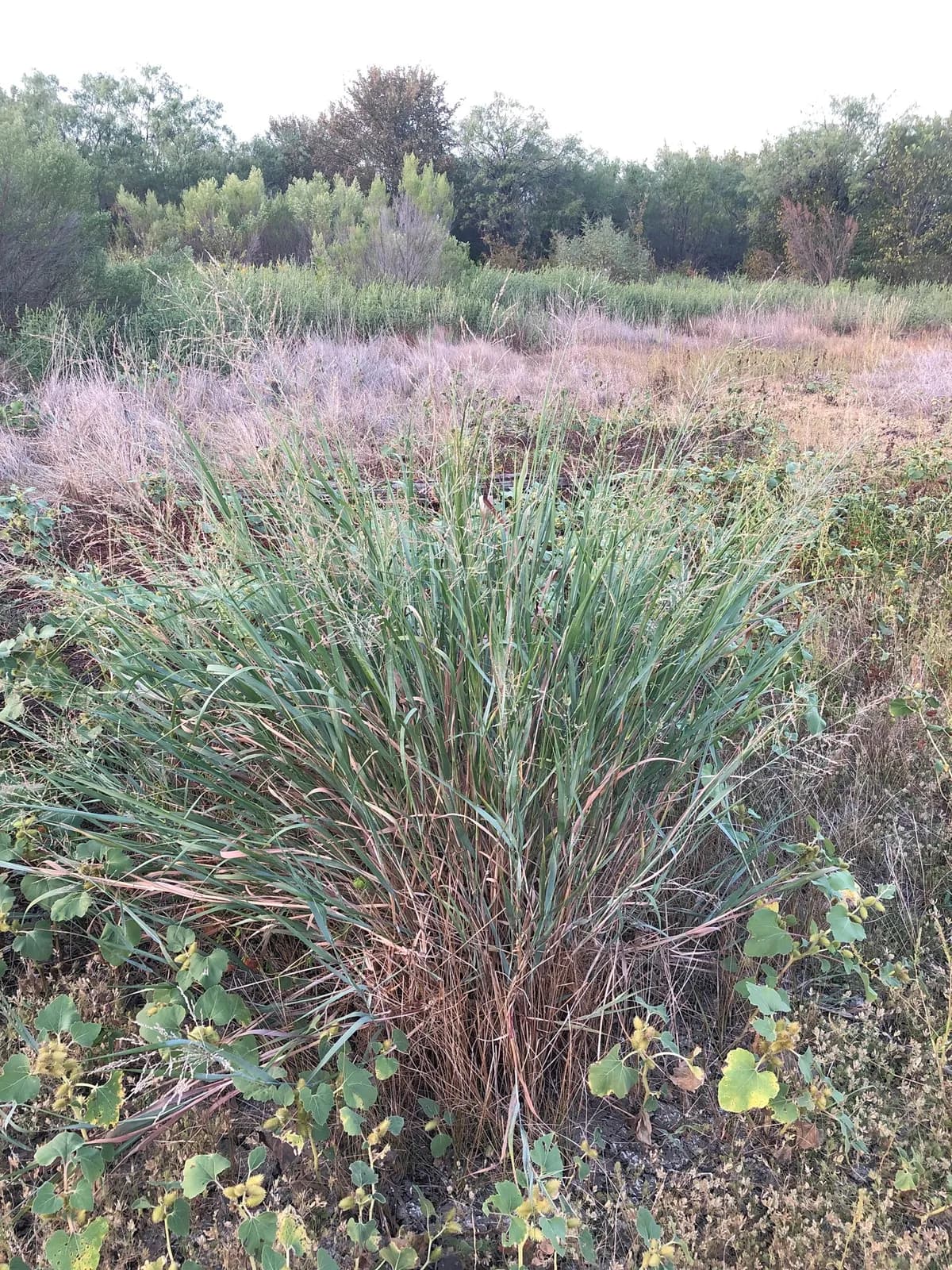
Switchgrass
Panicum virgatum
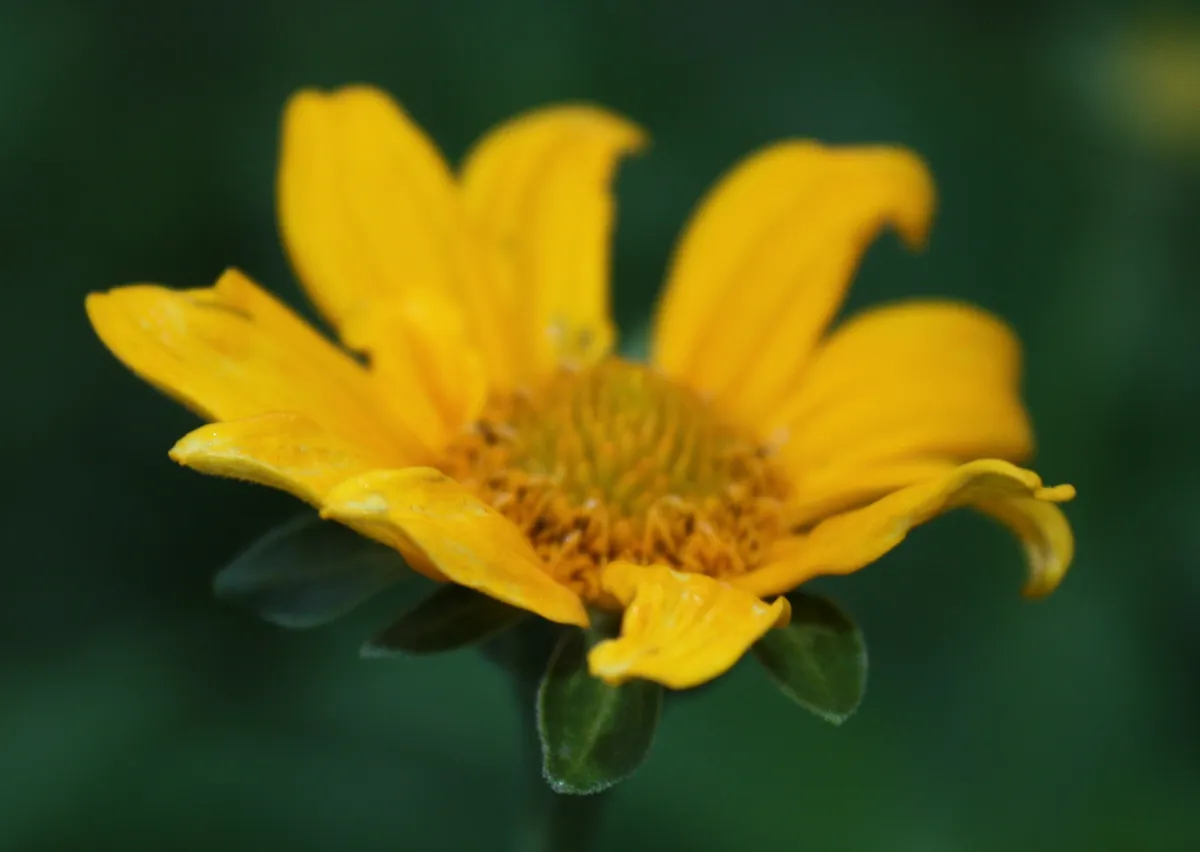
False Sunflower
Heliopsis helianthoides
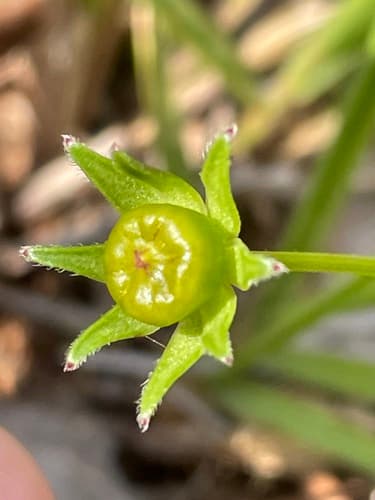
Lanceleaf Coreopsis
Coreopsis lanceolata
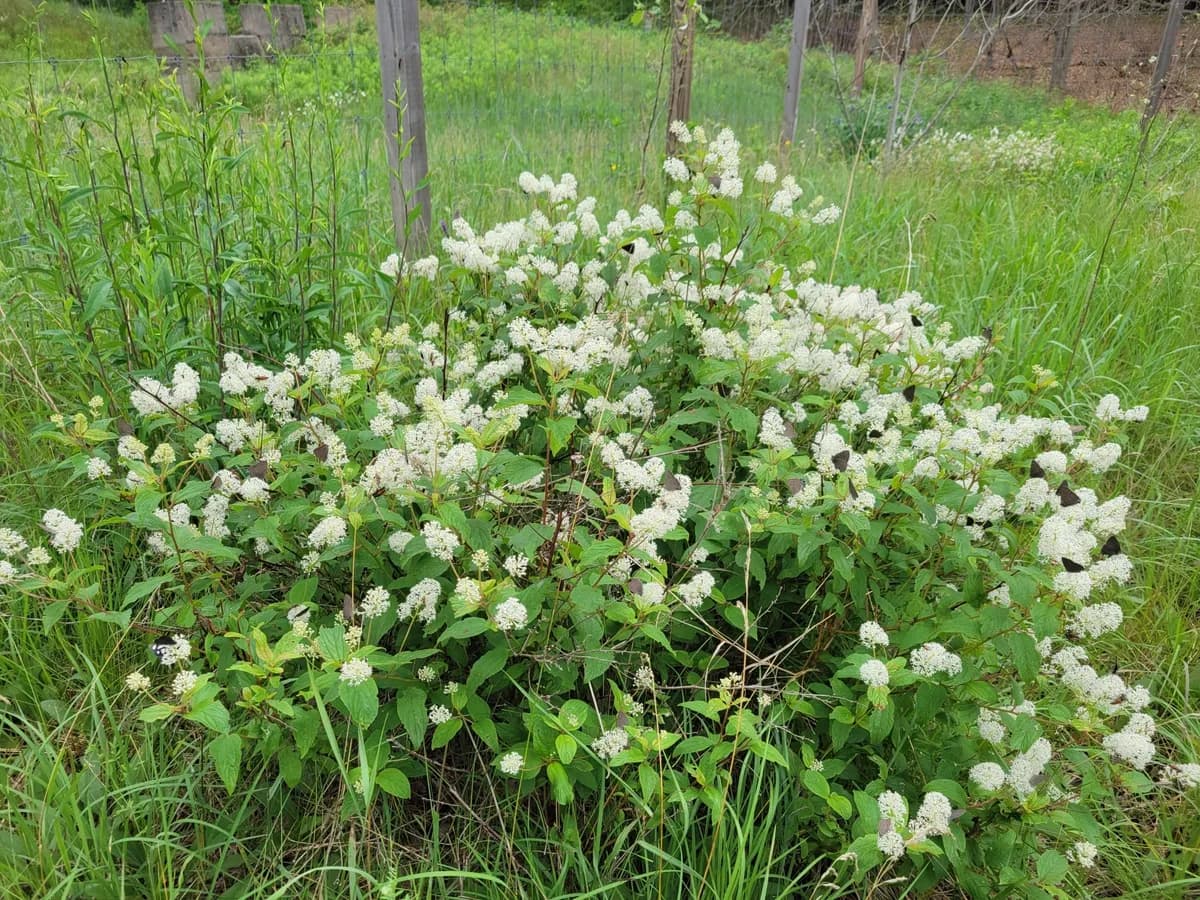
New Jersey-tea
Ceanothus americanus
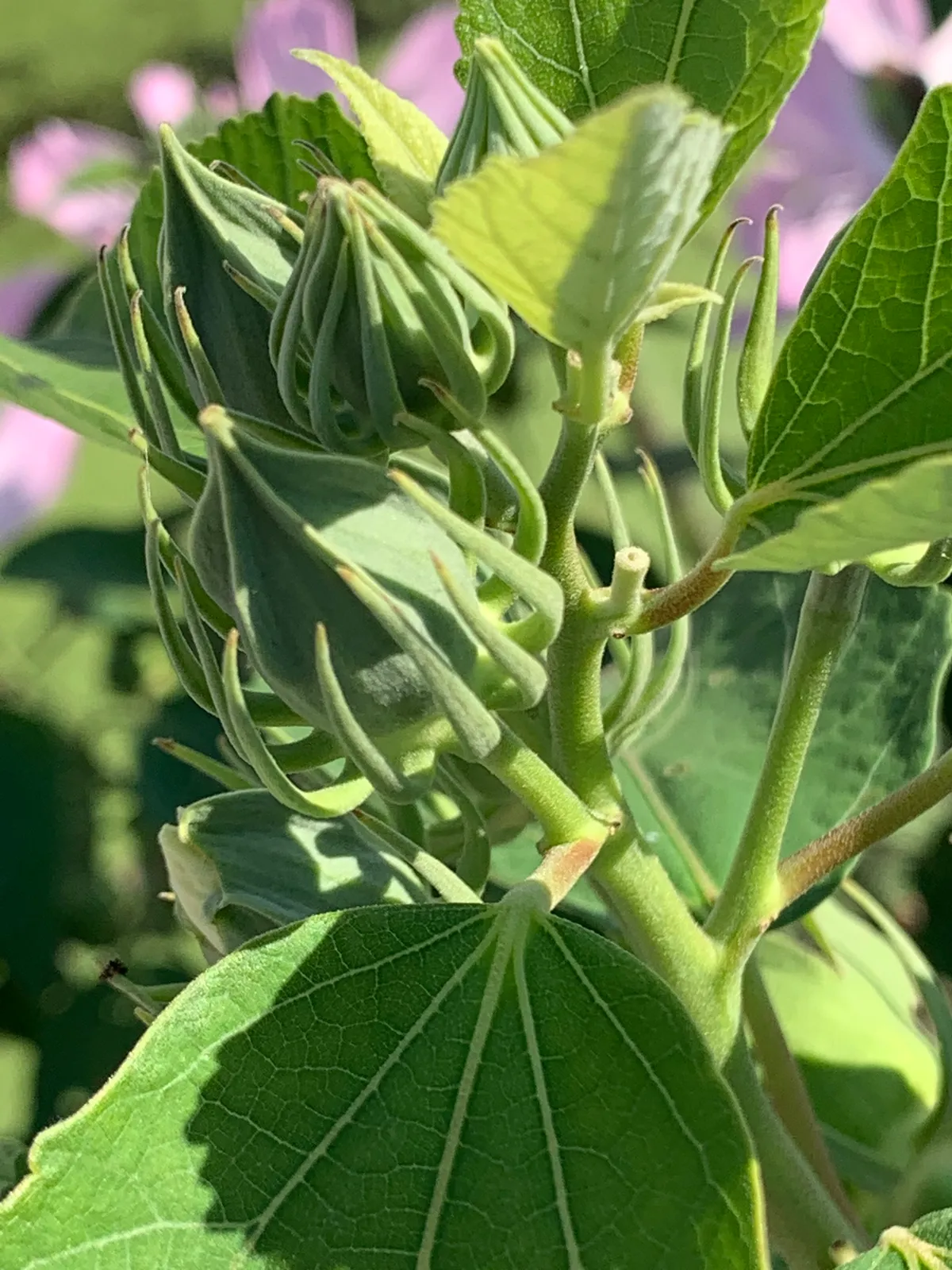
Mallow-rose
Hibiscus moscheutos
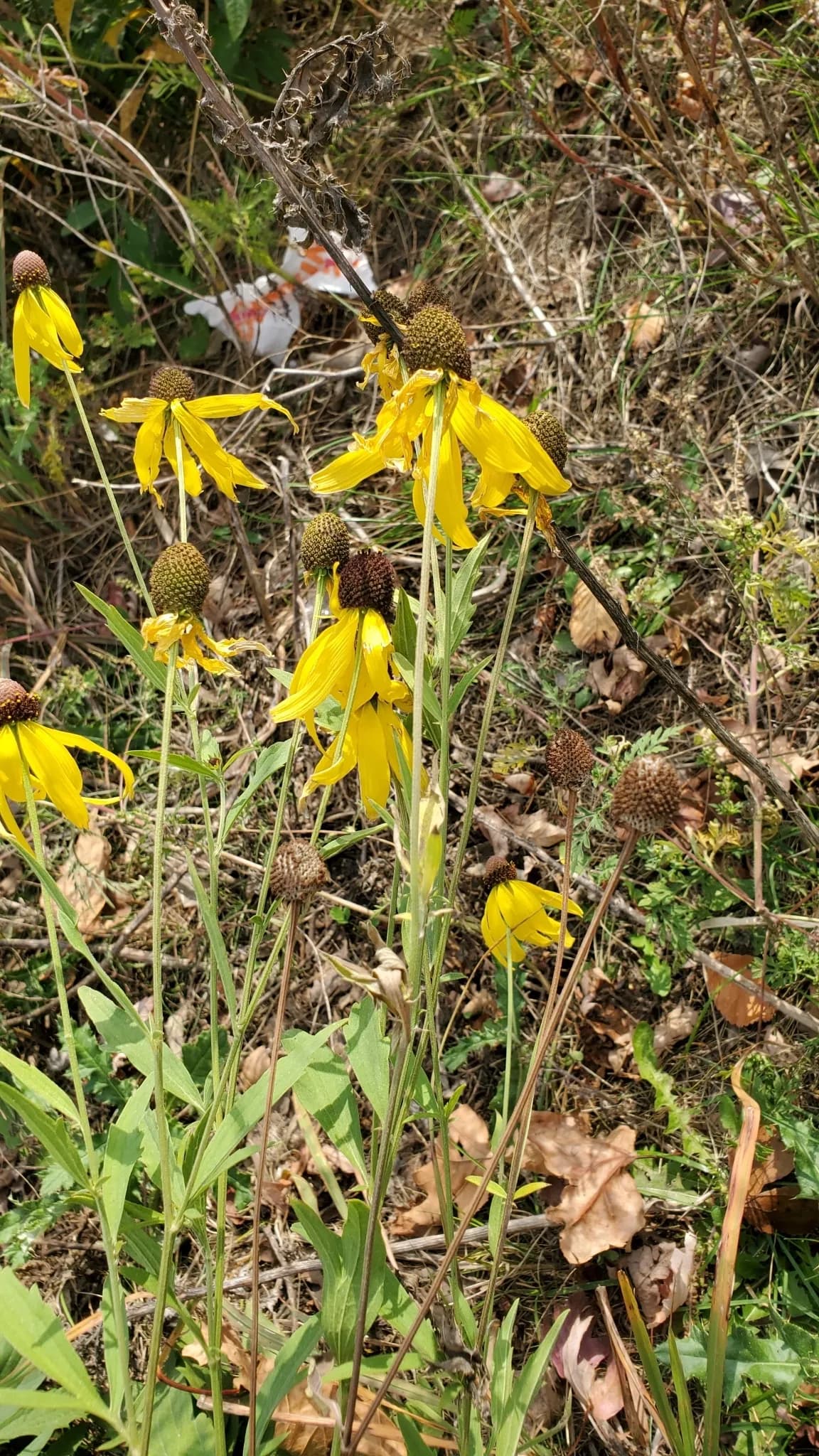
Drooping Prairie-coneflower
Ratibida pinnata
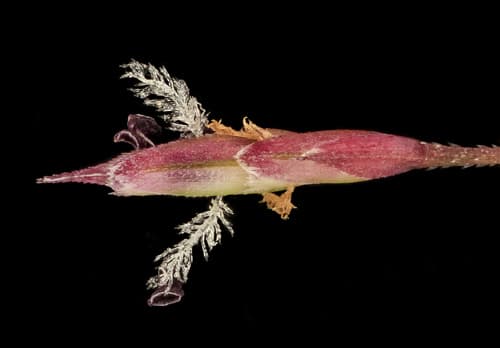
Purple Lovegrass
Eragrostis spectabilis
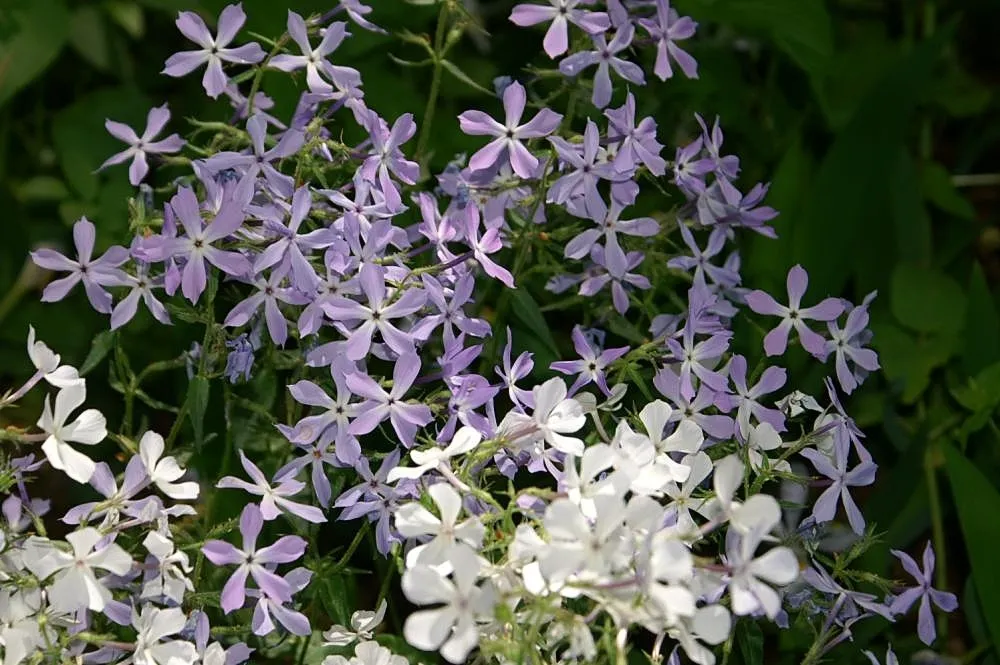
Blue Woodland Phlox
Phlox divaricata
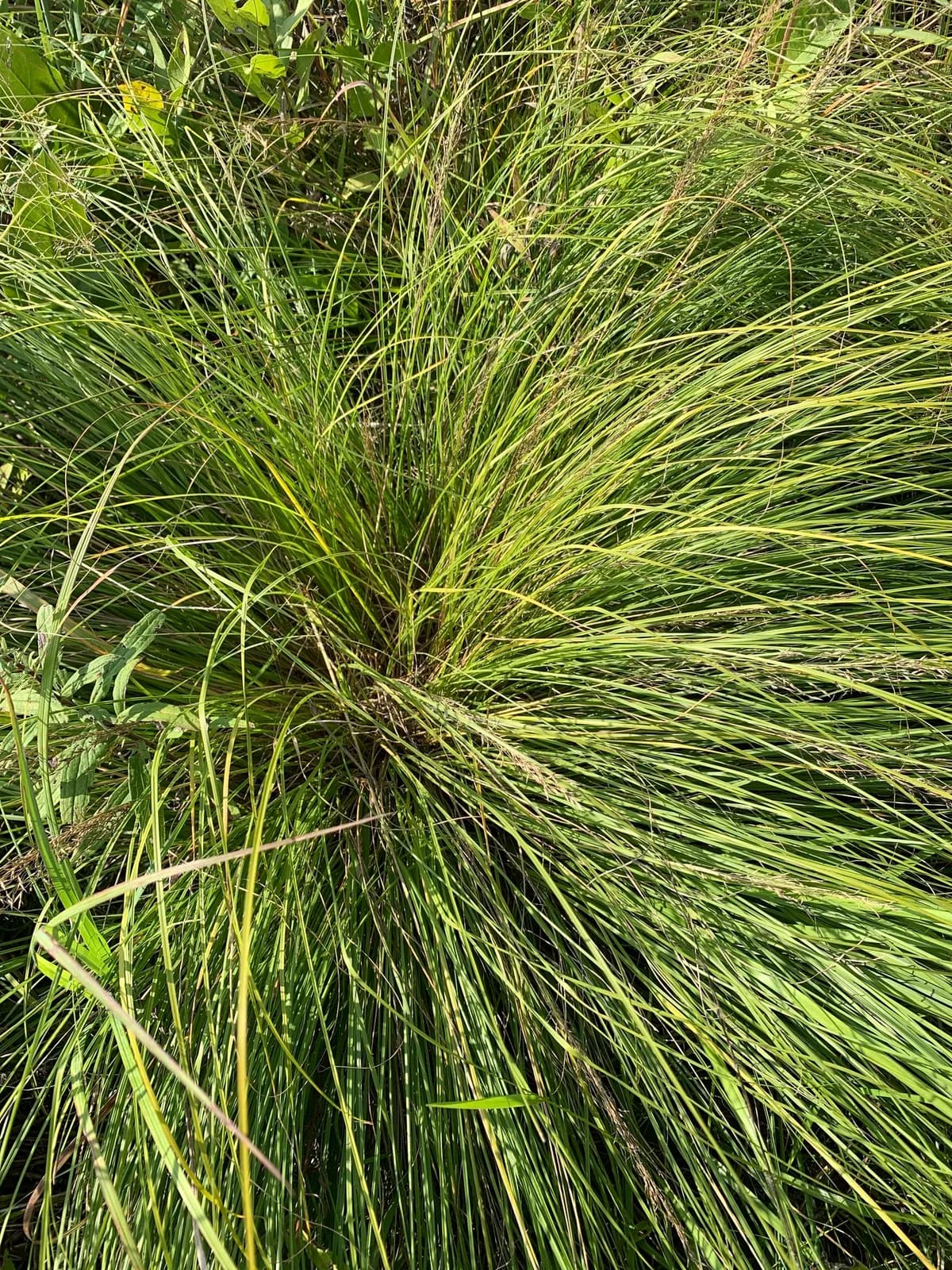
Prairie Dropseed
Sporobolus heterolepis
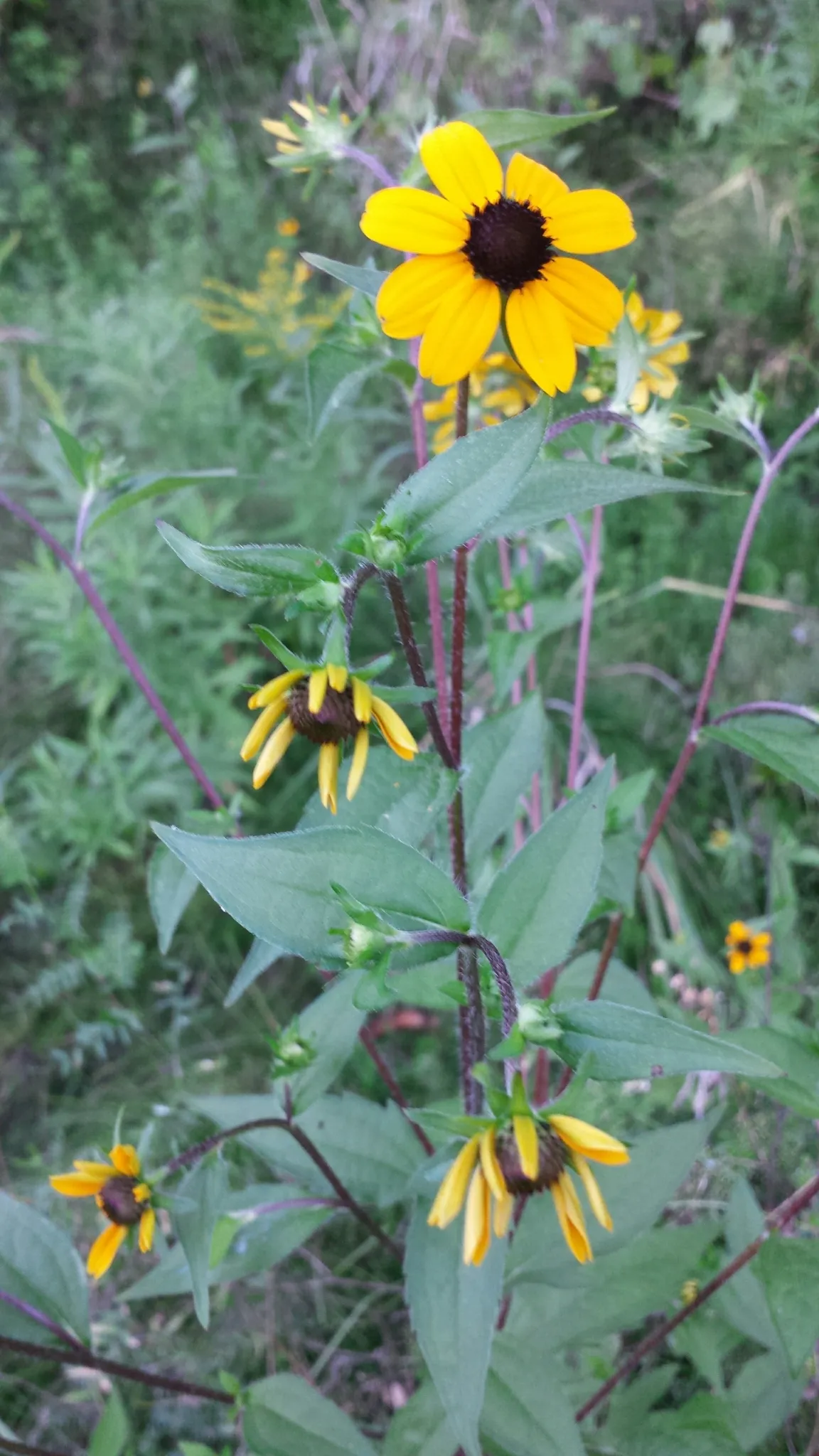
Brown-eyed Susan
Rudbeckia triloba
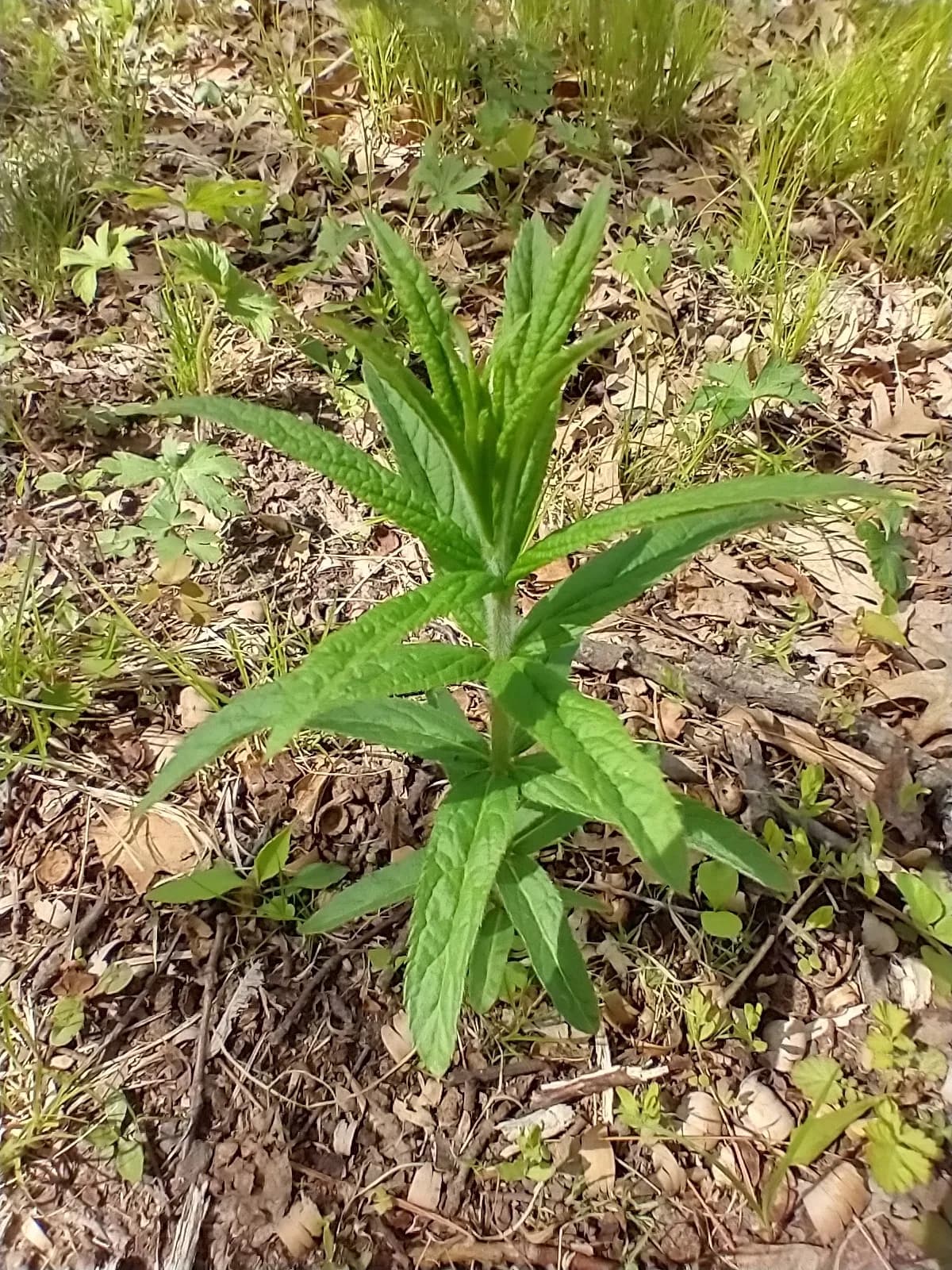
Culver's Root
Veronicastrum virginicum

Sideoats Grama
Bouteloua curtipendula
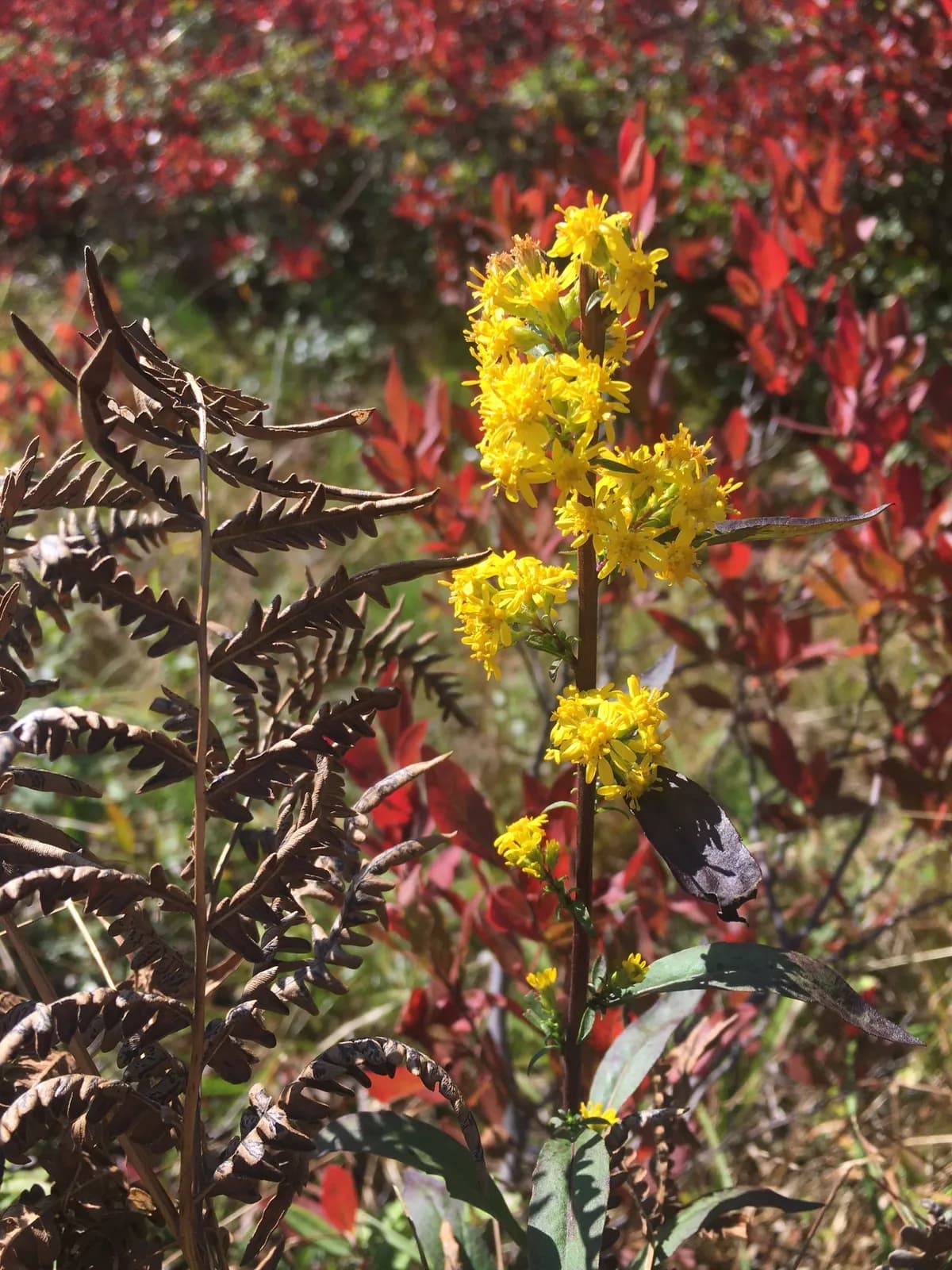
Showy Goldenrod
Solidago speciosa

Inland Sea Oats
Chasmanthium latifolium
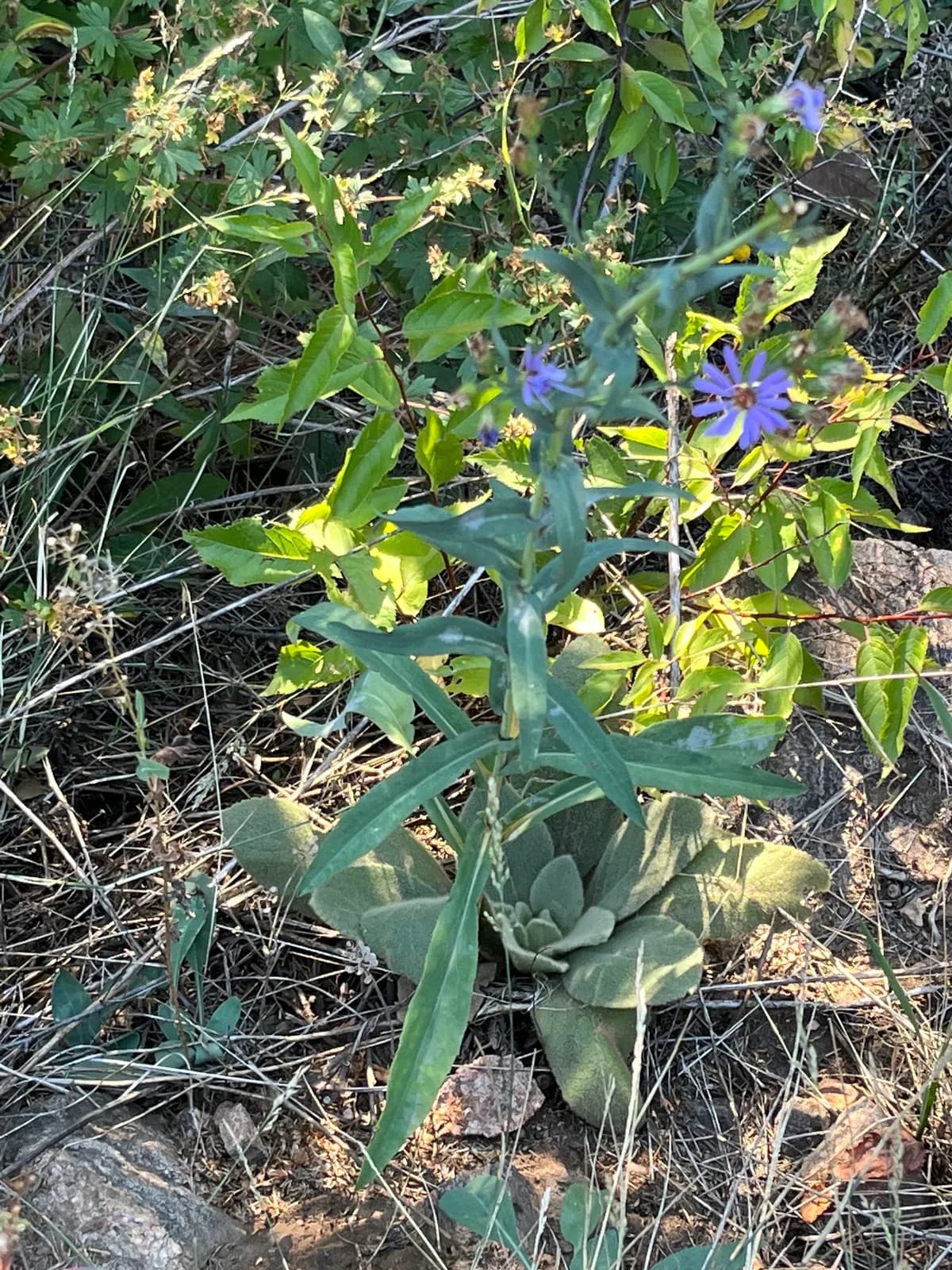
Smooth Aster
Symphyotrichum laeve
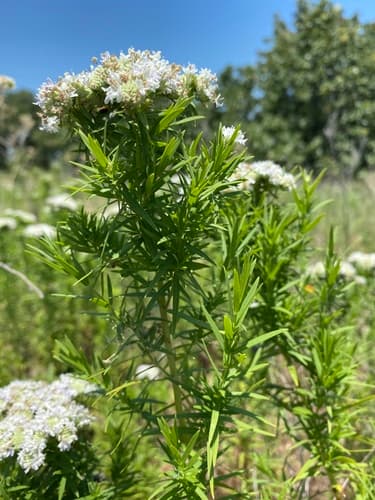
Narrowleaf Mountain Mint
Pycnanthemum tenuifolium
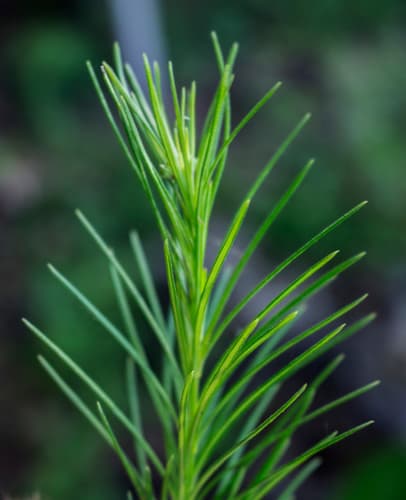
Whorled Milkweed
Asclepias verticillata
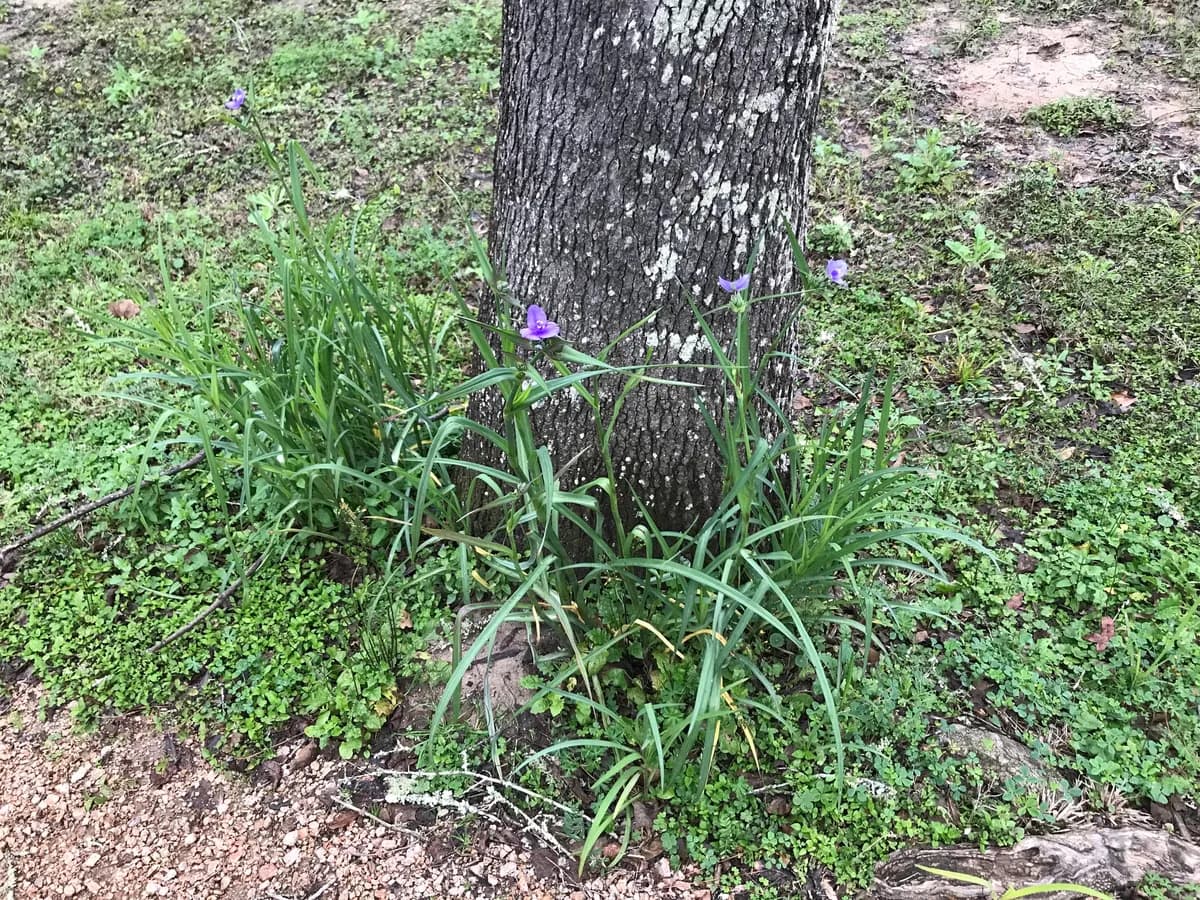
Smooth Spiderwort
Tradescantia ohiensis
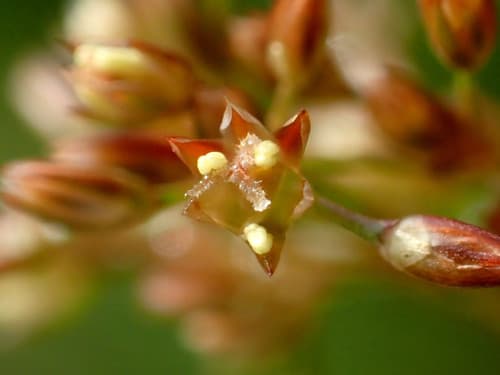
Soft rush
Juncus effusus
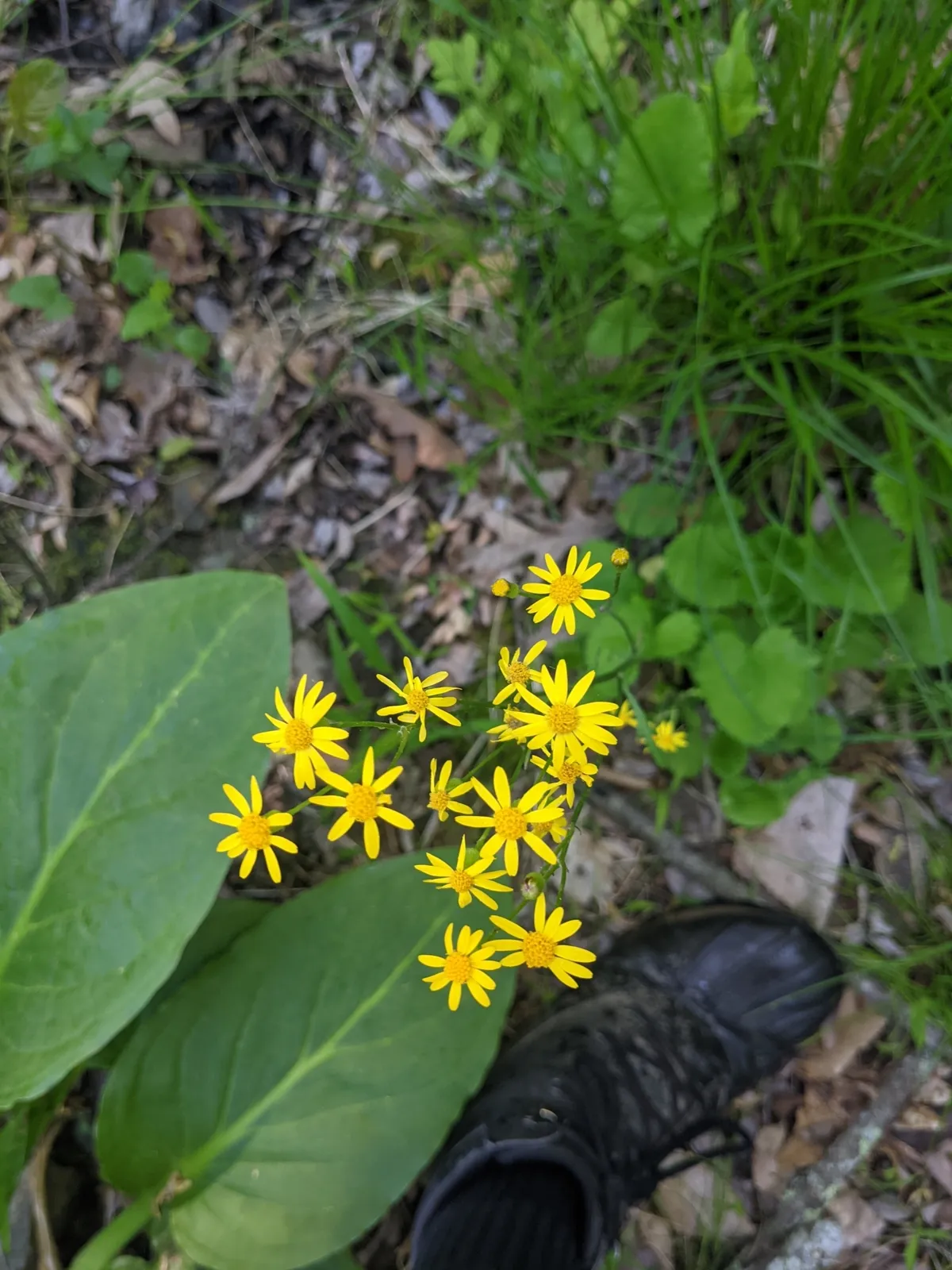
Golden Groundsel
Packera aurea
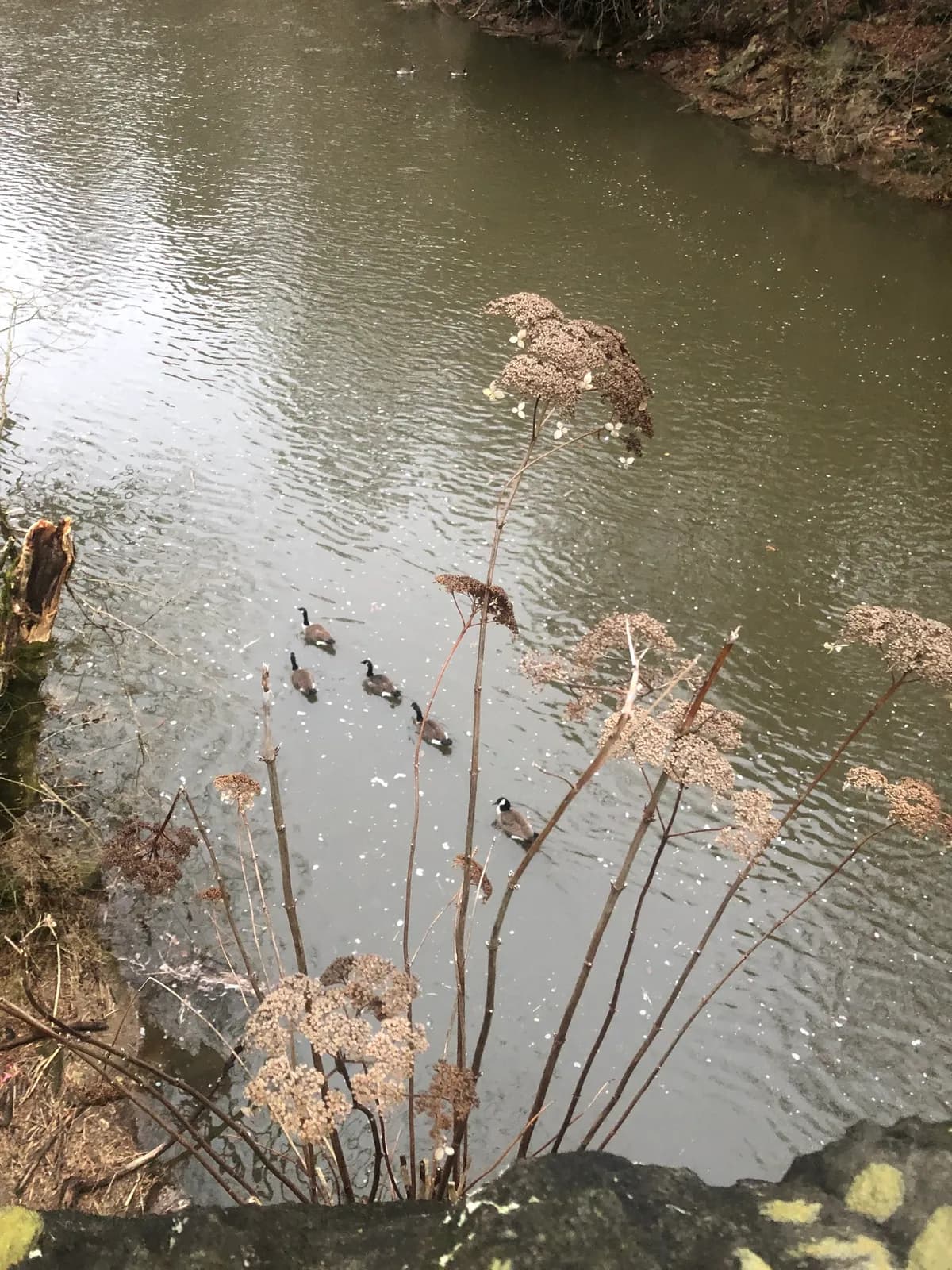
Sevenbark
Hydrangea arborescens
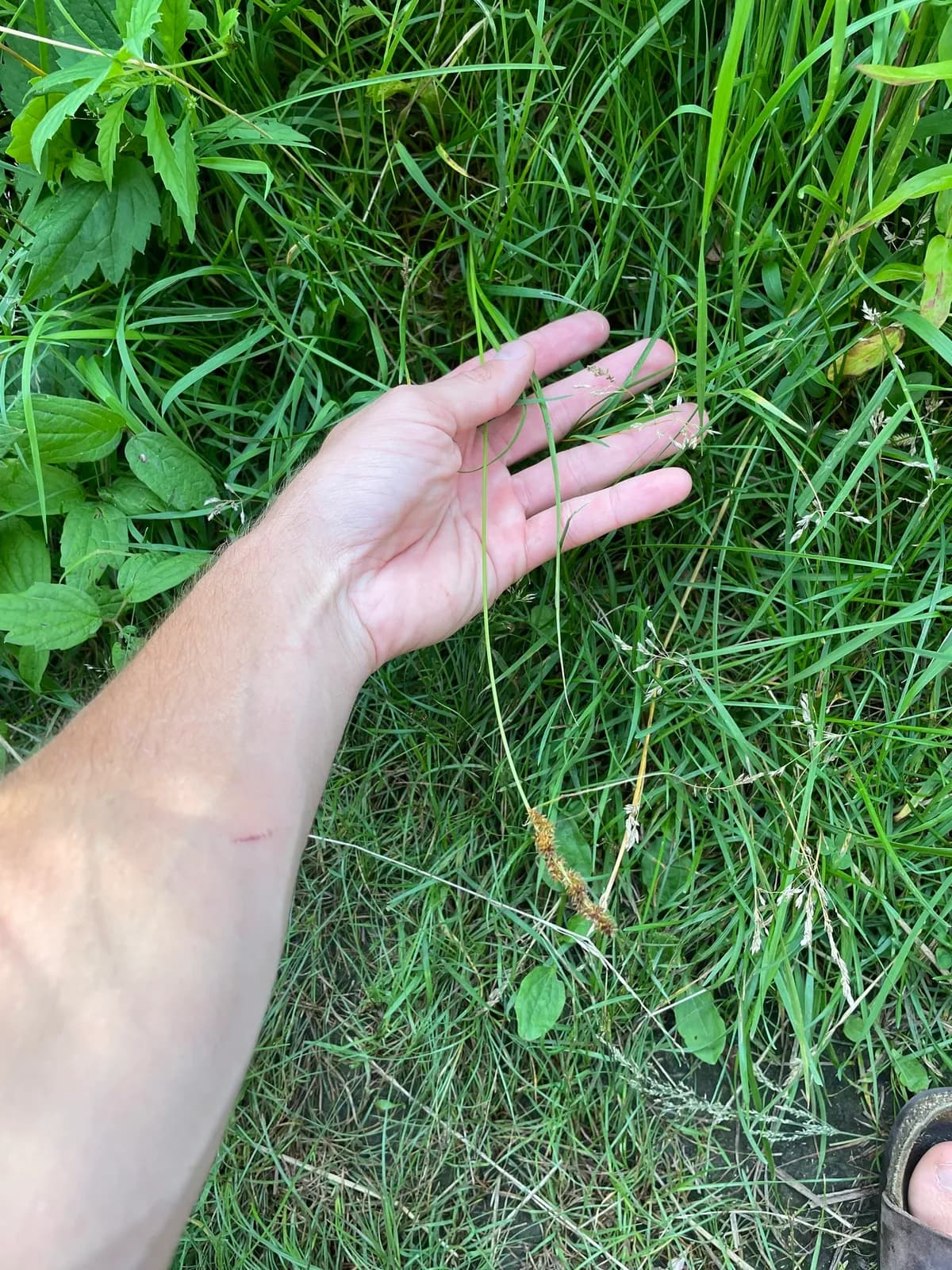
American Fox Sedge
Carex vulpinoidea
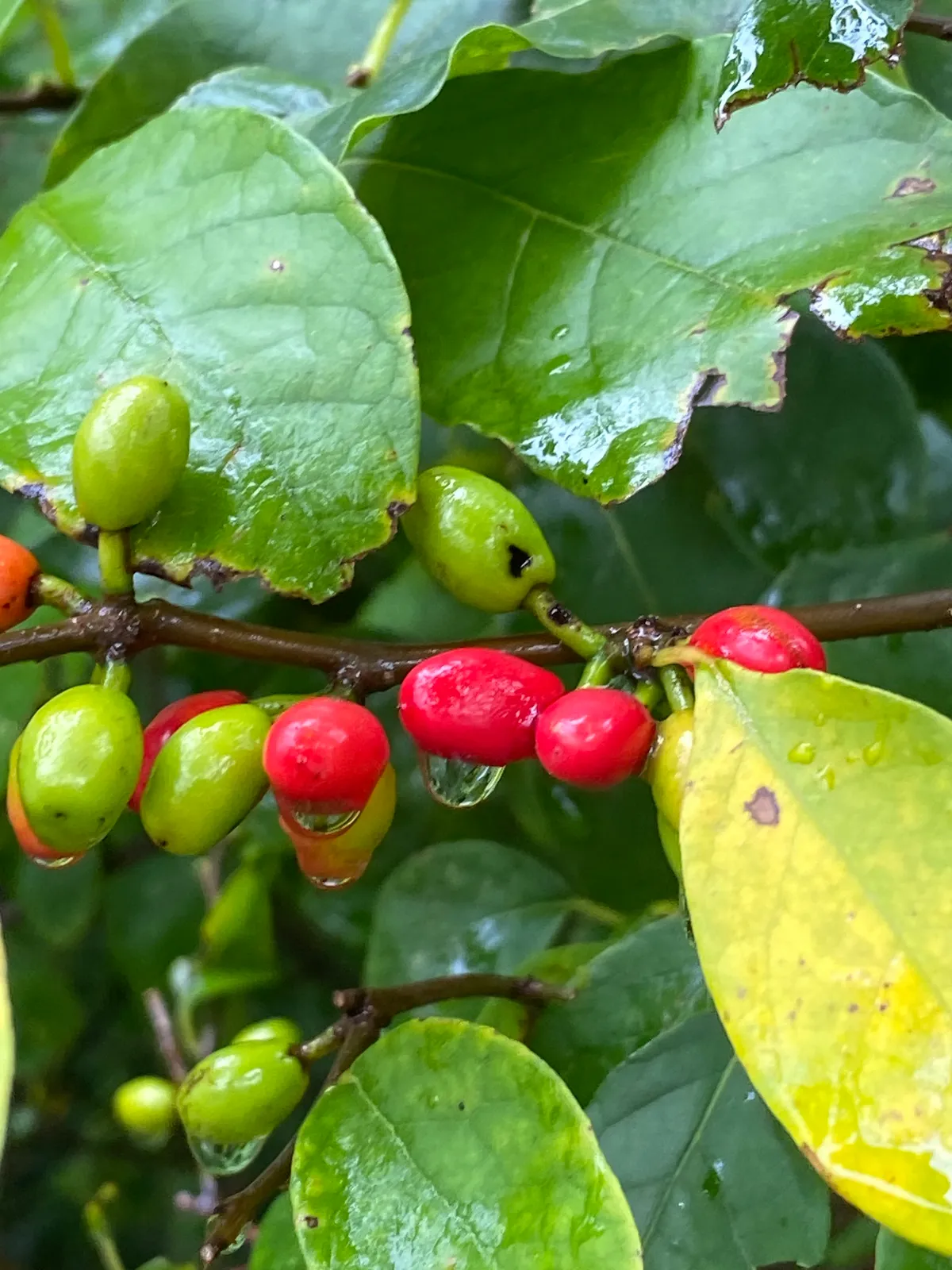
Spicebush
Lindera benzoin
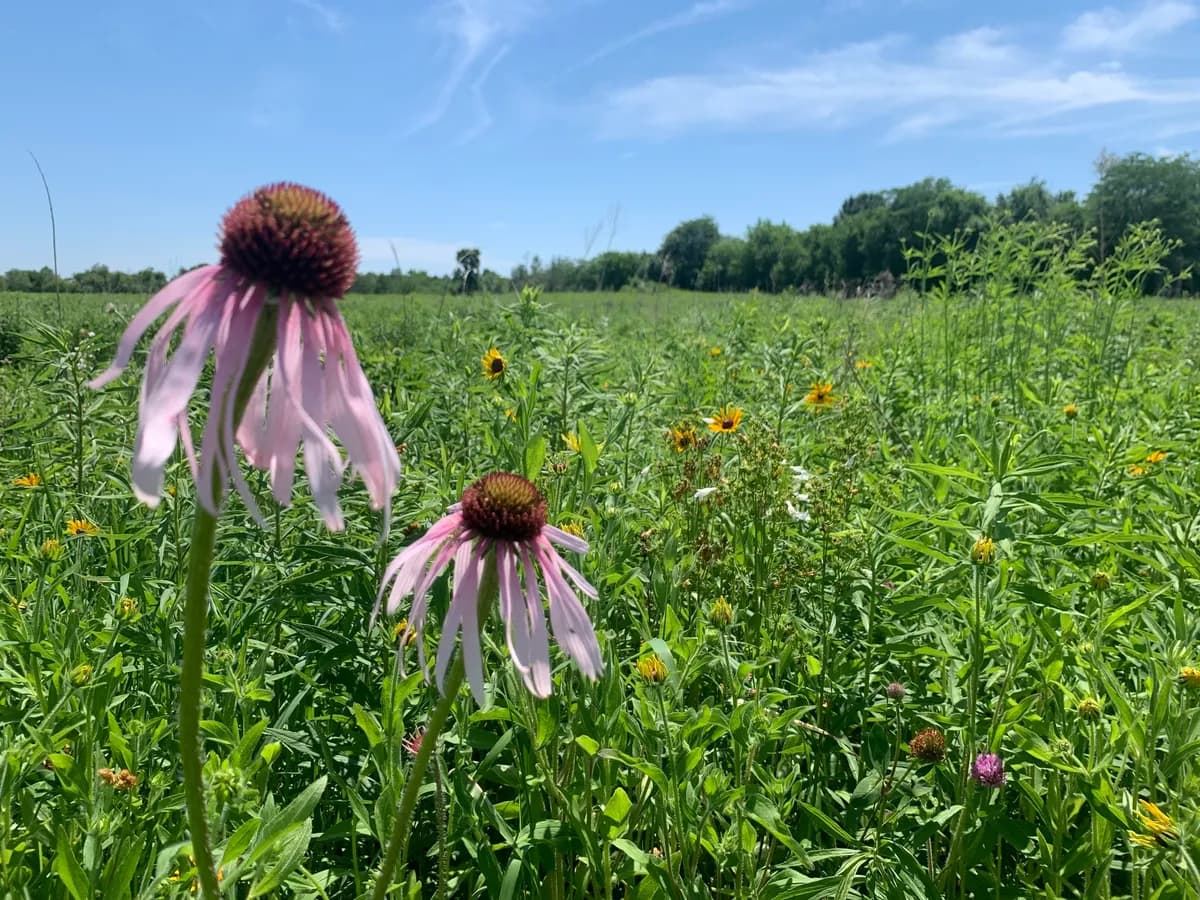
Pale Purple Coneflower
Echinacea pallida

Michaelmas Daisy
Symphyotrichum novae-angliae
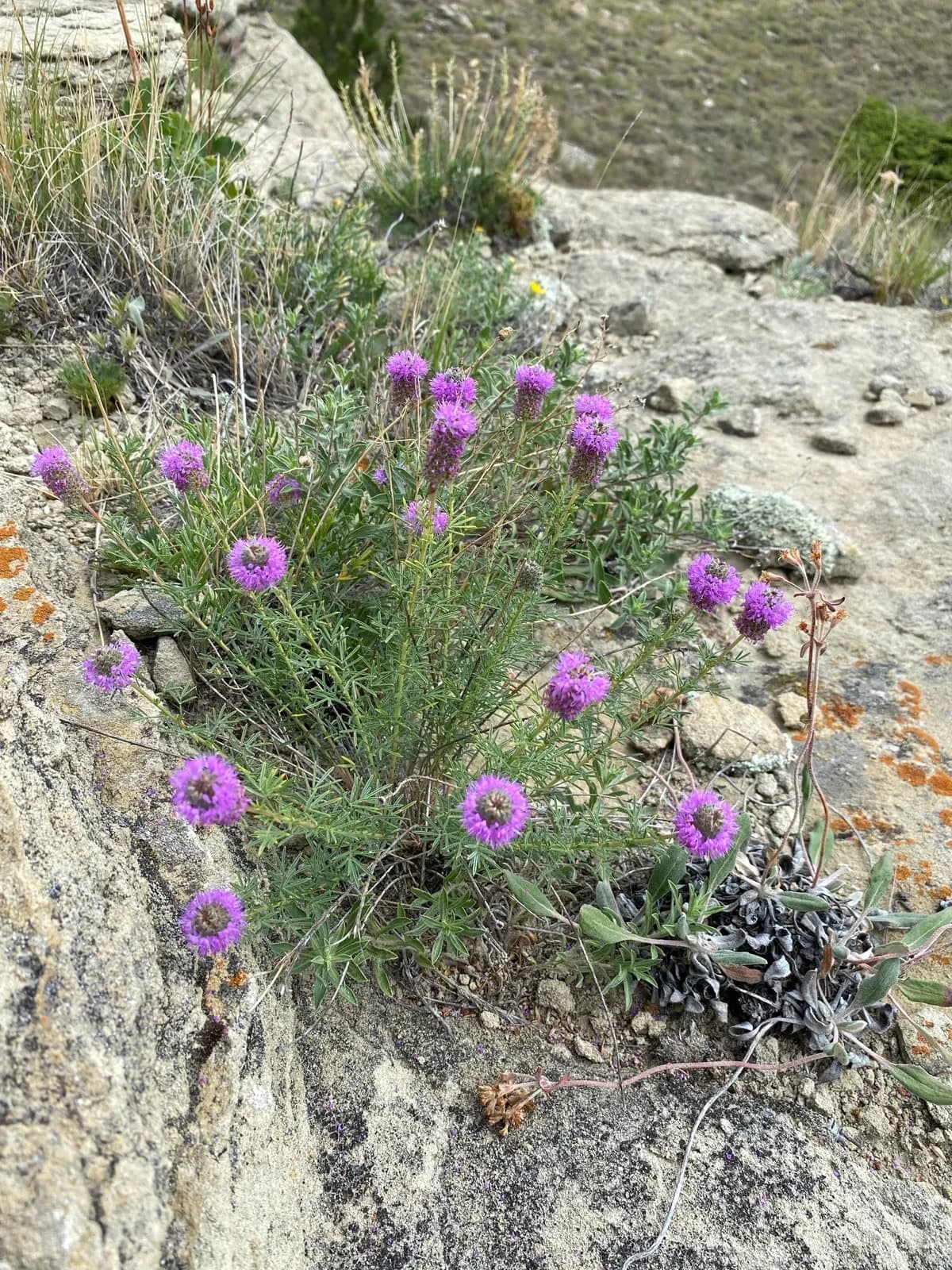
Purple Prairie Clover
Dalea purpurea
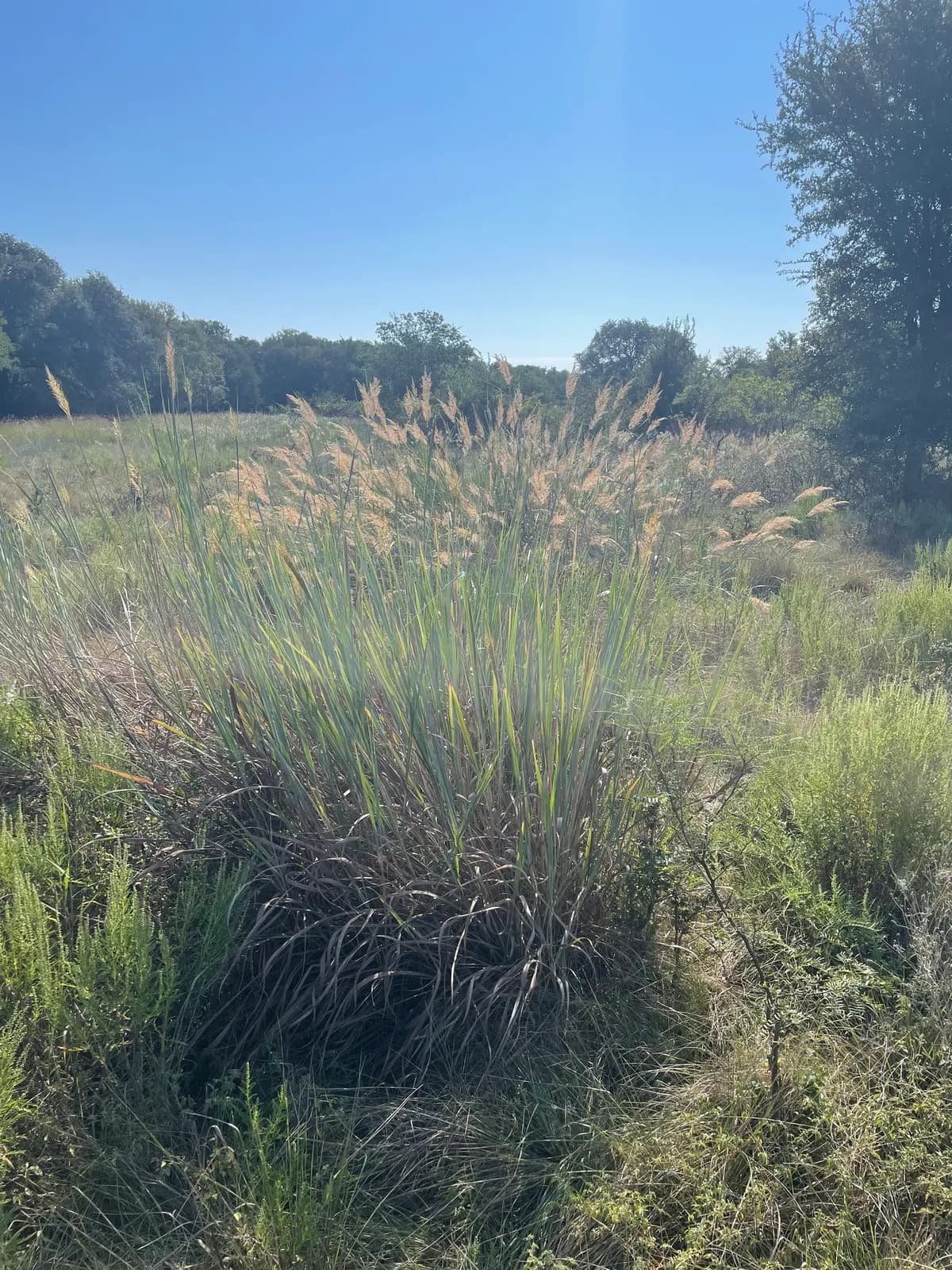
Indiangrass
Sorghastrum nutans
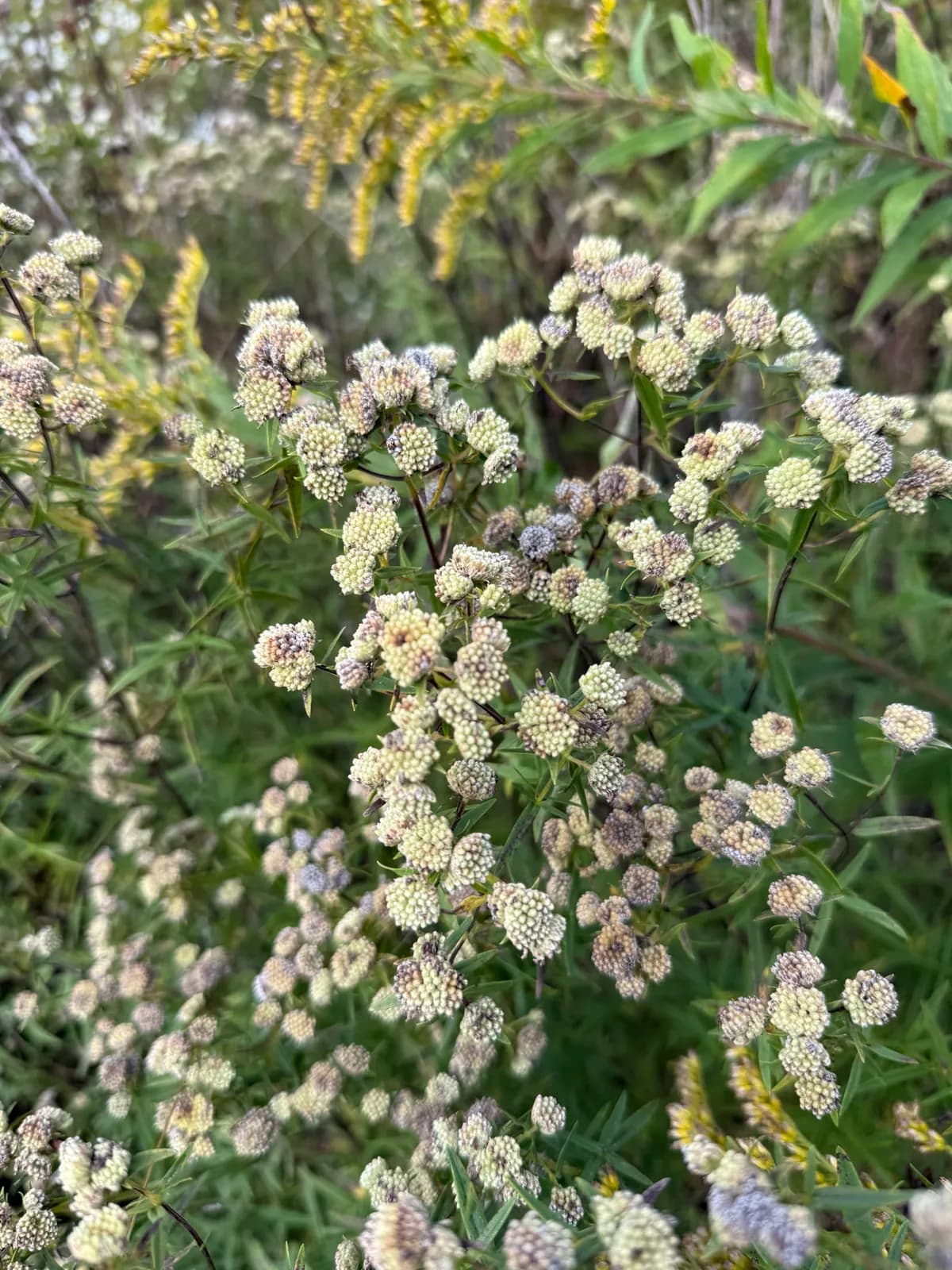
Virginia Mountain-Mint
Pycnanthemum virginianum
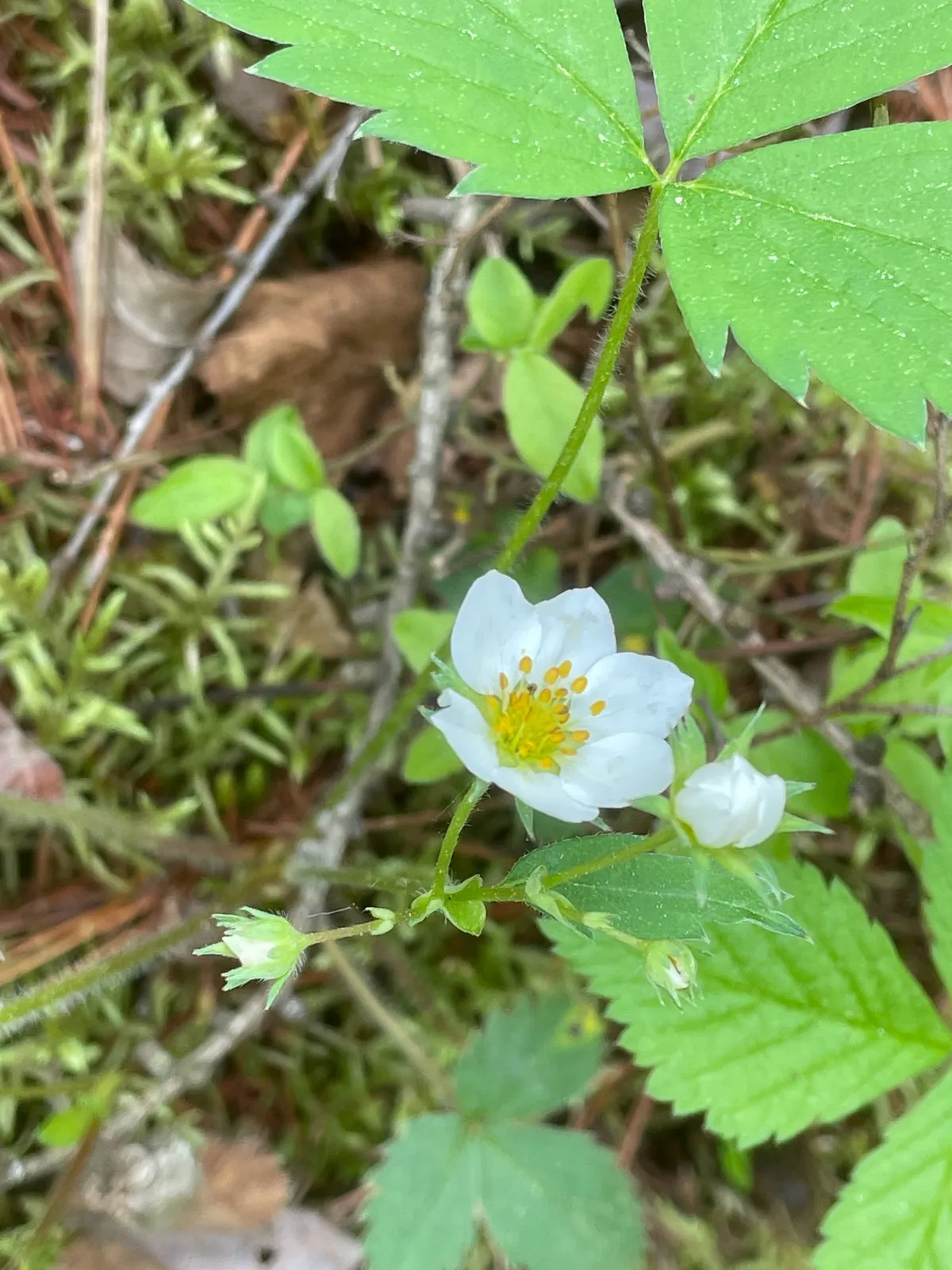
Scarlet Strawberry
Fragaria virginiana

Coral Honeysuckle
Lonicera sempervirens
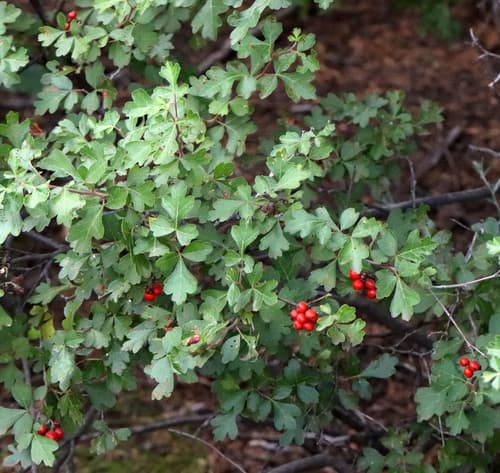
Aromatic Sumac
Rhus aromatica
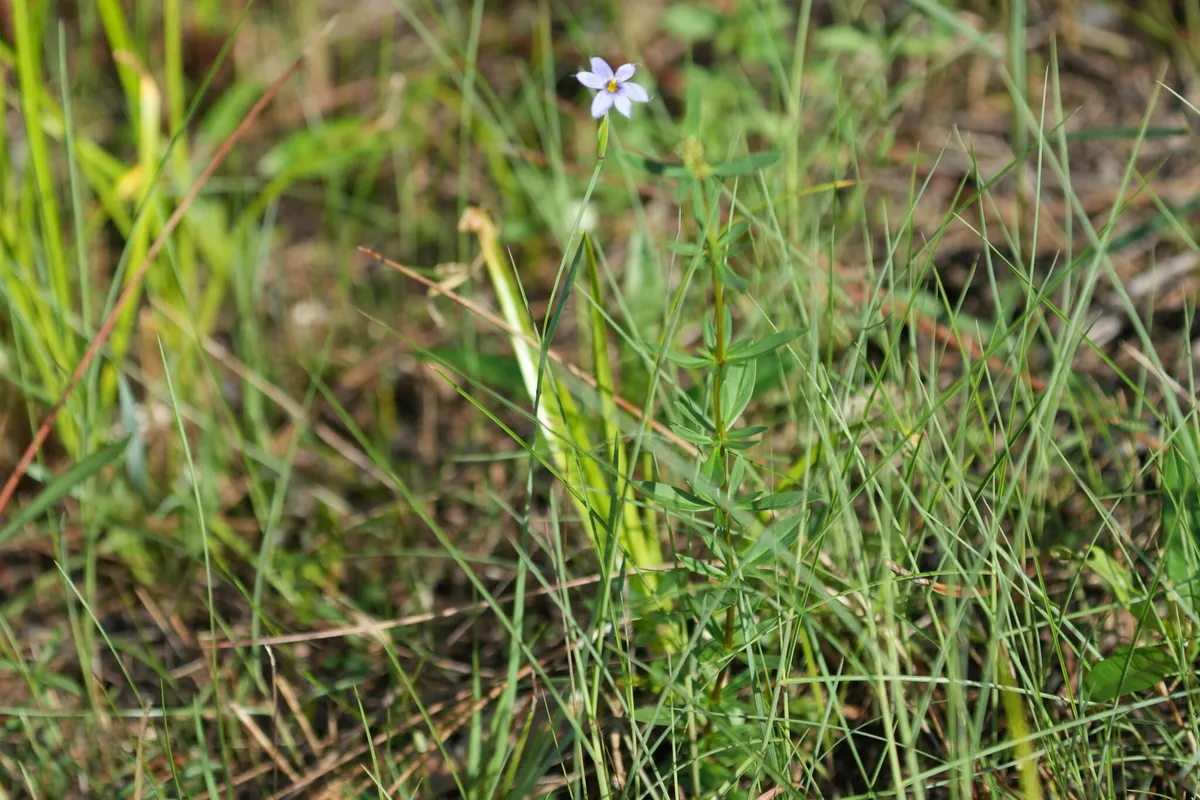
Narrowleaf Blue-eyed Grass
Sisyrinchium angustifolium
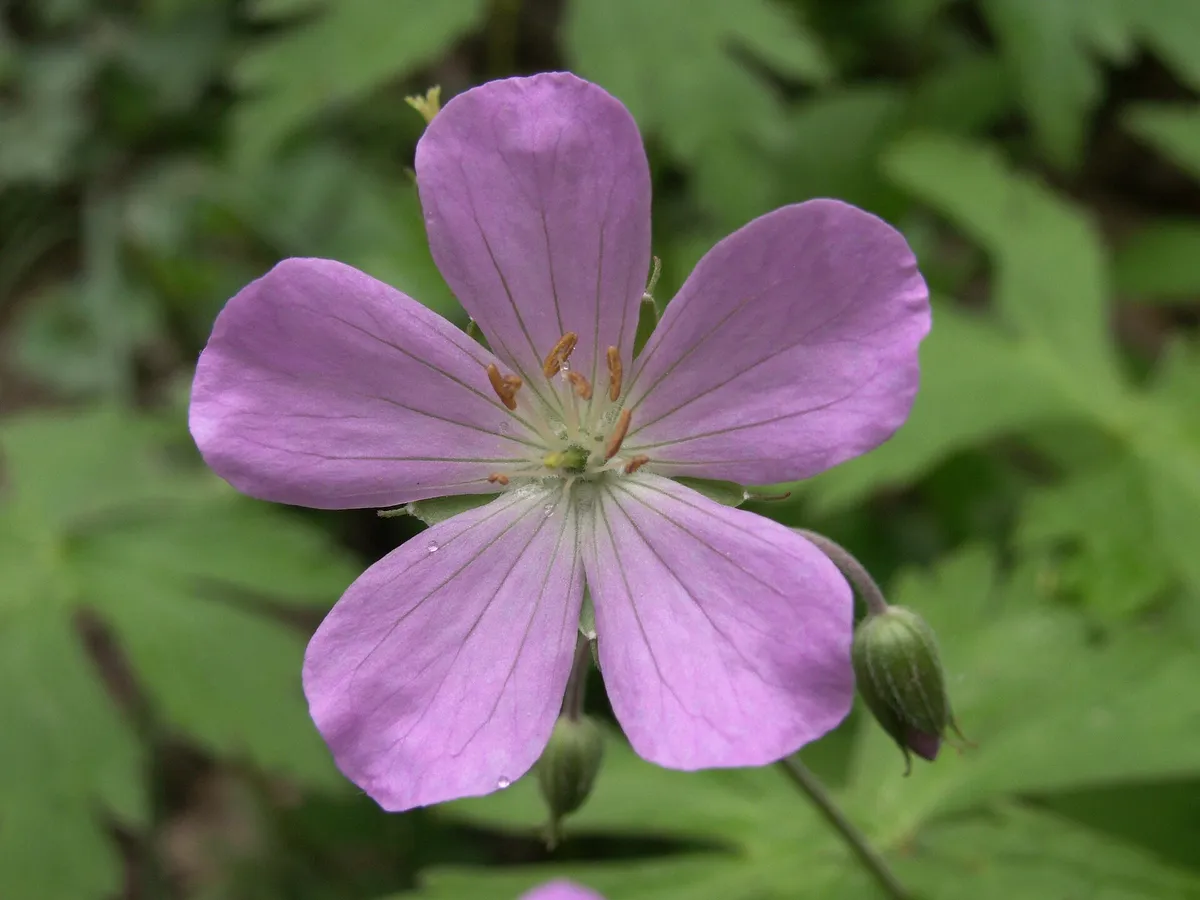
Spotted Geranium
Geranium maculatum
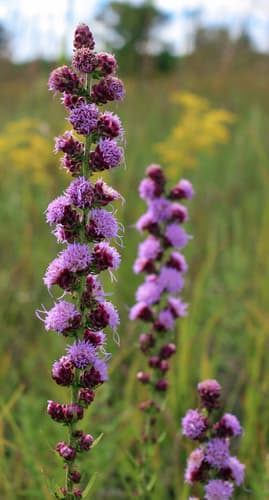
Tall Blazing Star
Liatris aspera
Showing 48 of 1236. Enter your ZIP for the natives matched to your yard.
Fall care in the Interior River Valleys and Hills
What to do right now for plants commonly grown here. Each links to the full regional care guide for that species, with sources.
- Purple lovegrass
Fall is the showiest season for purple love grass, with a haze of purple-pink seed heads and bronze color.
- Azure aster
Fall is the payoff in Peoria. Clusters of small sky blue flowers cover the plant for weeks and draw in bees and butterflies.
- Lyre leaf sage
Fall is a good window to plant or divide lyre-leaf sage around Peoria, cooler weather and steadier rain give roots time to establish before Illinois' winter arrives.
- Narrowleaf blue eyed grass
Fall is a quiet transition into dormancy as central Illinois cools toward the first frost.
- Robins plantain
Fall is a dormancy transition, the low rosette of leaves usually stays semi evergreen through mild stretches before winter sets in.
- Narrow leaf coneflower
Fall is a quiet dormancy transition. The plant needs little care beyond leaving the structure standing through the first frosts.
- Stiff goldenrod
Fall bloom in Peoria runs from August into the area's average first frost in early to mid October.
- Bleeding heart
Fall in Peoria brings cooler, wetter weather that suits Pacific bleeding heart's preference for steady moisture, even though the plant may already be resting by this point in its cycle. This is a good season for planting new divisions or nursery starts, since cooler air lets roots settle in before winter without the stress of summer heat. Clean up fully browned foliage once it has died back on its own.
- Sideoats grama
Fall is when sideoats grama's growth slows and the clump turns a warm tan to copper color after the first frost, which typically lands around October 15 in the Peoria area. The seed heads finish drying on the stem, and leaving them standing through fall feeds birds and gives the bed some winter interest instead of looking bare. This is not a season to cut the grass back. That job comes in spring instead.
- Eastern bluestar
As nights cool in September and October, eastern bluestar puts on one of its best seasonal shows, with the narrow leaves turning a warm golden yellow. Little to no extra water is needed by fall since established plants are drought tolerant and the weather is cooling off. Fall is also a fine time to plant, as long as it goes in the ground at least six weeks before Peoria's first hard frost, usually mid to late October.
Build a plan for the Interior River Valleys and Hills
The Pollinator Patch App turns plants like these into a front-yard plan tuned for the soil, climate, and HOA expectations of the Peoria area.