Garden Phlox
Phlox paniculata
Last reviewed: October 2026
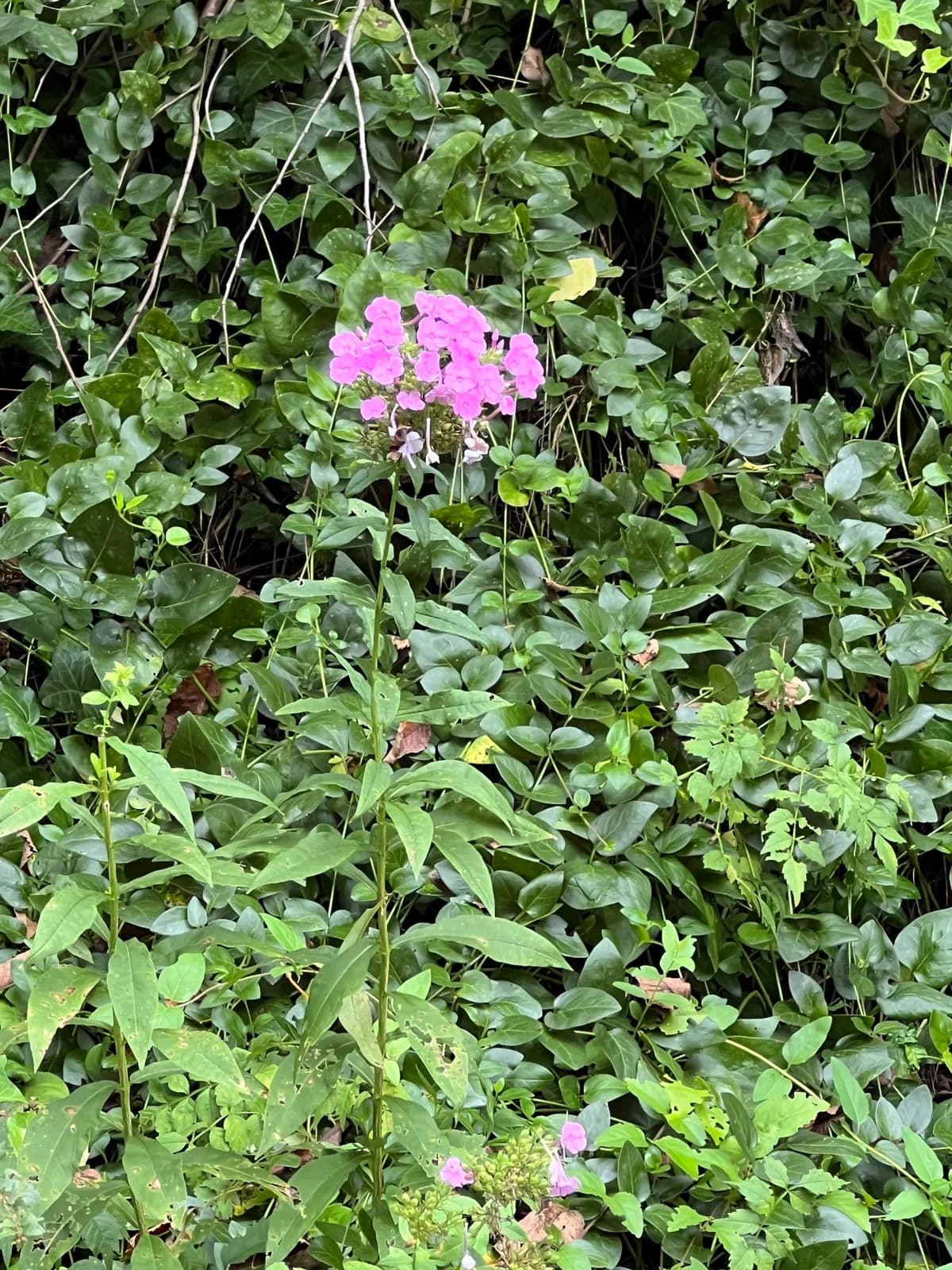
Garden Phlox is an upright perennial forb that blooms from June through August in clustered pink to purple flower heads, thriving in part sun with medium moisture.
Toxicity unknown
Garden Phlox (Phlox paniculata) is not listed by the ASPCA Animal Poison Control Center (opens in new tab) or the other sources we check, so we have no verdict for it either way. Absence from those lists is not a clearance. If your pet shows symptoms after eating any plant, call the ASPCA at (888) 426-4435.
Light
part sun
Water
medium
Size
24"–48" H × 18"–36" W
Bloom
Jun, Jul, Aug
Native to
AL, AR, GA, IL and 21 more states
Pollinators
bees, butterflies, hummingbirds, moths
Before you buy
Your city may pay you to plant this
Cities and water utilities offer rebates for replacing lawn with native and water-wise plants. We track 459 programs across 44 states, each with a link to the provider and the date we last checked it.
Find rebates in your areaPicture natives in your own yard
Upload a photo of your yard and Patch Vision shows a rendering of it planted with natives for your region, like Garden Phlox.


Browse plants for this ecoregion
Garden phlox produces clusters of fragrant flowers in summer, creating colorful displays in shades of pink, purple, white, or red. This upright perennial forms neat clumps that work well in traditional flower borders and mixed plantings.
Growing Garden Phlox
Grow Garden Phlox in part sun and medium water. Mature plants reach 24 to 48 inches tall and spread 18 to 36 inches wide. Expect moderate maintenance to keep it looking intentional in a front yard.
How to care for Garden Phlox, by region
How to care for Garden Phlox where it is actually grown: year-round basics plus what to do each season, region by region, with the sources for each.
Care guidance last updated: October 2026
Central Appalachians (includes Johnstown, PA)
Year-round
Garden phlox is an upright native perennial that settles well into Johnstown's cooler, higher elevation climate. It is genuinely native to Pennsylvania, including the mountainous western part of the state, and does best in part sun to full sun with average to consistently moist soil.
- Give it at least six hours of sun a day for the fullest bloom, though it still flowers reasonably well with some afternoon shade.
- Space plants so air can move between clumps. Crowded phlox in damp pockets is the classic setup for powdery mildew, even though Johnstown's cooler summers tend to make outbreaks lighter than in hotter, muggier regions further south.
- Water at the base rather than overhead when you can. Foliage that stays wet overnight invites mildew more than the heat itself does.
- Garden phlox does not currently appear in ASPCA's species specific plant database under its own listing, so treat pet toxicity as unverified rather than assuming it one way or the other.
Once established and deadheaded through the season, its upright clumps read as tidy structured color for a foundation bed or border, which fits an HOA-friendly front yard planting.
Fall
By fall, garden phlox in Johnstown has typically finished its main bloom window and is heading into dormancy, which arrives earlier here than in lower elevation parts of Pennsylvania.
- Once flowering is clearly done, cut back any mildew affected stems so the fungus does not overwinter on old foliage.
- Healthy, unaffected stems can stay standing into fall if you like. Cutting back at this point is more about mildew cleanup here than a required seasonal chore.
- Fall is a workable window to divide overgrown clumps, though many gardeners at this elevation find spring division easier since the ground cools quickly once the season turns.
- Johnstown's mountain valley setting tends to bring a first frost earlier than lower elevation parts of the state, so do not wait too long on fall cleanup and any last division work.
Winter
Johnstown winters are cold, with average temperatures near the mid twenties Fahrenheit and occasional deeper cold snaps consistent with USDA zone 6a to 6b, so garden phlox goes fully dormant and benefits from a little winter protection at the crown.
- Cut dormant stems back to a few inches once they have fully died back, or leave some standing through midwinter for structure, then clear them before spring growth starts.
- A couple inches of mulch over the crown after the ground first freezes helps buffer the freeze and thaw cycles common in Johnstown's mountain valley winters, without smothering the plant.
- Do not fertilize or try to push new growth in winter. The plant is resting, and any tender new growth would just be lost to frost.
- If you are adding new garden phlox stock, check that it is rated hardy to at least zone 6a before planting. A selection only rated to zone 7 is unlikely to survive a Johnstown winter.
Spring
Spring arrives late and stays cool at Johnstown's elevation, so garden phlox tends to break dormancy later than it would in warmer parts of Pennsylvania.
- Wait until new shoots are clearly up a few inches before dividing or moving established clumps. Mid to late spring is usually a safer window here than an early spring split.
- If last year's stand had heavy mildew, thin the clump now. Fewer, better spaced stems get more airflow all summer.
- A light layer of compost as growth resumes supports the steady, medium watering this plant wants through the season ahead.
- Hold off on piling mulch against new shoots. Cooler ground at this elevation can stay damp longer into spring, and mulch against the crown invites rot before it offers any real benefit.
Summer
Summer is peak bloom for garden phlox here, generally June through August, and Johnstown's milder, less muggy summer nights than places like Kentucky's Bluegrass region take some of the pressure off compared to hotter climates.
- Deadhead spent flower clusters regularly. Removing them redirects energy into new blooms and keeps the plant looking intentional through August rather than tired.
- Watch for powdery mildew's white coating on lower leaves during humid stretches. It still shows up here, usually later and lighter than in hot, humid regions, since Phlox paniculata is a genus known for mildew susceptibility regardless of climate.
- Water deeply during dry spells rather than lightly and often. Steady moisture at the roots beats a quick daily sprinkle that only wets the surface.
- If mildew takes hold, trim off the worst leaves and throw them out rather than composting them, then improve airflow around the clump for next year.
Sources: Lady Bird Johnson Wildflower Center: Phlox paniculata, Pennsylvania Flora Project: Phlox paniculata (Fall Phlox), Penn State Extension: Phlox in the Home Garden, Wikipedia: Johnstown, Pennsylvania (elevation and climate) (community tip)
Cross Timbers (includes Fort Worth, TX)
Year-round
Garden phlox can grow well in Fort Worth if you give it full sun, steady moisture, and room for air to move through the leaves.
- Give it at least six hours of direct sun. A little afternoon shade helps it cope with Fort Worth's hottest weeks.
- Plant in moist, well drained soil with compost mixed in. It tolerates the clay and alkaline soils common around Fort Worth.
- Space plants two to three feet apart and thin out crowded stems. Good airflow is the best defense against powdery mildew, which shows up often on this plant in hot, humid Texas summers.
- Water about one inch a week when it is dry, and water the soil rather than the leaves to keep foliage dry.
- This species is native to the eastern and north central United States, not Texas. It is grown here as a garden plant. A heat tolerant strain found growing wild near San Antonio, sold as John Fanick or Texas Pink phlox, tends to handle North Texas summers better than the straight species.
Fall
Fall is cleanup and planting season for garden phlox in Fort Worth, once the worst heat has broken.
- Once flowering ends, cut faded stems back and clear fallen leaves from around the base. This removes the powdery mildew spores that would otherwise overwinter and reinfect the plant next year.
- Fort Worth's first fall frost typically arrives around early November, so there is usually a long, mild fall window good for planting or dividing crowded clumps.
- Fall divisions give roots time to settle in before next summer's heat, which tends to work better here than spring planting alone.
Cutting back faded stems and clearing dropped leaves keeps the bed looking neat for fall curb appeal.
Winter
Winters in Fort Worth are mild enough that garden phlox needs little protection, but a hard freeze can still hit.
- This species is hardy from USDA zone 4 through zone 8, and Fort Worth sits in zone 8b, so ordinary winters here do not require covering the plant.
- Cut the plant to the ground if you have not already done so in fall. This tidies the bed and clears away any leftover mildew-infected growth.
- A layer of mulch over the crown helps even though Fort Worth winters are mild, since an occasional hard freeze or ice event can still drop temperatures well below the norm.
Cutting the dead stems to the ground gives a clean, tidy winter look from the street.
Spring
Spring is the time to plant and to get ahead of the mildew and heat that come later in Fort Worth.
- Fort Worth's average last frost lands around the beginning of March, though a cold snap into mid March is not unusual. Hold off on setting out new plants until after your last frost.
- New spring growth is tender. Cover plants overnight if a late frost is forecast after you have already planted.
- Feed with compost or a balanced fertilizer as new shoots come up to support the season's growth.
- Thin crowded stems now, while the plant is still small. Wider spacing between stems keeps air moving once summer humidity arrives and lowers the risk of powdery mildew.
Summer
Summer is the hardest season for garden phlox in Fort Worth. The heat and humidity that make the flowers thrive also invite powdery mildew.
- Water deeply about once a week rather than a little every day, aiming at the soil and not the leaves.
- Watch for a white, dusty coating on the leaves during hot, muggy stretches. That is powdery mildew, and it is this plant's most common problem in North Texas summers.
- Deadhead spent flower clusters to keep the plant blooming into fall and to stop volunteer seedlings that will not match the parent plant's color.
- During the worst 100 degree stretches, a little afternoon shade or a layer of mulch over the roots helps the plant hold up.
Deadheading spent blooms through summer keeps the bed looking tidy and full from the street.
Sources: NC State Extension Plant Toolbox, Phlox paniculata, Lady Bird Johnson Wildflower Center Native Plant Database, Phlox paniculata, Penn State Extension, Phlox in the Home Garden, FrostDates.com, Fort Worth, TX frost dates (community tip)
Erie Drift Plain (includes Buffalo, NY)
Year-round
Garden phlox wants sun, steady moisture and good airflow to stay free of mildew.
- Full sun to part shade works.
- Mulch to keep roots cool and moist.
- Space plants so air moves between them.
Cutting plants back in winter and deadheading keeps beds looking tidy.
Fall
Clean up after bloom ends.
- Remove spent flower stalks.
- Divide crowded clumps if blooms have thinned.
- Keep cleanup debris out of the bed.
Winter
Cut plants to the ground and clear the debris.
- This cuts mildew trouble next year.
- A layer of mulch is fine once the ground chills.
Spring
Space and stake early in a Buffalo spring.
- Thin crowded stems to help airflow.
- Add stakes for taller clumps.
- Mulch once the soil warms.
Summer
Water at the base during dry spells and skip overhead spraying.
- Wet leaves invite powdery mildew.
- Remove faded flower heads to extend blooms.
- Watch for spider mites in hot, dry weather.
Mississippi Valley Loess Plains (includes Memphis, TN)
Year-round
Garden phlox wants moist, rich soil that still drains well, and it needs help staying cool and airy through hot spells.
- It needs well-drained soil to survive long term, and rich soil high in organic matter.
- It is a heavy feeder, and dividing often keeps it vigorous.
- Mulch to keep the root zone cool and water during dry summers.
A tidy cut-back in fall keeps a front bed looking neat.
Fall
Fall is the cleanup window that cuts next year's mildew.
- Cut off and remove diseased plant debris in the fall.
- Where beds are crowded, dig and divide perennials to improve airflow.
Winter
Winter care is a clean cut and clearing debris.
- Cut plants to the ground and remove the debris to reduce infection the next season.
- Taller stems will need staking again next year, so plan for it.
Spring
Spring is for dividing, feeding, and setting up airflow before summer.
- Divide in spring before new growth starts, and space new pieces 18 inches apart.
- Feed with compost or manure as new growth emerges.
- Thin stems early so air can move through the clump.
Summer
In summer, keep roots cool and moist and watch for mildew and spider mites.
- Water during dry spells and avoid overhead watering. Mulch to keep the root zone cool.
- Spider mites can be a problem in hot, dry conditions, and phlox bugs and root rot can be serious.
- Mildew is most common in shade and crowded beds, so keep plants spaced and in sun where you can.
- Remove faded flower heads to prolong bloom and stop self-seeding.
Sources: Illinois Extension: garden phlox, NC State Extension Plant Toolbox: Phlox paniculata, University of Minnesota Extension: tall garden phlox, Iowa State Extension: phlox powdery mildew
Northern Piedmont (includes Lancaster, PA)
Year-round
Garden phlox does best in sun with rich, moist soil that drains well and plenty of air around the stems.
- Give it full sun or a little shade, with moist, fertile, well-drained soil.
- Leave room between plants. Thinning stems and spacing plants out helps air move through and cuts down powdery mildew.
- Plants grow 2 to 4 feet tall, and taller ones may need a stake.
- Pick mildew-resistant kinds such as 'Laura' or 'Jeana' when you buy.
Cut back faded blooms and tidy stems in fall to keep a front-yard bed looking neat.
Fall
Fall cleanup lowers the mildew you carry into next year.
- Cut plants back after bloom or after the first frost.
- Remove diseased leaves and stems from the bed instead of leaving them.
- If you plant in fall, skip bare-root phlox, since they are more prone to frost heaving.
Winter
Winter is mostly about clean stems and a blanket of mulch for new plantings.
- Cut plants to the ground and clear the debris to reduce infection next season.
- For phlox planted this fall, mulch 4 to 6 inches deep with straw, chopped leaves, or pine needles once the soil freezes.
Spring
Spring is the time to divide crowded clumps and feed the bed.
- Divide clumps every 2 to 4 years in spring before new growth starts, with 3 to 5 healthy shoots per piece, spaced 18 inches apart.
- Work in compost or manure each spring as new growth comes up.
- When stems reach about 6 inches, keep five or six per plant and pinch the tips for sturdier plants that resist mildew better.
Summer
In summer, water at the base, mulch, and snip spent blooms.
- Water deeply and regularly at the soil, not the leaves. If you must water overhead, do it early in the morning.
- Mulch 2 to 3 inches deep once the soil warms in mid to late June to hold moisture.
- Remove faded flower clusters so seeds do not drop, because seedlings will not match the parent.
- Watch lower leaves for a gray-white coating. Mildew is most common in shade and crowded plantings.
Sources: NC State Extension Plant Toolbox: Phlox paniculata, Penn State Arboretum: phlox, University of Minnesota Extension: tall garden phlox, Iowa State Extension: phlox powdery mildew
Ozark Highlands (includes Springfield, MO)
Year-round
Year-round care for garden phlox around Springfield, MO: full sun to partial shade, moist well drained soil, and water in dry spells.
- Give it at least 6 hours of direct sun. Partial shade with 2 to 6 hours of sun also works.
- Plant it in soil that drains well and stays moist. NC State lists clay and loam as fine.
- Space plants 12 inches to 3 feet apart. Expect 2 to 4 feet tall.
- Water during dry summers, and avoid overhead watering. Good air circulation helps prevent powdery mildew.
- Remove spent flower clusters. Penn State says this extends bloom into September.
- Thin stems for airflow, and cut plants to the ground in winter.
Upright clumps of mid-summer color read as a classic, intentional border. Regular deadheading and thinned stems keep the planting neat.
Sources: NC State Extension Plant Toolbox: Phlox paniculata, Penn State Extension: Phlox in the Home Garden
Texas Blackland Prairies (includes Dallas, TX)
Year-round
Garden phlox does fine in Dallas gardens with full sun, regular water, and enough space between stems for air to move.
- Give it at least six hours of sun a day. A bit of afternoon shade takes the edge off Dallas's hottest summer weeks.
- Plant in moist, well drained soil enriched with compost. It tolerates the heavy black clay common in Dallas.
- Space plants two to three feet apart and thin dense clumps. Airflow around the leaves is the main defense against powdery mildew, which is a frequent problem on this species in hot, humid Texas summers.
- Water about one inch a week during dry stretches, and water at the soil line instead of overhead to keep leaves dry.
- This species is native to the eastern and north central United States, not Texas, so treat it as a garden plant here rather than a native. A heat tolerant strain discovered growing wild in a San Antonio lawn, sold under names like John Fanick or Texas Pink phlox, tends to shrug off North Texas summers better than the straight species.
Fall
Fall is cleanup and planting season for garden phlox once Dallas's heat finally breaks.
- After bloom ends, cut back faded stems and rake up fallen leaves. This clears away the powdery mildew spores that would otherwise sit through winter and reinfect the plant next year.
- Dallas's first fall frost typically lands in early to mid November, leaving a long mild stretch that is a good window for planting or dividing overgrown clumps.
- Plants divided in fall have more time to root in before next summer's heat than ones split in spring.
Cutting back spent stems and clearing fallen leaves keeps the front bed looking neat through fall.
Winter
Dallas winters are mild for this plant, which is hardy well beyond the cold this area typically sees.
- This species is rated hardy from USDA zone 4 through zone 8, and Dallas sits in zone 8b, so a typical winter here will not hurt an established plant.
- Cut dead stems to the ground if that was not already done in fall, both for tidiness and to remove any leftover mildew-affected growth.
- A layer of mulch over the crown is still worth doing, since an occasional hard freeze can push well below Dallas's usual winter lows.
Cutting stems back to the ground leaves a clean, tidy bed for the winter months.
Spring
Spring in Dallas is planting time, and also the last chance to space plants out before summer humidity brings on mildew.
- Dallas's average last spring frost falls near the end of February to early March. Wait until after that date to set out new plants.
- Protect new growth if a late cold snap is forecast. Young shoots are tender and can be damaged by a hard frost after they have emerged.
- Work compost or a balanced fertilizer into the soil as new shoots appear.
- Thin out any crowded stems while the plant is still small. Wider spacing now means better airflow, and less powdery mildew, once summer humidity sets in.
Summer
Dallas summers are hot and muggy, which is exactly the weather that brings powdery mildew to garden phlox.
- Water deeply about once a week instead of a light daily sprinkle, and keep water off the leaves.
- Check the leaves regularly for a white, powdery coating during hot, humid stretches. Powdery mildew is this plant's most common issue in North Texas summers.
- Deadhead faded flower clusters to keep blooms coming into fall and to prevent volunteer seedlings that will not match the original color.
- Mulch the root zone and offer a little afternoon shade during the longest 100 degree stretches to help the plant cope.
Regular deadheading through summer keeps the planting bed looking full and tidy from the sidewalk.
Sources: NC State Extension Plant Toolbox, Phlox paniculata, Lady Bird Johnson Wildflower Center Native Plant Database, Phlox paniculata, Penn State Extension, Phlox in the Home Garden, FrostDates.com, Dallas, TX frost dates (community tip)
Western Allegheny Plateau (includes Pittsburgh, PA)
Year-round
Garden Phlox does well in Pittsburgh yards with full sun to a little afternoon shade, steady moisture, and room to breathe between stems.
- Give it full sun to light shade and soil that stays evenly moist, especially while it gets established the first year.
- Space plants so air can move between them. Garden Phlox is prone to powdery mildew, a whitish coating on the leaves, and crowding is the main thing that makes it worse.
- Water at the base instead of overhead so leaves dry off faster, which also helps keep mildew down.
- Garden Phlox (Phlox paniculata) is native to Pennsylvania, so it is a solid, HOA-friendly pick for a lower-maintenance perennial bed.
- Snip off spent flower clusters through the growing season. It keeps the plant blooming longer and stops volunteer seedlings, which often come back a plain magenta color instead of your original variety.
Fall
As Pittsburgh cools into fall, Garden Phlox finishes blooming and it is time to clean up stems before the first frost.
- As blooms fade in early fall, deadhead one more time or let a few seed heads stand if you want to collect seed. Otherwise remove them to prevent volunteer seedlings, which often come up a plain magenta color instead of your cultivar.
- Pittsburgh's first fall frost typically arrives by mid-October. Once frost has knocked back the foliage, cut the stems down to a few inches above the soil.
- Cutting stems to the ground in fall and clearing the debris away, rather than leaving it over winter, is one of the most effective steps for reducing next year's powdery mildew.
- Fall is also a good time to divide an overcrowded clump, giving the divisions several weeks to root before the ground freezes hard.
Cutting the stems back and clearing the debris in fall keeps the bed tidy through winter, a simple way to keep a front-yard planting HOA-conscious.
Winter
Garden Phlox is fully dormant through a Pittsburgh winter, so care is mostly about cleanup and a little planning for next year.
- Garden Phlox dies back to the ground and the roots sit dormant through winter. No winter watering is needed.
- If stems were not cut back in fall, do it now before new growth starts. Clearing old stems and leftover leaf litter keeps disease from carrying over to next season.
- A couple inches of mulch over the root zone after the ground freezes can help even out winter temperature swings, but keep it off the crown itself to avoid rot.
- Winter is a good time to plan changes for next season, such as adding a mildew-resistant variety or moving a crowded planting to a sunnier, more open spot.
A fully cut back bed gives a clean, tidy winter look that fits HOA-conscious front yards, since Garden Phlox does not hold an interesting winter silhouette on its own.
Spring
Spring in Pittsburgh means clearing out last year's stems and watching for a late frost before new phlox growth gets going.
- Cut down and remove any dead stems left from last year as soon as the ground is workable. Clearing old stems is one of the better ways to cut down on powdery mildew carrying over to this season.
- New shoots are fairly cold hardy, but a late hard freeze after they have leafed out can still nip the tips. Pittsburgh's last frost typically falls in mid to late spring, so keep an eye on the forecast into early May.
- If a clump has gotten crowded over the last two or three years, spring is a good time to dig and divide it. More space between stems means more airflow and less mildew later in the season.
- Once new growth is up, water deeply once or twice a week rather than a light daily sprinkle, aiming at the soil instead of the leaves.
Summer
Summer is bloom season for Garden Phlox in Pittsburgh, and the same warm, humid stretches that push flowers out also push powdery mildew.
- This is peak bloom time, usually midsummer into early fall. Deadhead spent flower clusters regularly to keep new blooms coming and to stop seed drop.
- Pittsburgh summers run warm and humid, which is exactly what powdery mildew likes. Check the lower leaves every week or two for a white or gray dusty coating and remove badly affected leaves.
- Aim for about an inch of water a week between rainfall and watering. During a dry stretch, water deeply at the soil line in the morning so the leaves have all day to dry.
- If mildew shows up despite good spacing, a fungicide labeled for powdery mildew, such as sulfur, can help, but improving air circulation first is the better long-term fix.
Deadheading spent blooms keeps the bed looking neat through summer, which helps in HOA-conscious front yards.
Sources: Lady Bird Johnson Wildflower Center, Native Plant Database: Phlox paniculata, Penn State Extension, Phlox in the Home Garden, Phipps Conservatory and Botanical Gardens, Western PA Calendar for Starting Seeds
In an HOA neighborhood
Garden Phlox is an HOA-friendly choice. Maintenance level: moderate. Tidiness: 4 out of 5.
Works well in: front yard, foundation, street edge, mid zone.
- May develop powdery mildew in humid conditions
- Requires deadheading for extended bloom
Wildlife value
The abundant nectar-rich flowers attract bees, butterflies, and hummingbirds throughout the summer blooming period. Night-flying moths also visit the fragrant blooms for nectar.
Common questions
- When does Garden Phlox bloom?
- Garden Phlox typically flowers from June through August, producing rounded clusters of fragrant blooms at the top of tall, sturdy stems.
- What pollinators visit Garden Phlox?
- Bees, butterflies, hummingbirds, and moths regularly visit Garden Phlox for its nectar-rich blooms, making it a good choice for pollinator gardens.
- How much light and water does Garden Phlox need?
- Garden Phlox performs best in part sun with medium, consistent soil moisture, though it can tolerate brighter or shadier spots and somewhat wetter or drier soil once established.
- Is Garden Phlox easy to grow in a home garden?
- Yes, Garden Phlox is a reliable herbaceous perennial that dies back in winter and returns each spring, forming clumps that expand over a few growing seasons.
- Is Garden Phlox HOA-friendly?
- Garden Phlox is generally an HOA-friendly choice in the right placement, with moderate maintenance.
These answers were drafted with an AI model from this plant's data. Verify care details with a local expert.
Native range data from the World Checklist of Vascular Plants (Kew). Pollinator and host plant associations compiled from GBIF, iNaturalist, and published ecological literature.
If something looks wrong
Common plant problems, and what to check first
These come up on almost any plant. Each guide lists the likely causes in the order they are worth ruling out, with one thing to check before you act on any of them, and links to the source it came from.
- It is dying right after planting
- Leaves turning yellow
- Wilting even though I watered it
- Brown crispy leaf tips
- Bugs on the plant
Ready to grow Garden Phlox? Add it to your garden in Pollinator Patch to track it and get season-by-season care guidance.