Foxglove Beardtongue
Penstemon digitalis
Last reviewed: August 2026
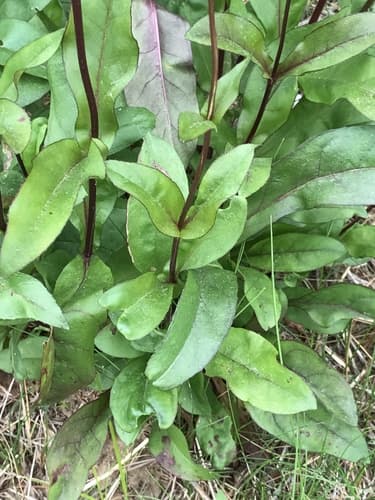
Foxglove beardtongue is a clump-forming forb with white tubular flowers that bloom from May through July. It grows well in full sun with medium moisture soil and tolerates both wetter and drier conditions once established.
Toxicity unknown
Foxglove Beardtongue (Penstemon digitalis) is not listed by the ASPCA Animal Poison Control Center (opens in new tab) or the other sources we check, so we have no verdict for it either way. Absence from those lists is not a clearance. If your pet shows symptoms after eating any plant, call the ASPCA at (888) 426-4435.
The USDA PLANTS Database (opens in new tab) does not flag Foxglove Beardtongue as toxic to livestock.
Light
full sun
Water
medium
Size
24"–48" H × 12"–24" W
Bloom
May, Jun, Jul
Native to
AL, AR, CT, DE and 32 more states
Pollinators
bees, hummingbirds
Deer
Resistant (per Prairie Moon Nursery)
Before you buy
Your city may pay you to plant this
Cities and water utilities offer rebates for replacing lawn with native and water-wise plants. We track 452 programs across 44 states, each with a link to the provider and the date we last checked it.
Find rebates in your areaBrowse plants for this ecoregion
Penstemon digitalis is a tall, upright perennial that produces spikes of white tubular flowers from May through July. This native wildflower forms clumps of lance-shaped green leaves and can reach up to 4 feet in height when in bloom. It thrives in full sun with moderate water needs and goes dormant in winter.
Growing Foxglove Beardtongue
Grow Foxglove Beardtongue in full sun and medium water. Mature plants reach 24 to 48 inches tall and spread 12 to 24 inches wide. Expect low maintenance to keep it looking intentional in a front yard.
How to care for Foxglove Beardtongue, by region
How to care for Foxglove Beardtongue where it is actually grown: year-round basics plus what to do each season, region by region, with the sources for each.
Care guidance last updated: September 2026
Central Appalachians (includes Johnstown, PA)
Year-round
Foxglove beardtongue is native to this part of western Pennsylvania, confirmed growing wild just outside Johnstown at Allegheny Portage Railroad National Historic Site. This region sits higher and cooler than much of the state, in roughly USDA zone 6a to 6b, with humid summers and cold winters. Give it full sun to light afternoon shade and soil that drains well, and it blooms white from late spring into summer, drawing native bees and hummingbirds without extra effort.
- Plant it in well drained soil. Clay is common here and works fine, but soggy low spots invite root rot.
- Full sun brings the heaviest bloom, though it also handles part shade in this region's shorter growing season.
- Once established, it handles short dry spells and rarely needs extra watering beyond normal rainfall.
- Despite the shared common name, this is not the toxic Digitalis purpurea sold as ornamental foxglove. A direct check of the ASPCA toxic and non-toxic plant lists for dogs and cats does not include Penstemon digitalis.
Its upright white flower spikes and tidy rosette clumps read as an intentional planting rather than an overgrown one, which helps in a visible front bed.
Fall
Fall arrives earlier in this higher part of western Pennsylvania, and foxglove beardtongue starts winding down by early autumn. The seed capsules that formed over summer are still holding on the stalks and add some structure once other perennials have browned. This is a reasonable window to divide crowded clumps or direct sow fresh seed, since the plant handles our winters without trouble.
- Leave seed capsules on the stalks through fall for winter interest, or cut back once foliage browns.
- Divide crowded clumps now, giving new divisions a few weeks to root before hard frost sets in.
- It is not a preferred food source for deer or rabbits, so fall browsing pressure is rarely an issue here.
Winter
Winters in the Johnstown area run cold, with January highs typically only in the upper 30s and lows well below freezing at this elevation. Foxglove beardtongue holds up to far colder winters than ours, so the zone 6a to 6b cold here is not a concern. No mulching or winter covering is needed.
- Skip winter mulch. Extension guides rate this species hardy well beyond our zone, down to roughly zone 3a.
- Leave dried flower stalks standing through winter for structure, then cut them back in late winter before new rosettes push up.
- Snow cover, when it comes, insulates the rosettes rather than harming them.
Spring
Spring in the Johnstown area starts cool and often wet, and foxglove beardtongue spends much of it as a low rosette of leaves before sending up flower stalks. Because this part of western Pennsylvania sits at higher elevation than nearby lower valleys, frost risk lingers later into spring here, but established rosettes shrug off late cold snaps without protection. Hold off on extra watering, since spring soil in this region is usually damp enough on its own.
- New rosettes emerge early and tolerate a late frost, so there is no need to cover them.
- Skip supplemental watering unless spring turns unusually dry. Wet feet cause more trouble here than a short dry stretch.
- Flower stalks rise through April and May, with the first white blooms typically opening in late May or June.
Summer
Summer here stays humid with rain spread through the season, and foxglove beardtongue keeps blooming into July before the flower stalks fade. Deadheading is optional. Left alone, spent flowers form small seed capsules that add texture later in the year. Because our summer storms can leave low spots soggy for a day or two, good drainage still matters more than extra watering.
- Deadhead spent stalks for a tidier look, or leave the seed capsules if you like the added texture.
- Once established, plants shrug off short dry spells even though our summers usually bring enough rain that extra watering is rarely needed.
- Check beds after heavy summer storms. Standing water for more than a day or two can lead to root rot.
Deadheading spent stalks keeps the bed looking tended through midsummer, once many earlier bloomers have already faded.
Sources: NPSpecies profile, Allegheny Portage Railroad National Historic Site (Penstemon digitalis, native), Lady Bird Johnson Wildflower Center, Native Plant Database: Penstemon digitalis, ASPCA Toxic and Non-Toxic Plant List, Dogs, ASPCA Toxic and Non-Toxic Plant List, Cats, University of Wisconsin Extension, Husker Red Foxglove Beardtongue (Penstemon digitalis), U.S. Climate Data, Johnstown, Pennsylvania monthly averages (community tip)
Cross Timbers (includes Fort Worth, TX)
Year-round
Foxglove beardtongue is native to Texas prairies and post oak savannas that reach into the Fort Worth area, and it grows well there as long as it has a spot that avoids standing water in the region's clay-and-sand soils. It sends up spikes of white tubular flowers in late spring, favored by bumblebees, mason bees, and hummingbirds, and it is not on the ASPCA's toxic plant list for dogs or cats. Its common name overlaps with true foxglove, Digitalis purpurea, an unrelated and toxic plant the ASPCA lists separately, so that listing does not apply to this species.
- Plant in full sun to light afternoon shade. In Fort Worth's summer heat, some afternoon shade helps prevent leaf scorch on this humidity-loving species.
- Choose a spot with well-drained soil. Cross Timbers ground ranges from sandy loam to rocky clay, and this plant tolerates both but resents constantly wet feet.
- Water regularly through the first growing season to establish roots, then cut back to occasional deep watering during the hottest, driest stretches of July and August.
- Expect blooms May through July, drawing bumblebees, mason bees, and hummingbirds.
Fall
Fall is a light-maintenance season for foxglove beardtongue in Fort Worth. The plant is winding down for winter, and the main decision is whether to cut the foliage back now or leave it standing for winter interest and wildlife.
- Leave spent seed heads standing into fall if the goal is to support birds and let the plant self-seed a bit for next year's colony.
- Fort Worth's first frost typically lands in mid-November. Established plants do not need frost protection.
- Fall is a good time to plant new foxglove beardtongue from containers, giving roots several months to settle in before summer heat returns.
If a tidy fall look matters for visibility, cutting spent stalks back after the first frost avoids the overgrown read some HOA reviewers flag on standing brown stalks.
Winter
Winters in Fort Worth are mild, and foxglove beardtongue's foliage largely dies back, leaving a low basal rosette or bare crown until spring growth resumes.
- Cut back any remaining dead flower stalks to the basal rosette once they've gone fully brown. Any point over winter before spring growth starts works.
- No winter mulch is generally needed in Fort Worth's mild winters, though a light layer protects the crown during an occasional hard freeze.
- Avoid winter watering beyond natural rainfall. The dormant crown is more prone to rot in soggy winter soil than to drought.
Trimming old stalks back to a clean, low mound over winter keeps the bed looking deliberate rather than neglected before spring growth picks back up.
Spring
Spring is when foxglove beardtongue does most of its growing and blooming around Fort Worth, typically sending up flower spikes by late April into May as the clump bulks up from its low winter rosette.
- After the last frost, usually mid-March in Fort Worth, clear away winter debris around the base to let new growth through.
- Watch for flower spikes forming in April, and water consistently during dry spring spells to support a strong bloom.
- Divide overcrowded clumps in early spring if the planting has grown dense after a few seasons.
The fresh spring flush of upright flower spikes reads as tidy, intentional landscaping along a front walk or bed edge, which helps if the HOA does spring exterior reviews.
Summer
Fort Worth summers are hot and often dry, and foxglove beardtongue slows down and finishes blooming by early to mid July, after which the main task is deciding how much of the spent flower stalk to leave standing.
- Deadhead spent flower spikes after bloom finishes to keep the bed tidy and encourage a tighter clump next year.
- Once established after the first full growing season, cut back on watering. This plant handles Fort Worth's dry summer stretches better than constant irrigation.
- Watch for root rot if summer thunderstorms leave the bed soggy for more than a day or two, especially in heavier Cross Timbers clay pockets.
Cutting back spent flower stalks after bloom keeps the front bed looking maintained rather than overgrown during the hottest, most visible stretch of the year.
Sources: Lady Bird Johnson Wildflower Center - Penstemon digitalis, Native Plant Society of Texas - Penstemon digitalis, ASPCA Toxic and Non-Toxic Plant List - Dogs, ASPCA Toxic and Non-Toxic Plant List - Cats, ASPCA - Foxglove (Digitalis purpurea), Xerces Society - Plants for Pollinators: Beardtongue
Middle Atlantic Coastal Plain (includes Philadelphia, PA)
Year-round
Foxglove beardtongue is native across much of Pennsylvania, including the Philadelphia region, and it is one of the few penstemons well suited to the area's humid summers and wetter winters. It sends up white flower spikes in late spring, valued by bumblebees, mason bees, and hummingbirds, and it is not on the ASPCA's toxic plant list for dogs or cats. Its common name overlaps with true foxglove, Digitalis purpurea, an unrelated and toxic plant the ASPCA lists separately, so that listing does not apply to this species.
- Give it full sun to part shade in a spot with average to moist, well-drained soil. It handles Philadelphia's clay-loam soils and humid summers better than most penstemons.
- Expect flower spikes 2 to 5 feet tall from late May into July.
- Attracts bumblebees, mason bees, leafcutter bees, and hummingbirds.
Fall
Fall is a light-maintenance season for foxglove beardtongue in Philadelphia. Growth slows as nights cool, and gardeners can choose to cut back for a tidy look or leave seed heads standing for winter wildlife interest.
- Philadelphia's first frost typically lands in late October to early November. No frost protection is needed for established plants.
- Fall is a good time to plant new starts or divide clumps, giving roots months to settle before next summer.
- Leave some seed heads standing through fall if the goal is to support birds and let the colony fill in next year.
If a tidy fall look matters for visibility, cutting spent stalks back after the first hard frost avoids the overgrown read some HOA reviewers flag on standing brown stalks.
Winter
Philadelphia winters are cold enough that foxglove beardtongue goes fully dormant, dying back to a low basal rosette until new growth resumes in spring.
- Cut back any remaining dead flower stalks to the basal rosette any time over winter once they've browned.
- A light layer of mulch after the ground first freezes helps protect the crown through Philadelphia's colder stretches, especially in a new planting's first winter.
- No winter watering is needed. Rely on normal winter precipitation.
Trimming old stalks to a clean, low mound before winter keeps the bed looking deliberate rather than neglected through the dormant months.
Spring
Spring is the main growing season for foxglove beardtongue in Philadelphia, with new growth picking up after the last frost, typically around mid-April, and flower spikes forming by late May.
- Clear winter debris from around the crown once new growth appears in April.
- Water during dry spring stretches, though Philadelphia's spring rainfall usually covers it.
- Divide crowded clumps in early spring if the planting has spread into a dense colony.
The upright spring flower spikes read as deliberate, structured planting along a front bed, which helps if the HOA does spring exterior reviews.
Summer
Philadelphia's humid summers suit foxglove beardtongue well, and the plant typically finishes its bloom by mid-July, after which deadheading is the main task.
- Deadhead spent flower spikes after bloom to keep the bed tidy and limit self-seeding if a controlled look is preferred.
- Established plants tolerate normal Philadelphia summer humidity and rainfall without extra watering.
- Watch for root rot only in low spots that stay soggy after heavy summer storms. Otherwise this plant handles heat and humidity better than most penstemons.
Cutting back spent flower stalks after bloom keeps the bed looking intentional through the height of summer visibility.
Sources: Lady Bird Johnson Wildflower Center - Penstemon digitalis, ASPCA Toxic and Non-Toxic Plant List - Dogs, ASPCA Toxic and Non-Toxic Plant List - Cats, ASPCA - Foxglove (Digitalis purpurea), Xerces Society - Plants for Pollinators: Beardtongue
Piedmont (includes Atlanta, GA)
Year-round
Foxglove beardtongue is a tough, low-fuss perennial for Atlanta gardens. It handles clay soil and humidity, and shrugs off both dry spells and a soggy low spot once it settles in.
- Plant it in full sun to part shade. It flowers best with at least a half day of sun but still grows fine in a shadier spot, just with fewer spikes.
- It tolerates a wide range of moisture, from dry soil to a low corner that stays wet after rain, in loamy, clay, or sandy soil with reasonable drainage.
- A low rosette of leaves sits at the base most of the year, then sends up flower spikes roughly 2 to 3 feet tall, sometimes taller, in late spring.
- It is naturally short lived, often just a few years per plant, so leave some seed heads to mature and drop if you want the patch to renew itself.
- Hummingbirds and bumblebees regularly visit the white, tube shaped flowers for nectar.
Fall
By fall the flowering is long done and the plant is winding down for the year, so this is the main cleanup window before winter.
- If you have not already cut back the flower stalks, fall is the last call. The Lady Bird Johnson Wildflower Center advises cutting bloom stalks once they have turned brown.
- Cutting off the seed heads before winter also limits self seeding if you want to control where new plants pop up next year.
- The low basal rosette of leaves is semi evergreen and often stays green through fall and into a mild Atlanta winter.
- Fall is also a reasonable time to divide overcrowded clumps or move stray seedlings, since cooler weather is easier on the roots.
Clearing the browned flower stalks by fall keeps the bed looking maintained through the season instead of leaving tall dead stems standing.
Winter
Winters in Atlanta are mild enough that this plant often keeps some of its low rosette of leaves through the season, with little care needed.
- No watering or fertilizing is needed while the plant is dormant.
- The semi evergreen basal rosette often holds onto some green leaves through Atlanta's mild winters.
- A light layer of mulch around the base is optional, but it can offer the crown some extra insulation.
- If an unusually hard freeze knocks back the leaves, new growth still returns from the roots the following spring.
Spring
Spring is when the basal foliage bulks back up and flower stalks start rising, with blooms usually opening by late spring in the Atlanta area.
- New growth resumes from the semi evergreen basal rosette as temperatures warm through March and April.
- No fertilizer is needed. This plant manages fine in average soil without regular feeding.
- Fresh spring growth is sometimes browsed by deer or rabbits, but the plant typically recovers without lasting damage.
- If a clump has gotten crowded over a few seasons, early spring is a reasonable time to dig it up and divide it before flower stalks take off.
Summer
Flower spikes are usually in full bloom through early summer in the Atlanta area, tapering off by late June or July.
- Aphids occasionally show up on the stalks. They are mostly a cosmetic issue and rarely need treatment beyond a strong spray of water if a cluster gets heavy.
- The plant tolerates dry soil once established, but leaves can start to yellow in a long summer dry spell, so a deep soak during drought helps it look its best.
- Once the flower spikes are spent and starting to brown or flop over, cutting them back to the basal leaves keeps the plant tidy for the rest of the season.
Cutting back spent, browning flower stalks once bloom fades keeps the front bed looking tended instead of leggy.
Sources: Penstemon digitalis - Lady Bird Johnson Wildflower Center, Foxglove Beardtongue 101 - Guide to Penstemon Digitalis (community tip)
Texas Blackland Prairies (includes Dallas, TX)
Year-round
Foxglove beardtongue is native to the Texas Blackland Prairies that run through the Dallas area and is naturally suited to the region's heavy clay soils, one of the few penstemons that actually does well in clay rather than needing sand. It sends up white flower spikes in late spring, drawing bumblebees, mason bees, and hummingbirds, and it is not on the ASPCA's toxic plant list for dogs or cats. Its common name overlaps with true foxglove, Digitalis purpurea, an unrelated and toxic plant the ASPCA lists separately, so that listing does not apply to this species.
- Dallas's heavy black clay soil is actually a good fit. This plant tolerates poor drainage better than most penstemons.
- Give it full sun to part shade. Part shade helps during Dallas's hottest, most humid summer weeks.
- Expect white flower spikes 2 to 4 feet tall from May through July, popular with native bees and hummingbirds.
Fall
Fall is quiet for foxglove beardtongue in Dallas. Growth slows as temperatures drop, and gardeners can choose between a tidy fall cutback or leaving seed heads standing for wildlife through winter.
- Dallas's first frost typically arrives mid-November, well after this plant's active growing season has ended.
- Fall is a good time to divide crowded clumps or plant new starts, giving roots time to establish before next summer's heat.
- Leave some seed heads standing if the goal is to let the plant self-seed into a fuller colony next year.
If a clean fall look matters for visibility, cutting spent stalks back after the first frost reads as tidy rather than leaving brown stalks up all winter.
Winter
Dallas winters are mild and mostly dry, and foxglove beardtongue goes dormant, with only a low basal rosette visible until new growth returns in spring.
- Cut back any remaining dead flower stalks to the basal rosette any time over winter once they've fully browned.
- No mulch is required in most winters, though a light layer helps protect the crown if a hard freeze is forecast.
- Hold off on watering through winter dormancy. Dallas's clay soil holds enough moisture from normal winter rainfall.
Trimming old stalks down to a low, clean rosette over winter keeps the bed looking deliberate rather than overgrown before spring.
Spring
Spring is the main growth push for foxglove beardtongue in Dallas, with flower spikes typically emerging by late April as spring rains keep the clay soil consistently moist.
- After the last frost, usually mid-March in Dallas, clean up winter debris and check for new basal growth.
- Dallas spring rains usually supply enough water on their own. Skip extra irrigation unless there's a dry stretch.
- Watch for flower spikes to form by late April into May.
The fresh spring flush of upright flower spikes reads as an intentional, cared-for bed, which helps during any spring HOA walk-through.
Summer
Dallas summers bring extended heat and humidity, and foxglove beardtongue finishes blooming by early July, after which deadheading and watching drainage are the main tasks.
- Deadhead spent spikes once flowering ends to tidy the bed and reduce volunteer seedlings if a uniform look is wanted.
- This plant handles Dallas's summer heat well once established, but watch for standing water after heavy summer storms. Root rot is more of a risk here than drought.
- Established plants need little to no supplemental water through a normal Dallas summer.
Deadheading the spent flower stalks after bloom keeps the front bed looking tended through the hottest, most visible months.
Sources: Lady Bird Johnson Wildflower Center - Penstemon digitalis, Native Plant Society of Texas - Penstemon digitalis, ASPCA Toxic and Non-Toxic Plant List - Dogs, ASPCA Toxic and Non-Toxic Plant List - Cats, ASPCA - Foxglove (Digitalis purpurea), Xerces Society - Plants for Pollinators: Beardtongue
Western Allegheny Plateau (includes Pittsburgh, PA)
Year-round
Foxglove beardtongue is a native Pennsylvania wildflower that settles in easily around Pittsburgh once its soil and light needs are met.
- Foxglove beardtongue is native to Pennsylvania and much of the eastern and central United States, according to the Lady Bird Johnson Wildflower Center.
- Give it full sun to light shade and well drained soil. It tolerates clay loam and sandy soil in addition to regular loam, and handles both dry spells and wetter spots once it is established.
- The purple lines inside each white flower guide bees to the nectar. The Wildflower Center notes this species has special value to native bees and bumble bees.
- It is a fairly short lived perennial, so let a few seed heads mature and drop each year to keep new plants coming up behind it.
- This species is susceptible to powdery mildew, especially where moisture and poor air circulation build up. Space plants well apart and water at the soil line instead of overhead.
Fall
Fall calls for a light cleanup in the Pittsburgh area rather than a full cutback, since foxglove beardtongue's stems shelter pollinators through the cold months.
- Leave flower stalks and foliage standing through fall instead of cutting the plant back. Penn State Extension recommends leaving perennial stems and seed heads in place through fall and winter so pollinators that shelter in hollow stems and leaf litter have somewhere to go.
- If you want a neater front bed, deadhead only the stalks that have turned fully brown, leaving roughly 8 to 24 inches of stem standing, rather than doing a full fall cutback.
- Seeds ripen in fall. Let a few pods dry and drop if you want the patch to fill in over time, since this plant does not live many years on its own.
- Fall is also a fine time to divide a congested clump, though early spring works just as well.
Deadheading only the fully brown flower stalks lets the front bed look tended for neighbors while the rest of the plant keeps sheltering pollinators, an HOA-conscious middle ground between a full cutback and leaving everything standing.
Winter
Winter care for foxglove beardtongue in Pittsburgh is mostly about leaving it alone until spring.
- Leave the dried flower stalks and basal foliage standing over winter instead of cutting the plant to the ground. Penn State Extension notes the dried stems and seed heads give birds something to feed on and give pollinators a place to overwinter.
- The rosette of leaves at the base often stays green through a Pittsburgh winter. Keep wet leaves or mulch off the crown itself, since this plant needs good drainage to avoid rot.
- No fertilizing or pruning is needed in winter. Wait for new growth to show at the base in early spring before cutting the old stems down.
- The upright dried stems and seed heads also give the bed some winter structure instead of leaving a bare patch.
Leaving the dried stems and seed heads up over winter gives the bed a tidy, intentional silhouette instead of a bare gap, an HOA-friendly way to support pollinators without looking neglected.
Spring
Spring in the Pittsburgh area is when foxglove beardtongue comes out of its winter rosette, and the best time for a cutback and any dividing.
- Wait until new growth shows at the base before cutting back last season's stems, usually early to mid April in the Pittsburgh area. Penn State Extension advises leaving perennial stems standing into early spring so pollinators sheltering inside them have time to emerge.
- Early spring, while the plant is still small, is the easiest time to divide a crowded clump. Split it at the crown and replant the divisions right away.
- New growth starts as a low rosette of leaves. Keep it in full sun to light shade with soil that drains well, since a wet spring sitting around the crown can cause rot.
- As spring rain tapers off, keep an eye on soil moisture. This plant handles both wet and dry conditions but does best without drying out completely while it is putting up its flower stalk.
Summer
Summer in Pittsburgh brings foxglove beardtongue's bloom, and the humidity that can bring powdery mildew along with it.
- Flowers typically show up anywhere from May through July, so blooming often wraps up by early summer in the Pittsburgh area.
- Deadhead spent flower spikes for a tidier look if you want, though leaving some seed heads to mature helps this shorter lived perennial reseed itself.
- Pittsburgh's humid summers favor powdery mildew on this species. Water at the soil line instead of overhead, and thin out crowded neighboring plants for better air movement if you see a white coating on the leaves.
- Once flowering ends, the basal leaves stay green and act as ground cover for the rest of the summer, so there is no need to cut the plant down now.
Sources: Lady Bird Johnson Wildflower Center, Penstemon digitalis plant profile, Fine Gardening, Foxglove Penstemon (Penstemon digitalis) (community tip), Penn State Extension, Fall Garden Care for Pollinators
Want these tasks as reminders timed to your yard? Pollinator Patch turns this guidance into a season-by-season care plan for the plants you actually grow.
In an HOA neighborhood
Foxglove Beardtongue takes more care to keep looking intentional in a front yard. Maintenance level: low. Consider it for backyard or mid-zone beds rather than the street edge.
Works well in: mid zone, backyard only.
- Height of 4+ feet may exceed typical front yard plant standards
- Can look weedy or unkempt when not in bloom
- Wild appearance may not match manicured landscape expectations
Wildlife value
The tubular white flowers are excellent for attracting bees and hummingbirds during the long blooming period. This native plant provides important nectar sources for pollinators throughout late spring and summer.
Common questions
- When does Penstemon digitalis bloom?
- Penstemon digitalis typically flowers from May into July, with tall spikes of white, tubular blossoms opening over several weeks.
- What pollinators visit Penstemon digitalis?
- Bees and hummingbirds are the primary visitors to Penstemon digitalis, drawn to the tubular shape and nectar of its flowers.
- How much sun and water does this plant need?
- It performs best in full sun with medium moisture but adapts to part shade and can handle both damp low spots and drier garden soil once roots are established.
- Does Penstemon digitalis keep its leaves in winter?
- The basal foliage often persists into winter in milder climates, giving the plant a semi-evergreen habit before fresh growth emerges in spring.
- What growth form does this plant have?
- Penstemon digitalis is a herbaceous forb that forms a basal rosette of leaves with upright flowering stems reaching two to three feet tall.
- Is Foxglove Beardtongue toxic to livestock?
- The USDA PLANTS Database does not flag Foxglove Beardtongue as toxic to livestock.
- Is Foxglove Beardtongue HOA-friendly?
- Foxglove Beardtongue takes more care to look intentional in a front yard. Consider it for backyard or mid-zone beds rather than the street edge.
These answers were drafted with an AI model from this plant's data. Verify care details with a local expert.
Native range data from vouchered herbarium specimen records and regional native plant society lists. Pollinator and host plant associations compiled from GBIF, iNaturalist, and published ecological literature.
If something looks wrong
Common plant problems, and what to check first
These come up on almost any plant. Each guide lists the likely causes in the order they are worth ruling out, with one thing to check before you act on any of them, and links to the source it came from.
- It is dying right after planting
- Leaves turning yellow
- Wilting even though I watered it
- Brown crispy leaf tips
- Bugs on the plant
Ready to grow Foxglove Beardtongue? Add it to your garden in Pollinator Patch to track it and get season-by-season care guidance.
Planning a bed around it? Start a free plan with this plant
Not sure where to start? Take the 2-minute yard quiz