Bigleaf Hydrangea
Hydrangea macrophylla
Last reviewed: October 2026
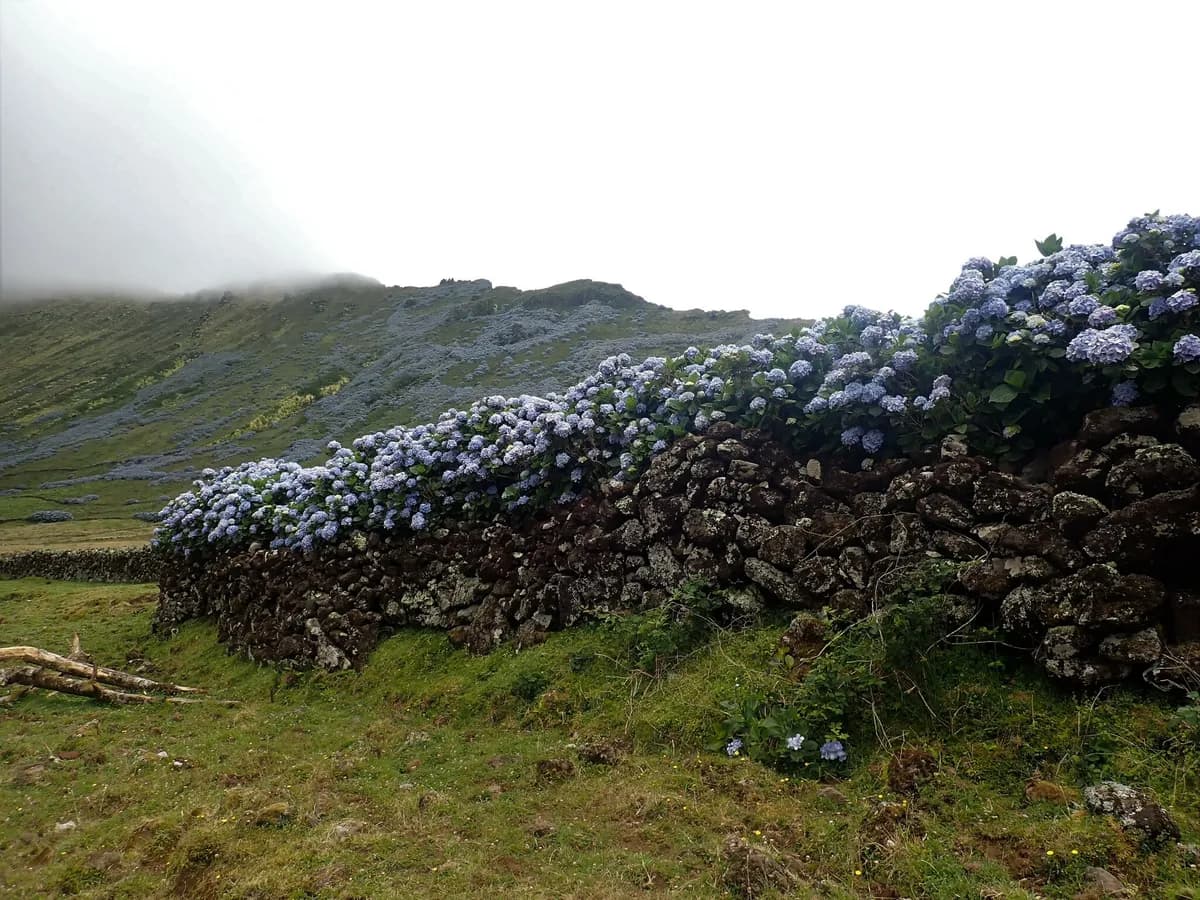
Bigleaf Hydrangea (Hydrangea macrophylla) is a perennial shrub. It blooms in June, July, and August.
Bigleaf Hydrangea is toxic to dogs and cats.
Listed as toxic by the NC State Extension Gardener Plant Toolbox (opens in new tab) (last reviewed 2026-08-20). If your pet has been exposed, call the ASPCA Animal Poison Control Center at (888) 426-4435 and your veterinarian's emergency line.
Pollinator Patch flags toxic plants so you can choose a pet-safe native alternative for your yard.
Light
part shade
Water
high
Size
36"–72" H × 36"–72" W
Bloom
Jun, Jul, Aug
Native alternatives to Bigleaf Hydrangea
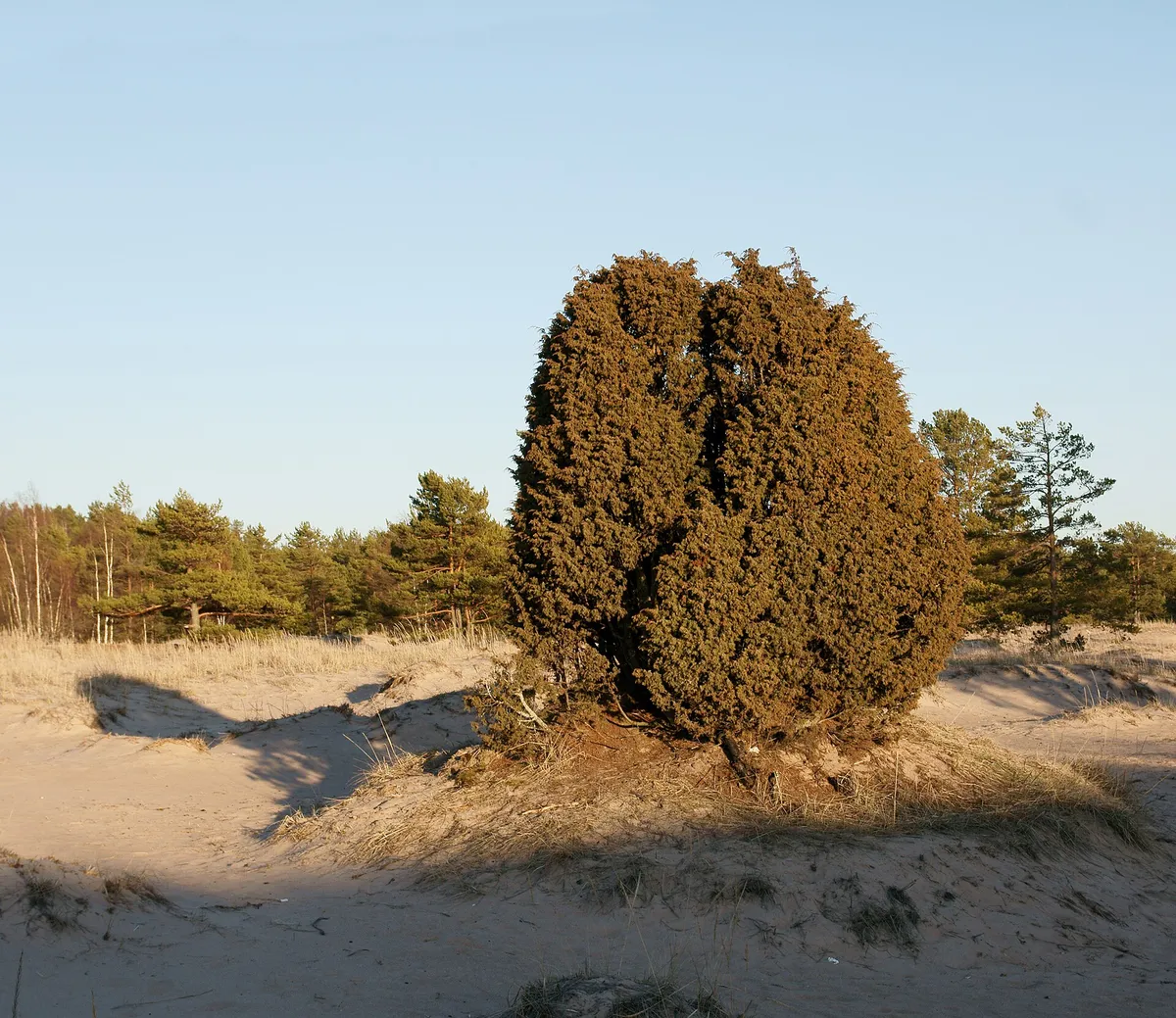
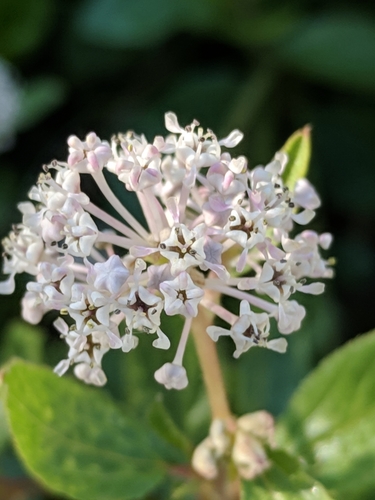
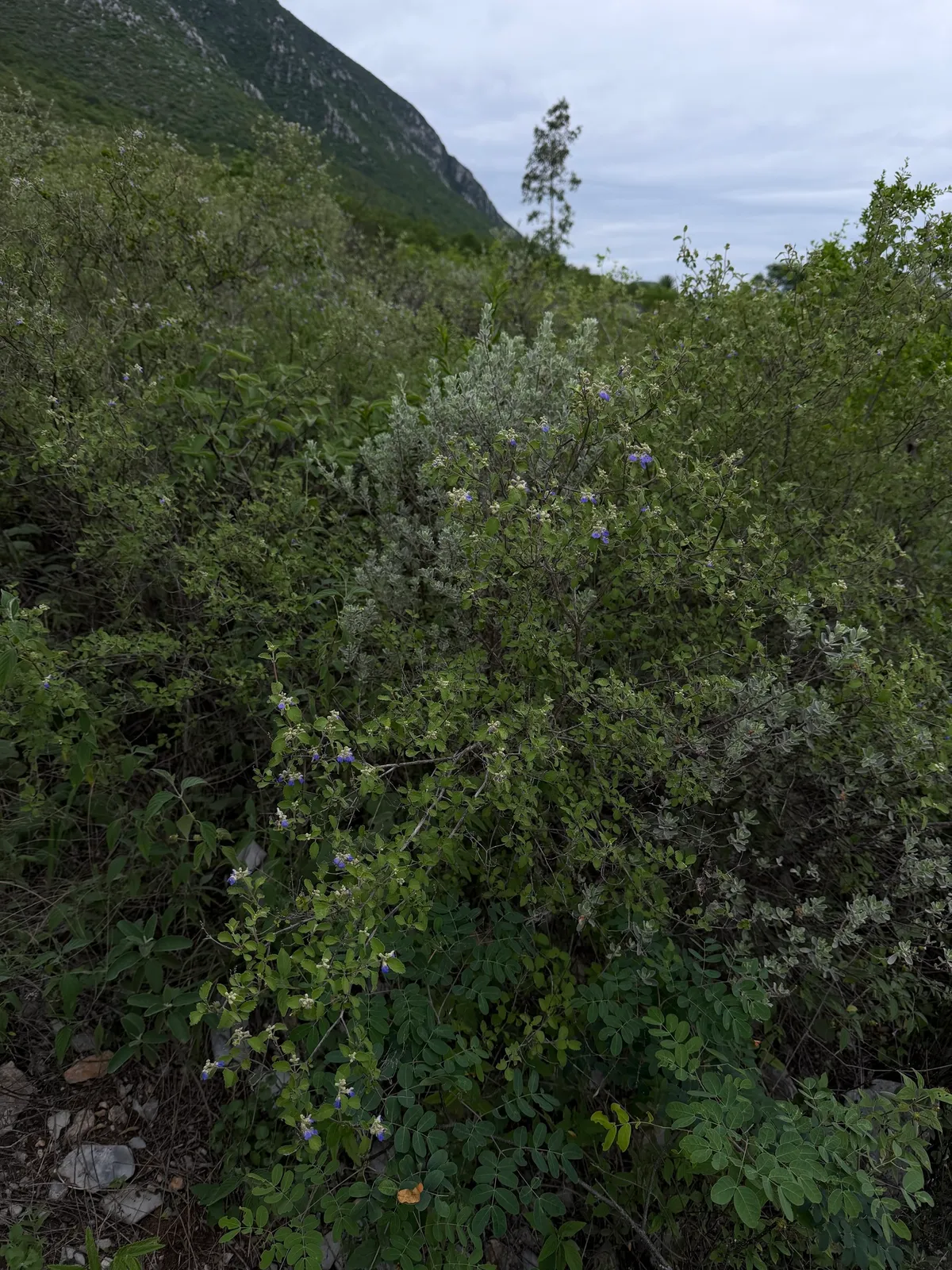
Bigleaf Hydrangea is not native to the United States. These natives fill a similar role in a planting, matched on bloom season, bloom color and mature size.
Before you buy
Your city may pay you to plant this
Cities and water utilities offer rebates for replacing lawn with native and water-wise plants. We track 460 programs across 44 states, each with a link to the provider and the date we last checked it.
Find rebates in your areaPicture natives in your own yard
Wondering what could grow where Bigleaf Hydrangea is now? Upload a photo of the spot and Patch Vision shows a rendering of it replanted with natives for your region.


A rounded deciduous shrub with large mophead or lacecap flower clusters through summer. Flower color shifts with soil pH, blue in acid soil and pink in alkaline. It blooms on old wood, so pruning at the wrong time removes the next season of flowers.
Growing Bigleaf Hydrangea
Grow Bigleaf Hydrangea in part shade and high water. Mature plants reach 36 to 72 inches tall and spread 36 to 72 inches wide. Expect moderate maintenance to keep it looking intentional in a front yard.
How to care for Bigleaf Hydrangea, by region
How to care for Bigleaf Hydrangea where it is actually grown: year-round basics plus what to do each season, region by region, with the sources for each.
Care guidance last updated: September 2026
Central Irregular Plains (includes Kansas City, MO)
Year-round
Bigleaf hydrangea needs steady moisture, part shade, and a light hand with pruning so it keeps the flower buds it already has.
- Plant it in part shade or morning sun with afternoon shade, in soil that holds moisture but still drains, and keep 2 to 3 inches of mulch over the roots year round to hold that moisture and keep roots cool.
- This plant is a water hog. Check the soil often and water deeply whenever the top inch feels dry, especially in the first year or two after planting.
- Most bigleaf hydrangeas set next year's flower buds on this year's stems. In spring, only cut out wood that is clearly dead. Save any real shaping for right after the blooms fade.
- Soil pH shifts flower color on most varieties except white ones. More acidic soil (adding aluminum sulfate) trends the blooms blue. More alkaline soil (adding garden lime) trends them pink.
- Keep this plant away from dogs, cats, and horses that chew on landscaping. It is toxic if eaten, with vomiting and diarrhea being the most common signs.
Fall
This is when next year's flower buds are forming, so the main job in fall is to leave the plant alone and get it ready for the winter temperature swings that cause most of the trouble here.
- Do not prune in fall. The plant is setting next year's flower buds on this year's stems right now, and cutting removes next year's blooms.
- After the first hard frost blackens the leaves, refresh mulch to about 3 inches over the root zone to buffer the coming swings between mild spells and hard freezes.
- Leave the faded flower heads and dead foliage in place through fall and into winter. They help shield the buds just below them from early cold snaps.
- If a stretch of very cold weather shows up before the plant has gone fully dormant, loosely wrap it in burlap or pile extra leaf mulch around the base for added insulation.
Skipping the fall cutback and leaving faded blooms in place protects next year's flowers, even if neighboring beds are getting tidied up for the season.
Winter
Winter is the hardest season for this plant in Kansas City. The flower buds are exposed on the stems all winter, and the freeze-thaw swings typical here are what damage or kill them.
- The flower buds formed last fall sit exposed through winter, and swings between mild spells and hard freezes are exactly what damages or kills them, sometimes without hurting the plant's roots at all.
- Keep 3 inches of mulch, straw, or dried leaves over the root zone and mounded around the base of the stems for extra insulation during the coldest stretches.
- Do not prune anything except wood that is clearly dead, black and brittle with no green underneath when you scratch it. Wait until spring growth shows you which buds made it through.
- If this shrub skips a bloom season after a rough winter, that is a known limitation of growing this plant in this climate, not something you did wrong. The plant itself usually comes back fine from the roots.
A neat layer of mulch over the dormant plant through winter reads as intentional care rather than a neglected bed.
Spring
Kansas City's swing from mild days back to hard frost in early spring is exactly what damages bigleaf hydrangea flower buds, so watch the forecast and prune with restraint.
- Once buds start swelling or the plant starts leafing out, a late freeze can kill the flowers for that year even though the plant itself is fine. Watch frost warnings through April.
- If a freeze is forecast after growth has started, cover the plant overnight with a frost cloth, old sheet, or light burlap and remove the cover once temperatures climb back above freezing.
- Only remove wood that is clearly dead this time of year. Live stems, even ones that look bare, may still hold buds for this year's blooms.
- As new growth appears, resume regular deep watering. Keep the soil moist but not waterlogged as the days warm up.
- If the plant skips flowering after a hard winter, that is a known pattern for this species in this climate and not a sign anything is wrong with the plant.
A quick tidy of dead stems in early spring keeps the front bed neat while leaving live flower buds untouched for summer blooms.
Summer
Kansas City summers get hot and humid, and this plant wilts fast without enough water, so steady watering matters more than anything else right now.
- Check the soil every few days and water deeply at the base whenever the top inch feels dry. Water more often during heat waves or if the plant is in a sunnier spot.
- Wilting in the hottest part of the afternoon is normal even with enough water. Only worry if the plant is still drooping in the cool morning hours.
- You can snip off individual spent blooms to keep the plant looking tidy, but hold off on real pruning until right after flowering ends, and even then cut lightly since next year's buds are already forming.
- Keep mulch topped up through summer to hold moisture and keep the roots cooler in the heat.
Snipping off spent blooms through summer keeps the bed looking cared for without touching next year's flower buds.
Sources: Hydrangea macrophylla, Missouri Botanical Garden Plant Finder, Hydrangea macrophylla, Why Won't It Bloom?, K-State Research and Extension (Johnson County), Pruning Hydrangeas, K-State Research and Extension (Johnson County), Hydrangea, ASPCA Animal Poison Control
Middle Atlantic Coastal Plain (includes Philadelphia, PA)
Year-round
Bigleaf hydrangea is an ornamental shrub from eastern Asia, not native to the Philadelphia area, grown here for its large mophead or lacecap flower clusters.
- Most bigleaf hydrangeas bloom on old wood and start setting next year's flower buds almost as soon as this year's flowers fade, which is why cutting the shrub back at the wrong time of year is the single most common reason for a full, leafy plant with few or no blooms.
- Soil pH controls how much aluminum the roots can take up, and that is what shifts flower color. Acidic soil around pH 5.0 to 5.5 with available aluminum produces blue blooms, while neutral to alkaline soil locks up aluminum and pushes the same variety toward pink.
- Hydrangea leaves and flower buds are on the ASPCA's toxic plant list for dogs, cats, and horses. The concern is a cyanogenic compound that mainly causes vomiting and diarrhea if chewed or eaten, so it is worth keeping curious pets away from the plant.
Fall
By fall, bigleaf hydrangea has already set the flower buds it will open next summer, so the main job now is protecting them rather than cutting anything back.
- Do not prune in fall. Removing stems now cuts off buds that are already formed for next year's bloom, with the same result as fall deer browsing: a healthy-looking shrub with little or no flowering the next summer.
- It is also fine, and often better, to leave the spent flower heads on through fall and winter rather than deadheading, since trimming near the flower clusters risks nicking the buds that have already formed just below them. A light cleanup can wait until spring.
- Building up mulch around the root zone, kept off the stems themselves, ahead of winter helps protect the roots through the cold months.
Leaving spent, browned flower heads standing through fall and winter can look messy in a front-facing bed, but they are protecting next year's buds from accidental damage. If tidiness is a concern, a light cleanup in early spring is the better trade than deadheading now.
Winter
Philadelphia sits in USDA hardiness zone 7b, comfortably within bigleaf hydrangea's overall hardiness range, but the shrub's flower buds are more sensitive to a hard freeze or a wild temperature swing than the plant itself is.
- The whole shrub can generally handle Philadelphia's winter lows, but the already-formed flower buds are the vulnerable part. A hard freeze, or a warm spell followed by a sudden drop, can kill enough buds to noticeably thin out next summer's flowering even though the plant itself looks completely fine.
- For extra bud protection during a hard cold snap, loosely wrap the shrub with burlap or chicken wire and fill the enclosure with dry leaves, keeping material off the very branch tips where the buds have already formed. Remove the wrap once the danger of hard freezes has passed in spring.
- Do not prune during winter for the same reason as fall. Any stems removed now are next summer's flowers.
A burlap-wrapped shrub or a built-up mulch ring in a front yard reads as deliberate winter care rather than neglect, and it is a normal, HOA-friendly way to protect a flowering shrub through cold snaps. Removing the wrap promptly once frost risk passes keeps the bed looking intentional going into spring.
Spring
Bigleaf hydrangea leafs out later in spring than most nearby shrubs, so the biggest spring mistake is mistaking slow-to-wake live wood for dead wood and cutting it back.
- Wait until new leaf buds actually swell or break before pruning anything. A simple check is to scratch a stem lightly: green underneath means it is alive and may still carry a flower bud, brown means it is truly dead.
- A moderately severe winter can damage or kill the developing flower buds on bigleaf hydrangea even when the shrub itself survives and leafs out fine, so a thin bloom season does not necessarily mean the plant is unhealthy.
- Hold off on any real pruning until after this year's bloom. Removing stems now, even ones that look scraggly, can take next year's flowers with them.
Bare or twiggy-looking stems in early spring can read as untidy from the street, but trimming them before new growth shows risks cutting off this year's flower buds. Tidying just the obviously dead tips, and leaving anything with green wood underneath, keeps the front bed presentable without sacrificing blooms.
Summer
Summer is bloom season for bigleaf hydrangea in Philadelphia, and it is also the only real window to prune if a plant needs shaping.
- Prune right after the flowers fade, and before the end of July or the very first days of August. Pruning any later removes the buds the plant is actively setting for next summer.
- When pruning is needed, remove at most about a third of the shrub's oldest stems rather than cutting the whole plant back hard. This keeps some framework in place for next year's flowers while still encouraging fresh growth.
- If flower color matters to you, this is when you see the season's true result of your soil's pH. A gardener aiming for blue blooms next year can start working aluminum sulfate or garden sulfur into acidic soil now, ahead of next spring's bud set.
Sources: Penn State Extension: When to Prune Which Hydrangea Species, UGA CAES Field Report: Hydrangea blooms turn colors based on soil pH, ASPCA: Hydrangea (toxic and non-toxic plants), Clemson HGIC: Pruning Hydrangeas, UNH Extension: Pruning Hydrangeas fact sheet, UNH Extension: How do I protect my Endless Summer Hydrangea over winter?
Western Gulf Coastal Plain (includes Houston, TX)
Year-round
Bigleaf hydrangea can grow in the Houston area, but the region's alkaline clay soil and hot, intense afternoon sun work against it. Give it morning sun, afternoon shade, and consistently moist soil, and expect blooms to lean pink unless the soil is acidified.
- Plant it where it gets morning sun and afternoon shade. Houston's summer sun is strong enough to scorch the large leaves by midafternoon.
- Houston's native clay soil runs alkaline, which pushes blooms toward pink. For blue blooms, work in an acidifying soil amendment, aim for a pH around 5.5 to 6.5, and retest yearly.
- This shrub sets next year's flower buds on this year's wood. Skip structural pruning after mid summer and only remove spent blooms right after flowering.
- Keep dogs, cats, and horses from grazing on the leaves and buds. The ASPCA's own plant entry covers the related smooth hydrangea, Hydrangea arborescens, rather than this exact bigleaf species, but extension sources confirm bigleaf hydrangea also contains the same cyanogenic glycoside compounds and is treated as toxic to dogs, cats, and horses.
Fall
Houston stays warm well into fall, so this shrub keeps growing later in the year than it would further north. Next year's flower buds are already set on this year's stems, so the main job now is protecting them, not cutting them.
- Skip pruning. Next summer's flower buds are already set on this year's stems, and cutting now removes them.
- Ease off fertilizing by early fall so new growth has time to harden before winter.
- Keep watering through Houston's warm fall stretch, then taper off as nights cool and growth slows.
- Add a fresh layer of mulch before the season's first cold snaps to protect the root zone and even out soil temperature swings.
A fresh layer of mulch and a light cleanup of dropped leaves keeps the bed looking tended without touching the stems that are holding next year's blooms.
Winter
Houston winters are mild enough that bigleaf hydrangea often keeps some leaves through a typical year, though an occasional hard freeze can knock it back. The flower buds for next summer's bloom are already formed on the stems and need protecting from a hard freeze rather than pruning.
- Skip pruning. Any cutting now removes the flower buds already set for next summer's bloom.
- If a hard freeze is forecast, cover the shrub or mound extra mulch over the base to protect the root crown and low buds.
- Leave frost-damaged leaves and stems in place until new growth shows in spring. Cutting back too early risks removing wood that is still alive.
- Water occasionally during dry winter spells. Houston winters are mild but can still go weeks without rain.
Winter dieback can look ragged, but leaving it until spring protects next year's blooms. Clearing fallen leaves around the base in the meantime keeps the bed looking intentional rather than neglected.
Spring
Spring is when new growth resumes and any flower buds that survived winter start to swell. Houston's Gulf Coast winters are mild, but a late cold snap can still catch tender new growth off guard this early in the season.
- Hold off on any hard pruning until new leaves fully emerge, then cut back only stems that show no green growth.
- Watch the forecast through late winter into spring. A late cold snap can still burn tender new growth this early in Houston's season.
- Once new leaves are out, start a weekly weak liquid fertilizer and taper off by early summer.
- Refresh mulch to 2 to 3 inches as temperatures start climbing, to help hold soil moisture in the clay.
Waiting until new leaves show before cutting back winter dieback keeps the shrub reading as intentional rather than bare, which is an easier look to explain during a spring HOA walk-through than bare stems.
Summer
This is peak bloom season and also the hardest stretch of the Houston year for a shrub that wants consistent moisture and cool roots. Heat, humidity, and strong afternoon sun combine to stress the plant right when it is trying to flower.
- Water deeply two to three times a week during hot, dry stretches instead of a light daily sprinkle. Shallow watering does not reach roots in Houston's heavy clay.
- Deadhead spent mophead or lacecap blooms to keep the plant tidy, but stop any structural pruning by early August so you do not remove next year's flower buds.
- Some afternoon leaf droop in extreme heat is normal and usually recovers by evening. Wilting that is still there the next morning means the plant needs more water.
- High humidity favors powdery mildew and leaf spot, and spider mites can show up in the heat. Water at the base rather than overhead and give the plant some airflow.
Deadheading spent blooms through summer keeps the bed looking cared for during Houston's longest bloom stretch, which is exactly what an HOA committee doing summer walk-throughs is looking for.
Sources: ASPCA Poison Control: Toxic and Non-toxic Plants, Hydrangea, NC State Extension Gardener Plant Toolbox: Hydrangea macrophylla, Hydrangea Love: The Ultimate Guide to Hydrangea Care in Texas (community tip)
Willamette Valley (includes Portland, OR)
Year-round
Bigleaf hydrangea is a Japanese ornamental shrub, not a Pacific Northwest native, but it grows well in Portland yards once you match its light and water needs.
- Give it morning sun with afternoon shade. Direct hot afternoon sun scorches the big leaves and stresses the plant, especially against a south or west facing wall.
- Keep the soil evenly moist all growing season. Portland gets very little rain from July through September, so this plant needs regular supplemental watering once established, not just occasional rain.
- Bigleaf hydrangea, the mophead and lacecap types sold at most Portland nurseries, is native to Japan, China, Korea, and Southeast Asia, not to Oregon. Grow it as a garden ornamental rather than expecting it to feed local wildlife the way a native shrub would.
- It is toxic to dogs and cats if the leaves or flower heads are chewed or eaten, so keep an eye on curious pets around the plant.
Fall
Fall is when bigleaf hydrangea is quietly forming next year's flower buds, so the main job is holding off on pruning and getting the plant ready for winter.
- Next year's flower buds are actually forming inside last year's stems right now, so avoid pruning. Extension guidance points to winter injury to these buds as the most common reason a bigleaf hydrangea skips blooming the following year.
- Keep watering through Portland's dry early fall stretch until the seasonal rains reliably return, usually by October or November.
- Spread a 2 to 4 inch layer of mulch over the root zone before the first hard freeze, keeping it a few inches back from the stems, to buffer the roots and low buds from a sudden cold snap.
- You can leave the faded flower heads on through winter for some structure in the bed, or trim off just the dried bloom itself without cutting into the stem below it.
Trimming off just the dried flower heads, not the stems, gives a tidier front yard look through fall without risking next year's blooms.
Winter
Portland winters are usually mild and wet, but an occasional hard freeze can still hurt the exposed flower buds on bigleaf hydrangea, so the main job is protecting them and leaving pruning until spring.
- Because bigleaf hydrangea's flower buds sit exposed on last year's stems rather than protected underground, an unusual hard freeze or cold snap can damage or kill them even in a generally mild Portland winter, which shows up as few or no blooms the following summer.
- Keep mulch in place over the root zone through winter. If a hard freeze is forecast, loosely wrapping burlap around the plant adds extra protection, especially for a young or newly planted shrub.
- Do not prune now. Wait to see which stems leaf out in spring before cutting anything back, since a bare looking stem in January can still be alive.
- Watering needs drop to almost nothing this time of year with Portland's regular winter rain, so extra watering usually is not needed unless there is an unusually dry stretch.
A bare, twiggy look through winter is normal dormancy for this plant, not a sign it needs to be cut back or replaced.
Spring
Spring in Portland means guarding new growth against a late cold snap and leaving pruning alone since this year's flowers already set on last year's stems.
- New leaf buds often break in March here, and Portland can still get a cold night into April, so keep a sheet or frost cloth handy to throw over the plant if a hard freeze is forecast after growth has started.
- Skip pruning this season. Bigleaf hydrangea blooms on old wood, meaning this year's flower buds formed on last year's stems back in fall, so cutting stems back now removes flowers before they open. Bare, brittle stems with no green inside are dead and can be cut out without hurting the live growth.
- Start light feeding with a balanced fertilizer once new leaves open, and keep the soil consistently moist as days warm up.
- If you want blue flowers instead of pink, early spring as new growth starts is the window to work aluminum sulfate or garden sulfur into the soil, aiming for a pH around 5.0 to 5.5.
Clearing out obviously dead stems in spring keeps the bed looking tended without touching this year's blooms.
Summer
Summer is the highest water season for bigleaf hydrangea through Portland's dry months, plus light deadheading for tidiness.
- Portland's summers are dry, often with almost no rain from July into September, so this plant needs regular deep watering, roughly once or twice a week depending on heat, more if it is in a container or full sun.
- Afternoon shade matters most now. Leaves wilt and can scorch fast during a hot, dry stretch if the plant sits in direct sun past midday.
- Once flower heads fade and turn papery brown, snip them off just above the first set of healthy leaves for a tidier look. Leave any stems you are not deadheading alone since next year's buds are already forming lower down.
- A layer of mulch over the root zone helps hold moisture between waterings and keeps roots cooler through hot spells.
Deadheading spent blooms once they've browned keeps the bed looking neat from the street.
Sources: Clemson HGIC - Bigleaf Hydrangea Factsheet, NC State Extension - Hydrangea macrophylla, Pet Poison Helpline - Hydrangea, Portland Nursery - Average Frost Dates (community tip)
In an HOA neighborhood
Bigleaf Hydrangea takes more care to keep looking intentional in a front yard. Maintenance level: moderate. Consider it for backyard or mid-zone beds rather than the street edge.
Works well in: front yard, foundation bed, border.
Wildlife value
Grown as an ornamental. Non-native plants support far fewer local insects than a native of similar size, so treat this as garden interest rather than habitat.
Common questions
- How much sun does Bigleaf Hydrangea need?
- Bigleaf Hydrangea grows best in part shade conditions.
- When does Bigleaf Hydrangea bloom?
- Bigleaf Hydrangea blooms in June, July, and August.
- Is Bigleaf Hydrangea toxic to dogs?
- Yes. Bigleaf Hydrangea is listed as toxic to dogs by the NC State Extension Gardener Plant Toolbox. If your pet has been exposed, call the ASPCA Animal Poison Control Center at (888) 426-4435.
- Is Bigleaf Hydrangea toxic to cats?
- Yes. Bigleaf Hydrangea is listed as toxic to cats by the NC State Extension Gardener Plant Toolbox. If your cat has been exposed, call the ASPCA Animal Poison Control Center at (888) 426-4435.
- Is Bigleaf Hydrangea HOA-friendly?
- Bigleaf Hydrangea takes more care to look intentional in a front yard. Consider it for backyard or mid-zone beds rather than the street edge.
Pollinator and host plant associations compiled from GBIF, iNaturalist, and published ecological literature.
If something looks wrong
Common plant problems, and what to check first
These come up on almost any plant. Each guide lists the likely causes in the order they are worth ruling out, with one thing to check before you act on any of them, and links to the source it came from.
- It is dying right after planting
- Leaves turning yellow
- Wilting even though I watered it
- Brown crispy leaf tips
- Bugs on the plant
Pollinator Patch flags toxic plants like Bigleaf Hydrangea and shows pet-safe natives for your ecoregion instead.