Wild Blue Indigo
Baptisia australis
Last reviewed: August 2026
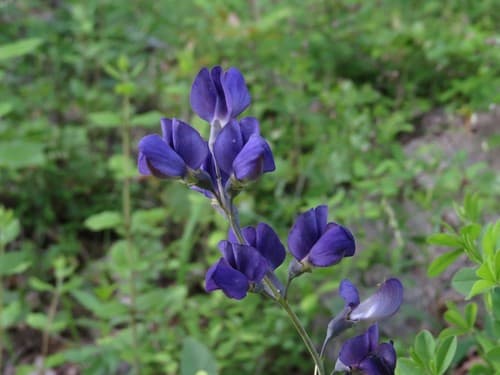
Baptisia australis, or Wild Blue Indigo, sends up tall spikes of blue pea-like flowers from spring into summer and grows well in full sun with medium moisture, well-drained soil.
Toxicity unknown
Wild Blue Indigo (Baptisia australis) is not listed by the ASPCA Animal Poison Control Center (opens in new tab) or the other sources we check, so we have no verdict for it either way. Absence from those lists is not a clearance. If your pet shows symptoms after eating any plant, call the ASPCA at (888) 426-4435.
Light
full sun
Water
medium
Size
12"–60" H × 12"–36" W
Bloom
Mar, Apr, May, Jun, Jul, Aug
Native to
AL, AR, CT, DE and 24 more states
Pollinators
butterflies, bees
Before you buy
Your city may pay you to plant this
Cities and water utilities offer rebates for replacing lawn with native and water-wise plants. We track 452 programs across 44 states, each with a link to the provider and the date we last checked it.
Find rebates in your areaBrowse plants for this ecoregion
Wild Blue Indigo is a sturdy native perennial that forms an attractive bushy mound with blue-green foliage and spikes of deep blue flowers in spring and early summer. The plant develops a strong taproot system and becomes quite drought tolerant once established, making it a reliable low-maintenance choice for Texas gardens.
Growing Wild Blue Indigo
Grow Wild Blue Indigo in full sun and medium water. Mature plants reach 12 to 60 inches tall and spread 12 to 36 inches wide. Expect low maintenance to keep it looking intentional in a front yard.
How to care for Wild Blue Indigo, by region
How to care for Wild Blue Indigo where it is actually grown: year-round basics plus what to do each season, region by region, with the sources for each.
Care guidance last updated: July 2026
Cross Timbers (includes Fort Worth, TX)
Year-round
Wild blue indigo is a tough, long-lived prairie perennial that is native to the Eastern Cross Timbers around Fort Worth. It sends down a deep taproot, shrugs off drought once settled, and comes back bigger every spring. Plant it once in a sunny, well-drained spot and mostly leave it alone.
- Native to the Eastern Cross Timbers and Grand Prairie of North Central Texas, so it fits the Fort Worth area's clay-to-sandy prairie soils (Native Plant Society of Texas).
- Give it full sun to a little afternoon shade and soil that drains. The deep taproot makes it very drought tolerant once established (Lady Bird Johnson Wildflower Center).
- It is a larval host for the Wild Indigo Duskywing butterfly, and native bees and bumble bees work the blue spring flowers (Xerces Society, Lady Bird Johnson Wildflower Center).
- All parts are poisonous to humans if eaten, and it is not on the ASPCA toxic plant list, so keep the seed pods away from small children who might chew them (Lady Bird Johnson Wildflower Center).
The tidy, upright shape and clean blue-green foliage read as an intentional planting, so it looks composed in a front bed even after the flowers fade.
Fall
In fall the foliage slows down and can blacken with the first cold, and the dark seed pods stay standing. This is the season to decide whether you want a clean look now or winter structure, and a fine time to plant since roots keep growing while the soil is warm.
- The dark, dry seed pods persist into fall and can be left for texture or collected if you want to grow more from seed.
- Fall is a good second planting window in the Fort Worth area. The soil is still warm enough for roots to establish before winter.
- You can cut the plant to the ground after frost blackens it, or leave the stems and pods standing for winter interest. Either is fine.
- Handle dried pods with care around kids, since all plant parts stay poisonous to humans even when dry (Lady Bird Johnson Wildflower Center).
Winter
Wild blue indigo goes fully dormant in winter and dies back to the ground. Bare soil where it stood is normal and expected. Do not dig it up thinking it died. The deep taproot is alive and waiting for spring.
- The plant is winter-dormant in North Central Texas and disappears above ground. It returns from the taproot each spring, so leave the crown in place.
- If you left stems standing, late winter is the time to cut old growth down to a few inches before new shoots push.
- Avoid digging or dividing an established plant. The deep taproot resents disturbance and mature plants move poorly (Lady Bird Johnson Wildflower Center).
- No winter watering is needed while it is dormant.
Cutting the old stems down in late winter keeps the spot looking tended through the bare season.
Spring
Spring is the show. Tall spikes of blue-purple pea flowers rise in April and May over fresh blue-green leaves. This is also when new plants settle in best, so it is the season to plant and to enjoy, not to cut back.
- Blue-purple flower spikes open roughly April through May in the Fort Worth area (Lady Bird Johnson Wildflower Center).
- Spring is the best window to set out a new plant so the roots establish before summer heat. Water it in and keep the soil lightly moist the first few weeks.
- Do not cut the plant back now. The spring shoots become the whole season's growth, and cutting them removes the flowers.
- Watch for native bees and bumble bees working the blooms. They are the main pollinators of the spring flowers (Xerces Society).
A row of blue spikes in April looks like a deliberate spring border, which reads well from the curb.
Summer
After bloom, wild blue indigo turns into a neat shrub-like mound of blue-green leaves with inflated seed pods that dry to charcoal black. It handles Fort Worth summer heat and dry spells on its own thanks to that deep taproot. Little to do here.
- The seed pods swell after flowering and dry to a dark, rattly black by late summer. You can leave them for interest or clip them off if you want a tidier look.
- Established plants are very drought tolerant and usually need no summer watering in an average year (Lady Bird Johnson Wildflower Center).
- If you want to shape the mound, you can lightly trim right after the flowers finish. Skip hard pruning, since the plant will not regrow much this late.
- The seed pods contain the same toxic parts as the rest of the plant, so keep dried pods out of reach of children who might mouth them (Lady Bird Johnson Wildflower Center).
The rounded blue-green mound holds a clean shape all summer, so the bed still looks maintained even when nothing is blooming.
Sources: Native Plant Society of Texas, Baptisia australis var. minor, Lady Bird Johnson Wildflower Center, Baptisia australis, Xerces Society / BAMONA, Wild Indigo Duskywing larval hosts (Baptisia)
Texas Blackland Prairies (includes Dallas, TX)
Year-round
Wild blue indigo is native to the northern Blackland Prairie around Dallas, where it grows in heavy prairie clay. It is a deep-rooted, long-lived perennial that handles clay soil and drought once established. Give it sun and good drainage and it will anchor a bed for years.
- Native to the northern Texas Blackland Prairies, so it belongs in the Dallas area's dark clay prairie soils (Native Plant Society of Texas).
- Plant in full sun to light afternoon shade in soil that drains. A deep taproot makes it very drought tolerant after the first year (Lady Bird Johnson Wildflower Center).
- It is a larval host for the Wild Indigo Duskywing butterfly, and native bees and bumble bees visit the blue spring flowers (Xerces Society, Lady Bird Johnson Wildflower Center).
- All parts are poisonous to humans if eaten, and it is not on the ASPCA toxic plant list, so keep the dried seed pods away from small children (Lady Bird Johnson Wildflower Center).
The upright form and tidy blue-green leaves keep a groomed look in a front bed long after the blooms are gone.
Fall
Fall slows the plant down and the dark pods stay standing while foliage fades. Decide between a clean cut now or leaving winter structure. Fall is also a solid second planting window while the clay is still warm.
- The dark seed pods hold through fall and can be left for texture or collected for seed.
- Fall planting works well in the Dallas area since the soil stays warm enough for roots to settle before winter.
- Cut the plant down after frost blackens it, or leave stems and pods for winter interest. Both are fine.
- All parts stay poisonous to humans even when dry, so handle collected pods carefully around kids (Lady Bird Johnson Wildflower Center).
Winter
The plant goes fully dormant in winter and dies back to the ground. Bare soil where it stood is normal. Do not dig it up assuming it is dead. The deep taproot is alive and will return in spring.
- Winter-dormant in the Dallas area. It vanishes above ground and returns from the taproot each spring, so leave the crown in place.
- If stems were left standing, cut old growth down to a few inches in late winter before new shoots appear.
- Do not dig or divide an established plant. The deep taproot dislikes disturbance and mature plants transplant poorly (Lady Bird Johnson Wildflower Center).
- No watering is needed during winter dormancy.
Cutting old stems down in late winter keeps the spot looking tended through the bare months.
Spring
Spring brings the blue-purple flower spikes, opening April into May over new blue-green growth. It is the best time to plant a new one and the wrong time to cut it back, since spring growth carries the whole year.
- Blue-purple spikes bloom about April through May in the Dallas area (Lady Bird Johnson Wildflower Center).
- Set out new plants in spring so roots establish before summer. Water them in and keep the soil lightly moist for the first few weeks.
- Do not cut the plant back in spring. The new shoots become the season's flowers and foliage.
- Native bees and bumble bees are the main visitors to the spring blooms (Xerces Society).
A cluster of blue spikes in spring reads as an intentional seasonal border from the street.
Summer
After flowering, the plant becomes a neat mound of blue-green foliage with inflated pods that dry black. It rides out Dallas summer heat and dry spells on its deep taproot with little help. Mostly a hands-off season.
- Seed pods form after bloom and dry to a rattly charcoal black by late summer. Leave them for interest or trim them for a cleaner look.
- Established plants rarely need summer watering in a normal year thanks to the deep taproot (Lady Bird Johnson Wildflower Center).
- For a tidier mound, lightly trim right after flowering. Avoid hard pruning this late, since the plant will not push much new growth.
- The dried pods carry the same toxic parts as the plant, so keep them out of reach of small children (Lady Bird Johnson Wildflower Center).
The rounded blue-green mound stays neat all summer, so the bed looks kept even between bloom cycles.
Sources: Native Plant Society of Texas, Baptisia australis var. minor, Lady Bird Johnson Wildflower Center, Baptisia australis, Xerces Society / BAMONA, Wild Indigo Duskywing larval hosts (Baptisia)
Want these tasks as reminders timed to your yard? Pollinator Patch turns this guidance into a season-by-season care plan for the plants you actually grow.
In an HOA neighborhood
Wild Blue Indigo takes more care to keep looking intentional in a front yard. Maintenance level: low. Consider it for backyard or mid-zone beds rather than the street edge.
Works well in: backyard only.
- Insufficient data for HOA assessment
- Default conservative
Wildlife value
This native legume attracts butterflies and native bees with its abundant spring blooms. The seeds provide food for birds, and the plant serves as a host for several butterfly species including the Wild Indigo Duskywing.
Common questions
- When does Wild Blue Indigo bloom?
- Baptisia australis typically blooms from March through August, with the heaviest flowering usually occurring in April, May and June depending on local climate.
- What pollinators does Wild Blue Indigo attract?
- Bees and butterflies are the main visitors to Baptisia australis, which they use as a nectar and pollen source on its upright blue flower spikes.
- How much sun and water does Wild Blue Indigo need?
- It grows best in full sun with medium soil moisture, but established plants handle part shade and tolerate both wetter and drier conditions.
- Is Wild Blue Indigo toxic to cats?
- Yes. Wild Blue Indigo is listed as toxic to cats by the NC State Extension Gardener Plant Toolbox (aspca.org). If your cat has been exposed, call the ASPCA Animal Poison Control Center at (888) 426-4435.
- Is Wild Blue Indigo HOA-friendly?
- Wild Blue Indigo takes more care to look intentional in a front yard. Consider it for backyard or mid-zone beds rather than the street edge.
These answers were drafted with an AI model from this plant's data. Verify care details with a local expert.
Native range data from vouchered herbarium specimen records and regional native plant society lists. Pollinator and host plant associations compiled from GBIF, iNaturalist, and published ecological literature.
If something looks wrong
Common plant problems, and what to check first
These come up on almost any plant. Each guide lists the likely causes in the order they are worth ruling out, with one thing to check before you act on any of them, and links to the source it came from.
- It is dying right after planting
- Leaves turning yellow
- Wilting even though I watered it
- Brown crispy leaf tips
- Bugs on the plant
Ready to grow Wild Blue Indigo? Add it to your garden in Pollinator Patch to track it and get season-by-season care guidance.
Planning a bed around it? Start a free plan with this plant
Not sure where to start? Take the 2-minute yard quiz