Gulf Muhly
Muhlenbergia capillaris
Light
full sun
Water
low
Size
24"–36" H × 24"–36" W
Bloom
Sep, Oct, Nov
Native to
Gulf Coast Prairie, South Texas Plains, Blackland Prairie, Post Oak Savannah
Pollinators
birds
Picture natives in your own yard
Upload a photo of your yard and Patch Vision shows a rendering of it planted with natives for your region, like Gulf Muhly.


Browse plants for this ecoregion
Gulf Muhly is a perennial grass native to Gulf Coast Prairie, South Texas Plains, Blackland Prairie, Post Oak Savannah. It grows best in full sun with low water needs.
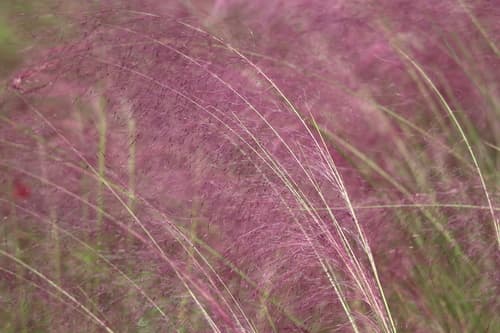
Gulf Muhly (Muhlenbergia capillaris) earns its place in any Texas garden for one reason: the October-November bloom. Dense pink-to-magenta plumes rise 2-3 feet above the fine-textured foliage, catching backlight and creating a haze of color that is visible from the street. No other native grass in the South matches that fall display.
Gulf Muhly is not on the ASPCA Animal Poison Control Center toxic plant list for dogs or cats. The plant forms a tidy clump 2-3 feet tall and wide, stays upright without staking, and keeps its fine green foliage from spring through summer. For HOA front yards, it is one of the easiest choices: no one mistakes it for a weed, and it requires almost no attention.
Ecoregion notes for Texas. In the Gulf Coast Prairies and Marshes (Houston, Corpus Christi, humid coastal plains): native and at its best. Full sun, any soil, minimal water once established. In the Post Oak Savannah and Blackland Prairie (DFW, Austin, San Antonio, clay soils): performs well and is widely planted in commercial and residential landscapes; divide clumps every 3-4 years when the center goes bare. In the South Texas Plains (Brush Country, drier and sandier): native; tolerates more drought than most grasses. In the Edwards Plateau: not native but adapts to the alkaline soil; plant in well-drained spots.
Gulf Muhly pairs with Gregg's Mistflower and Plateau Goldeneye for a fall pollinator garden that looks great from the street. Cut clumps to 4-6 inches in late winter before new growth begins. Divide crowded clumps in early spring. For HOA contexts, a mass planting of 3-5 clumps reads better than a single specimen.
Bee species data compiled from GBIF, iNaturalist, Discover Life, and the USGS Native Bee Inventory and Monitoring Lab. Plant-pollinator associations informed by published ecological literature.
How to care for Gulf Muhly, by region
How to care for Gulf Muhly where it is actually grown: year-round basics plus what to do each season, region by region, with the sources for each.
Care guidance last updated: October 2026
Blue Ridge (includes Asheville, NC)
Year-round
Year-round care for Gulf muhly around Asheville, NC: full sun, soil that drains, little water once established, and one cutback in late winter.
- Plant it in full sun, 6 or more hours of direct light a day. A sunny spot gives the best pink fall bloom.
- It grows in sand, loam, clay, or shallow rocky soil, and it puts up with poor soil. What it needs is good drainage.
- Water new plants until they are established. After that it has good drought tolerance and needs little extra water.
- Expect a clump about 2 to 3 feet tall and up to 3 feet wide. Space plants 24 to 36 inches apart so each clump keeps its shape.
- The pink to purple flower stalks come in fall. Leave them standing through winter if you like the look.
- Cut the clump back close to the ground in late winter, before the new spring growth appears. That is the one yearly chore.
Its rounded clumps look tidy planted in a group or a row, and one late winter cutback keeps them neat.
Sources: NC State Extension Gardener Plant Toolbox: Muhlenbergia capillaris, UF/IFAS Gardening Solutions: Muhly Grass, Lady Bird Johnson Wildflower Center: Muhlenbergia capillaris
Central Irregular Plains (includes Kansas City, MO)
Year-round
Gulf muhly, often sold as pink muhly grass, is a warm season ornamental grass that grows well in the Kansas City area even though its wild range is centered more on the South and the Gulf Coast.
- Give it a full sun spot with at least six hours of direct sun a day, that is what produces the best pink to purple color in fall.
- The clay soil common around Kansas City is fine for this grass as long as the planting spot drains well after a heavy rain, it does not like sitting in standing water.
- It is rated hardy to USDA zone 5a, which comfortably covers the Kansas City area's zone 6a to 6b winters, so cold is not the main risk here.
- Its natural range runs mostly through the South and along the Gulf Coast, with the Lady Bird Johnson Wildflower Center mapping it as far as southern Illinois and southeastern Kansas, so right around Kansas City it is best thought of as an adaptable garden grass rather than a plant that grows wild nearby.
- It is not on the ASPCA toxic plant list for cats or dogs, so it is a reasonably low worry grass to add to a yard pets use.
Fall
Fall is the payoff season for gulf muhly, this is when the airy pink to purple plumes show up and the plant becomes the highlight of the bed.
- Around Kansas City the pink haze usually shows from late September into October, then fades to a tan color as nights turn cold.
- No deadheading is needed, the plumes are the whole display, so let them stand.
- Walk the bed now and note any clump that looks thin or hollow in the center, that is the one to divide next spring.
- Do not cut the plant back in fall, cutting it down now removes the entire reason to grow it and leaves the bed empty all winter.
Left standing, the fall plumes read as an intentional planting rather than an overgrown patch, which helps on a bed that faces the street.
Winter
Winter is a quiet season for gulf muhly, the dried plumes and tan foliage just stay standing until it is time for a cutback near the very end of the season.
- Leave the whole clump standing through winter, the dried seed heads catch snow and give shelter to overwintering insects.
- Do not cut back in fall or midwinter, wait until late winter or early spring, right before new growth starts.
- Kansas City winters bring hard freezes, well drained soil going into winter matters more than mulching the crown for a grass rated hardy to zone 5a.
- If the previous winter was unusually wet, watch for a thin or dead looking clump the following spring, that is more often poor drainage than the cold hurting this grass.
A standing tan silhouette reads as deliberate winter structure rather than a neglected bed, which matters most on an HOA-conscious front yard visible from the street.
Spring
Spring in Kansas City is cleanup time for gulf muhly, the old winter growth has to come off before the new blades take over.
- Cut the whole clump back to two to four inches above the ground in late March or early April, before new green blades show, timed around the area's typical mid April last frost.
- If a clump has died out or thinned in the middle after a few years, spring is also the right time to dig it up and divide it.
- New growth is slow to start, a bare looking clump in April is normal, it fills back in through May and June.
- Skip fertilizer in spring, muhly grown in rich soil tends to flop over instead of standing up for its fall bloom.
A late winter or early spring cutback keeps the clump looking tended instead of like leftover brown stalks along a front walk.
Summer
Kansas City summers run hot and humid with stretches of dry weather, which is close to ideal for an established gulf muhly plant.
- Water new plantings once or twice a week through their first summer, clumps in their second summer and beyond rarely need extra water outside of a real drought.
- The foliage is just a plain green mound through summer, the pink color everyone plants it for does not show up until closer to fall.
- Good drainage matters more than watering here, soggy clay during a wet Kansas City summer is more likely to hurt this grass than a dry spell.
- No fertilizing or pruning is needed in summer, leave the clump alone to build up for its fall show.
Sources: Lady Bird Johnson Wildflower Center: Muhlenbergia capillaris, NC State Extension Gardener Toolbox: Muhlenbergia capillaris, ASPCA Toxic and Non-Toxic Plant List: Cats, ASPCA Toxic and Non-Toxic Plant List: Dogs, Clemson HGIC: Ornamental Grasses
Cross Timbers (includes Fort Worth, TX)
Year-round
Gulf muhly (also sold as pink muhly grass) is a low maintenance native bunchgrass that stays neat most of the year and puts on a haze of pink to purple seed heads in fall.
- Plant in full sun; mature clumps reach about 24 to 36 inches tall and wide, so space plants roughly 24 to 30 inches apart.
- This grass is native to the Cross Timbers area of North Texas, in the sandier loam soils that drain fast, so it rarely needs soil amending.
- Water two to three times a week for the first 4 to 6 weeks after planting, then taper off as roots establish.
- Once established, it needs little supplemental water and no regular fertilizer.
- Cut the whole clump back to about 4 to 6 inches once a year in late winter, before new growth starts.
Fall
Fall is this grass's showcase season, when feathery pink to purple plumes rise above the foliage.
- Expect the pink to purple seed heads from August through October, usually at their fullest in September and October.
- Fall is also a good time to plant or divide clumps; cooler air and steadier rain help new roots settle in before winter.
- Leave the seed heads standing through fall. They hold color for weeks and are the main reason people grow this grass.
- Cut back on supplemental water once fall rains return, typically by late September in North Texas.
The pink fall plume reads as an intentional ornamental display along a walkway or bed edge, not overgrowth, which makes it one of the easier fall looks to explain to an HOA.
Winter
The clump goes dormant and turns tan through winter; one cutback before spring keeps it looking maintained.
- Leave the dried foliage and seed plumes standing through most of winter; they add texture and hold up through wind and light freezes.
- Cut the entire clump back to about 4 to 6 inches sometime between late January and late February, before new spring growth starts.
- No routine watering is needed in a normal North Texas winter; water only if there has been no rain for 3 or more weeks.
- Hard freezes, including the occasional severe Arctic outbreak, are normal for this grass. It resprouts from the base and needs no winter cover.
A dormant, tan clump can read as neglected to a neighbor by late winter; scheduling the cutback by late February keeps the front yard looking intentional going into spring.
Spring
Spring is when new blades come up from the late-winter cutback, and it is the best window to put new plants in the ground.
- Plant new nursery pots any time from mid March (after the last frost) through May.
- Water new plantings two to three times a week for the first 4 to 6 weeks so roots can establish before summer heat arrives.
- If you have not done the late-winter cutback yet, finish it by mid March; new blades fill in a rough cut within a few weeks.
- Skip fertilizer. This grass is adapted to the leaner, sandier soils west of the metro and heavy feeding makes it flop over.
A clump cut low at the start of spring reads as tended and intentional rather than neglected, since fresh green blades fill it back in within weeks.
Summer
Summer heat and dry spells are the riskiest stretch for a plant still in its first year; established clumps handle North Texas summers well on their own.
- During 100F-plus stretches with no rain, water first-year plantings deeply once or twice a week, especially in the sandier, faster-draining soils west of the metro.
- Plants past their first summer usually need extra water only during an extended multi-week drought.
- Foliage should stay upright and blue-green; flopping or bleached blades usually point to too much water, not too little, in a North Texas summer.
- No fertilizer needed during the growing season.
A stressed clump can look thin or ragged from the street by August; a deep weekly soak in the hottest weeks keeps the form full going into the fall bloom.
Sources: Lady Bird Johnson Wildflower Center, Muhlenbergia capillaris plant profile, UF IFAS Gardening Solutions, Muhly Grass identification guide, NC State Extension, Muhlenbergia capillaris plant profile
Edwards Plateau (includes San Antonio, TX)
Year-round
Gulf muhly is a warm-season bunchgrass native to Texas that is well suited to San Antonio's hot, alkaline, well-drained soils. It needs regular water only in its first year, then handles drought with ease.
- Plant in full sun, at least 6 hours of direct light a day, for the fullest pink to lavender fall plume display.
- Well-drained soil matters more than soil richness. Sandy, rocky, or clay soils all work as long as water does not pool around the roots.
- Water regularly through the first growing season to help roots establish, then taper to occasional deep watering during long dry stretches.
- Mature clumps reach about 2 to 3 feet tall and wide, so space new plants 2 to 3 feet apart.
- This species is native to Texas, including the San Antonio area, and is recognized as a Texas Superstar landscape plant for the state.
Its tidy, upright clumping habit and showy but non-invasive seed heads make gulf muhly a strong HOA-friendly choice for front-yard beds and foundation plantings.
Fall
Fall (September through November) is gulf muhly's showcase season in San Antonio. This is when the signature pink to lavender seed plumes appear, usually peaking in October and into November.
- Expect the airy pink to lavender bloom display to develop in mid to late fall. No pruning or deadheading is needed to bring on the color.
- September is one of San Antonio's wetter months, averaging around 3.4 inches of rain, so supplemental watering is rarely needed unless the fall turns dry.
- Leave the plumes in place through fall. They are the main ornamental feature and also add texture and mild wildlife cover into winter.
- San Antonio's average first fall frost falls in mid to late November. A hard freeze will fade the plumes and end that year's bloom display.
- This is the best season to enjoy gulf muhly's curb appeal in a front-yard bed.
Fall's pink plume display is gulf muhly's biggest visual payoff and a good example of adding HOA-friendly seasonal color without a formal flower bed.
Winter
San Antonio winters (December through February) are gulf muhly's dormant season. The grass is fully cold-hardy here, and the main task is a single cutback before spring growth resumes.
- Foliage fades to tan or copper and growth stops after the first hard freeze, typically mid to late November in San Antonio.
- Cut the entire clump back to a few inches above the ground in late winter, before new blades emerge, usually sometime in February.
- Gulf muhly is winter-hardy across the San Antonio area (USDA zones 8b to 9a per local mapping) and needs no frost protection or covering.
- Winter is San Antonio's driest overall season, so established plants need little to no supplemental water while dormant.
- Leaving the dried seed heads standing through winter is optional. It adds texture and some shelter for birds until you cut back.
Spring
San Antonio's spring (roughly March through May) is when gulf muhly resumes active growth after winter dormancy. Finish any late-winter cutback early and expect fresh green blades with no pink color yet.
- If the clump has not been cut back yet, do it now before new blades grow more than a few inches tall. San Antonio's average last spring frost falls in late February to mid March.
- New growth is plain green this time of year. The pink plumes do not appear until fall, so no color is expected in spring.
- Water new or first-year plants regularly as they establish. Established clumps usually need little extra water if spring rain is normal.
- Spring is one of San Antonio's wetter stretches, with May averaging close to 3.7 inches of rain, so supplemental watering is rarely needed in a typical year.
- No fertilizer is needed for this low-input native grass.
Summer
San Antonio summers (June through September) run hot and often dry, especially in August. Gulf muhly is highly drought tolerant once established and needs little supplemental water.
- Once past its first year, gulf muhly needs only occasional deep watering during extended heat. It is one of the more drought-tolerant native grasses for this climate.
- August is San Antonio's driest month on average, around 2 inches of rain, so this is when an established plant is most likely to need a deep soak after several dry weeks.
- A layer of mulch around the base helps hold soil moisture through the hottest stretch without changing the plant's low-water needs.
- Foliage stays green through summer heat. The pink seed plumes have not formed yet and will not appear until fall.
- Avoid heavy, frequent watering. Soggy soil in summer heat is more likely to cause problems than underwatering for this species.
Sources: USDA PLANTS Database, Muhlenbergia capillaris profile, Lady Bird Johnson Wildflower Center, Native Plant Database: Muhlenbergia capillaris, Native Plant Society of Texas, Muhlenbergia capillaris, Texas A&M AgriLife, Texas Superstar: Gulf Muhly, Garden.org, Frost Dates for San Antonio, Texas (community tip), climate-data.org, San Antonio climate averages (community tip)
Middle Atlantic Coastal Plain (includes Philadelphia, PA)
Year-round
Year-round care for Gulf muhly around Philadelphia, PA: full sun, soil that drains, little water once established, and one cutback in late winter.
- Plant it in full sun, 6 or more hours of direct light a day. A sunny spot gives the best pink fall bloom.
- It grows in sand, loam, clay, or shallow rocky soil, and it puts up with poor soil. What it needs is good drainage.
- Water new plants until they are established. After that it has good drought tolerance and needs little extra water.
- Expect a clump about 2 to 3 feet tall and up to 3 feet wide. Space plants 24 to 36 inches apart so each clump keeps its shape.
- The pink to purple flower stalks come in fall. Leave them standing through winter if you like the look.
- Cut the clump back close to the ground in late winter, before the new spring growth appears. That is the one yearly chore.
Its rounded clumps look tidy planted in a group or a row, and one late winter cutback keeps them neat.
Sources: NC State Extension Gardener Plant Toolbox: Muhlenbergia capillaris, UF/IFAS Gardening Solutions: Muhly Grass, Lady Bird Johnson Wildflower Center: Muhlenbergia capillaris
Northeastern Coastal Zone (includes New York, NY)
Year-round
Gulf muhly is a clumping ornamental grass grown for the cloud of pink to purple plumes it sends up in fall. It wants a sunny, well drained spot and needs very little care once it settles in.
- Give it full sun, at least 6 hours of direct light a day, for the fullest plume color and shape.
- Well drained soil matters more than soil type. It handles clay, loam, or sand, but a spot that stays wet, especially over winter, can rot the crown.
- Space plants about 3 to 4 feet apart. A mature clump spreads to roughly 3 feet wide.
- Water it in well at planting and keep the soil evenly moist through the first growing season while the roots establish, then back off.
Fall
Fall is the payoff season. The plant sends up airy pink to purplish red plumes that catch afternoon light, usually from September into November.
- Peak bloom color runs roughly September through November, which is when this plant earns its spot in a front bed.
- The plumes hold their color best in full sun. A plant growing in part shade will still flower but with a duller, more muted color.
- Leave the seed heads standing rather than cutting them back now. They are the main show, and they also help hold the clump upright through winter wind.
The pink plume display is the plant's main curb appeal moment, and a front yard planting in full view of the street tends to read as a deliberate design choice at this time of year.
Winter
The tan seed heads and foliage stay standing through winter, adding texture to an otherwise bare bed. New York City sits toward the cooler edge of where this grass reliably comes back each year, so a little extra protection is worth doing.
- New York City is mapped in USDA zone 7b. Gulf muhly is generally rated hardy from about zone 5 or 6 through zone 9, so the city is within range but closer to the cooler end than the middle of it.
- A 2 to 3 inch layer of mulch over the root zone after the ground starts to cool helps protect the crown through winter, especially for a plant in its first year or two.
- Leave the dried foliage and seed heads in place all winter for structure and to shelter the crown. Save the hard cutback for early spring, once new growth is close.
- The average first fall frost for the city is around November 20, so expect the foliage to brown out and go fully dormant by then.
Tan, upright seed heads read as deliberate winter interest rather than neglect in a visible front bed, though some HOA-conscious neighbors still expect a tidier look going into the season, so a light shaping at the base is an option where that matters.
Spring
Spring is cleanup time. The old foliage gets cut down before new blades start so the plant can put its energy into fresh growth instead of dead leaves.
- Cut the whole clump back to a few inches above the ground in late winter or very early spring, before new growth begins.
- In the New York City area, new growth typically follows the last spring frost, which averages April 1 to 15 in Central Park, so aim to finish the cutback before then.
- If a clump looks thin or hollow in the middle after a few years in the ground, spring is also the best time to dig it up and divide it.
A full spring cutback reads as tidy and intentional from the street, rather than leaving brown winter stalks visible into the growing season.
Summer
Through summer the plant is just building its green, fountain shaped foliage. It handles heat and dry spells well and does not ask for much.
- Once established, it only needs extra water during extended dry spells. More consistent summer moisture can mean a fuller plant and a heavier fall bloom.
- Skip the fertilizer. Extra nitrogen tends to produce floppy growth instead of the upright, fine textured look the plant is known for.
- The plumes have not opened yet at this point. Expect them to start showing color late in the season, moving into September.
Sources: NC State Extension Plant Toolbox: Muhlenbergia capillaris, Clemson HGIC: Rain Garden Plants, Muhlenbergia capillaris, New York Botanical Garden Mertz Library: Last Spring Frost in the NYC Area, UF/IFAS Sumter County Extension: Muhly Grass, Brooklyn Botanic Garden: The New Plant Hardiness Zone Map, New York Botanical Garden Mertz Library: First Fall Frost in the NYC Area
Northern Piedmont (includes Lancaster, PA)
Year-round
Year-round care for Gulf muhly around Lancaster, PA: full sun, soil that drains, little water once established, and one cutback in late winter.
- Plant it in full sun, 6 or more hours of direct light a day. A sunny spot gives the best pink fall bloom.
- It grows in sand, loam, clay, or shallow rocky soil, and it puts up with poor soil. What it needs is good drainage.
- Water new plants until they are established. After that it has good drought tolerance and needs little extra water.
- Expect a clump about 2 to 3 feet tall and up to 3 feet wide. Space plants 24 to 36 inches apart so each clump keeps its shape.
- The pink to purple flower stalks come in fall. Leave them standing through winter if you like the look.
- Cut the clump back close to the ground in late winter, before the new spring growth appears. That is the one yearly chore.
Its rounded clumps look tidy planted in a group or a row, and one late winter cutback keeps them neat.
Sources: NC State Extension Gardener Plant Toolbox: Muhlenbergia capillaris, UF/IFAS Gardening Solutions: Muhly Grass, Lady Bird Johnson Wildflower Center: Muhlenbergia capillaris
Ouachita Mountains (includes Hot Springs, AR)
Year-round
Year-round care for Gulf muhly around Hot Springs, AR: full sun, soil that drains, little water once established, and one cutback in late winter.
- Plant it in full sun, 6 or more hours of direct light a day. A sunny spot gives the best pink fall bloom.
- It grows in sand, loam, clay, or shallow rocky soil, and it puts up with poor soil. What it needs is good drainage.
- Water new plants until they are established. After that it has good drought tolerance and needs little extra water.
- Expect a clump about 2 to 3 feet tall and up to 3 feet wide. Space plants 24 to 36 inches apart so each clump keeps its shape.
- The pink to purple flower stalks come in fall. Leave them standing through winter if you like the look.
- Cut the clump back close to the ground in late winter, before the new spring growth appears. That is the one yearly chore.
Its rounded clumps look tidy planted in a group or a row, and one late winter cutback keeps them neat.
Sources: NC State Extension Gardener Plant Toolbox: Muhlenbergia capillaris, UF/IFAS Gardening Solutions: Muhly Grass, Lady Bird Johnson Wildflower Center: Muhlenbergia capillaris
Ozark Highlands (includes Springfield, MO)
Year-round
Year-round care for Gulf muhly around Springfield, MO: full sun, soil that drains, little water once established, and one cutback in late winter.
- Plant it in full sun, 6 or more hours of direct light a day. A sunny spot gives the best pink fall bloom.
- It grows in sand, loam, clay, or shallow rocky soil, and it puts up with poor soil. What it needs is good drainage.
- Water new plants until they are established. After that it has good drought tolerance and needs little extra water.
- Expect a clump about 2 to 3 feet tall and up to 3 feet wide. Space plants 24 to 36 inches apart so each clump keeps its shape.
- The pink to purple flower stalks come in fall. Leave them standing through winter if you like the look.
- Cut the clump back close to the ground in late winter, before the new spring growth appears. That is the one yearly chore.
Its rounded clumps look tidy planted in a group or a row, and one late winter cutback keeps them neat.
Sources: NC State Extension Gardener Plant Toolbox: Muhlenbergia capillaris, UF/IFAS Gardening Solutions: Muhly Grass, Lady Bird Johnson Wildflower Center: Muhlenbergia capillaris
Piedmont (includes Atlanta, GA)
Year-round
Gulf muhly is a tough, low fuss ornamental grass that fits right into Atlanta's Piedmont clay and heat. It wants a sunny spot with soil that drains well and mostly takes care of itself once it settles in.
- Give it 6 or more hours of direct sun a day for the best fall color and a full upright shape.
- It handles clay, rocky, or sandy soil as long as water does not pool around the roots.
- Once established it needs very little extra water, so it skips the deep drought stress worry a lot of other plants get in an Atlanta summer.
- It grows naturally in the Piedmont, though it is much more common in the coastal parts of the Southeast than right here around Atlanta.
Fall
Fall is the payoff season. Gulf muhly puts on its pink to purple plume show from September into November right when everything else in the yard is winding down.
- Expect the airy pink to purplish red plumes to show up starting in September and stay showy into November.
- Let the blooms stand. This is the one time of year you do not want to cut the grass back.
- The color show holds up well through Atlanta's first light frosts in mid November, so there are weeks of it before winter fades it out.
The fall plumes read as an intentional, tended planting rather than an overgrown patch, which is an easy win for curb appeal.
Winter
Winter is a hands off season for gulf muhly in Atlanta. Leave the dried plumes and foliage standing, the real cleanup work waits until late winter.
- Leave the tan, dried seed plumes and foliage in place through winter instead of cutting back now.
- The standing clump holds its shape through Atlanta's mild winter and is hardy well into this USDA zone without dieback.
- Plan the cutback for late winter, just before new growth starts, not now.
A standing clump of dried plumes reads as winter structure, not neglect, as long as the beds around it stay otherwise tidy.
Spring
Spring is cutback and division season for gulf muhly in Atlanta. Clear out the old growth before new blades push up so the plant looks clean all summer.
- Cut the whole clump back to a few inches tall in late winter or very early spring, before new green growth starts.
- If a clump has been in the ground a few years and the center looks thin or dead, lift and divide it in early spring and replant the healthy sections.
- Wait until after Atlanta's average last frost, around March 21, before setting out new muhly grass transplants.
- New growth is slow at first. A sparse looking clump in April is normal, it fills back in by summer.
Summer
Summer is easy on gulf muhly once it is settled in. Atlanta's heat and humidity are exactly what this grass wants, and established clumps barely need any attention.
- Water new transplants regularly through their first summer while the roots are still spreading out.
- Established clumps handle Atlanta's hot, muggy summers and dry stretches without extra watering.
- Watch for muhlygrass mealybug if you notice sticky residue or stunted blades. It is becoming a more common pest issue on this species.
- There is no need to fertilize a settled in clump through the summer growing months.
Sources: NC State Extension Gardener Plant Toolbox: Muhlenbergia capillaris, South Carolina Native Plant Society: Muhlenbergia capillaris, Lady Bird Johnson Wildflower Center: Muhlenbergia capillaris, UGA Extension Dougherty County: Make Your Landscape Blush with Muhly Grass
Ridge and Valley (includes Harrisburg, PA)
Year-round
Pink muhly is a low-fuss grass that shines in fall.
- Give it full sun, 6 or more hours a day.
- It handles dry soil but needs good drainage.
- Plan about 2 to 3 feet tall and wide.
It stays tidy and compact, which works well along a front walk and looks HOA-friendly.
Fall
Fall brings airy pink flower plumes.
- Plumes show from September to November.
- Full sun gives the best display.
- Leave the plumes standing for looks.
Winter
Tan seed plumes hold up into winter.
- Leave the plumes for winter interest.
- Zones 5 to 9 are listed, so Harrisburg is fine.
- Wait until late winter to cut back.
Spring
Spring is cleanup time.
- Cut last year's tan plumes and foliage down before new growth.
- Divide crowded clumps if you want more plants.
- Water new plants regularly while they settle in.
Summer
Summer needs very little.
- Water new plants in dry weather. Established ones handle drought.
- Make sure the soil drains well.
- Skip rich fertilizer.
Sources: NC State Extension Plant Toolbox: Muhlenbergia capillaris
South Central Plains (includes Beaumont, TX)
Year-round
Gulf muhly, also called pink muhly grass, is a bunching native grass that grows well in Beaumont yards with only light upkeep once it is settled in.
- Give it full sun for the fullest pink bloom, it will still grow in part shade but blooms less.
- It tolerates the sandy and heavy clay soils common around Beaumont as long as the spot drains and does not stay soggy.
- It needs regular water through its first growing season, after that it handles drought well.
- This grass is native to the coastal prairies around Beaumont, it is listed as part of the Texas Saline Coastal Prairie plant community that covers this stretch of the upper Gulf Coast.
- No serious pest or disease problems are reported for this plant in the region, and deer generally leave it alone.
- It is not on the ASPCA toxic plant list for dogs or cats, though the seed heads have fine bristly awns that can irritate a pet's mouth if chewed on heavily.
Fall
Fall is showtime for Gulf muhly around Beaumont, the plant sends up its signature cotton candy pink plumes typically starting in October.
- Do not cut the plant back now. The pink to purple plumes are the whole reason to grow it, and trimming early cuts the display short.
- Leave the seed heads in place through fall. They feed songbirds and add color right as the rest of a Beaumont yard is winding down for the year.
- Gulf Coast storms and heavy fall rain can flatten the plumes temporarily. A gentle upright staking after a storm usually lets them recover on their own without cutting.
- This bloom window lines up with the plant's native flowering time for the Beaumont coastal prairie, so a healthy clump should look full right through fall.
A full, in-bloom muhly clump reads as an intentional ornamental planting to most HOA-conscious reviewers rather than an overgrown patch, since the pink plumes are clearly a landscape feature and not a weed.
Winter
Winter is a resting, hold-steady season for Gulf muhly in Beaumont, leave the plant standing and save the hard cutback for late winter or early spring.
- The plant fades from pink to tan through late fall into winter and holds its shape. Standard guidance for warm season grasses is to leave that growth standing through the season rather than cutting it back now.
- Beaumont's average first frost lands in early to mid December and winters are mild, so an established plant does not need special frost protection.
- Hold off on any hard cutback until late February. Cutting too early removes the standing growth that protects the crown over winter.
- If a hard freeze browns the foliage further, leave it in place. It is still doing its job as winter structure and wildlife cover until the spring cutback.
Left standing through winter, the faded clump still reads as a deliberate ornamental grass rather than dead plant material, which helps if an HOA does a winter curb appeal walk.
Spring
Spring is the cutback window for Gulf muhly in Beaumont, get last year's growth off before new blades come in for the healthiest looking plant all year.
- Cut the whole clump down to a low mound, roughly four to six inches, in late February before new growth starts. Beaumont's average last frost is around mid February, so this timing avoids frost damage to fresh new growth.
- Do not skip a year. Old growth left uncut can die back into the crown and cause rot in the center of the plant.
- New spring growth is plain green grass, the pink plumes will not show up again until fall.
- This is also a good window to dig and divide an overgrown clump if you want more plants or need to shrink its footprint.
A clean, low cutback in late winter or early spring reads as a tended bed to an HOA-conscious neighbor, rather than leftover winter debris.
Summer
Summer in Beaumont is Gulf muhly's main growing season, the grass fills in and needs little from you besides occasional watering in dry stretches.
- Once established, it handles Beaumont's summer heat and humidity well and only needs extra water during extended dry spells.
- Good drainage matters more than extra water. In heavy clay spots, a raised bed or sandy soil amendment helps keep roots from sitting wet during Gulf Coast downpours.
- Fertilizer generally is not needed. This grass is adapted to poor soils, and heavy feeding tends to make it floppy instead of upright.
- Watch for muhlygrass mealybug, an emerging pest issue reported on this species, though it is not yet common in most home gardens.
Sources: Lady Bird Johnson Wildflower Center - Muhlenbergia capillaris, Texas Parks and Wildlife Department - Texas Saline Coastal Prairie, USDA PLANTS Database - Muhlenbergia capillaris (hairawn muhly), NC State Extension Gardener Plant Toolbox - Muhlenbergia capillaris, ASPCA Toxic and Non-Toxic Plant List, Dogs, ASPCA Toxic and Non-Toxic Plant List, Cats
Southeastern Plains (includes Tallahassee, FL)
Year-round
Year-round care for Gulf muhly around Tallahassee, FL: full sun, soil that drains, little water once established, and one cutback in late winter.
- Plant it in full sun, 6 or more hours of direct light a day. A sunny spot gives the best pink fall bloom.
- It grows in sand, loam, clay, or shallow rocky soil, and it puts up with poor soil. What it needs is good drainage.
- Water new plants until they are established. After that it has good drought tolerance and needs little extra water.
- Expect a clump about 2 to 3 feet tall and up to 3 feet wide. Space plants 24 to 36 inches apart so each clump keeps its shape.
- The pink to purple flower stalks come in fall. Leave them standing through winter if you like the look.
- Cut the clump back close to the ground in late winter, before the new spring growth appears. That is the one yearly chore.
Its rounded clumps look tidy planted in a group or a row, and one late winter cutback keeps them neat.
Sources: NC State Extension Gardener Plant Toolbox: Muhlenbergia capillaris, UF/IFAS Gardening Solutions: Muhly Grass, Lady Bird Johnson Wildflower Center: Muhlenbergia capillaris
Southern Coastal Plain (includes Orlando, FL)
Year-round
Gulf Muhly is a Florida native ornamental grass that grows well in Orlando's warm, humid climate with very little yearly upkeep.
- This grass grows naturally in Florida, including flatwoods, scrub, and marsh edges in the Central Florida region around Orlando.
- Give it full sun and average to sandy, well drained soil. Once it is established it handles both drought and heavy rain.
- It forms an evergreen clump about 3 to 4 feet tall and wide, so give it room to grow.
- The plant is rated for USDA zones 8 through 11, which covers Orlando comfortably, so winter cold is rarely an issue.
- The main yearly job is one big trim in late winter before new growth starts.
Fall
Fall is the star season for Gulf Muhly in Orlando, when the whole clump turns into a cloud of pink plumes.
- In Central Florida the airy pink to purple seed heads typically show up in mid fall and can last into early winter.
- Do not cut the plant back now. Leaving the flower plumes standing is what gives the fall display.
- Orlando's dry season usually starts around mid October, so give any new fall plantings a little extra water if rain slows down.
- Pairing it with other low native plants nearby helps the pink color read as a planned bed instead of an unkept patch.
Winter
Winter is trim time for Gulf Muhly in Orlando, and the mild cold here is rarely a real problem for the plant.
- Cut the whole clump back to about 6 inches tall in late winter, before new spring shoots start.
- Orlando's zone 9b winters are mostly mild with only occasional light frost, and Gulf Muhly is rated hardy from USDA zone 8 through 11, so cold snaps usually are not a concern.
- If a frost does brown the leaves, it is fine to leave them a few weeks longer. They still shield the crown until it is time for the late winter cutback.
- This one low cutback is the main grooming job the plant needs all year.
A single low, clean cutback in late winter keeps the bed looking tidy and HOA-friendly right as new spring growth starts.
Spring
Spring is when new blades push up and is the best time in Orlando to plant, transplant, or divide Gulf Muhly.
- If the clump was not cut back in late winter, do it now before the new blades get tall.
- Spring is a good window to divide an overgrown clump and replant the sections, giving roots time to settle before summer heat arrives.
- Water new plantings and divisions two to three times a week until you see steady new growth, then cut back to occasional watering.
- Established clumps do not need fertilizer in spring.
Summer
Summer in Orlando means daily rain, and an established Gulf Muhly mostly takes care of itself through the wet season.
- Orlando's wet season usually runs from late May into mid October, and an established plant rarely needs extra watering during this time.
- Because it tolerates both drought and short periods of standing water, a quick flood from an afternoon storm is not a problem.
- Check that the planting spot drains within a day or two after a storm so the roots are not sitting in water for weeks at a time.
- Skip fertilizer in summer. Extra feeding makes the blades floppy and more likely to fall over in wind and rain.
Sources: Florida Native Plant Society, Muhlenbergia capillaris profile, UF/IFAS Gardening Solutions, Muhly Grass, UF/IFAS EDIS FP415, Muhlenbergia capillaris Muhly Grass fact sheet, National Weather Service Melbourne, Orlando wet and dry season dates
Southern Florida Coastal Plain (includes Miami, FL)
Year-round
Year-round care for Gulf muhly around Miami, FL: full sun, soil that drains, little water once established, and one cutback in late winter.
- Plant it in full sun, 6 or more hours of direct light a day. A sunny spot gives the best pink fall bloom.
- It grows in sand, loam, clay, or shallow rocky soil, and it puts up with poor soil. What it needs is good drainage.
- Summer is the rainy season here, so pick a spot where water drains away and does not stand after a storm.
- Water new plants until they are established. After that it has good drought tolerance and needs little extra water.
- Expect a clump about 2 to 3 feet tall and up to 3 feet wide. Space plants 24 to 36 inches apart so each clump keeps its shape.
- The pink to purple flower stalks come in fall. Leave them standing through winter if you like the look.
- Cut the clump back close to the ground in late winter, before the new spring growth appears. That is the one yearly chore.
Its rounded clumps look tidy planted in a group or a row, and one late winter cutback keeps them neat.
Sources: NC State Extension Gardener Plant Toolbox: Muhlenbergia capillaris, UF/IFAS Gardening Solutions: Muhly Grass, Lady Bird Johnson Wildflower Center: Muhlenbergia capillaris
Texas Blackland Prairies (includes Dallas, TX)
Year-round
Pink muhly grass is a low-fuss clumping grass for full sun and well-drained soil in the Dallas area. Once it is settled in, it asks for very little water and just one cutback a year. Give it room, skip heavy feeding, and let the pink fall plumes do the work.
- Establishment: water a new clump deeply once or twice a week for the first season so roots reach down, then back off. It wants full sun, at least six hours, and soil that drains fast. Heavy wet clay is the main thing that kills it.
- Watering once established: deep and infrequent. In a normal Dallas year a good soak every week or two in the heat is plenty. Let the top of the soil dry between waterings.
- Mulch and feeding: a thin ring of mulch pulled back from the crown keeps roots cool without rotting the base. Skip rich fertilizer, too much nitrogen means floppy foliage and fewer pink plumes.
- Common mistakes: cutting it back in fall so you lose the winter show, overwatering in clay, planting it in shade where it flops and never blooms well.
Fall
Fall is the payoff. The pink plume haze peaks and the plant needs almost nothing. The main rule is to leave it standing.
- Let the pink flower plumes come in, usually September into October around Dallas, and enjoy them. This is the whole reason to grow it.
- Do not cut it back now even after the plumes fade. The tan winter foliage protects the crown and the cutback belongs in spring.
- Ease off watering as temperatures drop. Fall rain usually covers it, and soggy soil going into winter is the bigger risk.
Leaving the plumes up reads as an intentional ornamental planting rather than an overgrown patch, so a tidy, well-placed clump stays HOA-friendly through fall.
Winter
Winter care is basically leaving it alone. The dormant tan foliage looks fine standing and shields the crown through Dallas cold snaps.
- Leave the foliage standing all winter. It gives some structure to the bed and protects the base from hard freezes.
- Skip watering unless there is a long dry, warm winter stretch. Dormant clumps in cool soil do not want wet feet.
- Hold the cutback for late winter to early spring. If you like, a firm upward rake late in winter pulls out loose dead blades without shearing the plant.
A clean, upright winter clump reads as intentional rather than dead-and-abandoned, and a quick late-winter rake keeps a front bed looking cared for so it avoids a violation letter.
Spring
Spring is the one cutback of the year and the time to divide crowded clumps. Do it before new green blades push up so the plant starts the season clean.
- Cut last year's foliage back to about four to six inches above the ground before new growth starts, usually late February into March around Dallas. Clean, sharp shears make it quick.
- If a clump has died out in the center or gotten too wide, this is the time to dig and divide it. Replant the healthy outer pieces.
- Water the fresh clump in and hold off on any heavy fertilizer, a light spring topdressing of compost is all it needs to green up.
Getting the cutback done in early spring reads as intentional yard care and keeps a front bed from looking neglected, which is what avoids a violation letter over dead-looking grass.
Summer
Summer is mostly hands-off. Established clumps ride out Dallas heat on deep, occasional watering while they build up for the fall bloom.
- Water deeply but only every week or two during the hottest stretches. Let the soil dry on top between soaks so roots stay strong.
- Do not cut or shear it now. Summer trimming steals the energy it needs for the pink fall plumes.
- Resist the urge to fertilize in the heat. This grass blooms better lean, and extra feeding just makes floppy leaves.
Sources: Dallas County Master Gardeners pink muhly grass guide, Missouri Botanical Garden Muhlenbergia capillaris, Fine Gardening pruning muhly grasses in the Southern Plains (community tip), Hunker when to trim muhly grass (community tip)
Western Gulf Coastal Plain (includes Houston, TX)
Year-round
Gulf Muhly is a Texas native ornamental grass that thrives in the Houston area's full sun and heat, needs very little water once established, and puts on a pink fall bloom that fits naturally into a native Gulf Coast yard.
- Plant in full sun for the fullest, most colorful bloom. It will grow in light shade but the show is thinner.
- Give it well drained soil. In Houston's heavier clay soils, work in some compost so water does not sit around the roots.
- Once established, usually within the first year, Gulf Muhly needs very little supplemental water and handles Houston's summer heat well.
- Expect a tidy, upright clump about 2 to 3 feet tall and roughly as wide.
- This grass is native to the Gulf Coast prairies and open woods that include the Houston area, so it fits naturally into a Texas native yard plan rather than being an import from elsewhere.
- It is not on the ASPCA toxic plant list for dogs or cats, though there is no dedicated toxicity study specific to this species.
Its neat clumping habit and single yearly cutback keep it looking intentional rather than wild, an easy choice for an HOA-conscious gardener who wants low-maintenance color.
Fall
Fall is Gulf Muhly's signature season in Houston, when the clump fills out with a cloud of pink to lavender bloom.
- Expect the pink bloom to show up in fall, often peaking around October, though Houston's warm, long falls can push the show a little earlier or later.
- No fertilizer is needed for the bloom. Gulf Muhly flowers reliably on its own once established.
- Fall is also a good window to plant new Gulf Muhly in Houston, since cooler air and still warm soil help new roots settle in before winter.
- Leave the bloom stalks standing after they fade. They hold their color and texture well into winter and are part of the plant's appeal.
Winter
Houston winters are mild for Gulf Muhly, with just an occasional freeze, and the main job is one clean cutback before spring growth starts.
- Houston's freezes are usually brief. Gulf Muhly's foliage may brown or look dormant after a hard freeze, but the crown is tough and typically comes back in spring.
- Cut the whole clump back to about 6 inches above the ground while it is still dormant, generally sometime in January or February in the Houston area, before new spring growth begins.
- You can leave the tan seed heads standing through most of winter. They add winter interest and some shelter for birds before you cut back.
- No winter watering is needed for established plants unless the season turns unusually dry.
A single tidy winter cutback keeps the dormant look intentional rather than overgrown, an easy win for an HOA-conscious gardener who wants a clean front bed with minimal effort.
Spring
Spring in Houston is when Gulf Muhly wakes from winter dormancy and pushes out fresh green blades, with no bloom yet.
- If you did not cut the clump back in late winter, do it now before new growth gets much past a few inches, cutting the whole plant down to about 6 inches above the ground.
- New spring growth is plain green, not pink. The pink bloom show comes later in the year.
- Water new or newly divided plants regularly through spring to help roots settle in. Established clumps need little extra water even as Houston starts to warm up.
- Spring is a good time to divide an overgrown clump or plant new Gulf Muhly, since the soil is warming but the heaviest summer heat has not arrived.
Summer
Houston summers are hot and humid, which is exactly the full sun and warmth Gulf Muhly is built for.
- Keep it in full sun. Part shade thins out the foliage and reduces the fall bloom.
- Established plants handle Houston's heat and dry stretches well and usually do not need supplemental watering outside of extended drought.
- Make sure the soil drains well. Constantly soggy soil, especially during a wet Houston summer, can lead to root or crown rot.
- By late summer you may start to see the first flower stalks forming ahead of the fall bloom.
Sources: Lady Bird Johnson Wildflower Center Native Plant Database, Muhlenbergia capillaris (Gulf Muhly), Texas A&M AgriLife Extension, Gulf Muhly care guide, ASPCA Toxic and Non-Toxic Plant List, Dogs
Before you buy
Your city may pay you to plant this
Cities and water utilities offer rebates for replacing lawn with native and water-wise plants. We track 459 programs across 44 states, each with a link to the provider and the date we last checked it.
Find rebates in your areaIf something looks wrong
Common plant problems, and what to check first
These come up on almost any plant. Each guide lists the likely causes in the order they are worth ruling out, with one thing to check before you act on any of them, and links to the source it came from.
- It is dying right after planting
- Leaves turning yellow
- Wilting even though I watered it
- Brown crispy leaf tips
- Bugs on the plant
Keep reading
Guides that feature this plant
- Best Native Plants for Georgia Front Yards: A Piedmont Homeowner's GuideThe best native plants for the Piedmont region of Georgia: bloom times, sizes, sun and water needs, and how to keep each one tidy in an HOA-conscious yard.
- HOA Landscaping Rules Texas Homeowners Don't Have to FollowTexas HOAs cannot require turf grass or ban drought-resistant plants. Property Code §202.007 makes those rules unenforceable. Here is exactly what your HOA can and cannot require for your front yard.
Ready to grow Gulf Muhly? Add it to your garden in Pollinator Patch to track it and get season-by-season care guidance.