Plains Zinnia
Zinnia grandiflora
Last reviewed: September 2026
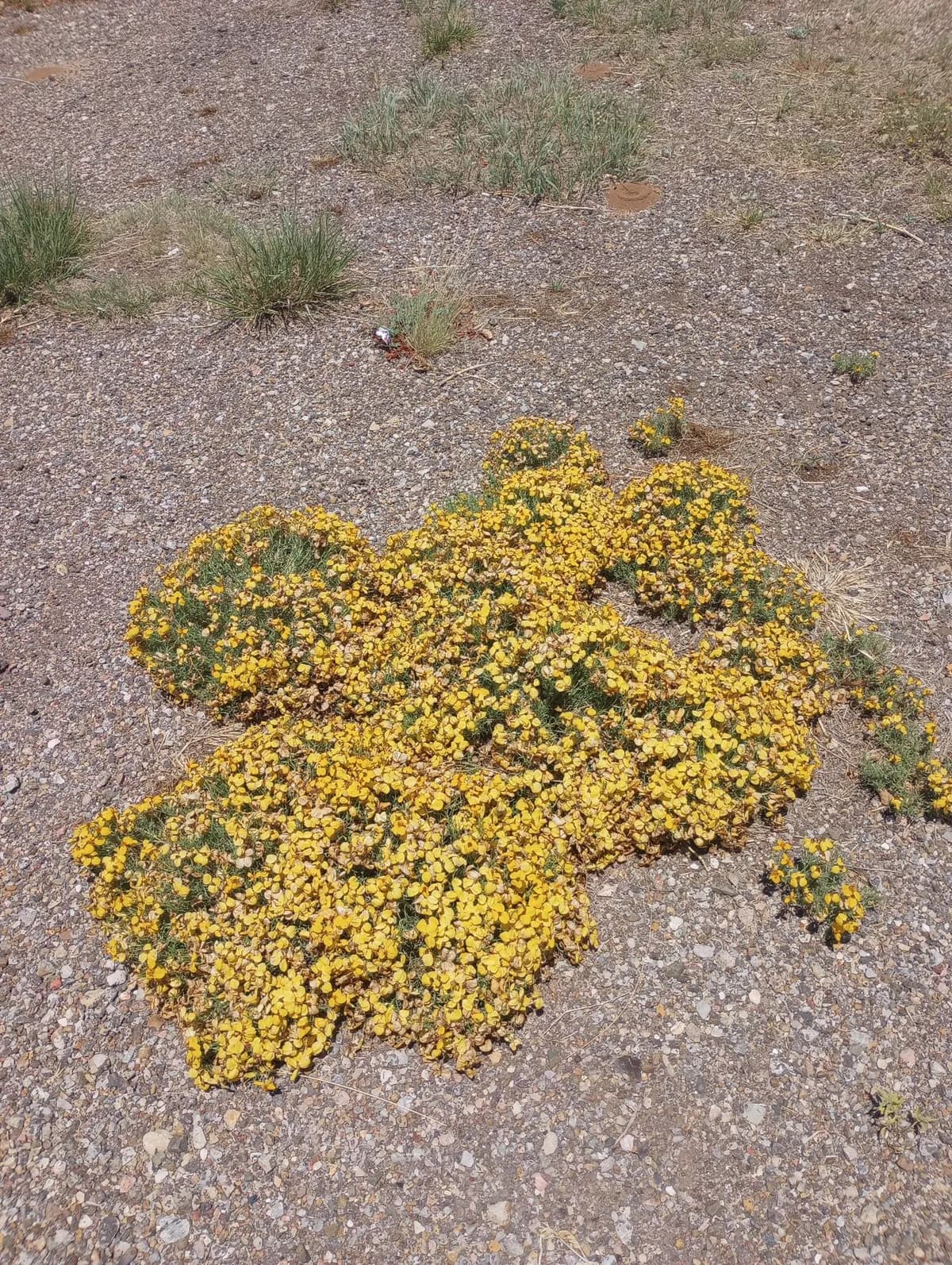
Plains Zinnia is a low, drought-tolerant subshrub that blooms with bright yellow flowers from March through November on dry plains and rocky grasslands of the southern and central United States.
Toxicity unknown
Plains Zinnia (Zinnia grandiflora) is not listed by the ASPCA Animal Poison Control Center (opens in new tab) or the other sources we check, so we have no verdict for it either way. Absence from those lists is not a clearance. If your pet shows symptoms after eating any plant, call the ASPCA at (888) 426-4435.
Light
part sun
Water
low
Size
6"–9" H × 6"–12" W
Bloom
Mar, Apr, May, Jun, Jul, Aug, Sep, Oct, Nov
Native to
AZ, CO, KS, NM and 2 more states
Pollinators
butterflies, bees, moths
Before you buy
Your city may pay you to plant this
Cities and water utilities offer rebates for replacing lawn with native and water-wise plants. We track 452 programs across 44 states, each with a link to the provider and the date we last checked it.
Find rebates in your areaBrowse plants for this ecoregion
Plains Zinnia is a compact, low-growing native perennial that produces cheerful yellow daisy-like flowers for most of the growing season. This drought-tolerant groundcover maintains a neat, mounded form and requires minimal care once established.
Growing Plains Zinnia
Grow Plains Zinnia in part sun and low water. Mature plants reach 6 to 9 inches tall and spread 6 to 12 inches wide. Expect moderate maintenance to keep it looking intentional in a front yard.
How to care for Plains Zinnia, by region
How to care for Plains Zinnia where it is actually grown: year-round basics plus what to do each season, region by region, with the sources for each.
Care guidance last updated: July 2026
Sonoran Basin and Range (includes Phoenix, AZ)
Year-round
Desert zinnia is a tough, low, mounding native that hugs the ground and covers itself in small golden-yellow flowers from spring into late fall. It wants full sun, fast-draining soil, and very little water once it settles in.
- Give it a spot with part to full sun and lean, gritty, fast-draining decomposed-granite soil, the low-organic caliche mix that is normal around Phoenix.
- Water deep and infrequent, soaking the whole root zone then letting it dry out between waterings, rather than a little sprinkle every day.
- Top the bed with a 1 to 2 inch layer of decomposed granite or gravel, not wood bark, which looks out of place here and traps moisture the wrong way.
- Skip the fertilizer entirely, this desert native resents rich soil and rots or flops when it is fed.
Fall
Fall is the prime season in the low desert. Cooler weather brings a strong rebloom, and October and November are the best time to plant new desert zinnia and to tidy up existing plants.
- Plant new desert zinnia in October or November so roots establish through the mild winter before next summer's heat, this is the single best planting window in Phoenix.
- Space low mounds about 12 to 18 inches apart so they knit into a continuous groundcover without crowding, in full to part sun.
- After the fall bloom fades, shear the mound back lightly to keep it dense and neat rather than woody and open.
- Refresh the decomposed-granite mulch layer now while the weather is mild and you are already working the bed.
The fall cutback and tidy spacing keep the bed reading as an intentional, cared-for xeriscape, which is the HOA-friendly Phoenix front-yard standard and helps avoid an overgrown look that can draw a violation letter.
Winter
Winter in Phoenix is a mild cool season, not a deep dormancy. Desert zinnia slows down and may look tired, but it needs almost no water and is hardy in the Phoenix core.
- Cut water way back over the cool months, the gentle winter rains from December through March usually supply all it needs.
- Leave the plant alone if it looks thin or half-dormant, it is frost-hardy in the low desert and will reflush as things warm.
- Hold off on any hard cutback now, save the real shearing for fall or early spring rather than mid-winter.
- Keep the decomposed-granite bed free of fallen leaves and debris so it stays clean-looking through the quiet season.
Clearing leaf litter off the gravel bed through the quiet winter months keeps the front yard looking intentional and maintained, which is the HOA-conscious desert-landscape standard even when plants are less showy.
Spring
Spring is warm-up and early bloom time for desert zinnia in Phoenix. Water it a bit as things heat up, then start easing off the winter watering as May approaches.
- As days warm through March and April, give an occasional deep soak to support the first flush of yellow flowers, letting the top few inches dry between waterings.
- Taper off the winter watering rhythm by May so the plant is lean and ready for the summer heat, do not keep soil constantly damp.
- Early spring is a weaker secondary planting window if you missed fall, get any new plants in before the real heat starts, never in late spring heading into summer.
- Pull spring weeds out of the decomposed-granite bed by hand while they are small so the low zinnia mound stays the star.
A weeded, tidy decomposed-granite bed around a low flowering mound reads as intentional desert landscaping, which is the expected HOA-friendly front-yard look in Phoenix and keeps a bed from looking neglected.
Summer
Summer is the stress season in Phoenix, not the easy growing peak. The dry June foresummer is brutal, then the July to September monsoon brings warm rain that actually drives zinnia bloom, so the main danger shifts to overwatering.
- During the dry June foresummer, give an occasional deep soak in the plant's first year or two while roots are still shallow, established plants tolerate the heat with very little help.
- Once the monsoon rains start in July, back off irrigation and let the warm downpours do the work, since desert zinnia blooms hardest on monsoon moisture.
- Overwatering is the number one local killer, so do not run the drip on top of monsoon rain or you will rot the crown.
- Never plant desert zinnia from May through July, new plants cannot establish roots in that heat and usually die.
Sources: Zinnia grandiflora, plants of the Sonoran Desert region, Arizona-Sonora Desert Museum, Zinnia grandiflora native range, USDA PLANTS Database, Desert zinnia planting and care, University of Arizona Cooperative Extension, Desert zinnia, Zinnia grandiflora, Arizona Native Plant Society
Want these tasks as reminders timed to your yard? Pollinator Patch turns this guidance into a season-by-season care plan for the plants you actually grow.
In an HOA neighborhood
Plains Zinnia is an HOA-friendly choice in the right placement. Maintenance level: moderate. Tidiness: 4 out of 5.
Works well in: foundation, mid zone.
- Requires annual shaping to stay compact
Wildlife value
The long blooming period provides nectar for butterflies, bees, and moths from spring through fall. Its extended flowering season makes it particularly valuable for supporting pollinators during hot summer months when other flowers may fade.
Common questions
- How much water does Plains Zinnia need?
- Plains Zinnia does best with low water once established and tolerates occasional extra moisture, making it a good fit for dry, well-drained soils in hot climates.
- What kind of light does Plains Zinnia prefer?
- It grows best in full sun to part sun and tends to flower more heavily with more direct light.
- How long does Plains Zinnia bloom?
- In much of its range it flowers from March into November, with the heaviest bloom in the warmer summer months.
- What pollinators visit Plains Zinnia?
- Its flowers attract butterflies, bees, and moths, and it is often used in pollinator gardens on the southern plains.
- Is Plains Zinnia HOA-friendly?
- Plains Zinnia is generally an HOA-friendly choice in the right placement, with moderate maintenance.
These answers were drafted with an AI model from this plant's data. Verify care details with a local expert.
See Plains Zinnia in a real native yard
Plains Zinnia is one of the natives used in these Garden Planner yard designs. Tap any one to see the before and after.
The after image is a Garden Planner preview, generated by an AI image model from the real yard photo. It replants the yard with native plants chosen to fit that yard's ecoregion, sun, and HOA strictness. The finished planting will look different.
Native range data from vouchered herbarium specimen records and regional native plant society lists. Pollinator and host plant associations compiled from GBIF, iNaturalist, and published ecological literature.
If something looks wrong
Common plant problems, and what to check first
These come up on almost any plant. Each guide lists the likely causes in the order they are worth ruling out, with one thing to check before you act on any of them, and links to the source it came from.
- It is dying right after planting
- Leaves turning yellow
- Wilting even though I watered it
- Brown crispy leaf tips
- Bugs on the plant
Ready to grow Plains Zinnia? Add it to your garden in Pollinator Patch to track it and get season-by-season care guidance.
Planning a bed around it? Start a free plan with this plant
Not sure where to start? Take the 2-minute yard quiz